
The late summer migration across British Columbia’s rugged coastline recently provided the backdrop for a specialized ornithological expedition, drawing enthusiasts and experts to the Pacific Northwest to document the region’s diverse avian populations. From August 29 to September 3, a group of dedicated birders surveyed habitats ranging from the tidal marshes of the Fraser River delta to the open waters of the Pacific continental shelf. The tour, organized to coincide with the peak movement of migratory shorebirds and seabirds, yielded significant sightings, including rare pelagic species and high-density marine mammal activity.
Pre-Departure and Regional Significance
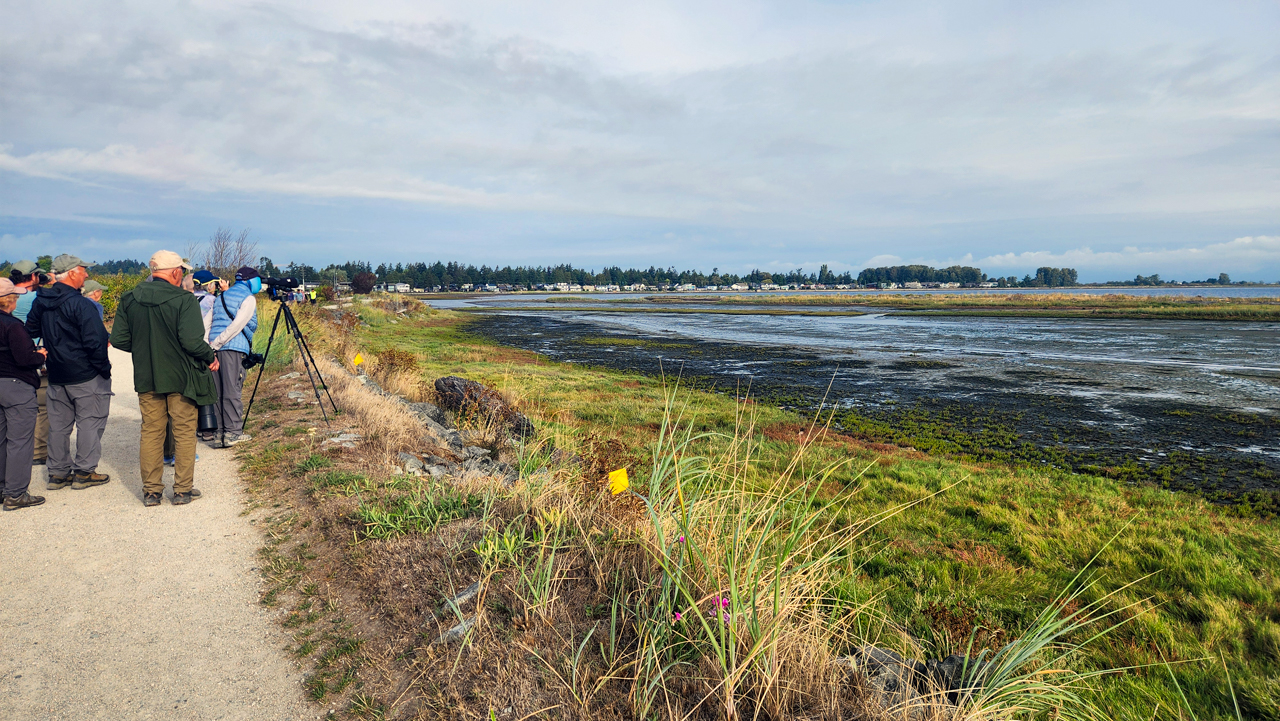
The expedition commenced in Richmond, British Columbia, on August 29. Participants gathered near Vancouver International Airport, a strategic location chosen for its proximity to some of North America’s most critical migratory stopover sites. The Fraser River delta, specifically Boundary Bay, serves as a vital link in the Pacific Flyway, an expansive north-south corridor that supports millions of birds during their seasonal journeys. As of late August, the region experiences a high turnover of waterfowl and shorebirds, making it a primary interest for ecological monitoring and biodiversity studies.
Chronology of the Expedition: August 30 – September 3
August 30: The Fraser Delta and Ferry Transit
The team began their field research at Boundary Bay Regional Park. The tidal estuaries here are characterized by complex mudflats that provide essential foraging grounds for species such as Western, Least, and Semipalmated Sandpipers. A notable highlight of the morning was the observation of a Baird’s Sandpiper—a species rarely documented in such close proximity (15 meters) in coastal British Columbia.
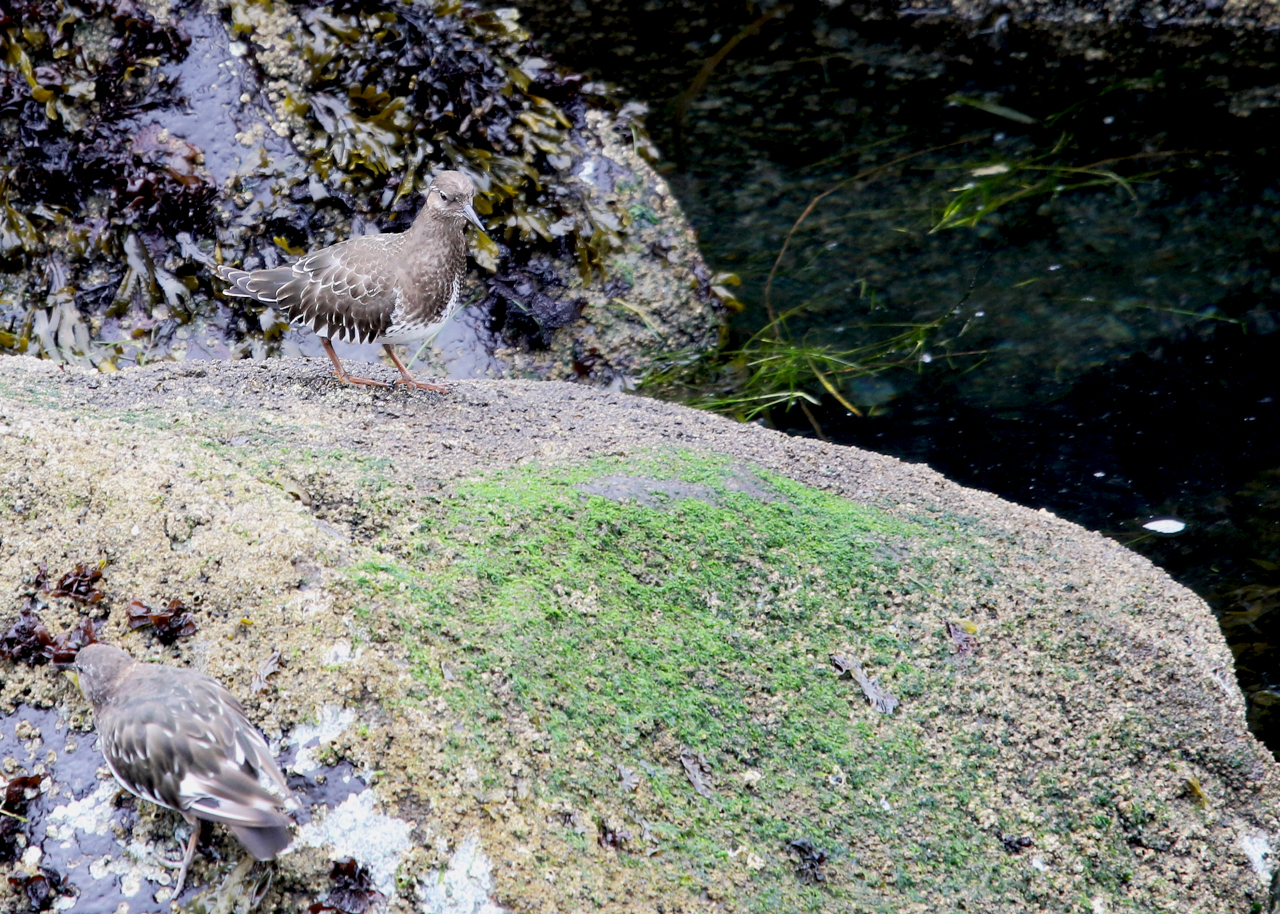
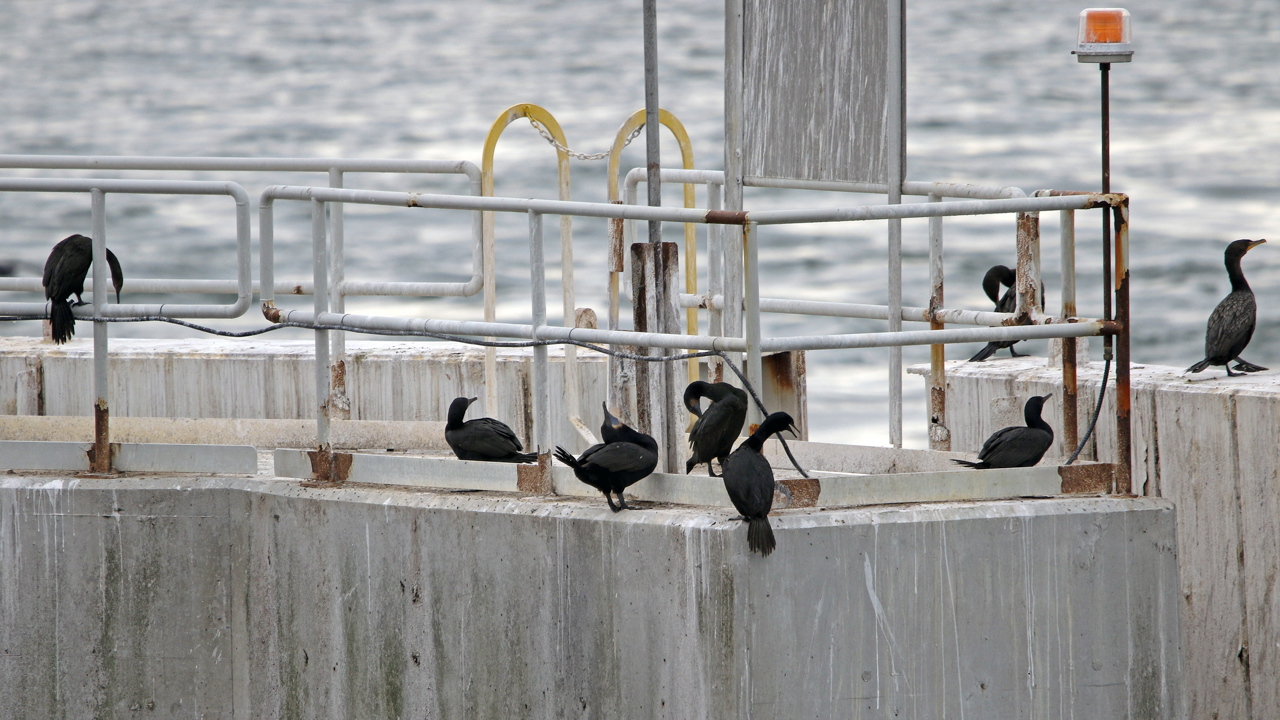
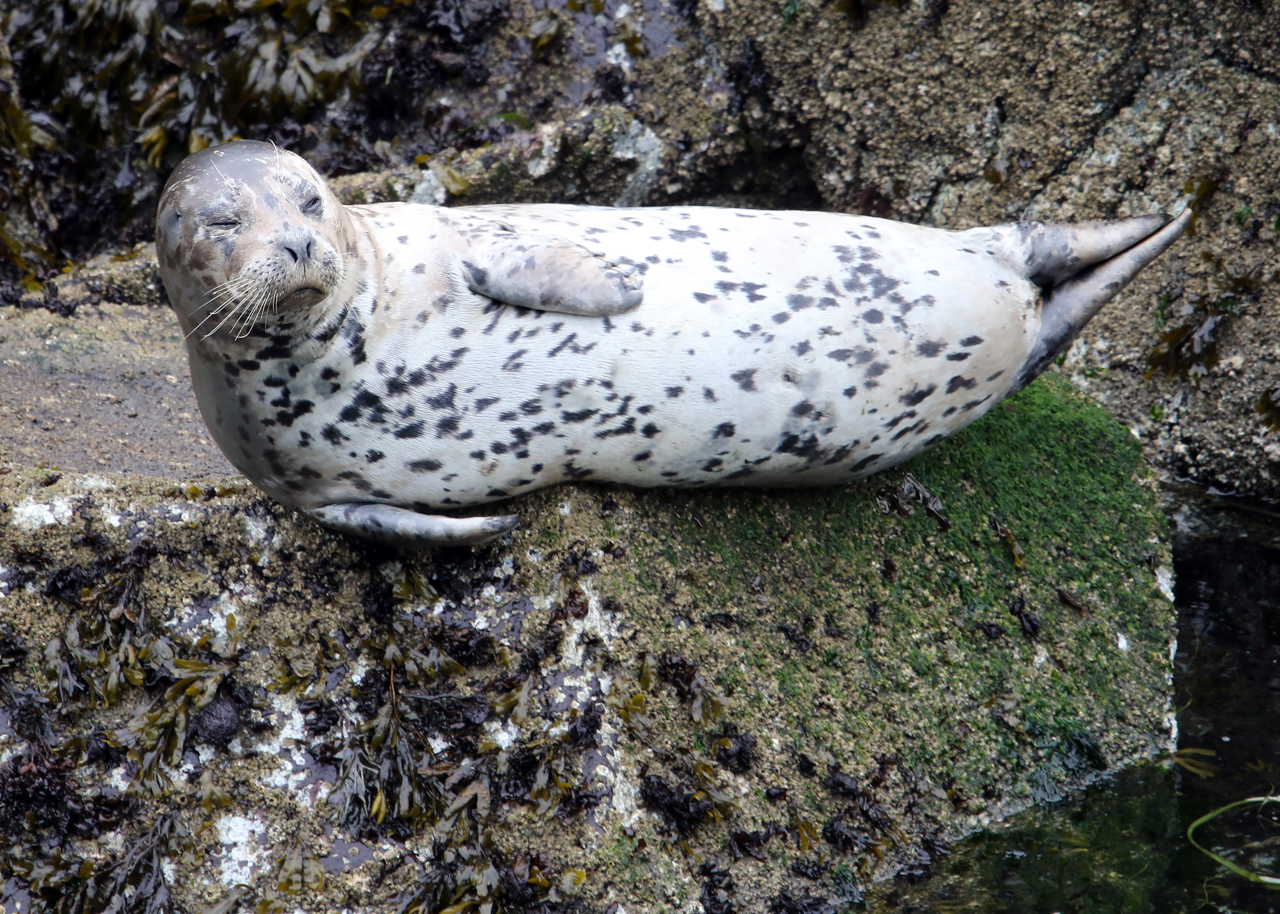
Following the shoreline surveys, the expedition crossed the Salish Sea to Vancouver Island. The ferry transit from the mainland to Nanaimo served as an impromptu marine survey. Observers recorded three distinct cormorant species—Double-crested, Pelagic, and Brandt’s—which allowed for comparative anatomical study. Marine life was equally prominent, with Harbour Seals and Humpback Whales (Megaptera novaeangliae) frequently spotted, the latter of which are currently recovering from historical population declines due to intensive conservation efforts in the region.
August 31: Pelagic Exploration in the Pacific
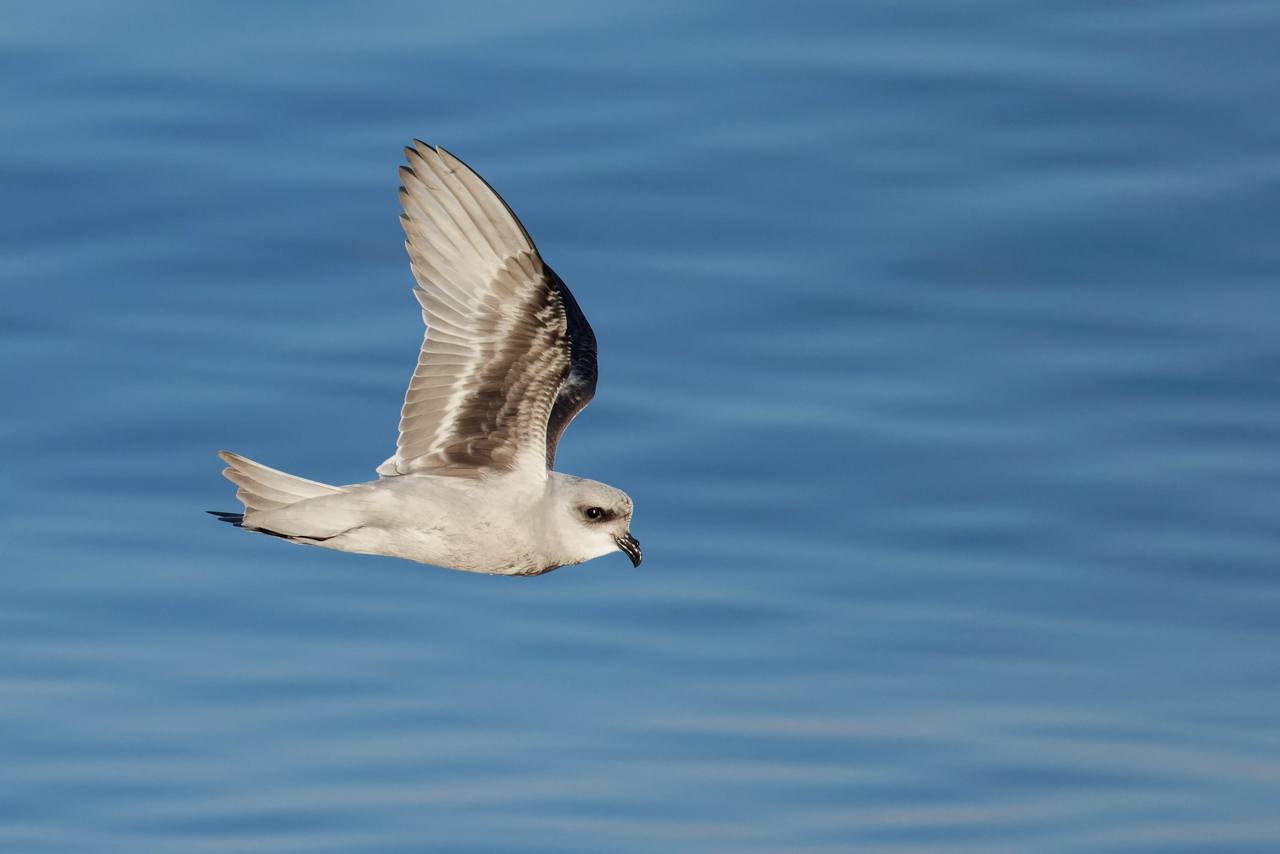
The centerpiece of the tour was a pelagic excursion originating from Tofino, venturing to the edge of the continental shelf. These waters, influenced by the California Current, are known for high primary productivity, which in turn supports a wealth of seabirds.
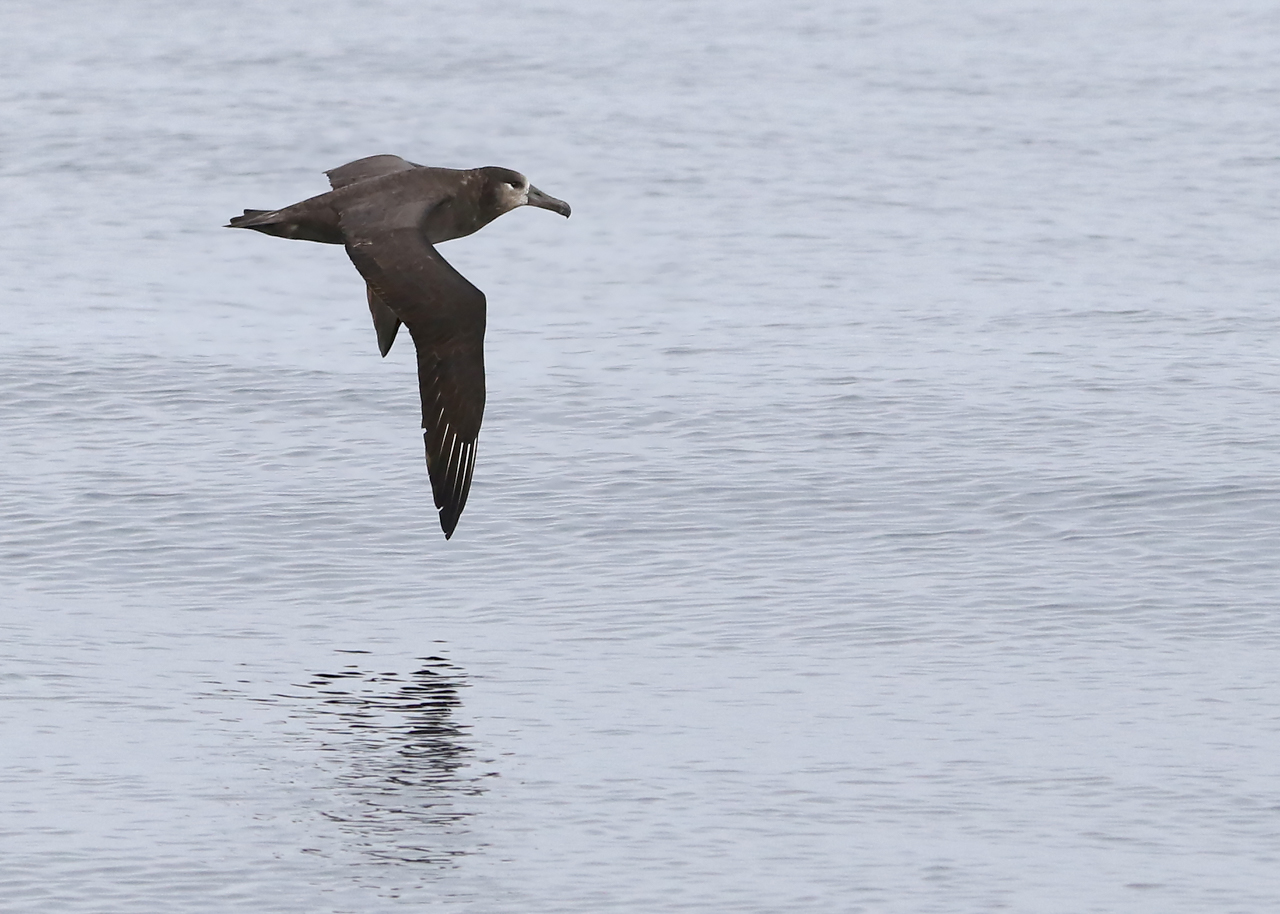
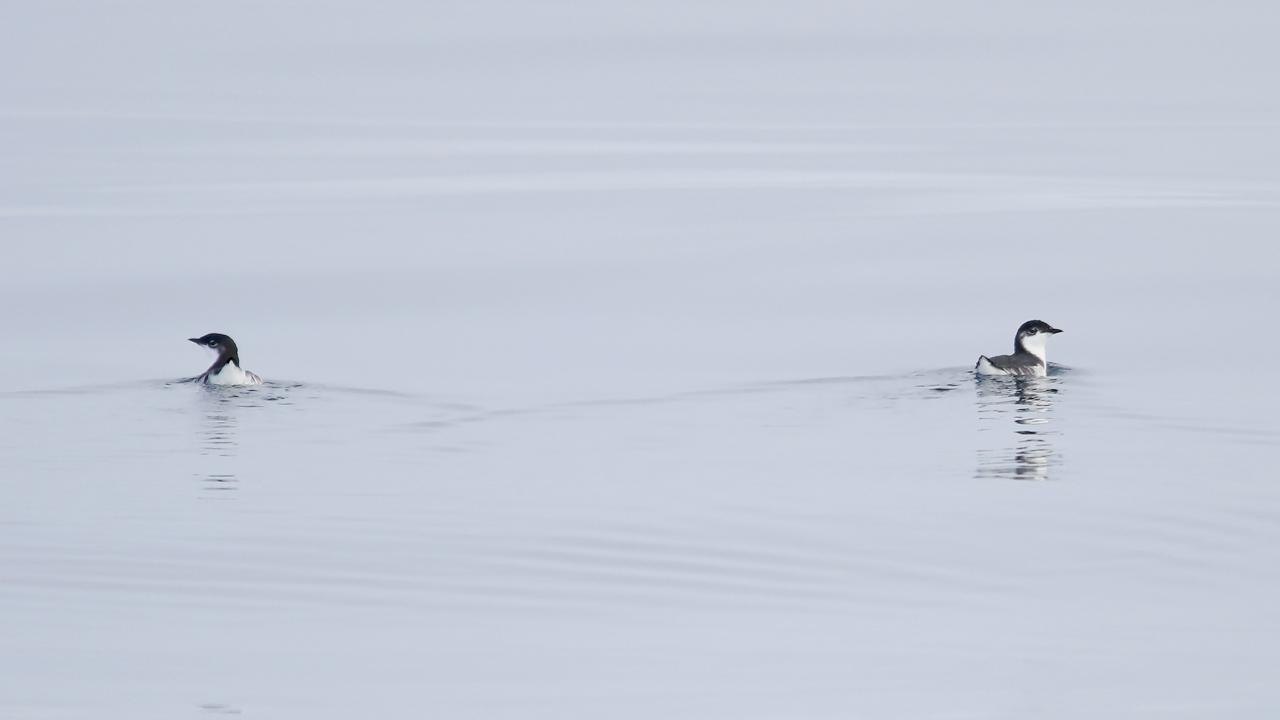
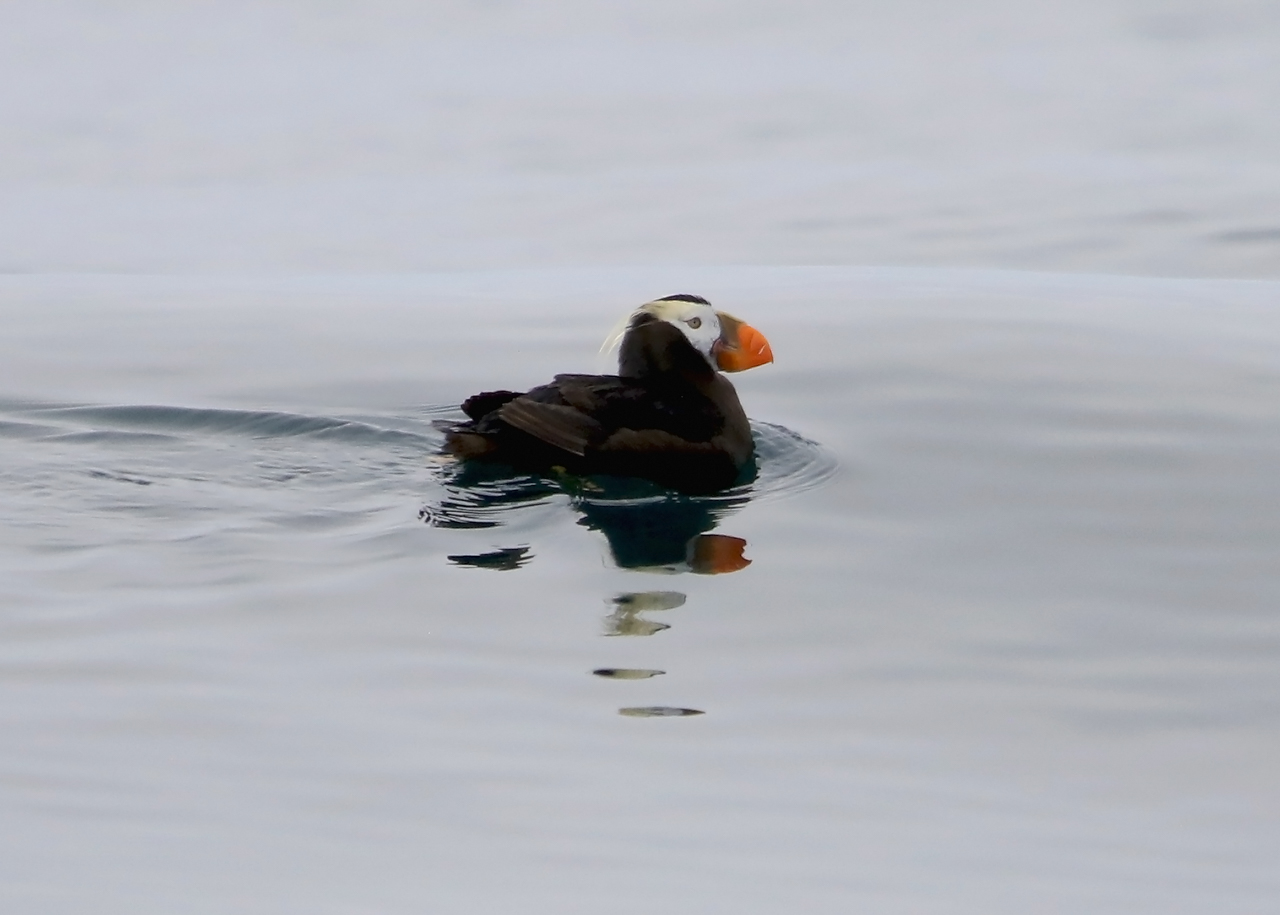
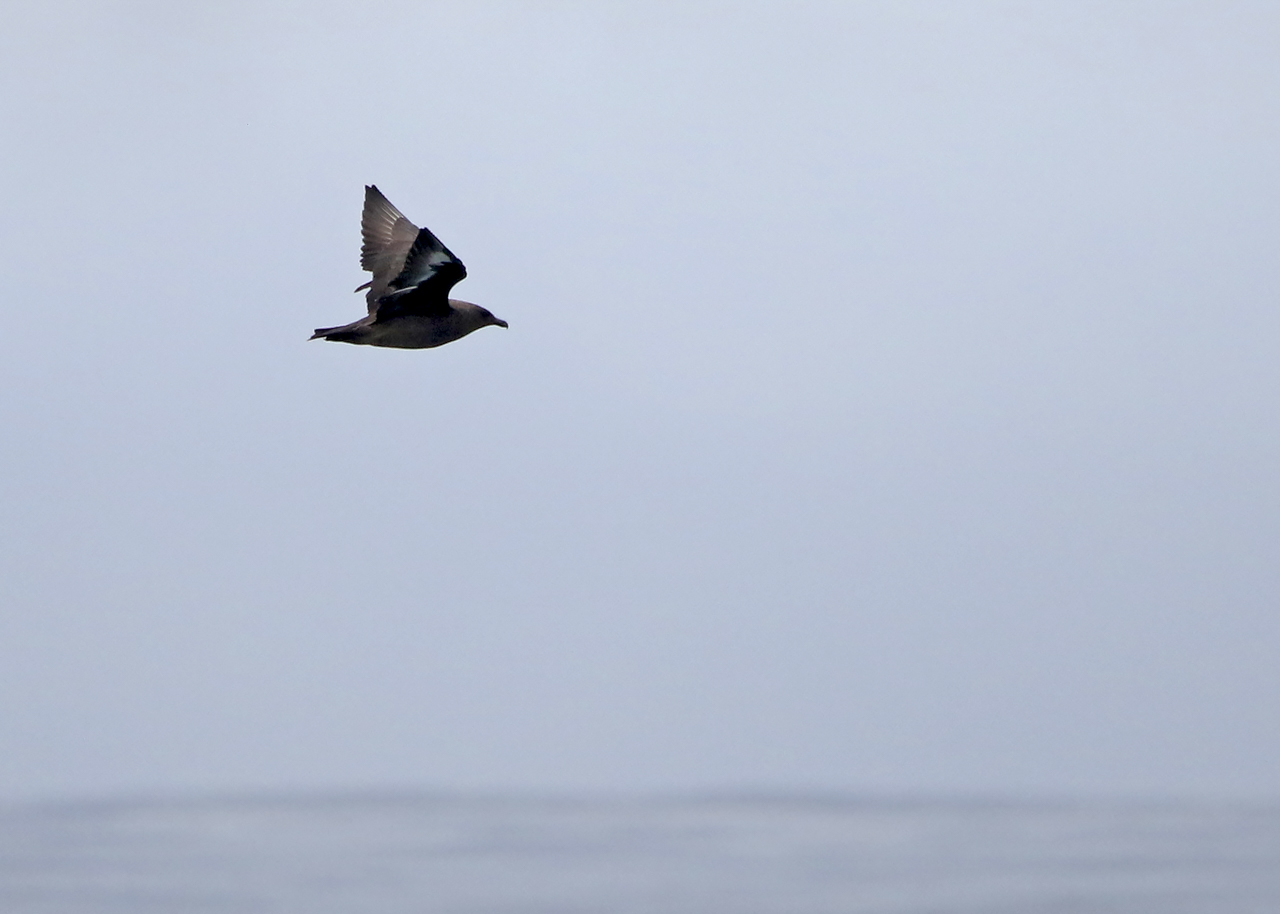
The most significant event of the expedition occurred near the shelf edge: the positive identification of two Scripps’s Murrelets. These small, black-and-white alcids are exceedingly rare in Canadian waters, as their primary breeding grounds are situated much further south along the coast of California and Mexico. The presence of these birds in northern waters provides interesting data points regarding shifts in migratory patterns or potential range expansion. The day also featured sightings of a South Polar Skua, Black-footed Albatrosses, and a variety of auklets, including the Tufted Puffin.
September 1: Coastal Ucluelet and Pacific Rim National Park
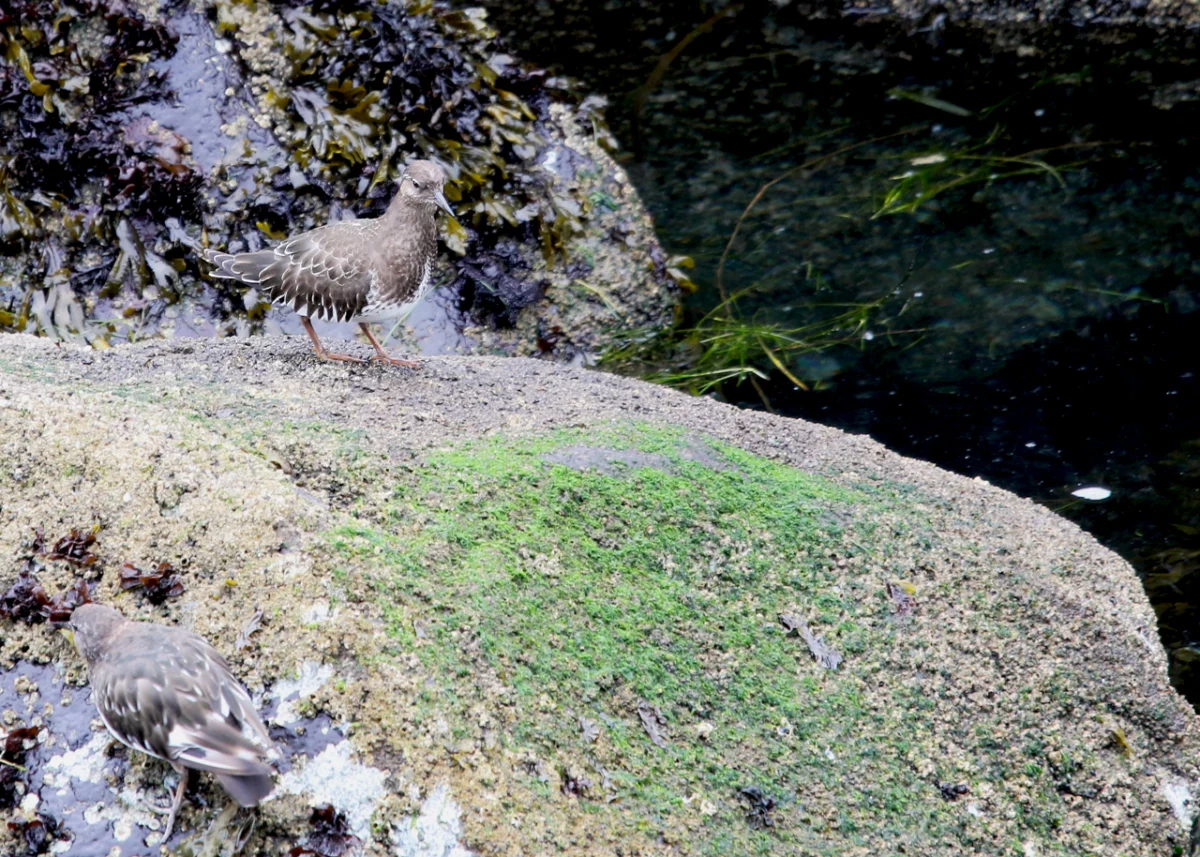
The focus shifted to the terrestrial-marine interface at the Amphitrite Lighthouse and Pacific Rim National Park. Field surveys documented the Wandering Tattler, a species known for its cryptic plumage and preference for rocky, wave-swept shorelines. The expedition also observed high-intensity predator-prey dynamics, specifically a Merlin hunting shorebirds along the beach—a display of natural selection in real-time that underscores the importance of the park’s protected ecosystems.
September 2: Old-Growth Forests and Return
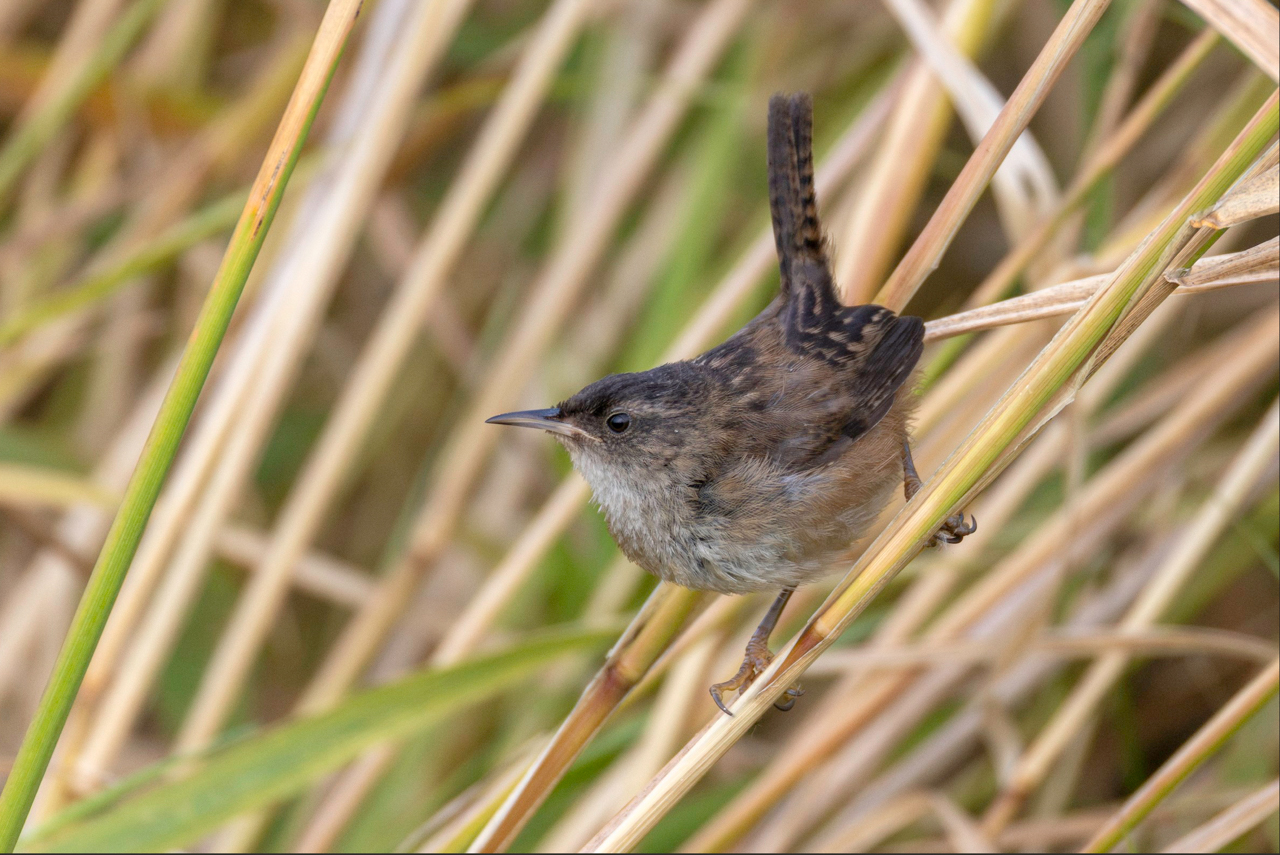
Transitioning from the coast to the interior of Vancouver Island, the group visited Cathedral Grove in Macmillan Provincial Park. This site represents one of the last accessible stands of Douglas fir (Pseudotsuga menziesii) and Western red cedar (Thuja plicata) in the region. These ancient forests are critical for carbon sequestration and providing specialized niches for avian species like the Pacific Wren and various woodpecker varieties. The trip concluded with a return to the mainland via the Nanaimo-Horseshoe Bay ferry, marked by sightings of breaching Humpback Whales, signaling a healthy, if recovering, marine ecosystem in the Strait of Georgia.
Data and Ecological Context
The expedition’s findings correlate with broader ecological trends in the Pacific Northwest. The identification of various shorebirds, including the Pectoral and Baird’s Sandpipers, reinforces the necessity of maintaining the ecological integrity of the Fraser River delta. Data gathered during this tour serves as a localized snapshot of the health of the Pacific Flyway.
The sightings of Humpback Whales and Dall’s Porpoises further highlight the importance of the Marine Protected Areas (MPAs) currently being expanded in British Columbia. These apex and mesopredators serve as bio-indicators for the region; their presence suggests that forage fish populations—such as Pacific herring and sand lance—remain sufficient to support large marine mammals.
Professional and Scientific Implications
The documentation of the Scripps’s Murrelet is arguably the most significant ornithological outcome of the trip. While these birds are occasionally sighted in northern waters, a confirmed sighting by a group of observers provides valuable data for organizations tracking avian distribution. Such sightings are increasingly relevant in the context of climate change, which is forcing many marine species to adjust their historical ranges in search of optimal water temperatures and prey availability.
Furthermore, the observation of old-growth stands like those in Cathedral Grove serves as a reminder of the fragility of the temperate rainforest ecosystem. These habitats are under constant pressure from forestry interests, and the advocacy for their preservation is bolstered by the presence of specialized bird populations that cannot survive in second-growth timber stands.
Conclusion and Future Outlook
The conclusion of the expedition on September 3 marked the end of an intensive period of data collection and observation. For the participants, the trip provided a profound look at the interconnectedness of British Columbia’s diverse biomes. From the shallow mudflats of the Fraser delta to the deep-water trenches of the Pacific shelf, the region remains a bastion of biodiversity.
The information gathered by the group will contribute to the ongoing collective understanding of migratory bird behavior. As environmental conditions continue to shift, the ongoing monitoring of these sites by both professional researchers and citizen scientists remains essential for the formulation of effective conservation policy. The Pacific Northwest remains a vital frontier for the study of marine and avian life, and the events of late August and early September stand as a testament to the region’s enduring natural value. The success of this tour serves as a benchmark for future ecological excursions, emphasizing that careful observation and the protection of habitats are the cornerstones of successful wildlife management in the 21st century.
