
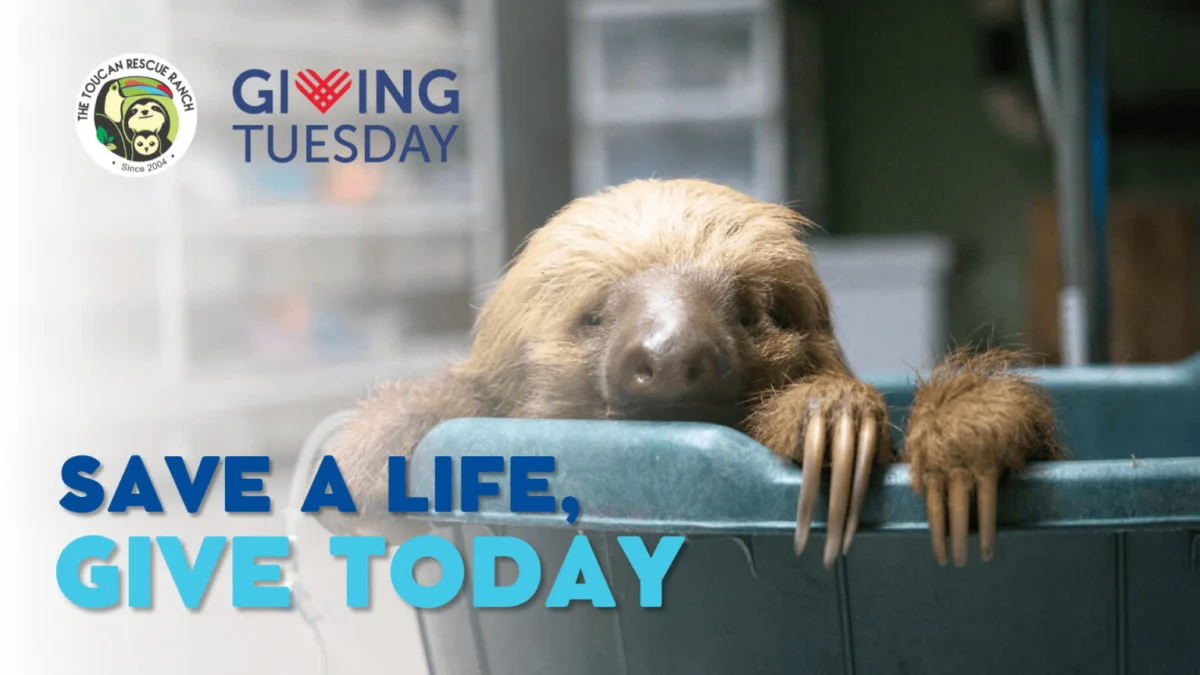
The Toucan Rescue Ranch, a renowned wildlife sanctuary and rehabilitation center operating in Costa Rica, is currently navigating the most demanding period in its twenty-year history. Driven by a sharp escalation in human-wildlife conflicts, habitat fragmentation, and the illegal pet trade, the organization has experienced an unprecedented influx of injured, orphaned, and displaced native animals. As the sanctuary works around the clock to provide critical medical intervention, the sheer volume of admissions has placed a severe strain on its operational capacity, prompting an urgent call for public support and philanthropic intervention.
The crisis highlights a broader, systemic environmental challenge confronting modern conservation efforts in Central America. Rapid urbanization, agricultural expansion, and infrastructure development have increasingly intersected with natural wildlife corridors. Consequently, sanctuaries like the Toucan Rescue Ranch have become the frontline defense for vulnerable species, absorbing the immediate consequences of ecological disruption.
Two Decades of Conservation and Evolving Challenges
Founded two decades ago, the Toucan Rescue Ranch began as a modest grassroots initiative dedicated to the rescue and rehabilitation of toucans and other native avian species. Over the past twenty years, the organization has steadily expanded its infrastructure, veterinary capabilities, and educational outreach programs to encompass a wide spectrum of Costa Rican fauna, including sloths, wild cats, monkeys, anteaters, and various reptiles.
Throughout its history, the sanctuary has remained steadfast in its core mission: to rescue, rehabilitate, and ultimately rewild animals, providing them with a viable second chance at a natural life. Rewilding—the methodical process of helping creatures regain their physiological and behavioral independence so they can thrive in their native habitats—stands at the center of the ranch’s operational philosophy. However, the nature and volume of the emergencies handled by the facility have evolved dramatically since its inception.
In the early years of operation, the sanctuary primarily managed isolated cases of injured wildlife or surrendered pets. Today, the facility faces complex, systemic emergencies rooted directly in anthropogenic pressures. Among the most prevalent and devastating threats to Costa Rican wildlife are severe electrical burns resulting from uninsulated power lines, vehicular collisions along expanding roadways, and the relentless illicit capture of infant animals for the illegal pet trade. Each case presents unique veterinary challenges, ranging from animals arriving in critical condition requiring intensive trauma care to vulnerable neonates requiring round-the-clock surrogate nursing.
Chronology of an Escalating Crisis: The 2023–2024 Surge
The trajectory of wildlife admissions at the Toucan Rescue Ranch has charted a deeply concerning upward curve in recent years. In 2023, the sanctuary admitted over 400 vulnerable animals, marking a substantial increase compared to previous operating cycles. At the time, conservationists hoped that the figures represented an isolated peak driven by weather anomalies or localized habitat disruptions.
However, operational data from the current operating year dispelled any notion of stabilization. As of July, the sanctuary had already surpassed the total number of admissions recorded during the entirety of the previous year. Projecting this upward trend through the remainder of the calendar year, administrative and veterinary leadership confirmed that the facility is officially on track to register the highest number of wildlife emergencies in its entire twenty-year operational history.
This rapid acceleration in intake numbers has fundamentally tested the resilience of the organization’s staff, volunteers, and financial supporters. A significant demographic within the current intake comprises wildlife orphans—infants separated from their mothers due to poaching, habitat destruction, or accidental electrocutions of adult animals. Current facility metrics indicate that approximately 41.8 percent of all animals presently under the direct care of the sanctuary are orphans requiring specialized nutritional protocols, behavioral development, and long-term rearing before even beginning the arduous rewilding process.
Financial Strain and the Urgent Need for Community Action
Operating as a small, donor-funded nonprofit organization, the Toucan Rescue Ranch relies entirely on the sustained generosity of individual animal lovers, corporate partners, and international conservation grants. Unlike state-run facilities, private sanctuaries in Costa Rica must independently shoulder the escalating costs associated with veterinary pharmaceuticals, specialized nutritional diets, surgical equipment, facility maintenance, and the labor-intensive husbandry required for orphaned and traumatized wildlife.
To mitigate the immediate operational deficit and address the unprecedented demands of the current intake surge, the organization has launched targeted fundraising initiatives aligned with global philanthropic movements, such as Giving Tuesday. The sanctuary has established an immediate fundraising objective to secure vital financial contributions that directly support daily rehabilitation protocols.
Sanctuary leadership emphasizes that contributions of any scale—ranging from modest individual gifts of $10, $25, and $50 to larger philanthropic donations—have an immediate, tangible impact on the survival rates of incoming animals. Furthermore, because the organization maintains official nonprofit and tax-exempt classifications, contributions offered by supporters provide financial incentives alongside philanthropic fulfillment.
The funds raised are allocated directly toward core operational requirements, including the acquisition of life-saving medical supplies, the construction of specialized pre-release enclosures designed to minimize human contact, and the expansion of veterinary quarantine wards necessary to manage infectious diseases among incoming populations.
Broader Implications for Costa Rican Biodiversity and Ecosystems
The operational strain experienced by the Toucan Rescue Ranch serves as an important barometer for the health of Costa Rica’s broader ecosystems. While the country is globally celebrated for its progressive environmental policies, ecotourism initiatives, and extensive national park systems, wildlife outside protected boundaries faces compounding vulnerabilities.
Habitat fragmentation isolates animal populations, increasing instances of inbreeding, reducing genetic diversity, and forcing wildlife into closer proximity with human settlements. When sloths attempt to traverse uninsulated electrical infrastructure or when coatis and monkeys forage near roadways, the resulting conflicts underscore the friction points between modern development and natural conservation.
Experts note that the rehabilitation and successful rewilding of injured and orphaned animals is not merely an act of animal welfare, but a critical mechanism for maintaining ecological balance. Apex predators, seed dispersers, and pollinators all play vital roles in sustaining the health of rainforest ecosystems. By returning rehabilitated animals to the wild, sanctuaries like the Toucan Rescue Ranch actively contribute to the genetic reinforcement and preservation of native biodiversity.
Furthermore, the educational component integrated into the ranch’s mission plays a pivotal role in shifting public attitudes toward coexistence. By documenting and sharing the stories of rescue victims—such as victims of electrocution or illegal pet trafficking—the organization raises public awareness regarding the indirect consequences of consumer choices and infrastructure design.
Moving Forward: A Collective Responsibility
As the Toucan Rescue Ranch navigates the most demanding chapter of its twenty-year history, the path forward depends heavily on a coalition of local communities, international supporters, and conservation advocates. The rising tide of wildlife emergencies demonstrates that conservation is an ongoing, dynamic commitment requiring continuous adaptation, resource allocation, and public engagement.
The leadership and veterinary teams at the ranch remain resolute in their mission to heal, rehabilitate, and rewild every creature that crosses their threshold. Each successful release back into the rainforest represents both an individual victory for animal welfare and a broader triumph for environmental stewardship.
As the organization looks toward the future, the primary message conveyed to the global community remains one of shared responsibility. Ensuring that Costa Rica’s rich natural heritage survives for future generations requires active participation, sustained financial backing, and a collective acknowledgment that the protection of wildlife is an integral component of global ecological stability.
