
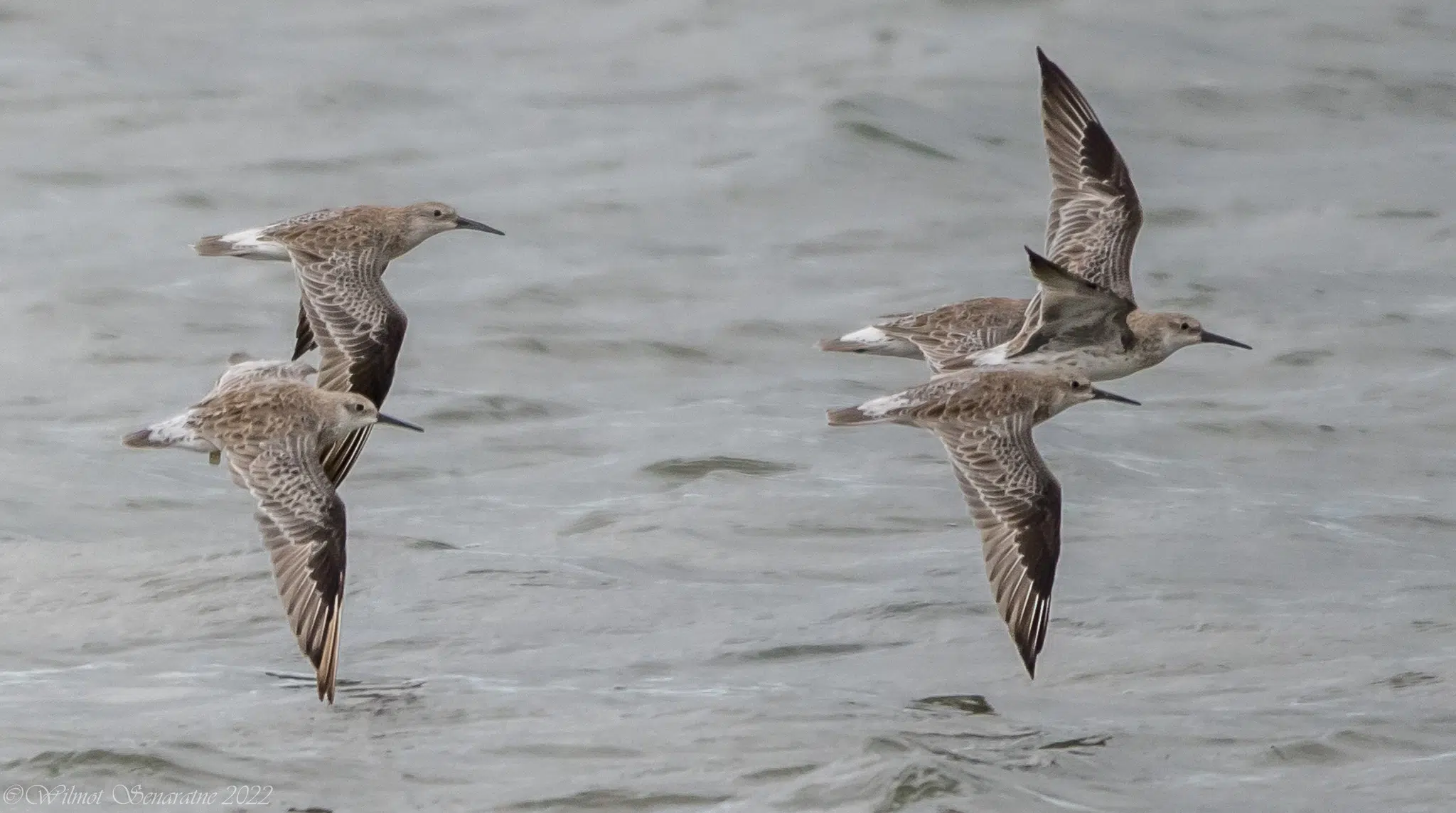
The East Asian-Australasian Flyway (EAAF) represents one of the most complex and vital ecological superhighways on the planet, serving as a critical artery for migratory bird populations. Stretching across two continents and encompassing a vast array of diverse landscapes—from the rugged Siberian Arctic tundra to the lush, tropical wetlands of Southeast Asia and the expansive coastlines of Australia and New Zealand—this flyway supports at least 523 bird species. Among the most vulnerable and iconic of these long-distance travelers is the Great Knot (Calidris tenuirostris), an Endangered shorebird whose survival is inextricably linked to the health of specific, fragile stopover points known as Key Biodiversity Areas (KBAs).
The Perilous Odyssey of the Great Knot
The life cycle of the Great Knot is defined by a grueling migratory pattern that spans thousands of miles. Each year, these birds navigate from their remote breeding grounds located in the high-altitude mountains of Russia to wintering sites that span from Southeast Asia and Australia to the coastal fringes of India, Bangladesh, Pakistan, and the eastern Arabian Peninsula.

This migration is not merely a feat of endurance but a precarious balancing act. The birds rely on a chain of specific intertidal zones to refuel. If one link in this chain is broken through habitat loss or industrial encroachment, the physiological cost to the population can be catastrophic. Currently classified as Endangered on the IUCN Red List, the Great Knot faces mounting pressure from declining food availability at stopover sites, caused largely by coastal development and the depletion of benthic invertebrates.
A Chronology of the Migratory Season
The migratory cycle of the Great Knot is highly synchronized with the seasons, following a predictable but sensitive timeline:
- May to June (Breeding Phase): The birds congregate in the mountains of Russia, where they nest in rocky, tundra-like environments.
- July to September (Southward Migration): Post-breeding, the birds begin their arduous flight south. They utilize key staging sites in the Yellow Sea region, such as the Yalu Jiang Estuary, to build up essential fat reserves.
- October to March (Non-Breeding/Wintering Phase): The population disperses across their wintering grounds in Australia, Southeast Asia, and the Indian subcontinent. During this period, sites like the Inner Gulf of Thailand and Sonadia Island become their primary habitat.
- April to May (Northward Migration): The birds begin their return journey, which is often faster and more direct, placing high demands on their energy stores.
Strategic Hubs: Analysis of Vital Sites
The conservation of the EAAF is reliant on the protection of designated KBAs, which provide the essential resources for refueling.

The Yalu Jiang Estuary (China):
Spanning approximately 689 square kilometers, the Yalu Jiang Estuary serves as a pivotal northern staging hub. Peak daily counts during the migration window often exceed 70,000 birds. However, environmental monitoring reveals that the site is under persistent threat. Industrial expansion, oil and gas exploration, and increased human activity have introduced significant pollutants and physical disturbances, effectively narrowing the "corridor" available for these birds to feed.
The Inner Gulf of Thailand:
Recognized as one of the most significant sites for migratory waterbirds in mainland Southeast Asia, the Inner Gulf of Thailand supports between 150,000 and 300,000 birds annually. The area is a model for integrated conservation. At sites like Pak Thale, the Bird Conservation Society of Thailand has successfully engaged local communities. By transitioning away from traditional practices that may harm the habitat and instead adopting ecotourism and the production of biodiversity-friendly salt, the local economy and the avian population have found a symbiotic path forward.
Sonadia Island (Bangladesh):
Covering 29.8 square kilometers, Sonadia Island represents a critical refuge for the Great Knot. Its designation as a Global Key Biodiversity Area underscores its international significance. The island’s intertidal flats provide a sanctuary for birds to rest, shielded from the heavy industrialization seen in other parts of the flyway.

Supporting Data and Conservation Metrics
The reliance of the Great Knot on a limited number of sites is confirmed by data from the BirdLife International database. Across their entire range, the species utilizes roughly 1,416 identified Important Bird and Biodiversity Areas. Research indicates that for shorebirds like the Great Knot, the loss of as little as 10% of their primary stopover habitat can lead to a disproportionate decline in survival rates.
Data from the EAAF Partnership suggests that migratory waterbird populations in this region have declined by an average of 5% annually over the last two decades. The Great Knot, specifically, has suffered from the loss of tidal flats in the Yellow Sea, which historically provided the primary refueling station for the species. The correlation between the reclamation of tidal flats for industrial land and the plummeting numbers of Great Knots in the subsequent year remains a primary focus of ornithological study.
Official Responses and Stakeholder Perspectives
Conservationists and environmental agencies emphasize that the survival of the Great Knot is a litmus test for the health of coastal ecosystems across two continents. Representatives from the Bird Conservation Society of Thailand have frequently stated that the key to preservation lies in "community-based stewardship." According to project leads in the Inner Gulf of Thailand, "Conservation cannot be imposed from the top down; it must be a viable component of the local socioeconomic fabric."

Similarly, international researchers monitoring the Yalu Jiang Estuary have noted that while the Chinese government has taken steps toward designating protected status for certain wetlands, the tension between economic growth and biodiversity remains the primary obstacle. Experts argue that "sustainable development" in this context must prioritize the maintenance of natural hydrological cycles to ensure the continued existence of the mudflats upon which the birds feed.
Broader Impact and Global Implications
The migration of the Great Knot serves as a biological bridge, connecting cultures, economies, and environmental policies across the EAAF. When these birds arrive in a new territory, they bring with them the ecological history of the previous site. Consequently, the degradation of a site in China has a direct, measurable impact on the population health in Australia or India.
The implications for human populations are equally significant. The coastal areas that sustain the Great Knot are also vital to human livelihoods, providing fisheries, storm surge protection, and natural carbon sequestration. Protecting these KBAs is, therefore, not merely an act of species preservation but a strategy for regional environmental security.

As climate change alters coastal landscapes—through sea-level rise and changing weather patterns—the mobility of the Great Knot may be tested further. Increased storm intensity can destroy the very mudflats the birds rely on for survival. Looking forward, international cooperation between the nations along the flyway is essential. The harmonization of environmental standards and the establishment of a transboundary management network for the EAAF could serve as the only viable path to preventing the extinction of this remarkable traveler.
In conclusion, the Great Knot’s journey is a testament to the interconnectedness of global ecosystems. Its survival is currently precarious, tethered to a handful of sites that are subject to the pressures of a rapidly industrializing world. Through continued monitoring, community engagement, and rigorous protection of Key Biodiversity Areas, there remains a window of opportunity to ensure that the "superhighways in the sky" remain open for generations of migratory birds to come. The effort to save the Great Knot is, in effect, an effort to preserve the functional integrity of the coastal regions that sustain millions of people and countless other species across the East Asian-Australasian Flyway.
