
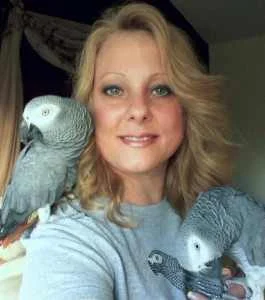
The American Federation of Aviculture (AFA) recently concluded its 52nd Annual Educational Conference in St. Louis, Missouri, a landmark event that brought together avian experts, conservationists, and enthusiasts from across the globe. To provide a comprehensive overview of the proceedings, the upcoming webinar, "AFA Recap With Lisa Bono," scheduled for Friday, September 4, 2026, at 12:00 p.m. PDT, will offer a detailed analysis of the conference’s key takeaways. Lisa Bono, a Certified Professional Bird Consultant (CPBC) and esteemed avian advocate, served as the roving reporter for Lafeber at the event, capturing the nuances of the discussions and the broader trends currently shaping the avicultural industry.
The Evolution of the AFA Conference
The AFA has long served as the cornerstone of avian education and welfare in the United States. Founded in 1974, the organization was established to provide a unified voice for the avicultural community, focusing on the promotion of ethical breeding practices, the preservation of species, and the dissemination of scientific research regarding bird care. The 52nd annual gathering in St. Louis represented a significant milestone, marking over five decades of commitment to the avian community.
Historically, these conferences have evolved from small gatherings of hobbyists into sophisticated symposia that integrate veterinary medicine, conservation biology, and behavioral psychology. The St. Louis event continued this tradition, focusing on the intersection of captive bird management and the conservation of wild populations. Attendees were presented with data-driven workshops, peer-reviewed presentations on avian nutrition, and panel discussions regarding the regulatory challenges facing exotic bird ownership.
Chronology of the 2026 Conference
The conference, which took place over several days, followed a rigorous schedule designed to cover the multifaceted nature of modern aviculture. The opening sessions were dedicated to the state of wild bird populations, with keynote speakers presenting research on habitat restoration and the impact of climate change on avian migration patterns. Mid-conference activities shifted toward clinical practice, where avian veterinarians discussed advancements in diagnostic imaging and preventative care for psittacine species.
Lisa Bono’s role as a roving reporter allowed for a unique perspective that transcended the standard lecture format. By engaging with industry leaders, researchers, and participants on the floor, Bono documented the spontaneous exchanges and networking opportunities that define the AFA experience. The upcoming webinar serves as the culmination of this field research, aiming to translate the dense academic and technical content of the conference into a digestible format for a wider audience.
Supporting Data and Industry Trends
Aviculture is an industry characterized by its complexity, balancing pet ownership with the heavy responsibilities of species conservation. According to recent industry reports, the demographic of bird owners is shifting toward a more educated, tech-savvy group that prioritizes behavioral enrichment and long-term health outcomes over traditional keeping methods. The AFA conference highlighted this shift, with a notable increase in the number of sessions dedicated to positive reinforcement training and environmental enrichment.
Data presented at the conference indicated a growing concern regarding the sustainability of certain species in captive settings. Experts noted that while the population of captive-bred birds remains robust, the genetic diversity within these populations requires careful management. This has led to a renewed emphasis on studbook management and cooperative breeding programs. Furthermore, the conference underscored the importance of the "AFA standard," a set of guidelines that promote the highest level of care for birds in captivity, ranging from enclosure sizing to dietary requirements.
Insights from the Field: The Role of the Expert
Lisa Bono, known for her meticulous approach to bird care and her ability to articulate complex behavioral concepts, has been instrumental in bridging the gap between professional aviculturists and the general public. In her work on "The Grey Way," Bono has consistently emphasized that successful aviculture is not merely a hobby but a serious commitment to biology and animal welfare.

During the webinar, participants can expect a synthesis of the interviews conducted by Bono during the conference. These conversations often touch upon the "why" behind modern husbandry practices. For instance, discussions regarding dietary trends—such as the move toward species-specific formulated diets rather than seed-heavy mixtures—were a primary focus of the St. Louis event. Bono’s recap will delve into the expert consensus on these nutritional strategies, providing viewers with actionable advice that they can apply to their own avian companions.
Institutional Responses and Ethical Considerations
The AFA has faced significant scrutiny in recent years regarding the ethics of bird ownership and the legal landscape of exotic pet trade. In response, the organization has pivoted toward a more transparent, science-based advocacy model. During the St. Louis event, several sessions addressed the need for stricter adherence to international trade regulations, such as CITES (the Convention on International Trade in Endangered Species of Wild Fauna and Flora).
Industry leaders at the conference expressed a unified sentiment: the future of aviculture relies on the ability of owners and breeders to demonstrate that their practices contribute to the greater good of the species. This includes participation in conservation funding and public education efforts. The webinar will feature segments dedicated to these broader implications, analyzing how the decisions made at the conference level influence the day-to-day operations of avian sanctuaries and private breeding facilities across the country.
Broader Impact and Future Implications
The implications of the 52nd Annual AFA Conference extend well beyond the immediate pet industry. As global bird populations face unprecedented threats from deforestation, avian influenza, and loss of biodiversity, the role of captive populations as an "insurance policy" has become more relevant than ever. The discussions held in St. Louis reinforced the necessity of maintaining healthy, genetically diverse captive flocks that can support scientific study and, in some cases, reintroduction efforts.
Furthermore, the integration of digital tools and virtual education, exemplified by this upcoming webinar, reflects the modern era of avian conservation. By making the proceedings of a national conference accessible to a global audience, the AFA is democratizing knowledge that was once confined to a niche group of experts. This democratization is expected to have a ripple effect, improving the quality of care for birds globally as best practices are disseminated through digital channels.
Preparing for the Webinar
For those interested in the nuances of contemporary aviculture, the "AFA Recap With Lisa Bono" webinar provides a vital synthesis of the year’s most significant avian event. The session is structured to be interactive, allowing for a look behind the scenes at the logistical and intellectual effort required to host such a gathering.
Attendees are encouraged to review the registration materials provided via the official Lafeber portal. Given the international interest in these topics, the webinar will include a time zone converter to ensure that participants from different regions can join the conversation at the correct hour. The content promises to be a mix of professional analysis, heartwarming anecdotes from the show floor, and a serious examination of the challenges facing the avian community in the coming years.
As the industry moves forward, the insights captured by Bono in St. Louis serve as a roadmap for the future. From the technical intricacies of avian medicine to the philosophical debates on the ethics of captive breeding, the recap will offer a holistic view of the state of the avian world in 2026. This is an essential viewing opportunity for anyone invested in the health, welfare, and future of psittacines and other avian species.
In conclusion, the 52nd Annual AFA Educational Conference was more than a meeting; it was a testament to the enduring human fascination with birds and the increasing sophistication of the efforts to protect them. Through the lens of Lisa Bono’s reporting, the upcoming webinar will distill this complex event into a clear, informative narrative, providing the avian community with the knowledge necessary to navigate the evolving landscape of 21st-century aviculture. Registration for the event is currently open, and early sign-up is recommended for those wishing to participate in the live Q&A portion of the broadcast.
