
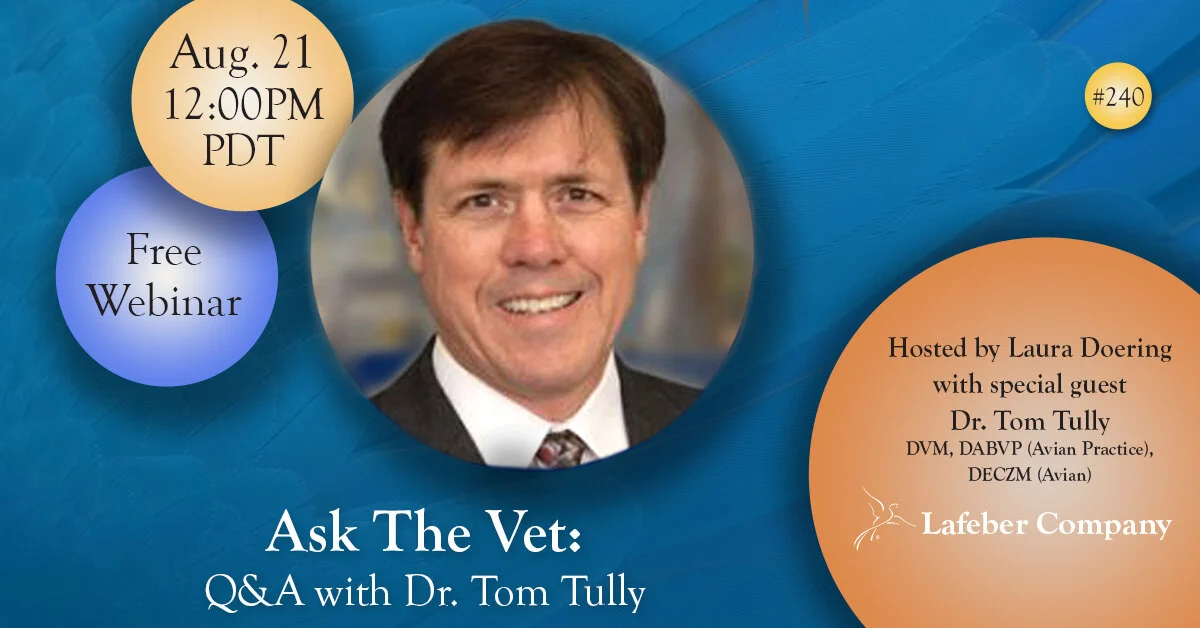
The landscape of avian medicine continues to evolve as pet ownership trends shift toward more specialized care, and on Friday, August 21, 2026, the community of bird enthusiasts will have the opportunity to engage directly with one of the field’s most respected authorities. Dr. Tom Tully, a Diplomate of the American Board of Veterinary Practitioners (Avian Practice) and the European College of Zoological Medicine (Avian), is scheduled to headline a live, interactive webinar aimed at addressing the complex health and nutritional requirements of pet birds. Hosted by Laura Doering, the former editor of Bird Talk and Birds USA magazines, the session serves as a high-level educational forum designed to bridge the gap between professional veterinary diagnostics and day-to-day avian stewardship.
The Evolution of Avian Veterinary Care
The rise of digital veterinary consultations represents a significant departure from traditional clinical models. Historically, access to specialized avian veterinarians—particularly those with board certifications in avian medicine—was geographically limited to urban centers or university teaching hospitals. This limitation often left owners of companion parrots in remote areas struggling to find evidence-based advice for chronic conditions or behavioral issues that may have underlying medical causes.
Dr. Tully’s participation in this webinar series is rooted in the philosophy that the educated bird owner is the most effective steward of avian health. By providing a platform where owners can present specific case queries, the webinar seeks to demystify complex medical topics, such as the differentiation between behavioral distress and underlying pathology. In the context of parrot care, where species-specific needs vary drastically—from the high-fat requirements of macaws to the delicate respiratory sensitivities of African Greys—such direct access to expert guidance is statistically linked to improved health outcomes.
Chronology of Educational Outreach
The "Ask the Vet" series has been a cornerstone of avian educational outreach for several years, systematically addressing the knowledge gap that persists in the pet bird industry.
- Early 2020s: The normalization of video-conferencing technology prompted a shift in how veterinary outreach programs were delivered. Lafeber Company and other organizations transitioned from physical symposiums to digital webinars.
- 2024-2025: Data collected from previous webinar sessions indicated that nutritional management and feather destructive behaviors remained the top two inquiries from bird owners.
- August 21, 2026: The current session marks a continuation of this series, focusing on the integration of preventive care and diagnostic accuracy.
The structure of these events follows a rigorous format: an initial briefing by the host, followed by a moderated question-and-answer period where Dr. Tully synthesizes clinical experience with current peer-reviewed research to address owner concerns.
Supporting Data and Industry Context
The necessity for such educational initiatives is underscored by the current state of pet bird demographics and veterinary medicine. According to recent surveys within the exotic animal medicine sector, parrots are among the most common companion animals in the United States, yet they remain one of the most underserved in terms of specialized medical attention.
Studies published in the Journal of Avian Medicine and Surgery have highlighted that malnutrition remains the primary cause of illness in captive psittacines. Common deficiencies, such as hypovitaminosis A and calcium imbalances, often present in ways that owners misinterpret as behavioral anomalies. By providing a forum where a board-certified specialist can explain the correlation between diet and disease, the webinar acts as a preventive health tool, potentially reducing the incidence of chronic diseases such as fatty liver disease or renal failure in captive populations.
Furthermore, the behavioral aspect of the seminar is critical. Statistics from the Association of Avian Veterinarians suggest that a significant percentage of cases presented to clinics as "aggression" or "screaming" are, in fact, manifestations of physical discomfort or physiological stress. The opportunity for owners to hear a specialist analyze these symptoms in real-time allows for a more nuanced approach to animal welfare.

Professional Perspectives and Clinical Standards
Dr. Tom Tully’s status in the veterinary community is well-established. His work as an educator and clinician has influenced the standards of care for avian patients globally. By participating in this interactive format, he provides an invaluable service to the veterinary community as well: he educates the public on when it is necessary to seek an in-person physical examination versus when a concern can be managed through environmental modifications.
Laura Doering, serving as the moderator, brings a journalistic perspective to the event. Having spent decades documenting the trends in bird ownership, Doering is uniquely positioned to filter the influx of viewer questions, ensuring that the most pressing topics—such as toxicological risks, reproductive management, and social enrichment—are given appropriate focus. This synergy between media expertise and clinical excellence is what distinguishes this webinar from general information-sharing platforms.
The Broader Implications for Avian Stewardship
The implications of this webinar extend beyond the individual pet. As the standard of care for exotic pets rises, the demand for high-quality information becomes a catalyst for broader industry changes. When owners are better informed about the caloric needs, social requirements, and medical red flags of their pets, they become more discerning consumers. This, in turn, pressures the pet industry to provide safer products, more nutritional feed options, and more appropriate housing standards.
Moreover, the digital nature of the event facilitates a global gathering of avian enthusiasts. Attendees from various time zones are encouraged to use standardized converters to ensure their participation, reflecting the international interest in maintaining high standards for captive birds. This global reach creates a standardized baseline of knowledge that can help elevate the welfare of birds across different regions.
Analyzing the Webinar’s Impact
A critical analysis of this event suggests that its primary success lies in its ability to humanize the "expert." By removing the barrier of a formal clinical setting, the webinar fosters a sense of trust and accessibility. Participants are encouraged to ask questions that might otherwise be dismissed as trivial, yet these questions often lead to the identification of systemic care issues.
For instance, the webinar addresses:
- Nutritional Assessment: Helping owners distinguish between seed-based diets (often nutritionally inadequate) and formulated diets.
- Diagnostic Clarification: Helping owners understand the difference between a bird "acting out" and a bird suffering from chronic pain or infection.
- Preventive Medicine: Emphasizing the importance of regular blood panels and wellness exams, which are often overlooked in avian care compared to canine or feline care.
How to Participate
The registration process is designed to be accessible to a wide audience. As a free, live event, the webinar is open to anyone with an interest in bird health, though it is specifically curated for those who provide direct care to avian companions. Potential participants are advised to register via the provided Zoom link well in advance, as high demand for Dr. Tully’s sessions often results in capacity limits.
As the date approaches, participants are encouraged to prepare their questions in advance. Providing specific details regarding the species, age, and dietary history of the bird in question allows Dr. Tully to offer the most accurate and actionable advice possible.
The upcoming webinar represents a vital intersection of education and animal welfare. By leveraging the expertise of a seasoned veterinarian like Dr. Tom Tully, the session provides a roadmap for owners to provide the best possible life for their companion birds. It is an essential event for any dedicated avian steward looking to refine their caretaking techniques and ensure the long-term health and vitality of their pets. Through the combination of professional guidance, peer-to-peer learning, and a focus on evidence-based practices, the event reinforces the reality that in the world of avian medicine, information is indeed the best medicine.
