

The Canadian province of Newfoundland and Labrador has long been recognized by the international scientific and birding communities as a critical junction for North Atlantic biodiversity. A recently concluded 12-day ecological expedition has underscored this reputation, documenting 114 bird species and 10 distinct mammal species across a traverse of the island. The journey, which spanned from the easternmost point of the continent at Cape Spear to the ancient geological formations of Gros Morne National Park, provided a high-resolution snapshot of the region’s current ecological health, while highlighting the intersection of maritime culture and environmental conservation.
As an ecotourism destination, Newfoundland offers a rare combination of accessible "mega-colonies" of seabirds and a landscape that serves as a "vagrant trap" for rare European species crossing the Atlantic. This year’s expedition, led by expert guides and attended by a diverse group of naturalists, served not only as a census of resident species but also as a testament to the resilience of the local ecosystem following recent challenges, including the global outbreak of Highly Pathogenic Avian Influenza (HPAI).
The Eastern Seaboard: Witless Bay and the Alcid Corridor
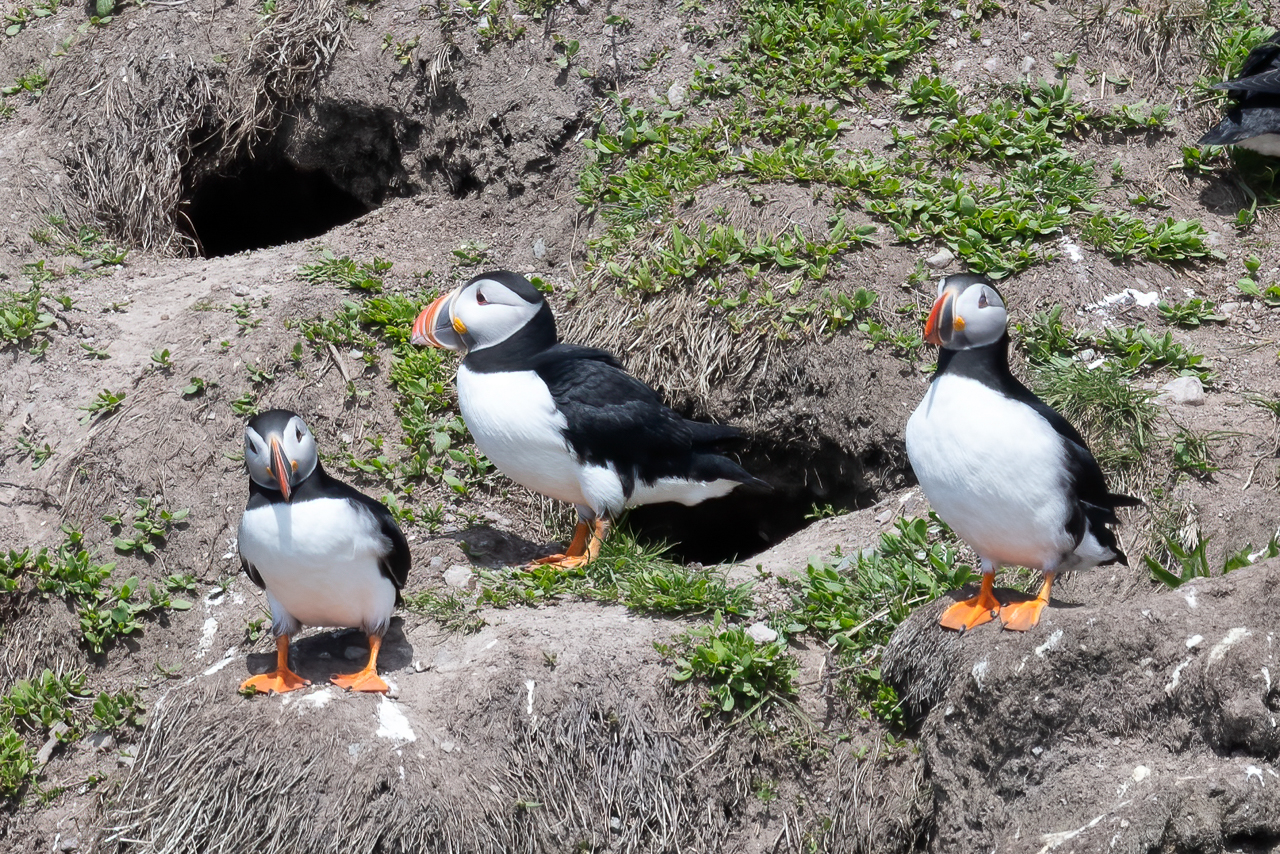
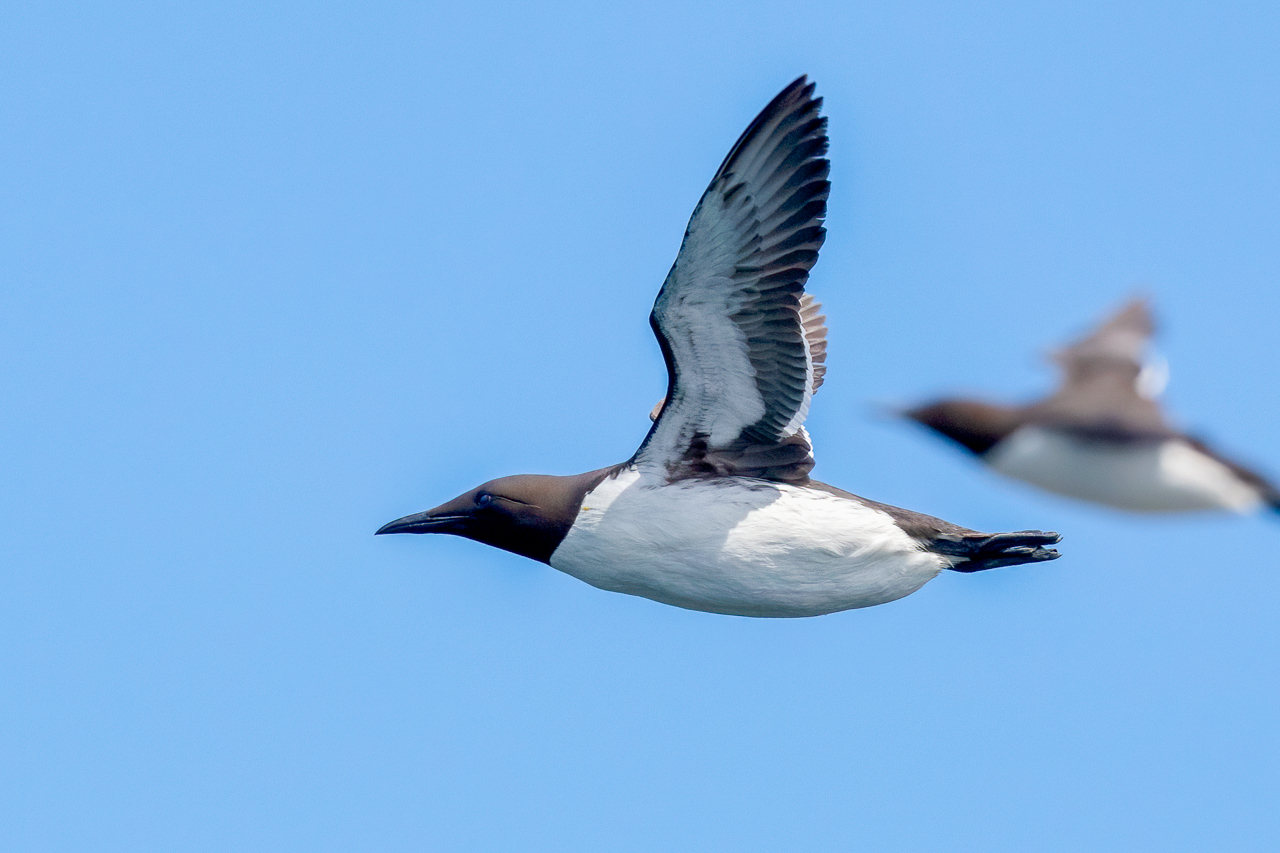
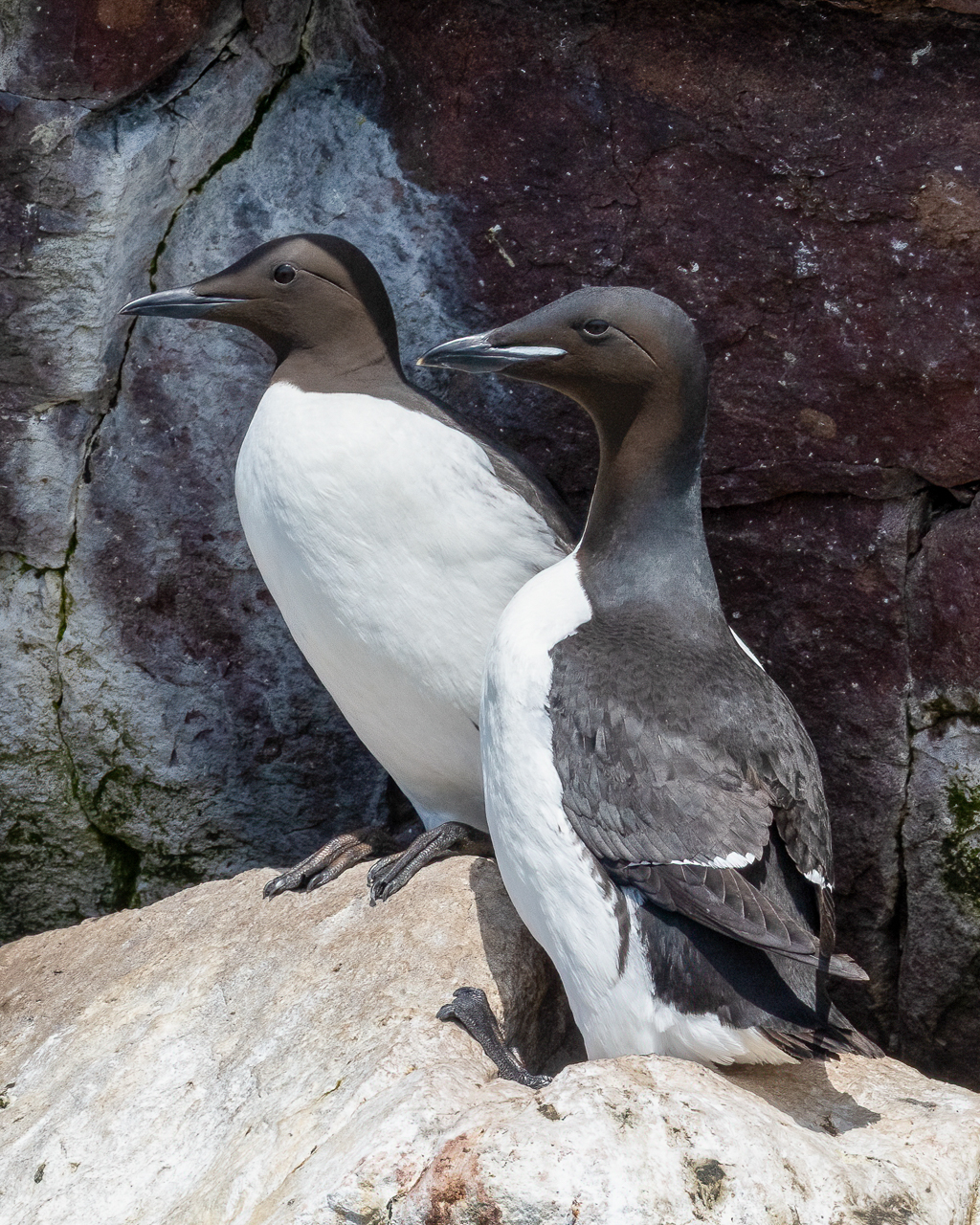
The expedition commenced in St. John’s, the provincial capital, where the group immediately engaged with the region’s maritime-centric ecology. The initial focus was the Witless Bay Ecological Reserve, a four-island archipelago that hosts the largest Atlantic Puffin colony in North America. Data recorded during the boat-based survey of the preserve indicated a thriving population, with observers logging approximately 45,000 birds in a single excursion. This included an estimated 10,000 Atlantic Puffins, 10,000 Black-legged Kittiwakes, and 25,000 Common Murres.
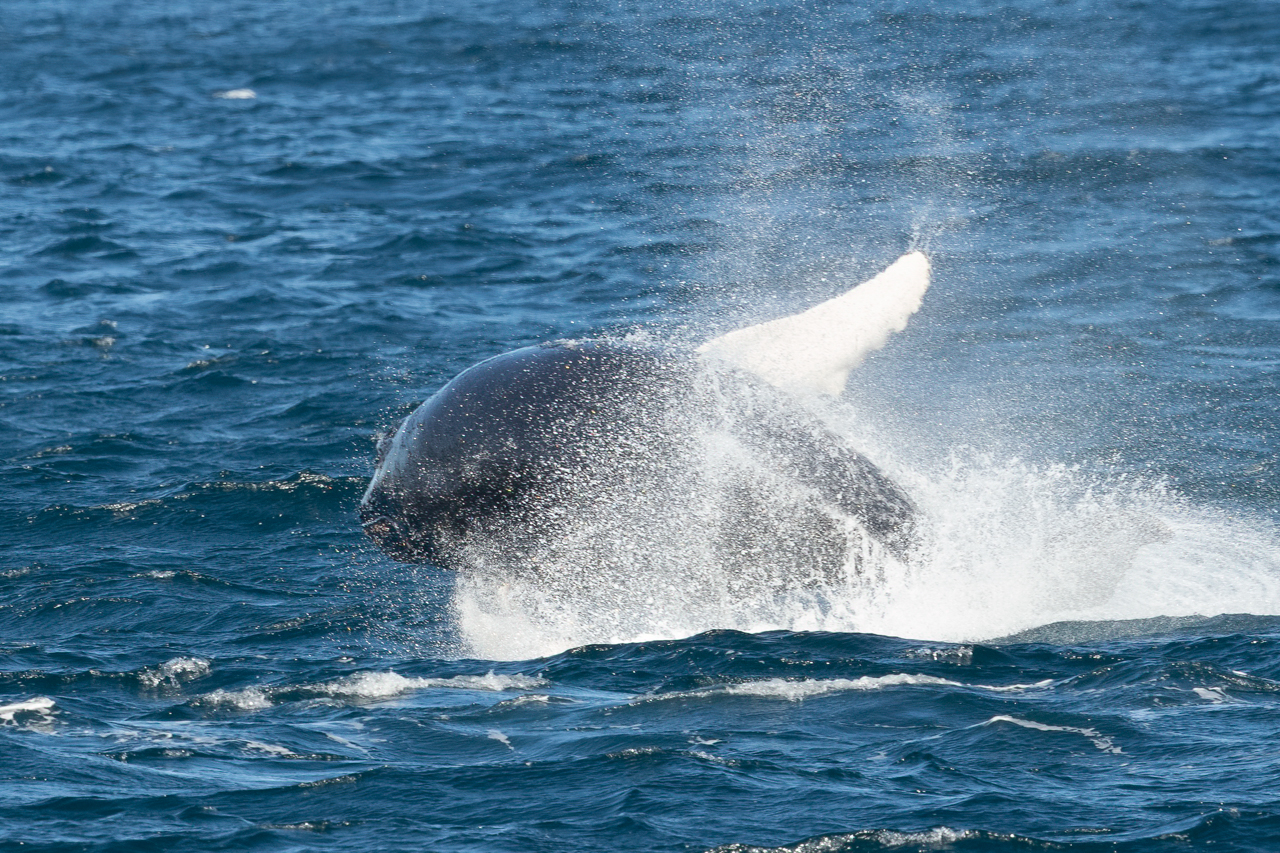
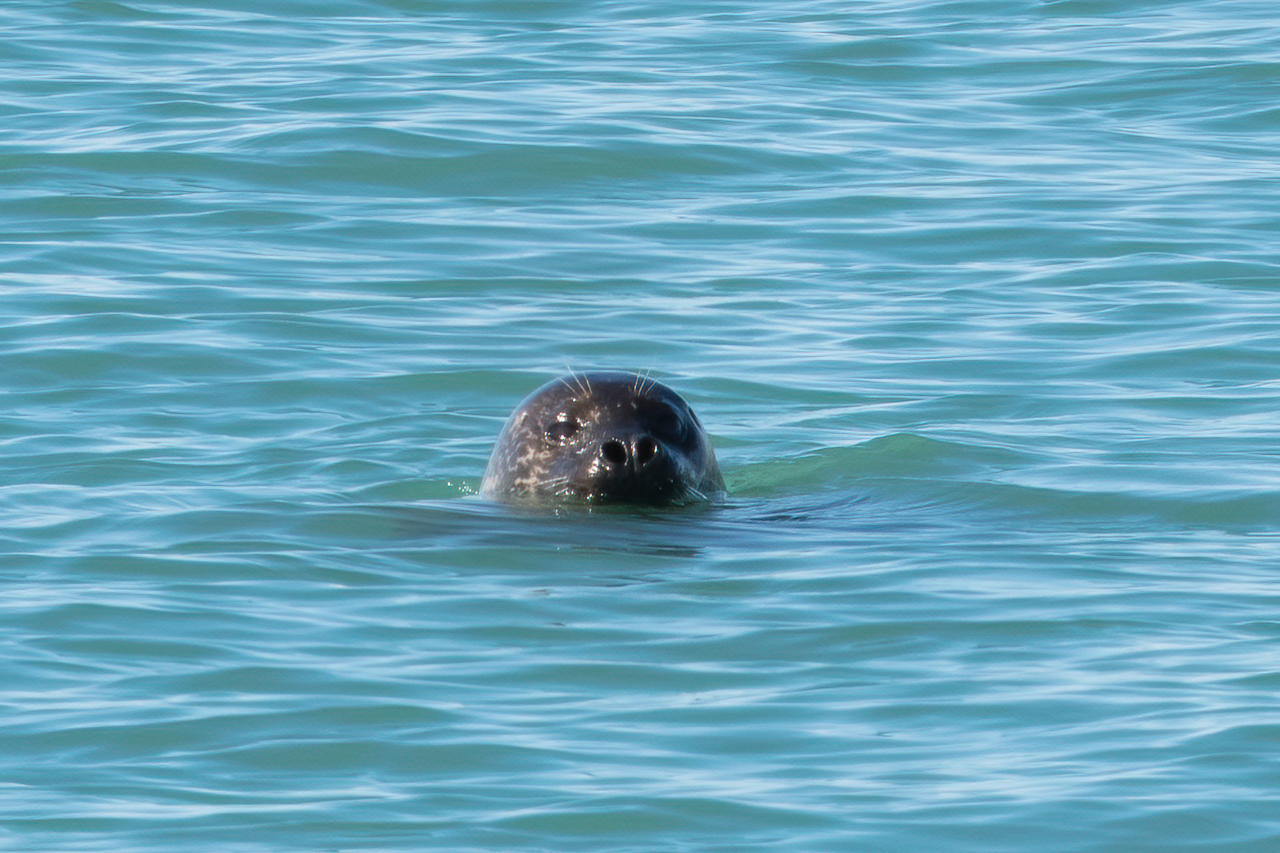
Beyond avian life, the waters of the Witless Bay area provided significant mammalian data. The expedition recorded multiple Humpback Whales (Megaptera novaeangliae) engaged in breaching and lunge-feeding behaviors. This activity is closely tied to the "capelin run," the annual arrival of small smelt-like fish that serves as the foundational energy source for the entire North Atlantic food web. The presence of these whales in high numbers suggests a robust seasonal biomass in the local waters.
Historical Context and Avian Vagrancy
A key component of the expedition was the exploration of Cape Spear and Signal Hill. These sites are of immense historical value—Cape Spear being the most easterly point in North America and Signal Hill being the site of the first transatlantic wireless signal in 1901. However, for the expedition, these locations served as vital "sea-watch" stations.
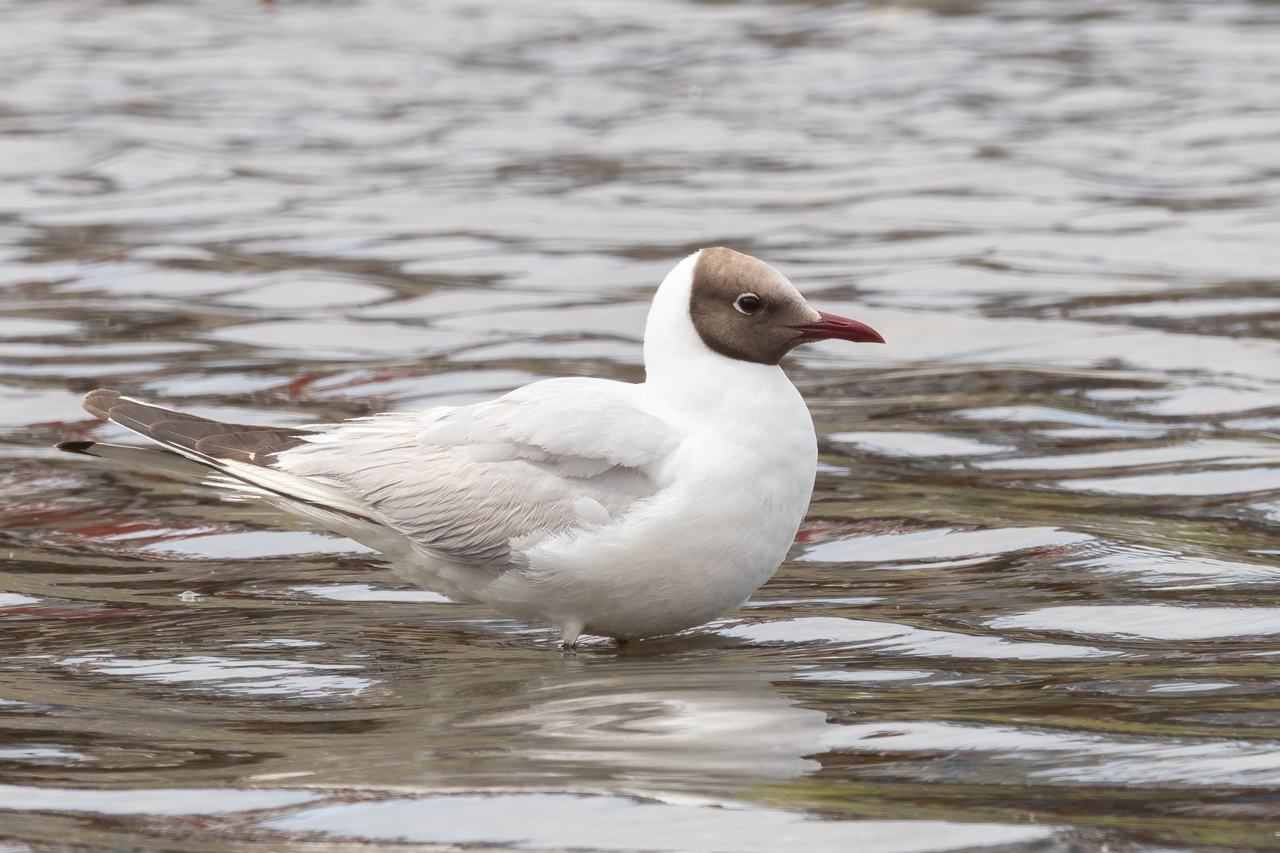
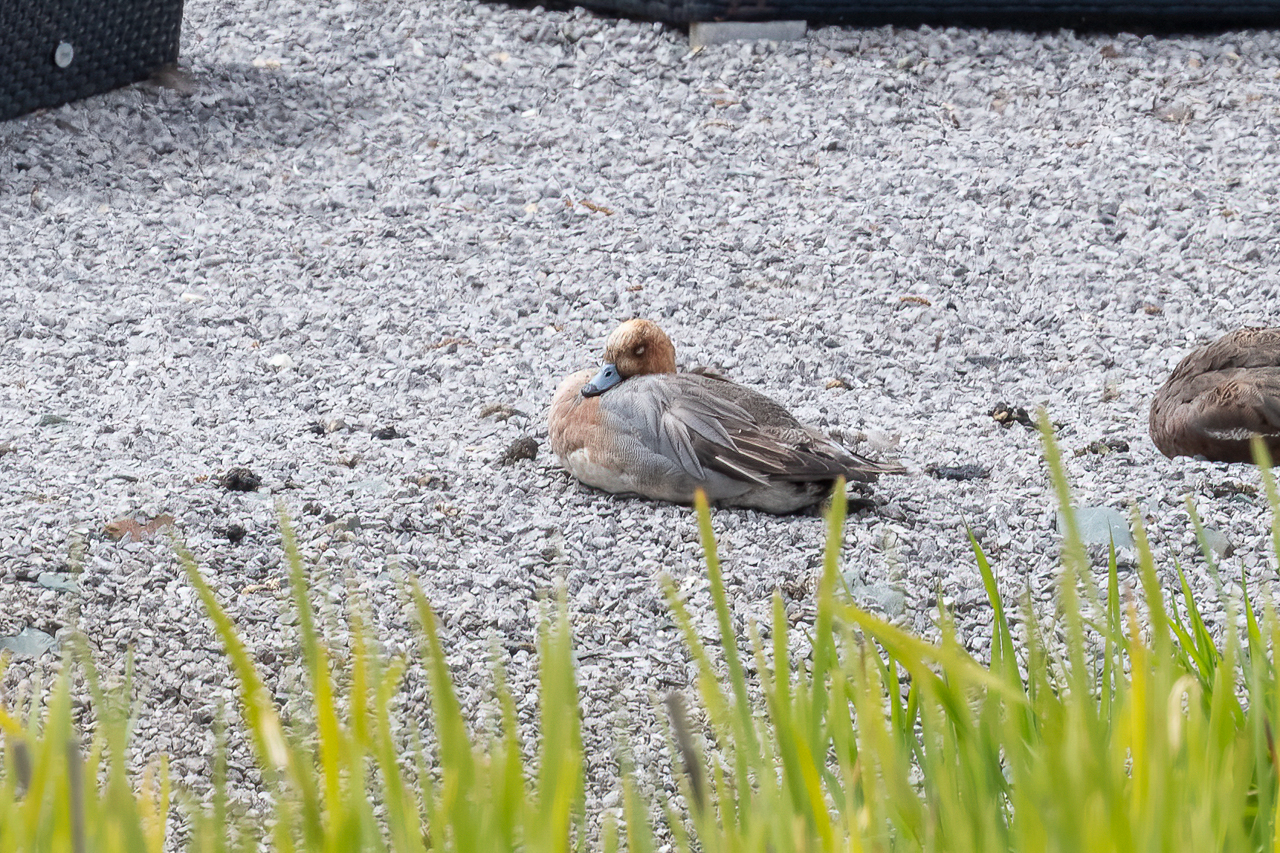
Using high-powered spotting scopes, the team identified 76 Sooty Shearwaters and several Great Shearwaters, alongside streams of Northern Gannets and Black Guillemots. A significant discovery occurred at Virginia Lake, where the group identified a Eurasian Wigeon and a Black-headed Gull. These "vagrants" are species that have drifted off their normal migratory routes in Europe. Their presence in Newfoundland is a recurring phenomenon that attracts ornithologists from across the globe, providing data on trans-Atlantic bird movements and weather-influenced drift.
The Avalon Barrens and the Titanic Connection
Moving south toward the Avalon Peninsula’s tip, the expedition entered the Avalon Barrens, a stark, sub-arctic ecosystem characterized by tuckamore (stunted balsam fir and spruce) and vast heathlands. At Cape Race, the site where the Titanic’s distress signals were first received in 1912, the group documented the unique adaptations of the Willow Ptarmigan. These birds were observed using road dust for plumage maintenance, a behavior that allows for the removal of parasites.
The expedition also conducted a comparative study of tern species at Renews, successfully differentiating between Arctic Terns and Common Terns. This distinction is critical for conservation monitoring, as the Arctic Tern undertakes one of the longest migrations of any animal on Earth, traveling from the Arctic to the Antarctic and back annually.
Cape St. Mary’s: A Case Study in Resilience
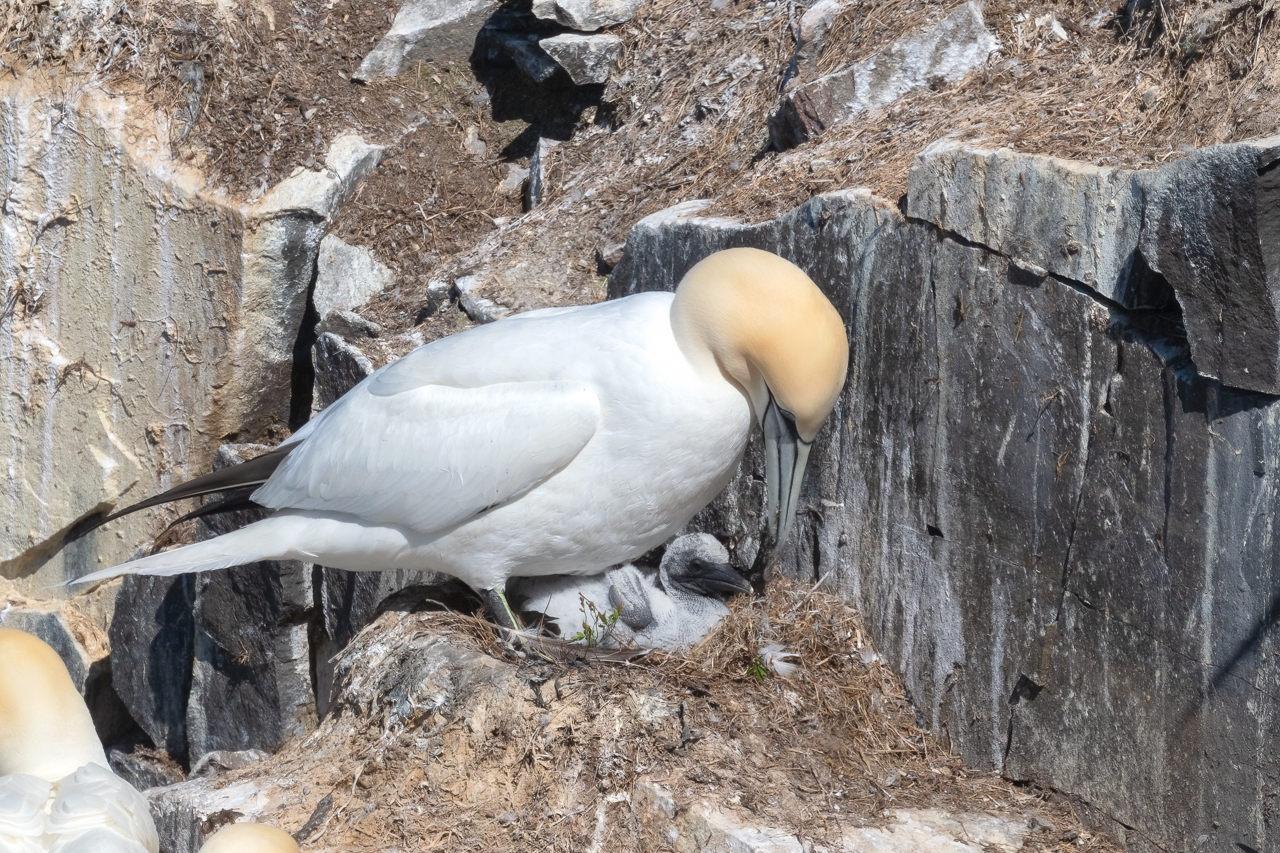
The journey’s midpoint focused on the Cape St. Mary’s Ecological Reserve, often described as the most accessible Northern Gannet colony in the world. The site is a UNESCO-recognized marvel, where "Bird Rock" serves as a massive sea stack for nesting.
Current data from the reserve is particularly poignant. In 2022 and 2023, the colony was significantly impacted by HPAI, which caused high mortality rates among adult gannets. However, the expedition’s census logged 8,069 Northern Gannets, indicating a persistent, albeit recovering, population. The Northern Gannet is a biological marvel, capable of diving from 40 meters and hitting the water at 100 km/h. The continued nesting success at Cape St. Mary’s is a primary indicator of the health of the surrounding fishery.
The Boreal Interior: Terra Nova and Gander
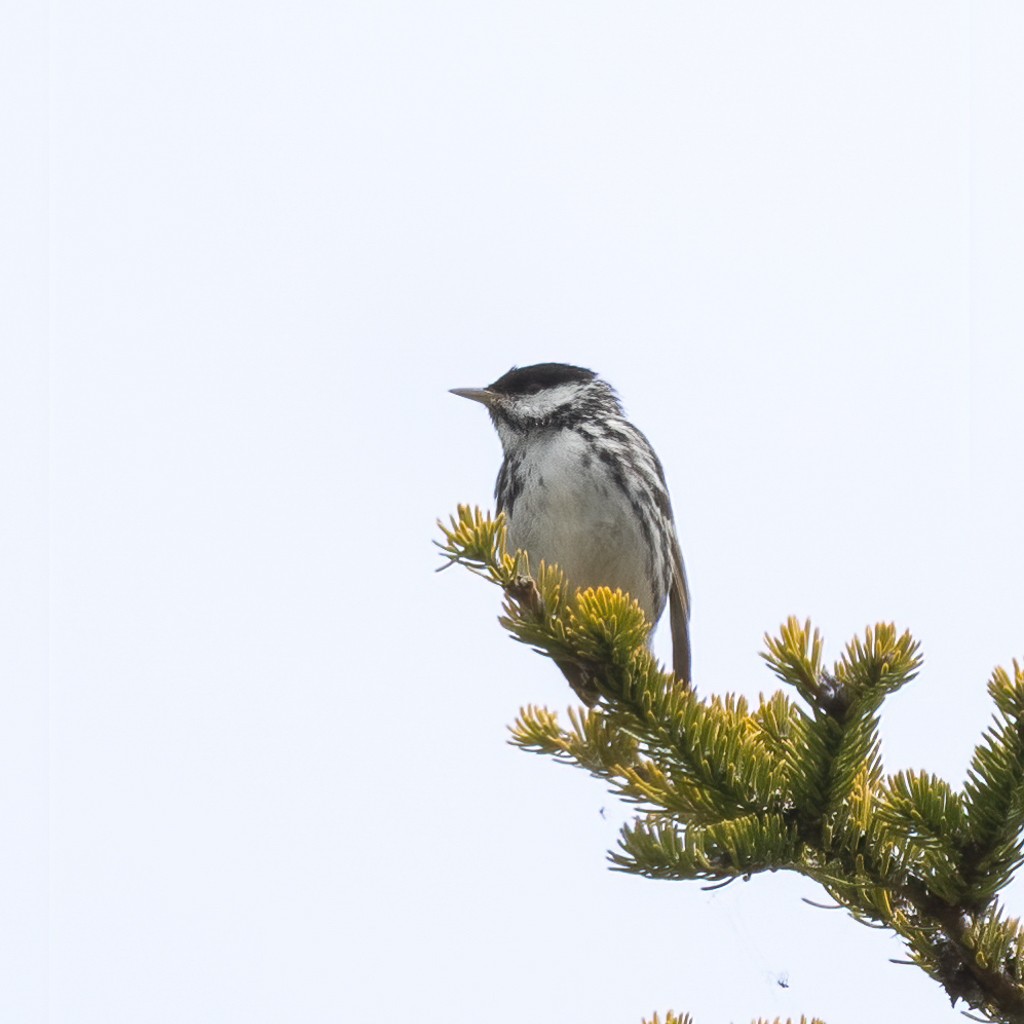
As the expedition moved inland to Terra Nova National Park, the species list shifted from pelagic and coastal birds to boreal specialists. Established in 1957, Terra Nova protects over 400 square kilometers of forest and fjord. The team recorded 15 species of warblers, including the Blackpoll Warbler and the Magnolia Warbler, which rely on the dense canopy for breeding.
The transition to the interior also provided an opportunity to engage with Newfoundland’s modern history. In the town of Gander, the group visited the site where 7,000 airline passengers were grounded during the events of September 11, 2001. This cultural context is inseparable from the province’s identity and reflects the human-ecological connection in remote regions. From a biological perspective, the Gander area yielded sightings of the Red-eyed Vireo and the Canada Jay, the latter being a highly intelligent resident known for its cache-recovery memory.

Geological Significance and the Western Frontier
The final leg of the expedition took place in Gros Morne National Park, a UNESCO World Heritage site renowned for its geological history. The park is a rare example of "obduction," where the Earth’s mantle was pushed onto the crust during the collision of tectonic plates millions of years ago.

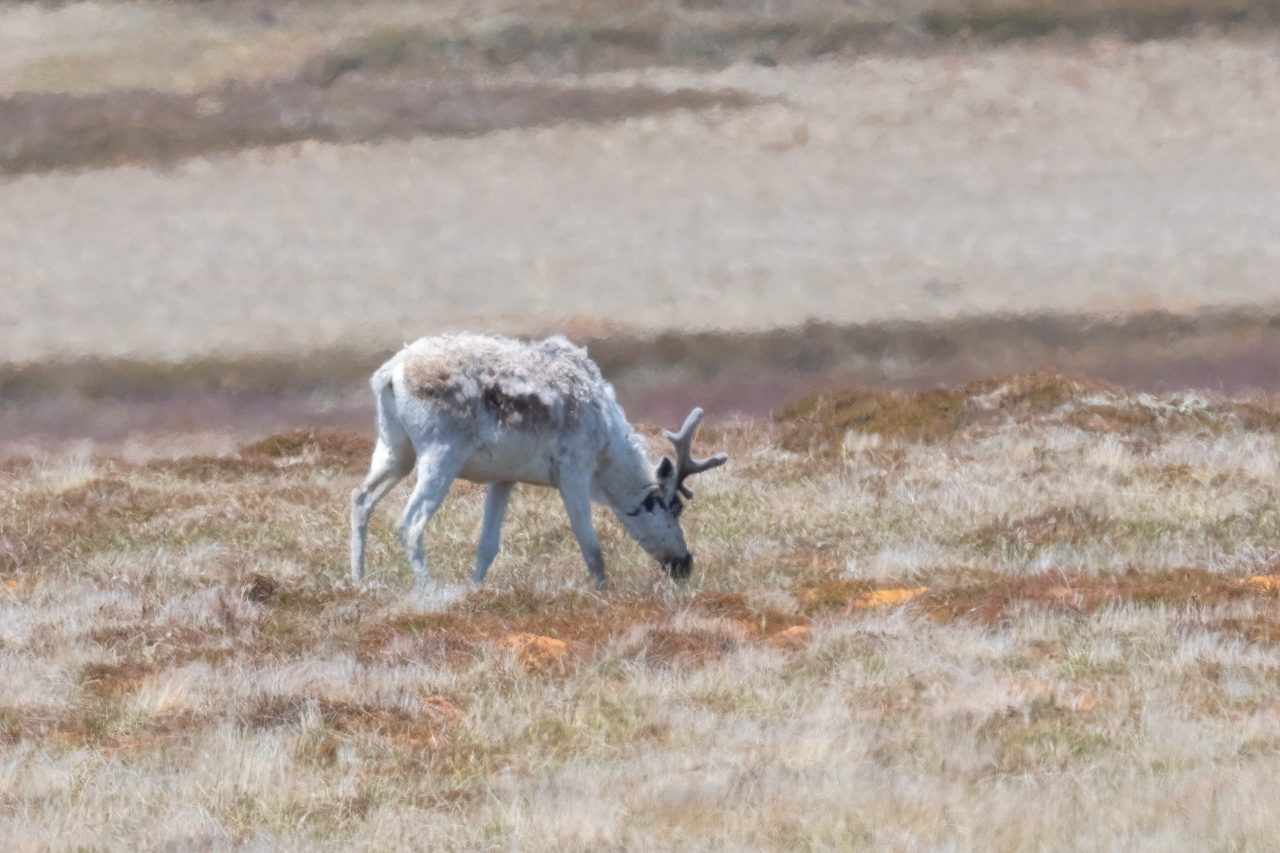
The Tablelands, a rust-colored peridotite plateau, offered a stark contrast to the lush boreal forests. While the high magnesium and heavy metal content of the rock limits plant and bird life, the area serves as a vital corridor for Woodland Caribou and Moose. The expedition noted that the lack of competition and the unique topography make Gros Morne a critical sanctuary for these large mammals.

In the coastal fjords of Western Brook Pond—a landlocked fjord with 600-meter cliffs—the group observed the Long-tailed Duck, a rare freshwater sighting for the region. This landlocked fjord was created 10,000 years ago when the weight of retreating glaciers allowed the land to rebound, cutting off the fjord from the Atlantic Ocean.
Socio-Economic Impact and Conservation Analysis
The 12-day expedition provides more than just a list of sightings; it offers a look into the socio-economic importance of ecotourism in rural Newfoundland. Communities such as Trepassey, St. Bride’s, and Rocky Harbour rely heavily on seasonal visitors who come to witness the province’s natural spectacles.
Expert analysis suggests that high-quality, education-focused tours are essential for fostering a "conservation-first" mindset. By hiring local guides and staying in community-owned inns, these expeditions provide the financial incentive for local populations to protect their natural resources. Furthermore, the data collected regarding species like the Harlequin Duck—all 10 of which were spotted at Broom Point—helps federal agencies like Parks Canada and the Canadian Wildlife Service track population trends in real-time.

Final Census and Future Implications
The expedition concluded with a final "twitch" near the Deer Lake airport, where late-departing members added the Sora and the Tennessee Warbler to the master list. The final tally of 114 bird species represents a significant portion of the avian life present on the island during the summer breeding season.
The implications of this expedition are clear: Newfoundland remains a vital bastion of biodiversity in a rapidly changing world. However, the presence of rare vagrants and the impact of diseases like avian flu serve as reminders that these ecosystems are interconnected with global environmental trends. As climate change shifts migratory patterns and ocean temperatures affect the arrival of the capelin, the continued monitoring of these sites remains a priority for environmentalists and policymakers alike.
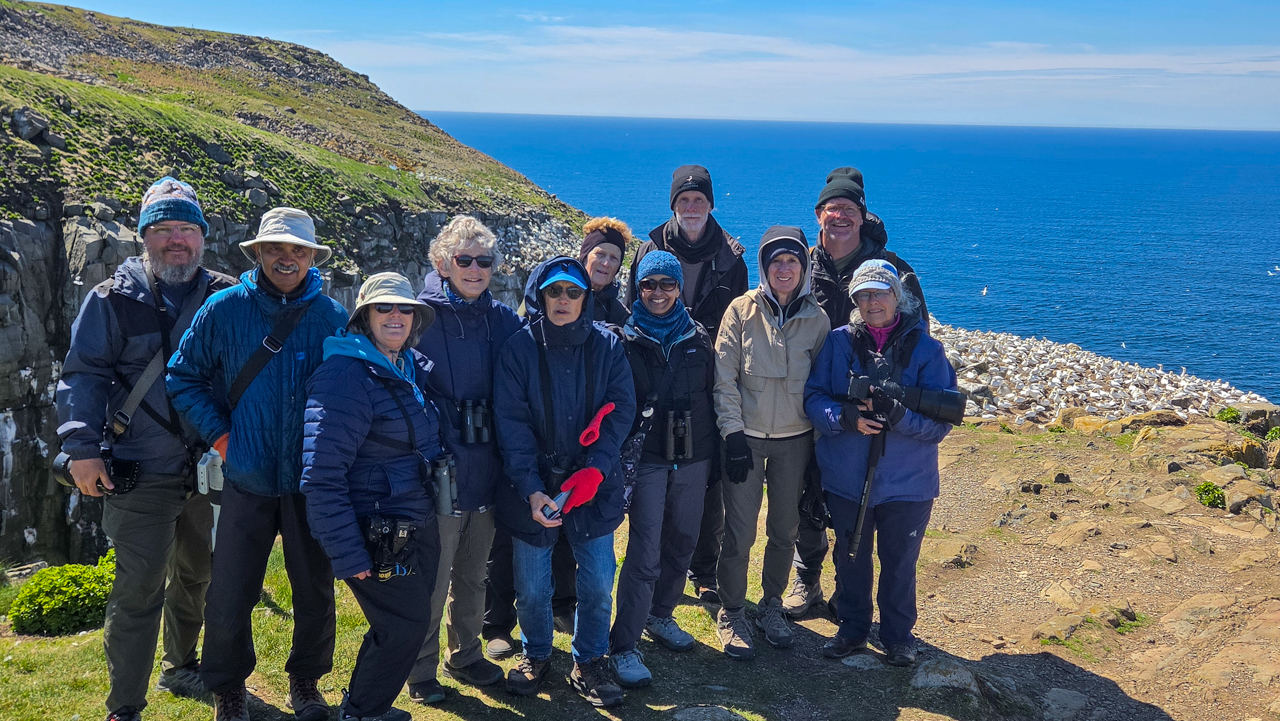
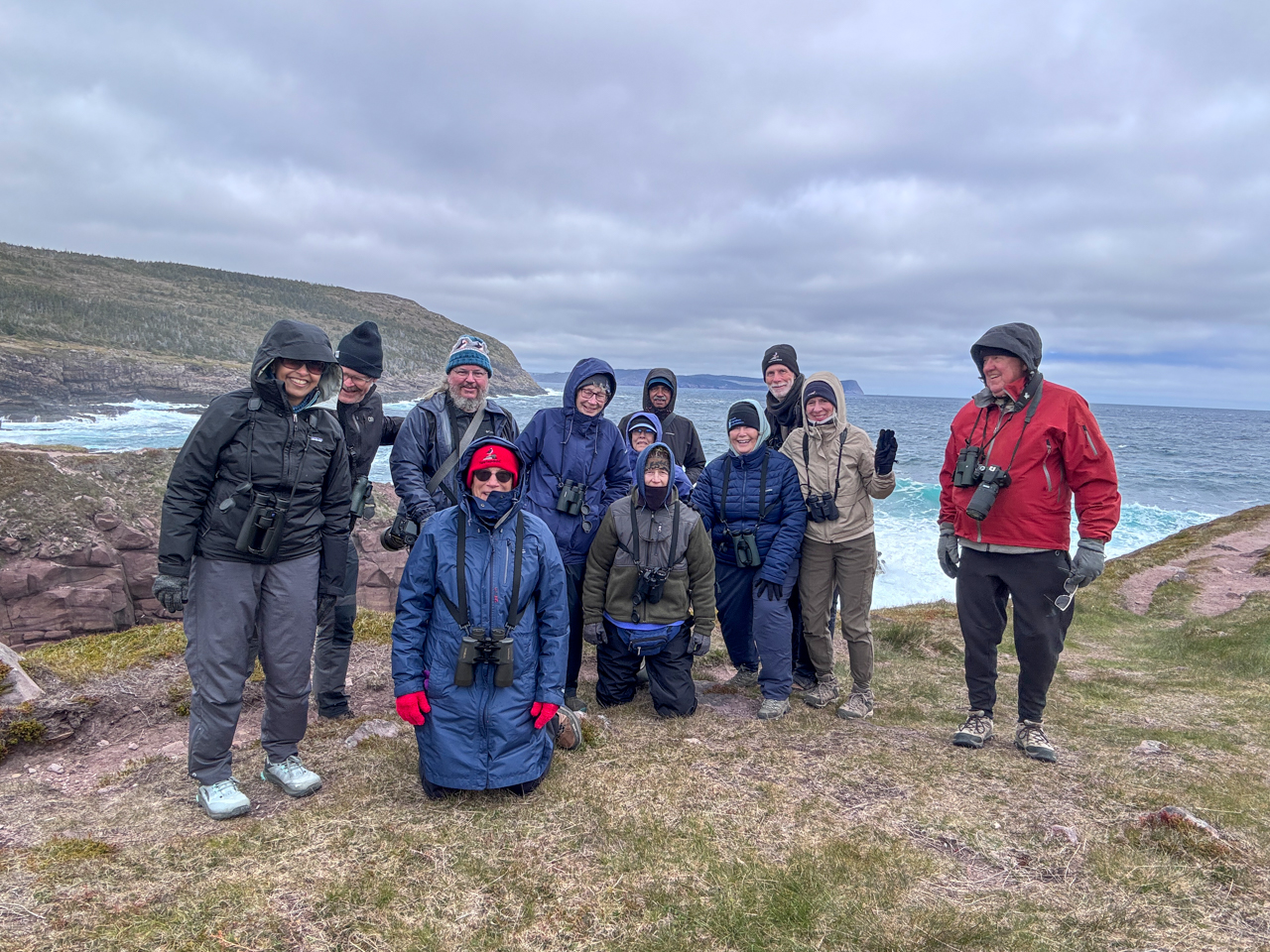
The success of the 12-day journey underscores the island’s status as a premier destination for those seeking a deep, factual, and immersive understanding of the natural world. For the 12 participants who arrived as strangers and left as contributors to a collective ecological record, the journey was a definitive confirmation that Newfoundland’s "best-kept secret" is a treasure of global importance.
