
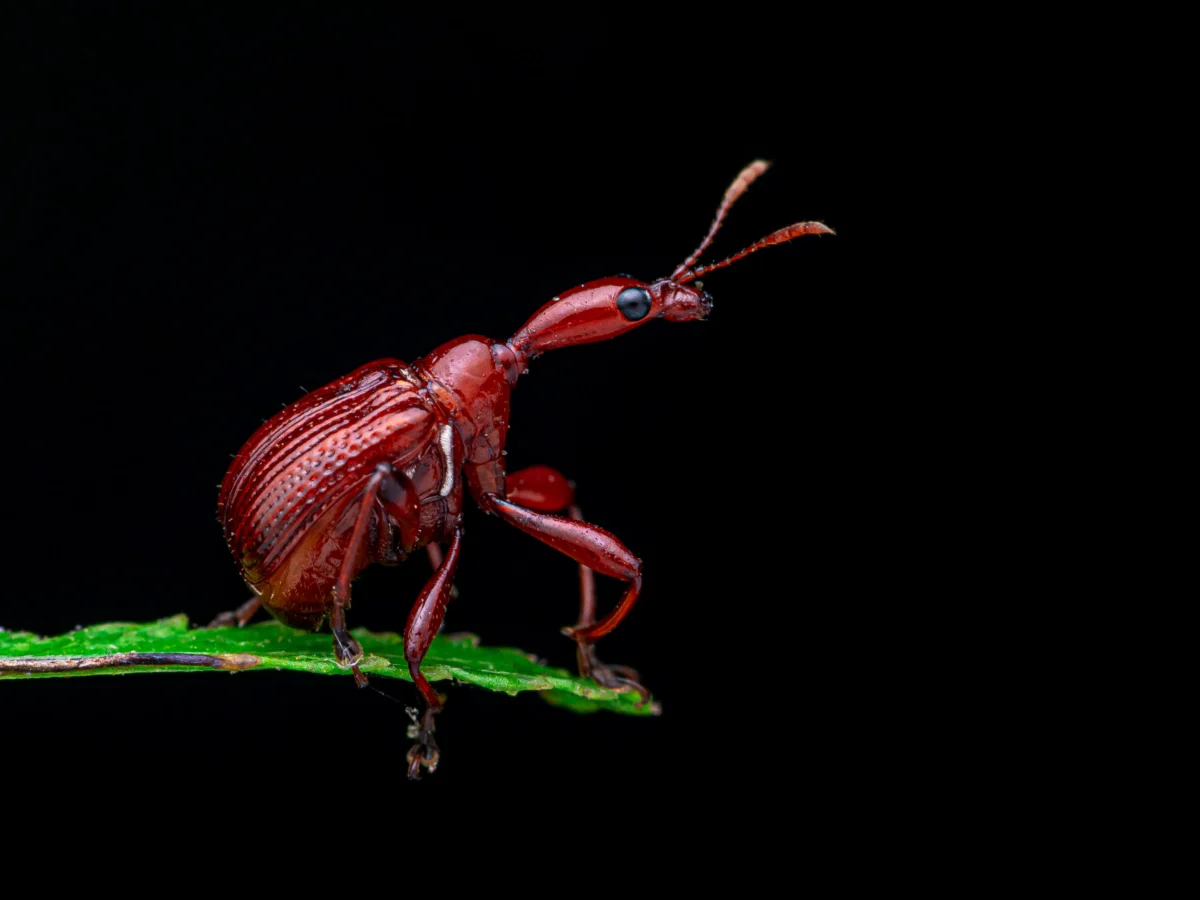
Photography has long served as a medium for capturing the grand vistas of the natural world, from sweeping mountain ranges to vast oceanic expanses. However, a distinct discipline within visual arts—macro photography—operates on an entirely different scale, bringing microscopic ecosystems into sharp focus. For photographers who choose to narrow their field of view, the natural world transforms from a distant landscape into an intricate, bustling metropolis of invertebrates, plants, and minute natural phenomena. In recent years, the intersection of technological advancement in digital imaging and a growing appreciation for local biodiversity has propelled macro photography into the forefront of global wildlife journalism. This shift in perspective is exemplified by the journey of visual storytellers who find extraordinary biodiversity not in remote wilderness reserves, but directly outside their domestic doorsteps.

The Genesis of a Microscopic Obsession
The trajectory of modern macro photography often begins with humble equipment and an accidental discovery. In 2018, the acquisition of an entry-level digital single-lens reflex (DSLR) camera—specifically a Canon 1500D—marked a turning point for rural documentarians seeking to engage with their immediate environment. Initially drawn to traditional subjects such as trees, rivers, and avian wildlife, practitioners frequently find their artistic focus narrowing as they experiment with magnification.
A pivotal moment in this photographic evolution typically occurs during routine post-processing. When an amateur photographer zooms in on a digitally captured image of a common housefly, the resulting visual data reveals an astonishing level of biological engineering: complex compound eye structures, microscopic sensory hairs, and translucent aerodynamic wing membranes. This magnification reveals an entire universe operating parallel to human existence, shifting the practitioner’s intent from casual documentation to systematic exploration.

Redefining Local Exploration in Goalpara, Assam
Geographical location is frequently cited as a limiting factor in wildlife photography, with aspiring professionals believing that access to exotic locales or protected national parks is a prerequisite for notable work. However, the operational reality of macro photography dictates otherwise. In regions such as Goalpara, within the northeastern Indian state of Assam, the density and diversity of insect life provide an inexhaustible subject pool within suburban and rural gardens, agricultural fields, and domestic structures.
Rather than traveling to distant forests, macro photographers operating in these environments utilize the immediate perimeter of their homes. Ordinary botanical elements—such as a single fallen leaf or a weathered bamboo stake—function as complex ecological niches. A leaf surface operates as a predatory hunting ground, while a corner of an exterior wall serves as a construction site for hymenopteran architects. This localized approach demonstrates that significant ecological narratives are ubiquitous, requiring only observational discipline rather than extensive expedition budgets.

The Temporal Investment of Behavioral Macro Photography
A common misconception among the general public regards the nature of high-speed wildlife photography, assuming that capturing a compelling image requires merely a fraction of a second of shutter operation. In professional macro photography, the exposure duration is the final step in a protracted timeline of observation that can span days or even weeks.
Documenting invertebrate behavior necessitates extensive field patience. Photographers frequently log five to six hours of daily observation, maintaining stationary positions to understand the habitual patterns of their subjects before deploying camera equipment. This methodology ensures minimal disruption to the natural behaviors of the organisms while allowing the photographer to anticipate critical actions—such as prey capture, nest construction, or reproductive cycles.

Among the various subjects studied by macro practitioners, solitary wasps—particularly potter wasps (subfamily Eumeninae) and mud daubers—offer profound insights into insect behavior. These insects exhibit sophisticated architectural and parental investments, transporting damp soil grain by grain to construct durable mud nests, and selectively hunting specific prey, such as green caterpillars or spiders, to provision their chambers. The rigorous routine of these insects mirrors macro photography itself: a meticulous, repetitive process driven by precision and dedication.
International Recognition and the Wildlife Photographer of the Year
The culmination of extended fieldwork and technical refinement was demonstrated on the global stage when an Assamese photographer captured an image titled Special Delivery. The photograph depicts a potter wasp in mid-flight carrying a vivid green caterpillar toward its nest, constructed directly upon a picture frame inside the photographer’s residence.

This image earned a Highly Commended designation in the Behaviour: Invertebrates category of the Natural History Museum’s prestigious 2025 Wildlife Photographer of the Year competition. Established decades ago, the competition serves as one of the most rigorous and competitive platforms for international wildlife imagery, drawing tens of thousands of entries from professional and amateur photographers across nearly a hundred countries.
The inclusion of a domestic invertebrate interaction from Goalpara in such a globally recognized exhibition underscores a broader trend in nature conservation and media: the democratization of wildlife storytelling. Institutions such as the Natural History Museum, alongside publications including National Geographic, BBC, Discovery, and Sanctuary Asia, increasingly value intimate behavioral documentation over conventional portraiture. The positive reception of Special Delivery by family, peers, and international panels highlights the resonance of local narratives on a global scale.

Ecological Significance and Educational Implications
Beyond aesthetic appreciation, macro photography plays a critical scientific and educational role. Invertebrates constitute the majority of terrestrial animal biodiversity and perform irreplaceable ecological functions, including pollination, decomposition, and natural pest regulation. Despite their ecological indispensability, insects are frequently marginalized, feared, or misunderstood by the general public due to their diminutive size.
Through deliberate visual storytelling, macro photographers bridge the gap between microscopic ecosystems and human consciousness. By capturing behavioral sequences—such as spider-hunting wasps provisioning larvae or leafhoppers executing complex motion trails—photographers translate complex ecological interactions into accessible visual narratives. These images challenge prevailing biases against invertebrates, fostering an appreciation for their evolutionary adaptations and behavioral complexity.

Furthermore, the documentation of micro-behaviors contributes to a broader cultural shift toward observation and patience. In an era dominated by rapid digital consumption and instant gratification, the painstaking methodology required to capture natural behaviors offers a counter-narrative, emphasizing the value of slow, deliberate engagement with the natural world.
Future Outlook for Micro-Scale Conservation Media
As macro photography equipment becomes increasingly sophisticated—incorporating advanced focus-stacking algorithms, specialized macro lenses, and precise lighting apparatuses—the capacity to record minute biological details continues to expand. Practitioners working outside traditional conservation hubs are increasingly utilizing these tools to document regional biodiversity before environmental shifts alter local habitats.

The journey from a beginner wielding an entry-level DSLR to an internationally recognized naturalist photographer illustrates the profound impact of attentive observation. As global interest in invertebrate conservation grows, fueled by institutional platforms and digital media, the stories captured at the microscopic level will remain vital components of environmental education. Ultimately, the success of regional macro photographers demonstrates that the natural world retains an inexhaustible capacity for wonder, requiring no grand landscapes to captivate audiences—only the willingness to slow down, look closely, and recognize the immense narratives unfolding within the smallest corners of our shared environment.
