
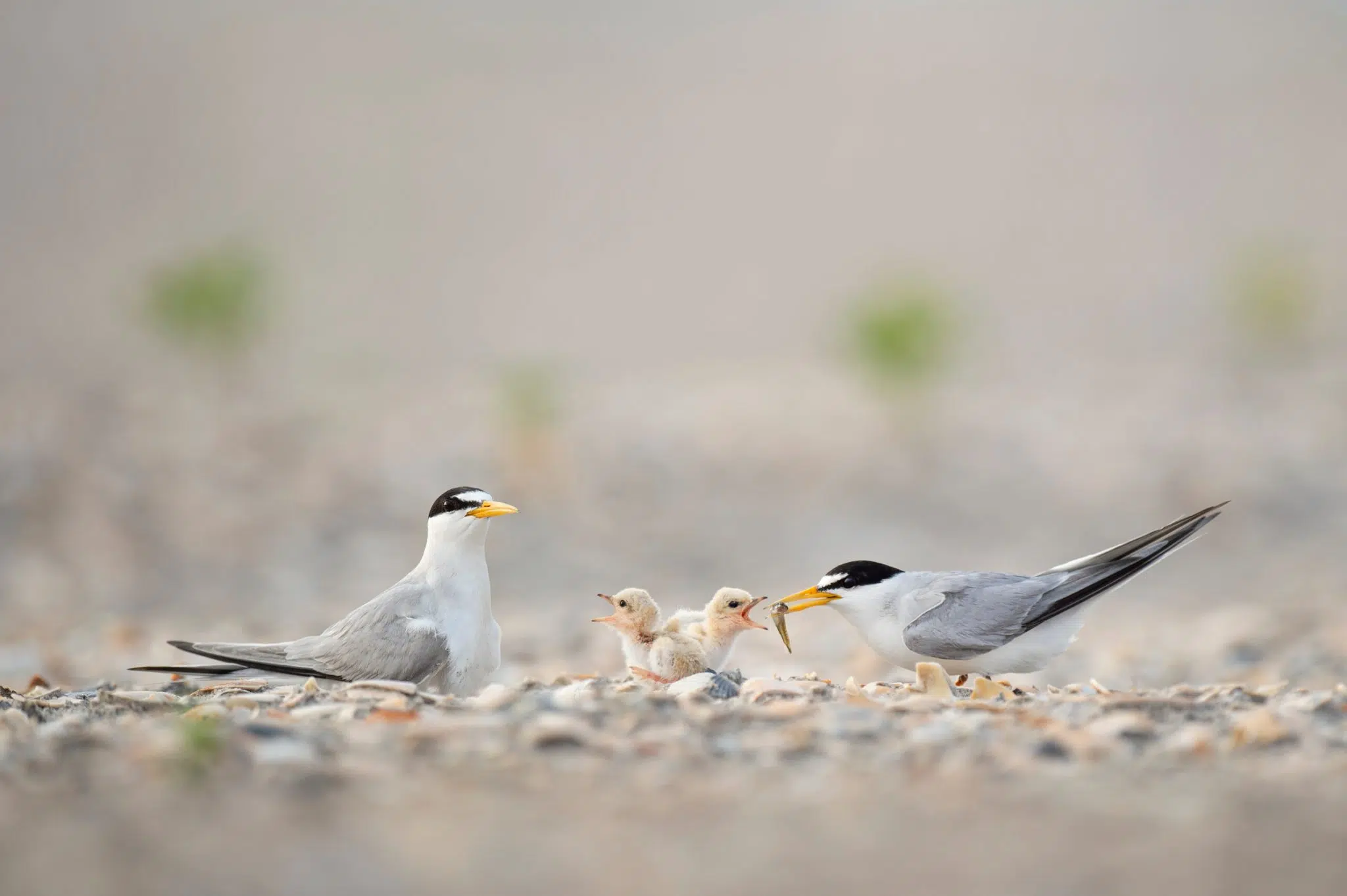
In the intricate tapestry of global conservation, the concept of a "mixed flock"—a collection of diverse species operating as a unified, resilient whole—has long served as a metaphor for organizational success. Nowhere is this more relevant than in the evolving landscape of environmental advocacy, where the integration of youth perspectives is shifting from a peripheral goal to a central strategic necessity. Caroline Herman, formerly the Communications Officer for BirdLife Europe and Central Asia and a serving Belgian UN Youth Representative for Climate, argues that the recent surge in youth interest in birding and conservation is not merely a hobbyist trend but a profound socio-ecological response to the digital age.
The Digital Disconnect and the Natural Response
The modern professional landscape is characterized by an unprecedented reliance on digital interfaces. For the generation entering the workforce today, the daily experience is defined by screen time, remote communication, and abstract labor. According to environmental psychology research, this pervasive digital saturation has catalyzed a "nature-seeking" behavior among young adults. This phenomenon represents a cognitive search for three-dimensional, tangible reality—a fundamental reconnection with the biosphere.

Herman’s career trajectory, which began with a childhood fascination for the natural world, mirrors this broader societal shift. During her tenure at BirdLife, she observed that the "youth boom" in conservation was driven by an urgent need to bridge the gap between digital alienation and physical environmental stewardship. This transition is backed by data; global surveys on climate anxiety suggest that young people are increasingly turning to grassroots environmental activism as a mechanism to mitigate the psychological impact of ecological degradation. By engaging in birding and habitat restoration, this demographic is finding a pathway to "ground" themselves in a living, breathing, and complex ecosystem.
Chronology of Advocacy and Policy Engagement
The integration of youth into high-level policy spaces has been a gradual but accelerating process. The following timeline illustrates the evolution of youth-led influence in the European and global climate policy sphere:
- 2023–2024: The intense lobbying period for the EU’s Nature Restoration Law saw an unprecedented mobilization of civil society. Unlike previous environmental campaigns, this movement relied heavily on the strategic synergy between seasoned scientists and youth-led activist groups.
- 2025: The #HandsOffNature campaign marked a pivotal moment for BirdLife Europe, where youth representation was integrated into the core communication strategy. This period coincided with the lead-up to the EU elections, where climate policy remained a top-three priority for voters under 30.
- 2026: At the United Nations Climate Change Conference (COP30) in Belém, Brazil, youth delegates shifted the focus from symbolic attendance to direct, evidence-based testimony, compelling government ministers to engage with local communities experiencing the immediate impacts of climate instability.
The Mechanics of Representation: Closing the Demographic Gap
Representation in policy-making is rarely about presence alone; it is about the structural inclusion of lived experience. Historically, international climate negotiations have been dominated by older demographics and established institutional voices. However, the inclusion of youth representatives has introduced a "future-proof" metric to legislative debates.

Caroline Herman’s work with the Belgian Council for Sustainability serves as a case study for this systemic change. During a 2025 ministerial meeting, the inclusion of South American youth delegates was not merely performative; it forced a high-level discussion on the trans-continental impacts of climate policy. By allowing ministers to hear firsthand from those facing the existential threat of climate change, the conversation moved from abstract bureaucratic targets to concrete, humanitarian imperatives.
Data from the European Environment Agency underscores this necessity: policies that incorporate intergenerational equity are statistically more likely to withstand long-term political shifts. When young representatives participate in decision-making, they bring a distinct focus on the long-term viability of restoration projects—a perspective that is often overlooked in shorter-term legislative cycles.
Overcoming Imposter Syndrome and Systemic Barriers
One of the most significant challenges identified by youth representatives is the internal and external obstacle of "imposter syndrome." Young activists frequently navigate spaces where they are the least experienced in terms of tenure, yet often the most informed regarding the latest climate science and digital mobilization strategies.

Herman emphasizes that the solution to these barriers is community-based empowerment. In her experience, the most effective youth representatives are those who operate within networks of mutual mentorship. This "flock" mentality—where expertise is shared horizontally rather than top-down—allows young advocates to leverage their collective knowledge. By validating one another’s voices, these networks transform individual anxieties into a cohesive political force.
Broader Implications for Global Organizations
The BirdLife model of institutional diversity offers a blueprint for other global entities. By transitioning from a hierarchical structure to a "flock-based" network, organizations can harness the unique energy and technological fluency of younger demographics.
From an analytical standpoint, the implications are clear:

- Innovation in Communication: Younger generations are pioneering new forms of digital storytelling that bypass traditional media gatekeepers, reaching audiences that were previously inaccessible to legacy conservation groups.
- Increased Accountability: The presence of youth in the room during negotiations acts as a natural check on long-term sustainability. Policies that fail to account for the next 50 years are increasingly being called out by representatives who will bear the consequences of those decisions.
- Cross-Sectoral Expertise: Youth representation is no longer limited to "climate activism." It now encompasses food systems, urban planning, and sustainable economics, reflecting a holistic understanding of the biosphere that integrates human and ecological health.
Conclusion: A Call for Shared Stewardship
As Caroline Herman transitions into new roles, her parting message to the conservation sector is one of radical inclusivity. She suggests that the most effective way to address the global climate crisis is to cultivate a culture of "shared learning." For established professionals, this means recognizing that young people possess a unique form of expertise—a blend of technical digital proficiency and an acute awareness of the urgency of the moment.
The success of future conservation efforts depends on the ability of institutions to dismantle the silos that separate generations. By treating youth not as passive beneficiaries of future policies, but as active architects of current strategies, organizations can achieve a more robust and responsive form of governance. The "flock" is indeed stronger than the sum of its parts, and as the global community faces the challenges of the coming decade, the integration of diverse, youthful voices remains the most vital tool in the kit for a sustainable future.
The task ahead is not simply to invite young people to the table, but to ensure their input is integrated into the structural fabric of international law, environmental policy, and local conservation practice. As the BirdLife experience demonstrates, when we empower the next generation, we are not just investing in the future—we are securing the survival of the present.
