
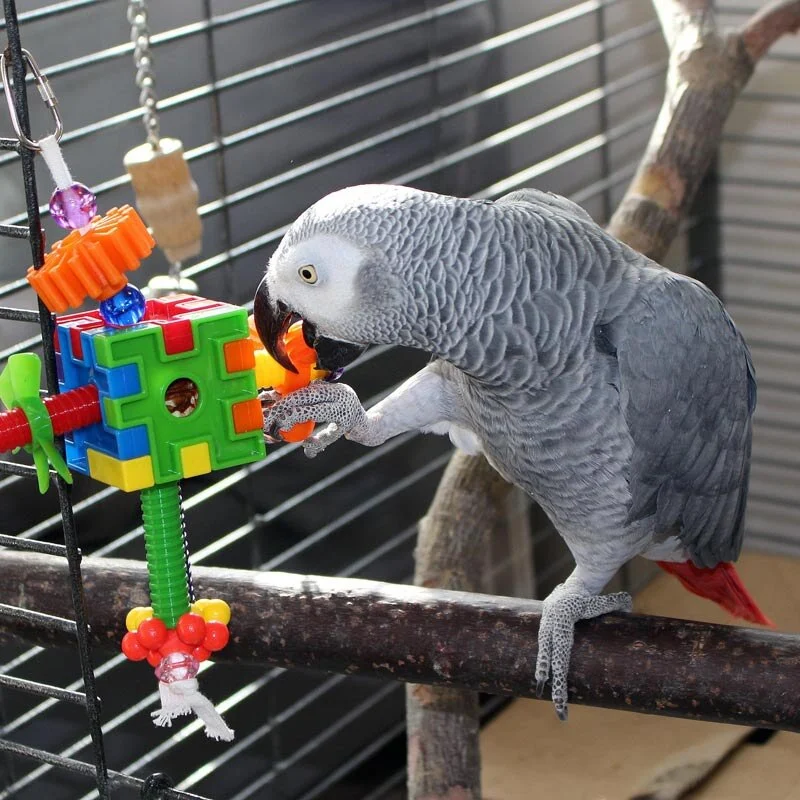
This Friday, May 29, 2026, avian enthusiasts and professionals will have the opportunity to delve into the intricate world of parrot well-being during a live webinar titled "Zookeeper Notes: Enriching the Whole Parrot." Scheduled to commence at 12:00 p.m. PST, the session promises to offer profound insights into understanding and meeting the multifaceted needs of these intelligent and social creatures. The webinar will be led by Michiko Berceau, a highly qualified professional with over 18 years of experience in wildlife, zoo, and exotic animal care. Attendees are encouraged to verify their local time using a provided time zone converter to ensure participation.
The webinar’s core objective is to provide a comprehensive approach to parrot enrichment, moving beyond superficial engagement to address the cognitive, sensory, manipulative, and social requirements that contribute to a parrot’s overall positive state and well-being. Berceau’s extensive background, which includes certifications as a Veterinary Technician and Wildlife Rehabilitator, coupled with a Bachelor of Applied Science in Veterinary Technology and over 400 hours of continuing education, positions her as an authoritative voice in the field. Her expertise extends to the rehabilitation of migratory bird treaty act-protected species, underscoring a deep understanding of avian biology and behavioral needs across various contexts.
Understanding Parrot Enrichment: A Holistic Approach
The session aims to take participants on an in-depth exploration of a parrot’s world, examining how enrichment strategies can positively impact their physical, mental, and emotional health. Berceau will guide attendees through understanding how to engage a parrot’s mind, beak, feet, eyes, and ears, emphasizing that true enrichment is a holistic endeavor. This means considering all aspects of a parrot’s existence, from their natural foraging behaviors and social structures to their innate curiosity and problem-solving abilities.
The concept of enrichment in zoological settings and for companion animals has evolved significantly over the past few decades. Initially, it often focused on providing basic toys or food items. However, contemporary approaches recognize the critical importance of environmental complexity, social interaction, and opportunities for natural behaviors to prevent boredom, stress, and stereotypic behaviors in captive animals. For parrots, species known for their high intelligence, complex social bonds, and intricate foraging behaviors, effective enrichment is paramount. Studies in comparative psychology and animal behavior have consistently demonstrated that animals provided with adequate enrichment exhibit fewer stress-related behaviors, improved immune function, and enhanced reproductive success, when applicable.
Michiko Berceau: A Leading Expert in Avian Care
Michiko Berceau’s credentials highlight her extensive practical experience and academic foundation. As a Certified Veterinary Technician (CVT), she possesses a strong understanding of animal physiology, health, and disease, enabling her to connect behavioral needs with physical well-being. Her role as a Certified Wildlife Rehabilitator (CWR) further attests to her hands-on expertise in managing the complex needs of wild avian species, many of which share fundamental behavioral and biological traits with their domesticated counterparts. Her specialization in native wildlife rehabilitation, particularly with species protected under the Migratory Bird Treaty Act, signifies a profound commitment to conservation and a nuanced understanding of avian ecology.
The inclusion of Berceau’s diverse background in the webinar description is significant. It suggests that the strategies discussed will be grounded in scientific principles and informed by extensive real-world application, both in captive environments and in the wild. This broad perspective is crucial for developing enrichment programs that are not only engaging but also physiologically and psychologically beneficial for parrots. The mention of over 400 hours of continuing education further underscores her dedication to staying abreast of the latest research and best practices in animal care and behavior.
The Science Behind Parrot Enrichment
The webinar’s focus on cognitive, sensory, manipulative, and social needs directly aligns with established principles of animal behavior and welfare.
-
Cognitive Enrichment: This involves providing opportunities for problem-solving, learning, and mental stimulation. For parrots, this can include puzzles that require them to work for food rewards, training sessions that teach new behaviors, or exposure to novel environments and objects that encourage exploration and curiosity. Cognitive challenges are vital for preventing boredom and maintaining mental acuity in intelligent species. Research has shown that cognitive stimulation can lead to improved neural plasticity and better behavioral outcomes in various animal models.
-
Sensory Enrichment: This aspect focuses on engaging a parrot’s senses – sight, sound, smell, touch, and taste. This might involve introducing new textures, sounds, scents, or visual stimuli that are safe and appropriate for the species. For example, providing a variety of foraging substrates, offering novel food items with different textures and smells, or playing species-appropriate music can all contribute to sensory enrichment. The olfactory sense in birds, while not as developed as in mammals, still plays a role in foraging and social recognition, and engaging it can be beneficial.
-
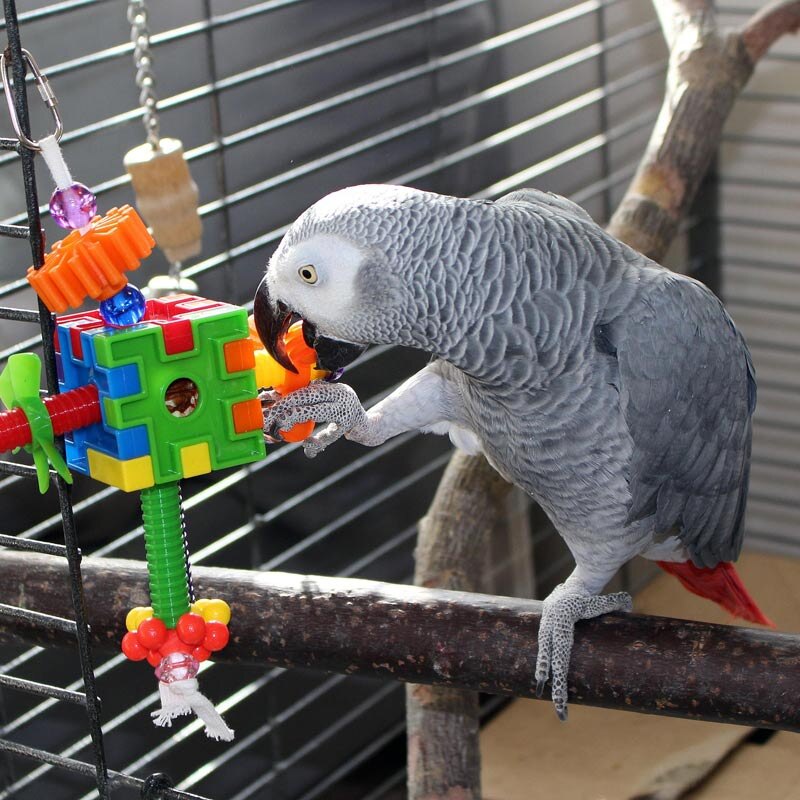
Manipulative Enrichment: Parrots are natural manipulators, using their beaks and feet to explore, break down, and interact with their environment. Manipulative enrichment provides them with opportunities to engage these natural behaviors. This can include destructible toys made from natural materials, foraging devices that require dexterity to access food, or opportunities to shred, tear, and chew. The physical act of manipulating objects is not only mentally stimulating but also crucial for maintaining beak health and providing a sense of purpose.
-
Social Enrichment: Parrots are highly social animals, often forming strong bonds within their flocks. In a captive setting, social enrichment can involve interaction with their human caregivers, with conspecifics (other parrots) if appropriate and safely managed, or even with other species in a controlled manner. This can include dedicated training and interaction time, opportunities for vocalization and communication, and living in environments that mimic natural social structures as much as possible. The lack of adequate social interaction can lead to behavioral problems such as feather plucking, aggression, and depression.
Event Logistics and Registration
The webinar is scheduled for Friday, May 29, 2026, at 12:00 p.m. Pacific Standard Time (PST). Given the global nature of online events, participants are strongly advised to use the provided time zone converter link to accurately determine the start time in their respective locations. This is a common practice for international webinars to ensure maximum accessibility and participation.
Registration for the webinar is required and can be completed by clicking the provided link: Register Now. Early registration is recommended to secure a spot, as webinars often have capacity limits. The registration process typically involves providing an email address and agreeing to terms and conditions, after which participants receive a confirmation email with joining instructions.

Background and Potential Impact
The "Zookeeper Notes" webinar series, as suggested by its title, likely aims to bridge the gap between professional zoo practices and the enrichment of companion animals. Zoos have been at the forefront of developing sophisticated enrichment programs to enhance the welfare of their inhabitants, often serving as a model for private owners. By sharing these insights, the organizers are contributing to a broader understanding of animal welfare and promoting responsible pet ownership.
The implications of such a webinar are significant for the avian community. As the popularity of parrot ownership continues to grow, so does the awareness of their complex needs. Misunderstanding these needs can lead to suboptimal living conditions, behavioral issues, and ultimately, a reduced quality of life for the birds. This webinar provides an opportunity for owners, breeders, veterinarians, and animal care professionals to gain actionable knowledge that can be directly applied to improve the lives of parrots.
The timing of the webinar, in late May 2026, places it within a period where discussions around animal welfare and ethical treatment are increasingly prominent in public discourse. Events like these contribute to a growing body of accessible, expert-led information that empowers individuals to provide better care for their animal companions. The fact that the webinar is presented by Lafeber Pet Birds, a reputable source for avian health information, further lends credibility to the event and its content.
Broader Implications for Avian Welfare
The emphasis on "enriching the whole parrot" reflects a modern, science-based approach to animal welfare that recognizes the interconnectedness of physical and psychological health. This holistic perspective is crucial for species like parrots, which exhibit advanced cognitive abilities and complex social behaviors. By focusing on all aspects of a parrot’s sensory, cognitive, manipulative, and social needs, the webinar aims to equip participants with the tools to foster a thriving environment for their feathered companions.
The insights shared by Michiko Berceau, drawing from her extensive experience in both zoo and wildlife rehabilitation settings, are expected to offer practical, evidence-based strategies. This includes an understanding of how to interpret parrot behavior, identify signs of stress or boredom, and implement targeted enrichment activities. Such knowledge is invaluable for preventing common behavioral problems in pet parrots, such as feather plucking, excessive vocalization, and aggression, which are often rooted in inadequate environmental stimulation or social interaction.
The availability of this webinar through an online platform democratizes access to expert knowledge. Previously, such in-depth information might have been confined to specialized conferences or professional training programs. Now, pet owners, aspiring avian enthusiasts, and even veterinary students can benefit from the expertise of seasoned professionals like Berceau, regardless of their geographical location. This broad accessibility has the potential to elevate the standard of care for parrots across the globe, fostering a more informed and compassionate community of avian caretakers.
Ultimately, the "Zookeeper Notes: Enriching the Whole Parrot" webinar stands as a testament to the evolving understanding of animal welfare and the commitment of organizations and professionals to disseminate vital knowledge. By focusing on a comprehensive, science-backed approach to parrot enrichment, this event is poised to make a significant positive impact on the lives of countless parrots and their human companions.
