

A 14-day biological and ornithological survey across the diverse landscapes of Mongolia has concluded, yielding significant data on several of Central Asia’s most elusive species. From the riparian corridors of the Tuul River to the high-altitude plateaus of the Altai Mountains, the expedition documented a vast array of avian and mammalian life, providing a contemporary snapshot of the region’s ecological health. The journey, which spanned the transition from late spring migration to the early breeding season, highlighted the importance of Mongolia’s protected areas, including Gun Galuut Nature Reserve, Terelj National Park, and Khustain Nuruu National Park.
Phase I: Riparian and Wetland Observations in Central Mongolia
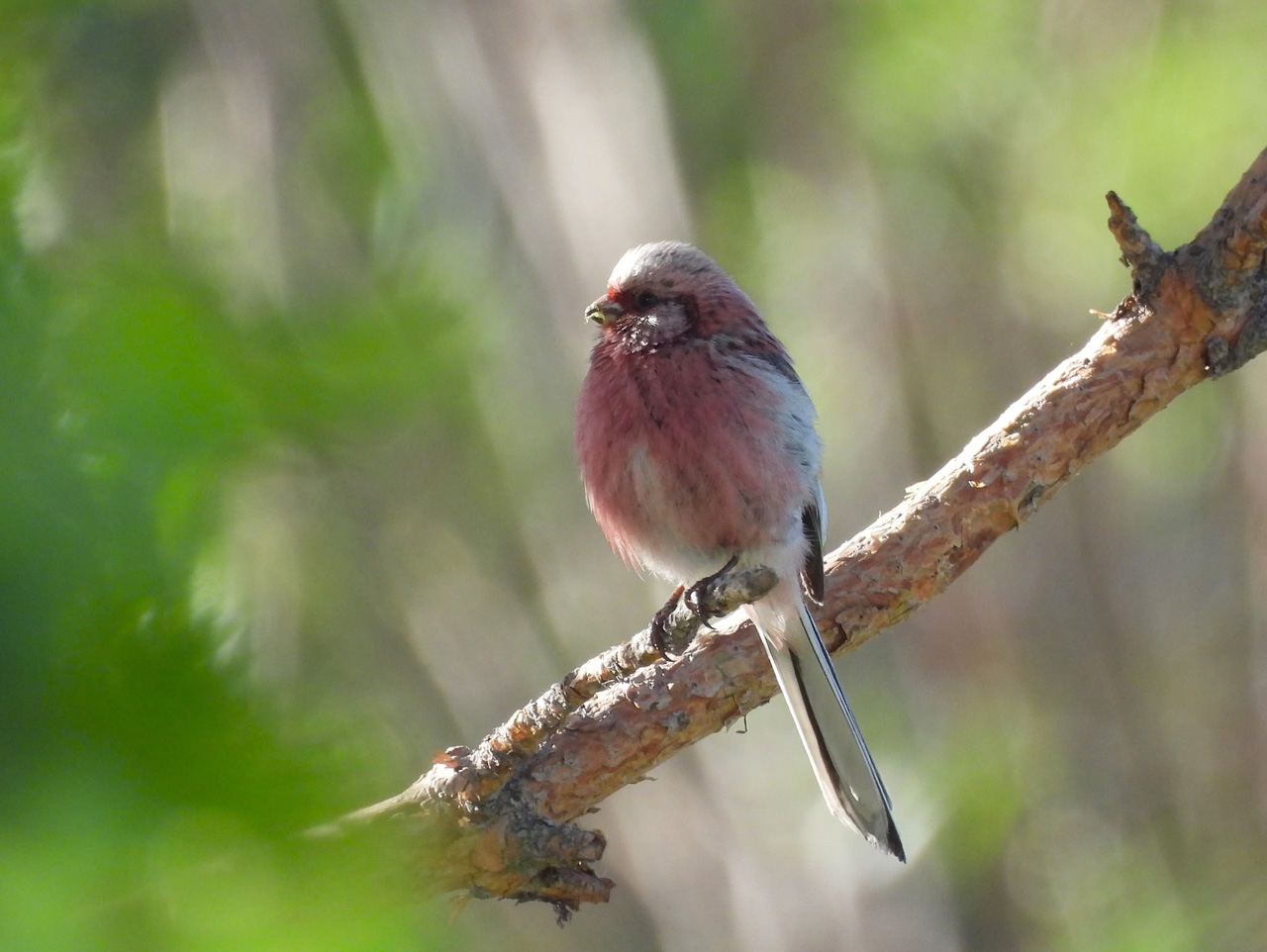
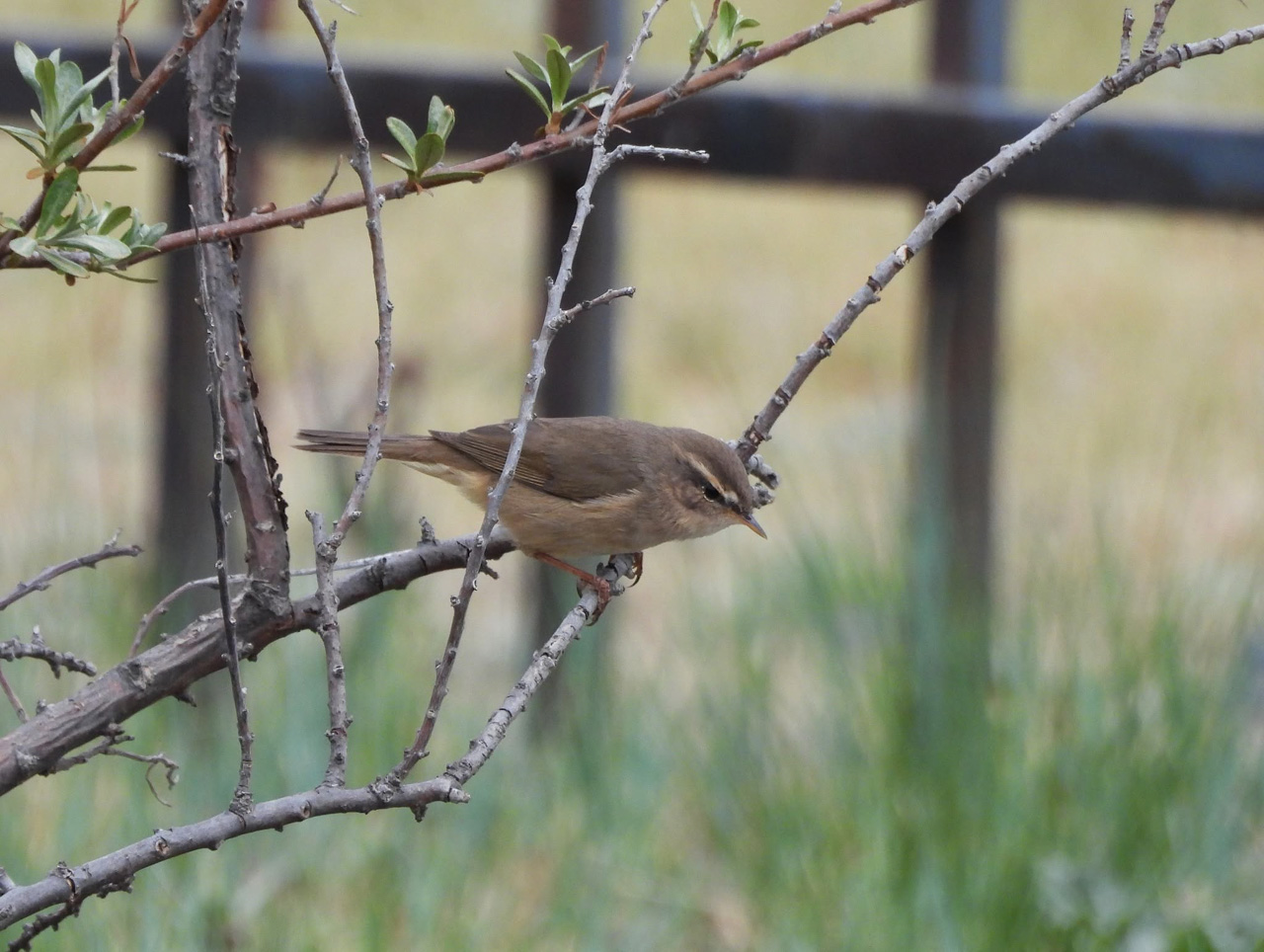
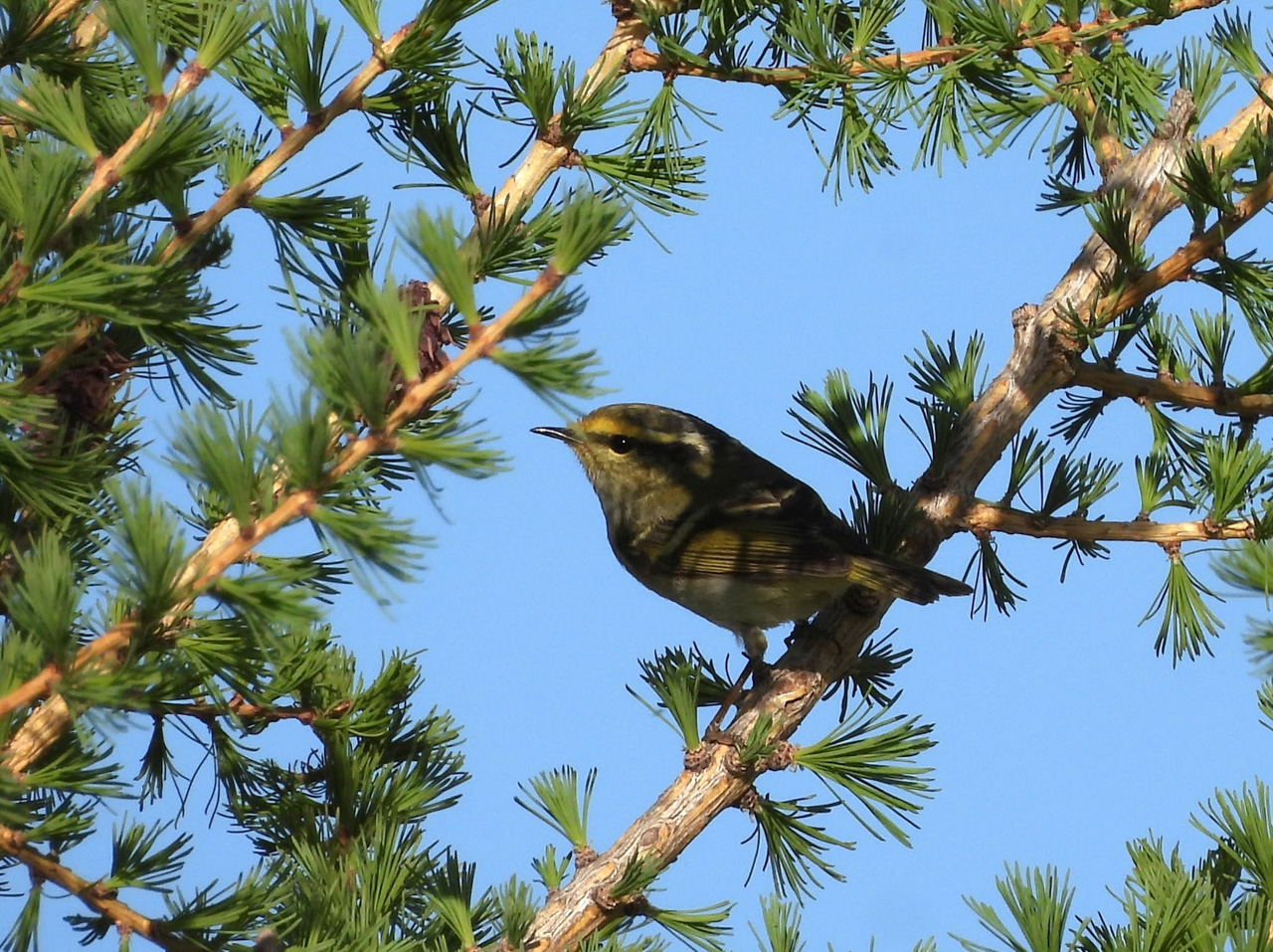
The survey began in the vicinity of Ulaanbaatar, where the Tuul River serves as a critical artery for both resident and migratory species. Initial observations focused on the lingering spring migration of passerines. The hotel grounds and surrounding shrubbery near the river proved to be highly productive, hosting Arctic Warblers (Phylloscopus borealis), Dusky Warblers (Phylloscopus fuscatus), and Pallas’s Leaf Warblers (Phylloscopus proregulus). The presence of various flycatchers, including the Taiga, Asian Brown, and Spotted varieties, suggests a robust insect population in the riparian zone.
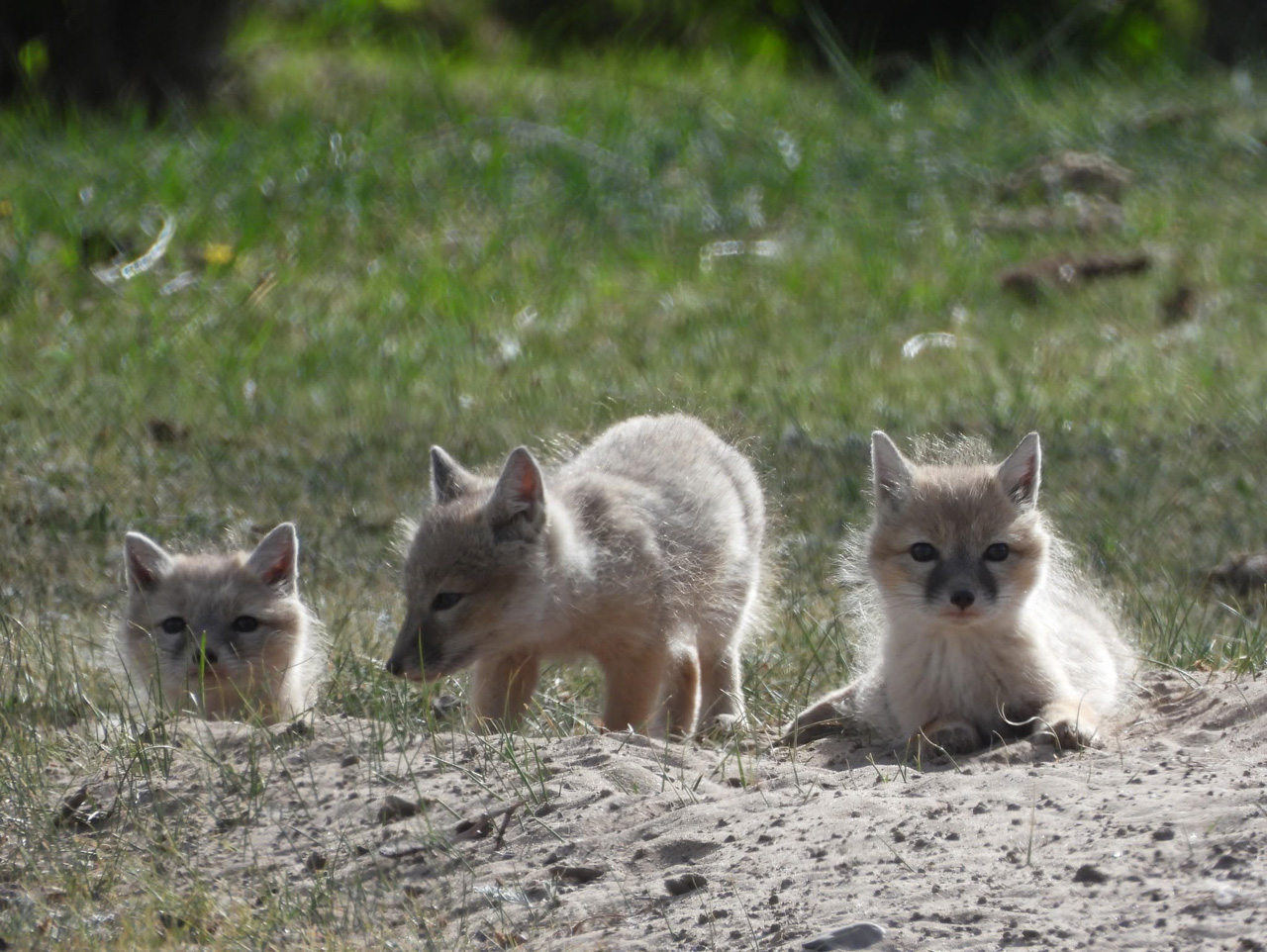
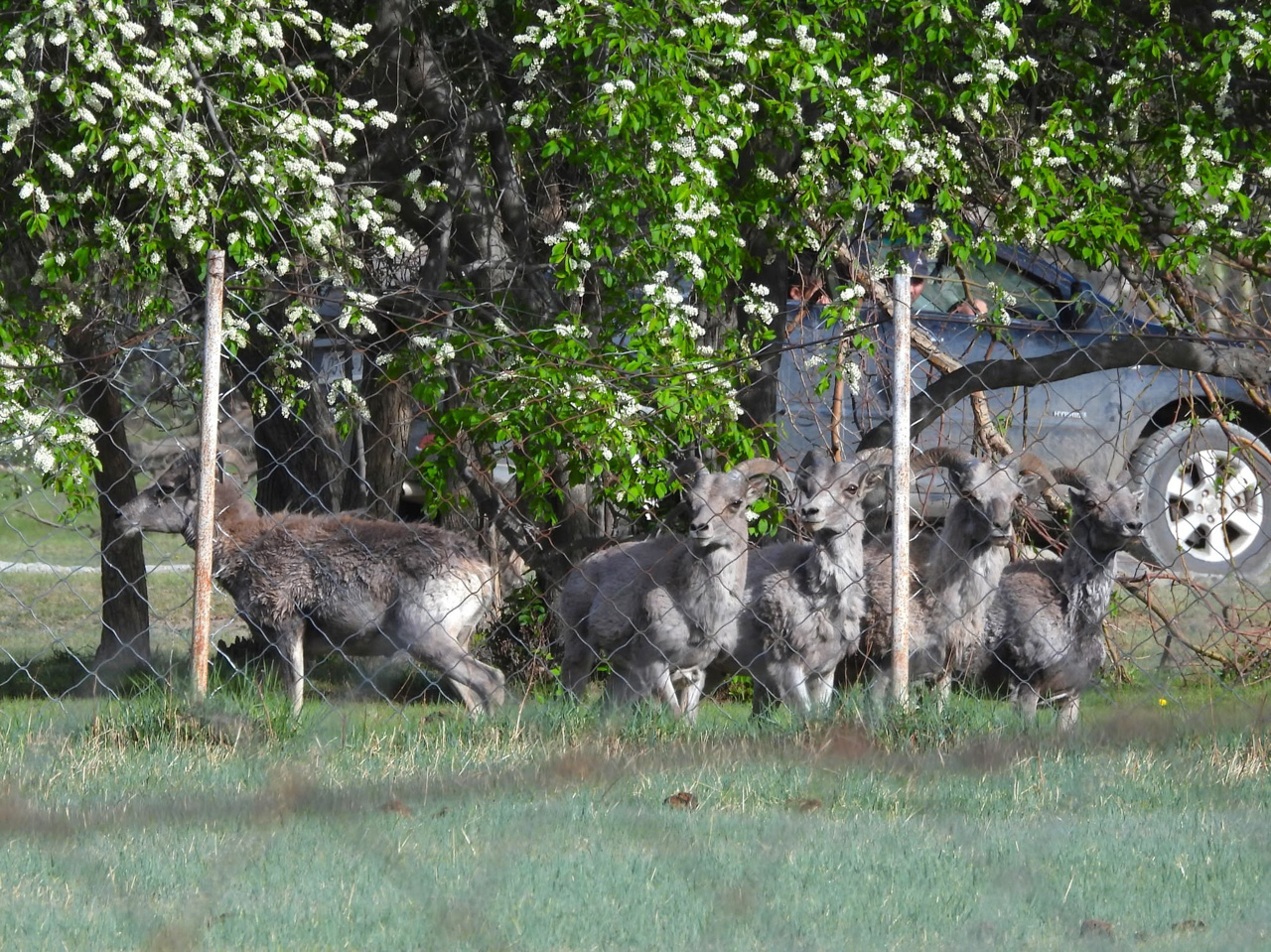
Mammalian sightings in this initial phase were unexpectedly diverse. Observers recorded Wapiti feeding along the riverbanks and a rare sighting of five young Argali sheep (Ovis ammon) navigating fences near human habitation. Experts suggest these wild sheep likely descended from higher elevations to avoid predators, a notable deviation from their typical mountain habitat. The day concluded with the documentation of two Corsac Fox (Vulpes corsac) families, including playful cubs, underscoring the adaptability of these canids to varied environments.
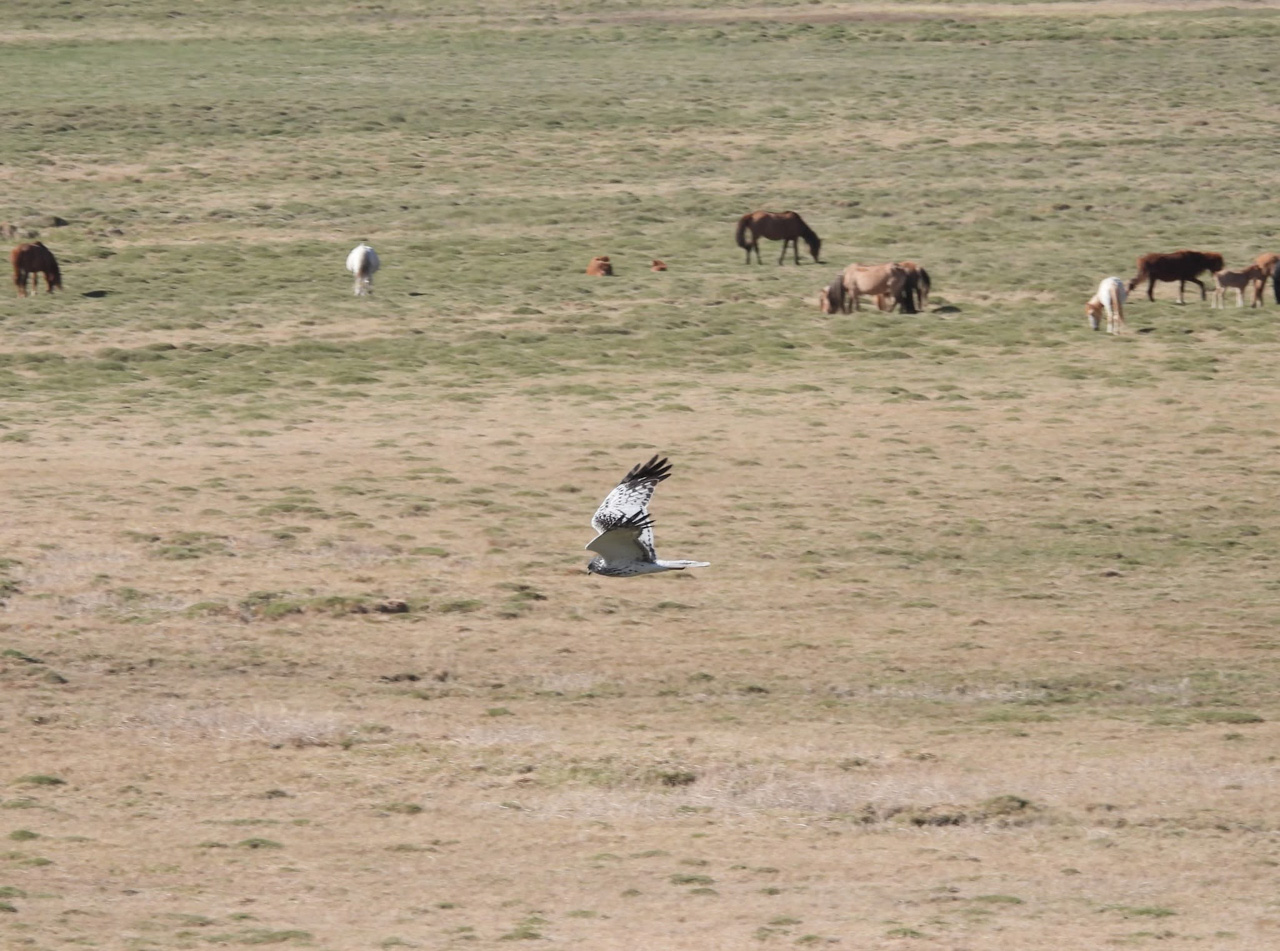
On the second day, the expedition transitioned toward the Gun Galuut Nature Reserve. En route, a stop at a peri-urban lake near the capital revealed a high density of waterbirds. Despite the lack of aesthetic appeal in the surrounding industrial landscape, the site hosted Swan Geese, Whooper Swans, and various ducks such as the Northern Shoveler and Common Goldeneye. The highlight of this leg was the appearance of a pale-morph Booted Eagle, which was actively mobbed by local Black Kites, a common territorial behavior in raptors.
Phase II: The Taiga and Larch Forests of Terelj National Park
The expedition moved eastward into the Siberian Larch (Larix sibirica) forests of Terelj National Park. This region represents a southern extension of the Siberian taiga, offering a starkly different habitat from the steppe. The primary objective here was the observation of the Black-billed Capercaillie (Tetrao urogalloides), a flagship species of the northern forests.
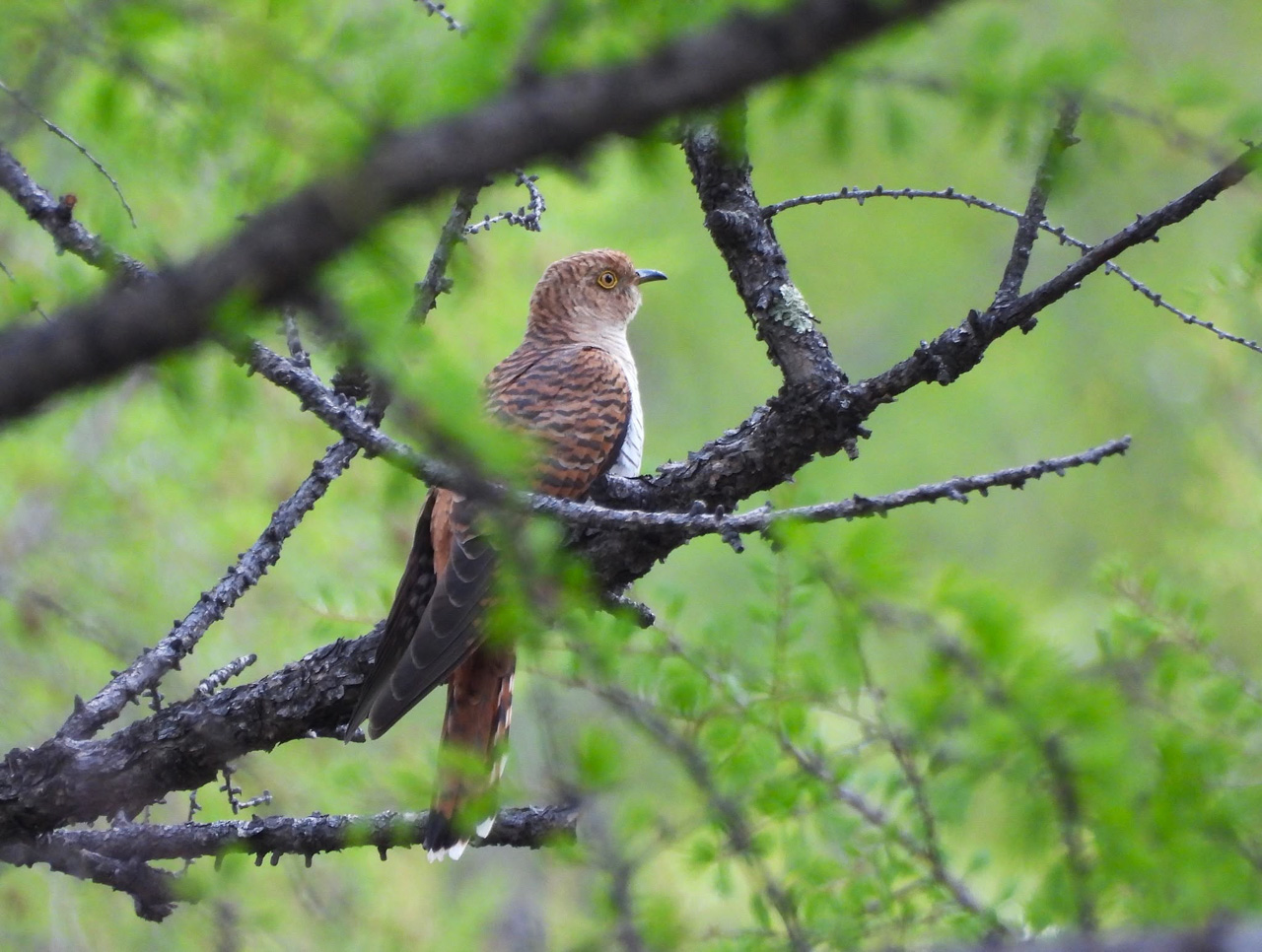
In an early morning survey, observers reached a known lekking area at sunrise. The team documented four displaying males at close range. This species is highly sensitive to disturbance, and the successful observation provided valuable data on the timing and location of their reproductive displays. Other forest-dependent species recorded included the Spotted Nutcracker, Willow Tit, and Coal Tit. The presence of both Common and Oriental Cuckoos calling simultaneously indicated a high degree of niche partitioning among brood parasites in the park.
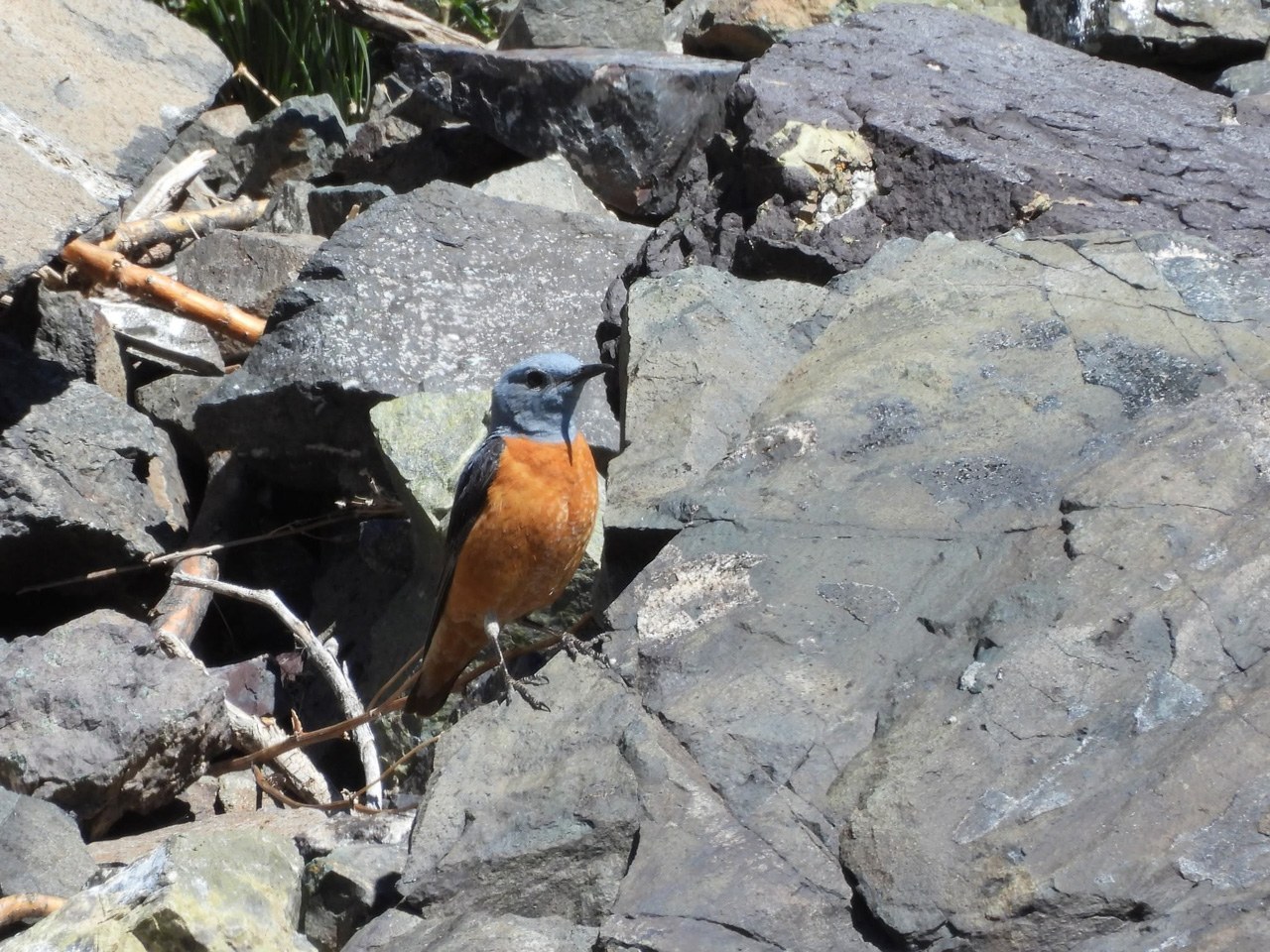
In the more open valleys of Terelj, the team observed a Cinereous Vulture at its nest and the first Bearded Vulture of the tour. The rocky outcrops provided habitat for the Rufous-tailed Rock Thrush and Daurian Redstart. These observations confirm that Terelj remains a vital biodiversity hotspot where the taiga meets the mountain steppe.
Phase III: High-Altitude Surveys in the Altai Mountains
The most demanding phase of the expedition involved a flight to Khovd in western Mongolia, the gateway to the Altai Mountains. This region is characterized by extreme altitudes and a rugged, arid climate. Upon arrival, the team surveyed Khar-Us Lake, where strong winds complicated observations. Nevertheless, the site yielded White-headed Ducks, a globally threatened species, along with large congregations of Pallas’s Gulls and Caspian Terns.
The transition to a remote mountain camp was marked by a severe dust storm, a common environmental challenge in the Altai region. Despite these conditions, the team spent several days surveying plateaus at 3,000 meters above sea level. These high-altitude environments are the domain of the Snow Leopard (Panthera uncia).
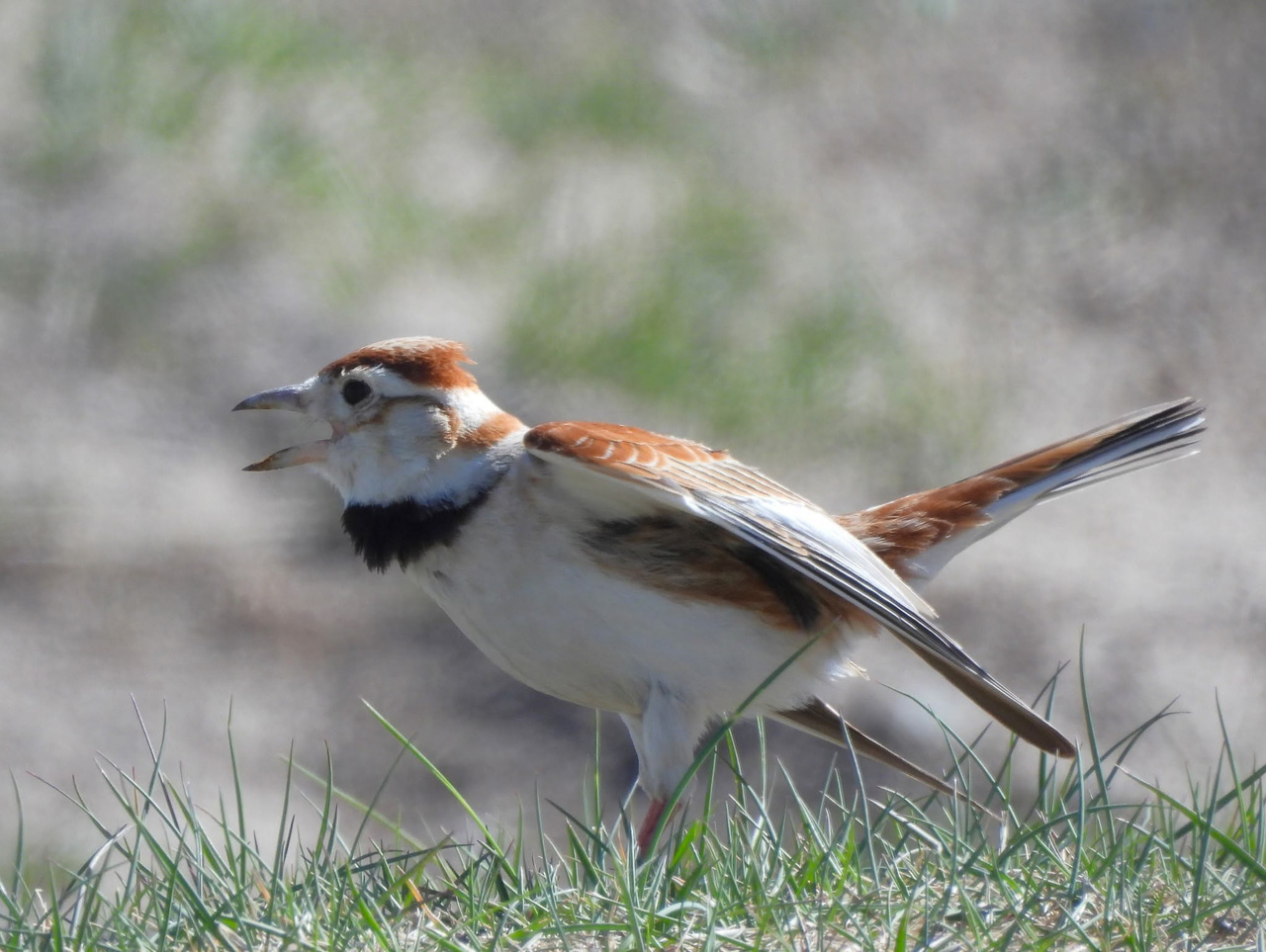
On the eighth day of the expedition, after persistent scouting, a Snow Leopard was located resting on a distant mountainside. This sighting is of significant conservation interest, as the "Ghost of the Mountains" is notoriously difficult to track. The observation was supplemented by sightings of Siberian Ibex, the primary prey base for leopards in the region.
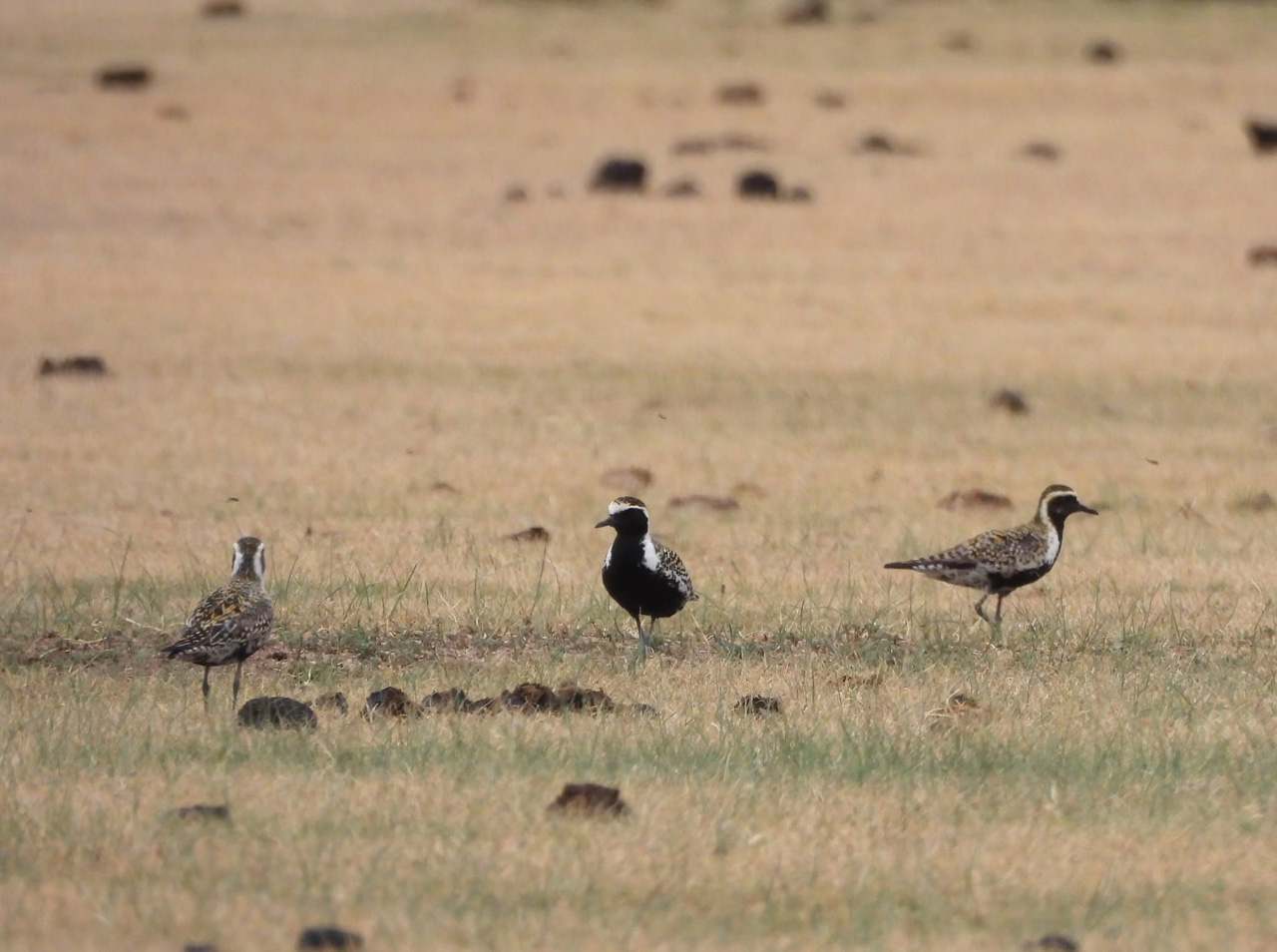
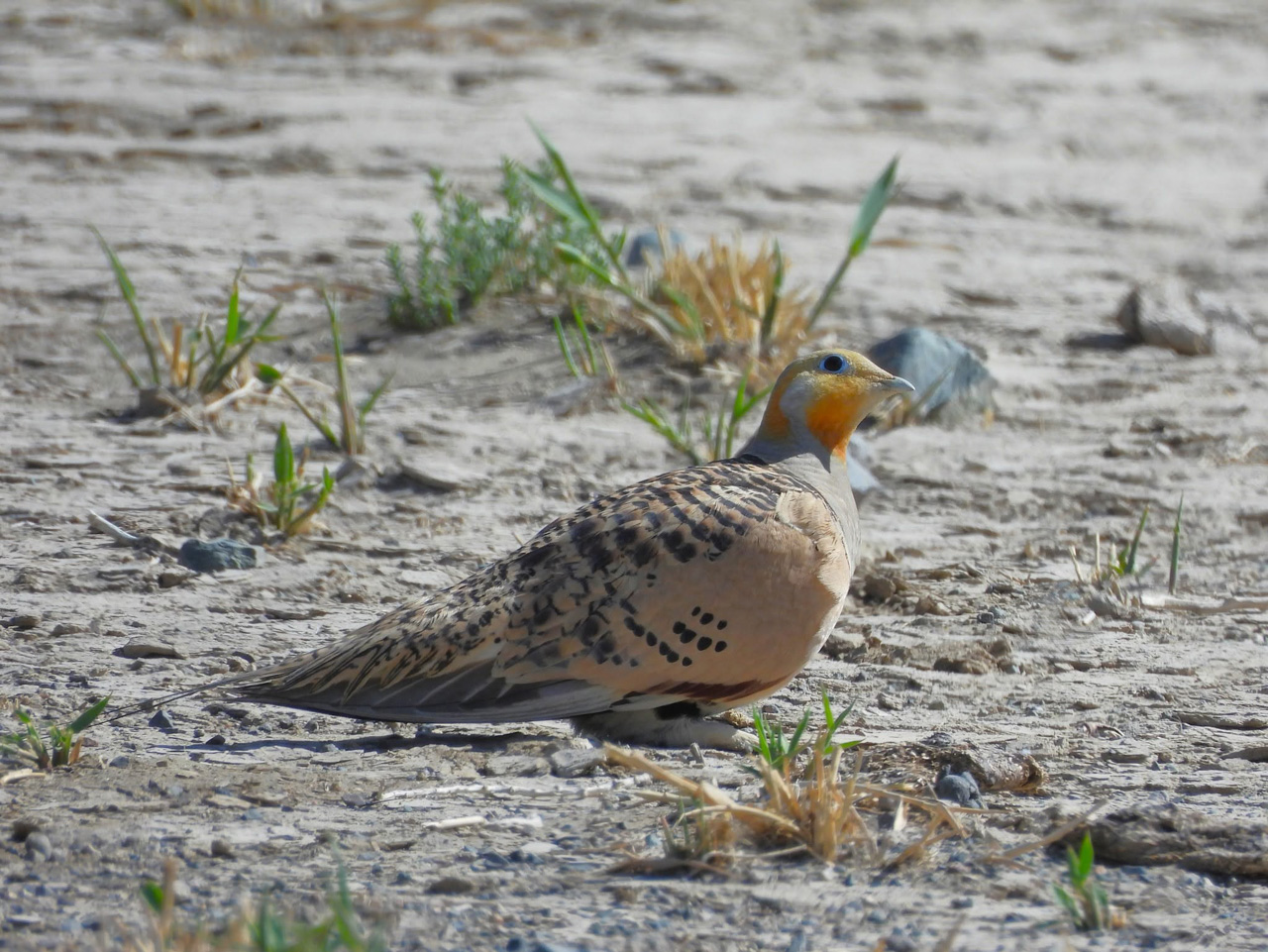
The Altai leg also focused on the Saiga Antelope (Saiga tatarica), a critically endangered species that has faced dramatic population fluctuations due to disease and poaching. On the desert steppe near Durgun Lake, the team successfully documented two individuals. While the animals were initially wary, careful stalking allowed for close-range observation. The vast, shimmering heat haze of the steppe also hosted Pallas’s Sandgrouse, which were observed drinking at a narrow spit extending into the lake.
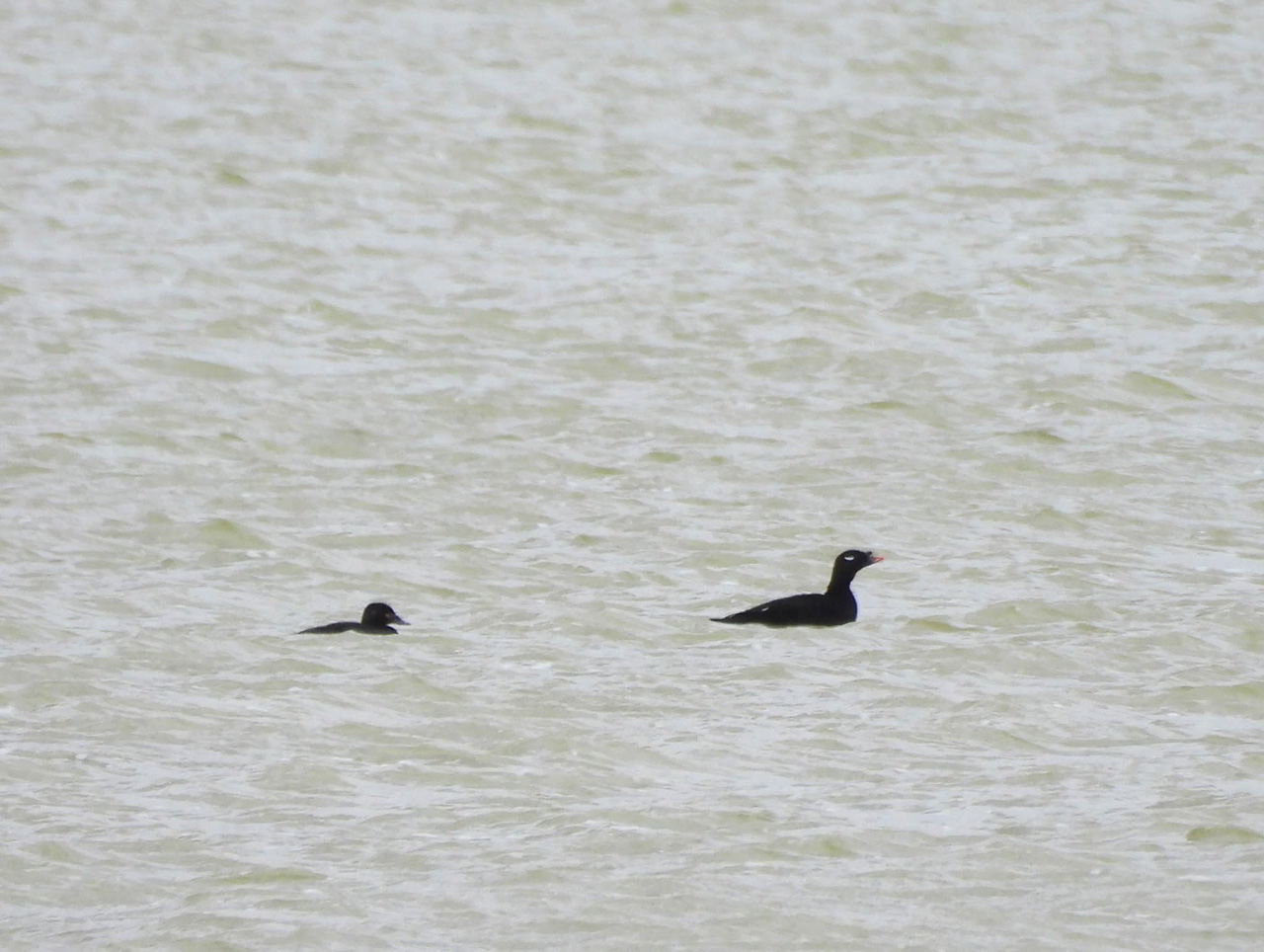
Phase IV: Specialized Avian Studies and Raptor Diversity
The tenth day of the expedition focused on the Bumbat Valley, a dramatic landscape of cliffs and wooded oases. Here, the team documented a pair of Bearded Vultures attending a chick at their nest, a sign of successful recruitment in the local population. The valley also served as a refuge for migrant passerines, including Hume’s Warbler and the Grey Wagtail.
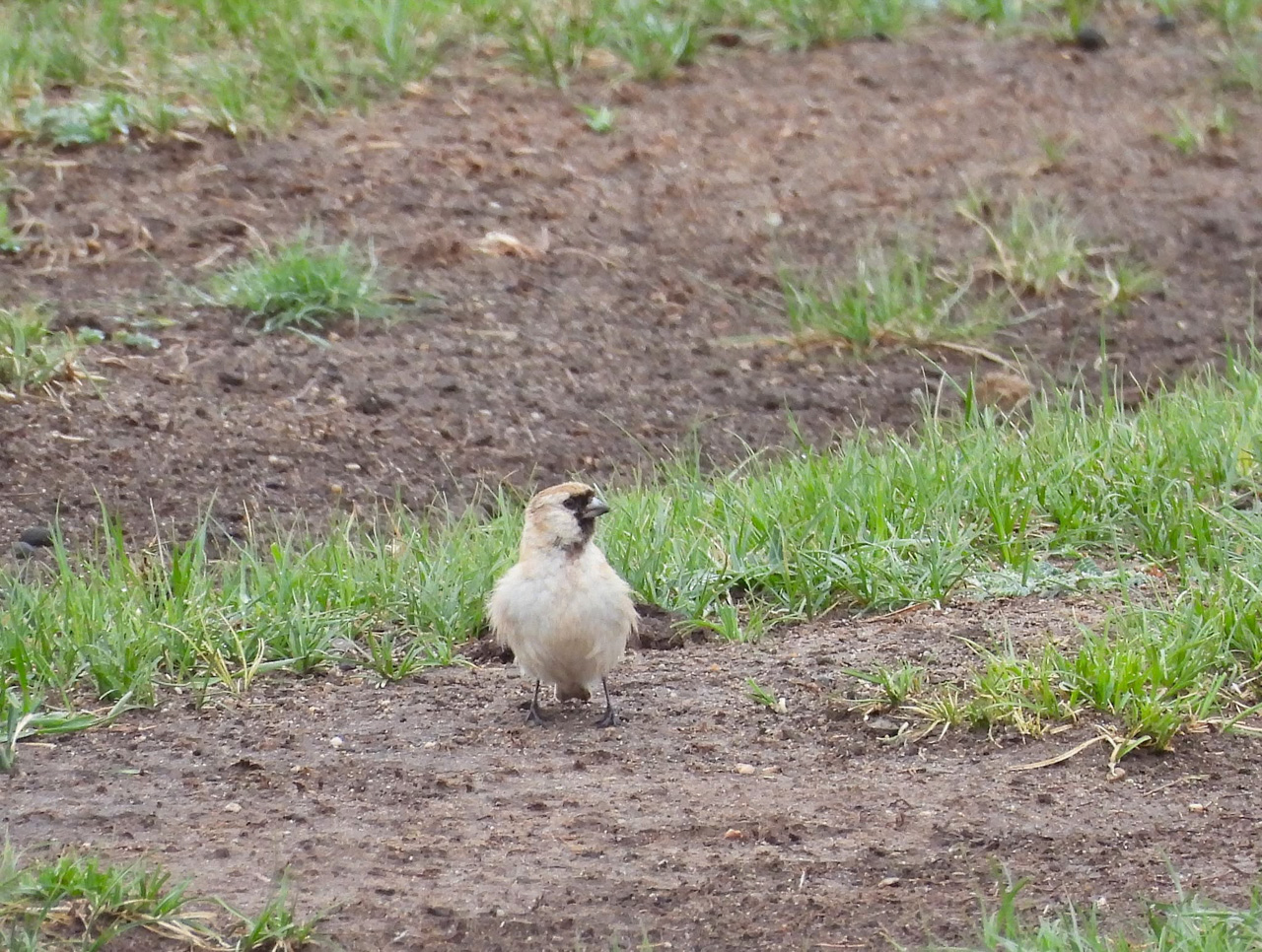
One of the more elusive avian targets, the Henderson’s Ground Jay (also known as the Mongolian Ground Jay), was finally secured on the twelfth day. This species is a specialist of the arid scrub and is often difficult to locate due to its nomadic tendencies. The team also utilized the time in the Altai to document the nesting habits of the Eurasian Eagle-Owl, finding a nest with a large chick and an unhatched egg. These details provide specific breeding phenology data for the western Mongolian population.
Phase V: The Reintroduction of the Takhi and Final Observations
The final leg of the journey took the team to Khustain Nuruu National Park, world-renowned for the successful reintroduction of the Przewalski’s Horse, or Takhi (Equus ferus przewalskii). Early morning surveys at water sources allowed for the observation of several large herds with foals. The recovery of the Takhi from near extinction to a self-sustaining wild population is one of the most significant success stories in modern conservation biology.
The park also provided a second major feline highlight: the Pallas’s Cat (Otocolobus manul). Following a tip from park rangers, the team obtained excellent views of this small, well-camouflaged predator in the rocky terrain. The cat’s presence, along with sightings of Mongolian Gazelles and Upland Buzzards, indicates a healthy trophic structure within the park’s boundaries.
The expedition concluded with a return to Ulaanbaatar. A final walk through the hotel garden produced two rare migrants: a Thick-billed Warbler and a female Siberian Blue Robin. These sightings underscore the fact that even urban green spaces in Mongolia can serve as vital stopover points for rare trans-continental migrants.
Scientific and Conservation Implications
The data collected during this 14-day survey contributes to a broader understanding of Mongolian biodiversity. Several key conclusions can be drawn from the expedition’s findings:
- Wetland Importance: The high diversity of waterbirds at both natural lakes (Khar-Us, Durgun) and peri-urban sites highlights the need for continued protection of Mongolia’s limited water resources.
- Apex Predator Health: The confirmed sightings of Snow Leopard, Grey Wolf, and multiple vulture species suggest that the prey base, including Argali sheep and Siberian Ibex, is sufficient to support top-tier predators in the Altai and Khustain regions.
- Climate and Migration: The presence of late-season migrants suggests that the timing of spring migration in Central Asia may be shifting, a topic that warrants further longitudinal study in the face of global climate change.
- Conservation Success: The stable populations of Przewalski’s Horse and the visibility of Saiga Antelope indicate that Mongolia’s protected area management and reintroduction programs are yielding tangible results.
The expedition team noted that while wildlife remains abundant, environmental pressures such as overgrazing and climate-induced dust storms remain persistent threats. The integration of eco-tourism with scientific monitoring, as demonstrated by this survey, remains a viable model for funding and executing conservation work in remote regions. The 14-day journey not only met its primary objectives but also documented rare behaviors and species occurrences that will inform future research in the "Land of the Eternal Blue Sky."
