

Newfoundland and Labrador’s position as a premier destination for ecological tourism was recently highlighted by an expansive 11-day scientific and recreational expedition that traversed the province from the historic streets of St. John’s to the geological wonders of Gros Morne National Park. The journey, comprised of eleven participants and two expert guides, documented a vast array of North Atlantic biodiversity, including iconic avian species, megafauna, and rare geological formations. This expedition serves as a vital case study in the intersection of conservation awareness and the burgeoning eco-tourism sector in Atlantic Canada, showcasing the region’s unique role as a refuge for both Arctic and boreal species.
The Avalon Peninsula: Urban Birding and Rare Sightings
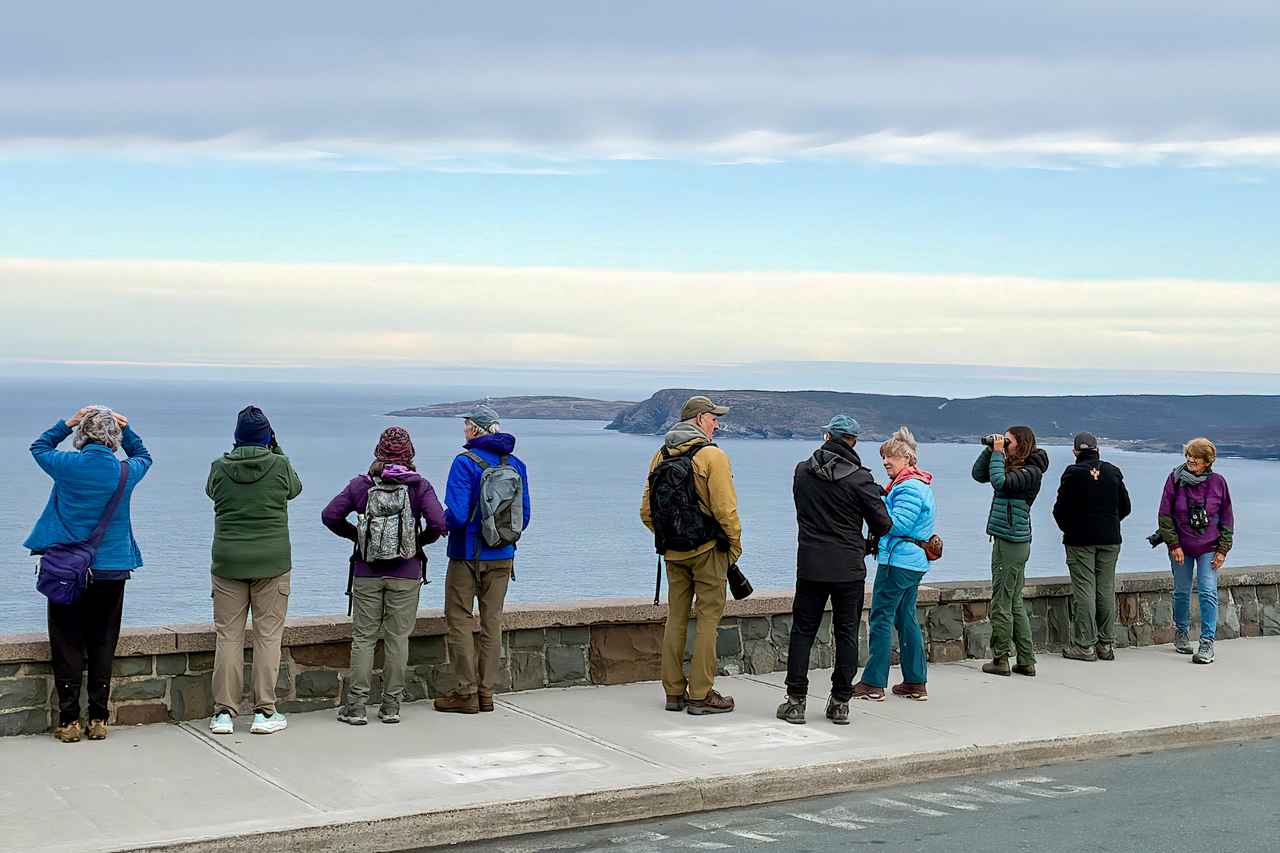
The expedition commenced in St. John’s, North America’s easternmost city, which serves as a critical gateway for observing pelagic birds and marine mammals. Initial observations at Signal Hill National Historic Site provided immediate data on the region’s marine productivity, with participants documenting Northern Gannets (Morus bassanus) and Great Black-backed Gulls (Larus marinus) alongside several Minke Whales (Balaenoptera acutorostrata) feeding in the cold Labrador Current.
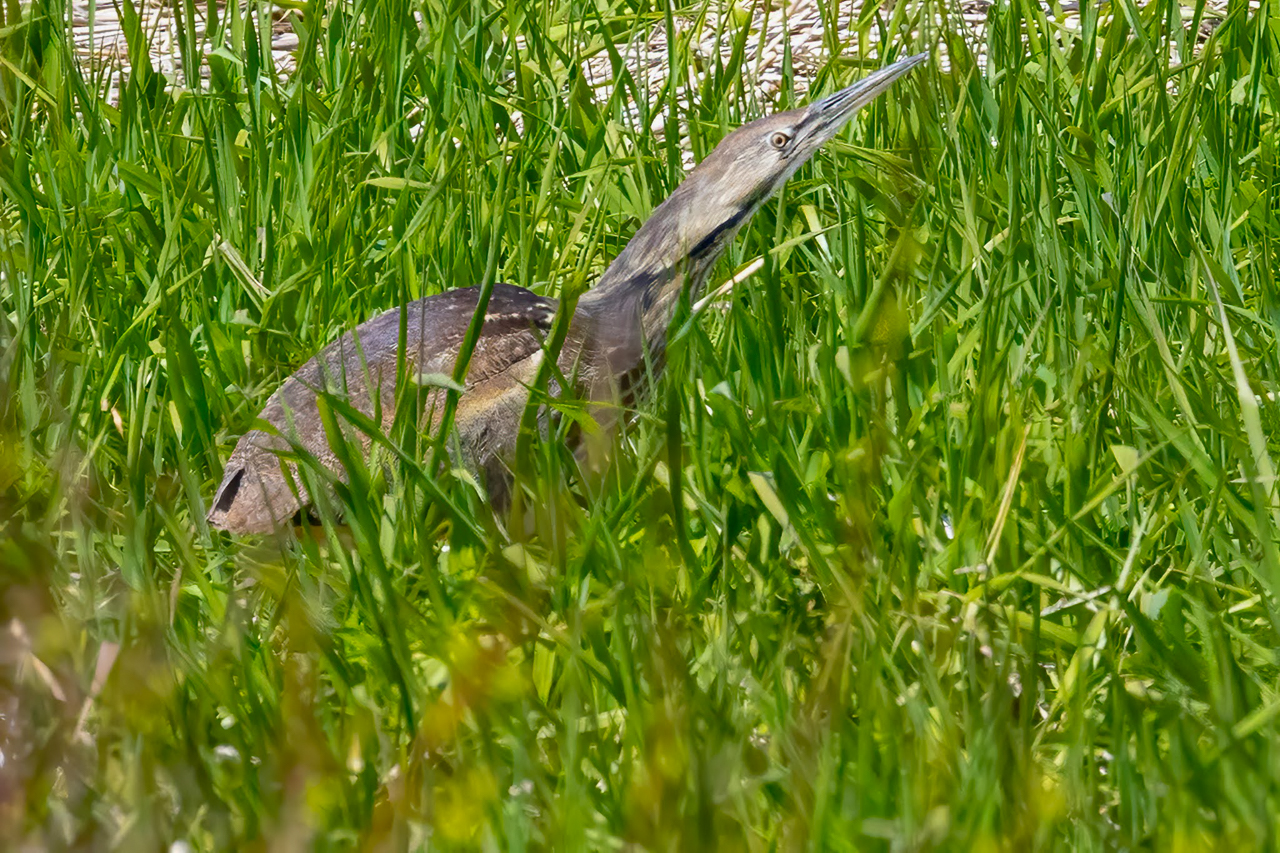
In the Goulds area and Bidgood Park, the group transitioned to a survey of boreal breeding warblers. The presence of Northern Waterthrushes, Yellow-rumped Warblers, and Blackpoll Warblers confirmed the health of the Black Spruce (Picea mariana) forests that dominate the Avalon Peninsula’s interior. A notable sighting during this phase was the American Bittern (Botaurus lentiginosus), a species known for its cryptic behavior and camouflage. Its visibility in short vegetation offered a rare opportunity for behavioral observation.
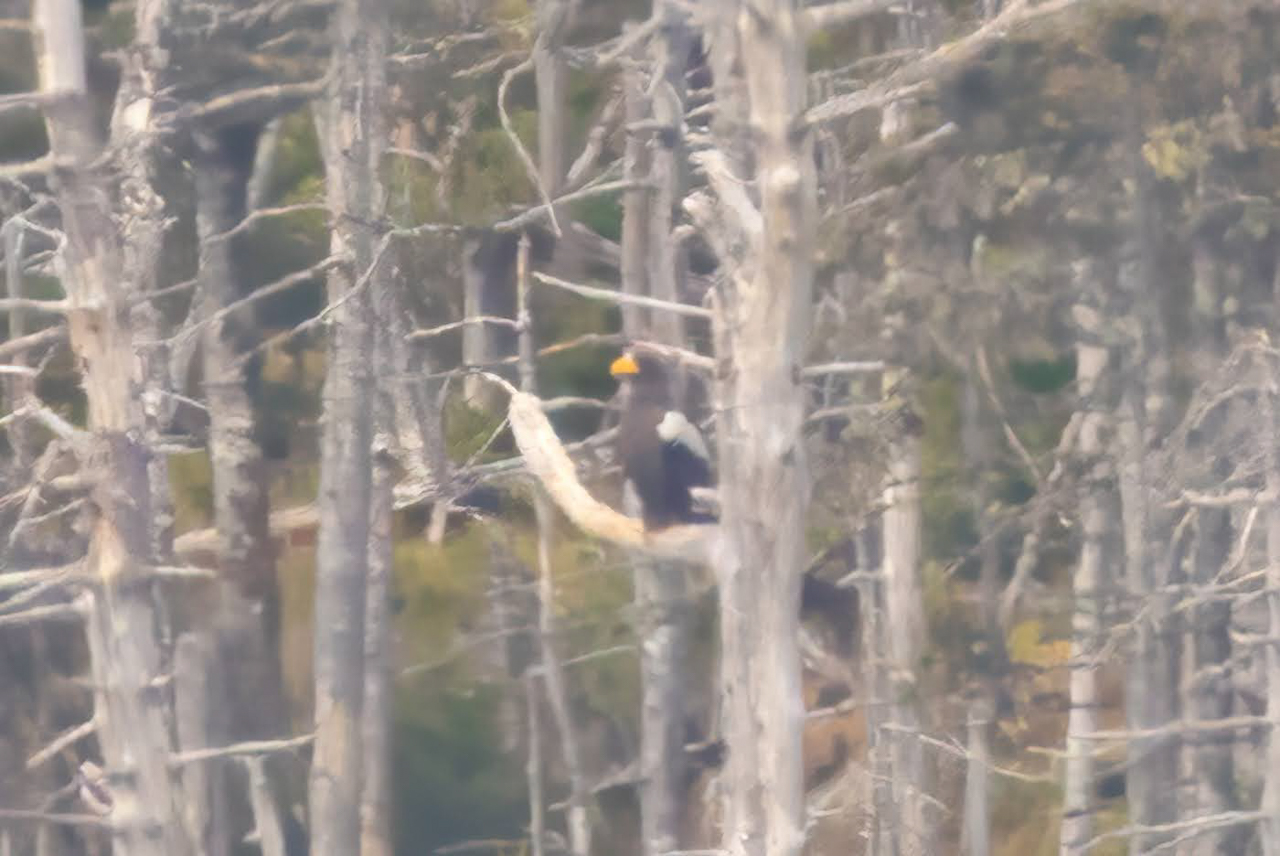
A significant highlight of the expedition’s first phase was the sighting of the Steller’s Sea Eagle (Haliaeetus pelagicus) in Whiteway. This individual bird, native to Northeast Asia, has been a resident of Newfoundland since 2023. As a species classified as "Vulnerable" by the International Union for Conservation of Nature (IUCN), its continued presence in the North Atlantic remains a subject of intense interest for ornithologists and citizen scientists alike.
Witless Bay and the Great Seabird Colonies
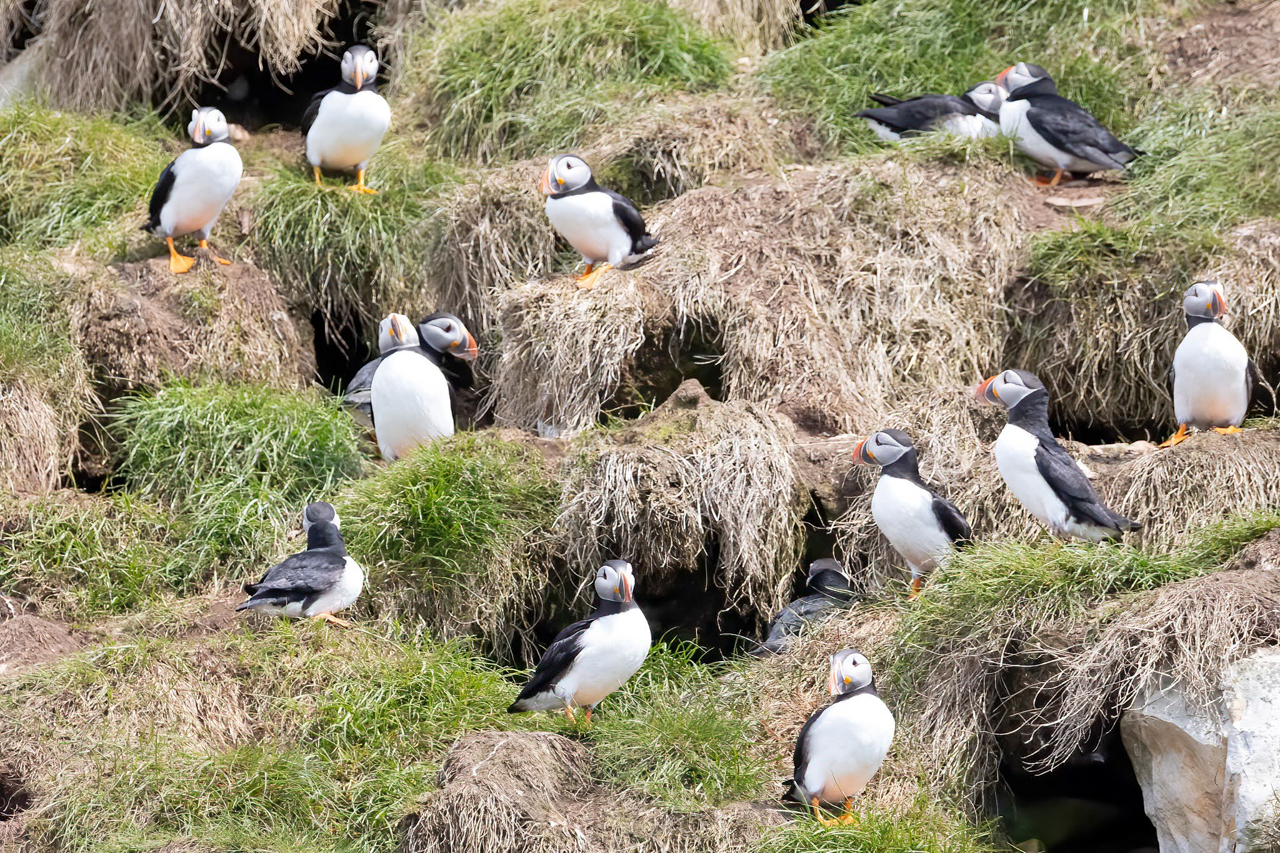
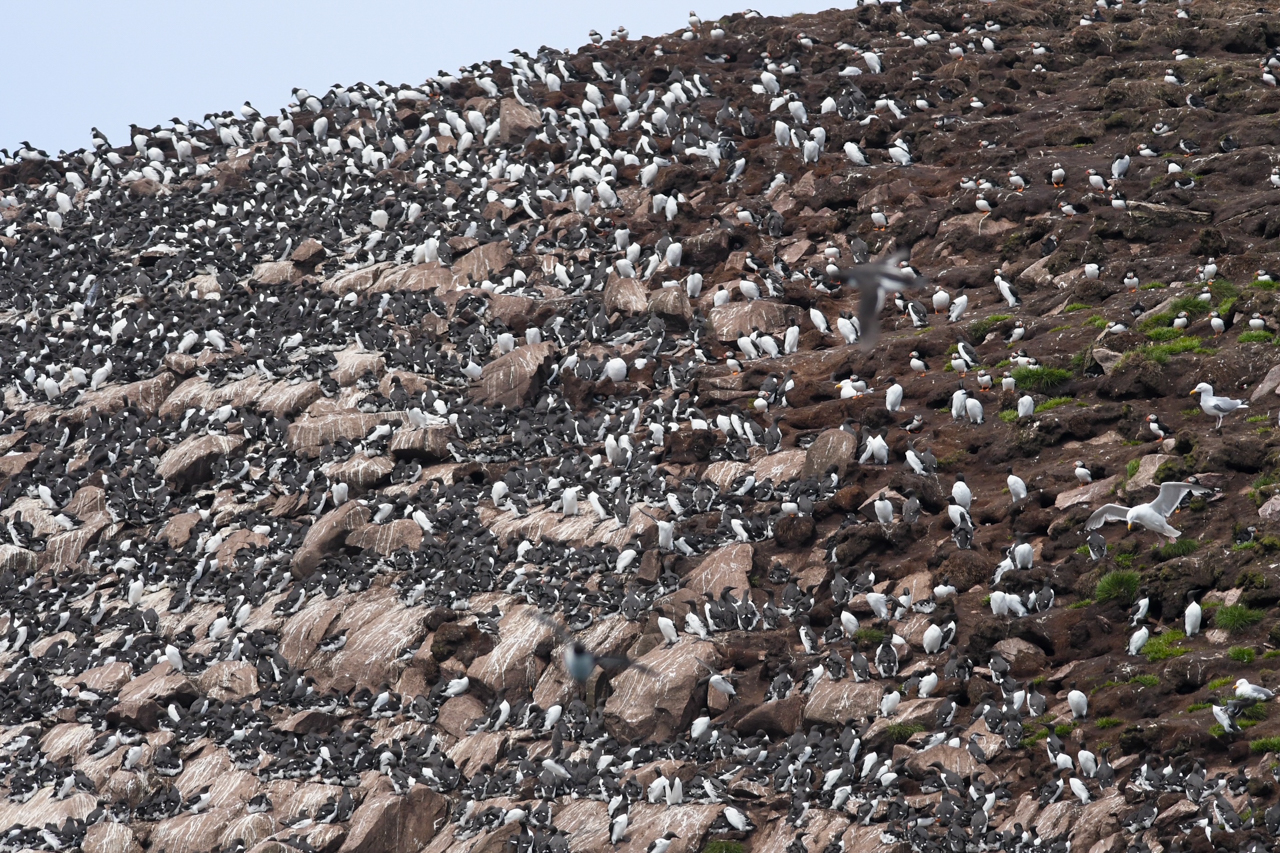
The expedition’s visit to the Witless Bay Ecological Reserve underscored the global importance of Newfoundland’s offshore islands. Gull Island, part of the reserve, hosts one of the largest concentrations of Atlantic Puffins (Fratercula arctica) in North America, with estimates exceeding 260,000 pairs during peak breeding seasons.
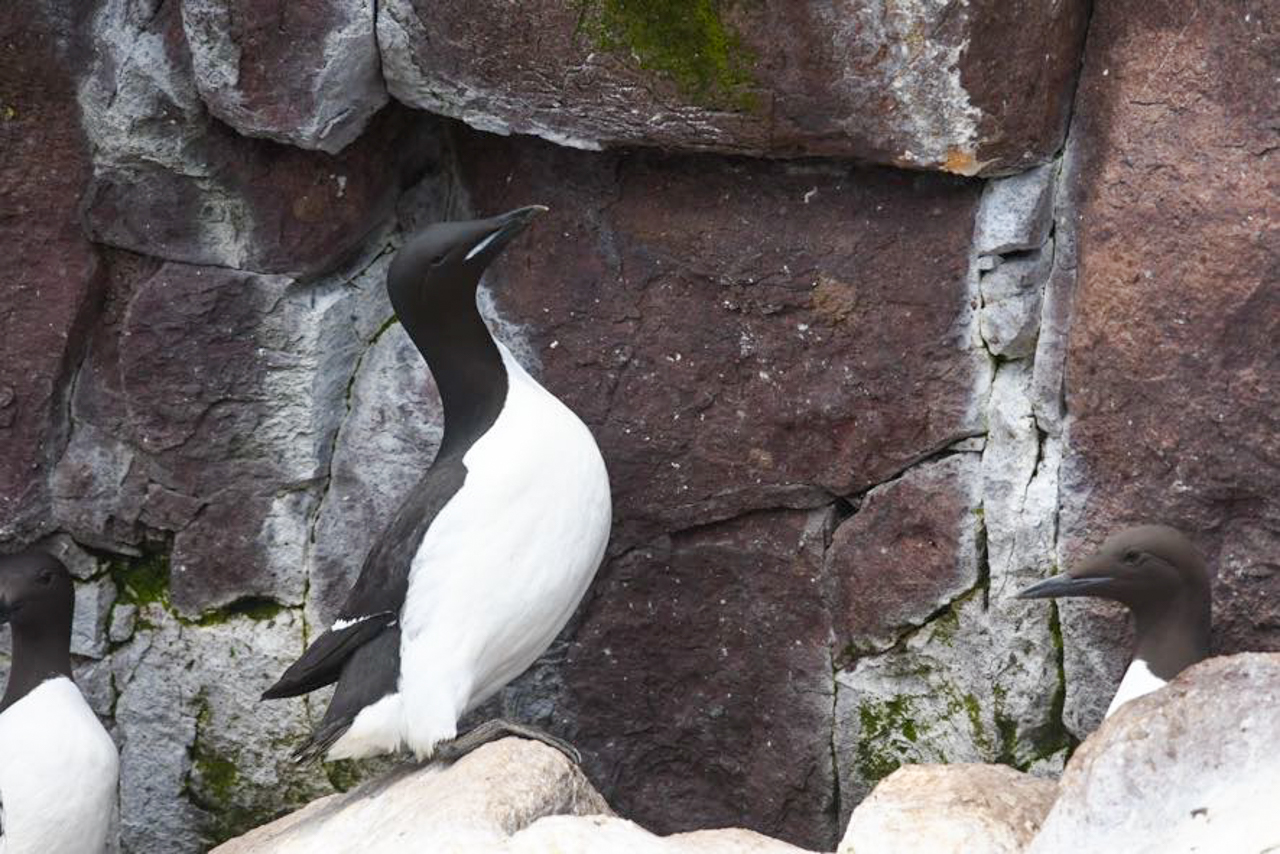
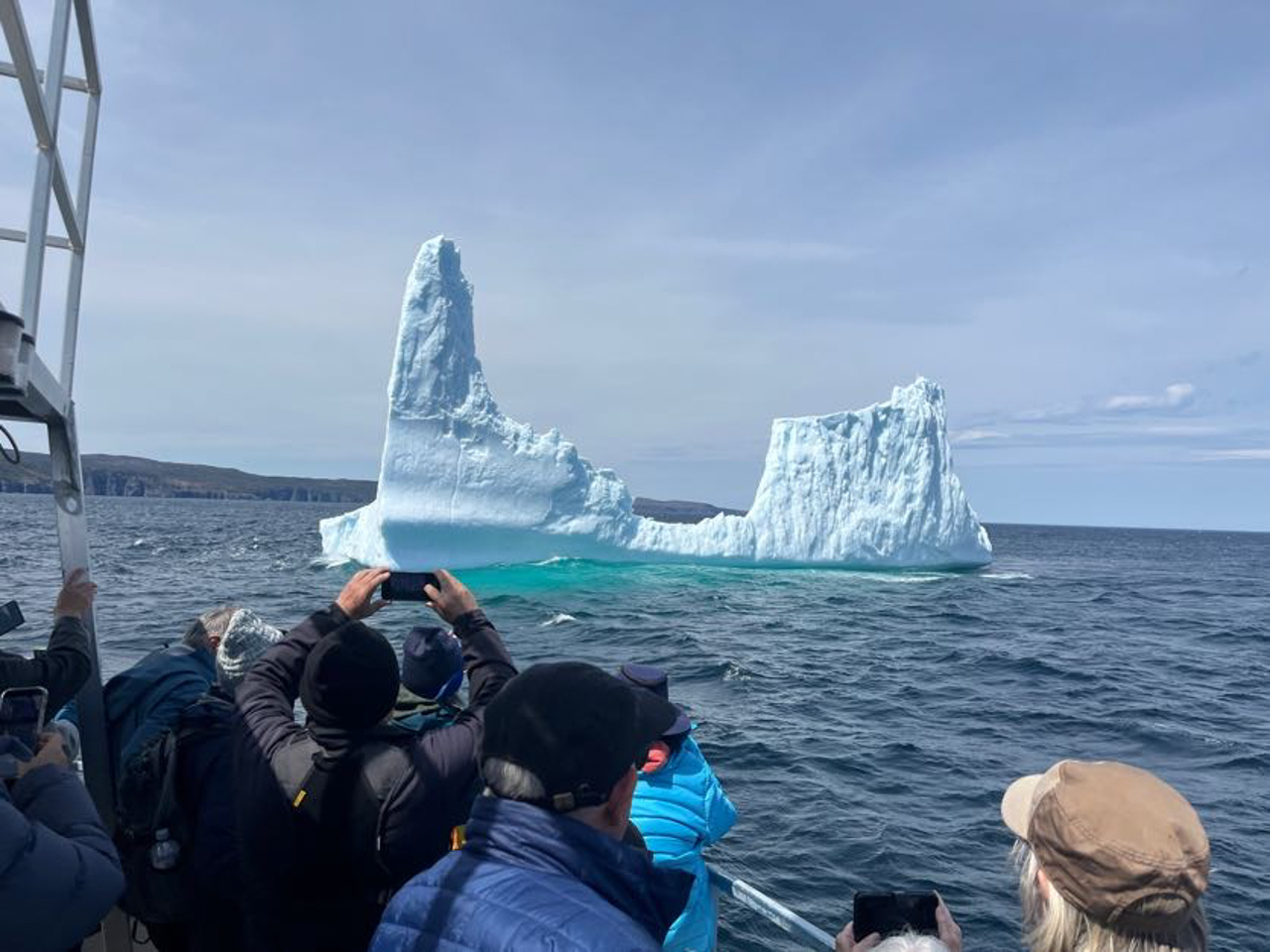
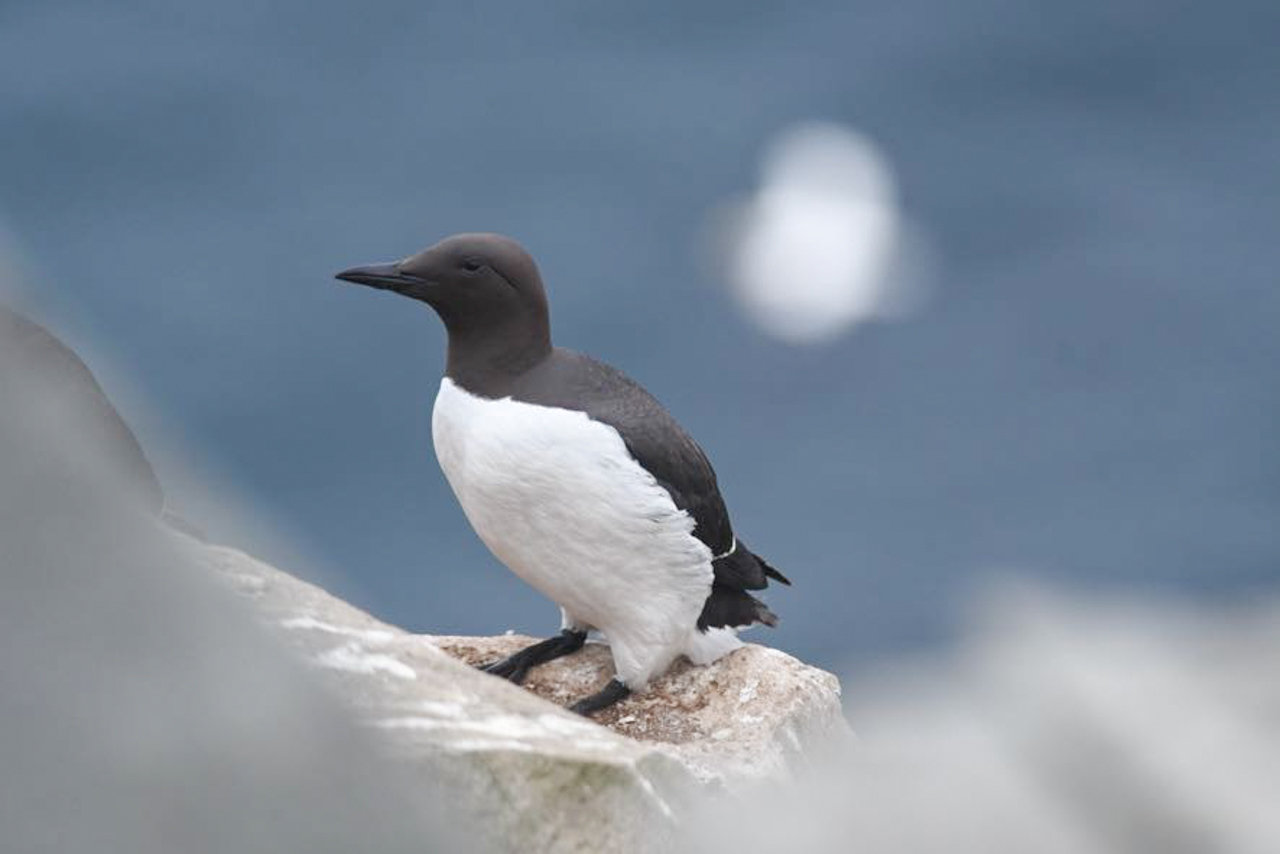
In addition to the puffins, the group documented Razorbills (Alca torda) and Black-legged Kittiwakes (Rissa tridactyla). A critical observation was made of a Thick-billed Murre (Uria lomvia) nestled among thousands of Common Murres. While Common Murres are abundant in the region, the Thick-billed Murre is more typically associated with the High Arctic, making its presence in the Witless Bay colony a point of significant ecological record. The boat tour also encountered a large iceberg, a remnant of the Greenland ice sheet, illustrating the ongoing environmental processes that define the Newfoundland coast during the late spring and early summer months.
The Irish Loop: Maritime History and Ancient Life
As the expedition moved south along the "Irish Loop," it integrated biological surveys with historical and geological context. At St. Michaels, the group observed Northern Fulmars (Fulmarus glacialis). This colony is geographically significant as one of the few southern breeding sites for a species that is overwhelmingly found in the Arctic.
The journey continued to the Mistaken Point Ecological Reserve, a UNESCO World Heritage Site. This location is globally renowned for its Ediacaran fossils, which represent the oldest diverse ecosystem of large, multicellular organisms found on Earth, dating back approximately 565 million years. The site provides a window into the "Avalonian" biota, a crucial period in the evolution of life.
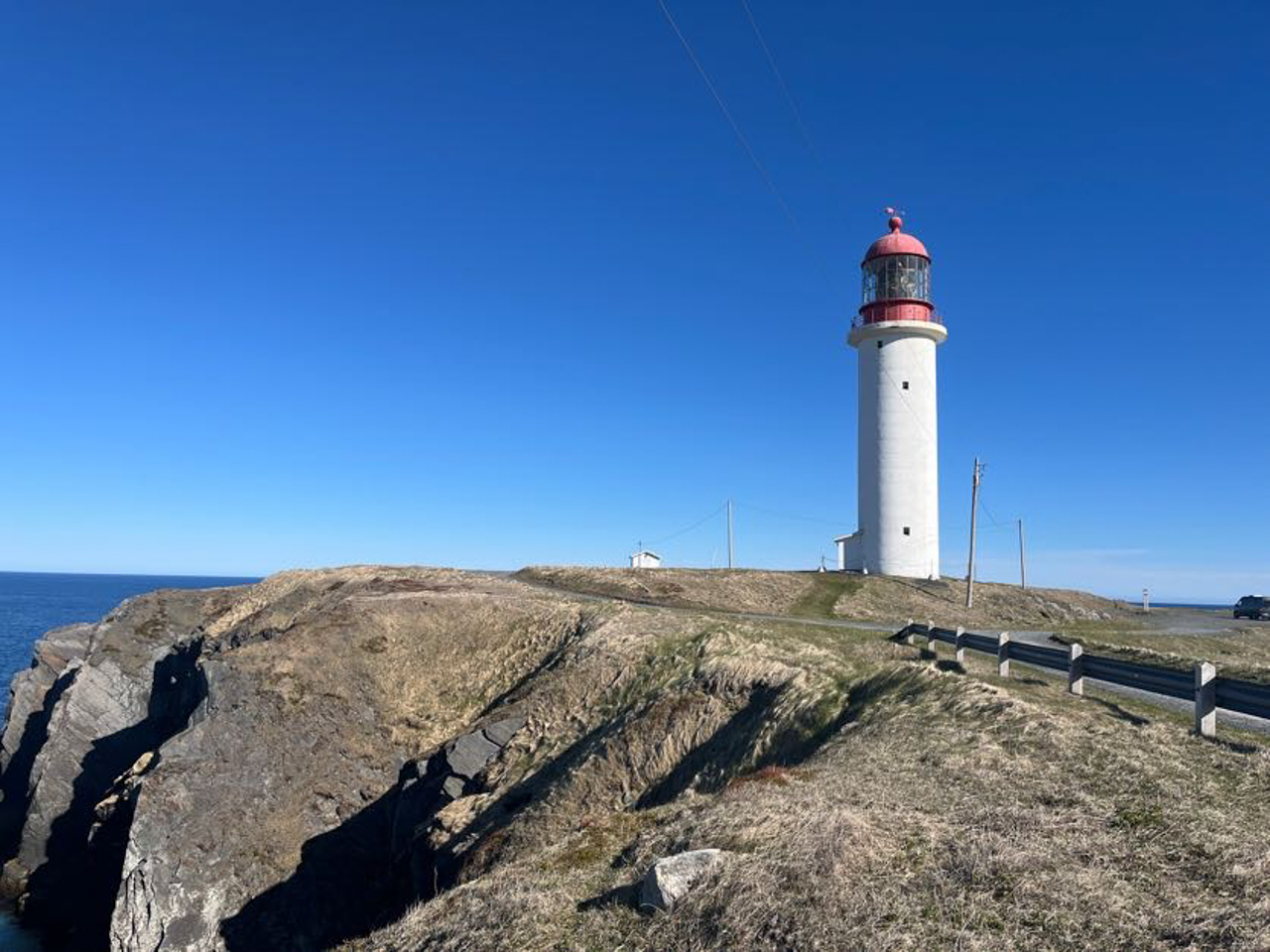
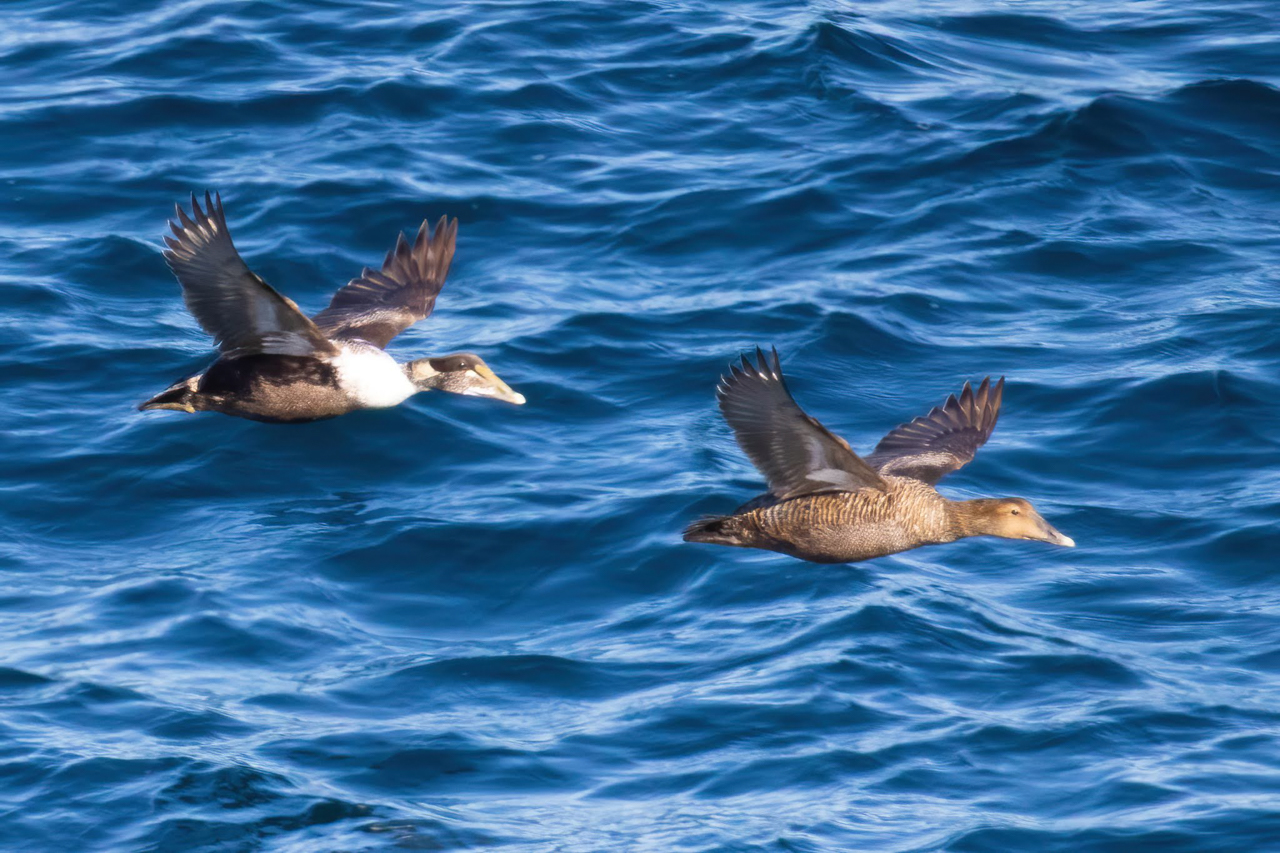
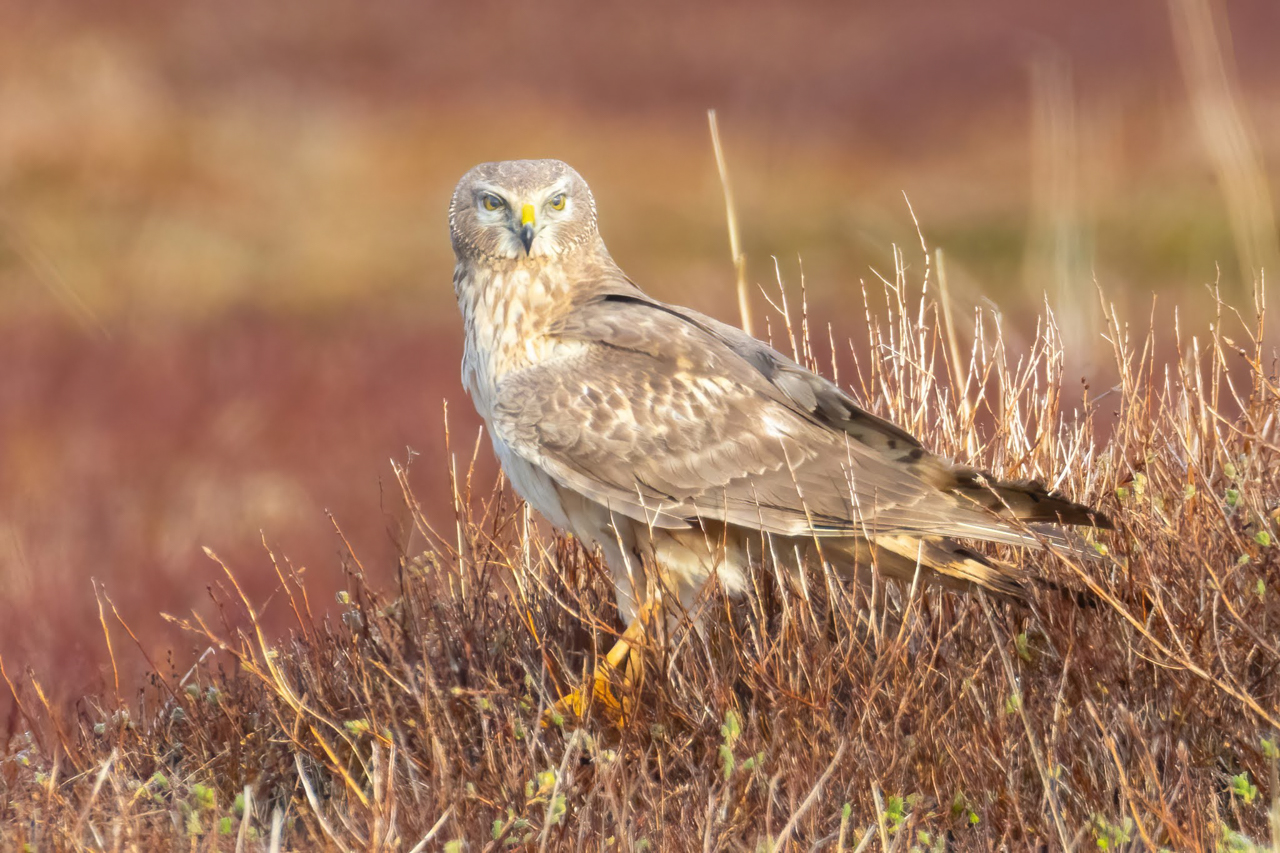
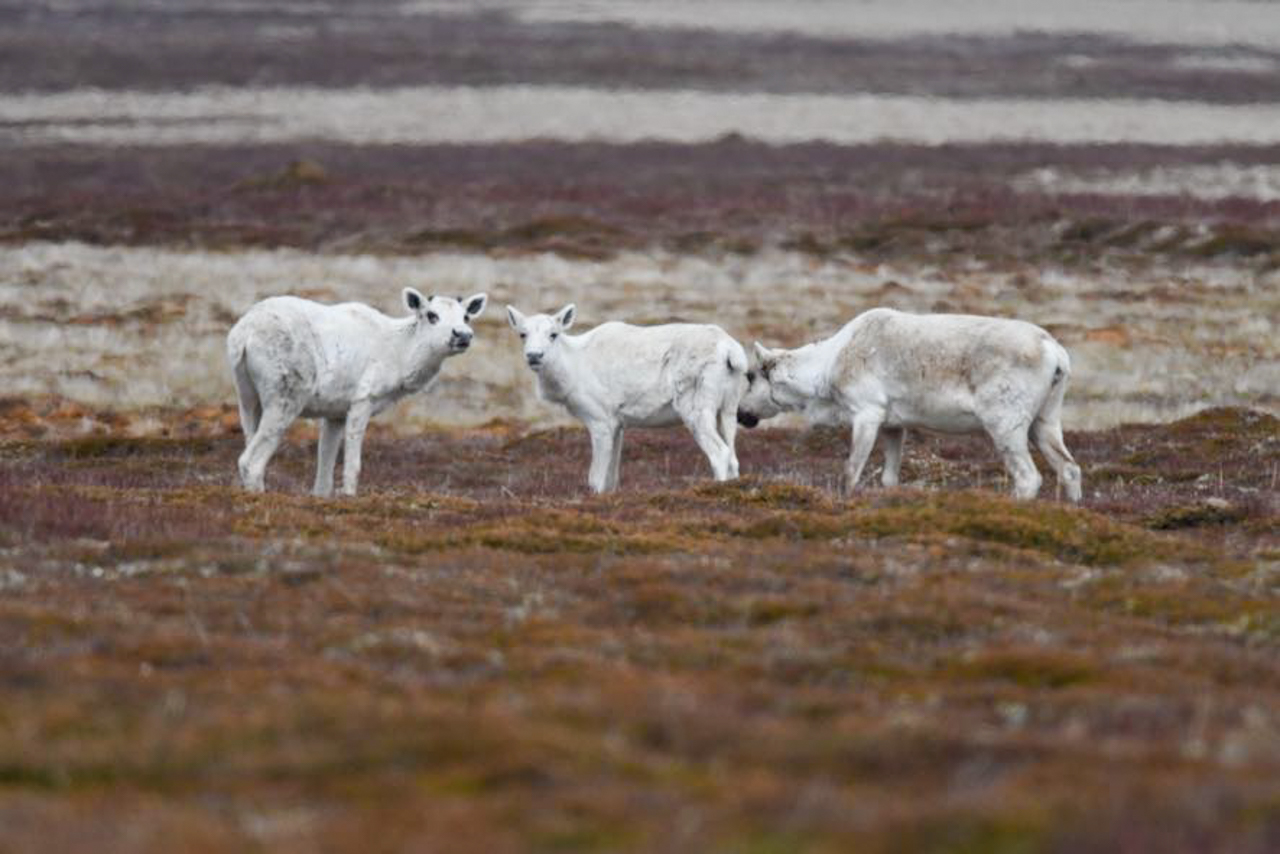
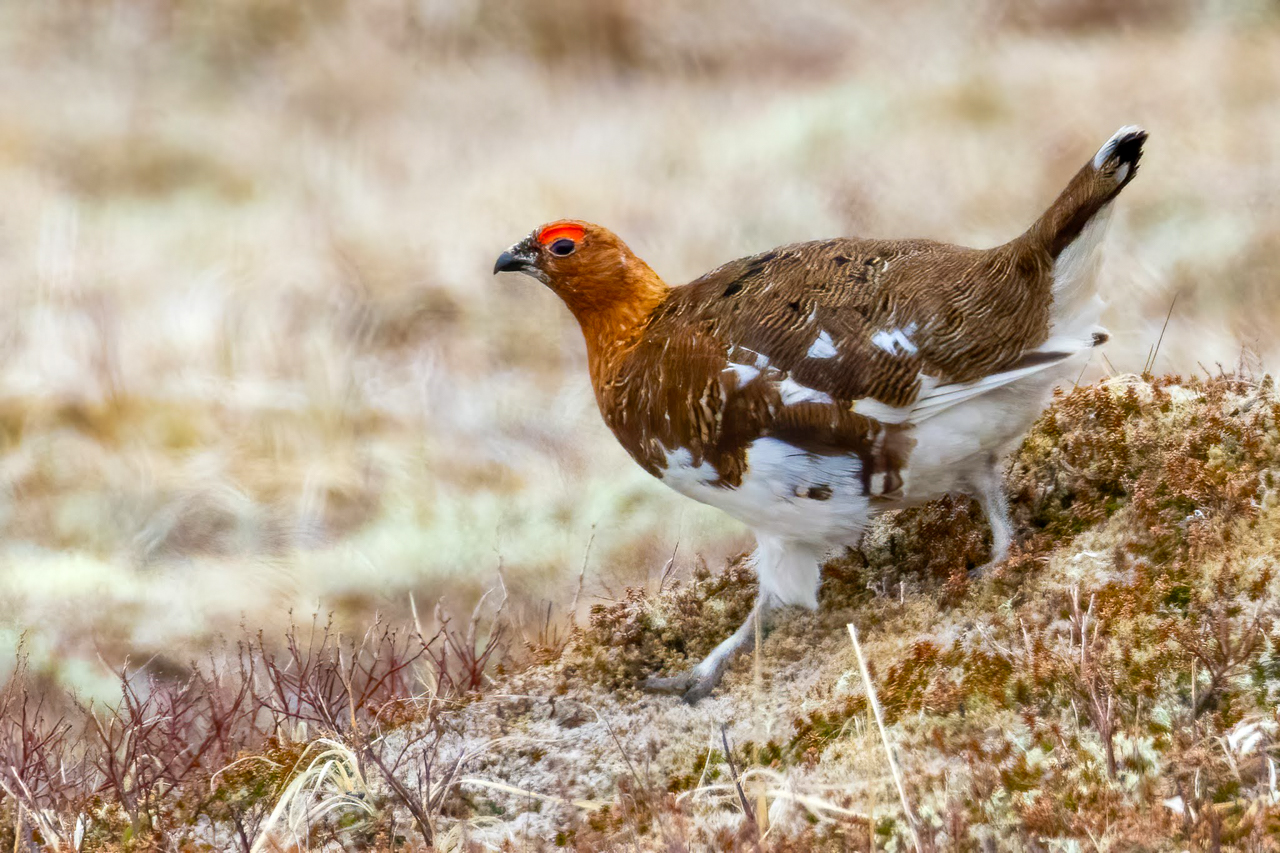
The expedition then reached Cape Race, a location of profound maritime importance. The Cape Race wireless station was the first to receive and relay the distress signals from the RMS Titanic in 1912. Today, the area remains a critical habitat for Common Eiders and American Pipits. The surrounding Eastern Hyper-Oceanic Barrens—a rare ecosystem characterized by peat bogs and stunted forests—allowed the group to document the southern-most herd of Woodland Caribou (Rangifer tarandus caribou) in Canada, along with the Short-eared Owl (Asio flammeus) and the Willow Ptarmigan (Lagopus lagopus).
Cape St. Mary’s and the Impact of Oceanic Productivity
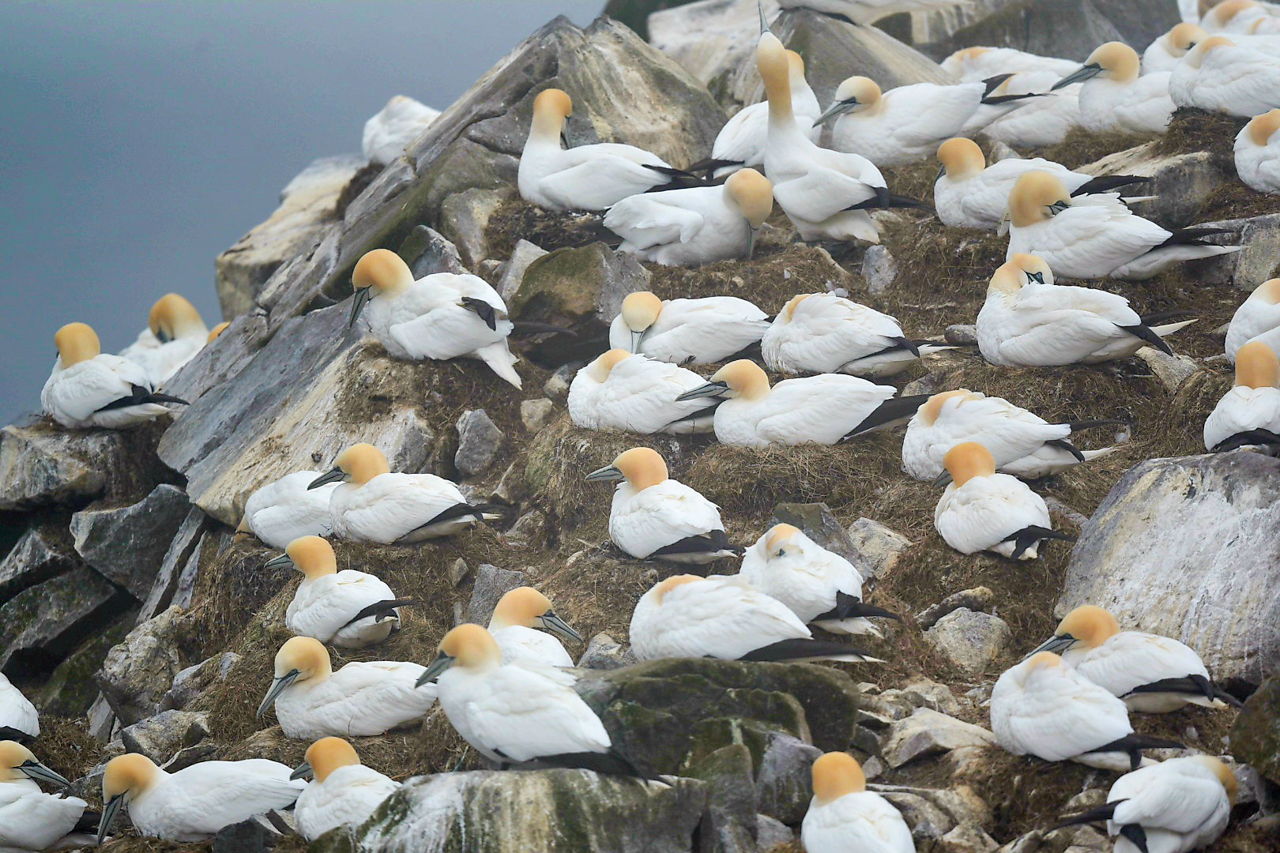
Cape St. Mary’s Ecological Reserve provided the expedition with its most intimate look at seabird reproductive behavior. As the third-largest nesting site for Northern Gannets in North America, the "Bird Rock" at Cape St. Mary’s allows for close-range observation of nesting pairs. Despite the characteristic thick fog of the region, the group documented the intricate social structures of the gannets, kittiwakes, and murres that utilize the 100-meter-tall sea stacks.
The economic and cultural history of the region was further explored at Castle Hill National Historic Site in Placentia. The site preserves the remains of 17th and 18th-century fortifications, marking the era of French and English competition for control over the North Atlantic cod fisheries. This historical backdrop provides essential context for the modern conservation efforts seen today, as the province transitions from an extraction-based economy to one that values ecological preservation and heritage tourism.
Central Newfoundland: Boreal Ecosystems and Aviation History
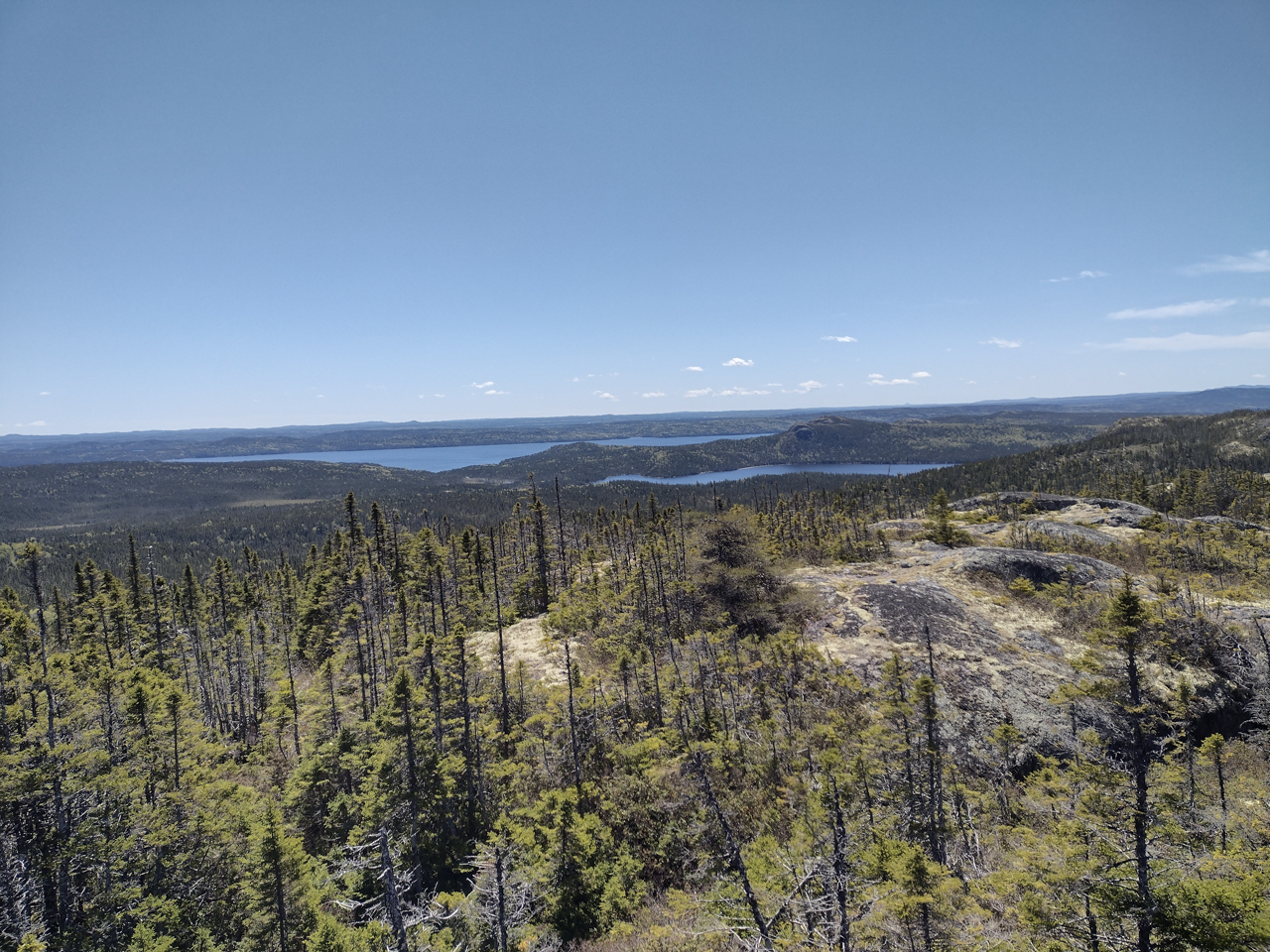
The expedition’s second week focused on the interior and central regions of the island, specifically Terra Nova National Park. This park protects the Eastern Island Boreal Forest ecoregion. The group’s surveys in Sandy Pond and Ochre Hill revealed a high density of insectivorous birds, including the Olive-sided Flycatcher and the Rusty Blackbird, both of which are species of conservation concern in North America.
The presence of carnivorous plants, such as the Purple Pitcher Plant (Sarracenia purpurea)—the provincial floral emblem—and various sundews, highlighted the nutrient-poor but biologically diverse nature of the Newfoundland bogs. In Gander, the group visited the North Atlantic Aviation Museum, which chronicles the town’s role as a "crossroads of the world" during the early days of transatlantic flight and its pivotal role during the events of September 11, 2001, when the community hosted thousands of diverted passengers.
Gros Morne: A Geological Masterpiece
The final leg of the expedition took place in Gros Morne National Park, another UNESCO World Heritage Site. Gros Morne is a rare example of the process of continental drift, where deep ocean crust and the Earth’s mantle are exposed.
A boat tour of Western Brook Pond, a massive glacial fjord, provided a stark visual representation of the island’s geological history. The pond’s water is of ultra-oligotrophic quality, meaning it contains very few nutrients, resulting in extraordinary clarity. The surrounding cliffs, some exceeding 600 meters in height, are composed of Precambrian granite and gneiss, representing some of the oldest rocks in the world.
The expedition concluded with a survey of the Tablelands. This barren, orange landscape is composed of peridotite, a rock typically found in the Earth’s mantle. Because peridotite lacks the usual nutrients required for most plant life and contains high levels of heavy metals, the Tablelands support a highly specialized flora, including Moss Campion and Beautiful Sandwort. The group’s observation of these species, alongside the documented sightings of Bull Moose and Canada Jays, rounded out a comprehensive survey of the park’s unique ecology.
Analysis of Eco-Tourism and Environmental Stewardship
The success of this 11-day expedition reflects a broader trend in Atlantic Canada toward high-value, low-impact eco-tourism. According to data from the Government of Newfoundland and Labrador, tourism contributes significantly to the provincial GDP, with wildlife viewing and outdoor adventure being primary drivers for international visitors.
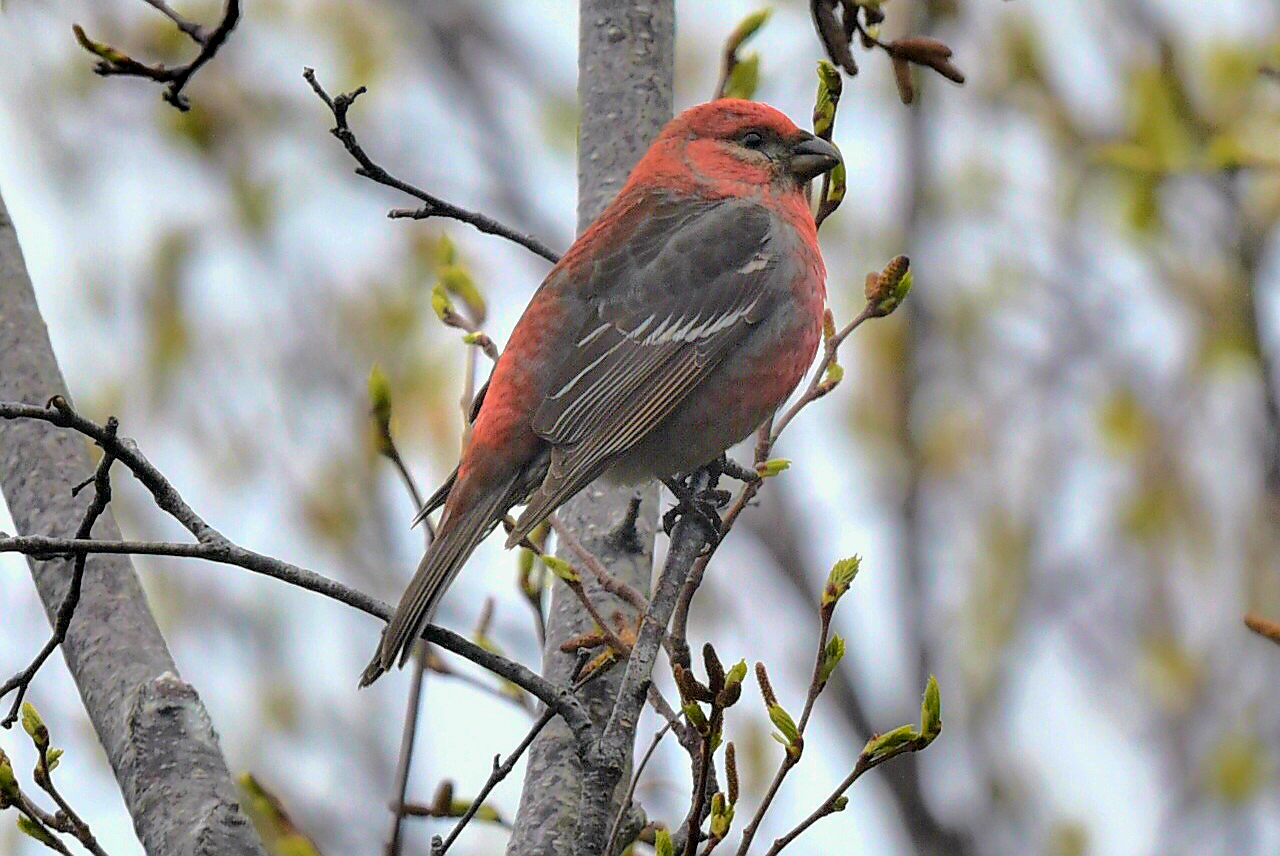
The presence of rare species, such as the Steller’s Sea Eagle, acts as a "charismatic megafauna" effect, drawing attention to the broader needs of the ecosystem. However, the expedition also highlighted the sensitivity of these habitats. The reliance on strict regulations within ecological reserves, such as Witless Bay and Cape St. Mary’s, is essential to ensure that human observation does not interfere with the reproductive success of the colonies.
Furthermore, the integration of Indigenous history—represented by the artifacts of the Maritime Archaic, Paleo-Inuit, and Beothuk peoples at the Demasduit Regional Museum—reminds observers that the "wilderness" of Newfoundland is a cultural landscape with millennia of human interaction.
Conclusion
The 11-day journey across Newfoundland provided more than just a list of sightings; it offered a comprehensive look at the state of biodiversity in the North Atlantic. From the ancient fossils of Mistaken Point to the mantle rocks of the Tablelands, and from the massive gannet colonies to the solitary Steller’s Sea Eagle, the expedition documented a province that remains a critical bastion for North American wildlife. As climate change continues to shift the ranges of many species, Newfoundland’s role as a northern refugium and a site for rigorous environmental monitoring will only increase in global significance. The findings of this group contribute to the ongoing narrative of Newfoundland as a land of geological extremes and biological resilience.
