

An expansive wildlife expedition through the diverse ecological zones of southern Alberta has concluded with the documentation of 123 bird species and a significant array of North American mammals, highlighting the biological richness of the region’s prairie, foothill, and alpine environments. The tour, which brought together participants from Canada, the United States, and Australia, navigated through variable weather conditions to witness several rare avian sightings, including the elusive Sabine’s Gull and the Great Gray Owl. This journey served not only as a census of regional biodiversity but also as a testament to the ecological recovery of landscapes recently impacted by significant natural events, such as the 2017 Kenow wildfire in Waterton Lakes National Park.
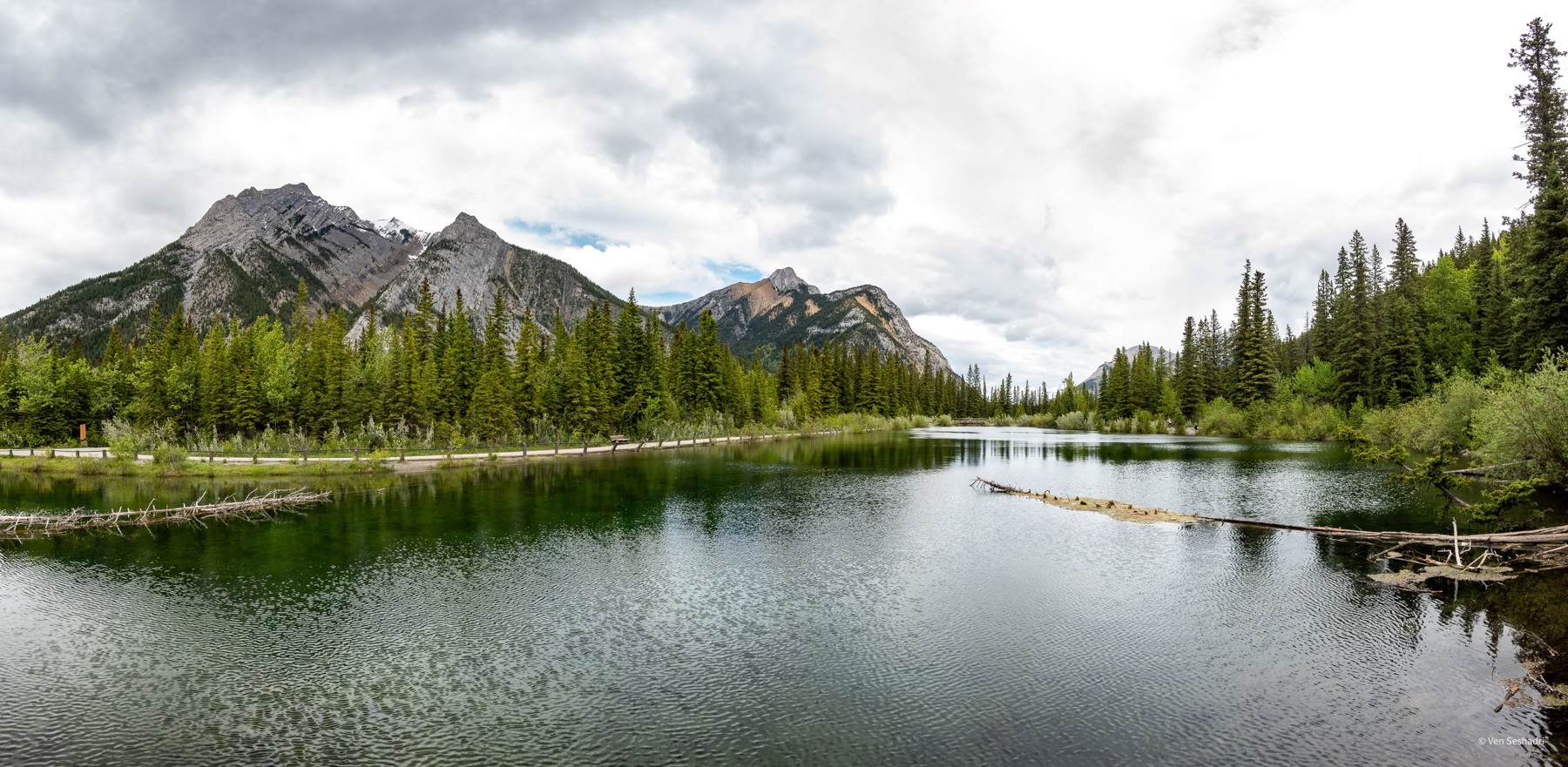
The Urban Oasis and the Rare Sabine’s Gull
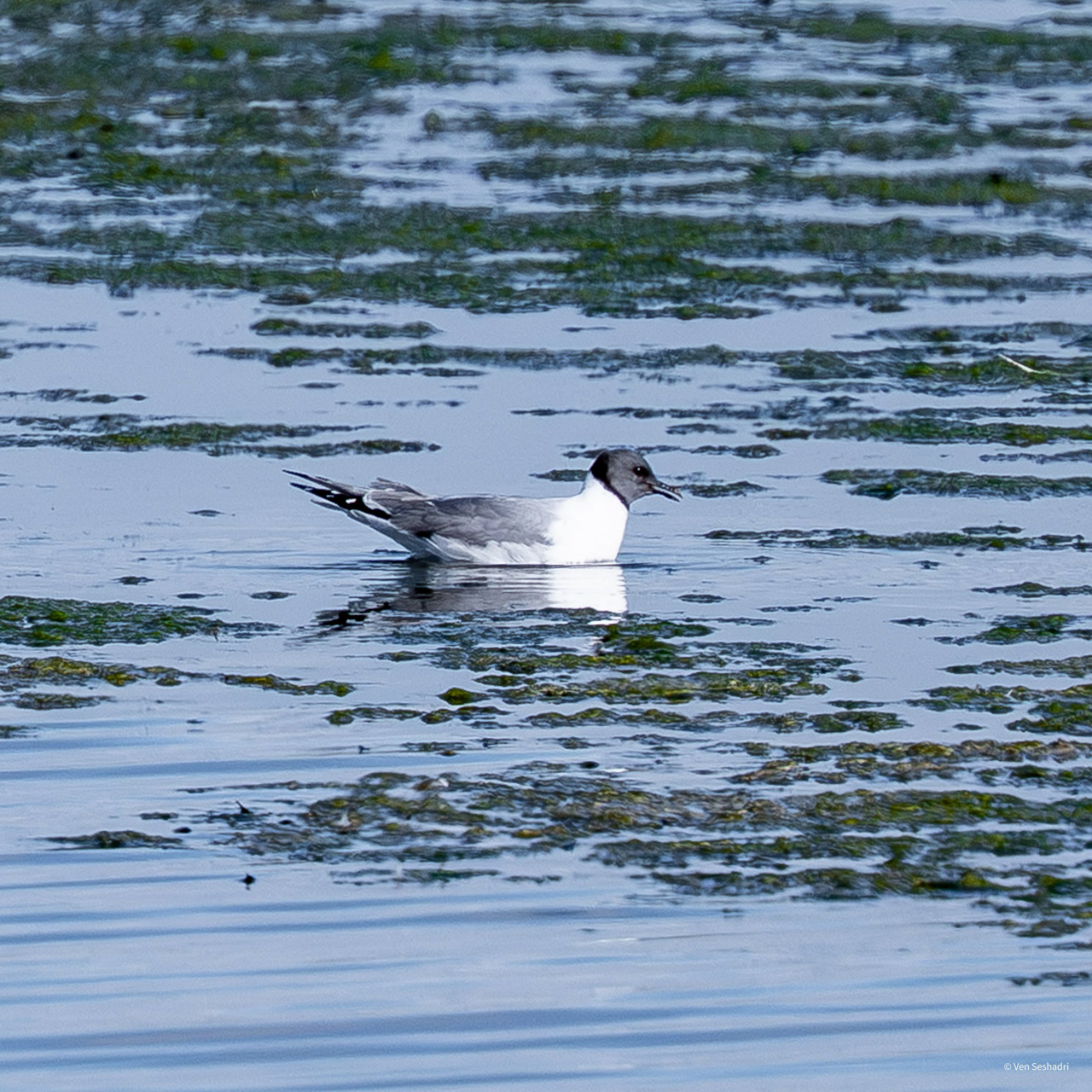
The expedition commenced in Calgary, a city uniquely positioned as a gateway between the Great Plains and the Rocky Mountains. On June 7, the group’s first significant observation occurred at Rocky Pond, an unassuming body of water on the northeastern edge of the city. Here, observers confirmed the presence of a Sabine’s Gull, a species considered an extreme rarity for the region.
The Sabine’s Gull is a pelagic bird that typically breeds in the high Arctic tundra and winters in the nutrient-rich waters off the coasts of South America and southern Africa. Its presence in Alberta is a rare terrestrial event, usually occurring only when severe weather systems disrupt its high-altitude migration from the Pacific coast to the Arctic. Experts suggest that the extreme wind and precipitation recorded in the week prior to the sighting likely forced the bird to seek refuge at Rocky Pond. The individual displayed its diagnostic striking wing pattern and breeding plumage, providing a rare opportunity for inland study of its structural coloration and migratory health.
In addition to the gull, Rocky Pond served as a microcosm of prairie wetland health, hosting ten species of ducks. Notable sightings included the Cinnamon Teal and the Barrow’s Goldeneye, alongside American Avocets and Black-necked Stilts. The presence of these shorebirds indicates the continued vitality of Alberta’s "pothole" wetlands, which are critical stopover points for migratory birds along the Central Flyway.
Transitions Through the Foothills and Kananaskis Country
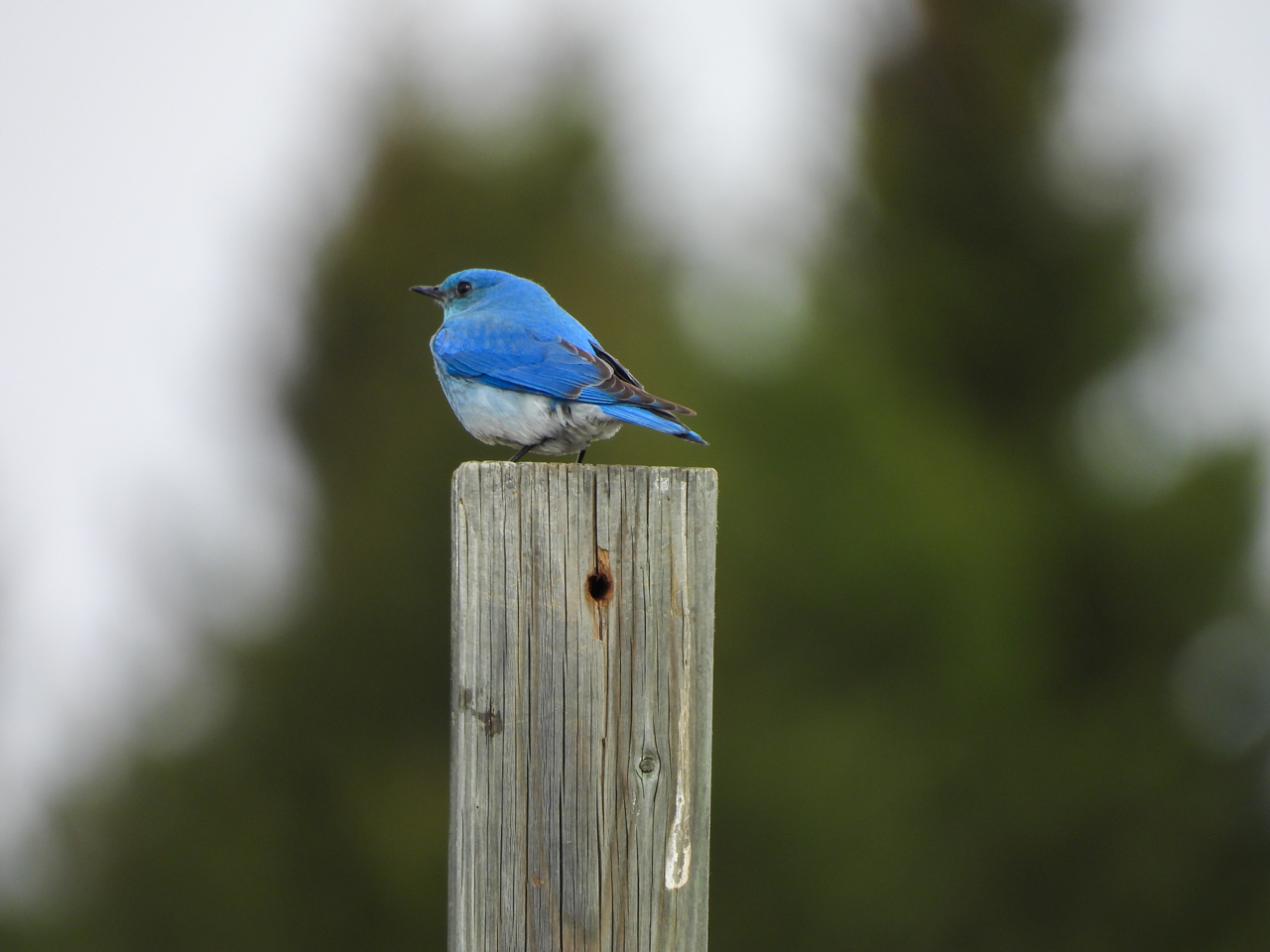
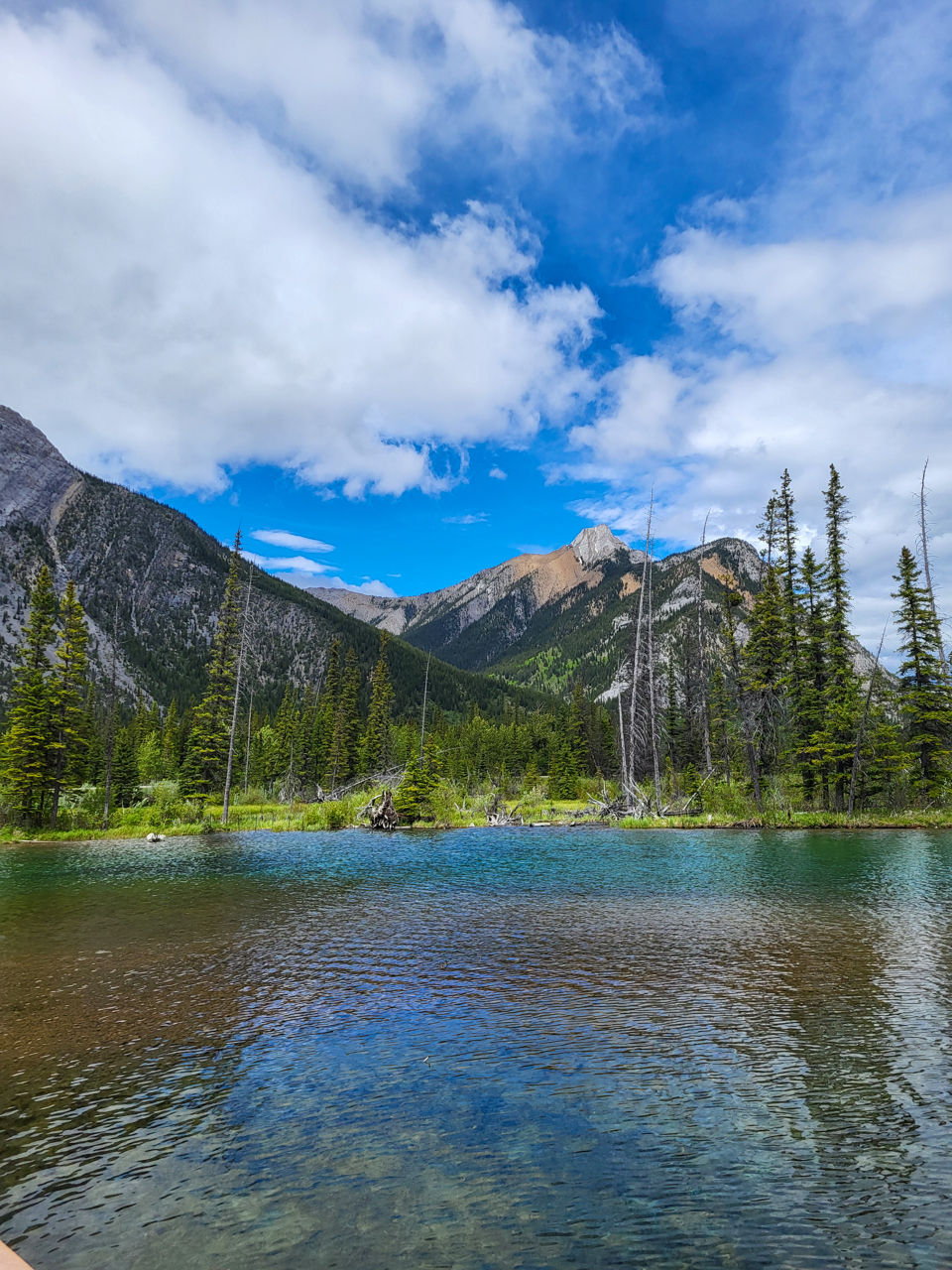
Moving westward toward the Kananaskis Valley, the expedition transitioned from urban outskirts to the rolling fescue grasslands of the foothills. Along the Sibbald Creek Trail, the group encountered the Mountain Bluebird, a species renowned for its vivid azure plumage. Ornithological analysis of the species reveals that its color is not derived from pigment but from structural coloration—microscopic structures within the feathers that scatter light. This encounter provided a baseline for observing how structural color responds to varying light conditions in the montane environment.
The journey into the Kananaskis Valley also facilitated the observation of large mammals. A herd of Bighorn Sheep was documented on Highway 40, utilizing the road surface as an artificial mineral lick to consume residual salt from winter maintenance operations. This behavior, while common in the Rockies, highlights the ongoing intersection between human infrastructure and wildlife biology.
At Mount Lorette Ponds, the group documented the social behavior of Canada Jays. Observers noted a juvenile, distinguished by its darker "lead-grey" plumage, learning foraging techniques from adults. This site also provided auditory confirmation of the Townsend’s Warbler, a species highly dependent on mature coniferous canopies. Despite the onset of inclement weather, the group successfully tracked an American Dipper at Elbow Falls. The dipper’s ability to forage in the turbulent, sediment-heavy waters of the overflowing Elbow River underscores its unique physiological adaptations, including a high hemoglobin count and a specialized uropygial gland for waterproofing.
Nocturnal Raptors and the Ecology of the "Cowboy Trail"
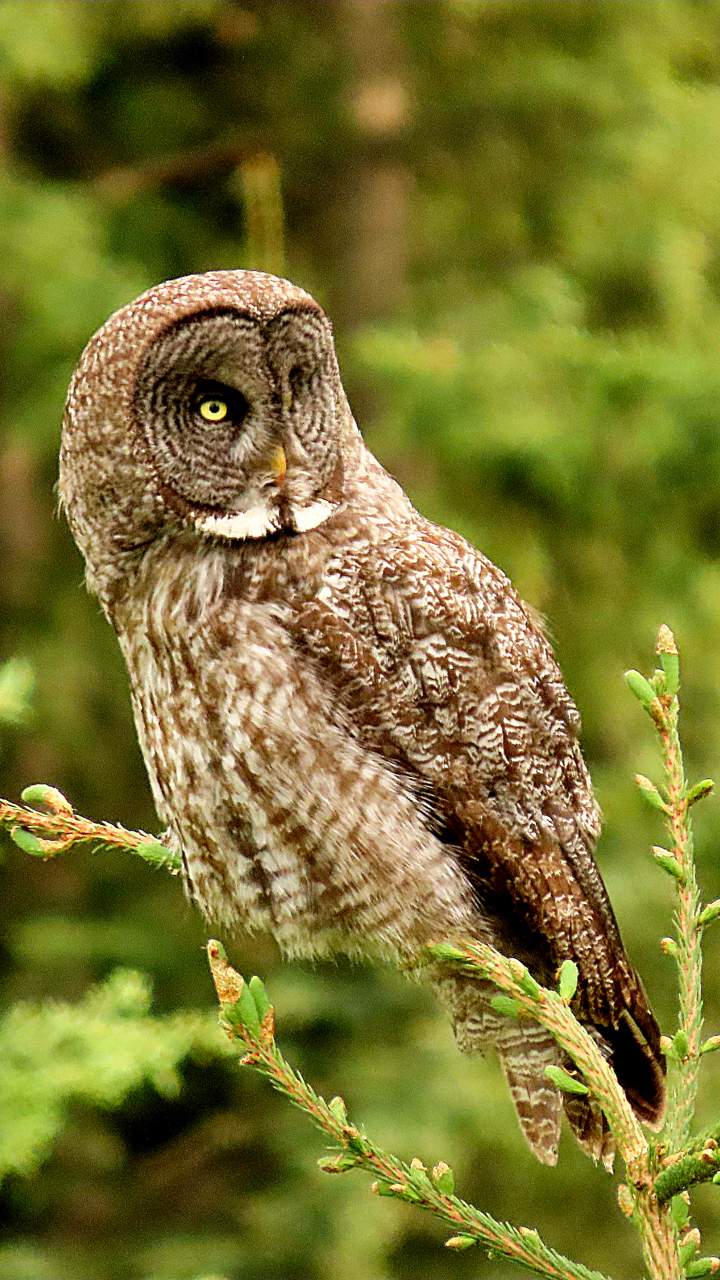
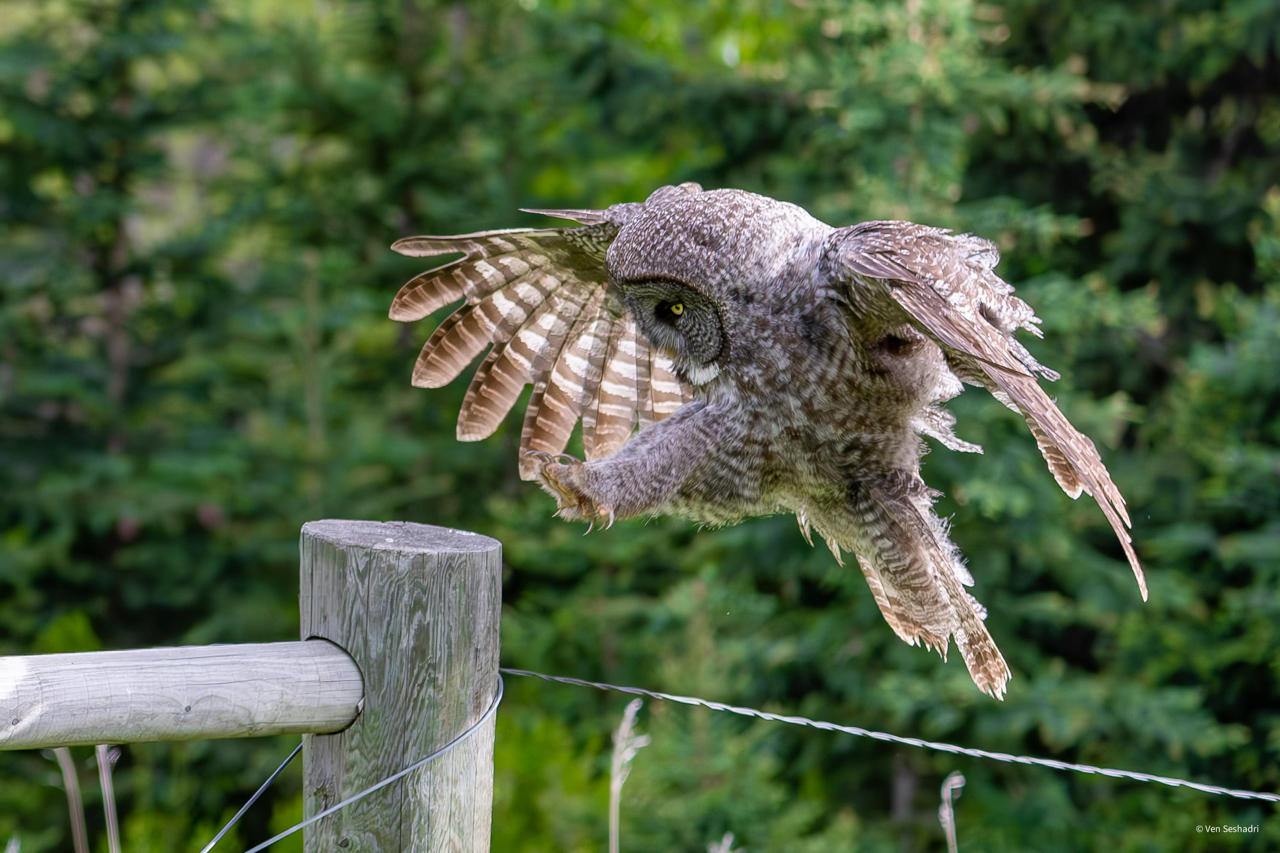
As the expedition moved through the foothills east of Bragg Creek, the focus shifted to nocturnal species. Along Plummers Road, the group documented a Great Gray Owl, often referred to as the "Phantom of the North." The owl’s presence on a roadside fencepost allowed for a detailed study of its hunting posture before it retreated into the spruce forest. This sighting is significant as Great Gray Owls are sensitive indicators of forest health and small mammal population densities.
The evening also yielded sightings of Yellow Rails in a wet sedge meadow. The Yellow Rail is one of the most secretive birds in North America, and its presence is often only confirmed by its rhythmic, clicking call. Its reliance on shallow, unpolluted wetlands makes it a species of special concern in many jurisdictions, and its documentation on this trip adds to the localized data regarding its distribution in the Alberta foothills.
Wetland Conservation at Frank Lake and the Porcupine Hills
On June 8, the expedition moved to Frank Lake, an "Important Bird Area" (IBA) managed in part through the efforts of Ducks Unlimited Canada. Frank Lake is a restored wetland that utilizes treated municipal wastewater to maintain water levels, creating a haven for biodiversity in an otherwise arid agricultural landscape.
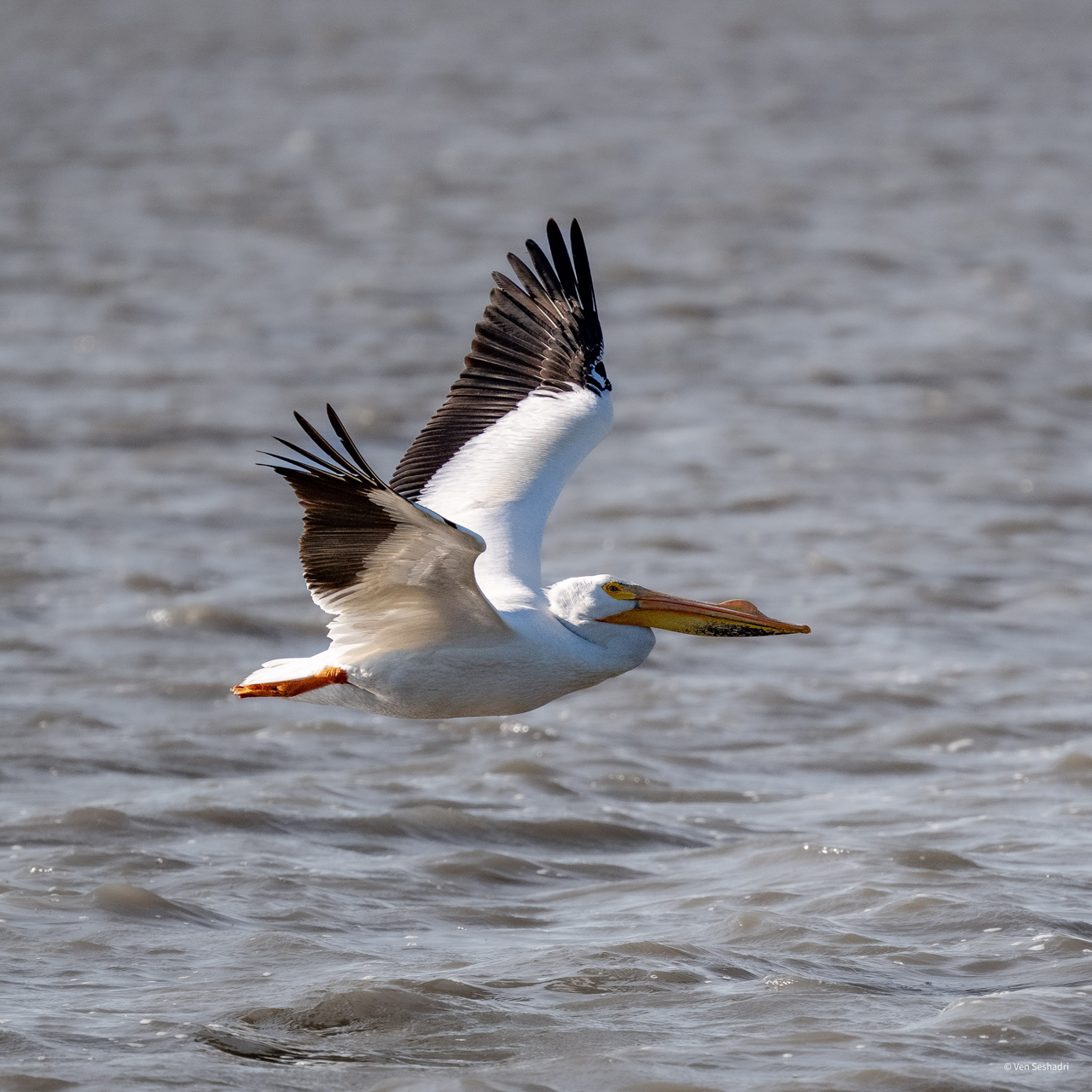
The group documented 14 species of waterfowl at this location, including the Canvasback. The most visually arresting display was provided by hundreds of American White Pelicans. These birds, which can have a wingspan of up to three meters, were observed displaying their "nuptial horns"—fibrous plates on the upper mandible that grow during the breeding season and are shed once eggs are laid. The success of the pelican colonies at Frank Lake is a major conservation victory, reflecting the importance of managed wetlands in supporting colonial waterbirds.
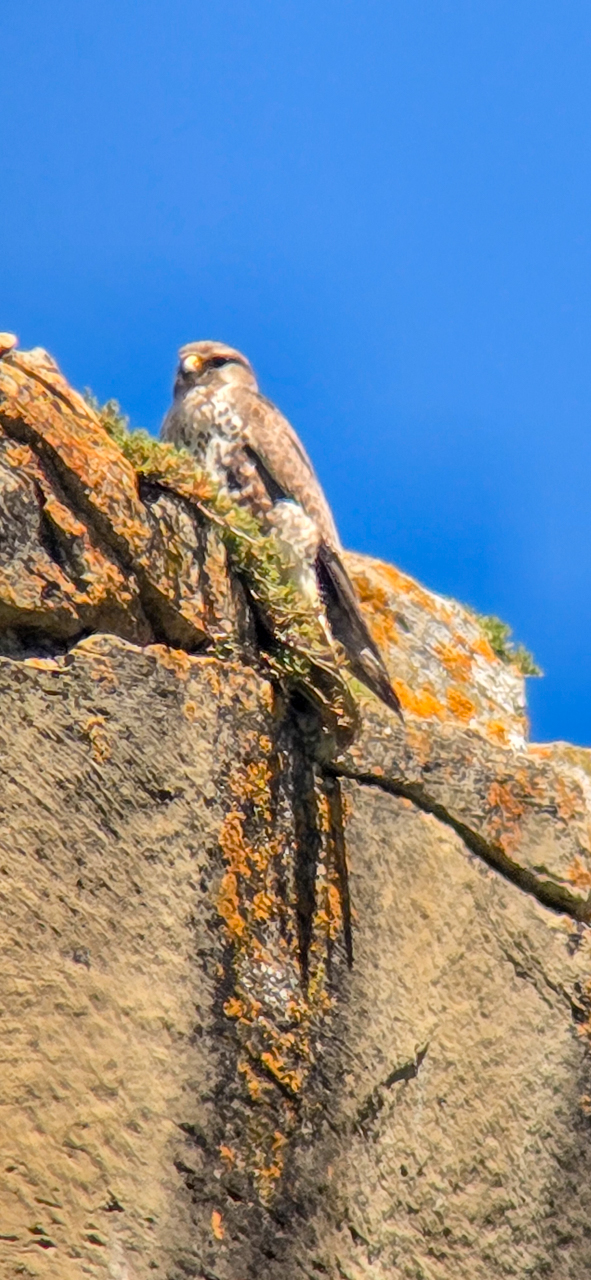
The subsequent transit through Williams Coulee Road in the Porcupine Hills offered a look at the raptor diversity of the ranchlands. Three Prairie Falcons were observed, including one engaged in territorial combat with a Northern Harrier. Furthermore, the documentation of Ferruginous Hawks—listed as "Threatened" in Canada—highlights the importance of the Porcupine Hills as a critical nesting habitat. These hawks require large tracts of undisturbed native prairie, and the sighting of two downy nestlings confirmed active breeding in the area.
Waterton Lakes National Park: Fire and Renewal
The final leg of the journey focused on Waterton Lakes National Park, a UNESCO World Heritage Site. The park’s landscape was drastically altered by the 2017 Kenow Fire, which burned approximately 38% of the park’s total area. The expedition provided a unique opportunity to observe how wildlife has adapted to this post-fire environment.
In the burned-out stands along the Akamina Parkway, the group found that the reduction in canopy cover has favored species such as the Olive-sided Flycatcher and the White-crowned Sparrow. The fire also stimulated the growth of Common Bear-Grass, a plant that often blooms in spectacular cycles following environmental disturbances.
Mammal sightings in Waterton were particularly robust, including a young Grizzly Bear and a cinnamon-colored American Black Bear with a charcoal-colored cub. These observations confirm that the park’s predator-prey dynamics remain intact despite the loss of mature forest cover. A male Harlequin Duck was also documented on Blakiston Creek. This species is a high-quality indicator of river health, as it requires fast-flowing, oxygenated water and a high density of aquatic invertebrates.
Cultural Landscapes and Archaeological Significance
The expedition concluded with a visit to Head-Smashed-In Buffalo Jump, a UNESCO World Heritage Site that preserves 6,000 years of Indigenous history. While the site is primarily known for its archaeological value, it also serves as a vital habitat for cliff-dwelling species. The group documented the Rock Wren and the Yellow-bellied Marmot, both of which utilize the sandstone crevices of the jump for protection. A brief sighting of a Long-tailed Weasel further emphasized the complex food web that exists within these historic grasslands.
The transition from the lush, high-altitude Cameron Lake back to the windswept prairies of the buffalo jump illustrated the extreme environmental gradients of southern Alberta. The presence of the Plains Bison in a controlled paddock nearby served as a reminder of the species that once dominated the entire regional ecosystem.
Broader Implications and Conclusion
The documentation of 123 species over five days provides a valuable data point for regional wildlife monitoring. The success of the expedition underscores the economic and conservation value of ecotourism in Alberta. By bringing international observers to these sites, programs like Eagle-Eye Tours generate support for the maintenance of National and Provincial parks and highlight the need for continued protection of critical habitats like Frank Lake and the Porcupine Hills.
The sightings of rare species like the Sabine’s Gull and the Yellow Rail, combined with the observation of thriving raptor populations and recovering fire zones, suggest that southern Alberta remains a resilient stronghold for North American biodiversity. As climate change continues to shift migratory patterns and fire regimes, the data gathered during such expeditions becomes increasingly vital for scientists and land managers seeking to preserve the "splendour of Alberta’s landscapes" for future generations.
