

The rugged landscapes of Newfoundland and Labrador recently played host to an intensive twelve-day ecological expedition, showcasing the province’s unparalleled biodiversity and geological significance. From June 23 to July 3, a group of twelve naturalists and two expert guides traversed the island from the fjords of the west coast to the subarctic barrens of the Avalon Peninsula. This expedition highlighted the intersection of unique geological formations, rare avian species, and the delicate boreal ecosystems that define Canada’s most easterly province. Newfoundland’s isolation from the North American mainland has fostered a distinct ecological environment, characterized by endemic subspecies and globally significant seabird colonies, making it a critical site for both scientific observation and high-end ecotourism.
Western Newfoundland: Geological Wonders and Avian Diversity
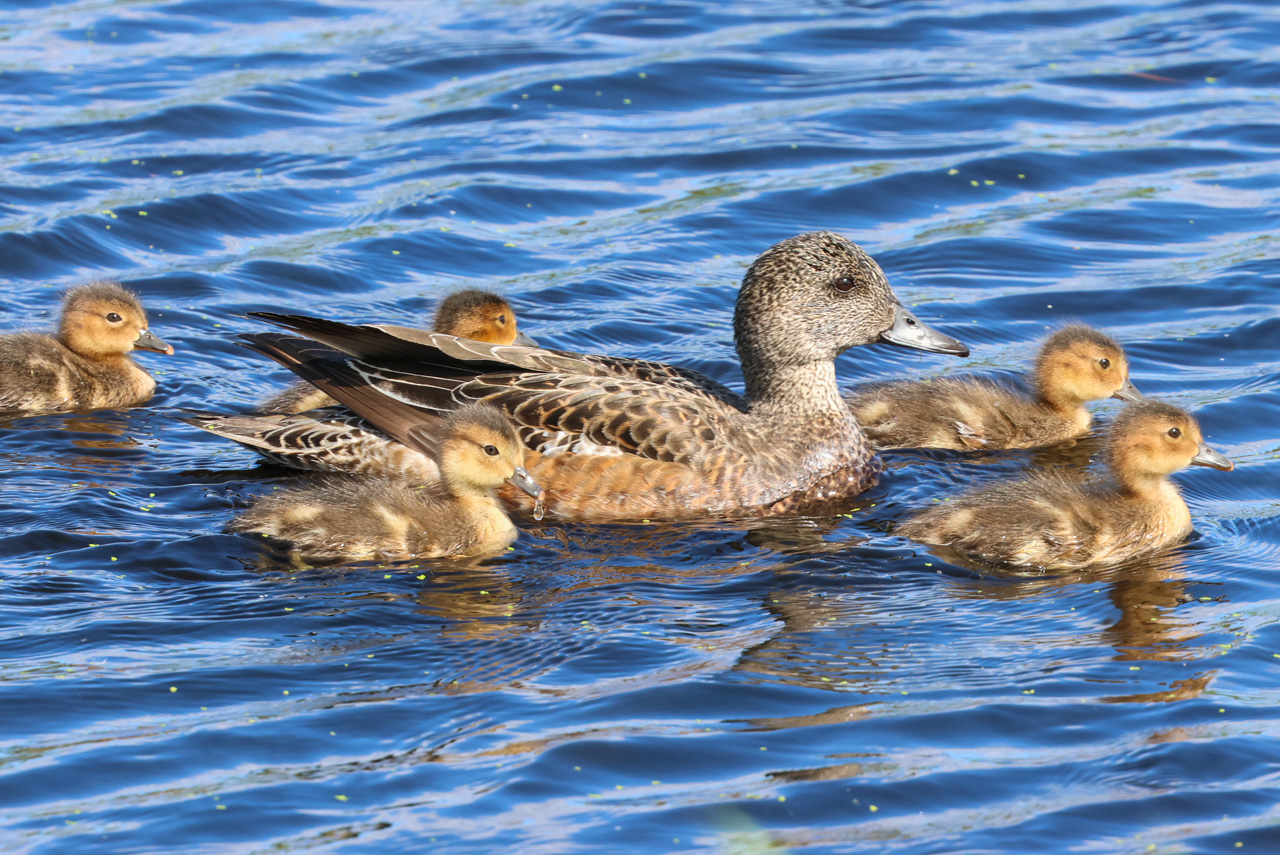
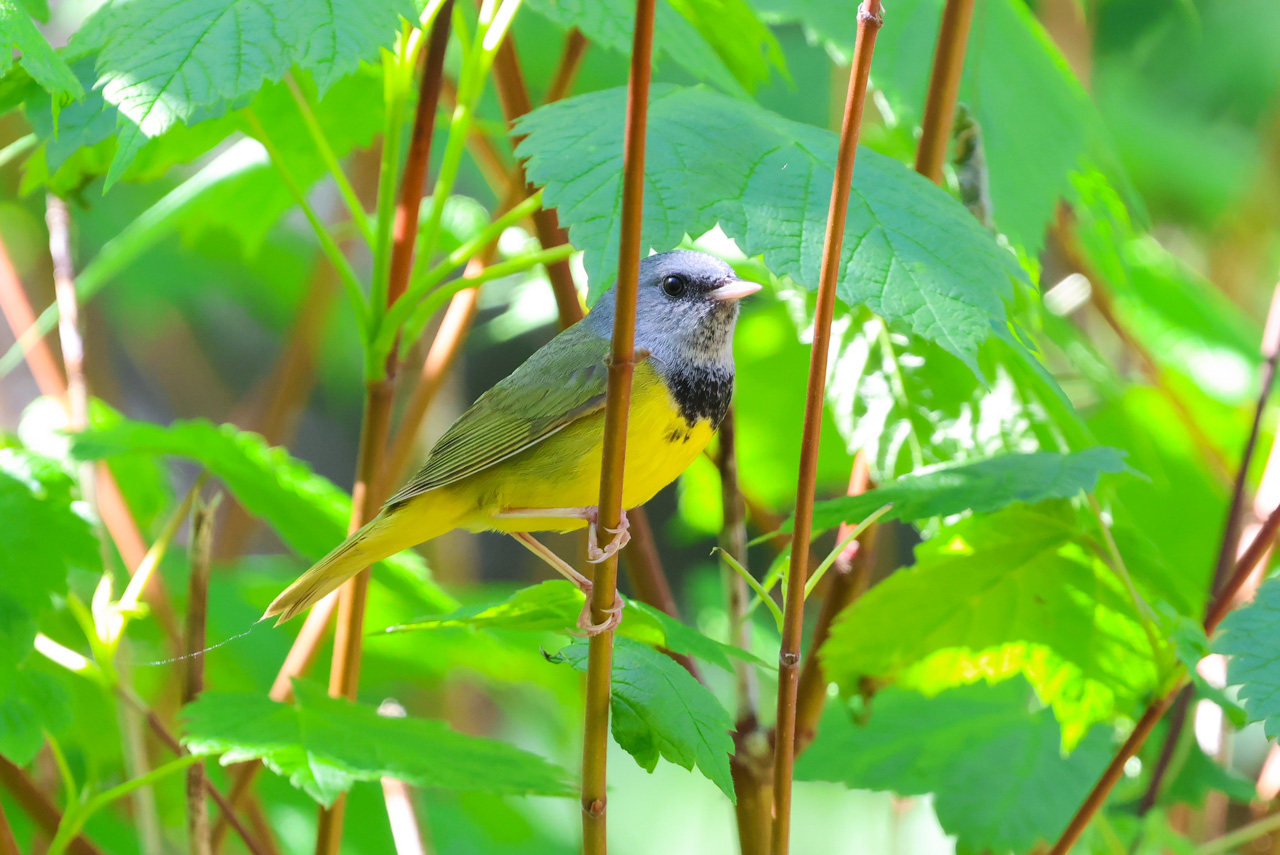
The expedition commenced in Deer Lake, situated along the Humber River, a region dominated by lush mixed forests. This area serves as a vital corridor for migratory songbirds. Early observations along the Humber River trail yielded a significant census of warbler species, including the Tennessee, Black-throated Green, and the elusive Mourning Warbler. The presence of ten warbler species within a single morning underscores the importance of Newfoundland’s riparian habitats as breeding grounds. Waterfowl families, specifically American Wigeons and Green-winged Teals, were noted in the wetlands, indicating a successful nesting season in the central-western corridor.
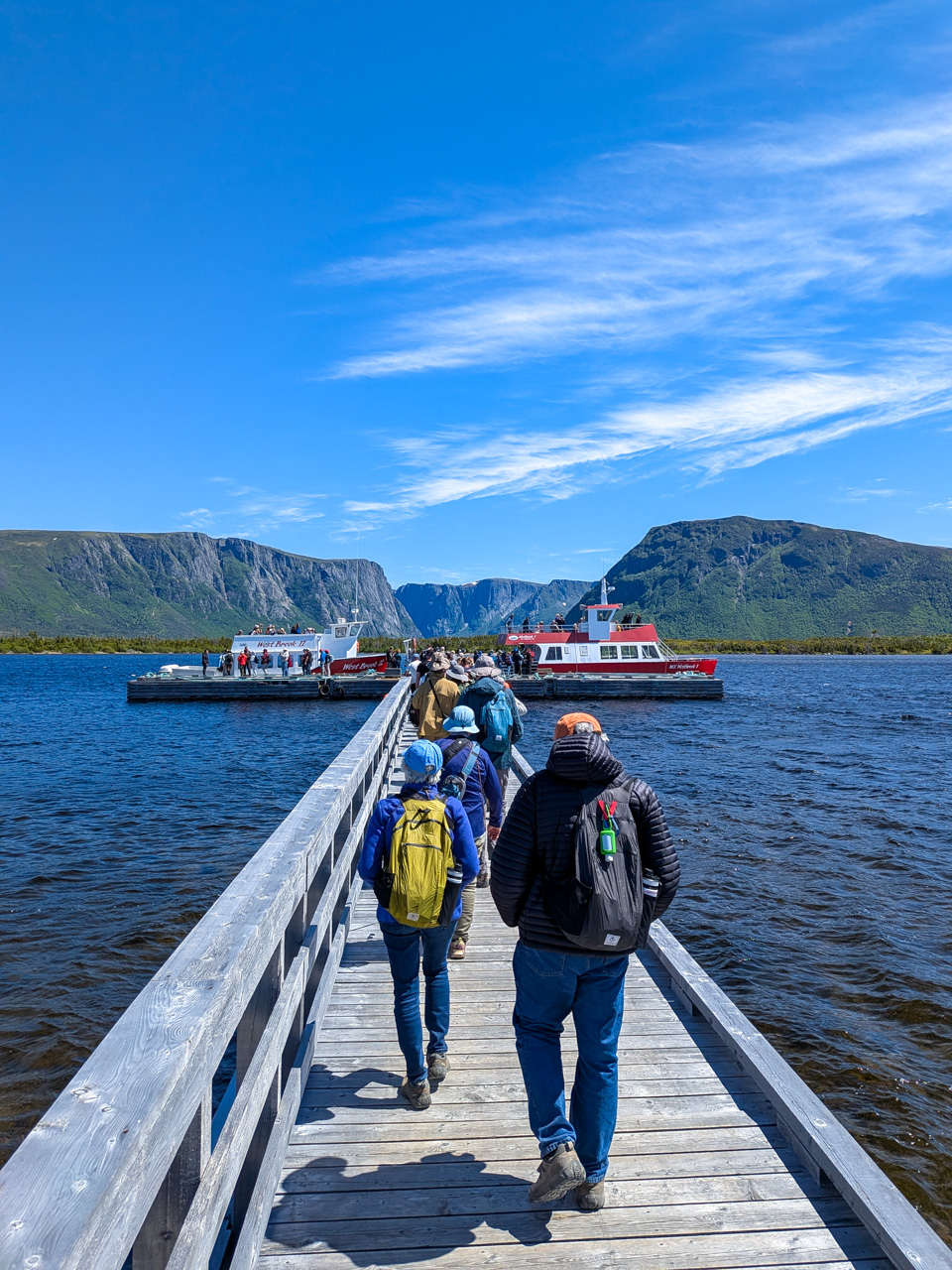
The focus then shifted to Gros Morne National Park, a UNESCO World Heritage site renowned for its "textbook" illustration of plate tectonics. The park’s geography is dominated by the Long Range Mountains and land-locked fjords such as Western Brook Pond. Carved by glaciers during the last ice age, the 600-meter cliffs of the pond provide a dramatic backdrop for observing boreal species. In the forested sections of the park, the group identified Boreal Chickadees and Pine Grosbeaks, while coastal forays revealed Harlequin Ducks and colonies of Bank Swallows. The latter is of particular interest to conservationists, as the species is currently listed as threatened in Canada due to significant population declines across its range.
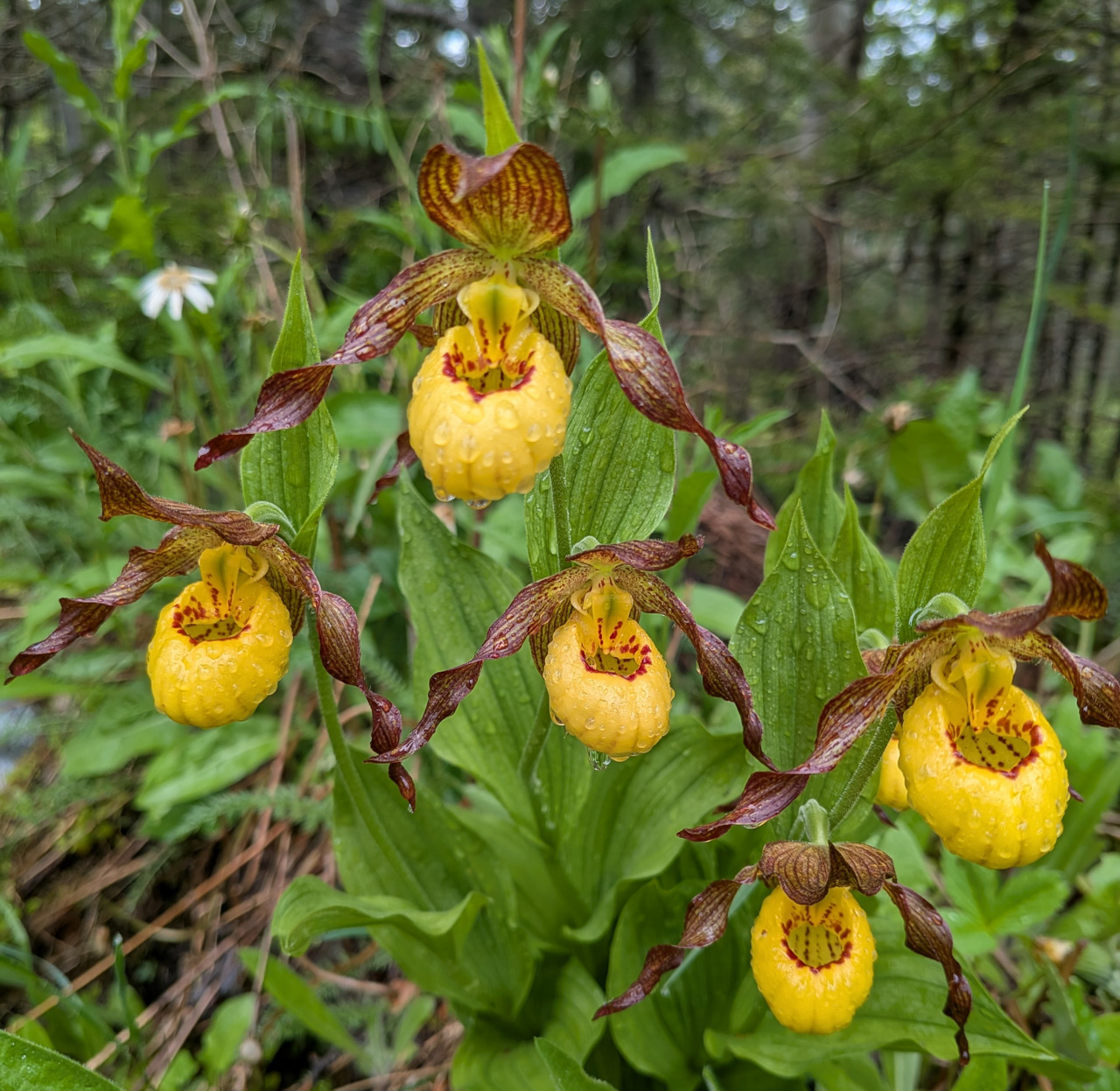
One of the most scientifically significant legs of the journey took place in the Tablelands. This barren, orange-hued landscape consists of peridotite, a rock type usually found in the Earth’s mantle. The high concentration of heavy metals and low levels of calcium in the soil make the Tablelands toxic to most plant life. However, this has led to the evolution of specialized flora, including carnivorous plants such as the Purple Pitcher Plant (the provincial flower of Newfoundland and Labrador), Common Butterwort, and Round-leaf Sundew. These plants have adapted to the nutrient-poor soil by trapping and digesting insects, a fascinating example of evolutionary survival in extreme conditions.
Central Newfoundland: Riparian Systems and Boreal Resilience
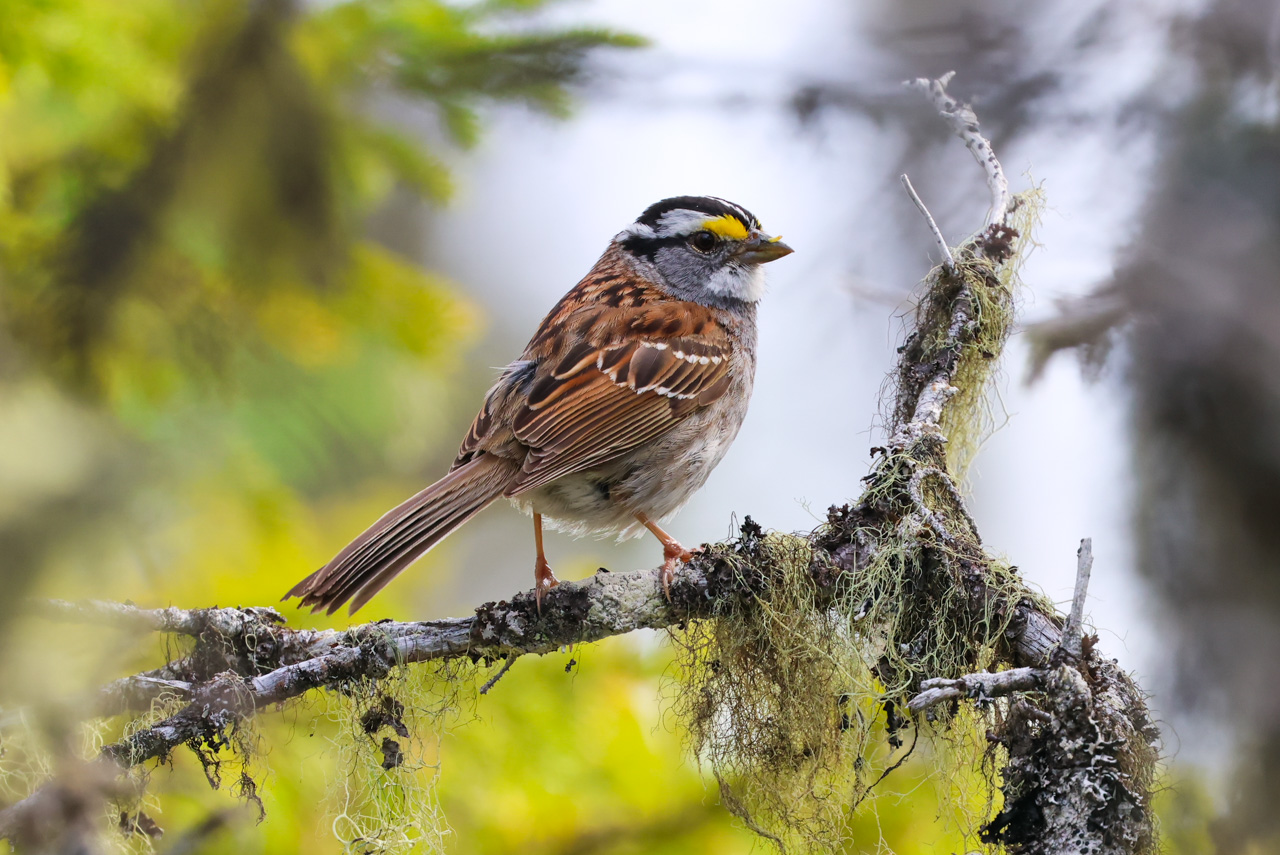
Moving eastward into the heart of the island, the expedition focused on the mixed forests and expansive river systems of Grand Falls-Windsor. The Corduroy Brook Nature Trail provided a high-density environment for songbird observation. Guides noted that many species, including the Alder Flycatcher and Fox Sparrow, were actively feeding recently fledged young, a sign of a healthy ecosystem. The central region’s proximity to the Exploits River—the longest river on the island—offers a unique look at the province’s aquatic health.
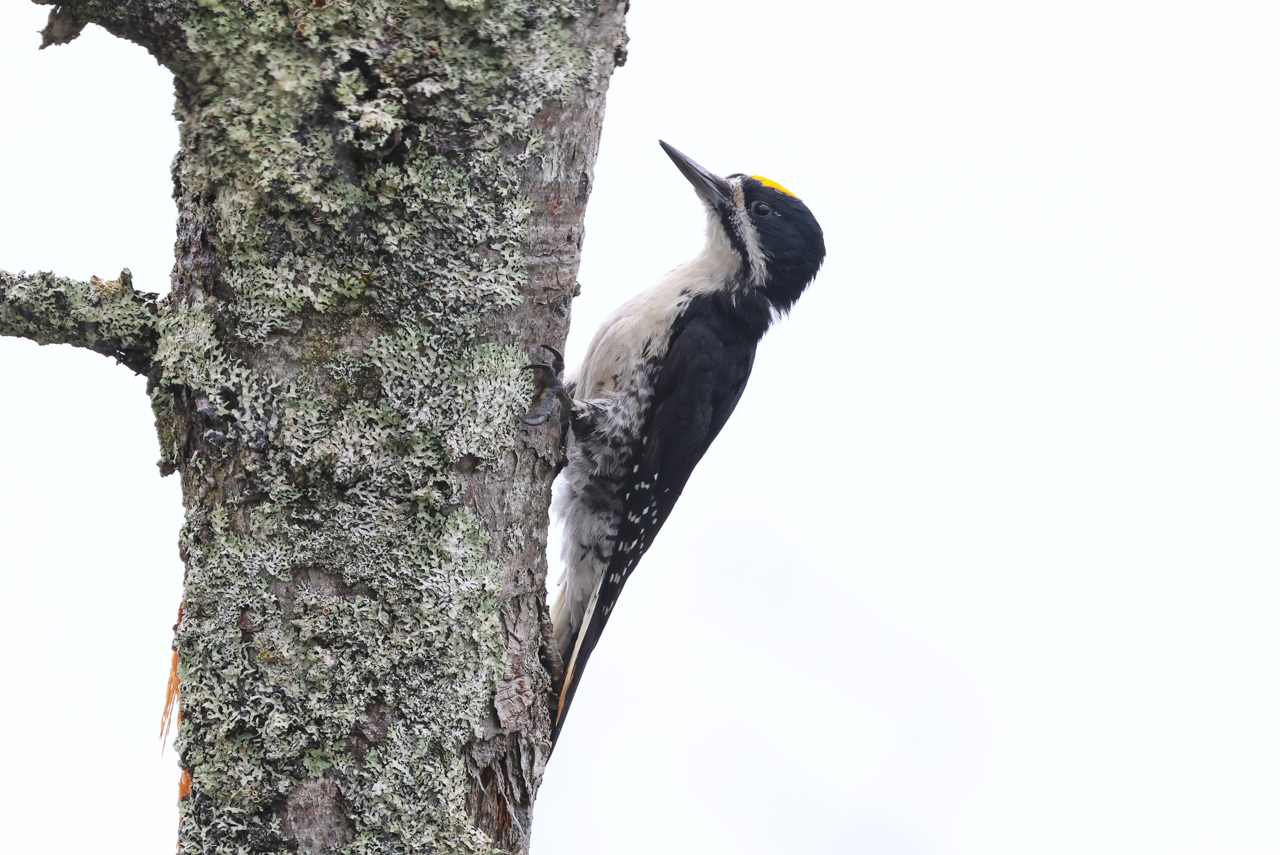
At the Exploits Valley Salmonid Interpretation Centre, the group observed the Atlantic salmon migration. Despite heavy recent rains that had swollen the river and fish ladders, several salmon were seen navigating the turbulent waters. The Exploits River watershed is a major contributor to the North Atlantic salmon population, and its management is a cornerstone of provincial conservation efforts.
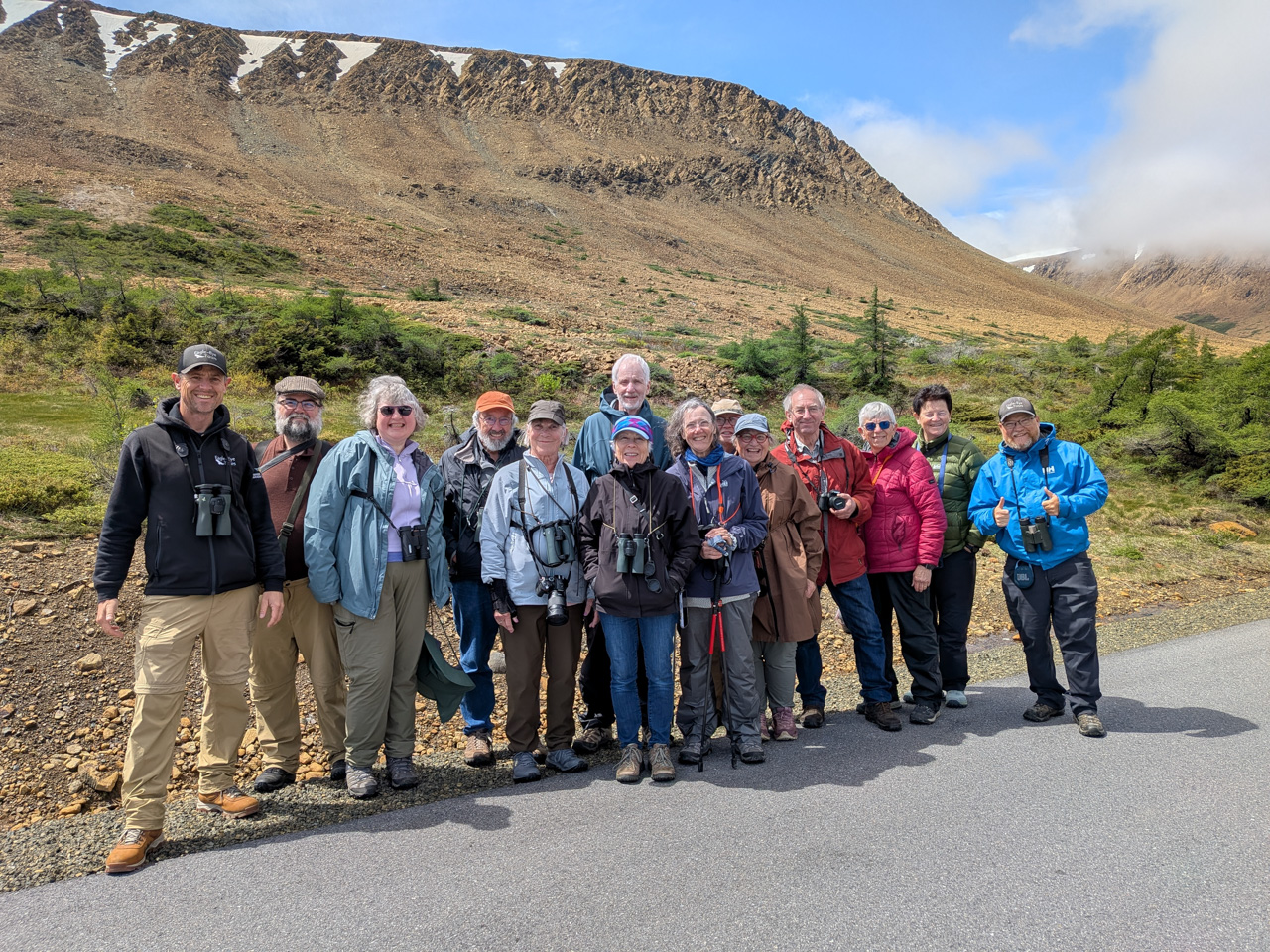
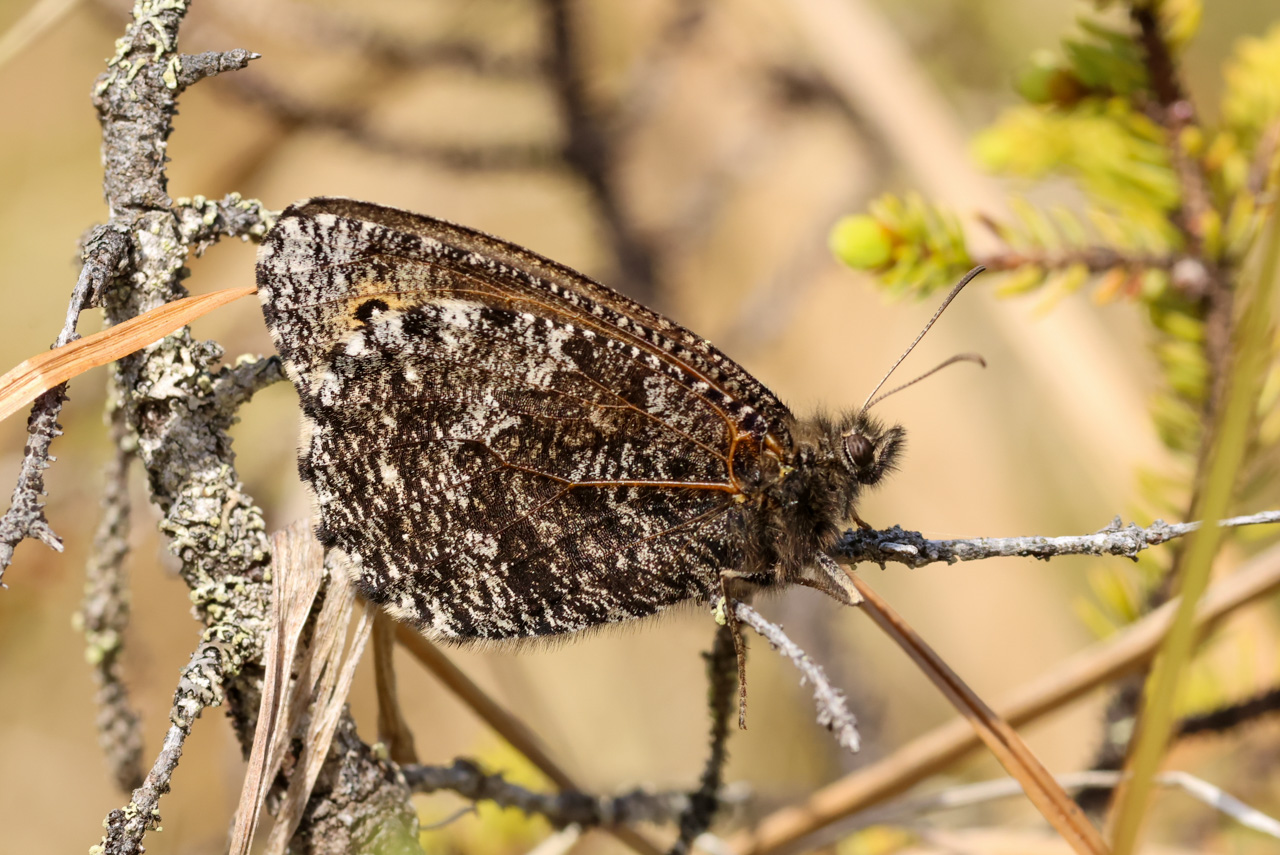
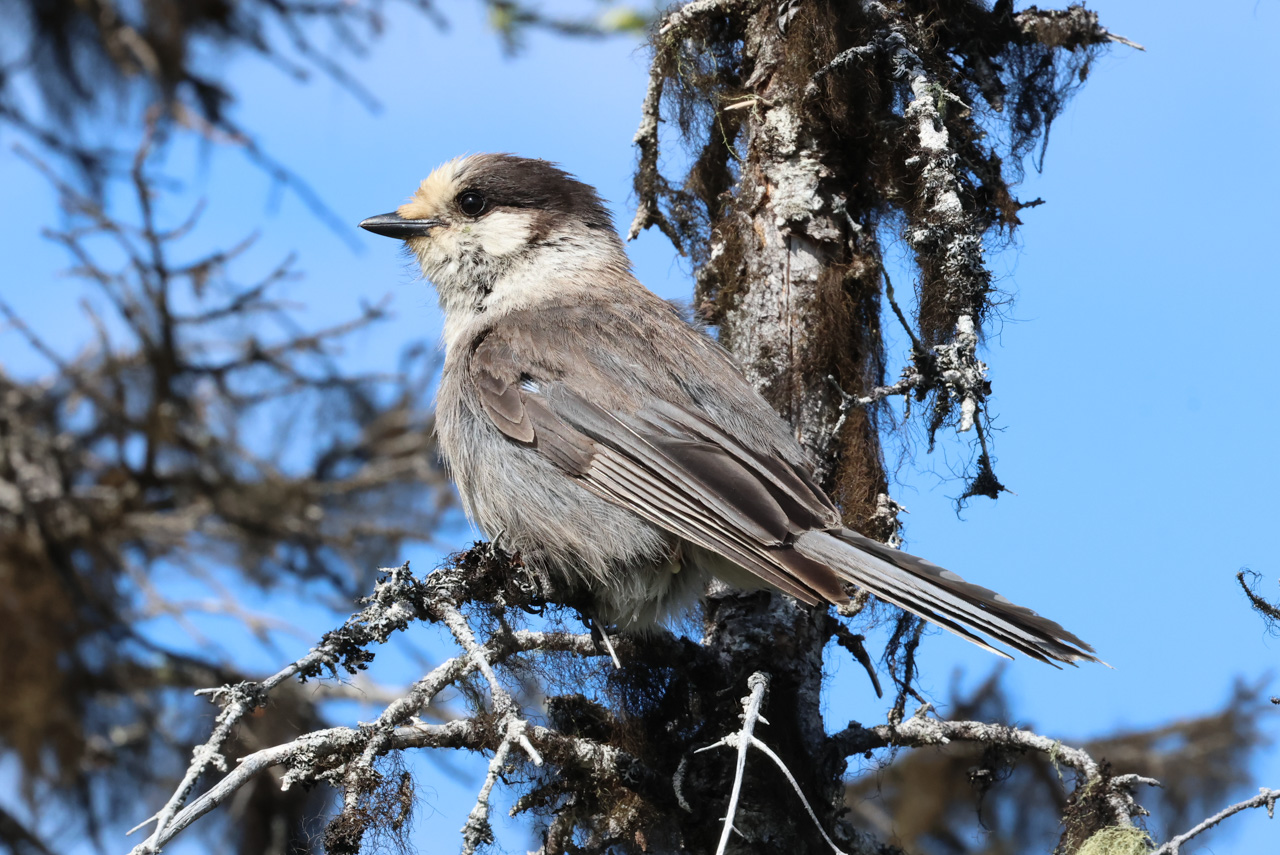
The journey continued to Terra Nova National Park, Canada’s most easterly national park. This region represents the quintessence of the boreal forest, characterized by spruce and larch bogs and sheltered ocean inlets. A highlight of this phase was the sighting of the Arctic Jutta, a rare butterfly species associated with northern peatlands. Birding in Terra Nova also produced sightings of the Canada Jay and the Olive-sided Flycatcher, a species whose population trends are closely monitored by Canadian wildlife services due to habitat loss across North America.
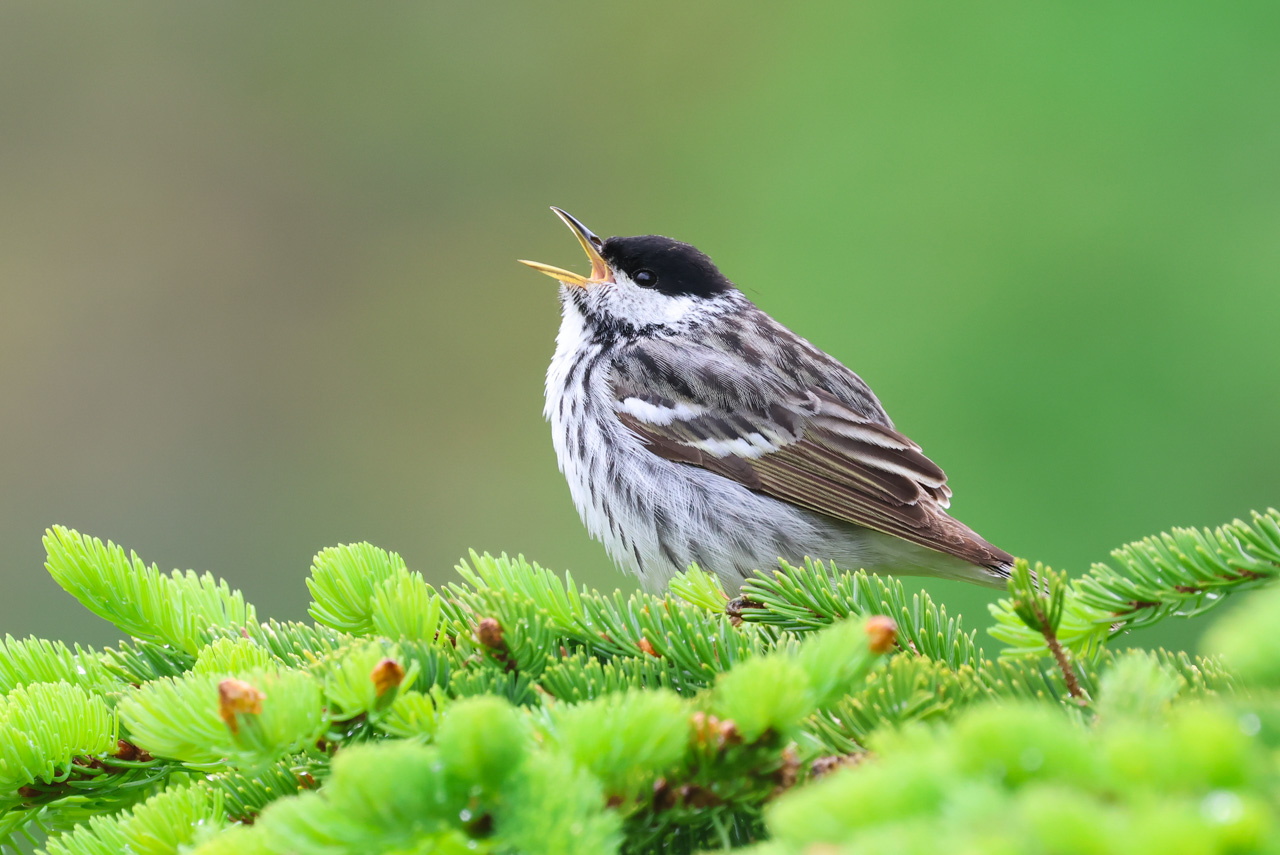
The Avalon Peninsula: Subarctic Tundra and Seabird Spectacles
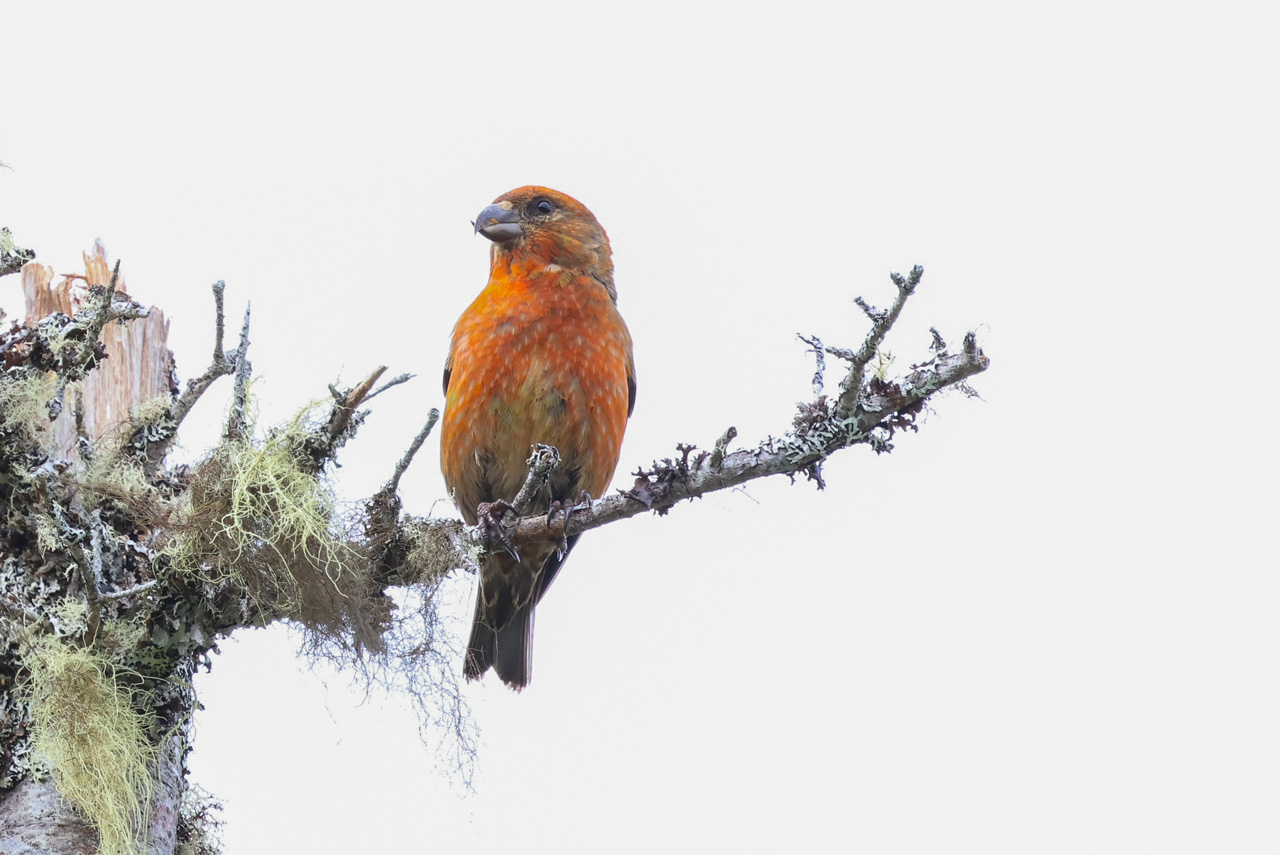
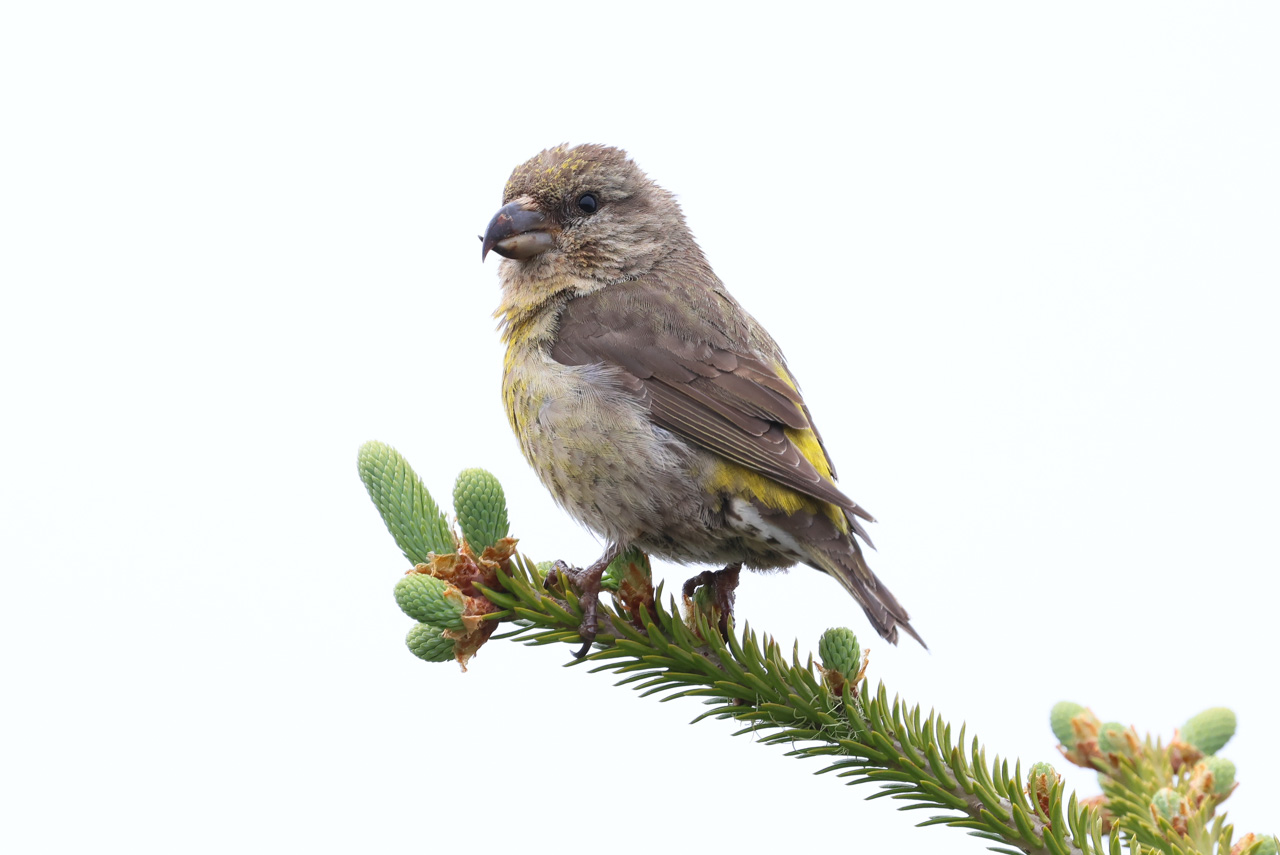
The final leg of the tour focused on the Avalon Peninsula, which contains some of the most unique habitats in the North Atlantic. After crossing the isthmus, the group visited Castle Hill National Historic Site, where they identified the "percna" subspecies of the Red Crossbill. This particular race is endemic to Newfoundland and is distinguished by its larger bill and darker plumage compared to its mainland counterparts. The presence of this endemic subspecies highlights the evolutionary impact of the island’s geographic isolation.
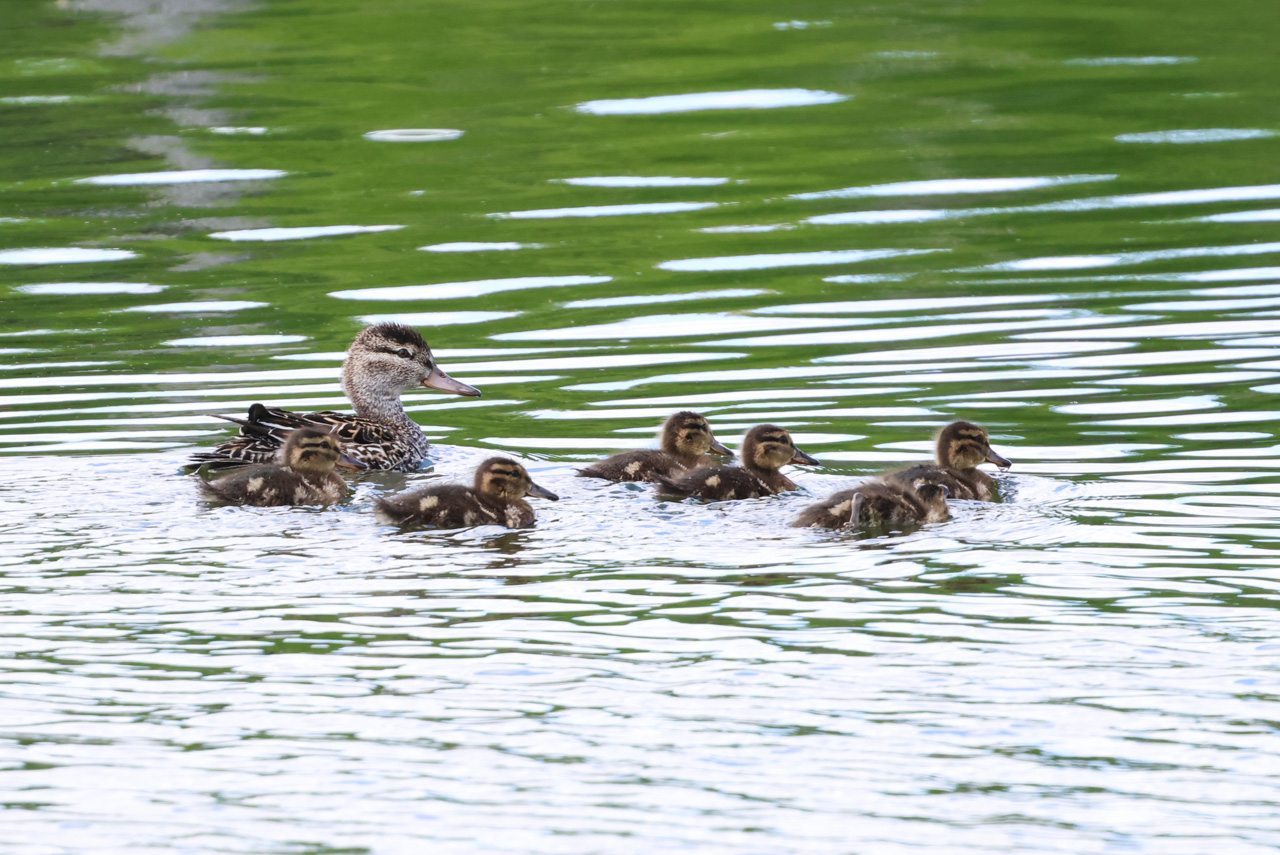
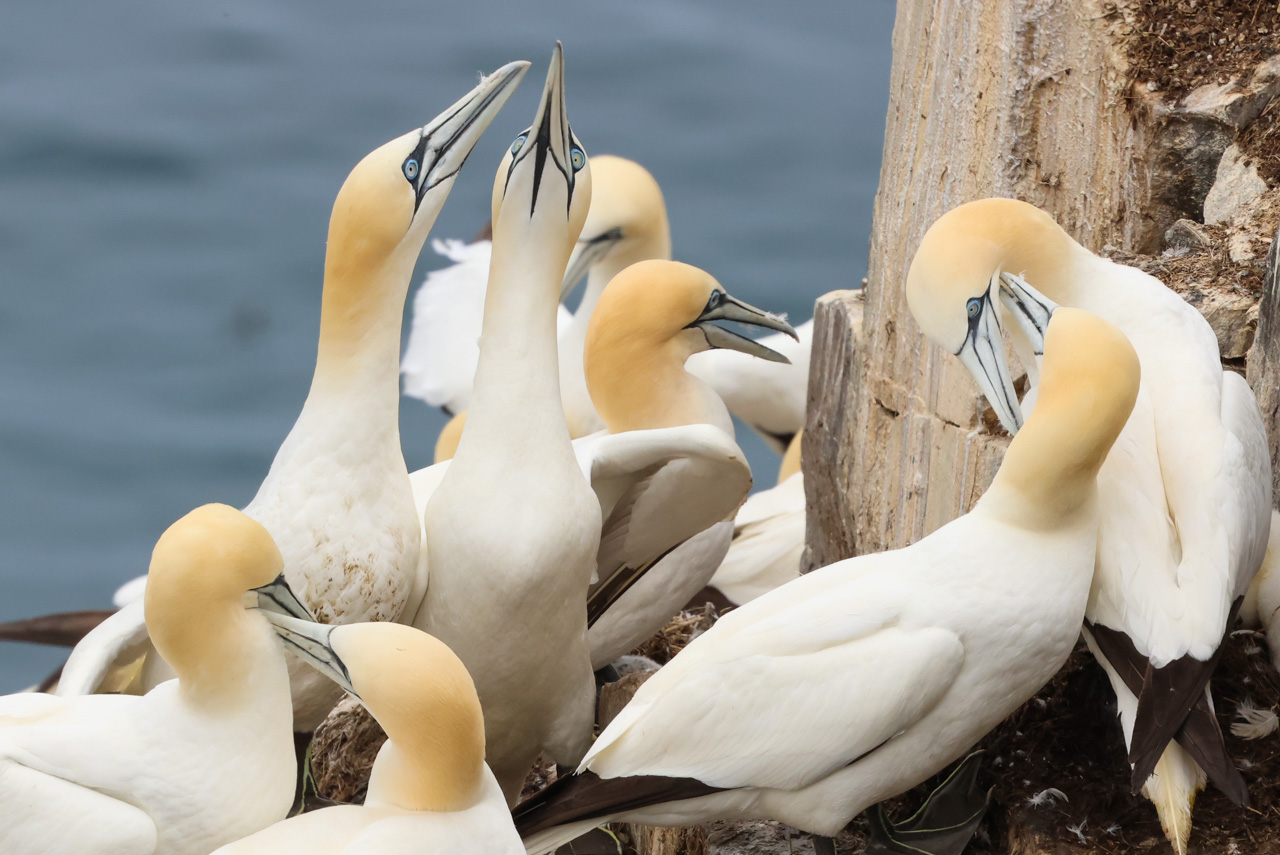
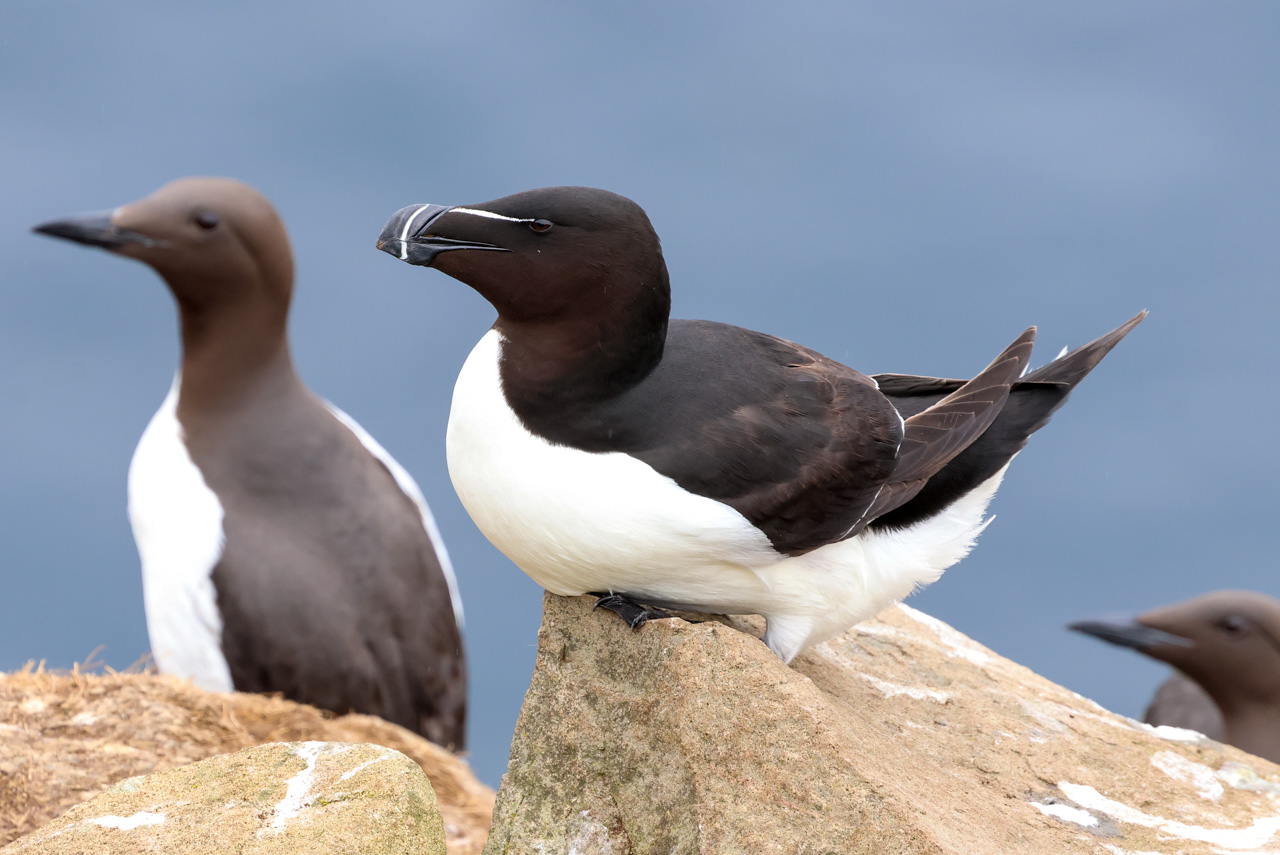
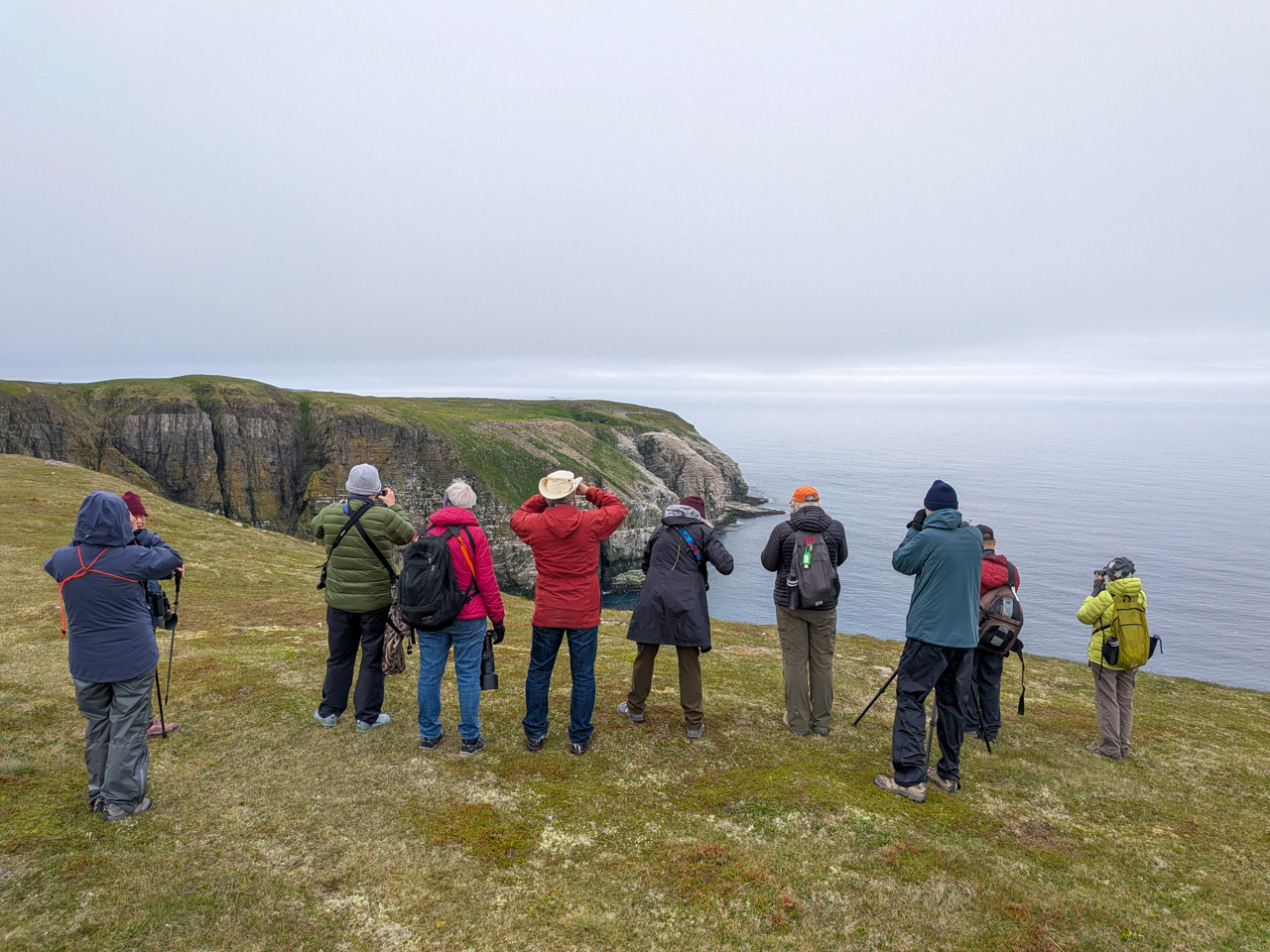
A primary objective of the expedition was the Cape St. Mary’s Ecological Reserve. Known as one of the world’s most accessible seabird colonies, it is home to North America’s third-largest colony of Northern Gannets. During the visit, thousands of gannets were observed nesting on "Bird Rock," a towering sea stack. The clear weather allowed for observations of the interaction between the gannets and other cliff-nesting species, such as Black-legged Kittiwakes, Common Murres, and Razorbills.
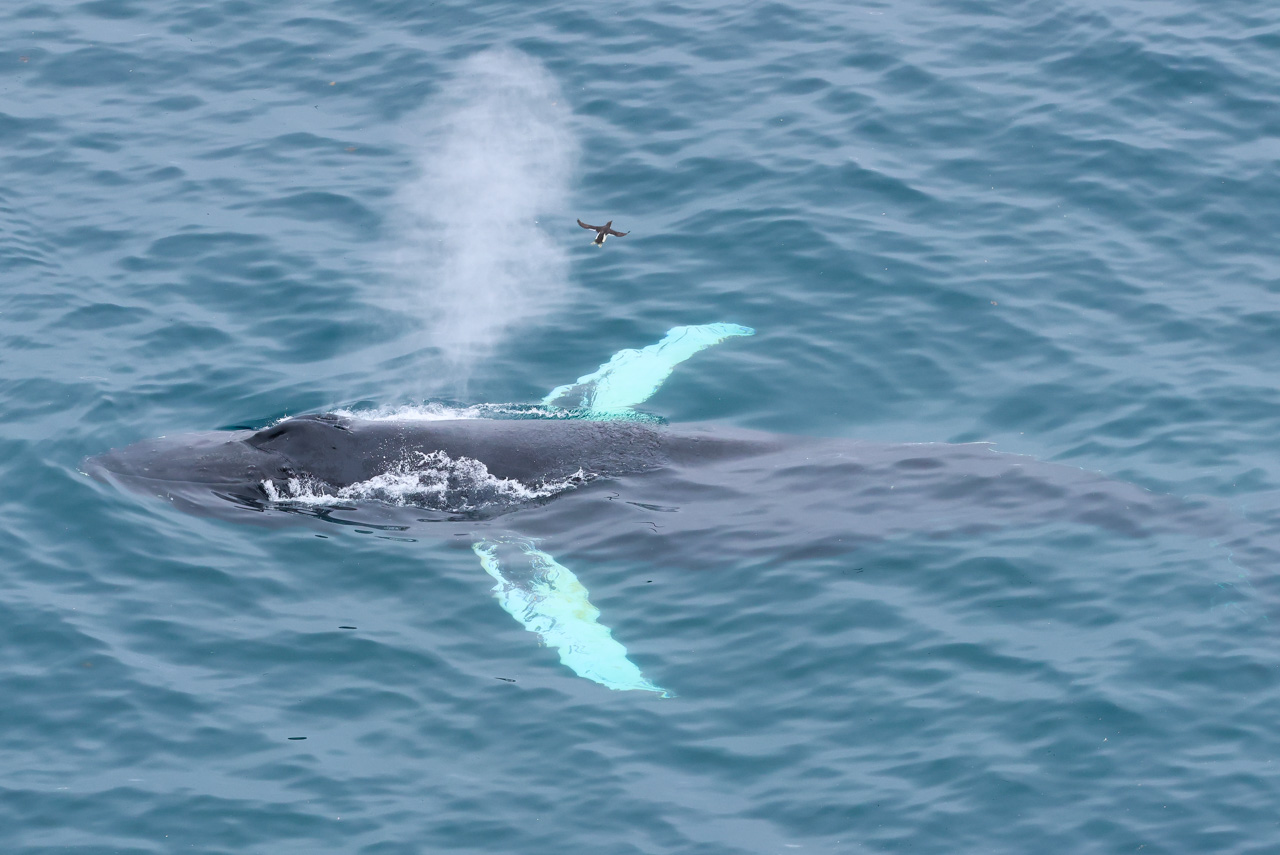
The marine environment surrounding the Cape provided a rare wildlife encounter: a Humpback Whale feeding directly below the cliffs. This observation coincided with the "capelin roll," a seasonal phenomenon where millions of small forage fish (capelin) arrive in the shallows to spawn. The capelin are the linchpin of the North Atlantic food web, supporting the massive populations of seabirds and marine mammals that migrate to Newfoundland’s waters each summer.
Southeastern Avalon: The Hyperoceanic Barrens
The expedition explored the "eastern hyperoceanic barrens," a globally rare habitat found on the southeastern tip of the Avalon Peninsula. This region represents the southernmost extent of subarctic tundra in the world, maintained by the cooling influence of the Labrador Current. At Cape Race, the group scanned for pelagic species, spotting Sooty and Great Shearwaters—birds that spend their lives at sea and only approach land during extreme weather or high-density feeding events.
The barrens also yielded sightings of Willow Ptarmigan and Short-eared Owls, the latter of which are often seen hunting during the daylight hours in this open terrain. A particularly rare find was the Short-tailed Swallowtail butterfly, a species with a highly restricted range confined largely to the coastal barrens of Newfoundland and parts of the Maritimes. The sighting of a young bull moose near the coast further illustrated the diverse range of megafauna that inhabit even the most exposed parts of the island.
St. John’s and the Witless Bay Ecological Reserve
The expedition concluded in St. John’s, the provincial capital and one of the oldest cities in North America. The final field excursion was a boat tour of the Witless Bay Ecological Reserve, which protects four islands that host over 4.5 million breeding seabirds. The reserve contains the largest Atlantic Puffin colony in North America, with over 260,000 pairs nesting in burrows on the grassy slopes of the islands.
The sheer biomass of the reserve is staggering. Observations included tens of thousands of Common Murres and smaller numbers of the scarcer Thick-billed Murre. The presence of Northern Fulmars nesting on Ship Island was noted as a significant record, as this species is a relatively rare breeder in the southern reaches of Atlantic Canada.
On the final day, the group visited Cape Spear National Historic Site, the easternmost point of North America. Here, they recorded the Gray-cheeked Thrush, a species that has faced a significant and somewhat mysterious population decline in Newfoundland over the last 30 years. Conservationists are currently investigating whether this decline is due to habitat changes on the breeding grounds or issues within their wintering range in South America.
Implications for Conservation and Ecotourism
The 2024 Newfoundland expedition serves as a reminder of the province’s status as a premier destination for ecological study and nature-based tourism. The data gathered—ranging from the health of warbler populations in the west to the density of seabird colonies in the east—provides a snapshot of the current state of Newfoundland’s environment.
The success of such expeditions has broader economic and environmental implications. Ecotourism is a growing sector of the Newfoundland and Labrador economy, incentivizing the protection of habitats like the Witless Bay and Cape St. Mary’s reserves. However, the reliance on seasonal events like the capelin roll highlights the vulnerability of these ecosystems. If capelin populations fluctuate due to climate change or overfishing, the impact would be felt across the entire food chain, from the smallest puffin to the largest humpback whale.
In conclusion, the twelve-day journey provided a comprehensive overview of a region where geology and biology are inextricably linked. The preservation of these unique landscapes and the species that inhabit them remains a priority for both provincial and federal authorities, ensuring that Newfoundland continues to serve as a vital laboratory for the natural world.
