

From the towering fjords of the west coast to the windswept barrens of the Avalon Peninsula, the island of Newfoundland serves as a critical sanctuary for millions of migratory and resident birds. This 11-day expedition, beginning in Deer Lake and concluding in the capital of St. John’s, highlights the extraordinary biodiversity of Canada’s easternmost province. The journey encompassed some of the most significant ecological sites in North America, including the UNESCO World Heritage-designated Gros Morne National Park, the massive gannet colonies of Cape St. Mary’s, and the vibrant marine ecosystems of the Witless Bay Ecological Reserve. This report details the chronological progress of the tour, the scientific and historical significance of the locations visited, and the broader implications of eco-tourism for the region’s conservation efforts.
The Gateway to the Boreal: Western Newfoundland and Gros Morne
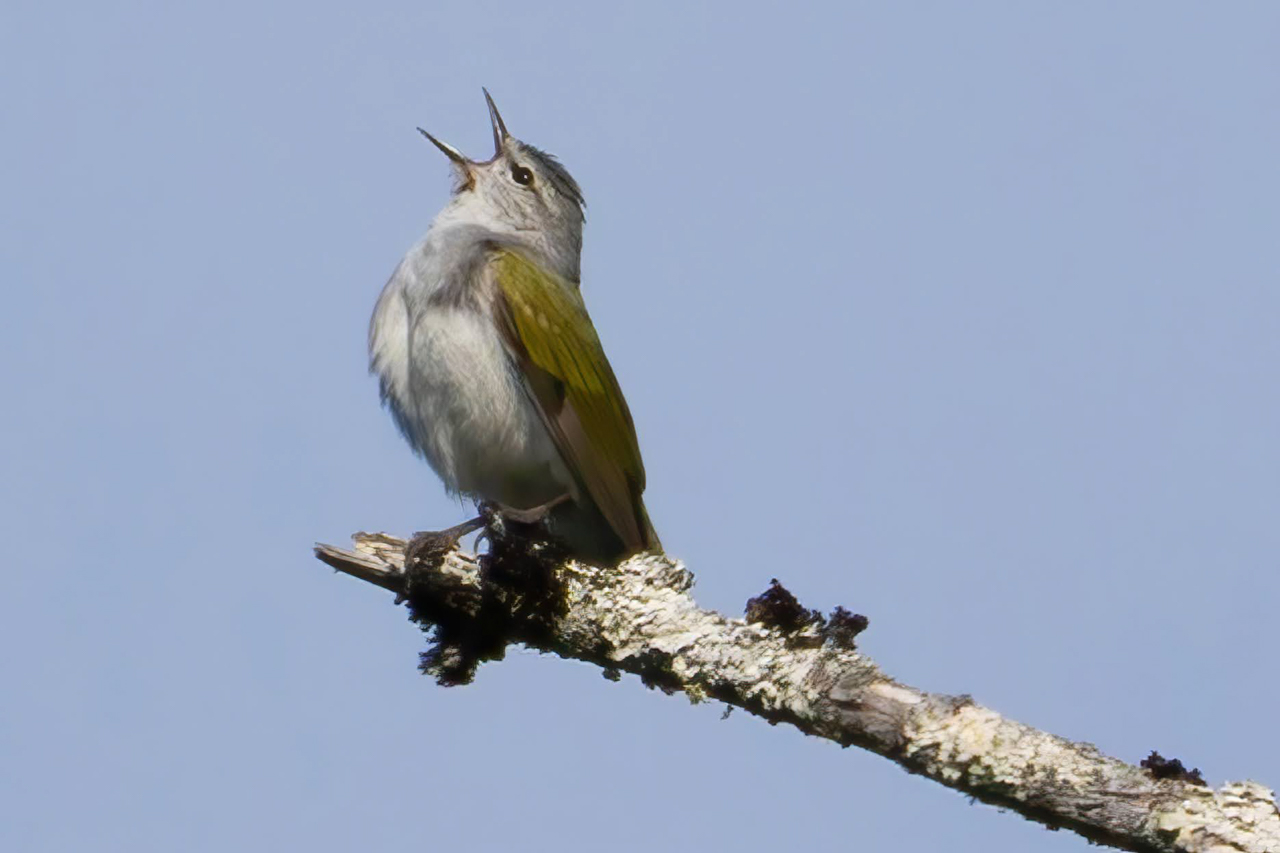
The expedition commenced in Deer Lake, a central hub that provides access to the rugged Long Range Mountains. Initial field observations began along the Humber River trail system, a riparian habitat that serves as a vital corridor for passerines. Early successes included the observation of a Tennessee Warbler, a species known for its high-pitched, staccato song, as well as several wetland-dependent species such as the American Wigeon, Ring-necked Duck, and Green-winged Teal. The presence of the American Bittern, a master of camouflage within marshlands, provided an early highlight for the group.

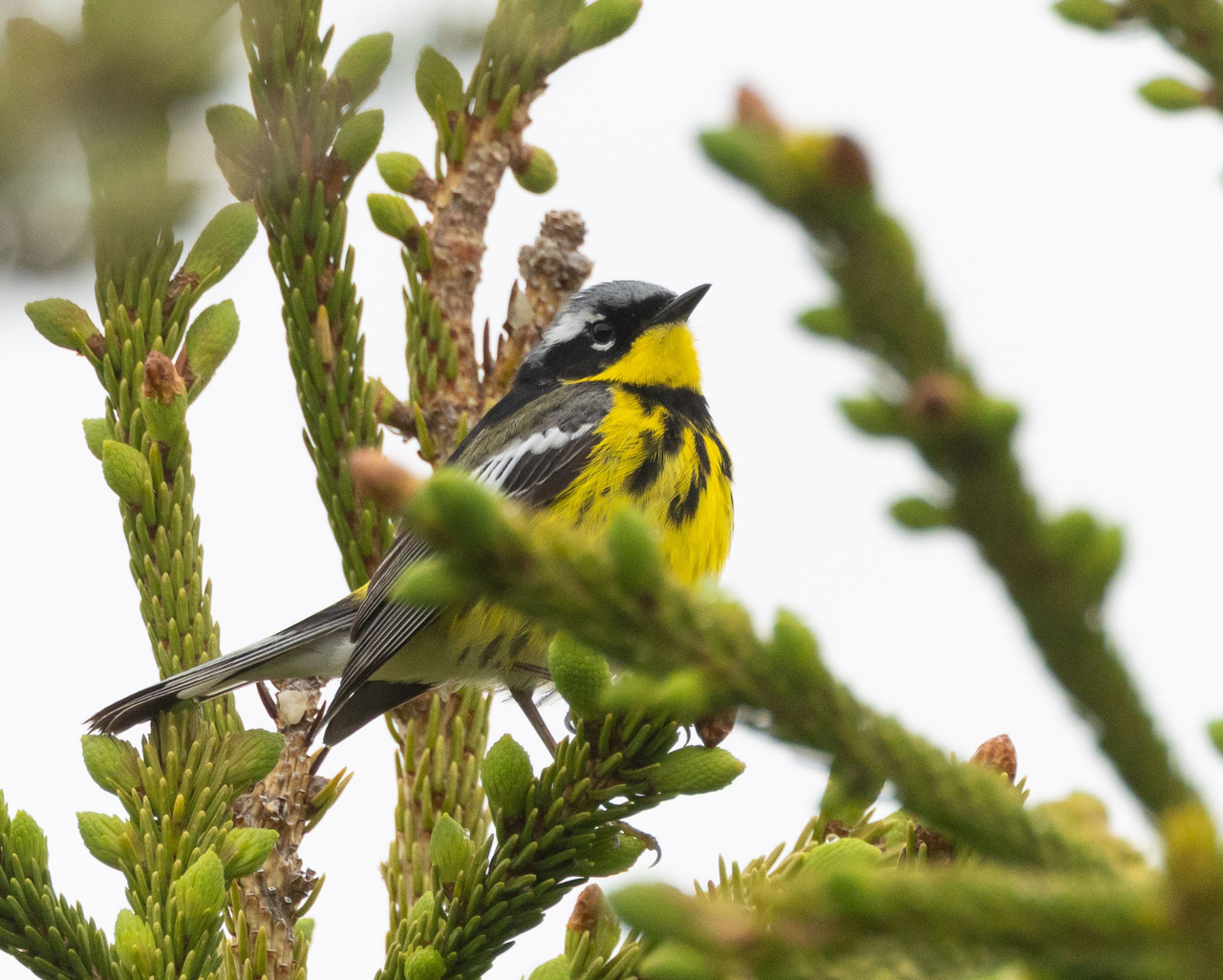
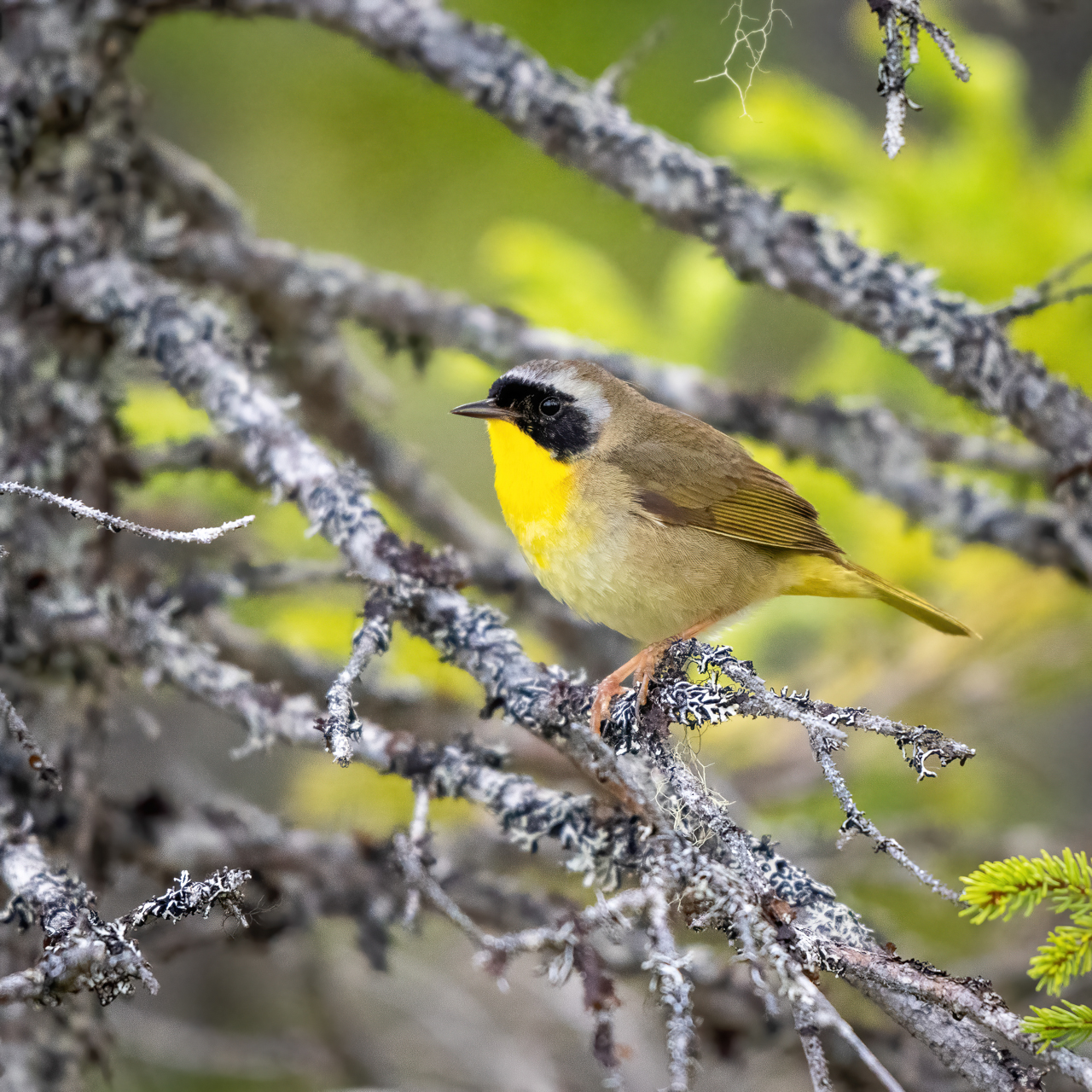
The focus then shifted to Gros Morne National Park, a site of global geological significance. The park’s Tablelands, where the Earth’s mantle was pushed to the surface during a tectonic collision millions of years ago, offers a stark, peridotite-rich landscape that is largely toxic to common plant life. Despite the harsh conditions, the surrounding boreal forests are teeming with avian life. Expedition members identified a rare-for-Newfoundland Cape May Warbler, alongside more common regional residents like the Yellow-bellied Flycatcher and the Magnolia Warbler.
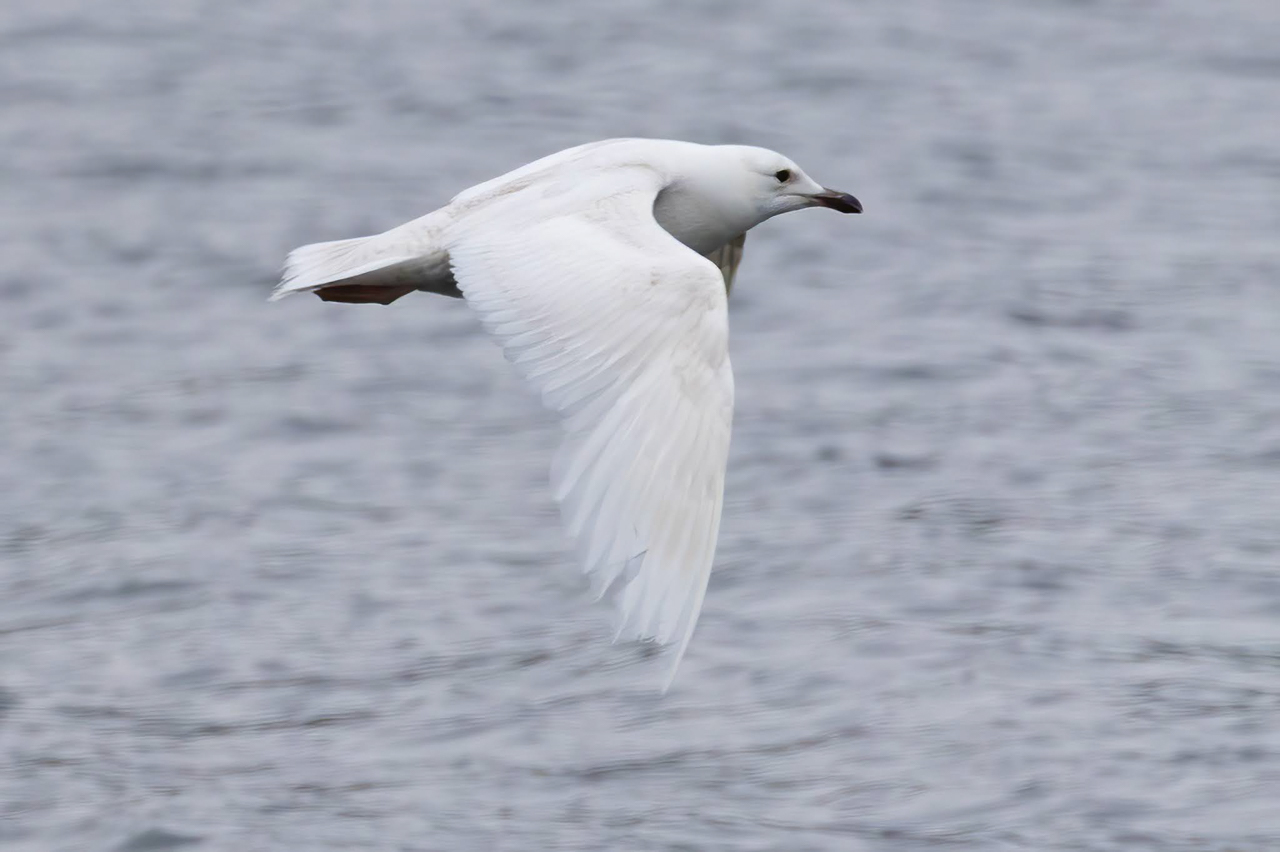
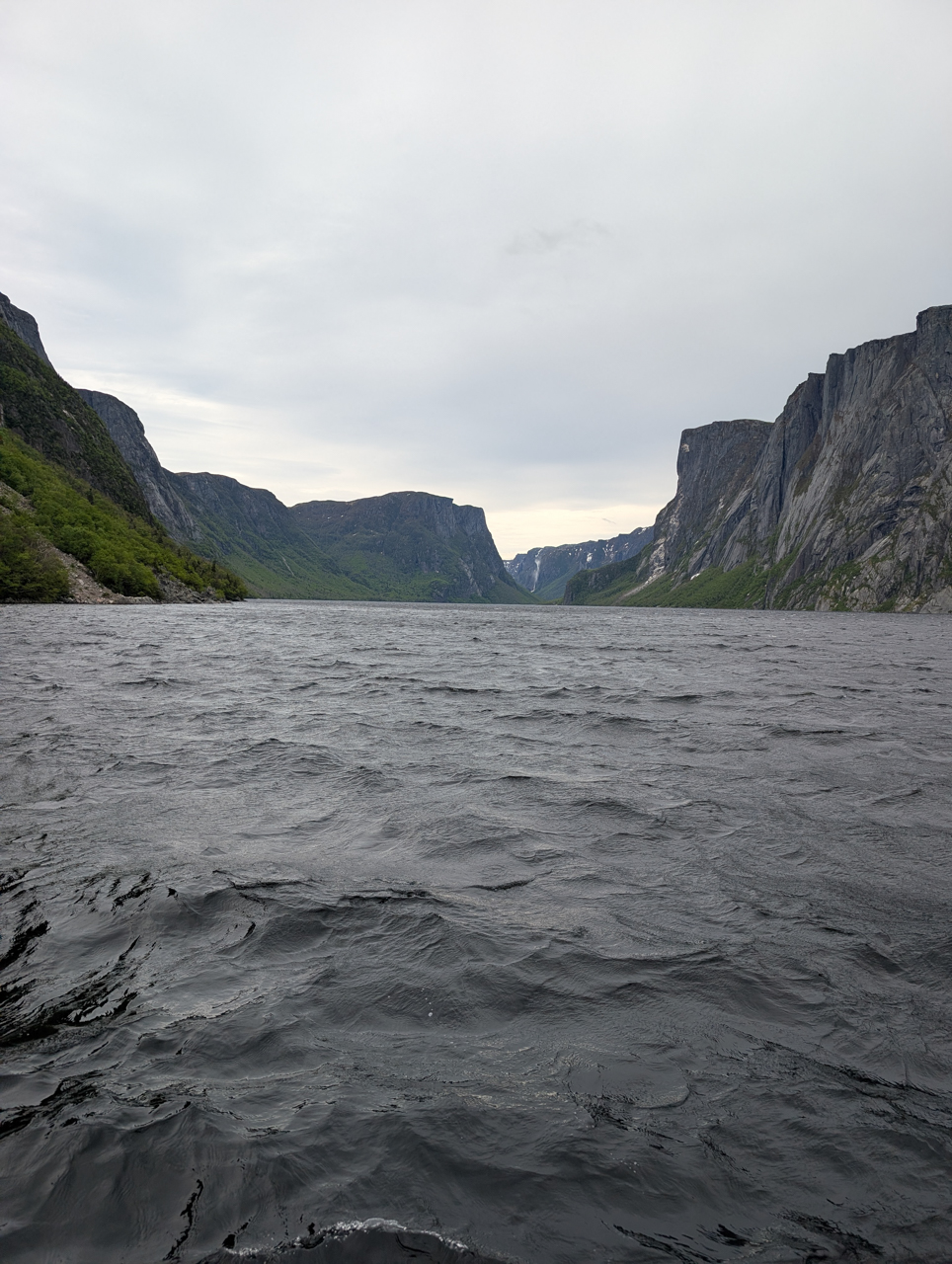
The park’s dramatic coastal features were further explored via the Western Brook Pond boat tour. This landlocked fjord, carved by glaciers and framed by 600-metre cliffs, serves as a pristine example of a post-glacial ecosystem. Observations here included the Common Goldeneye and Pine Grosbeak, the latter being the provincial bird of Newfoundland and Labrador.
Transitioning Through the Interior: Gander and Terra Nova
Moving eastward, the expedition traversed the central Newfoundland landscape, characterized by vast tracts of black spruce and balsam fir. A significant stop was made in Grand Falls-Windsor at the Corduroy Brook trail system. This mixedwood forest and marsh environment allowed for the observation of Mourning Warblers and Palm Warblers, as well as the humorous sight of Mallard ducklings navigating the water’s surface.
The tour then reached Gander, a town inextricably linked to aviation history. Known as the "Crossroads of the World" during the mid-20th century, Gander’s airport was a critical refueling stop for transatlantic flights and later gained international acclaim for its role in hosting thousands of stranded passengers during the 9/11 crisis. Ornithologically, the area’s heritage trails provided sightings of American Redstarts and Yellow Warblers.
The journey continued to Terra Nova National Park, Canada’s easternmost national park, which protects the Finger Touch of the Boreal. The park’s geography—a series of high-cliffs and sheltered inlets—creates a unique microclimate. At Sandy Pond, participants were treated to sightings of the Canada Jay, a highly intelligent corvid known for its boldness and caching behavior. The park also serves as a breeding ground for the Olive-sided Flycatcher, a species currently listed as "Threatened" under the Species at Risk Act (SARA) due to habitat loss across its migratory range.
The Avalon Peninsula: A Seabird Spectacle
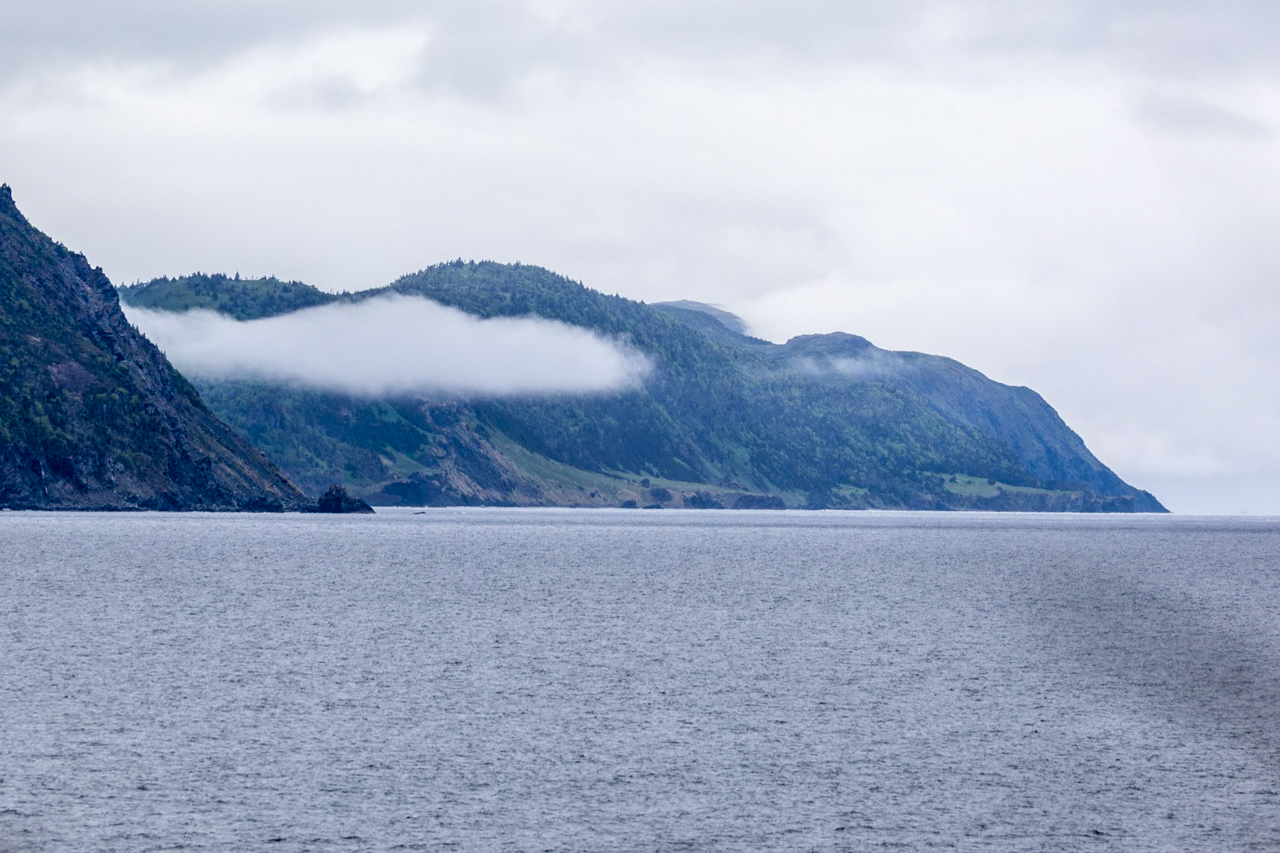
The final leg of the tour focused on the Avalon Peninsula, home to some of the most accessible seabird colonies in the world. A primary destination was the Cape St. Mary’s Ecological Reserve, often referred to as "The Rock." This reserve is the most seabird-rich site in Newfoundland and is home to the world’s southernmost colony of Thick-billed Murres.

The visual impact of the "Bird Rock" sea stack is profound. Thousands of Northern Gannets, Common Murres, and Black-legged Kittiwakes nest on the precarious ledges, creating a cacophony of sound and a constant flurry of activity. The gannets, with their striking golden heads and six-foot wingspans, are particularly noted for their spectacular plunge-diving fishing technique. The group successfully identified a single Thick-billed Murre amongst the more populous Common Murres, a sighting that underscores the importance of the reserve as a northern-southern species overlap zone.

Further south, the expedition visited St. Vincent’s, a pebble beach famous for its "deep-water" drop-off. This geographical feature allows Humpback Whales to forage incredibly close to the shore, particularly during the "Capelin Roll." Capelin, a small forage fish, are the linchpin of the North Atlantic food web. Their arrival inshore to spawn triggers a massive feeding frenzy involving whales, seals, and thousands of seabirds. During this stop, the group observed Long-tailed and Parasitic Jaegers—kleptoparasitic birds that survive by stealing food from other seabirds.
St. John’s and the Witless Bay Marine Ecosystem
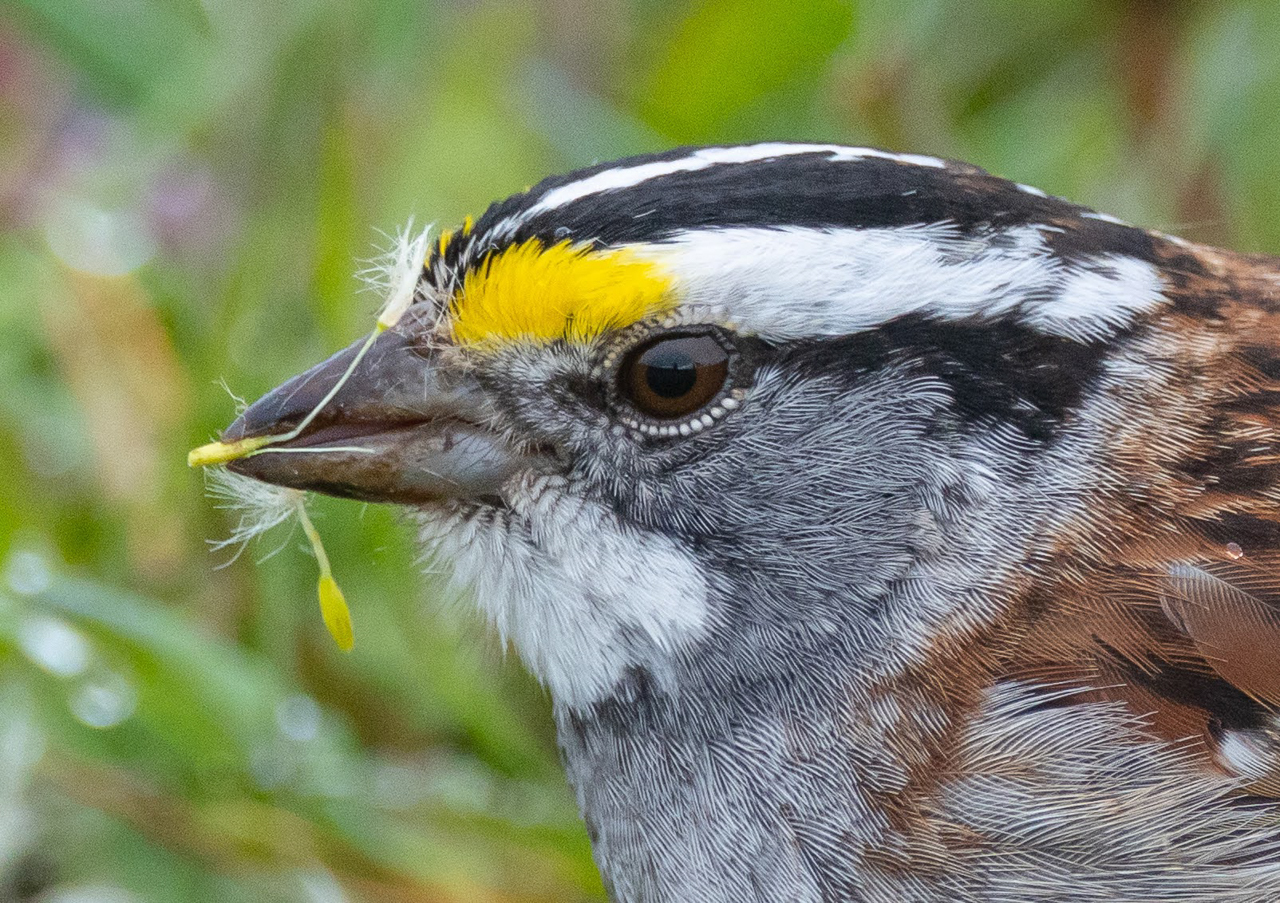
The expedition concluded in St. John’s, the oldest city in North America. Fieldwork continued at Signal Hill and Cape Spear, the latter being the easternmost point of the continent. Despite the encroachment of North Atlantic fog, the group observed Sooty Shearwaters, a species that breeds in the Southern Hemisphere and spends its "winter" in the North Atlantic.
A final maritime excursion to the Witless Bay Ecological Reserve provided the tour’s most significant seabird density. The reserve consists of four islands—Gull, Green, Great, and Pee Pee—which host the largest Atlantic Puffin colony in the northwestern Atlantic, numbering over 260,000 pairs. The sight of thousands of puffins, often called "sea parrots" due to their colorful beaks, returning to their burrows with bills full of capelin, remains a hallmark of the Newfoundland wilderness experience. The boat tour also facilitated close encounters with Humpback Whales, further illustrating the interconnectedness of the marine and avian environments.

Economic and Conservation Implications
The 11-day tour highlights the growing importance of eco-tourism as a sustainable economic driver for Newfoundland. According to data from the Department of Tourism, Culture, Industry and Innovation, non-resident visitors interested in wildlife and birdwatching contribute significantly to the provincial economy, particularly in rural areas where traditional industries like the cod fishery have declined.

However, the expedition also noted the fragility of these ecosystems. The reliance of major seabird colonies on a single forage species—capelin—makes them vulnerable to fluctuations in water temperature and commercial fishing pressures. Conservationists argue that the continued protection of ecological reserves like Cape St. Mary’s and Witless Bay is essential not only for biodiversity but for the long-term economic stability of the region’s tourism sector.
Conclusion of the Expedition
The tour ended with a visit to "The Rooms," Newfoundland’s premier cultural facility, which houses the provincial museum and archives. The inclusion of the Great Auk skeleton—a flightless seabird that was hunted to extinction in the 19th century—served as a poignant reminder of the consequences of environmental mismanagement.

Over 11 days, the group identified over 100 species of birds and observed some of the most dramatic geological and marine events in the North Atlantic. From the rare sighting of a Pied-billed Grebe in a St. John’s pond to the massive scale of the gannet colonies, the expedition provided a comprehensive overview of Newfoundland’s natural heritage. As the group disbanded, the consensus among participants and guides alike was that the island remains one of the world’s premier destinations for those seeking the raw, unfiltered beauty of the natural world. The success of the journey reinforces the necessity of ongoing environmental stewardship to ensure that future generations can witness the "unexpected" wonders of the Newfoundland coast.
