

A multi-disciplinary expedition covering more than 2,000 kilometers across the Canadian wilderness has provided a comprehensive look at the state of the nation’s wildlife, revealing both the enduring resilience of native species and the mounting pressures of climate-driven disruptions. Spanning ten days and traversing three distinct biomes—the Albertan prairies, the boreal forests of the Northwest Territories, and the arctic tundra of Nunavut—the journey served as a critical observation of how avian and mammalian populations are adapting to a rapidly transforming landscape. Starting in the outskirts of Edmonton on July 3, the expedition tracked the movement of species and the health of ecosystems at a time when the Arctic is warming nearly four times faster than the global average, a phenomenon known as Arctic amplification.
The Albertan Prairies: A Mosaic of Conservation and Challenge
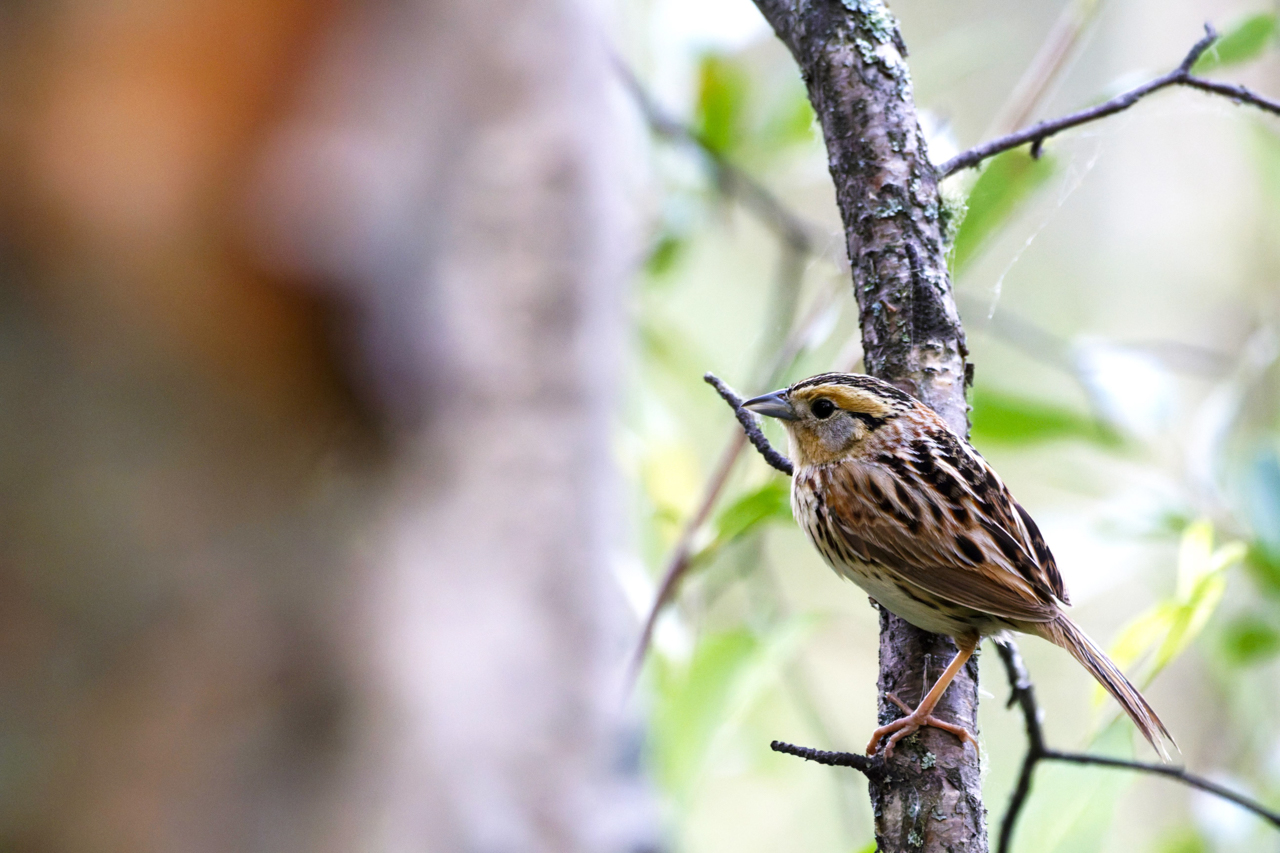
The expedition began in the vicinity of Beaverhill Lake, located east of Edmonton. This region is a vital component of the Canadian conservation landscape, characterized by a mosaic of protected and managed wetlands, meadows, and woodlands. Designated as an Important Bird Area (IBA) by BirdLife International, Beaverhill Lake serves as a critical stopover for migratory birds. Observations at the site highlighted the presence of the Common Yellowthroat and the Eastern Kingbird, as well as the elusive Sedge Wren.
Of particular note was the recording of a Black-billed Cuckoo. This species is considered rare in the region, and Beaverhill Lake represents the extreme eastern edge of its known range. The presence of such species at the margins of their traditional habitats often serves as a biological indicator of shifting climatic conditions or changes in prey availability. The surrounding marshes also hosted iconic prairie species, including Yellow-headed Blackbirds, Eared Grebes, and Black-necked Stilts.
Further west, at Francis Point, the team documented the Sprague’s Pipit. This species has faced a significant decline in recent decades due to habitat loss, with populations dropping by an estimated 80% since the 1960s. The Sprague’s Pipit is one of the few passerines endemic to the Northern Great Plains, and its survival is heavily dependent on the preservation of native grasslands. The expedition noted that while the Albertan lowlands are heavily exploited for agriculture and industry, small "safe havens" maintained by private landowners and conservationists remain instrumental in preventing the total extirpation of such sensitive species.
Restoration Successes at Elk Island National Park
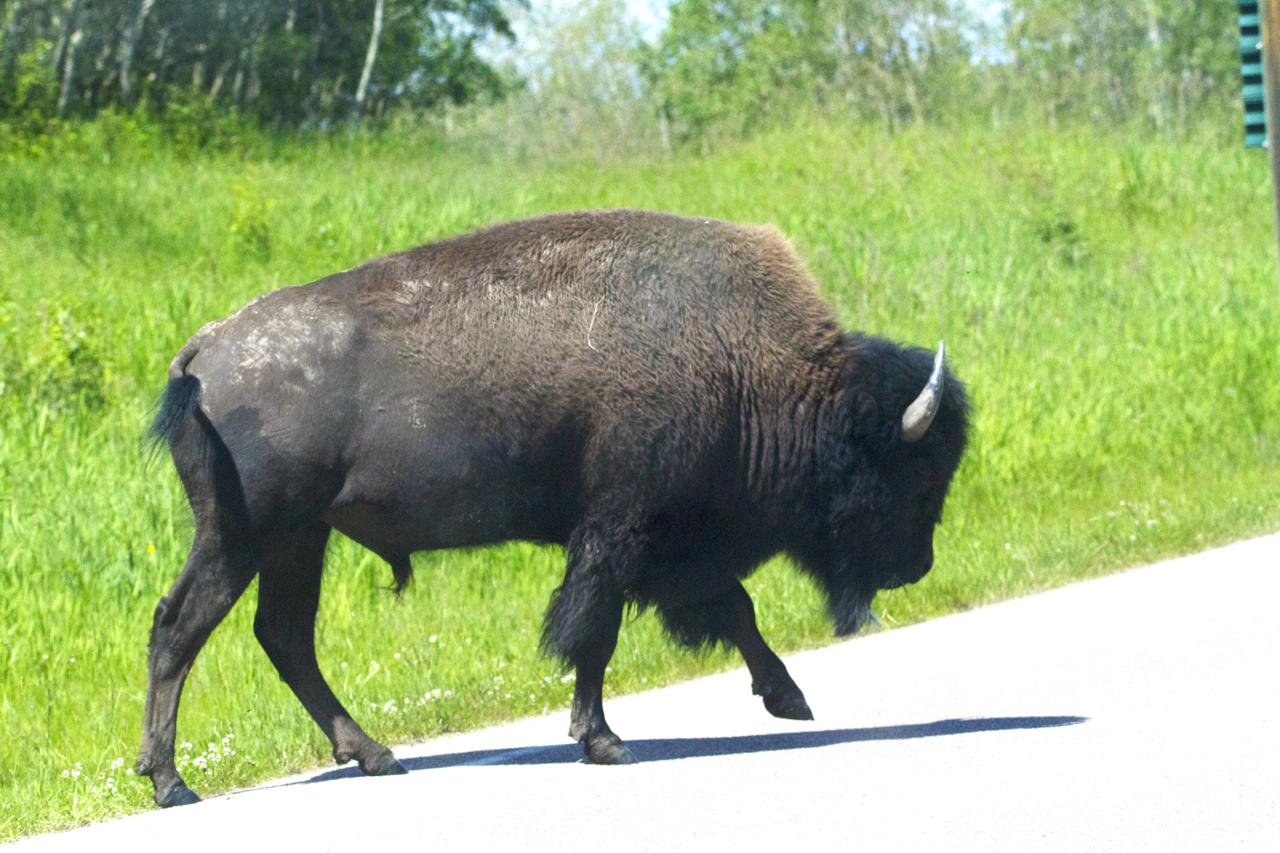
The transition from prairie to forest was marked by a visit to Elk Island National Park, a UNESCO-designated Biosphere Reserve. The park is historically significant for its role in the recovery of the Wood Bison (Bison bison athabascae). Once on the brink of extinction due to overhunting and habitat encroachment in the late 19th century, the Wood Bison was reintroduced to the area over 100 years ago. Today, Elk Island maintains a healthy, disease-free herd that serves as a seed population for reintroduction efforts across North America and even into Russia.
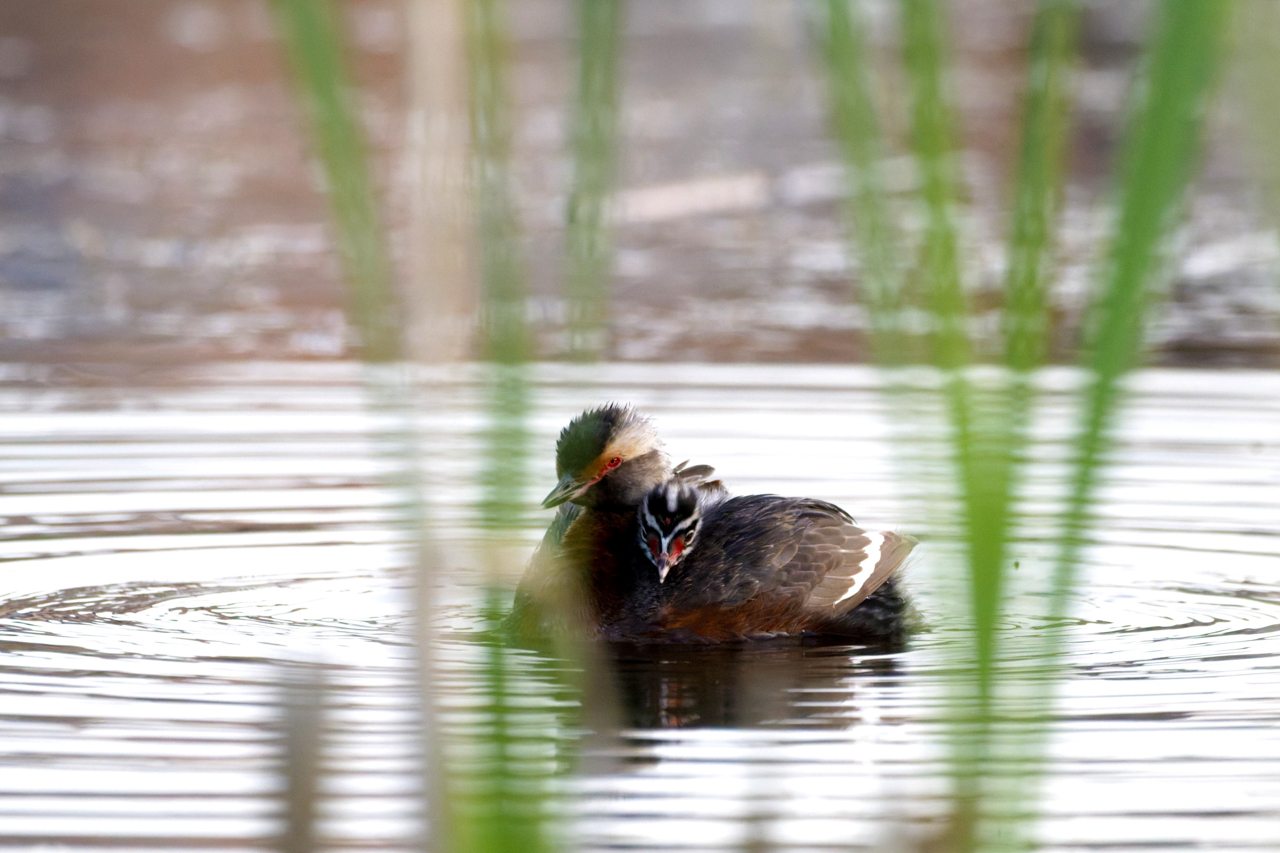
While the bison represent a conservation success story, the park’s vegetation showed signs of contemporary ecological stress. Observers noted that many trees were nearly leafless, the result of an intensive outbreak of Tent Caterpillars. While such outbreaks are cyclical and natural in boreal transition zones, their intensity and frequency are increasingly scrutinized by ecologists to determine if warming winter temperatures are allowing higher larvae survival rates. Despite the denuded canopy, the team observed Red-eyed Vireos and Red-necked Grebes, the latter of which were seen tending to young chicks, indicating a successful, albeit challenged, breeding season.
The Boreal Frontier: Wildfires and Wetland Health in Yellowknife
The second phase of the expedition moved to the subarctic environment of Yellowknife, Northwest Territories. Upon arrival, the impact of climate change was immediately visible through a thick layer of smoke originating from forest fires to the west. The 2023 and 2024 wildfire seasons in the Northwest Territories have been among the most severe on record, forcing mass evacuations and destroying millions of hectares of boreal forest. This "lungs of the north" ecosystem is a critical carbon sink, but increasing fire frequency threatens to turn these forests into carbon sources.
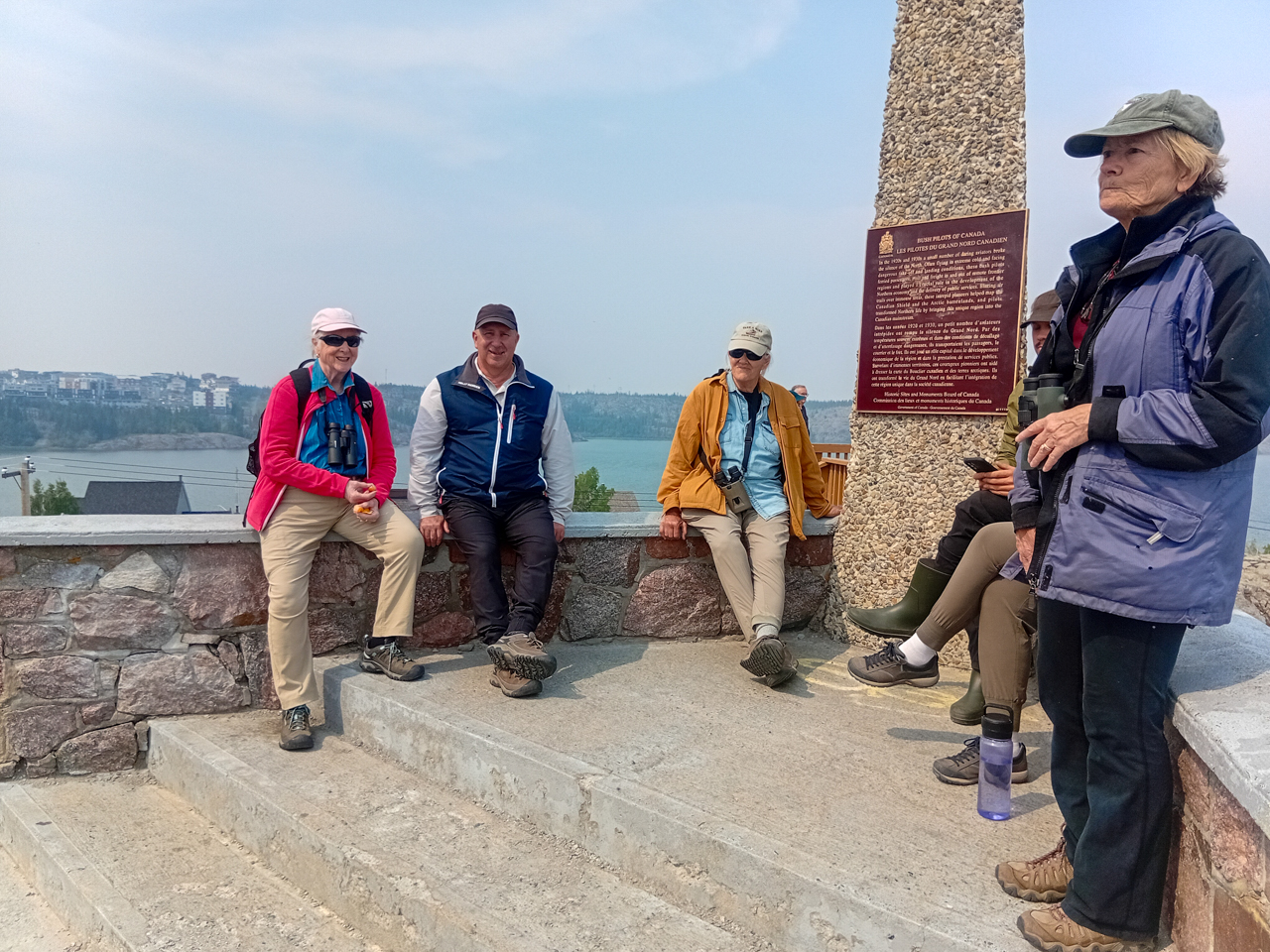
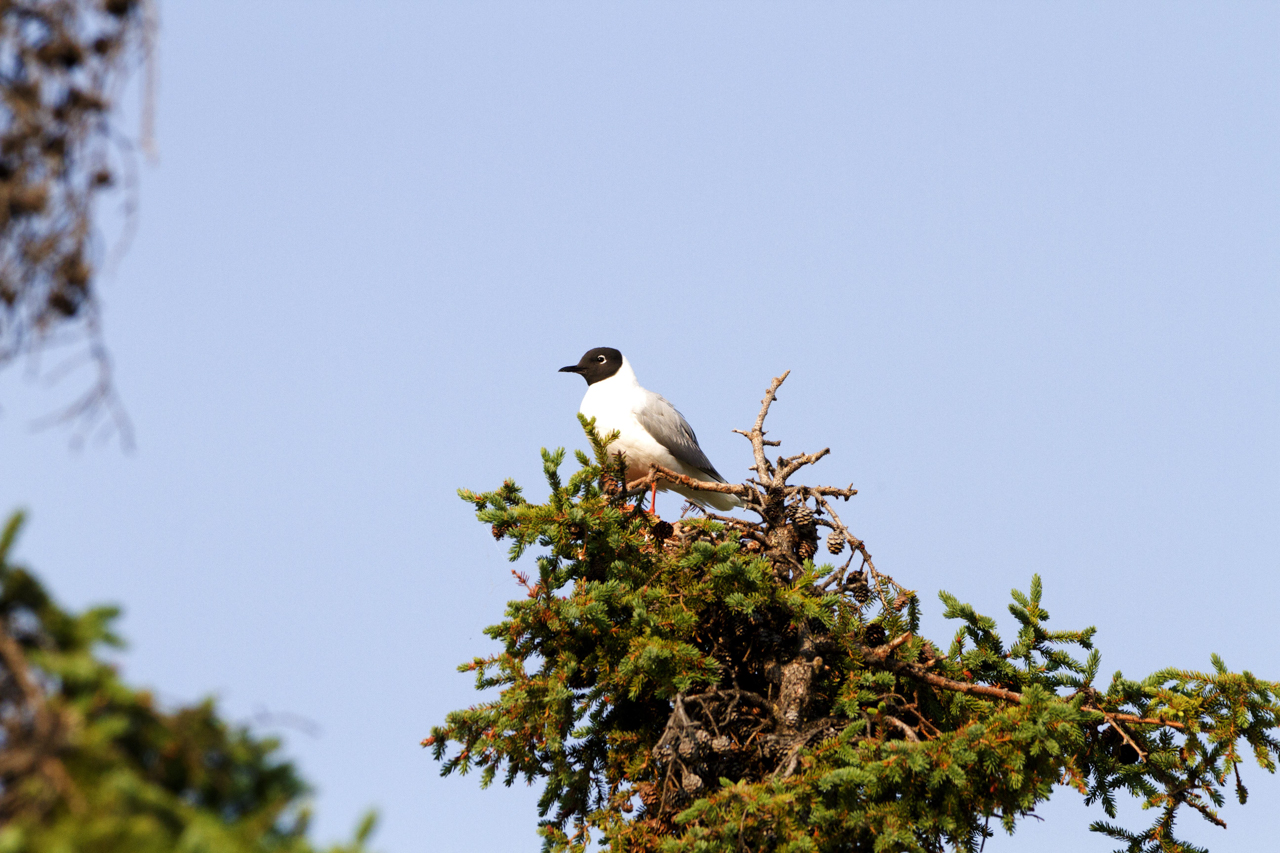
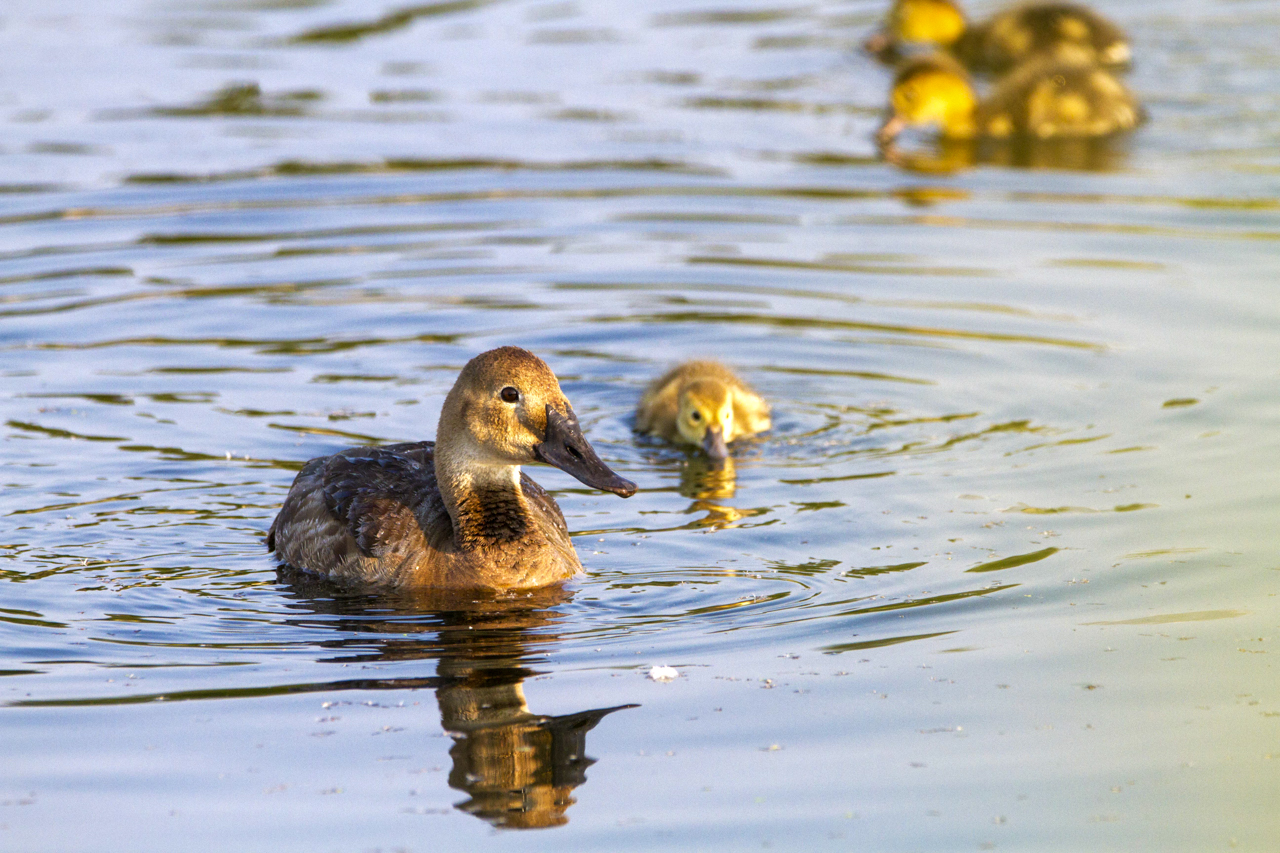
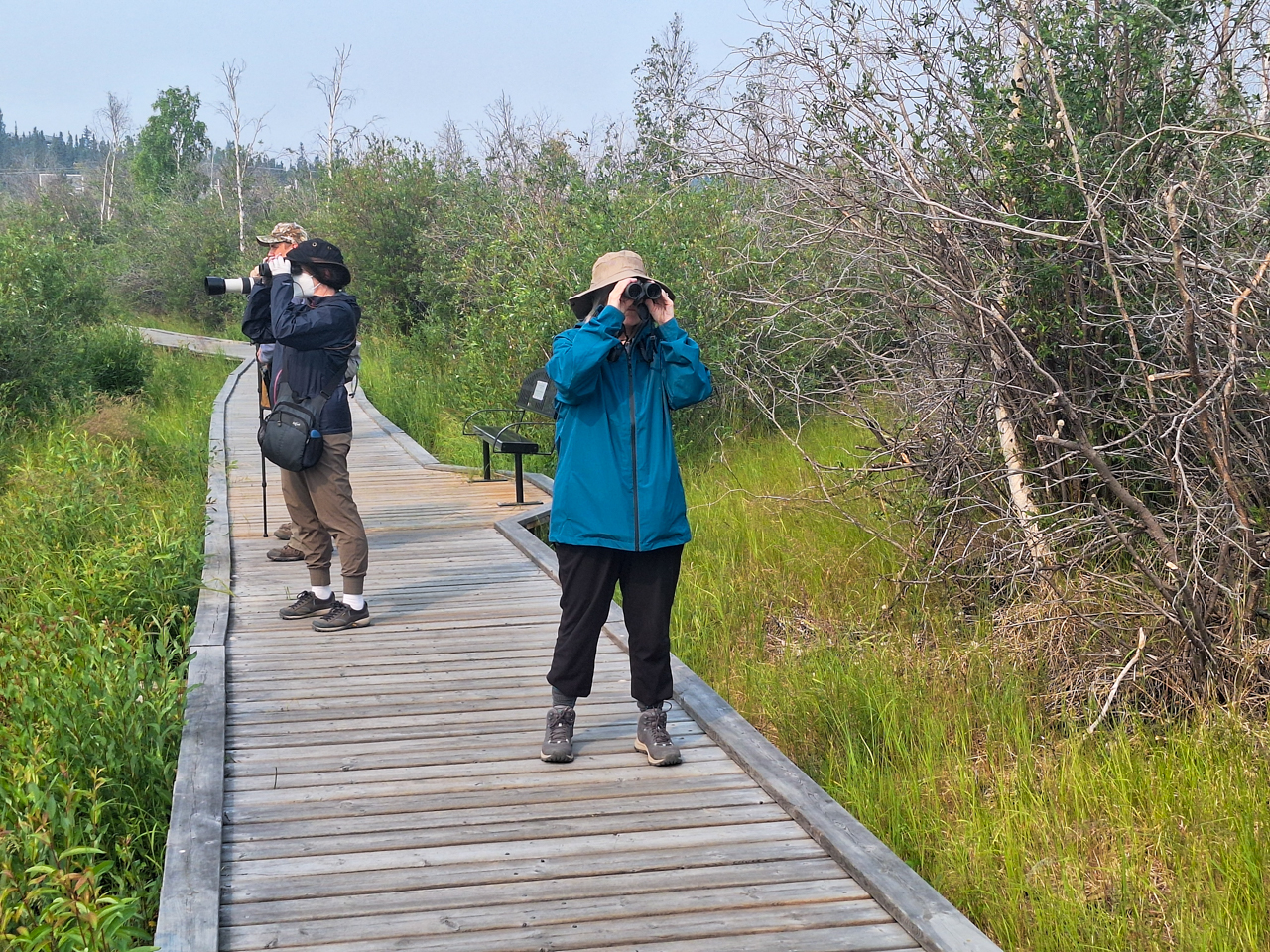
Despite the hazy conditions, the team conducted surveys at Niven Lake and Willow Flats. Niven Lake is a premier birding site that showcased the nesting habits of Bonaparte’s Gulls. Unlike many other gull species, Bonaparte’s Gulls frequently nest in trees within the boreal forest, a unique adaptation among Laridae. The expedition also documented Horned Grebes and Canvasbacks, noting the presence of healthy broods.
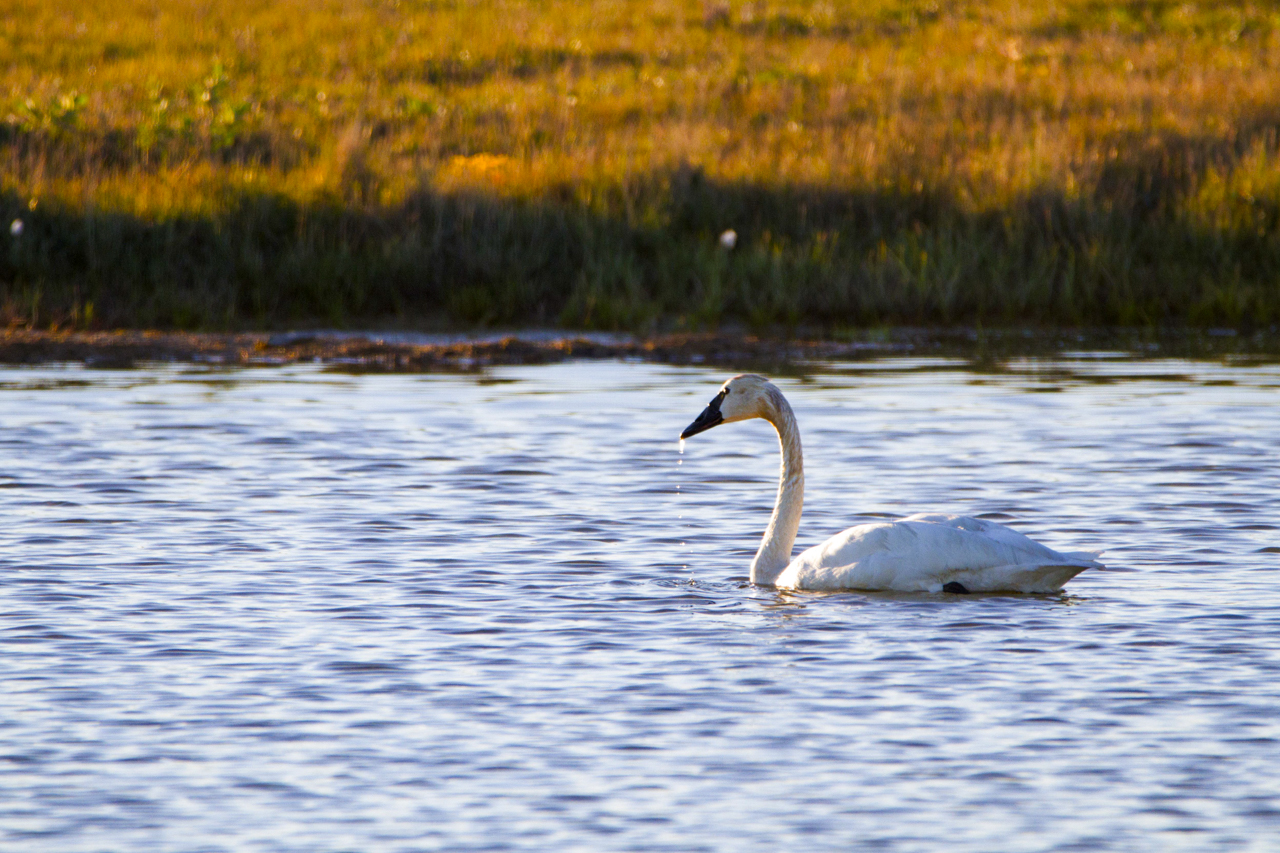
A survey of the Great Slave Lake—the deepest lake in North America at 614 meters—revealed a high diversity of coastal and pelagic species. The shoreline of Willow Flats provided sightings of Surf Scoters, Black Scoters, and Arctic Terns. The Arctic Tern is famous for having the longest migration of any animal, traveling from the Arctic to the Antarctic and back annually. The presence of fledglings in the shorter coastal vegetation suggested that, despite the atmospheric challenges posed by wildfire smoke, the local breeding window remained productive.
Into the High Arctic: Victoria Island and the Northwest Passage
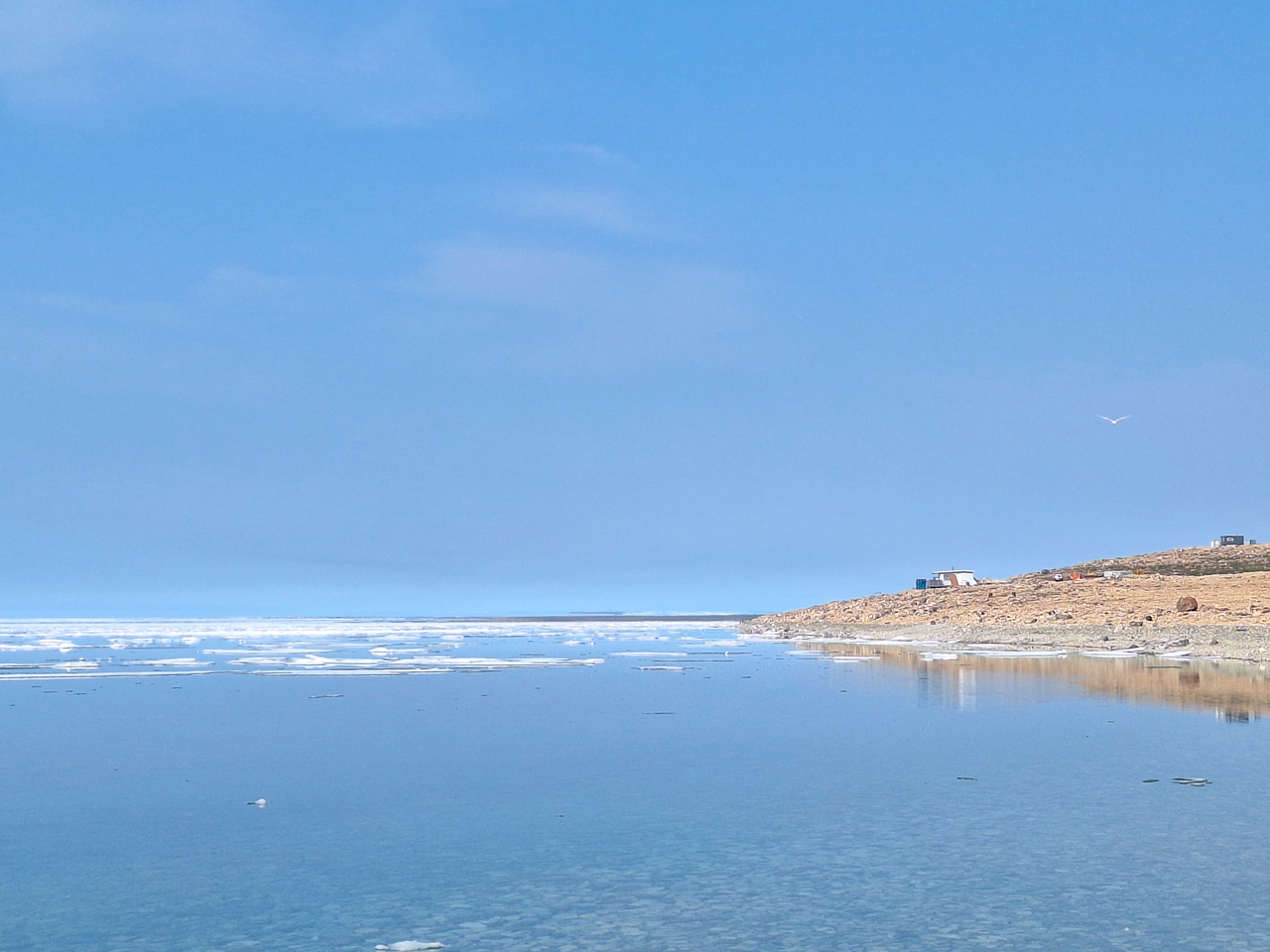
The final leg of the journey took the team to Cambridge Bay (Ikaluktutiak) on Victoria Island, Nunavut. Located above the Arctic Circle, this region is a frontline for observing the effects of a warming planet. The landscape, a vast expanse of tundra and scattered permafrost ponds, was still navigating the transition from winter to summer, with ice remaining in parts of the Northwest Passage.
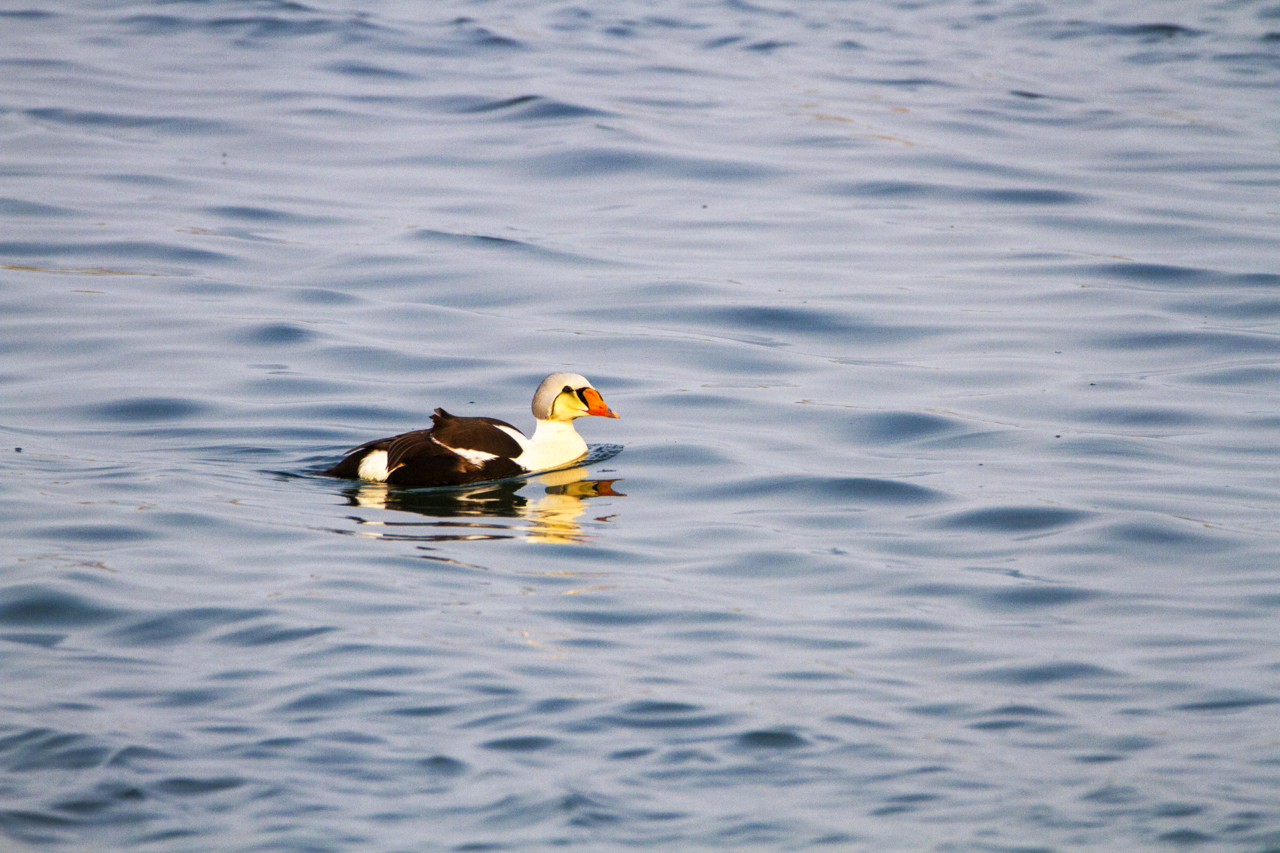
The high arctic tundra serves as the breeding ground for some of the world’s most specialized avian species. The expedition recorded the King Eider, a large sea duck known for its striking plumage and its reliance on both marine and terrestrial arctic habitats. Because male King Eiders depart for the sea almost immediately after eggs hatch, the timing of the expedition was crucial for documenting their presence inland.
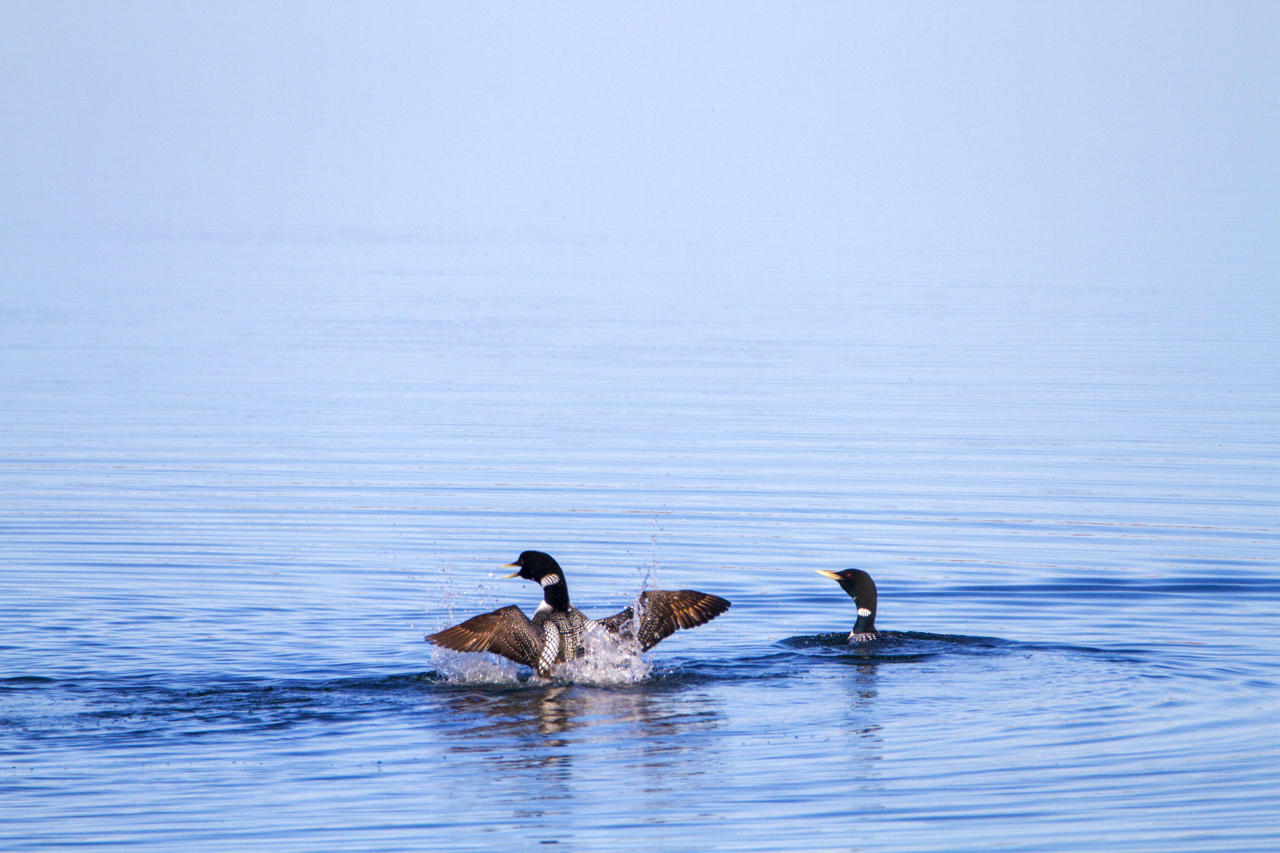
A significant highlight was the observation of the Yellow-billed Loon, a regional specialty and a species of high conservation concern. The loon’s behavior—including a rare upright display—was documented near the town’s water source. This species is particularly vulnerable to changes in freshwater quality and the availability of fish stocks, both of which are being altered by the melting of permafrost and the resulting "slumping" of terrain into arctic lakes.
Scientific Analysis and the Role of the Canadian High Arctic Research Station (CHARS)
The expedition included a briefing at the Canadian High Arctic Research Station (CHARS), a state-of-the-art facility in Cambridge Bay operated by Polar Knowledge Canada. Researchers at CHARS are currently monitoring several alarming trends in the region. Local residents and scientists report that sea ice is retreating earlier each year, and "unusual" weather patterns—including temperatures that felt unseasonably high during the expedition—are becoming the new norm.
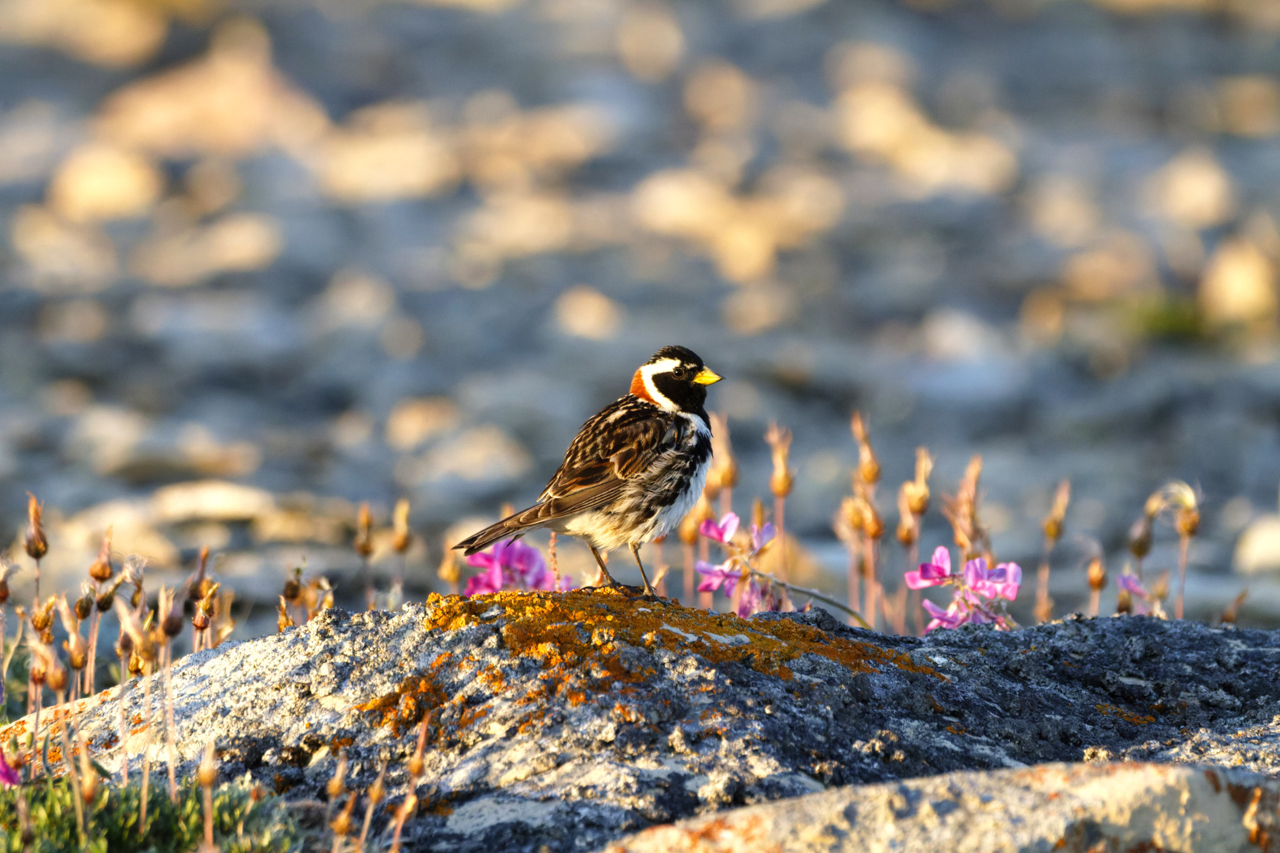
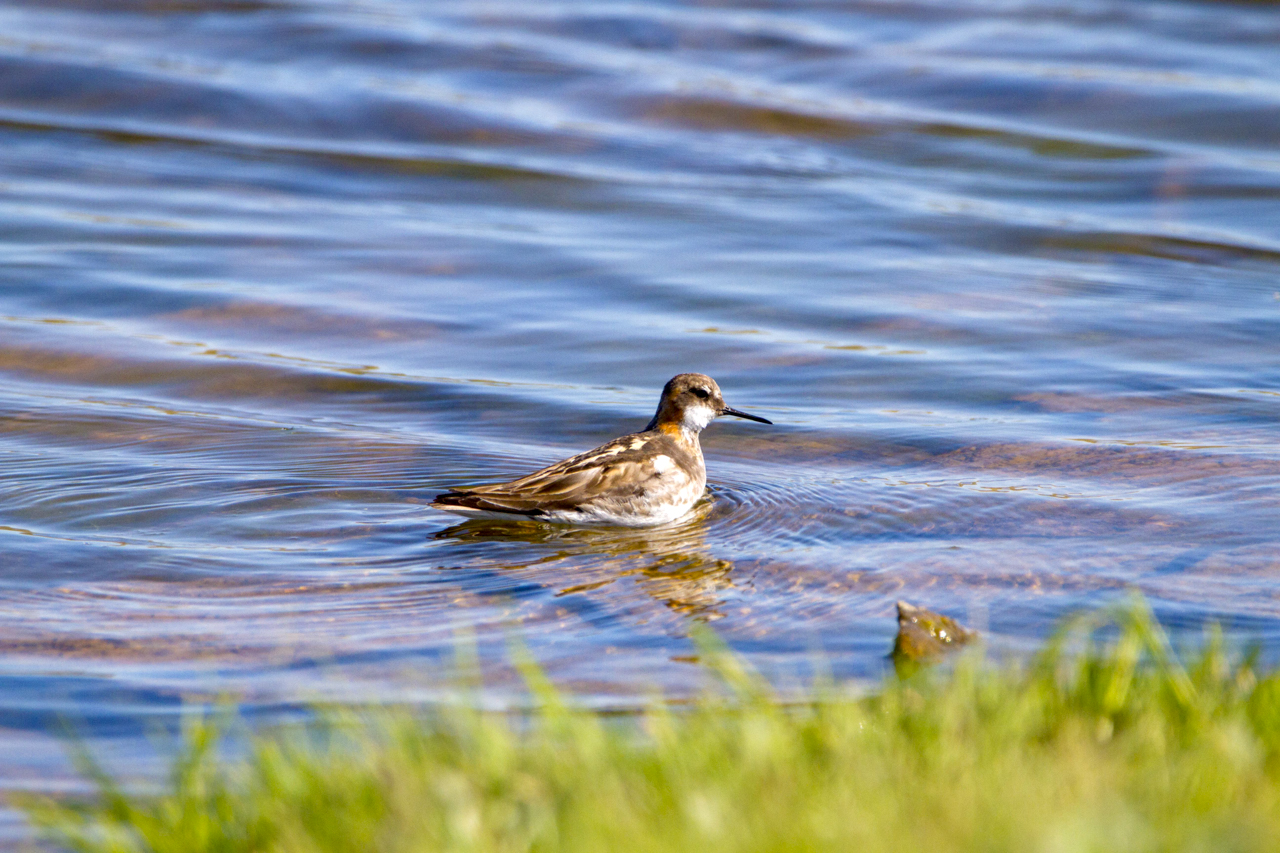
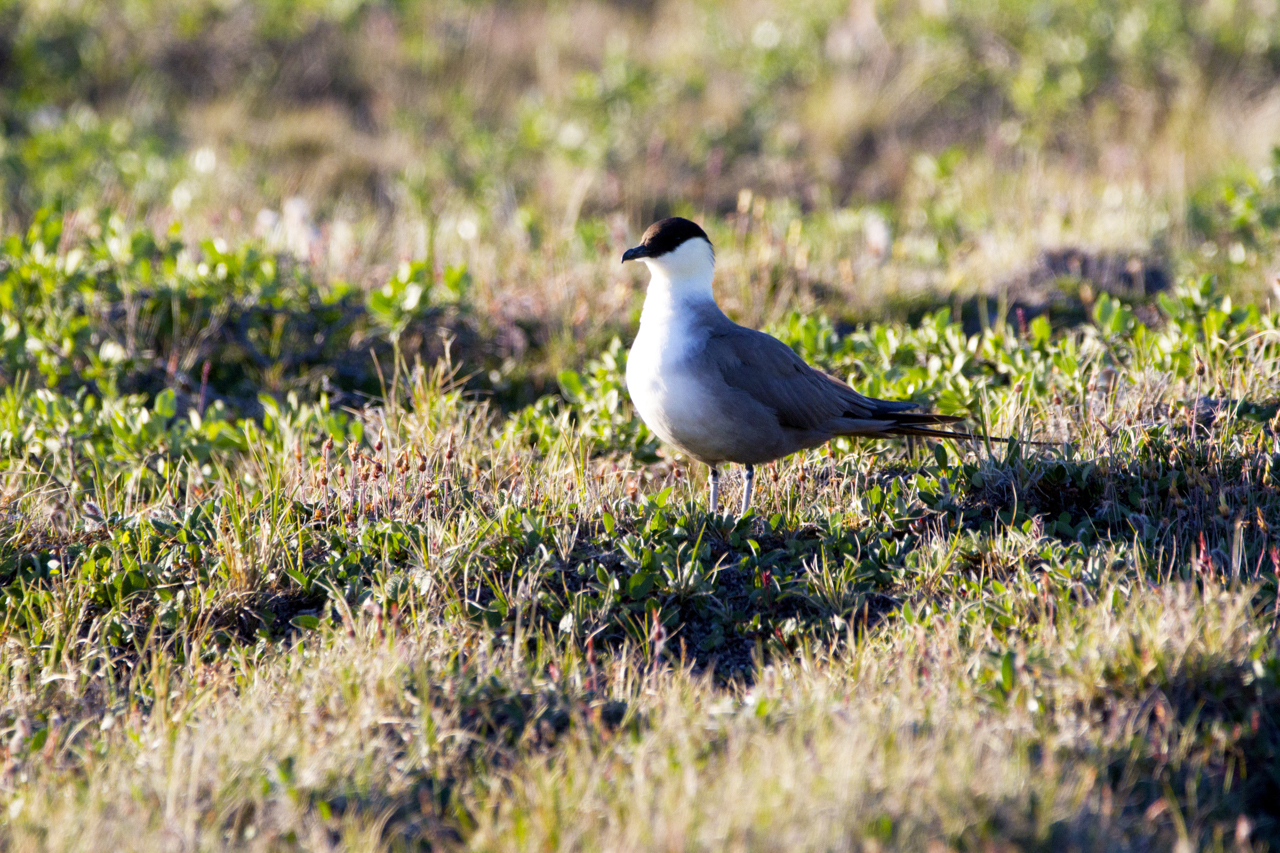
Data shared during the visit highlighted the "greening" of the Arctic, where warmer temperatures allow shrubs like the arctic willow to grow taller and spread further north. While this provides more cover for species like the Lapland Longspur and various sandpipers, it also alters the traditional nesting grounds of ground-nesting birds. Furthermore, the station has tracked the northward migration of subarctic species. Most notably, Grizzly Bears have recently been documented on Victoria Island, an area traditionally dominated by Polar Bears. This overlap in range is leading to increased competition and the occasional appearance of "pizzly" hybrids.
Broader Impact and Environmental Implications
The findings of this 10-day expedition underscore a period of profound transition for Canadian wildlife. In the prairies, the reliance on fragmented "safe havens" highlights the need for more robust grassland conservation policies. In the boreal forest, the prevalence of wildfire smoke and insect outbreaks serves as a reminder of the fragility of the northern timberline. In the Arctic, the resilience of species like the Yellow-billed Loon and the Arctic Fox is being tested by a environment that is changing faster than evolutionary timelines typically allow.
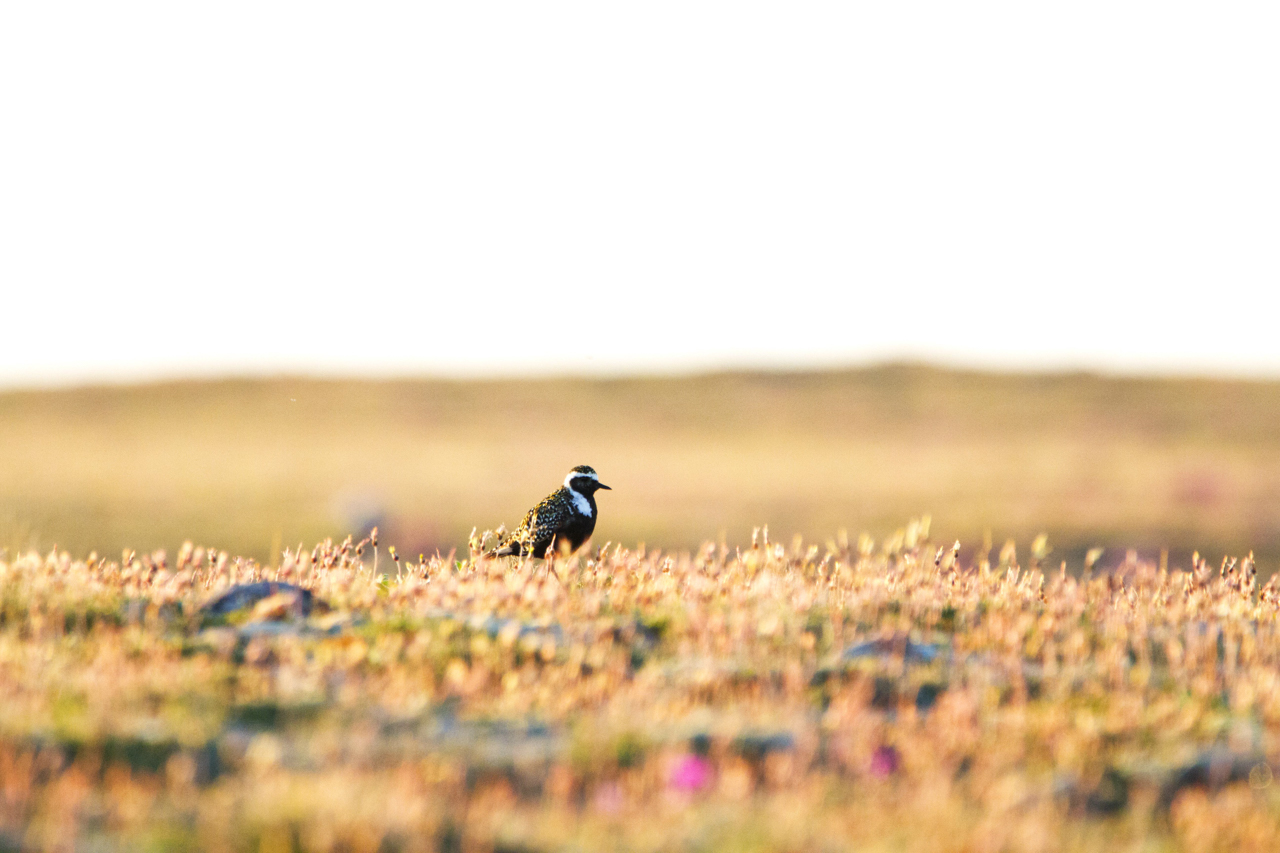
The expedition concluded at Mount Pelly (Uvayuq), an esker rising 200 meters above the tundra. From this vantage point, the team observed Peregrine Falcons and Rough-legged Hawks, apex predators that depend on the entire food chain—from lemmings to smaller birds—to remain intact.
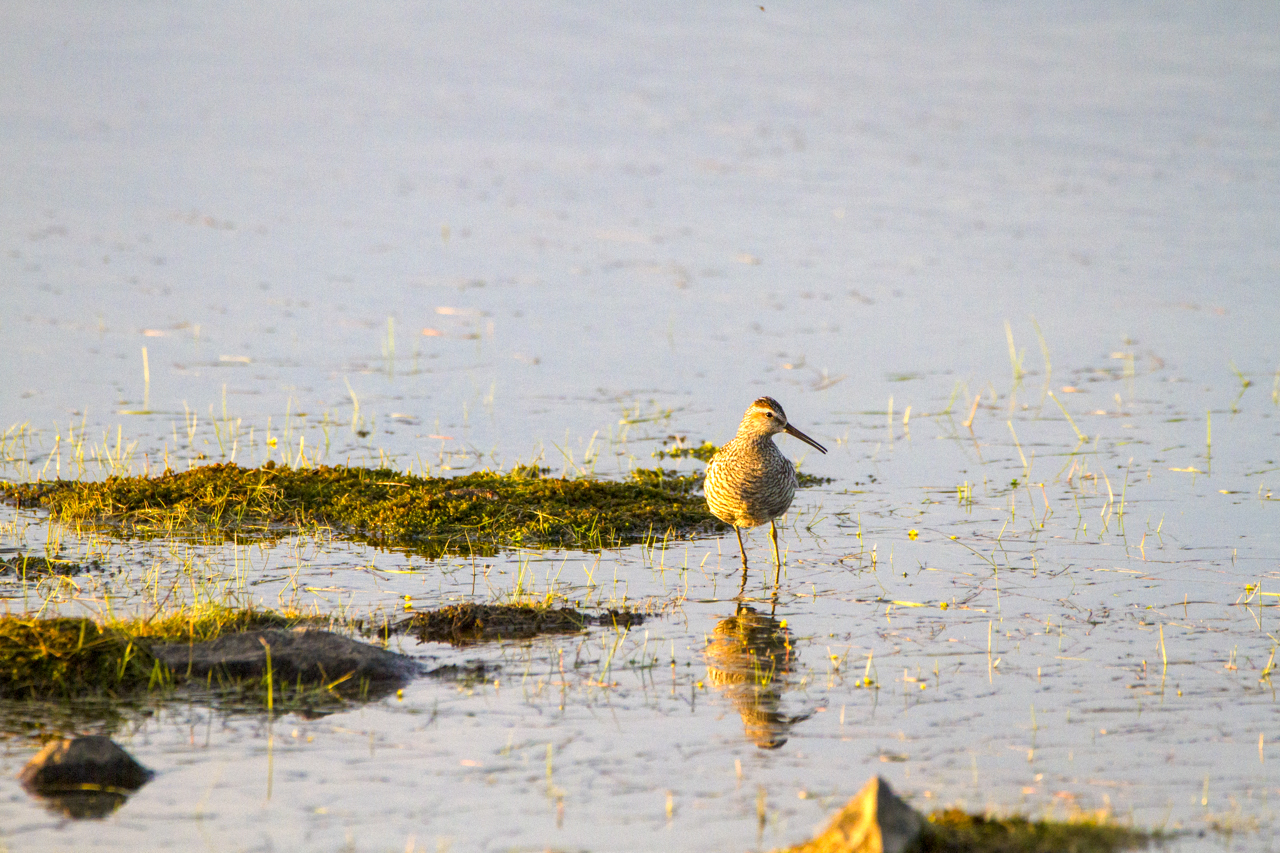
As the Arctic moves toward the center of global environmental concerns, the data collected from such surveys becomes invaluable. The "baby season" observed across Victoria Island, with its abundance of Sandhill Cranes, Snow Geese goslings, and Pectoral Sandpipers, offers a glimpse of a thriving ecosystem, but one that exists on a precipice. The survival of these species depends not only on local conservation efforts but on global climate mitigation. The journey from the prairies to the tundra serves as a vivid testament to Canada’s natural heritage and a call to action to preserve the delicate balance of its three primary biomes.
