

The 2026 Nova Scotia Birding Expedition concluded an intensive eight-day survey of the province’s southern coast, documenting significant migratory movements across one of North America’s most vital ecological corridors. Led by avian experts Kyle d’Entremont and Arnaud Valade, the excursion hosted 11 participants who navigated a diverse itinerary spanning the Annapolis Valley, the Brier Island archipelago, and the boreal habitats of the South Shore. This expedition served not only as a recreational tour but as a critical observational window into the seasonal shifts of passerine and shorebird populations as they prepare for southward transit.
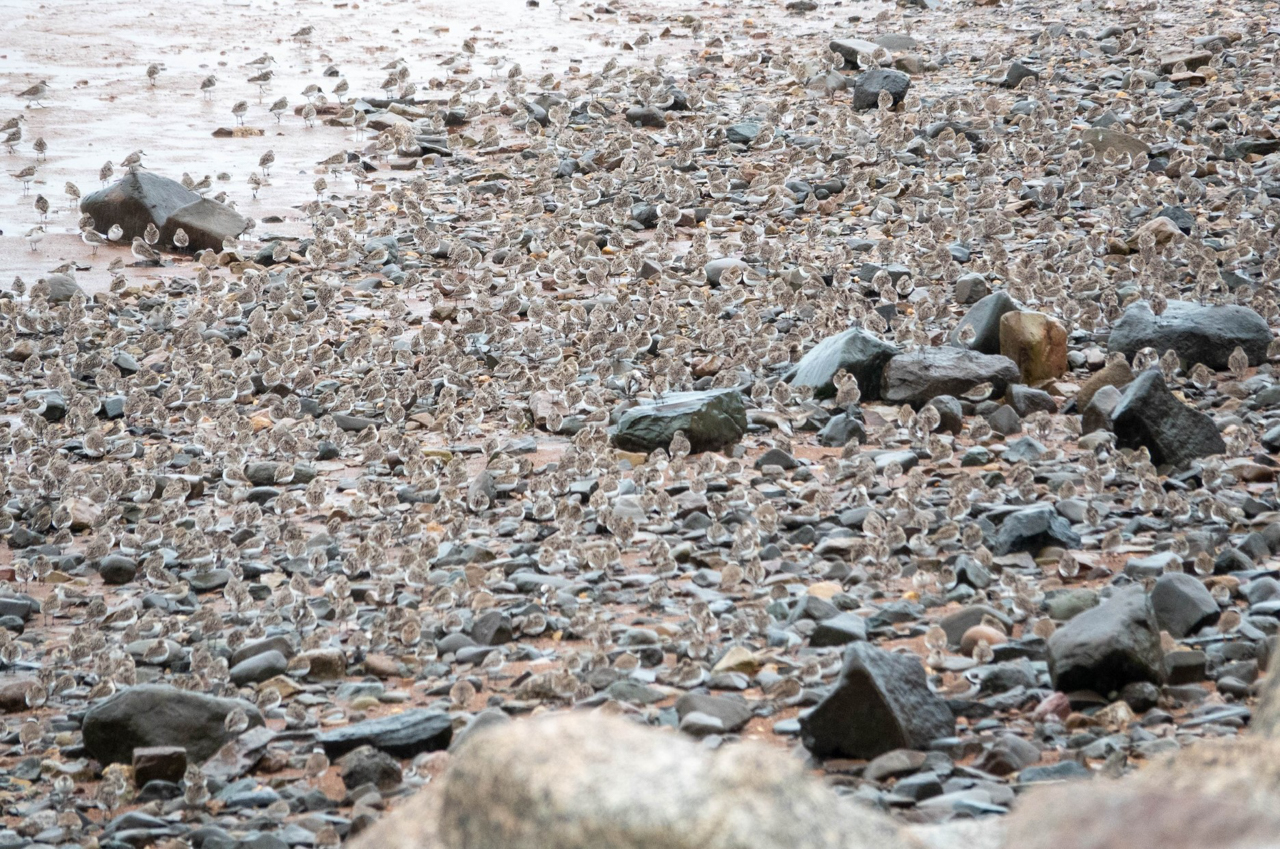
The expedition focused on the Bay of Fundy, an area globally recognized for the world’s highest tidal ranges, which create expansive intertidal mudflats that serve as essential refueling stations for Arctic-breeding shorebirds. By examining the chronology of the trip, one can observe the strategic movement of the group as they followed the biological pulses of the region.
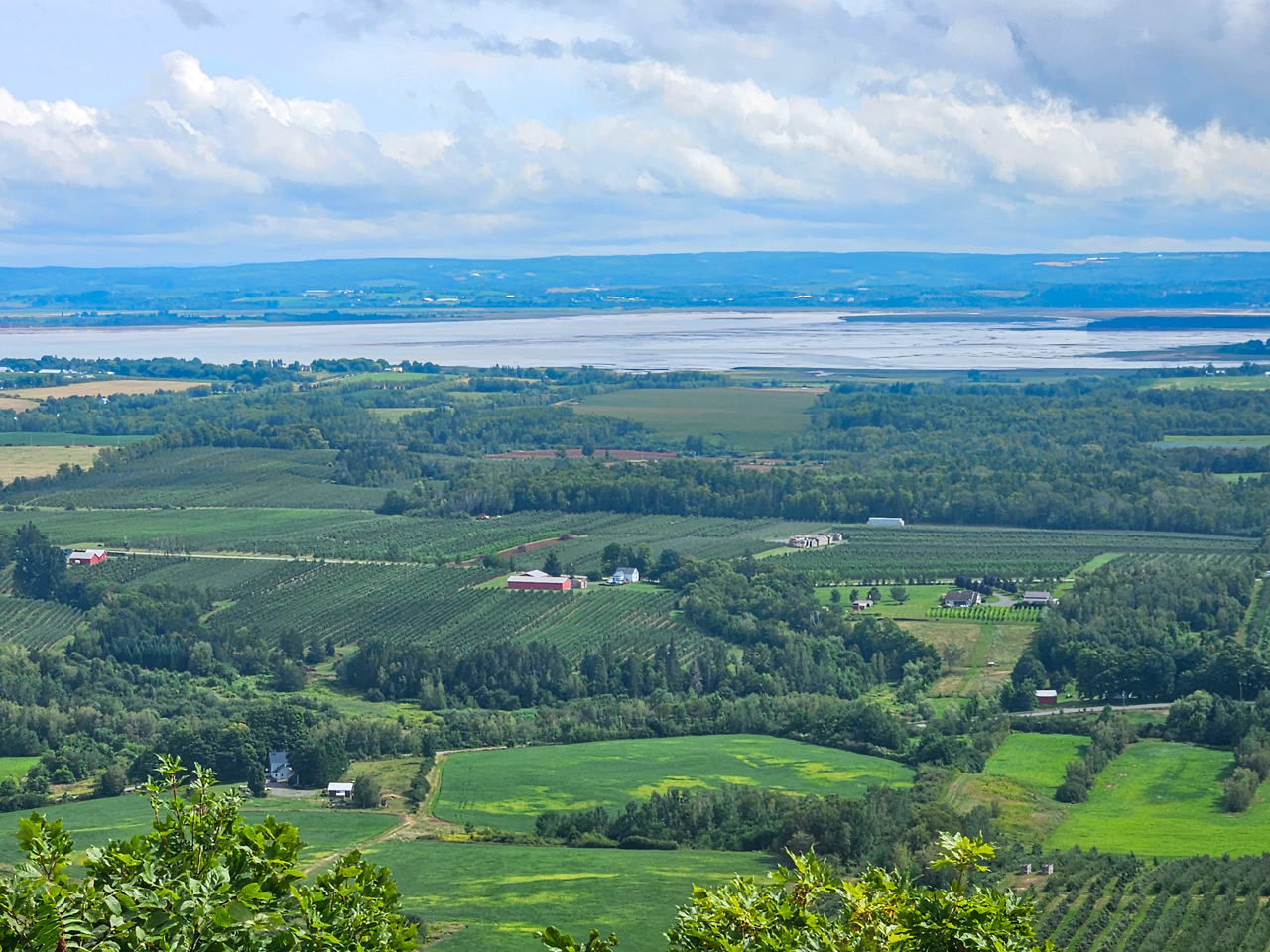
Chronology of the 2026 Southern Nova Scotia Survey
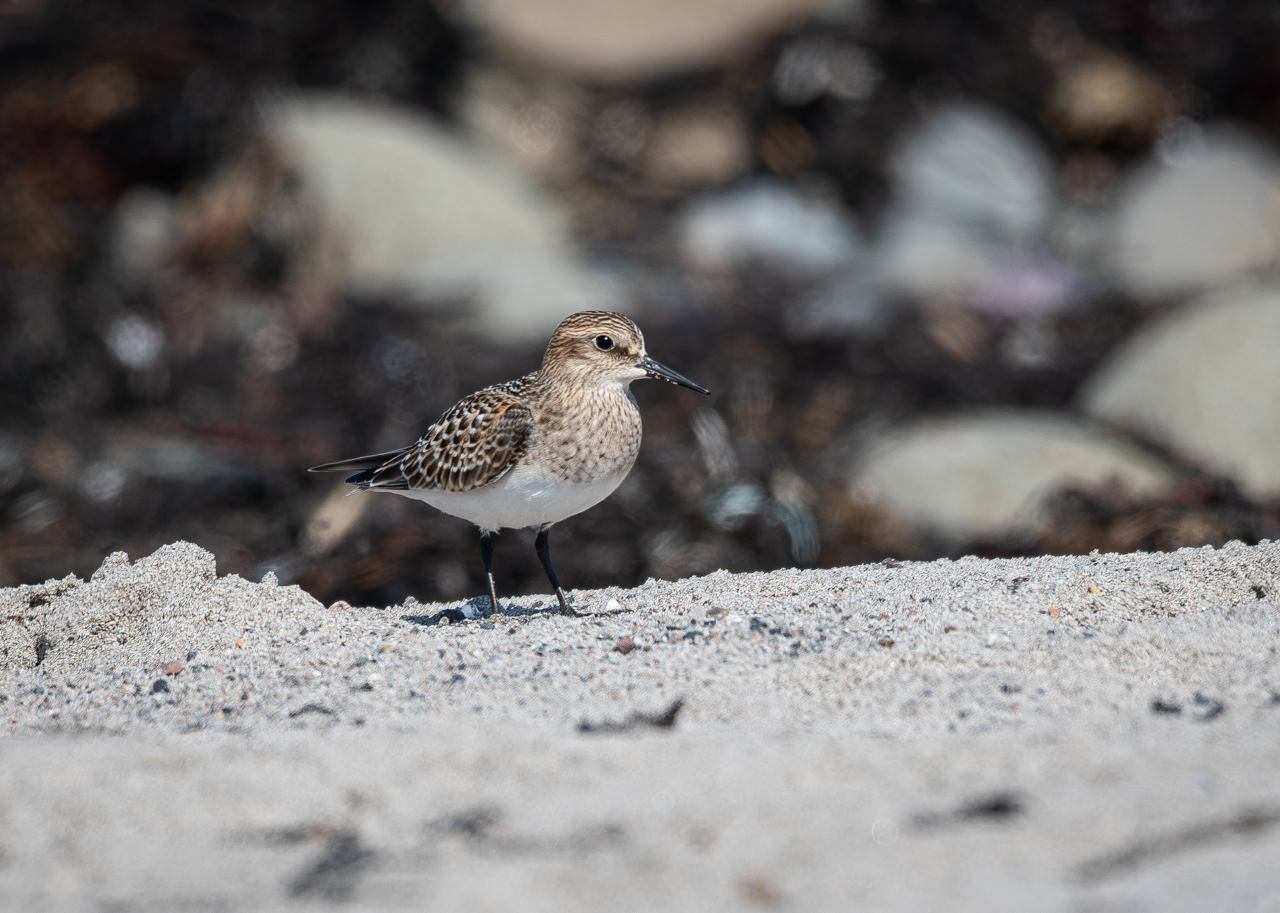
The journey commenced in Halifax on Day 1, establishing the logistical framework for the expedition. By Day 2, the team transitioned to the Annapolis Valley, specifically the Grand Pré National Historic Site and Miner’s Marsh. Despite inclement weather, the team recorded thousands of Semipalmated Sandpipers (Calidris pusilla), confirming the continued importance of the Minas Basin as a primary staging area for the species. The presence of a Peregrine Falcon (Falco peregrinus) underscored the predator-prey dynamics inherent to these high-density feeding grounds.
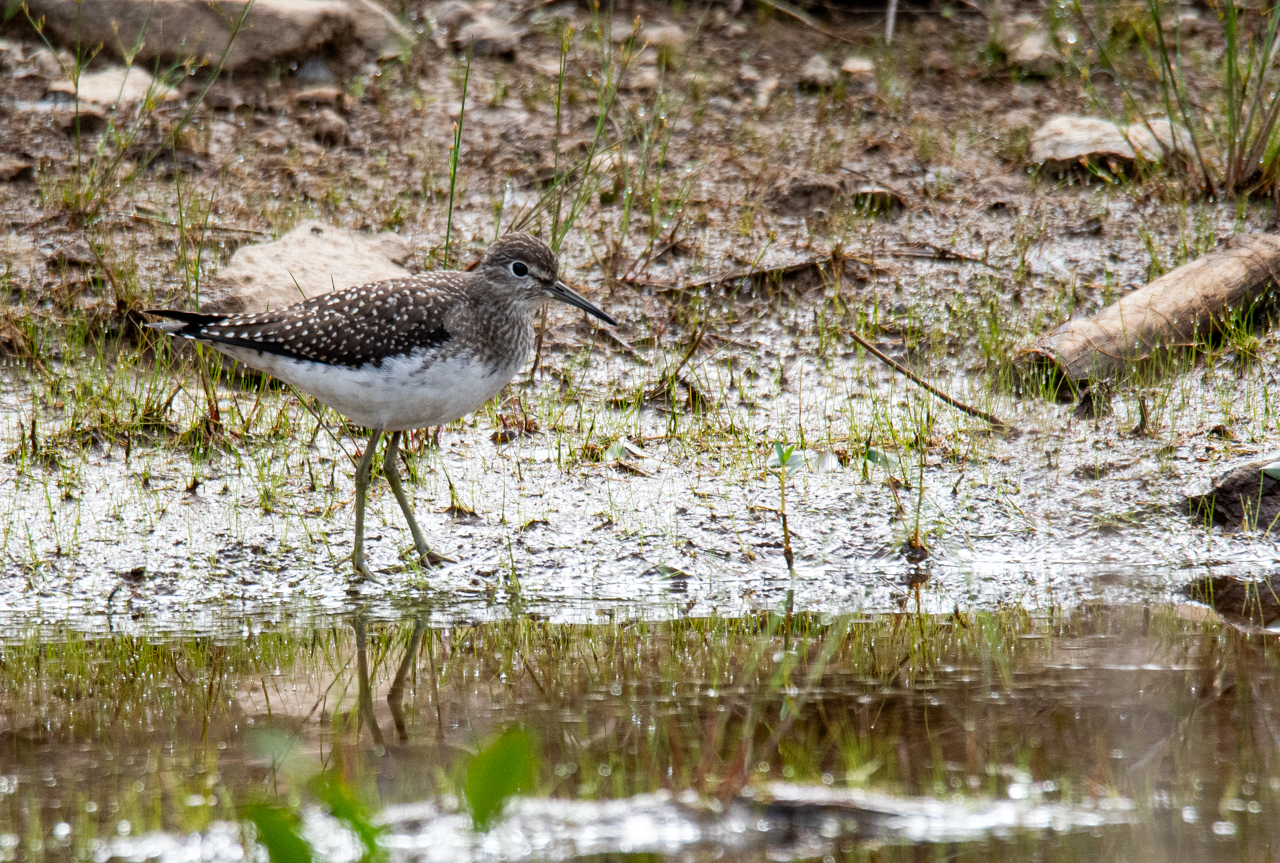
Days 3 and 4 shifted toward the coastal headlands of Blomidon Provincial Park and the French Basin Trail near Annapolis Royal. Here, the focus moved from shorebirds to migratory passerines. The identification of species such as the Tennessee Warbler (Leiothlypis peregrina) and the Bay-breasted Warbler (Setophaga castanea) provided data on the timing of insectivorous bird migration. A notable interaction between a juvenile Cooper’s Hawk (Accipiter cooperii) and a Belted Kingfisher (Megaceryle alcyon) highlighted the complex territorial behaviors observed during this transitional period.
The Brier Island Research Initiative
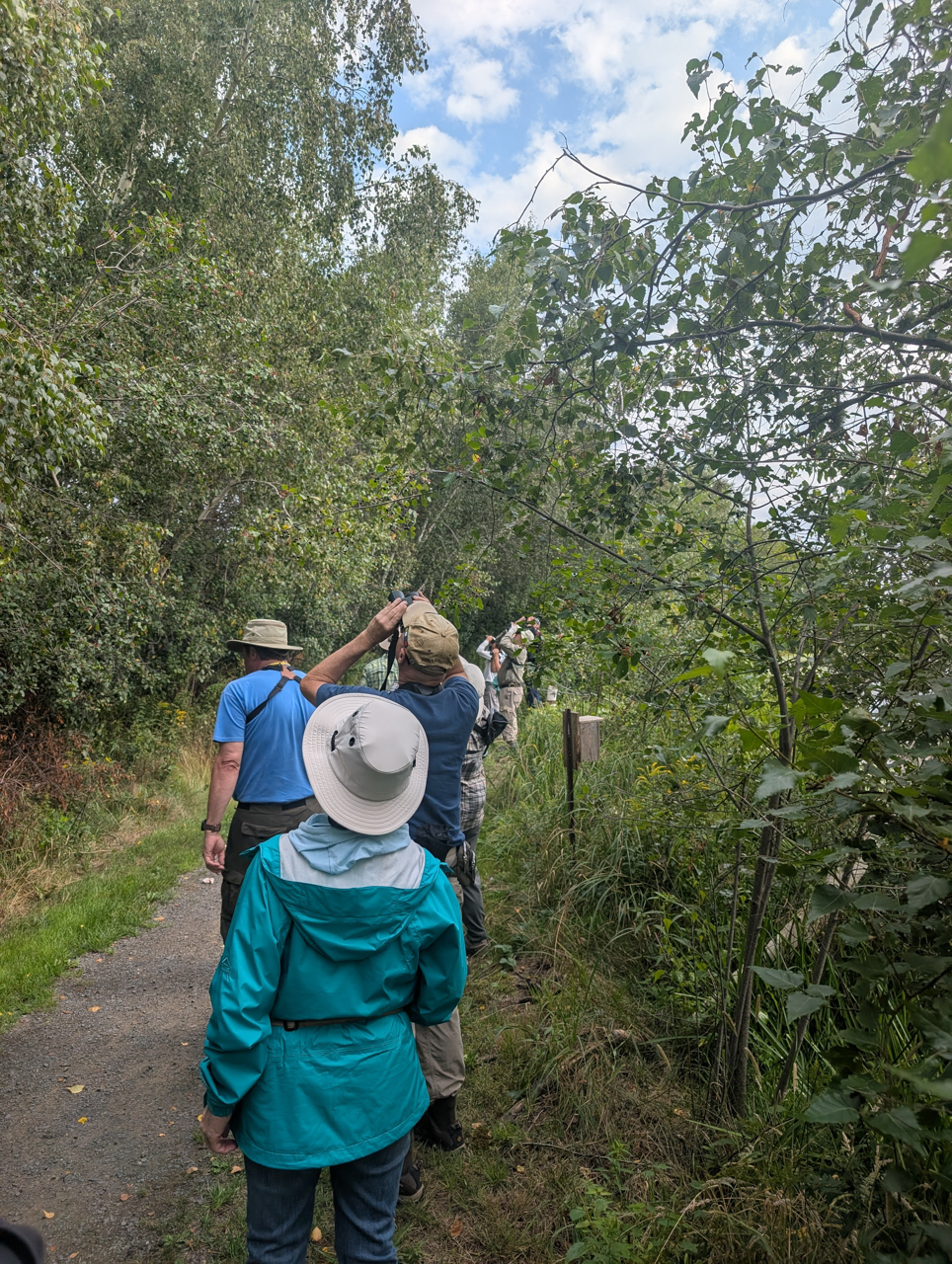
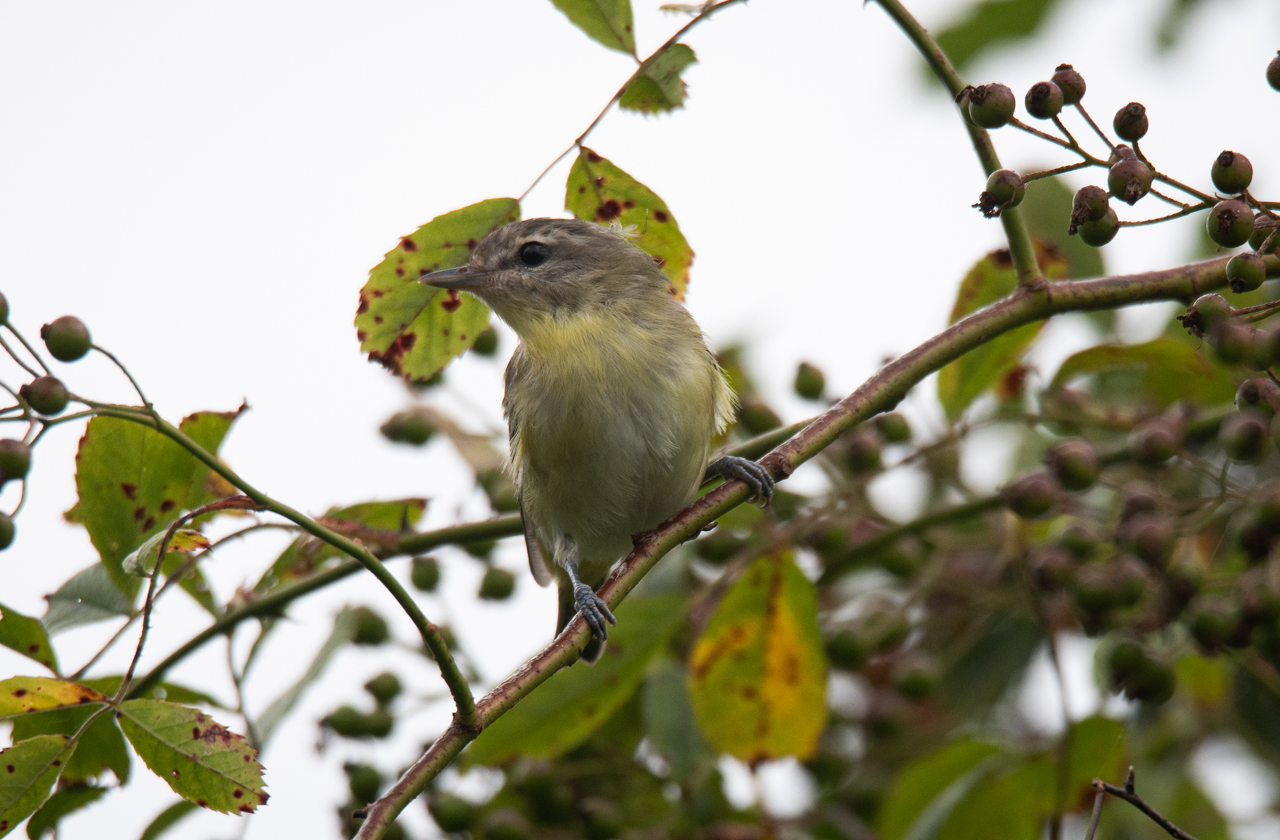
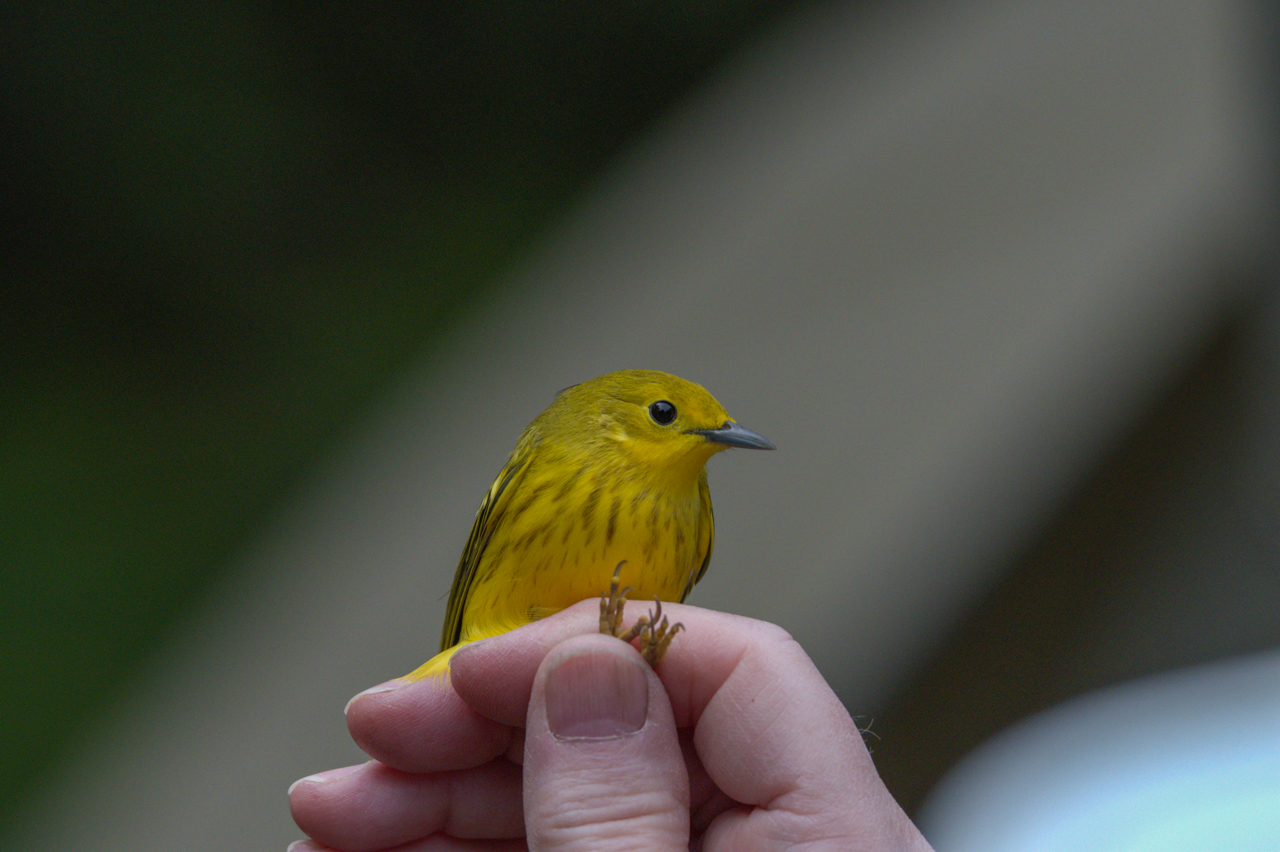
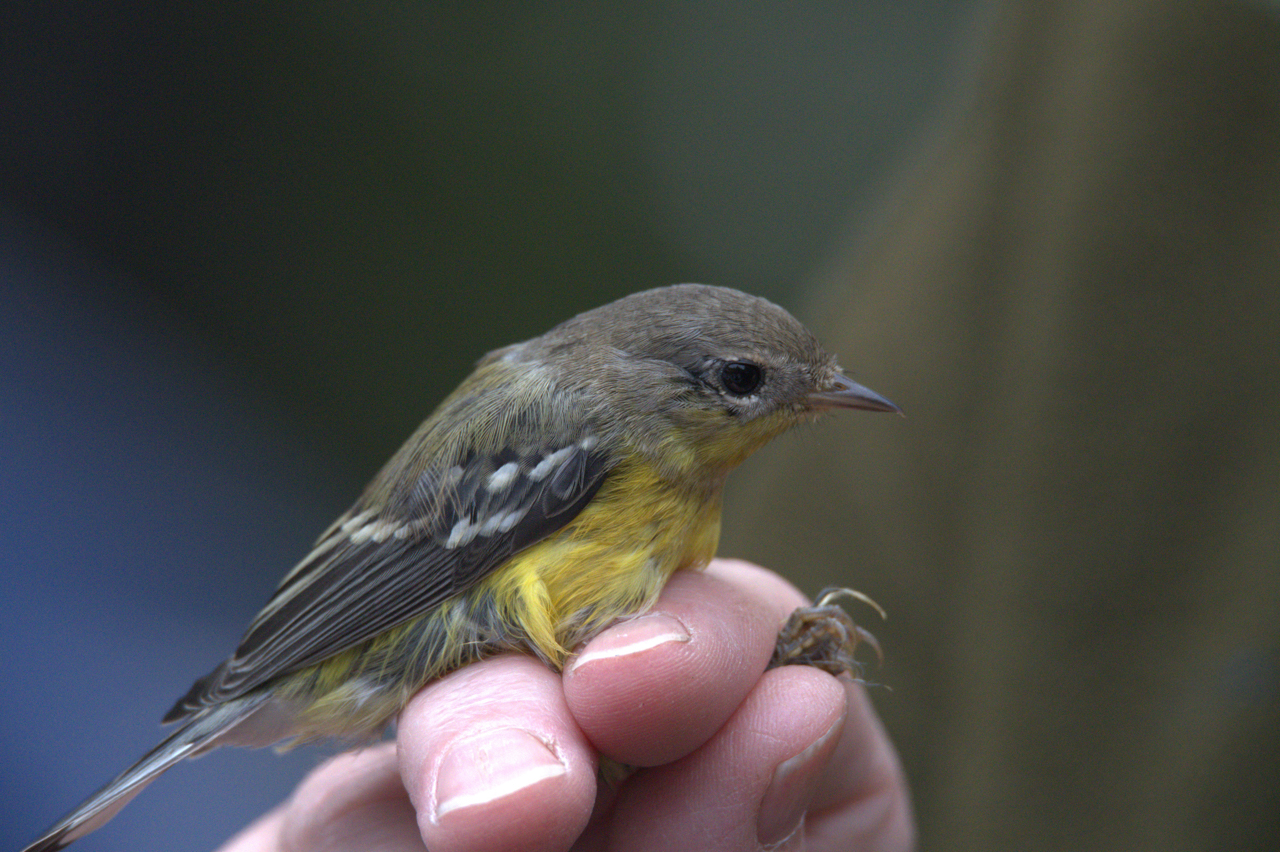
The expedition’s tenure on Brier Island from Day 4 to Day 6 marked the scientific focal point of the trip. The Brier Island Bird Banding Station, having resumed operations in 2026 after a multi-year hiatus, provided the group with an opportunity to engage in direct avian monitoring. Banding activities allowed for the physical examination of species such as the Northern Waterthrush (Parkesia noveboracensis) and the Least Flycatcher (Empidonax minimus).
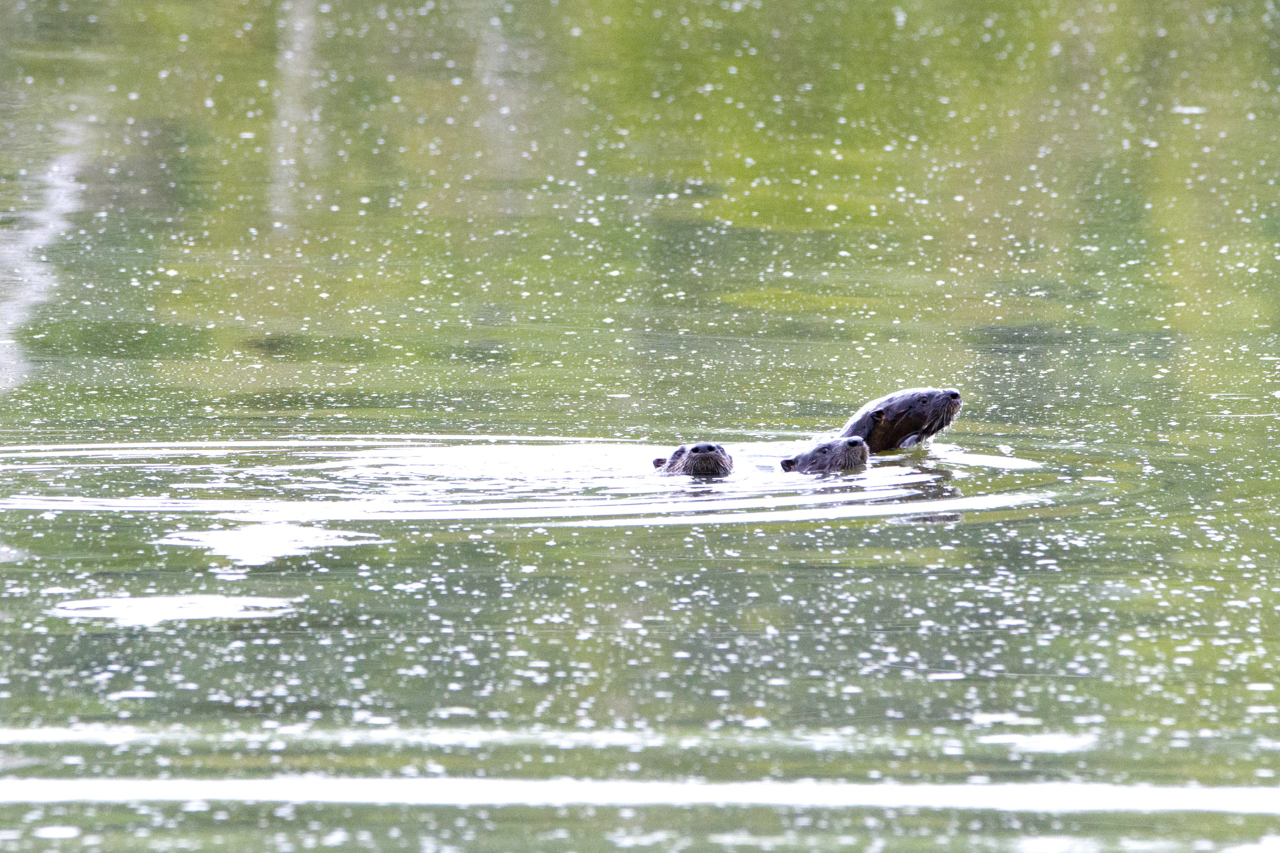
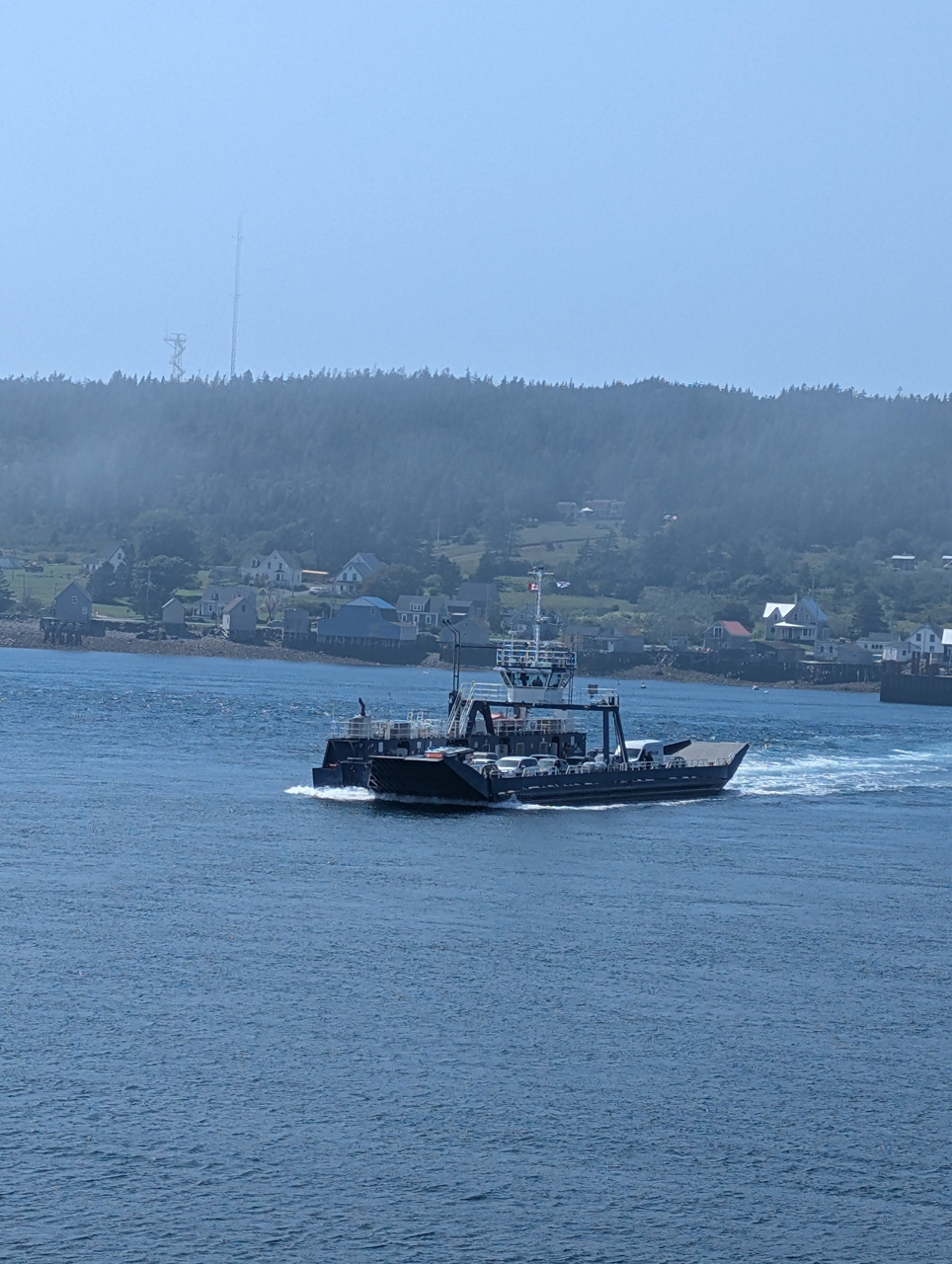
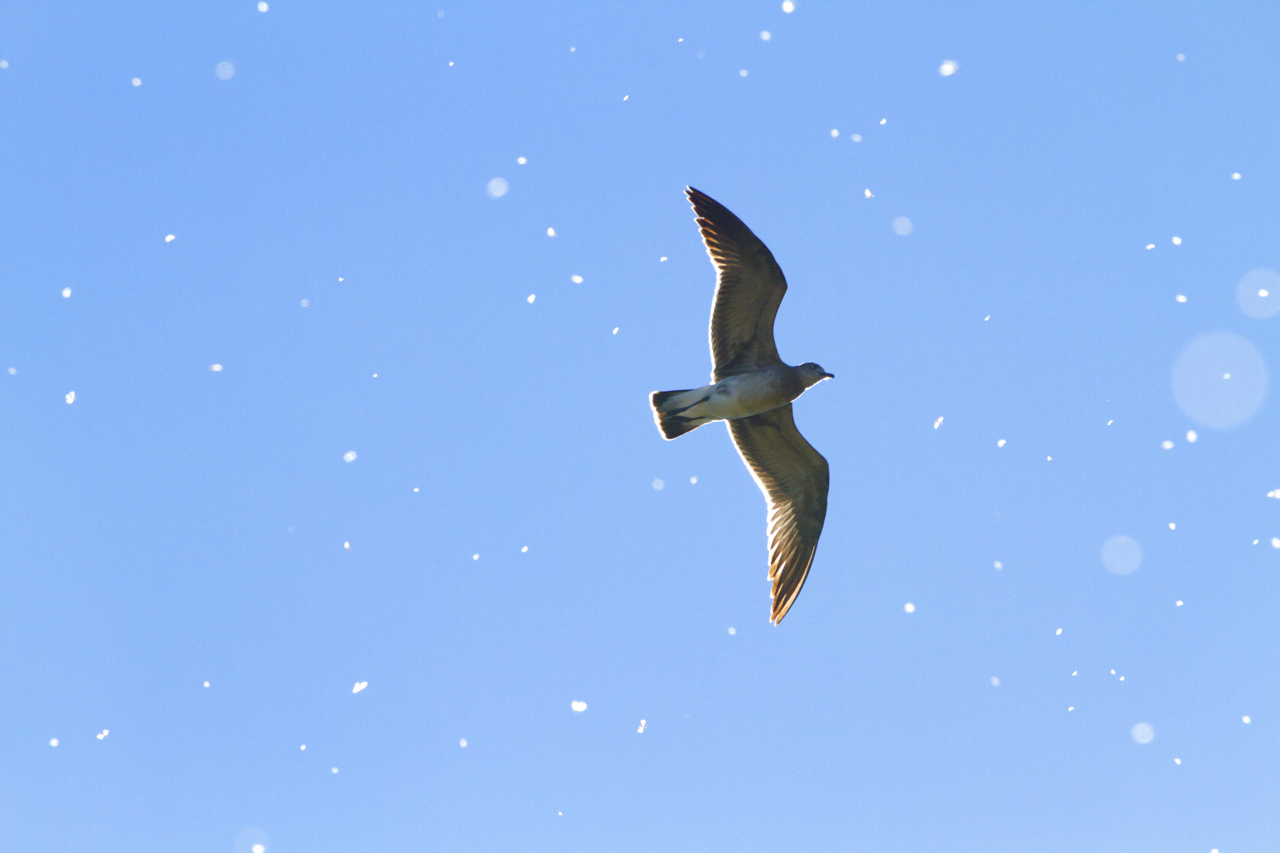
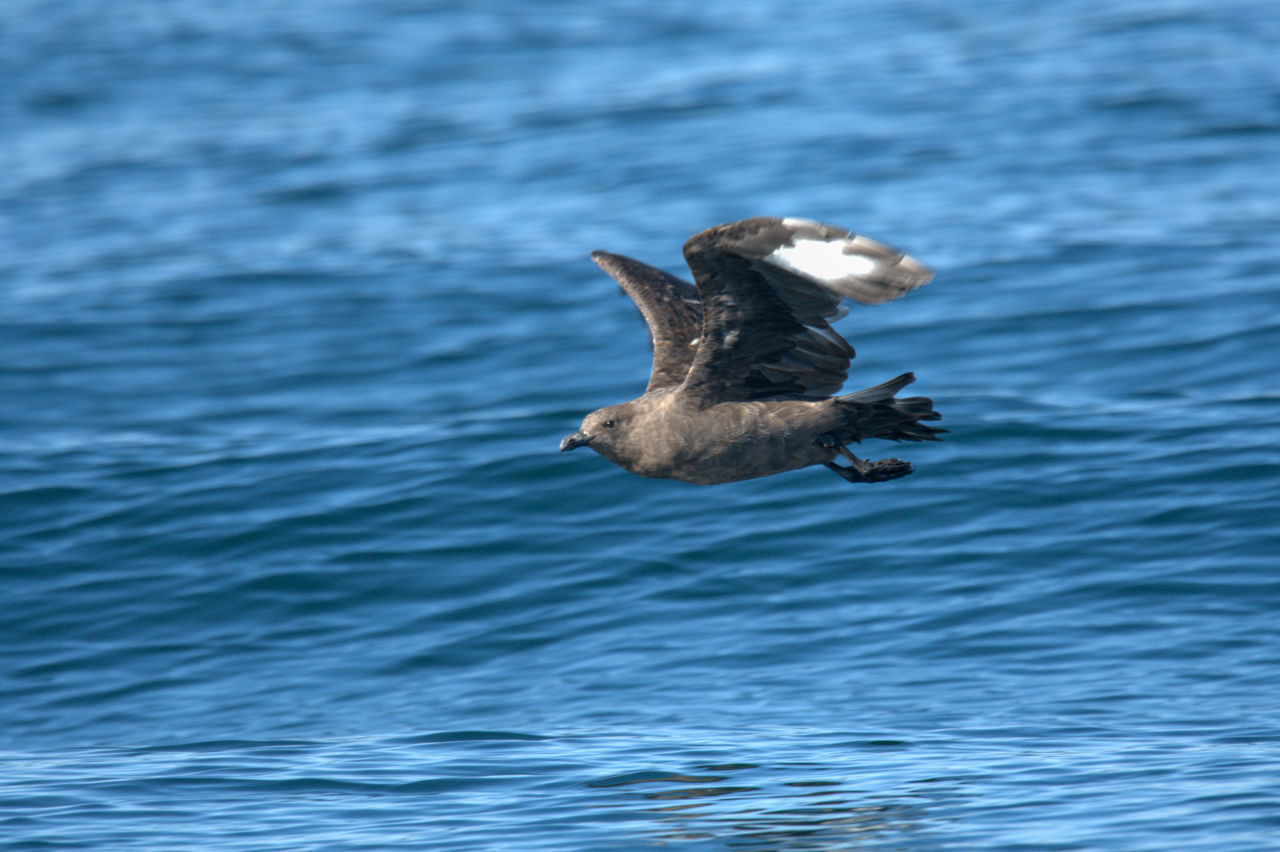
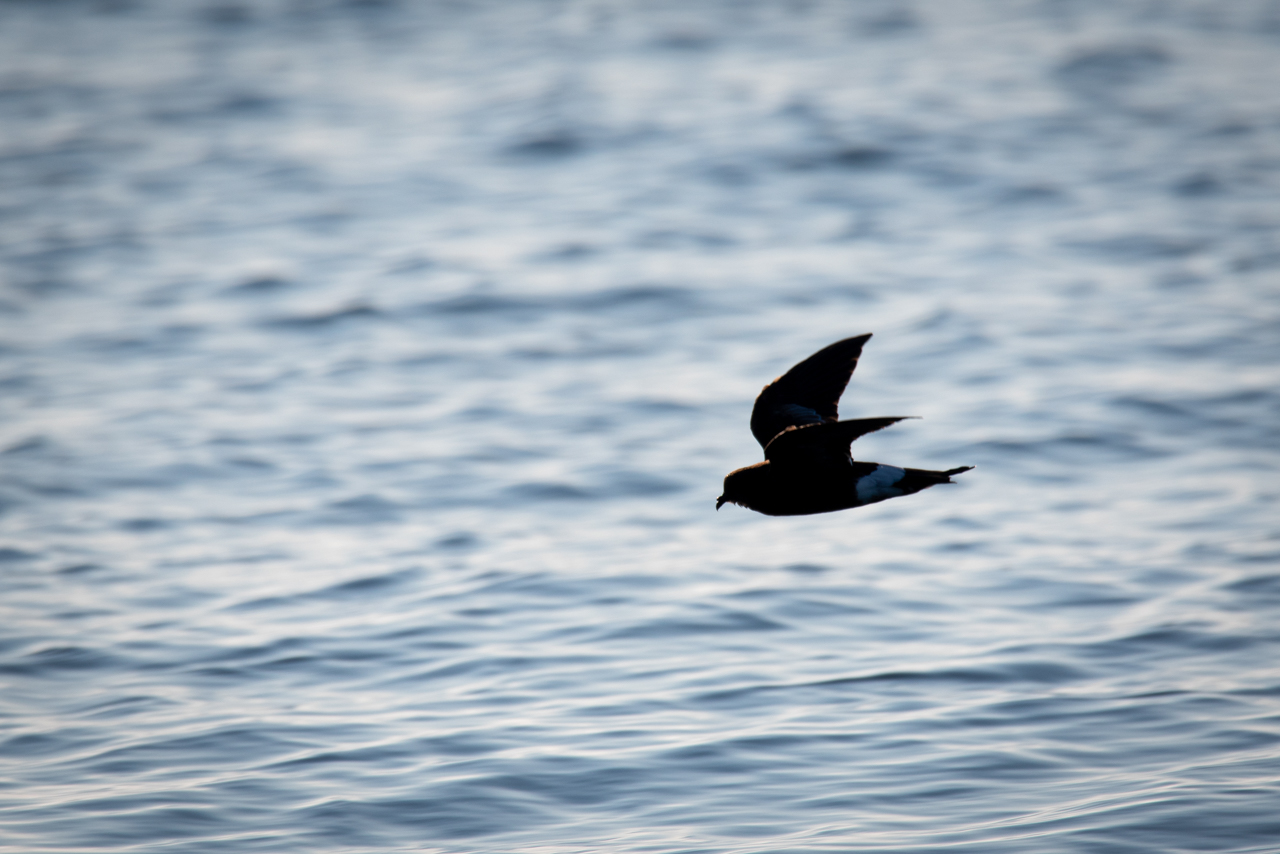
Beyond terrestrial banding, the group conducted a pelagic survey in the Bay of Fundy. The observational data collected during this transit was significant; the team recorded multiple South Polar Skuas (Stercorarius maccormicki), a species that typically remains far offshore, alongside Wilson’s Storm-Petrels (Oceanites oceanicus) and Atlantic Puffins (Fratercula arctica). The interaction with marine megafauna, specifically humpback whale (Megaptera novaeangliae) lunge-feeding, reinforced the ecological richness of the Bay of Fundy’s upwelling zones.
Regional Biodiversity and Rare Sightings
The latter portion of the trip, spanning Days 7 through 9, targeted the southern tip of the province, including Yarmouth, Cape Sable Island, and the Lunenburg coastline. This phase of the expedition was characterized by the pursuit of rare vagrants.
On Day 8, the team’s documentation of an American Avocet (Recurvirostra americana) at Sand Dollar Beach represented a significant observation for the region. The American Avocet is an uncommon visitor to Nova Scotia, and its presence in the saltmarsh habitat provided a case study in avian displacement and vagrancy patterns. The expedition’s success in locating this individual bird within a complex marsh environment demonstrated the efficacy of targeted survey efforts in tracking biodiversity shifts in the Atlantic provinces.
Ecological Context and Conservation Implications
The observations made during this expedition align with broader trends in North American ornithology. Nova Scotia serves as a "bottleneck" for birds migrating from the Boreal Forest and the Arctic tundra toward the Caribbean and South America. The reliance of these birds on specific sites like the Grand Pré dykes and the Brier Island stopovers makes these habitats highly sensitive to environmental degradation, rising sea levels, and climate-driven changes in prey availability.
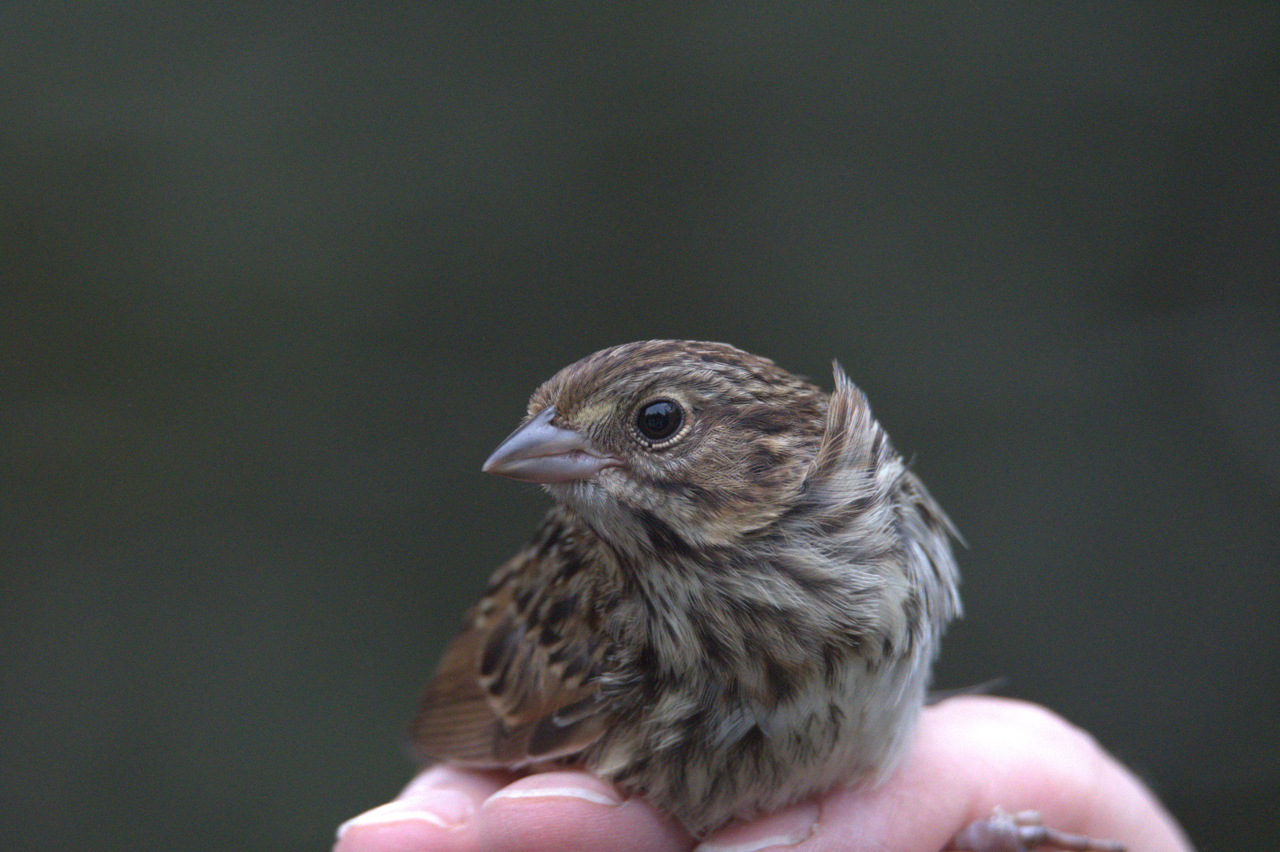
The involvement of the Brier Island Bird Banding Station is of particular importance. By providing long-term data on bird health, age ratios, and fat deposition—the fuel reserves necessary for long-distance migration—the station contributes to the larger Canadian Migration Monitoring Network. The "in-hand" experiences provided to participants serve as a public engagement tool, fostering a deeper understanding of the stressors faced by migratory species.
Socio-Economic Impact of Birding Tourism
The expedition also highlights the economic footprint of "birding tourism" in rural Nova Scotia. By utilizing local accommodations such as the Old Orchard Inn and the Brier Island Lodge, and frequenting regional eateries in Wolfville, Annapolis Royal, and Lunenburg, the tour group contributed to the local economy. In remote areas like Brier Island, where seasonal tourism is a primary revenue stream, the presence of specialized tour groups provides financial justification for the maintenance of natural spaces and the protection of biodiversity.
Participants, many of whom traveled from outside the province, engaged with the cultural history of the region as much as the ecology. Visits to the Grand Pré National Historic Site and the waterfront in Lunenburg provided a holistic travel experience that integrates environmental stewardship with heritage conservation.
Summary of Findings and Concluding Observations
The final day of the trip, spent in the boreal forests along the Ingramport Road and the iconic Peggy’s Cove, allowed for the identification of boreal-specific species, including the Canada Jay (Perisoreus canadensis) and the White-winged Crossbill (Loxia leucoptera). These species are representative of the northern forest biome that defines much of Nova Scotia’s interior.
The 2026 expedition serves as a model for how high-level birding tours can facilitate both personal enrichment and the collection of valuable observational data. By maintaining a consistent, multi-year approach to these surveys, the organizers have created a longitudinal perspective on bird populations in Southern Nova Scotia.
In retrospect, the expedition’s success—evidenced by the variety of species documented and the rare vagrants recorded—suggests that Nova Scotia remains a premier destination for both amateur and professional ornithologists. As global bird populations face increasing pressures from habitat fragmentation and climate change, the documentation of these migratory stopovers becomes an essential component of regional conservation strategy. The participants left the province not only with a comprehensive checklist of species but with a renewed awareness of the precarious and fascinating nature of global avian migration. Future iterations of this survey will continue to be a vital indicator of the health of the Atlantic Flyway.
