
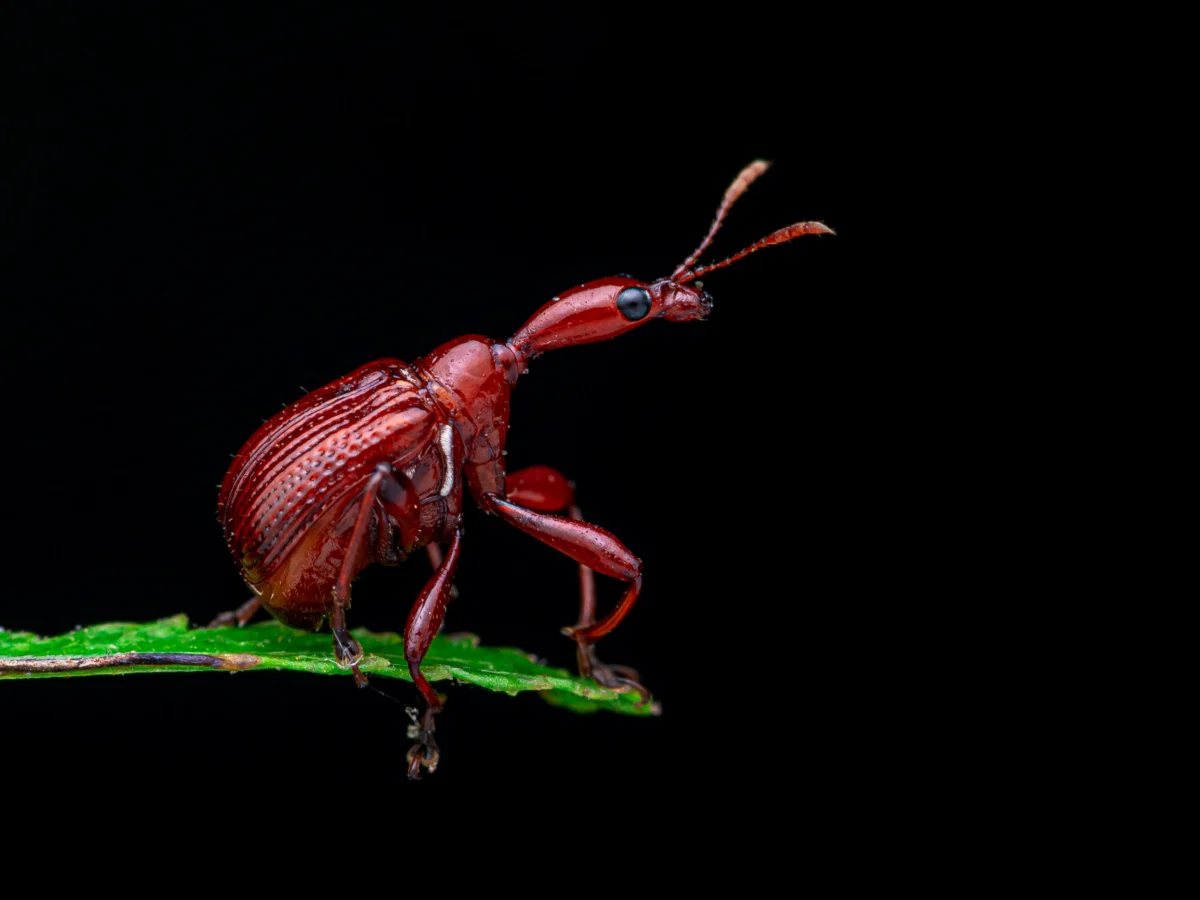
Photography has long served as a medium for documenting the expansive grandeur of the natural world, from towering mountain peaks to sweeping savanna landscapes. Yet, a quieter, more intricate ecosystem thrives just beneath human perception, demanding a distinct kind of observation. For macro photographers, the craft extends far beyond technical execution; it requires an intense calibration of patience, proximity, and perspective. This intersection of art and entomology forms the foundation of an emerging genre of wildlife documentation that champions the overlooked, microscopic inhabitants of local backyards.

The Genesis of a Macro Journey in Goalpara
In 2018, the purchase of a Canon 1500D DSLR camera marked a pivotal shift for a resident of Goalpara, Assam. Prior to acquiring the entry-level equipment, nature was perceived in the traditional sense—as an external expanse of distant forests, rivers, and avian wildlife. However, the introduction of macro photography fundamentally altered this viewpoint.
The turning point occurred during a routine photographic session centered on a common housefly. Upon magnifying the digital capture, an entirely hidden dimension emerged. The high-resolution image revealed the complex architecture of compound eyes, the fine sensory hairs covering the thorax, and the geometric intricacy of the wing veins. This revelation demonstrated that complex biological ecosystems exist parallel to human habitation, operating entirely unnoticed in daily life.

Rather than requiring extensive expeditions to remote national parks or global biodiversity hotspots, the surrounding environment in Goalpara proved to be a self-contained laboratory. Ordinary garden foliage functioned as apex predator hunting grounds, dry bamboo stalks served as nurseries, and building exteriors acted as engineering sites for micro-architects.
Mastering the Art of Invertebrate Behavior
Macro photography challenges the conventional timeline of wildlife journalism. While a standard shutter speed measures exposure in fractions of a second, the acquisition of a definitive behavioral image requires temporal investments spanning days or weeks. Field methodology in this discipline demands extended observation periods—frequently lasting five to six hours per session—to comprehend the cyclic habits of subjects without inducing stress or altering natural patterns.

Among the various subjects documented in the region, solitary wasps, particularly potter wasps and mud daubers, became a primary focus of study. These insects exhibit sophisticated behavioral repertoires, including meticulous nest construction using processed soil pellets and targeted provisioning strategies. A potter wasp documented during a nesting cycle on a picture frame inside a residential home demonstrated remarkable persistence, repeatedly transporting green caterpillars significantly larger than its own body weight to provision its developing larvae.
This prolonged observation culminated in a defining visual record: a potter wasp captured mid-flight carrying a vivid green caterpillar toward its mud structure. The image successfully encapsulated the intersection of natural engineering, parental investment, and precise technical timing.

International Recognition and the Wildlife Photographer of the Year
The culmination of years of localized fieldwork materialized on the global stage when the aforementioned image, titled Special Delivery, was selected as a Highly Commended entry in the Behavior: Invertebrates category of the Natural History Museum’s prestigious 2025 Wildlife Photographer of the Year competition.
Established globally as one of the most rigorous and competitive platforms for nature and wildlife photography, the competition evaluates thousands of submissions from professional and amateur photographers across more than ninety countries. Achieving recognition within this forum represents a significant milestone, validating the technical rigor and behavioral insight required in extreme close-up photography.

The accolade generated considerable attention from family and peers, subsequently broadening into international publication and recognition across prominent scientific and conservation platforms, including Nature inFocus, National Geographic, the BBC, Discovery, and Sanctuary Asia. This widespread dissemination underscored a broader shift in contemporary wildlife media: a growing appetite for stories that highlight localized ecosystems over exotic, macro-scale fauna.
Ecological Implications and the Significance of Invertebrates
Entomologists and conservation biologists have long emphasized the critical ecological functions performed by invertebrates. Despite frequently encountering public indifference or being mischaracterized as pests, these organisms maintain the foundational stability of terrestrial ecosystems.

- Predation and Population Control: Potter wasps, spider-hunting wasps, and various parasitoid species regulate invertebrate populations, acting as natural pest control agents within agricultural and residential zones.
- Pollination: Beyond prominent species like honeybees, a vast array of micro-insects facilitates the pollination of wild flora and agricultural crops, directly impacting global food webs.
- Nutrient Cycling: Invertebrates contribute significantly to soil aeration, decomposition, and organic matter breakdown.
By shifting the focal length toward these organisms, macro photography serves an educational and conservation-oriented purpose. Documenting the complex survival strategies, defensive mechanisms, and reproductive behaviors of insects bridges the psychological gap between humans and invertebrate species, fostering a greater appreciation for biodiversity at the micro-scale.
Methodological Insights and Future Outlook
The trajectory of this Assamese photographer’s career highlights evolving trends in modern visual documentation. Advances in macro lenses, lighting techniques—such as experimental motion trails and diffusion modifiers—and digital sensors have democratized high-end scientific photography, allowing practitioners outside major research institutions to contribute meaningful behavioral data.

Industry experts note that successful macro photography relies on adherence to ethical standards, prioritizing the welfare of living subjects over compositional perfection. Minimizing disruption to nesting sites and avoiding artificial cooling or manipulation of insects remain critical protocols within the community.
For emerging photographers entering the field, the core principles derived from this body of work emphasize authenticity over imitation. Developing a distinct visual voice requires sustained curiosity, patience, and a willingness to explore familiar surroundings rather than chasing distant trends.

Ultimately, the natural world continues to operate largely unseen, sustained by complex interactions occurring on the surfaces of leaves, the corners of walls, and the soil beneath our feet. Through disciplined observation and technical precision, contemporary macro photography bridges the divide between human perception and the microscopic wilderness, proving that the most compelling narratives in nature often belong to its smallest inhabitants.
