

The recent expedition through the Sky Islands and desert corridors of Southeast Arizona provided a remarkable glimpse into one of the most ecologically diverse regions in the United States. Spanning several days of intensive field study, the tour documented a wide array of avian species, capitalizing on the unique altitudinal gradients that define the Santa Catalina, Chiricahua, Huachuca, and Santa Rita mountain ranges. By transitioning from the arid, cactus-studded Sonoran desert floor to the lush, high-elevation coniferous forests of the "Sky Islands," researchers and enthusiasts were able to observe the complex interplay of habitat-restricted species and migratory visitors that make this region a globally significant birding destination.
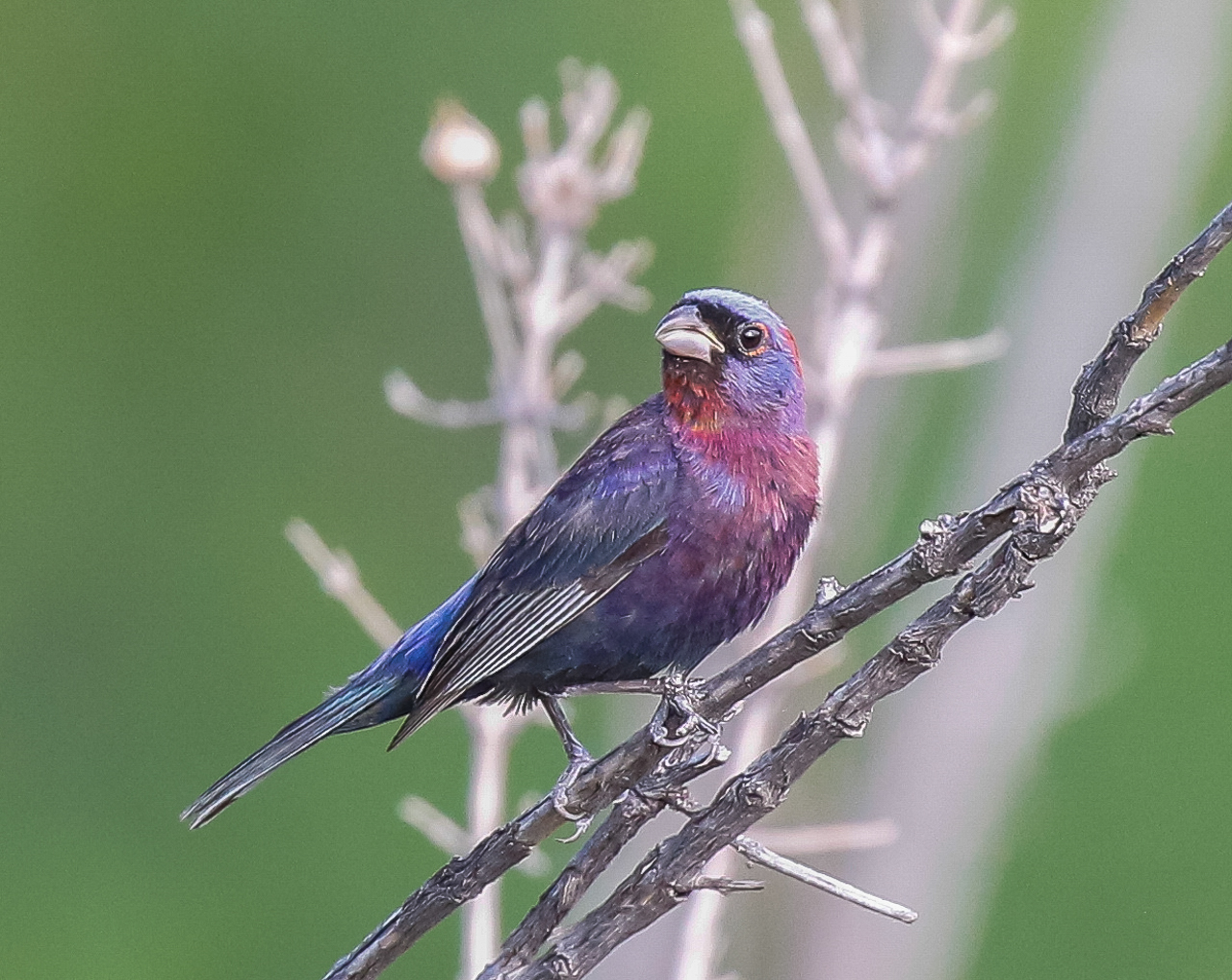
The Geography of Biodiversity: Understanding the Sky Island Ecosystem
Southeast Arizona is characterized by "Sky Islands"—isolated mountain ranges separated by expansive desert grasslands. This dramatic topographical variation creates a "vertical archipelago," where an ascent of a few thousand feet mirrors the climatic shift of traveling hundreds of miles north. These isolated peaks act as biological reservoirs, supporting a unique blend of species from the Rocky Mountains and the Sierra Madre of Mexico.
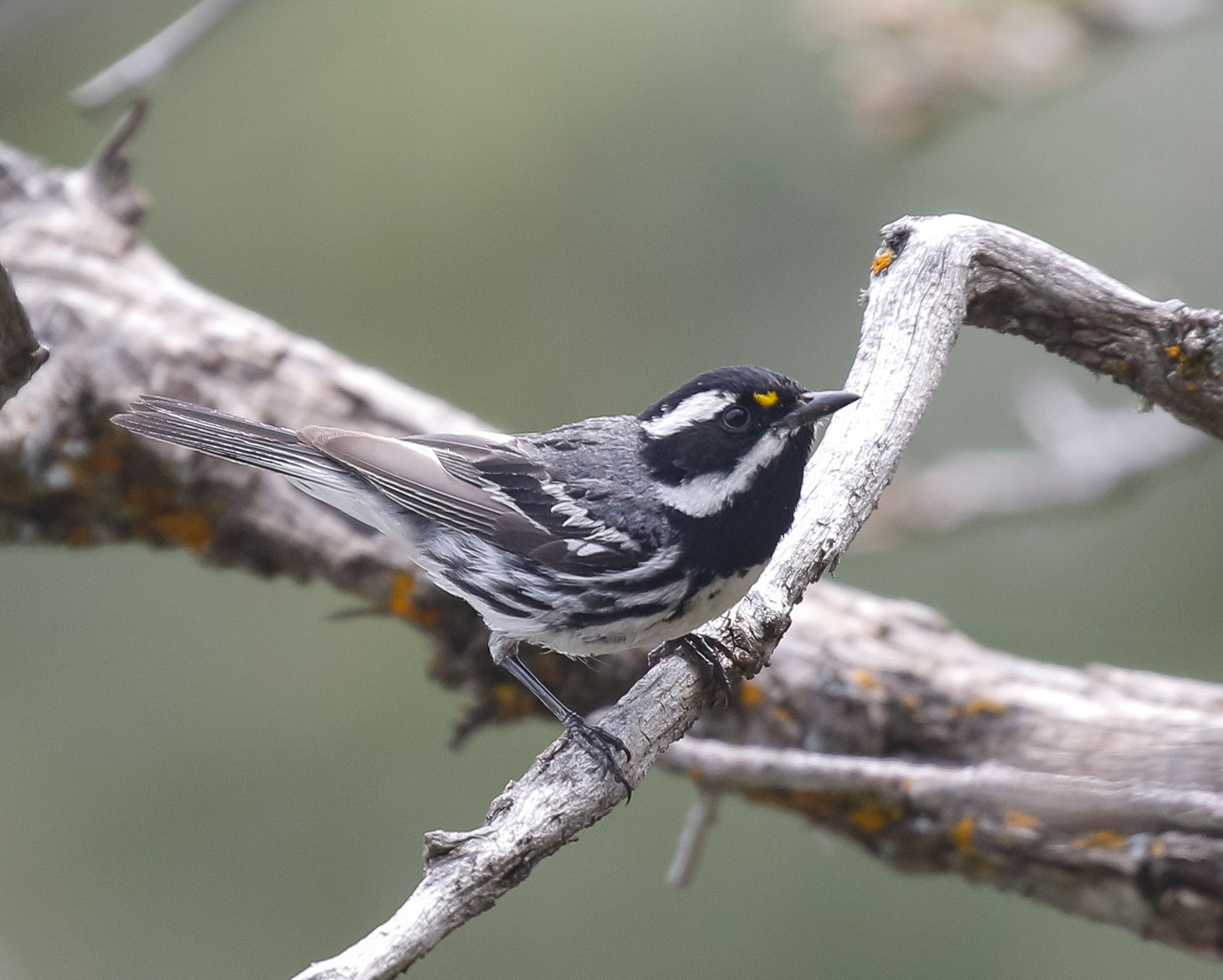
The expedition commenced in Tucson, an urban hub surrounded by the Sonoran Desert. Initial observations on the hotel grounds featured common desert denizens such as the Greater Roadrunner and various hummingbird species. However, the survey quickly moved to formalize its data collection as the team ascended Mount Lemmon in the Santa Catalina range. This transition serves as a perfect microcosm of the region’s ecological diversity; within a single morning, the team observed the shift from desert-specialists like the Black-throated Sparrow and Verdin to the oak-juniper forest inhabitants, including the Acorn Woodpecker, Mexican Jay, and the distinct Black-throated Gray Warbler.

Chronology of the Expedition
The itinerary was meticulously structured to maximize coverage across the diverse habitats of the region.
Days 1–2: Mount Lemmon and the Sonoran Desert
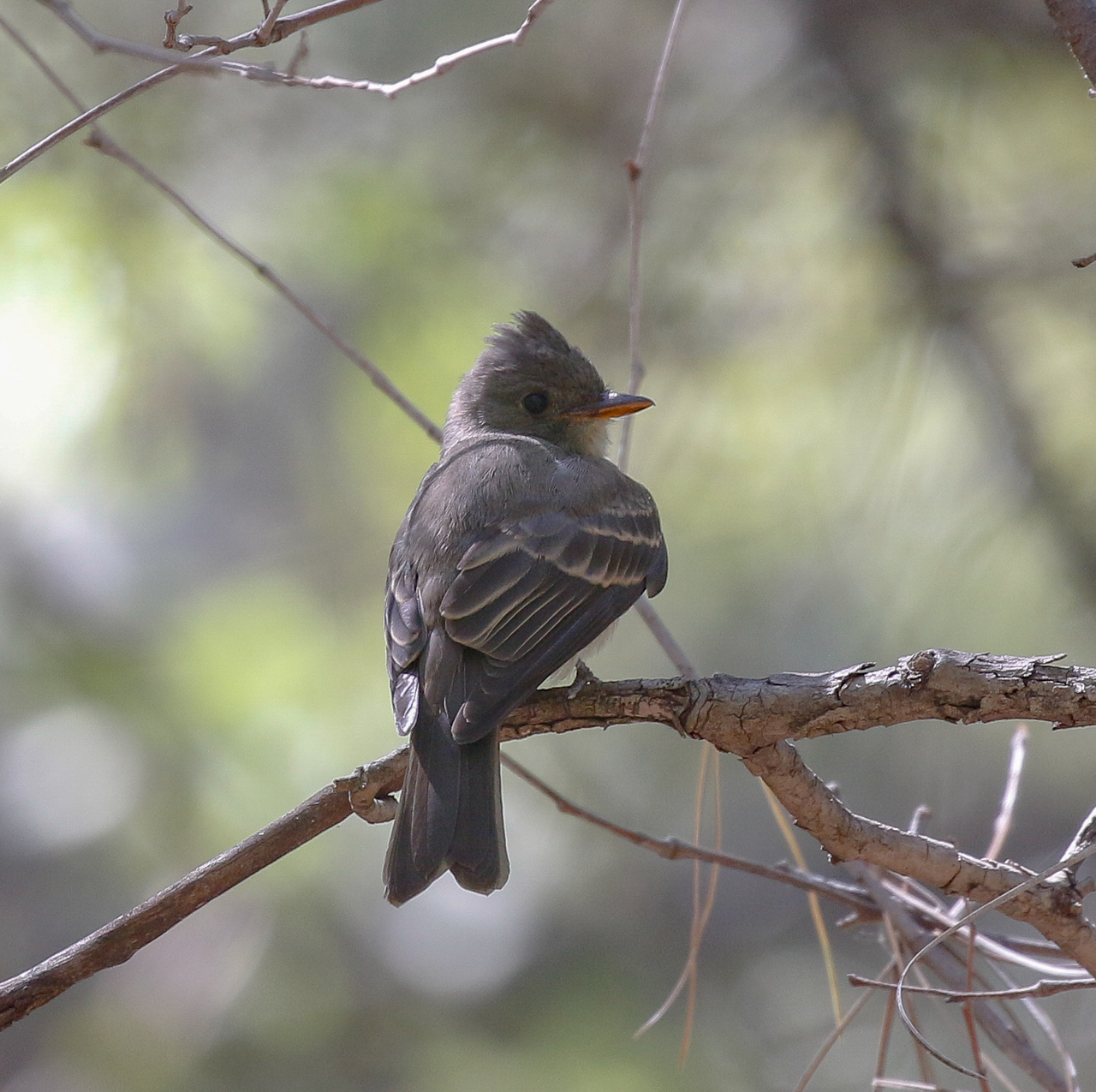
The first phase focused on altitudinal stratification. As the elevation climbed past 8,000 feet, the team recorded high-altitude species such as the Western Flycatcher, Steller’s Jay, and the visually striking Red-faced Warbler. Following the mountain survey, the group pivoted to the lowlands to document Sonoran specialties. A primary objective was the Gilded Flicker, a woodpecker species restricted to saguaro-dominated desert landscapes. Success in locating this species, alongside the Gila Woodpecker and Curve-billed Thrasher, provided critical insight into the health of desert-specialist populations.
Days 3–5: The Chiricahua Mountains and the Portal Corridor
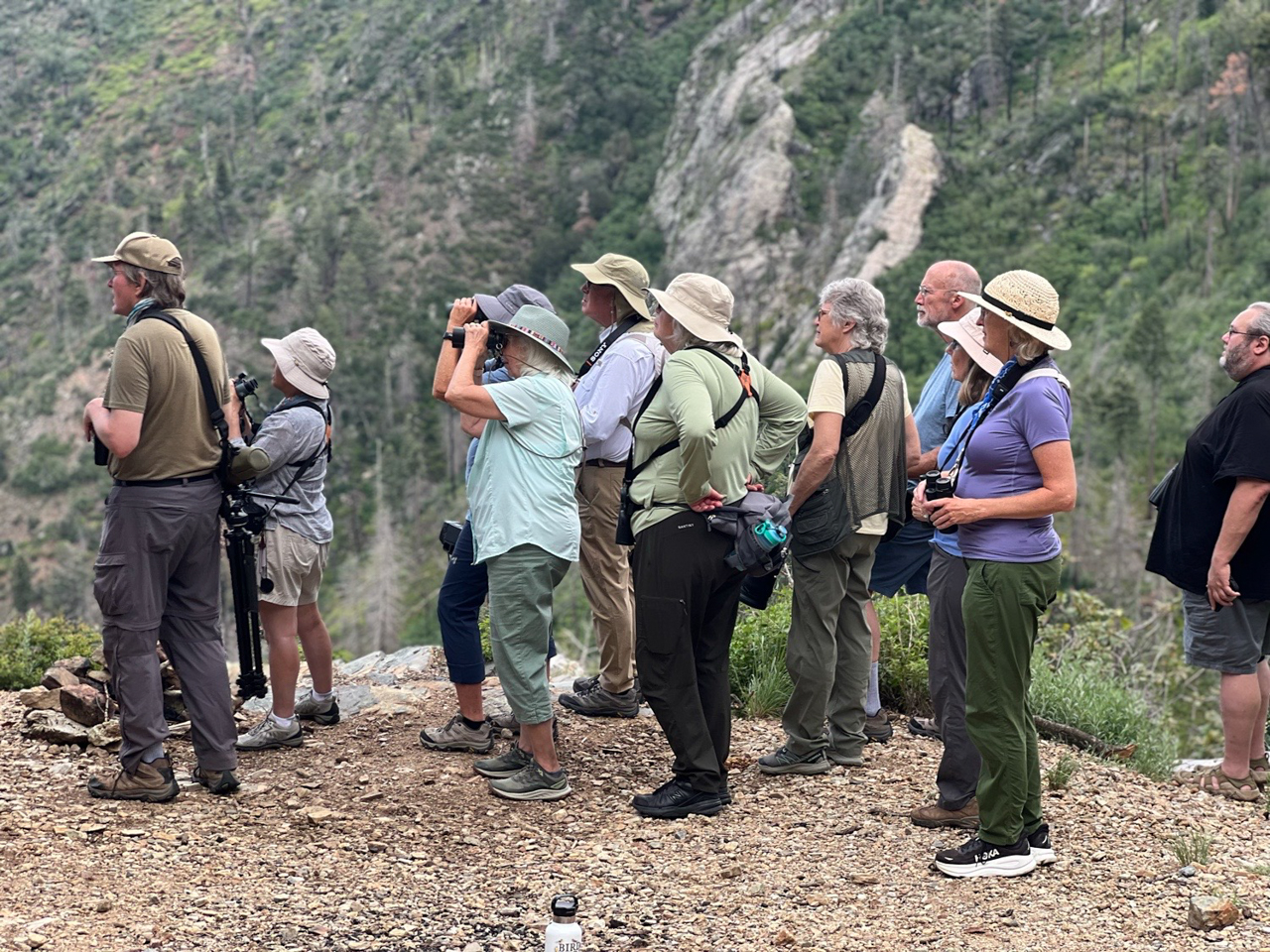
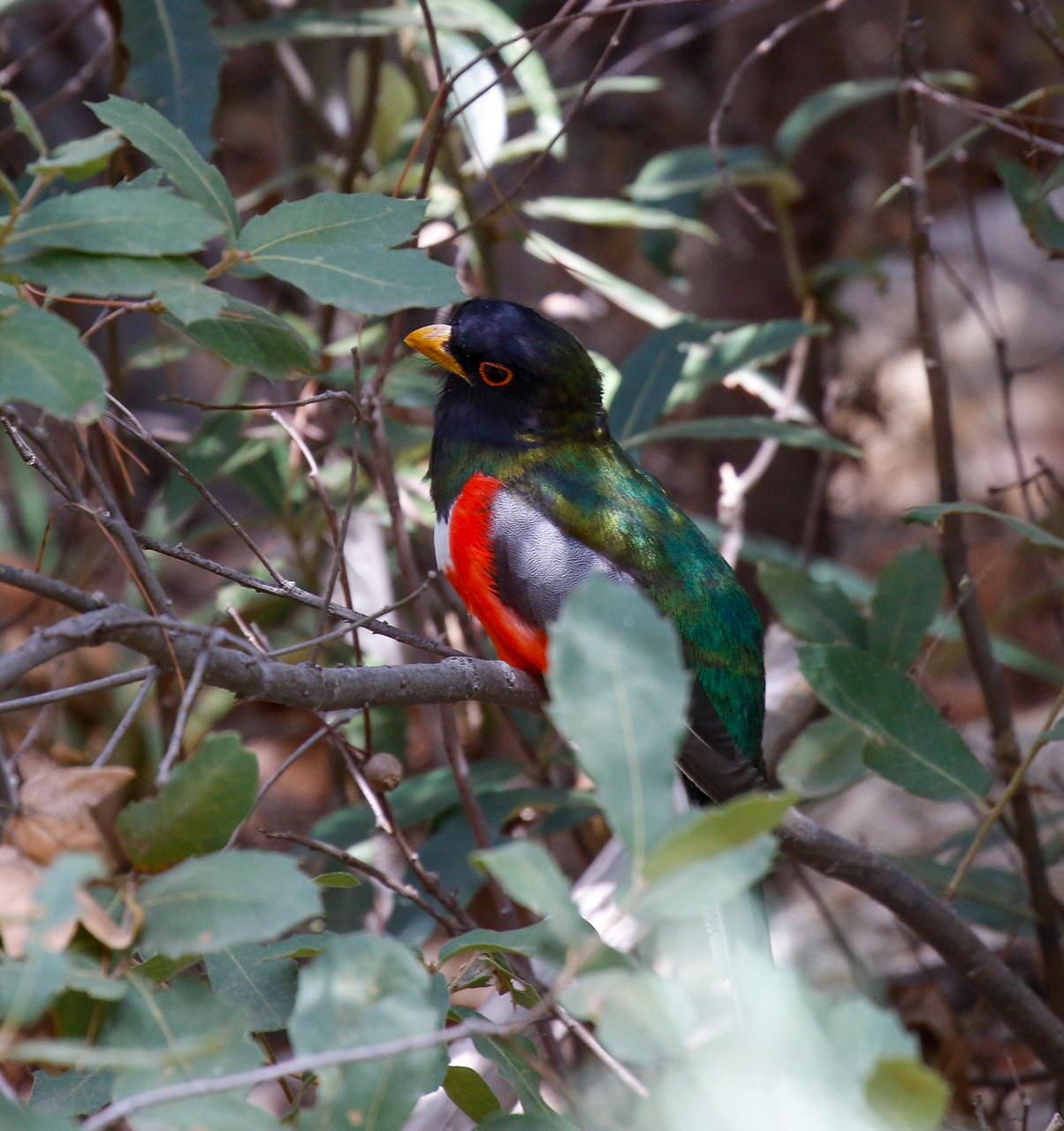
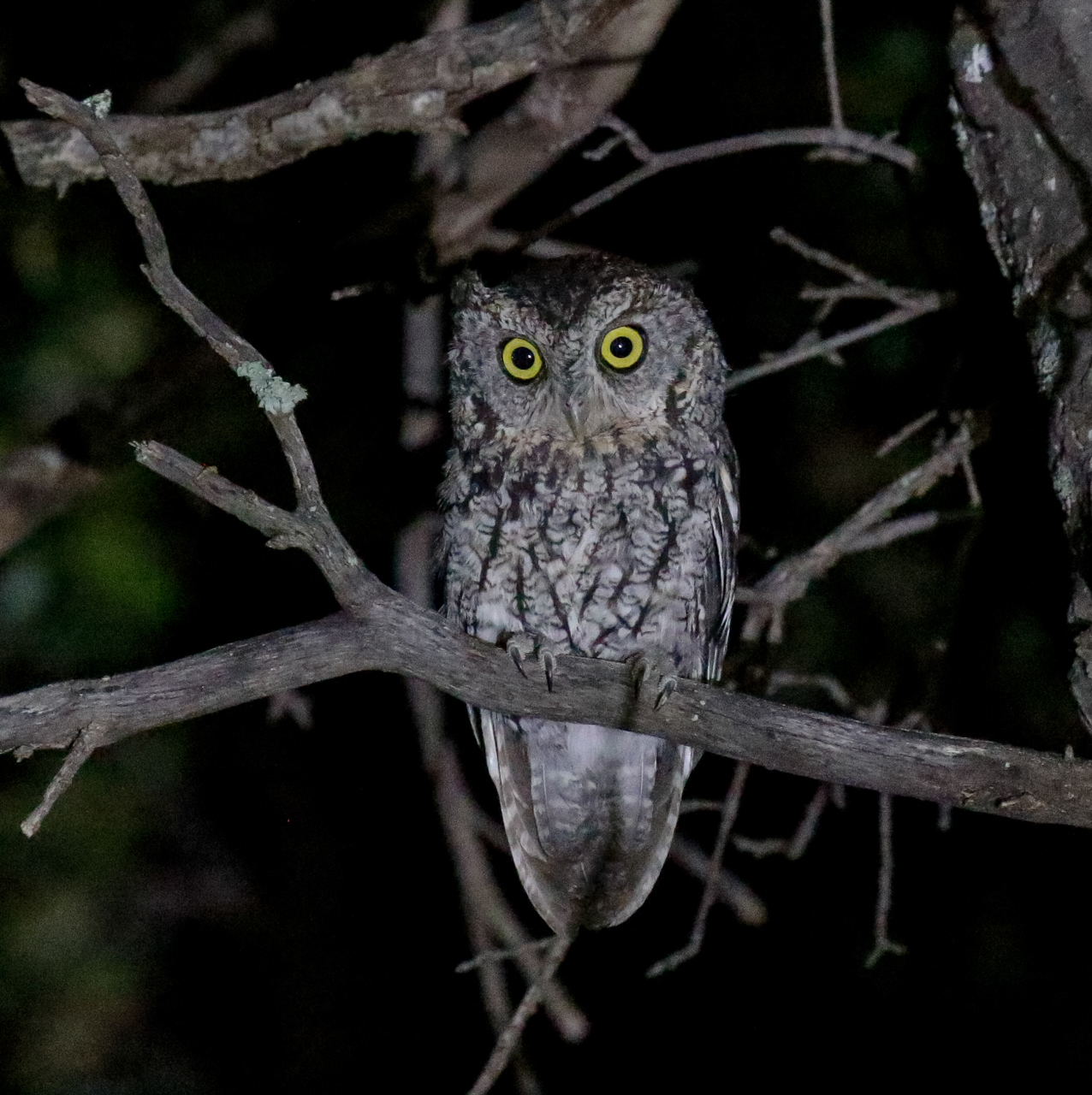
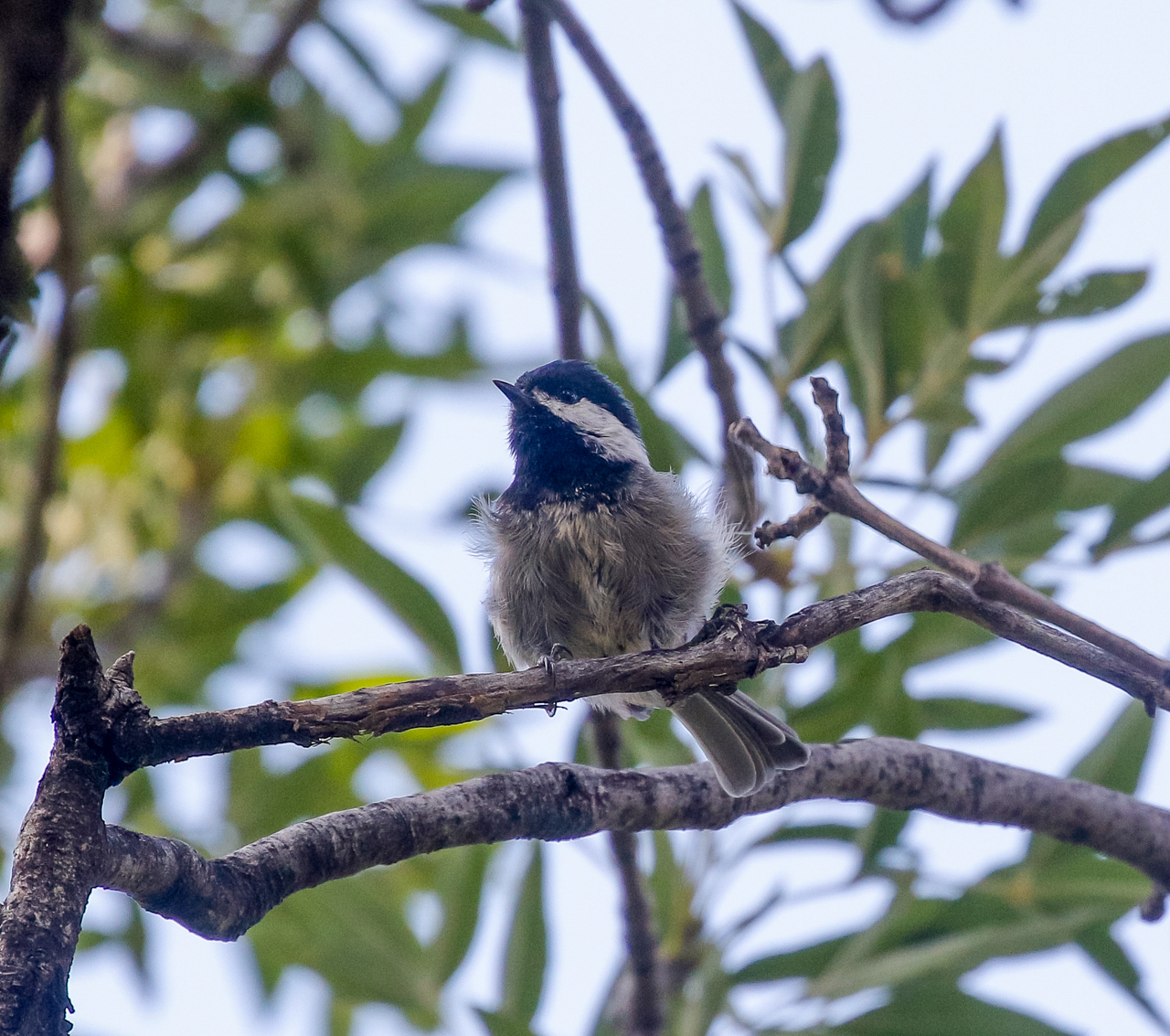
The expedition moved toward the Chiricahua Mountains, a range renowned for its biodiversity. En route, a stop at the Willcox wetlands served as a vital assessment of migratory waterbird populations, yielding observations of Black-necked Stilts, American Avocets, Wilson’s Phalaropes, and Baird’s Sandpipers. Upon reaching Portal, the team spent two days in the canyons. The primary target, the Coppery-tailed Trogon—an iconic species of the Sierra Madrean forests—was successfully documented through vocalization mapping and visual confirmation. Furthermore, the team noted a significant presence of Mexican Chickadees, marking a record density compared to historical tour data. Night-birding efforts in the area also yielded successful encounters with Whiskered Screech-Owls and the detection of Mexican Whip-poor-wills.
Days 6–8: The Huachucas, Patagonia, and Santa Ritas
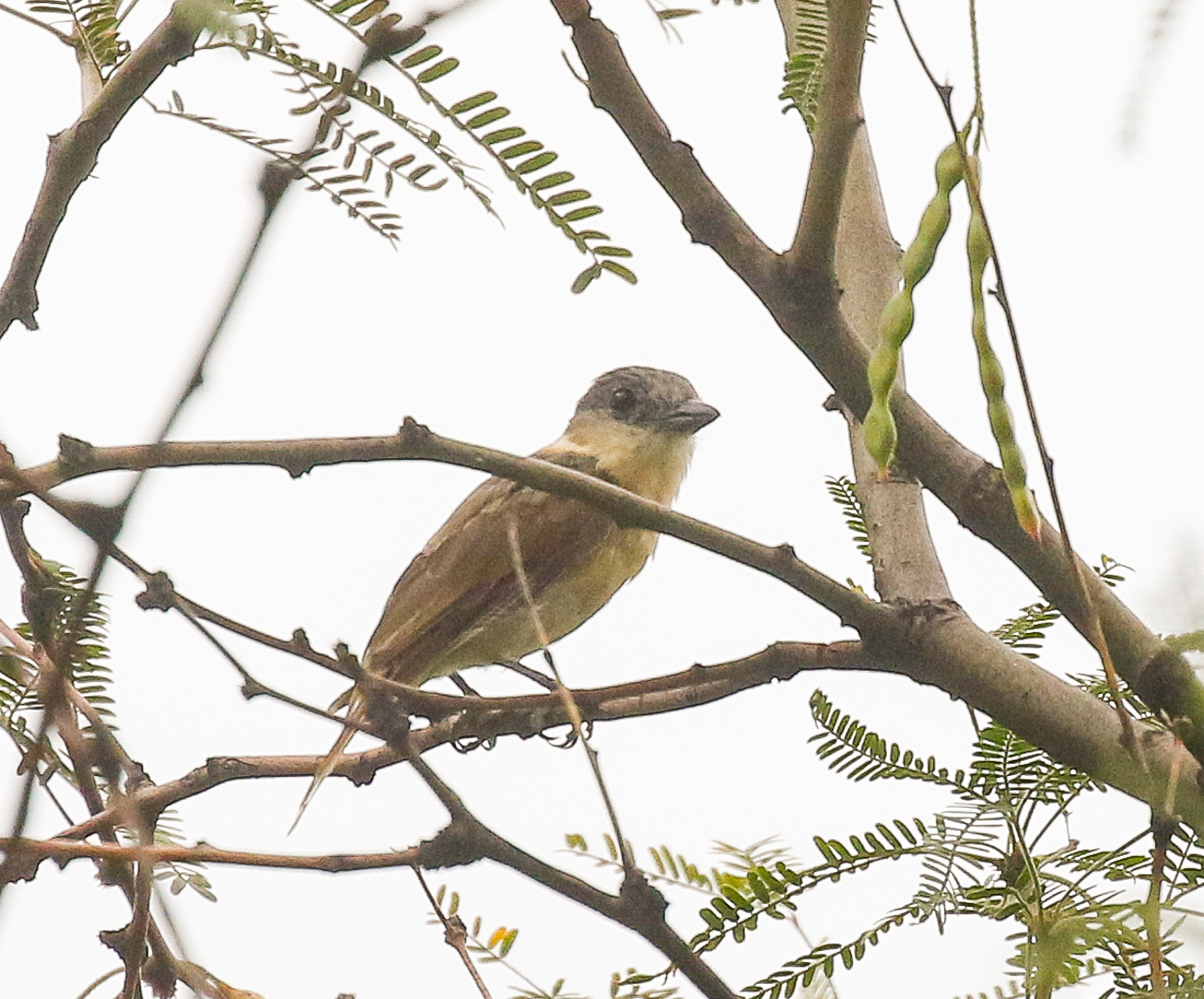
The final leg of the journey transitioned to the Huachuca Mountains and the Patagonia region. In Miller Canyon, the team observed a rare Flame-colored Tanager after an extended period of observation. The survey continued into the Patagonia Mountains, where observers caught glimpses of the Rose-throated Becard and the Northern Beardless-Tyrannulet. The tour concluded in the Santa Ritas, specifically within the famed Madera Canyon. Here, the team cataloged a broad range of species, including the Sulphur-bellied Flycatcher, Yellow-billed Cuckoo, and the Five-striped Sparrow.
Supporting Data and Avian Population Trends
The observations recorded during this expedition align with broader ornithological trends currently being tracked in the Southwest. The high density of Mexican Chickadees and the continued presence of the Coppery-tailed Trogon suggest that the "Sky Island" corridors remain stable habitats despite regional drought concerns.
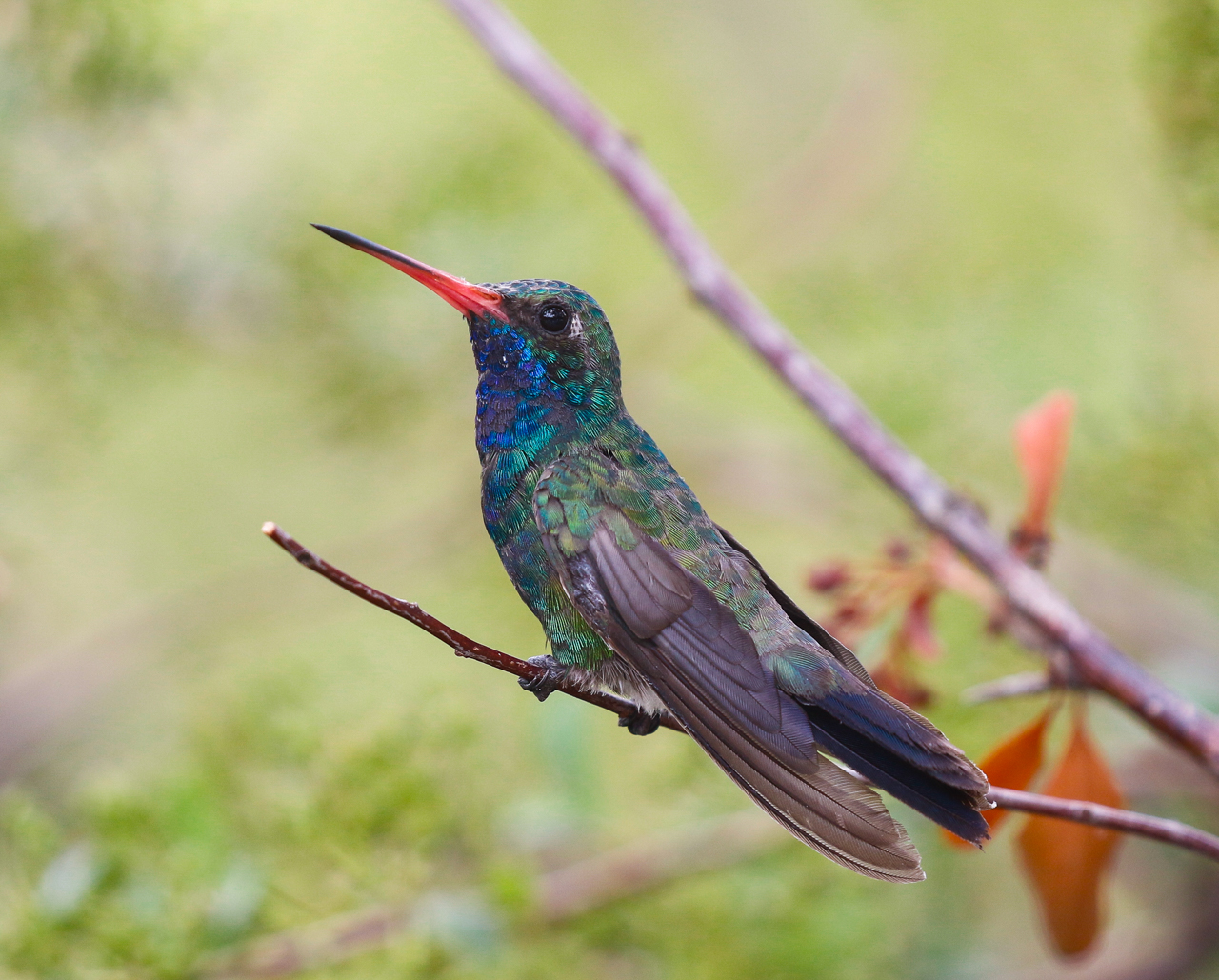
Furthermore, the data collected at the Tucson Bird Alliance’s Paton Center for Hummingbirds underscores the importance of anthropogenic support for local bird populations. The site’s array of feeders supported a high concentration of Violet-crowned Hummingbirds, Thick-billed Kingbirds, and Bronzed Cowbirds, serving as a critical refuge for these species during the late-summer foraging season. The inclusion of unexpected sightings, such as the adult male Costa’s Hummingbird at a high-elevation site in the Santa Ritas, suggests potential shifts in range or behavior due to changing environmental conditions—a subject of ongoing research among regional ornithologists.

Official Context and Conservation Implications
The successful identification of habitat-restricted species, such as the Botteri’s Sparrow and the Five-striped Sparrow, highlights the conservation value of these specific geographic pockets. Organizations involved in the preservation of these areas, including the Tucson Bird Alliance, emphasize that the integrity of the Sky Islands depends on maintaining connectivity between the desert floor and the mountain summits.

The presence of the Rose-throated Becard and the Flame-colored Tanager is of particular interest to conservationists. These species are at the northernmost edge of their breeding ranges in Southeast Arizona. Their ability to successfully breed in these canyons serves as a biological indicator of the region’s continued viability as a climate-resilient corridor. The data gathered during this tour—specifically the abundance of nesting pairs and juvenile birds observed—provides a positive signal for the population stability of these range-restricted species.
Broader Impact of Regional Birding Tourism
Beyond the scientific data, the expedition highlights the economic and educational significance of "birding tourism" in Arizona. The town of Portal, for instance, has effectively built a sustainable local economy around the protection of the Chiricahua wilderness. By providing infrastructure for researchers and birders, these communities create a direct financial incentive to preserve the habitat rather than develop it.

The final dinner in Tucson, characterized by a male Vermilion Flycatcher foraging in close proximity to the group, served as a poignant reminder of the accessibility of nature in this region. The integration of high-value biodiversity with accessible urban and semi-urban landscapes is a hallmark of the Arizona experience.
Analysis: The Future of the Sky Islands
The findings from this expedition suggest that while the region faces the dual pressures of climate change and urbanization, the core habitats remain resilient. However, the reliance of many species on specific food sources—such as the saguaro cactus for the Gilded Flicker or the riparian vegetation for the Coppery-tailed Trogon—means that water management remains the most critical factor for future biodiversity.
As researchers continue to monitor these populations, the importance of long-term datasets cannot be overstated. The consistent documentation of species across the Santa Catalina, Chiricahua, Huachuca, and Santa Rita ranges provides a baseline against which future environmental changes can be measured. The success of this tour serves as a testament to the region’s role as a biological treasure trove, offering both a sanctuary for rare species and a premier location for the scientific study of North American avian diversity. By maintaining the integrity of these Sky Island ecosystems, Arizona continues to play a pivotal role in the continental conservation strategy for migratory and resident birds alike.
