
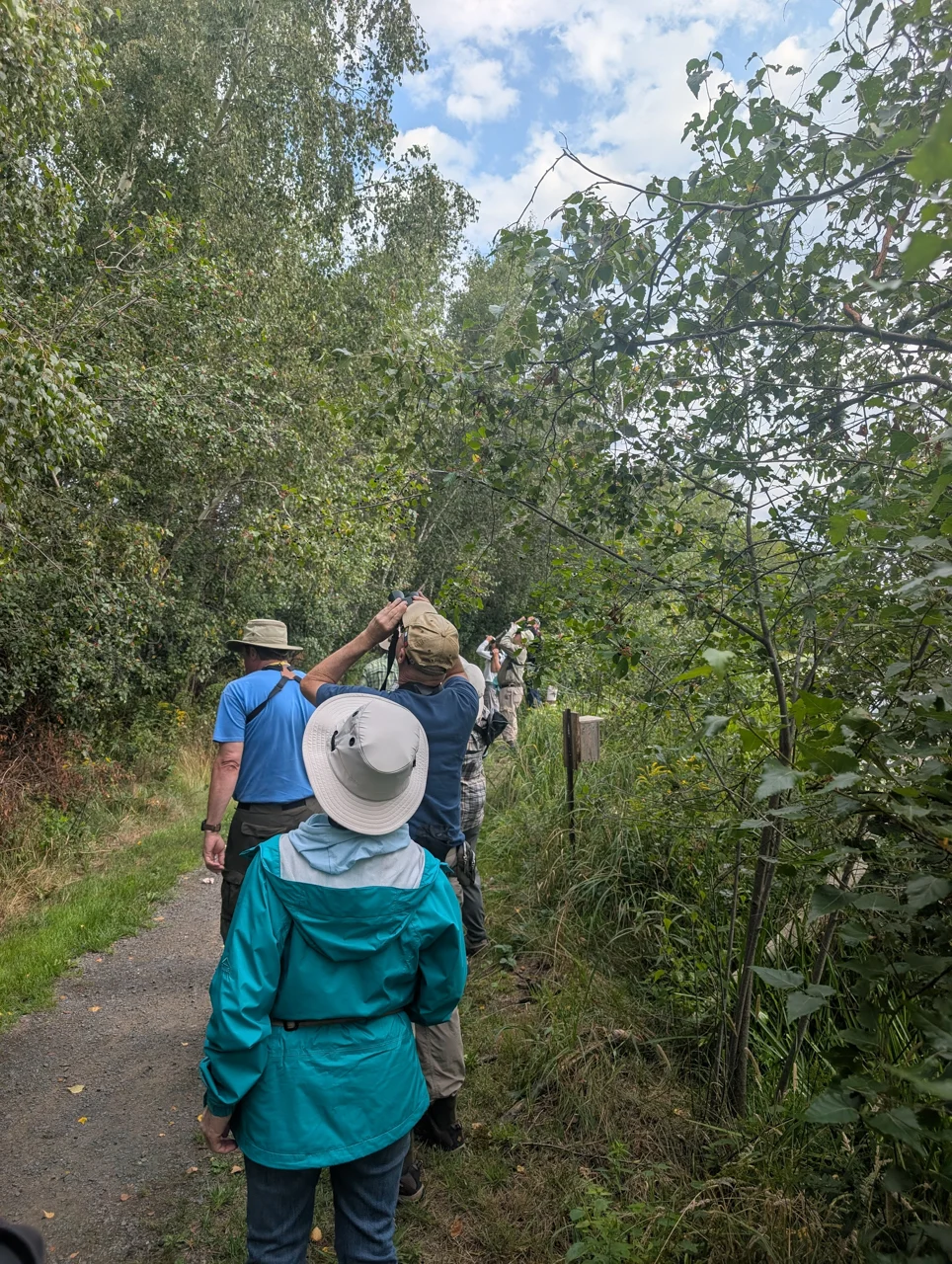
The 2026 Nova Scotia Birding Expedition concluded an intensive eight-day survey of the province’s southern coast, documenting significant migratory patterns and providing a unique window into the ecological health of the Bay of Fundy and surrounding habitats. Led by expert ornithologists and naturalists, the expedition brought together a cohort of eleven international participants to monitor avian populations during a critical window of the autumn migration. The mission, which spanned from the Annapolis Valley to the boreal forests near Halifax, served both as an educational retreat and a data-gathering exercise, highlighting the region’s status as a vital stopover point for species traversing the Atlantic Flyway.
Chronological Field Observations
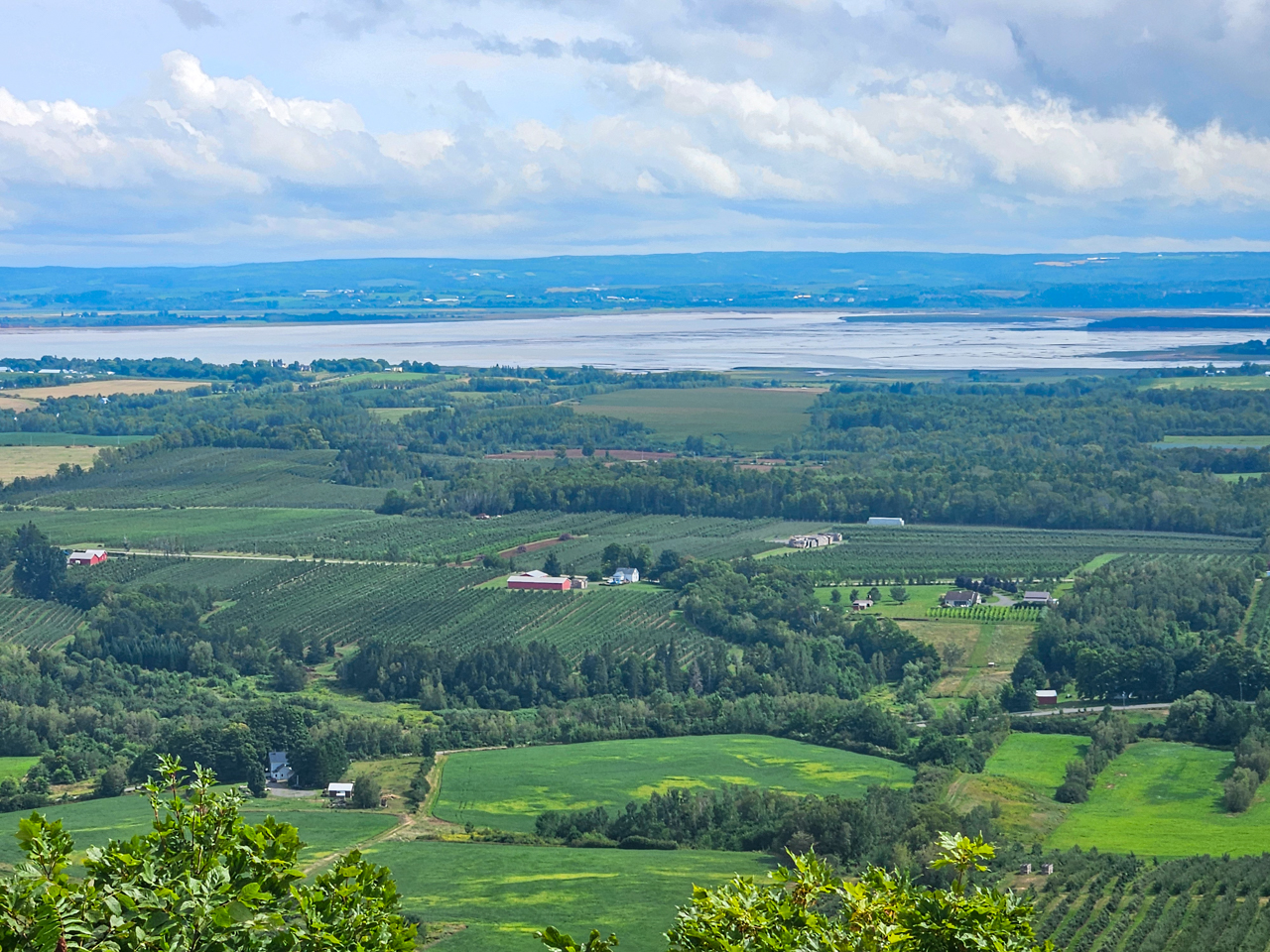
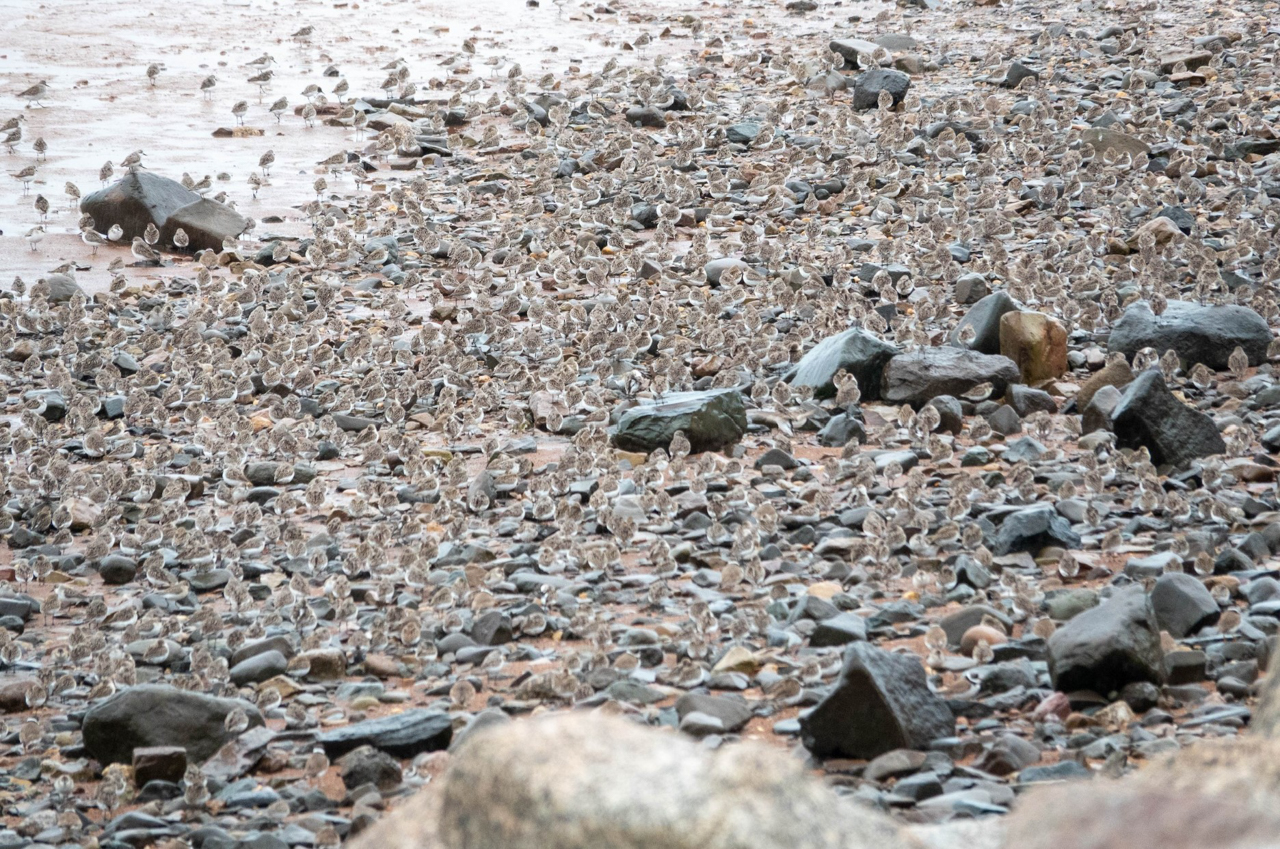
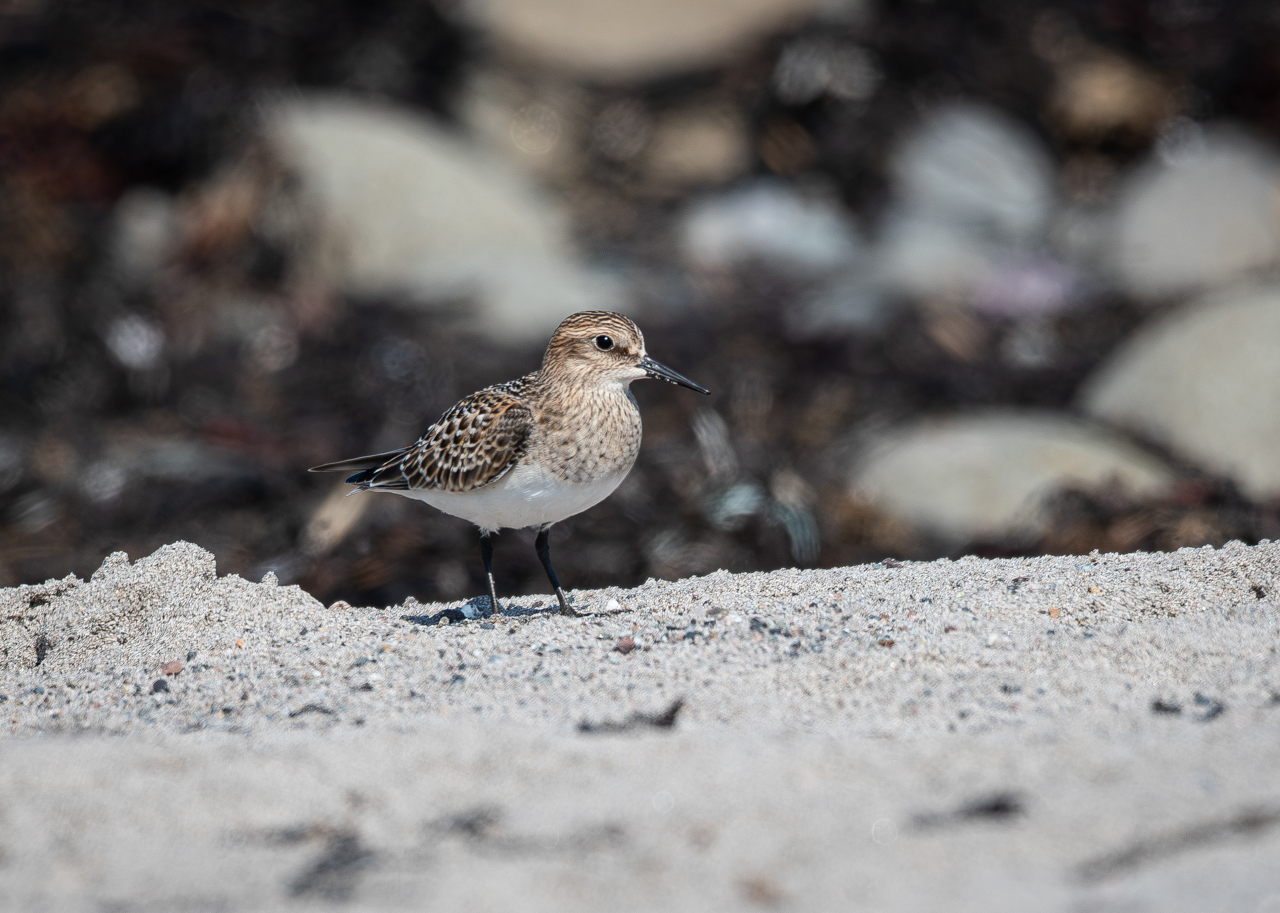
The expedition officially commenced in Halifax, with the initial phase of the survey focusing on the Annapolis Valley. This region, characterized by its unique tidal geography, is a globally recognized site for shorebird conservation. On the second day, researchers and guests conducted surveys at Grand Pré and Miner’s Marsh. Despite adverse weather conditions, the team documented a significant influx of Semipalmated Sandpipers (Calidris pusilla) at Evangeline Beach. These shorebirds rely heavily on the nutrient-rich mudflats of the Bay of Fundy—which experiences the world’s highest tidal ranges—to fuel their long-distance flights. The presence of secondary species, including Semipalmated Plovers and White-rumped Sandpipers, provided baseline data on current population density.
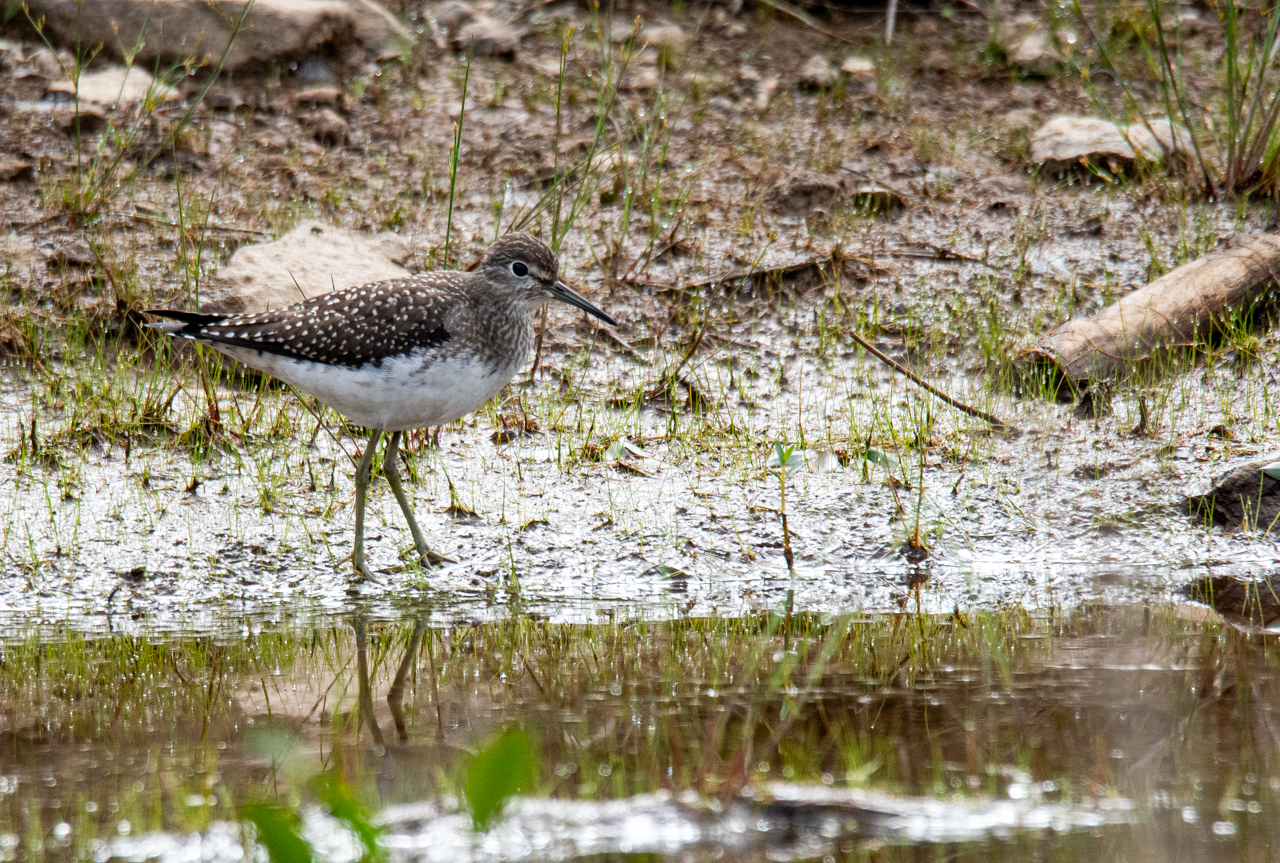
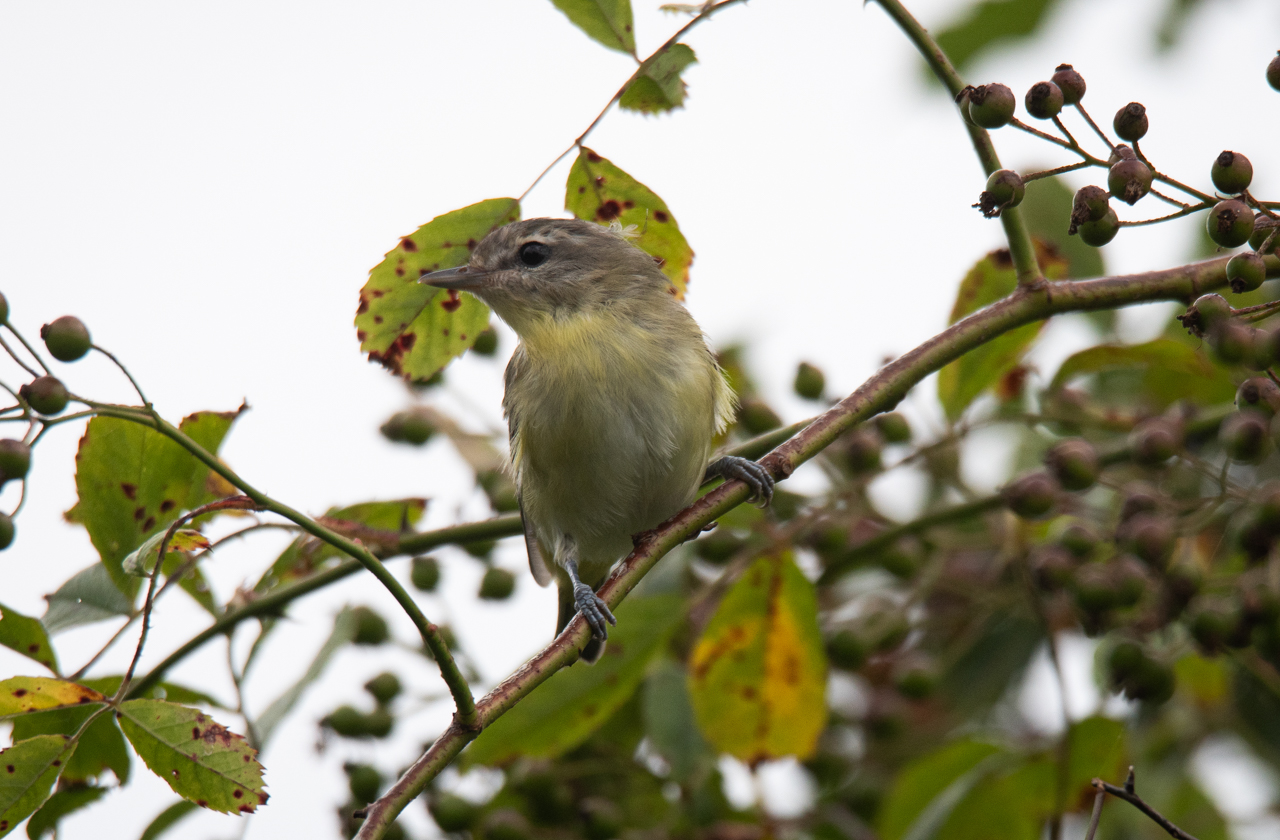
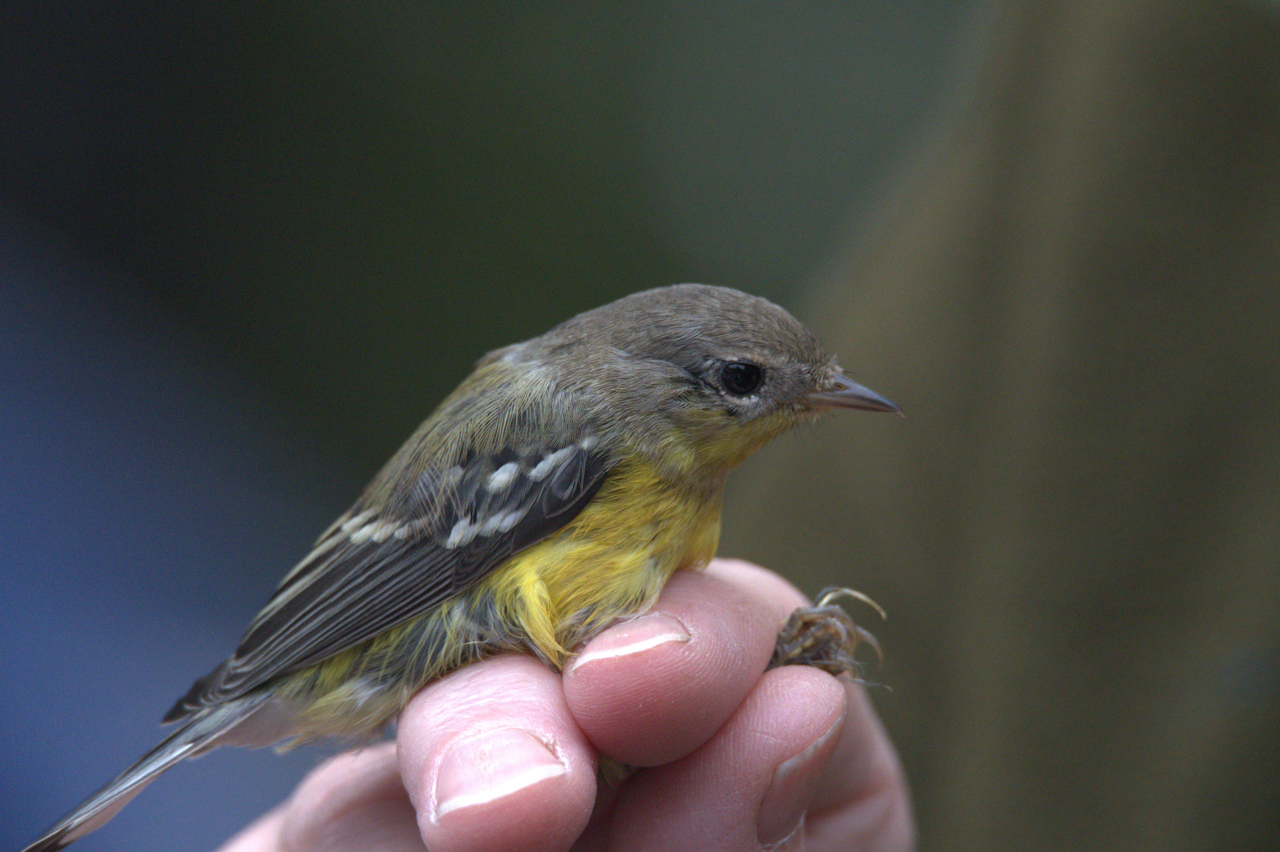
By the third and fourth days, the expedition shifted its focus toward the western reaches of the province. At Blomidon Provincial Park and the French Basin Trail, the focus transitioned from shorebirds to passerines. The team recorded a robust variety of warbler species, including the Tennessee Warbler, Blackburnian Warbler, and Northern Parula. The observation of a Philadelphia Vireo, a species of interest due to its specific habitat requirements, underscored the ecological importance of the valley’s riparian corridors.
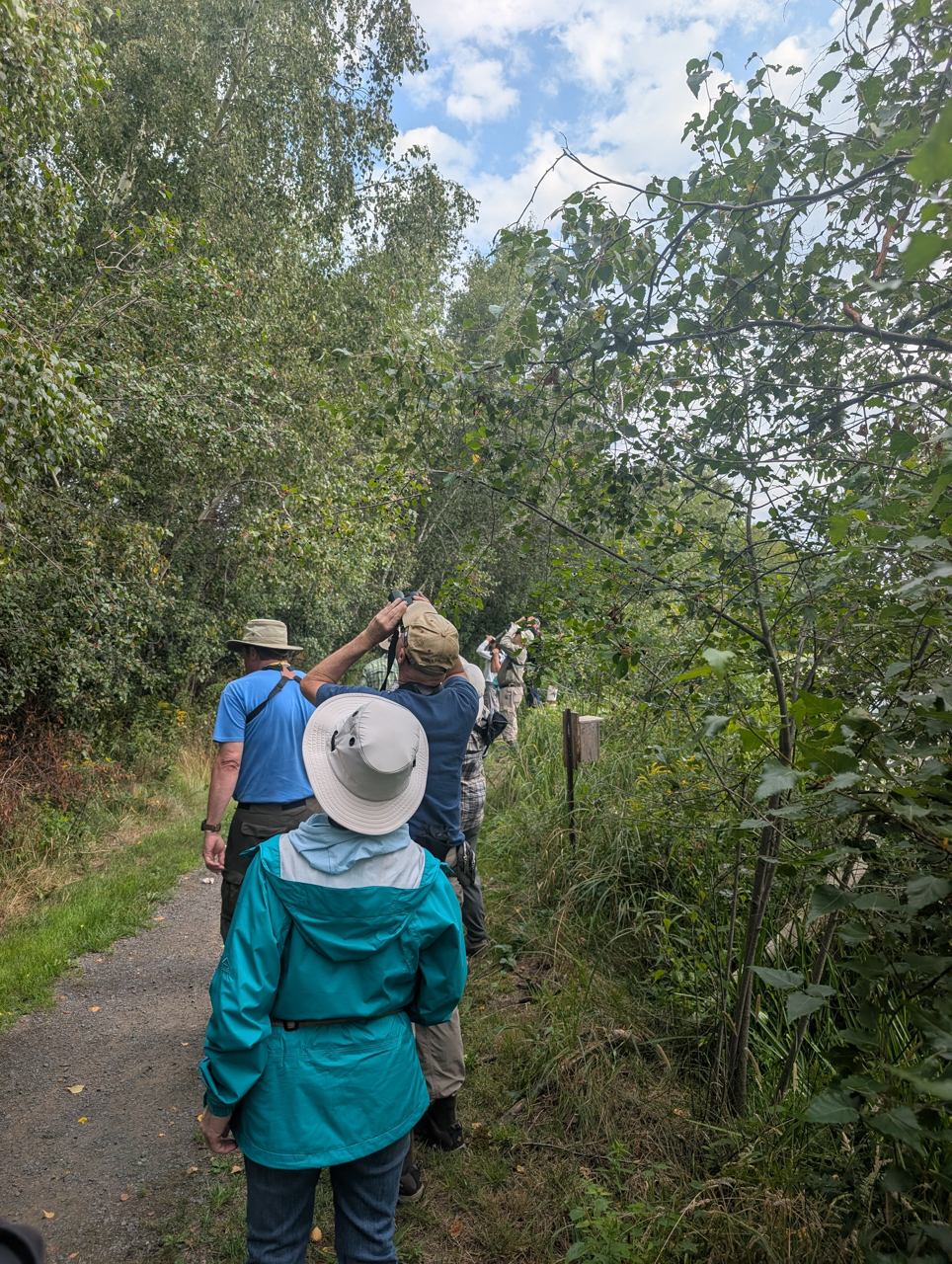
The mid-point of the journey was defined by a two-day residency on Brier Island. This remote outpost is often referred to as a "migrant trap" due to its geographic isolation, which forces passing birds to congregate in the island’s limited wooded areas. The re-activation of the Brier Island Bird Banding Station in 2026 provided the expedition with an unprecedented opportunity to engage in direct biological assessment. Participants assisted in the collection of morphological data, such as wing chord measurements and weight indices, which are critical for understanding the physiological condition of birds before they attempt the arduous flight across the Gulf of Maine.
Pelagic Insights and Marine Megafauna
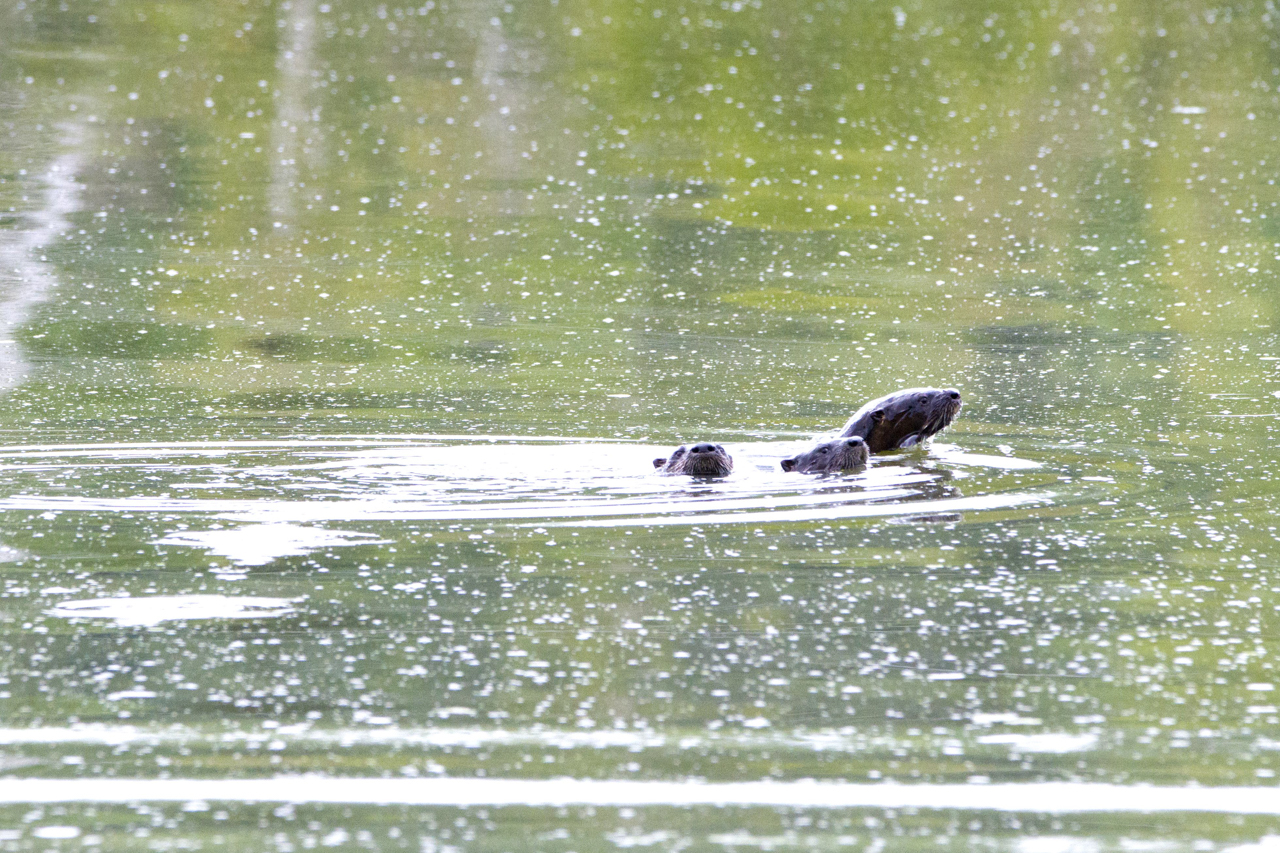
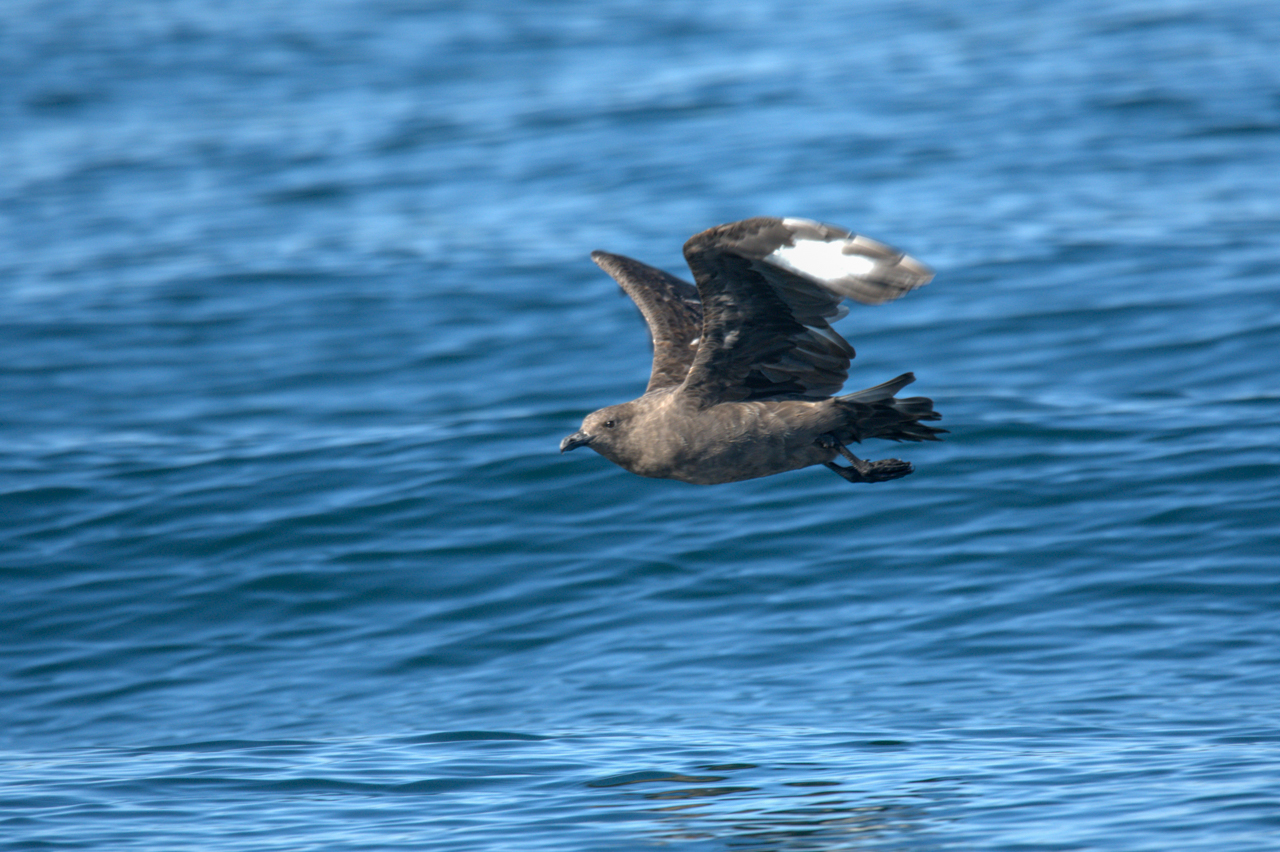
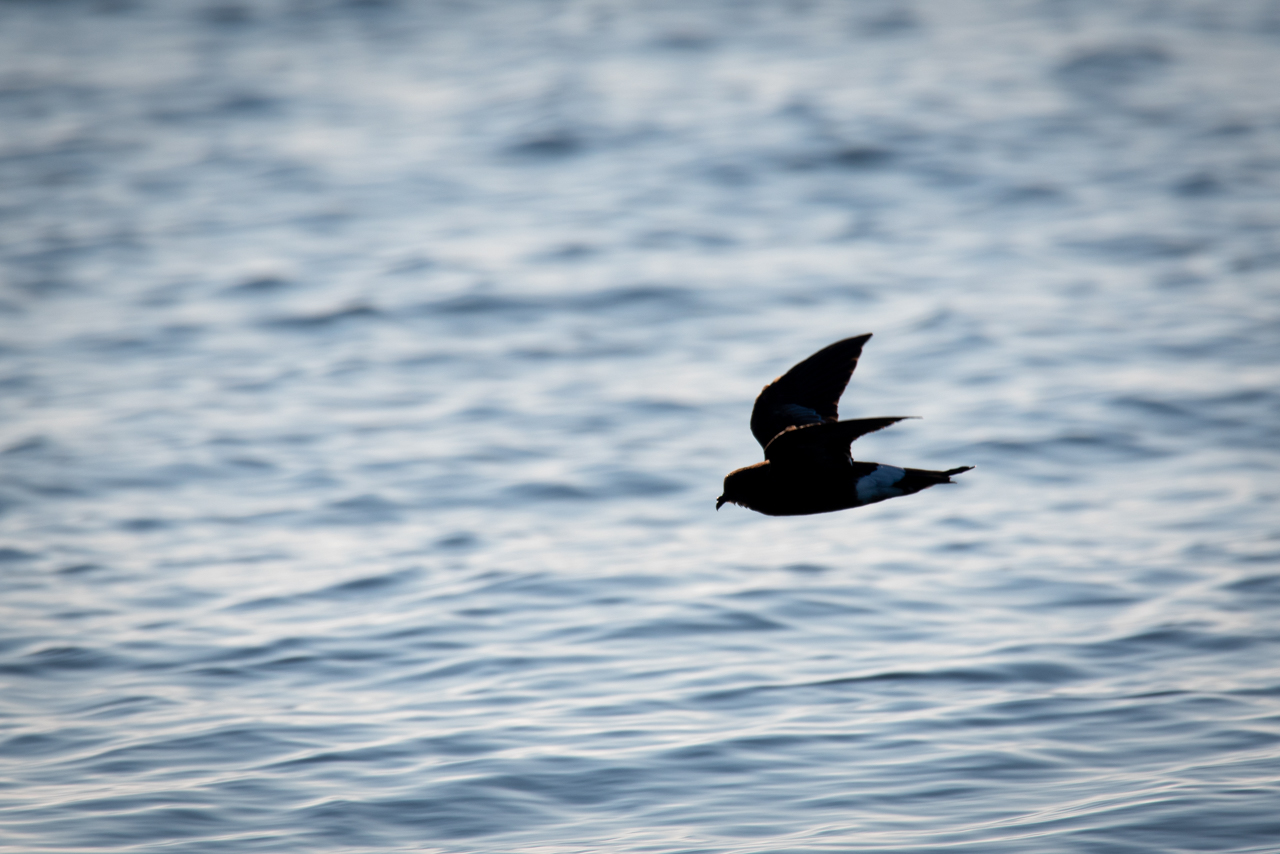
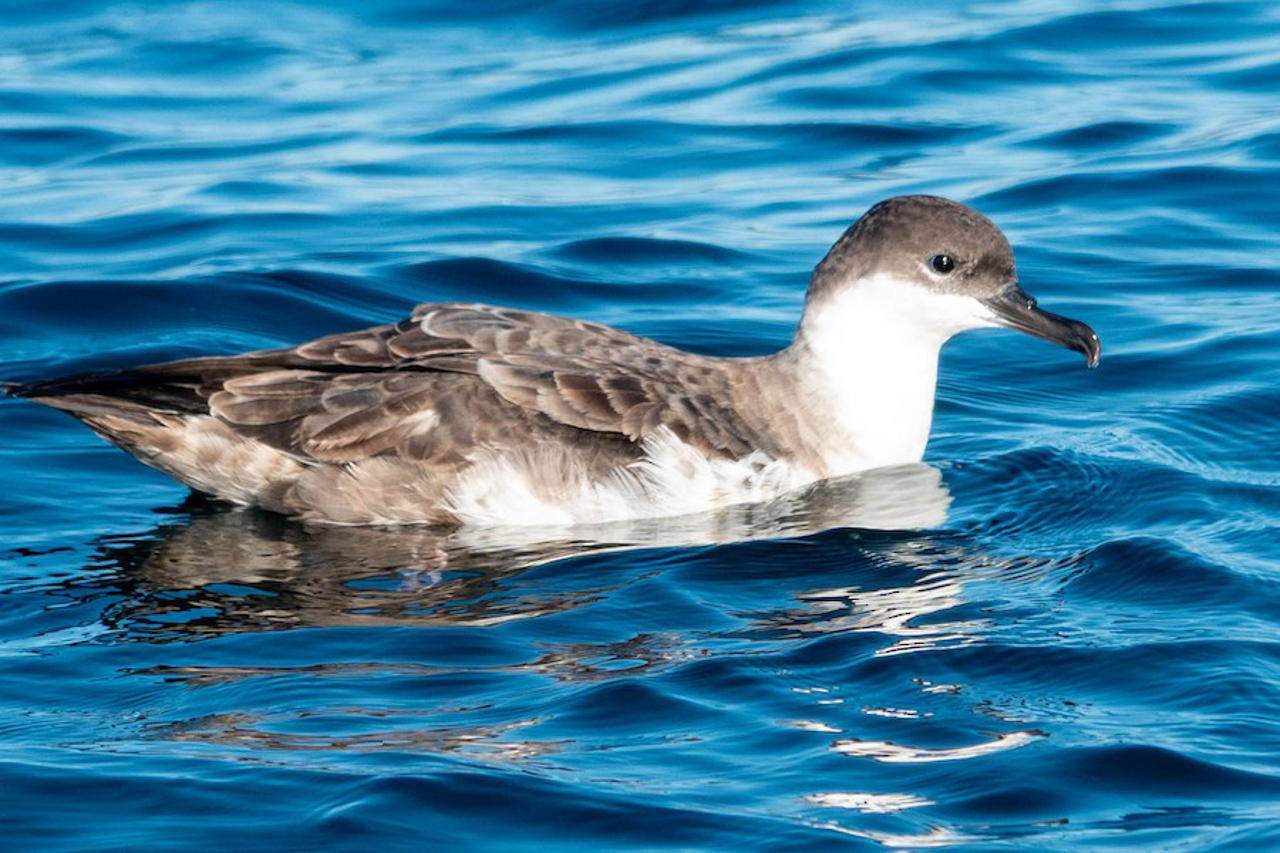
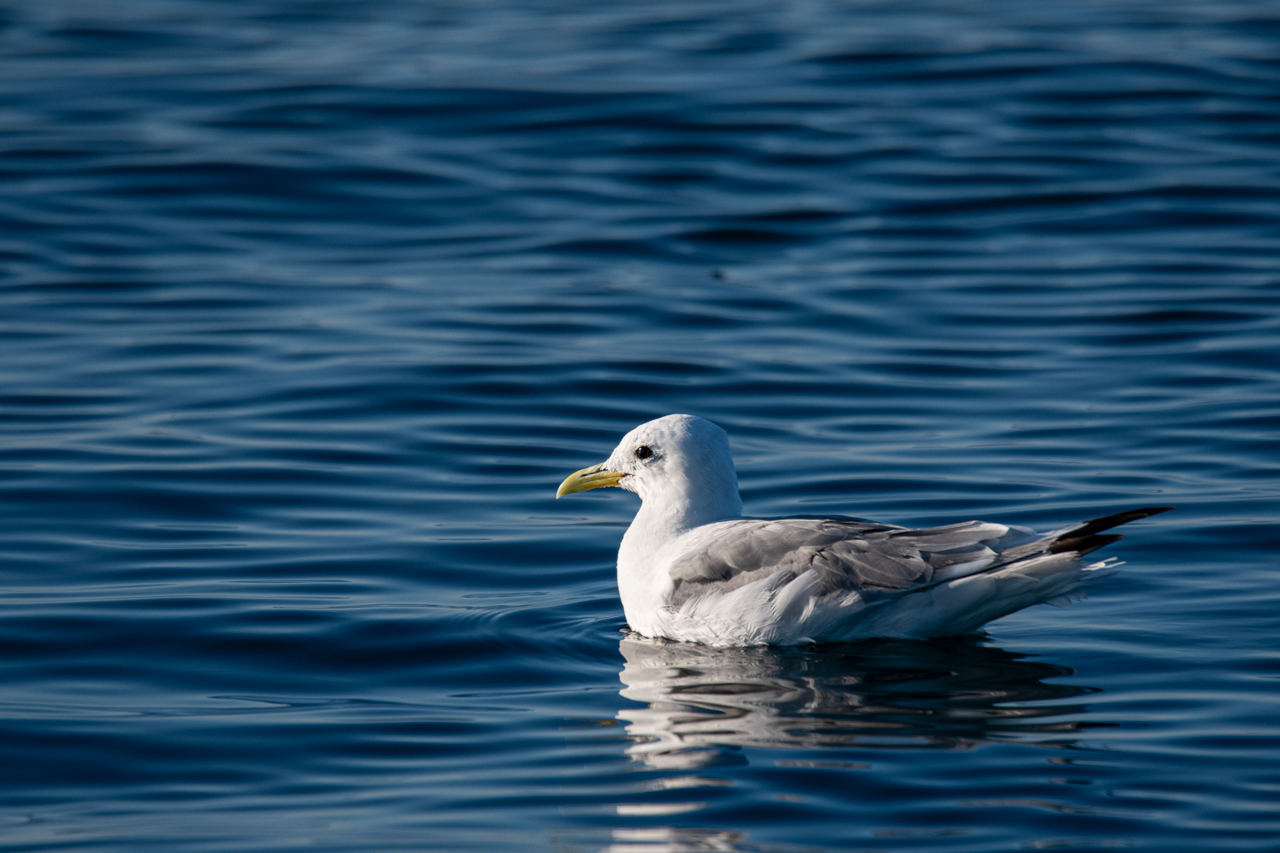
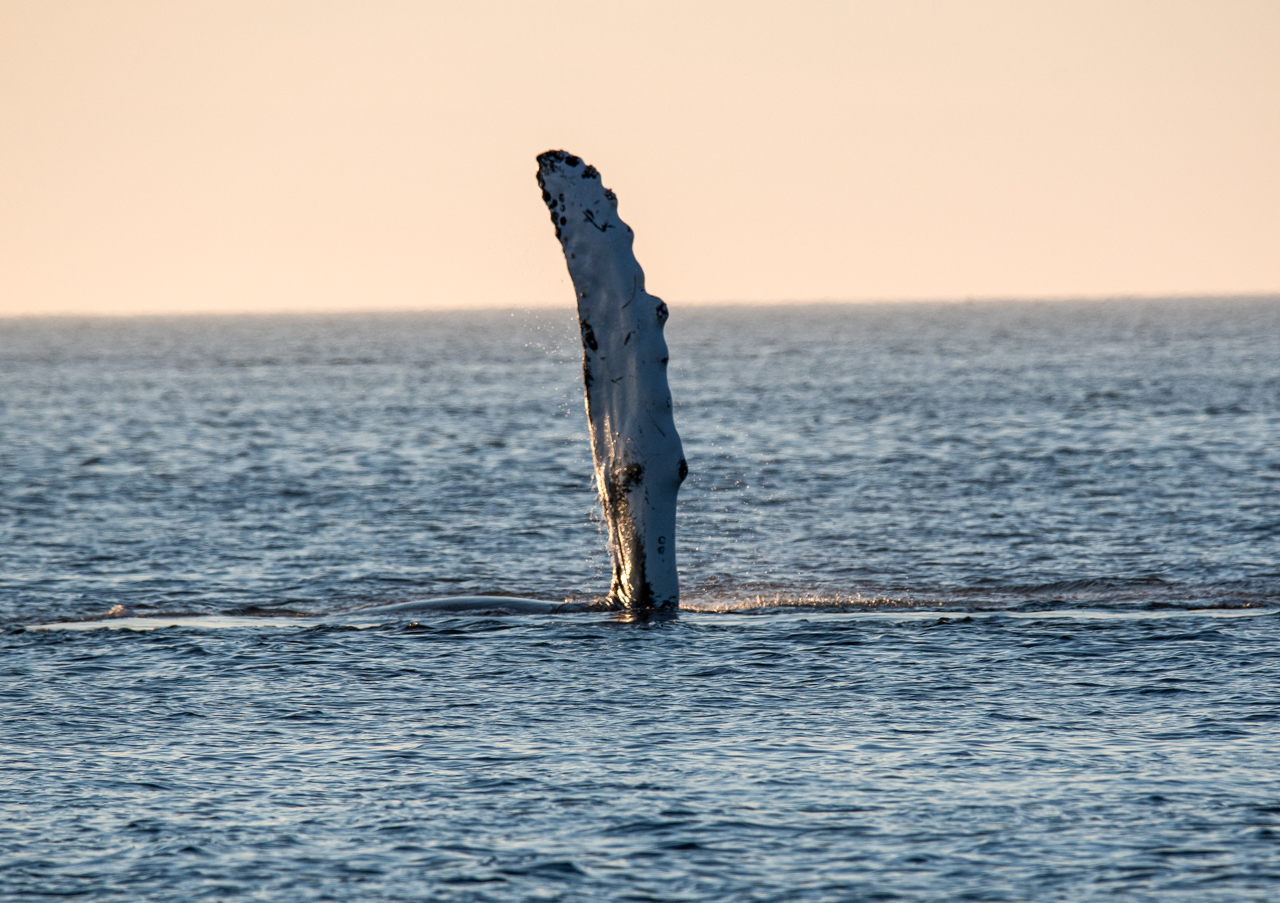
The expedition’s fifth day featured a specialized pelagic survey in the Bay of Fundy. The shift from terrestrial to maritime observation yielded significant sightings. The identification of a South Polar Skua, a species rarely seen so close to shore, was a highlight of the survey. Furthermore, the observation of Wilson’s Storm-Petrels and Leach’s Storm-Petrels provided insight into the distribution of pelagic species in response to changing sea surface temperatures. The inclusion of marine mammals, specifically the observation of Humpback Whales, served as a reminder of the interconnectedness between avian foraging and the broader marine food web of the Bay of Fundy.
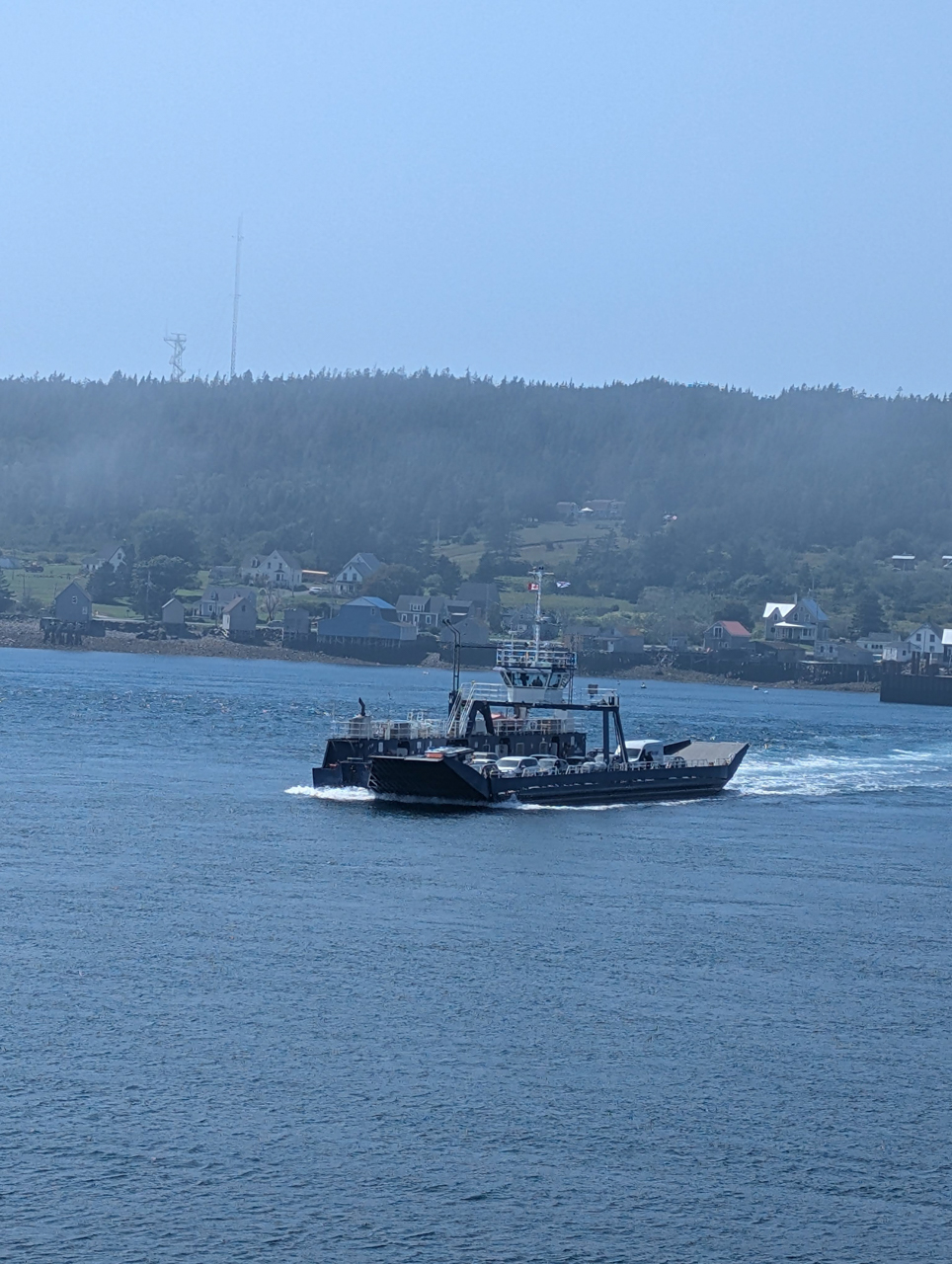
The latter half of the expedition moved along the South Shore, encompassing stops at Yarmouth, Cape Forchu, and Sandhills Beach Provincial Park. The primary objective here was the identification of localized breeding colonies and late-season migrants. The successful sighting of the American Avocet at Sand Dollar Beach, a notable vagrant in this latitude, indicated the potential for shifts in migratory routes, likely influenced by prevailing wind patterns and climate-driven habitat changes.
Data and Ecological Significance
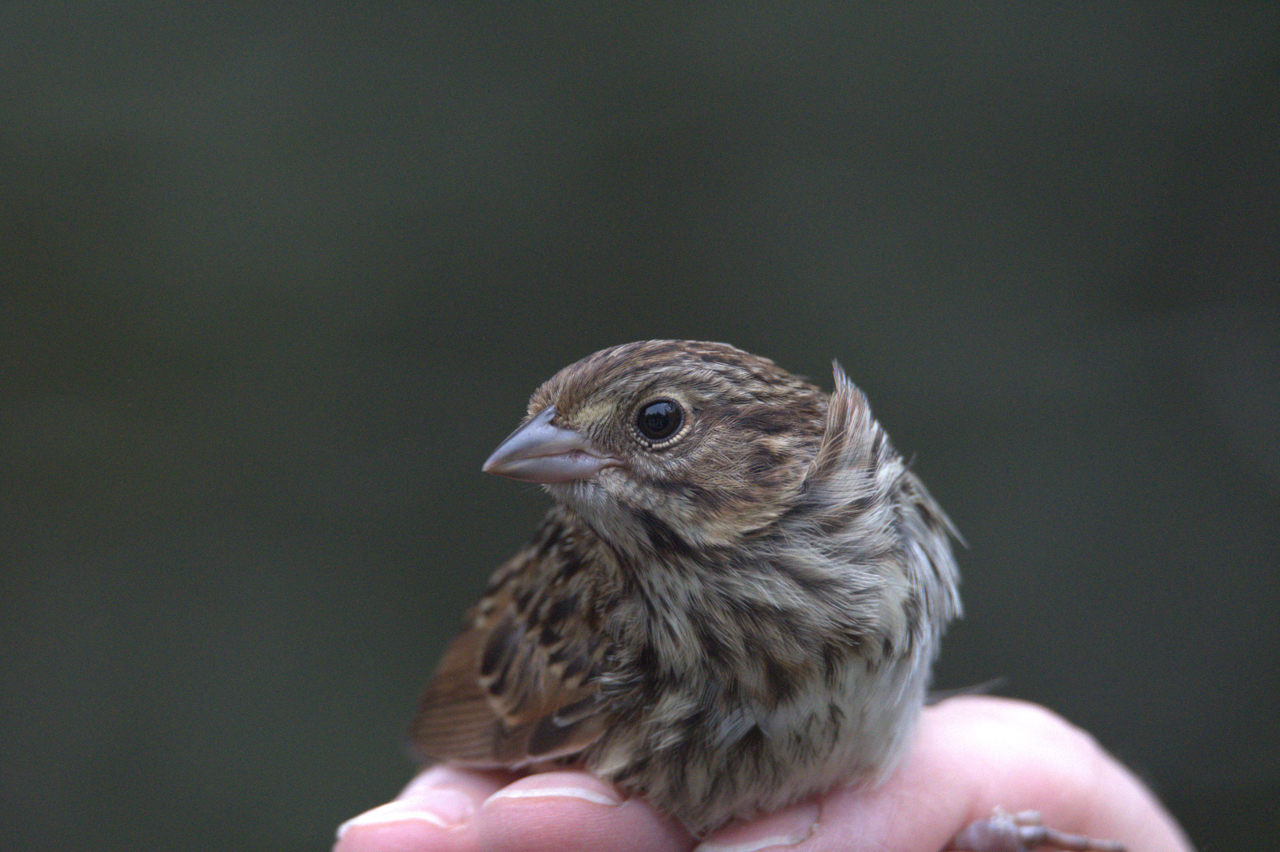
The data collected during this eight-day period underscores Nova Scotia’s pivotal role in the Atlantic Flyway. The region’s geography creates a "funnel effect," concentrating birds into narrow corridors that allow researchers to estimate trends in population health. According to historical data from the Atlantic Canada Shorebird Survey, the Bay of Fundy serves as a critical "refueling station" where birds can double their body mass in a matter of weeks by consuming local amphipods (Corophium volutator). The findings from this 2026 expedition corroborate long-term trends suggesting that while certain populations remain resilient, others—particularly those sensitive to forest fragmentation—require ongoing monitoring and habitat protection.
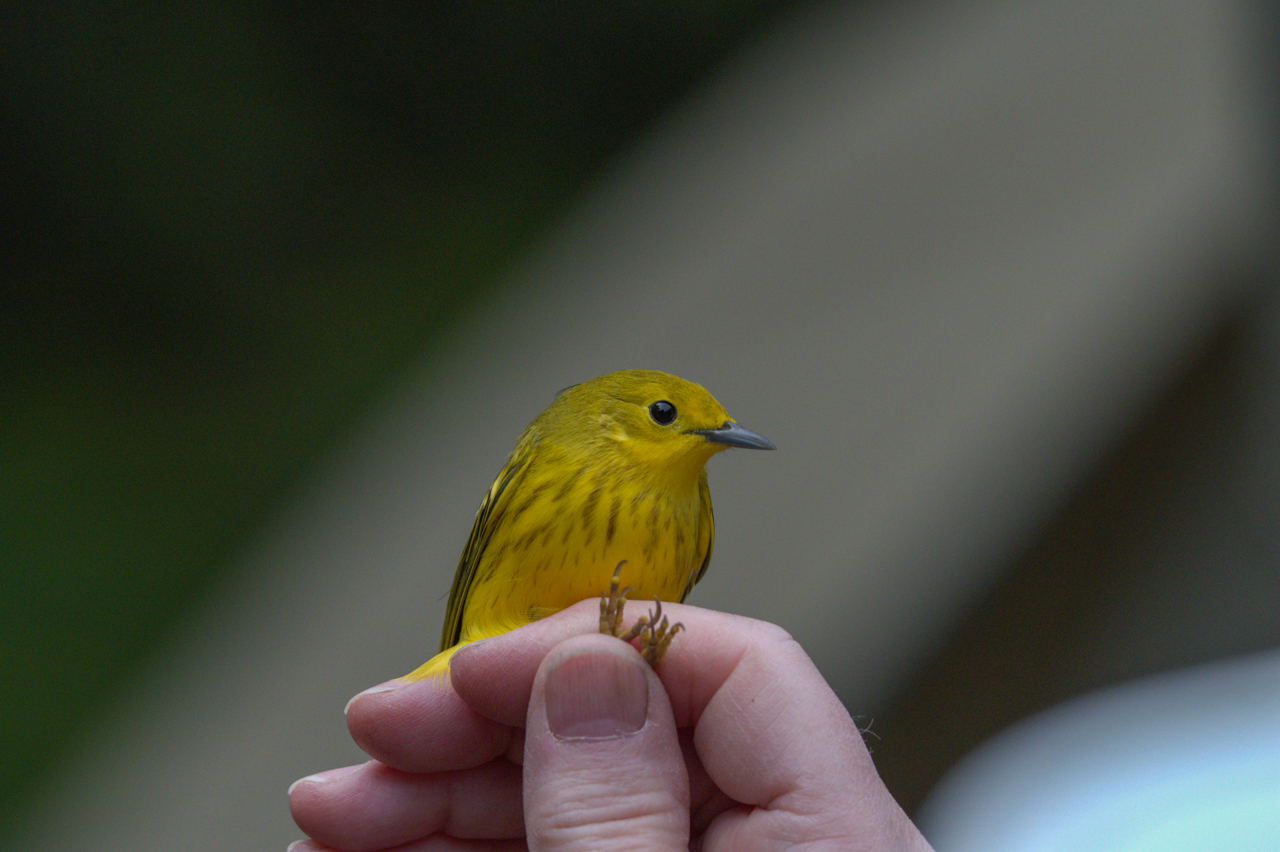
The banding station data, in particular, contributes to a larger continental database. By tracking the migration of songbirds through the Brier Island banding initiative, researchers can correlate the timing of migration with the availability of seasonal food sources, such as insect blooms and fruit ripening. This information is essential for climate change modeling, as shifts in phenology can cause a "mismatch" between the arrival of migratory birds and the peak abundance of the resources they depend upon for survival.
Perspectives on Sustainable Eco-Tourism
Beyond the scientific yield, the expedition highlights the growing potential for eco-tourism as a tool for environmental stewardship. The integration of guest participation into the research process—such as assisting with banding protocols—has been identified by stakeholders as a powerful method for fostering public support for conservation.
"The interaction between citizen science and professional ornithology creates a feedback loop that benefits both parties," noted lead expedition guide Kyle d’Entremont. "When guests participate in the handling and release of migratory birds, the emotional and educational impact is profound. It transforms the abstract concept of conservation into a tangible reality."
The economic implications are equally significant. Local businesses in rural areas like Digby Neck and Yarmouth derive measurable benefits from the influx of specialized tourism. The ability to leverage the natural beauty of sites like Peggy’s Cove and the historic, maritime culture of Lunenburg allows for a diversified tourism product that attracts visitors beyond the peak summer months.
Broader Impact and Policy Implications
The success of the 2026 expedition serves as a case study for the management of migratory bird habitats. The ongoing loss of coastal wetlands across the Eastern Seaboard highlights the necessity of maintaining protected areas in Nova Scotia. The findings regarding the American Oystercatchers and the presence of rare vagrants suggest that the province’s coastal diversity is not static but is instead a dynamic system that responds to broader hemispheric changes.
From a policy standpoint, the information gathered by such expeditions supports the designation of Important Bird and Biodiversity Areas (IBAs). These designations provide a framework for regional governments to prioritize land-use decisions that protect critical nesting and stopover sites. As the climate continues to shift, the data collected from such consistent, multi-year surveys will become increasingly vital for federal and provincial wildlife authorities.
Conclusion

The 2026 Nova Scotia Birding Expedition successfully demonstrated that rigorous scientific observation can exist in harmony with sustainable, low-impact tourism. By covering a vast geographic area—from the high tides of the Annapolis Valley to the rugged cliffs of the South Shore—the team provided a comprehensive snapshot of the region’s biodiversity. The logistical success of the tour, coupled with the high volume of avian data recorded, reinforces Nova Scotia’s status as a primary destination for global avian research. As the industry looks toward 2027, the emphasis will likely remain on refining these monitoring techniques and expanding the network of local partnerships to ensure the continued protection of the province’s diverse avian heritage. The expedition remains a testament to the fact that, in the world of ornithology, the most valuable insights are often found in the most remote and challenging environments.
