
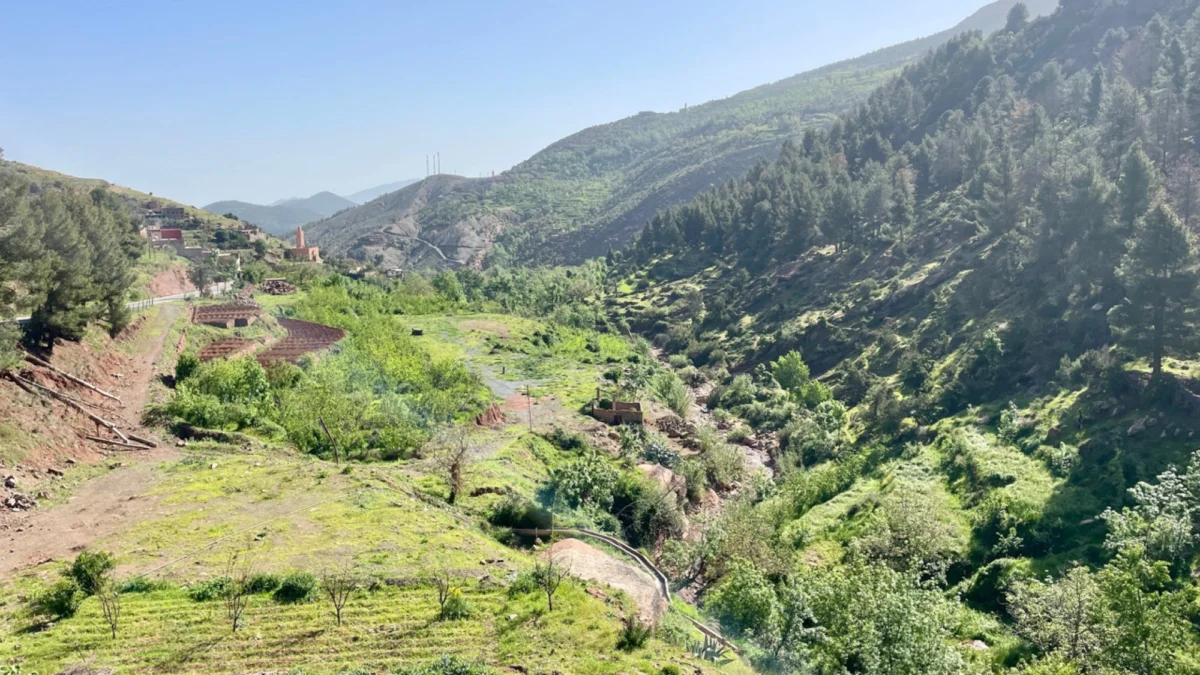
The late April to early May expedition across Morocco served as a definitive survey of the region’s ecological transition zones, tracing a trajectory from the high-altitude environments of the High Atlas mountains to the hyper-arid expanses of the Sahara and the nutrient-rich wetlands of the Atlantic coastline. This expedition, conducted during the critical spring migration window, provided researchers and naturalists with a granular look at resident species, localized breeders, and the environmental factors currently influencing North African biodiversity. While avian migration patterns were described by participants as patchy, the trip proved highly successful in documenting rare endemic specialities and cataloging a wide range of reptilian and botanical life.

Expedition Overview and Environmental Context
Morocco’s unique geography, defined by the barrier of the Atlas Mountains and the influence of the Atlantic and Mediterranean climates, makes it a critical waypoint for palearctic-african migrants. The expedition aimed to document the health of populations for several species of conservation concern, including the Northern Bald Ibis (Geronticus eremita) and various desert-specialist larks and warblers.
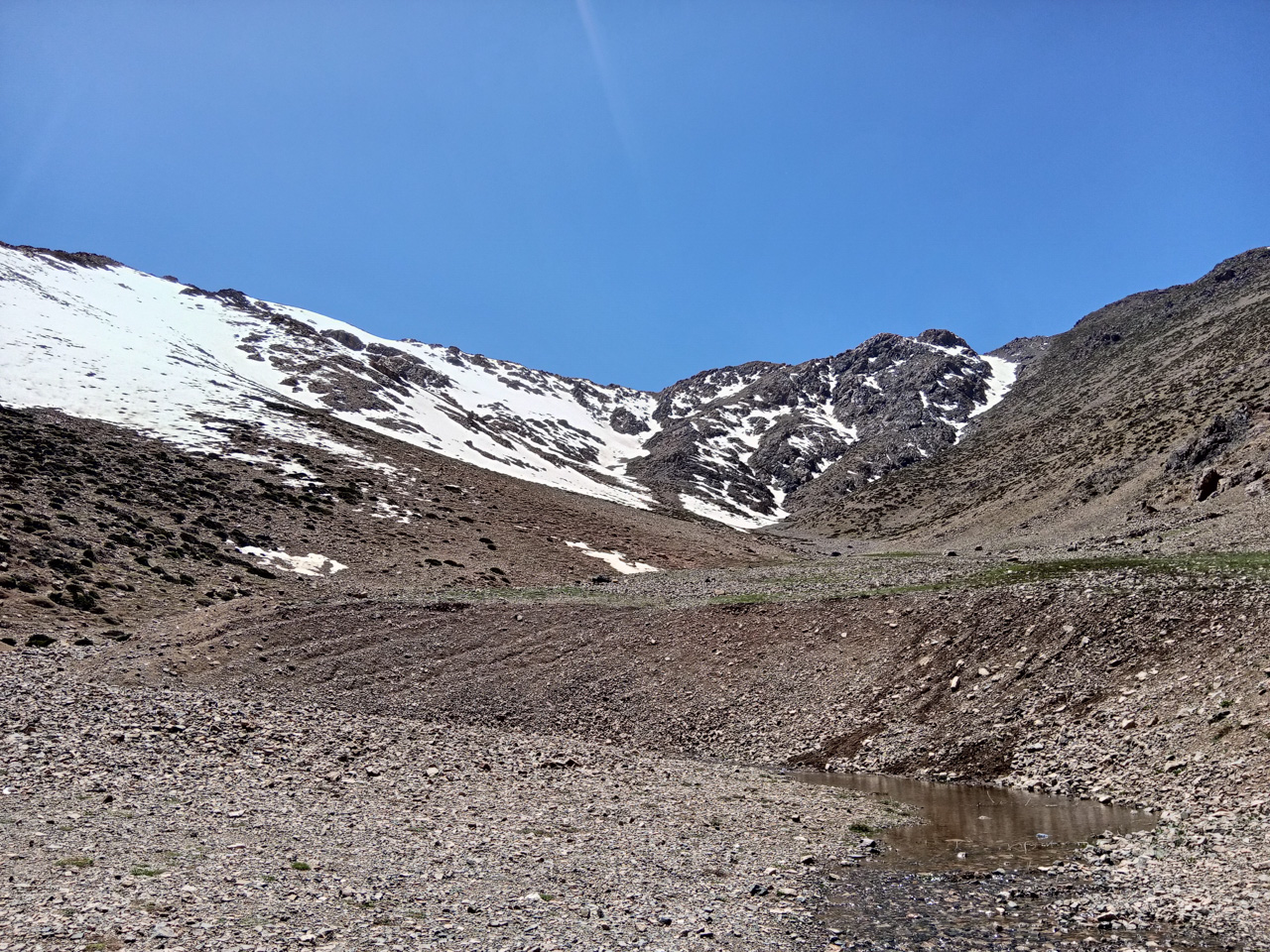
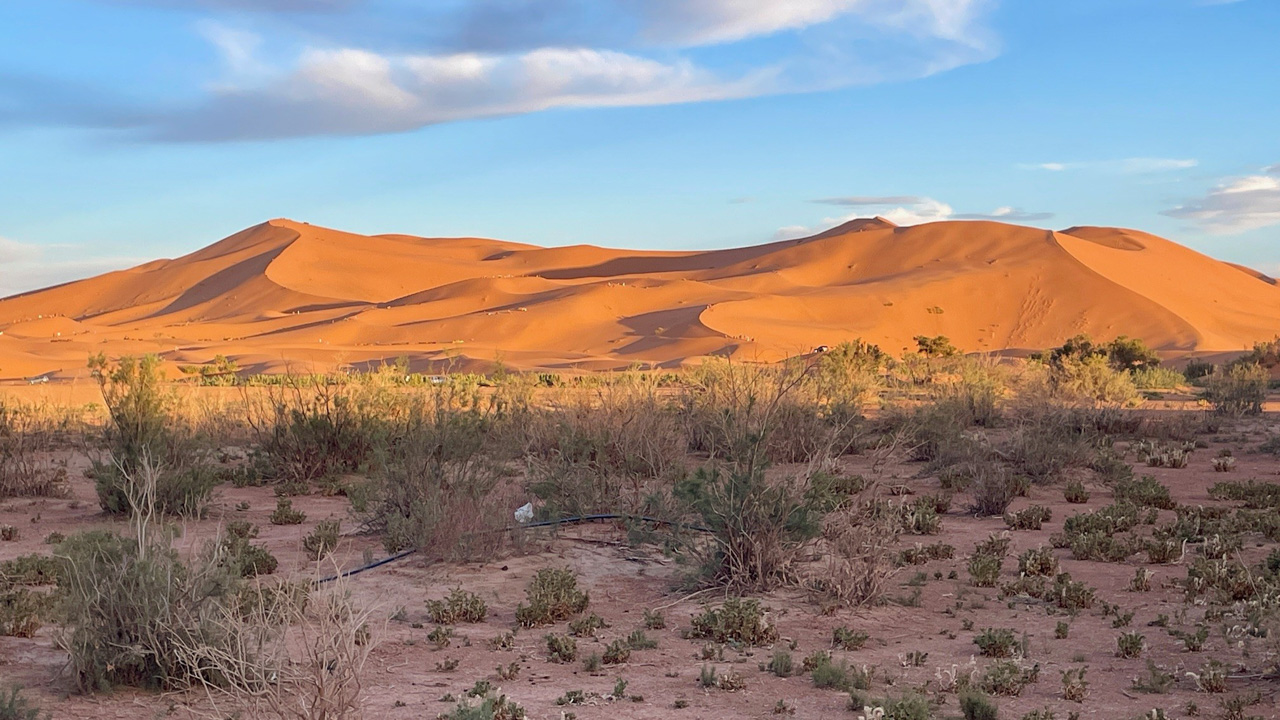
The timing of the trip, spanning the transition from spring to early summer, allowed the team to observe both the tail end of the spring migration and the peak activity of resident breeders. Environmental conditions, ranging from snow-capped alpine peaks to the shifting sands of the Erg Chebbi dunes, provided a stark illustration of the biodiversity gradients that characterize this corner of North Africa.
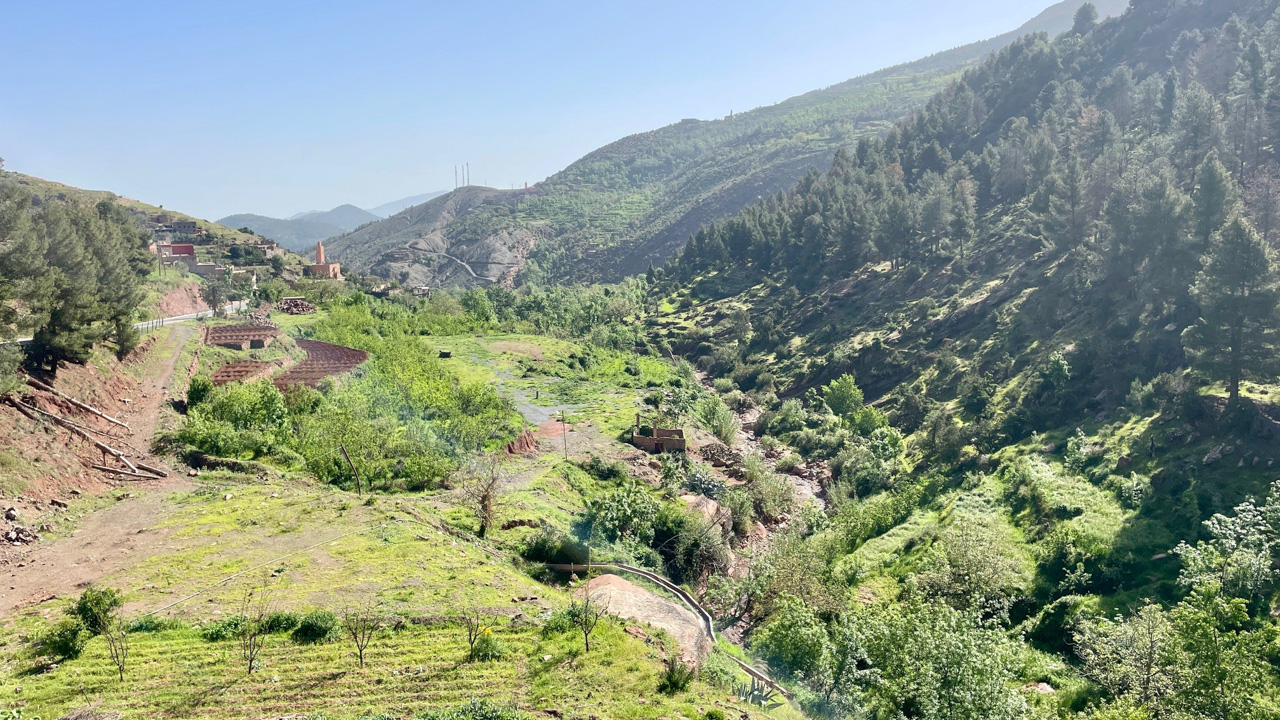
Chronological Itinerary and Scientific Observations
The High Altitudes: Marrakesh and the High Atlas
The tour commenced in Marrakesh, serving as an urban baseline for the study. Observations in the city focused on the adaptability of species to human-altered landscapes, with sightings of Little Swifts (Apus affinis) and White Storks (Ciconia ciconia) providing context on urban-nesting patterns.
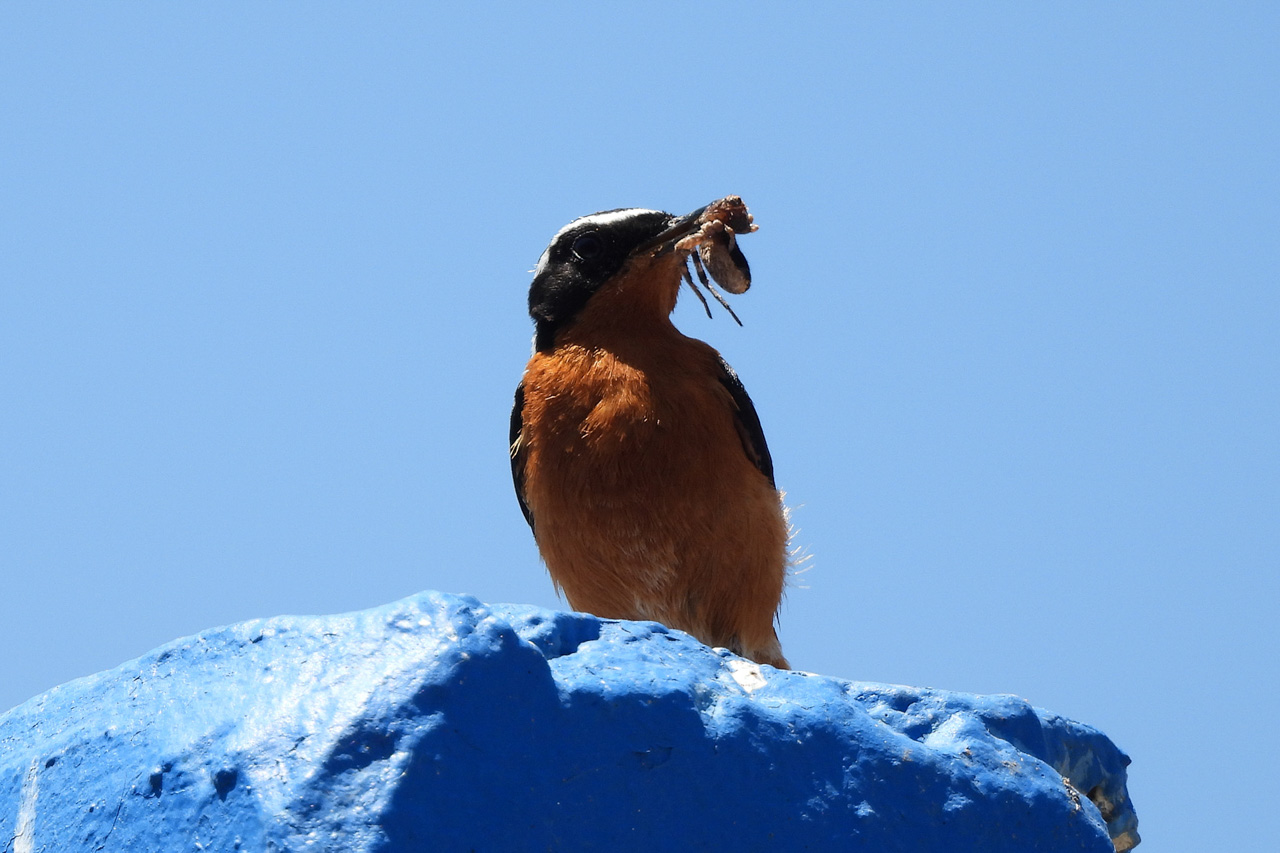
The ascent into the High Atlas Mountains on the second day shifted the focus to high-altitude specialists. At the Oukaimeden plateau, the team documented classic alpine species including the Red-billed Chough (Pyrrhocorax pyrrhocorax), Alpine Chough (Pyrrhocorax graculus), and the Horned Lark (Eremophila alpestris). The presence of lingering snow patches allowed for the identification of cold-adapted reptiles, notably the Andalucian Wall Lizard and the Atlas Dwarf Lizard, which are indicator species for the health of these vulnerable alpine ecosystems.
The Desert Transition: Tagdilt and the Sahara Fringes
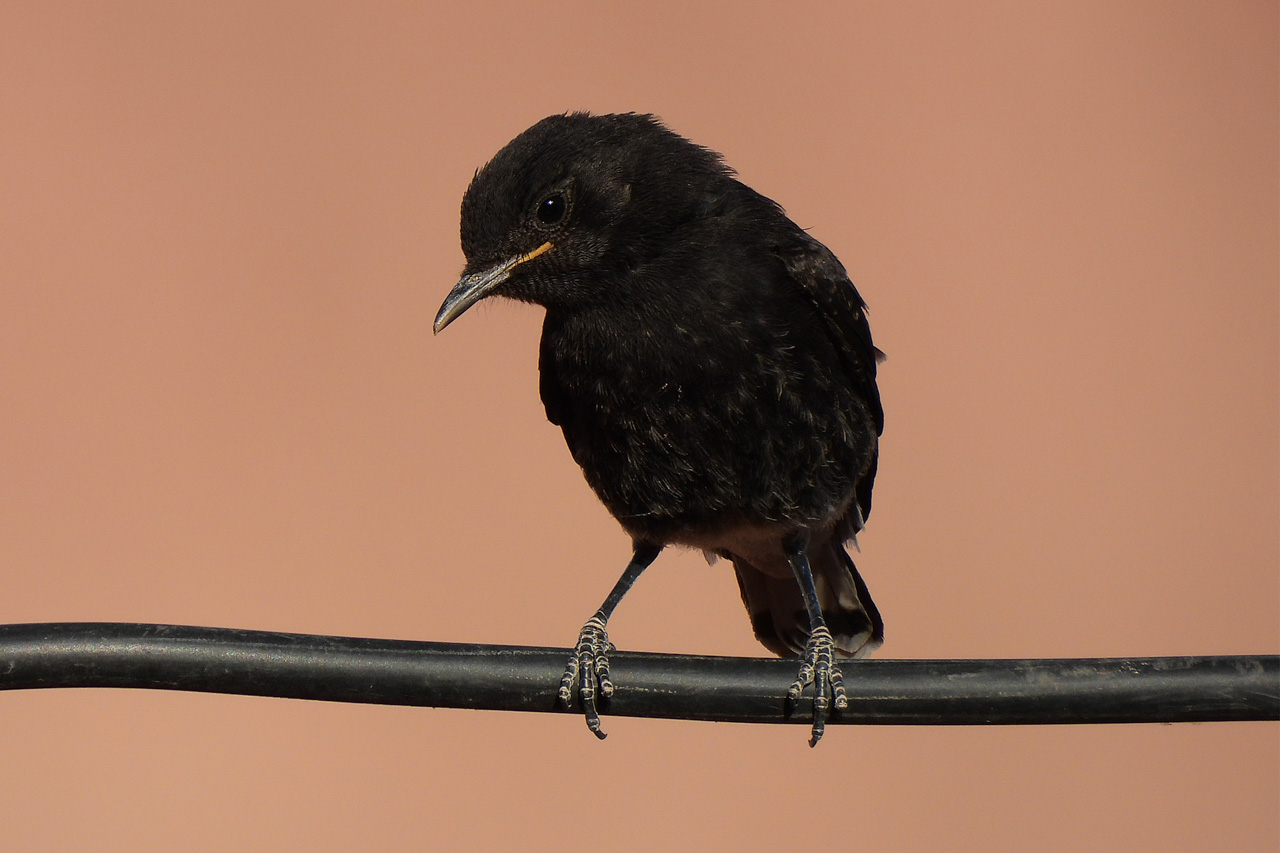
Moving eastward toward the Tizi n’Tichka Pass and eventually the Tagdilt Track, the expedition entered the hamada—the barren, stony desert landscape. This region is internationally recognized as a primary habitat for desert-adapted larks. The team successfully cataloged the Thick-billed Lark (Ramphocoris clotbey) and Temminck’s Lark (Eremophila bilopha), alongside the Desert and Red-rumped Wheatears.
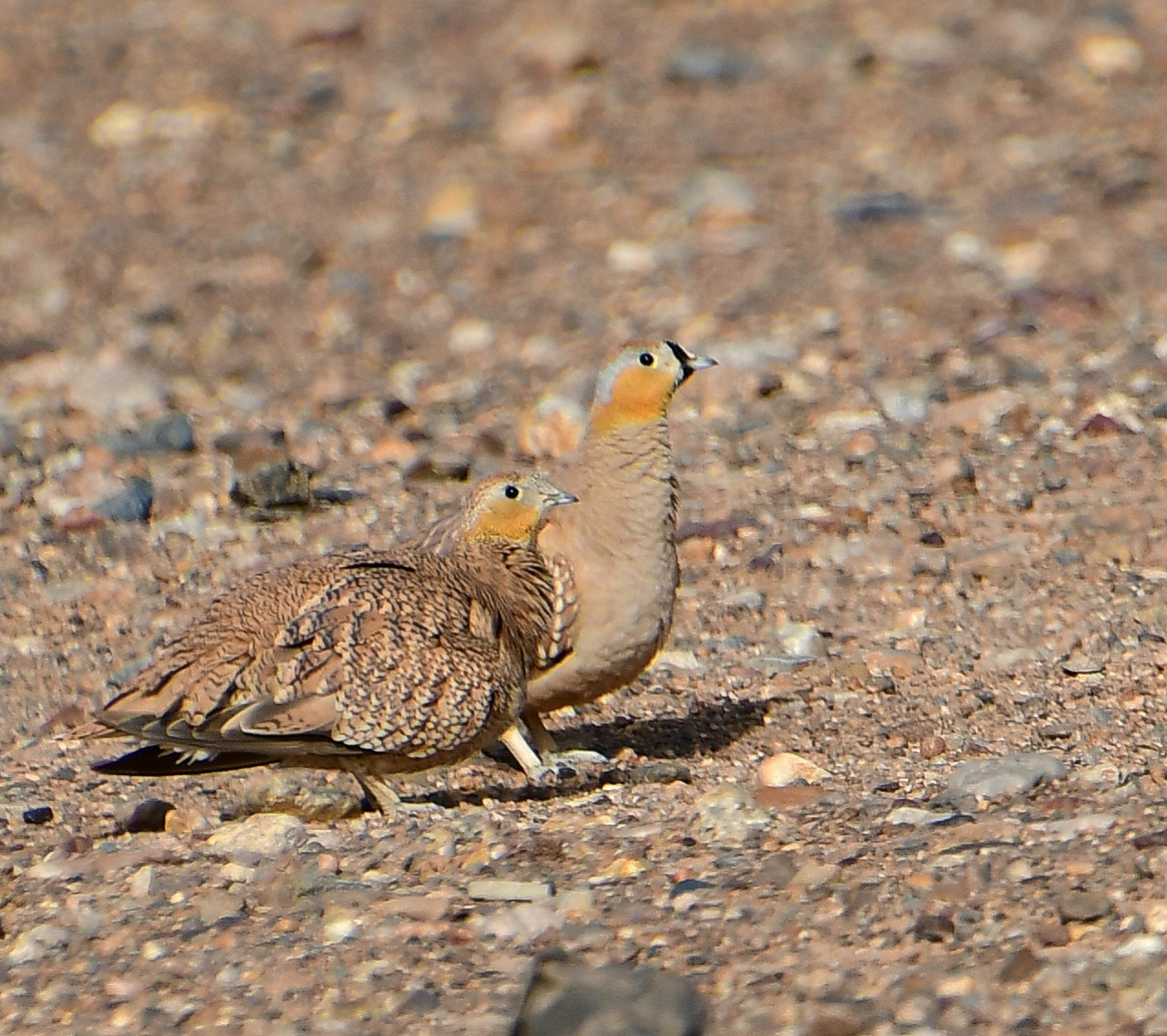
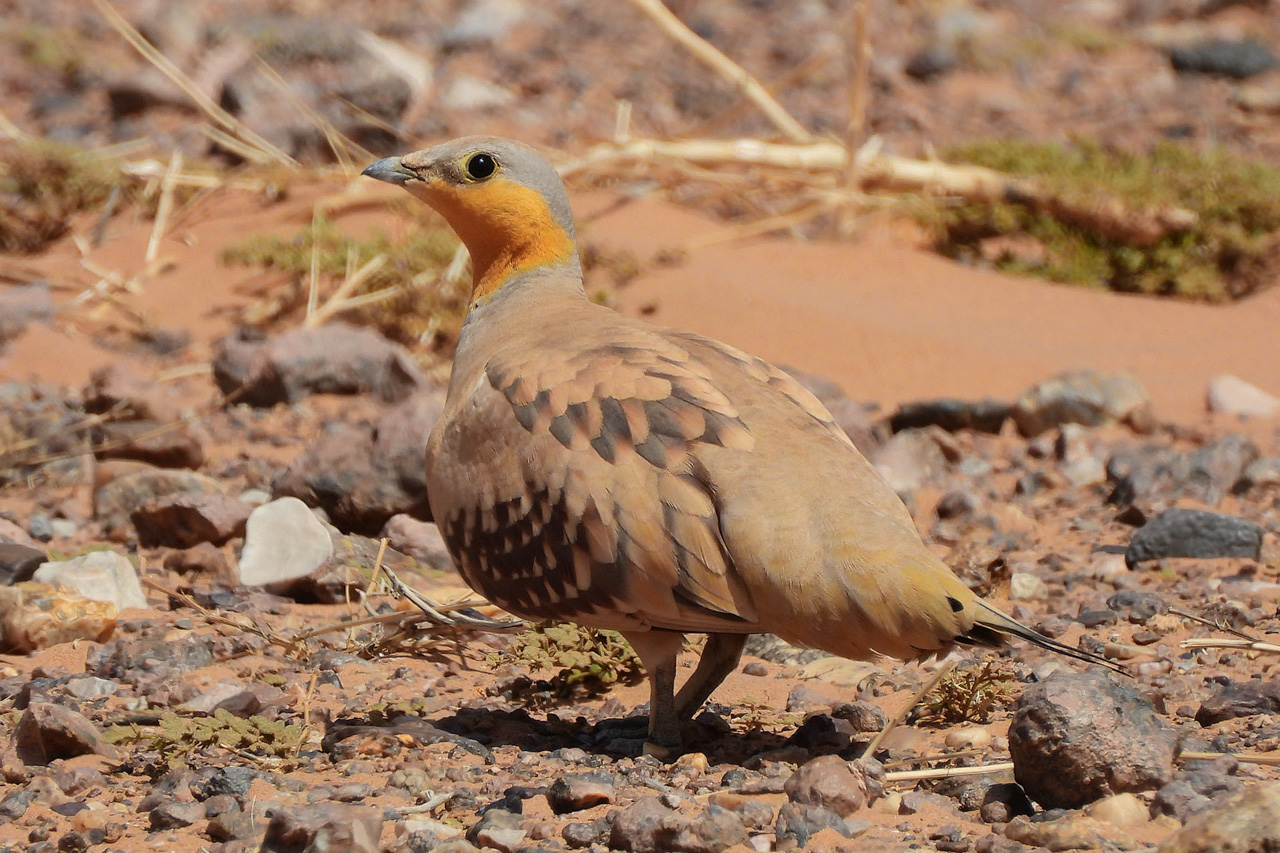
By the fifth and sixth days, the team reached the Erg Chebbi dunes. The logistical support of local guides proved essential in locating the elusive Egyptian Nightjar (Caprimulgus aegyptius), a highlight of the expedition. The team also observed the African Desert Warbler (Sylvia deserti) and a robust population of Sandgrouse, including both Spotted and Crowned varieties. These findings underscore the importance of these desert pockets as vital refuges during the arid spring months.
The Atlantic Corridor: Wetlands and Coastal Conservation
The latter half of the expedition shifted to the Souss-Massa region, where the ecological focus moved from arid-zone adaptation to wetland productivity. The Northern Bald Ibis remained the primary target for conservation observation. Given that Morocco hosts one of the few remaining viable wild populations of this species, the successful sighting near Tamri was a significant data point for the group.
The Souss estuary and Oued Massa provided a necessary contrast to the desert conditions. The team logged a variety of shorebirds and waterfowl, including the Marbled Duck (Marmaronetta angustirostris), which relies on these coastal wetlands. The observation of Western Osprey and various tern species highlighted the role of these estuaries in supporting long-distance migrants moving north toward Europe.
Data Analysis: Biodiversity and Habitat Resilience
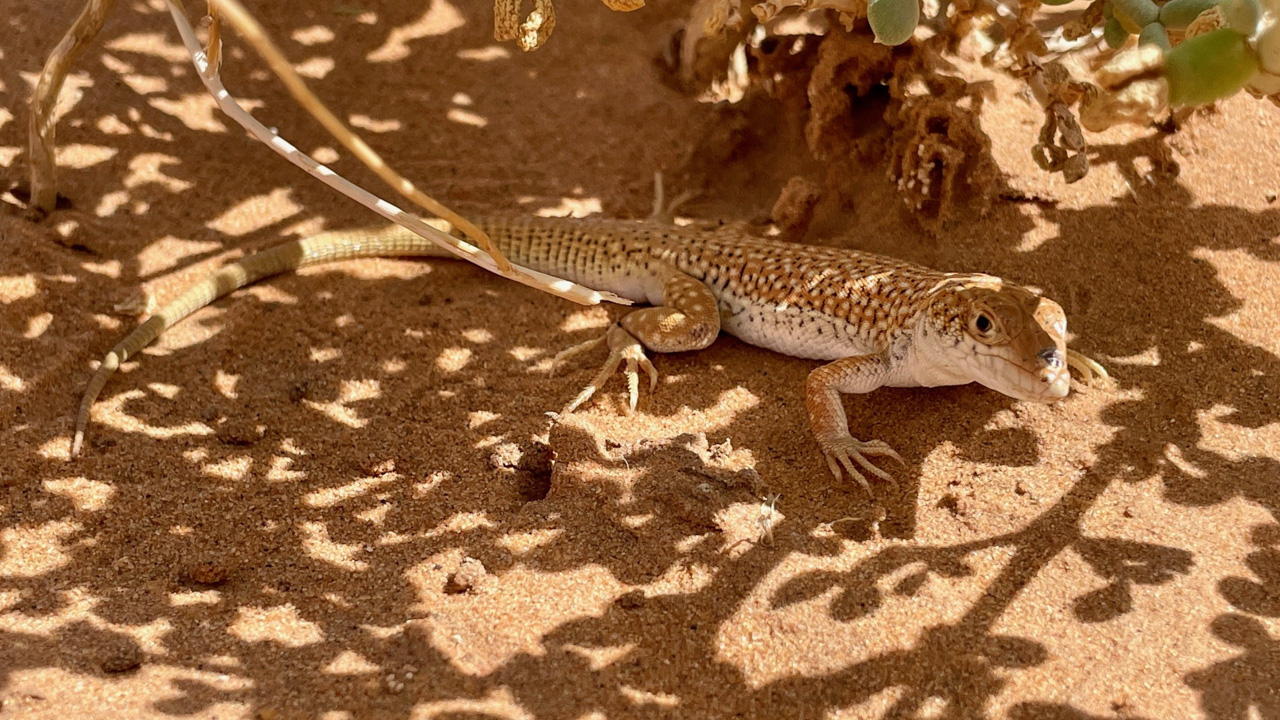
The expedition’s findings suggest a high level of resilience among resident species, despite the fluctuating environmental conditions. The data collected on reptilian species, such as the Moroccan Spiny-tailed Lizard (Uromastyx nigriventris) and various fringe-fingered lizards (Acanthodactylus spp.), provides evidence of stable micro-populations within the desert ecosystems.
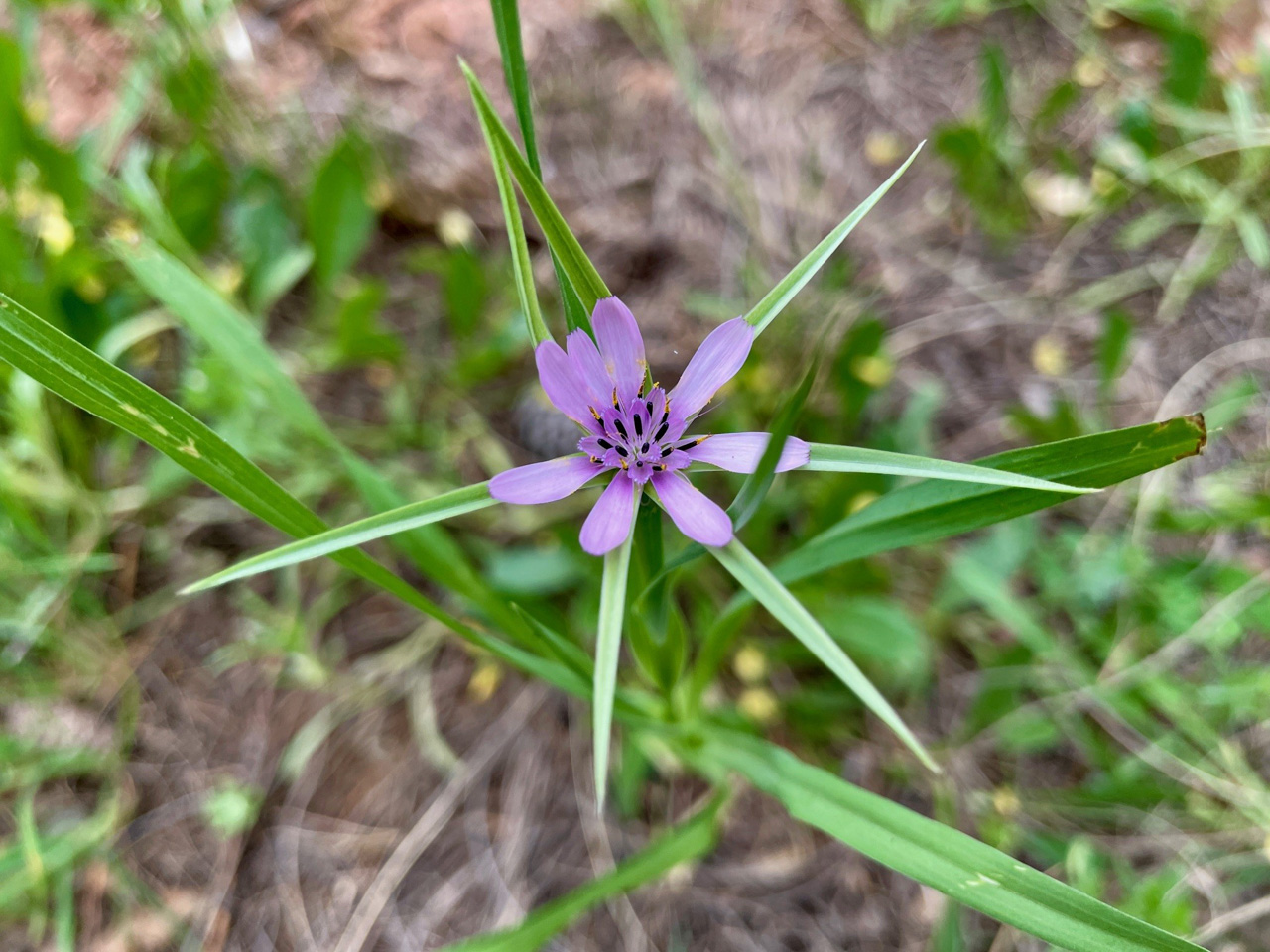
Botanical surveys conducted alongside birding activities noted the distribution of key flora such as the Barbary Thuja (Tetraclinis articulata) and Moroccan Lavender. These plants provide essential structural cover for birds, and their health is often a precursor to the stability of avian populations in the region.
Implications for Conservation and Tourism
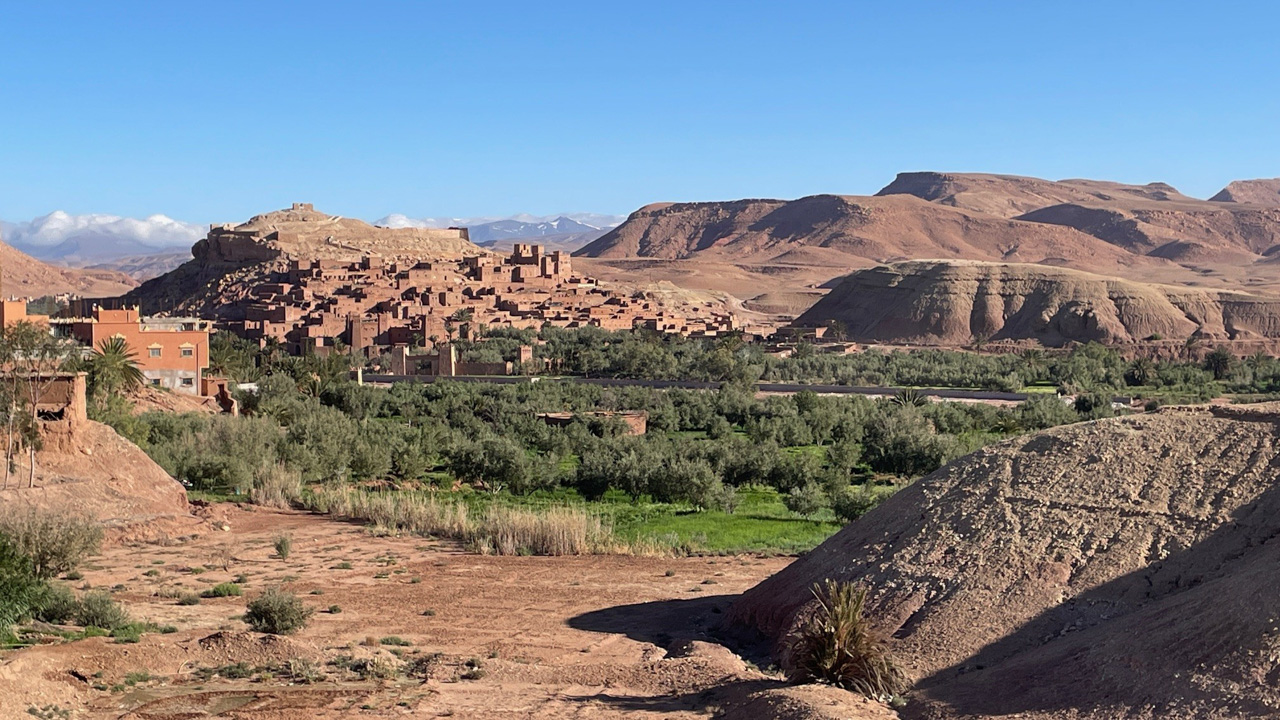
The expedition highlights the dual role of Morocco as both a cultural and scientific hub. The integration of site visits to historic locations like the Ait Ben Haddou kasbah and the Rissani souks with intensive ecological field studies demonstrates a sustainable model for wildlife tourism.
From an ornithological perspective, the findings support the continued necessity of the Souss-Massa National Park and other protected areas as vital buffers against habitat loss. The "patchy" nature of the migration observed during this trip serves as a reminder of the volatility of climate-driven migratory movements. As changing weather patterns affect stopover habitats, the consistency of these Moroccan sites becomes increasingly important for the survival of trans-Saharan migrants.
Summary of Key Sightings
The following table summarizes the primary species of interest observed during the expedition:
| Category | Key Species | Location |
|---|---|---|
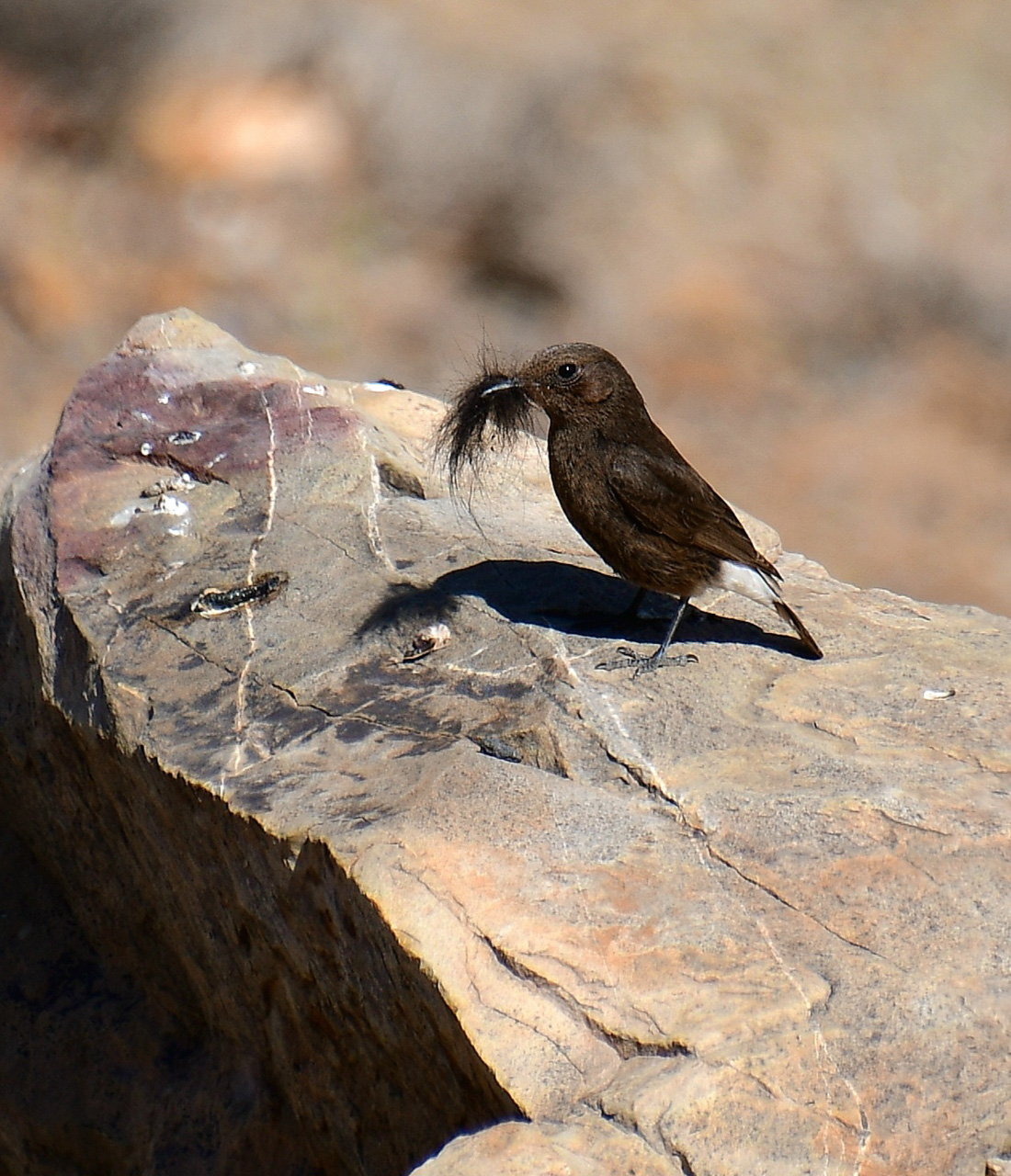
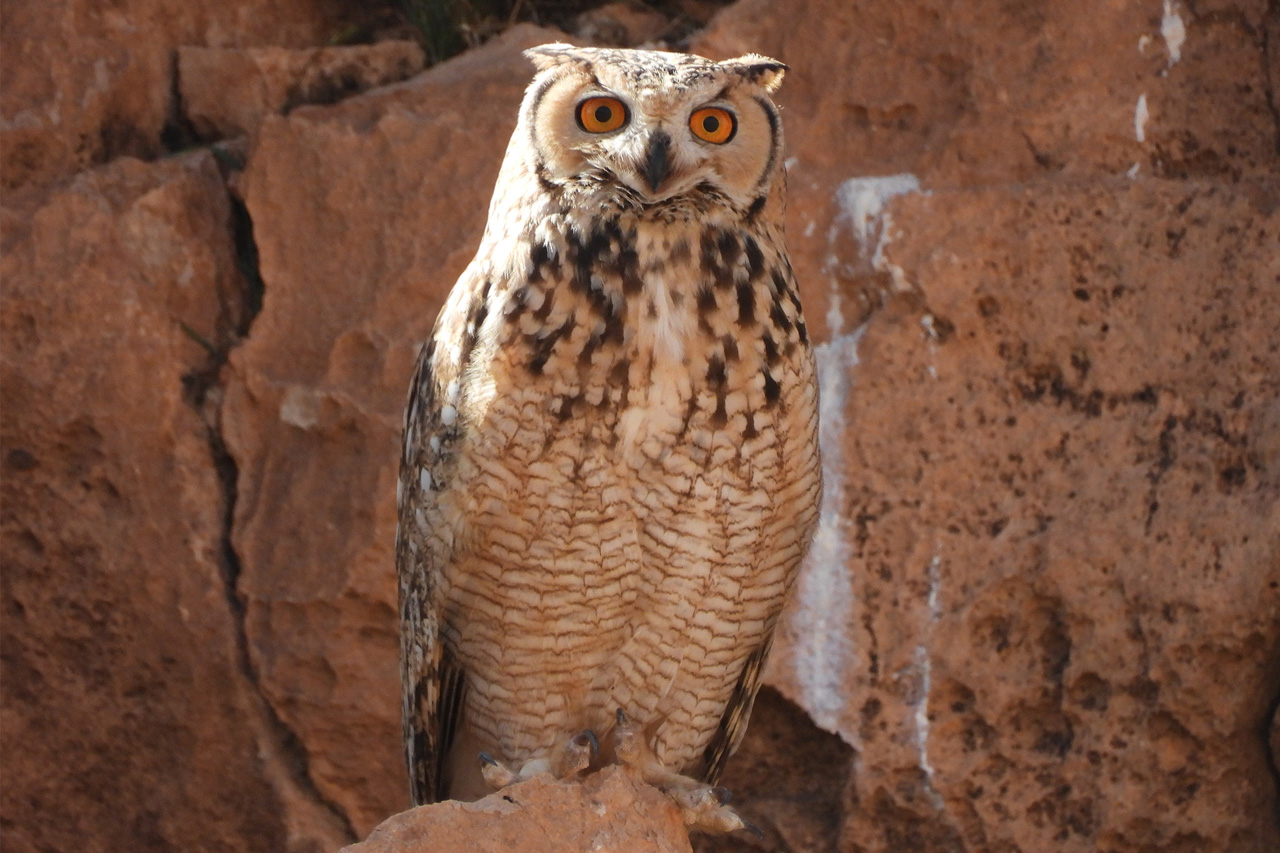
| Raptors/Large Birds | Northern Bald Ibis, Pharaoh Eagle-Owl, Western Osprey | Tamri, Imiter Gorges, Souss |
| Desert Larks | Thick-billed, Temminck’s, Thekla | Tagdilt Track |
| Warblers | African Desert Warbler, Tristram’s Warbler | Erg Chebbi, High Atlas |
| Herpetofauna | Moroccan Spiny-tailed Lizard, Atlas Dwarf Lizard | Tagdilt, High Atlas |
Conclusion
The April-May expedition successfully fulfilled its objectives, providing a comprehensive snapshot of Moroccan biodiversity across a diverse range of biomes. By documenting both the expected resident populations and the arrivals of spring migrants, the tour contributes to the broader understanding of North African ecological health.
Participants and guides noted that the success of the expedition was largely due to the combination of expert local knowledge and the diverse range of habitats visited. As Morocco continues to develop its tourism infrastructure, the preservation of these specific sites—from the alpine meadows of the High Atlas to the sheltered wetlands of the Atlantic—remains a top priority for international conservation efforts. The data gathered during this 13-day traverse serves as a testament to the region’s enduring status as one of the world’s premier destinations for natural history and avian research.
