
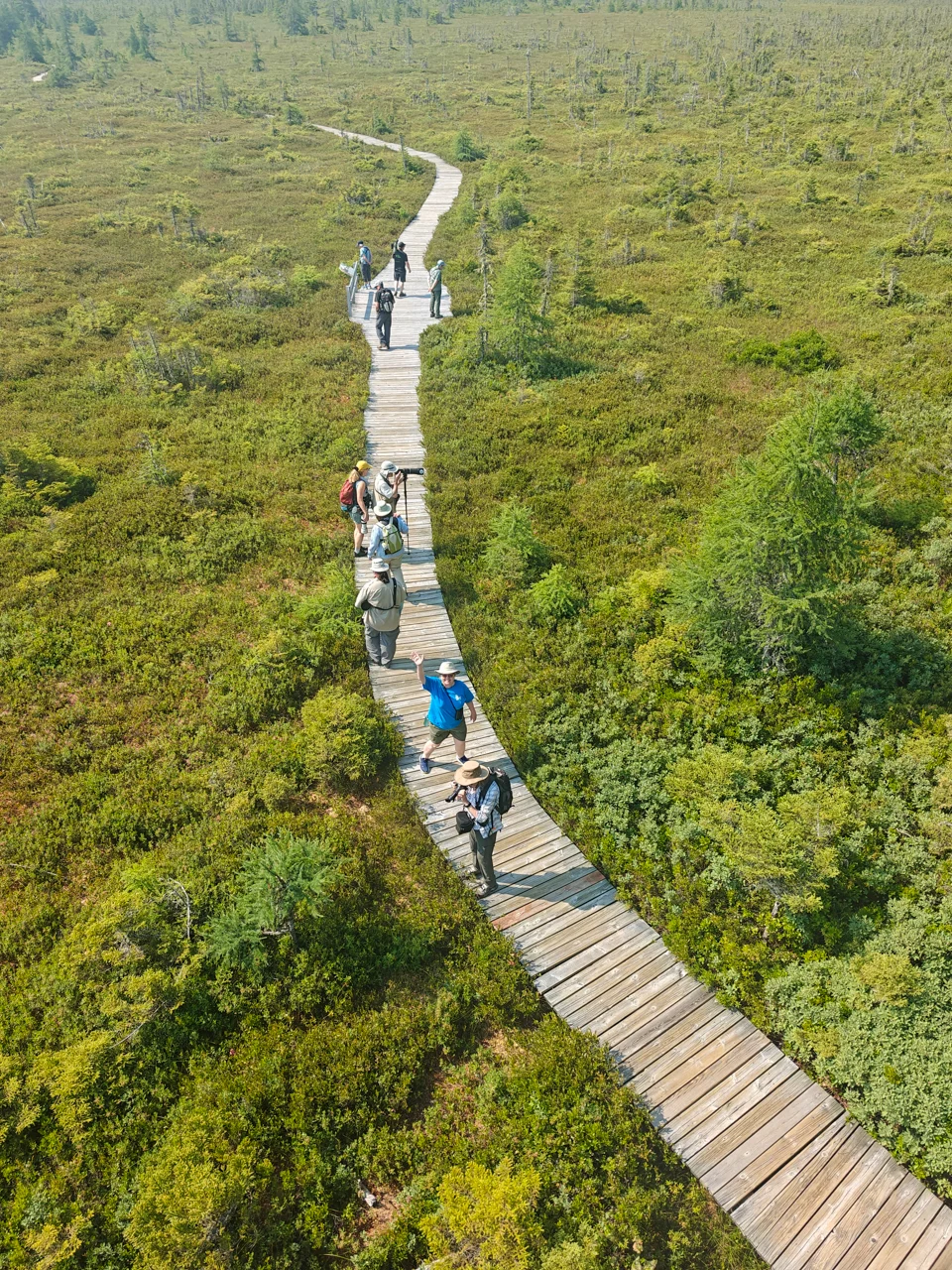
From August 3 to August 12, 2026, a specialized group of ornithologists and wildlife enthusiasts conducted an intensive biodiversity survey across New Brunswick, Canada. The expedition focused on the late-summer transition period, characterized by the peak of the hemispheric shorebird migration and the active breeding cycle of boreal avian species. Spanning from the tidal mudflats of the Bay of Fundy to the coastal forests of Kouchibouguac National Park and the remote outcrops of Grand Manan Island, the tour provided a robust dataset on regional species distribution and migratory patterns.
The Ecological Significance of the Bay of Fundy
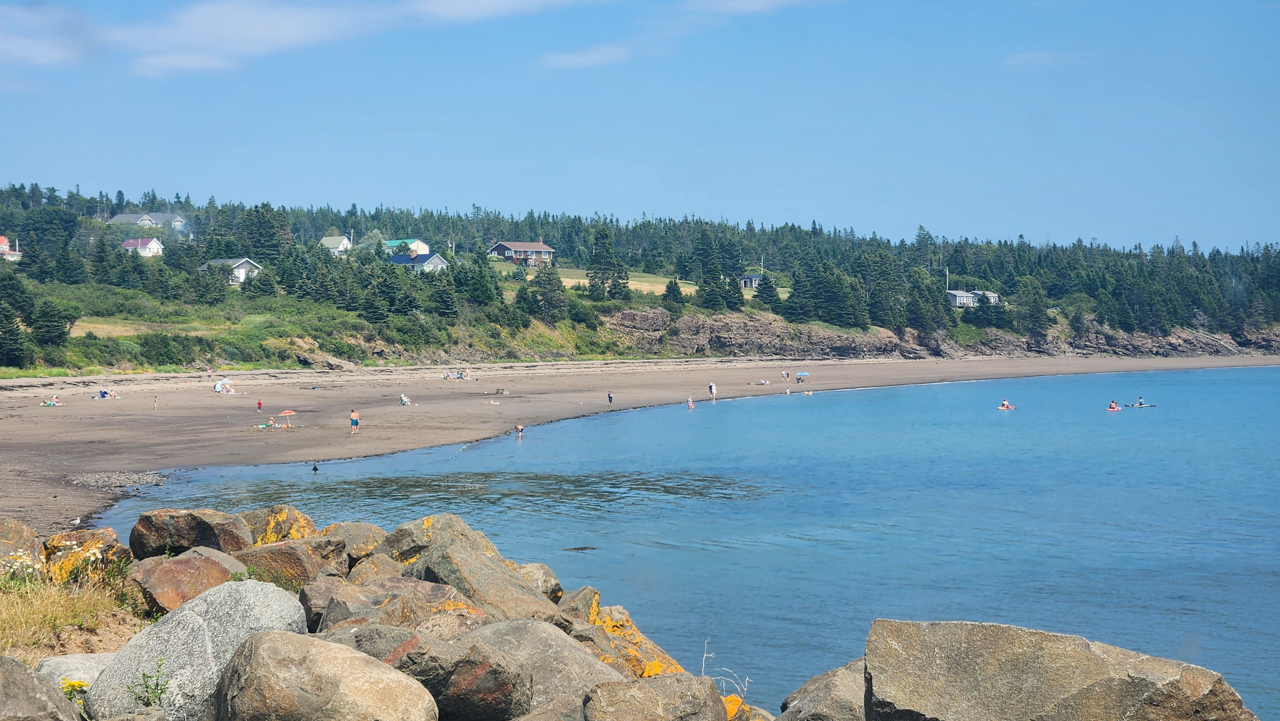
The Bay of Fundy serves as a critical stopover point for millions of migratory shorebirds, particularly the Semipalmated Sandpiper (Calidris pusilla). These birds undertake a massive non-stop flight from their Arctic breeding grounds to their wintering territories in South America. During this migration, they rely heavily on the hyper-productive mudflats of the Upper Bay of Fundy, where the massive tidal range—often exceeding 16 meters—exposes vast quantities of the amphipod Corophium volutator, the primary food source for these shorebirds.
The August 2026 survey, led by expert naturalists, aimed to document these fluctuations. The expedition underscores the importance of the Western Hemisphere Shorebird Reserve Network (WHSRN), which designates sites like Johnson Mills and Mary’s Point as Hemispheric Sites of Importance, requiring rigorous conservation oversight to maintain the population stability of transient species.
Chronology of the Expedition: August 3–6
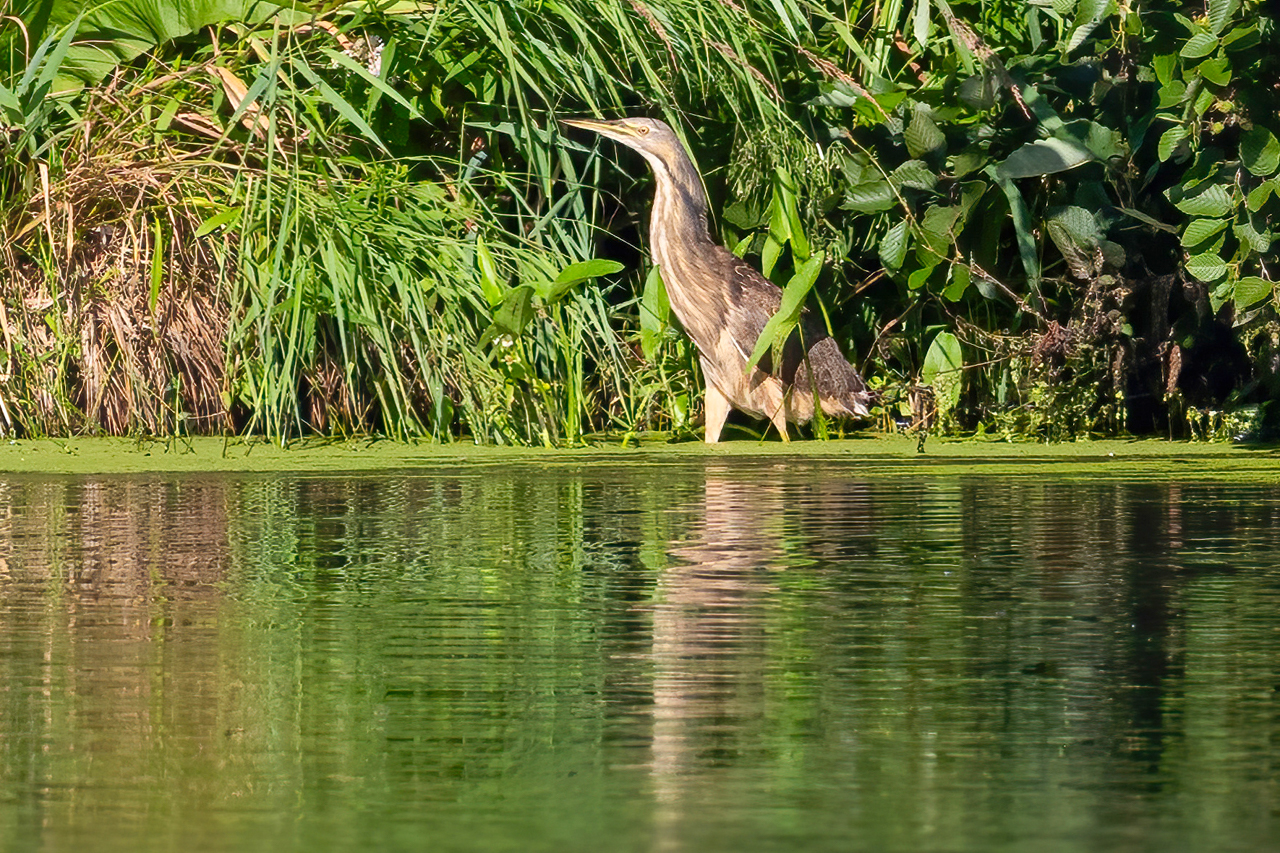
The expedition commenced in Moncton, serving as a logistical hub for the Acadian Peninsula and the Bay of Fundy. On August 3, participants conducted baseline surveys in the Memramcook valley. Observations at the Reid McManus Nature Reserve confirmed the presence of American Bitterns (Botaurus lentiginosus) and Great Blue Herons (Ardea herodias), alongside a diverse array of songbirds, including the Blackburnian Warbler (Setophaga fusca) and Northern Parula (Setophaga americana).
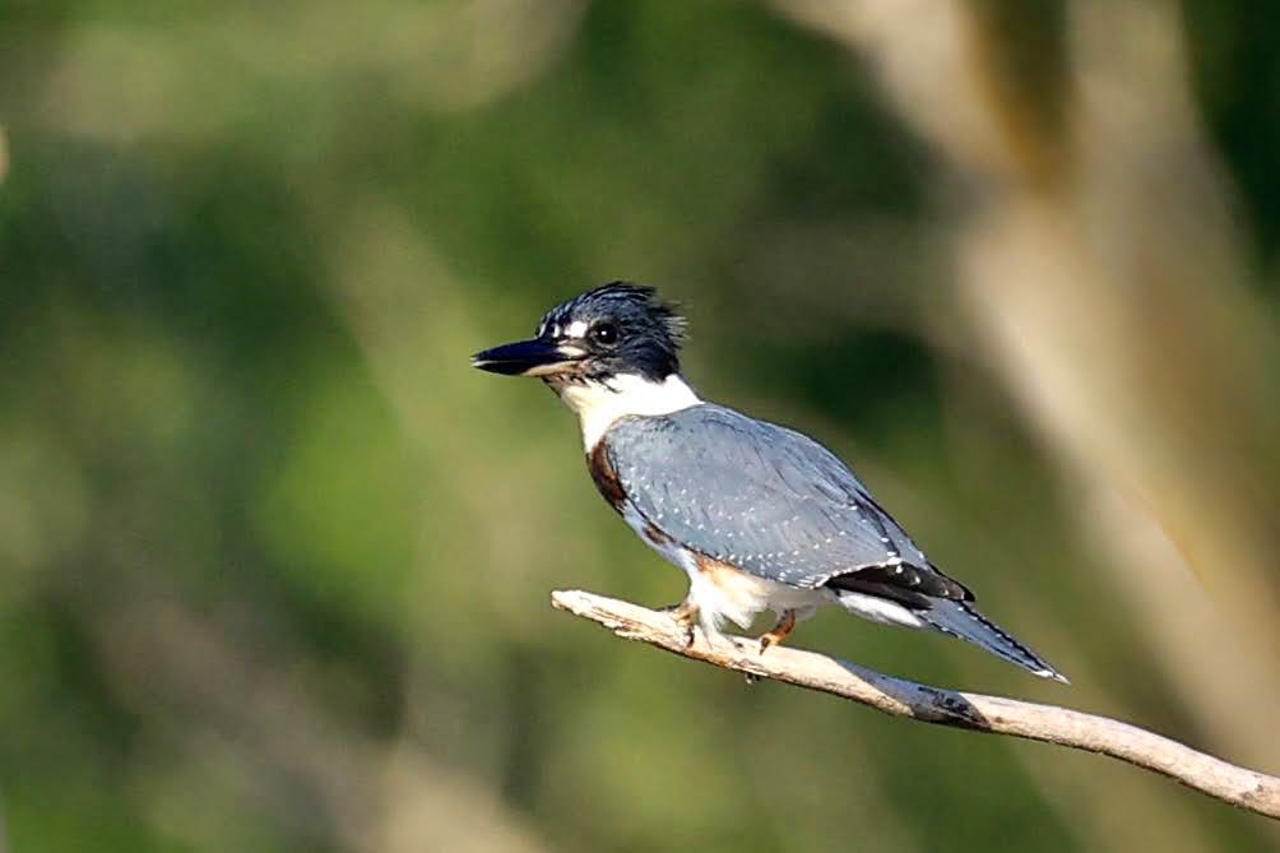
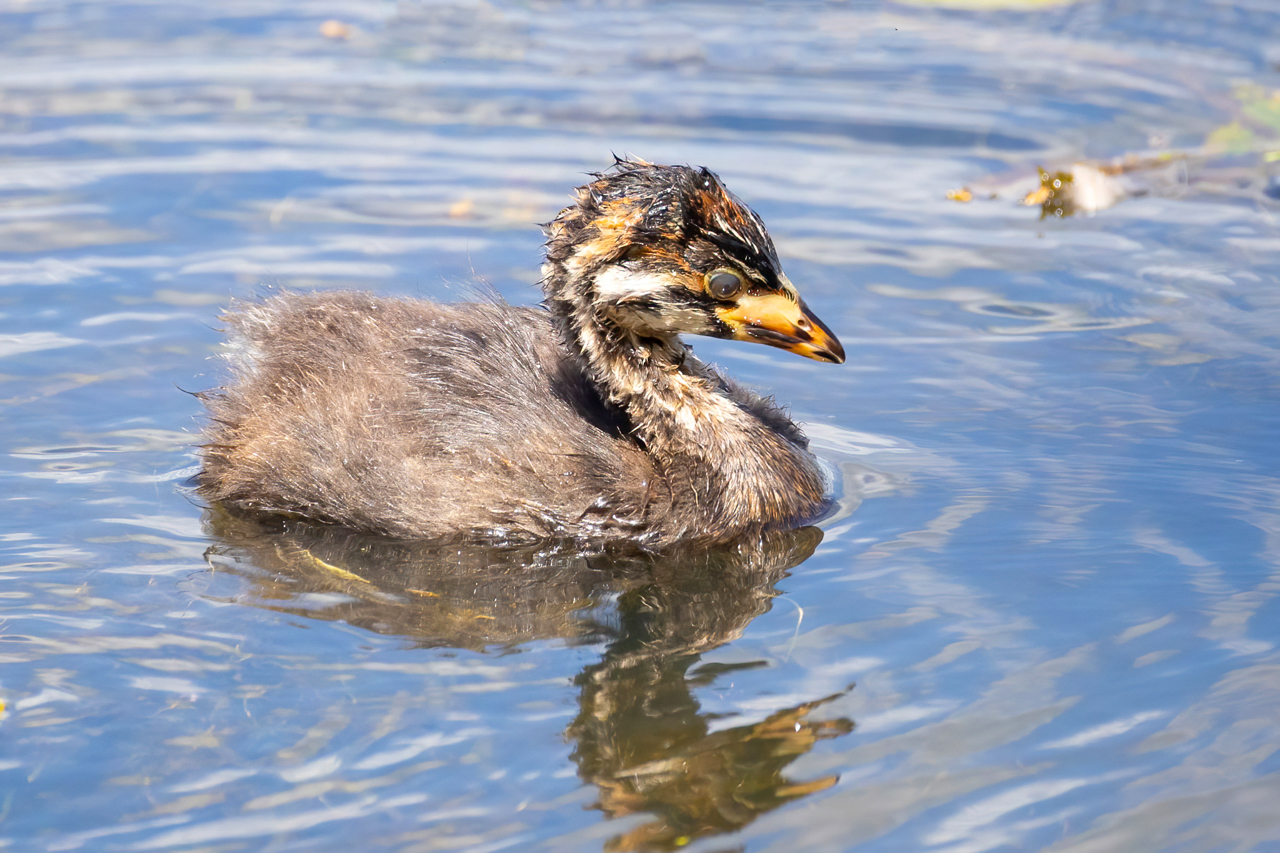
On August 4, field researchers documented Northern Harriers (Circus hudsonius) and American Kestrels (Falco sparverius) hunting over the agricultural meadows of the Goose Lake High Marsh Roads. The afternoon was dedicated to the Sackville Waterfowl Park, an engineered wetland providing sanctuary for Pied-billed Grebes (Podilymbus podiceps) and various dabbling ducks.
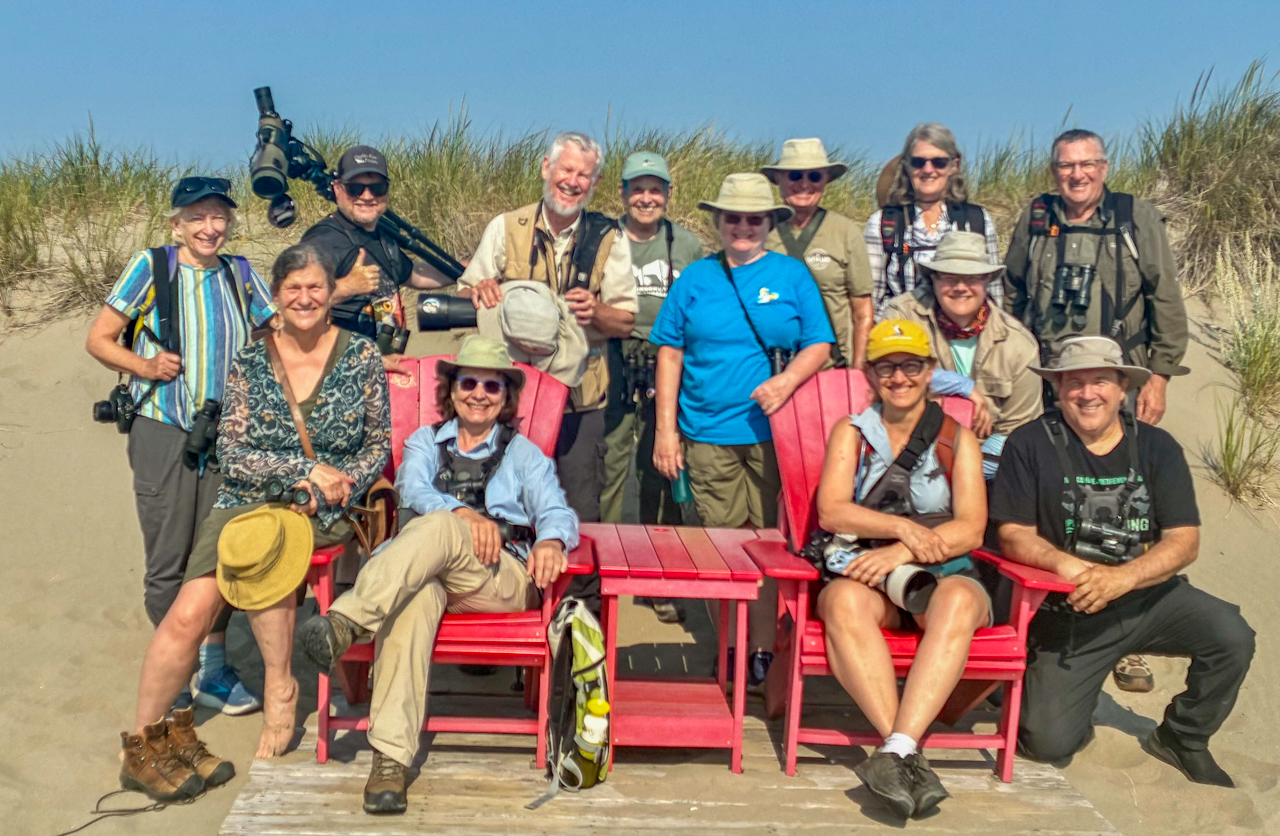
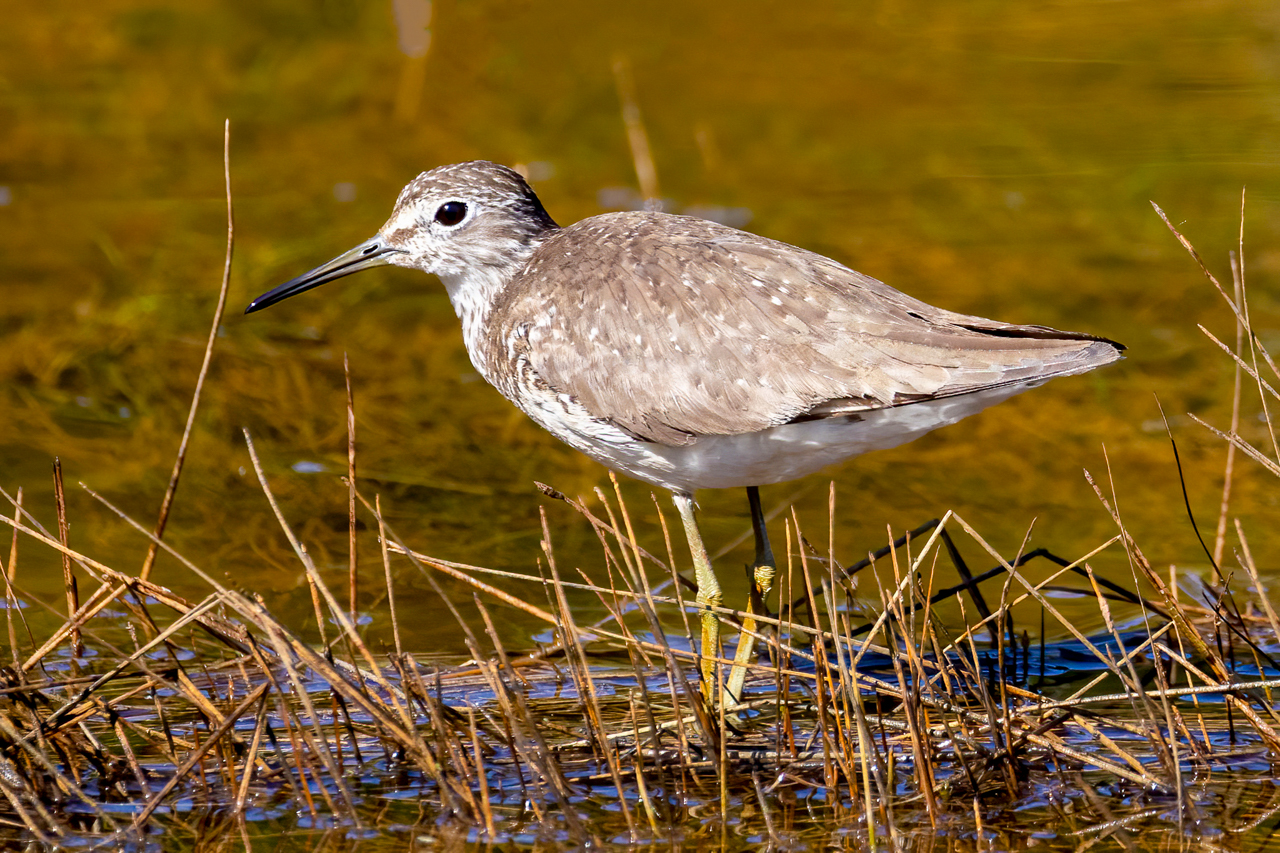
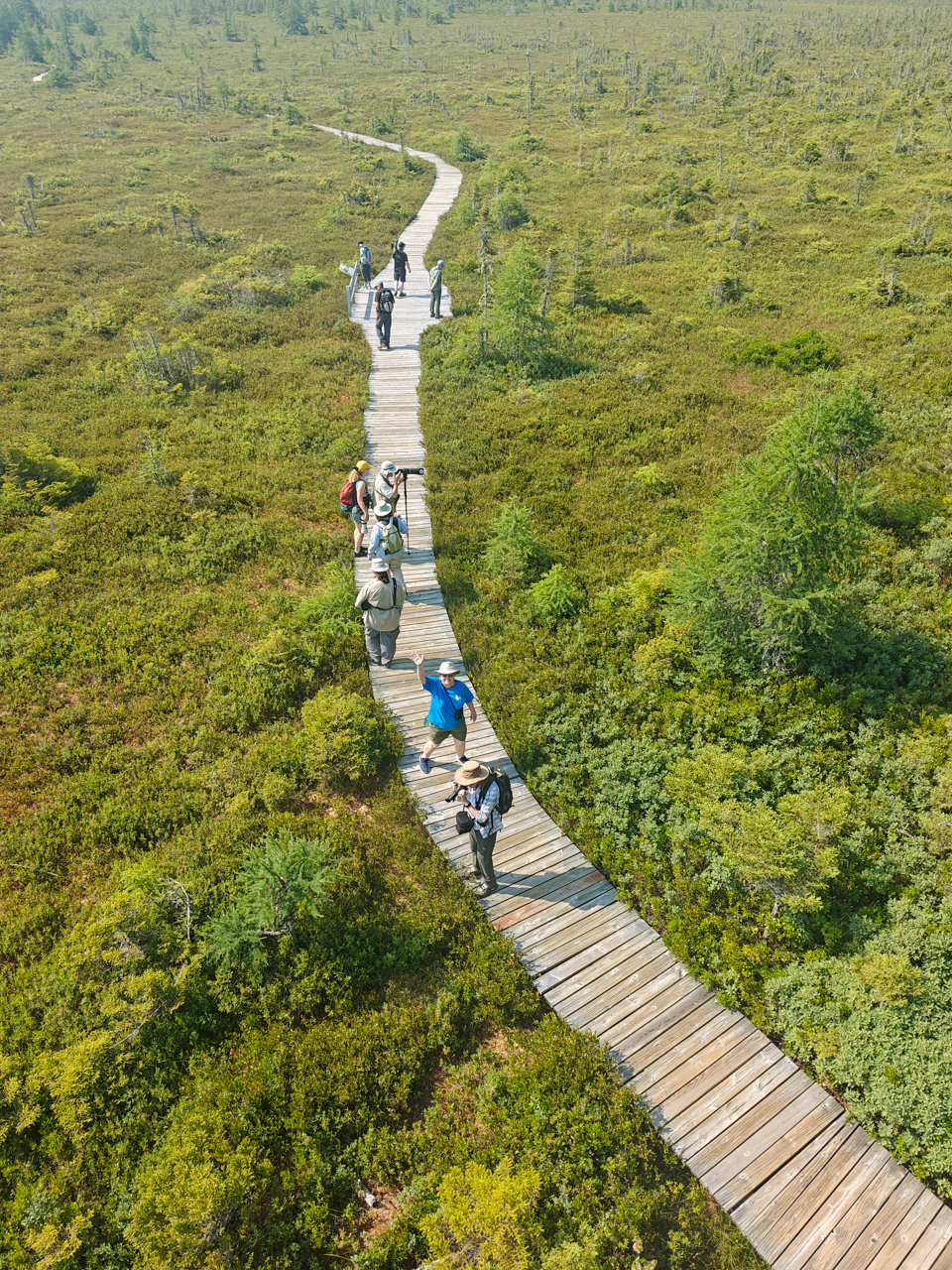
The following day, August 5, the team traveled to Kouchibouguac National Park, a coastal park defined by barrier islands and salt marshes. The data collected here emphasized the ecological health of the Northumberland Strait, where observations included Grey Seals (Halichoerus grypus) and a variety of shorebirds, notably White-rumped Sandpipers (Calidris fuscicollis). The integration of botanical surveys along the Bog Trail added context to the avian habitat, noting the prevalence of specialized flora that supports the park’s insect populations, which in turn feed migratory songbirds.
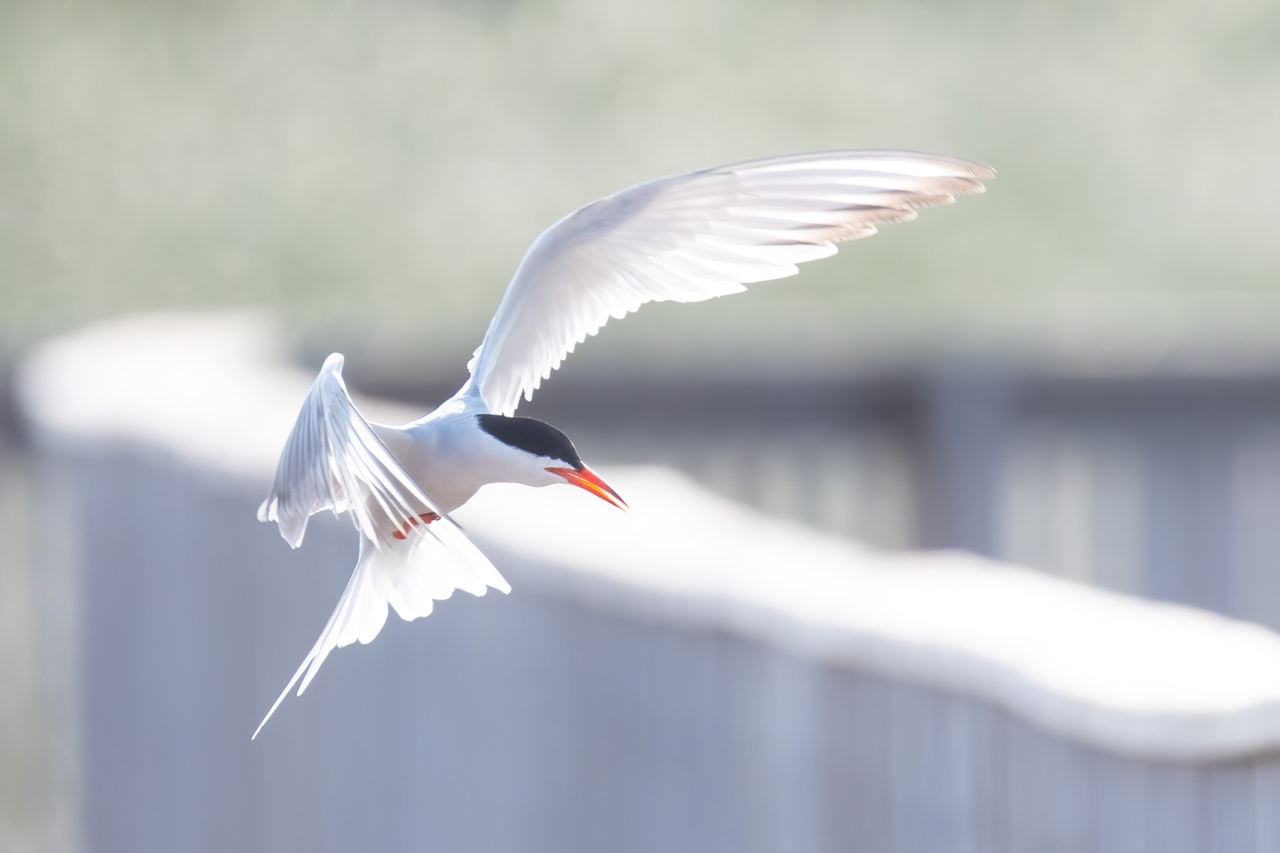
Grand Manan and the Pelagic Experience: August 7–10
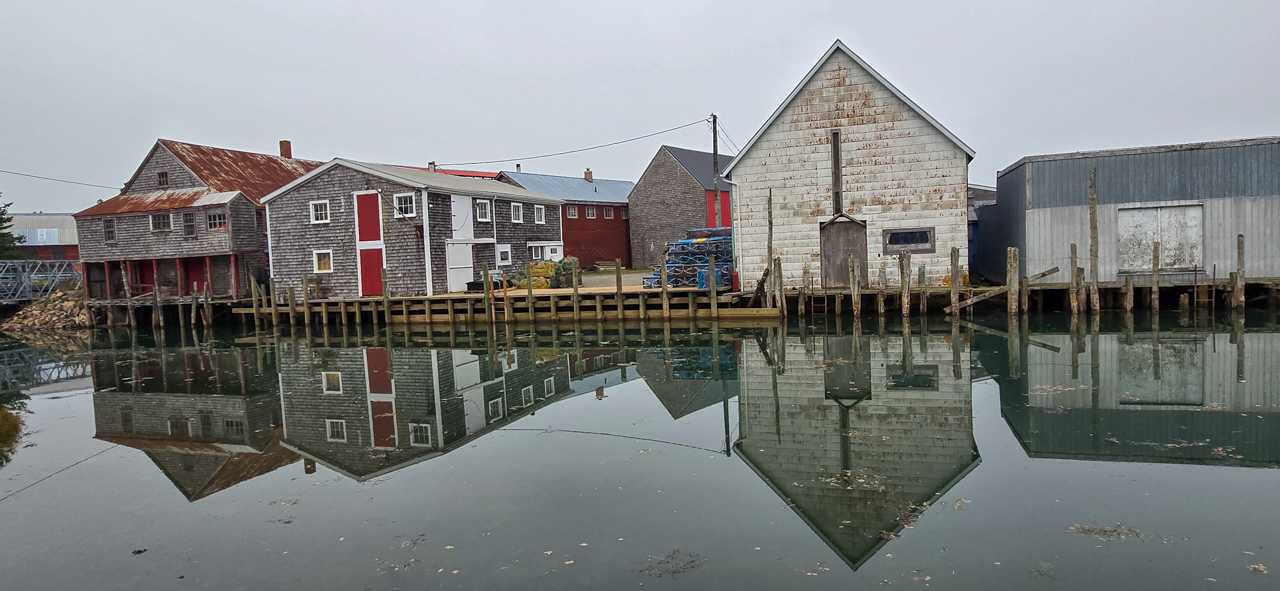
Grand Manan Island, situated at the mouth of the Bay of Fundy, represents one of North America’s most prolific pelagic birding locations. Between August 7 and August 10, the expedition moved to the island to conduct sea-based surveys.
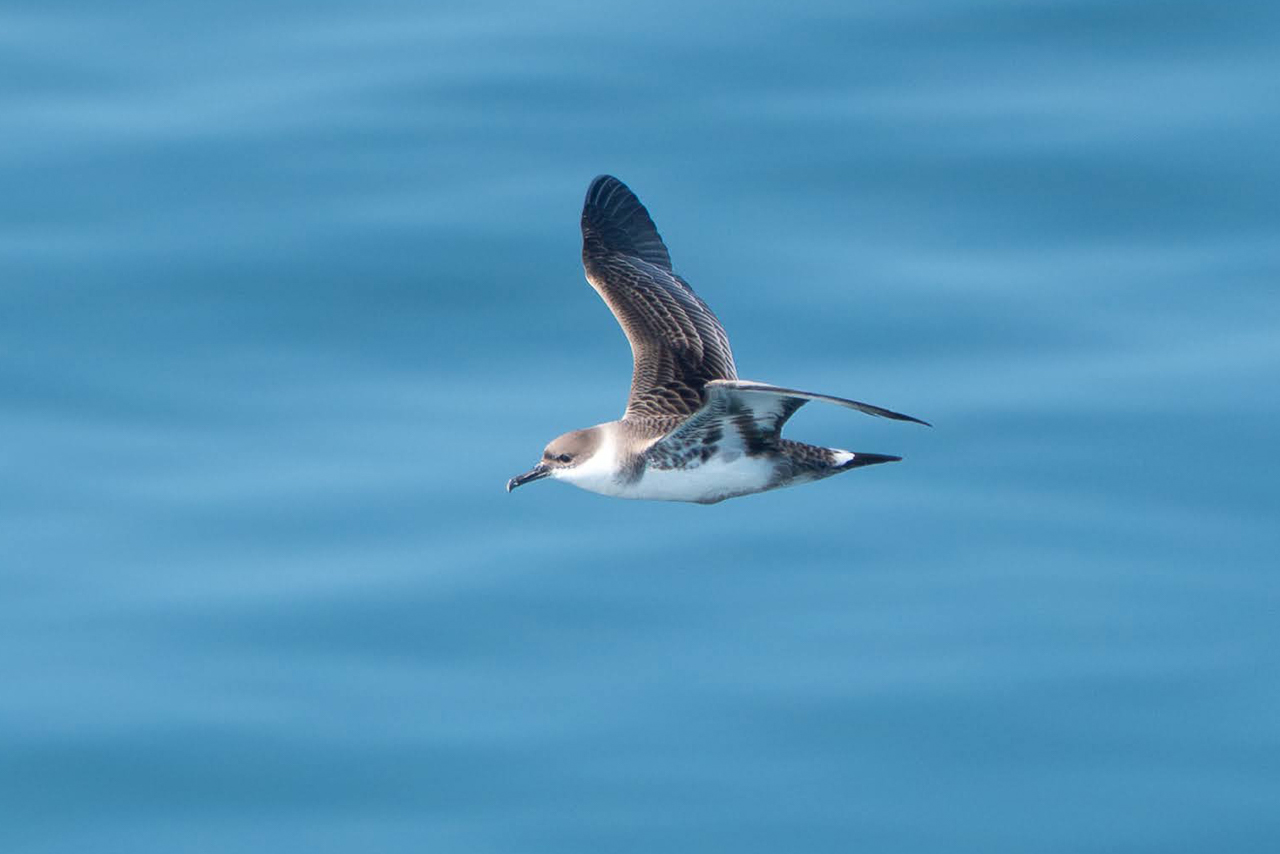
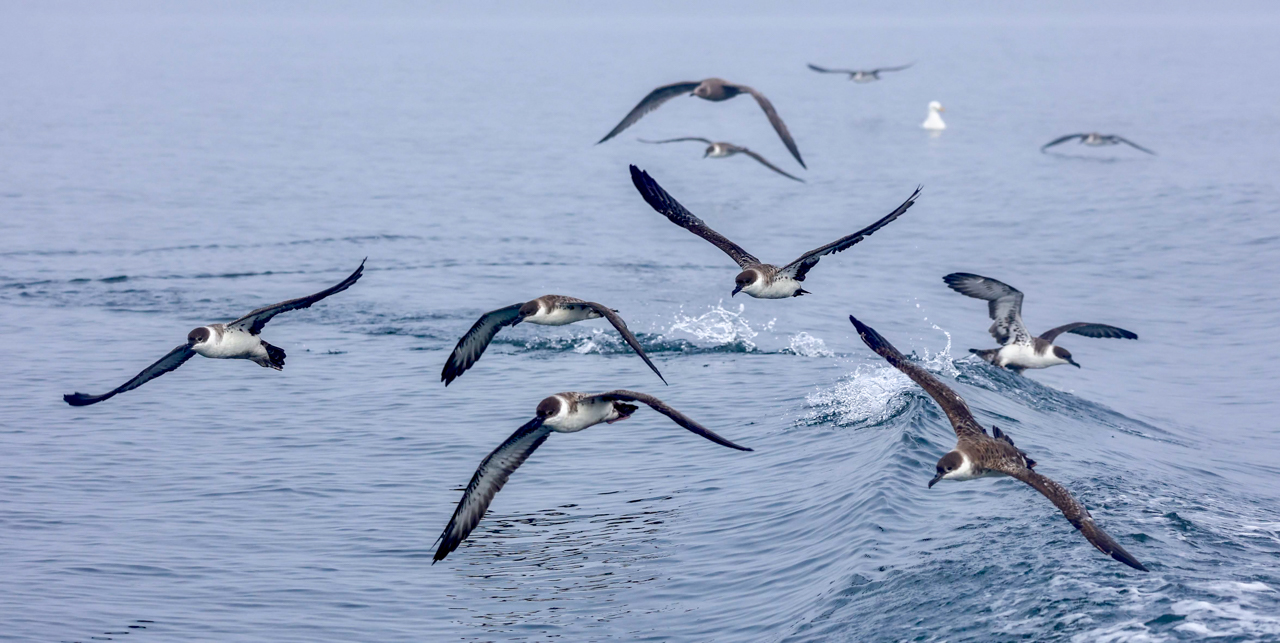
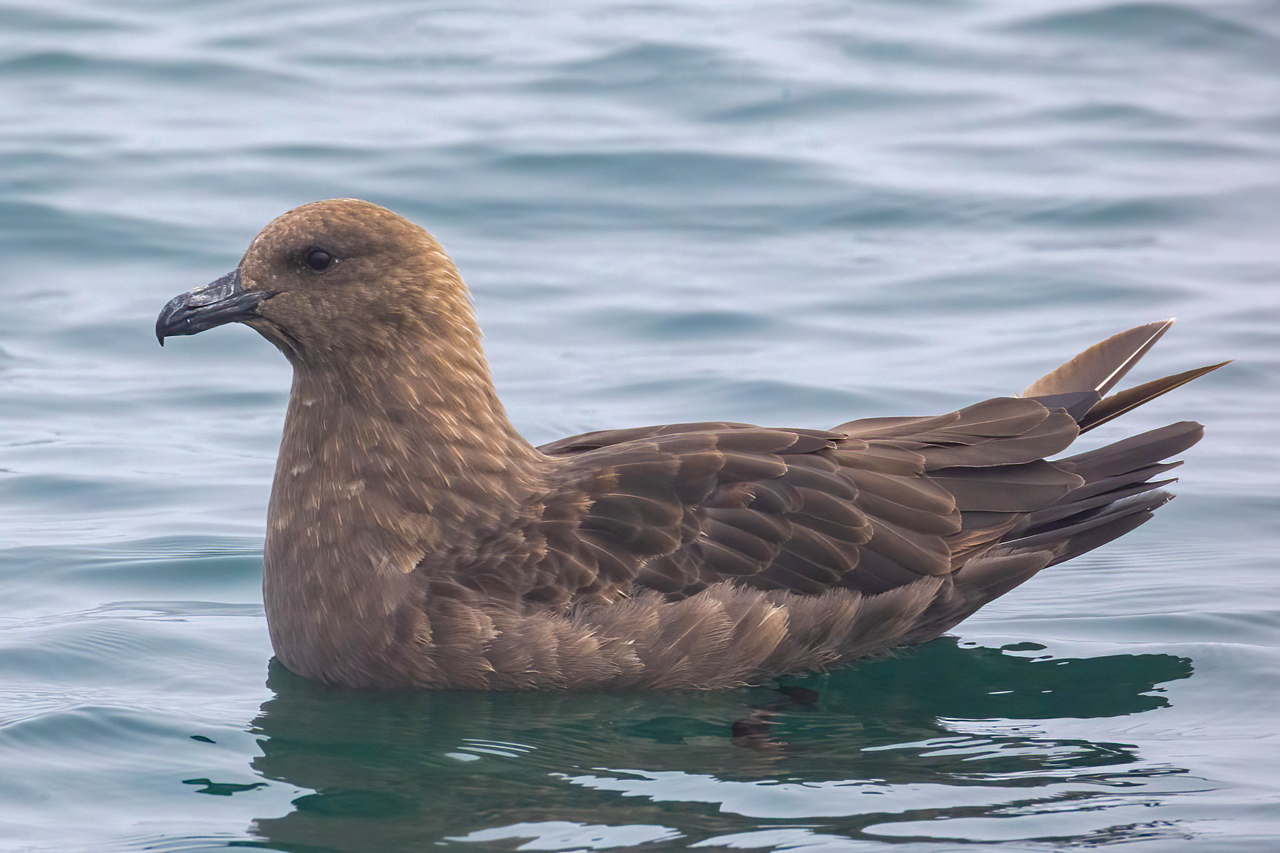
The pelagic survey, conducted by chartered vessel, utilized "chumming" techniques to attract deep-water species. The findings were notable: the identification of a South Polar Skua (Stercorarius maccormicki) was a significant highlight, as these birds are typically found in the Southern Hemisphere and their appearance in the North Atlantic is a rare event of high interest to the ornithological community. Furthermore, the survey confirmed the presence of Great Shearwaters (Ardenna gravis) and Sooty Shearwaters (Ardenna grisea), indicating productive upwelling zones in the Bay of Fundy that support marine biodiversity.
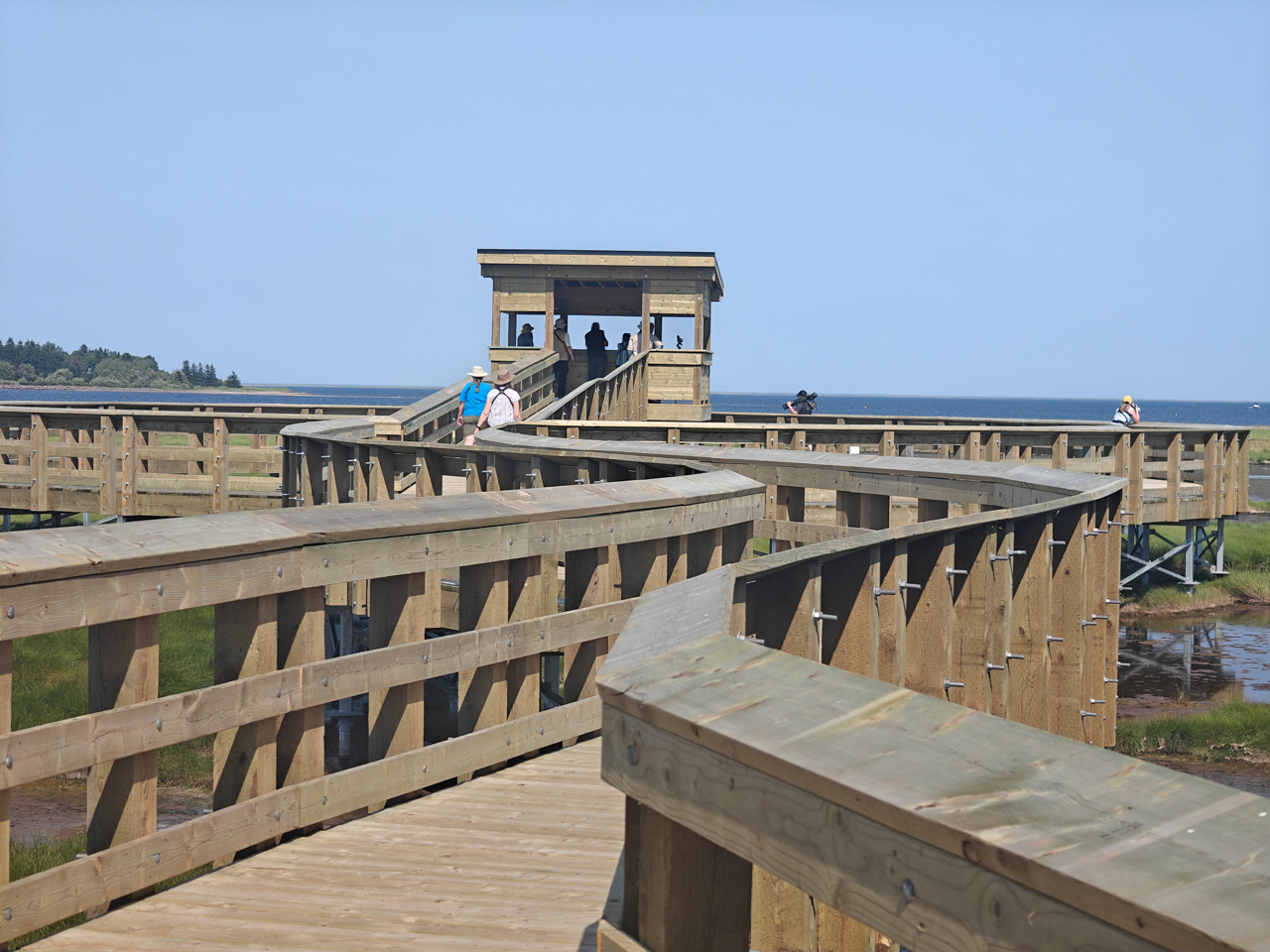
A highlight of the island survey was the documentation of two American Oystercatchers (Haematopus palliatus) on White Head Island. As a species at the northern periphery of its breeding range in Canada, this sighting serves as a vital indicator of shifting range limits potentially influenced by changing marine temperatures.
Final Phase: Fundy National Park and the Shorebird Culmination
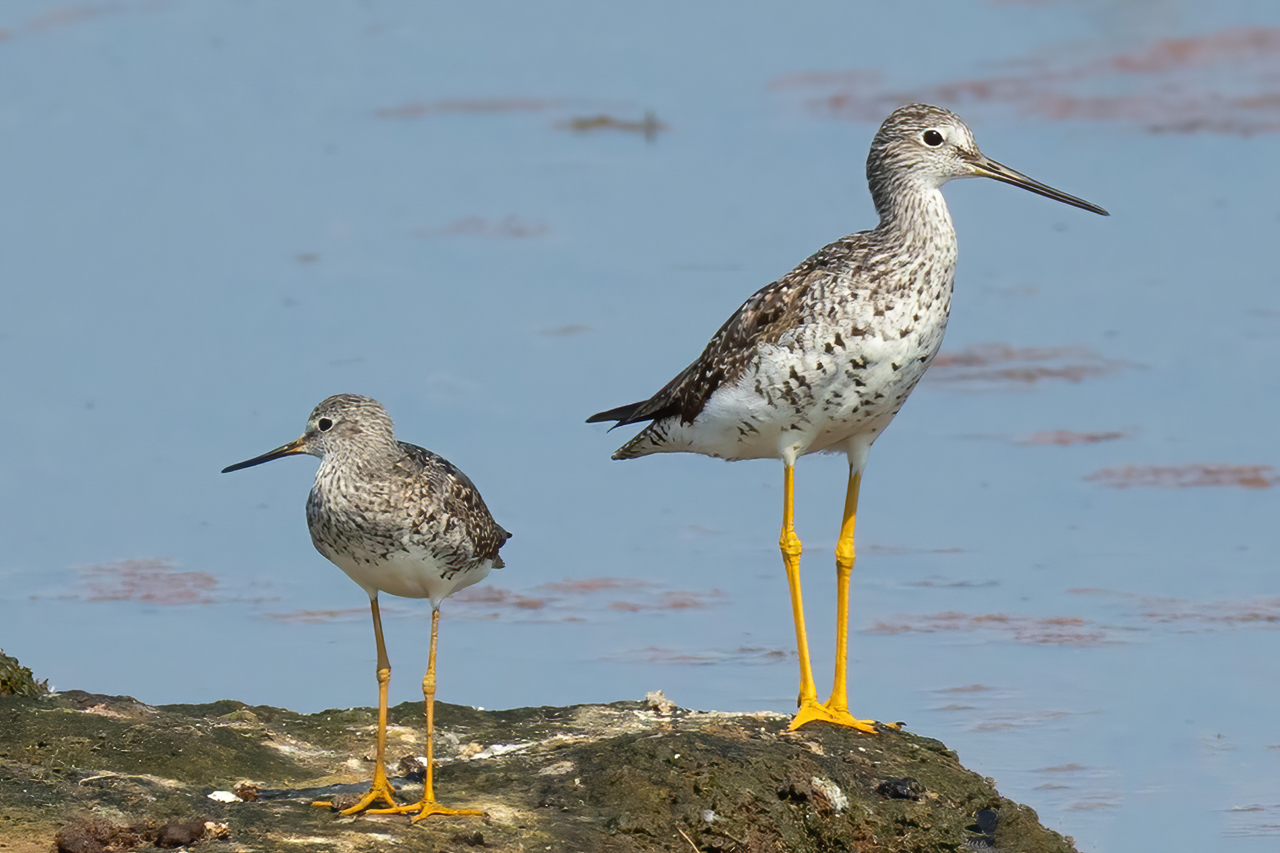
The closing days of the tour, August 11 and 12, returned the focus to the Bay of Fundy’s shorebird staging areas. At Hampton’s Rotary Nature Park, researchers observed a robust mixed flock of warblers, signaling the early onset of the southward autumn songbird migration.
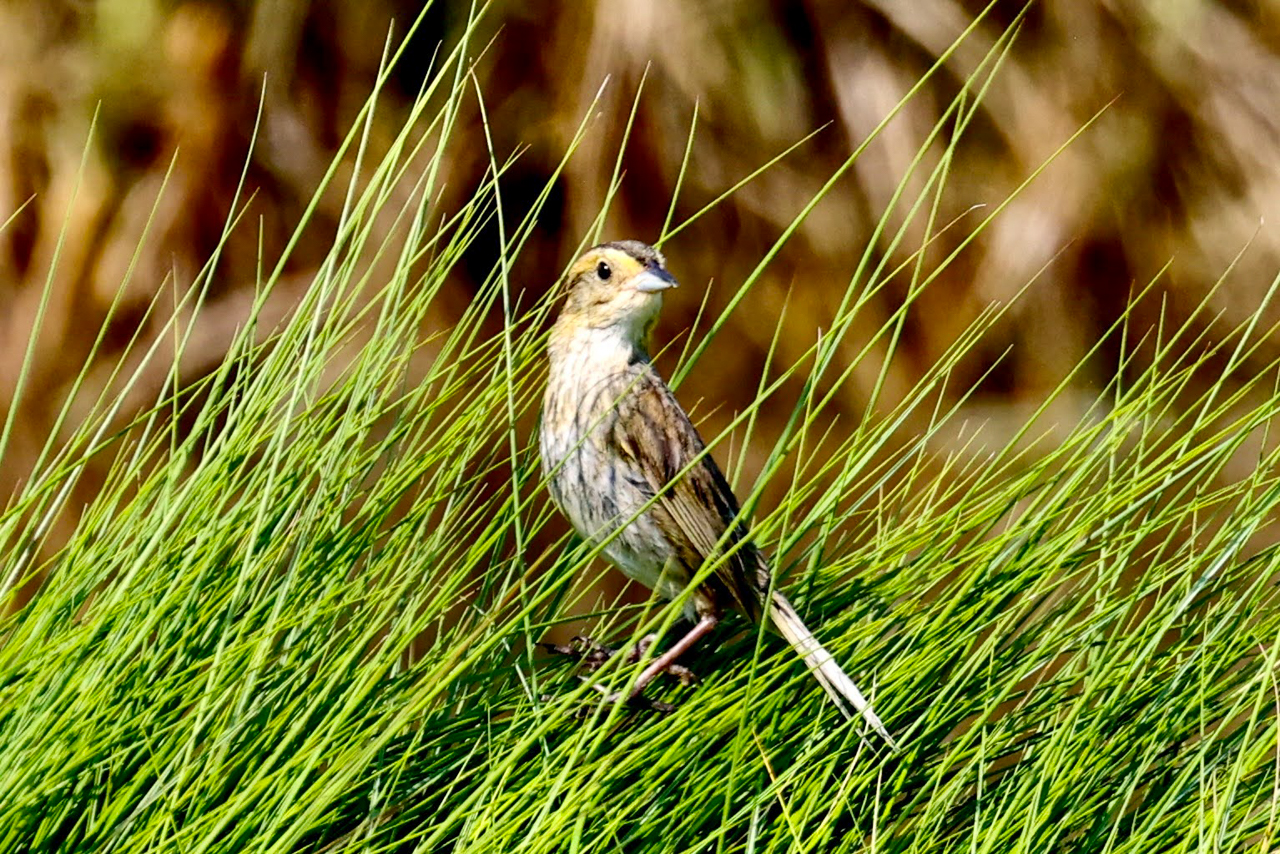
The expedition’s conclusion on August 12 at the Johnson Mills Shorebird Reserve provided the most dramatic data point of the trip. After initial weather challenges early in the week limited shorebird visibility, the final day saw a massive influx of Semipalmated Sandpipers. Estimates placed the count at approximately 100,000 individuals concentrated on the mudflats. The observation of "murmurations"—coordinated, fluid flight patterns—was attributed to the presence of a hunting Peregrine Falcon (Falco peregrinus), which acted as a predator-prey pressure point, forcing the sandpipers into defensive aerial maneuvers.
Analysis of Regional Implications
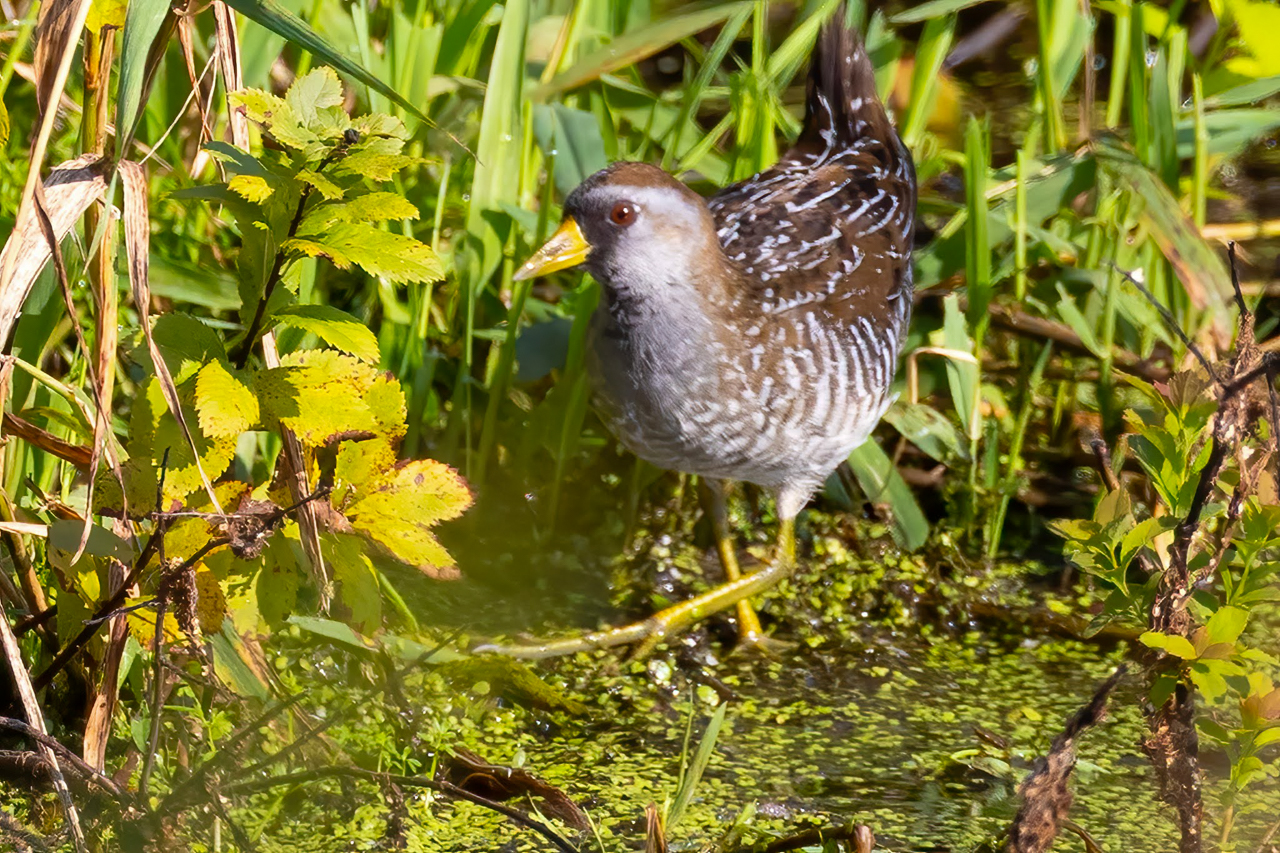
The 2026 expedition results offer several implications for regional conservation policy. First, the high concentration of shorebirds at Johnson Mills reinforces the necessity of seasonal access restrictions to minimize human disturbance during the critical "fueling" window of the migration. When shorebirds are forced to take flight prematurely due to human presence, they expend energy reserves essential for their flight to South America, thereby reducing their survival rate.
Second, the presence of rare species such as the South Polar Skua and the American Oystercatcher highlights the Bay of Fundy’s status as a dynamic ecological laboratory. These sightings are not merely curiosities; they are data points that contribute to the long-term monitoring of the Gulf of Maine ecosystem.
Third, the success of the habitat restoration and protection efforts in areas like the Sackville Waterfowl Park demonstrates that active management of wetlands can provide high-density avian support even in areas surrounded by human infrastructure.
Summary of Biodiversity Findings
The expedition recorded over 120 species of birds, with a focus on migratory timing and habitat usage. The data collected will be submitted to regional birding databases, including eBird, to bolster the longitudinal records for New Brunswick. The expedition team concluded that despite the challenges posed by extreme weather events, such as high winds and the "Fundy fog," the province remains a premier destination for both recreational birding and scientific research.
The success of the survey, particularly the observation of 100,000 shorebirds on the final day, serves as a testament to the resiliency of these migratory species. As climate change continues to impact Arctic breeding grounds and coastal stopover sites, the documentation of these populations provides essential baseline information for future conservation strategies. The participants left the field with a reinforced appreciation for the interconnectedness of Atlantic Canadian ecosystems and the necessity of preserving the coastal habitats that sustain this extraordinary hemispheric journey.
The 2026 New Brunswick birding survey not only achieved its primary objective of species documentation but also facilitated a greater understanding of the complex ecological interactions within the Bay of Fundy. The combination of land-based forest surveys, wetland monitoring, and offshore pelagic study provided a holistic view of a province that acts as a vital bridge in the global avian migration network. As regional stakeholders look toward the 2027 season, the data gathered this August will undoubtedly play a role in shaping local conservation priorities and educational outreach regarding the protection of migratory pathways.
