
The annual April birding expedition across Morocco has once again proven to be a cornerstone event for international ornithologists and naturalists, providing comprehensive access to the country’s unique avian biodiversity during the peak of the spring migration. Spanning from the snow-capped peaks of the High Atlas Mountains to the arid expanses of the Sahara Desert and the nutrient-rich Atlantic coastline, the tour recorded a significant volume of both endemic species and transient migrants. This year’s itinerary, which took place from April 8 to April 20, 2026, highlighted the critical importance of Morocco as a vital stopover for birds moving between sub-Saharan Africa and breeding grounds in Europe.

An Ornithological Overview of the High Atlas and Alpine Zones
The tour commenced on April 8 in Marrakesh, where participants were immediately introduced to the local urban biodiversity, including the Common Bulbul, African Chaffinch, and the House Bunting. These species, common to the Mediterranean fringe, served as a baseline for the transition into more specialized habitats.
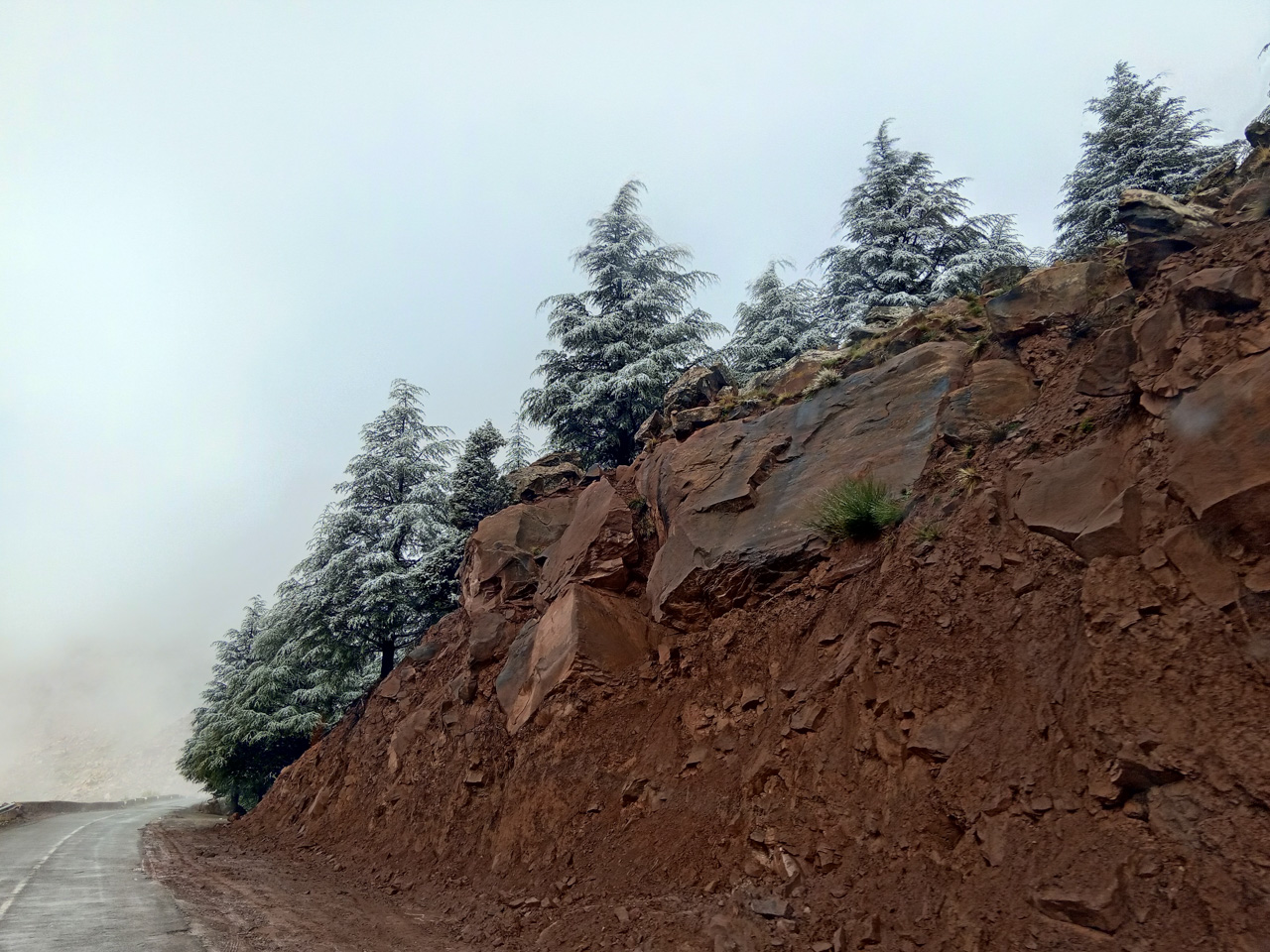
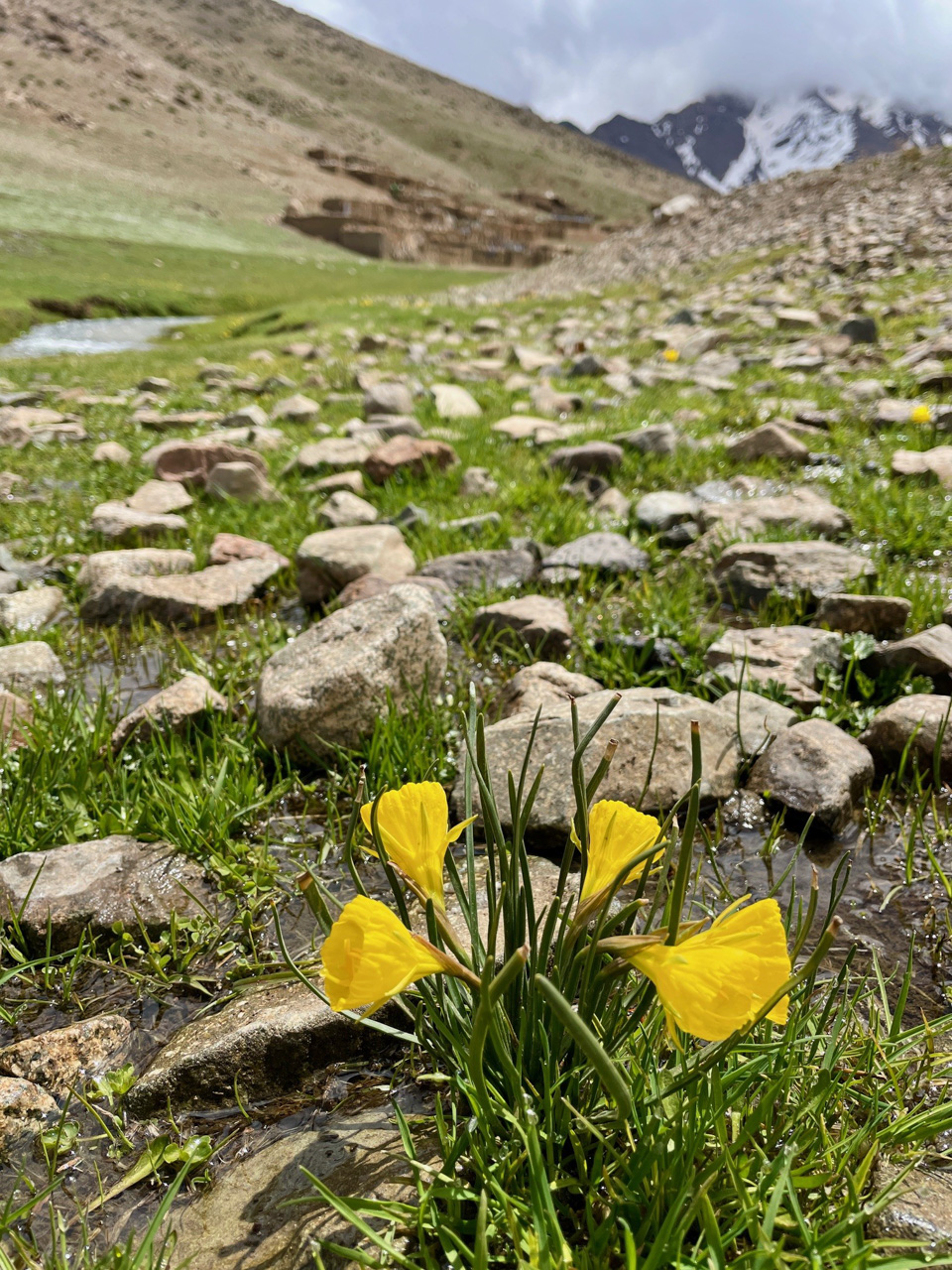
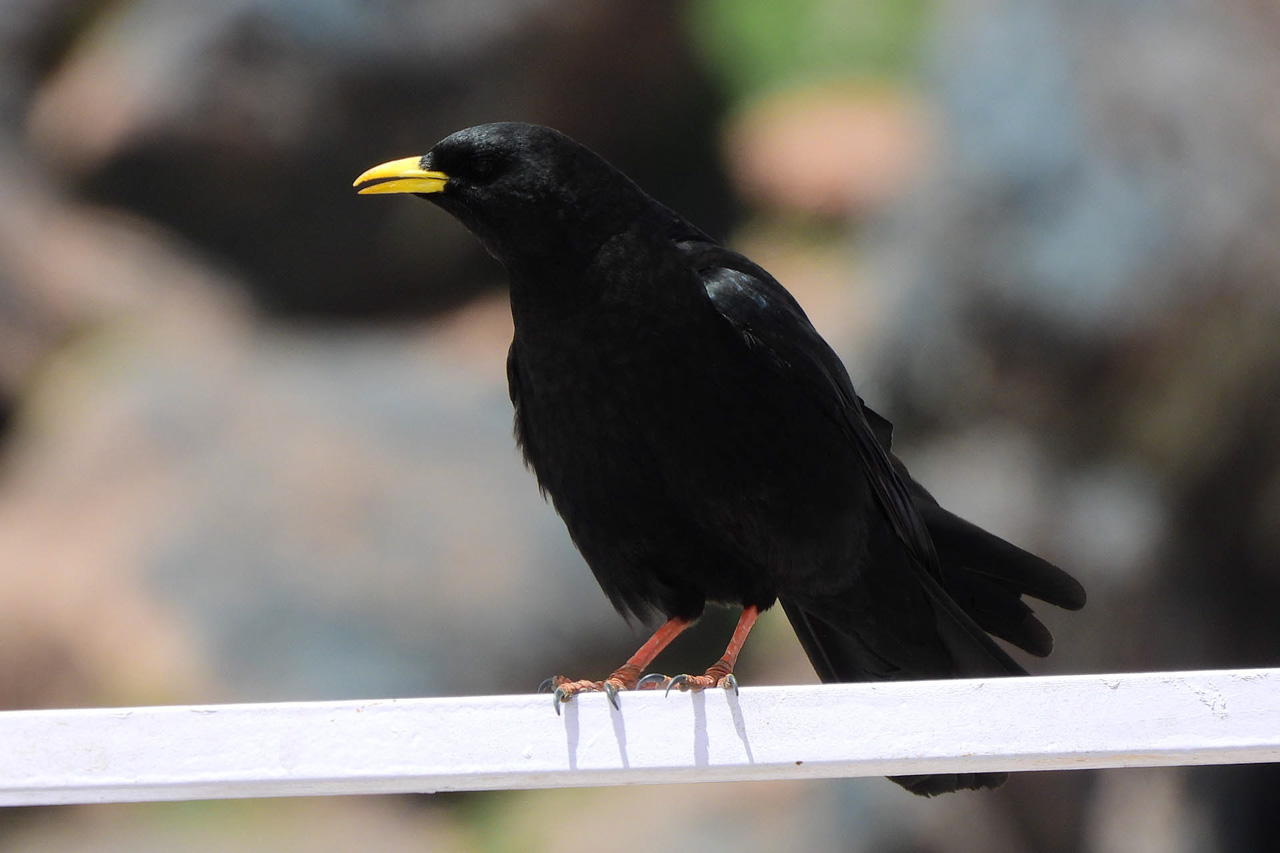
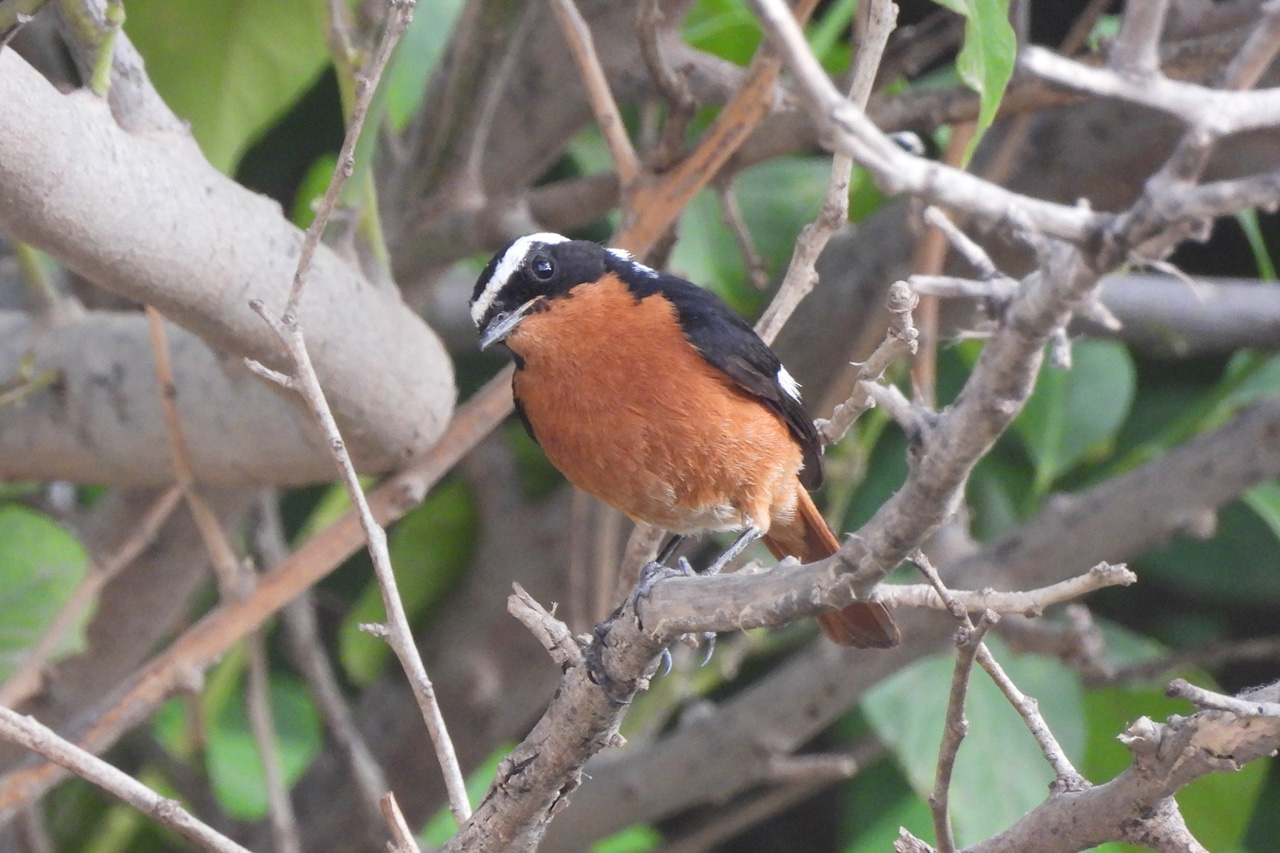
By April 9, the group ascended into the Oukaimeden Plateau, a high-altitude alpine environment that remains one of the few places to observe specialized mountain species. Despite the lingering snowpack, which underscored the extreme environmental gradient present in Morocco, the team documented the Crimson-winged Finch, a species highly sought after by birders for its restricted range. The presence of Narcissus bulbocodium, a dwarf daffodil, across the alpine meadows highlighted the ecological richness of the region. Additional sightings included the Red-billed and Alpine Choughs, Horned Lark, Moussier’s Redstart, and the Atlas Wheatear, all of which are uniquely adapted to the harsh, high-elevation conditions of the Atlas range.
The Transit: Tizi n’Tichka and the Pre-Saharan Transition
As the expedition moved through the Tizi n’Tichka Pass toward Ait Ben Haddou, the habitat shifted from alpine to arid. This transit serves as a geographic corridor, allowing for the observation of raptors and mountain-dwelling passerines. The Escale Forest proved particularly productive, hosting Coal Tits and a variety of montane flora. Roadside observations included the Booted Eagle and the Black Wheatear.

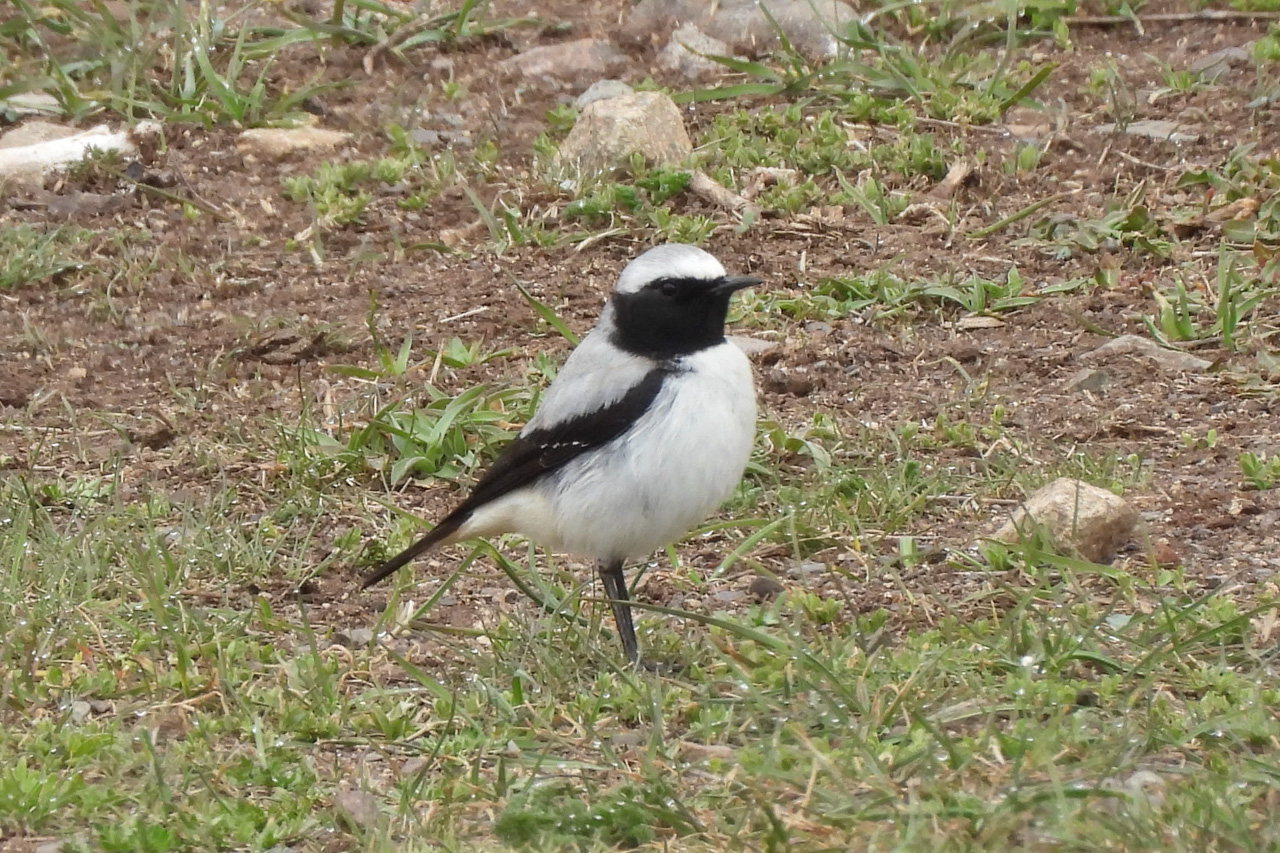
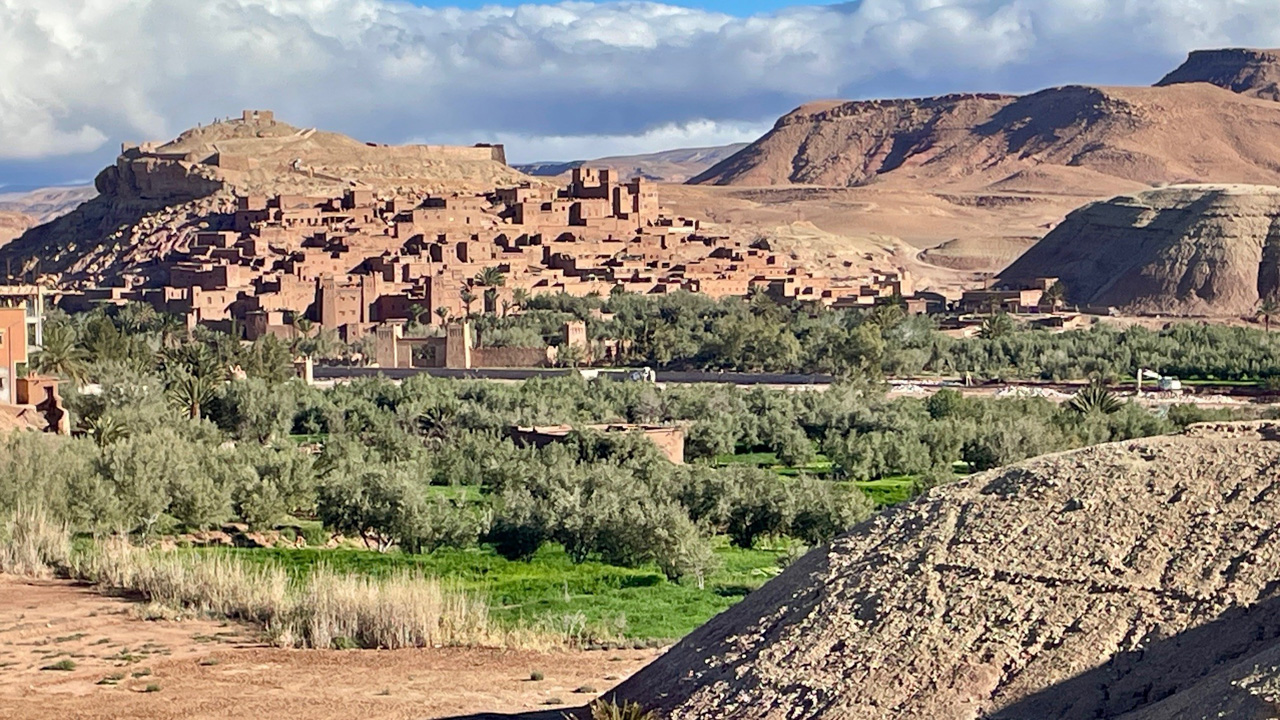
Descending into the Telouet Valley, the landscape transitioned into the classic "Kasbah country," where the White-crowned Wheatear was documented in the immediate vicinity of the historic Ait Ben Haddou fortification. This area is essential for understanding the transition between the Mediterranean-influenced north and the Saharan south, a zone where migratory pathways converge.
Arid Zone Dynamics: The Tagdilt Track and Dades Gorges
From April 12 to April 13, the tour focused on the rocky hamada of the Tagdilt Track. Often described as one of the most important desert birding sites in North Africa, Tagdilt supports a variety of lark species and wheatears that are notoriously difficult to track in other regions. During this phase, the group recorded Temminck’s Lark, Red-rumped Wheatear, and Desert Wheatear.
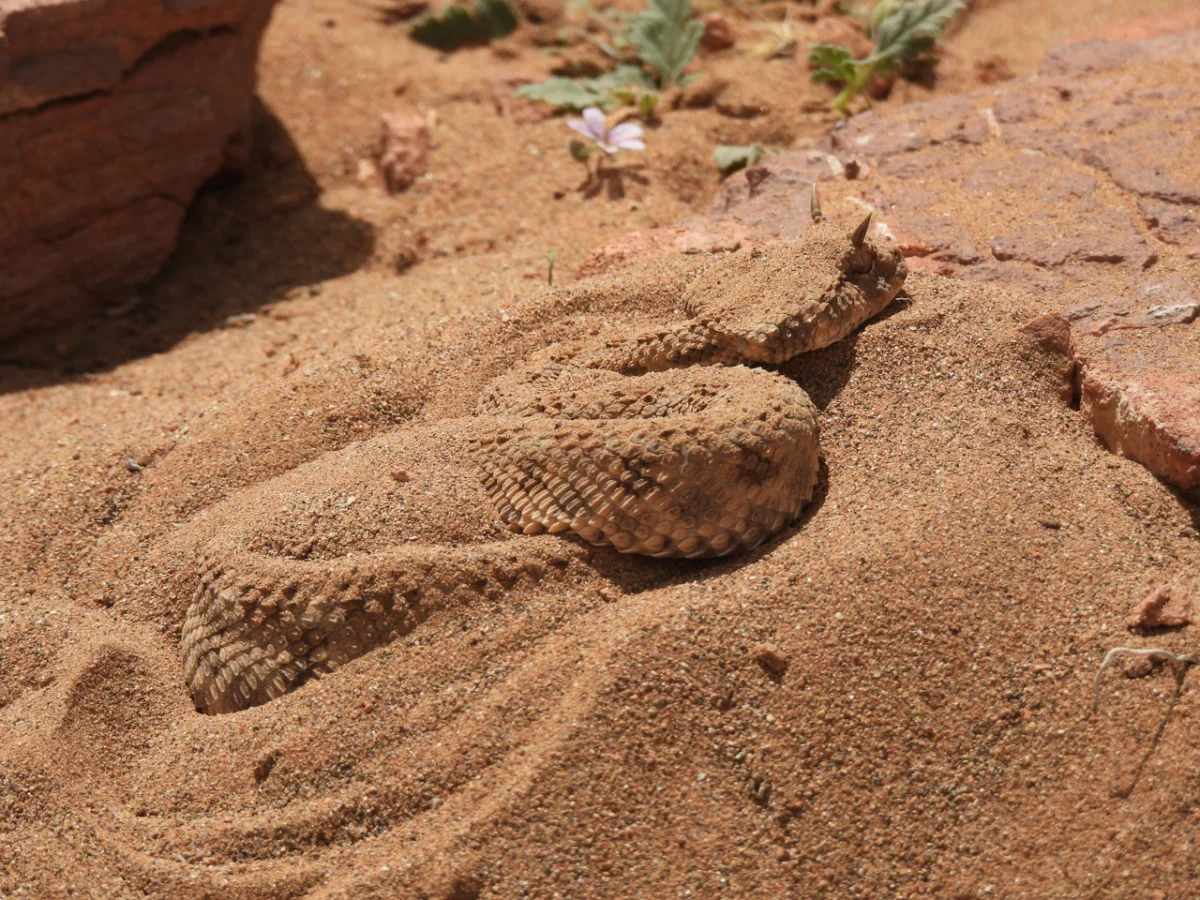
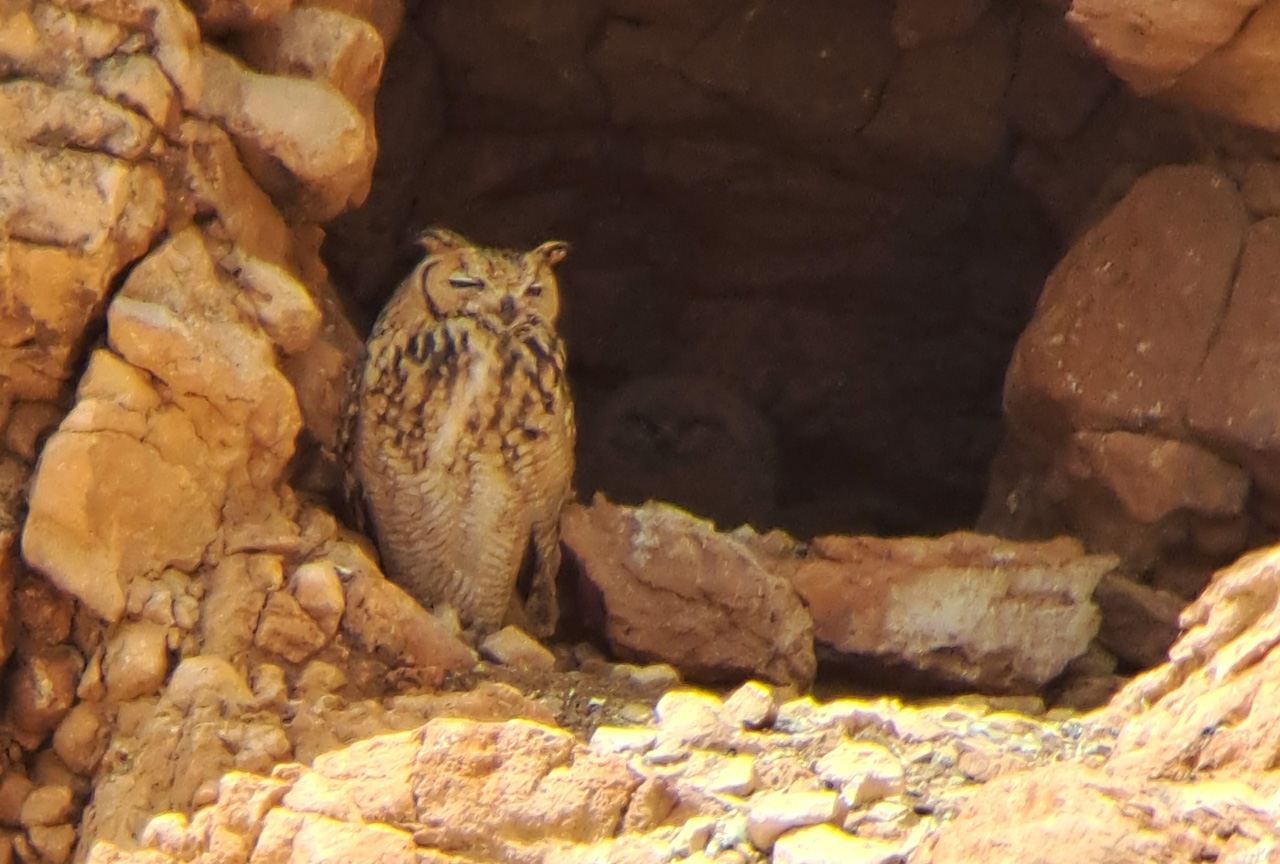
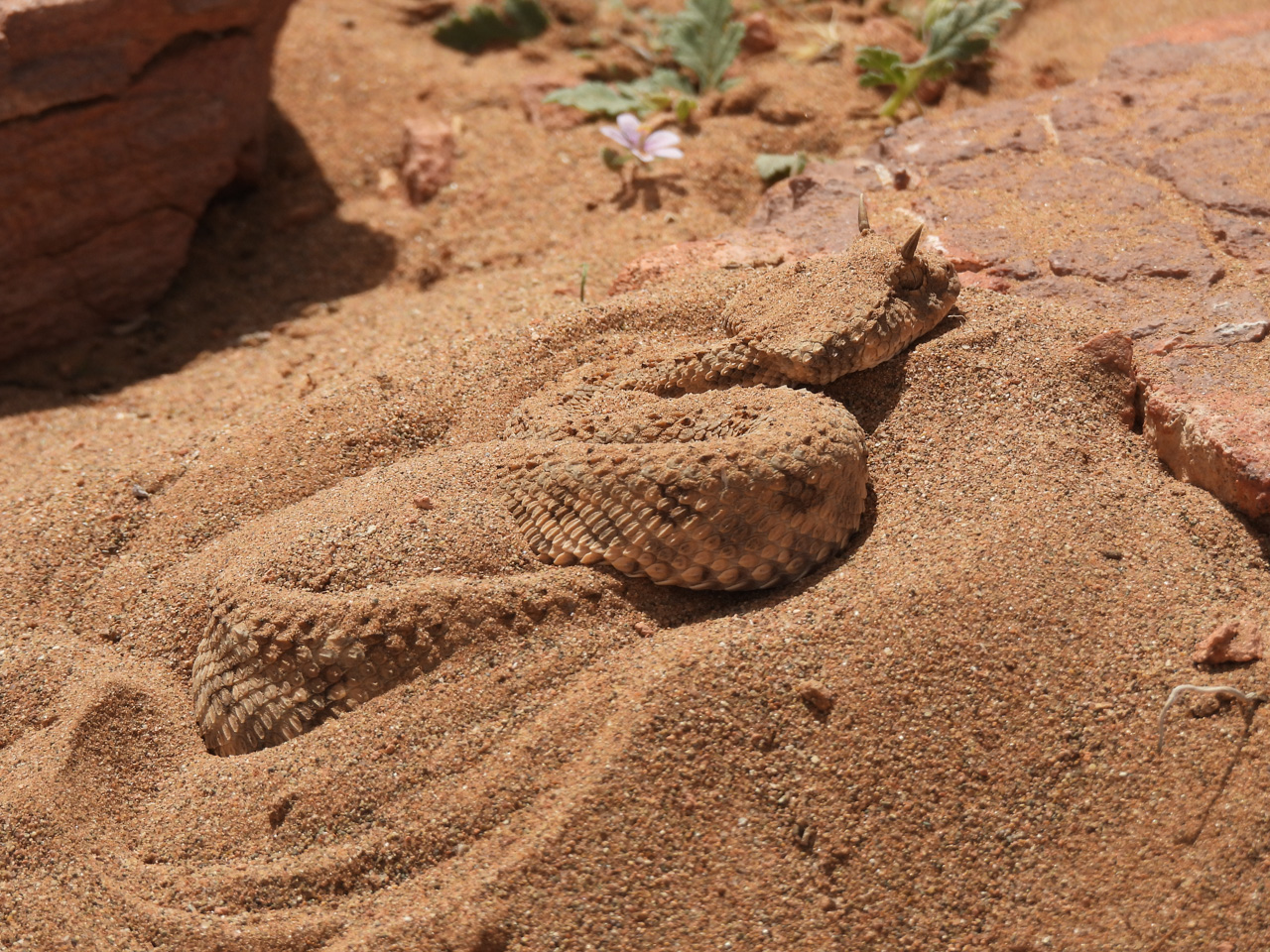
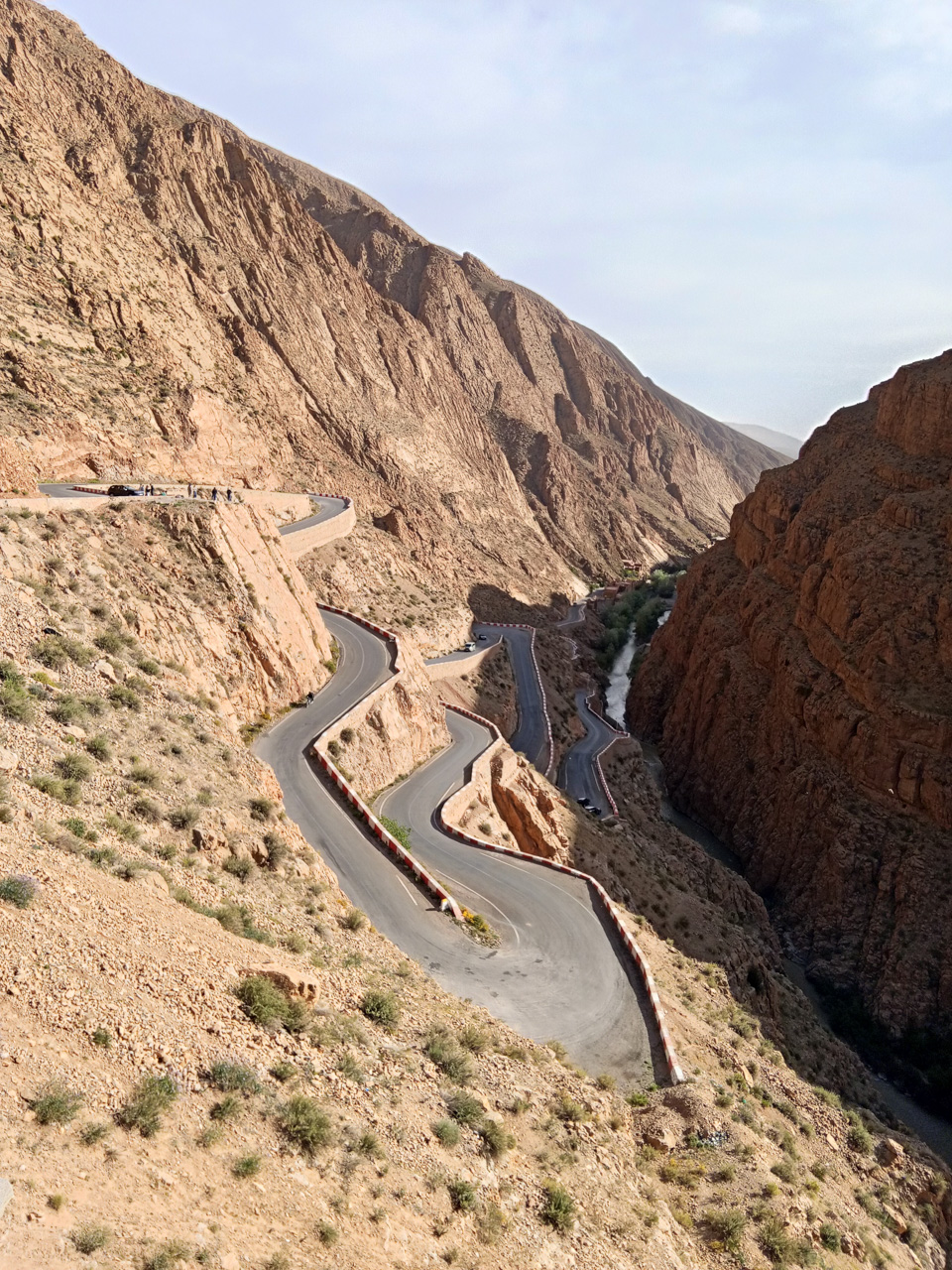
The inclusion of the Dades Gorges in the itinerary provided a stark contrast to the open plains. Here, the sheer red sandstone cliffs are home to the Blue Rock Thrush, while the surrounding crevices provide nesting sites for more elusive species. The documentation of the Pharaoh Eagle-Owl and the Lanner Falcon in this sector underscored the importance of local geological features in supporting apex predators. A notable encounter with a Saharan Horned Viper provided a reminder of the complex food webs that exist within the desert ecosystem, where reptiles and small mammals like the Fat Sand Rat are integral to the survival of larger raptors.
The Saharan Frontier: Merzouga and the Erg Chebbi Dunes
The arrival in Merzouga on April 14 signaled the entry into the true Sahara. The region surrounding the Erg Chebbi dunes is a critical hub for migratory passerines, as the oasis environment acts as an "island" of resources in an otherwise inhospitable sea of sand. The ringing station operated behind the base hotel provided a wealth of data on the volume of migratory traffic passing through the area.
During the 4×4 excursion into the dunes on April 15, the group observed the Crowned and Spotted Sandgrouse—species that must commute great distances to reach waterholes. The discovery of the Egyptian Nightjar, a cryptic and nocturnal species, was a high-water mark for the expedition. Further desert specialists, including the Desert Sparrow and Bar-tailed Lark, were also recorded, reinforcing the necessity of protecting these fragile desert micro-habitats.
Coastal Biodiversity: Tamri and the Souss Massa National Park
The final leg of the tour shifted to the Atlantic coast, an area of significant ecological contrast to the desert interior. On April 17, the group reached the Argan Biosphere Reserve near Tamri, which is the primary stronghold for the Northern Bald Ibis (Geronticus eremita). This species is currently listed as Critically Endangered, and the colonies found in the cliffs near Tamri represent one of the few viable populations in the wild. The successful observation of this ibis, alongside Audouin’s Gull, provided a sobering but encouraging look at ongoing conservation efforts in Morocco.
The Souss Massa National Park, visited on April 18, served as the grand finale of the expedition. The coastal wetlands here are a magnet for shorebirds and waterfowl, with participants noting the Marbled Duck, Brown-throated Martin, and a variety of waders. The presence of the Golden Fringe-fingered Lizard across the coastal dunes completed the documentation of Morocco’s diverse herpetofauna.
Implications for Conservation and Tourism
The findings of this April expedition highlight the essential role that Morocco plays in the East Atlantic Flyway. As climate change impacts migratory timing and the availability of water in the Sahara, sites like the Souss Massa estuary and the oases of the Draa and Dades valleys become increasingly vital.
The integration of local economic interests—such as the visit to the Argan oil cooperatives—with ecological tourism suggests a sustainable model for future development. By providing financial incentives for local communities to preserve the habitats of the Northern Bald Ibis and other sensitive species, conservationists can foster a symbiotic relationship between tourism and environmental protection.
Summary of Key Species Documented
The 2026 expedition successfully cataloged a broad spectrum of the region’s fauna. The following table summarizes key avian highlights recorded during the tour:
| Species | Habitat Zone | Status |
|---|---|---|
| Northern Bald Ibis | Atlantic Coast (Tamri) | Critically Endangered |
| Pharaoh Eagle-Owl | Arid Hamada/Cliffs | Resident |
| Egyptian Nightjar | Saharan Dunes | Migrant/Resident |
| Crimson-winged Finch | High Atlas | Altitudinal Migrant |
| Maghreb Wheatear | Arid/Rocky | Near-Endemic |
| Marbled Duck | Coastal Wetlands | Vulnerable |
Conclusion: A Successful Scientific and Educational Endeavor
The 2026 Morocco Spring Migration Tour concluded on April 20, leaving participants with a comprehensive understanding of the region’s avian geography. Despite the challenges of the harsh Saharan climate and the logistical complexities of traversing such diverse terrain, the expedition succeeded in its primary goal: to document the arrival and passage of species that define the ecological character of North Africa. The data collected during this tour will contribute to a broader understanding of population trends and migratory shifts, reinforcing Morocco’s status as a premier destination for global ornithological research and observation. As birding continues to grow as a form of "green tourism," the structured documentation of these species ensures that the importance of their habitats remains a priority for regional policymakers and international conservation bodies alike.
