
The 2026 Manitoba and Churchill wildlife expedition represented a comprehensive survey of one of Canada’s most ecologically diverse regions, spanning the temperate prairie landscapes of the south to the stark, subarctic beauty of the Hudson Bay coastline. Over the course of twelve days, a specialized group of wildlife enthusiasts traversed the province to document avian migration patterns, mammalian behaviors, and the ecological health of habitats ranging from cattle-grazing oak savannas to the fragile tundra of the far north. This report details the chronological progress of the expedition, the species observed, and the broader environmental significance of these varied ecosystems.
Early Days: Southern Manitoba and the Prairie Pothole Region
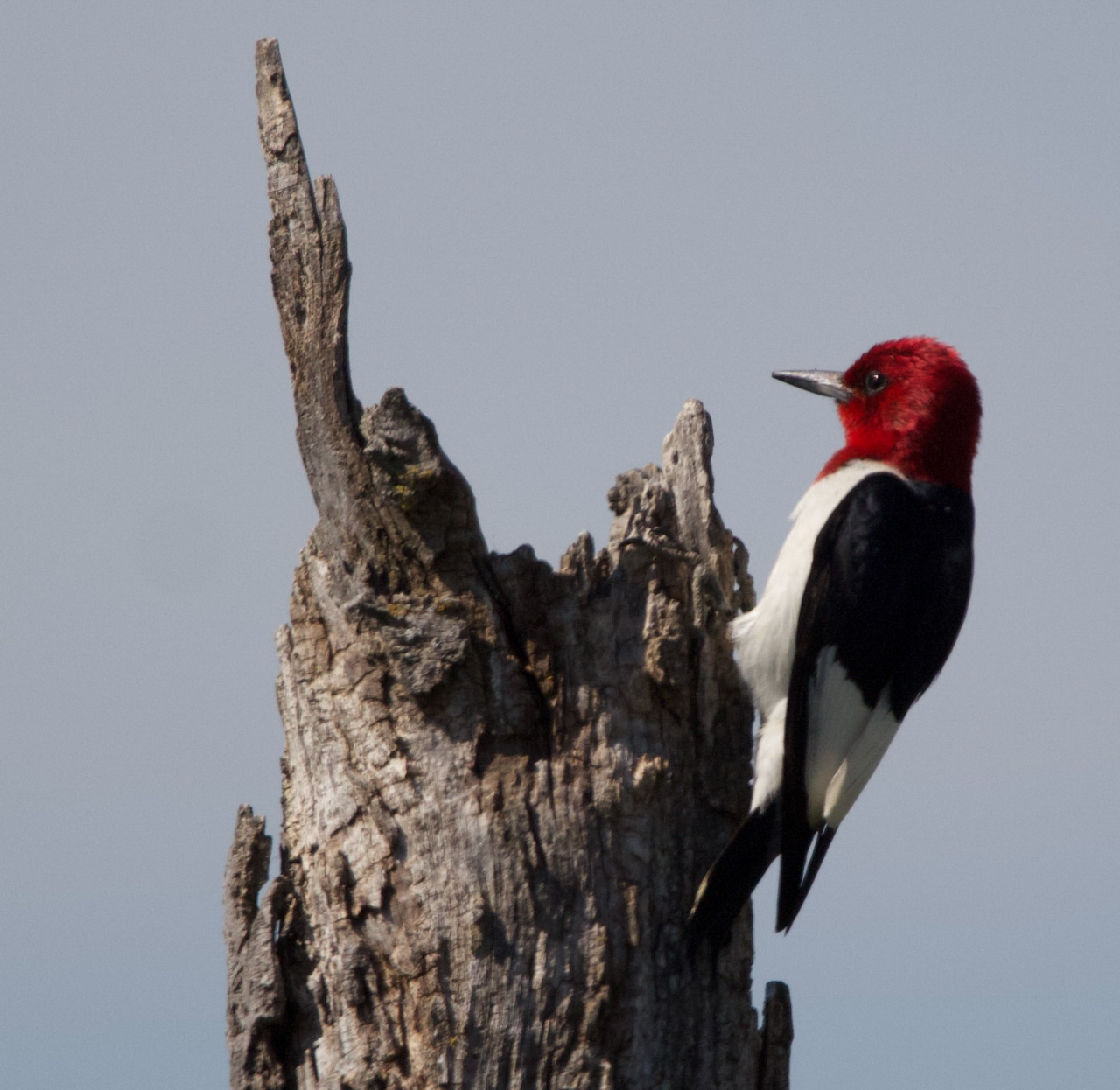
The expedition commenced with an initial briefing in Winnipeg, setting the stage for a route designed to capture the transition between agricultural lands and protected wilderness areas. On the second day, the team traveled to the Woodlands region, an area characterized by cattle pastures and spaced-out oak stands. This environment serves as a critical habitat for the Red-headed Woodpecker, a species currently facing habitat loss across North America. The successful sighting of this bird underscored the importance of maintaining open-canopy woodlands for cavity-nesting species.
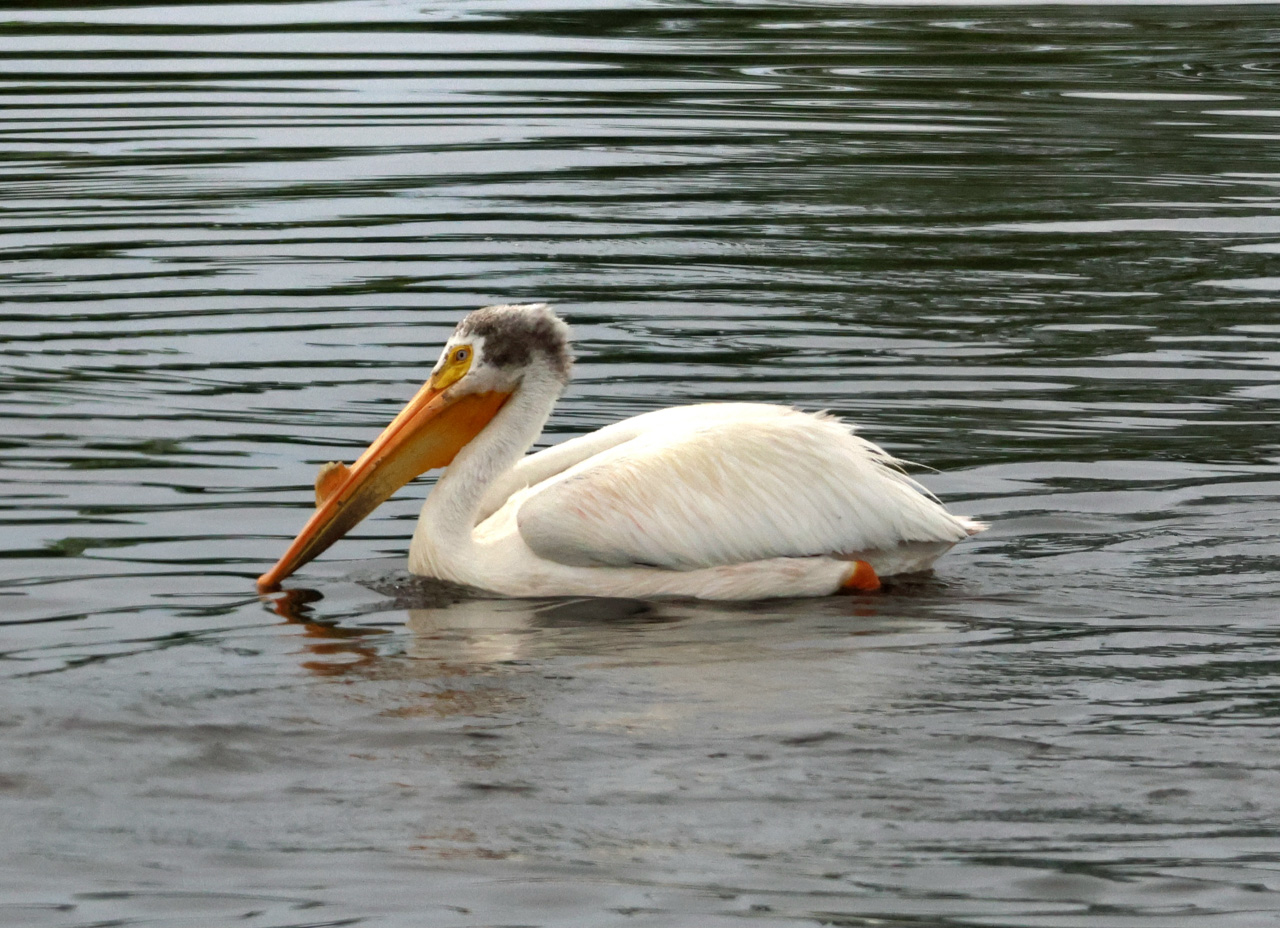
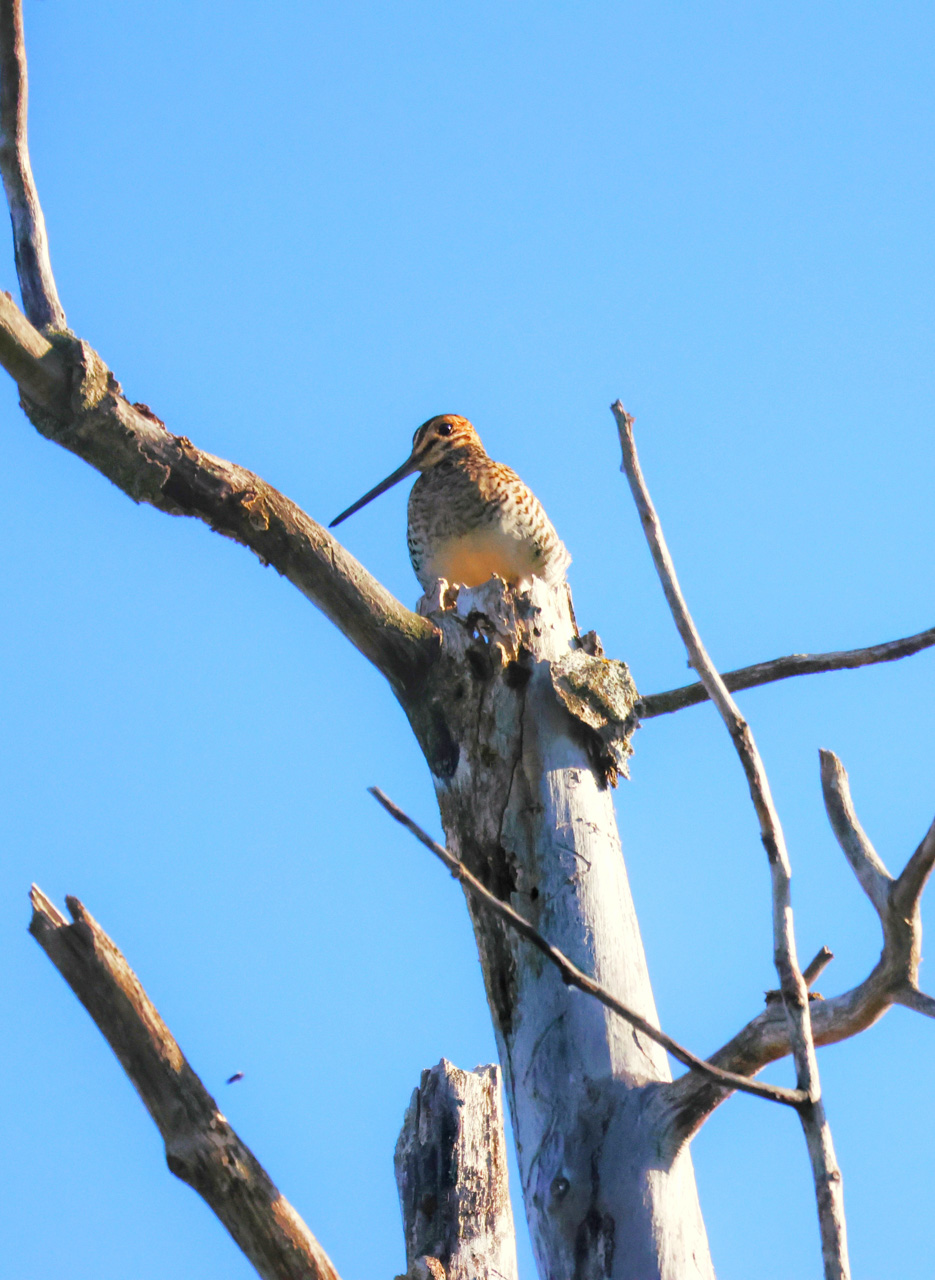
As the team moved toward the Shoal Lakes, the focus shifted to wetland ecology. The presence of abundant waterfowl—including various grebe species and American White Pelicans—highlighted the critical role these basins play as stopover points for migratory birds. A significant encounter with a Willet and her brood provided a localized look at reproductive success in these wetlands. Further observations included the aerial hunting behaviors of Forster’s and Black Terns, which serve as bioindicators for the health of aquatic insect populations in these marshes.
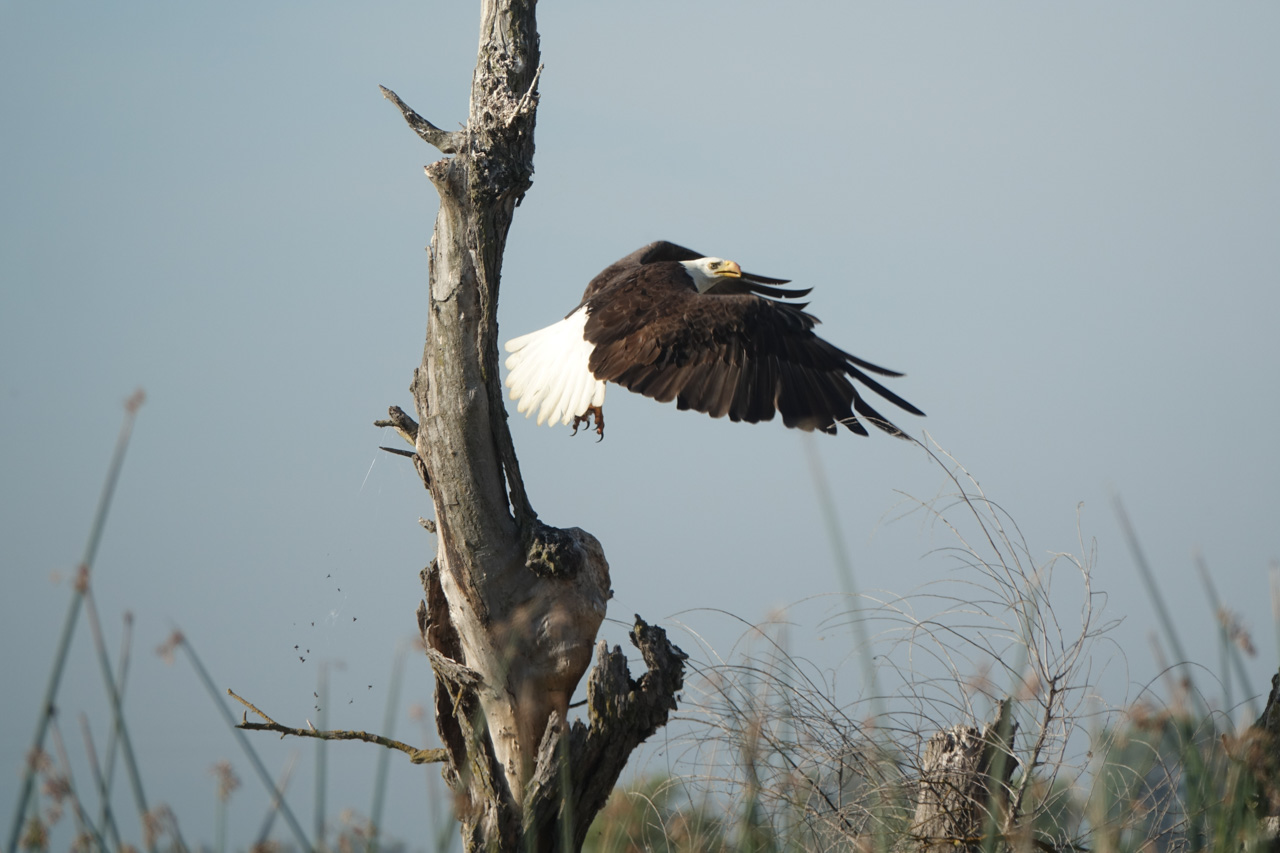
A visit to the Portage la Prairie landfill offered a contrast in anthropogenic impact on wildlife. While unusual for nature enthusiasts, the site provided a unique opportunity to observe gull diversity, including American Herring, Ring-billed, and the more western California Gull, all while under the watchful eyes of scavenging Bald Eagles.
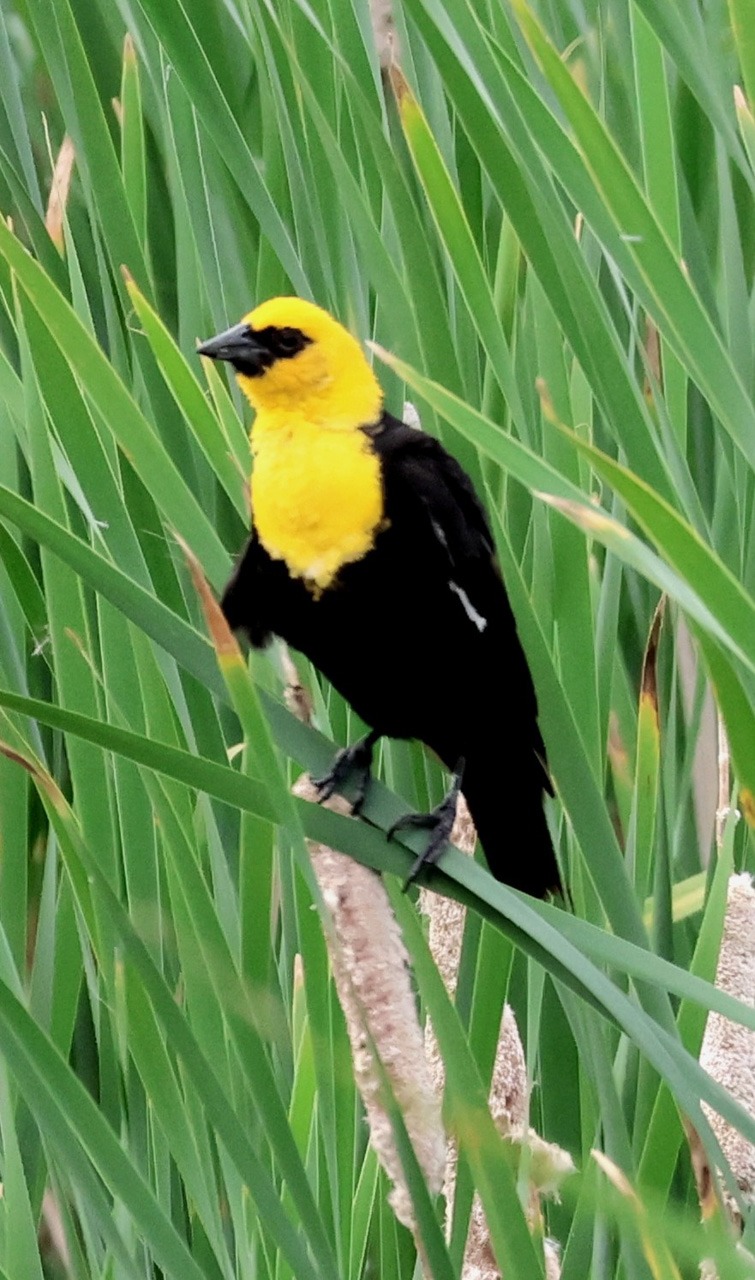
The Riding Mountain National Park Excursion
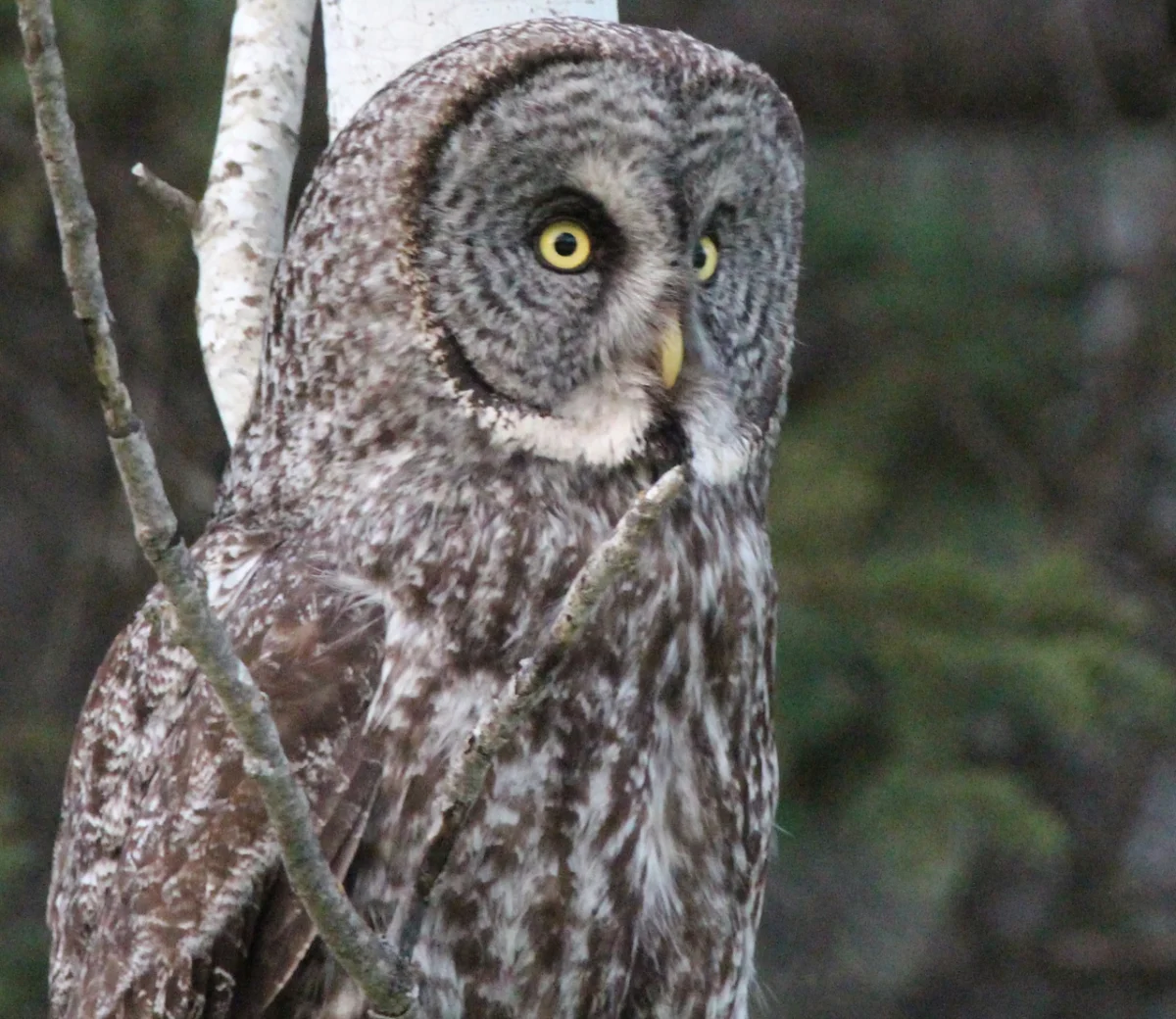
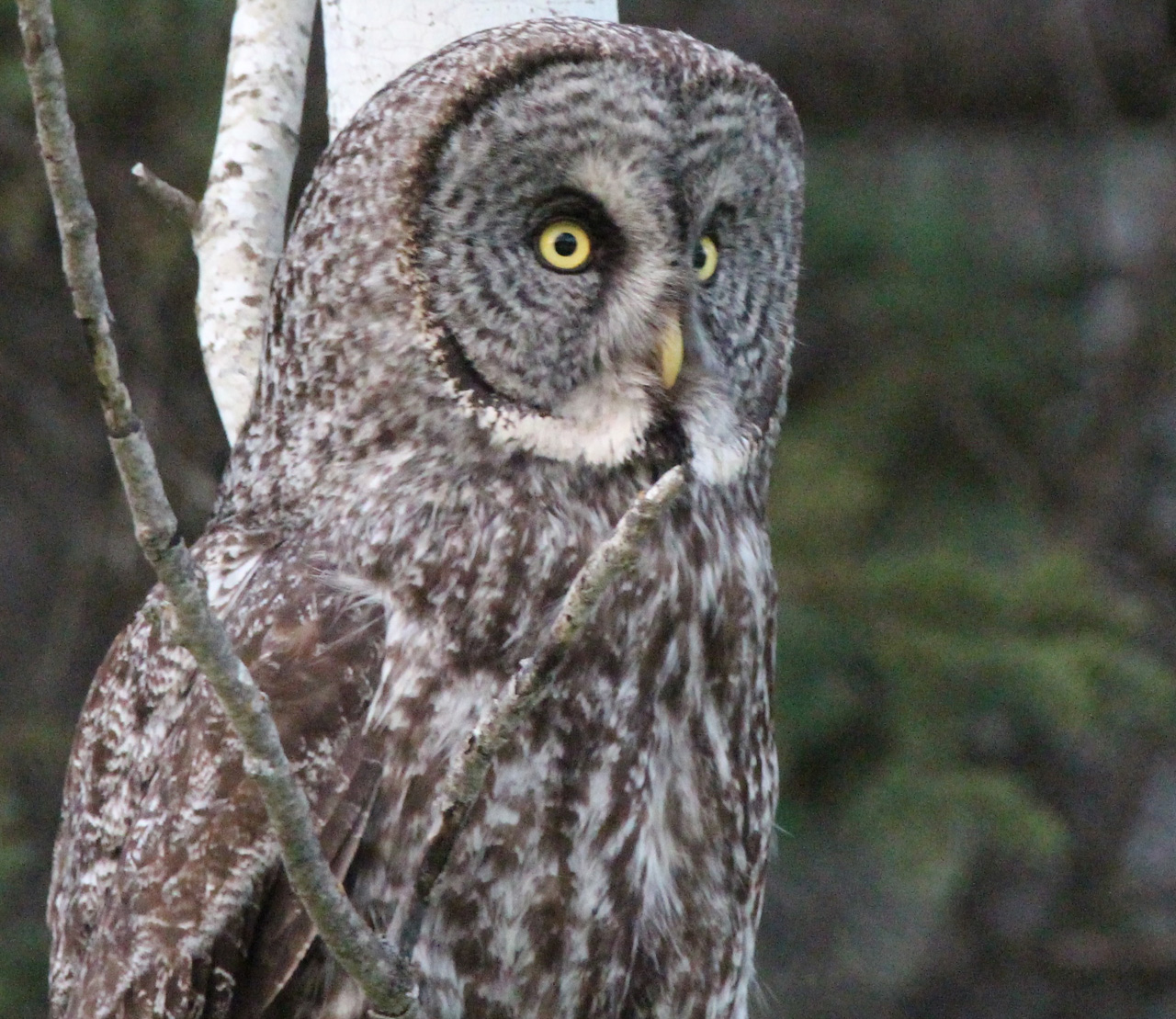
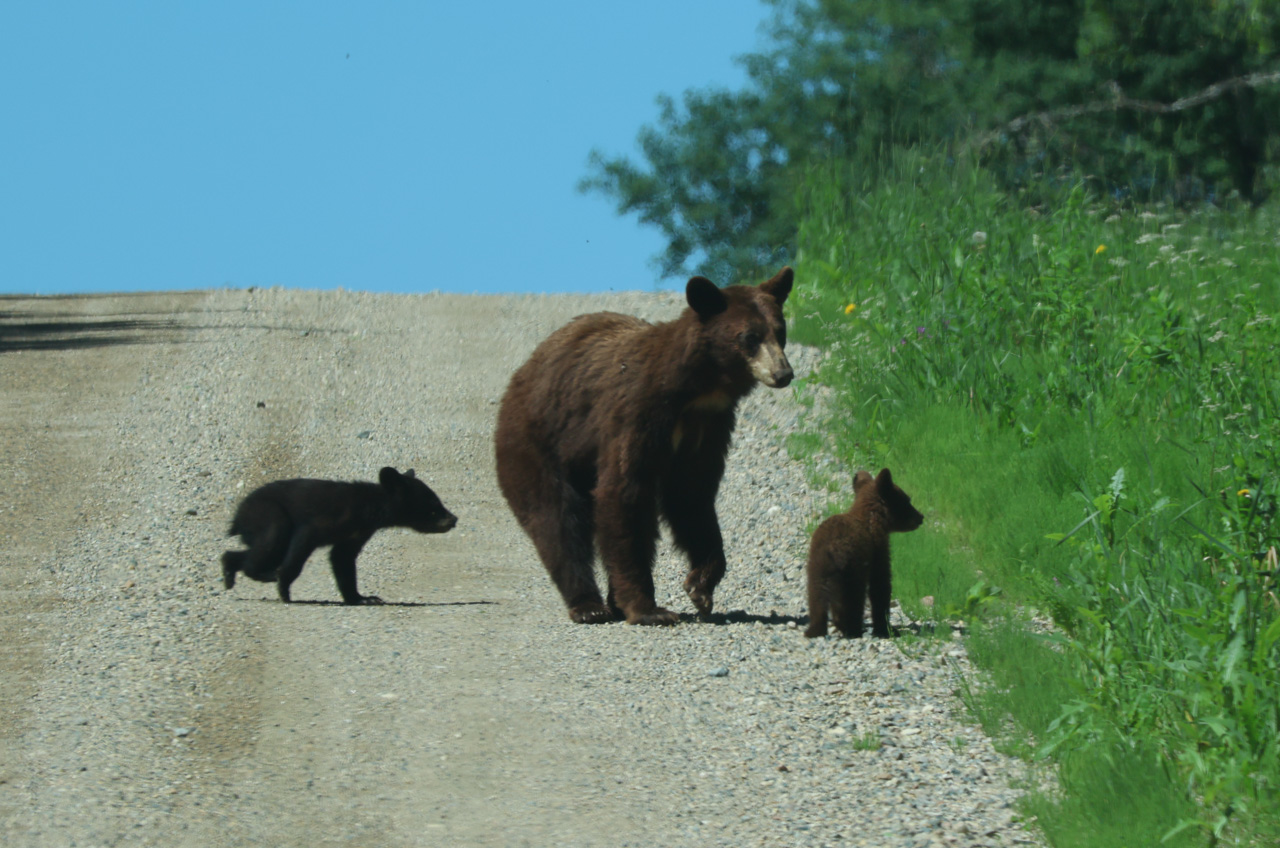
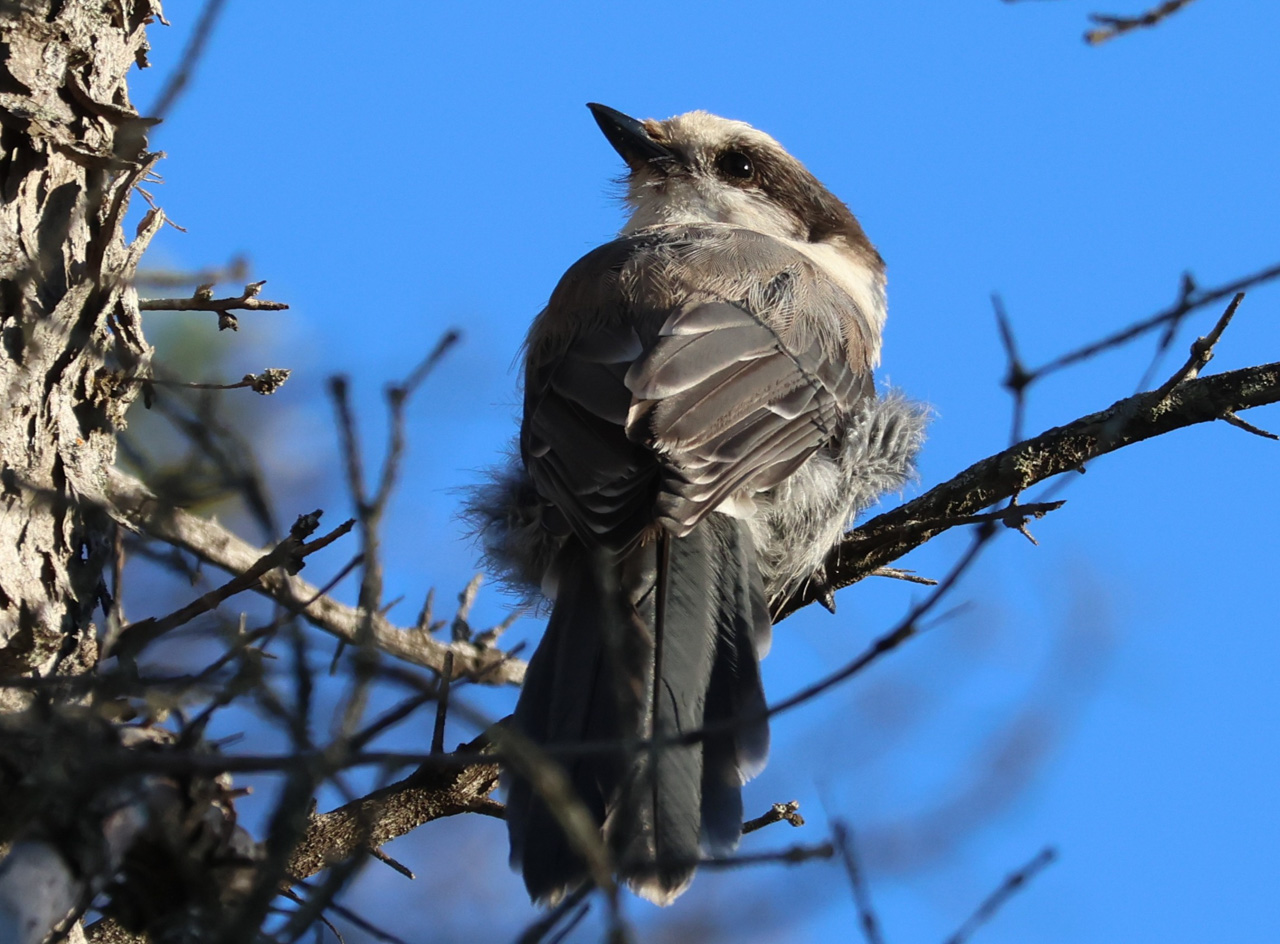
The transition to Riding Mountain National Park marked a move into the Boreal transition zone. On the third and fourth days, the team explored the park’s complex trail systems. Observations here were heavily influenced by elevation and water access. The sighting of a Great Grey Owl—a flagship species for the region—and a mother black bear with her yearling cub provided a stark reminder of the area’s predator-prey dynamics.
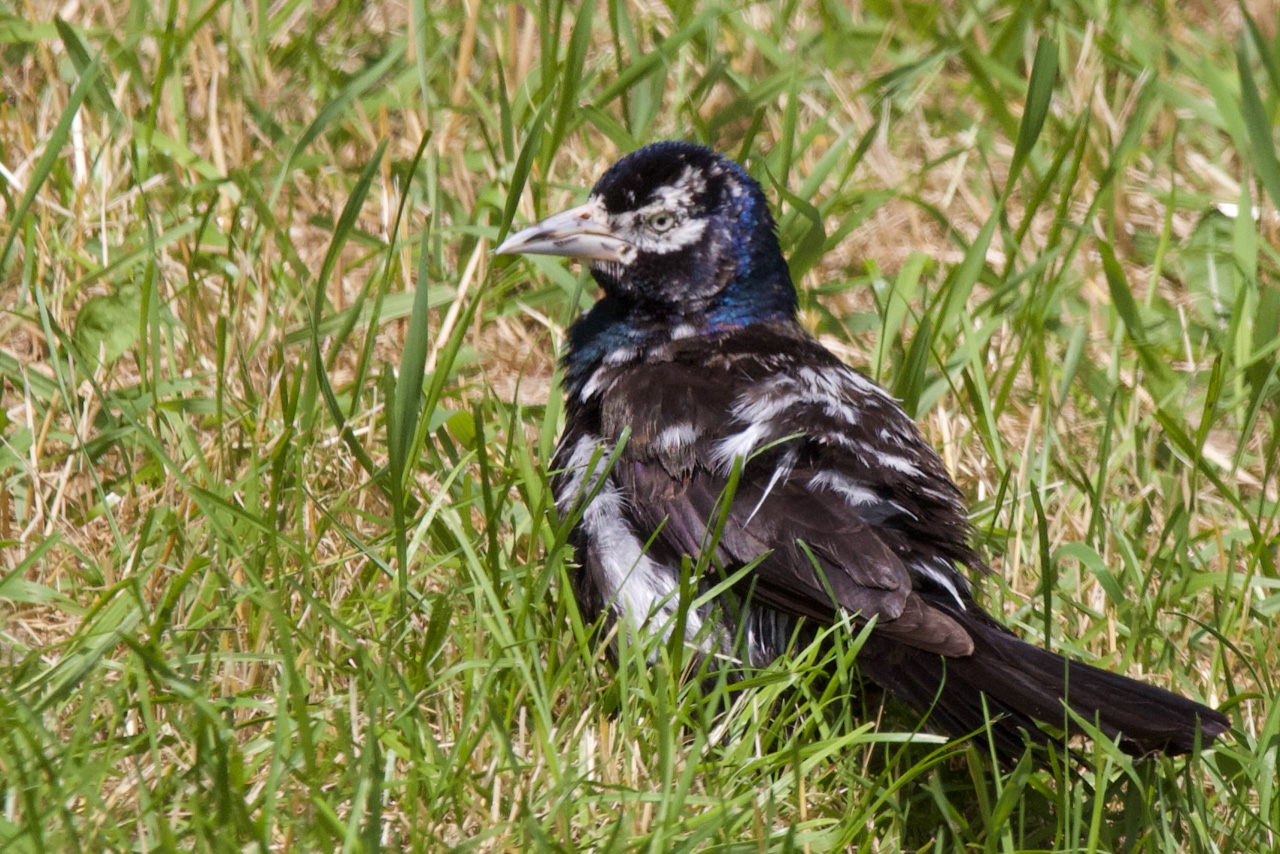
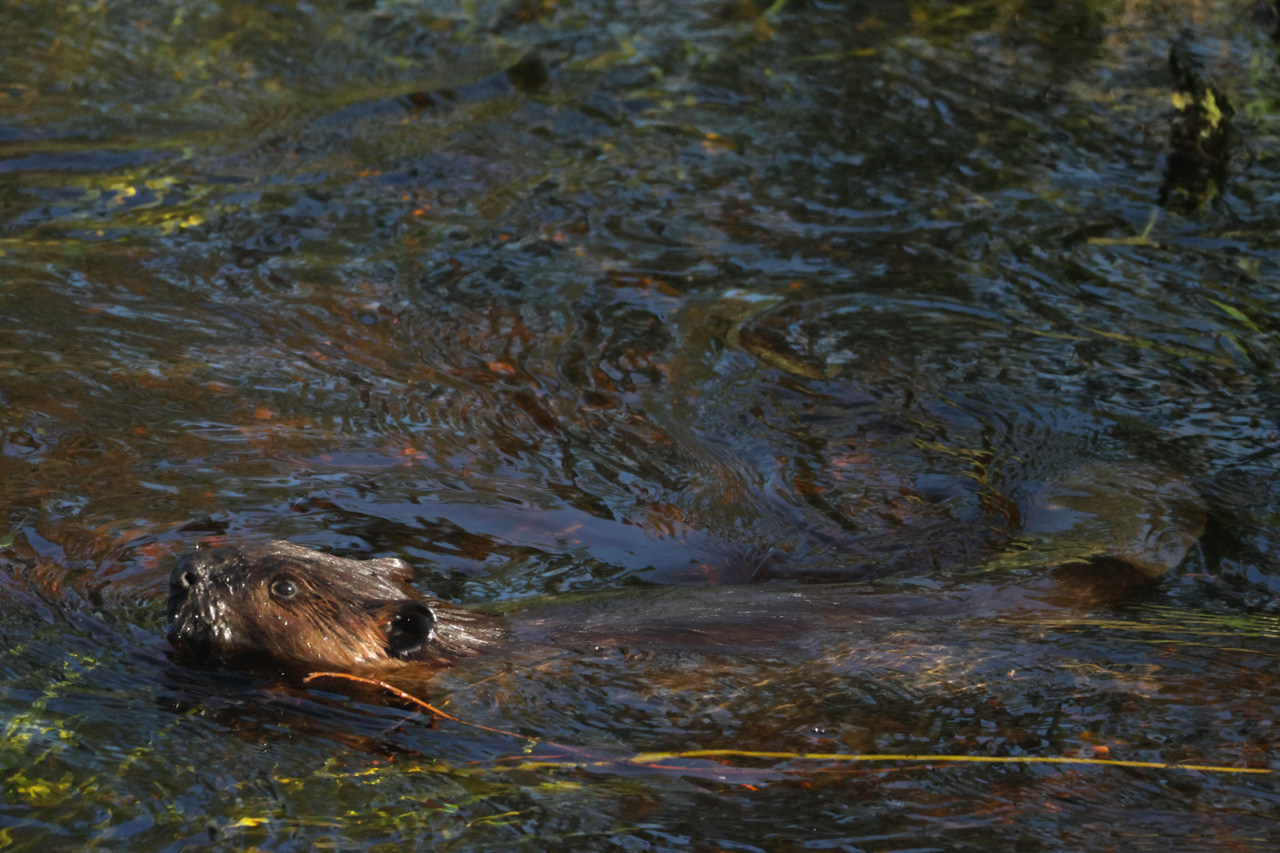
Ecological analysis within the park revealed a rich tapestry of boreal birds, including Evening Grosbeaks, Red-breasted Nuthatches, and Pine Siskins. The observation of a beaver in Swanson Creek, visible in the clear, cold water, provided a rare view of mammalian adaptation to aquatic life. However, the expedition also noted the impact of climate-driven events, such as the flooding that rendered the Lake Audy Bison enclosure inaccessible. This serves as a broader reminder of the increasing volatility in park infrastructure due to changing precipitation patterns.
The Southwestern Grasslands and Rare Sightings
The journey continued into southwestern Manitoba, focusing on the endangered grassland ecosystems near Melita. The region, known for its "pothole" geography, is vital for prairie-nesting species. A highlight of this leg was the discovery of the Burrowing Owl, an endangered species in Canada. The team’s ability to witness this bird in a near-pristine grassland environment underscores the critical need for land conservation efforts in the province’s southwest.
The diversity of the grassland fauna was further demonstrated by sightings of Chestnut-collared Longspurs and Sprague’s Pipits, both of which are sensitive to habitat fragmentation. The observation of a Ferruginous Hawk nest, with fledglings consuming a Richardson’s Ground Squirrel, provided a window into the natural control of small mammal populations in these agricultural-adjacent zones. The presence of a male Lazuli Bunting, an uncommon vagrant in Manitoba, added a layer of complexity to current understanding of avian range expansion.
The Subarctic Frontier: Churchill and Hudson Bay
On the eighth day, the expedition transitioned to the subarctic climate of Churchill. This region, situated on the western shore of Hudson Bay, offers an entirely different set of environmental challenges and biological rewards. The proximity to the treeline makes this area a "hotspot" for studying the effects of a warming climate on arctic ecosystems.
The team’s survey of the Granary Ponds and Cape Merry focused on the interaction between marine mammals and bird populations. The Beluga whales, which congregate in the Churchill River estuary to calve and feed on Capelin, were observed in close proximity. These whales, often referred to as the "canaries of the sea," are central to the local tourism economy and ecological identity. The team’s zodiac excursion provided an up-close look at the intelligence and social structure of these animals, though the rapidly rolling storms served as a testament to the unpredictable nature of the subarctic weather.
At the Churchill Northern Studies Centre (CNSC), the group engaged with research regarding green building technology and subarctic ecology. The discovery of a Sabine’s Gull and the close encounter with five Willow Ptarmigan provided high-value data points for avian behavior in the tundra. The "Red Fox trifecta"—observing the red, black, and cross-color phases—offered an interesting study in phenotypic variation within a single species in a remote environment.
Environmental Implications and Observations
The final days of the expedition were spent documenting the marine-terrestrial interface. The presence of Polar Bears near the river mouth, though limited by inclement weather and conservation efforts to keep the bears away from human settlements, served as a reminder of the human-wildlife interface in the north. The Arctic Hare and various seal species observed along the coast reinforced the high productivity of the Hudson Bay marine ecosystem.
Reflecting on the tour, the data collected reinforces several key trends in North American conservation:
- Habitat Sensitivity: The reliance of species like the Burrowing Owl and Sprague’s Pipit on specific grass heights and densities highlights the necessity of sustainable grazing and agricultural practices in the prairies.
- Climate Monitoring: The logistical challenges faced in the parks, including flooded roads and unpredictable storm systems in the north, align with wider reports of shifting weather patterns affecting Canadian National Parks.
- Biodiversity Persistence: Despite the pressures of climate change and human development, Manitoba remains a vital stronghold for species that are struggling elsewhere. The successful documentation of over 100 species across the varied landscapes proves that with proper management, these ecosystems can continue to thrive.
Conclusion
The 2026 Manitoba expedition concluded in Winnipeg, with the group reflecting on the diverse habitats traversed. From the deep, dense forests of the Riding Mountain region to the expansive, open tundras of Churchill, the expedition provided a microcosm of the environmental challenges and triumphs currently facing the Canadian landscape. The information gathered, from the behavior of apex predators like the Polar Bear to the minute details of sparrow nesting, contributes to a growing body of anecdotal and empirical evidence that supports the continued preservation of these critical natural corridors. As Canada moves forward, the integration of scientific research and public awareness, as demonstrated by this expedition, remains the most effective tool for protecting the nation’s ecological heritage. The success of the trip, measured not just in species counts but in the deepened understanding of the interdependencies within these biomes, marks a significant contribution to the broader mission of northern wildlife advocacy.
