
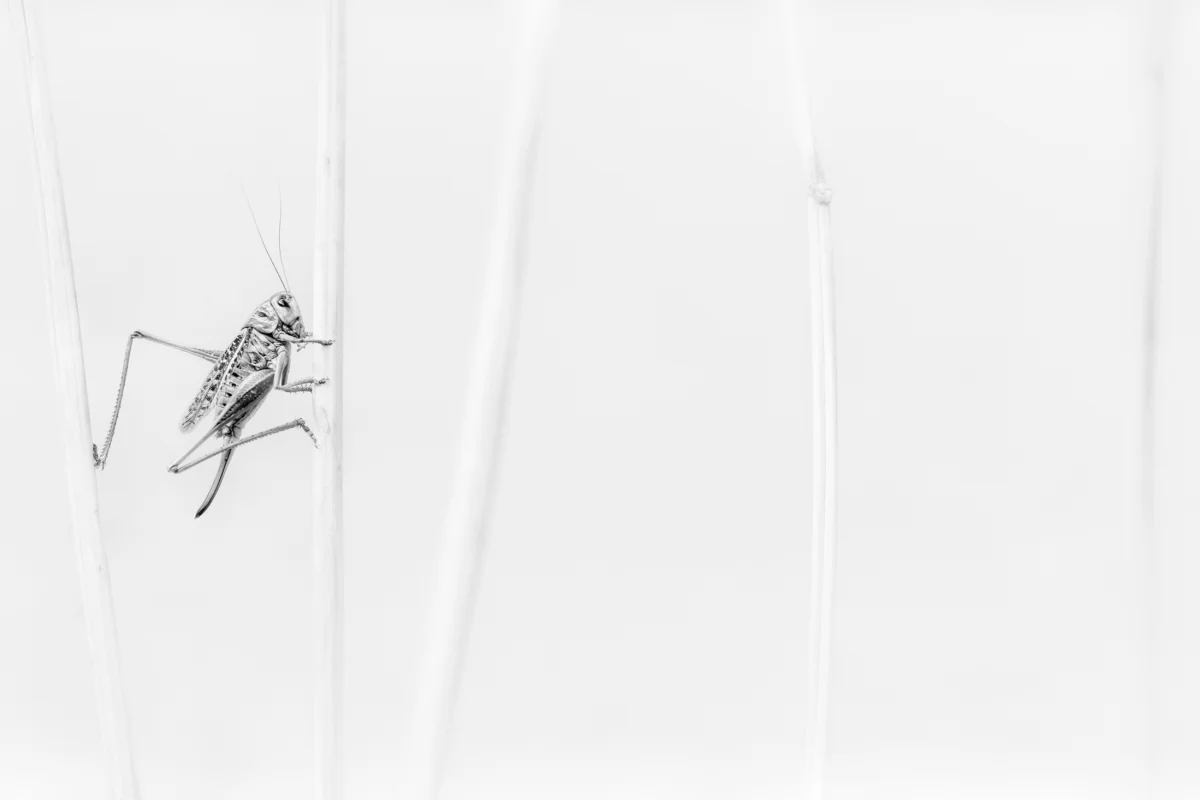
In an era dominated by hyper-saturation and digital color manipulation, a growing movement within nature photography is stripping away chromatic distractions to reveal the raw, structural essence of the natural world. Macro photography, long celebrated for capturing the brilliant iridescent blues of butterflies and the emerald greens of mantises, is undergoing a stylistic evolution. Photographers specializing in the intricate universe of arthropods are increasingly turning to black and white imagery. This deliberate departure from color is not merely an aesthetic choice, but a calculated effort to emphasize form, texture, and behavior that often risk being overshadowed by vibrant hues.
The Foundation of Macro and the Evolution of Perspective

The journey into macro photography typically begins close to home. Arthropods—insects, arachnids, and crustaceans—represent the most accessible yet endlessly complex subjects for close-up observation. Historically, scientific illustration and early entomological photography prioritized taxonomic accuracy, relying on stark lighting and precise color representation to aid identification. However, contemporary nature photography treats these organisms as subjects of high art.
Long-term observation in the field allows photographers to document fleeting behaviors—predatory strikes, delicate molting processes, and subtle courtship rituals—that entirely escape the casual human eye. By translating these moments into monochromatic tones, artists shift the viewer’s focus away from biological classification and toward raw emotion, graphic silhouettes, and atmospheric tension.
The Strategic Case for Monochrome in Nature Photography

The decision to abandon color in nature and wildlife photography runs counter to conventional commercial trends, which favor vivid, lifelike representations of ecosystems. Yet, monochrome offers distinct optical and compositional advantages that color simply cannot replicate.
First, color is inherently demanding; it naturally commands the human eye, frequently drawing attention away from the primary subject and toward extraneous background elements. In the chaotic micro-habitats where arthropods thrive—tangled grasses, decaying wood, and dappled forest floors—chromatic noise can easily overwhelm a composition. Removing color acts as a natural noise-reduction filter, isolating the subject and emphasizing its structural geometry.
Second, the absence of color accentuates surface textures, fine hairs, chitinous plating, and delicate wing venation. The interplay of light and shadow, or chiaroscuro, becomes the primary vehicle for storytelling. Tonal gradations from deep blacks to stark whites evoke feelings of mystery, drama, and timelessness.

Furthermore, monochrome photography fundamentally alters post-processing workflows. Digital black and white conversion allows photographers to exercise unprecedented control over luminance channels. By selectively darkening or brightening specific color-derived tones—such as darkening a green background to make a subject stand out—creatives can sculpt light in a manner that mimics classical studio portraiture, despite working in unpredictable outdoor environments.
Methodologies and Approaches: Seeing in Shades of Gray
Transitioning from color vision to monochromatic visualization requires a deliberate psychological shift. Human brains are hardwired to categorize objects by color, making it challenging to evaluate a scene solely on the basis of tonal contrast.

Professionals generally employ two distinct methodologies when incorporating black and white into their portfolios. The first involves shooting standard color frames with the foresight of future monochrome conversion, allowing the artist to evaluate the scene’s potential in post-production. The second approach requires shooting exclusively in monochrome—often by configuring the camera’s electronic viewfinder or LCD screen to display black and white imagery in real-time. This immersive technique trains the photographer’s eye to disregard distracting color palettes and focus strictly on contrast, lines, and negative space.
While some purists advocate for in-camera monochrome capture, many modern digital photographers prefer post-processing conversion. This workflow preserves raw color data, enabling precise luminance adjustments during the editing phase that would be irreversibly lost if captured as a native JPEG file. Moreover, archiving historical image libraries through a monochrome lens has become a popular method for discovering hidden potential in older, previously overlooked frames, breathing new life into dormant portfolios.
Application Scenarios: When Does Black and White Excel?

Experienced macro practitioners apply black and white conversion selectively rather than universally. Industry standards suggest that monochrome is most effective under specific technical and environmental conditions:
Harsh, Directional Light: Midday sun or high-contrast side lighting creates deep shadows and blown highlights that ruin color images. In black and white, these dramatic lighting conditions enhance graphic clarity and structural depth.
High-ISO and Low-Light Environments: Low-light macro photography often requires elevated ISO settings, introducing chromatic noise that is difficult to correct without losing detail. Converting these files to black and white transforms digital noise into an atmospheric, grain-like aesthetic reminiscent of traditional silver-gelatin film.

Uncorrectable Color Casts: Aquatic environments, murky pond reflections, and unnatural artificial light can introduce stubborn color casts that distort natural hues. Monochrome bypasses this issue entirely.
Intentional Movement and Abstraction: Techniques such as double exposures or intentional camera movement (ICM) often produce surreal color interactions that can appear garish or distracting. Stripping the color unifies the composition, emphasizing rhythm and flow over literal representation.
Minimalism and the Aesthetics of Abstraction

Minimalism plays a central role in contemporary black and white macro photography. By stripping away chromatic distractions, photographers can utilize negative space more effectively, turning a single blade of grass and a resting arachnid into a study in Zen-like simplicity.
Geometric forms found in nature—the concentric circles of a spider’s web, the rigid symmetry of a beetle’s carapace, or the sweeping curves of a praying mantis’s forelegs—provide structural order. Conversely, irregular shapes introduce organic unpredictability. When paired with a shallow depth of field, which dissolves complex backgrounds into creamy, indistinct bokeh, the subject is thrust into sharp, dramatic relief.
The deliberate addition of grain during post-processing—or its organic capture via high-speed film stocks—further elevates the emotional resonance of the image. While technical perfection traditionally demands pristine clarity, the introduction of controlled grain adds a tactile, vintage quality that anchors the viewer in a mood of quiet contemplation.

Implications and the Future of Fine-Art Macro Imaging
The resurgence of black and white macro photography reflects a broader cultural appreciation for interpretive, slow photography in an age of instant digital gratification. By challenging audiences to look beyond the superficial brilliance of color, monochrome imagery fosters a deeper psychological connection with Earth’s smallest inhabitants.
Critics and conservationists alike note that changing the visual narrative surrounding arthropods has practical implications for biodiversity awareness. While charismatic megafauna like mammals and birds historically dominated conservation marketing, compelling macro imagery humanizes—or rather, brings into relatable focus—the foundational species upon which entire terrestrial ecosystems depend.

Ultimately, choosing black and white in modern arthropod photography is an assertion that beauty does not rely on saturation. By reducing nature to its foundational tones of light and shadow, photographers invite viewers into a timeless, intimate dialogue with a miniature universe that remains as mysterious as it is vital to life on Earth.
