
The 2026 High Arctic Tour, an immersive ornithological and ecological expedition, recently concluded, providing participants with a profound look into the biological richness of Canada’s northern territories. Spanning ten days, the expedition traversed the diverse habitats of Alberta’s prairie wetlands and the rugged, high-latitude tundra of Victoria Island. By integrating scientific observation with professional field guidance, the tour documented significant avian migration patterns, nesting behaviors, and the resilience of wildlife in the face of shifting environmental conditions.
Expedition Overview and Objectives
Organized by Eagle-Eye Tours, the expedition was designed to offer enthusiasts and researchers an opportunity to survey species in their remote breeding grounds. The primary focus was on the identification of migratory waterfowl, shorebirds, and the unique flora of the Canadian Arctic. The trip served not only as a birding excursion but also as a data-gathering mission that highlights the importance of the Northwest Passage’s southern ecosystems.
Phase One: The Alberta Wetlands (Days 1–2)
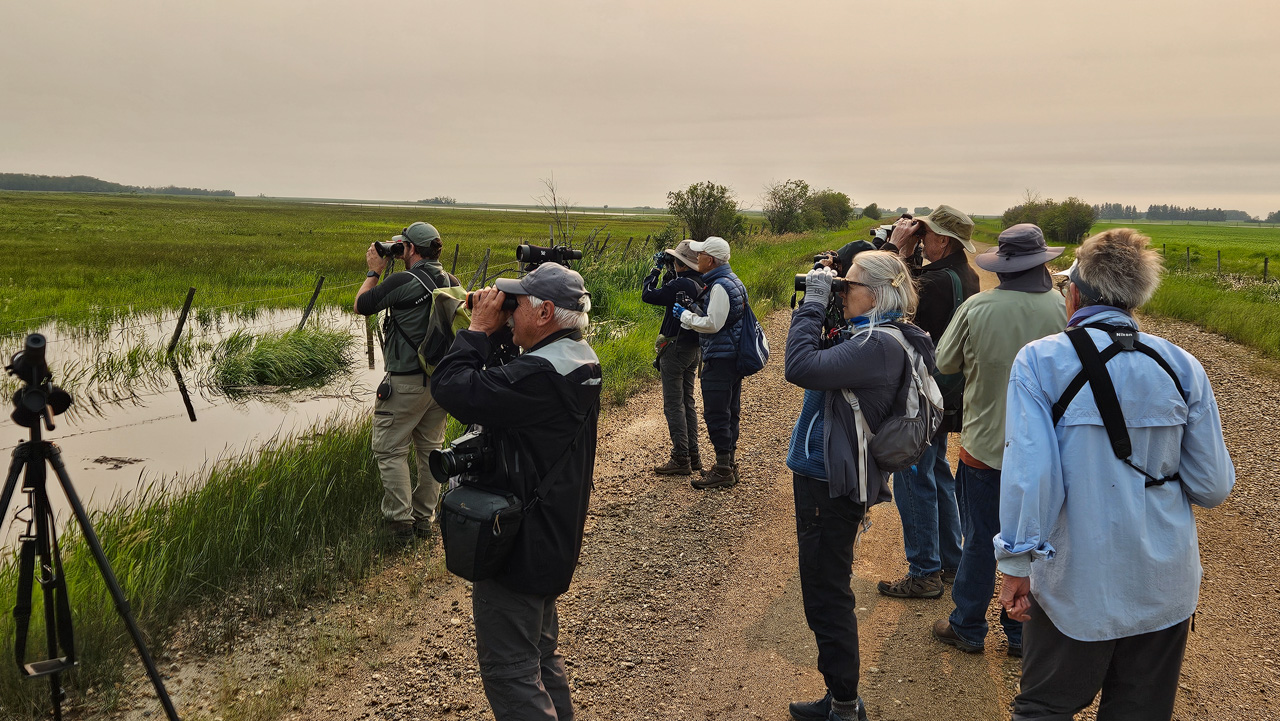
The journey commenced in Edmonton, Alberta, with an orientation session detailing the logistical challenges of Arctic travel. On the second day, the expedition shifted to the wetlands near Dodds and Beaverhill, regions vital for waterfowl staging.
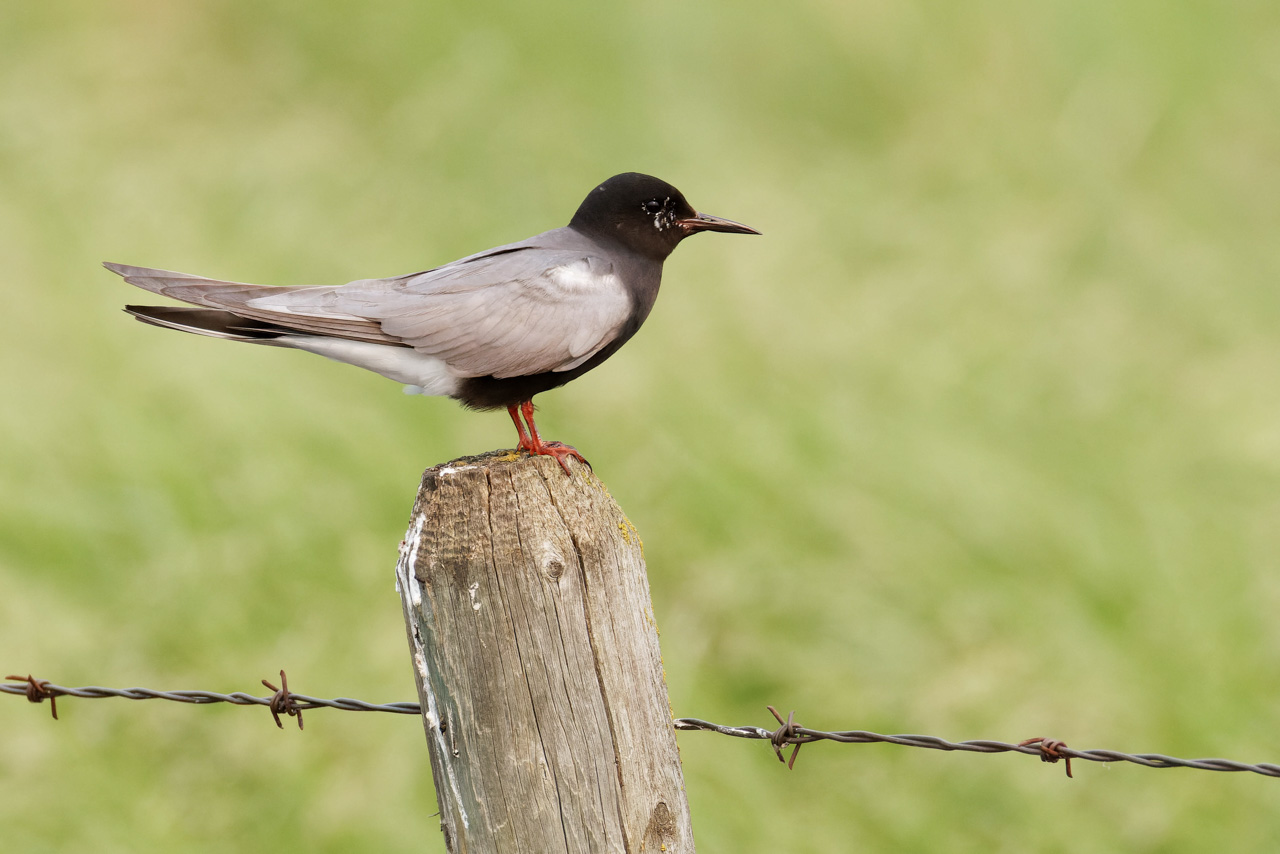
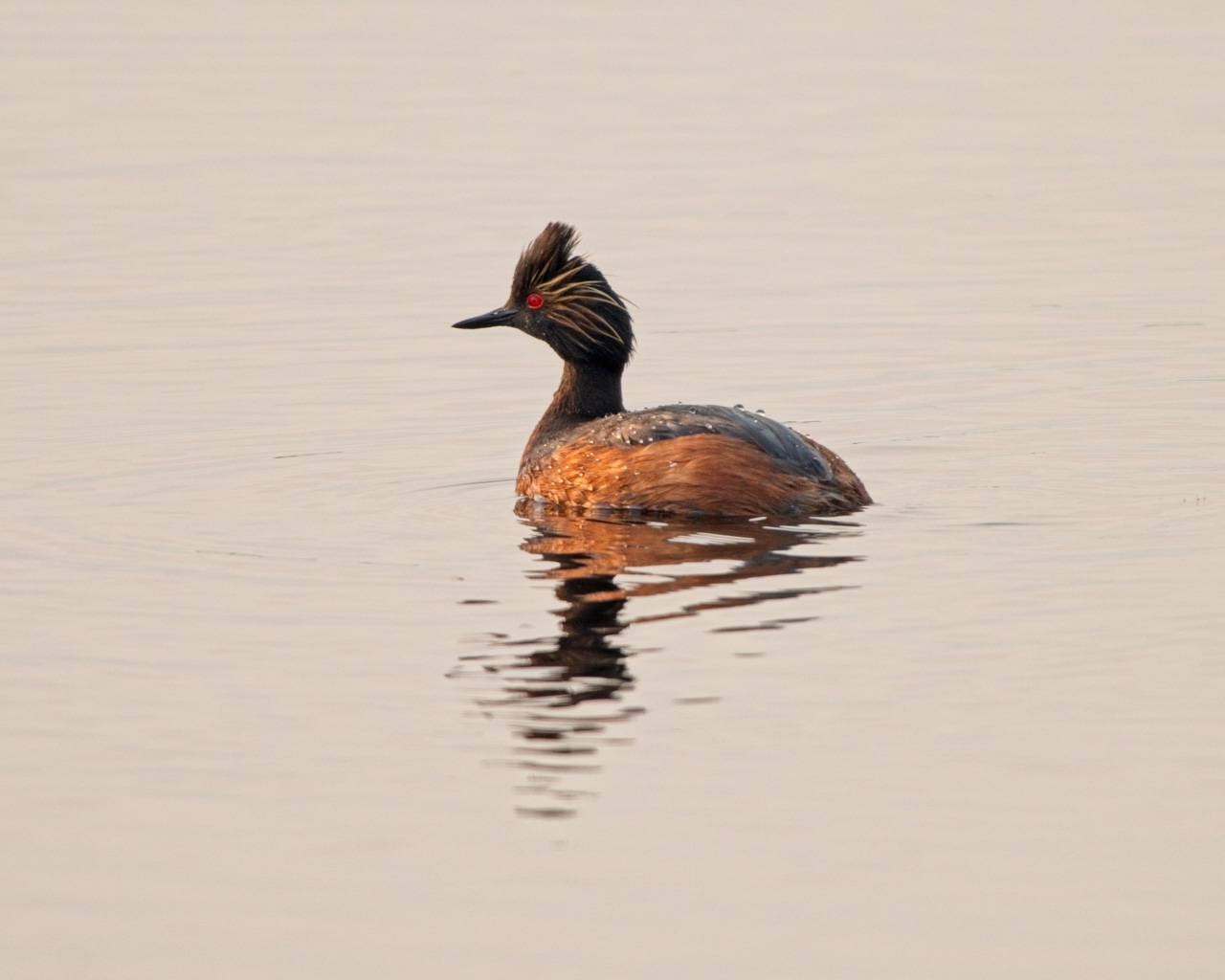
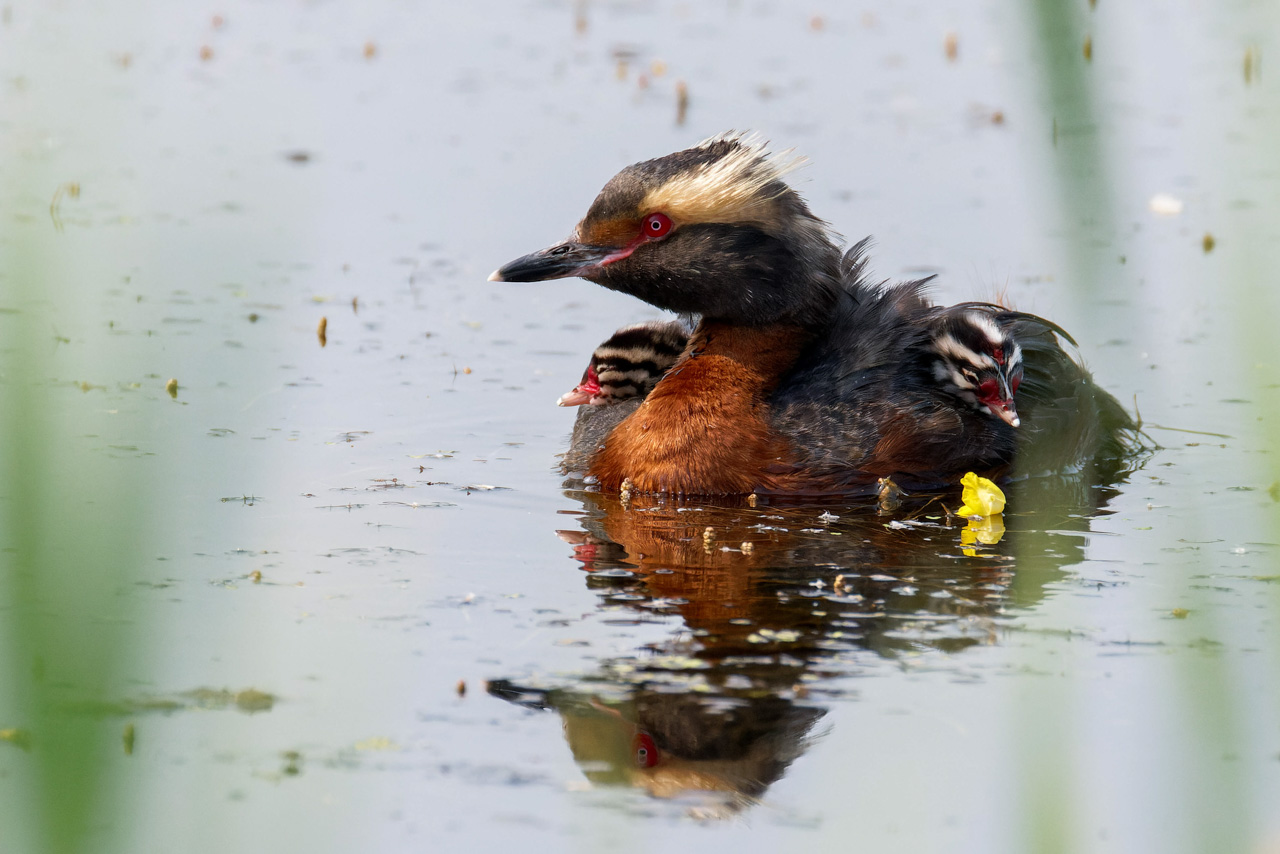
Observers recorded a high density of Eared Grebes (Podiceps nigricollis), Wilson’s Phalaropes (Phalaropus tricolor), and various teal species. The wetlands, characterized by extensive sloughs, provided an essential habitat for Black and Forster’s Terns. Researchers noted a particularly rare sighting of a flock of twelve Hudsonian Godwits (Limosa haemastica), a species currently of conservation concern due to habitat loss across its migratory flyway.
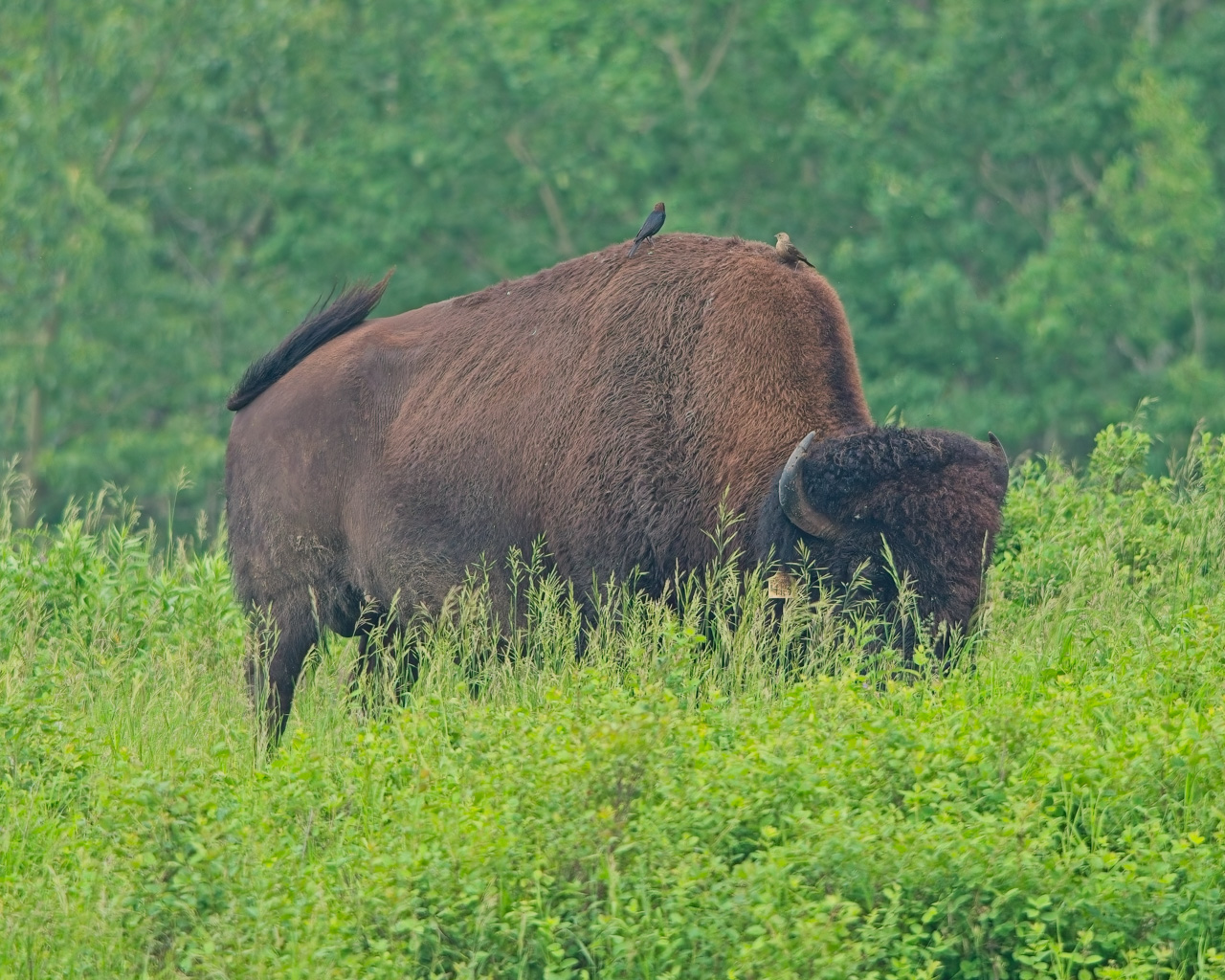
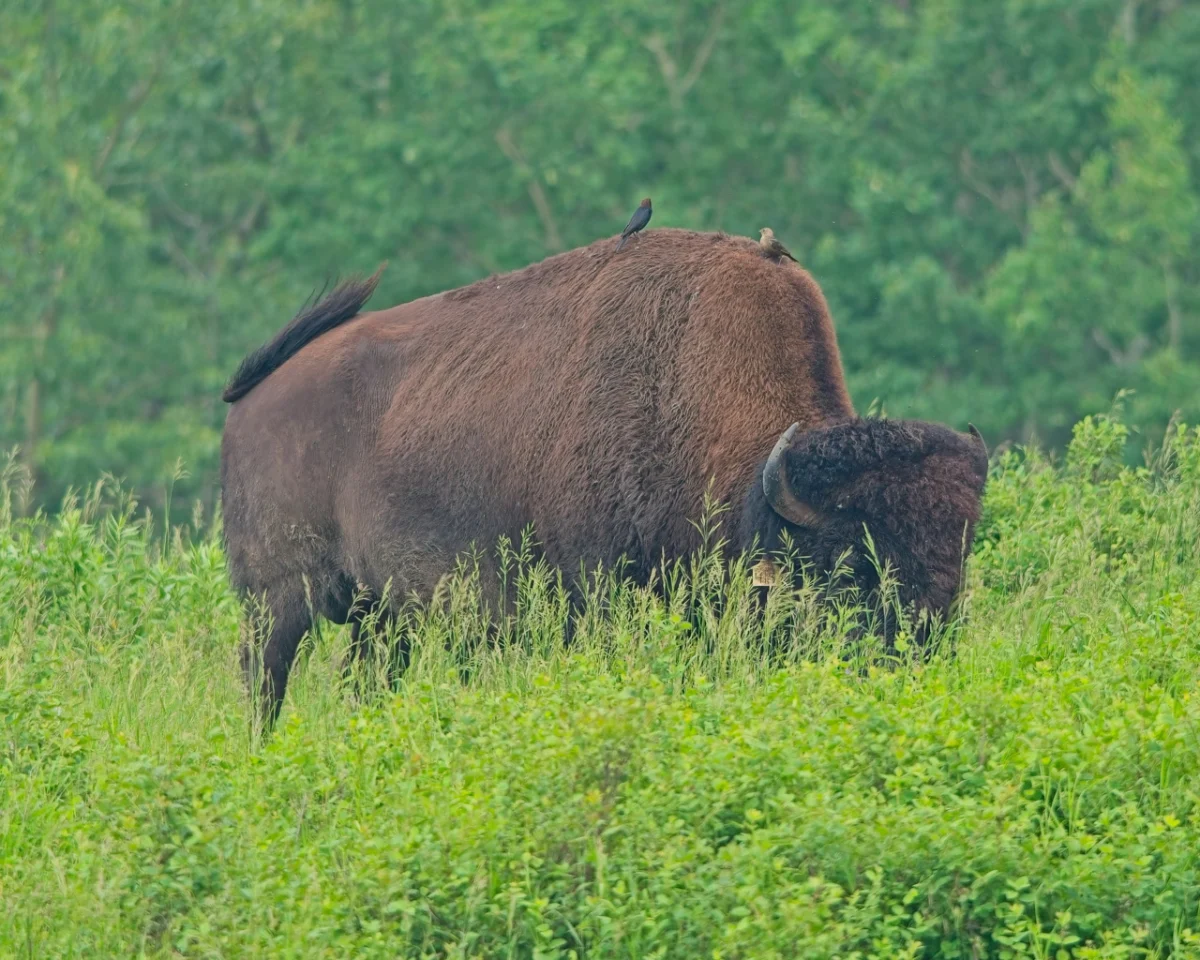
The Beaverhill segment proved challenging due to heavy insect activity and flooded trails, yet the surrounding agricultural lands yielded sightings of White-faced Ibis (Plegadis chihi) and American White Pelicans (Pelecanus erythrorhynchos). The day concluded in Elk Island National Park, where the group observed a Plains Bison (Bison bison bison)—an iconic species whose presence in the park remains a success story for North American conservation efforts.
Phase Two: Yellowknife and the Boreal Forest (Days 3–4)
The expedition moved north to Yellowknife, the capital of the Northwest Territories. The focus here shifted to boreal species and the unique micro-habitats found around Niven Lake and the Ingraham Trail.
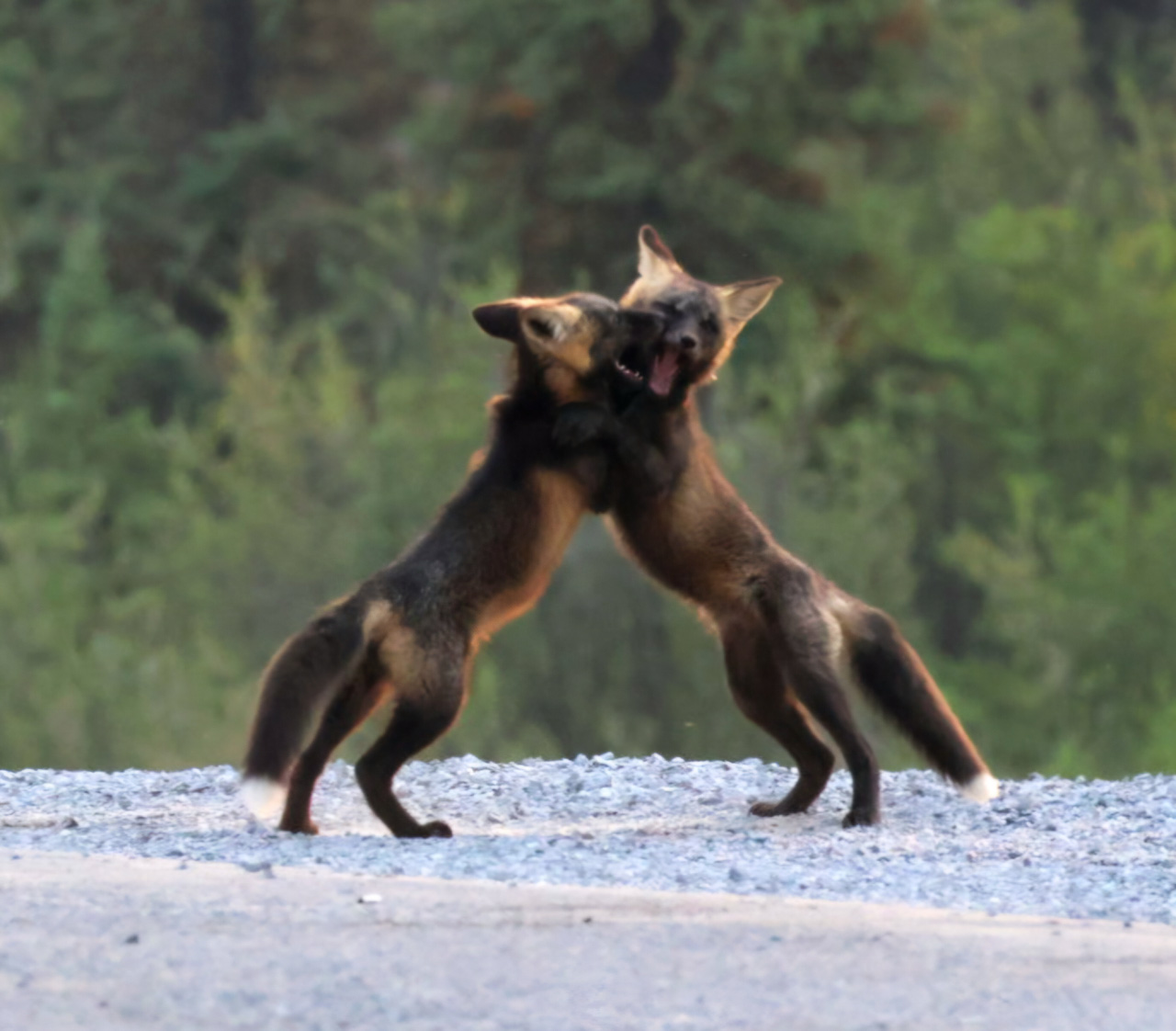
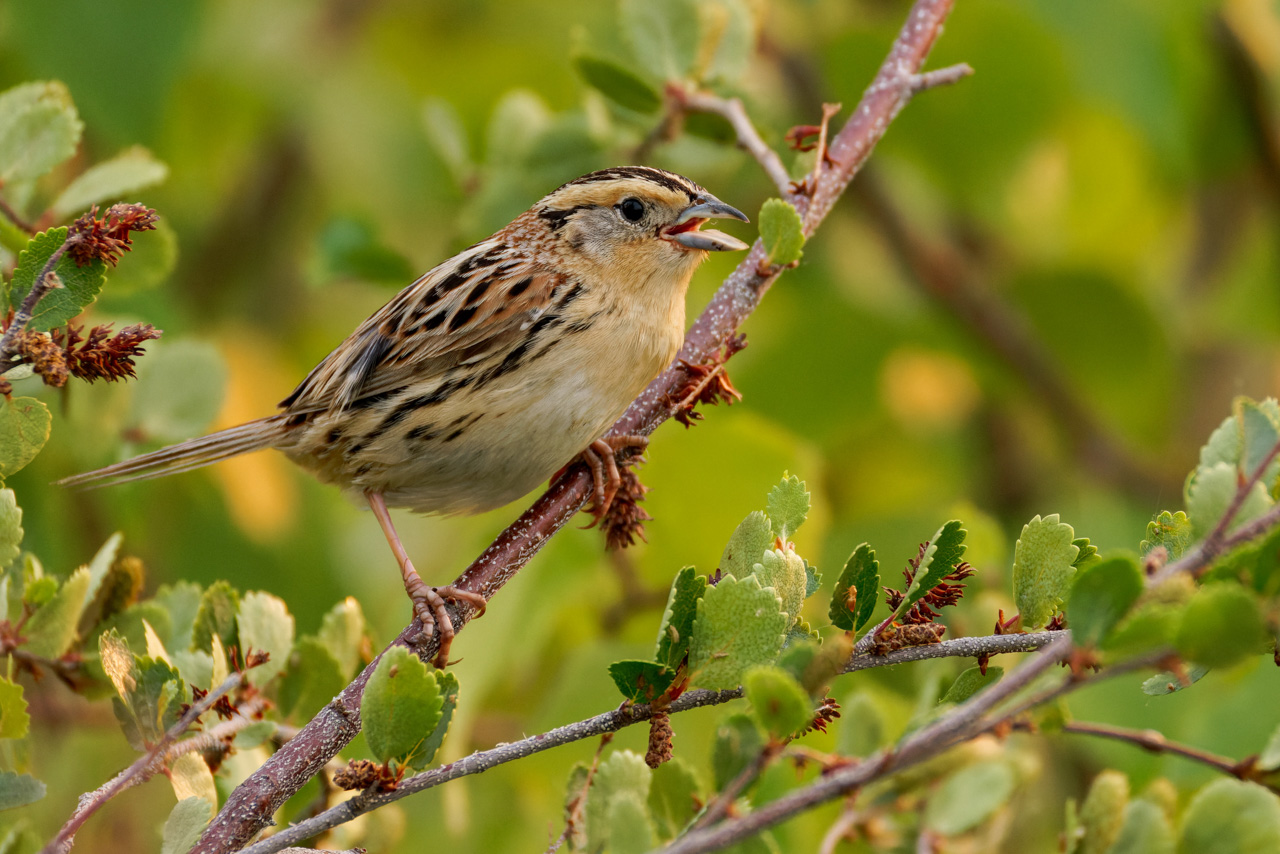
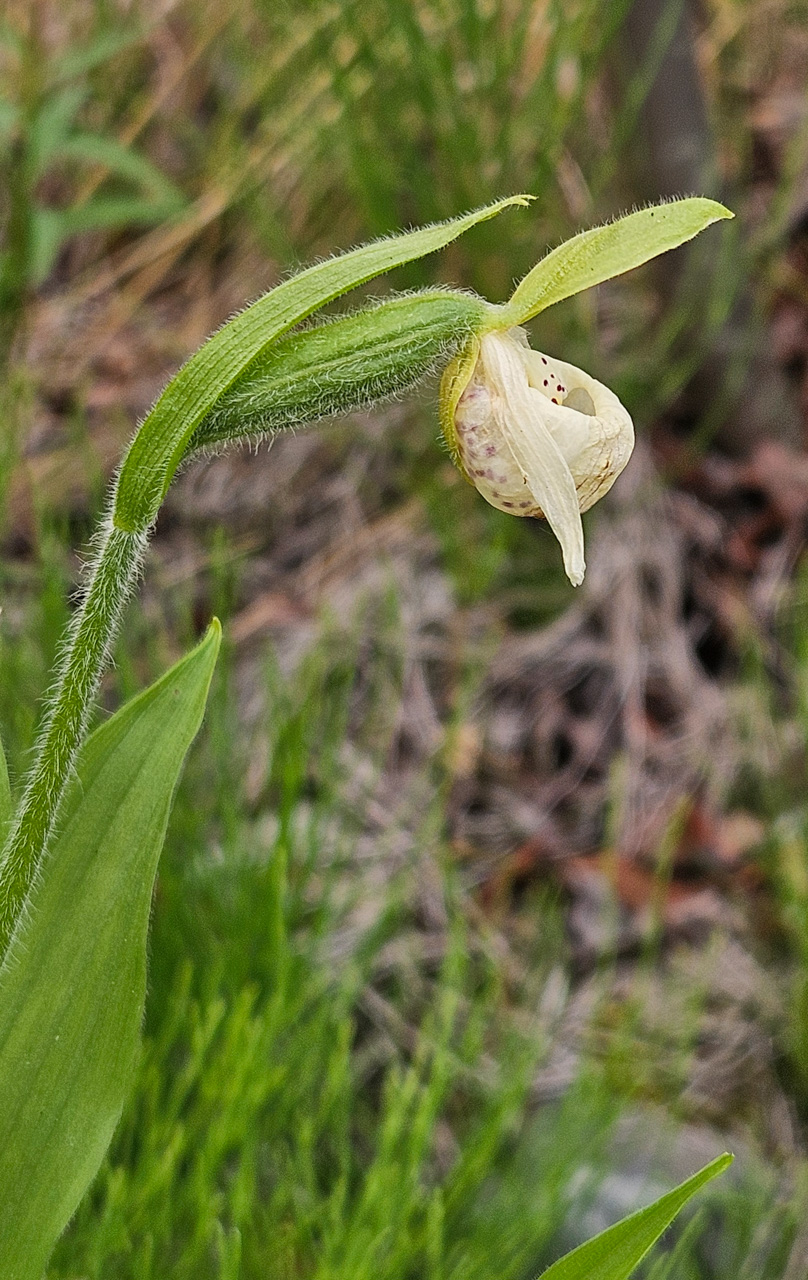
A notable highlight included the observation of Red Fox (Vulpes vulpes) kits, including a rare cross-fox variant. The forest floor also revealed botanical treasures, such as the Sparrow’s-egg Lady’s Slipper (Cypripedium passerinum), an orchid that thrives in the cold, calcium-rich soils of the north. The team successfully utilized acoustic playback to record the presence of the Boreal Chickadee (Poecile hudsonicus) and the elusive Le Conte’s Sparrow (Ammospiza leconteii). The ability to observe these species in a undisturbed forest setting underscores the importance of maintaining protected areas within the Northwest Territories.
Phase Three: Cambridge Bay and the High Arctic (Days 5–10)
The final and most critical phase of the expedition occurred on Victoria Island, specifically around Cambridge Bay. Located north of the Arctic Circle, this region represents a fragile ecosystem sensitive to temperature fluctuations.
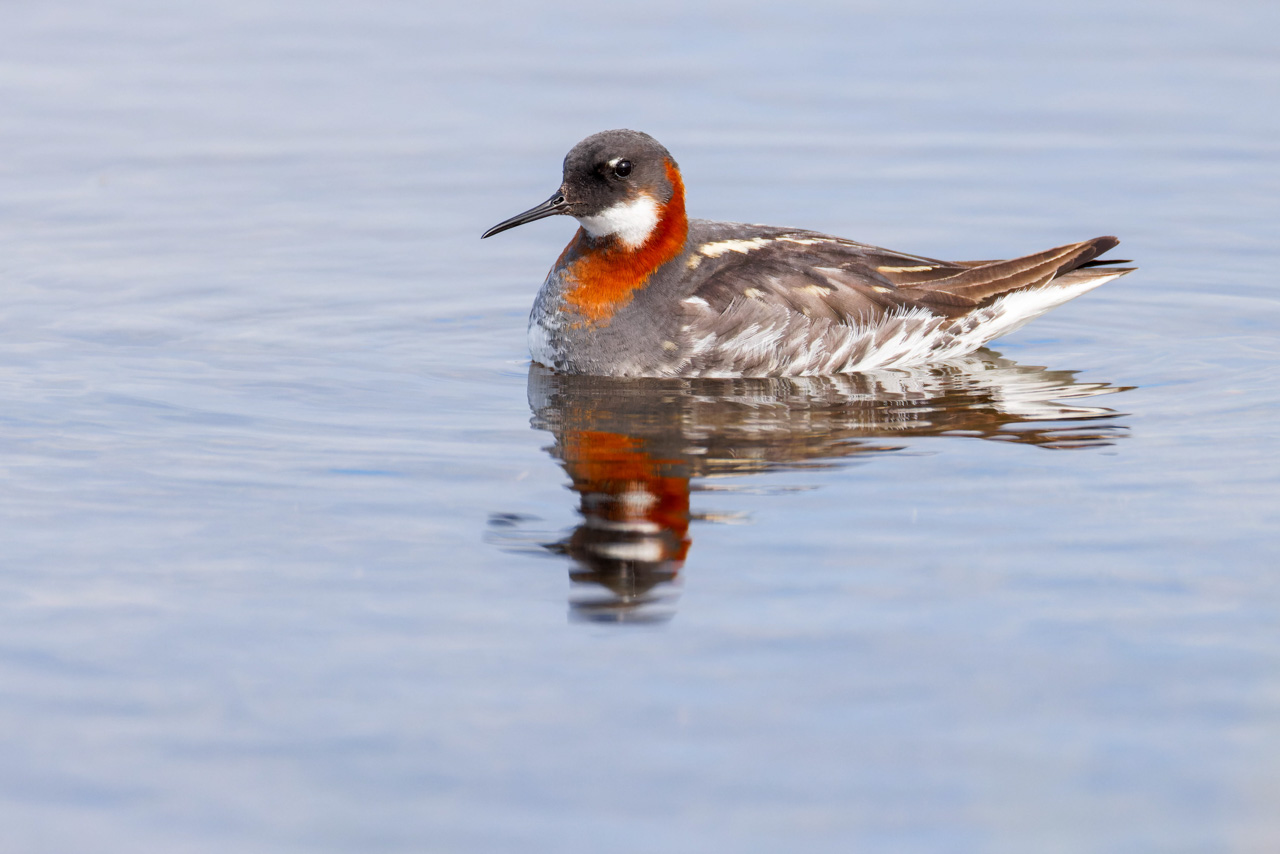
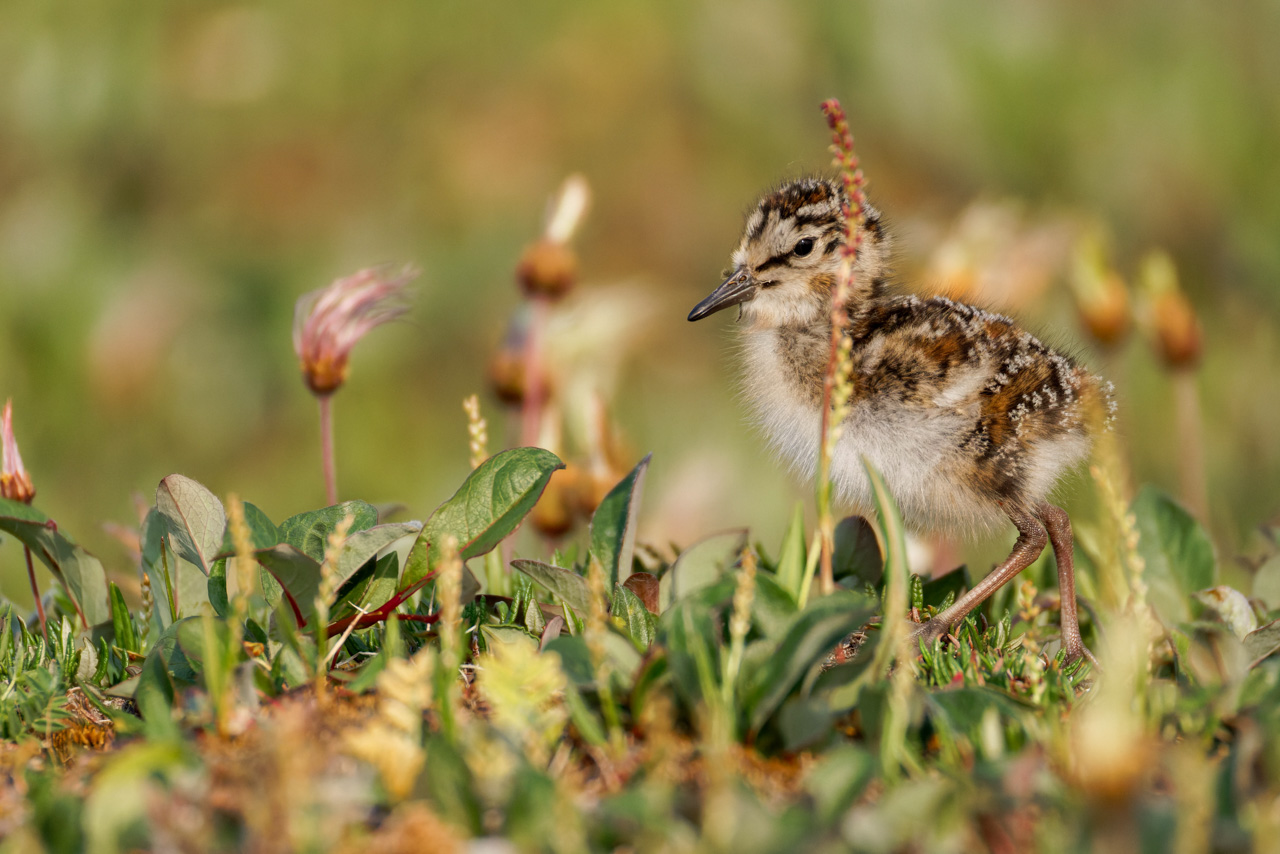
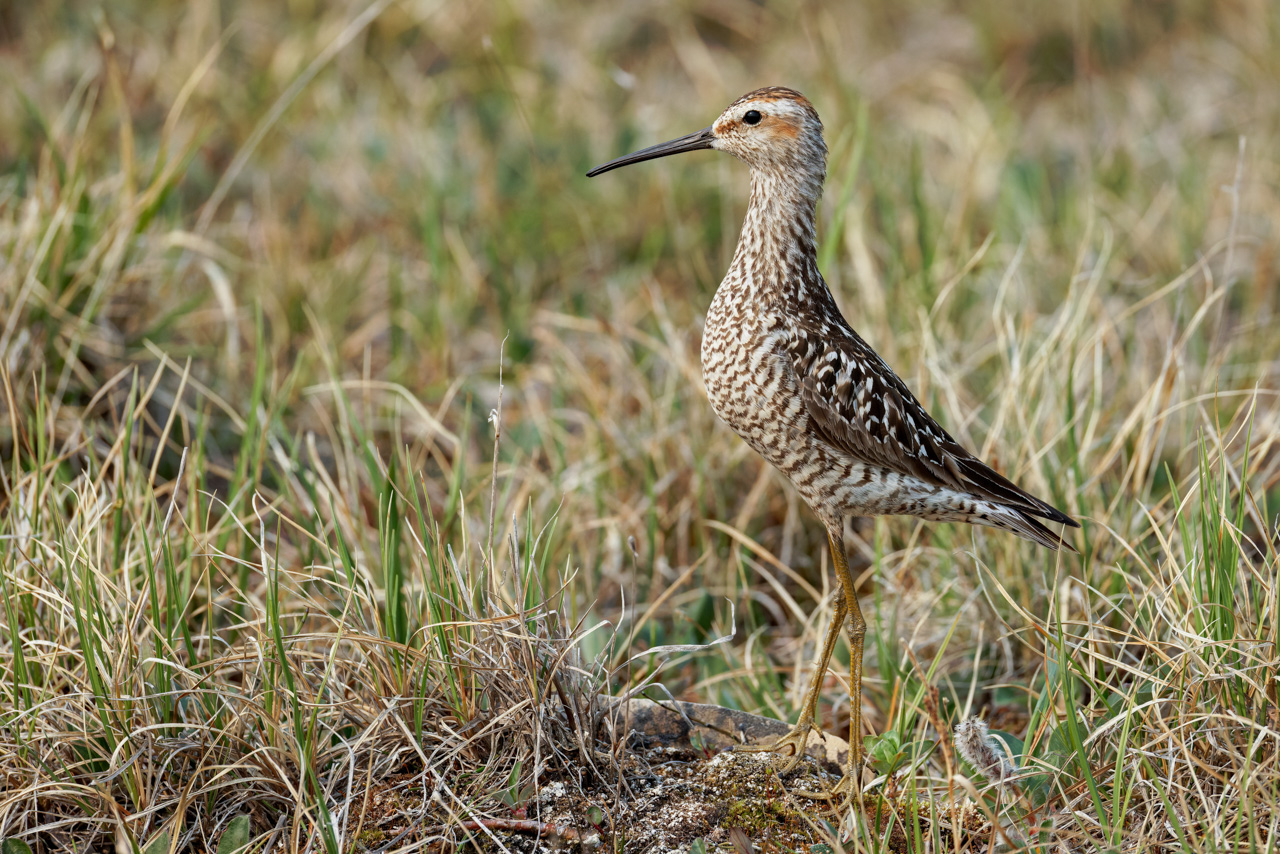
Upon arrival, the team documented a pair of Yellow-billed Loons (Gavia adamsii), a species that relies on large, undisturbed northern lakes for successful breeding. The coastal tundra provided an abundance of nesting shorebirds, including Semipalmated Sandpipers (Calidris pusilla) and Stilt Sandpipers (Calidris himantopus). Researchers observed that the avian nesting season was in full swing, with many species displaying defensive behaviors to protect their young from avian predators like the Long-tailed Jaeger (Stercorarius longicaudus).
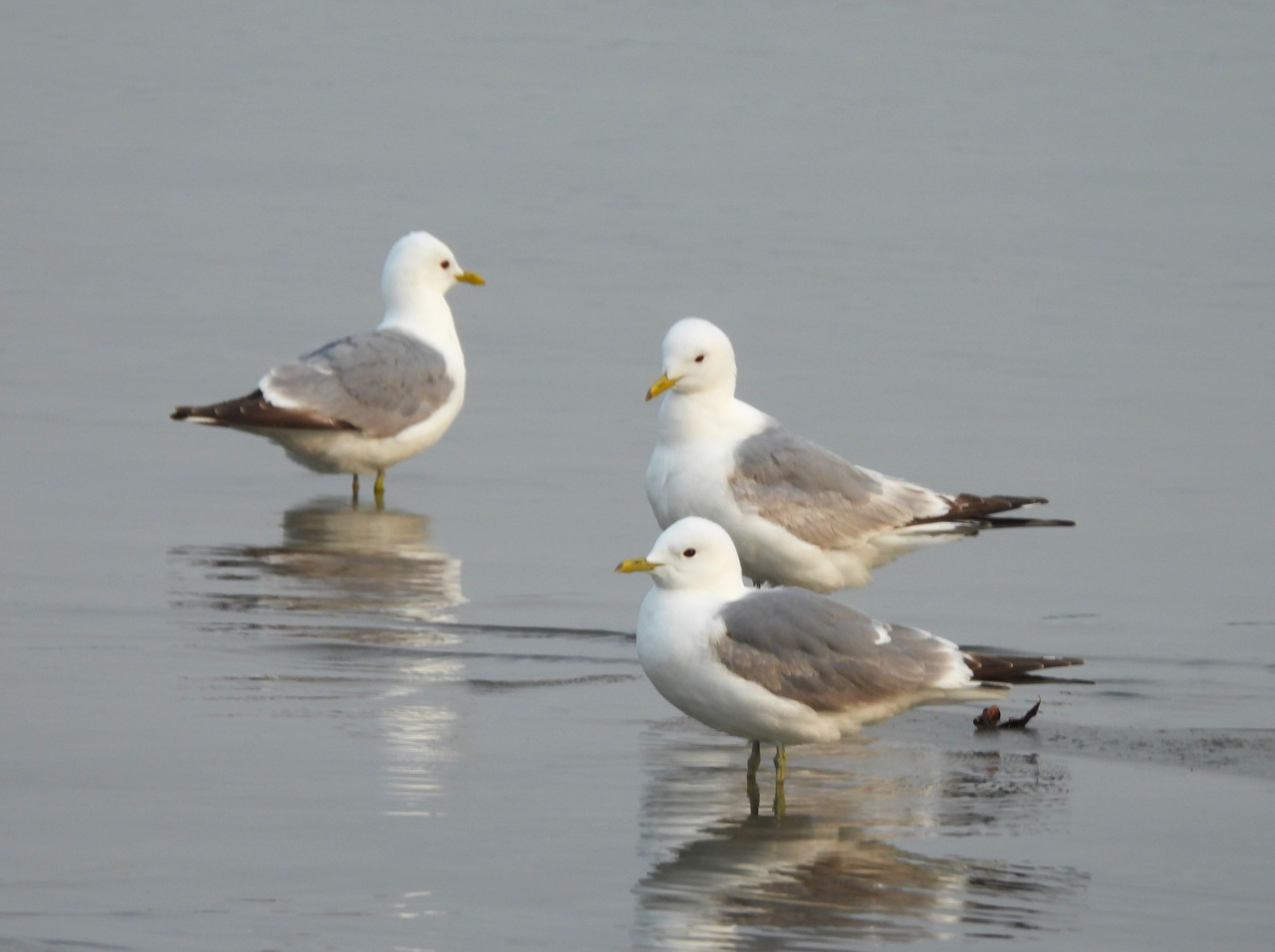
A significant discovery was the observation of a lone Hudsonian Whimbrel, a rare occurrence for Victoria Island that suggests potential range shifts or exploratory behavior in this population. The expedition also documented the presence of Arctic Fox (Vulpes lagopus) families, providing insight into the predator-prey dynamics of the tundra.
Chronology of Key Observations
- Day 2: Peak density of migratory waterfowl in Alberta; rare sighting of Hudsonian Godwits.
- Day 4: Successful identification of Boreal Chickadees and rare orchids near Yellowknife.
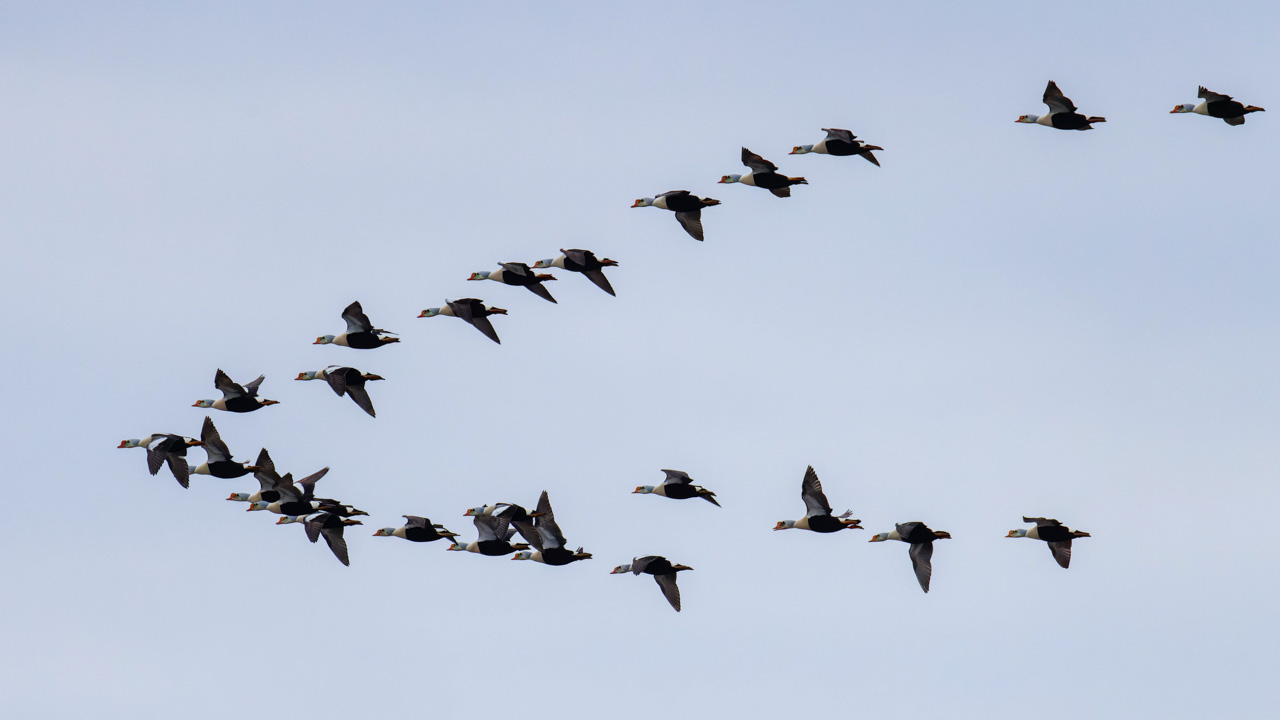
- Day 5–6: Arrival at Cambridge Bay; documentation of King Eiders (Somateria spectabilis) and Yellow-billed Loons.
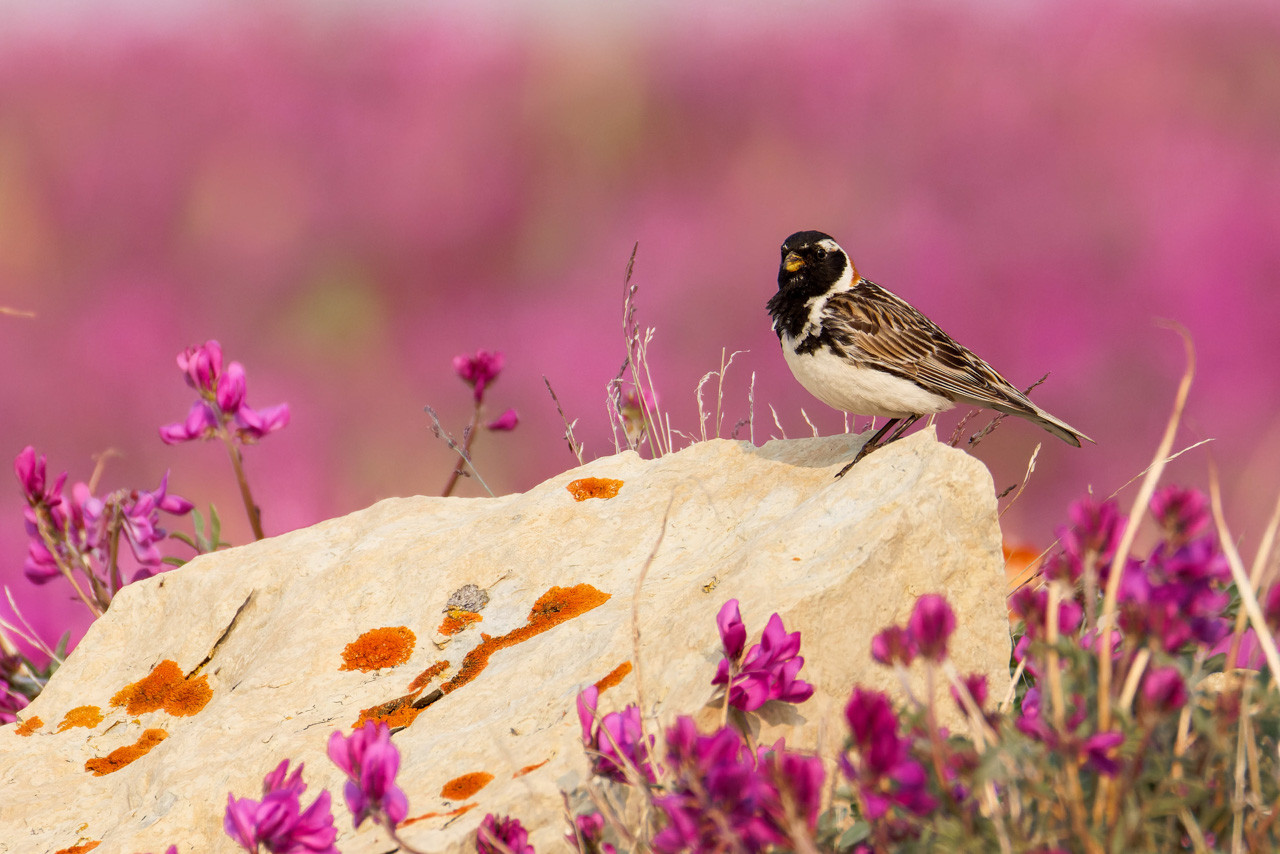
- Day 8: Exploration of the Ovayok (Mount Pelly) esker, revealing high levels of botanical diversity and nesting Lapland Longspurs.
- Day 9: Coastal surveys of Dease Strait; documentation of Ringed Seals and high concentrations of Long-tailed Ducks.
Environmental Analysis and Scientific Implications
The observations made during the 2026 tour provide a snapshot of the current state of Arctic biodiversity. The prevalence of fledglings and the active nesting behaviors suggest a relatively productive season for the species surveyed. However, the presence of predated nests—such as that of the Pacific Loon near the airport—serves as a reminder of the inherent risks faced by ground-nesting birds in environments where human infrastructure intersects with wildlife corridors.
Botanical surveys, including the identification of various Arctic vetches and fireweed, highlighted the resilience of flora in a region defined by 24-hour sunlight during the summer months. The abundance of pollinators, such as various fritillaries and sulphurs, suggests that the insect biomass necessary to sustain the avian populations remains healthy.
Expert Statements and Group Impact
The expedition leaders, Blair Dudeck and his colleagues, noted that the 2026 season was marked by exceptionally favorable weather conditions, allowing for more extensive ground coverage than in previous years. Participant feedback indicated a high degree of satisfaction, with many citing the "uninterrupted wilderness" and the opportunity to witness "the cycle of life in the High Arctic" as transformative experiences.
"The goal of these tours is to cultivate a deeper understanding of the ecological complexities that define the north," said a spokesperson for the organizing team. "By providing participants with direct access to these habitats, we hope to encourage a long-term commitment to the preservation of Arctic regions."
Broader Impact: Why the Arctic Matters
The Arctic is currently warming at a rate significantly higher than the global average. As such, every biological survey conducted in the region is of immense scientific value. The data collected during this ten-day expedition contributes to the broader understanding of how species are adapting to shorter winters and shifting vegetation zones.
The identification of nesting sites and the documentation of species density help local authorities in Cambridge Bay and the Northwest Territories implement better land-management practices. For instance, the observation of nesting behaviors near public infrastructure highlights the need for informed planning to minimize human-wildlife conflict.
As the expedition members returned to their respective homes across the globe, the lasting impression was one of fragile beauty. The High Arctic remains a critical indicator of global environmental health, and reports from the field serve as essential documentation of its ongoing status. This expedition has not only enriched the knowledge of those who participated but has also contributed to the collective scientific record of one of the world’s most vital, yet vulnerable, ecosystems.
