
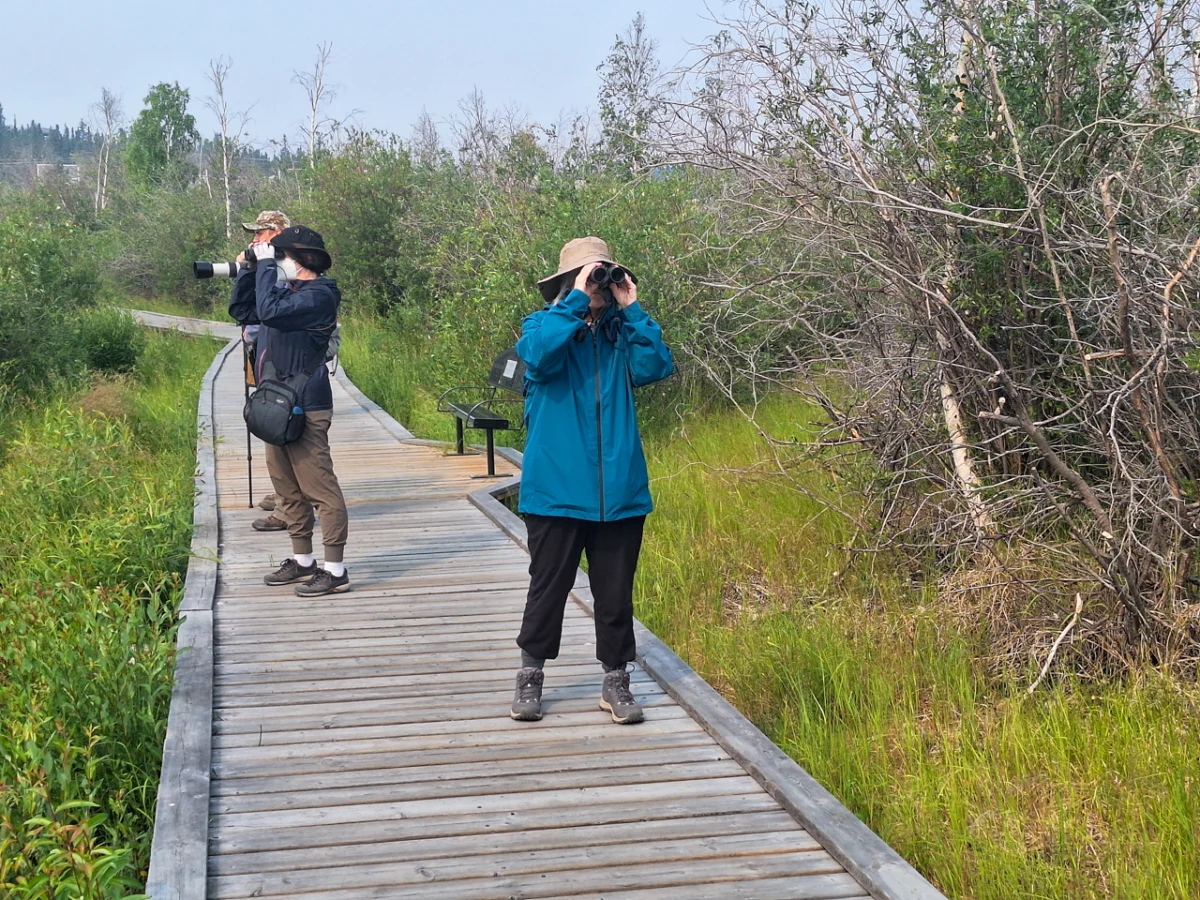
On July 3rd, an expedition team embarked on a comprehensive 2,000-kilometer journey spanning three distinct Canadian biomes, aiming to document the intersection of avian biodiversity and the accelerating impacts of climate change. The itinerary traversed the prairie wetlands of Alberta, the boreal forests of the Northwest Territories, and the arctic tundra of Victoria Island, Nunavut. This scientific and observational trek provided a granular look at how wildlife species are navigating environmental disruptions, while also examining the socio-ecological resilience of communities positioned at the frontlines of a warming planet.
The Prairie Mosaic: Assessing Biodiversity in Managed Wetlands
The expedition commenced in the vicinity of Beaverhill Lake, east of Edmonton. This region, recognized by BirdLife International as an Important Bird Area (IBA), serves as a critical mosaic of wetlands, meadows, and woodlands. The area is currently a primary case study for conservationists attempting to balance agricultural development with the preservation of critical nesting grounds.
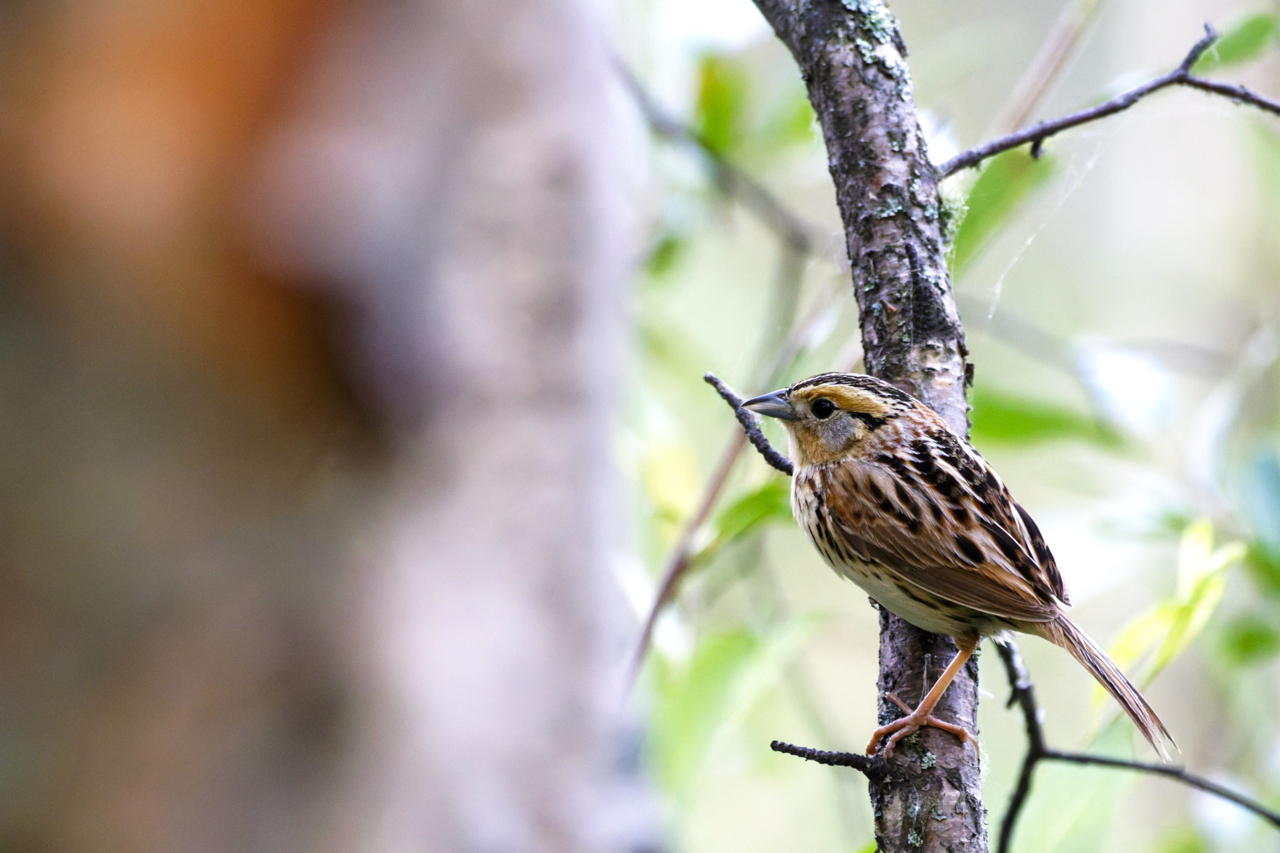
Upon arrival, researchers noted that recent regional flooding had created an abundance of insect life, providing an essential nutrient source for local bird populations. Field observations confirmed a high density of species, including the Common Yellowthroat, Eastern Kingbird, and the Sedge Wren. Of particular note was the presence of the Black-billed Cuckoo, a species that is increasingly rare in this easternmost point of its range. The sighting underscores the ecological significance of managed wetlands in providing a lifeline for species displaced by habitat loss elsewhere in the province.
The team further analyzed the Francis Point area, focusing on the Sprague’s Pipit. This grassland specialist has experienced significant population declines due to the conversion of native prairie into agricultural land. The survival of the species here is largely attributed to the stewardship of private landowners who have committed to conservation-based land management. This model suggests that public-private partnerships remain one of the most effective tools for protecting at-risk prairie birds.
Elk Island National Park and the Restoration of the Wood Bison
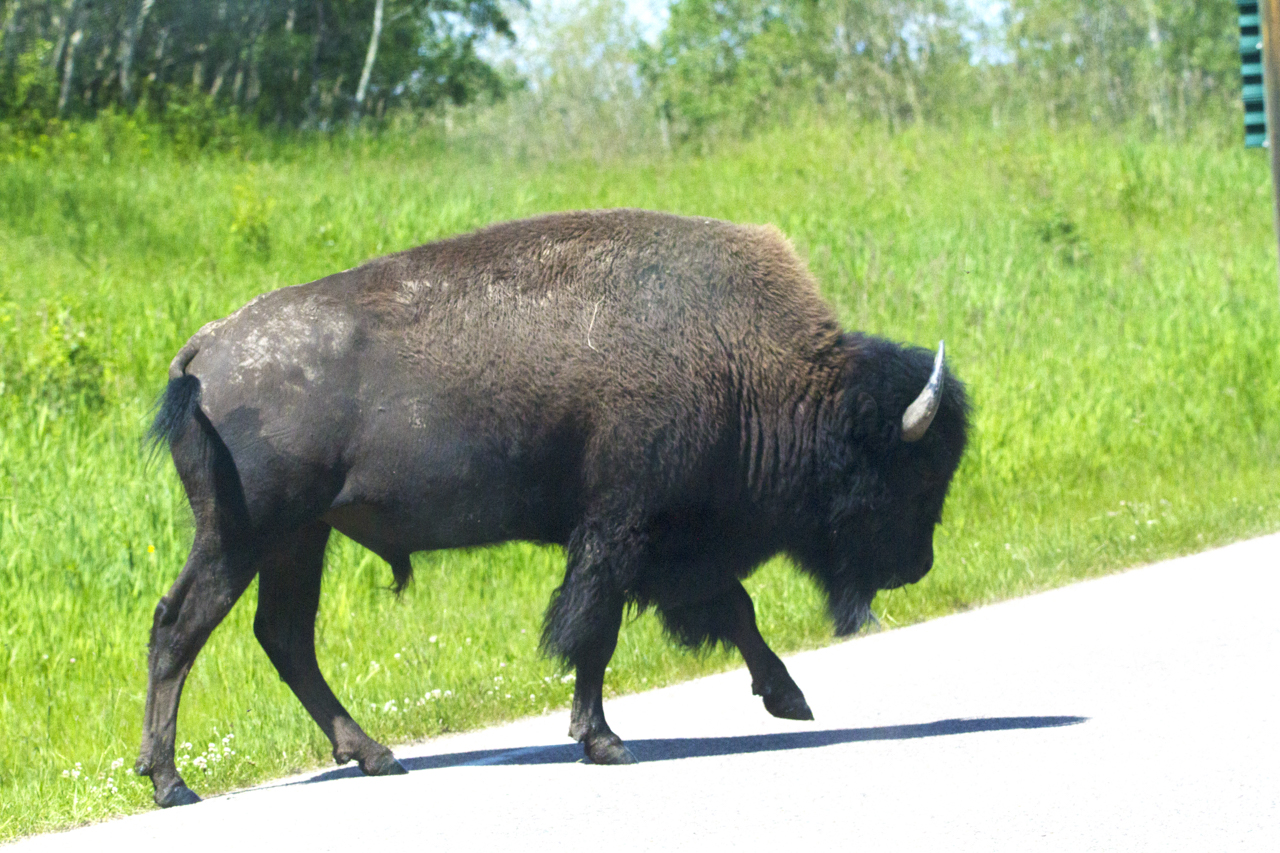
The transition into the boreal-temperate forest zone was marked by a visit to Elk Island National Park, a UNESCO-designated Biosphere Reserve. The park serves as a critical refuge for the Wood Bison, a species that faced near-extinction in the early 20th century. Through intensive management and reintroduction efforts, the bison population in the park has stabilized, providing a successful example of captive-breeding and rewilding programs.
Observations within the park revealed a notable infestation of Tent Caterpillars, which had denuded large swaths of the forest canopy. While ecologically disruptive, the infestation provided an opportunity for avian species, such as the Red-eyed Vireo, to exploit increased food availability. This interaction highlights the complex, often unpredictable nature of forest dynamics in an era of shifting insect populations.
The Boreal Front: Monitoring Change in Yellowknife
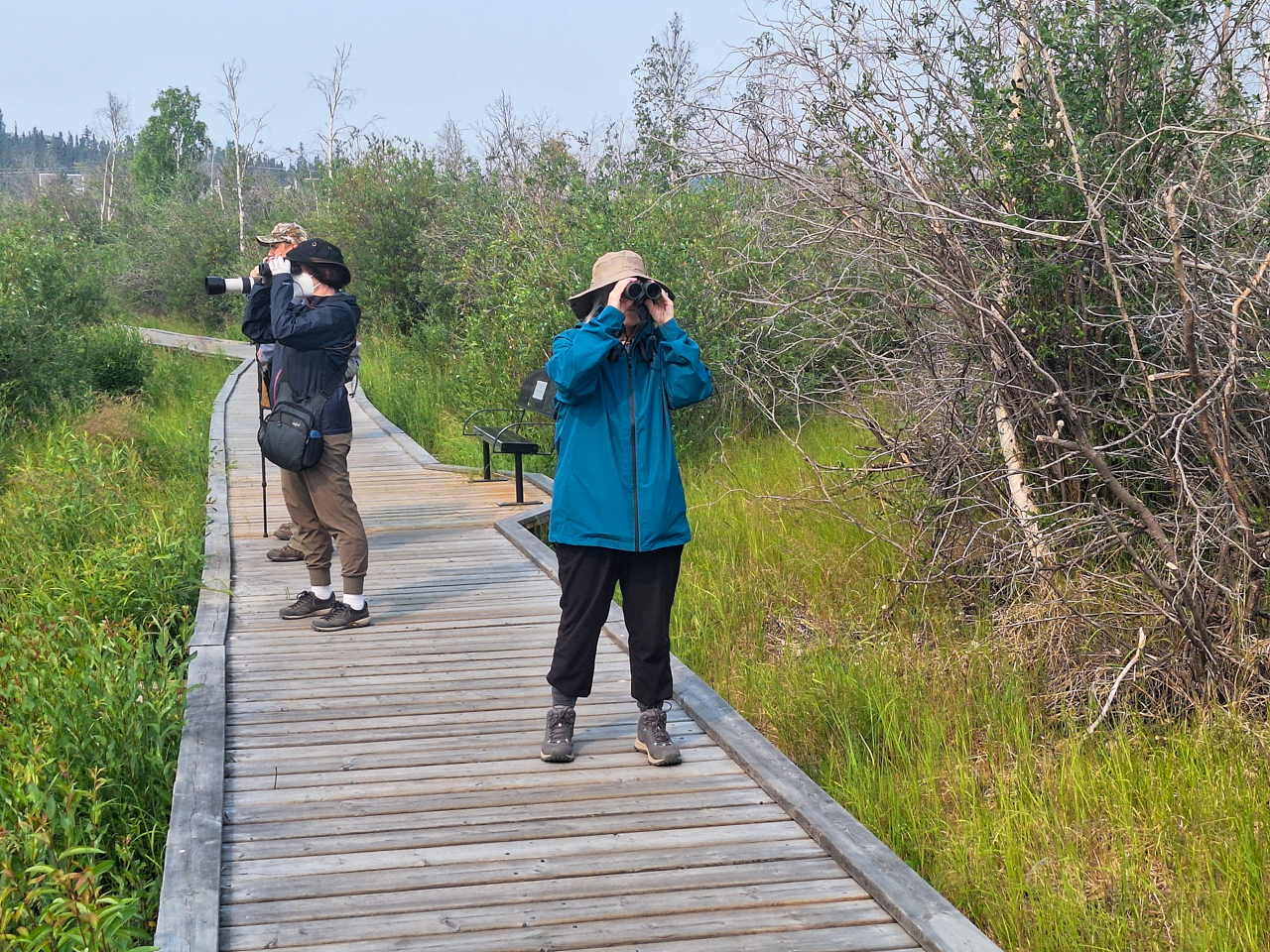
On July 4th, the expedition reached Yellowknife, where the immediate impact of climate change was visible in the form of atmospheric haze. Thick smoke from ongoing wildfires in the western forests created a challenging environment for local wildlife and, by extension, for ecological monitoring.
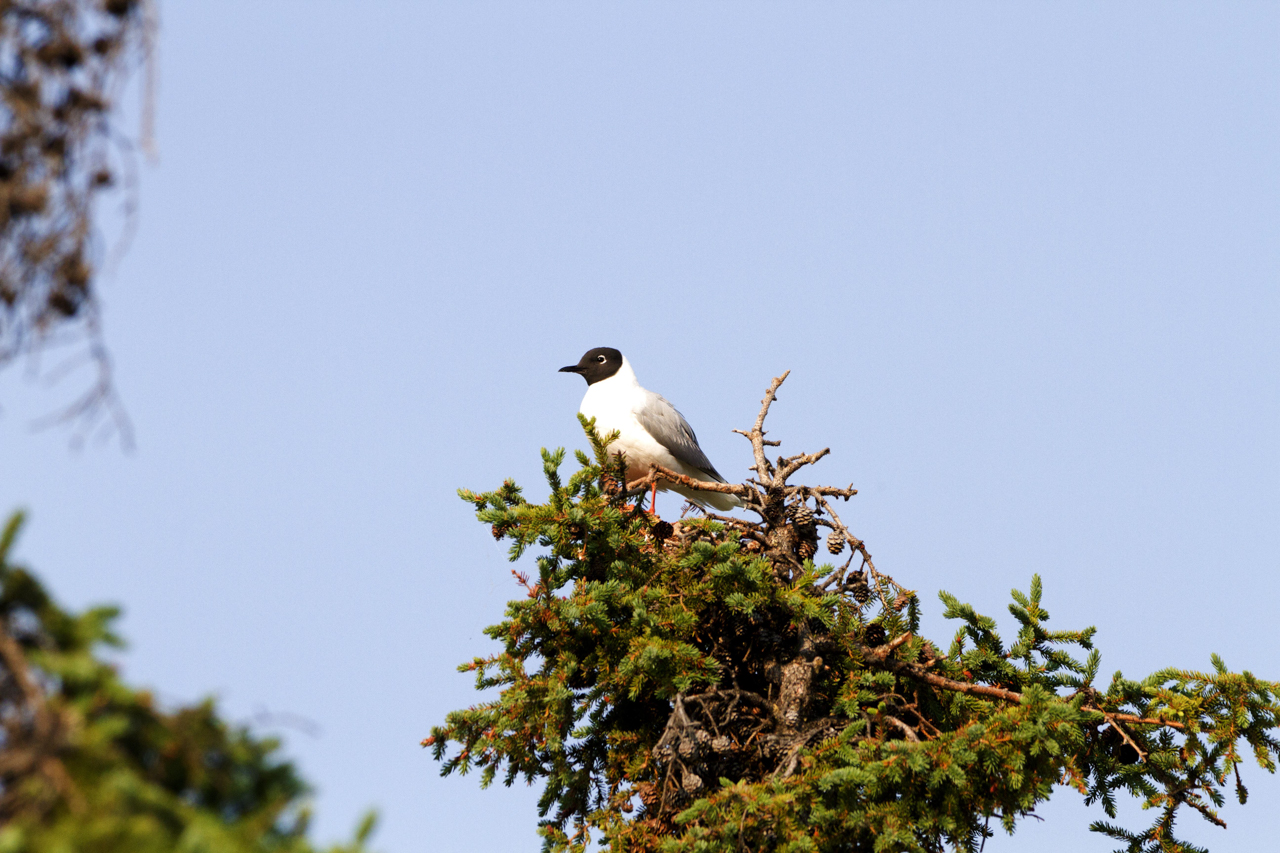
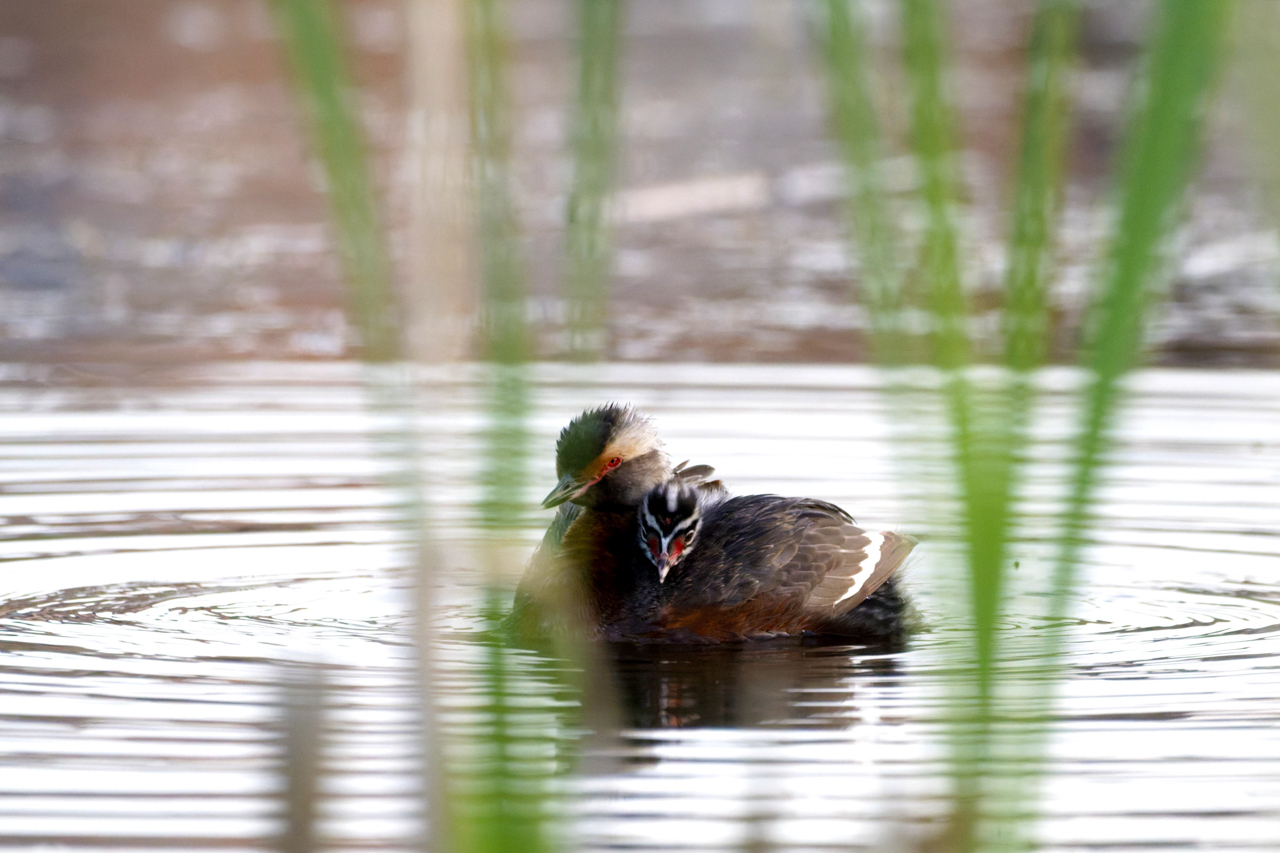
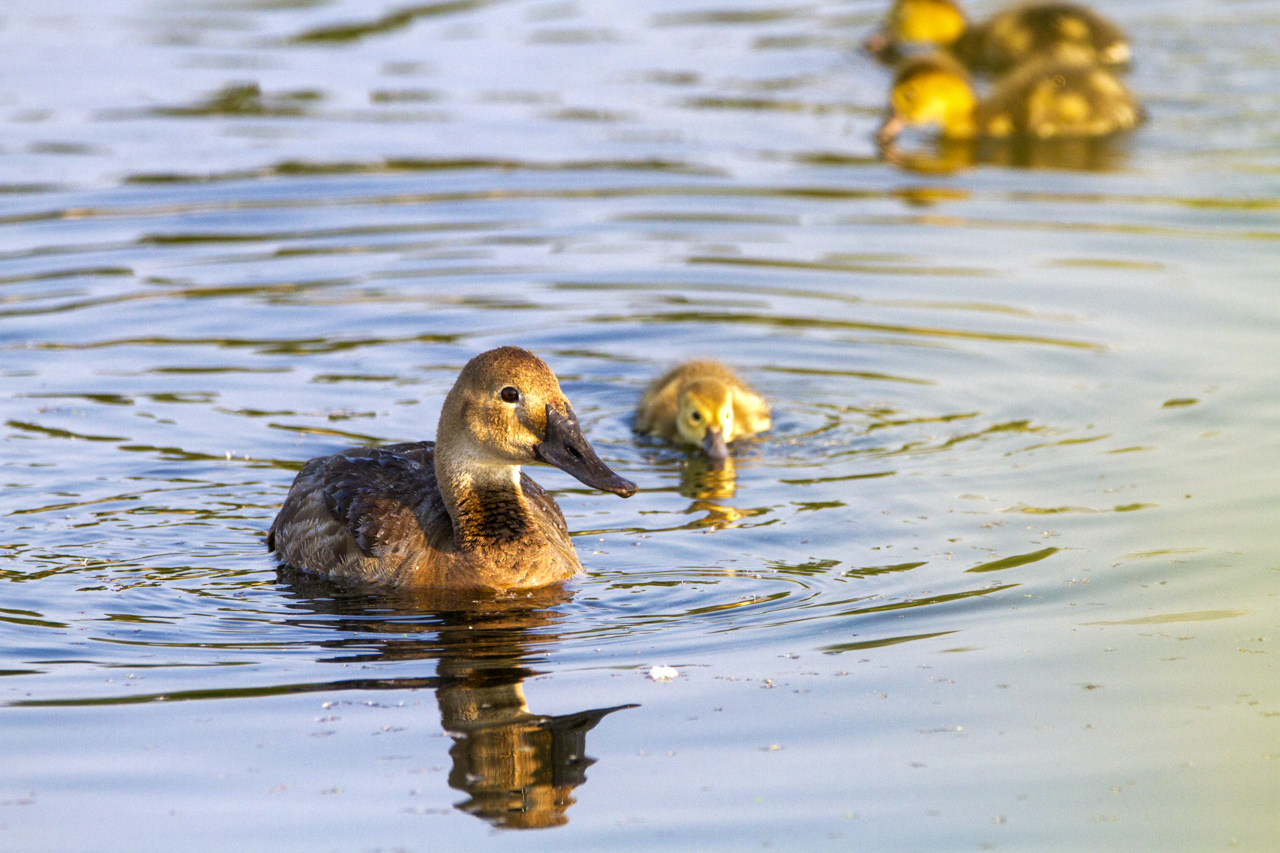
Despite the air quality issues, the team conducted surveys at Niven Lake. The site proved to be a critical breeding ground for Bonaparte’s Gulls, Horned Grebes, and Canvasbacks. The presence of these birds, particularly the thriving populations of grebes with young, indicates that despite regional fire activity, the lacustrine ecosystems around Yellowknife remain resilient.
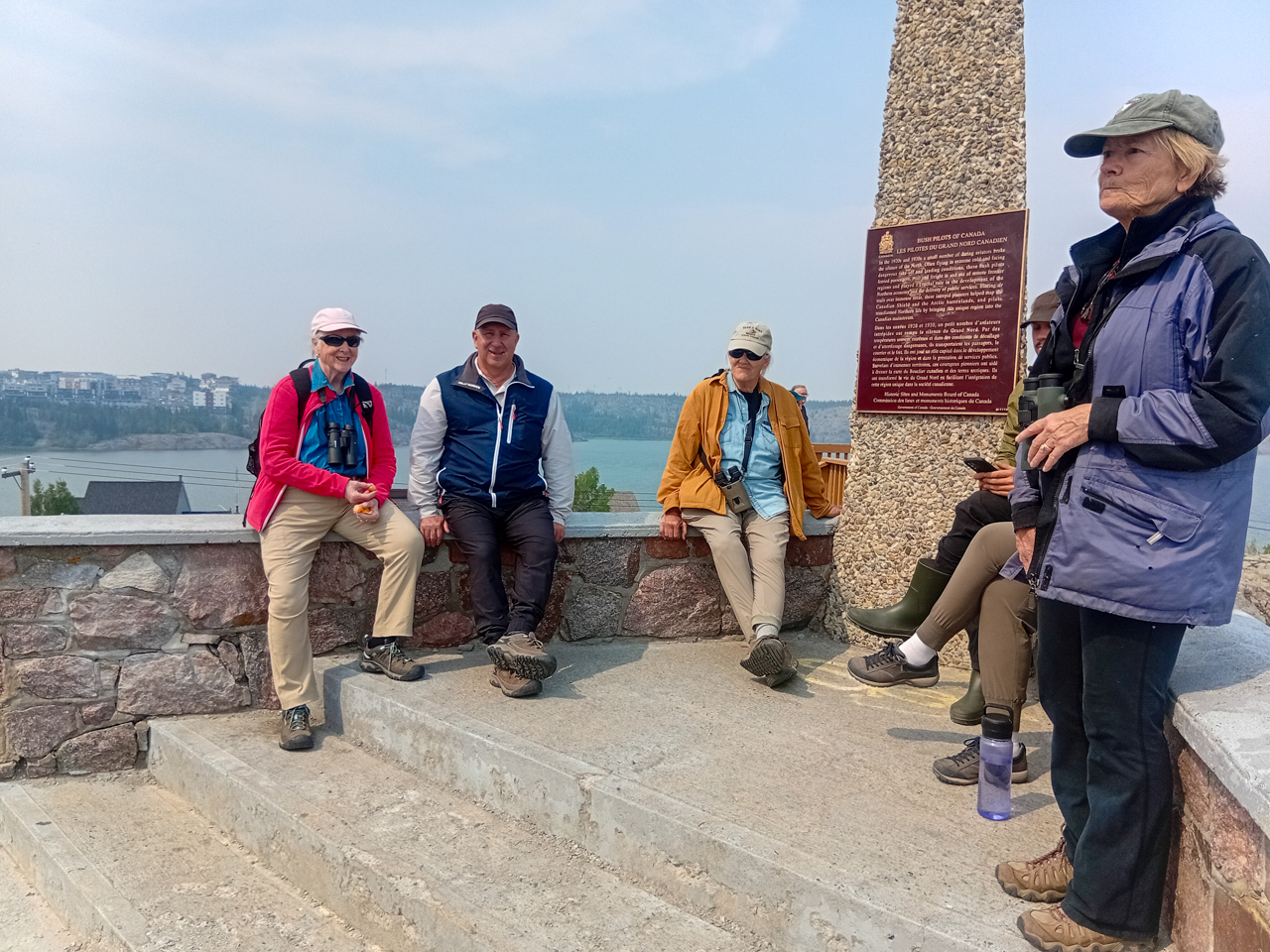
During a visit to the Prince of Wales Northern Heritage Center, the team contextualized these observations within the broader history of the North. The museum’s data emphasizes that the northern boreal regions are experiencing warming at nearly three times the global average, a phenomenon known as Arctic amplification. This rapid temperature increase is fundamentally altering the phenology—the timing of biological events—for many boreal species, forcing them to adapt to earlier springs and unpredictable weather patterns.
The Arctic Frontier: Biodiversity and Infrastructure in Cambridge Bay
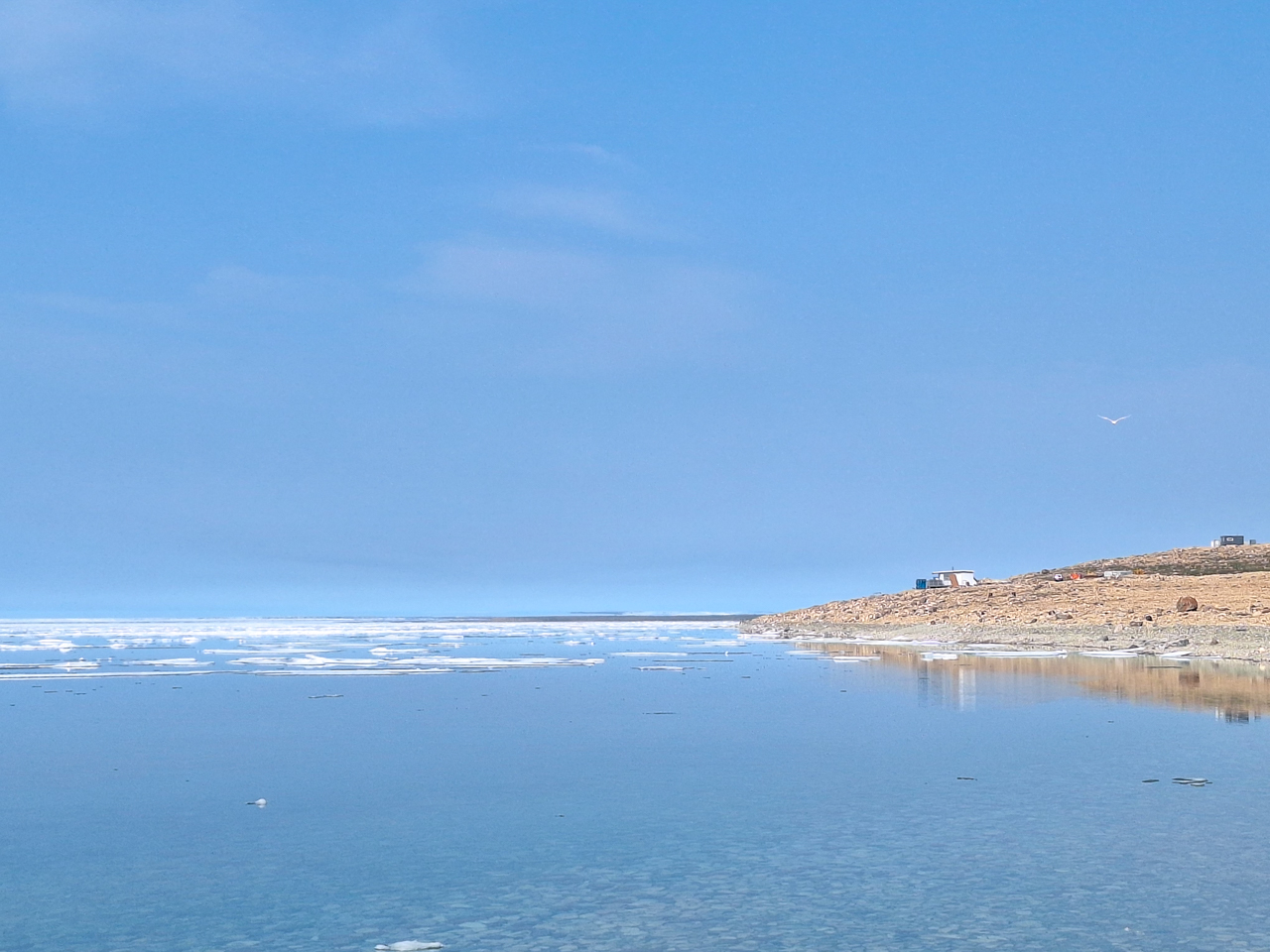
The final phase of the expedition moved to Cambridge Bay, Nunavut, situated within the Arctic tundra. The arrival of the team coincided with the ongoing melting of the Northwest Passage’s seasonal ice, a process that is occurring earlier each year.
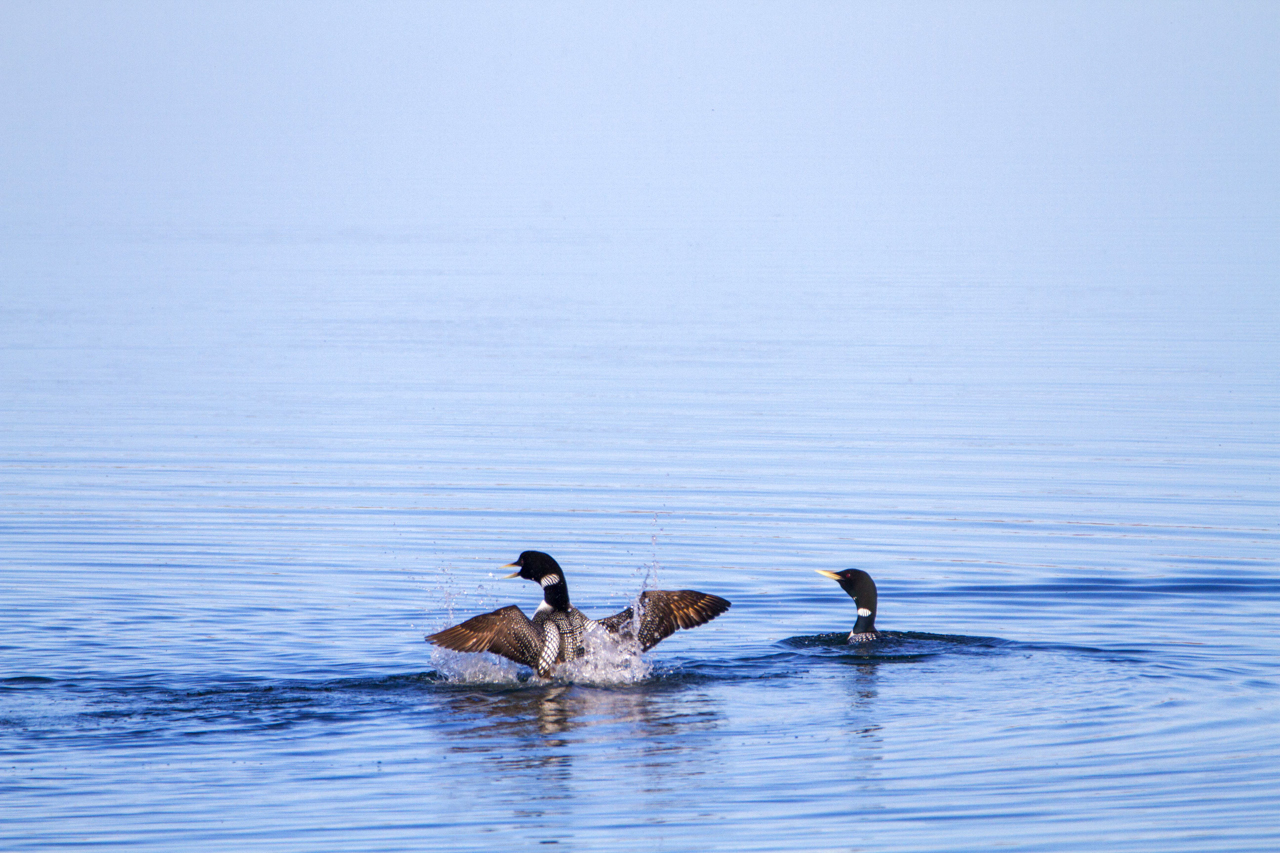
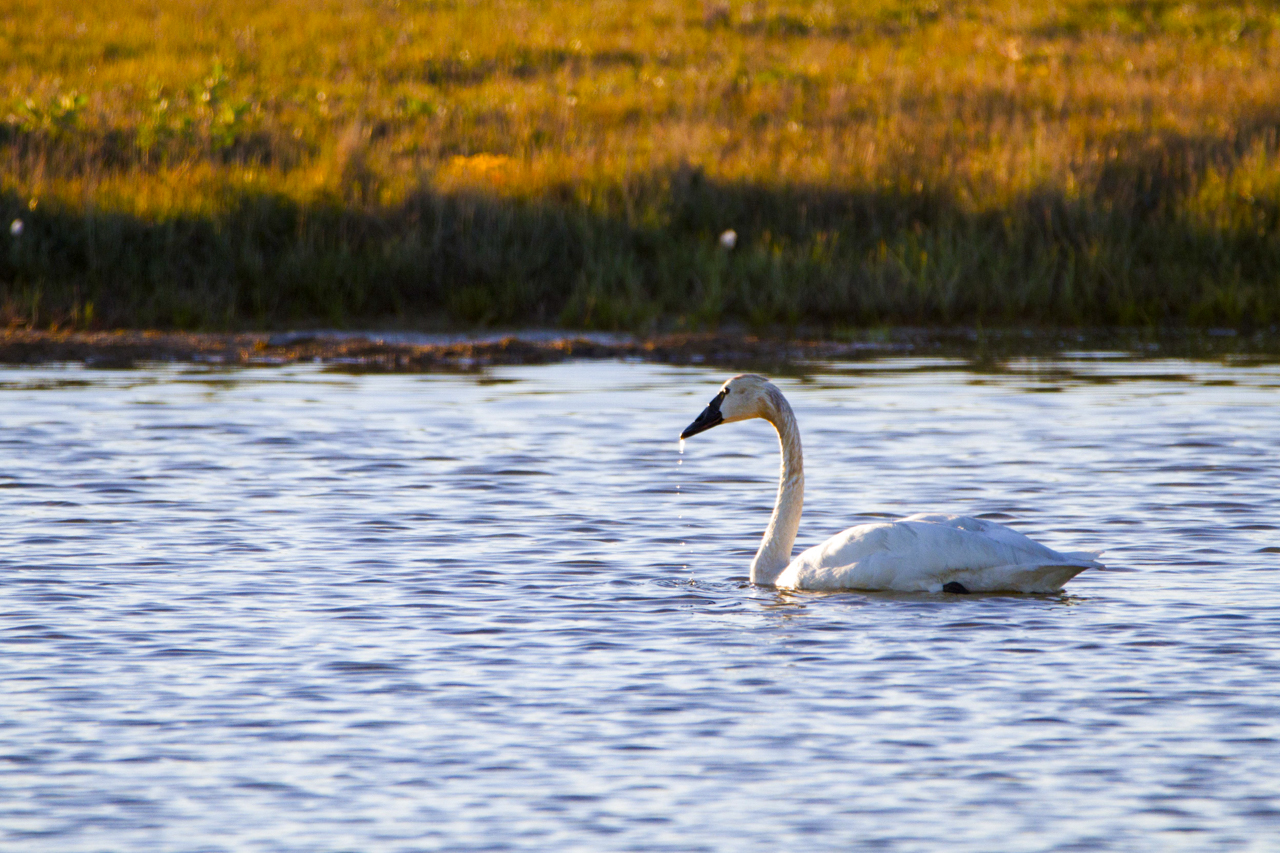
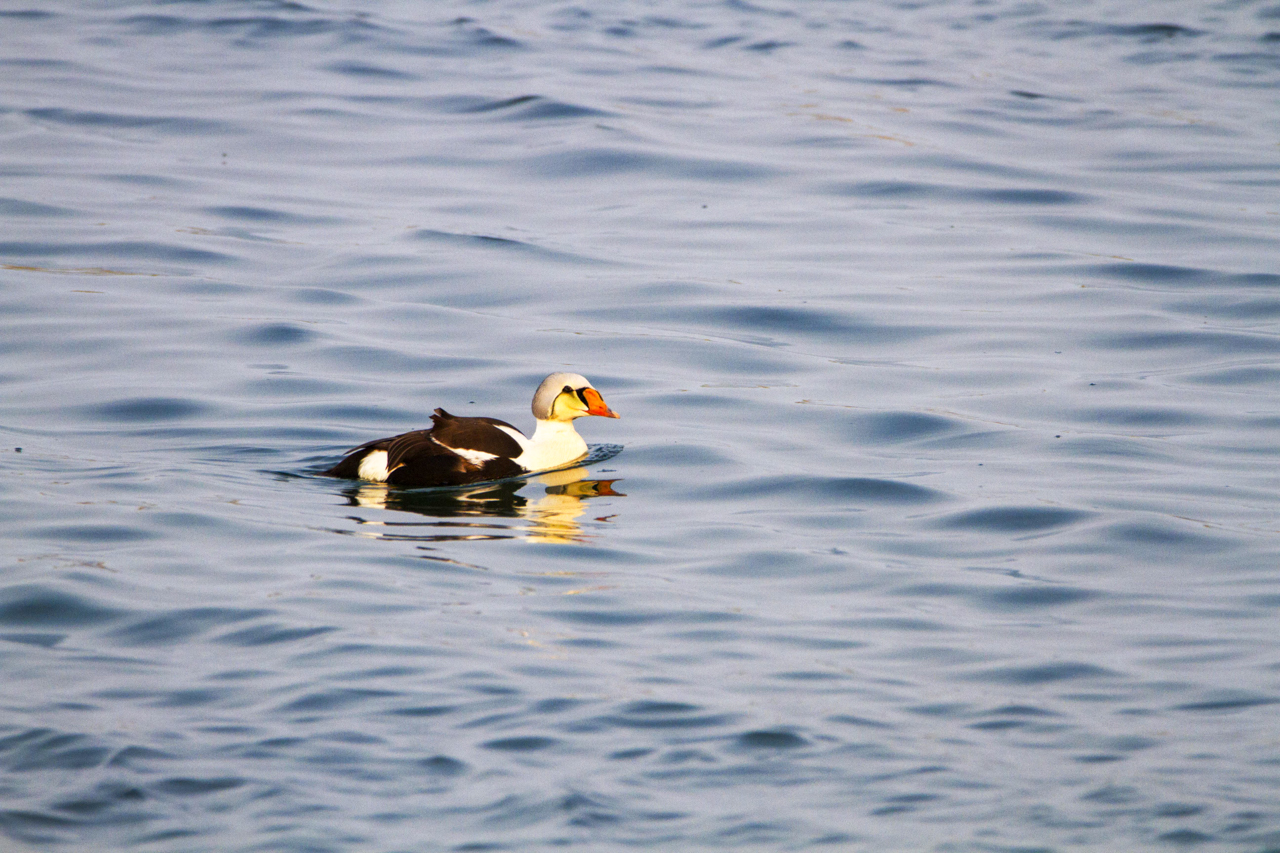
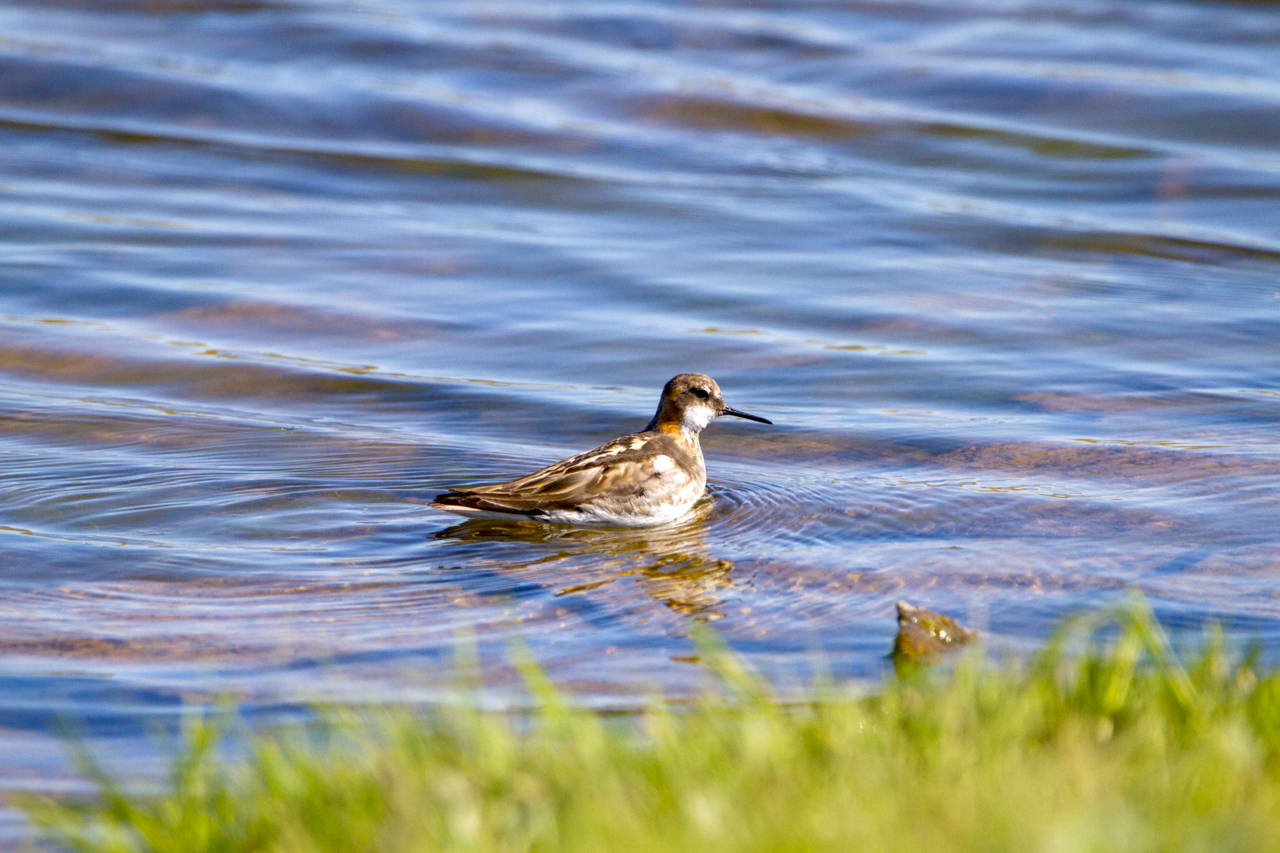
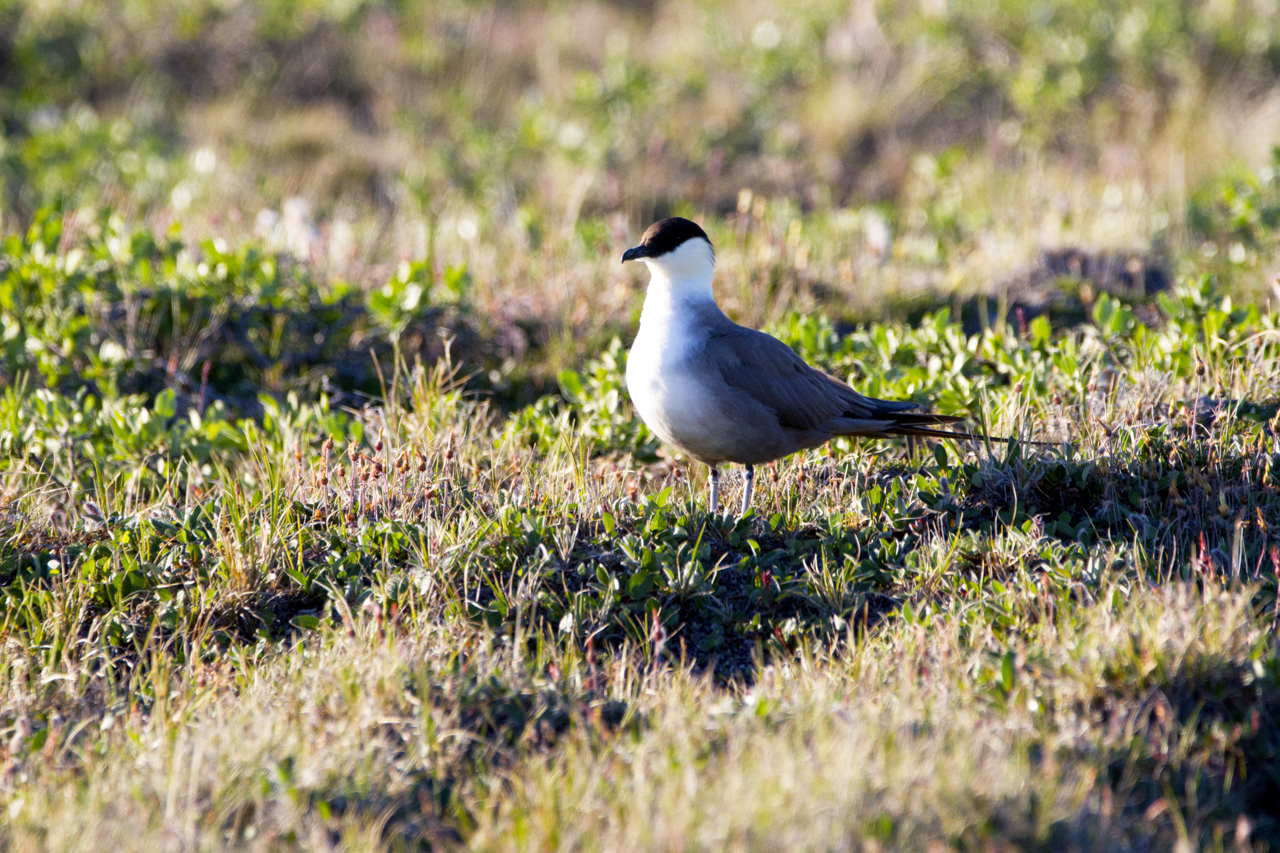
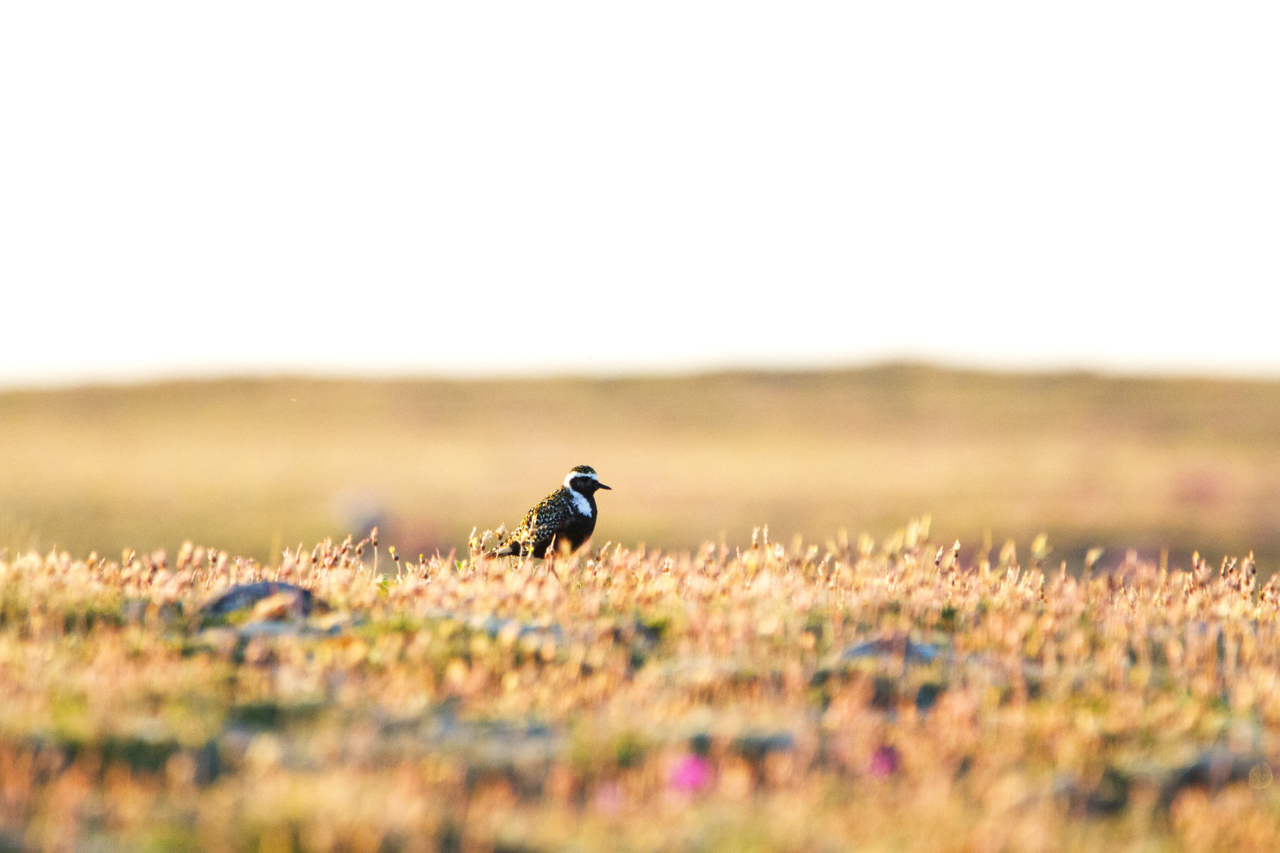
The Arctic tundra, while seemingly barren to the untrained eye, is a highly productive environment during the short summer window. The team documented the presence of the King Eider, a sea duck that relies on the tundra for breeding before returning to the sea. The observation of these birds, alongside Tundra Swans and Pacific Loons, reinforces the importance of maintaining undisturbed coastal habitats in Nunavut.
Field surveys near the Canadian High Arctic Research Station (CHARS) provided the most concerning data points of the trip. Researchers at the station noted that sea-ice retreat is occurring at an accelerated pace, and that the presence of species typically found further south, such as the Grizzly bear, is being increasingly recorded on Victoria Island. These sightings are indicative of a biome in flux, where traditional Arctic species are facing increased competition from encroaching southern predators.
Scientific and Socio-Economic Implications
The expedition’s findings suggest a multi-layered challenge for the Canadian North:
- Phenological Mismatch: As temperatures rise, the timing of insect emergence and plant growth may shift, potentially creating a "mismatch" for migratory birds that rely on specific food sources to feed their young.
- Infrastructure Vulnerability: The reliance on remote research stations like CHARS is critical, as they provide the only high-end monitoring facilities for observing these rapid environmental shifts. However, these facilities must also contend with the degradation of permafrost, which threatens the stability of northern infrastructure.
- Community Resilience: The cultural history of the region, as observed during the Nunavut Day festivities, is inextricably linked to the land. The shift in local wildlife patterns—such as the arrival of new species and the disappearance of traditional ones—poses a direct challenge to the food security and cultural practices of the Inuit communities in Cambridge Bay.
Synthesis of Findings
The ten-day expedition concluded with a synthesis of observations from the three biomes. The consistent thread throughout the journey was the resilience of wildlife in the face of anthropogenic pressure. However, the data gathered—from the rare cuckoos of the prairies to the shifting avian populations of the tundra—points to a landscape undergoing profound, rapid, and potentially irreversible changes.
The inclusion of local students and researchers in the team’s activities at CHARS highlighted a collaborative approach to science that integrates traditional ecological knowledge with modern analytical methods. This approach is essential for future management strategies in the Arctic. As noted by the expedition members, the beauty of the tundra is no longer just a subject for observation; it is a subject for urgent, systematic study.
In conclusion, the 2,000-kilometer trek served not only as a documentation of bird life but as a warning of the fragility of the Canadian wilderness. The observations of fledglings in the Arctic and the successful reintroduction of bison in the prairies are hopeful signs, yet they must be weighed against the sobering reality of a climate that is warming faster than the species within it can adapt. Further longitudinal studies are required to quantify the exact rate of these changes, but the evidence collected suggests that the Arctic is no longer a remote, isolated entity—it is a central indicator of the health of the global biosphere. The challenge moving forward will be to ensure that conservation efforts evolve at the same pace as the environment they seek to protect.
