
Morocco’s unique geographical position at the crossroads of Europe and Africa makes it one of the world’s most vital corridors for migratory birds. During an intensive thirteen-day expedition this April, birdwatchers and ornithological enthusiasts navigated a vast transect of the country, spanning from the snow-dusted peaks of the High Atlas Mountains to the arid expanses of the Sahara and the nutrient-rich Atlantic coastline. The tour served not only as a showcase of avian biodiversity but also as a testament to the importance of habitat conservation in the face of shifting environmental conditions.

A Journey Through Varied Ecological Zones
The expedition, which commenced in Marrakesh on April 8, was designed to capture the peak of the spring migration. This period is critical for species traveling from sub-Saharan wintering grounds to European breeding territories. The logistical challenge of the tour was the sheer diversity of terrain; within less than two weeks, the group traversed alpine meadows, rocky desert hamadas, ancient cedar forests, and coastal wetlands.
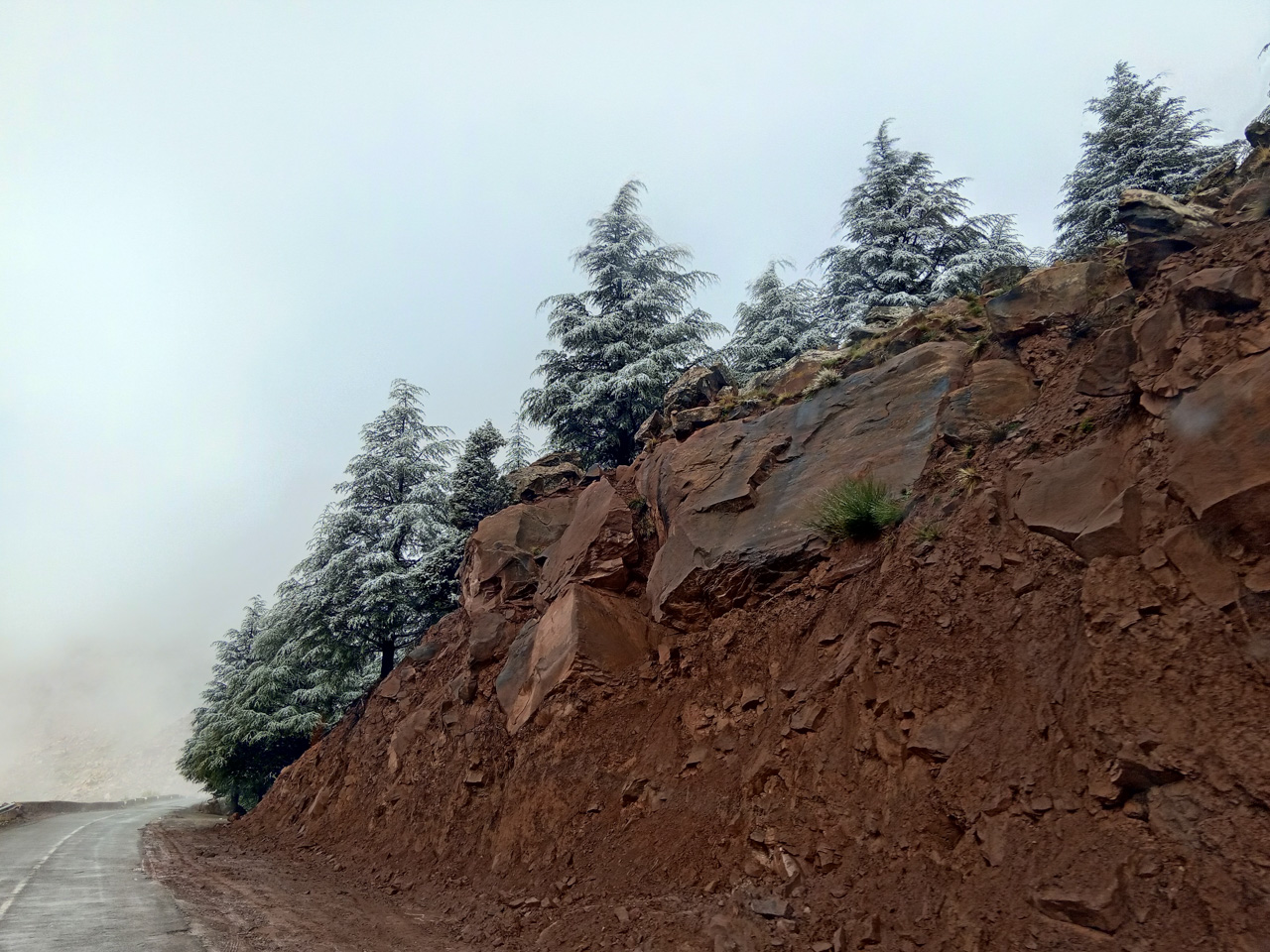
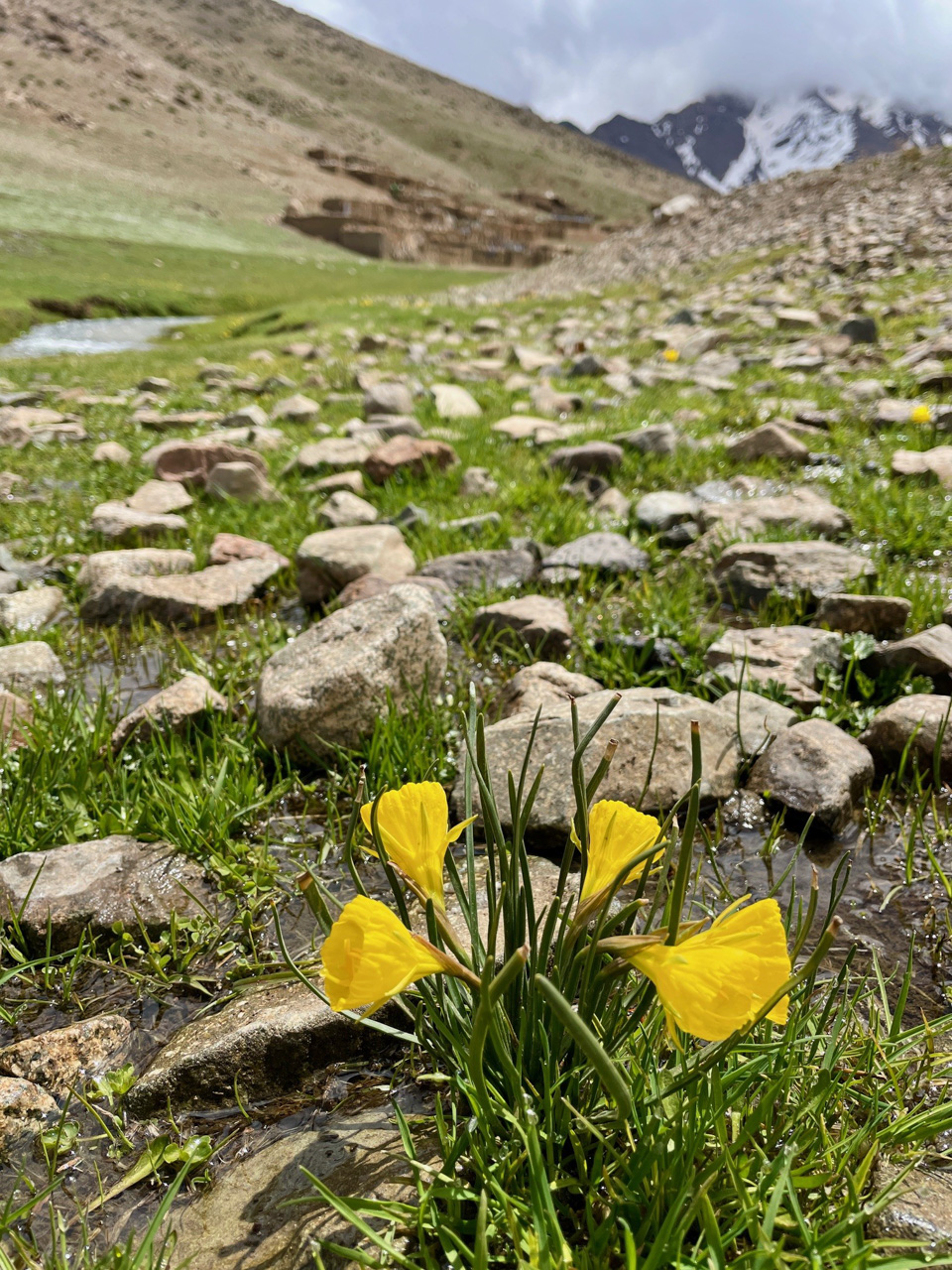
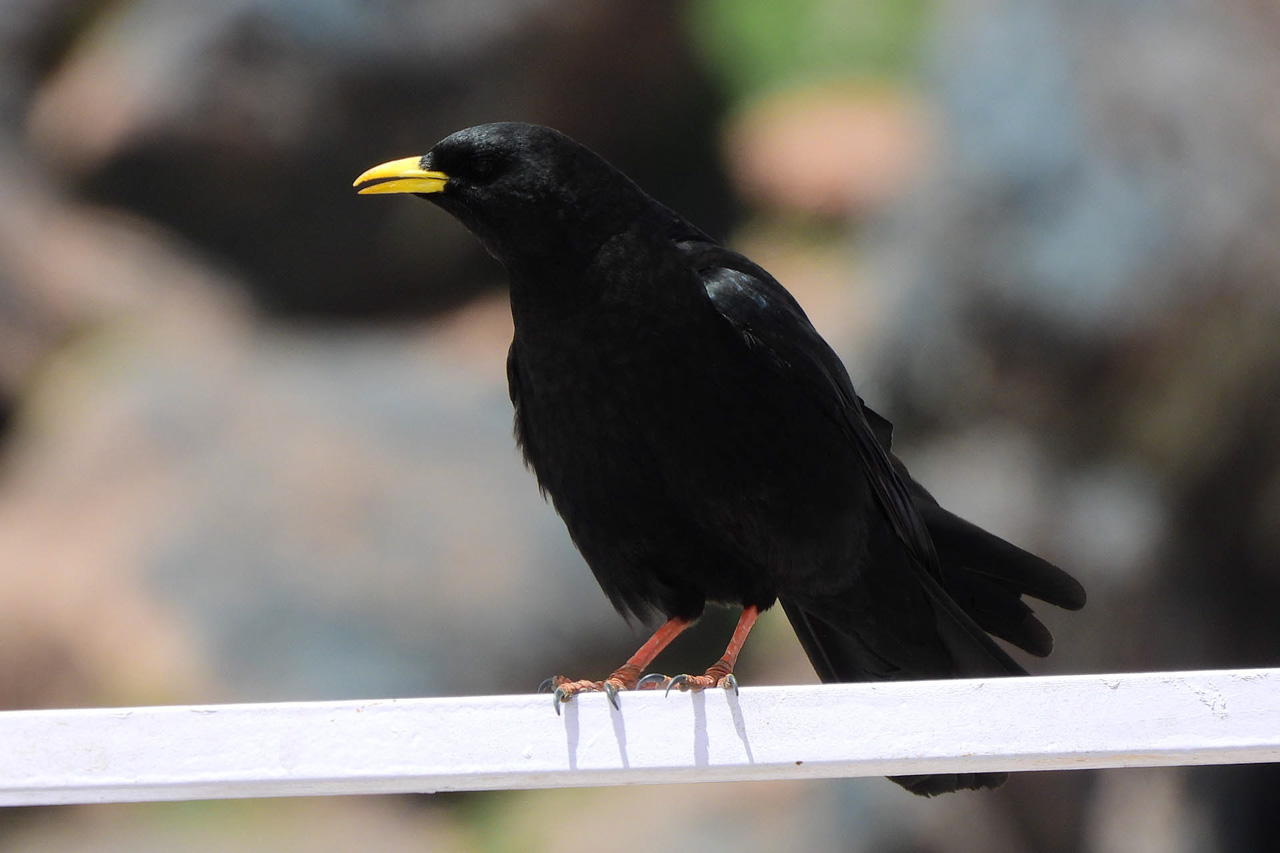
The initial phase of the trip focused on the Oukaimeden Plateau, situated high within the Atlas range. At this altitude, the environment is vastly different from the surrounding lowlands. Observations included the Red-billed and Alpine Chough, Horned Lark, and the striking Crimson-winged Finch. This alpine region acts as a high-altitude refuge, where flora such as the Narcissus bulbocodium thrive amidst lingering snowpack, providing essential resources for early-season birds.
Chronology of the Expedition
Following the mountain acclimatization, the group navigated the Tizi n’Tichka Pass, a vital artery connecting the interior of Morocco to the south. This transition allowed for the documentation of raptor activity, specifically the Booted Eagle and the Black Wheatear, which occupy the rugged cliffs of the Telouet Valley.

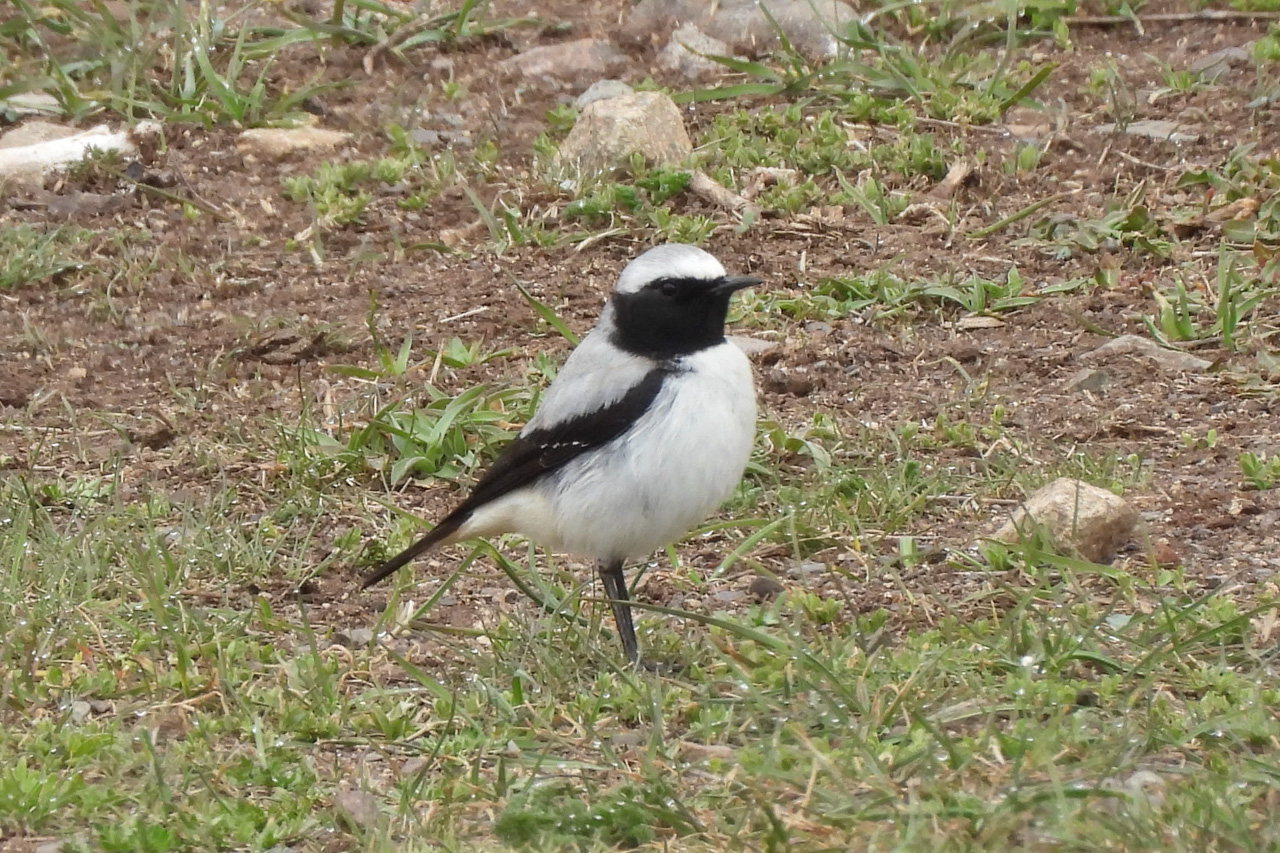
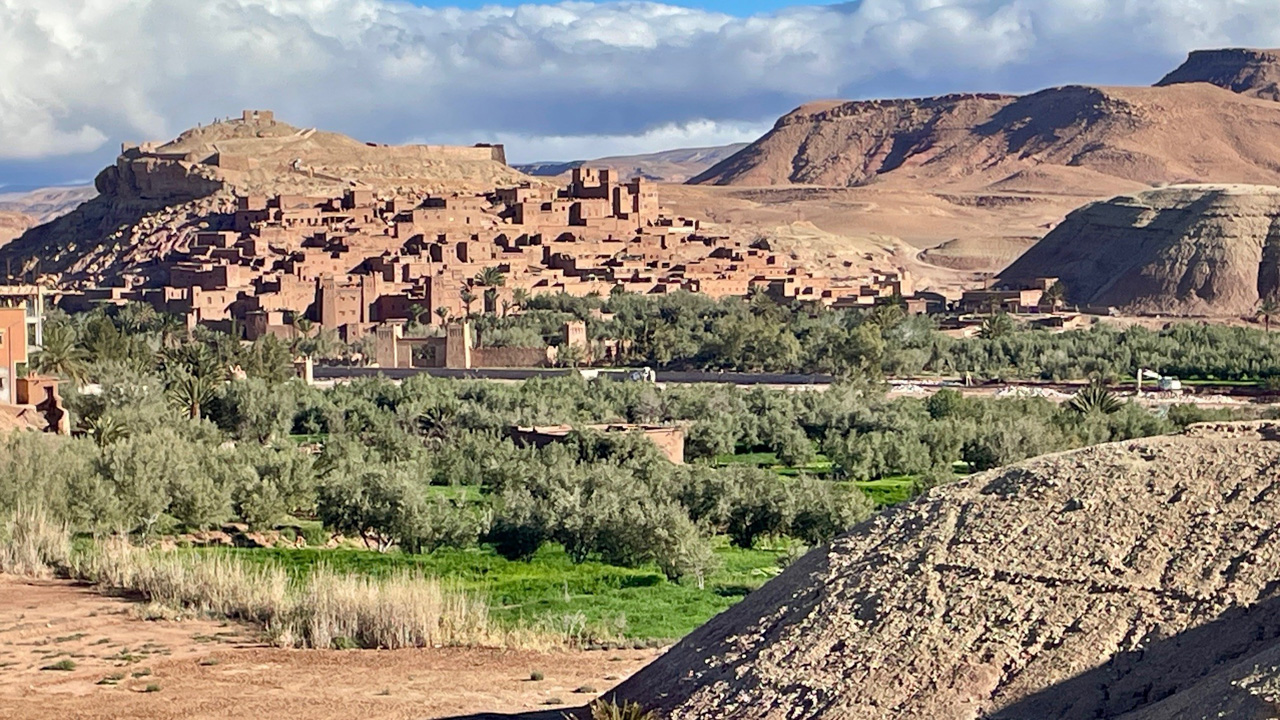
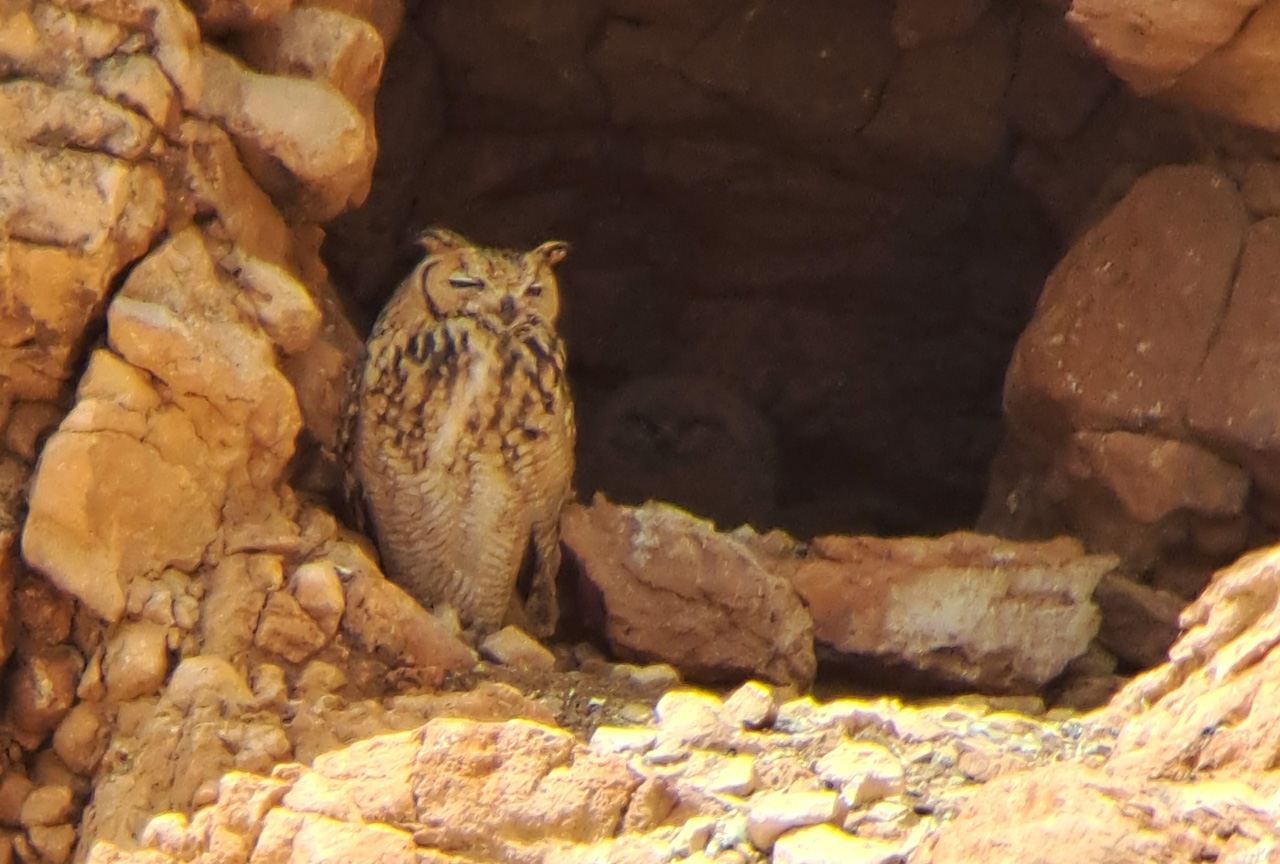
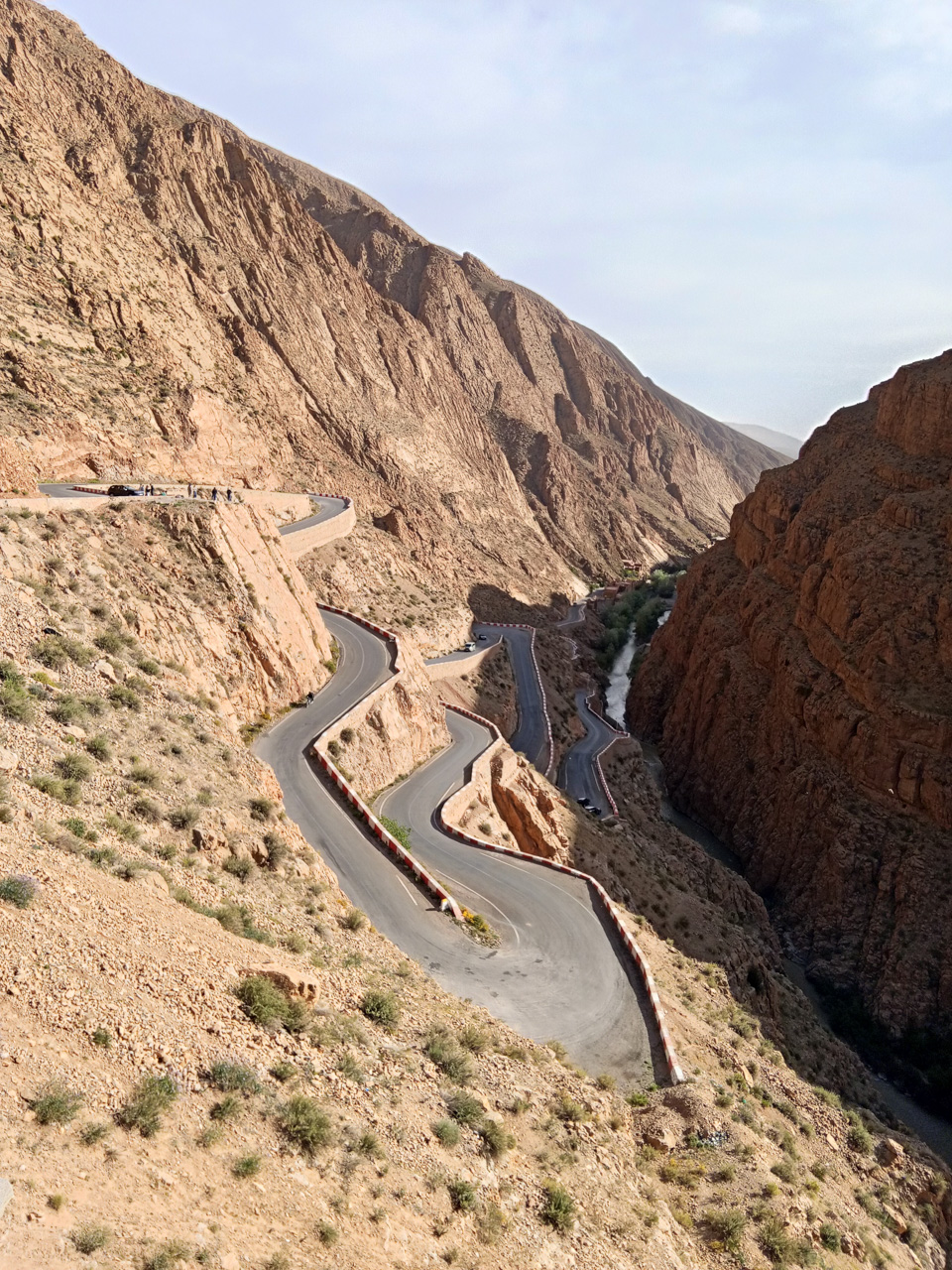
By the fourth and fifth days, the focus shifted to the "Tagdilt Track," a legendary site for ornithologists. Located near the Dades Gorges, this rocky desert habitat is renowned for its high density of specialized desert species. The team recorded sightings of Temminck’s Lark, Red-rumped Wheatear, and the elusive Pharaoh Eagle-Owl. These sites are increasingly monitored by local conservationists, as they represent fragile ecosystems susceptible to disturbance. The inclusion of a brief, localized sandstorm highlighted the volatile nature of the desert climate, a factor that increasingly shapes migratory patterns and bird behavior in the region.
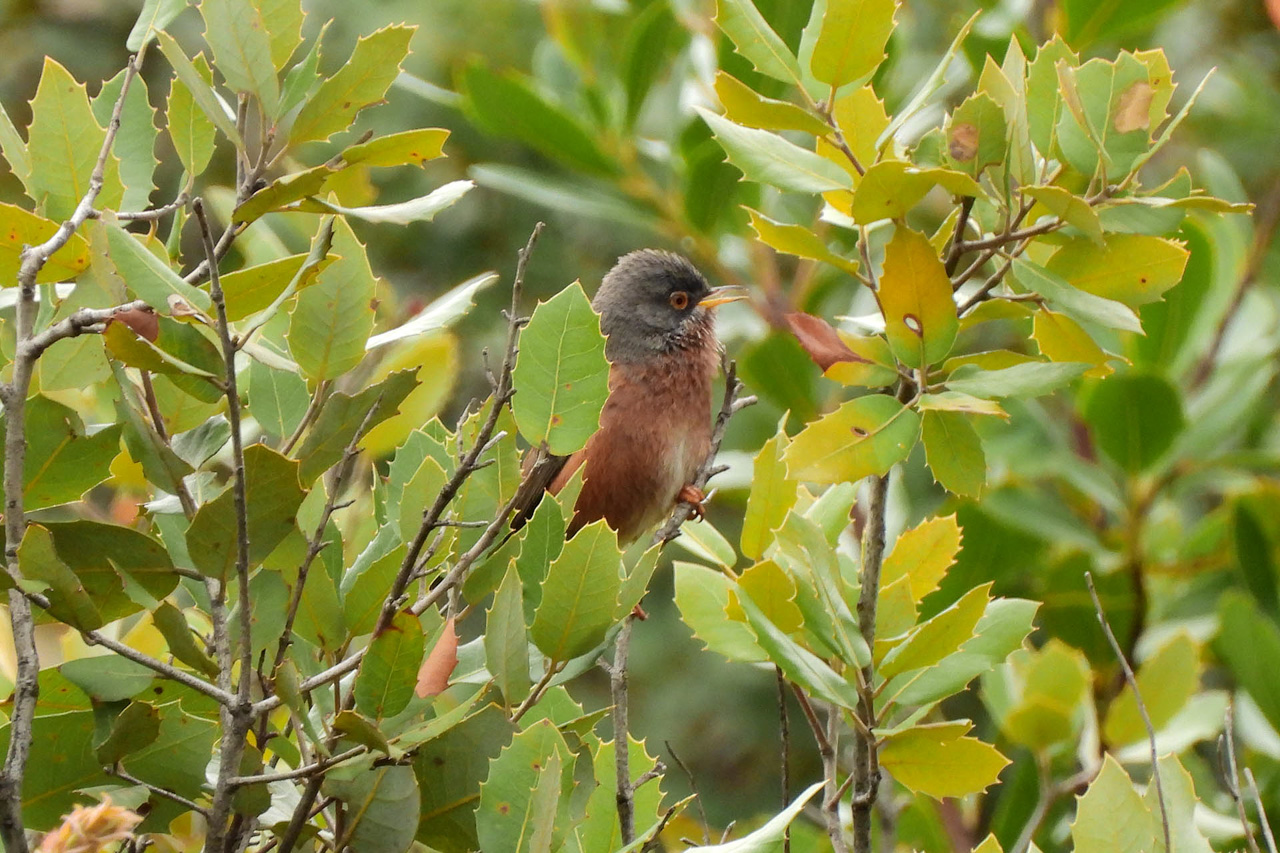
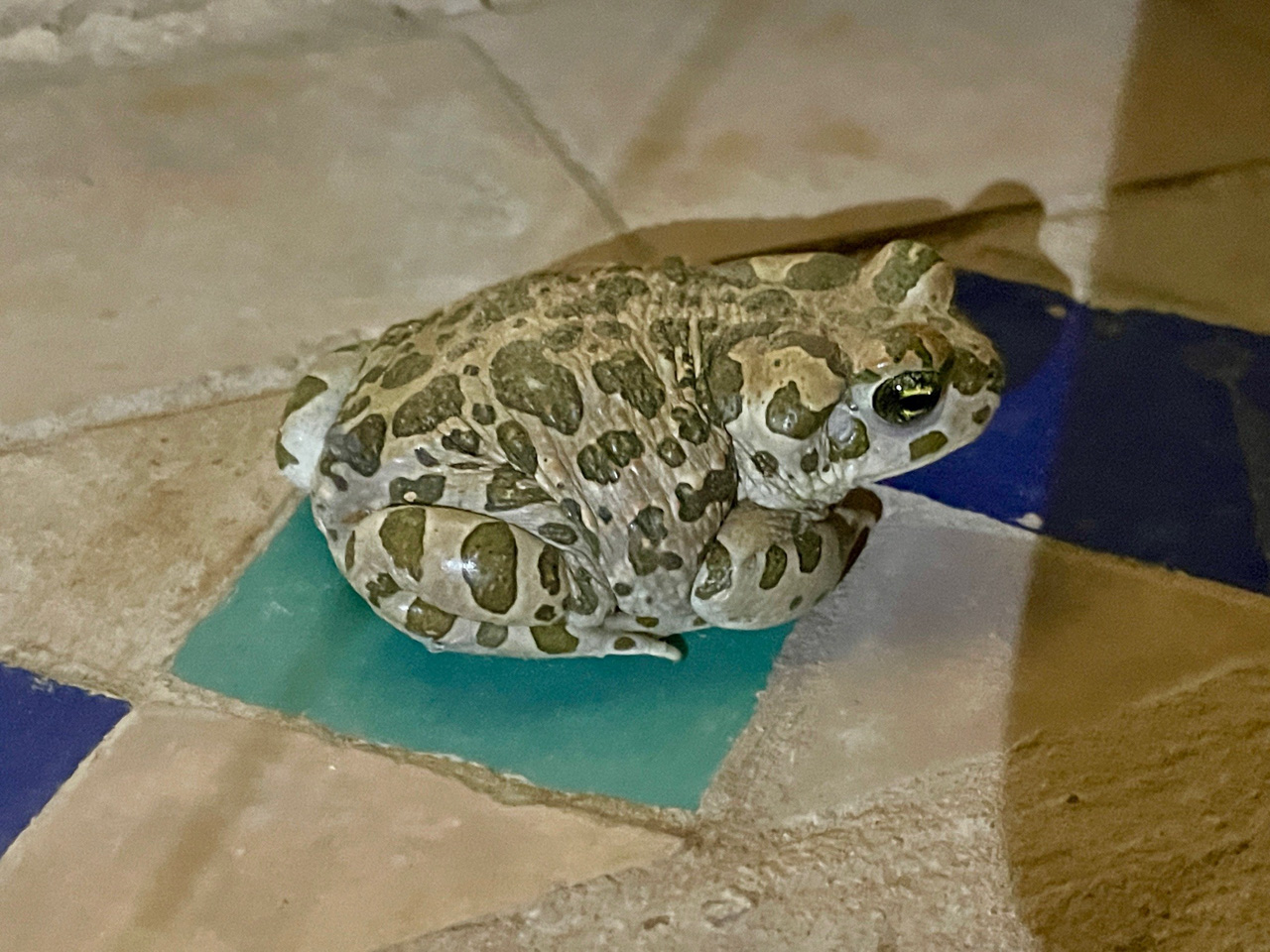
As the journey pushed further east toward Goulmima and the dunes of Merzouga, the focus transitioned to the arid-adapted species. The Streaked Scrub Warbler was a significant find in the brushland near Goulmima. Upon reaching the Erg Chebbi dunes, the team encountered an oasis-like environment. The ringing station near the hotel provided a window into the sheer volume of migrant passerines moving through the Sahara. The presence of Green Toads and unique botanical specimens, such as the Yellow Cistanche, underscored the biological richness of what might otherwise appear to be a barren landscape.
The final leg of the trip focused on the Atlantic coast, specifically the Souss Massa National Park and the Tamri region. This area is globally significant for the survival of the Northern Bald Ibis, one of the rarest bird species in the world. Monitoring the success of these colonies is a priority for international conservation groups, and the observation of active nests provided a positive indicator for the population’s stability.
Ornithological Highlights and Biological Significance
The species recorded during the expedition represent a cross-section of North African avian life. Key highlights included:
- Northern Bald Ibis: A critical species for conservation efforts in the Souss Massa region.
- Egyptian Nightjar: Sighted during the 4×4 excursion into the Sahara, representing a rare encounter with this camouflaged nocturnal species.
- Pharaoh Eagle-Owl: Located in the rocky outcrops near the Dades Gorges, demonstrating the efficacy of local habitat knowledge.
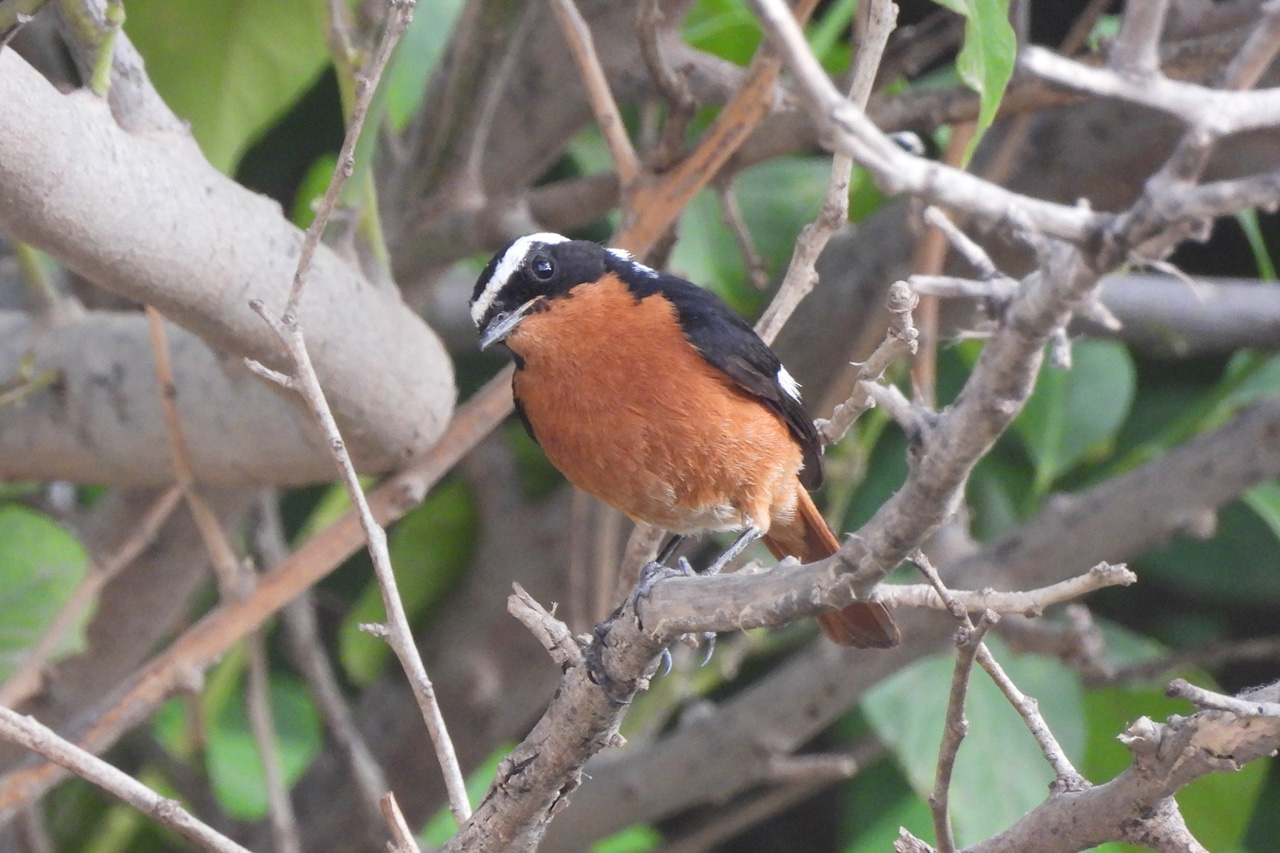
- Migrant Passerines: The high volume of Western Yellow Wagtails and various warbler species highlighted the effectiveness of the Atlantic coast and desert oases as stopover sites.
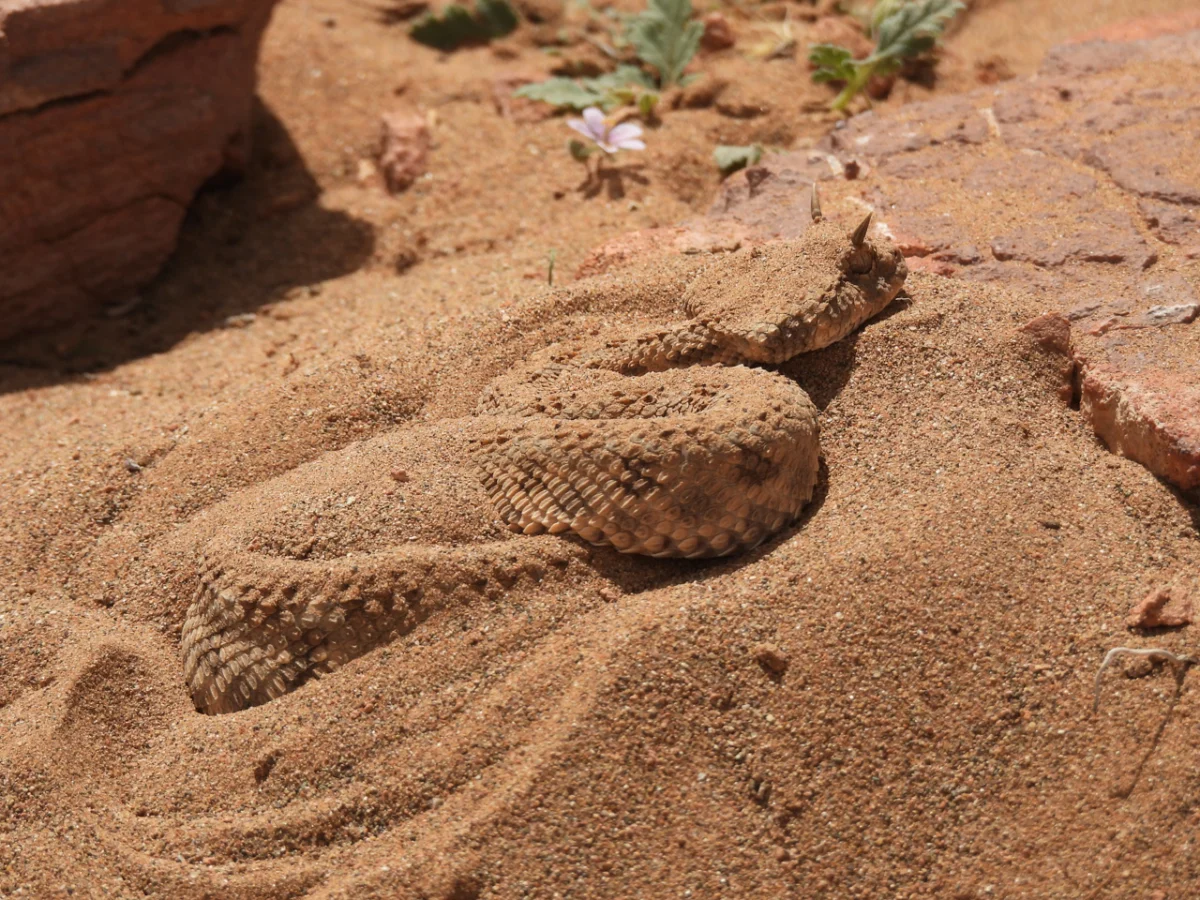
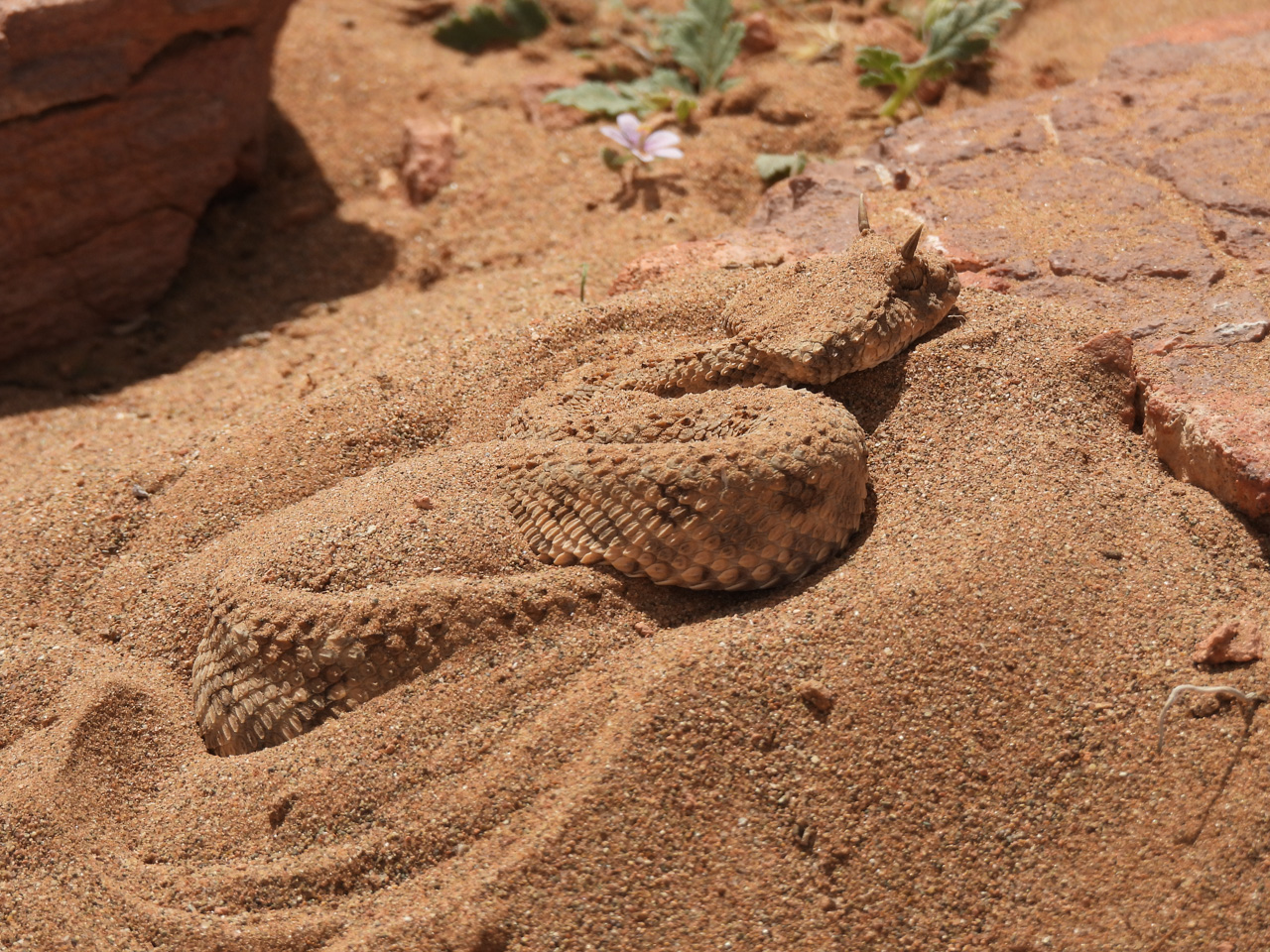
The expedition also documented the presence of non-avian fauna, which plays a crucial role in the desert food web. Encounters with the Saharan Horned Viper and the Fennec Fox, as well as the observation of Barbary Ground Squirrels, provided a broader view of the ecosystem’s health.
Conservation and Economic Context
The trip was not merely a recreational endeavor; it underscored the role of "birding tourism" in the local economy. In regions such as the Dades Gorges and the Souss Massa, the revenue generated by ecotourism provides a strong incentive for local communities to preserve habitats rather than develop them for intensive agriculture or mining.
The visit to an Argan oil cooperative on the final day served as a practical example of the integration of traditional land use and environmental sustainability. The Argan Biosphere Reserve is a UNESCO-designated site, and its protection is essential for both the endemic flora and the bird species that rely on the Argan forests for nesting and foraging.
Analysis of Environmental Challenges
While the expedition was successful in terms of species count and variety, the team faced the reality of environmental stress. The mention of severe heat during the latter half of the trip is consistent with broader climate trends in the Maghreb region. Rising temperatures and altered precipitation patterns are significant concerns for ornithologists. Changes in the timing of migration—known as phenological mismatch—can occur if birds arrive at their breeding grounds before their food sources have peaked, or if they encounter drought-stricken stopover sites.
The persistence of the Northern Bald Ibis is a success story, yet it remains tethered to the health of the coastal scrubland. Any degradation of these habitats through urban expansion or chemical pollution could have catastrophic effects on the remaining wild populations. Furthermore, the reliance on desert oases for migrant species means that the preservation of traditional irrigation systems, such as the khettaras found near Erfoud, is vital.
Conclusion and Future Outlook
The spring birding expedition across Morocco demonstrated that the country remains a premier destination for global ornithological research and tourism. The synthesis of high-mountain, desert, and coastal habitats provides a unique "laboratory" for observing migration in real-time.
For the participants, the trip was a masterclass in the complexity of avian life cycles. From the competitive displays of the Blue Rock Thrush in the Dades Gorges to the quiet arrival of sandgrouse at desert waterholes, the expedition offered a comprehensive look at how birds navigate some of the most challenging environments on Earth. As environmental pressures mount, the documentation of these species by groups like the one led this April remains a vital component of ongoing conservation efforts. The data gathered, ranging from population counts of the Bald Ibis to the presence of migrant warblers, contributes to a larger, necessary understanding of how these populations are faring in a rapidly changing world. By fostering a deeper appreciation for these habitats, such expeditions continue to serve as a bridge between scientific inquiry and public environmental awareness.
