
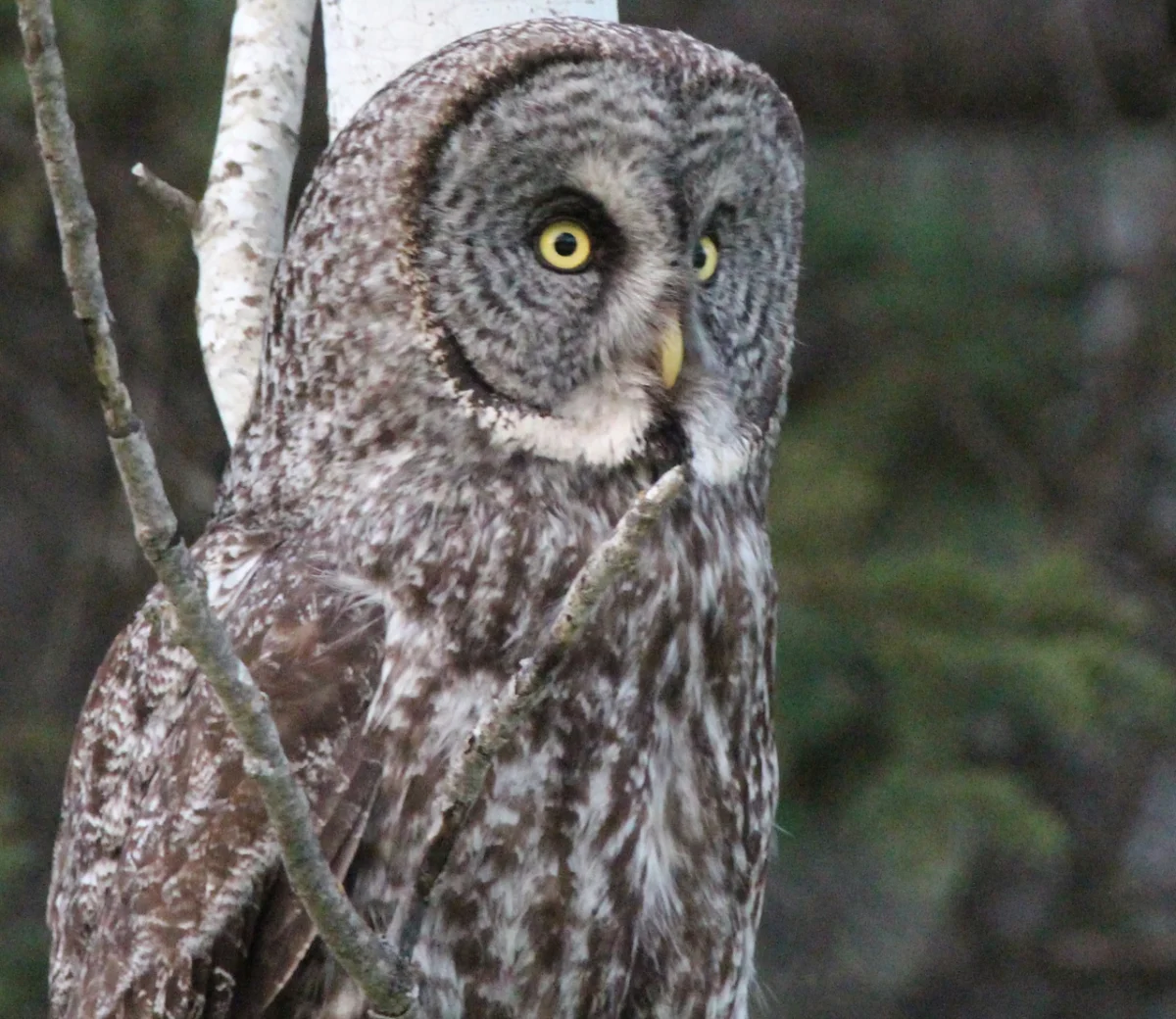
The 2026 Manitoba Wildlife Expedition concluded a successful 12-day survey of the province’s diverse ecosystems, ranging from the southern cattle pastures and agricultural wetlands to the remote subarctic landscapes of Churchill. Organized as a comprehensive biological field study, the trip provided participants with a unique opportunity to document migratory patterns, predator-prey dynamics, and the regional biodiversity of central and northern Canada. This expedition, characterized by high success rates in wildlife spotting and significant ornithological observations, highlights the vital importance of Manitoba’s protected corridors and managed conservation areas.
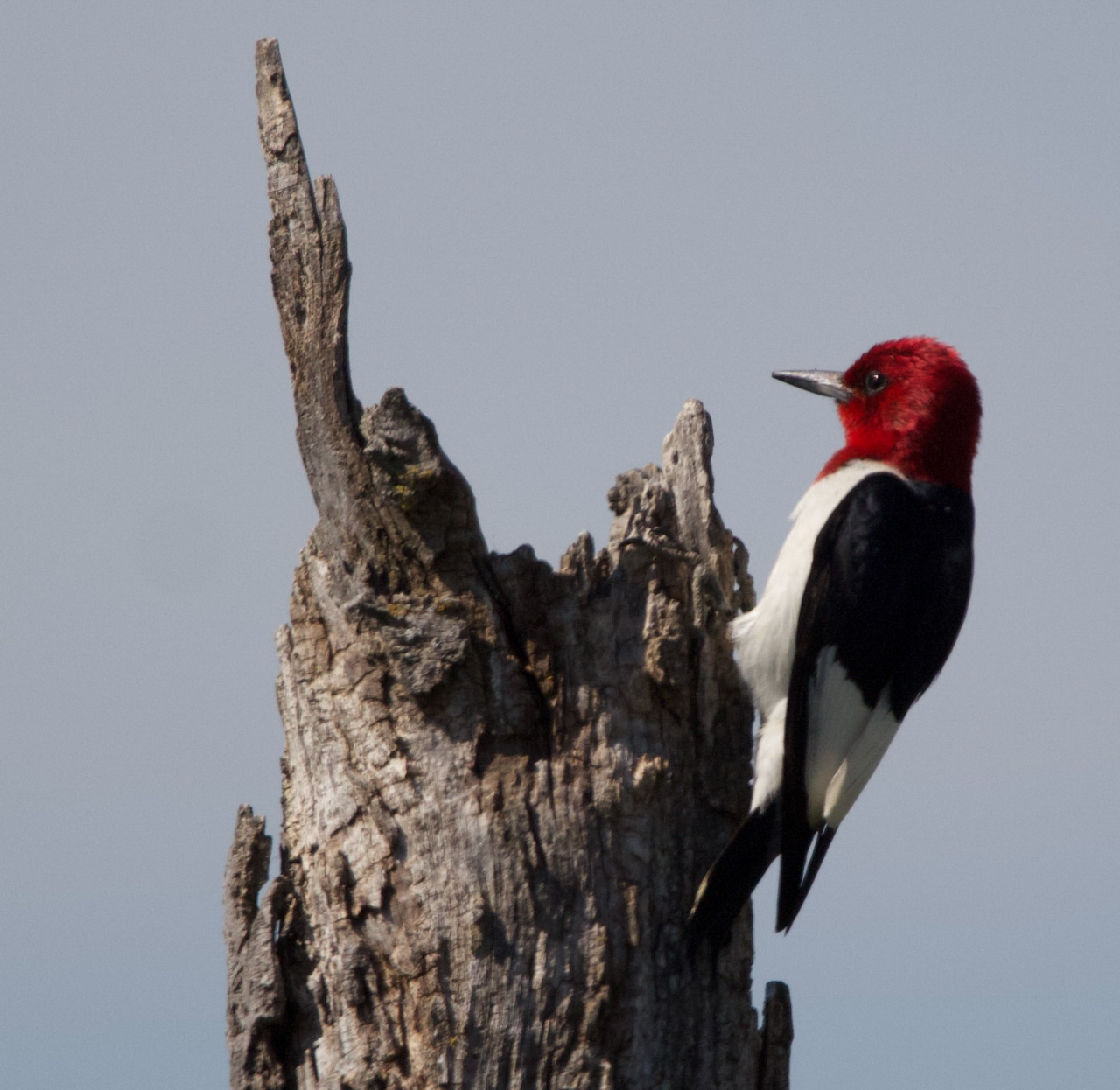
Phase I: Southern Manitoba and the Prairie Potholes
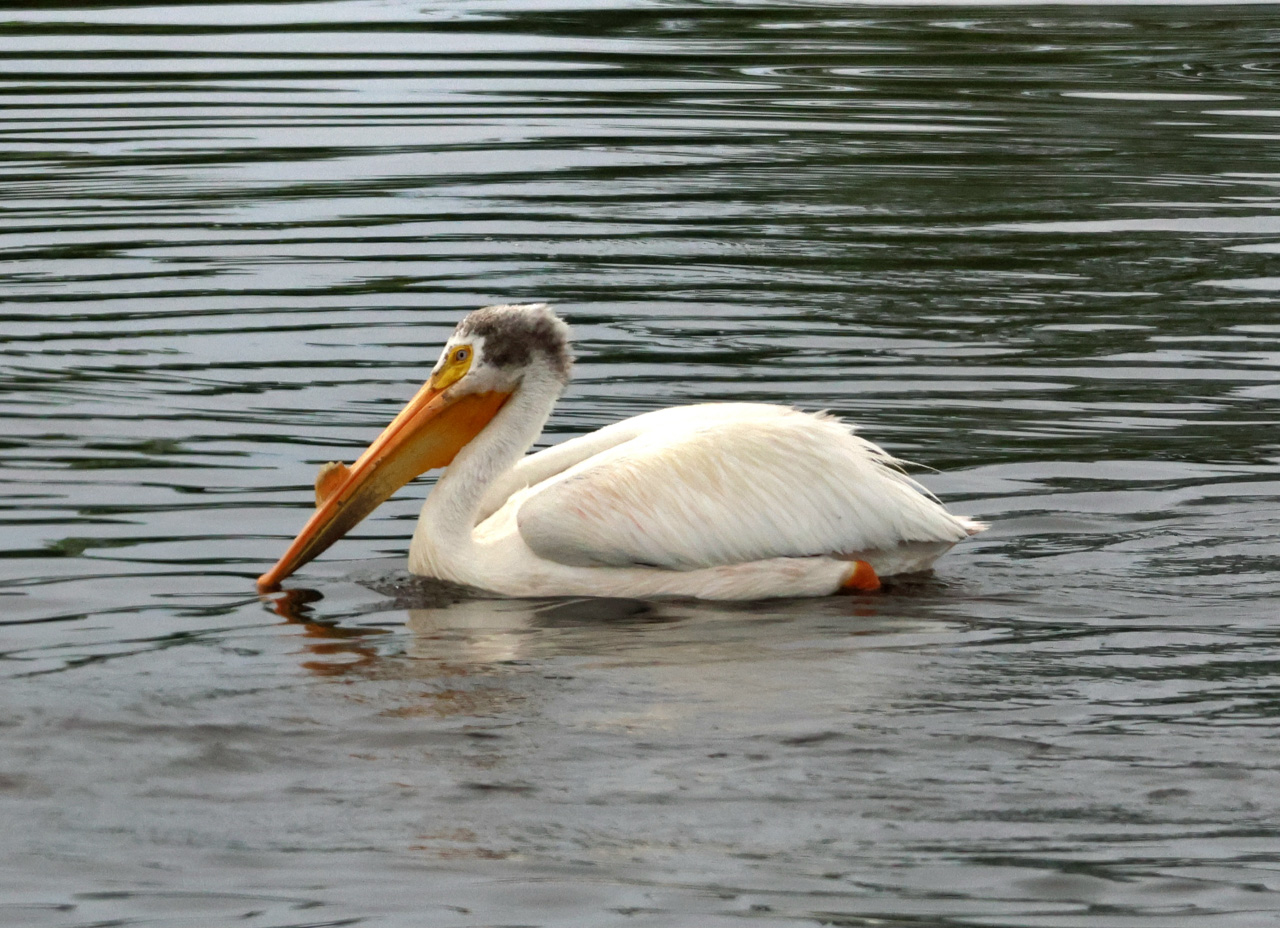
The initial segment of the expedition focused on the agricultural and wetland regions surrounding the Shoal Lakes, Portage la Prairie, and the Riding Mountain National Park area. Southern Manitoba serves as a critical stopover for migratory waterfowl and shorebirds. The expedition noted an abundance of duck species, grebes, and the American White Pelican. Of particular note was the observation of a Willet with chicks, a strong indicator of successful local breeding within the region’s managed wetlands.
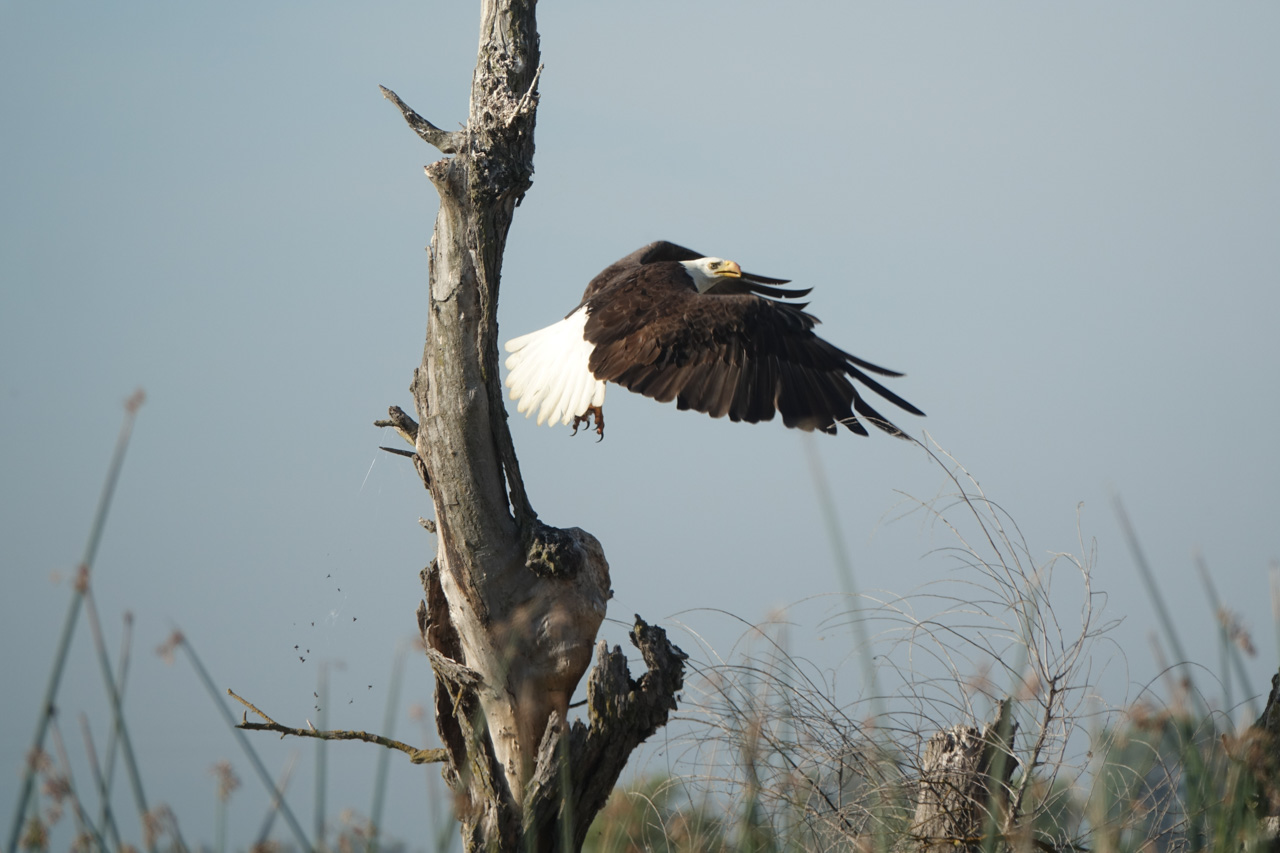
As the group moved toward the Portage la Prairie landfill, the team conducted a gull survey. This specific site is a known hotspot for rare species due to the concentration of food resources. The team successfully identified American Herring, Ring-billed, and the more elusive California Gull, while Bald Eagles were observed monitoring the area, illustrating the complex food webs present in human-altered landscapes.
Ecosystem Resilience in Riding Mountain National Park
On the third and fourth days, the expedition shifted to the boreal forests and diverse terrain of Riding Mountain National Park. The region’s varied elevation—a sharp contrast to the surrounding flat prairie—supports a rich tapestry of boreal birds, including Evening Grosbeaks, Red-breasted Nuthatches, and Pine Siskins.
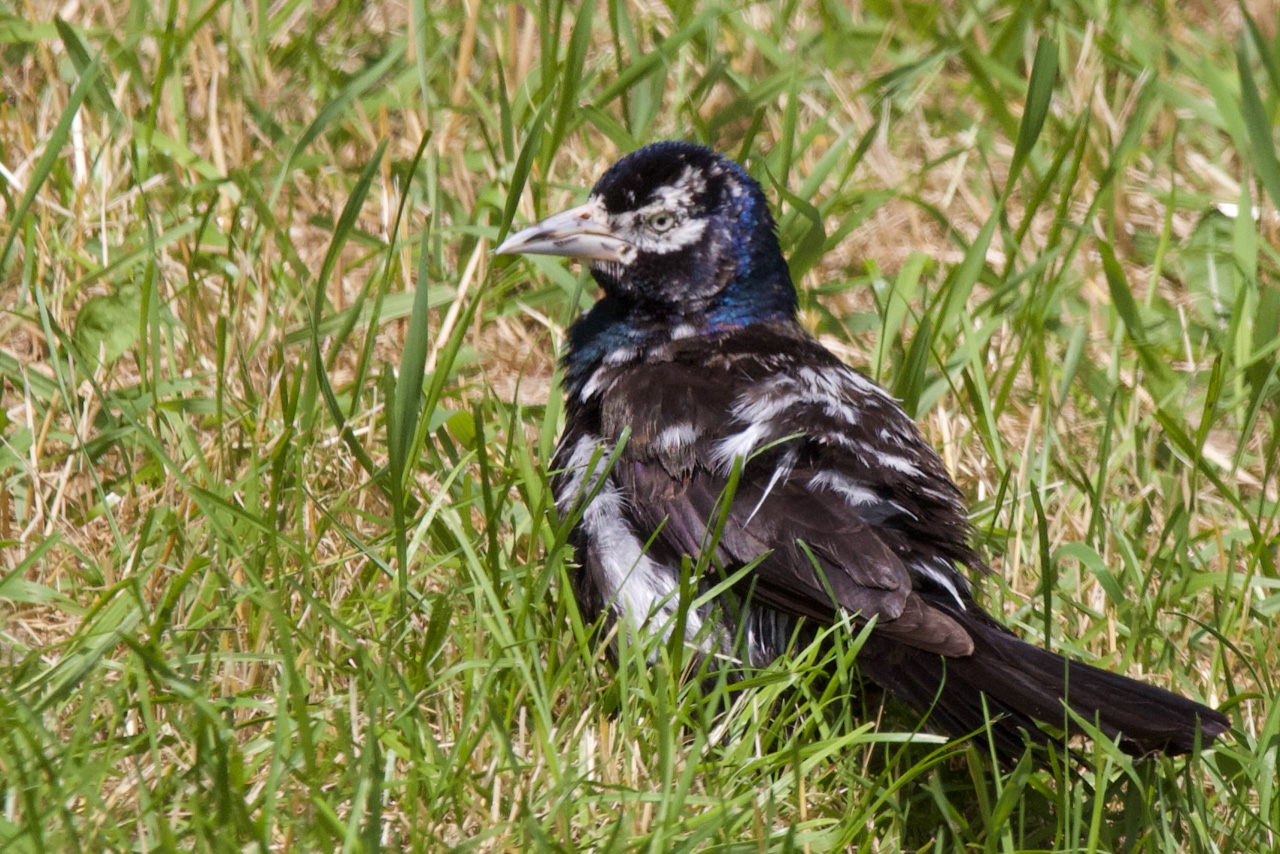
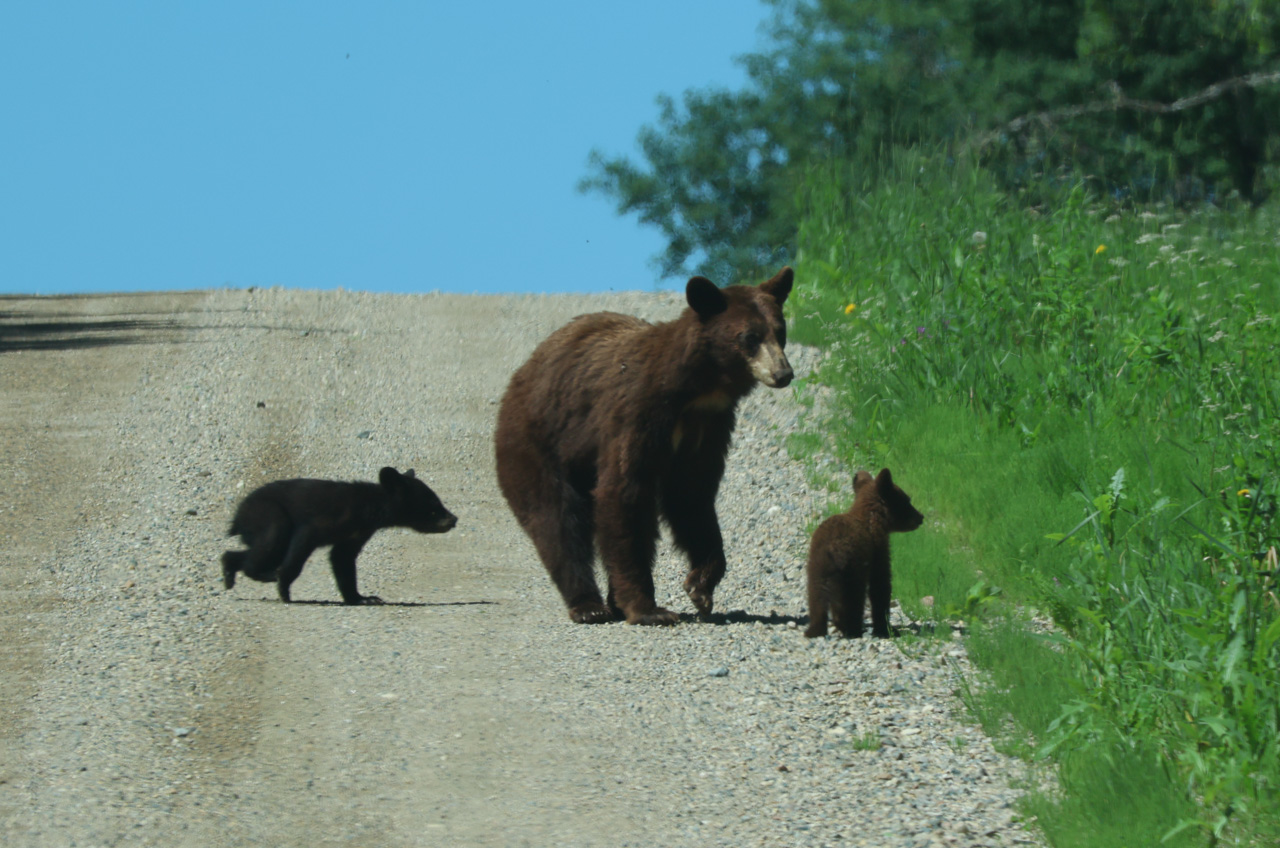
The team documented significant mammalian activity, including multiple sightings of American Black Bears. The presence of a mother and yearling cub, observed foraging in soybean fields, underscores the park’s function as a habitat bridge between deep forest and agricultural boundaries. A notable observation was the leucistic Common Grackle at Delta Marsh, an anomaly that highlights the importance of genetic documentation in local bird populations.
The logistical challenges faced by the group, including the closure of the Lake Audy Bison enclosure due to localized flooding, provided a case study in how climate-driven events impact infrastructure and wildlife accessibility. Despite these closures, the team pivoted to the town of Wasagaming, where they observed Blackburnian and Mourning Warblers, demonstrating the resiliency of local birding efforts in the face of environmental unpredictability.
The Grasslands of Southwestern Manitoba
The sixth and seventh days of the expedition were dedicated to the extreme southwestern corner of the province, centered on Melita and the Coulter Park area. This region features critical grassland habitat, which is currently a priority for conservation efforts. The team successfully located species at risk, including the Chestnut-collared Longspur and the Grasshopper Sparrow.
The observation of a male Lazuli Bunting—a rare vagrant in Manitoba—was a highlight of the trip, indicating the potential for shifts in migratory ranges. The encounter with an endangered Burrowing Owl near Melita served as a significant data point for the expedition. Burrowing Owls are notoriously difficult to track, and their presence in the region is often cited by conservationists as a primary reason for maintaining native prairie fencing and limiting heavy machinery use in designated nesting zones.
Subarctic Expedition: Churchill and the Hudson Bay Coast
The second half of the expedition focused on the transition from boreal to subarctic biomes in Churchill. The town, situated on the western shore of Hudson Bay, is globally recognized as a focal point for subarctic ecology.
Upon arrival, the team surveyed the Granary Ponds and Cape Merry. The interplay between marine mammals and bird species was a recurring theme. The expedition observed Beluga whales hunting capelin near the shore, an event that drew large numbers of Arctic Terns, Parasitic Jaegers, and American Herring Gulls. This symbiotic feeding behavior, where birds rely on marine mammals to drive fish toward the surface, is a fundamental characteristic of the Churchill coastal ecosystem.
Biological Indicators and Predator Dynamics
During the final days, the team documented the "Red Fox trifecta," observing the red, black, and cross-color phases of the species within the Churchill area. This high frequency of sightings, coupled with the observation of an Arctic Hare and Richardson’s Collared Lemmings, provided a clear window into the high-density predator-prey cycles of the tundra.
The visit to the Churchill Northern Studies Centre (CNSC) provided the group with scientific context regarding green-building technology and ongoing subarctic research. This institutional support is crucial for the preservation of the area’s delicate permafrost environments. The team’s discovery of a Polar Bear near Fort Prince of Wales, while brief, served as a reminder of the region’s status as a primary habitat for the species. The expedition noted that conservation officers were actively managing the bear’s movement, a testament to the rigorous safety protocols in place to prevent human-wildlife conflict.
Data Synthesis and Broader Implications
The data collected over the 12-day journey provides a snapshot of Manitoba’s biological health during the late summer season. Several key observations can be analyzed:
- Migratory Shifts: The presence of vagrants like the Lazuli Bunting suggests that observers must remain vigilant for range expansions or shifts caused by changing climatic conditions.
- Wetland Management: The success of shorebirds in the pothole regions, specifically the Stilt Sandpipers and Long-billed Dowitchers, confirms that maintaining water levels and protecting mudflats is essential for successful southward migration.
- Mammalian Population Stability: The high number of fox sightings and the observation of healthy Beluga populations indicate that the food supply in the Hudson Bay area remains robust for mid-to-high level predators.
The expedition concluded in Winnipeg with a final synthesis of observations. The trip not only served as a successful survey of regional fauna but also emphasized the necessity of cultural and historical context, such as the visit to Fort Prince of Wales, in understanding how human history and natural environments have intersected in the Canadian north.
Conclusion and Future Outlook
The 2026 Manitoba Wildlife Expedition stands as a model for structured field observations. By documenting both common species and those at risk, the team provided valuable, localized data that can assist in future ecological assessments. As climate change continues to impact the prairie wetlands and the subarctic tundra, documentation efforts of this nature remain vital. The collaboration between field researchers, local experts at institutions like the CNSC, and the participants themselves underscores the power of citizen science in tracking the pulse of Canada’s most remote and critical wilderness areas. The expedition’s success in navigating both flooded southern paths and subarctic storms illustrates the unpredictability of the environment and the need for adaptive management strategies in future biological surveys.
