
The island of Newfoundland, the easternmost point of North America, represents a singular intersection of rugged boreal wilderness, dramatic coastal topography, and a rich migratory corridor for North Atlantic avian species. Over an intensive eleven-day expedition, a specialized group of birding enthusiasts conducted an exhaustive survey of the island’s diverse ecological zones, ranging from the jagged fjords of the west to the tundra barrens of the Avalon Peninsula. This journey, which served as both a scientific observation tour and a showcase of Newfoundland’s unique natural heritage, documented the intersection of climate-driven migratory patterns and the island’s distinctive geographical features.
A Chronological Assessment of the Expedition
The tour commenced in Deer Lake, a critical logistical hub for Western Newfoundland. On the first day, participants established a baseline for the expedition, coordinating with local guides to map out a route that would prioritize high-biodiversity areas, including the UNESCO World Heritage Site of Gros Morne National Park.

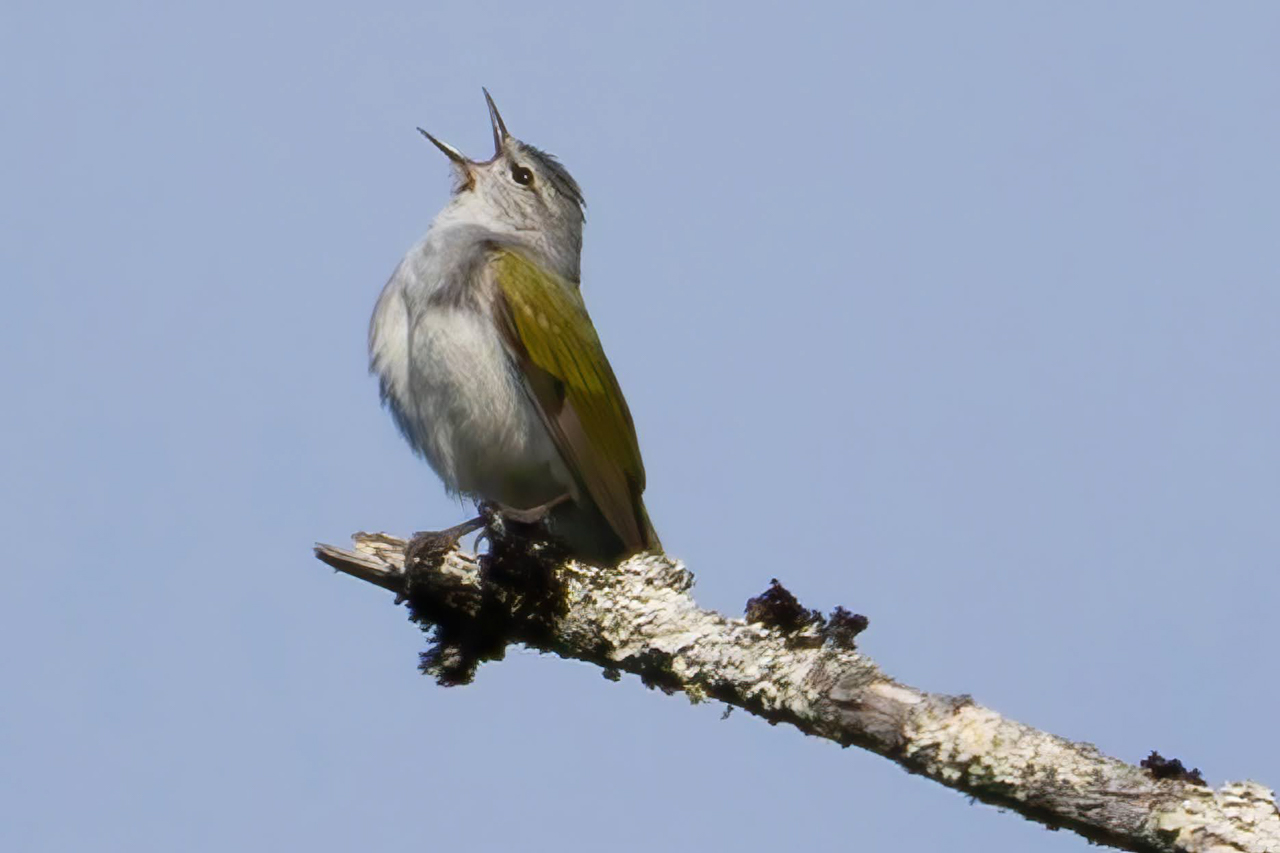
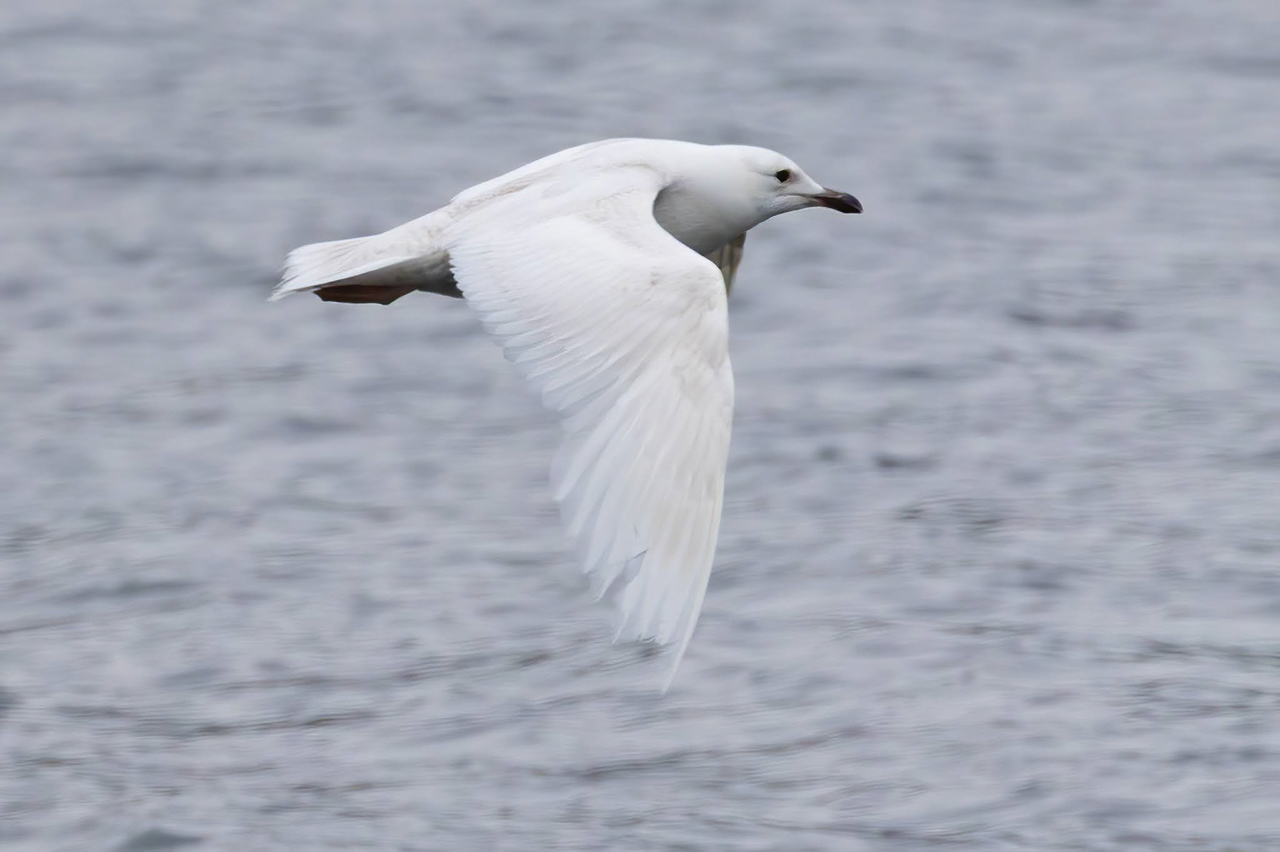
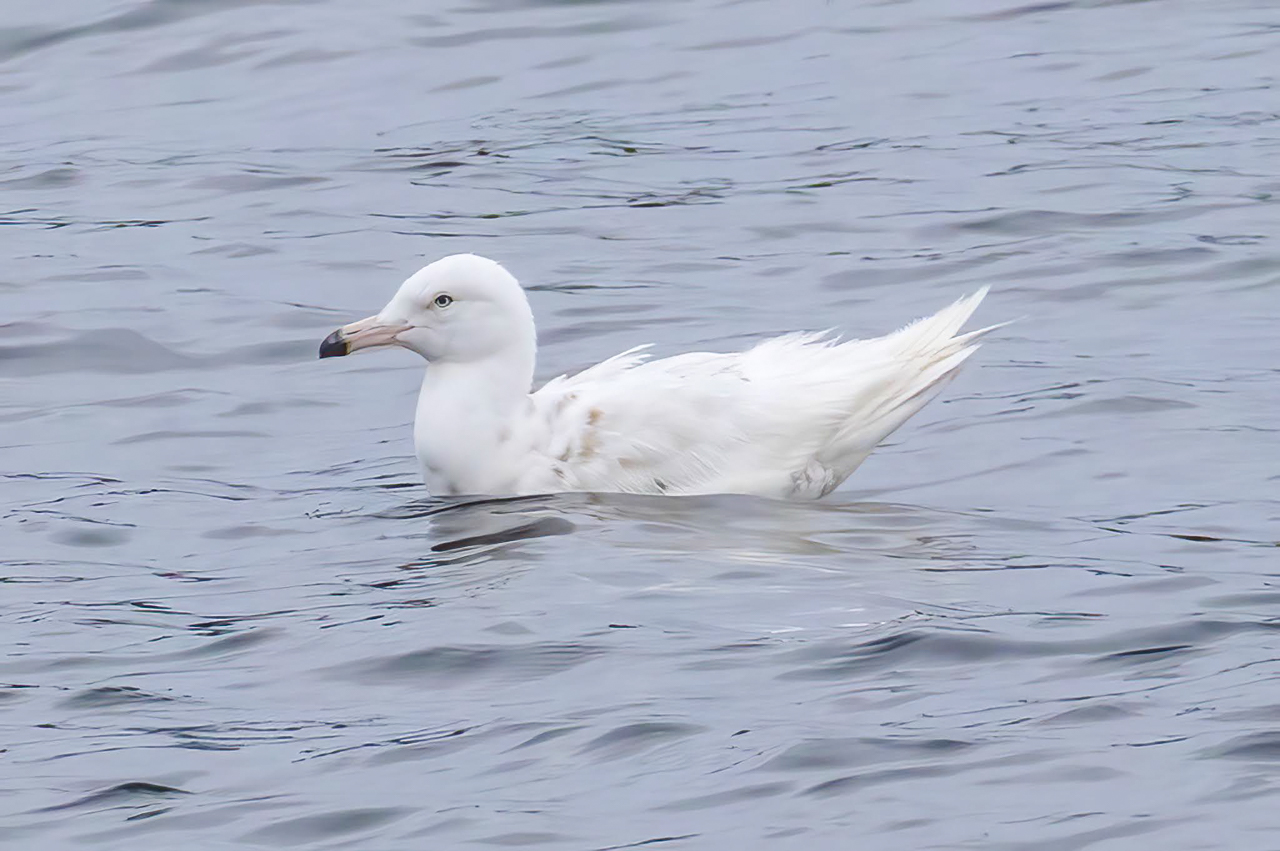
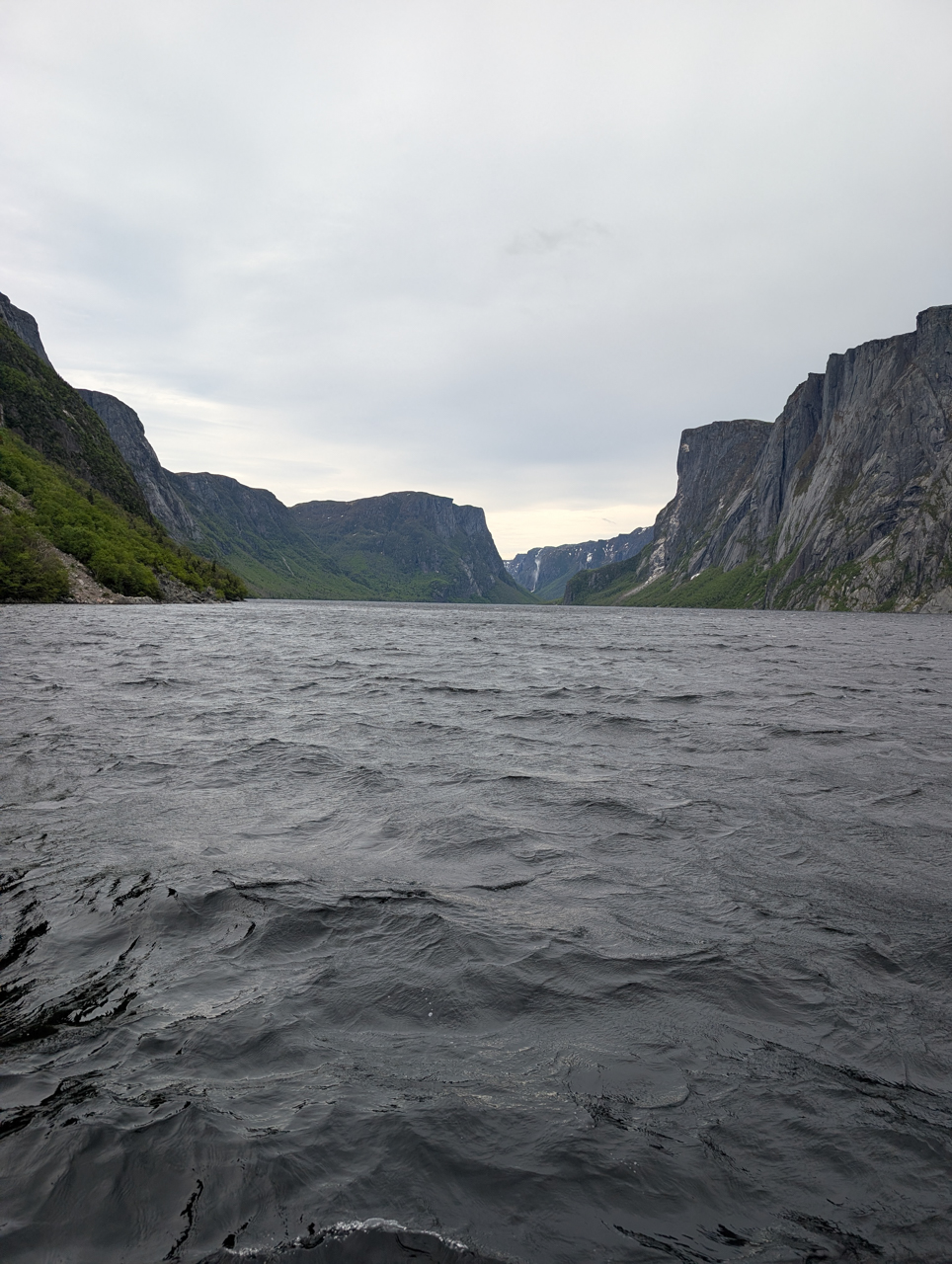
The itinerary was structured to capture the progression of the breeding season. From the second through the fourth day, the group traversed Gros Morne, utilizing the Humber River trail system and the Lomond River area. These sites provided early data on boreal forest species, including the Tennessee Warbler, Olive-sided Flycatcher, and the elusive Boreal Chickadee. The geological diversity of the Tablelands—an exposed section of the Earth’s mantle—offered a stark contrast to the dense forests, allowing for the observation of unique gull species, such as the Iceland Gull, Lesser Black-backed Gull, and Glaucous Gull, which are infrequent visitors to these latitudes during the summer months.
Following the departure from Western Newfoundland on the fifth day, the team transitioned to Central Newfoundland, passing through Grand Falls-Windsor and Gander. This transit was essential for observing the habitat shift from mature mixedwood forests to the dense, coniferous boreal stands that define the eastern provinces. Notable stops included the Corduroy Brook area and the Gander Heritage trails, providing context on the province’s historical role in transatlantic aviation and its broader ecological significance.
The latter half of the tour focused on the Avalon Peninsula, a region defined by its extreme weather conditions and critical ecological reserves. Days seven through nine saw the group visiting Cape St. Mary’s Ecological Reserve and the southern Avalon coast. These areas are globally significant for their seabird colonies. The expedition documented thousands of Northern Gannets, Black-legged Kittiwakes, and Common Murres, as well as the world’s southernmost colony of Thick-billed Murres. The final days, centered around St. John’s and the Witless Bay Ecological Reserve, provided a synthesis of the trip’s findings, concluding with observations at Cape Spear and local urban ponds.
Supporting Data and Avian Biodiversity
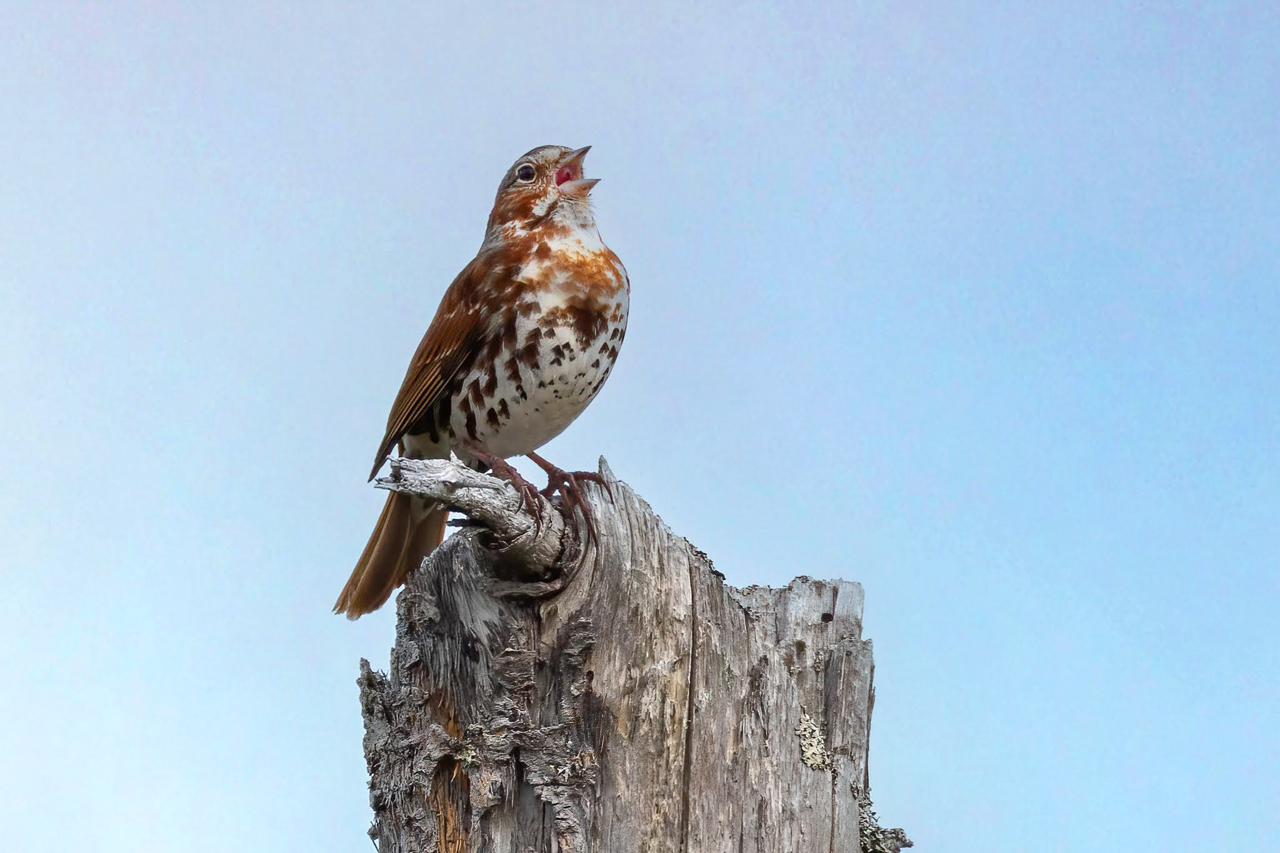
The expedition recorded an extensive list of species, reflecting the high level of avian activity during the mid-summer months. By the conclusion of the tour, the group had logged sightings of dozens of species, including migratory warblers, waterfowl, and pelagic birds.
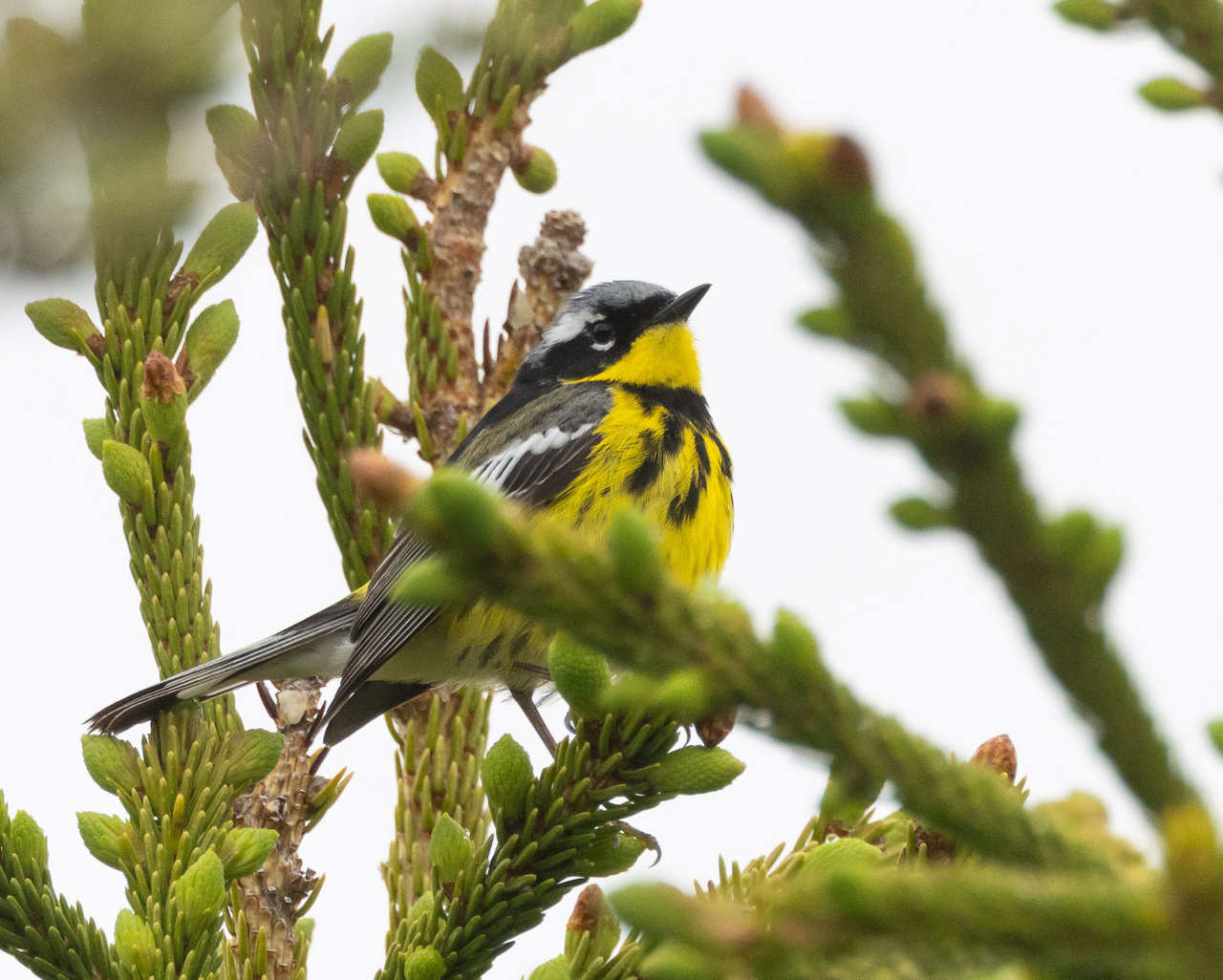
The presence of the Cape May Warbler, identified early in the trip, was particularly noteworthy for its rarity in the region. Furthermore, the systematic observation of "feeding frenzies" in areas like St. Vincent’s and Witless Bay highlighted the critical role of capelin in the North Atlantic marine food web. Capelin migration serves as a primary driver for the presence of Humpback Whales, jaegers, and various alcids. The observation of Short-eared Owls in the barrens of the southern Avalon served as a vital data point regarding the distribution of raptors in these exposed, treeless landscapes.
Environmental Context and Regional Significance
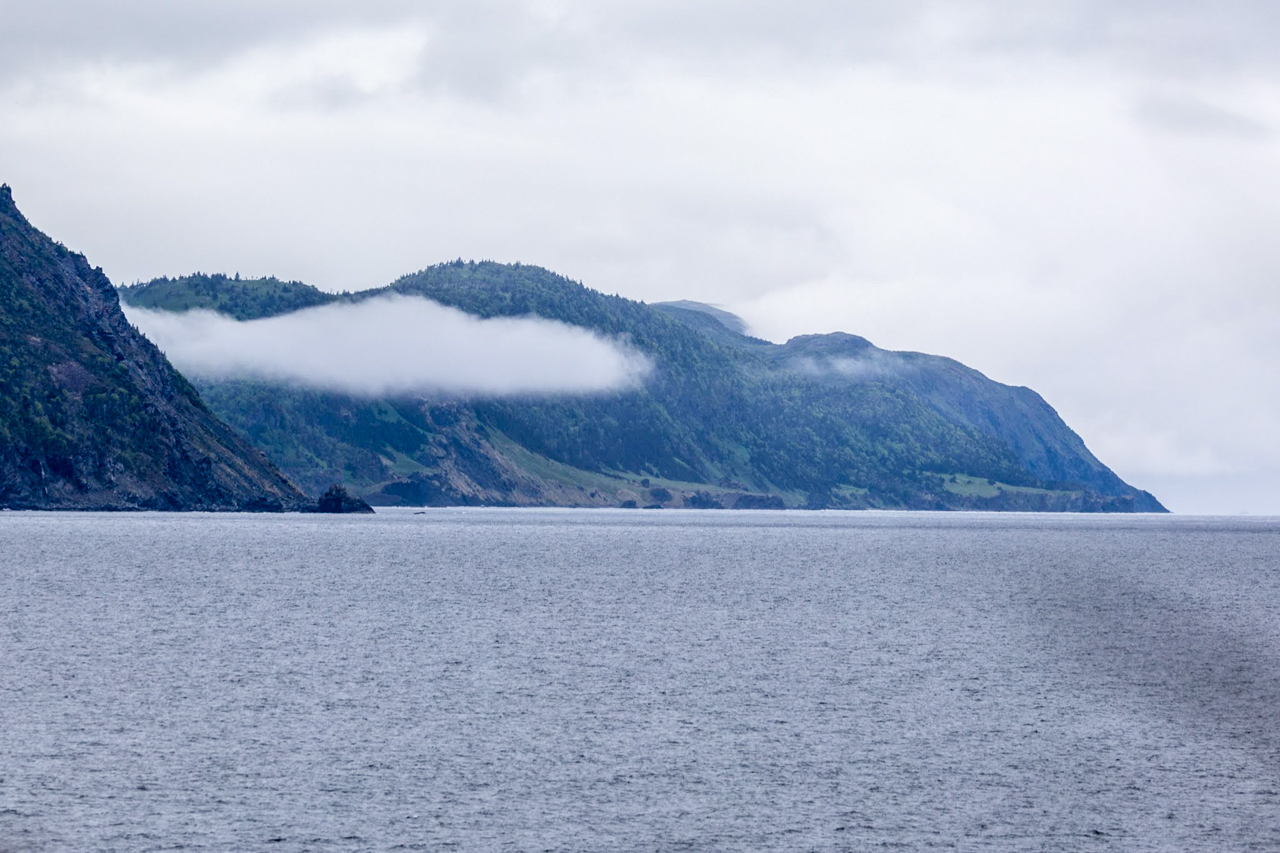
Newfoundland’s ecology is profoundly shaped by the North Atlantic environment. The "unexpected" nature of the island’s weather patterns—characterized by rapid transitions from fog to clear skies—requires constant adaptation from local wildlife. The expedition’s reliance on specialized observation techniques, such as scope-assisted surveys in estuaries and boat-based monitoring in ecological reserves, underscores the necessity of precise, on-the-ground research.

The inclusion of cultural landmarks, such as the Gander aviation site and the provincial museum, "The Rooms," provided necessary context on how human settlement has historically interacted with the natural environment. The skeleton of the extinct Great Auk, housed at The Rooms, served as a sobering reminder of the fragility of island ecosystems and the historical impact of anthropogenic activity on biodiversity.

Official Observations and Implications
While this tour was primarily focused on observation, the findings carry broader implications for regional conservation efforts. The success of the Witless Bay Ecological Reserve in maintaining stable populations of puffins and murres illustrates the effectiveness of protected status for critical breeding grounds. However, the reliance of these species on transient food sources like capelin remains a subject of ongoing concern for marine biologists monitoring the effects of rising ocean temperatures.
Statements from the expedition participants emphasized the importance of access to these remote locations. The collaboration between local hospitality providers and the tourism sector was credited with facilitating the logistical requirements of such a demanding itinerary. The use of local resources—from the accommodation in rural inns to the consumption of regional staples like cod and partridgeberries—demonstrated the symbiotic relationship between eco-tourism and the survival of rural Newfoundland communities.
Broader Impact and Conclusion
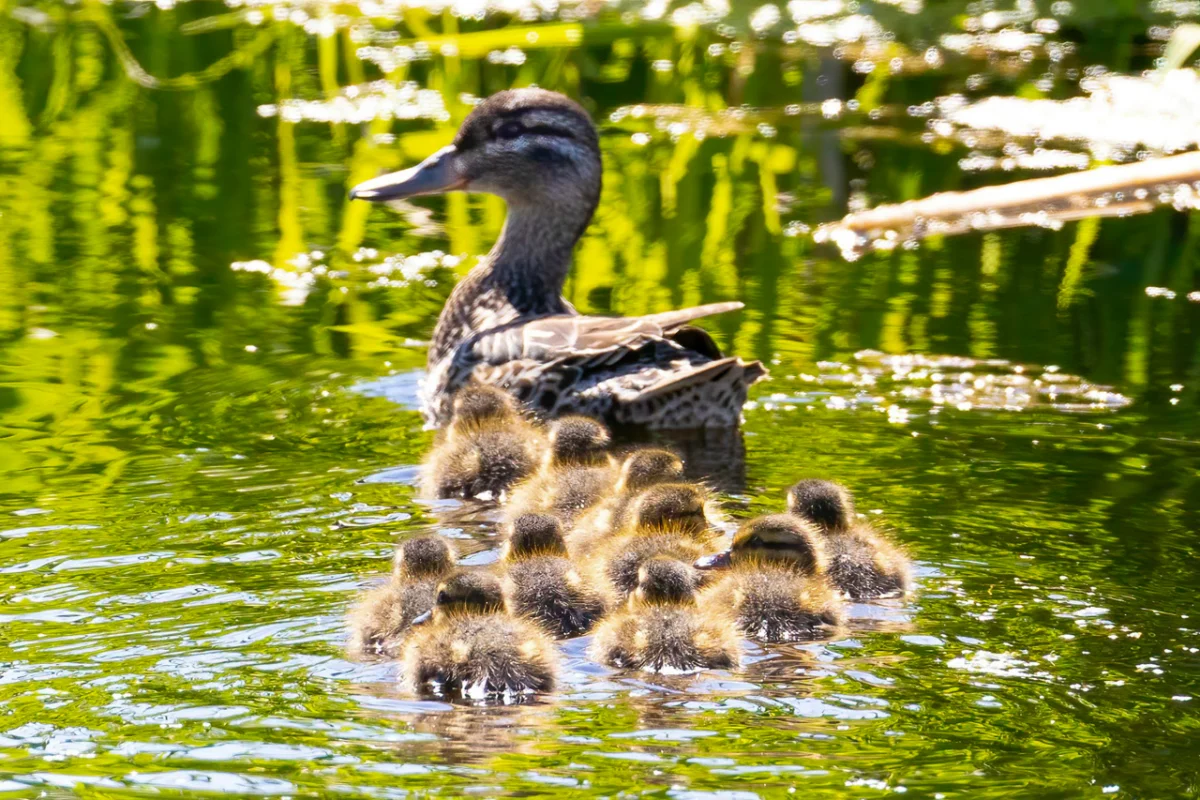
The eleven-day survey successfully achieved its objective of documenting a wide array of avian species across diverse Newfoundland habitats. Beyond the raw data of species counts, the expedition provided a qualitative assessment of the island’s current environmental health. The recurring sightings of breeding pairs and fledglings across multiple species, including the American Crow, Great-horned Owl, and Northern Pintail, suggest a productive breeding season.

The expedition concluded with a reflection on the island’s role in the larger North American migratory flyway. As climate patterns continue to shift, the continued monitoring of these regions becomes increasingly important. The data collected by the group serves as a snapshot of a specific time and place, contributing to the broader understanding of how these resilient species navigate the complexities of the Newfoundland landscape.

By integrating field observations with an appreciation for the cultural and geological history of the province, the expedition participants gained a comprehensive understanding of what makes Newfoundland a unique laboratory for natural history. The tour did not merely function as a recreational activity; it served as a testament to the enduring appeal of wild spaces and the continued necessity of field-based scientific documentation in the face of a changing global climate. The professional coordination of the logistics, combined with the rigorous schedule of daily observation, ensures that the findings from this journey will contribute to the ongoing dialogue regarding the stewardship of North Atlantic ecosystems.
