
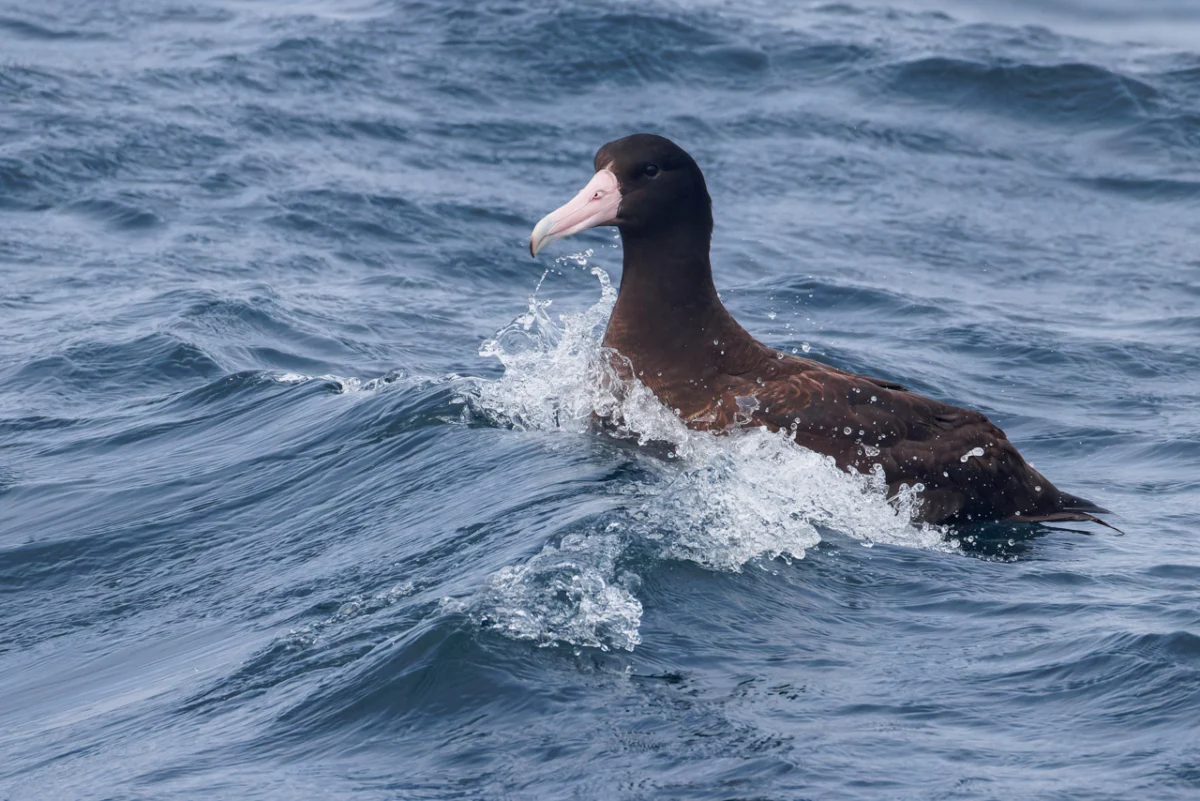
The recent expedition through the coastal corridors of British Columbia served as a significant survey of the region’s biodiversity, highlighting the critical role that the Fraser Delta, Vancouver Island’s west coast, and the offshore waters of Clayoquot Canyon play in the life cycles of North American migratory birds. Spanning five days, the tour provided birders and researchers with a rare window into the pelagic, coastal, and temperate rainforest ecosystems that define this ecologically diverse province. The excursion, which began in Richmond and concluded in Vancouver, yielded observations of rare avian species, including the elusive Short-tailed Albatross, while providing data on the health of local shoreline and forest habitats.
Chronology of the Expedition: A Five-Day Overview
The journey commenced in Richmond, British Columbia, where the group established the operational parameters for the week. The primary objective was to document the transition of species from the inland deltas to the open pelagic zones of the Pacific Ocean.
On Day 2, the team transitioned to the Fraser Delta, specifically Boundary Bay. As a critical Ramsar site—a wetland of international importance—the bay serves as a vital stopover for millions of migratory birds. Despite tidal conditions that limited the presence of certain shorebird species, the team successfully documented a variety of passerines, including the Bewick’s Wren, Spotted Towhee, and Western Tanager. The afternoon involved a transit via ferry from Tsawwassen to Nanaimo, where observers identified three species of cormorant—Pelagic, Brandt’s, and Double-crested—all of which utilize the man-made ferry infrastructure for nesting. The day concluded with an inland transit to Ucluelet, a strategic base for accessing the outer coast.
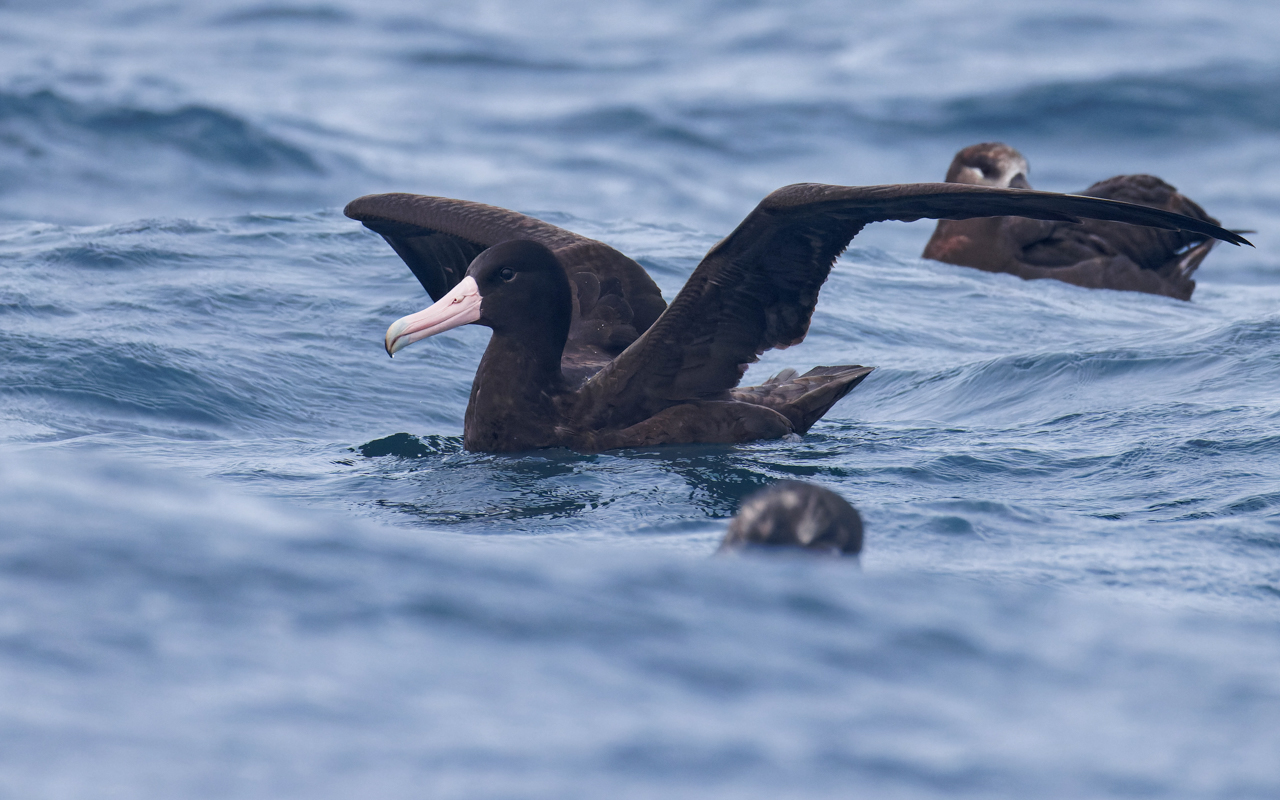
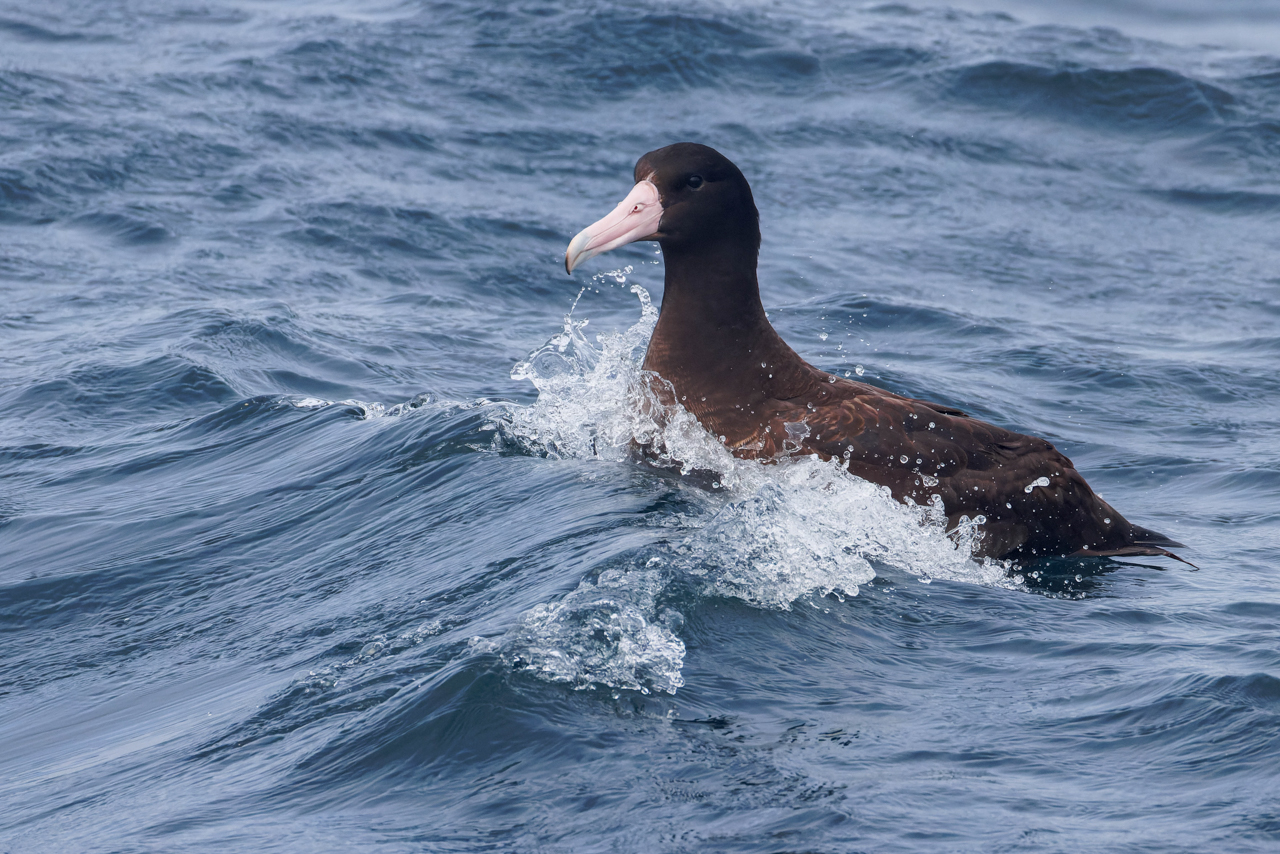
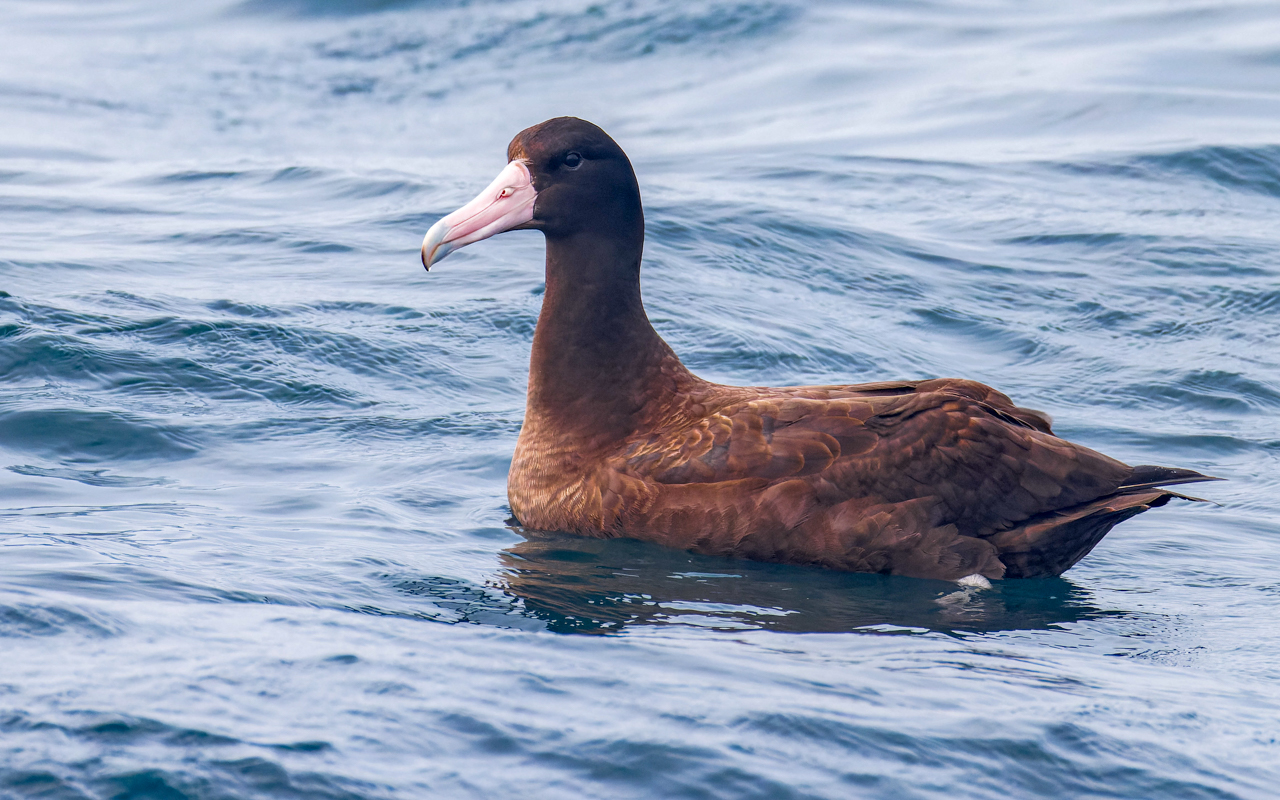
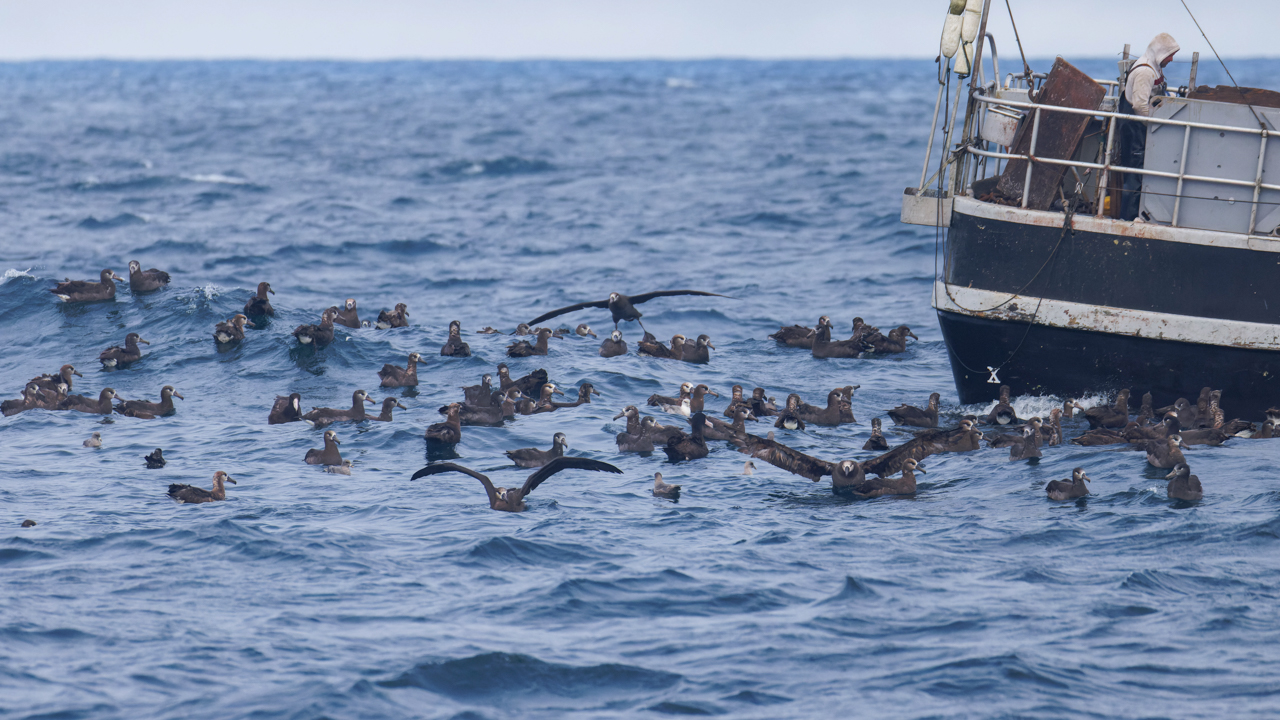
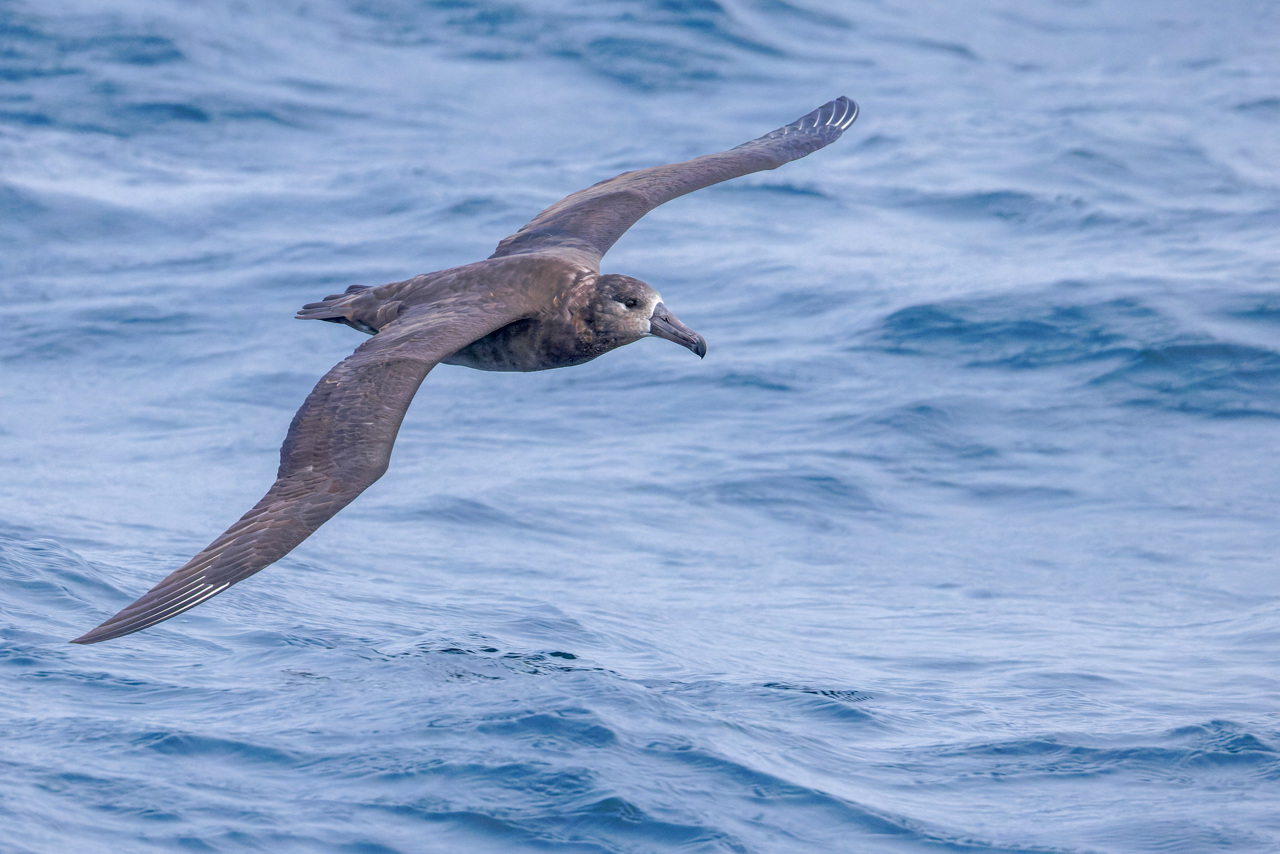
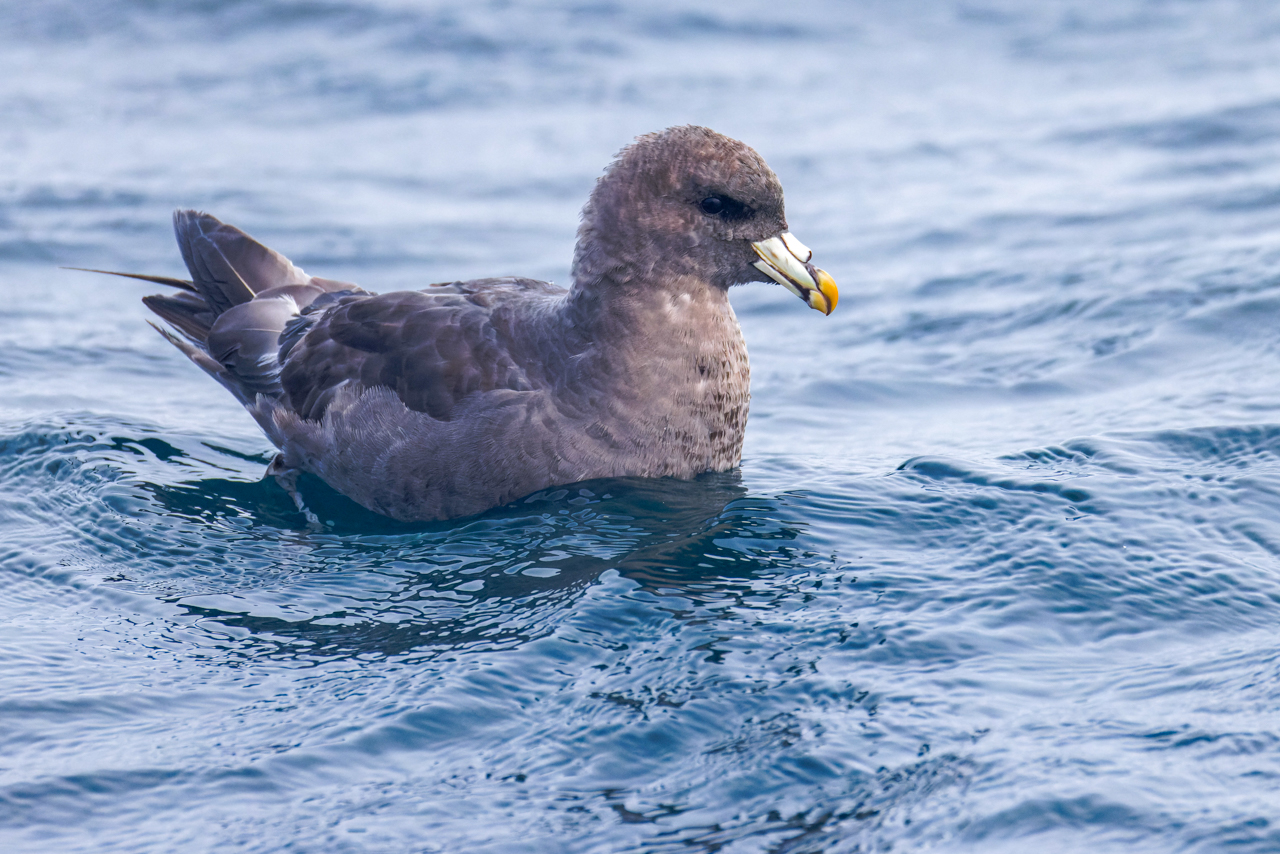
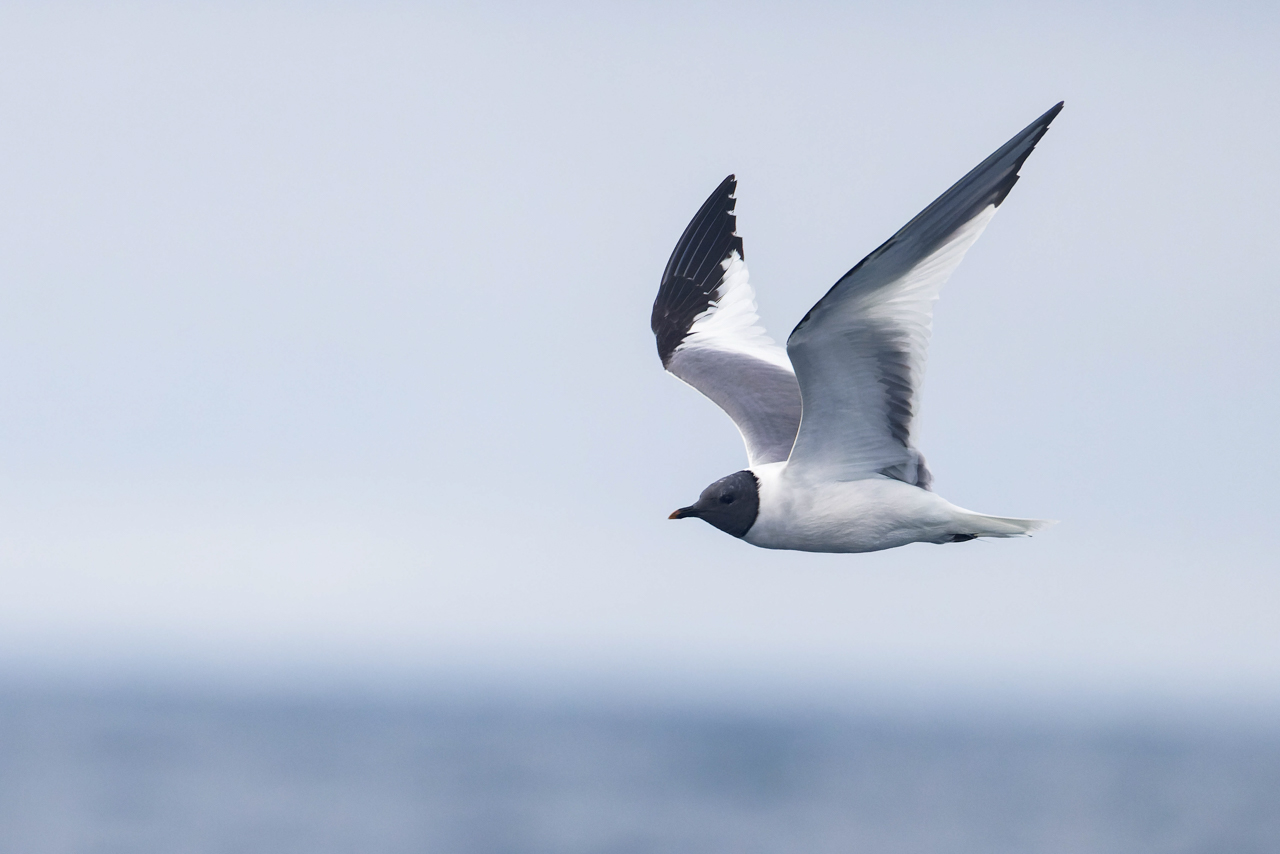
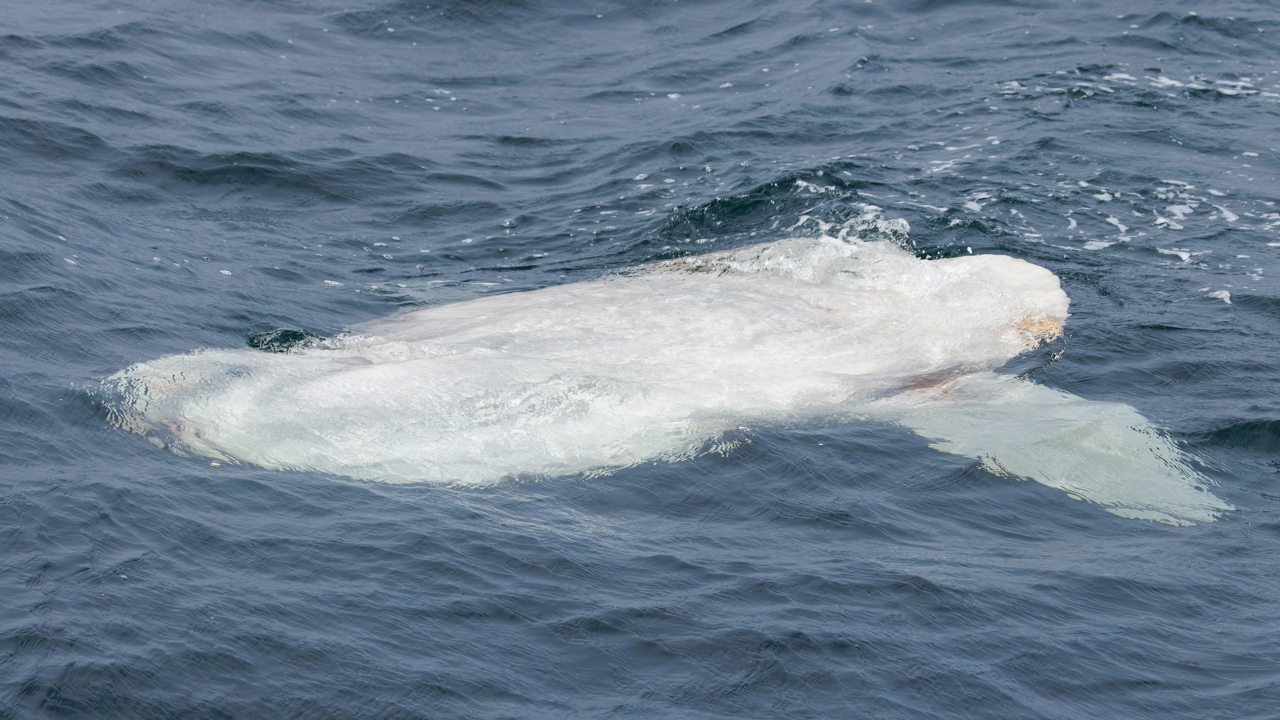
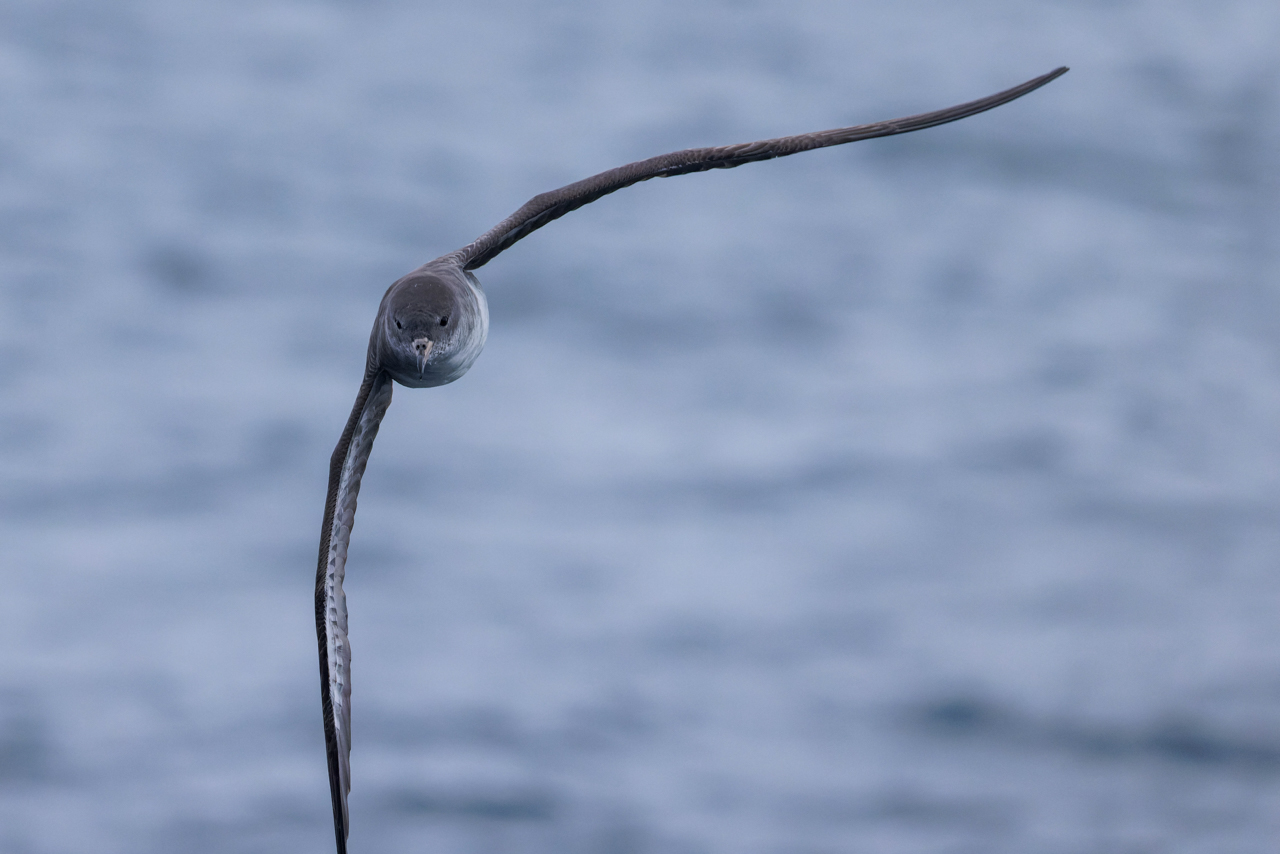
Day 3 was dedicated to a high-seas pelagic survey of the Clayoquot Canyon. The canyon is a geological formation where deep-sea upwelling brings nutrient-rich waters to the surface, creating an oceanic "oasis" for wildlife. The expedition encountered a significant congregation of seabirds, including Pink-footed Shearwaters, Sabine’s Gulls, and Northern Fulmars. The highlight of the trip was the observation of two Short-tailed Albatrosses. These birds, which historically faced near-extinction due to the feather trade in the early 20th century, are now a conservation success story, though they remain rare visitors to British Columbia waters.
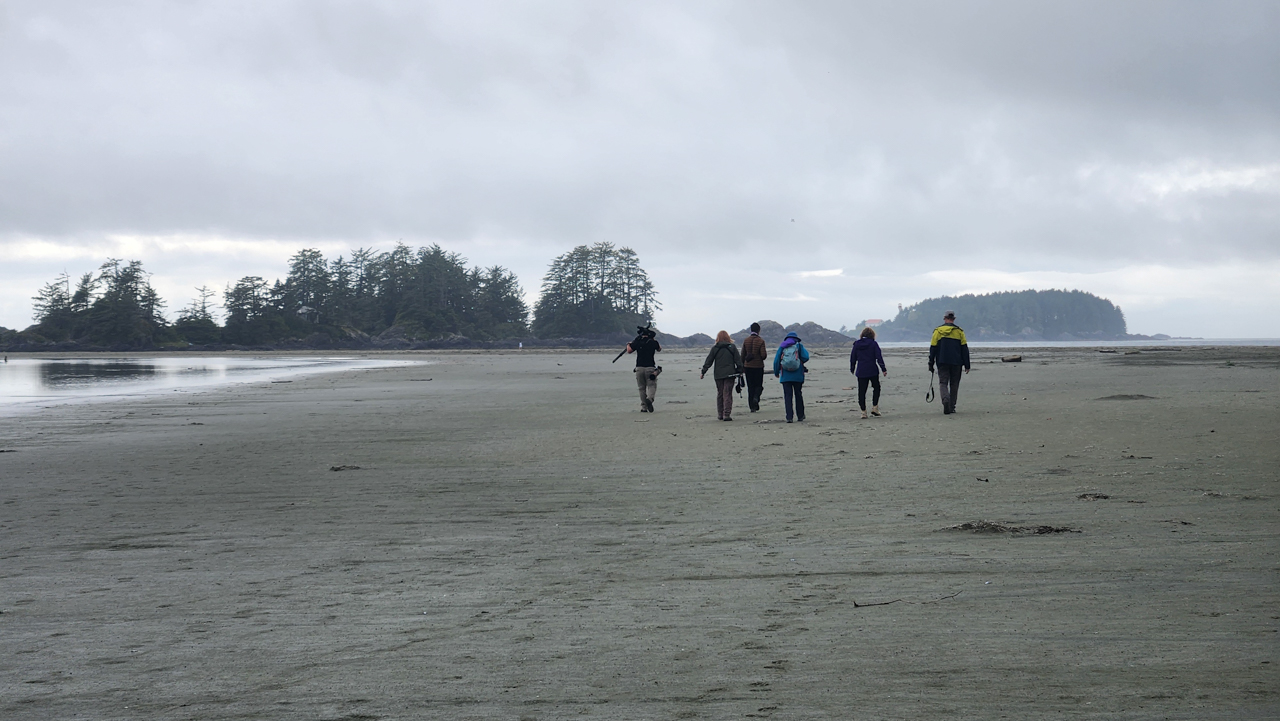
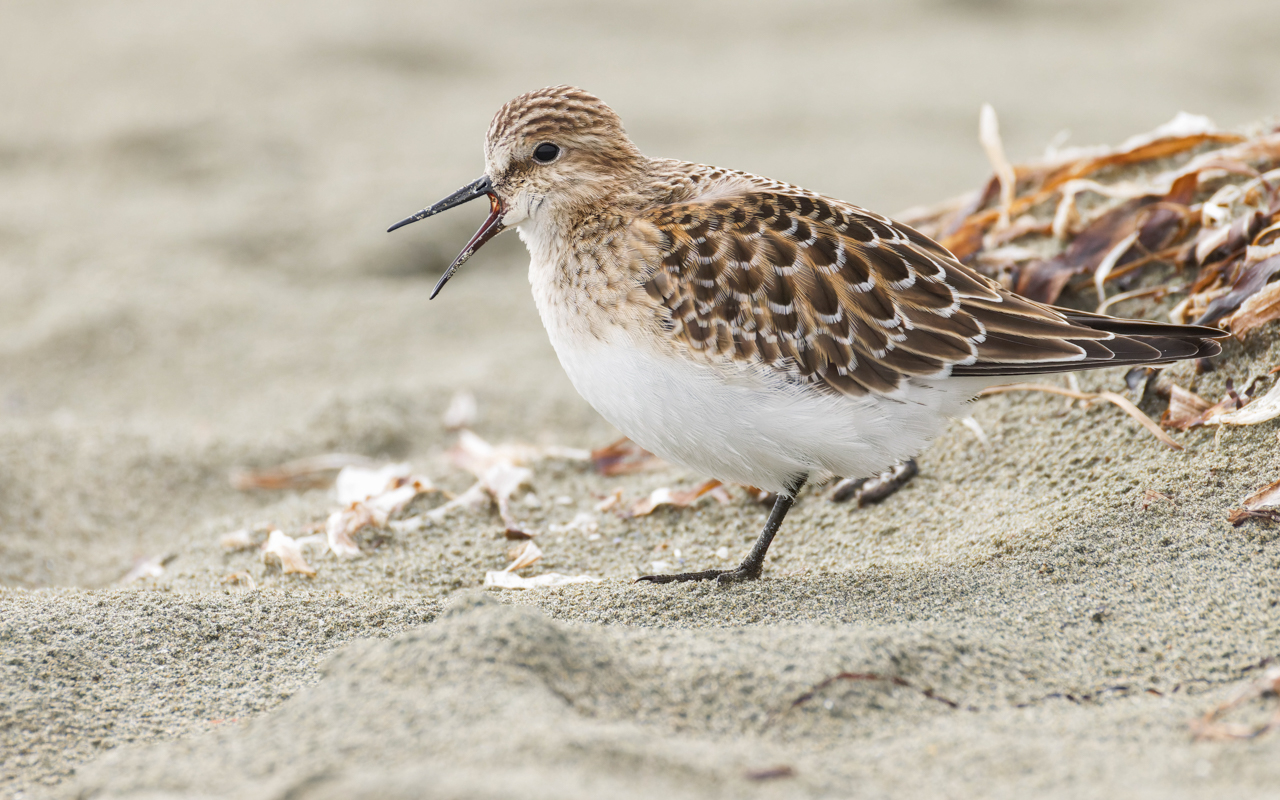
On Day 4, the focus shifted to the terrestrial and intertidal zones of the Pacific Rim National Park. The team conducted "seawatching" from Amphitrite Point, a location noted for its high visibility of migrating waterfowl. The day concluded at Chesterman Beach, where the team conducted a count of sandpipers, specifically noting a group of five Baird’s Sandpipers, providing an opportunity for close-range analysis of their foraging behaviors.
The final day, Day 5, focused on the transition back to the mainland. A stop at Cathedral Grove provided context for the old-growth temperate rainforest, where the group observed avian species adapted to the vertical complexity of ancient Douglas-fir forests. The transit back to Vancouver included a marine survey that recorded sightings of Humpback Whales, underscoring the interconnectedness of avian and marine mammal migratory patterns.
Ecological Significance and Data Analysis
The observations made during this expedition align with broader trends in Pacific Northwest ornithology. The Fraser Delta, where the journey began, is currently the subject of ongoing environmental debate regarding industrial development and the preservation of mudflats. The density of waterfowl and shorebirds observed in these areas reinforces the scientific consensus that the delta is non-negotiable habitat for the Pacific Flyway.
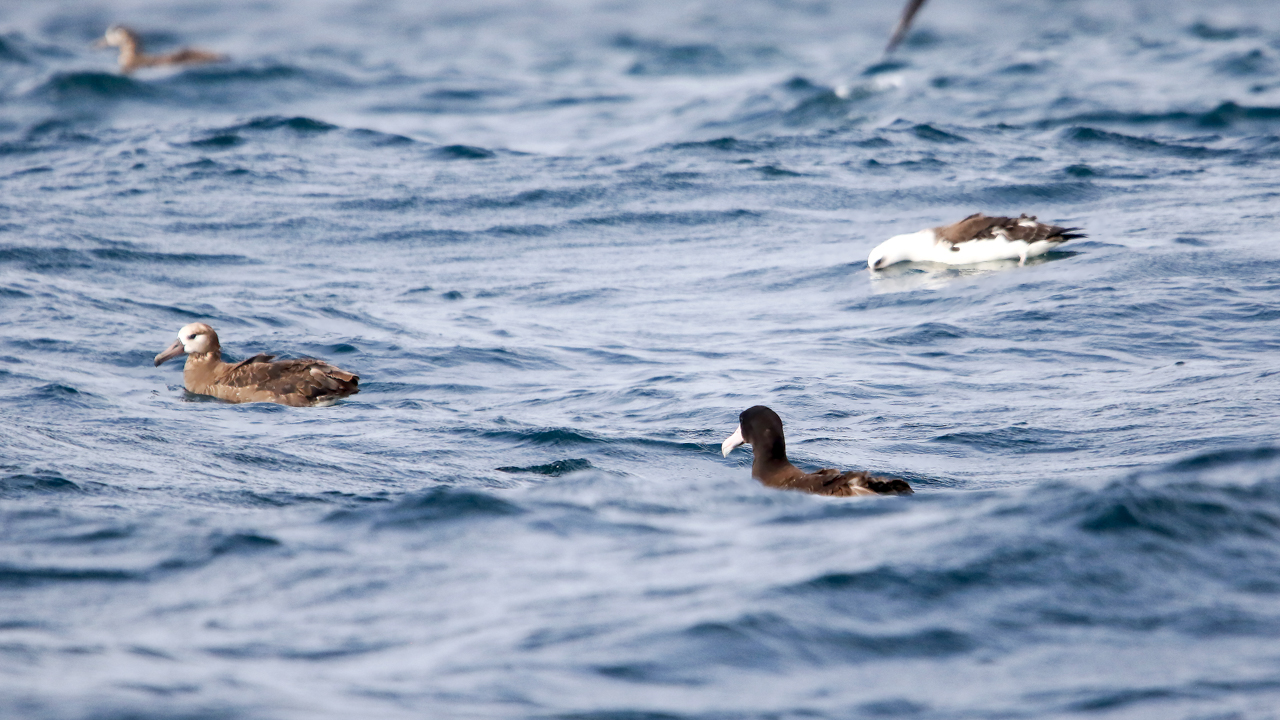
The pelagic findings in Clayoquot Canyon provided essential data regarding the range of the Short-tailed Albatross (Phoebastria albatrus). According to the International Union for Conservation of Nature (IUCN), the species is currently classified as "Vulnerable." Historically, breeding colonies were decimated, but recent population recovery on islands near Japan has led to a slight increase in sightings off the North American coast. The observation of two individuals interacting suggests that the species may be utilizing these offshore canyons more frequently than historical records indicate, perhaps as a result of shifting fish populations caused by warming ocean temperatures.
Furthermore, the documentation of "mixed flocks" of shorebirds at Combers Beach and Chesterman Beach provides a snapshot of current migration timing. The presence of juvenile Laysan Albatrosses and high numbers of Western Sandpipers indicates that the timing of this expedition coincided with the peak post-breeding dispersal period for these species.
Institutional and Scientific Context
The logistical success of the trip underscores the increasing popularity of "eco-tourism" as a vehicle for scientific data collection. Organizations like the one represented here often provide raw data to regional bird-monitoring databases, such as eBird, which contributes to the global understanding of species distribution.
"The ability to observe such a rare albatross species is not merely a highlight for the participants; it serves as a validation of the ecological health of our offshore canyons," noted one of the expedition leaders. "When we see these birds interacting with local fishing fleets or utilizing the upwelling zones, we are seeing the direct result of ocean management policies that prioritize sustainable fisheries."
Broader Implications for Conservation
The findings of this expedition have implications that reach beyond the birding community. The reliance of the species observed on the specific ecosystems of Vancouver Island highlights the fragility of the coastal margin.
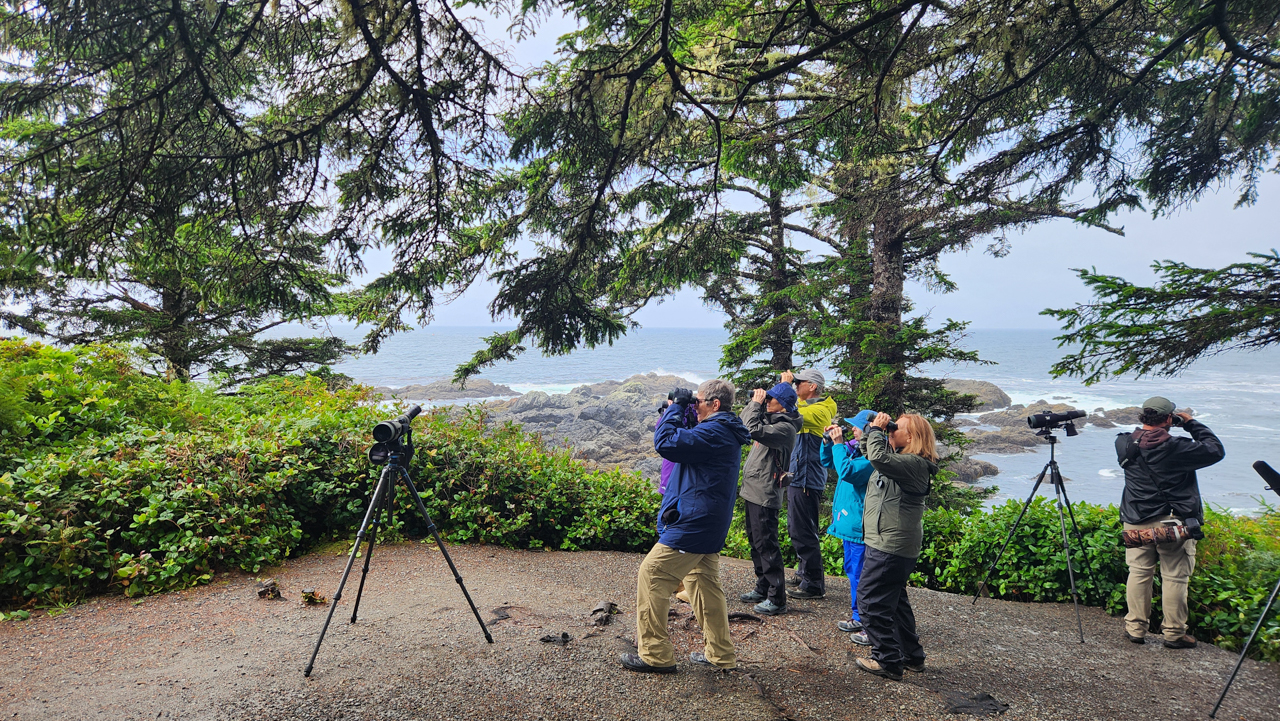
- Marine Protection: The presence of albatrosses and shearwaters in Clayoquot Canyon reinforces the need for the protection of deep-water upwelling zones. These areas are not just habitats; they are the primary food sources for migratory birds that travel thousands of miles.
- Old-Growth Preservation: The observations at Cathedral Grove remind stakeholders that the old-growth forests of British Columbia are essential for passerine species that require specific nesting niches, such as the Brown Creeper and the Chestnut-backed Chickadee.
- Climate Adaptation: The shift in migratory patterns, often cited in recent ornithological studies, suggests that climate change is forcing bird populations to find new foraging grounds. The success of the trip in finding high densities of shorebirds suggests that despite environmental pressures, these coastal corridors remain resilient if protected from anthropogenic disruption.
Summary of Findings
The expedition successfully cataloged over 50 species of birds, ranging from the common Steller’s Jay to the globally significant Short-tailed Albatross. The diversity of the habitat explored—from the ancient forests of the interior to the deep-water canyons of the open Pacific—highlights the necessity of a holistic approach to conservation. By documenting these species, the team has contributed to a larger, ongoing effort to map the movements of Pacific wildlife in an era of rapid environmental change.
The final group meal at Horseshoe Bay served as a reflective conclusion to the journey. As the participants reviewed their logs and data, the sentiment was one of cautious optimism. The birds of British Columbia, while facing mounting challenges from climate change and habitat loss, continue to utilize the province’s coastal waters as a vital sanctuary. This five-day excursion provided not only a record of these sightings but also a testament to the enduring importance of the Pacific Northwest as a cornerstone of global biodiversity. Future surveys will undoubtedly continue to build upon these findings, ensuring that the avian inhabitants of this region remain a focus of both scientific study and public awareness.
