
From August 29 to September 3, 2026, an expedition group conducted a detailed biological survey across the coastal regions of British Columbia, specifically targeting the Fraser River Delta and the diverse marine ecosystems surrounding Vancouver Island. The mission focused on observing migratory patterns, documenting rare species, and evaluating the health of coastal habitats during the late-summer transition. By integrating field observations with established ecological data, the expedition provided a snapshot of the region’s critical role as a North American biodiversity corridor.
Expedition Chronology and Geographic Scope
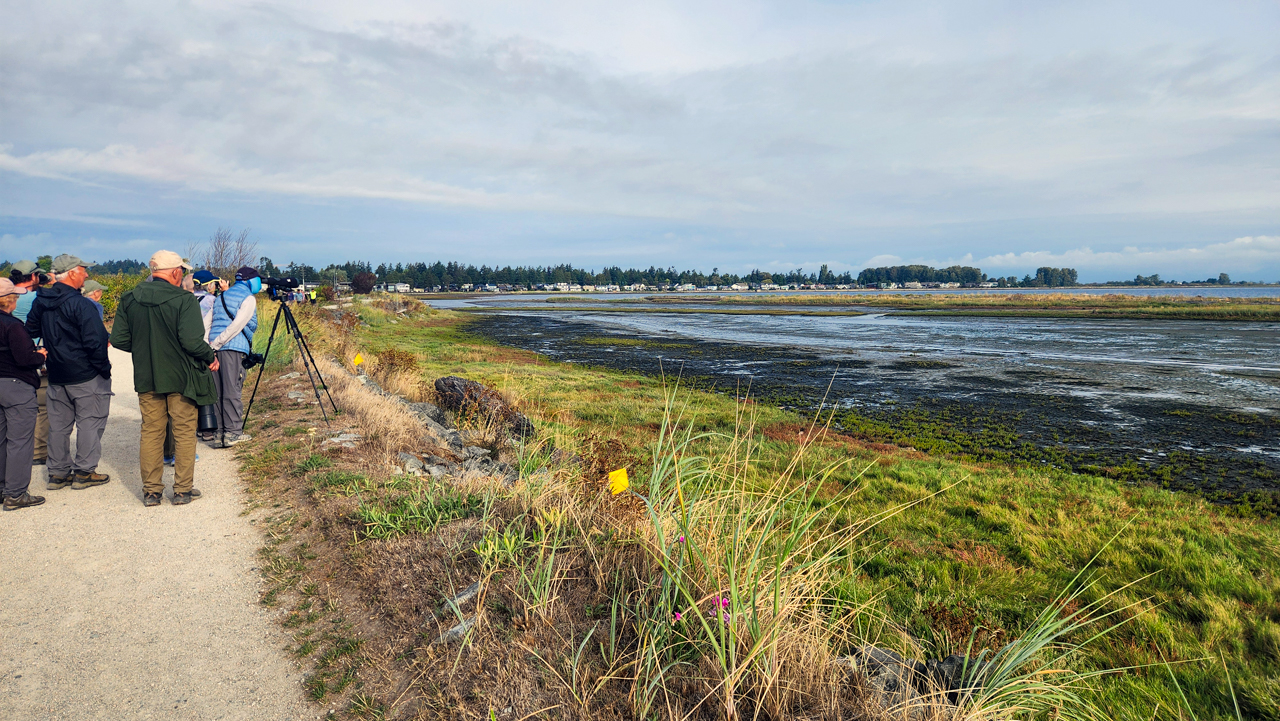
The survey commenced on August 29 in Richmond, British Columbia, serving as a staging ground for the team before moving into the Fraser River delta. The delta is recognized internationally as a key stopover point along the Pacific Flyway, a massive migratory route that facilitates the movement of millions of shorebirds and waterfowl between Arctic breeding grounds and wintering sites as far south as South America.
On August 30, the team transitioned to Boundary Bay Regional Park. This area, which contains extensive tidal marshes and mudflats, proved to be a high-activity zone for avian life. Data collected on-site identified a high concentration of Canada Geese, alongside various dabbling ducks including American Wigeon, Northern Pintail, and Green-winged Teal. Notably, the presence of the Baird’s Sandpiper—a species rarely documented in eastern Canada—underscored the regional importance of these mudflats as a nutrient-dense fueling station for long-distance migrants.
Marine Ecosystems and Pelagic Observations
The expedition shifted focus on August 31 to a pelagic survey departing from Tofino, venturing to the edge of the continental shelf. This transition into the open Pacific Ocean allowed for the observation of specialized pelagic species that rarely venture near the coast.
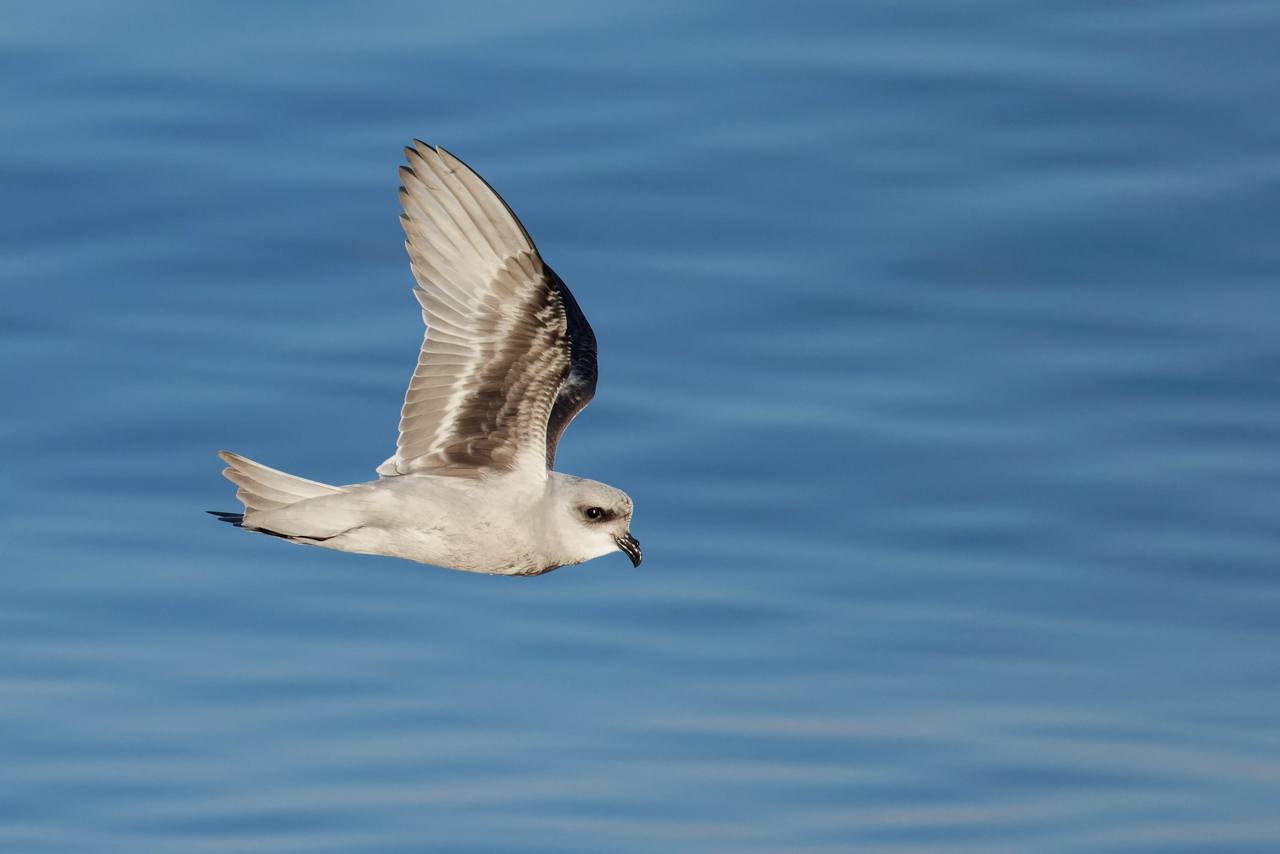
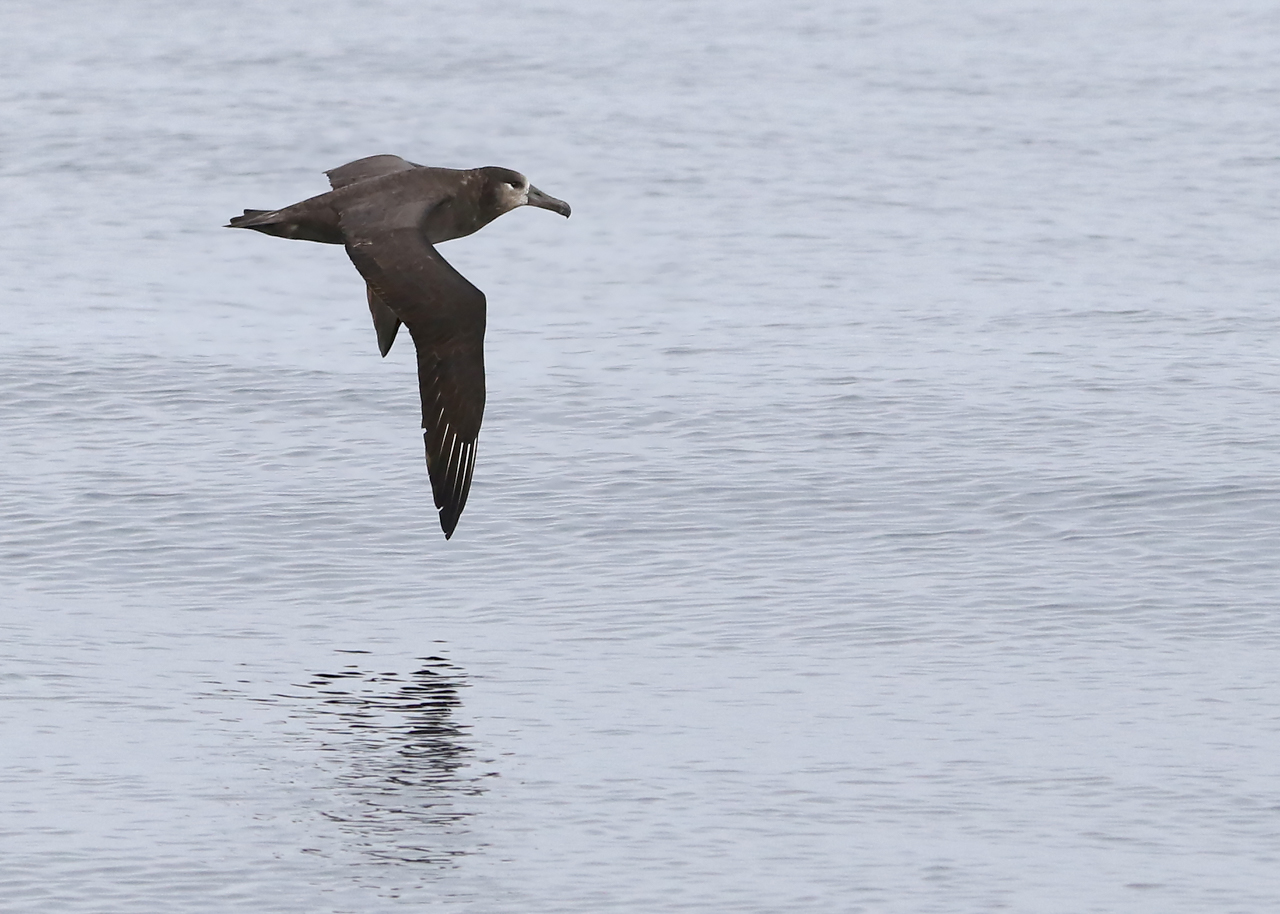
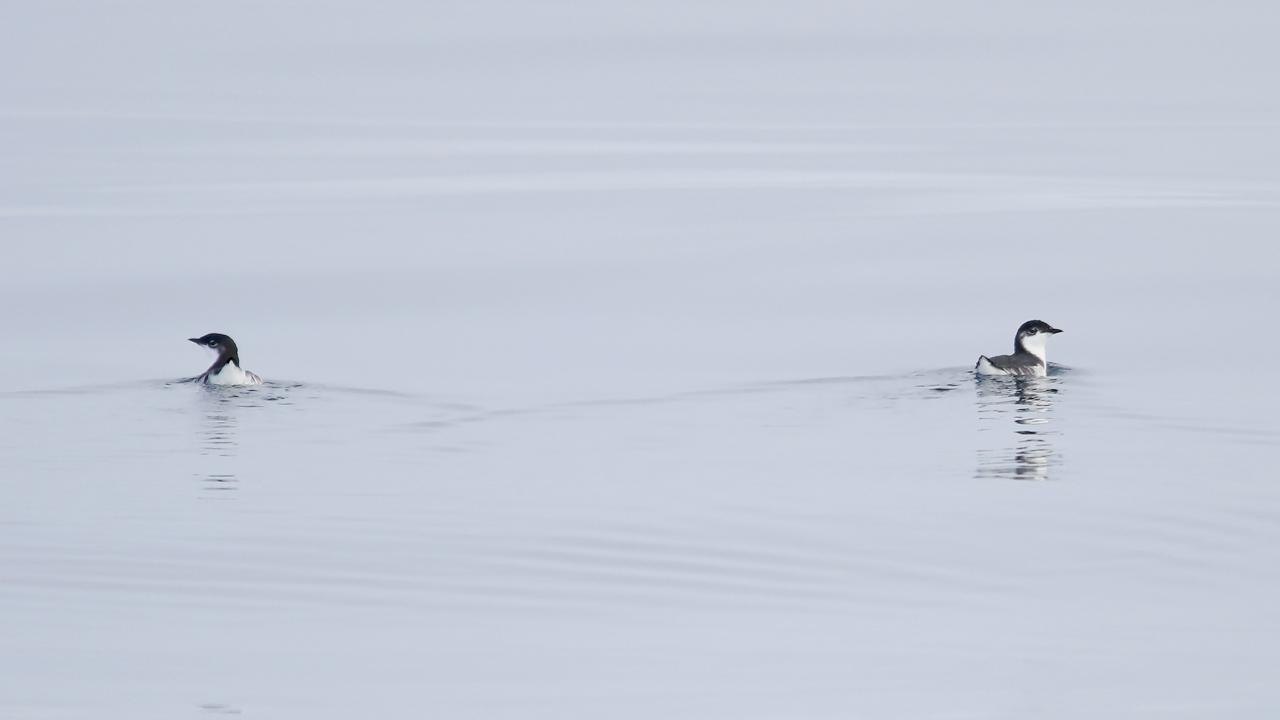
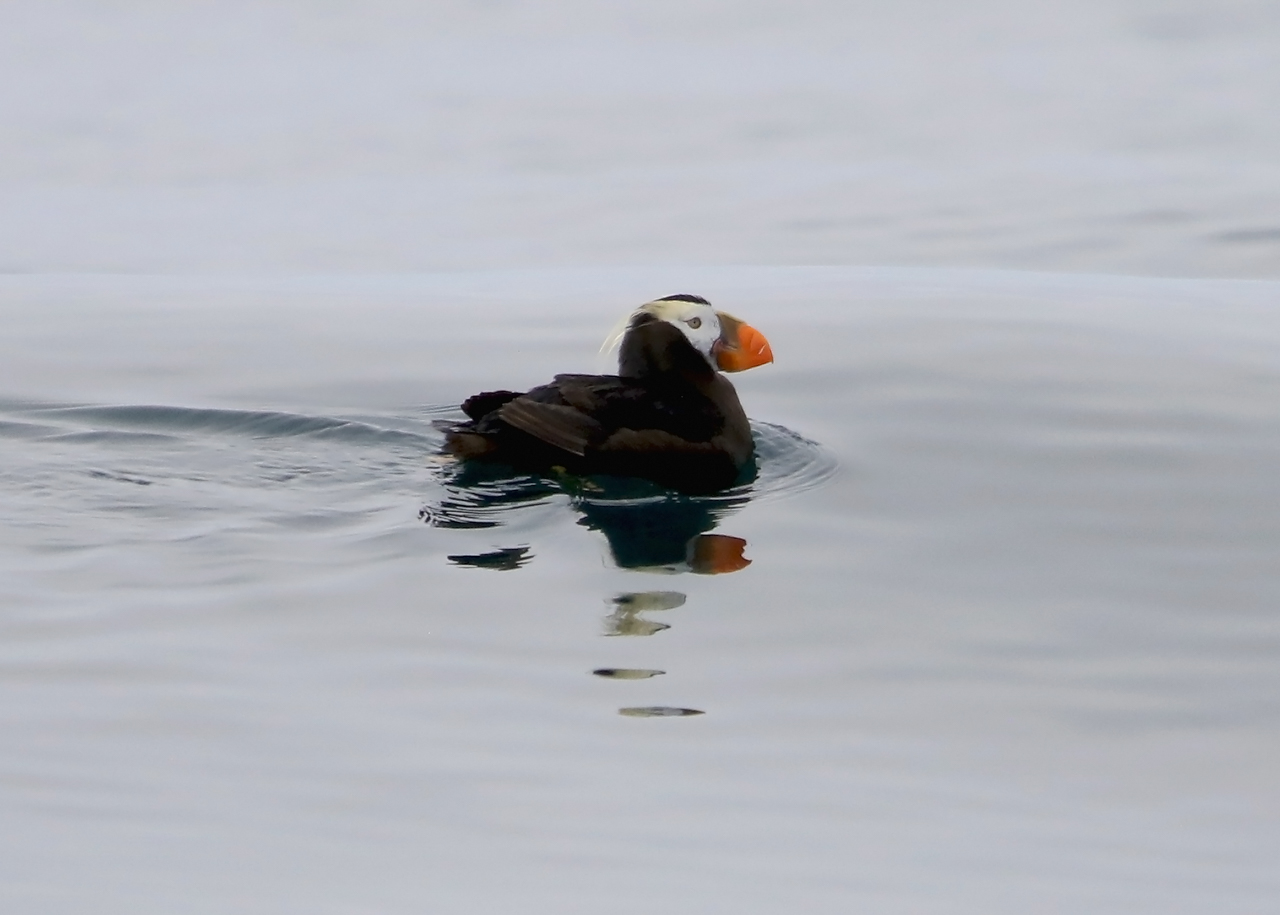
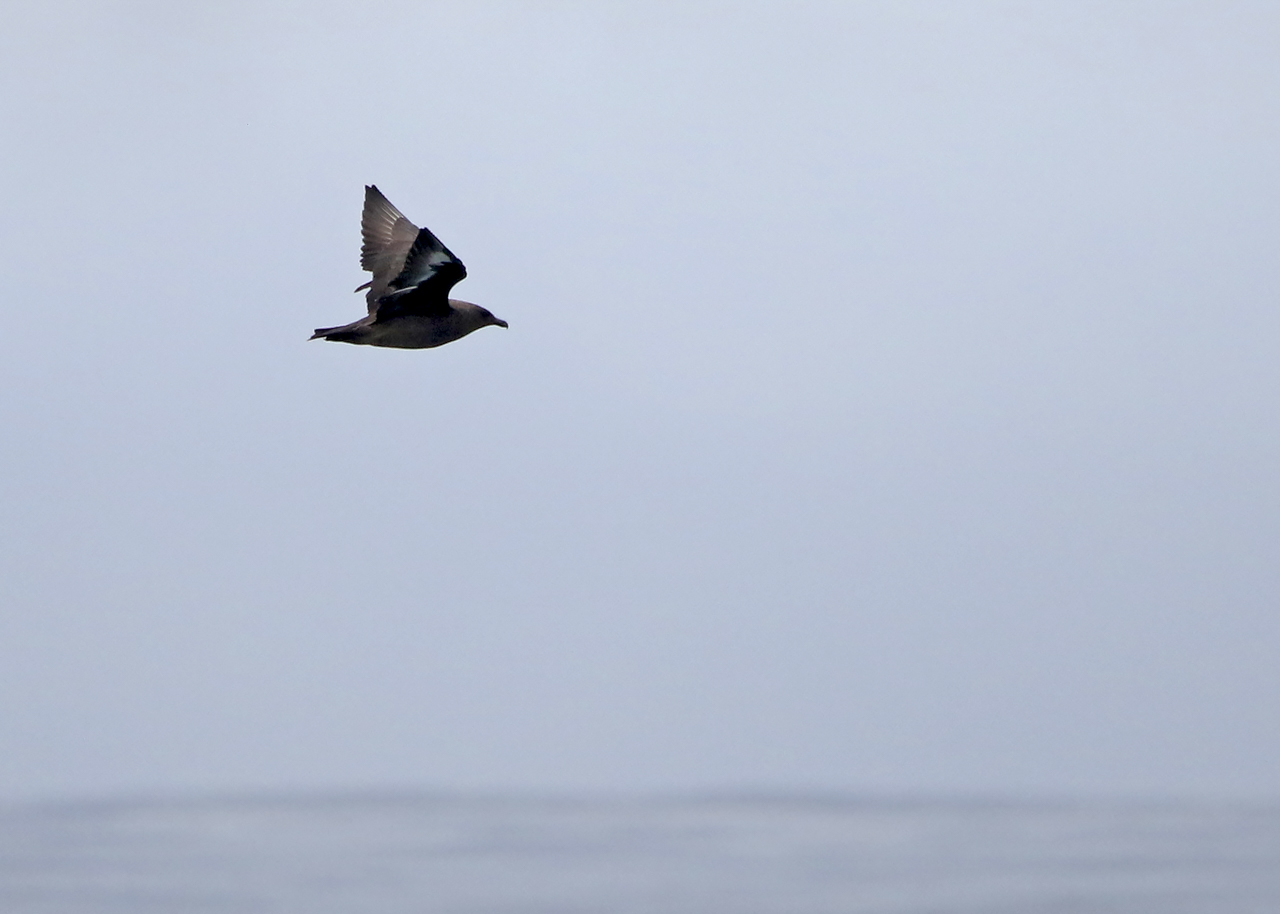
The conditions on the morning of August 31 were optimal for deep-water ornithological research, characterized by overcast skies and minimal swell. The team recorded a variety of seabirds, including Pink-footed Shearwaters, Northern Fulmars, and the elusive Black-footed Albatross. The highlight of this survey was the identification of the Scripp’s Murrelet. This alcid, which is considered a significant rarity in Canadian waters, was identified by specific morphological characteristics, including the absence of a white collar and the presence of distinct facial markings. The documentation of this species within the Canadian Exclusive Economic Zone serves as a significant addition to the regional biodiversity ledger.
Beyond avian research, the pelagic leg provided insight into local marine mammal activity. The survey documented active foraging by Humpback Whales, as well as sightings of Dall’s Porpoises and an unexpected Elephant Seal. These observations indicate a high level of biomass productivity in the waters off the coast of Tofino, supported by the upwelling of nutrient-rich deep ocean currents at the shelf edge.
Habitat Analysis and Biodiversity Trends
From September 1 to September 2, the survey moved to the rugged coastline of Ucluelet and the old-growth forests of Macmillan Provincial Park. The juxtaposition of these environments highlighted the diverse ecological niches present on Vancouver Island.
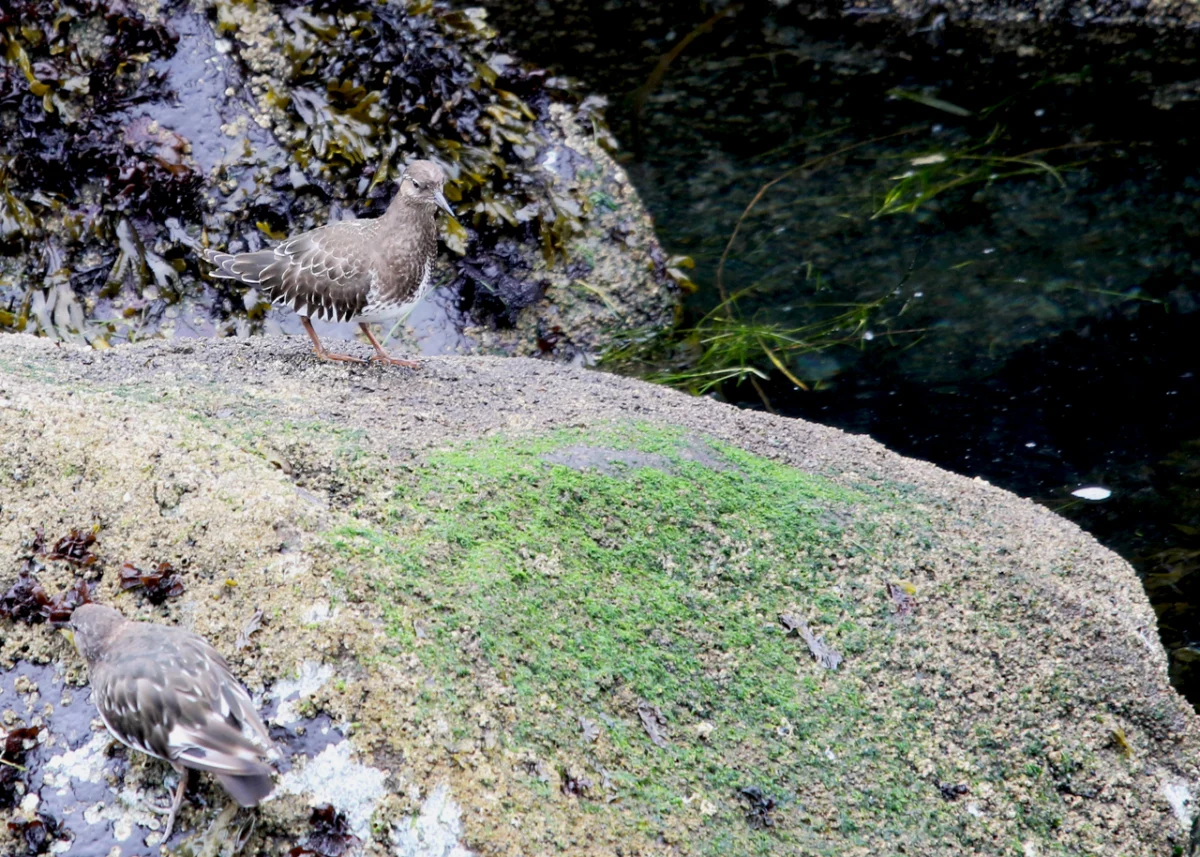
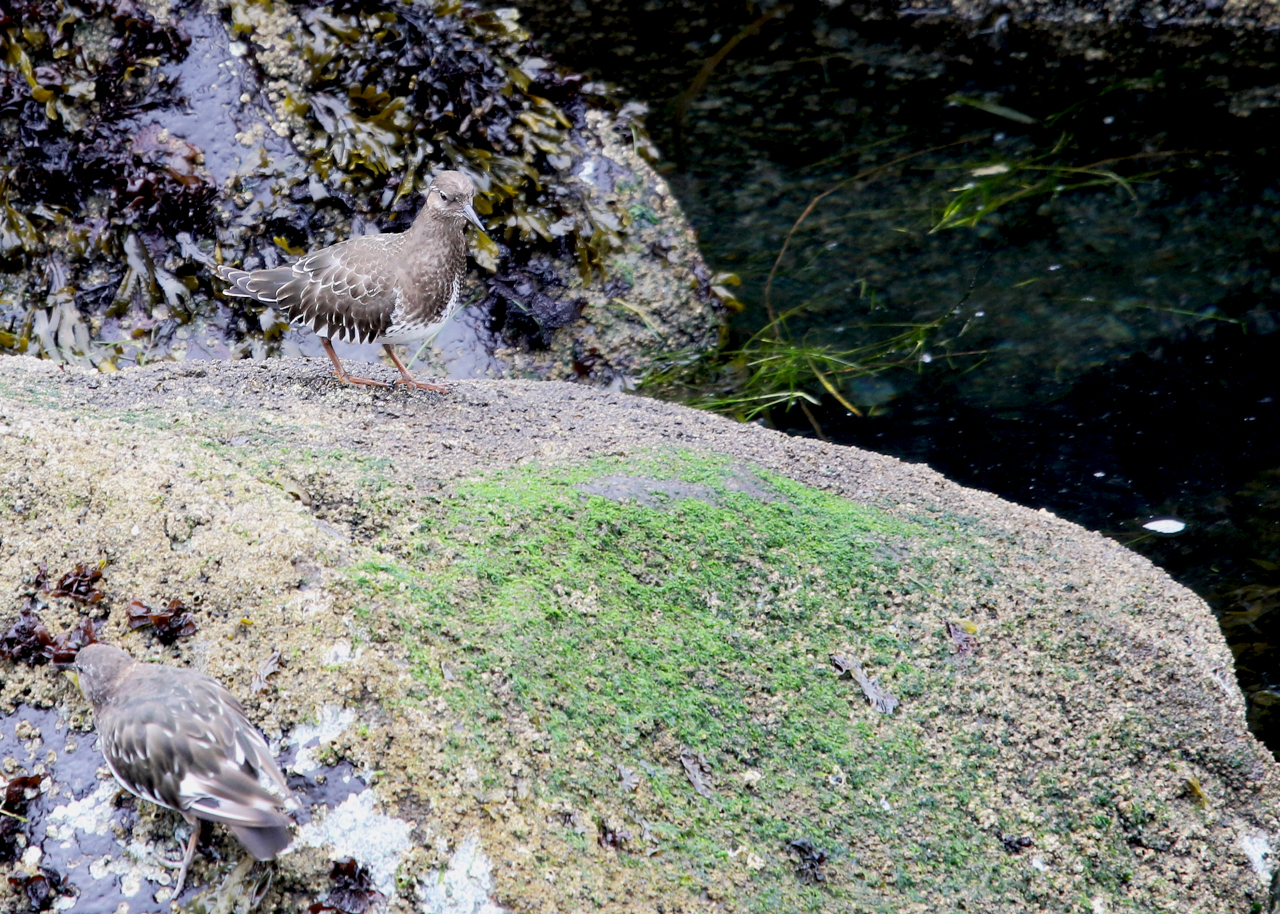
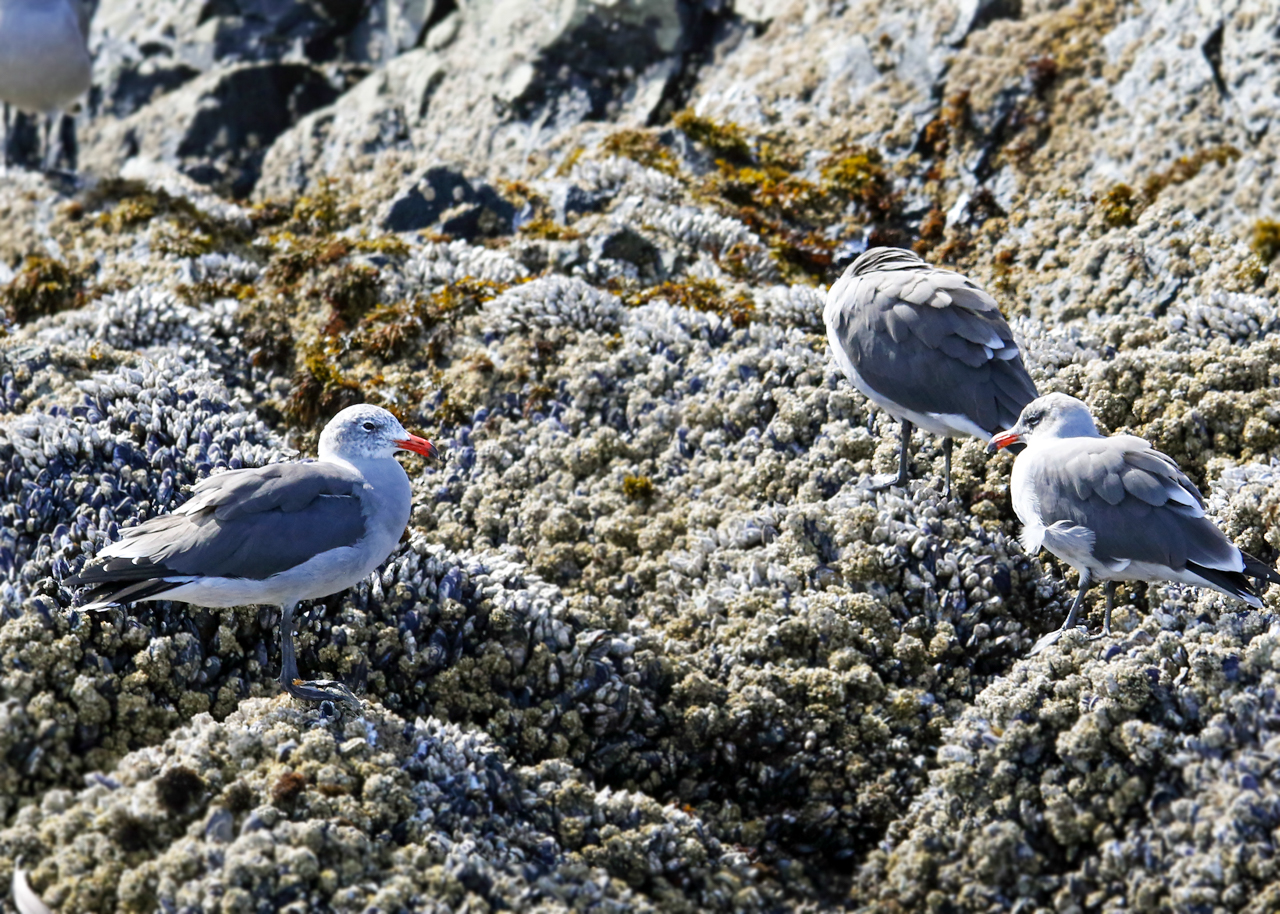
The Amphitrite Lighthouse area in Ucluelet offered an ideal vantage point for scanning offshore waters, resulting in the identification of both Common and Pacific Loons, as well as the Western Gull. The surrounding rocky outcrops supported stable populations of Surfbirds and Wandering Tattlers, both of which are indicative of healthy, undisturbed rocky intertidal zones.
At Cathedral Grove, the team engaged in a survey of the old-growth Douglas fir and red cedar forests. While avian activity in high-canopy old-growth is often challenging to document due to the density of the vegetation, the survey confirmed the presence of sensitive indicator species such as the Pacific Wren and Golden-crowned Kinglet. The conservation of these old-growth stands remains a point of contention and interest in regional environmental policy, as they provide essential structural complexity that second-growth forests often lack.
Data Synthesis and Ecological Implications
The observations made during this six-day expedition offer a microcosm of the environmental health of British Columbia’s coast. The following table summarizes the key observations made during the survey:
| Date | Location | Key Species/Observations |
|---|---|---|
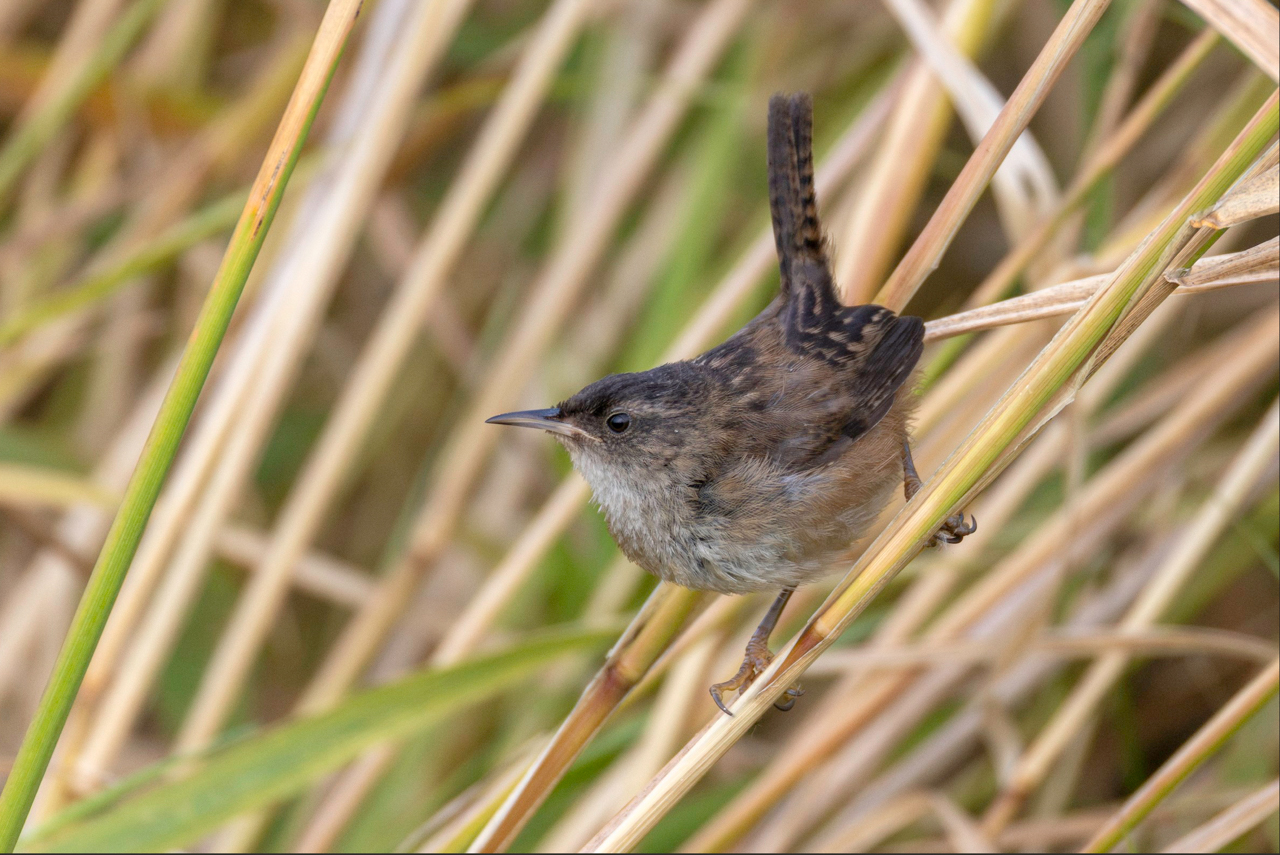
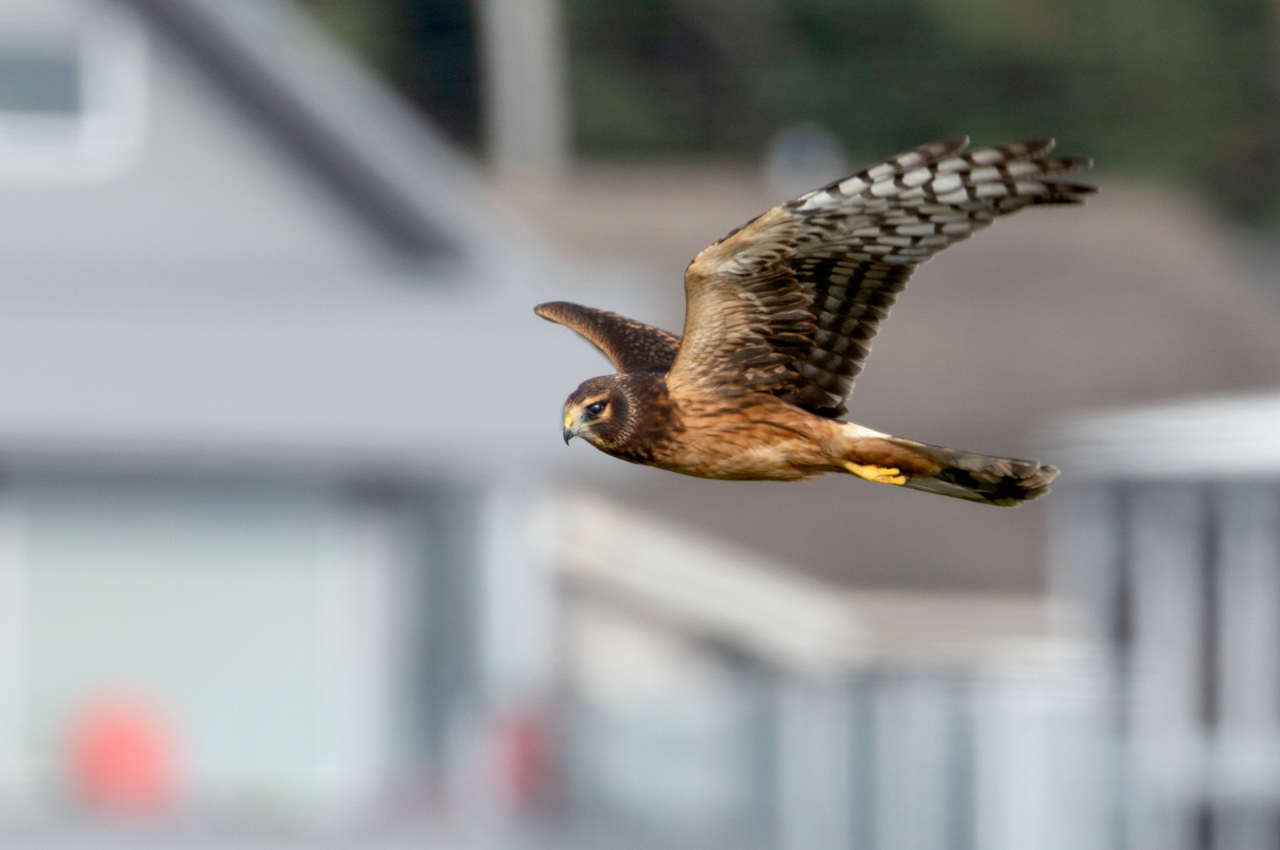
| Aug 30 | Boundary Bay | Baird’s Sandpiper, Northern Harrier, Marsh Wren |
| Aug 31 | Clayoquot Sound | Scripp’s Murrelet, Black-footed Albatross, Humpback Whale |
| Sept 1 | Ucluelet | Wandering Tattler, Short-billed Gull, Merlin |
| Sept 2 | Cathedral Grove | American Dipper, Red Crossbill, Old-growth avian species |
The documentation of rare species like the Scripp’s Murrelet and the consistent presence of shorebirds at the Fraser River delta reinforce the necessity of strict habitat protections. The Fraser River delta, in particular, is subject to ongoing pressure from industrial development and shipping traffic. Environmental impact assessments consistently suggest that the maintenance of the tidal estuaries is non-negotiable for the survival of the populations observed during this expedition.
Professional Perspectives on Regional Conservation
While this expedition was observational in nature, the results align with broader findings from groups such as the Pacific Flyway Council. Experts note that as global temperatures fluctuate, the timing of migration—known as phenology—is shifting. The ability of species to find food at these specific stopover points is increasingly dependent on the synchronization of their arrival with the peak availability of prey, such as the invertebrates found in the mudflats of Boundary Bay.
The inclusion of species like the Black Swift and the American Dipper in the final stages of the survey highlights the importance of freshwater connectivity. The American Dipper, a river-dwelling songbird, is an excellent bioindicator for water quality. Its presence in the rivers near Qualicum suggests that the watershed management in those areas is currently maintaining a sufficient level of oxygenation and invertebrate density to support specialized aquatic bird life.
Conclusion and Future Outlook
The expedition concluded on September 3, leaving the participants with a comprehensive dataset regarding the current state of biodiversity across the sampled transects. The findings serve to corroborate existing ecological studies that classify the British Columbia coastline as a high-priority zone for international conservation efforts.
The success of the survey, particularly the identification of rare pelagic species, underscores the potential for continued, long-term biological monitoring. As climate change continues to alter the distribution of marine and avian species, the systematic documentation of these trends becomes essential for policy makers and conservationists tasked with preserving the ecological integrity of the Pacific Northwest. The data gathered between August 29 and September 3 will contribute to the ongoing efforts to map and protect the vital corridors that support the diverse wildlife of the Canadian West Coast.
