
The April birding expedition across Morocco served as a comprehensive survey of one of the world’s most critical avian migration corridors, spanning the jagged peaks of the High Atlas, the expansive arid hamadas of the Sahara, and the productive wetlands of the Atlantic coastline. Throughout the thirteen-day journey, participants documented a diverse range of species, from the rare Northern Bald Ibis to the elusive Egyptian Nightjar, underscoring the vital role Morocco plays in the Palaearctic-African migratory flyway. This expedition, characterized by its rigorous field observation schedule and focus on diverse ecosystems, offered a granular look at how spring weather patterns and habitat availability influence the movement of avian populations between Europe and sub-Saharan Africa.

The Ecological Context of the Moroccan Flyway
Morocco sits at the nexus of several biogeographic zones, making it an essential staging ground for millions of birds during the spring migration. The country’s geography—defined by the barrier of the Atlas Mountains and the cooling influence of the Atlantic Ocean—creates a series of microclimates that provide necessary resources for long-distance migrants. Ornithological research indicates that these stopover sites are not merely incidental but are fundamental to the survival of species crossing the Sahara Desert. The recent April tour focused on identifying how these populations utilize localized habitats, such as the khettara irrigation systems and the Argan forests, to refuel before the final push toward European breeding grounds.
Chronology of the Expedition: A Day-by-Day Field Report
The expedition commenced on April 8 in Marrakesh, where participants established a baseline for local species. The grounds of the hotel, situated on the city’s periphery, provided an immediate introduction to regional biodiversity, including the Common Bulbul, African Chaffinch, and House Bunting. These initial observations served as a control group before the group transitioned into the more complex, high-altitude habitats of the High Atlas.
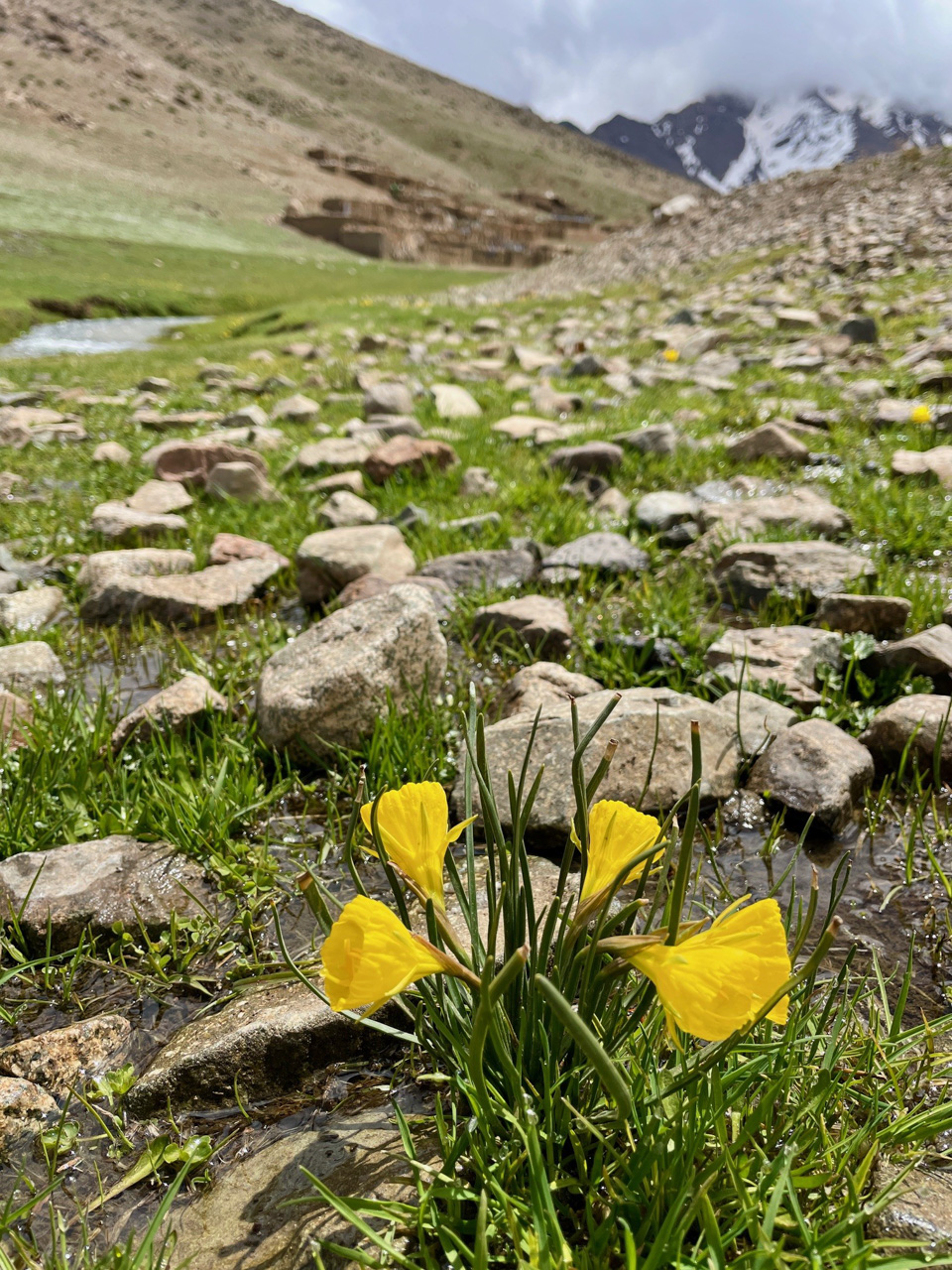
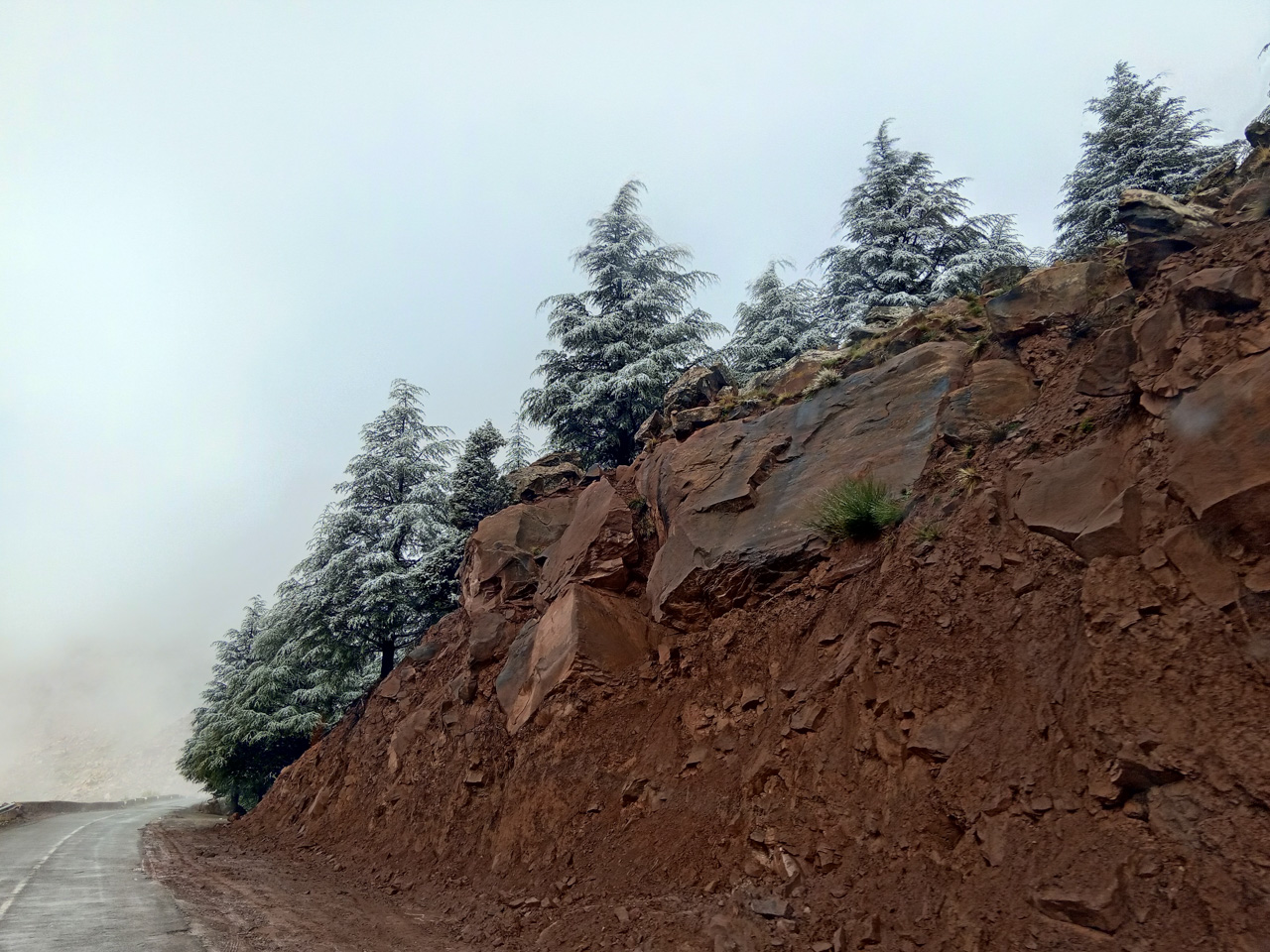
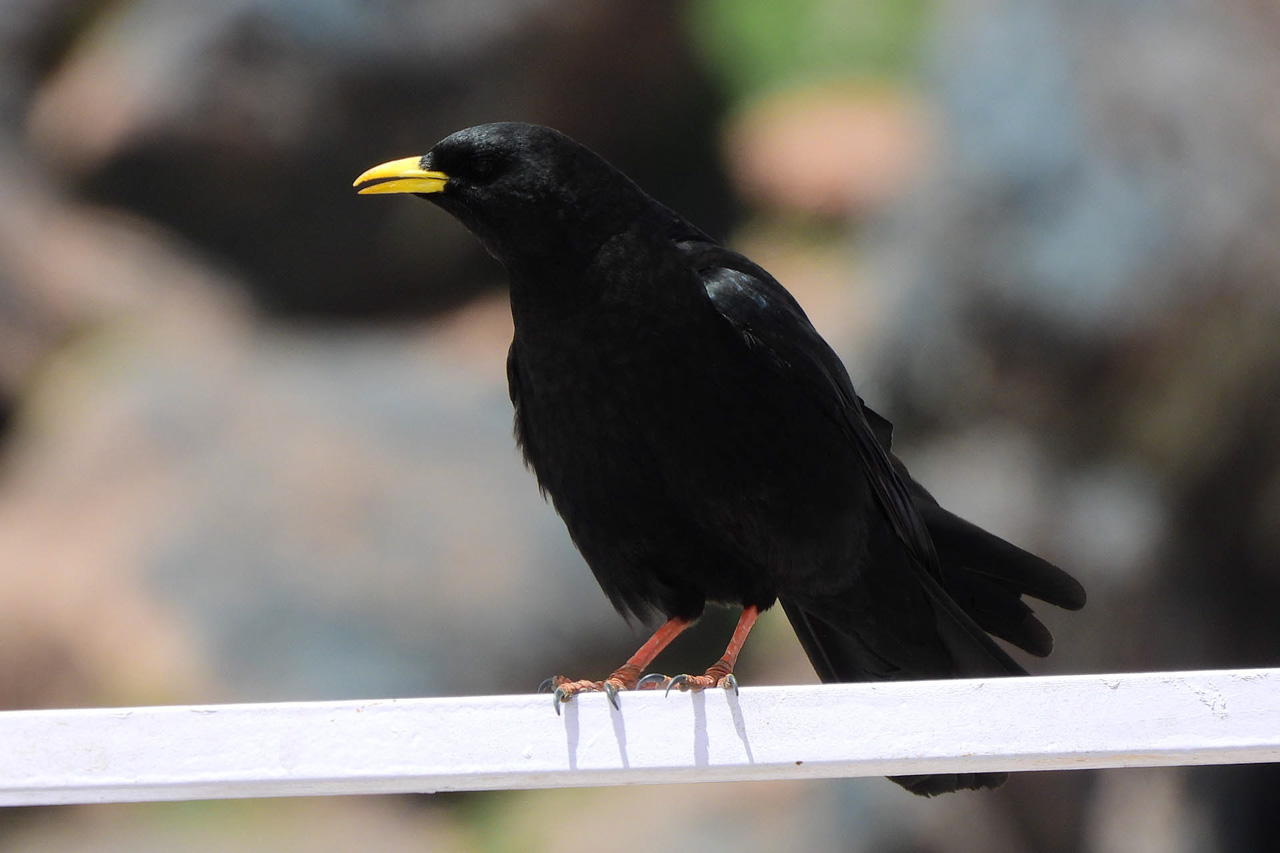
By Day 2, the group reached the Oukaimeden Plateau, an alpine environment where snow-covered peaks meet high-altitude grasslands. The presence of species such as the Crimson-winged Finch, Atlas Wheatear, and Horned Lark highlighted the distinct evolutionary pressures faced by birds living in these isolated mountain enclaves. The discovery of the diminutive Narcissus bulbocodium in the meadows served as an indicator of the early spring phenology in the mountains.
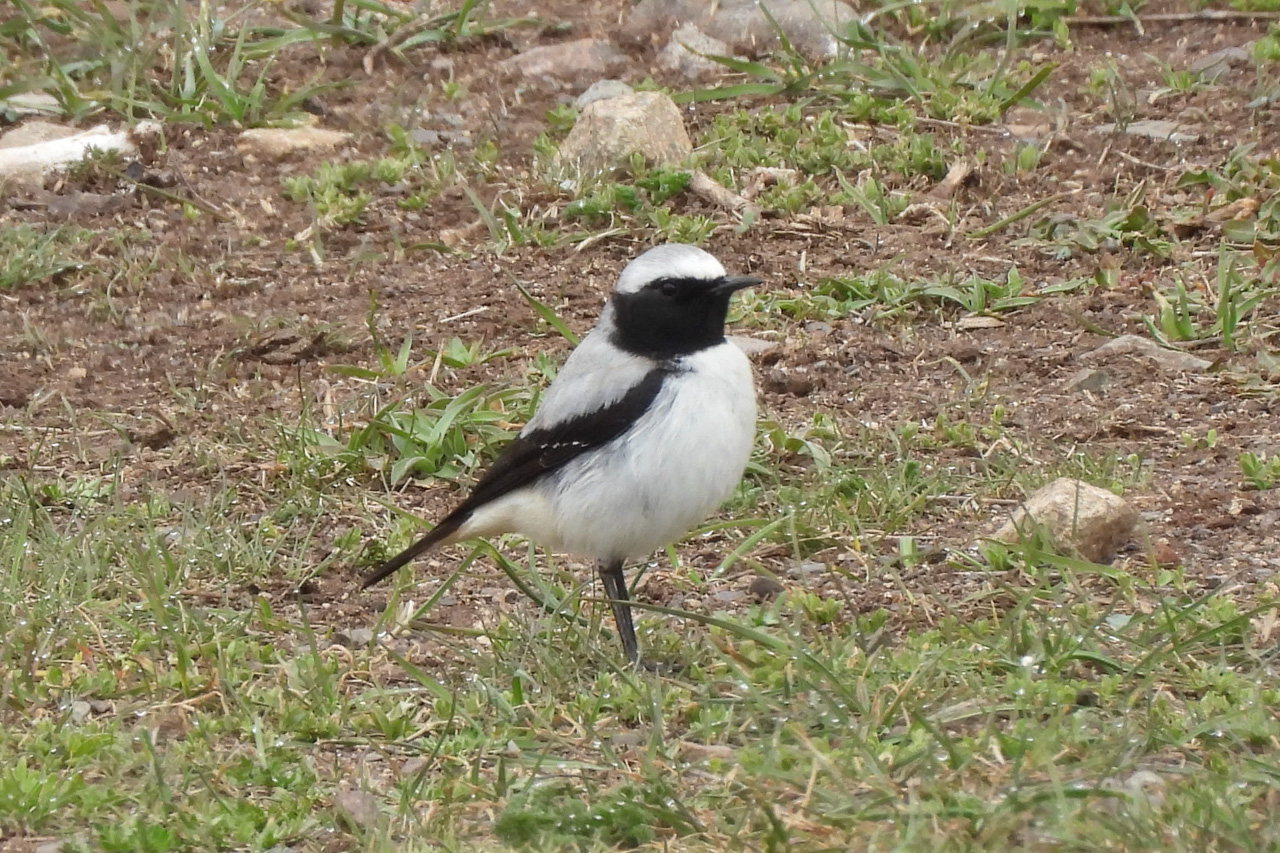
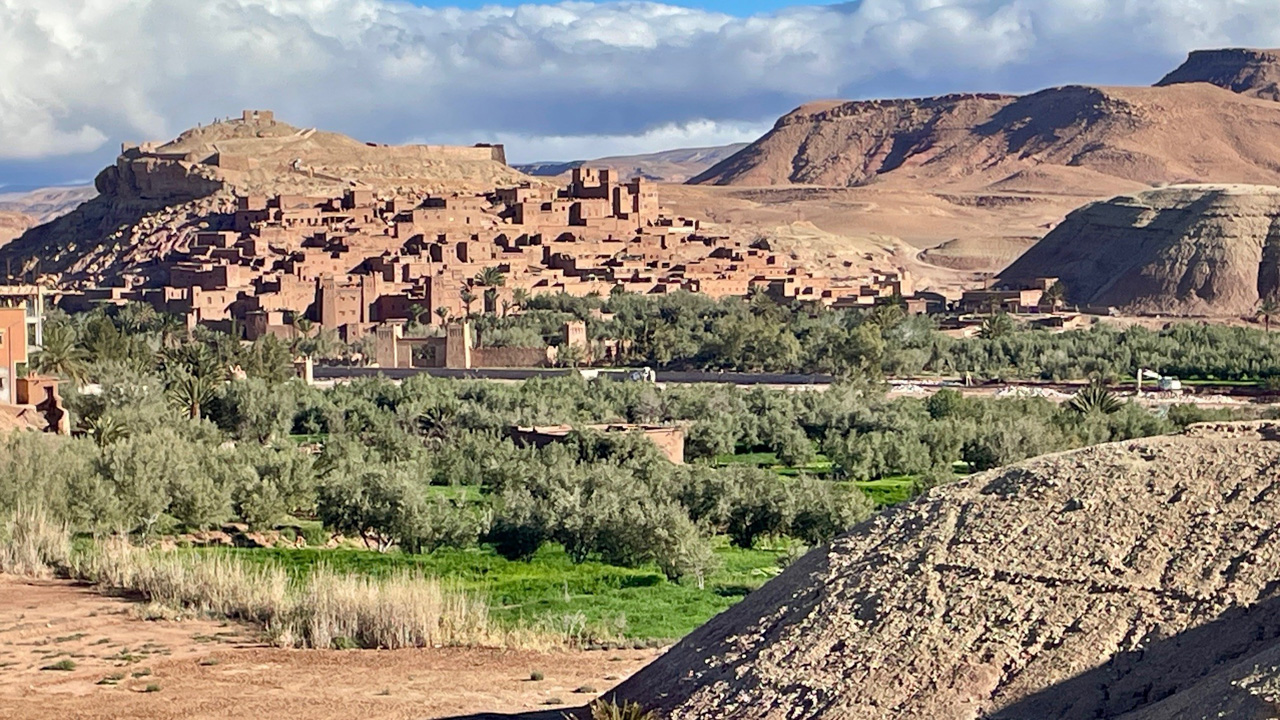
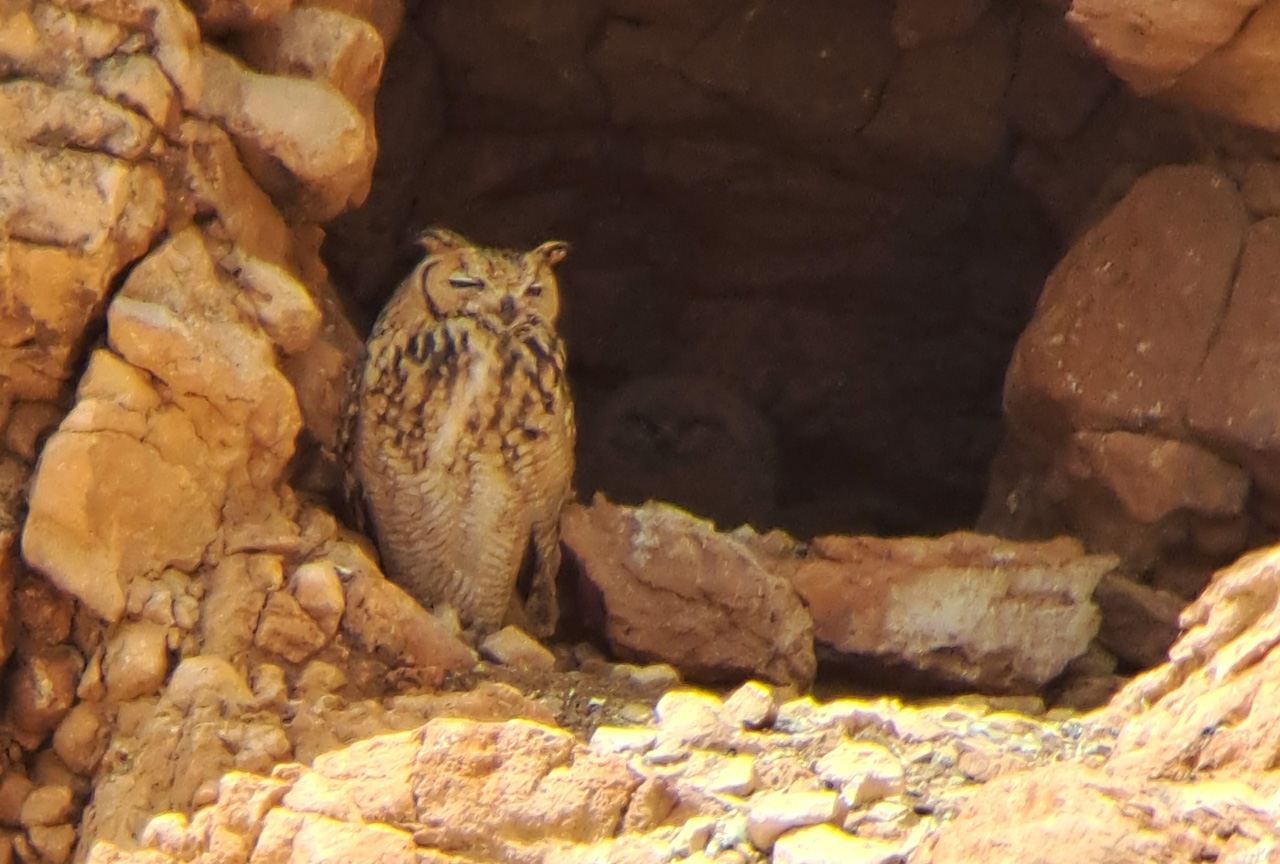
The journey progressed through the Tizi n’Tichka Pass, a pivotal transit point for the group on Day 3. Moving toward Ait Ben Haddou, the expedition encountered the White-crowned Wheatear in the shadow of historical fortifications, demonstrating the integration of avian species within human-altered landscapes. The following days, specifically Days 4 and 5, were dedicated to the "Tagdilt Track," a region renowned among ornithologists for its arid-adapted species. Here, the team observed Temminck’s Lark and Red-rumped Wheatear. Despite a localized sandstorm, the habitat remained productive, yielding a significant sighting of the Pharaoh Eagle-Owl and the Lanner Falcon.
As the itinerary pushed further east toward the Sahara, the team entered the Merzouga region. From Day 6 to Day 7, the focus shifted to the desert’s edge. The exploration of the Erg Chebbi dunes provided an opportunity to witness the survival strategies of species like the Desert Sparrow and various sandgrouse. The use of traditional 4×4 transport allowed for deep access into the desert, where a guided search resulted in the location of a roosting Egyptian Nightjar, a species often difficult to document due to its exceptional camouflage.
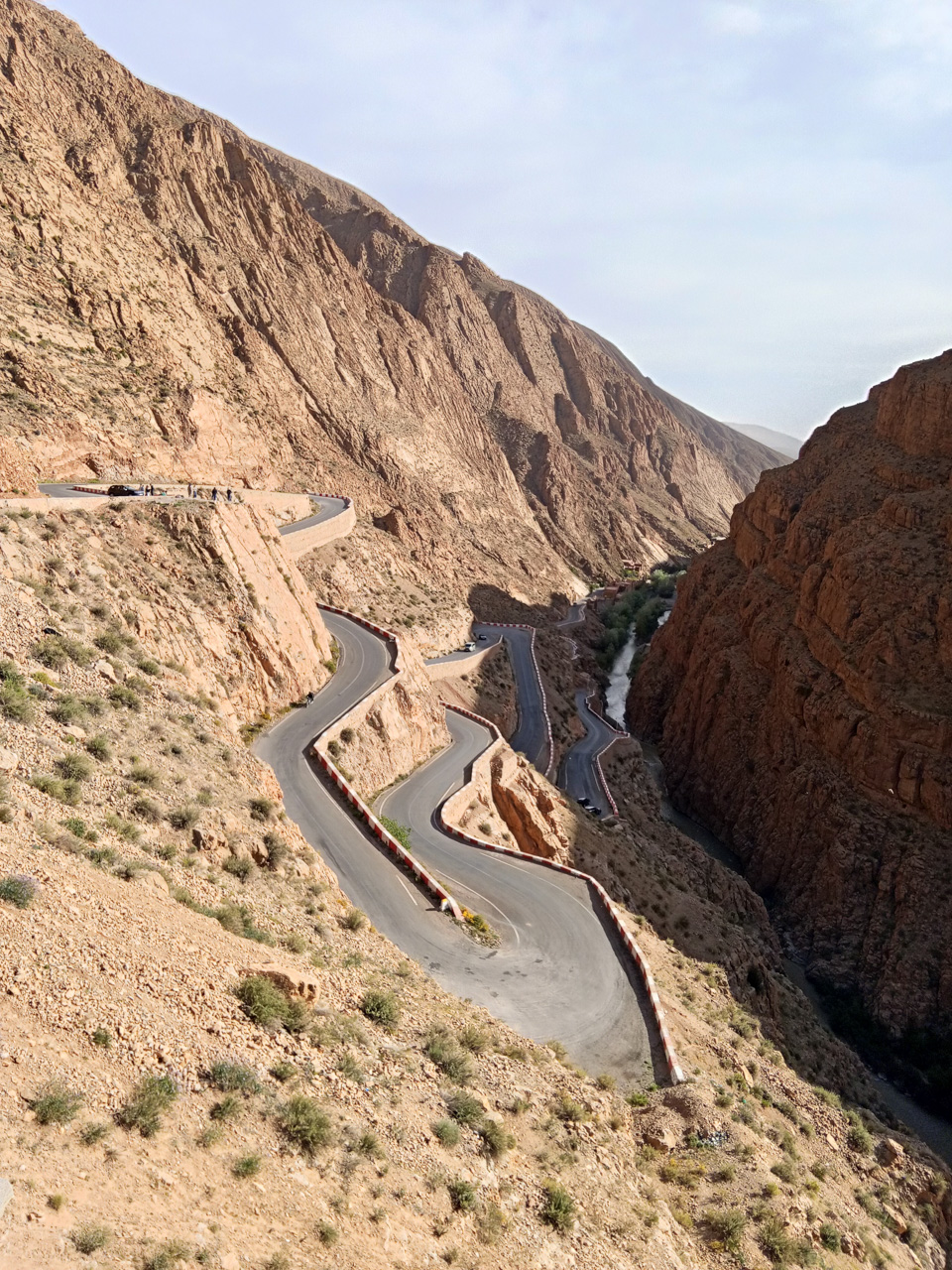
The latter half of the expedition, from Day 8 to Day 13, tracked westward back toward the Atlantic. Stops in Rissani and the Todra Gorge emphasized the transition from desert oases to rocky canyons, while the return journey through Taliouine—a region famed for its saffron production—showcased the importance of traditional agricultural zones for biodiversity. The final days in the Souss Massa National Park and the Souss Estuary provided a contrast in habitat, focusing on coastal and wetland species, including the Northern Bald Ibis, the Marbled Duck, and a host of shorebirds.
Key Species and Conservation Implications
The sightings during this expedition offer a snapshot of the current status of several high-priority species. The Northern Bald Ibis (Geronticus eremita) remains a focal point for conservationists. As one of the world’s rarest birds, its presence in the Souss Massa region is a testament to decades of protection and habitat management. The observations made during the tour confirmed the continued viability of the local colony, providing a positive indicator for the species’ long-term prospects.
Similarly, the documentation of migrants such as the Western Yellow Wagtail and various warblers at ringing stations highlights the importance of data collection during the spring. These stations serve as "sentinel sites," where the health and volume of migrating populations can be measured. The findings from this April tour corroborate larger trends in ornithology: that habitat fragmentation and climate-driven shifts in water availability are the primary variables affecting the success of these migratory birds.
Environmental Challenges and Observations
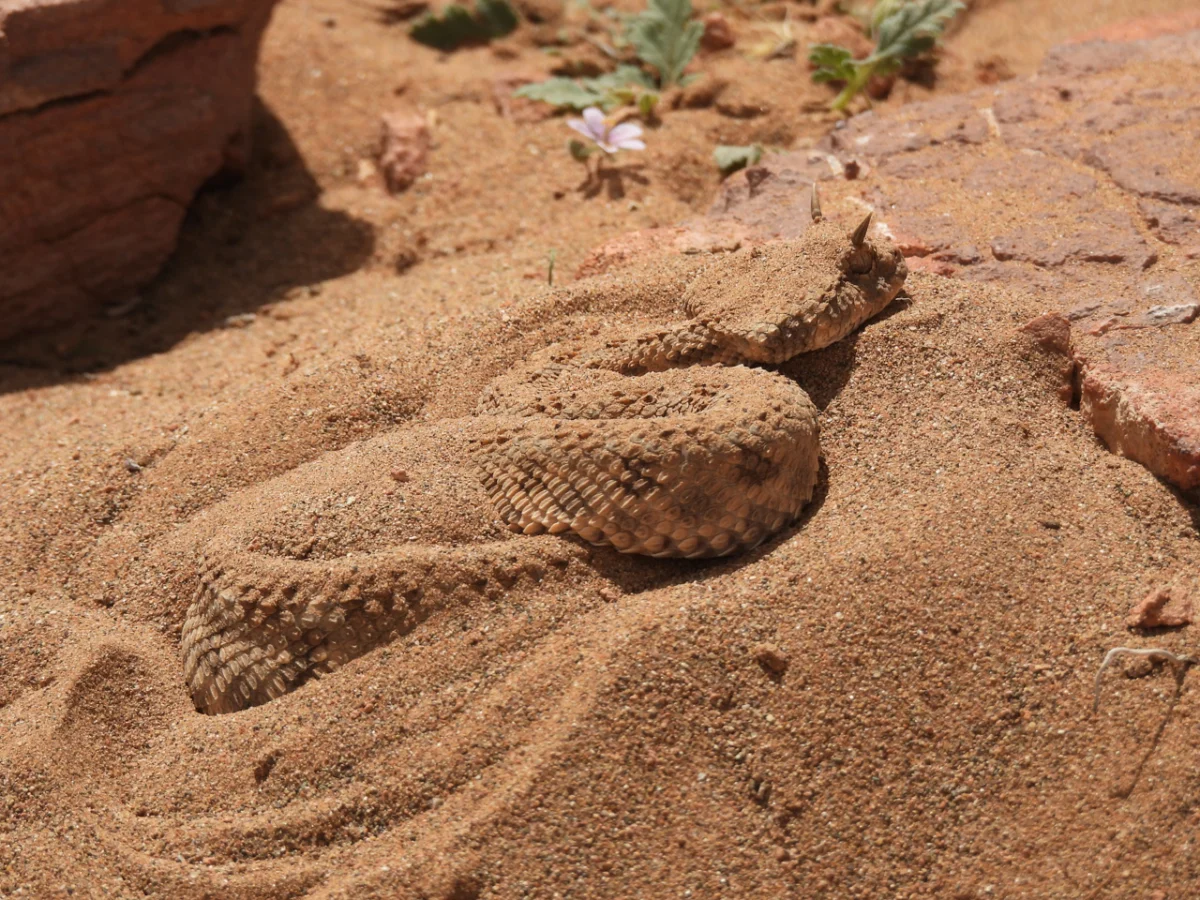
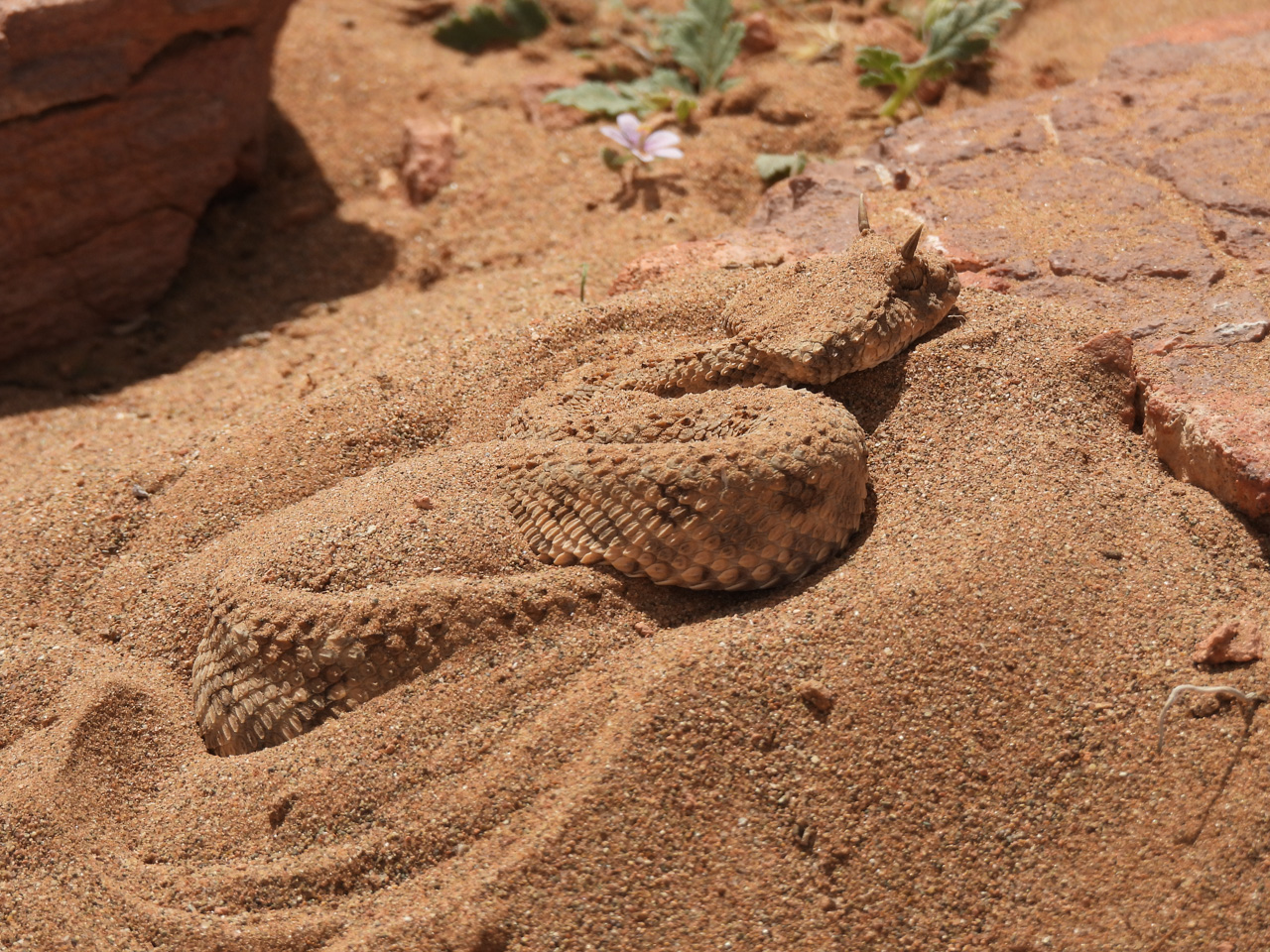
A recurring theme throughout the expedition was the impact of rising temperatures on both the birds and the observers. The team reported instances of extreme heat, which necessitated a highly disciplined field schedule. In the Sahara, the presence of the Saharan Horned Viper and the Green Toad served as a reminder of the harsh, specialized environments in which these desert-dwelling species thrive.
The integration of local knowledge was critical to the success of the trip. By engaging with local guides and utilizing the infrastructure of regional agricultural cooperatives, the expedition was able to gain access to areas that might otherwise have been inaccessible. This approach also supported local economies, reinforcing the argument that eco-tourism can provide a sustainable financial incentive for the preservation of key habitats, such as the Argan forests.
Analysis: The Future of Moroccan Birding
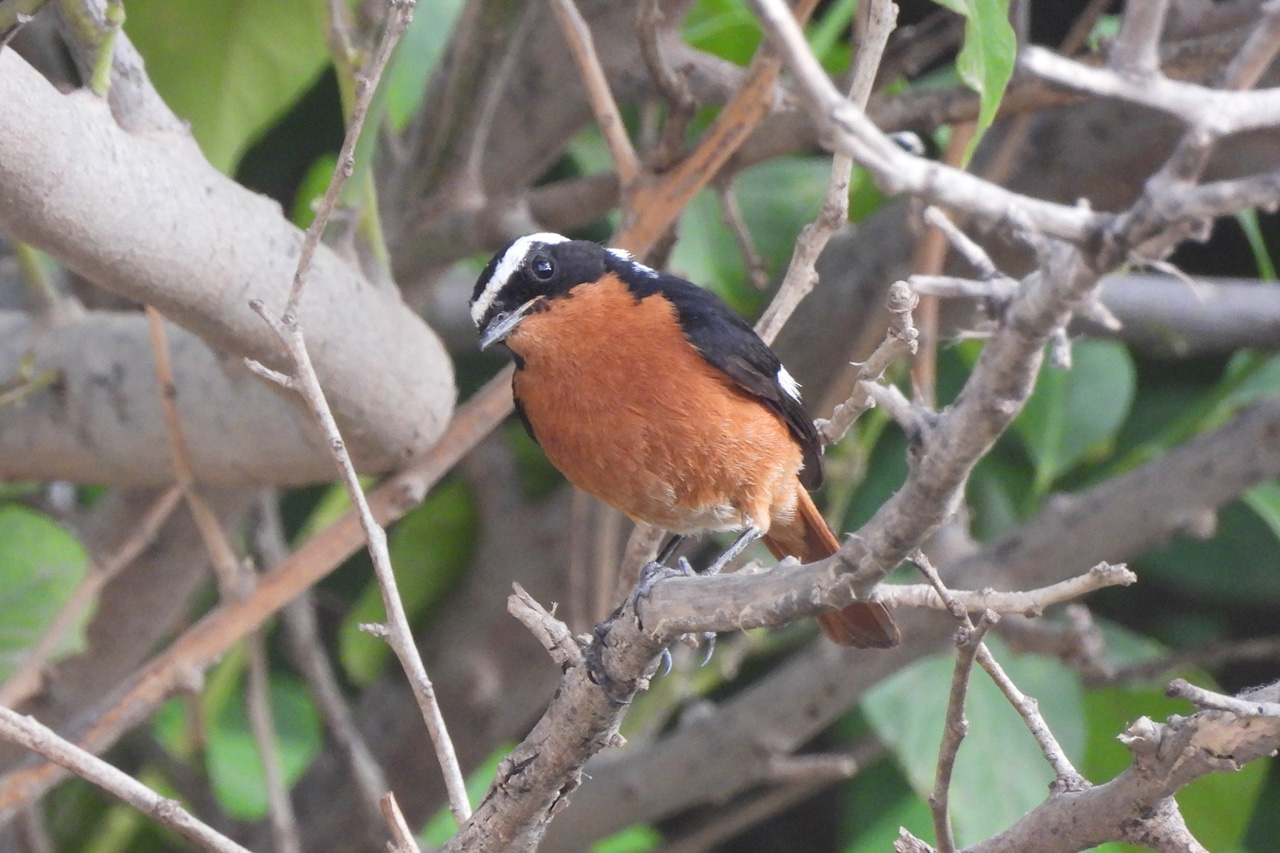
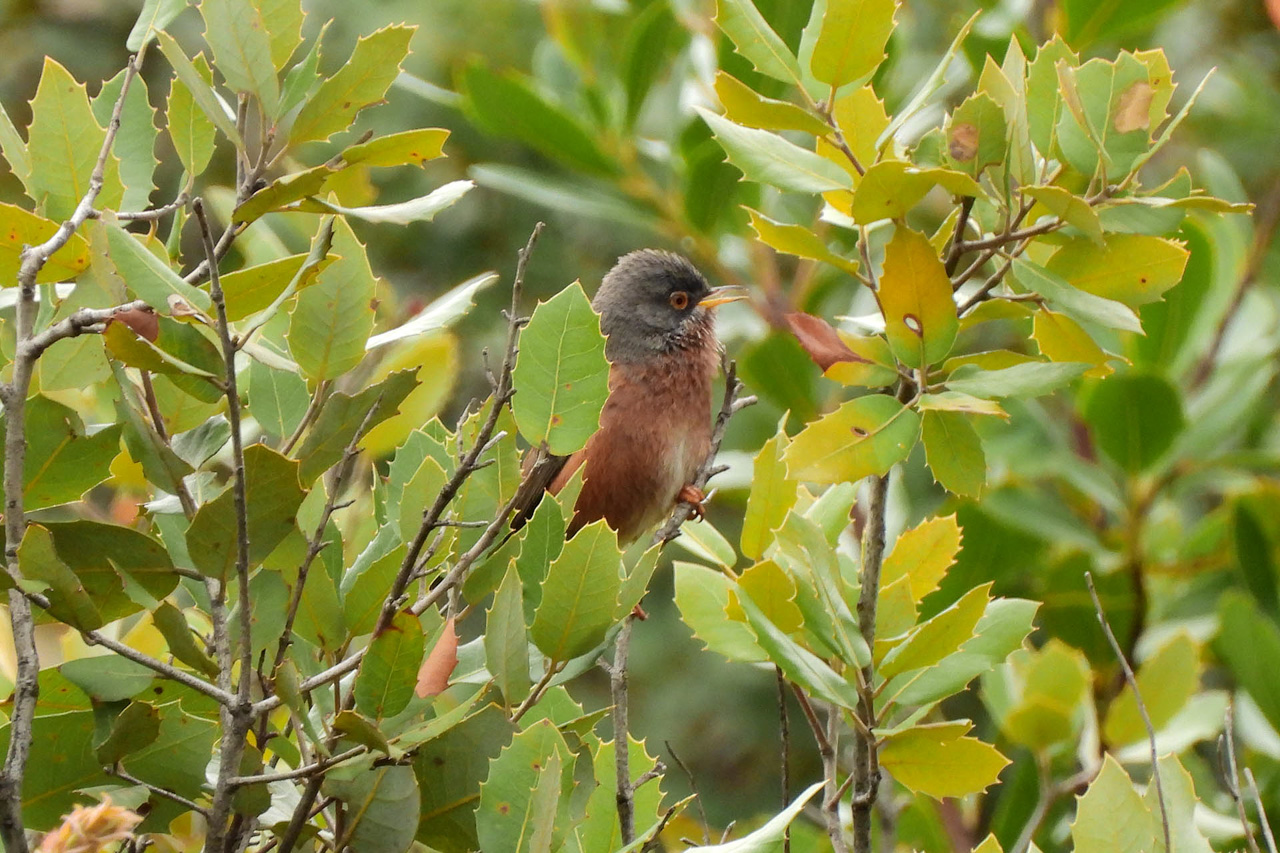
The data gathered during this thirteen-day period reinforces the significance of Morocco as a "living laboratory" for climate and migration research. The observations of species like the Maghreb Wheatear and the Streaked Scrub Warbler confirm the country’s high degree of endemism and the presence of unique subspecies that are often overlooked in broader global surveys.
However, the implications of these findings are not merely academic. The reliance of these species on specific water sources—whether they are natural wetlands or the human-maintained khettara systems—highlights the fragility of the ecosystem. As climate change continues to alter precipitation patterns across North Africa, the protection of these "stepping stone" habitats will become increasingly vital. The success of the tour in locating rare species, despite challenging conditions, indicates that these populations are currently resilient, provided that their stopover environments remain intact.
Conclusion
The spring migration expedition to Morocco provided a comprehensive overview of the region’s avian wealth. From the high-altitude specialists of the Atlas to the resilient species of the Saharan dunes and the coastal migrants of the Souss Estuary, the trip underscored the interconnectedness of these varied habitats. By documenting the presence of species ranging from the iconic Northern Bald Ibis to the elusive Egyptian Nightjar, the expedition contributed to the broader body of knowledge regarding the health of the Palaearctic-African flyway. As environmental conditions in the region continue to fluctuate, the ongoing observation and study of these migratory paths will remain a priority for both conservationists and the ornithological community at large. The memories of the desert sunrise over the Erg Chebbi dunes and the sight of the Argan Biosphere Reserve stand as a reminder of the natural heritage that continues to attract researchers and enthusiasts to this corner of North Africa.
