
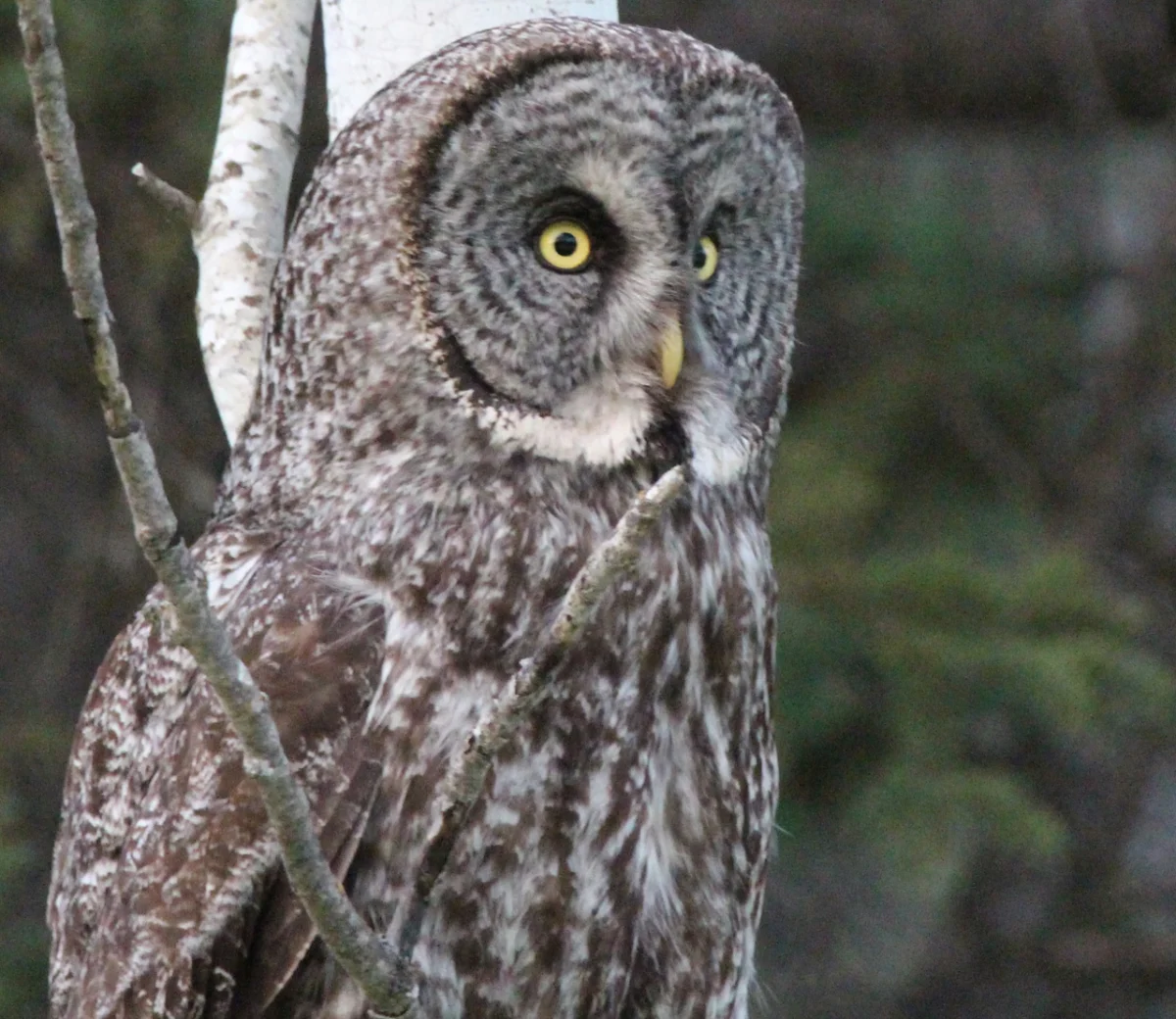
The province of Manitoba, often characterized by its expansive prairies and hidden boreal riches, served as the backdrop for a comprehensive twelve-day ecological survey conducted by a dedicated group of wildlife enthusiasts and naturalists. This expedition, spanning from the southern agricultural heartlands to the rugged, subarctic coastline of Churchill, provided a detailed snapshot of the region’s biodiversity during the height of the summer season. By traversing a vast latitudinal gradient, the group documented an array of avian and mammalian species, highlighting both the ecological resilience of the province and the challenges posed by changing environmental conditions.
Chronology and Itinerary: A Landscape in Transition
The expedition began with an initial briefing and team orientation in Winnipeg, setting the stage for a journey designed to maximize exposure to Manitoba’s varied ecoregions. The first leg of the trip focused on the southern prairies, a region known for its critical role in supporting migratory waterfowl and grassland bird populations.
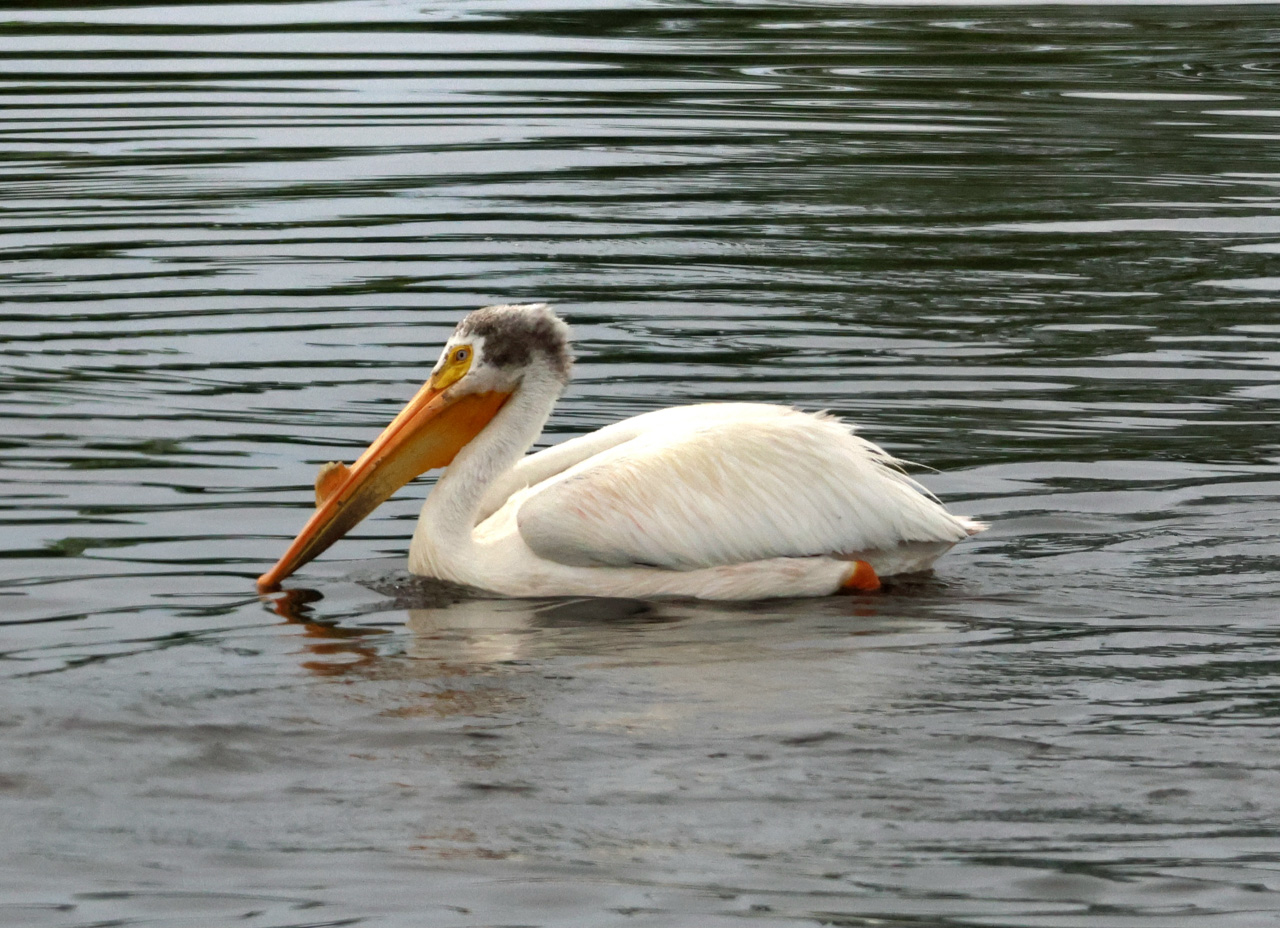
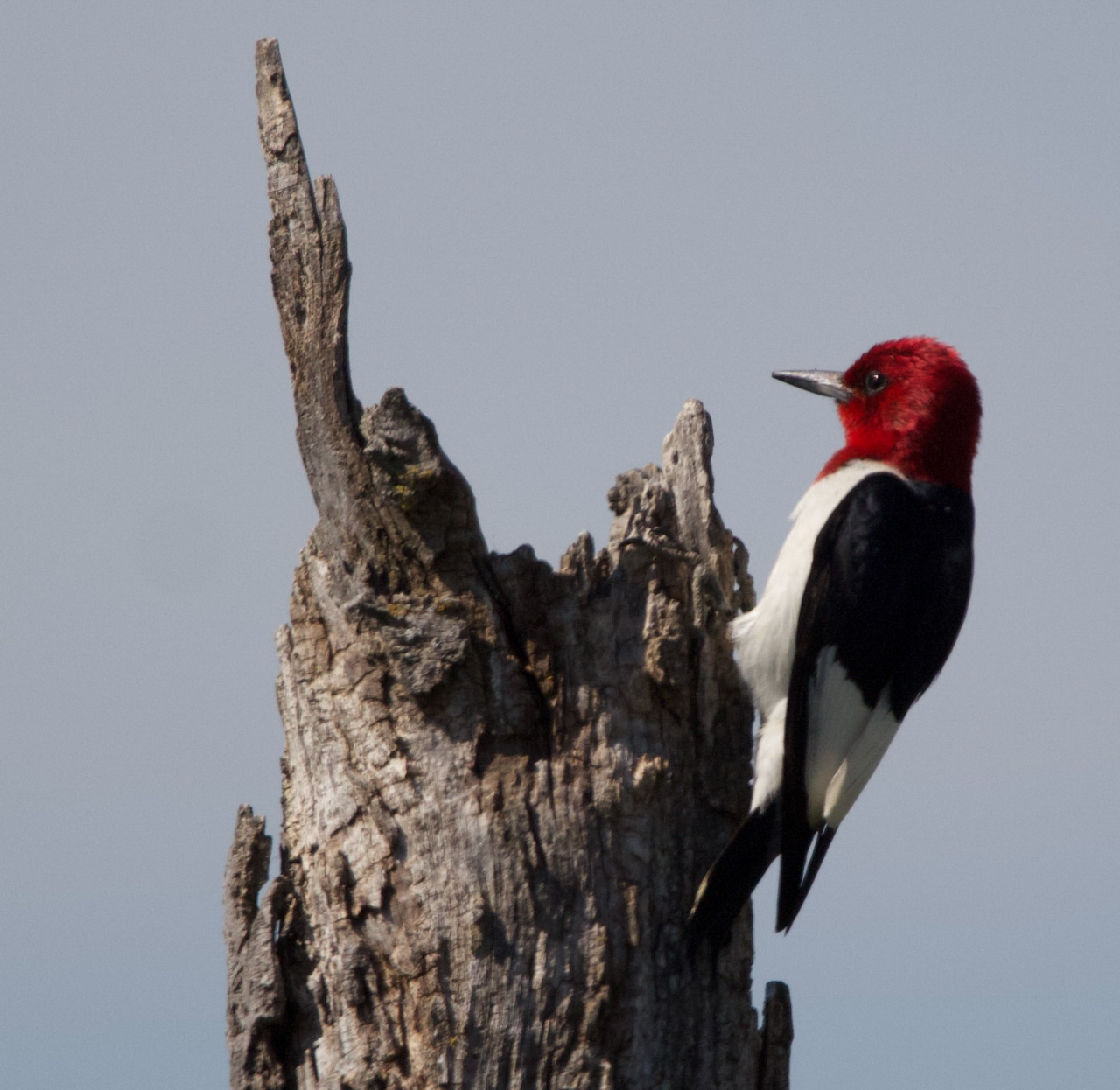
On the second day, the team traveled to the Woodlands region and the west side of the Shoal Lakes. This area is a vital corridor for species such as the Red-headed Woodpecker, a bird currently facing conservation challenges across North America due to habitat loss. The team observed active breeding behaviors, including the presence of American White Pelicans and a Willet tending to its young. The day also featured significant observations of gull species at the Portage la Prairie landfill, including the California Gull, a species whose presence in the province is a subject of ongoing ornithological interest.
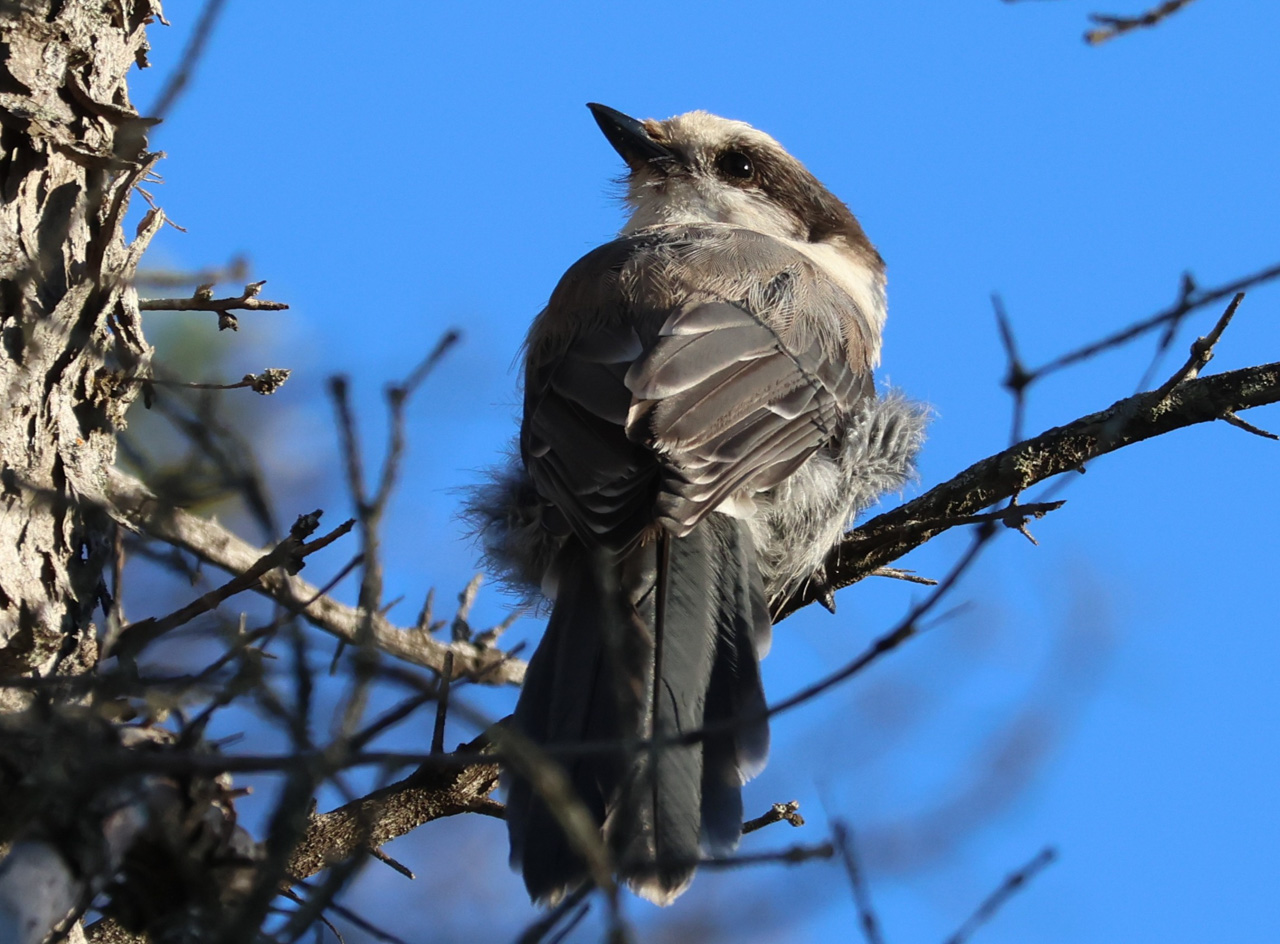
As the team moved toward Riding Mountain National Park, the landscape shifted from open agricultural fields to the dense, mixed-wood forests characteristic of the Manitoba Escarpment. Days three and four were spent exploring the park’s diverse habitats, including the Delta Marsh and the riparian zones of Swanson Creek. The team noted a high density of boreal species, such as Evening Grosbeaks and Canada Jays. Notably, the group documented the impact of localized flooding, which necessitated a change in their itinerary—specifically the exclusion of the Lake Audy Bison enclosure—reflecting the unpredictable nature of regional climate patterns.
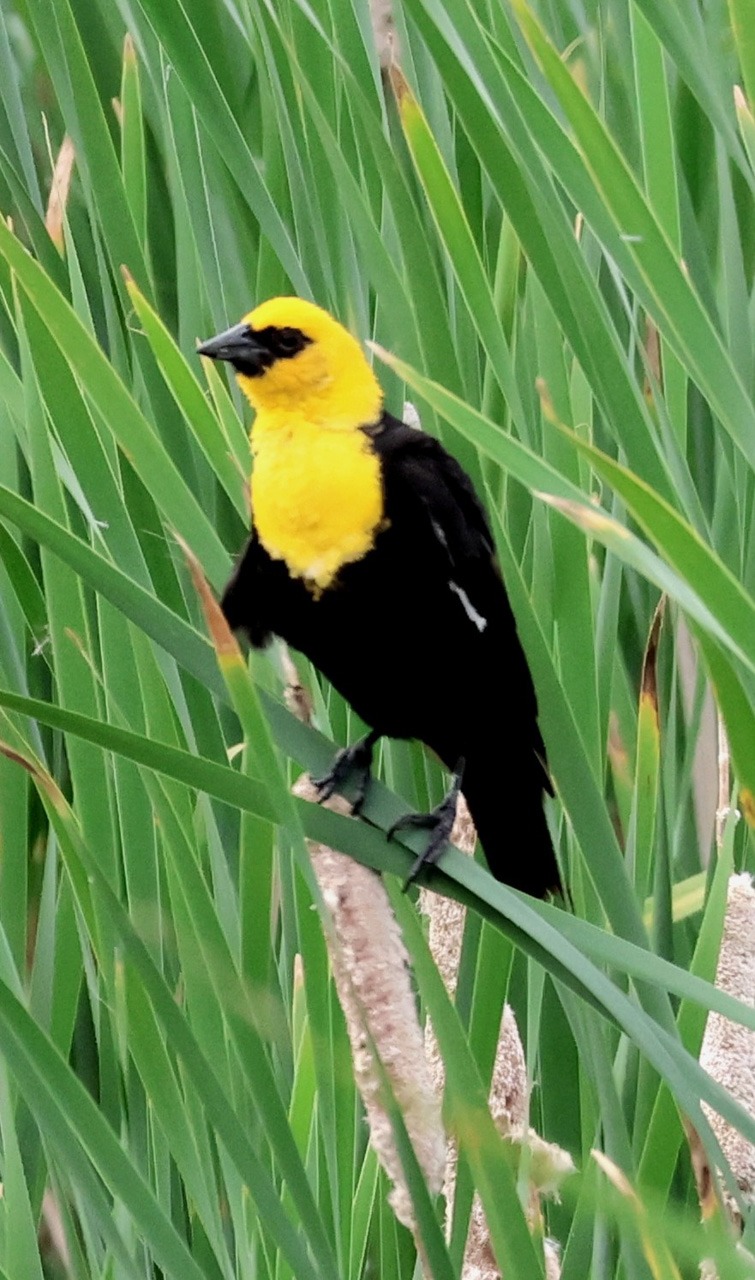
The expedition then transitioned toward the southwestern corner of the province, specifically the Melita area. This region is a hotbed for rare grassland species. The team successfully identified several "species at risk," including the Chestnut-collared Longspur and the Sprague’s Pipit. The discovery of a Burrowing Owl—a species rarely sighted in the province—served as a highlight of the trip, underscoring the importance of habitat preservation in the remaining pockets of native prairie.
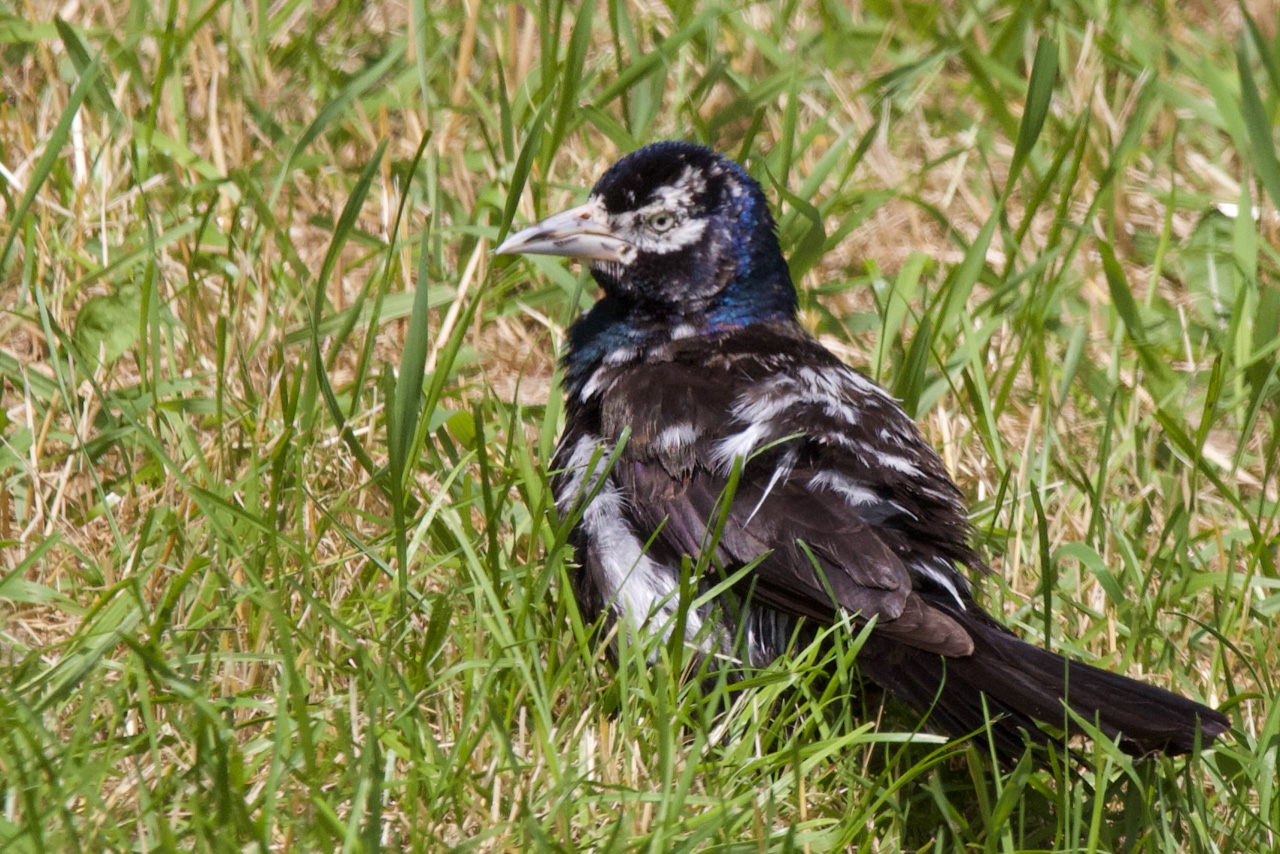
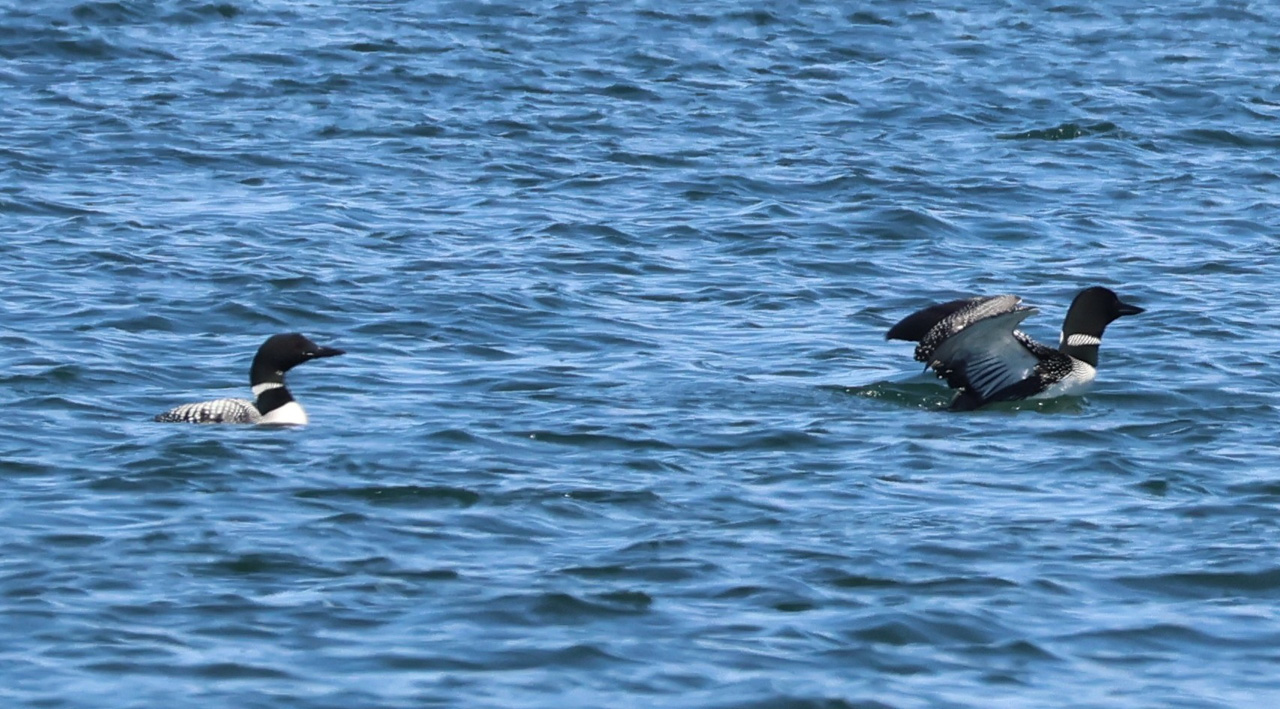
The final phase of the expedition involved a transit to Churchill, the "Polar Bear Capital of the World," located on the western shore of Hudson Bay. From days eight through twelve, the focus shifted to subarctic tundra and coastal marine ecosystems. Here, the team conducted surveys at the Granary Ponds, Cape Merry, and Akudlik Marsh, observing specialized fauna such as the Pacific Loon, Parasitic Jaeger, and the iconic Beluga whale.
Biodiversity and Ecological Data
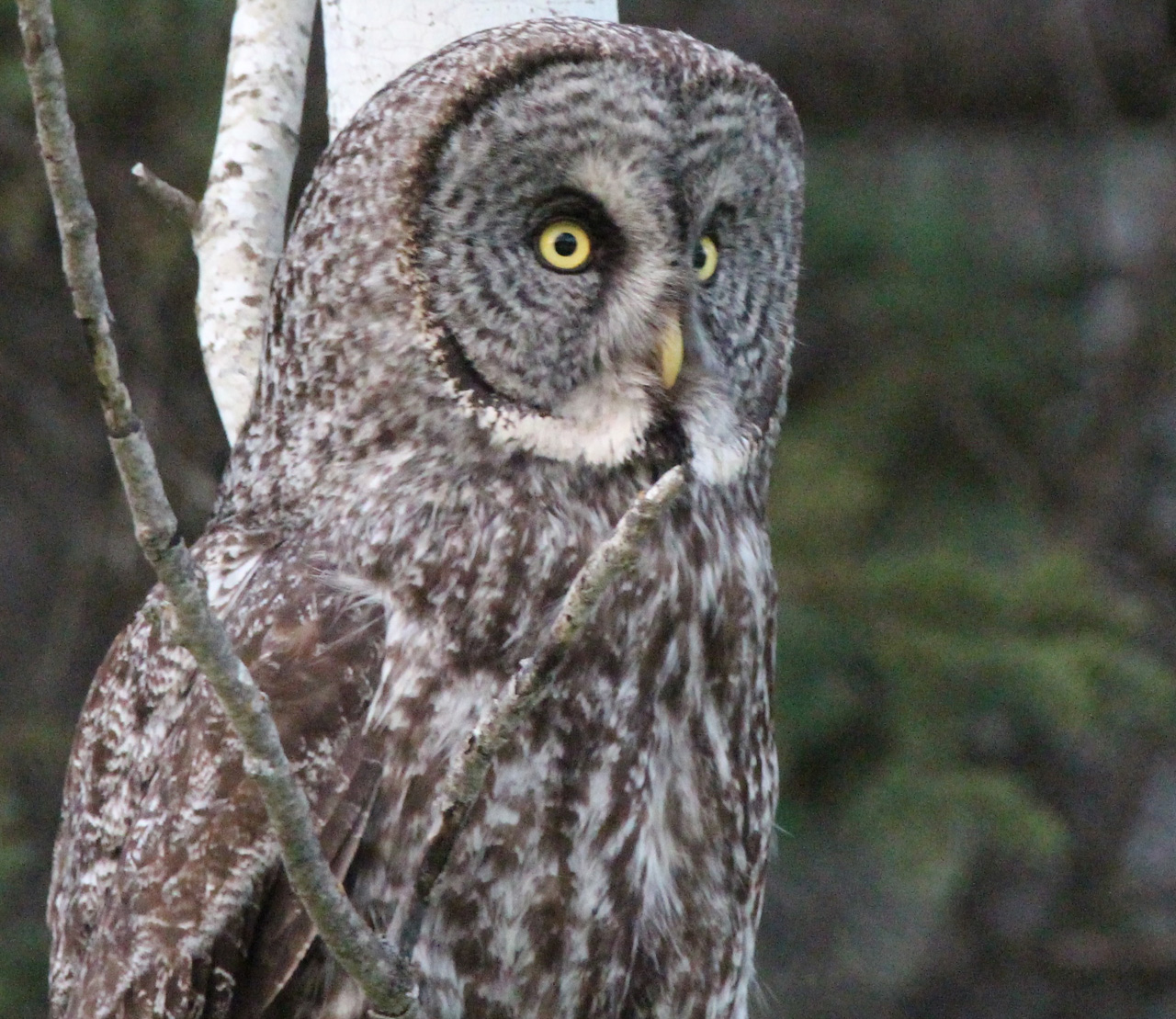
The data collected during this twelve-day survey provides a compelling look at the current state of Manitoba’s wildlife. The team documented a significant range of species, from the common to the rare:
- Avian Diversity: The expedition recorded over 150 species of birds. Highlights included a rare male Lazuli Bunting near Melita, a testament to the region’s role as a meeting point for eastern and western migratory paths. The presence of Trumpeter Swans with five cygnets at Ominik Marsh serves as a positive indicator for recovery efforts of this once-endangered species.
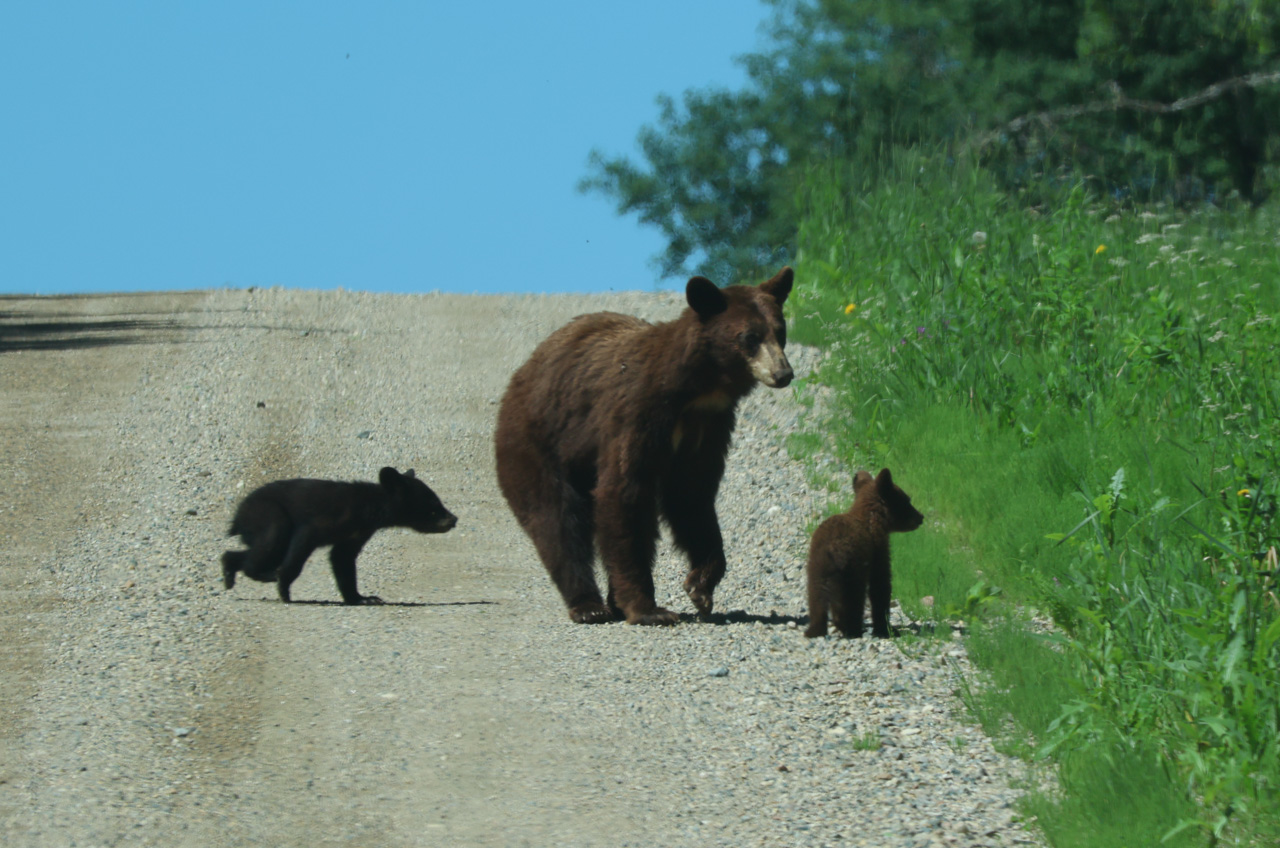
- Mammalian Sightings: The survey included significant observations of large and small mammals. The team documented a "Red Fox trifecta," spotting the standard red phase, the black phase, and the rare cross fox within the Churchill area. Other notable sightings included a mother black bear and her yearling cub, American Badgers, and the Richardson’s Ground Squirrel, a primary prey species for the regional raptor population.
- Marine and Riparian Life: In the Churchill River estuary, the team observed high concentrations of Belugas, an essential component of the Hudson Bay ecosystem. The data gathered here reflects the critical importance of the river’s nutrient-rich waters for calving and feeding.
Challenges and Environmental Context
Throughout the journey, the participants encountered the realities of a changing environment. The flooding that led to the closure of the Lake Audy Bison enclosure road is indicative of the increased precipitation volatility being experienced across the Prairies. Furthermore, the team noted the impact of seasonal heatwaves, which consistently shifted wildlife activity patterns. The observations made during the trip—such as the presence of northern-breeding shorebirds like Stilt Sandpipers beginning their southward migration—provide valuable insights into the timing of phenological events, which are increasingly sensitive to shifts in temperature.
The Churchill leg of the trip offered a sobering look at the fragile nature of the subarctic. The team’s engagement with the Churchill Northern Studies Centre (CNSC) provided a deeper understanding of how the region’s green infrastructure and ongoing research contribute to our knowledge of climate change in the Arctic. The presence of the Polar Bear, a sentinel species for the health of the sea ice, serves as a constant reminder of the broader global implications of warming temperatures in the North.
Implications for Conservation
The successful documentation of rare species, such as the Baird’s Sparrow (although elusive) and the Chestnut-collared Longspur, reinforces the critical necessity of maintaining native prairie grasslands. These areas are not merely agricultural land; they are complex, carbon-sequestering ecosystems that support a specific suite of biodiversity found nowhere else.
The observations of the expedition lead to several key implications for regional management:
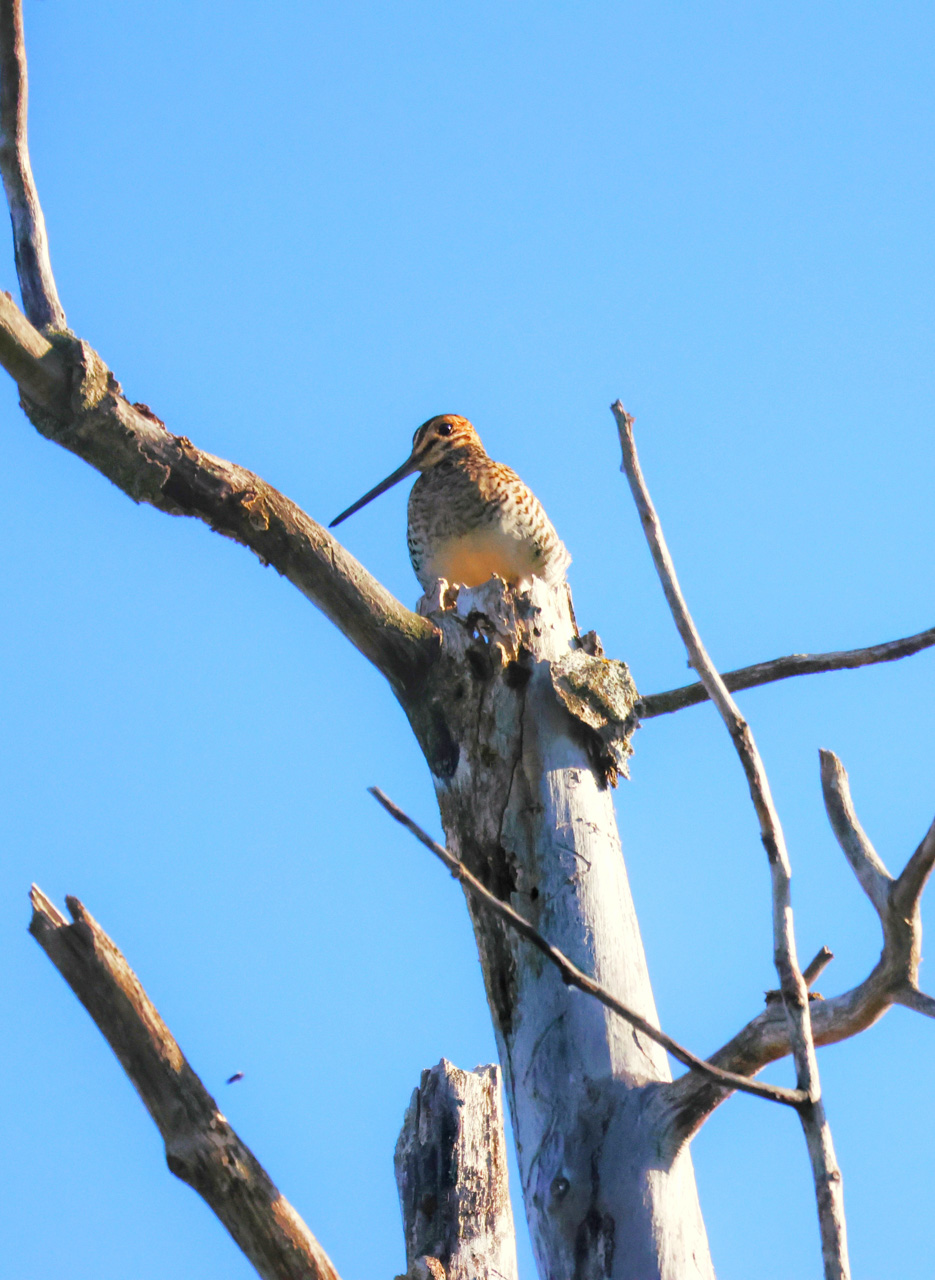
- Habitat Connectivity: The reliance of species like the Wilson’s Snipe and various warblers on specific riparian and marsh corridors highlights the need for interconnected protected areas rather than isolated patches.
- Monitoring of Vagrants: The appearance of species like the Lazuli Bunting and the California Gull suggests that bird populations are dynamic and may be shifting their ranges in response to environmental factors. Continuous, long-term monitoring by groups such as the one that conducted this expedition is essential for tracking these shifts.
- Climate Resilience: The ability of wildlife to adapt to extreme weather—whether it be the flooding in Riding Mountain or the storm systems in Churchill—demonstrates a baseline of resilience. However, the cumulative stress of these events requires robust conservation policies that prioritize the preservation of climate refugia.
Conclusion: A Reflective Journey
The twelve-day expedition concluded with a final gathering in Winnipeg, where participants synthesized their observations. The trip was more than a cataloging of species; it was a profound educational experience that bridged the gap between scientific data and public awareness. By engaging with both the cultural history of the region—such as the seventeenth-century fortifications at Fort Prince of Wales—and the current state of its wild spaces, the group underscored the importance of a holistic approach to conservation.
As the team members returned to their respective homes, they carried with them not only a documented list of species but a renewed commitment to the protection of Manitoba’s diverse and vital ecosystems. In an era where the natural world is facing unprecedented pressures, such expeditions serve as a critical bridge, fostering the deep connection between people and the landscapes they are tasked with stewarding for future generations. The data gathered during this 2026 tour will remain a valuable reference point for future studies of Manitoba’s ever-changing natural history.
