
The rugged coastline of British Columbia stands as one of North America’s most vital ecological corridors, serving as a critical nexus for avian migration, marine biodiversity, and ancient forest preservation. Recently, a group of dedicated ornithologists and nature enthusiasts concluded an intensive five-day expedition across Vancouver Island and the Fraser Delta. The journey, designed to document seasonal migration patterns and rare pelagic sightings, provided a rare window into the health of the Pacific flyway. By integrating land-based observation in the Pacific Rim National Park with deep-sea pelagic research in the Clayoquot Canyon, the expedition yielded significant data on both common passerines and highly elusive albatross species, highlighting the region’s continued importance as a global biological hotspot.
The Foundation of the Fraser Delta
The expedition commenced in Richmond, British Columbia, a region synonymous with the Fraser River Delta. This area is recognized globally by BirdLife International as an Important Bird Area (IBA) of immense significance. Serving as the northern anchor for the Pacific Flyway, the delta provides essential foraging grounds for millions of migratory shorebirds and waterfowl that travel annually between their Arctic breeding grounds and wintering habitats as far south as South America.
On the second day, the team prioritized the Boundary Bay sector of the delta. While the tidal conditions proved challenging for the observation of larger shorebird concentrations, the scrub-shrub habitats offered a high density of passerine activity. Researchers documented a diverse array of species, including the Bewick’s Wren (Thryomanes bewickii), the Spotted Towhee (Pipilo maculatus), and the vibrant Western Tanager (Piranga ludoviciana). The presence of the Willow Flycatcher (Empidonax traillii) and the Anna’s Hummingbird (Calypte anna) underscored the ecological richness of the shoreline buffer zones, which are currently the subject of ongoing urban conservation debates in the Lower Mainland.
Crossing the Salish Sea
The transition from the mainland to Vancouver Island via the Tsawwassen-Nanaimo ferry route served as a mobile research platform. The ferry terminal at Tsawwassen acts as a critical artificial habitat for several cliff-nesting species. Ornithologists on board were able to conduct a comparative analysis of the three local cormorant species: the Pelagic (Urile pelagicus), the Brandt’s (Urile penicillatus), and the Double-crested (Nannopterum auritum). All three species utilize the breakwaters and concrete pylons for nesting, providing a unique opportunity for observers to study interspecies competition for nesting sites in an anthropogenically modified environment. Additionally, sightings of the Black Oystercatcher (Haematopus bachmani) and the Surf Scoter (Melanitta perspicillata) emphasized the reliance of these species on the nutrient-rich currents of the Salish Sea.
Pelagic Breakthroughs in Clayoquot Canyon
The third day marked the centerpiece of the expedition: a high-seas pelagic excursion into the Clayoquot Canyon, located off the west coast of Vancouver Island. This deep-water canyon is characterized by upwelling events, where cold, nutrient-rich water is forced to the surface, creating a "biological oasis" that attracts marine life ranging from krill to apex predators.
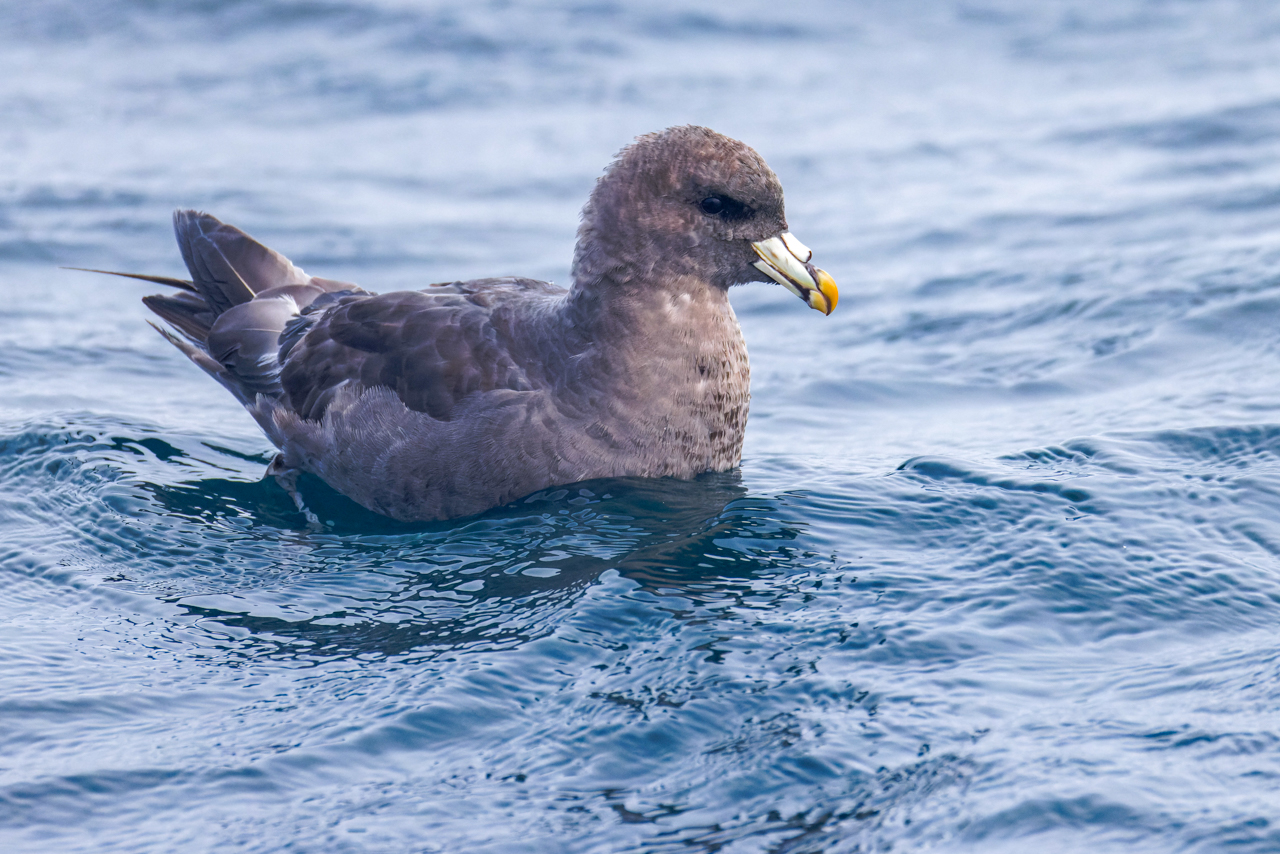
The journey began in the pre-dawn hours from Tofino, heading into the open Pacific. As the vessel reached the shelf, the avian diversity shifted rapidly from nearshore species to true pelagic specialists. The initial survey recorded several Pink-footed Shearwaters (Ardenna creatopus), a species listed as vulnerable by the IUCN, alongside the Fork-tailed Storm-Petrel (Hydrobates furcatus) and the Sabine’s Gull (Xema sabini).
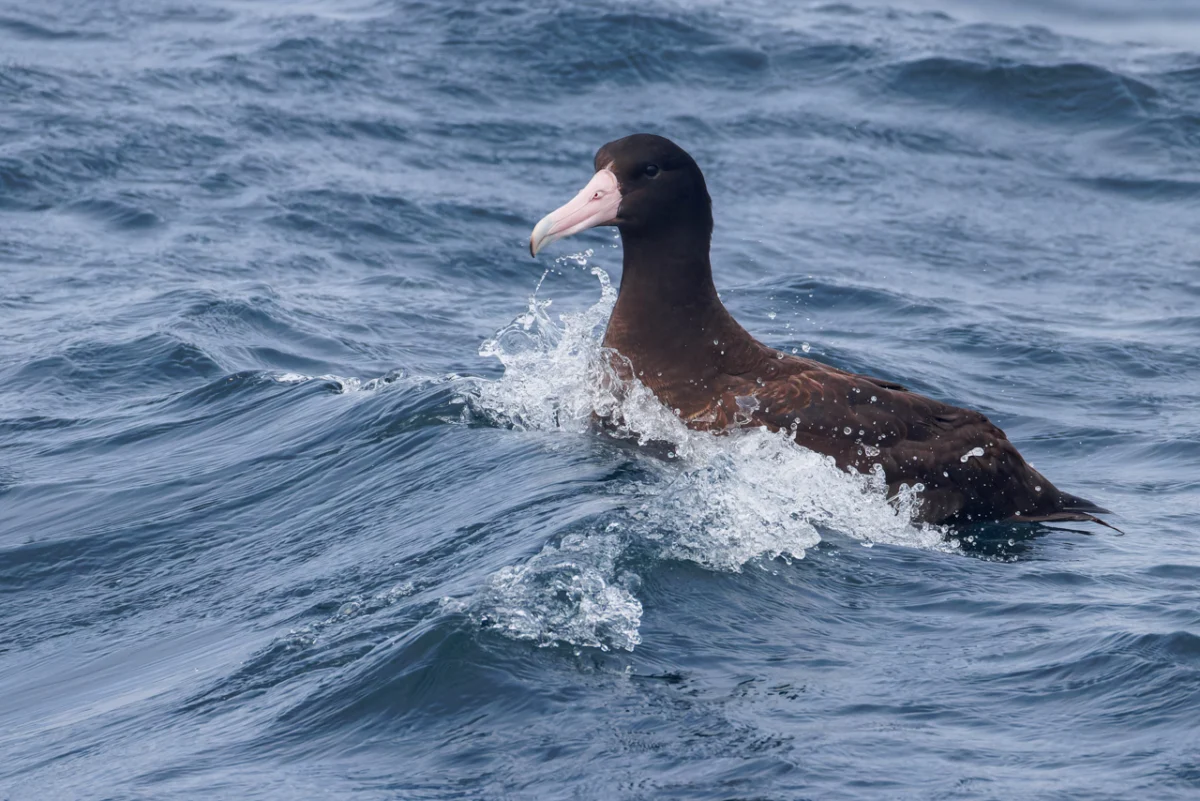
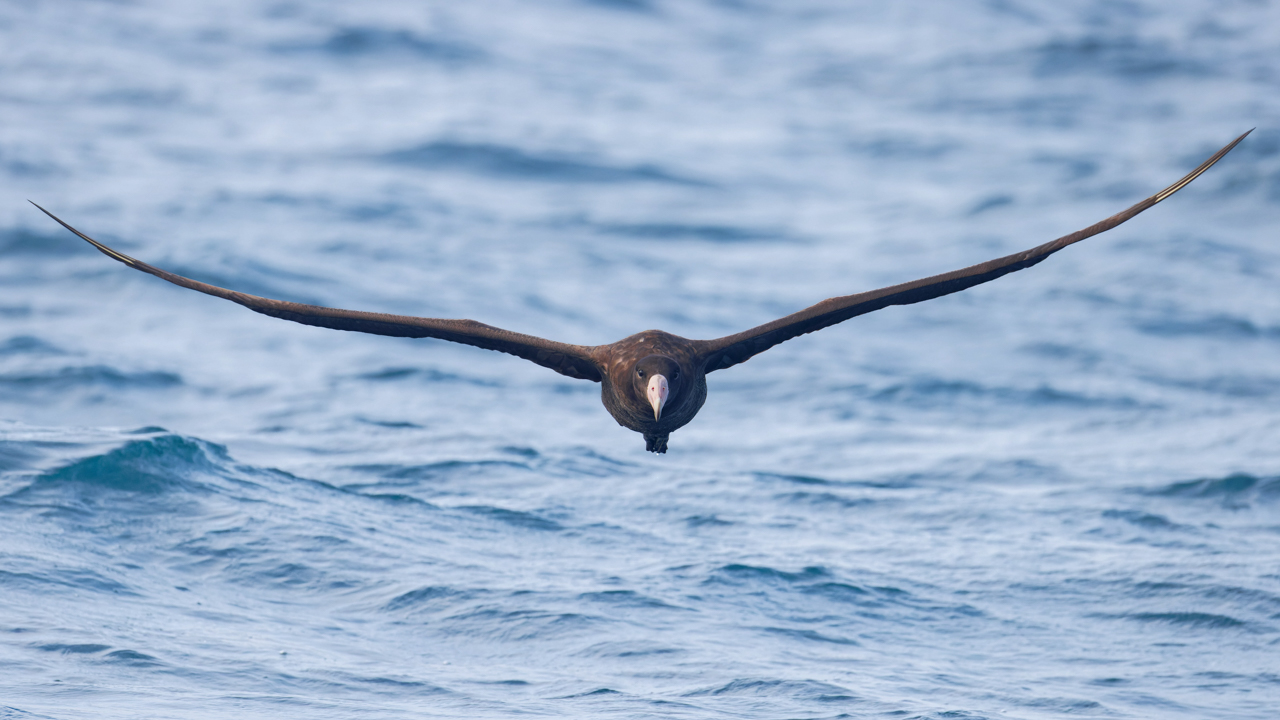
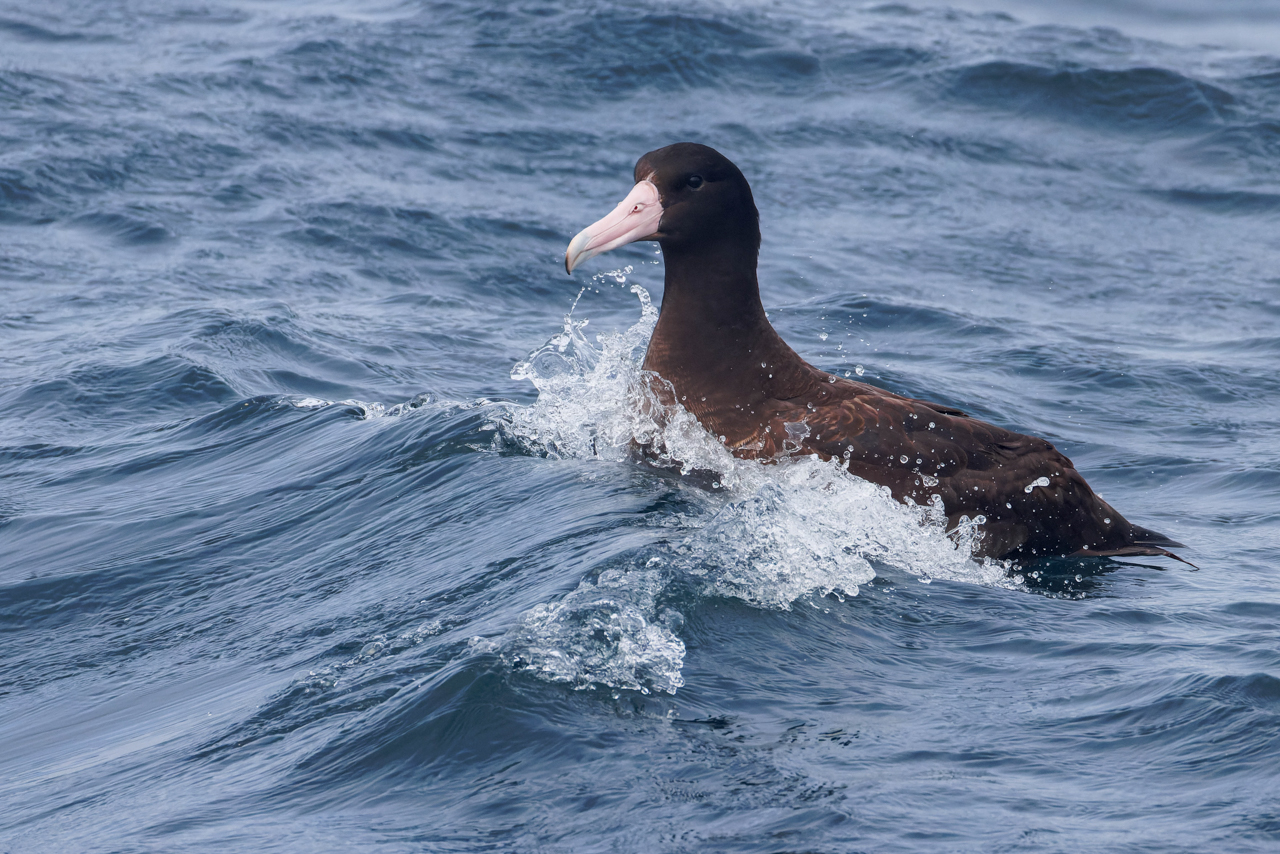
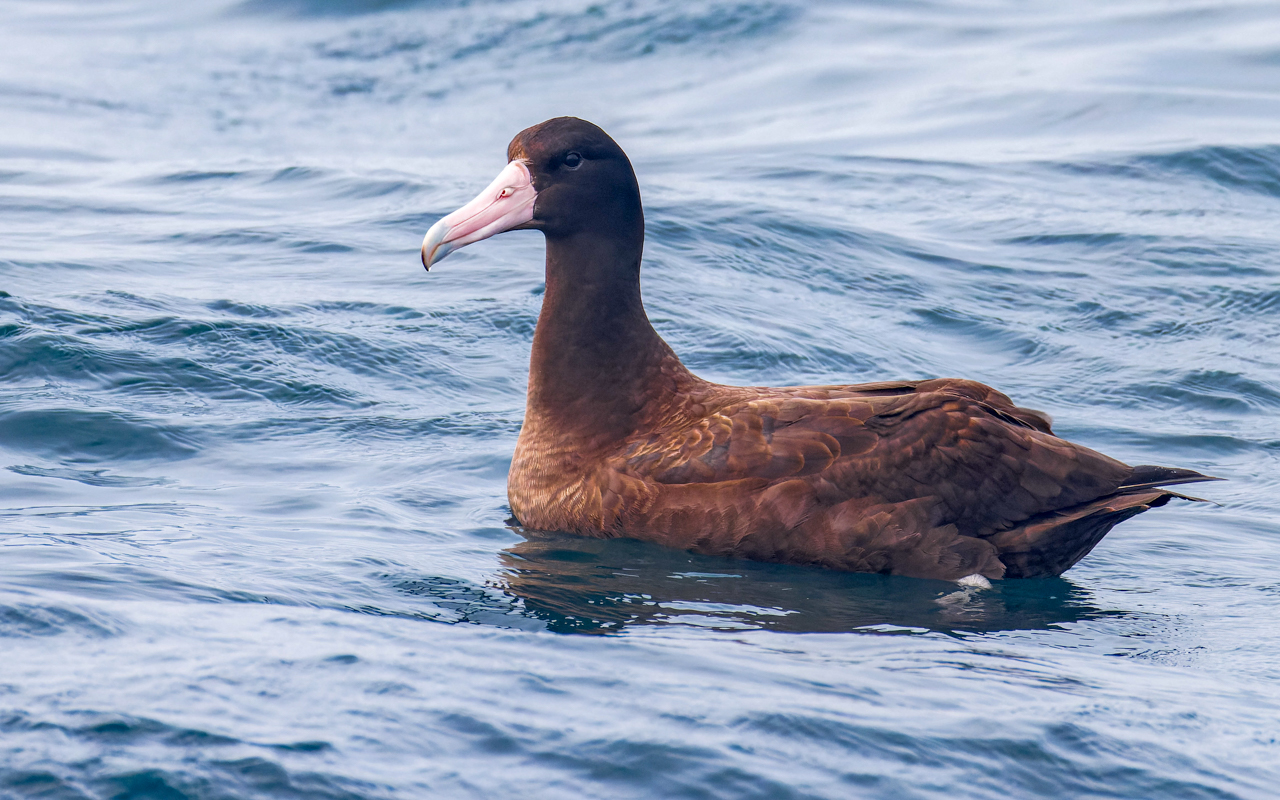
The primary highlight of the trip, however, was the encounter with the Short-tailed Albatross (Phoebastria albatrus). Historically decimated by the feather trade in the early 20th century, the species was once thought to be extinct. Today, while their population is recovering under strict international protection, they remain one of the rarest seabirds in the North Pacific. The observation of two individuals engaged in social behaviors—specifically bill-clacking—was described by expedition participants as an exceptional occurrence, given that these birds typically only exhibit such complex social interactions near their primary breeding colonies on the remote islands of Japan.
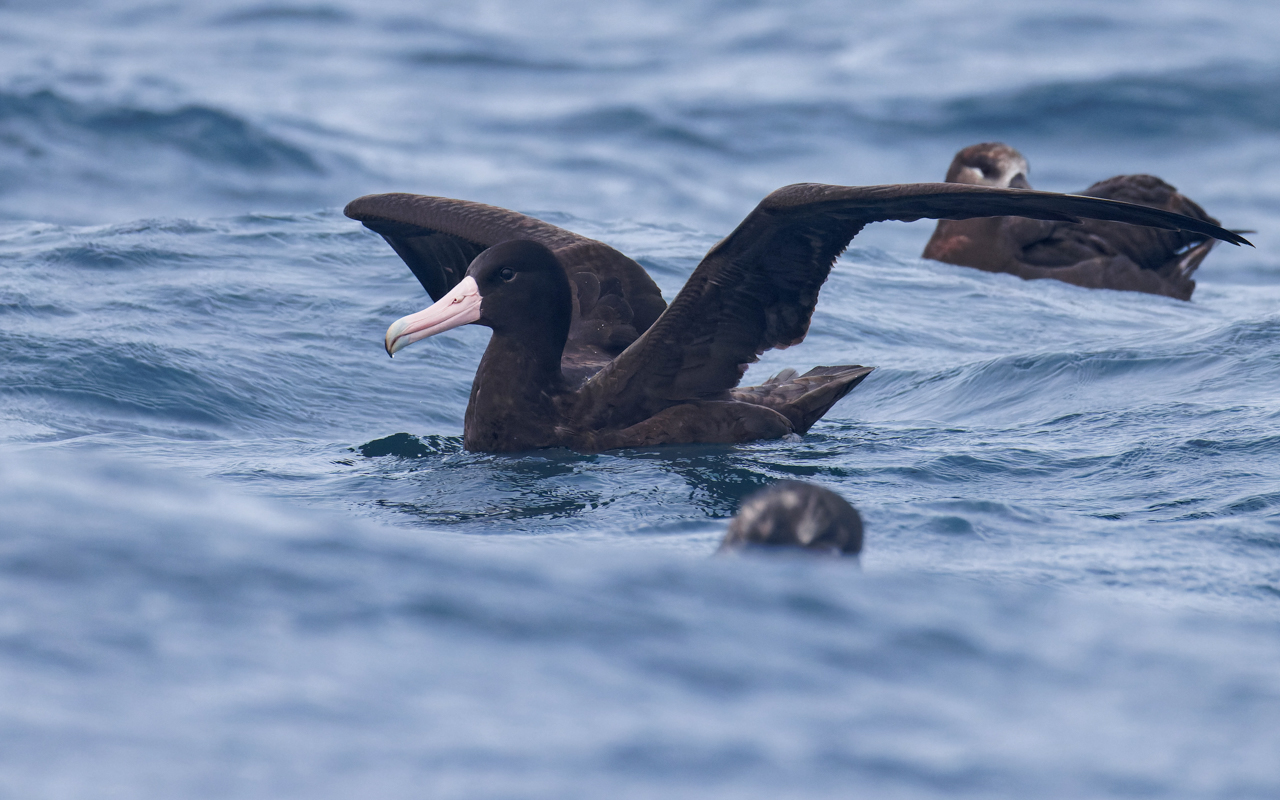
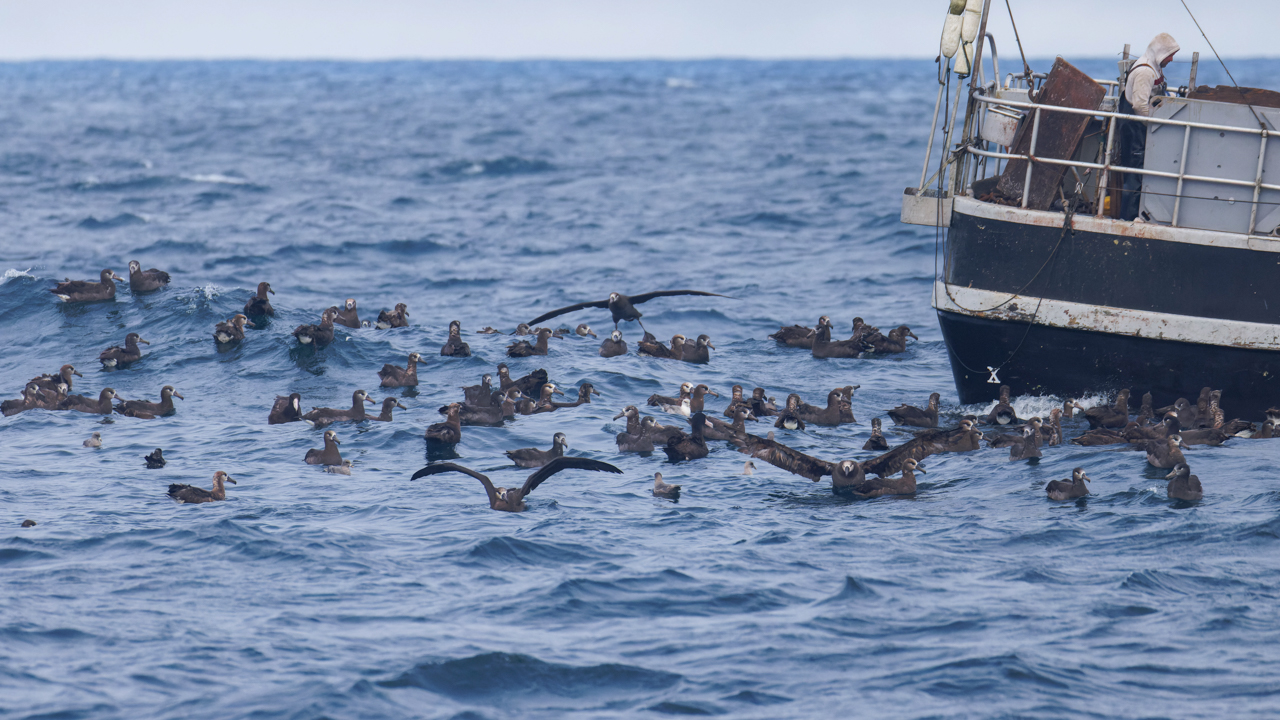
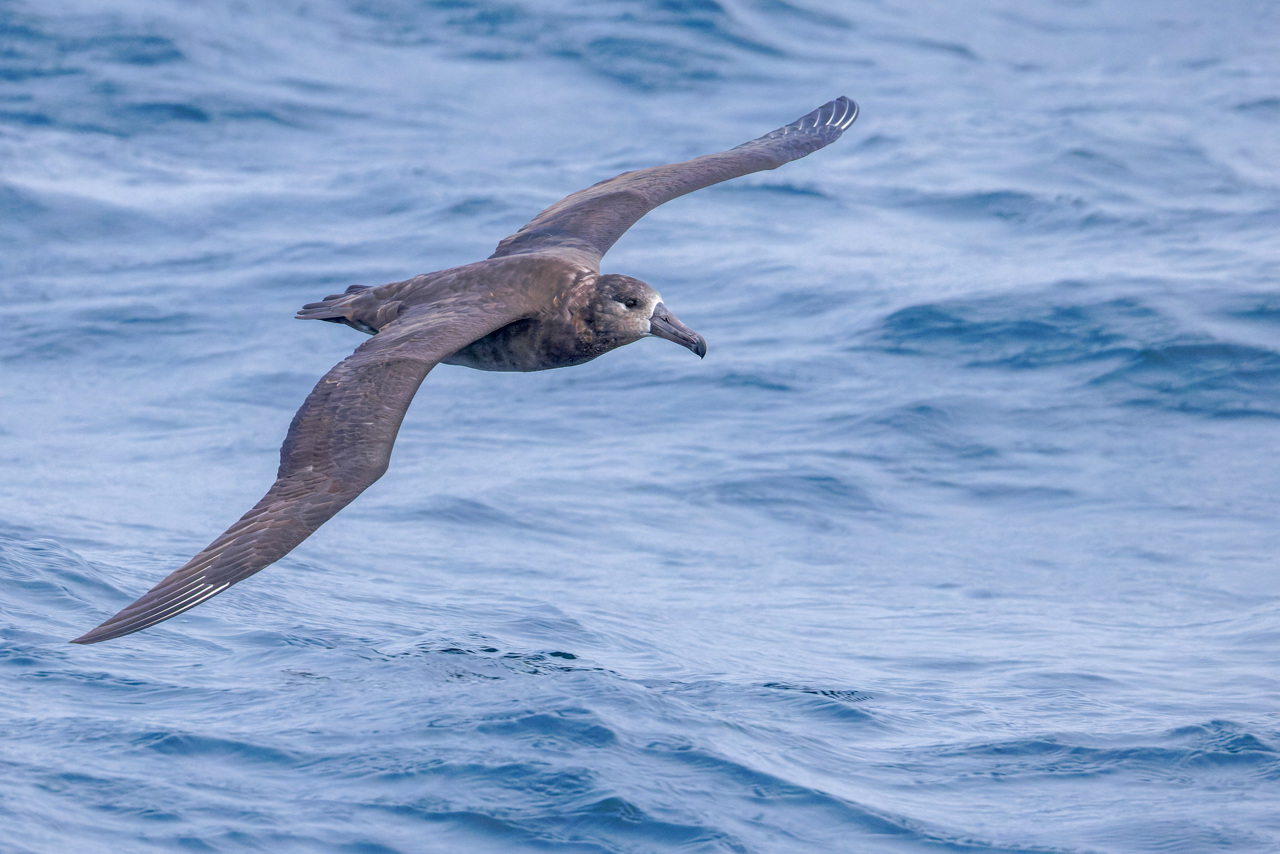
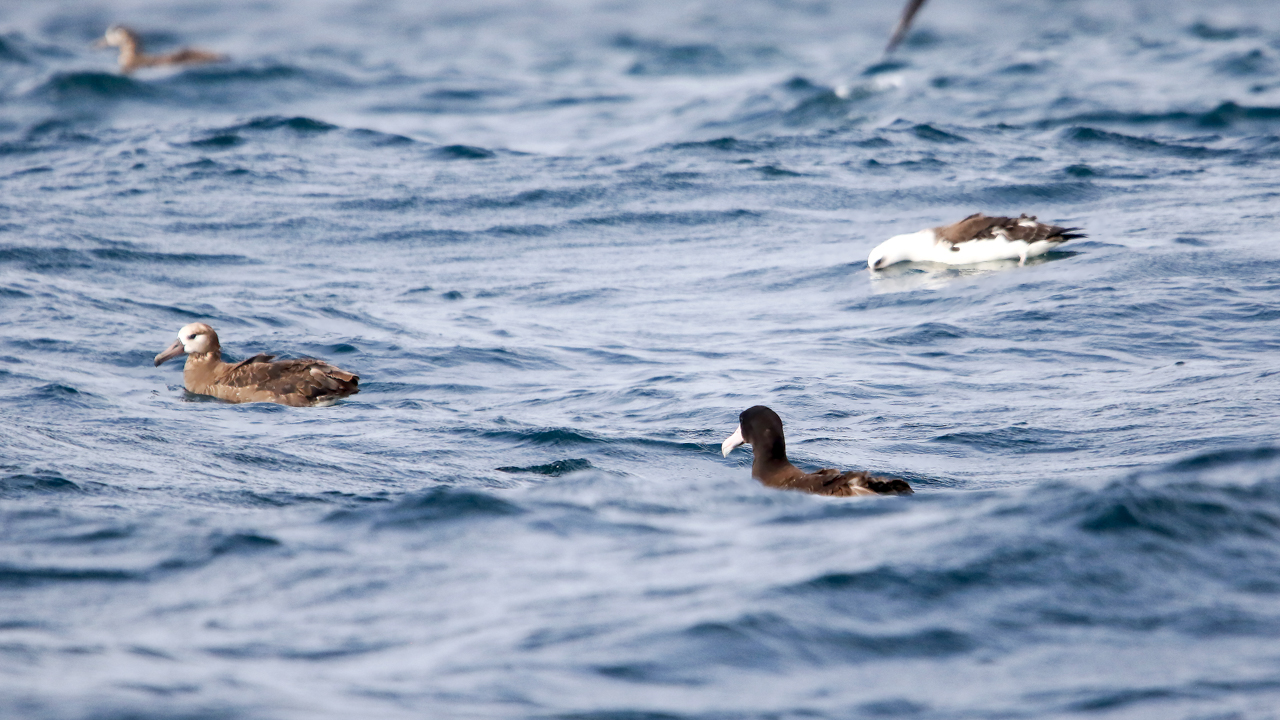
The discovery was further augmented by the arrival of a juvenile Laysan Albatross (Phoebastria immutabilis), completing an "albatross trifecta" that included the more common Black-footed Albatross (Phoebastria nigripes). The presence of these three species in a single localized area of the canyon provides researchers with valuable data regarding the overlapping foraging ranges of Pacific albatrosses, particularly in response to industrial fishing activities, which often act as a secondary, albeit artificial, food source.
Biodiversity in the Pacific Rim
Following the oceanic survey, the focus shifted to the terrestrial and intertidal ecosystems of the Pacific Rim National Park. Amphitrite Point, near Ucluelet, served as the primary observation point for seawatching. The data collected here provided a snapshot of the southward migration of waterfowl and alcids. Species such as the Marbled Murrelet (Brachyramphus marmoratus)—a bird whose life cycle is intricately tied to both old-growth forest nesting and marine foraging—were recorded in significant numbers.
The expedition also explored the coastal beach habitats of Combers Beach and Chesterman Beach. These areas are vital for "peeps" or small sandpipers. The documentation of a group of five Baird’s Sandpipers (Calidris bairdii) provided a rare opportunity for close-range study. The high level of habituation displayed by these birds allowed for detailed photographic and observational records, which contribute to the broader understanding of migration stopover site selection and the physical condition of juveniles during their long-distance flights.
Ancient Forests and Estuarine Health
On the final leg of the journey, the team traveled through the interior of Vancouver Island to Cathedral Grove. This site, home to Douglas-firs (Pseudotsuga menziesii) aged between 400 and 800 years, offers a stark contrast to the coastal habitats surveyed earlier. The presence of species like the Hammond’s Flycatcher (Empidonax hammondii) and the Chestnut-backed Chickadee (Poecile rufescens) highlighted the ecological importance of old-growth forest remnants as essential habitat for forest-dwelling passerines.
The expedition concluded at the Englishman River Estuary, where the team conducted a final survey of shorebirds and waterfowl. The observation of a family of Black Oystercatchers, along with mixed flocks of Black-bellied Plovers (Pluvialis squatarola) and sandpipers, served as a poignant reminder of the importance of estuarine conservation. Estuaries act as the interface between freshwater and marine ecosystems, filtering pollutants and providing nurseries for both fish and birds. The health of these sites is a direct indicator of the overall environmental stability of the Vancouver Island coastline.
Scientific and Conservation Implications
The data gathered during this five-day survey underscores several critical points for the scientific community. First, the successful recording of three species of albatross in the Clayoquot Canyon reinforces the area’s status as a high-priority marine sanctuary. The interaction between these birds and local fishing vessels highlights the need for continued monitoring of bycatch risks, even as the recovery of the Short-tailed Albatross continues to be a conservation success story.
Second, the consistent recording of migratory shorebirds throughout the Fraser Delta and the Pacific Rim confirms that these sites remain robust, despite the escalating pressures of climate change and human encroachment. For instance, the presence of the Marbled Murrelet in areas near Ucluelet highlights the delicate balance between old-growth forest preservation and coastal development.
Third, the expedition serves as a model for "citizen science," where organized group travel can produce high-quality, actionable data that assists larger biological surveys. By coordinating efforts to track species abundance and behavior, participants were able to contribute to a broader understanding of how these birds navigate one of the most complex coastal landscapes in the world.
As the expedition participants returned to Vancouver, crossing the Salish Sea and spotting Humpback Whales (Megaptera novaeangliae) and Bonaparte’s Gulls (Chroicocephalus philadelphia), the overarching takeaway was one of both wonder and urgency. The British Columbia coast is not merely a scenic backdrop; it is a complex, living machine that requires constant, rigorous observation to ensure that its biological heritage remains intact for future generations. The findings from this trip will be synthesized into a larger report on Pacific migratory trends, contributing to the ongoing effort to secure protected status for these vital avian pathways.
