
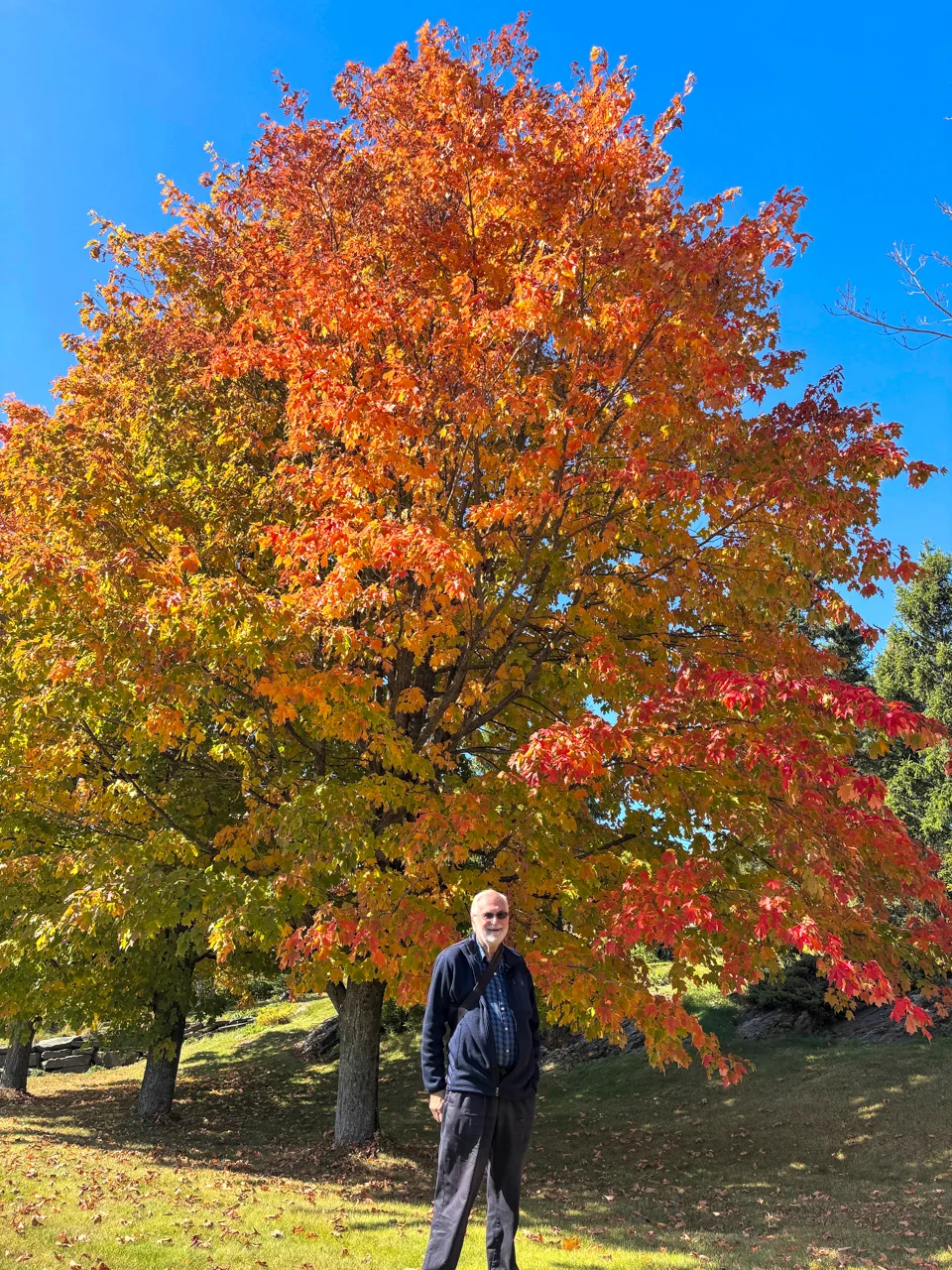
The annual autumn migration along the North Shore of the Gulf of St. Lawrence serves as a critical biological crossroads, drawing thousands of avian species and marine mammals to the waters near Tadoussac, Quebec. For participants in recent field expeditions organized by Eagle-Eye Tours, the experience provided a firsthand look at the convergence of ecological research, conservation efforts, and the sheer scale of North American wildlife migration. By synchronizing travel with the Tadoussac Bird Festival, observers were able to gain deeper insights into the complex mechanics of seasonal movement, population dynamics, and the human dedication required to monitor these natural cycles.
The Marine Ecosystem: A Rare Sanctuary
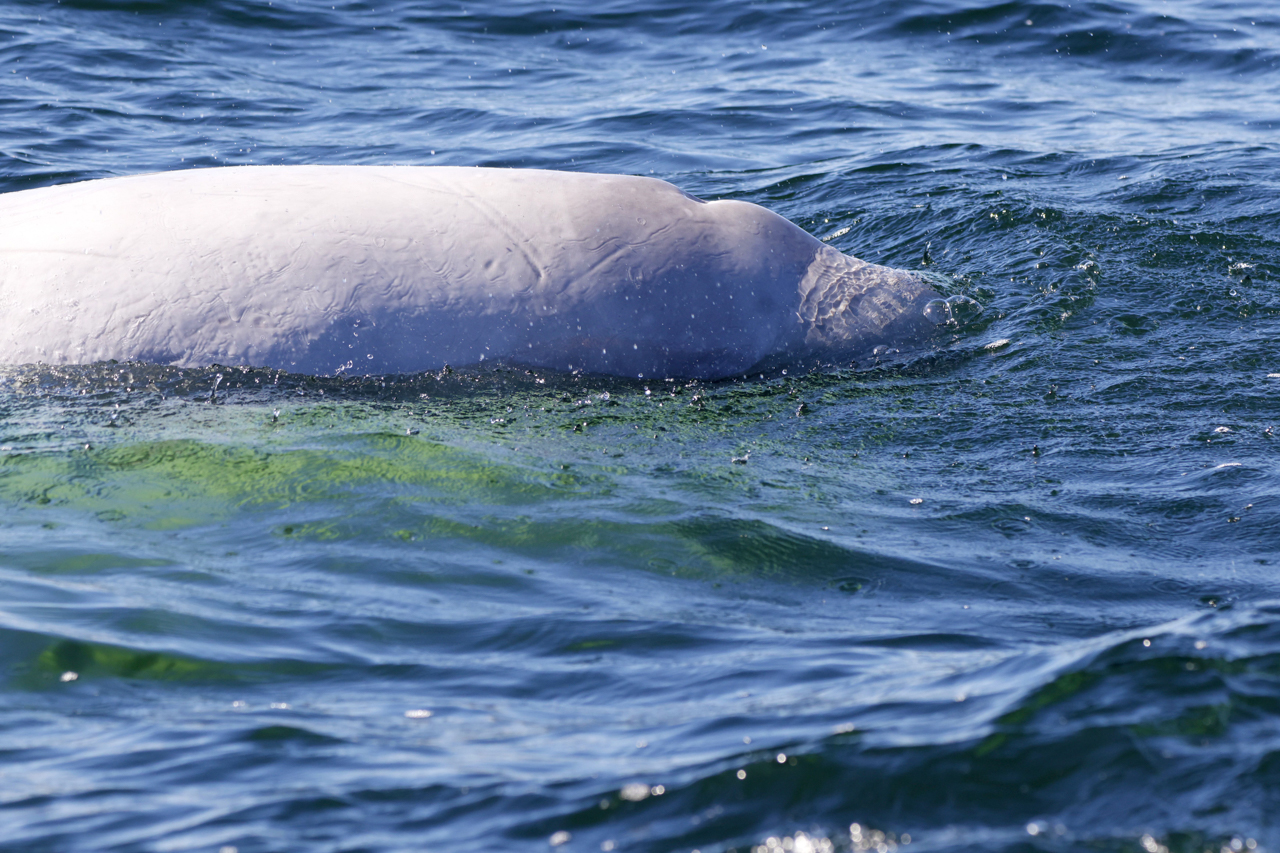
The Gulf of St. Lawrence is a region of immense ecological significance, characterized by deep, cold waters and nutrient-rich currents that support a high density of marine life. During the recent tour, participants encountered a resident population of approximately 1,000 beluga whales (Delphinapterus leucas). This specific group has remained isolated from its Arctic cousins since the retreat of the glaciers at the end of the last Ice Age.
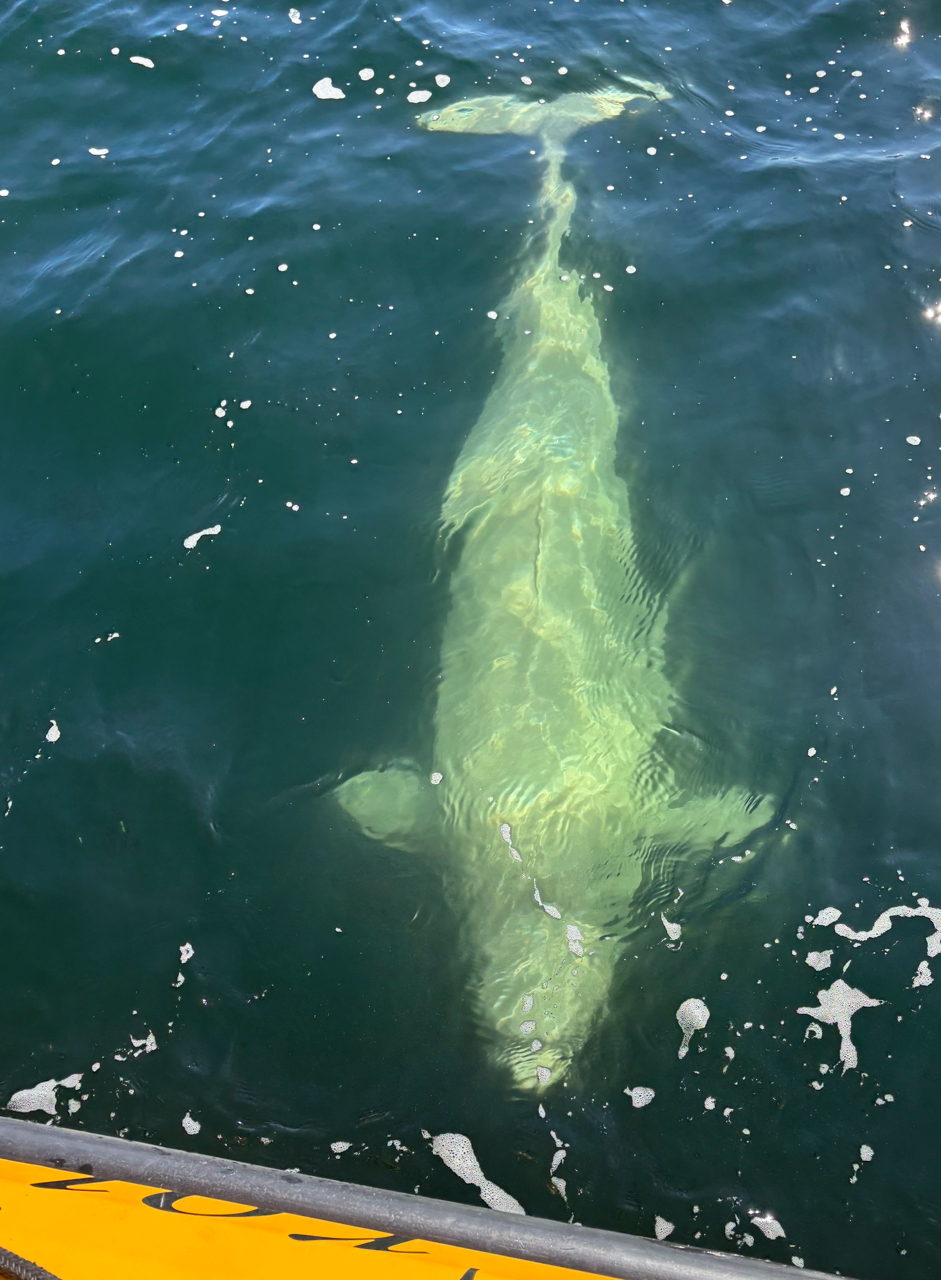
The encounter with these cetaceans was marked by distinct behavioral patterns. The whales displayed high levels of curiosity, interacting with the stationary vessel by surfacing near the motor’s bubble stream. From a scientific perspective, such interactions provide valuable data on the social behavior of this endangered population, which faces ongoing challenges related to shipping traffic, noise pollution, and environmental changes. The presence of these whales in the St. Lawrence serves as a bellwether for the health of the maritime ecosystem, and their continued resilience remains a focal point for Canadian environmental researchers.
Pelagic Dynamics: The Art of the Kleptoparasite
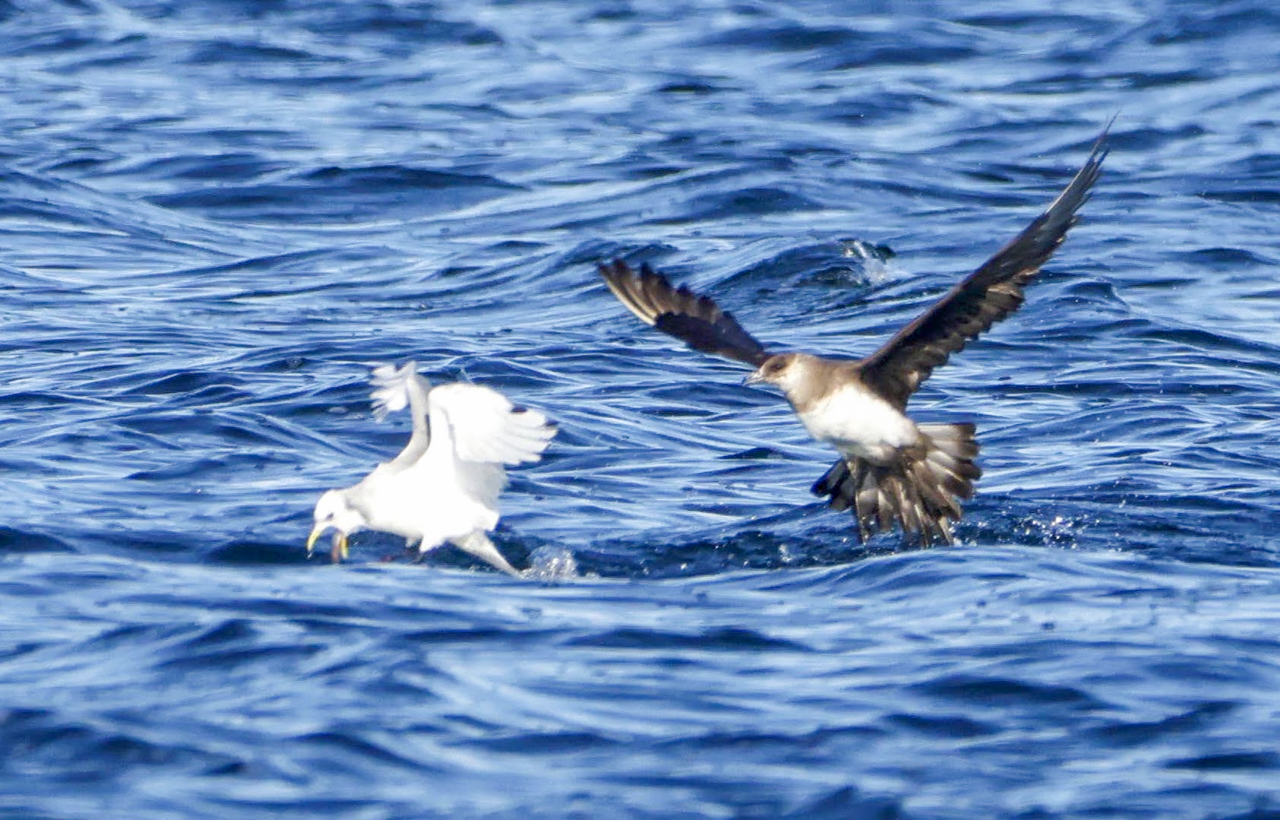
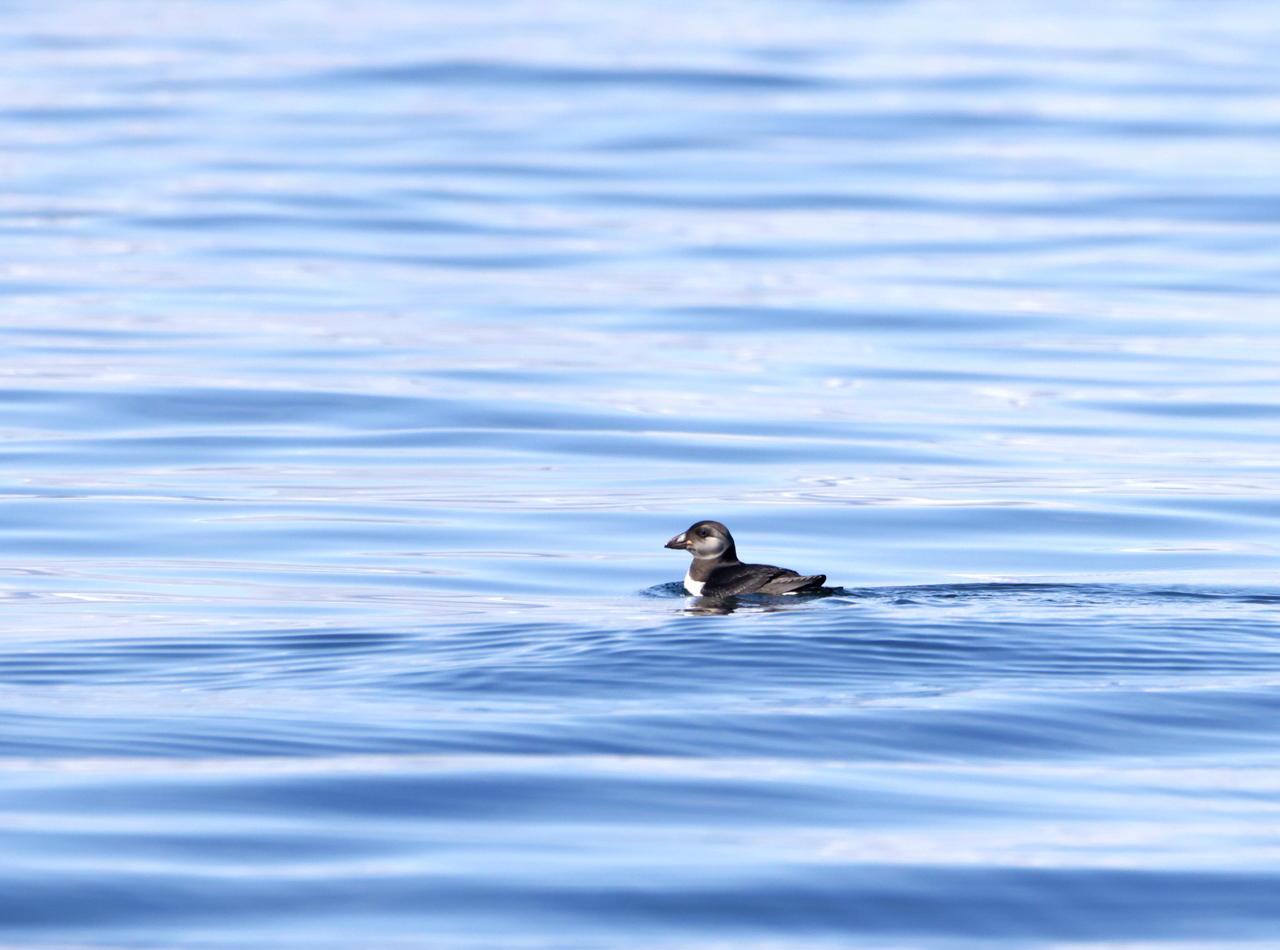
Beyond the marine mammals, the pelagic waters offered a rare look at competitive survival strategies among avian species. The highlight of the offshore excursions was the observation of the Parasitic Jaeger (Stercorarius parasiticus). Known as the "pirates of the sea," these birds engage in a behavior known as kleptoparasitism—the act of forcefully stealing prey from other birds.
Observers recorded at least 11 individual jaegers during a single session, a figure that experts categorize as a successful year for the species within this corridor. By watching the jaegers pursue Black-legged Kittiwakes to force the regurgitation of fish, researchers and tour participants were given a vivid demonstration of the high-energy costs and tactical brilliance required to thrive in a competitive marine environment. This activity highlights the interconnectedness of species, where the survival of one predator is inextricably linked to the hunting success of its prey.
The Tadoussac Bird Festival and Conservation Science
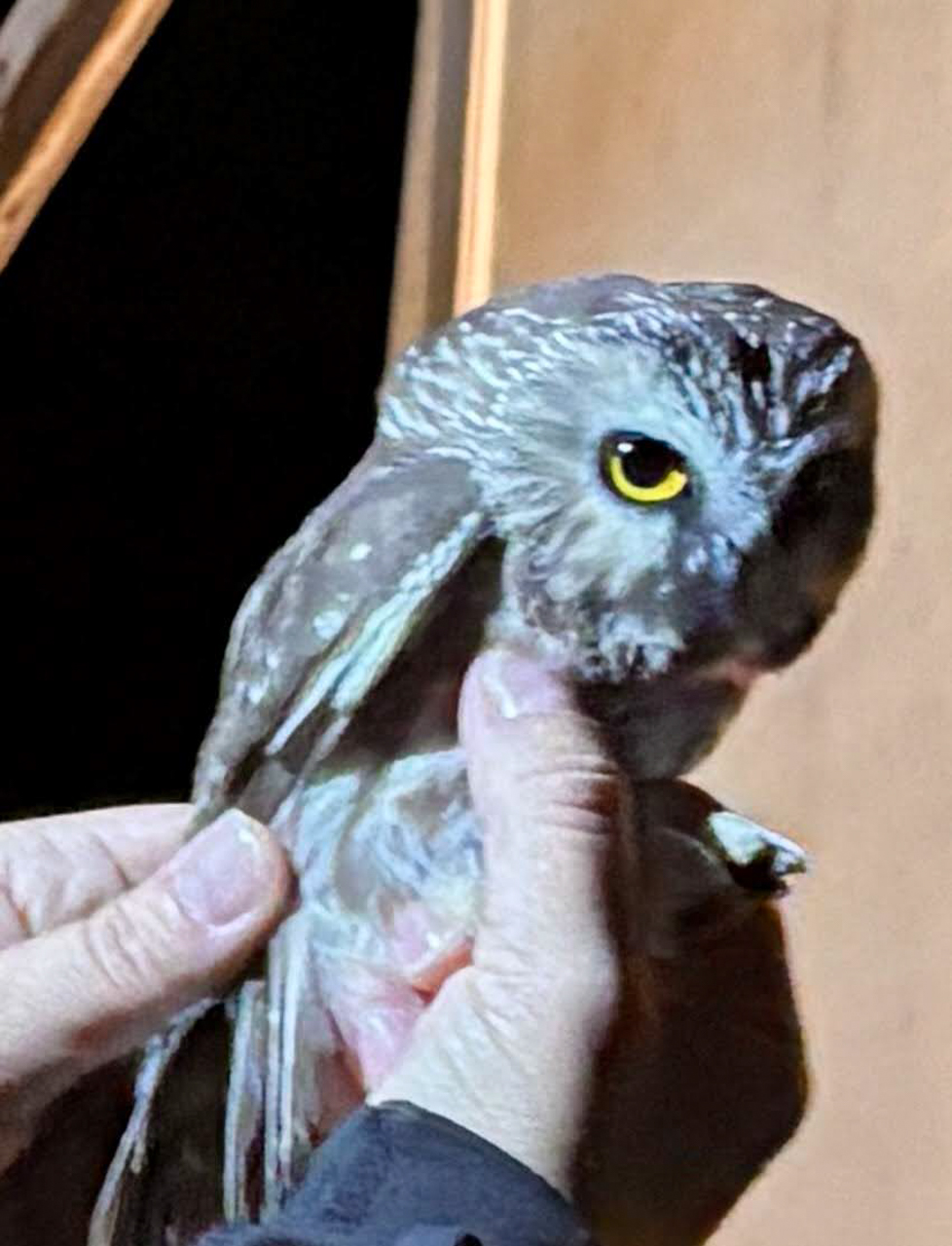
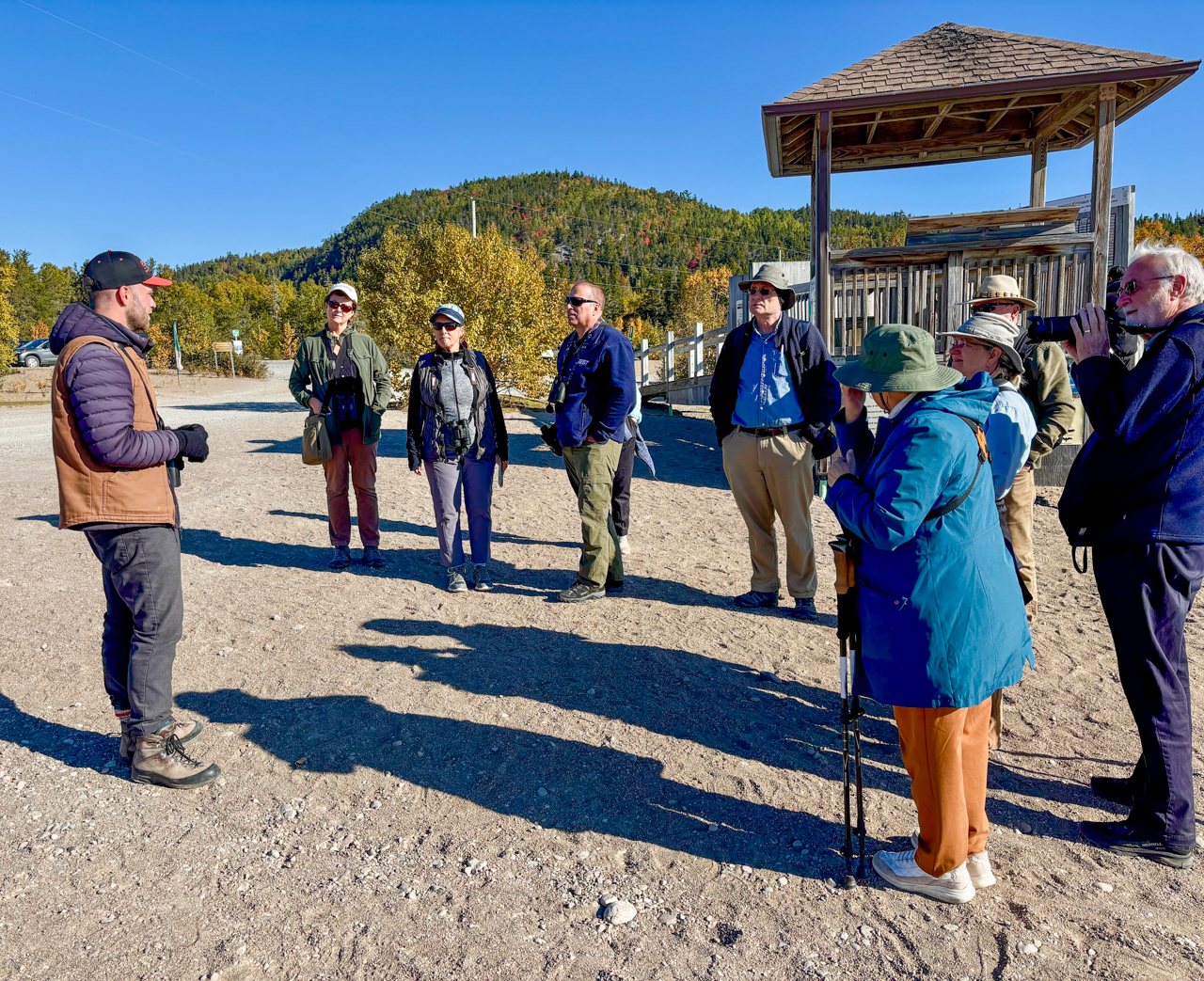
The core of the trip focused on the Tadoussac Bird Festival, an event that functions as both a celebration of biodiversity and a hub for serious ornithological research. A central pillar of this research is the banding of Northern Saw-whet Owls (Aegolius acadicus). Despite their small stature—often no larger than a common starling—these owls are highly effective predators.
The process of mist-netting and banding provides researchers with essential data regarding migration routes, survival rates, and the physical health of raptor populations. The volunteer-driven nature of this research is a testament to the community-based approach required for long-term conservation. In many cases, these volunteers work through the night, operating under rigorous protocols to ensure the safety of the birds while documenting their biometric data.
Tracking the Great Migration
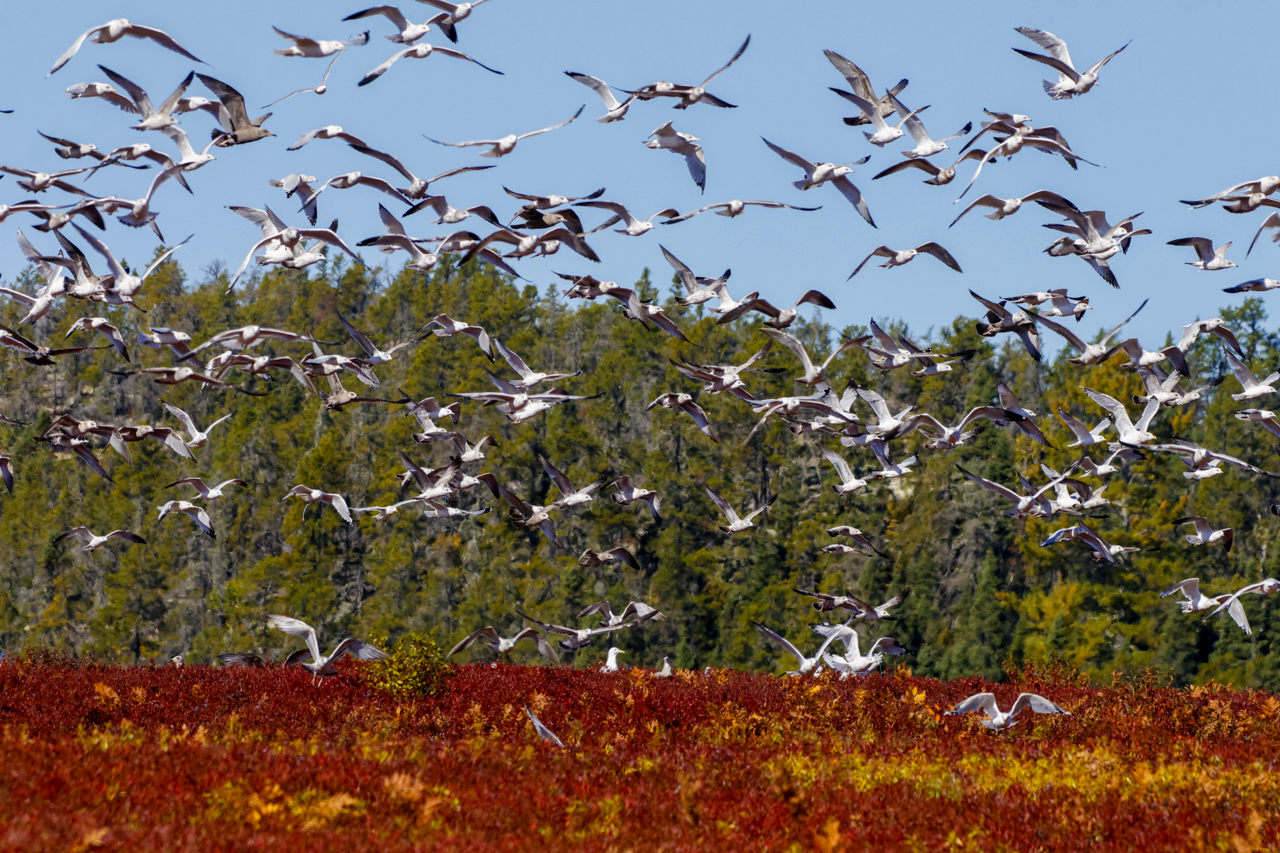
The geography of the Tadoussac region makes it a natural funnel for migrating raptors and passerines. Raptors, such as the Peregrine Falcon (Falco peregrinus), Bald Eagle (Haliaeetus leucocephalus), and various species of hawk, typically prefer to track the coastline rather than crossing the vast, turbulent expanses of the Gulf. This preference creates a predictable, albeit dense, flyway that is monitored by dedicated experts.
One notable individual highlighted during the event has spent the last eight years committing three months of every autumn to counting raptors for eight to ten hours daily. This level of granular, long-term monitoring is the bedrock of avian conservation. Such data allows biologists to identify trends in population declines or shifts in migration timing, which are often the first signs of larger environmental instability. The dedication of these field counters provides the empirical evidence necessary for policymakers to advocate for protected status in critical flyway corridors.
Avian Diversity and Seasonal Indicators
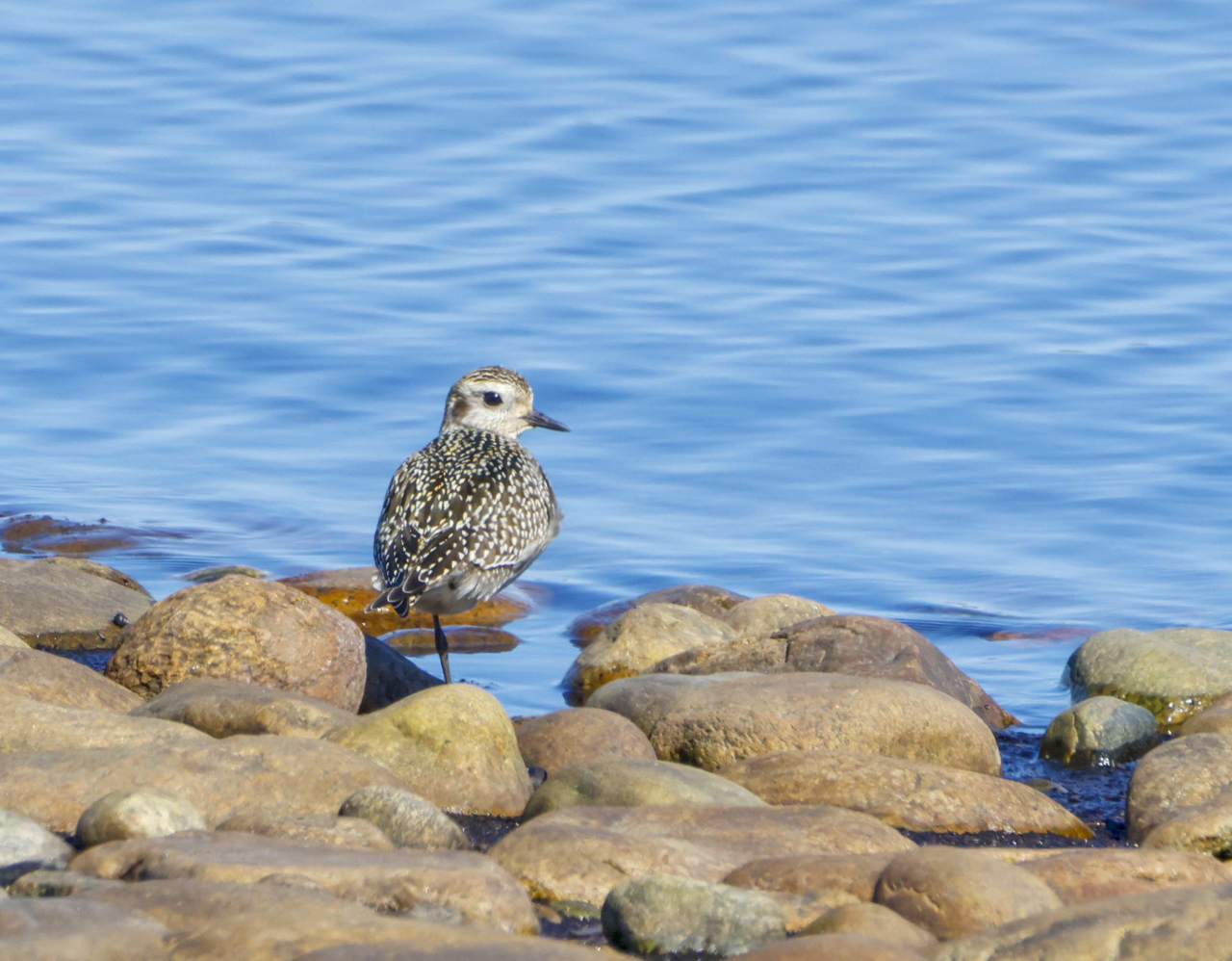
The migration cycle through the St. Lawrence is not limited to raptors. The diversity of the region is further illustrated by the presence of shorebirds, including the Hudsonian Godwit, the Golden Plover, and the Black-bellied Plover. These species exhibit remarkable camouflage strategies; once they land on the shoreline, their plumage renders them nearly indistinguishable from their surroundings, a tactical adaptation to avoid predation during their long-distance flights.
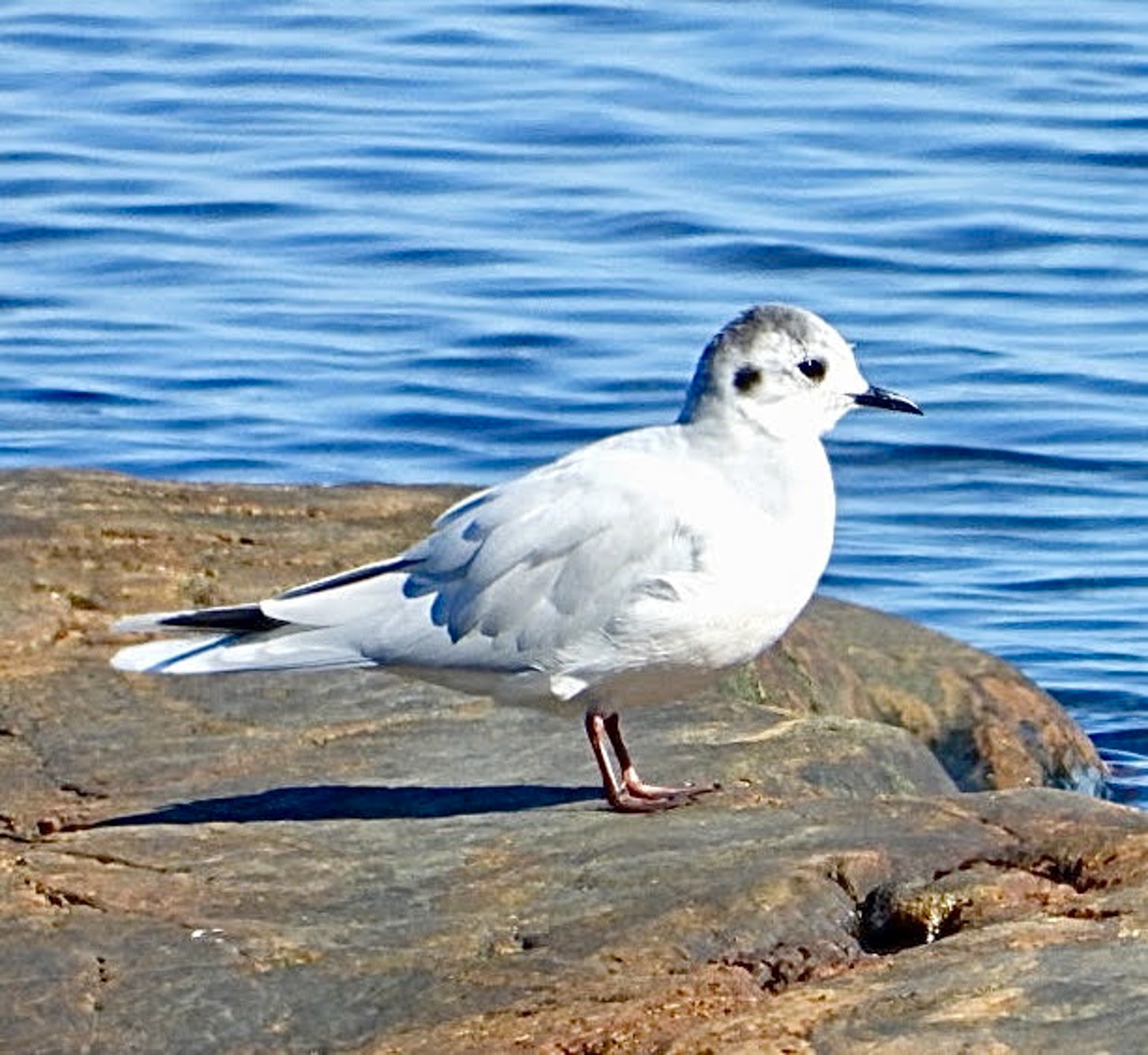
Furthermore, the observation of the Little Gull—notable for its dark underwings—added a layer of rarity to the trip’s species count. The juxtaposition of these smaller shorebirds with the massive, annual movement of tens of thousands of Snow Geese (Anser caerulescens) highlighted the varied strategies of migration. The Snow Geese, which often travel in high-altitude V-formations, serve as the quintessential symbol of the season. Their presence—both in terms of visual sightings and the audible intensity of their calls—acts as a sensory marker for the changing of the seasons.
Broader Environmental Implications
The success of the wildlife populations in the St. Lawrence, particularly the beluga whales and the migratory raptors, is directly tied to the maintenance of protected areas. Education, as championed by the festival organizers and the staff at the banding stations, plays a vital role in building public support for conservation policies. By providing platforms where the public can interact with researchers and witness the realities of wildlife study, these organizations foster a sense of stewardship that extends beyond the festival dates.
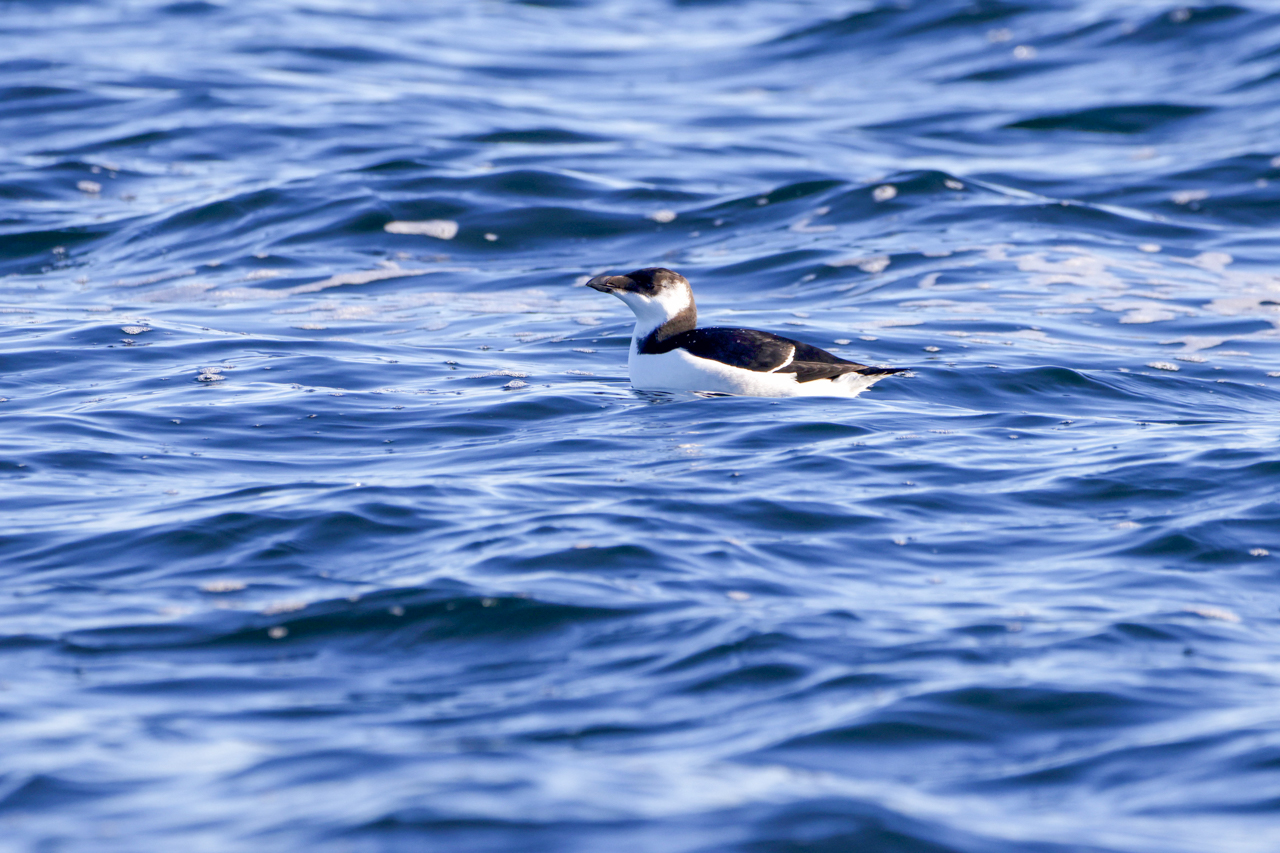
The economic and educational impact of such tourism is substantial. When travelers engage with the natural world through guided, ethical observation, they contribute to a circular economy that prioritizes the preservation of the very habitats they visit. The inclusion of diverse species, from the common eider to the rare Hudsonian Godwit, underscores the importance of the Gulf as a multi-functional habitat. Whether it is the foraging behavior of the eider rafts or the nesting habits of the raptors, every action observed serves as a data point in the broader understanding of Canadian biodiversity.
Conclusion: A Fragile Balance
The experiences documented during the expedition serve as a poignant reminder of the intricate balance between human activity and the natural world. As the Snow Geese continue their southward journey, their passage serves as a reminder of the global nature of migration, connecting the Canadian North to southern wintering grounds.
The synthesis of rigorous scientific research, community education, and responsible eco-tourism remains the most viable path forward for the protection of the St. Lawrence region. As stated in the works of poets and the records of biologists alike, the natural world offers a profound sense of place and connection. Maintaining this connection requires more than just observation; it requires an active, informed commitment to the research and conservation efforts that ensure these migration routes remain open, safe, and vibrant for generations to come. The Tadoussac experience, characterized by both the quiet focus of the bird bander and the thundering flight of thousands of geese, continues to be a vital component of the broader effort to understand and protect our shared global heritage.
