
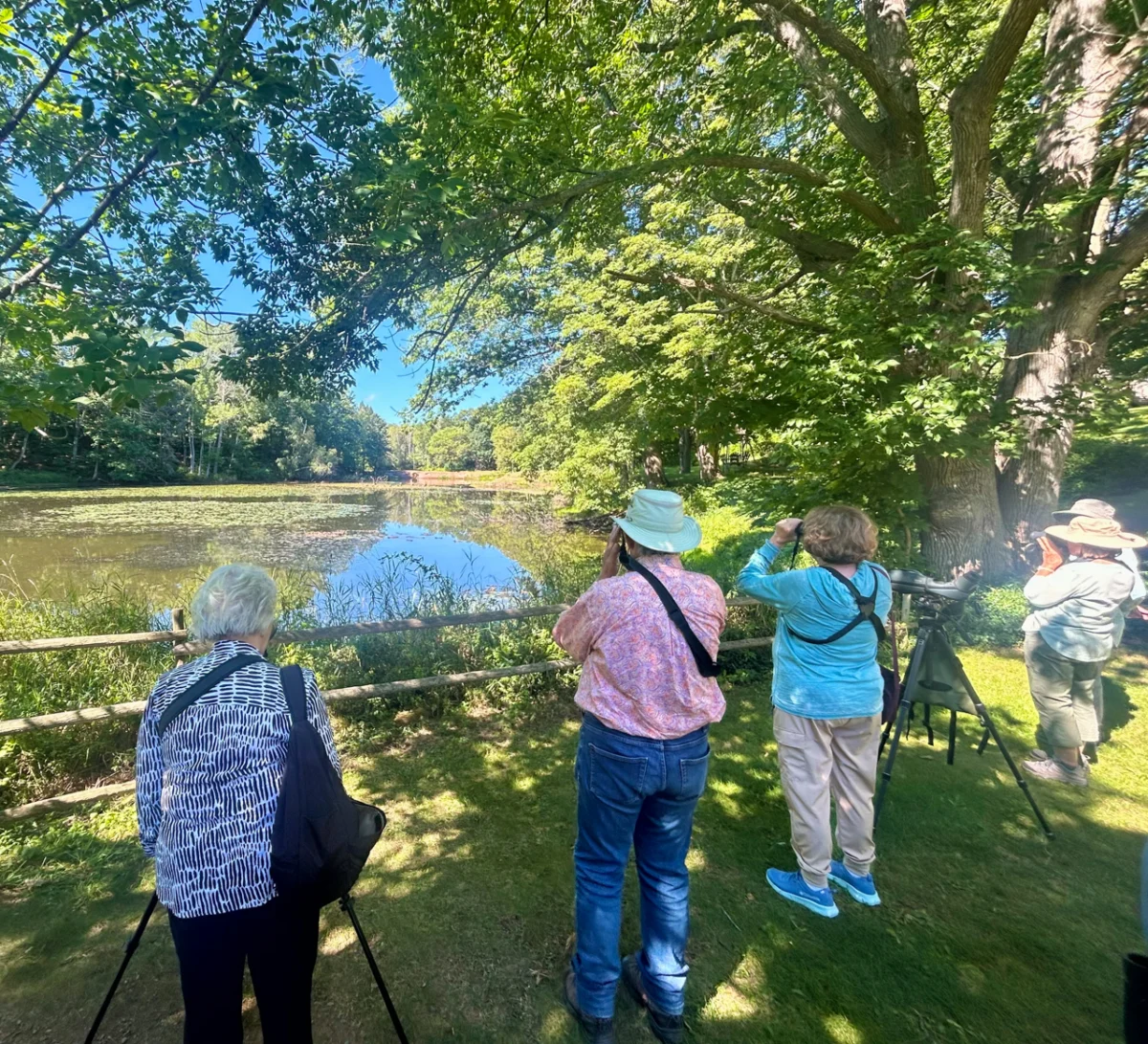
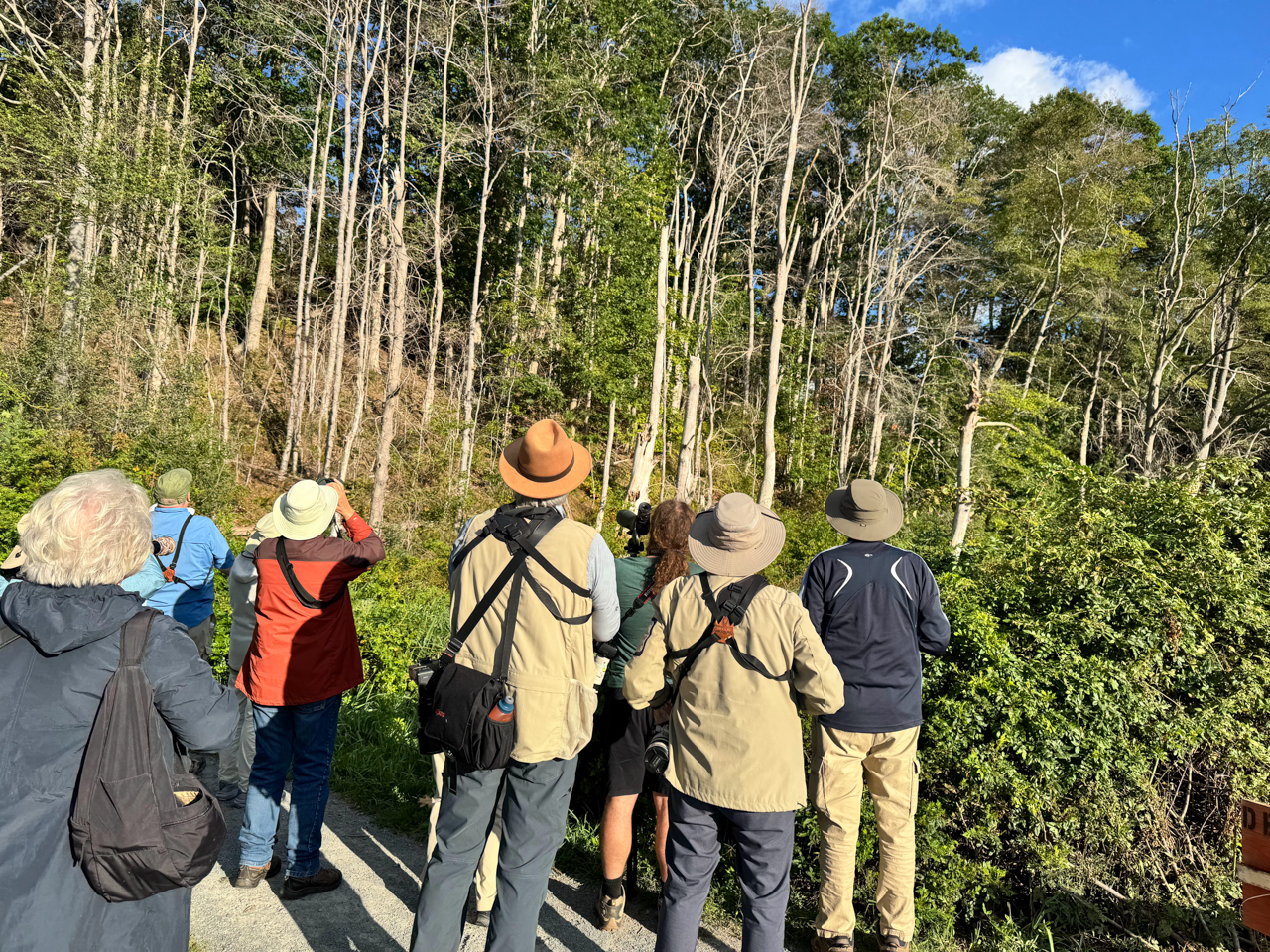
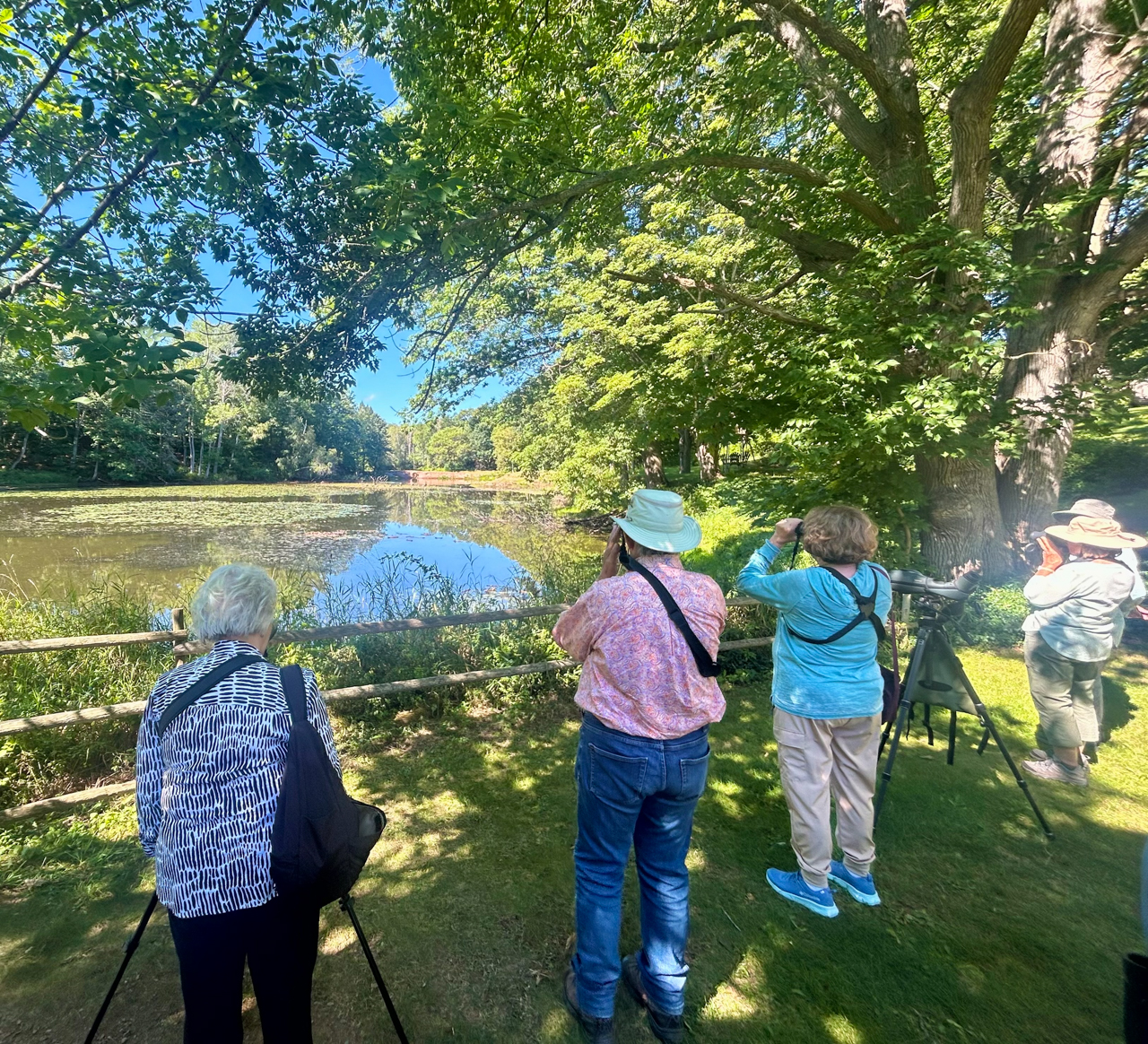
A cohort of fourteen birding enthusiasts and naturalists recently concluded an intensive nine-day expedition across the diverse ecosystems of southern Nova Scotia. The tour, organized as a Birds Canada supporters initiative, provided a structured exploration of the province’s critical migratory stopovers. By the conclusion of the journey, participants had documented a total of 144 avian species, reinforcing the region’s status as a vital corridor for both breeding and trans-hemispheric migratory birds. The event served not only as a recreational endeavor but as a significant fundraising initiative, with proceeds directly supporting Birds Canada’s ongoing conservation programs in the Atlantic region and beyond.
The expedition, which commenced in Halifax, followed a strategic route designed to maximize encounters with diverse avian populations during the peak of the fall migration. By navigating from the Bay of Fundy’s nutrient-rich marshes to the rugged coastal headlands of the South Shore, the group documented the biological necessity of Nova Scotia’s varied geography for species navigating the Atlantic Flyway.
Chronological Progression of the Expedition
The journey began on the first day at the Halifax International Airport, where the group established the operational framework for the trip. The logistical core of the expedition involved a loop through the Annapolis Valley, proceeding westward to the Digby Neck and Brier Island, before descending toward Yarmouth and Cape Sable Island.
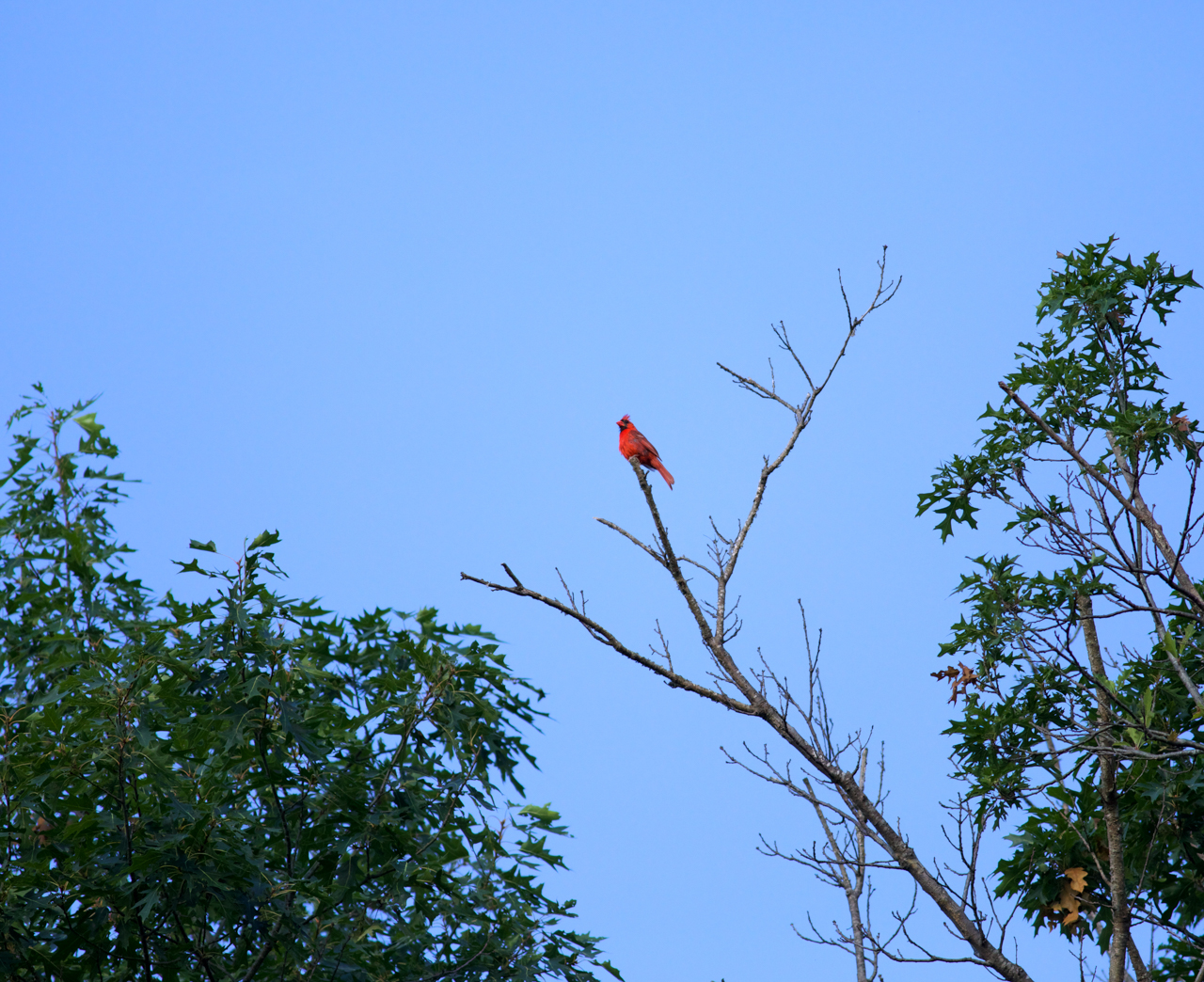
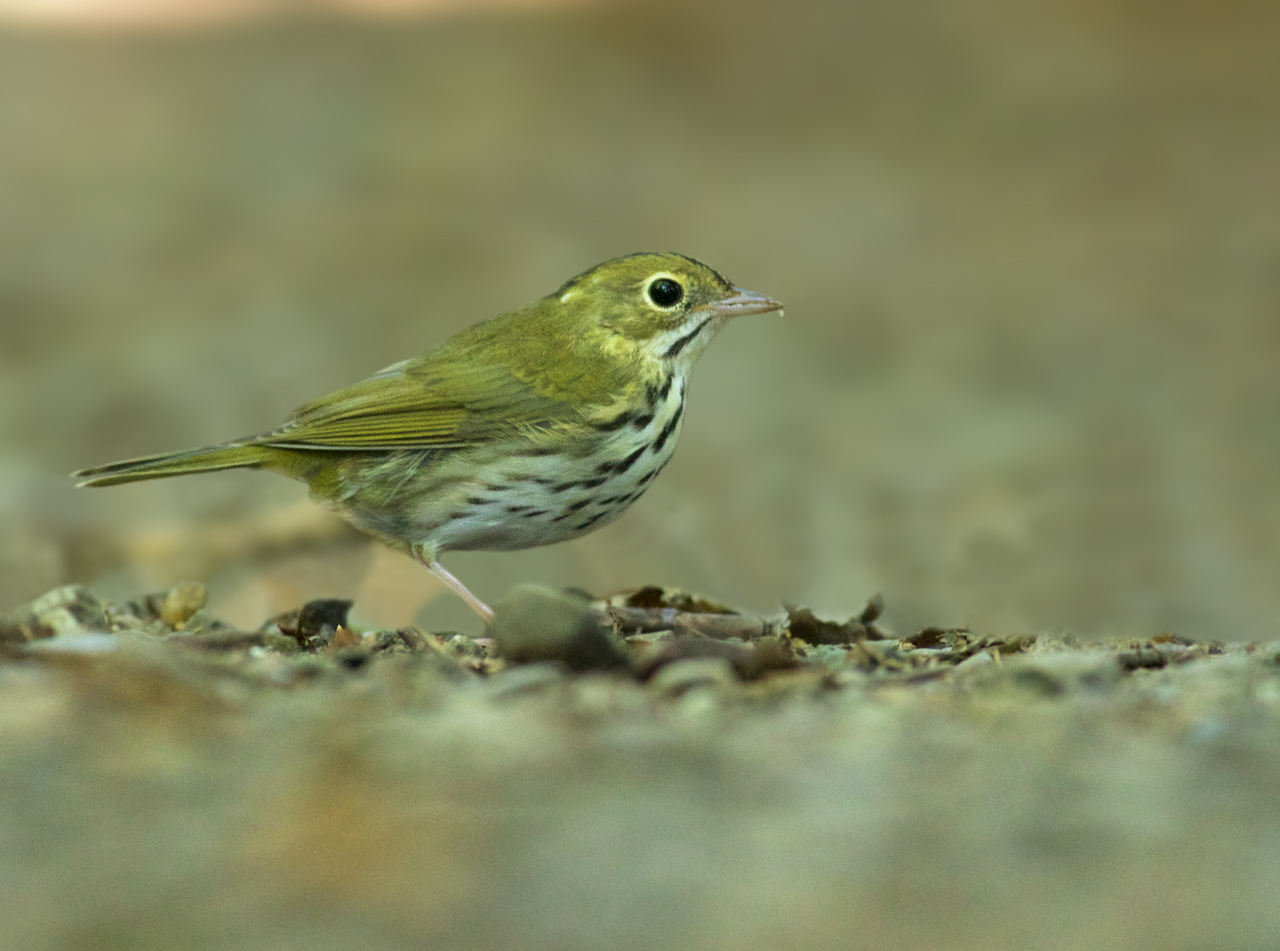
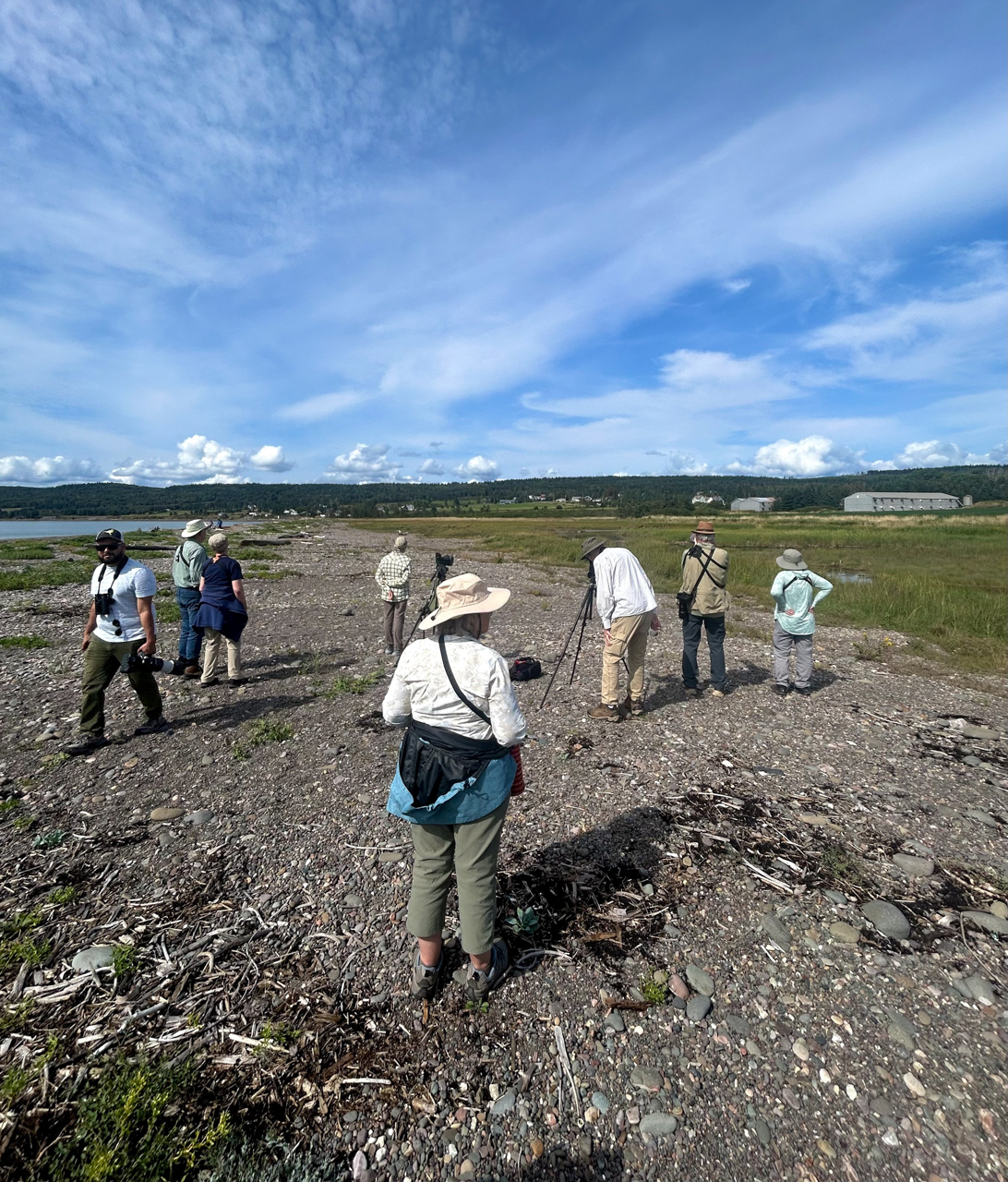
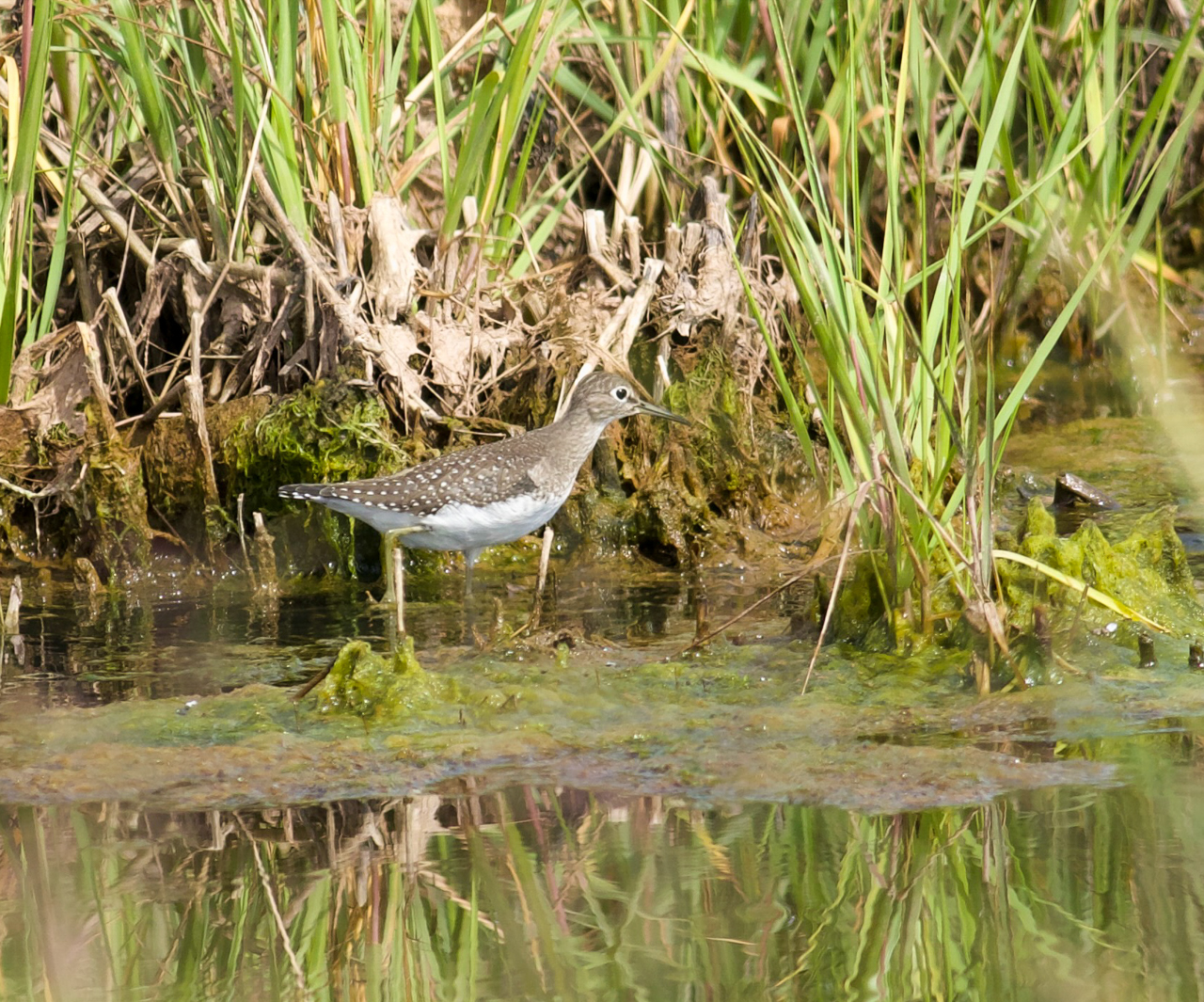
From the second through the fourth days, the group focused on the Annapolis Valley. At Miner’s Marsh in Kentville, participants observed a significant feeding frenzy of songbirds, including Northern Cardinals, Rose-breasted Grosbeaks, and several species of warblers, such as the Cape May and Bay-breasted. This stop highlighted the importance of interior wetlands in providing high-energy resources for birds preparing for long-distance travel. The expedition then moved to the Minas Basin, where the group witnessed the Bay of Fundy’s extreme tidal cycles at Grand Pre and Horton Landing. The rapid disappearance of mudflats at high tide provided a clear, real-time demonstration of how environmental conditions dictate the foraging schedules of migratory shorebirds, including the Red Knot—a species currently under intensive monitoring due to population declines.
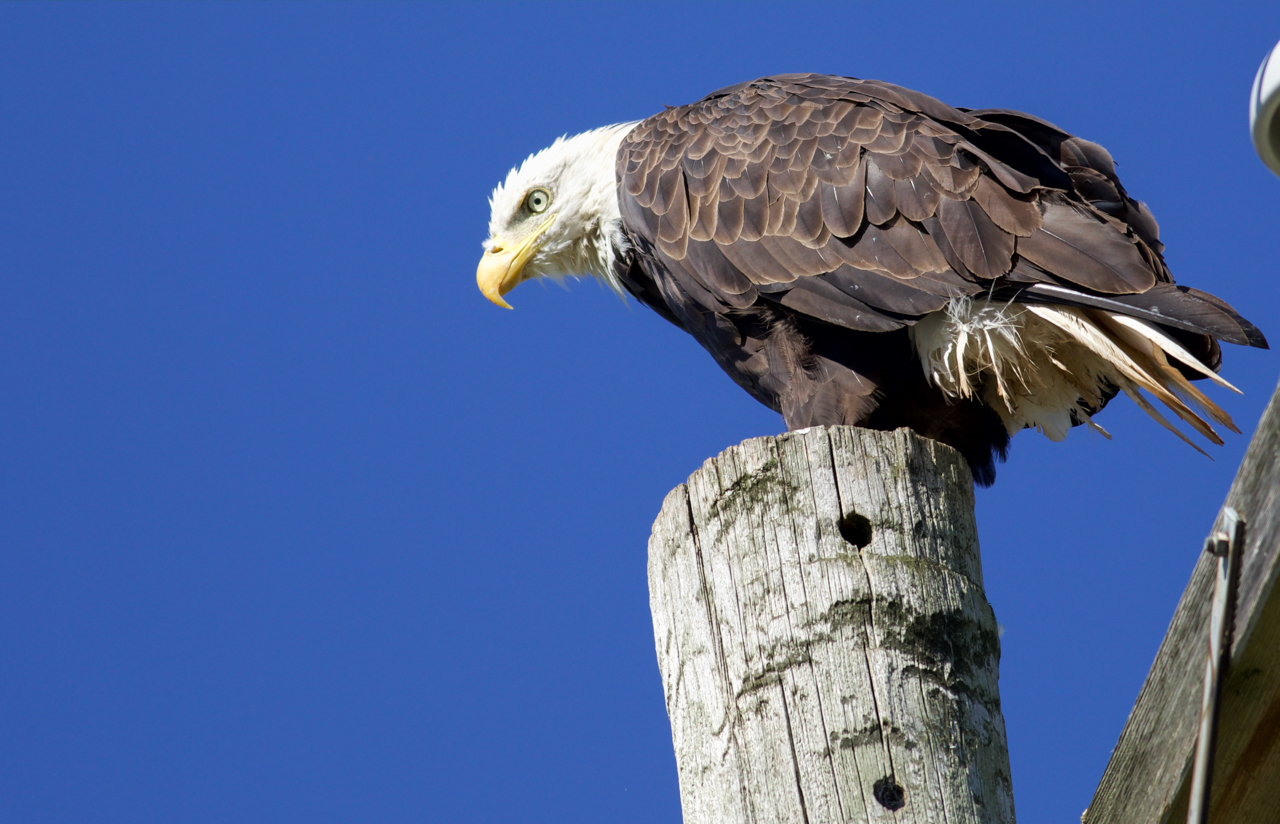
The fifth and sixth days were spent on Brier Island, an area internationally recognized for its role as a premier migrant trap. A boat expedition into the Bay of Fundy yielded high-pelagic sightings, including South Polar Skuas, Atlantic Puffins, and various shearwater species. Notably, the group observed seven South Polar Skuas, a figure significantly higher than the annual provincial average, providing researchers with anecdotal evidence of shifting migratory patterns in the Gulf of Maine and the Bay of Fundy. The presence of Humpback Whales, observed in conjunction with these pelagic birds, underscored the high productivity of these marine waters.
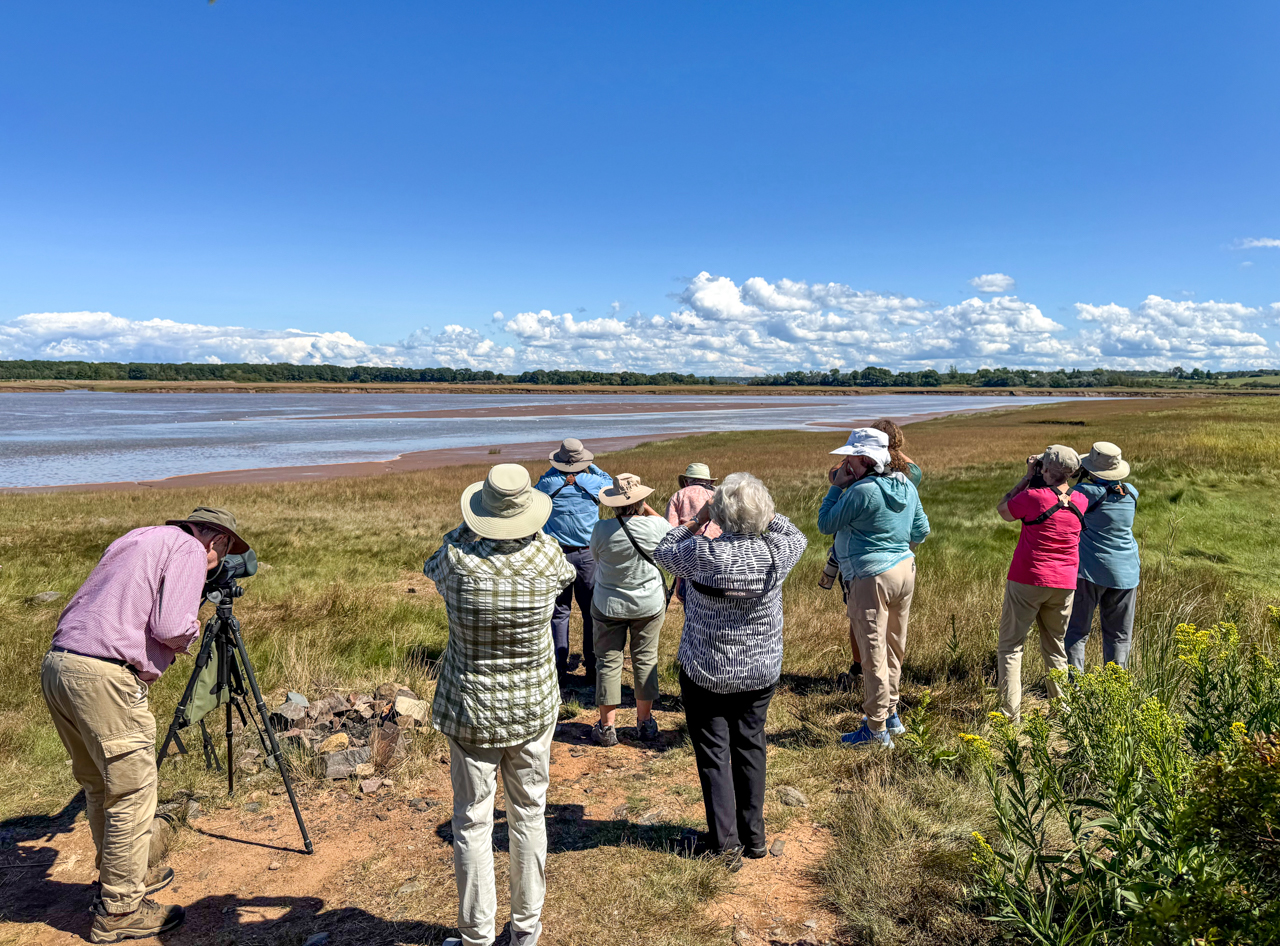
The final phase of the trip, spanning days seven through nine, shifted focus to the extreme southwest. The group explored Cape Forchu and Chebogue Point in Yarmouth—locations historically known for attracting vagrant species. The final leg took the group to Cape Sable Island, where sightings included Hudsonian Whimbrels and Boreal Chickadees, the latter being of particular concern to local conservationists due to habitat loss and climate-driven range contraction.
Avian Biodiversity and Supporting Data
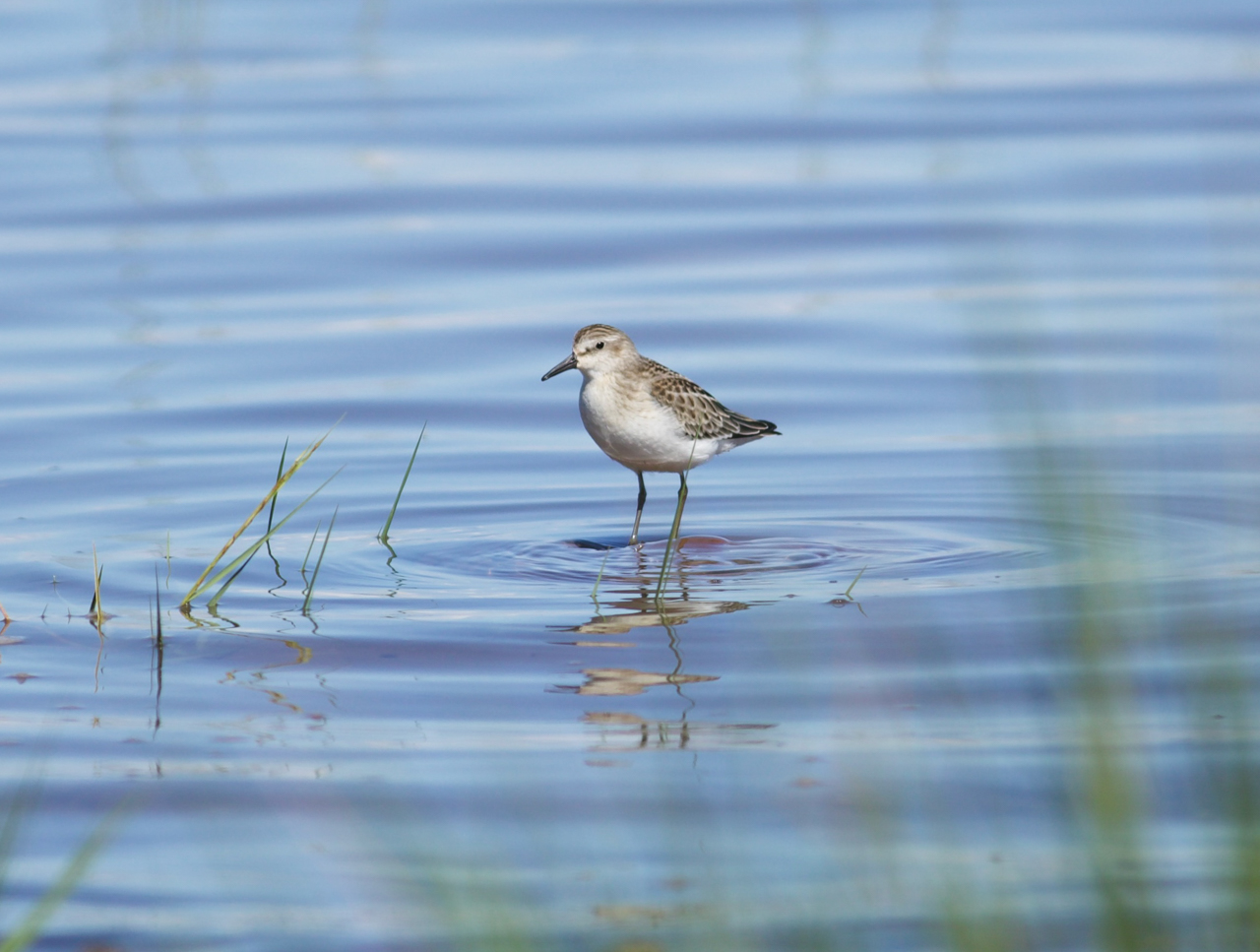
The cumulative tally of 144 species documented during the nine-day period reflects the high degree of habitat heterogeneity in southern Nova Scotia. Among the most notable findings was the observation of the Buff-breasted Sandpiper on Cape Sable Island. This arctic-breeding shorebird, which faces significant population pressure across its range, provided a rare opportunity for documentation during its southward migration to South America.

Furthermore, the group’s systematic documentation of swallow populations—including Barn, Tree, and Bank Swallows—at The Hawk on Cape Sable Island provided a snapshot of late-season migratory activity. The presence of Bank Swallows, which are listed as Threatened under Canada’s Species at Risk Act (SARA), serves as a reminder of the fragility of the ecosystems being traversed.
Conservation Implications and Institutional Context
This expedition functioned under the auspices of Birds Canada, a non-profit organization dedicated to the study and conservation of wild birds. By incorporating a philanthropic component, the tour bridged the gap between amateur ornithology and active conservation funding.
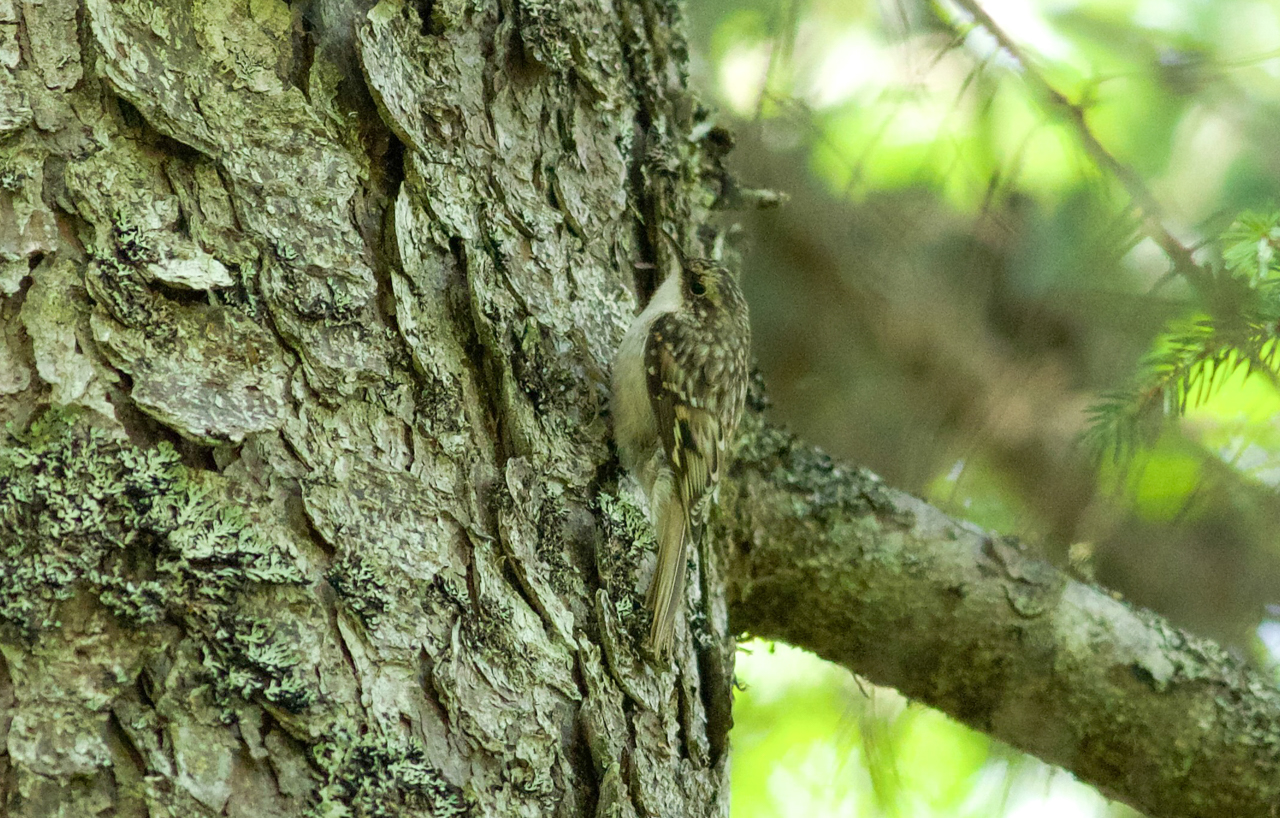
The data collected during the trip, while informal in nature, contributes to the broader understanding of migratory timing and distribution. The decline of species such as the Boreal Chickadee, noted by participants during the excursion, is a subject of active research for ecologists in the Maritimes. Habitat alteration and the warming of the Atlantic climate are increasingly cited as primary drivers of these changes. The success of this tour in encountering such species highlights the vital role of protected areas, such as provincial parks and national historic sites, in preserving the "stopover" habitat required for these species to thrive.
Socio-Economic and Cultural Integration
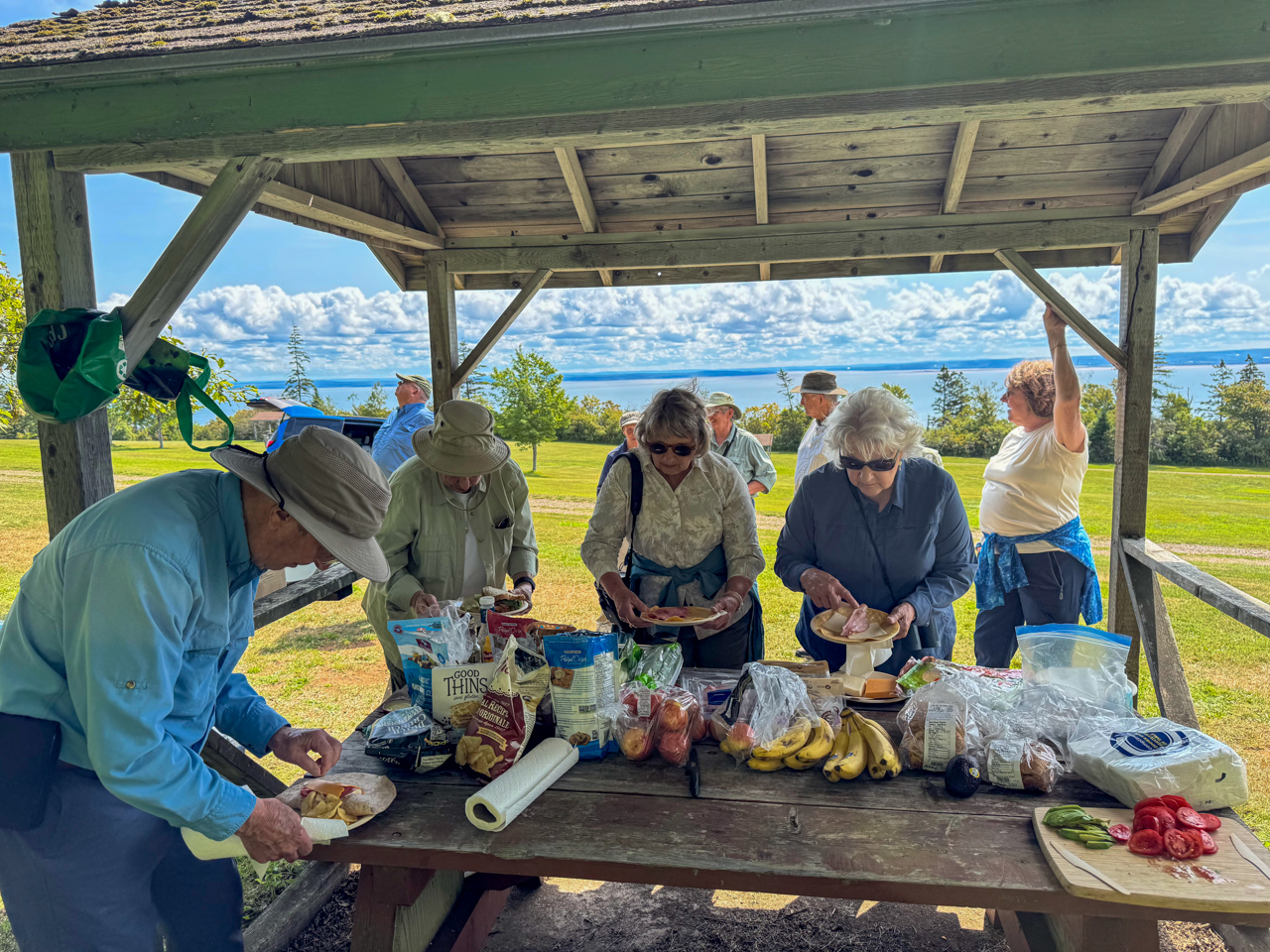
Beyond the biological findings, the expedition underscored the regional economic impact of birding tourism in rural Nova Scotia. By patronizing local establishments—such as the Wheelhouse Seafood and Pasta in Digby and Rudder’s in Yarmouth—the group directly supported local economies that are increasingly diversifying their tourism offerings to include eco-tourism.
The introduction of participants to traditional Maritime staples, such as the Acadian Rappie Pie, served to contextualize the birding experience within the broader cultural history of the region. The group’s interactions with local naturalists and the use of regional infrastructure, such as the Brier Island ferry system, emphasized the necessity of maintaining robust rural transportation networks for both residents and the growing eco-tourism sector.
Analysis of the Migration Phenomenon
The observations made during this trip provide a practical case study of the "migrant trap" phenomenon. Geography dictates that birds wandering off their primary migratory path often congregate at points where they are funneled into limited geographic areas—such as Brier Island or Chebogue Point. These locations act as "ecological magnets," where landbirds, raptors, and shorebirds rest and refuel before attempting to cross open water or navigate further south.
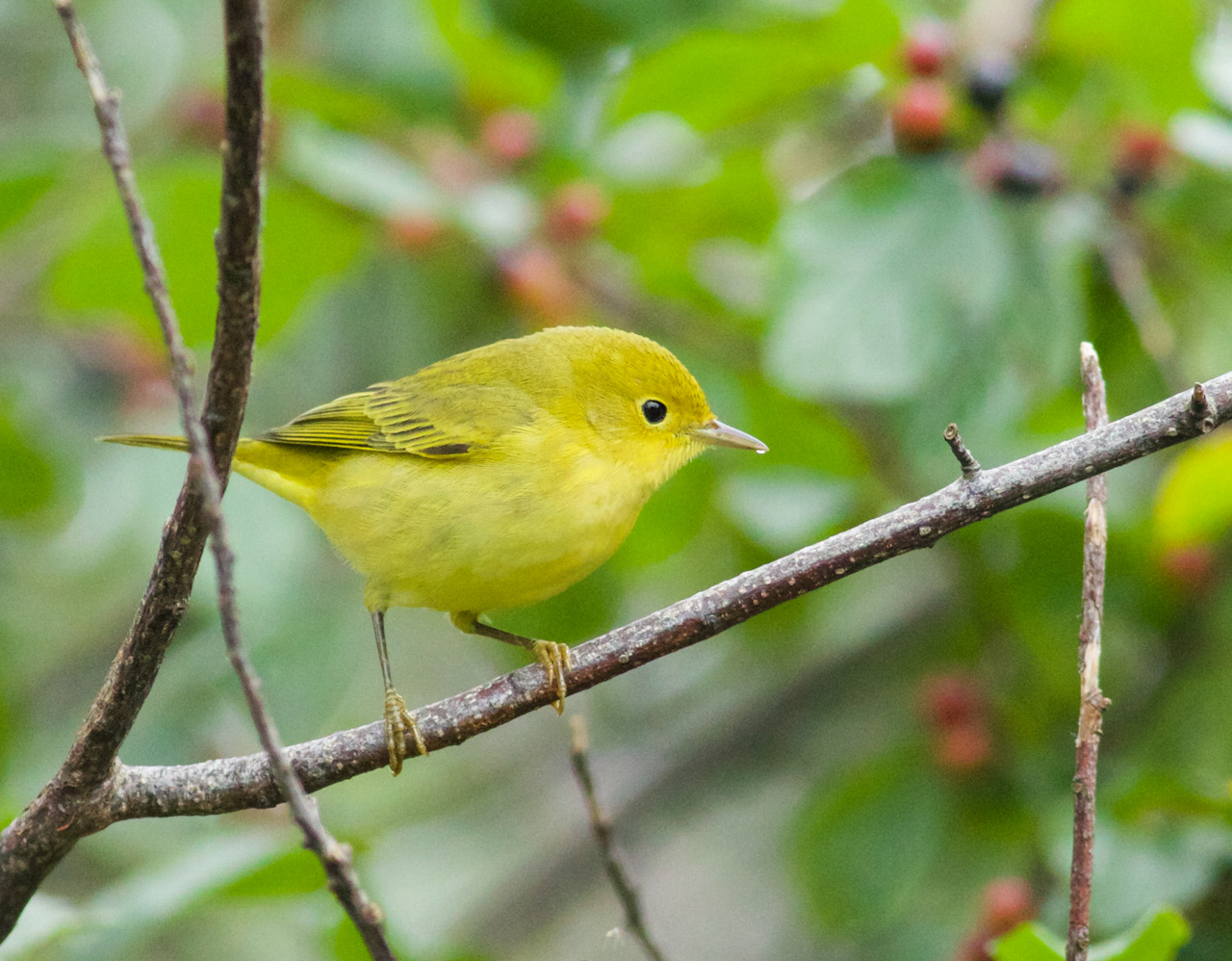
The group’s experience with heavy fog on Brier Island, while initially viewed as a challenge, actually created a "peaceful and mysterious" environment that likely contributed to the retention of birds in the area. This atmospheric condition frequently prevents birds from continuing their journey, thereby increasing the density of avian activity available for observation.
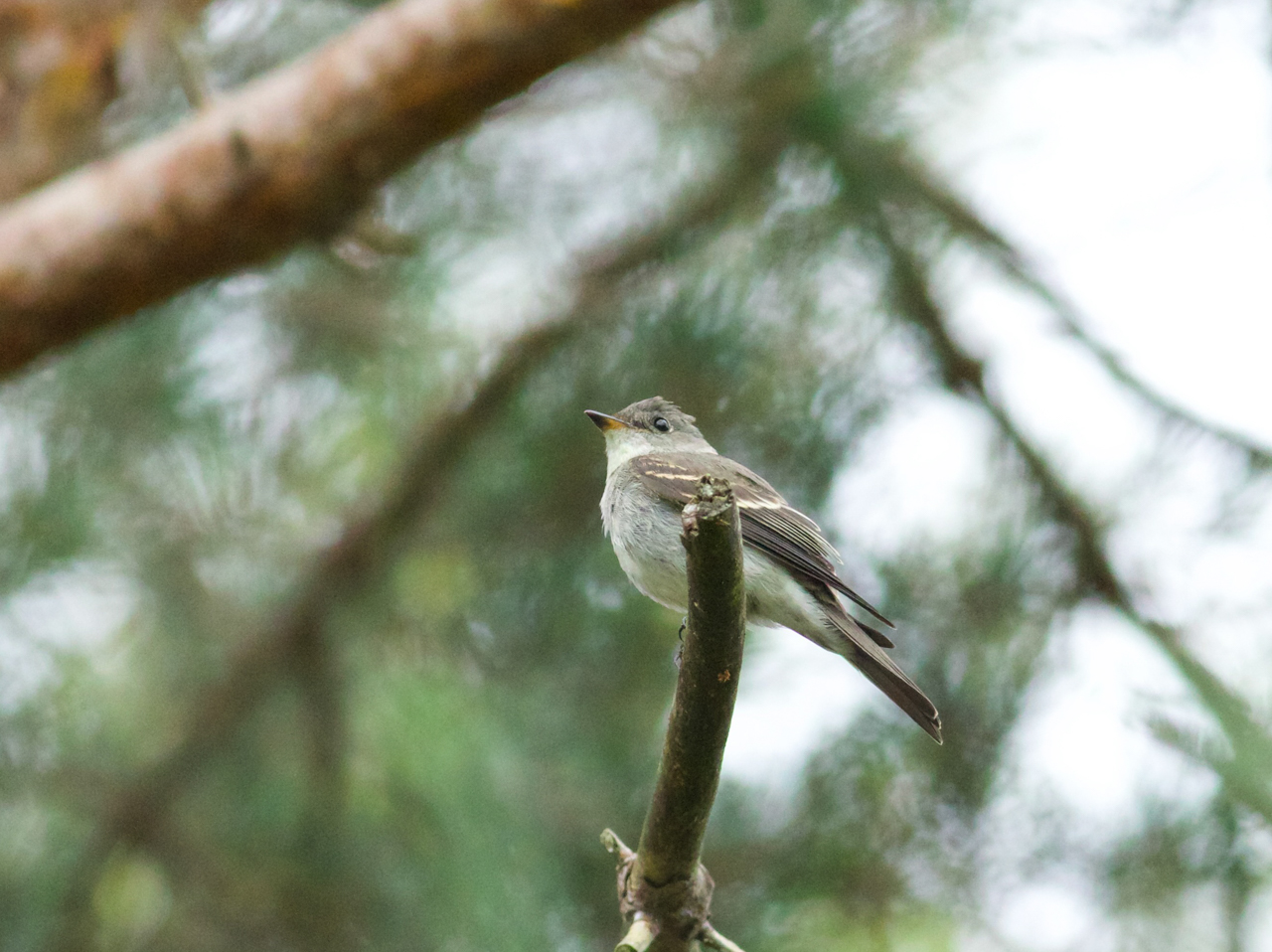
Broader Impact and Future Directions
The 144-species tally, while impressive, is secondary to the lasting impact of the expedition on the participants’ understanding of the Atlantic Flyway. By engaging with the landscape through a lens of conservation, the group gained a refined perspective on the interconnectedness of coastal ecosystems.
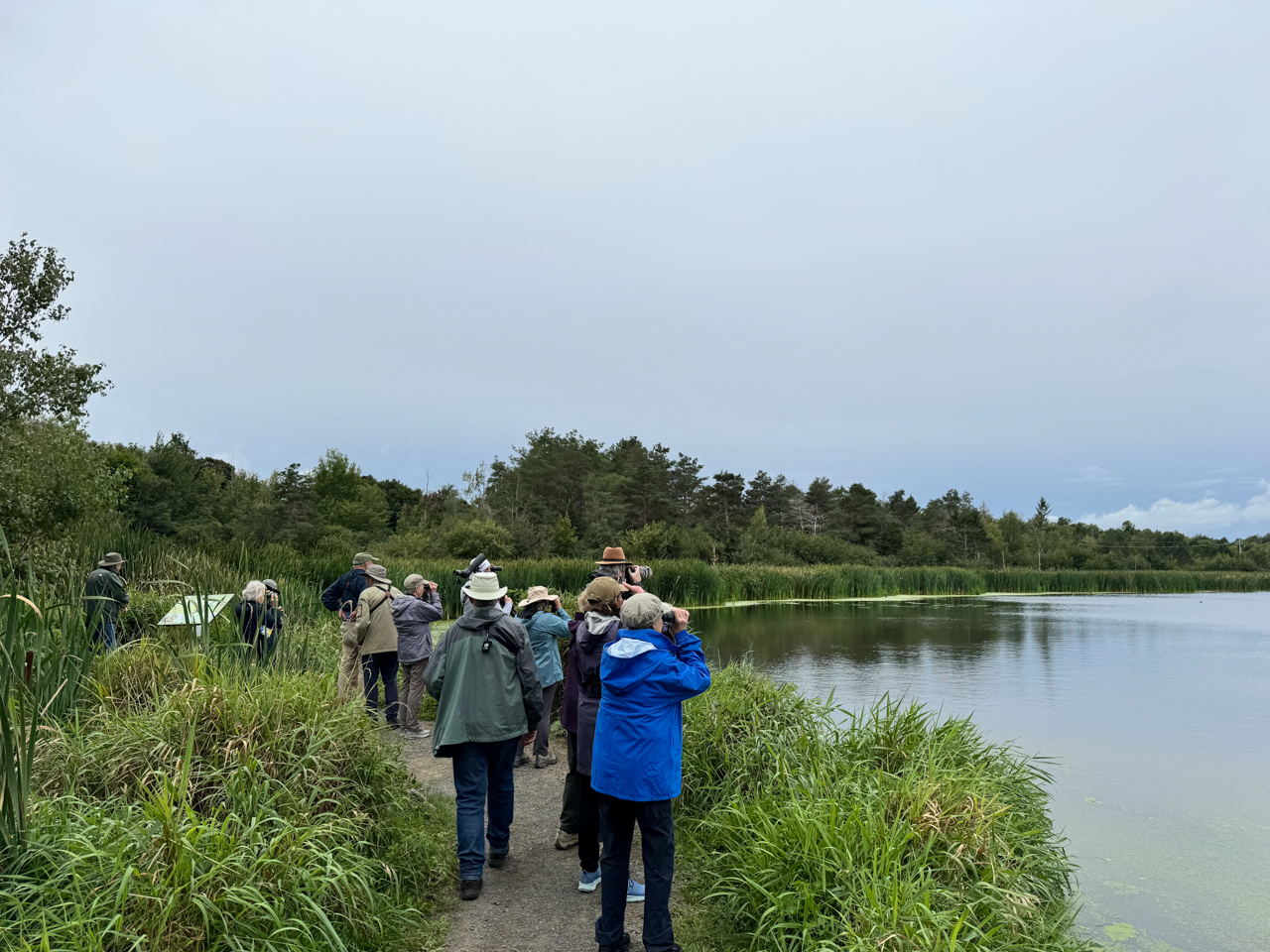
As climate change continues to alter the timing of insect emergence and vegetative growth, migratory species are forced to adjust their schedules. Expeditions of this nature provide the opportunity to observe these shifts in real-time. Moving forward, the synthesis of such data—when combined with professional avian monitoring—can help inform policy decisions regarding land use and the protection of critical coastal habitats.
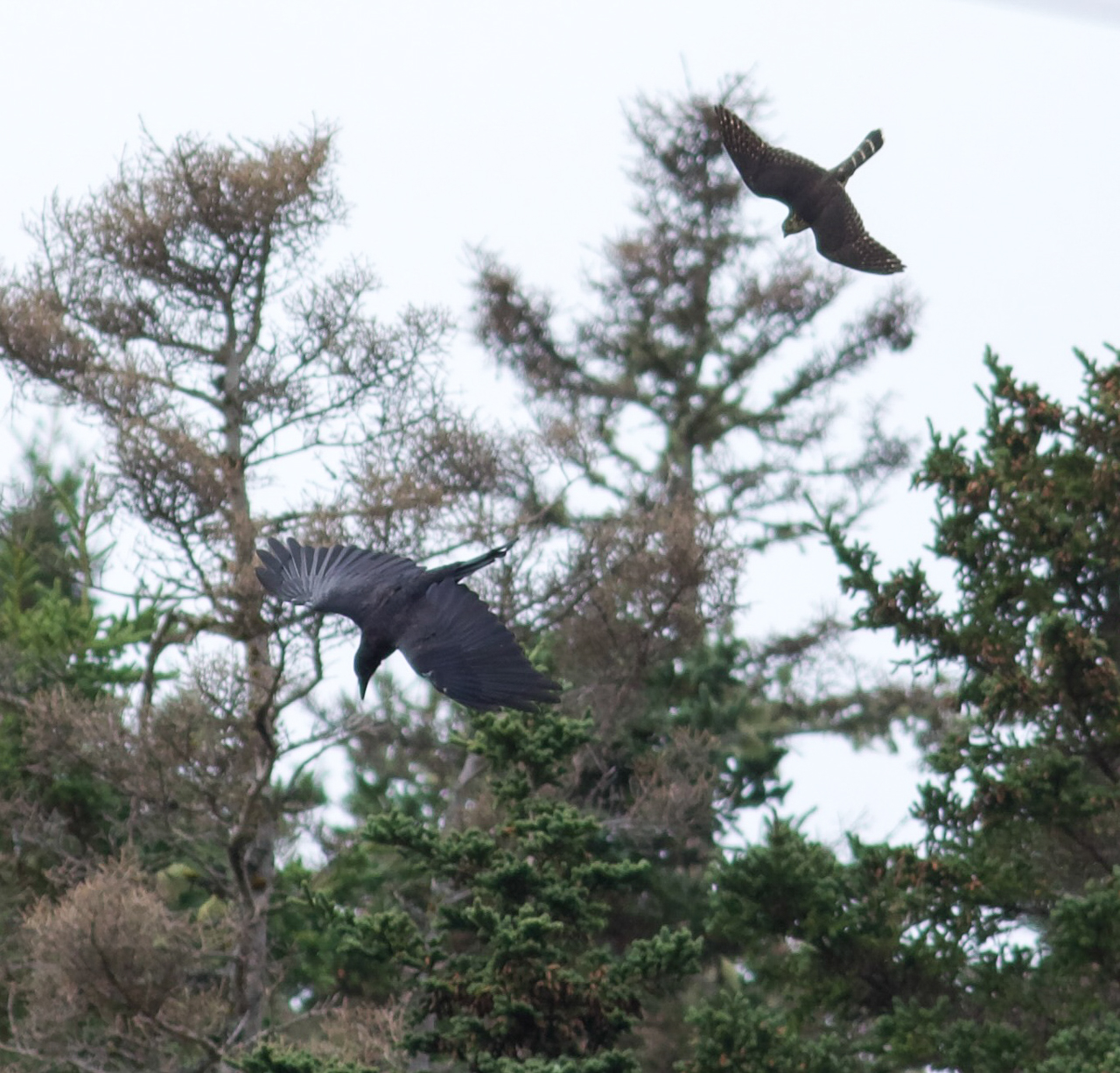
The event successfully demonstrated that a well-coordinated group of citizen scientists can contribute significantly to the public awareness of avian conservation. As the participants returned to their respective homes, the legacy of the trip remains in the form of documented sightings and the financial support provided to the Atlantic region’s conservation infrastructure. The expedition stands as a model for how specialized travel can foster environmental stewardship while simultaneously supporting the sustainability of rural coastal communities.
