
The Pacific coast of British Columbia represents one of North America’s most critical ecological corridors, serving as a vital nexus for migratory shorebirds, pelagic seabirds, and unique temperate rainforest avian species. Between August 29 and September 3, 2026, an expedition group conducted an intensive survey of the Vancouver area and Vancouver Island. This report outlines the biological observations, geographical findings, and environmental implications of the mission, which spanned from the Fraser River delta to the outer reaches of the Pacific continental shelf.
Geographical Scope and Ecological Context
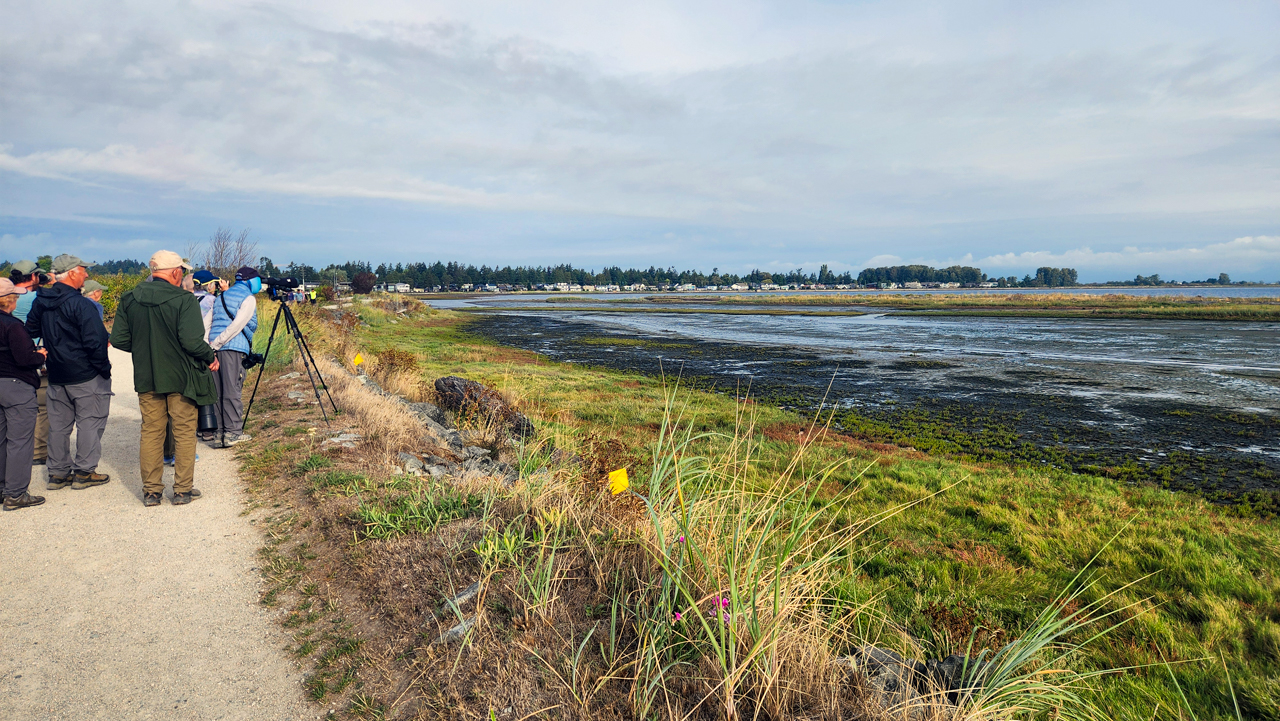
The expedition’s itinerary was strategically designed to traverse diverse ecosystems, ranging from the intertidal mudflats of Boundary Bay to the old-growth temperate rainforests of the Vancouver Island Range. The Fraser River delta, where the survey commenced, is a designated Western Hemisphere Shorebird Reserve Network (WHSRN) site of hemispheric importance. It provides essential stopover habitat for millions of birds moving along the Pacific Flyway.
The subsequent transition to Vancouver Island allowed for a comparative study of pelagic seabirds, particularly those associated with the deep-water shelf edge off the coast of Tofino. This region is characterized by significant nutrient upwelling, which supports a high density of marine life, including cetaceans and specialized avian predators.
Chronological Summary of Field Observations
August 29–30: The Fraser Delta and Ferry Transit
The survey opened on August 29 in Richmond, British Columbia, establishing a baseline for the group’s objectives. On August 30, the team conducted a site visit to Boundary Bay Regional Park. Field data collected from the tidal marshes confirmed a robust presence of migratory waterfowl, including American Wigeon, Northern Pintail, and Green-winged Teal. Notably, the presence of a Baird’s Sandpiper—a species rarely observed in eastern Canada—provided a significant data point regarding migratory variance.
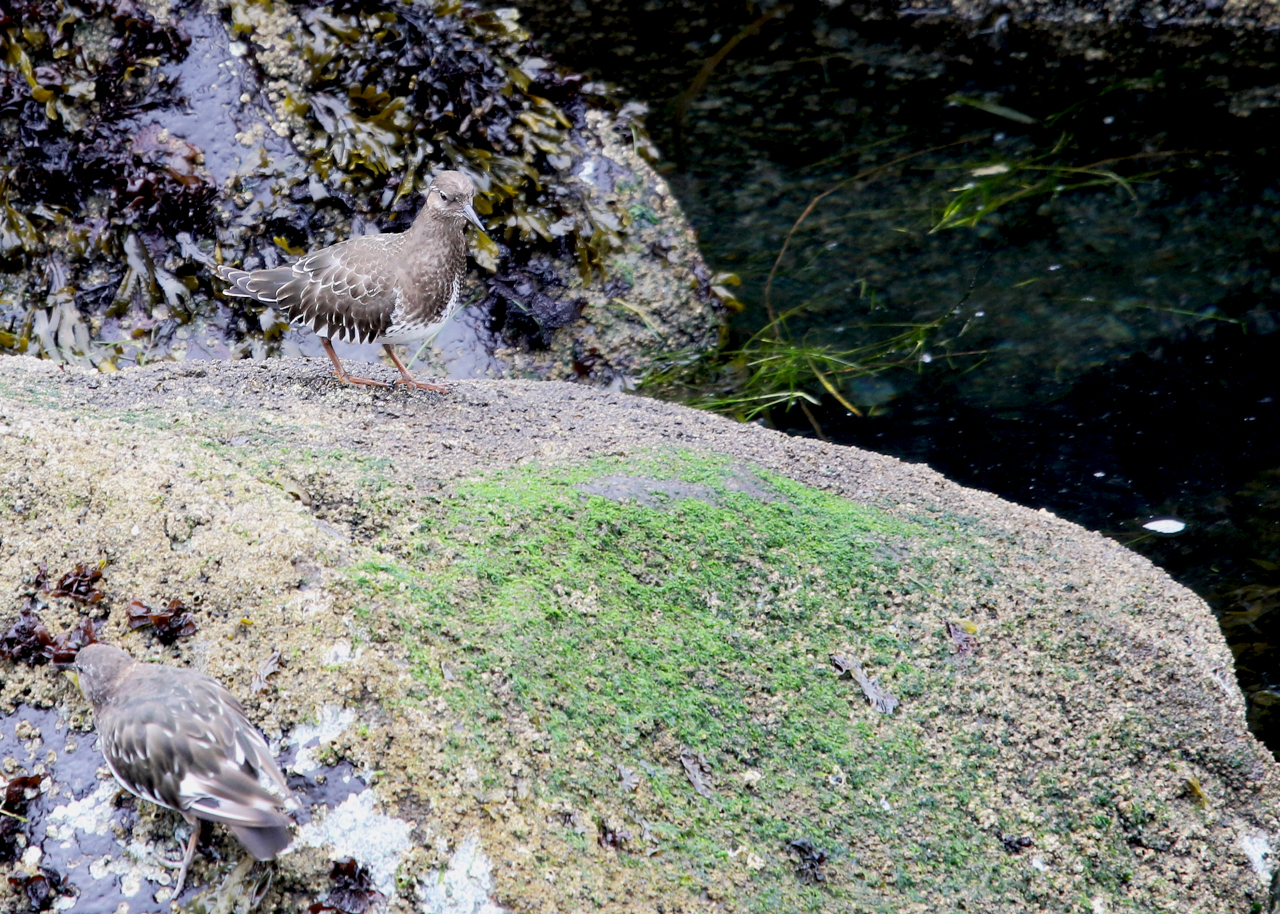
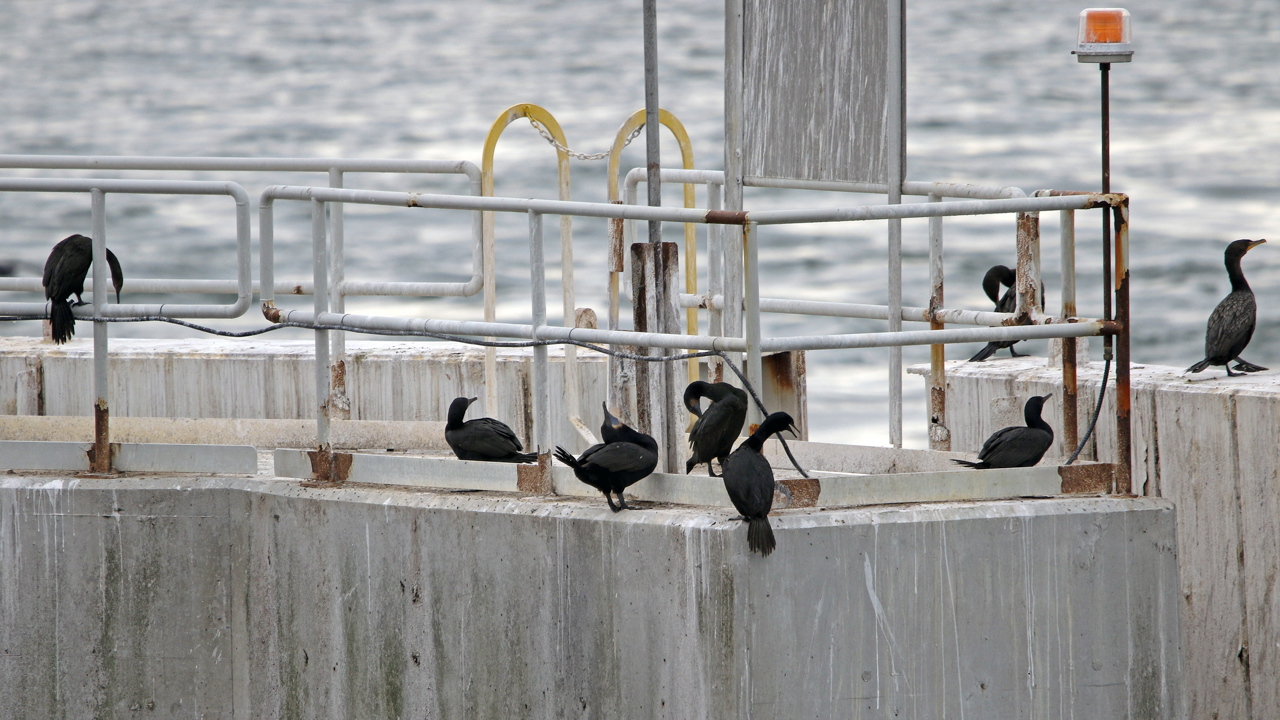
The transition to Vancouver Island via the BC Ferries route provided an opportunity for maritime observations. Along the stone jetties at the departure point, researchers documented three species of cormorants: Double-crested, Pelagic, and Brandt’s. This proximity allowed for a clear comparative analysis of these species’ distinct physical adaptations. Mid-transit observations included Humpback Whale (Megaptera novaeangliae) sightings and the identification of Black Swifts, which are often difficult to track over open water.
August 31: Pelagic Survey and Marine Biodiversity
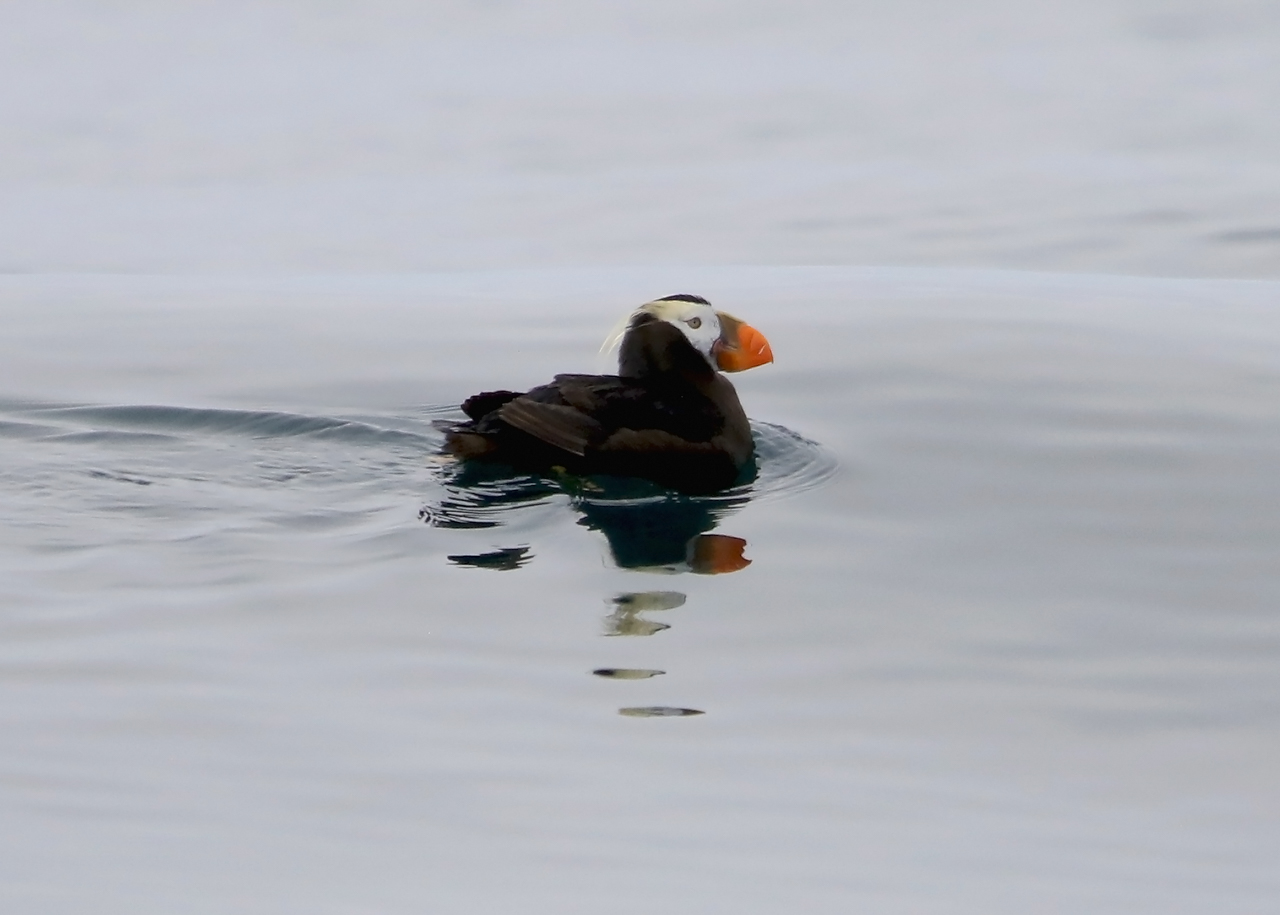
The focal point of the expedition was a specialized pelagic excursion departing from Tofino on August 31. Navigating to the edge of the continental shelf, the team encountered diverse seabird assemblages associated with nutrient-rich waters.
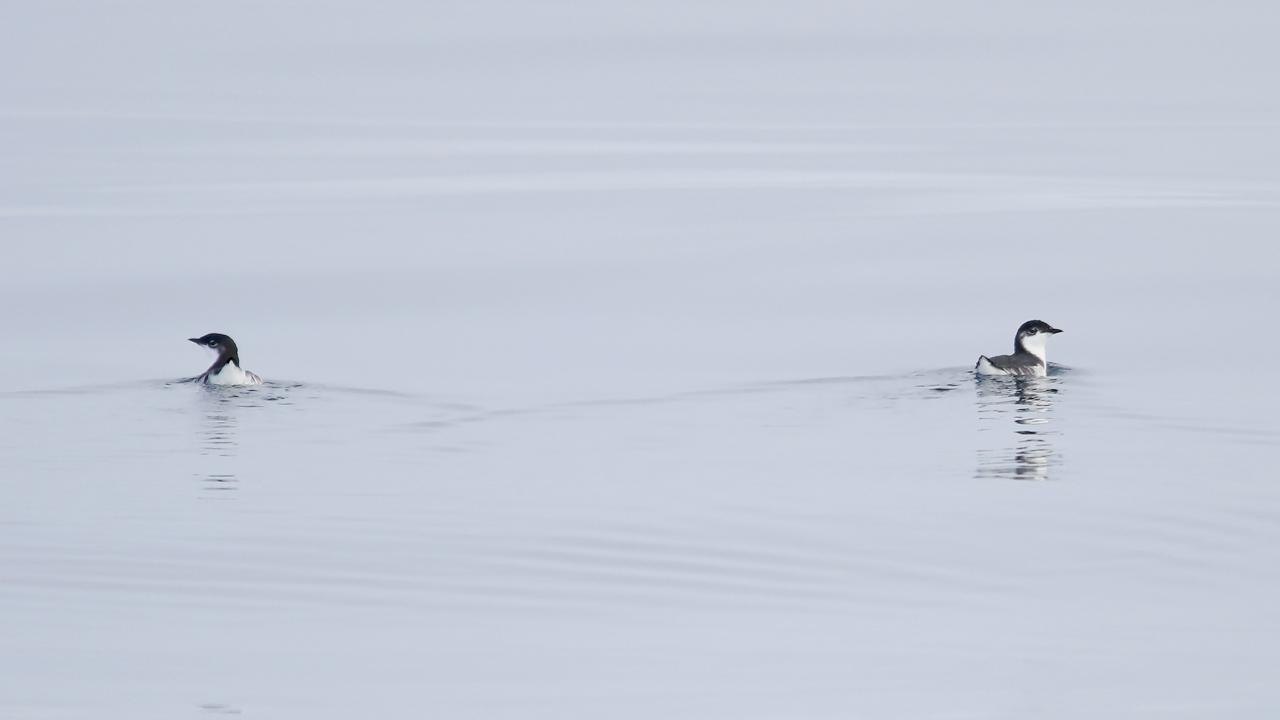
The highlight of the day was the identification of a pair of Scripps’s Murrelet (Synthliboramphus scrippsi). This finding is of high ornithological significance, as the species is infrequently recorded in Canadian waters. The diagnostic features—specifically the absence of a white collar and the presence of a white orbital patch—were verified during the observation. The presence of these birds so far north suggests potential shifts in range or, at minimum, provides a critical record for the British Columbia breeding bird atlas and regional databases.
Additional marine wildlife observations included:
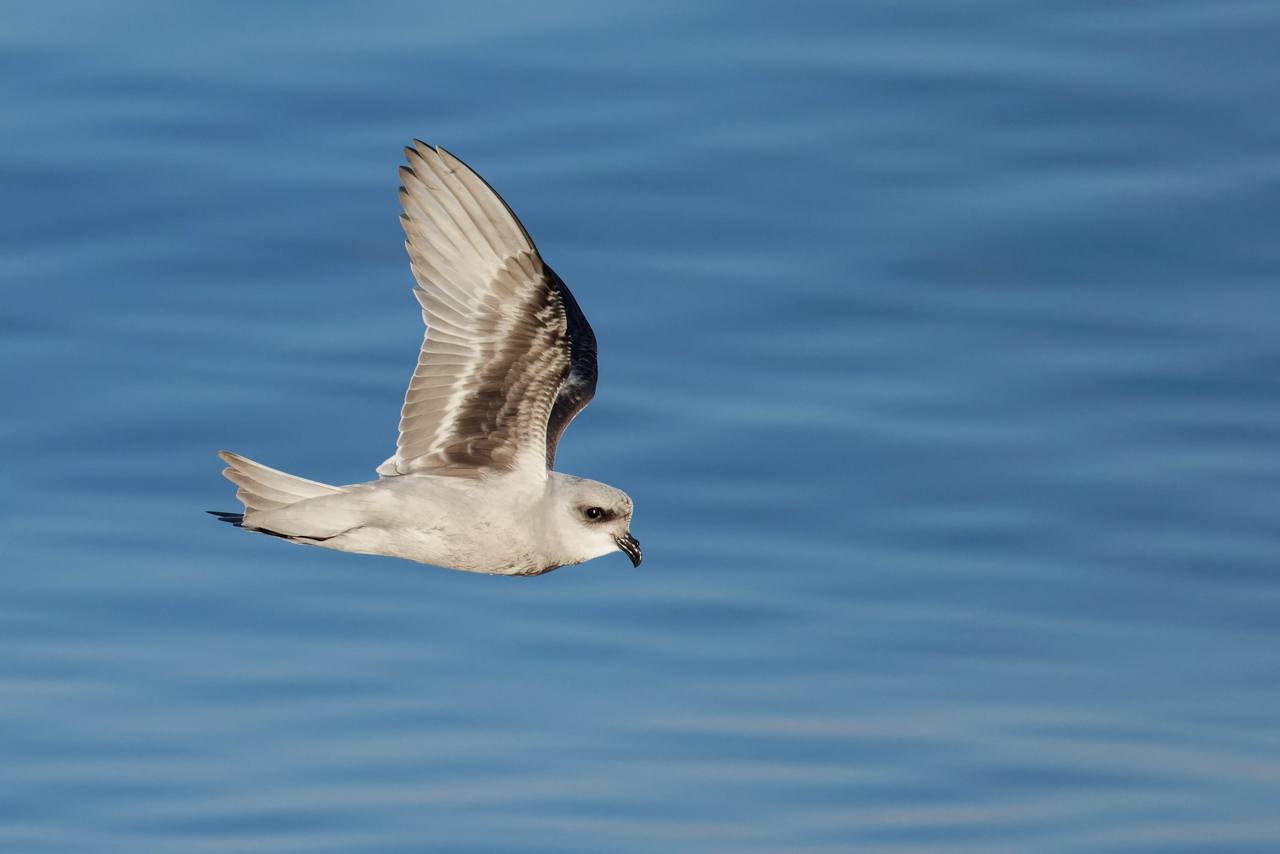
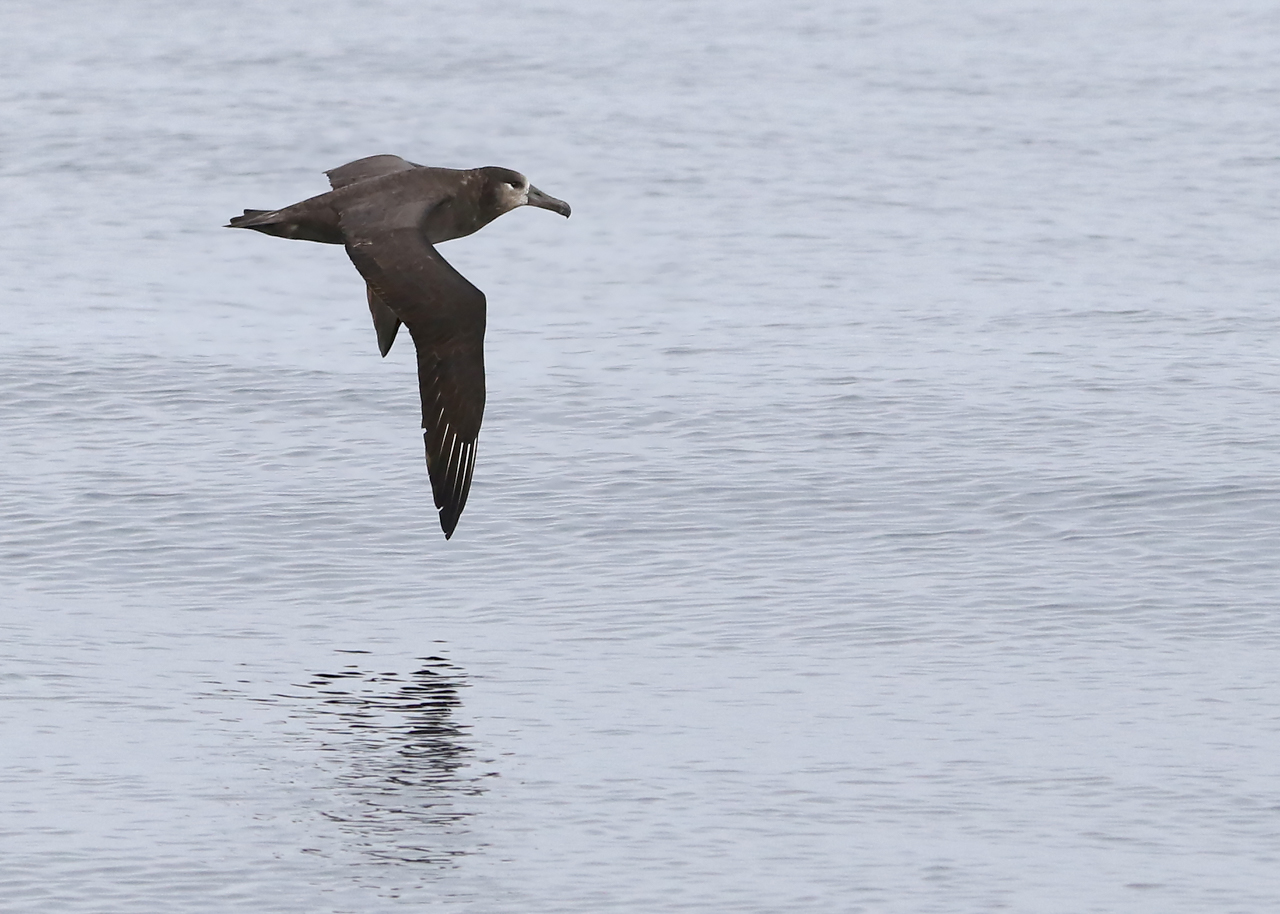
- Black-footed Albatross: Observations of these pelagic specialists highlighted their efficiency in long-distance foraging.
- Cetaceans: Multiple Humpback Whale encounters and a pod of Dall’s Porpoises provided evidence of the high marine productivity in Clayoquot Sound.
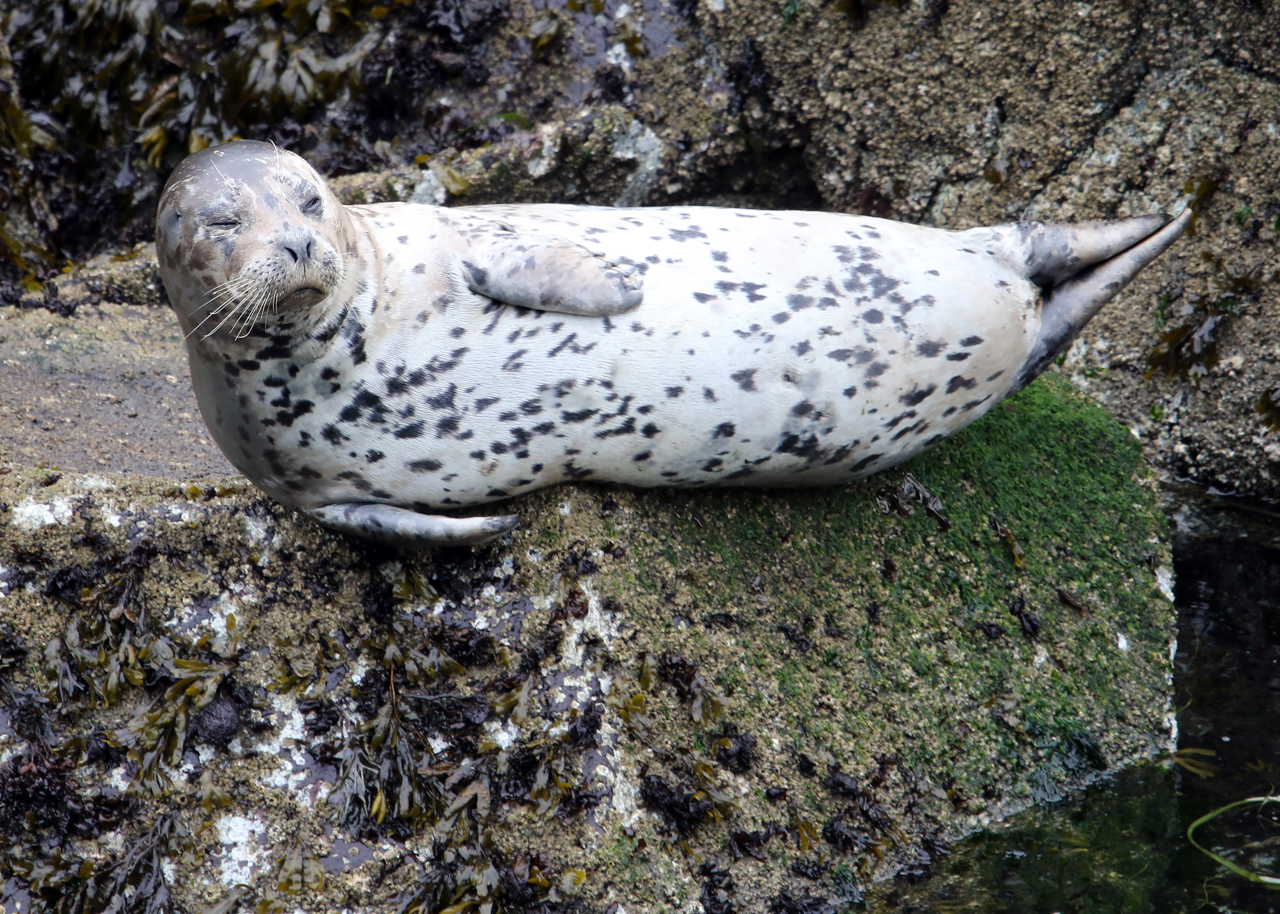
- Seals: An unexpected sighting of an Elephant Seal (Mirounga angustirostris) served as a notable deviation from the expected fauna for the area.
September 1–2: Coastal and Rainforest Surveys
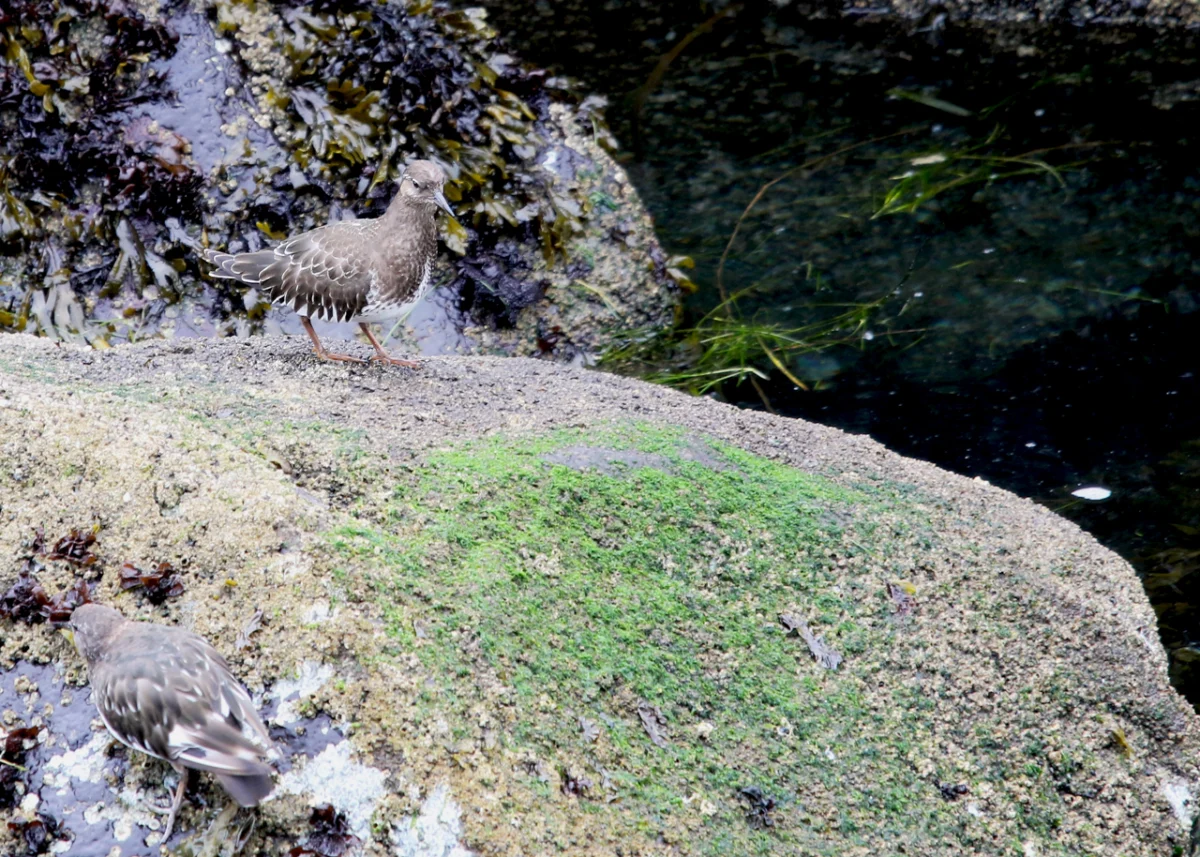
The focus shifted to the terrestrial habitats of the Ucluelet and Pacific Rim National Park regions. Surveys at the Amphitrite Lighthouse focused on rocky-shore specialists, yielding sightings of the Wandering Tattler, a species known for its elusive behavior in rocky crevices.
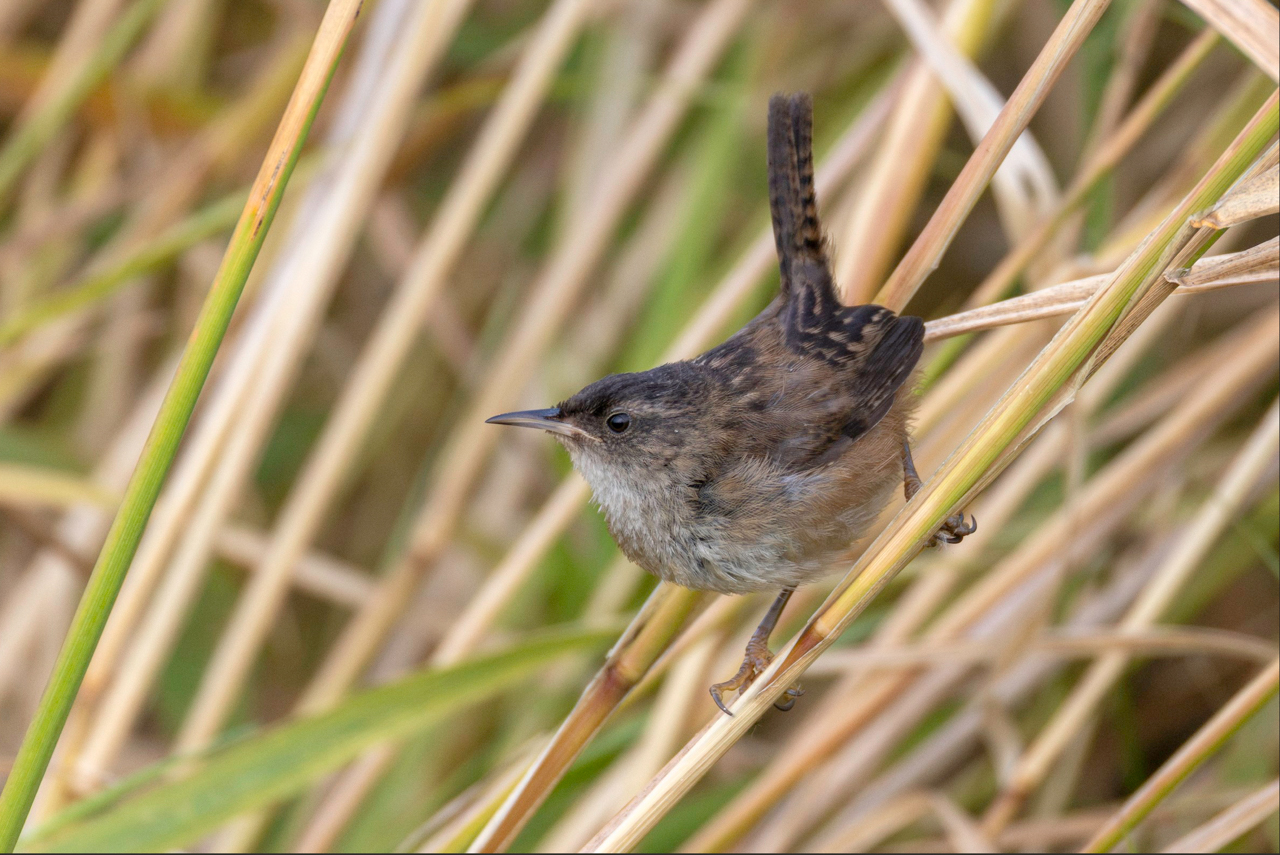
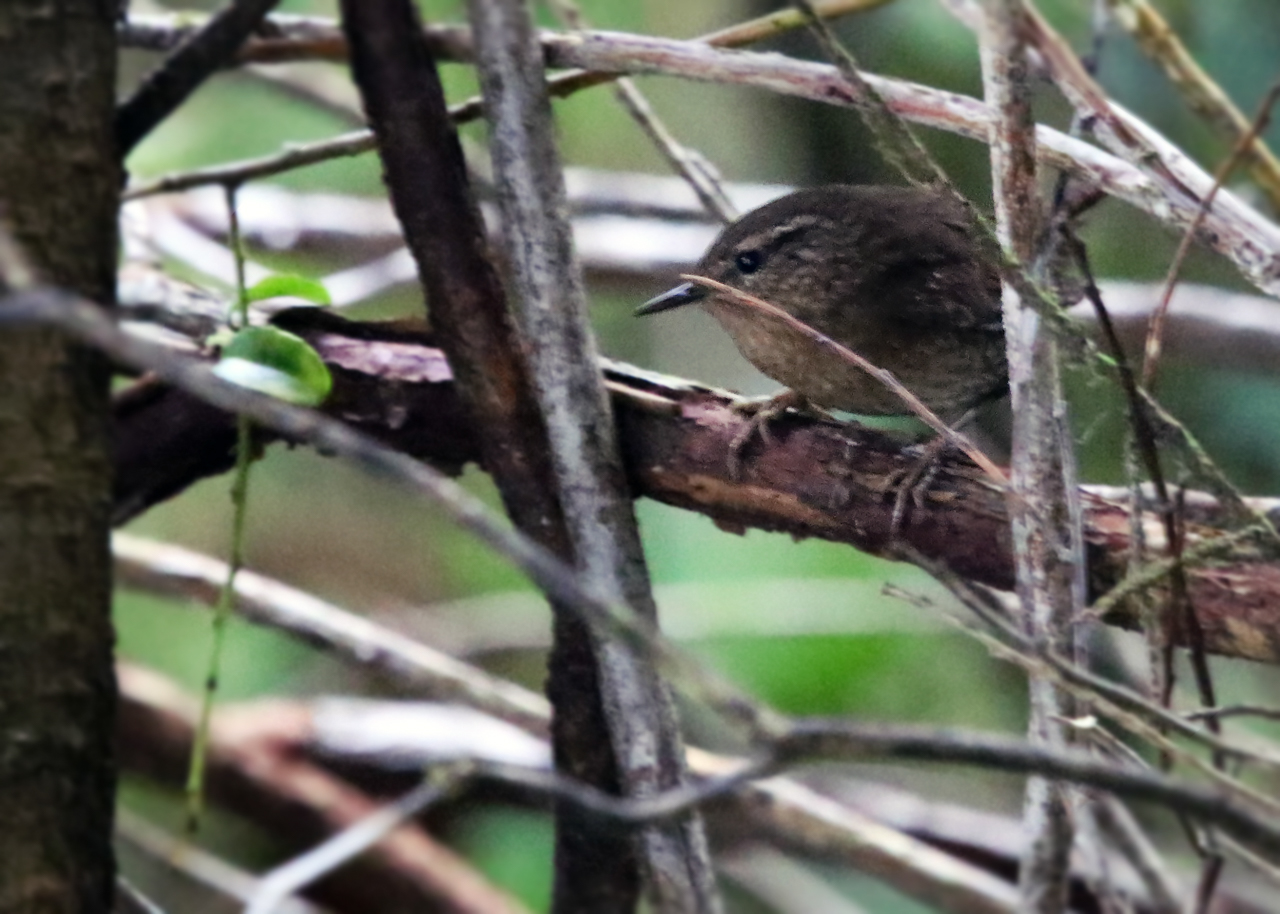
On September 2, the team visited Cathedral Grove in Macmillan Provincial Park. This site serves as a vital control for observing old-growth forest avian species. Despite the heavy rainfall, the team confirmed the presence of Pacific Wrens and Golden-crowned Kinglets. These birds are highly dependent on the complex structure of the ancient canopy, which is increasingly threatened by habitat fragmentation. The final leg of the tour involved an assessment of the Englishman’s River Estuary, where the documentation of Black-bellied Plovers and Great Yellowlegs provided further evidence of the ongoing autumn shorebird migration.
Analysis of Environmental Implications
The data collected during this five-day survey underscores the sensitivity of British Columbia’s coastal habitats to anthropogenic and climatic pressures.
- Migratory Reliability: The consistent presence of shorebirds at Boundary Bay and the Englishman’s River Estuary highlights the continued necessity of protecting intertidal mudflats from industrial development.
- Range Expansion and Climate Variability: The detection of rare pelagic species, such as the Scripps’s Murrelet, invites further research into whether these sightings represent anomalies or a northward expansion of species ranges in response to changing ocean temperatures.
- Old-Growth Preservation: Observations in Cathedral Grove reinforced the role of protected ancient forests in maintaining biodiversity for insectivorous songbirds. These stands act as "biological islands" in a landscape that has otherwise been significantly altered by forestry.
Official and Expert Perspectives
While this report serves as a summary of observations, the findings align with broader conservation goals set forth by provincial and federal environmental agencies. Experts in the field of ornithology often point to the Pacific coast as a "litmus test" for climate-driven ecological shifts.
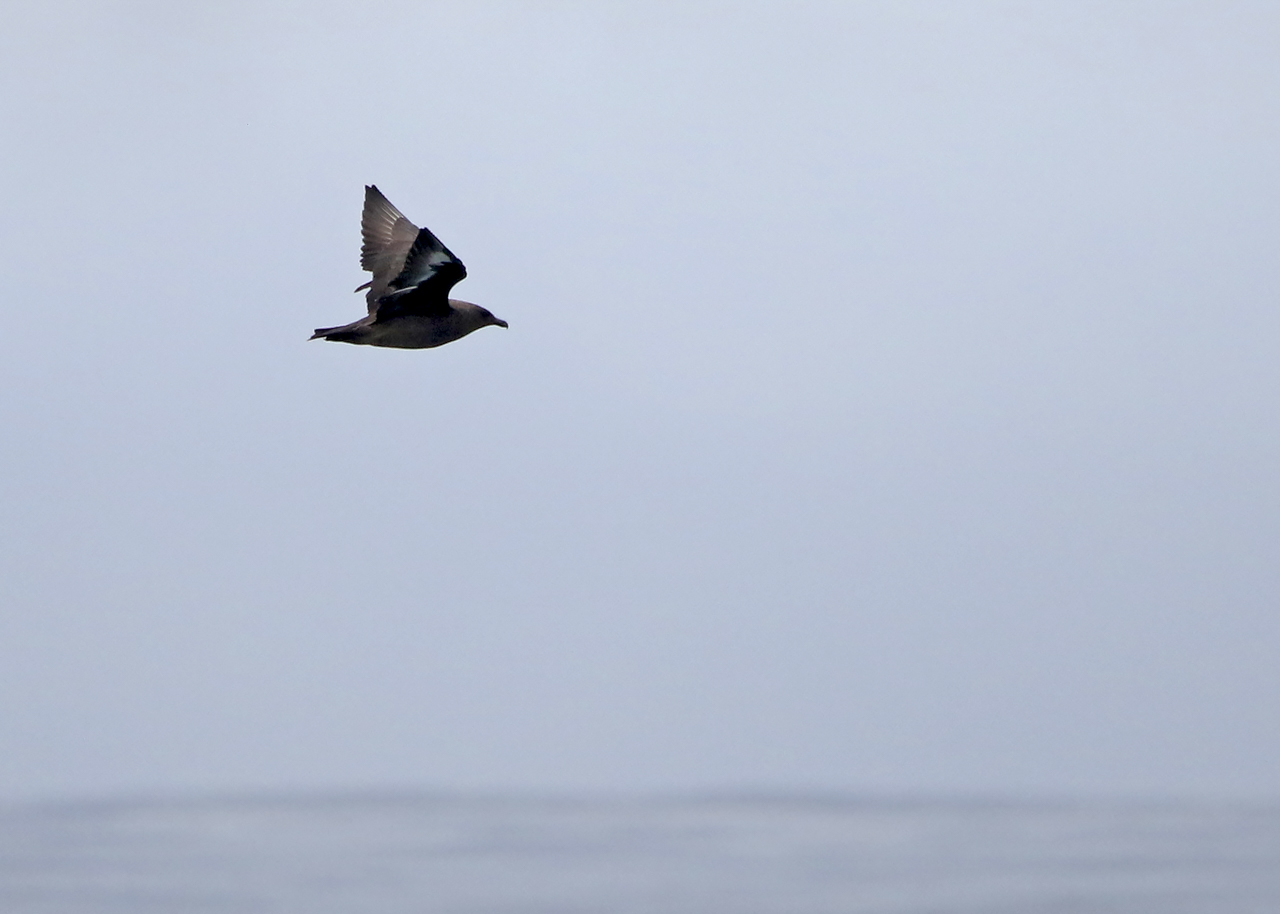
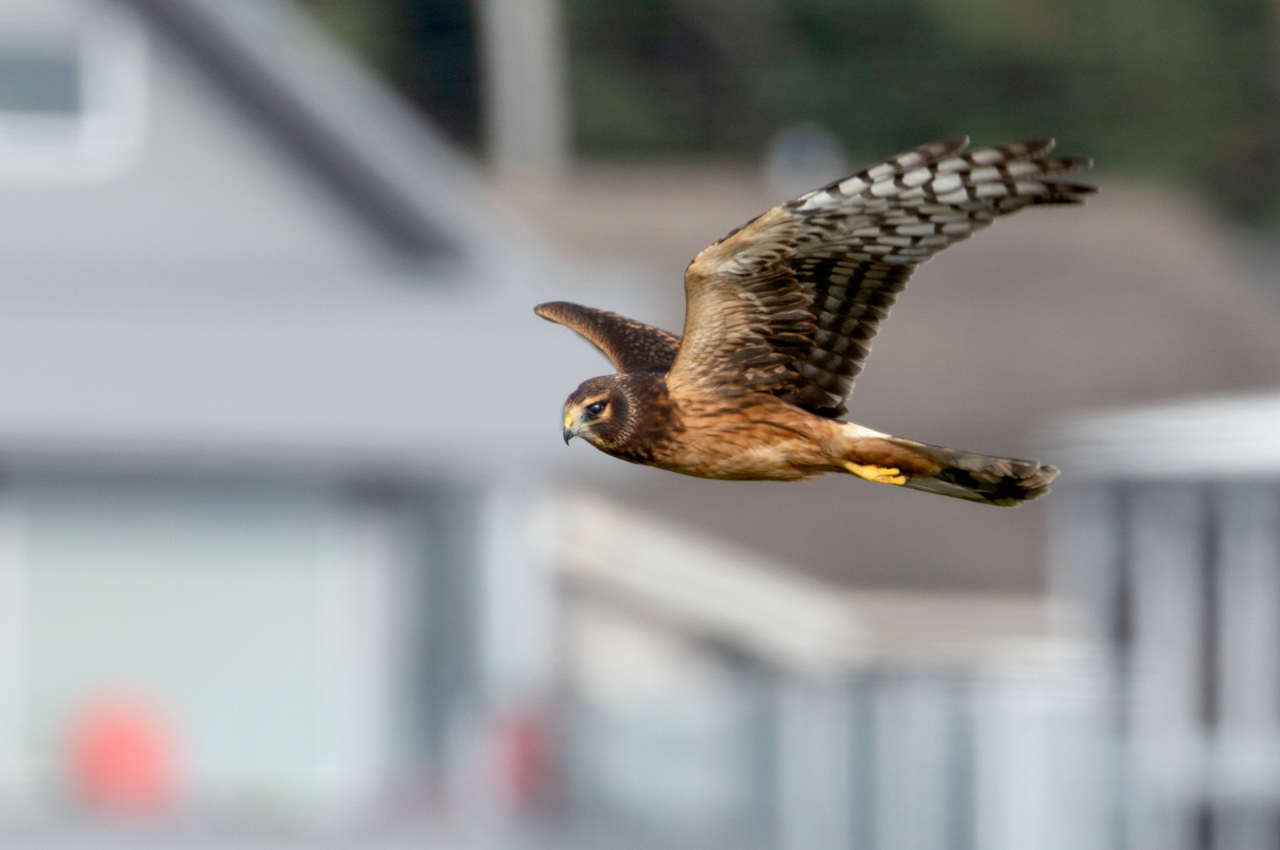
According to regional biodiversity trackers, the Pacific Flyway is currently experiencing a period of adjustment due to changing weather patterns. The "awe-inspiring" behavior of the Merlin observed on September 1, while anecdotal, reflects the high predator-prey pressure that keeps migratory flocks agile and ensures that only the most fit individuals complete the arduous journey southward.
Broader Impact and Future Outlook
The 2026 expedition concludes with a clear consensus: the coastal regions of British Columbia remain a cornerstone of North American avian health. However, the reliance of these species on specific, highly localized stopover points makes them disproportionately vulnerable to localized environmental degradation.
The successful documentation of rare species and the cataloging of standard migratory patterns provide valuable baseline data for future climate impact studies. As human development continues to press against the boundaries of protected areas like Pacific Rim National Park, the need for continued surveillance and rigorous enforcement of conservation policies becomes increasingly acute.
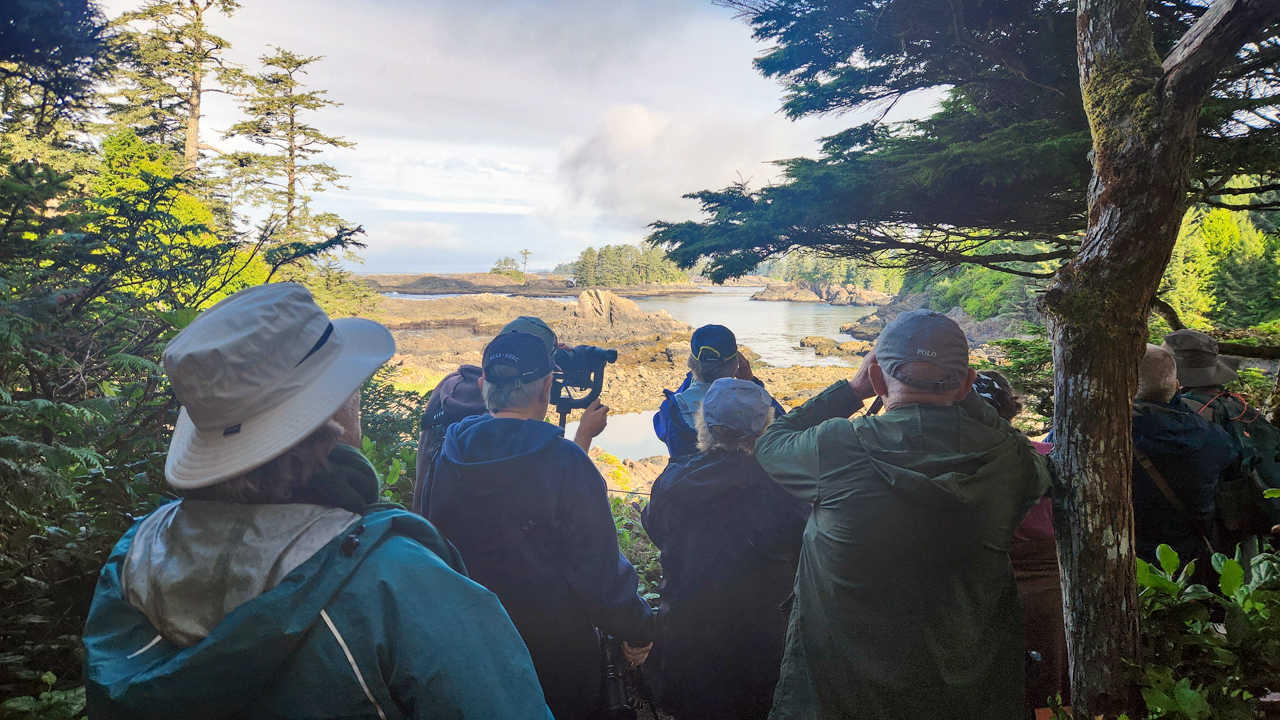
The mission participants, representing a cross-section of interested stakeholders and researchers, noted that the memories and data gathered during this period emphasize the fragility of the marine-terrestrial interface. Whether through the lens of a camera or the objective gaze of a scientific survey, the documentation of these species serves as a vital reminder of the interconnectedness of our global ecosystem. As the group dispersed on September 3, the legacy of their findings remained, contributing to a growing body of knowledge that will inform conservation efforts for the remainder of the decade.
This comprehensive survey has successfully mapped the presence of diverse avian life across a significant stretch of the Pacific coast, providing a snapshot of biological reality in late summer 2026. The findings will be integrated into regional records to assist in the long-term monitoring of species movement, population health, and the ecological integrity of British Columbia’s most significant natural corridors.
