

Southeast Arizona stands as a globally recognized bastion for avian biodiversity, serving as a unique biological crossroads where the ecosystems of the Rocky Mountains, the Sierra Madre of Mexico, and the Sonoran and Chihuahuan deserts converge. A recent multi-day expedition across this region showcased the extraordinary ecological stratification that defines the area, providing participants with an opportunity to document a high volume of specialty species within a compressed geographical footprint. The tour, which utilized Tucson as a central staging ground, systematically navigated the dramatic altitudinal gradients of the region’s "Sky Islands"—isolated mountain ranges that host distinct habitats ranging from arid desert scrub to lush coniferous forests.
Chronology of the Expedition: From Lowlands to Highlands
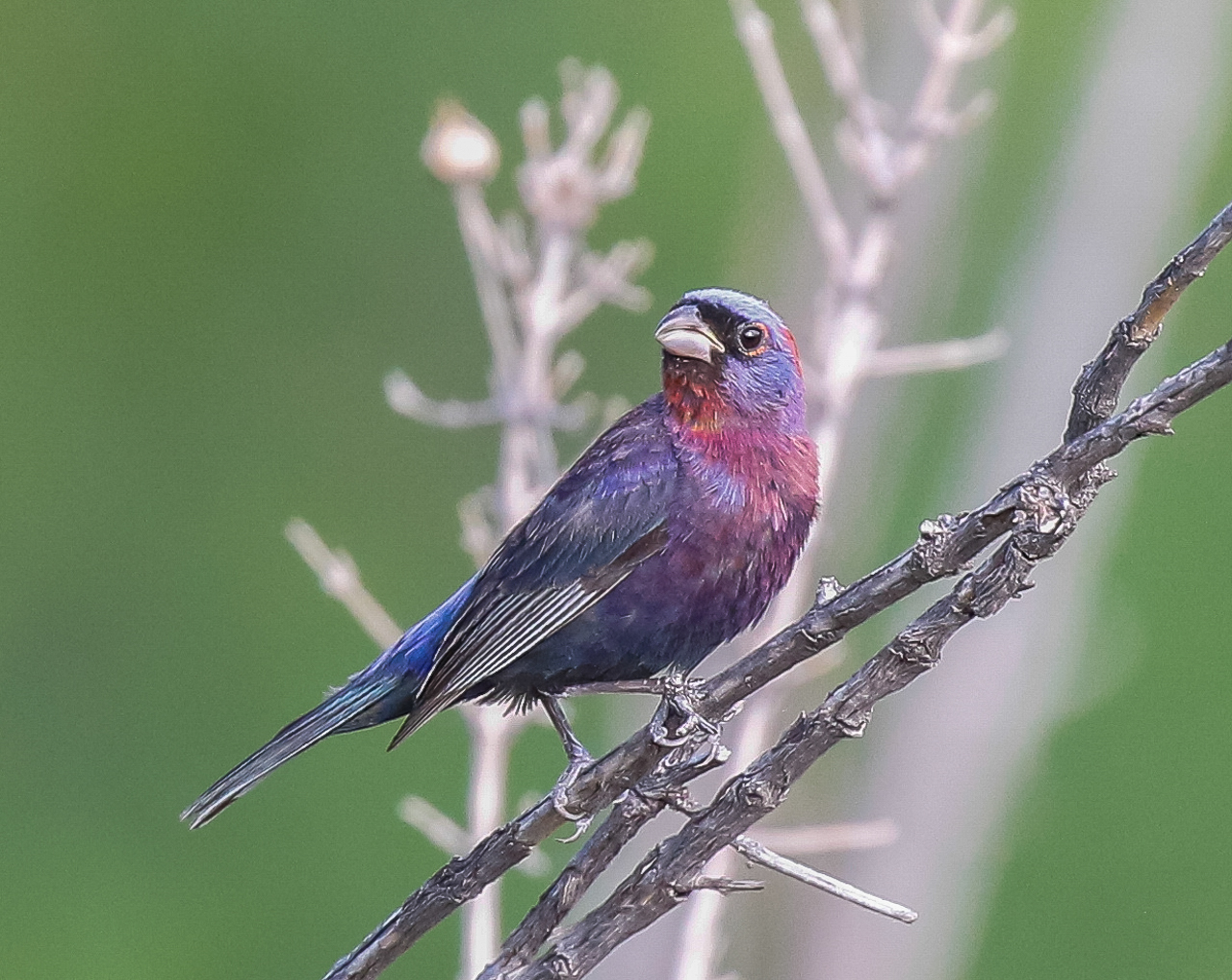
The expedition began in the vicinity of Tucson, where the immediate focus was the arid scrublands characteristic of the Sonoran Desert. Early observations were marked by the presence of the Greater Roadrunner and various hummingbird species, which are foundational to the region’s ornithological appeal. As the group transitioned into the Santa Catalina Mountains, the journey demonstrated the profound impact of elevation on species distribution. Within a single morning, the transition from desert floor to the oak and juniper woodlands of Mount Lemmon resulted in a marked shift in avian composition. Species such as the Black-throated Sparrow and Verdin were rapidly replaced by high-altitude specialists including the Acorn Woodpecker, Mexican Jay, Spotted Towhee, and Black-throated Gray Warbler.

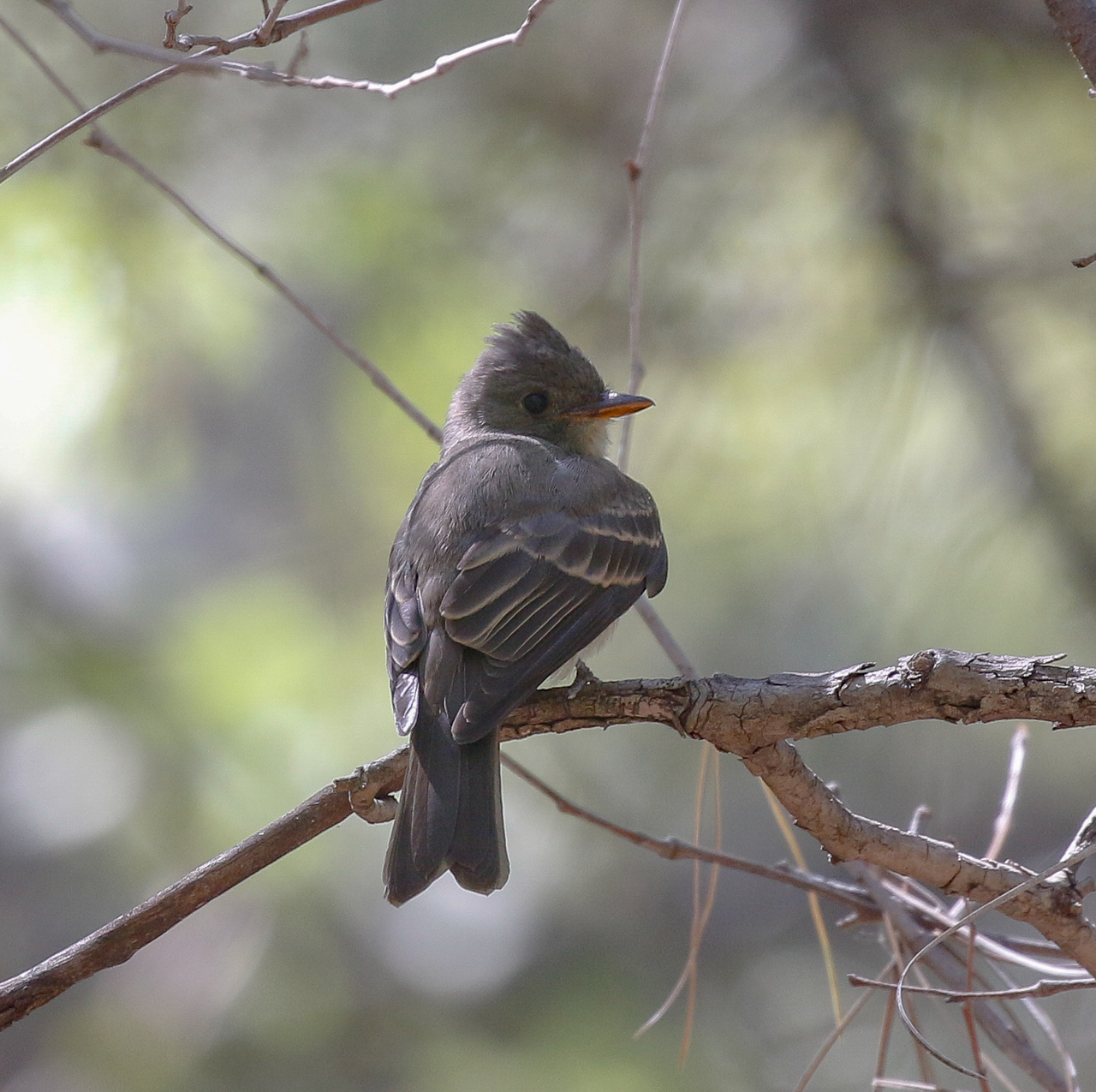
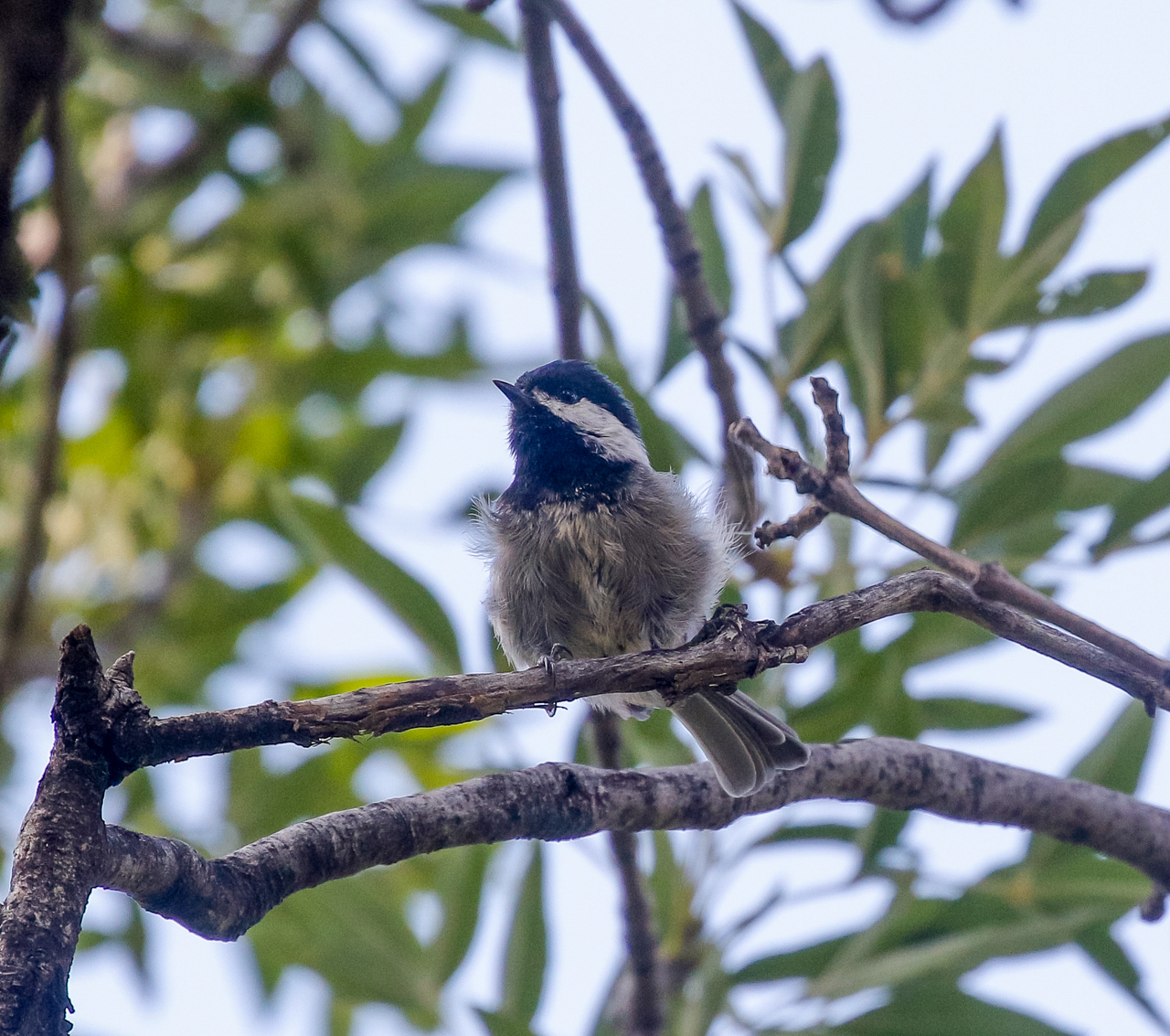
As the itinerary pushed toward higher elevations, exceeding the 8,000-foot threshold, the environment shifted to Ponderosa pine forests. This transition zone provided sightings of the Greater Pewee, Hutton’s Vireo, Yellow-eyed Junco, and the agile Mountain Chickadee. The presence of the White-throated Swift, often seen navigating the thermal updrafts near rocky escarpments, served as a reminder of the rugged topography that characterizes the region.

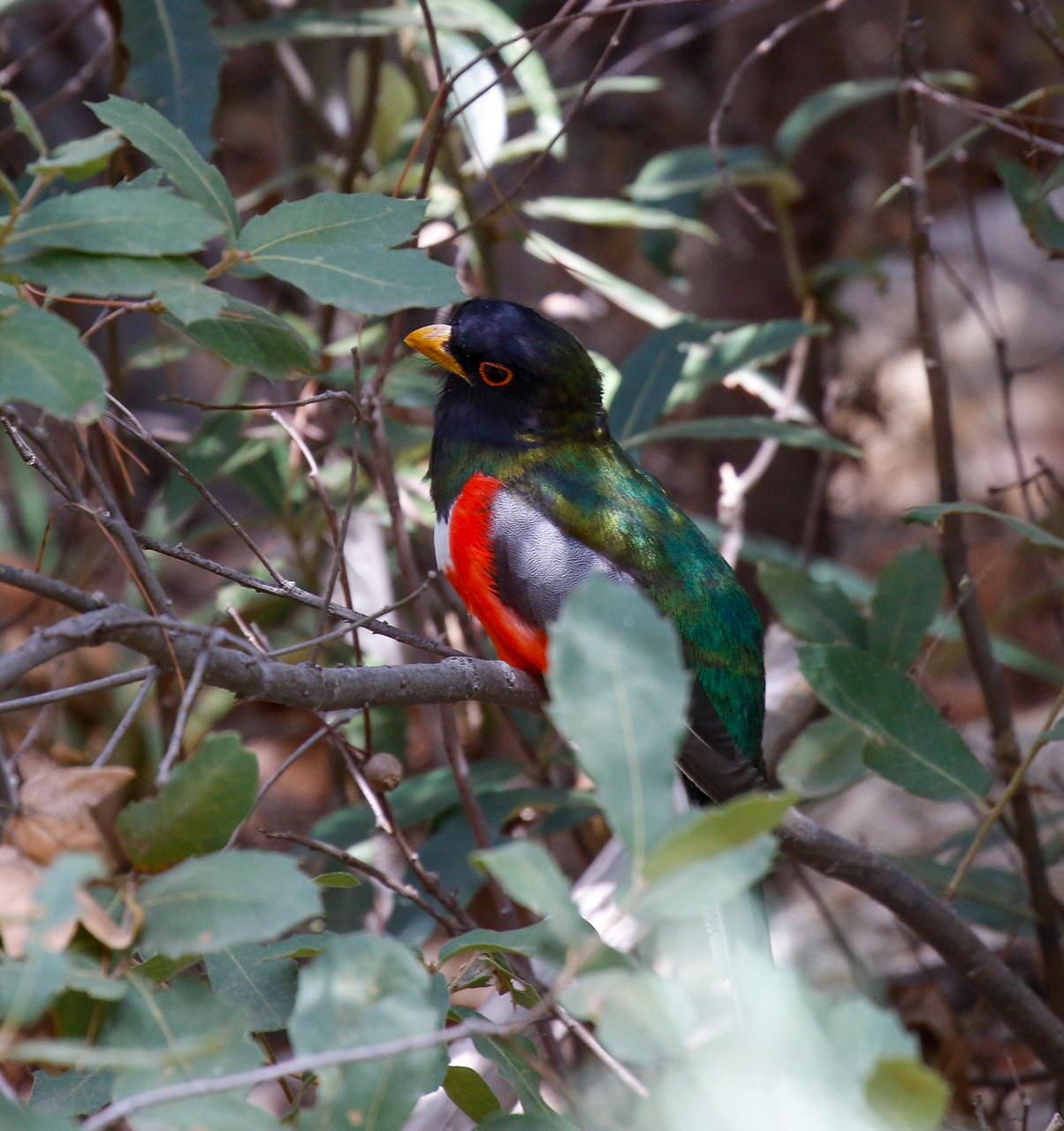
The second phase of the tour moved toward the Chiricahua Mountains, with a tactical stop at the Willcox wetlands. This site proved critical for documenting migratory and resident waterbirds, including the Black-necked Stilt, American Avocet, Wilson’s Phalarope, and Baird’s Sandpiper. Upon reaching the Portal area in the Chiricahuas, the expedition pivoted toward the elusive species of the Sierra Madrean influence. The successful documentation of the Coppery-tailed Trogon, identified through its distinctive vocalizations, underscored the importance of the Chiricahuas as a northern limit for many Mexican species.
Regional Biodiversity and Habitat Analysis
Southeast Arizona is home to the Madrean Sky Island Archipelago, a collection of roughly 40 mountain ranges that rise dramatically from the desert floor. This geographic configuration acts as a series of biological islands, creating a high level of endemism and a concentration of species that are otherwise rare within the United States.
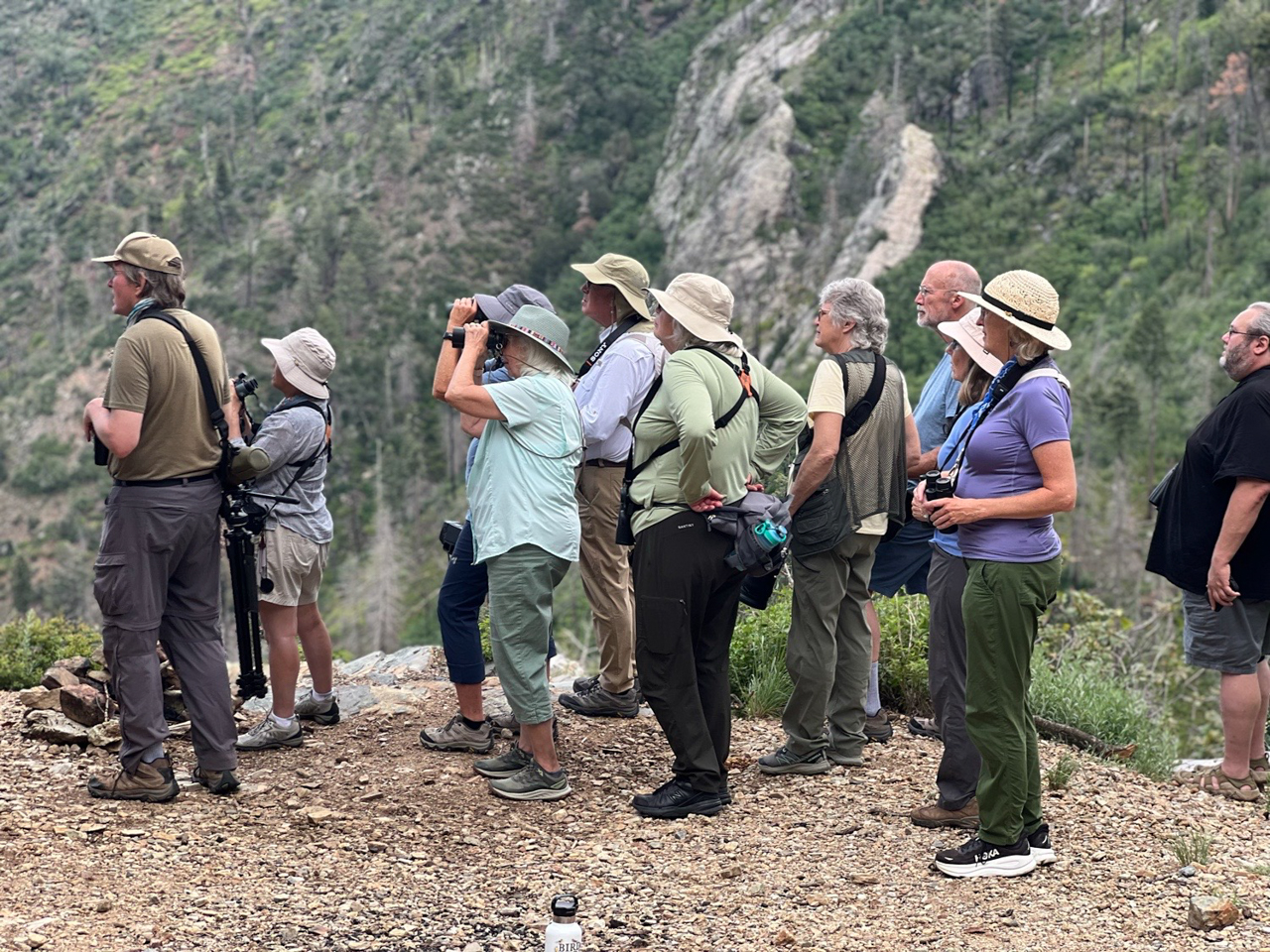
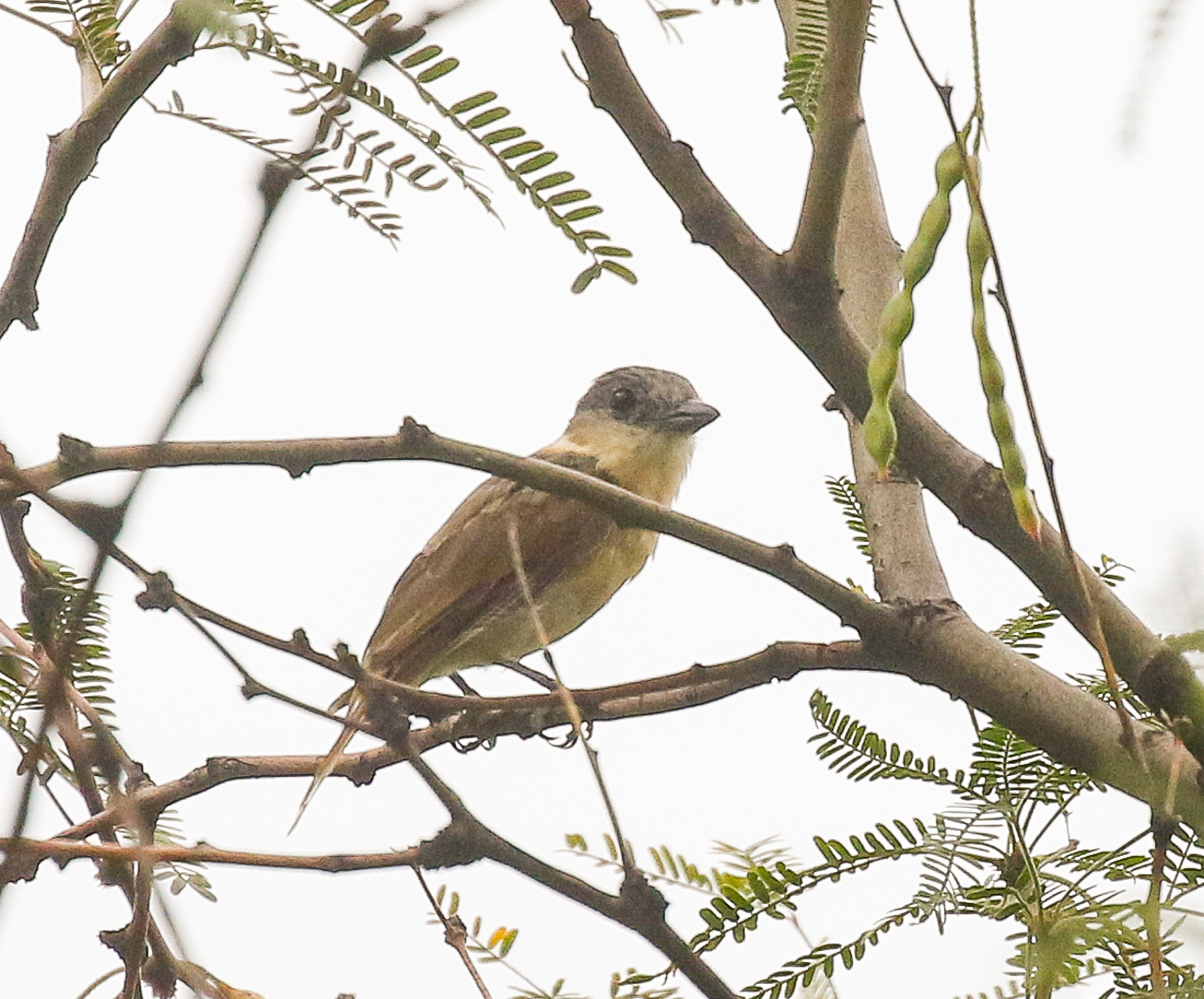
During the exploration of the Huachuca Mountains and the surrounding canyons, such as Miller Canyon, the team noted the presence of the Flame-colored Tanager. The identification of such species is often the result of long-term monitoring and "staking out" specific territories, a practice that highlights the collaborative nature of birding in this region. The reliance on local infrastructure, such as the Paton Center for Hummingbirds in Patagonia, is a testament to the region’s commitment to habitat preservation. These centers provide vital resources—both for the birds and for the researchers and enthusiasts who visit them—facilitating sightings of species like the Violet-crowned Hummingbird and the Thick-billed Kingbird.
Data collected throughout the tour indicated an unusually high density of Mexican Chickadees, suggesting a robust breeding season or favorable environmental conditions in the high-elevation forests. Additionally, the incidental observation of a pair of Montezuma Quail—a species known for its cryptic behavior and camouflage—highlighted the unpredictable nature of avian field research in the region.
The Significance of the Sky Island Ecosystem
The ecological health of the Sky Islands is currently a subject of interest among conservationists. Because these ranges are separated by vast, inhospitable desert basins, the species that inhabit them are effectively "trapped" on their respective mountain peaks. This makes them particularly sensitive to climate change, as rising temperatures and shifting precipitation patterns can compress their viable habitat, forcing species to higher elevations until they eventually run out of space.
The recent sightings of the Gilded Flicker in the saguaro-dominated Sonoran landscapes serve as a poignant reminder of this vulnerability. The Gilded Flicker is highly restricted to these specific cactus forests; any alteration in the density of saguaros—often caused by invasive grass species fueling more intense wildfires—directly threatens the viability of this population.

Nightbird Observations and Nocturnal Surveys
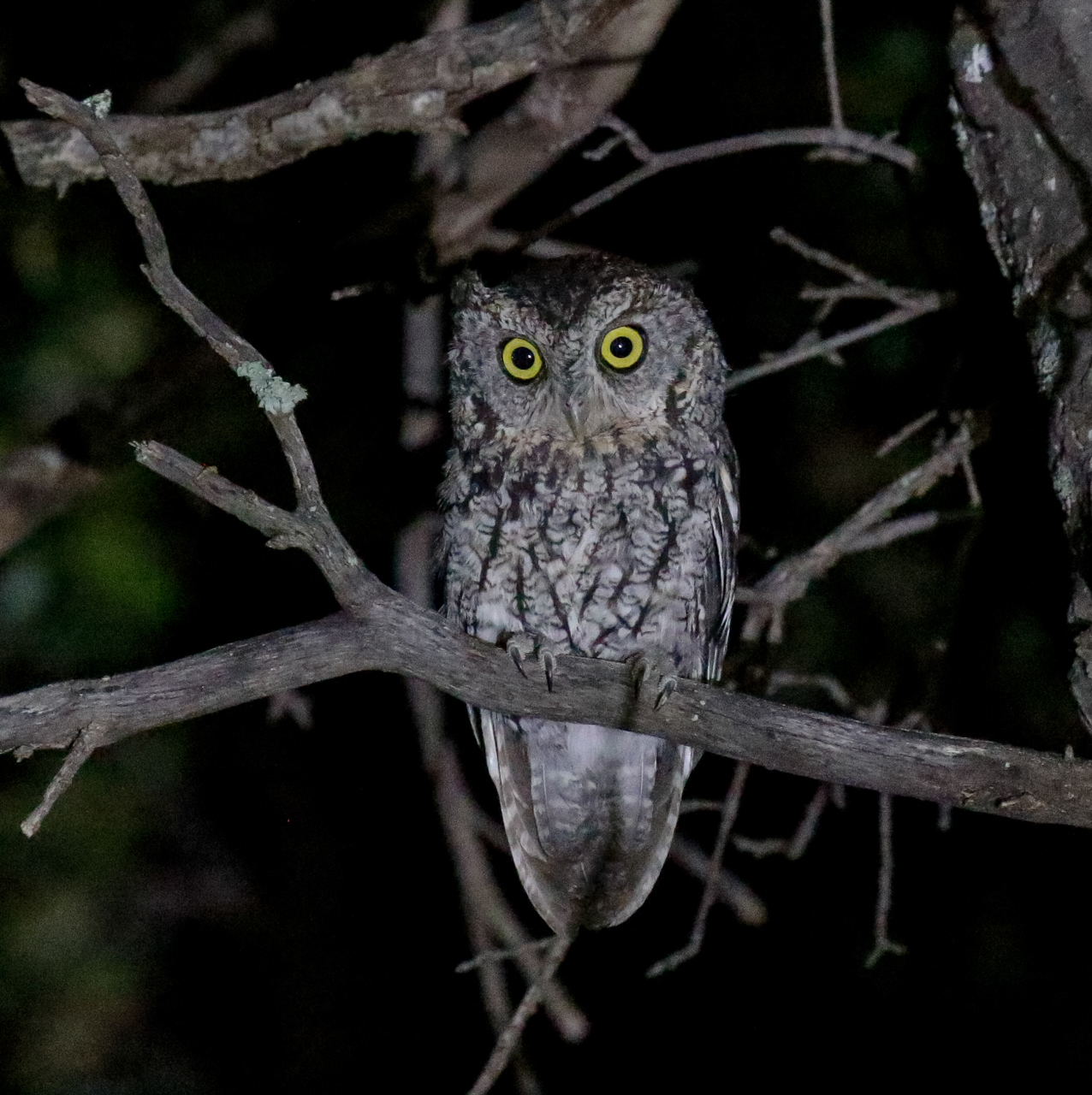
A core component of the expedition was the documentation of nocturnal species, which are frequently overlooked in general surveys. The team utilized auditory and visual cues to identify the Mexican Whip-poor-will and the Western Screech-Owl. A highlight of the nocturnal survey was the clear, sustained observation of a Whiskered Screech-Owl. These birds represent a significant portion of the region’s biodiversity, yet they are increasingly impacted by light pollution and habitat fragmentation in the lower foothills.
The inability to locate the Buff-collared Nightjar during the Green Valley leg of the trip served as a reminder of the challenges inherent in field ornithology. Even in prime habitats, the presence of these birds is often seasonal or influenced by subtle shifts in nocturnal insect populations, highlighting the need for continuous, longitudinal data gathering.
Broader Impact and Future Outlook
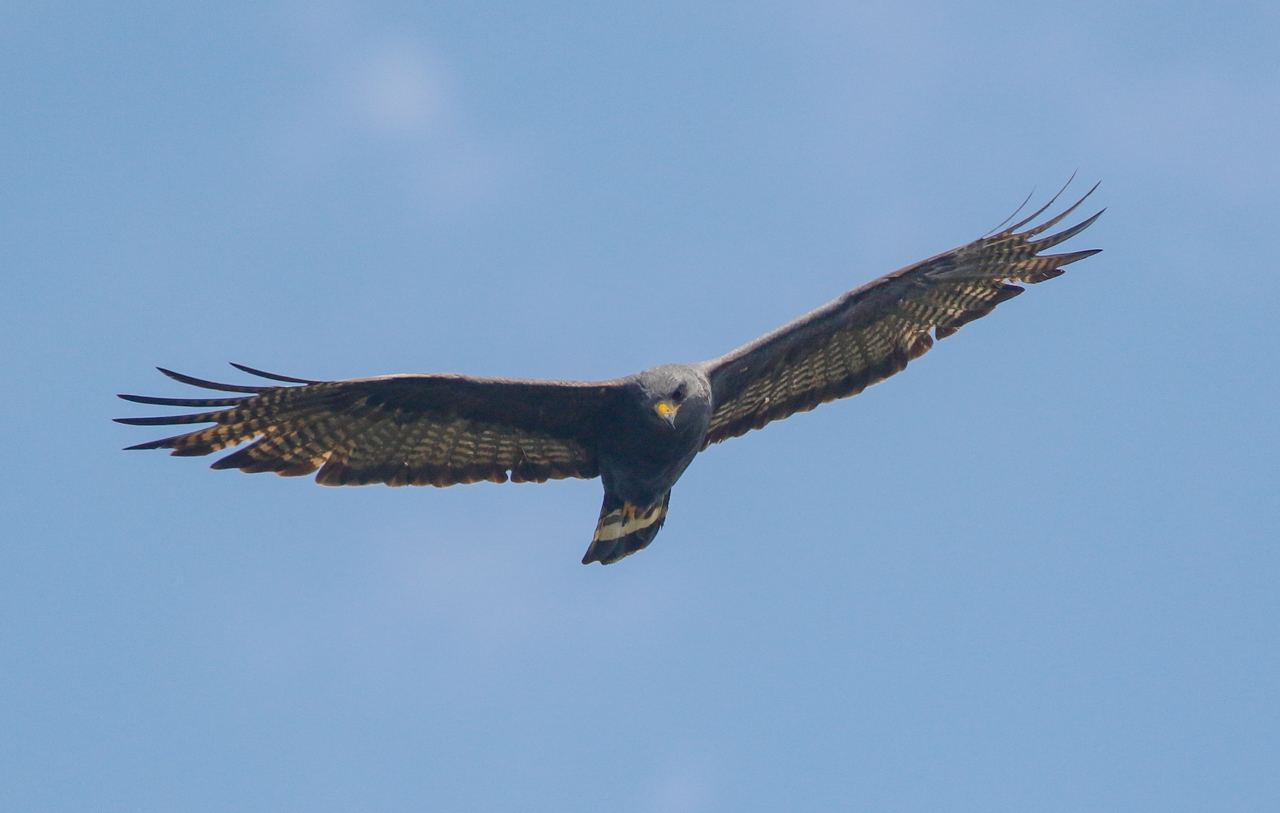
The conclusion of the tour in the Santa Ritas, particularly within the famous Madera Canyon, provided a synthesis of the entire trip. The diversity of tanagers—Western, Summer, and Hepatic—observed in the proximity of the Santa Rita Lodge illustrates why this specific canyon is considered a "must-visit" location for both amateur and professional ornithologists. The presence of an adult male Costa’s Hummingbird at an uncharacteristically high elevation provided a final point of data that sparked discussions among participants regarding shifting avian distribution patterns.

The final gathering in Tucson, punctuated by the presence of a male Vermilion Flycatcher, served as a symbolic end to the tour. This species, with its vibrant plumage, is a flagship for the riparian corridors of the Southwest. Its continued presence in suburban and urban-fringe areas provides a rare point of contact between human development and wild avian populations.
Summary of Key Findings
| Species | Habitat Zone | Significance |
|---|---|---|
| Coppery-tailed Trogon | Chiricahua Canyons | Sierra Madrean specialty |
| Gilded Flicker | Saguaro Desert | Habitat-restricted specialist |
| Mexican Chickadee | High-elevation forest | High density observed this season |
| Flame-colored Tanager | Huachuca Mountains | Significant rare species sighting |
| Montezuma Quail | Foothills/Canyons | Cryptic behavior, notable documentation |
The success of this expedition was supported by a network of well-maintained trails, established birding lodges, and public-private conservation partnerships. These elements are essential for the ongoing protection of the region’s biodiversity. As climate patterns continue to fluctuate, the role of these Sky Islands as a refuge for specialized species will only grow in importance. For researchers, the data gathered during such tours contributes to a broader understanding of population trends, migratory timing, and the resilience of avian communities in the face of an evolving southwestern climate. The systematic documentation of these species ensures that the legacy of Southeast Arizona’s unique avian heritage remains documented for future scientific assessment and conservation planning.
