
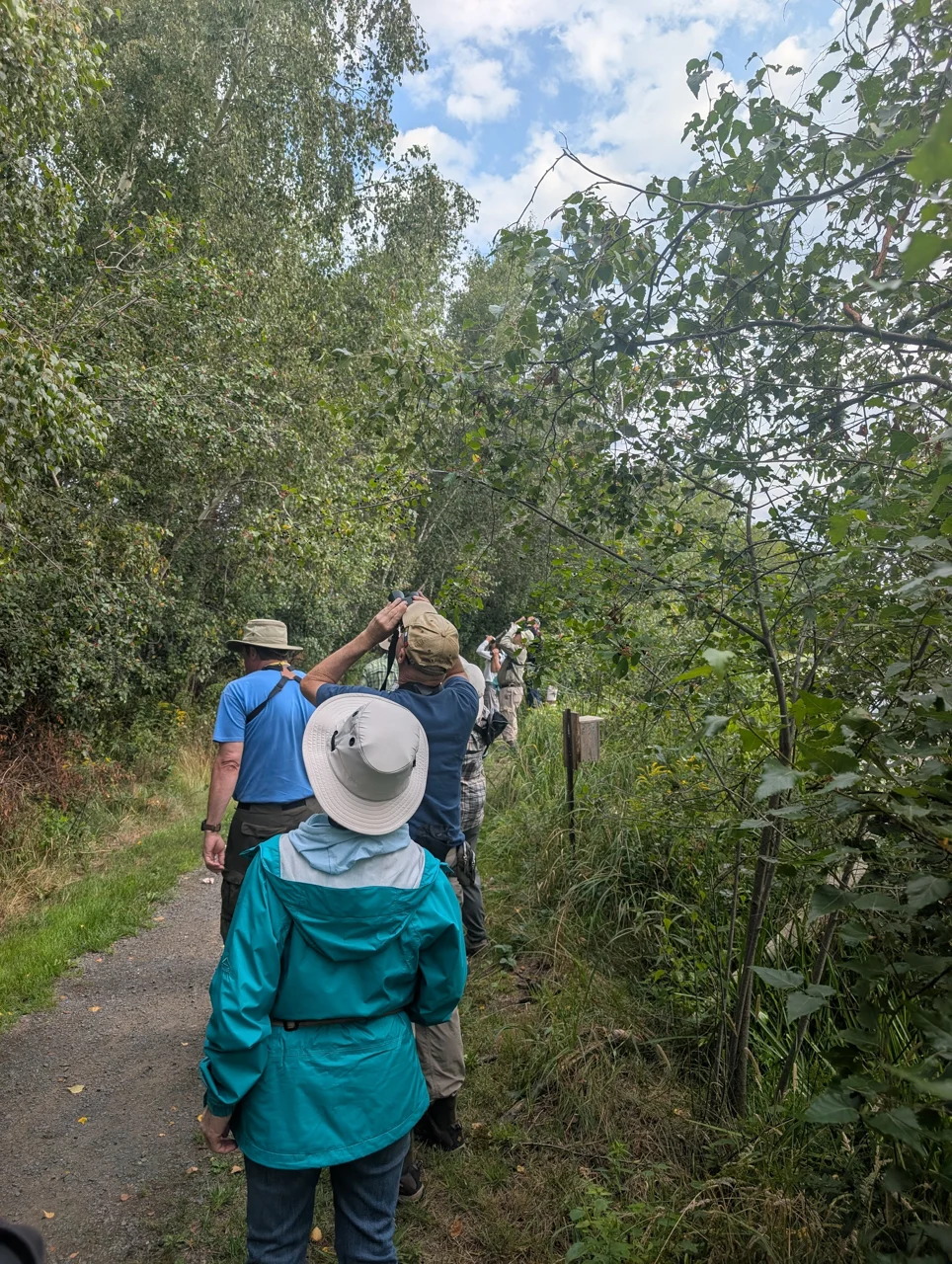
An eight-day expedition across southern Nova Scotia concluded recently, providing a comprehensive survey of migratory patterns, avian diversity, and the ecological health of the province’s diverse coastal and boreal habitats. Led by guides Kyle d’Entremont and Arnaud Valade, the group of 11 participants conducted systematic observations across the Annapolis Valley, Brier Island, the South Shore, and the boreal forests surrounding the Halifax region. The tour, which highlights the importance of Nova Scotia as a critical stopover point in the Atlantic Flyway, documented an impressive variety of species, ranging from common migratory songbirds to rare pelagic visitors and boreal specialties.
The mission of the expedition was twofold: to provide amateur and professional birders with direct, immersive field experience, and to collect observational data on the presence and status of avian populations during the late-summer migration period. The success of the tour underscores the province’s ongoing reputation as a premier destination for global birding enthusiasts and a vital research hub for ornithological studies.
Chronology of the Expedition
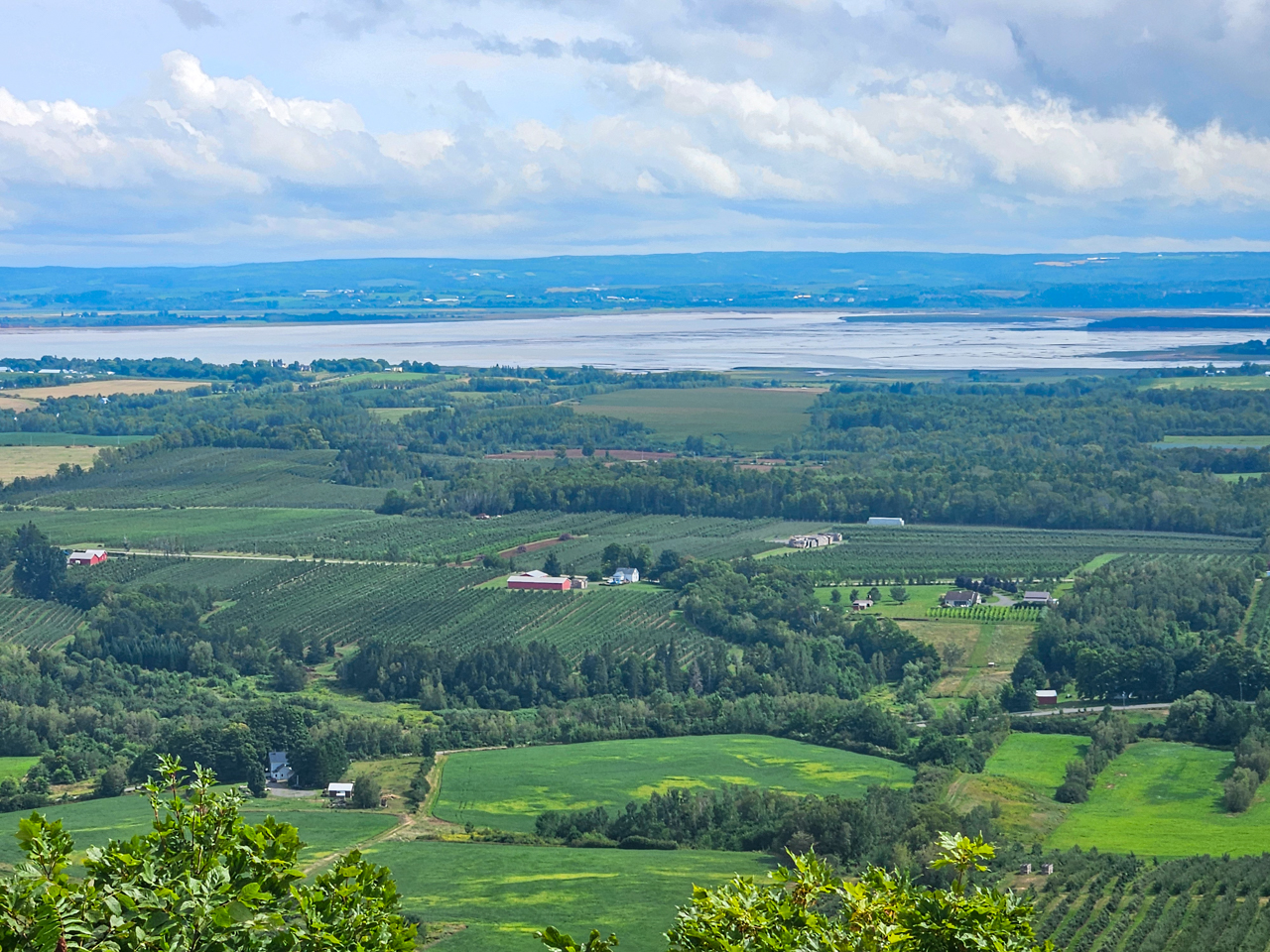
The tour commenced in Halifax, where participants convened for a briefing before departing for the Annapolis Valley. This region, known for the Bay of Fundy’s extreme tidal range—the highest in the world—serves as a primary feeding ground for thousands of shorebirds during their southward migration.
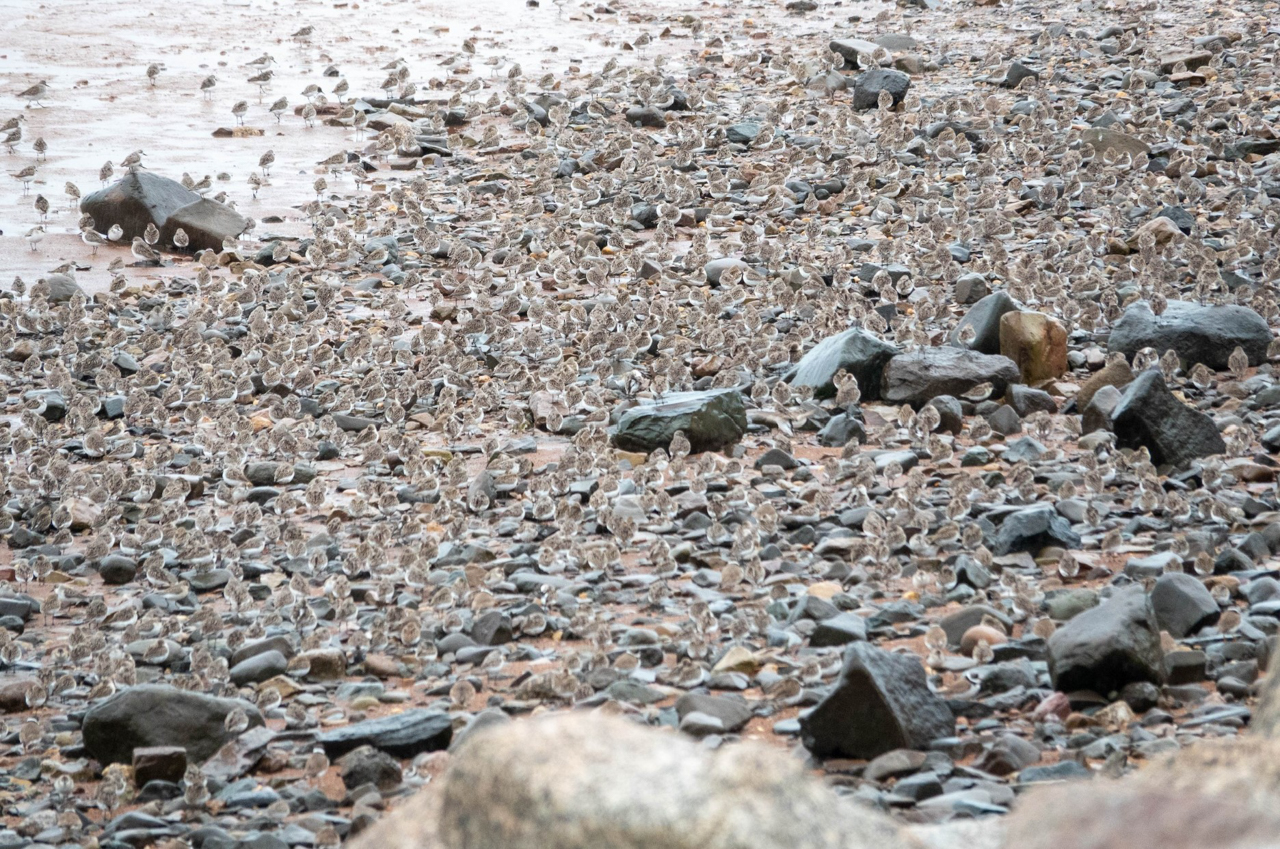
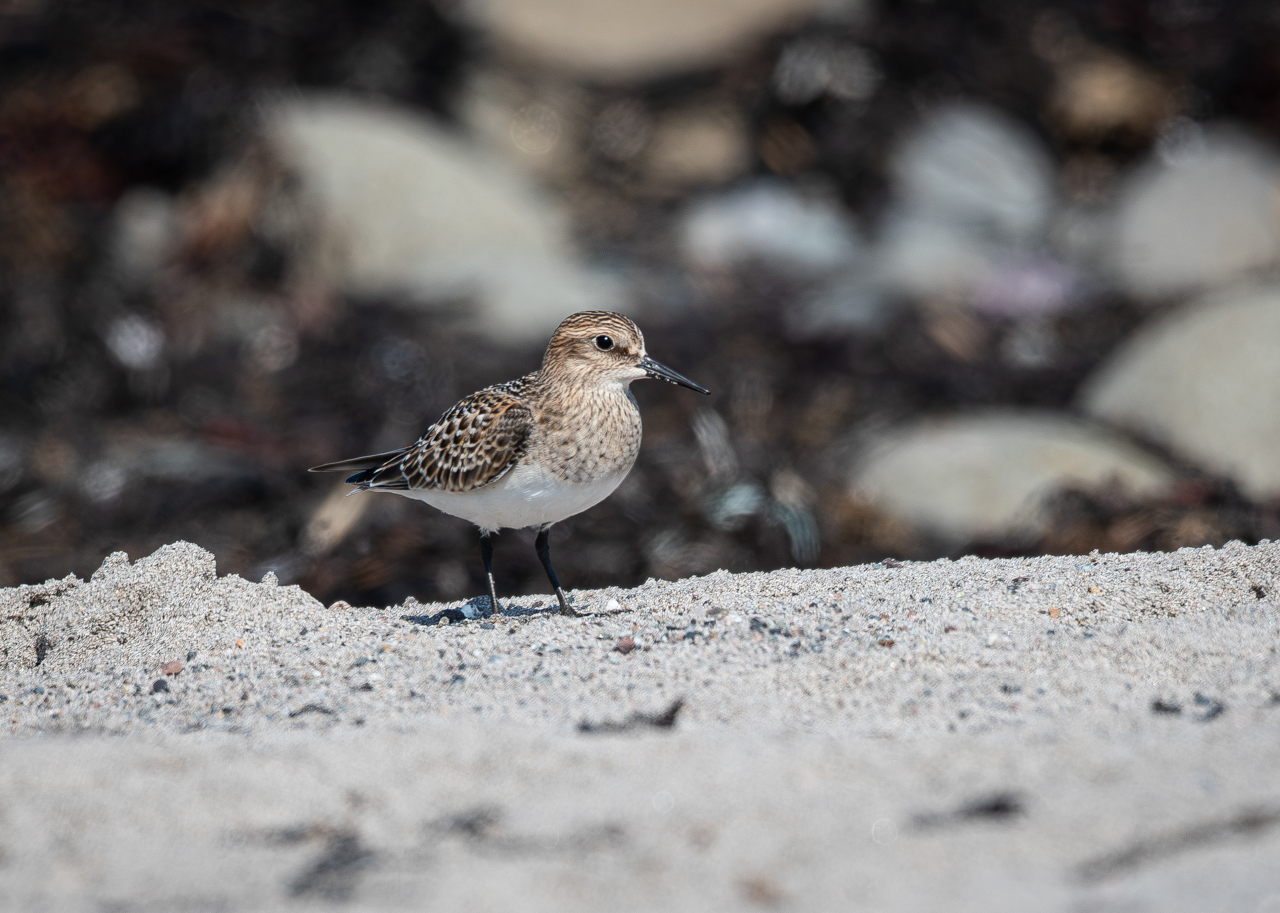
On the second day, the expedition reached the historic Grand Pré area. Despite inclement weather, the team recorded thousands of Semipalmated Sandpipers (Calidris pusilla) at Evangeline Beach. Observations included high concentrations of Semipalmated Plovers, White-rumped Sandpipers, and Least Sandpipers. A notable predatory interaction was documented when a Peregrine Falcon (Falco peregrinus) was observed hunting within the flock, illustrating the high-stakes survival dynamics inherent to these staging areas. The team also conducted terrestrial surveys in the dykelands of Grand Pré, documenting Bald Eagles, Black-bellied Plovers, and rare sightings of American Golden-Plovers.
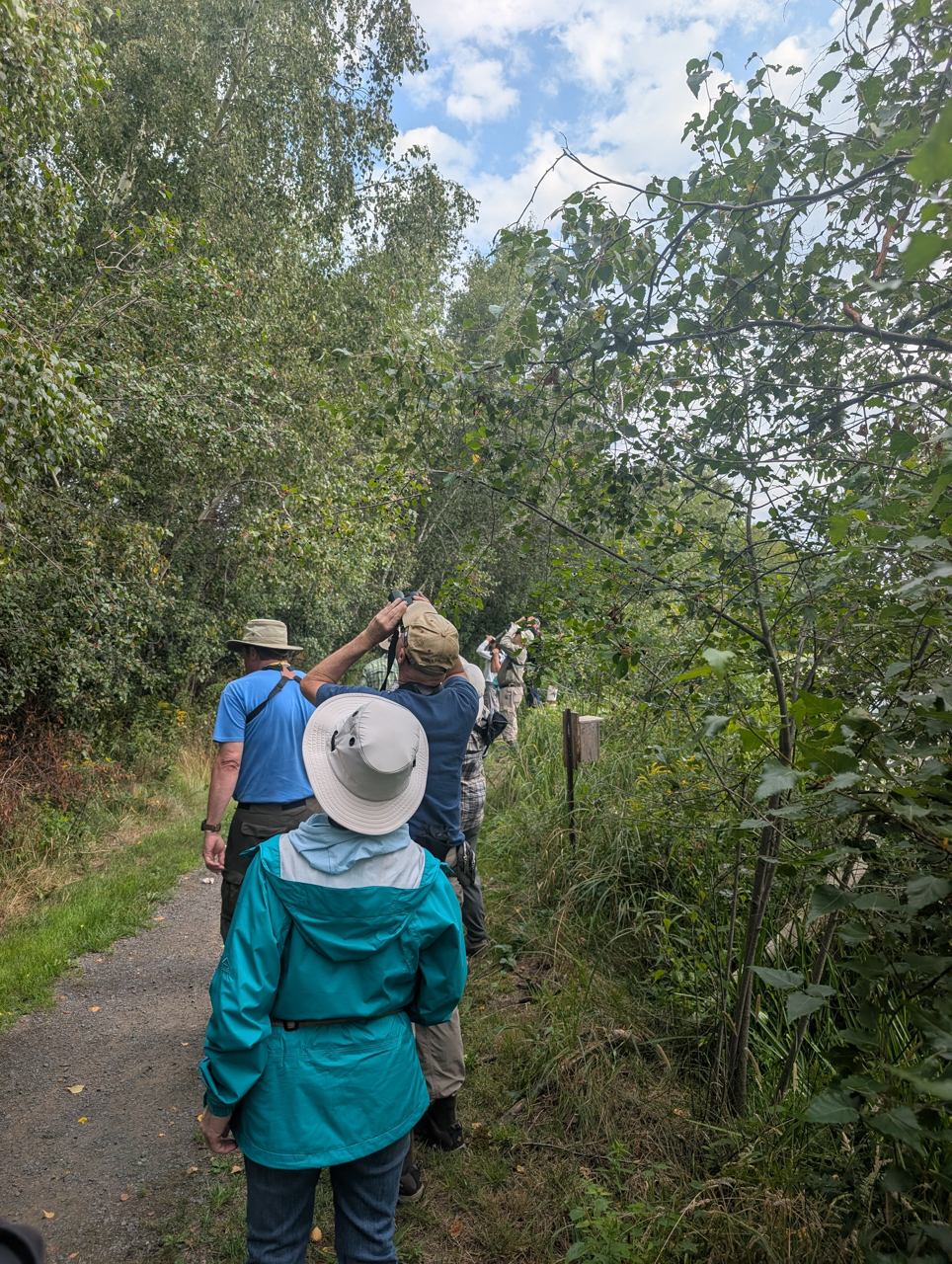
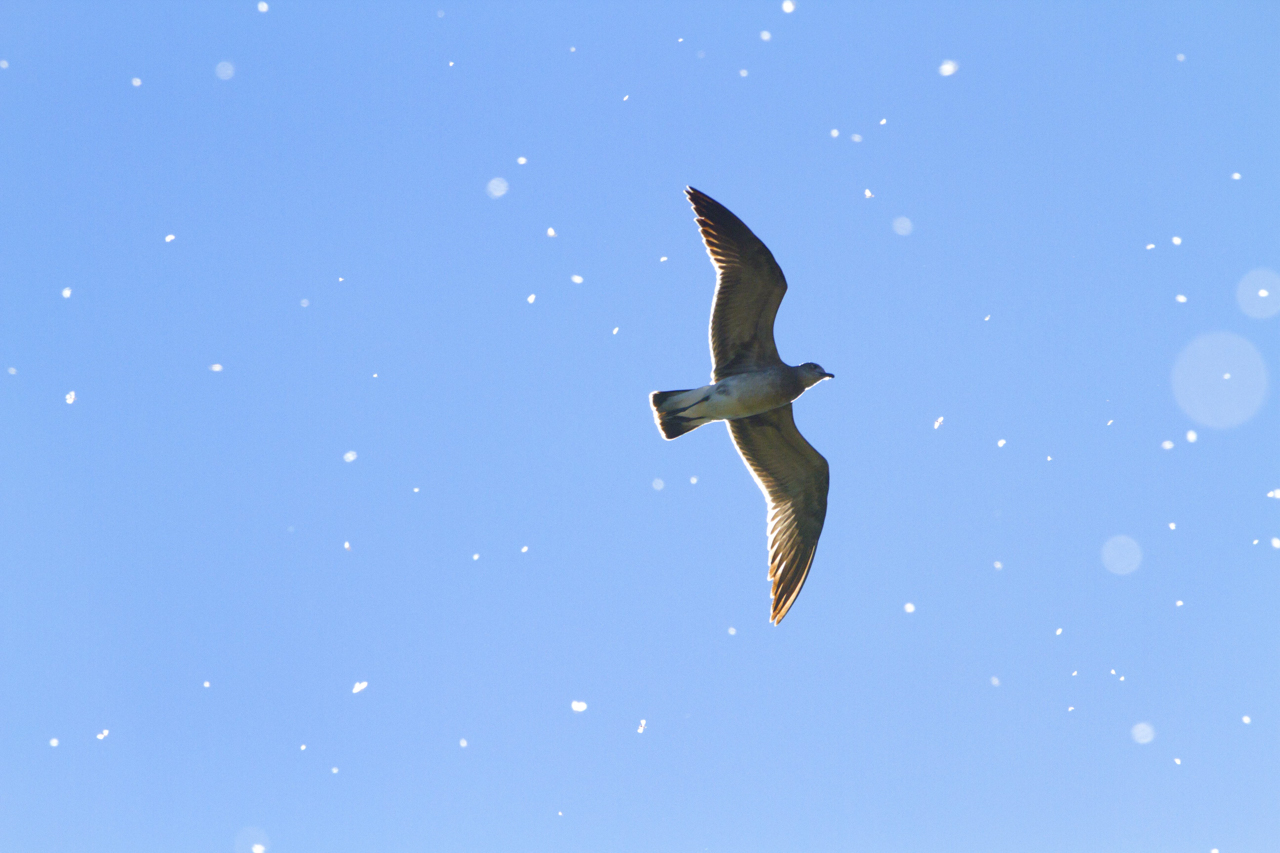
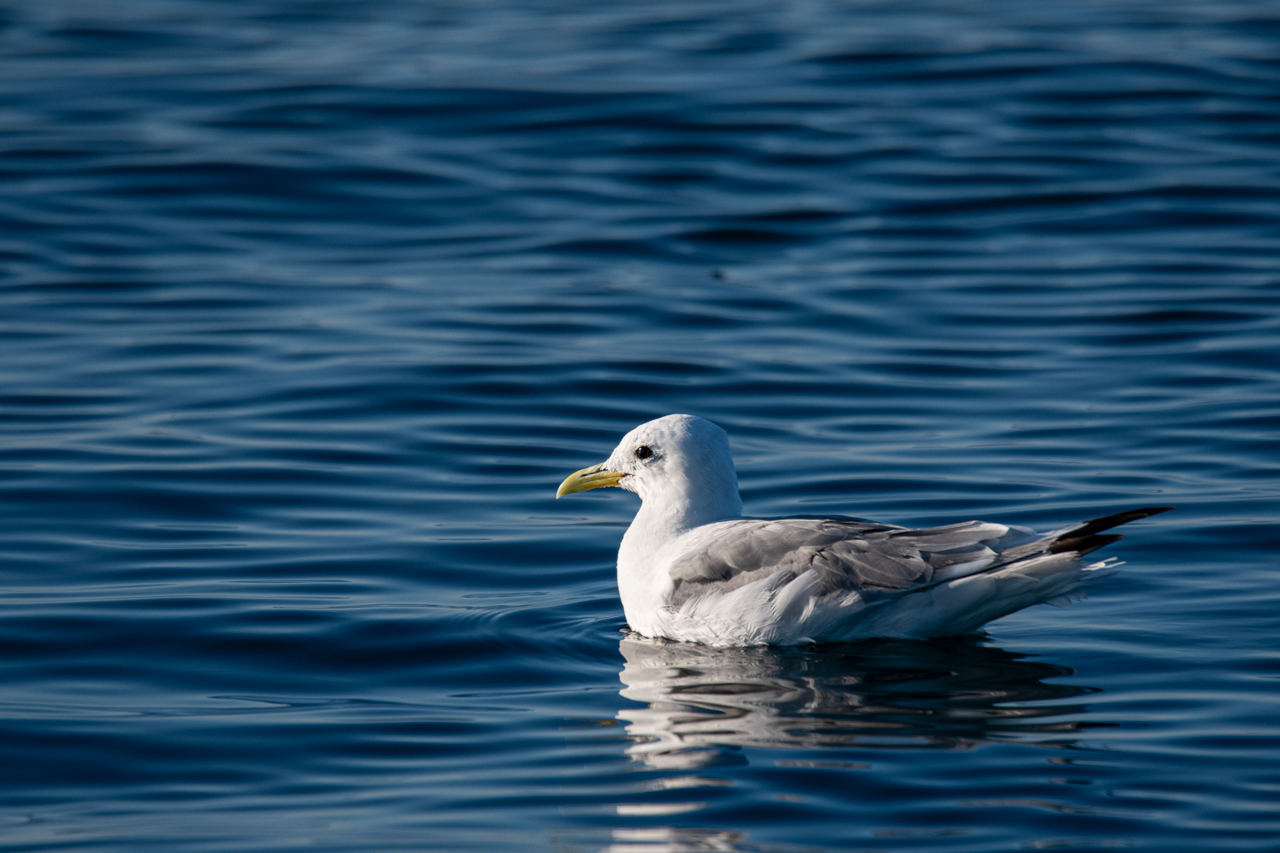
The third day focused on the botanical and avian diversity of Blomidon Provincial Park. Surveys identified a high density of passerines, including Tennessee Warblers, American Redstarts, and Blackburnian Warblers. The expedition then shifted to the coast, where the team conducted a seabird survey at Black Rock Lighthouse, documenting Common Eiders, Northern Gannets, and various species of gulls.
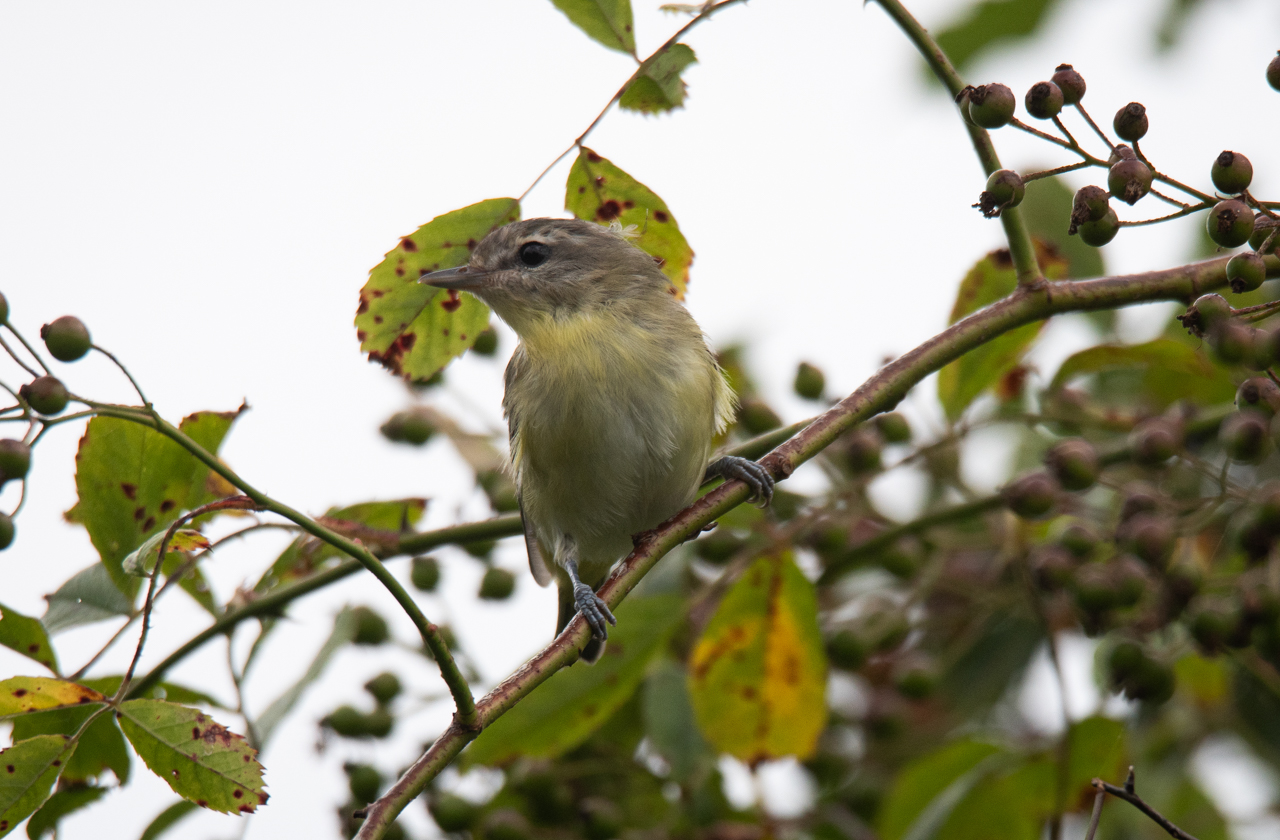
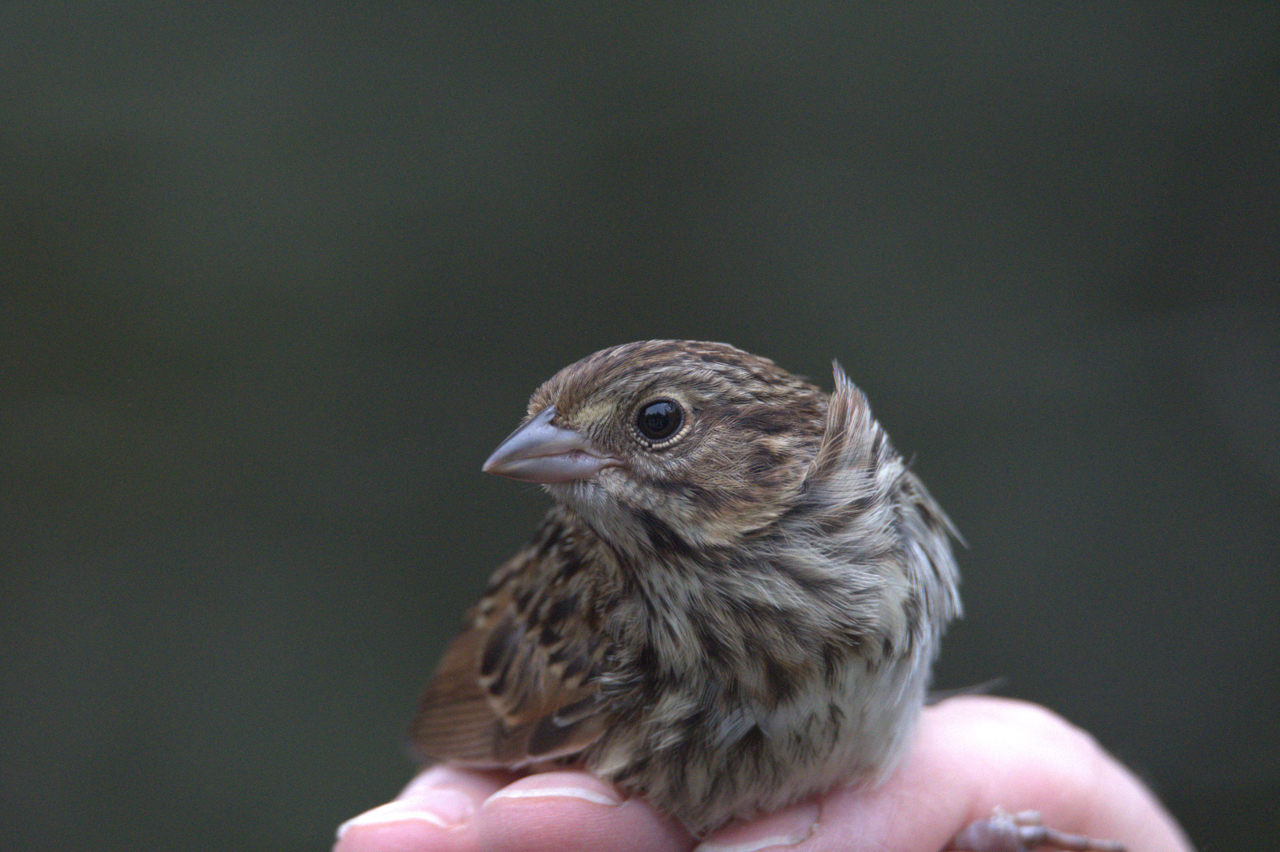
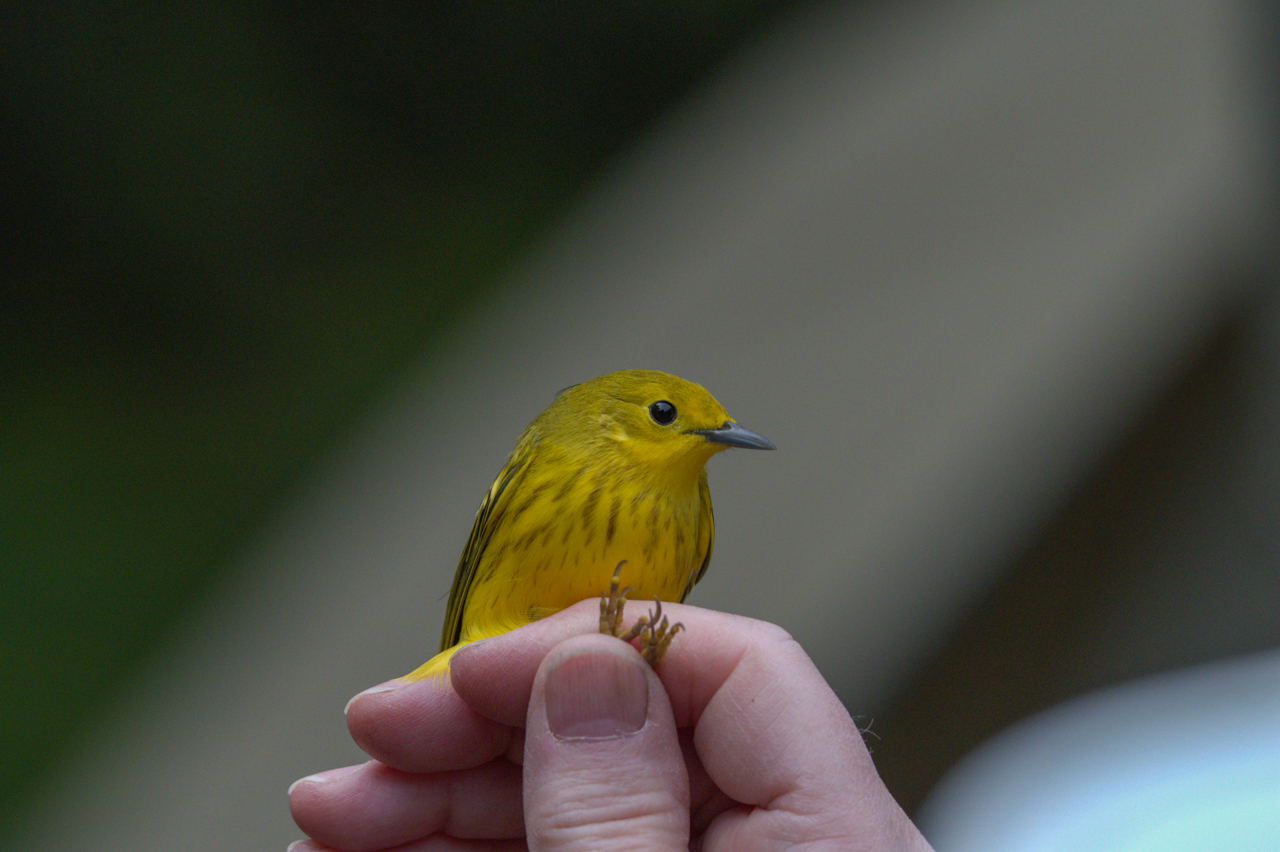
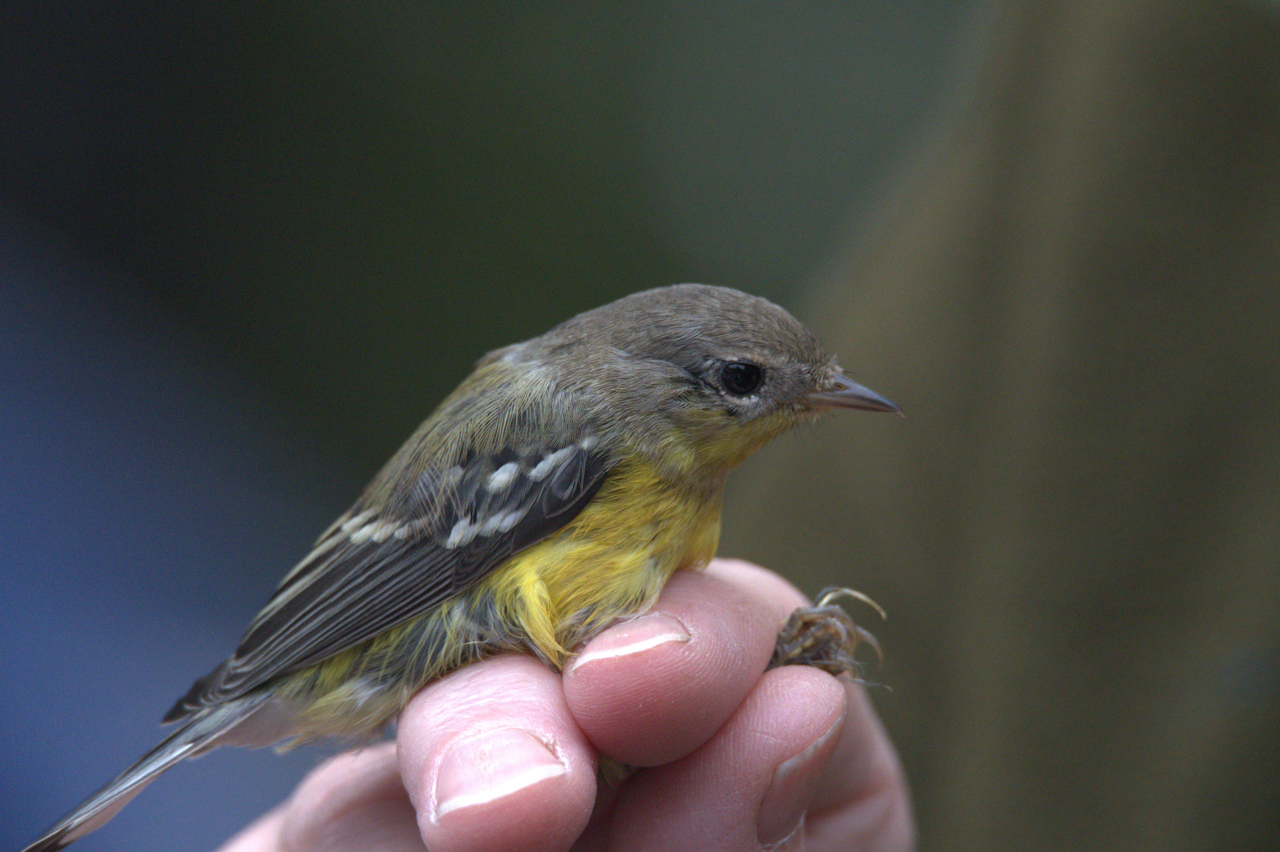
The central component of the expedition occurred between days four and six, centered on Brier Island. This remote location, situated at the mouth of the Bay of Fundy, is a focal point for bird migration due to its geography. The team visited the Brier Island Bird Banding Station, which resumed operations in 2026 after a hiatus. This facility provides critical data on the health, age, and migratory fitness of songbirds. Participants observed the banding process for species such as the Northern Waterthrush, Song Sparrow, and Magnolia Warbler.
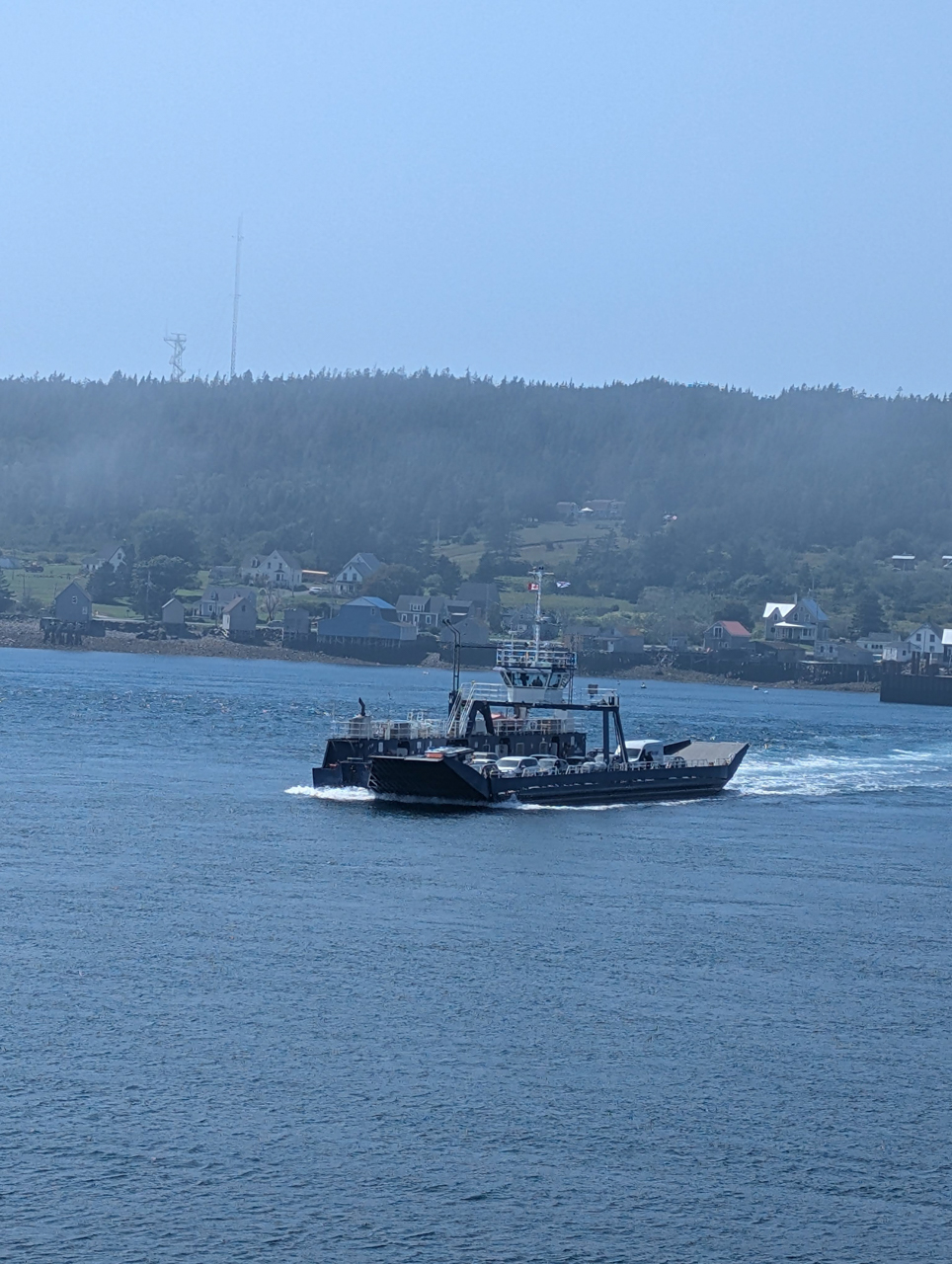
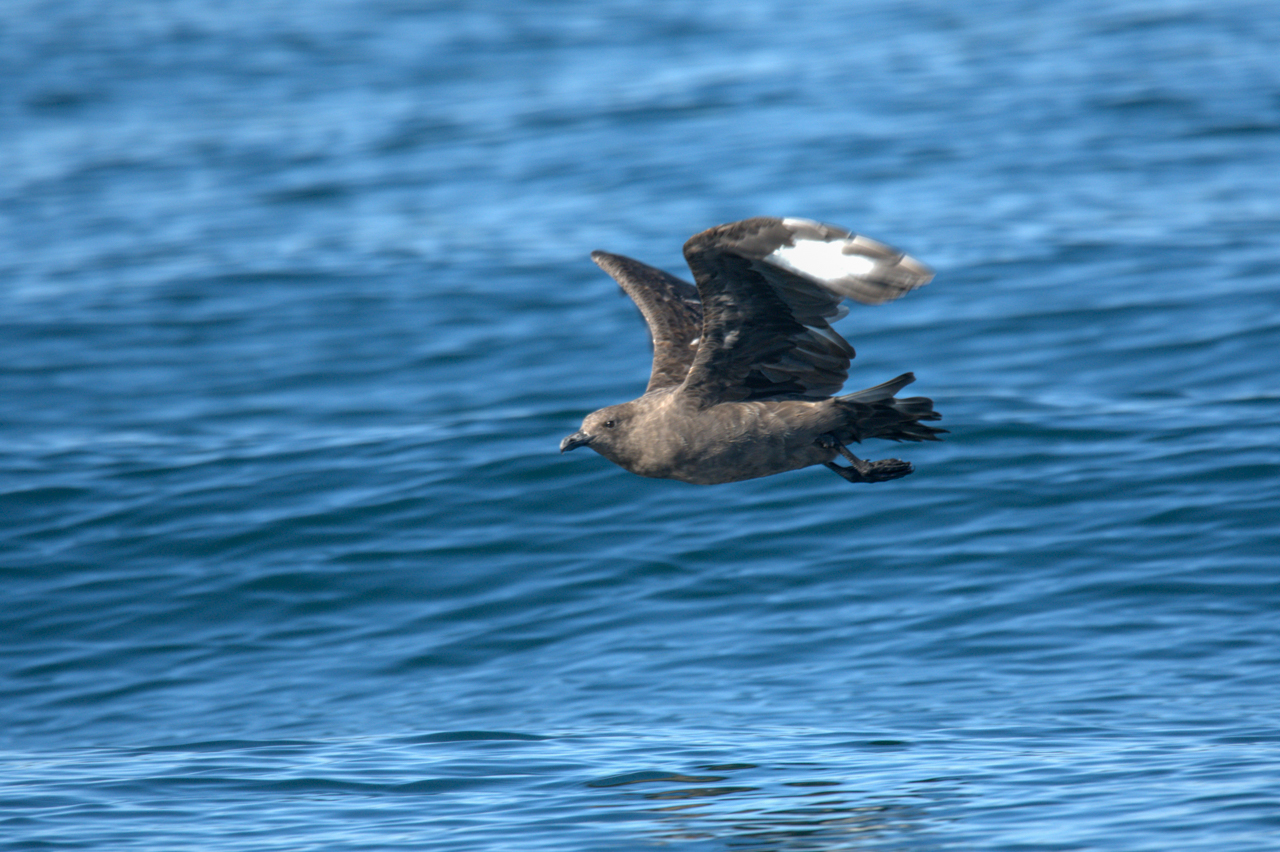
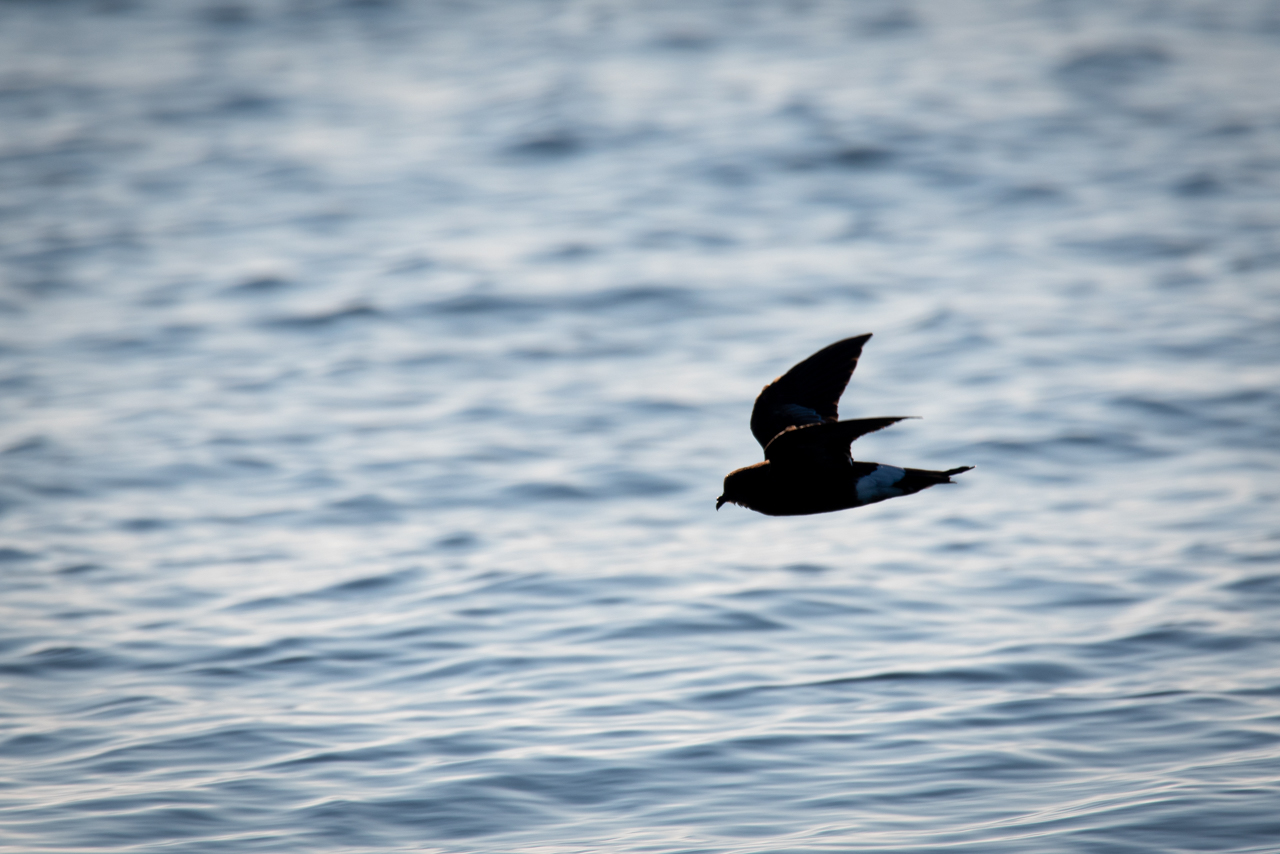
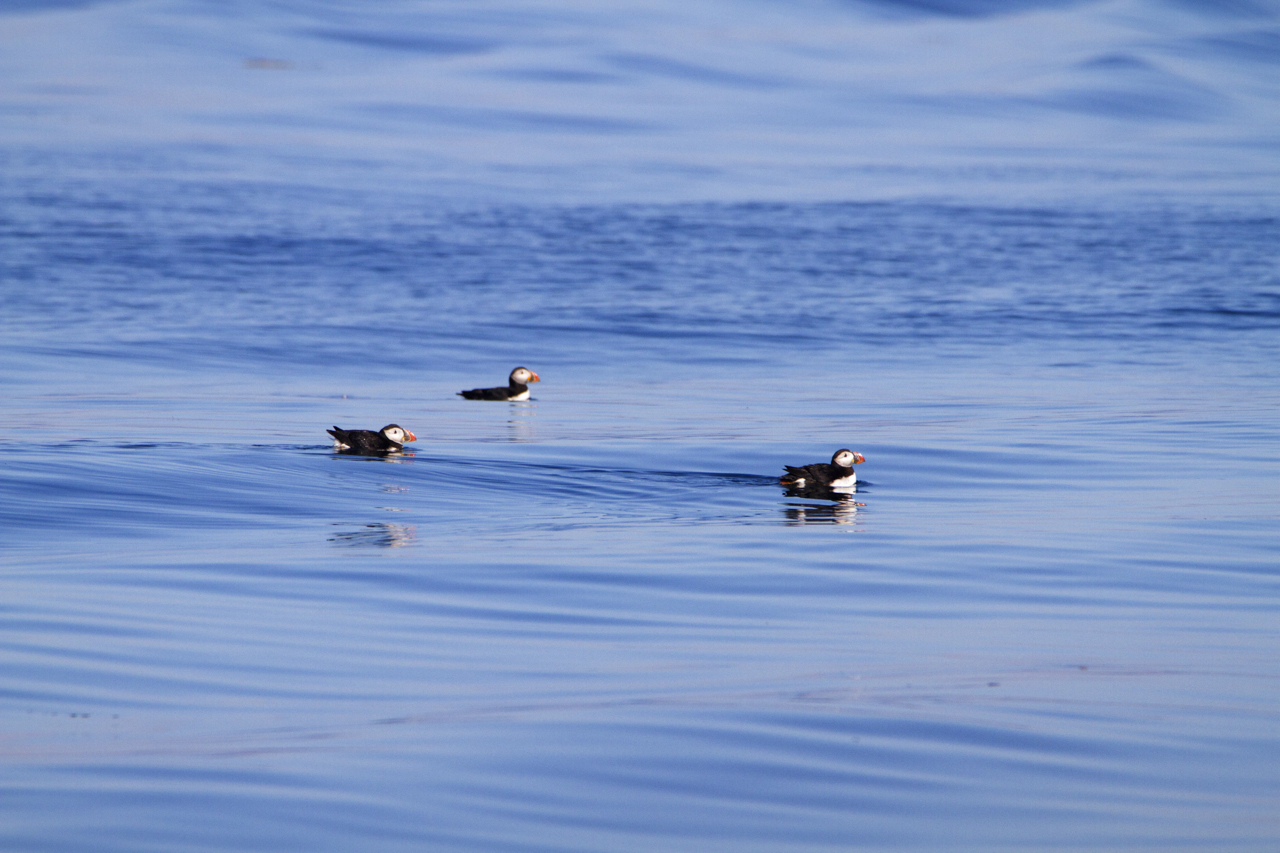
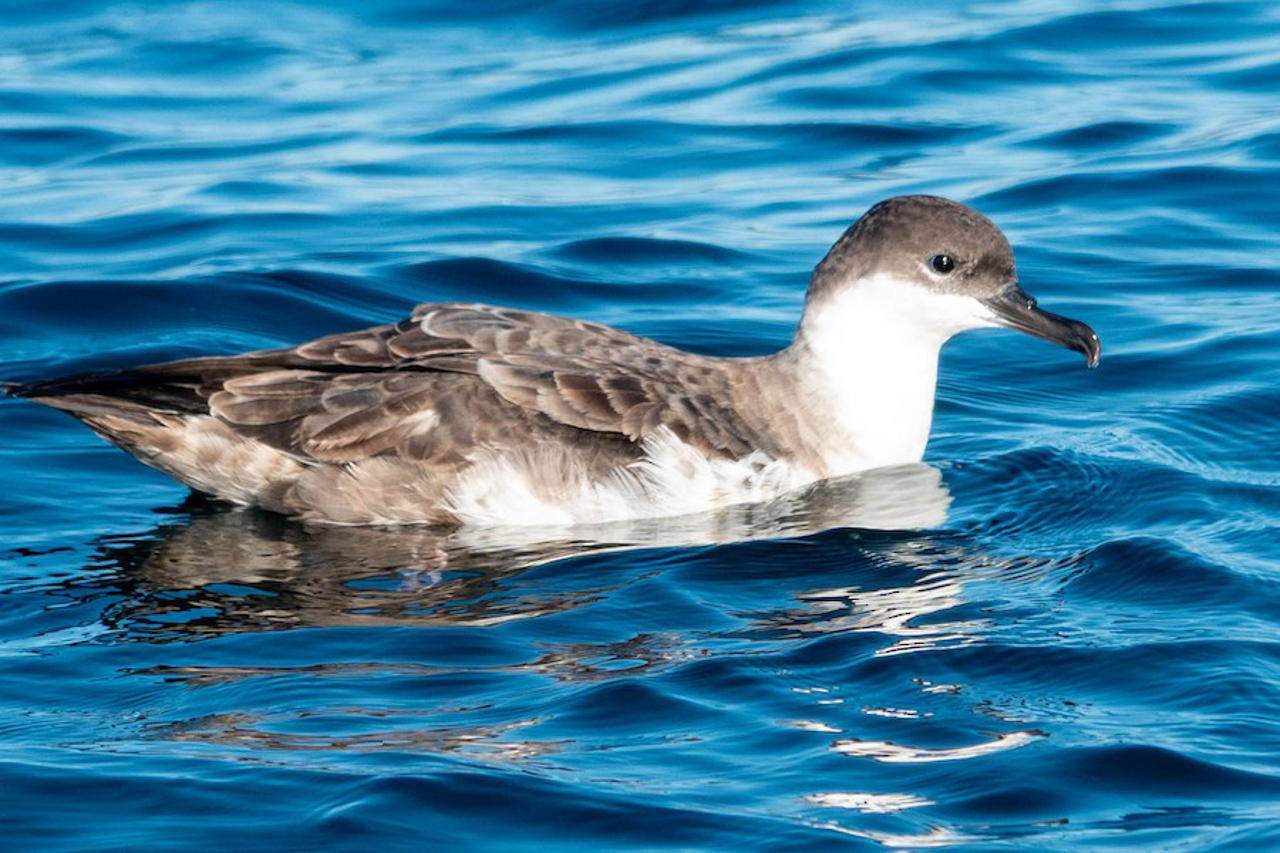
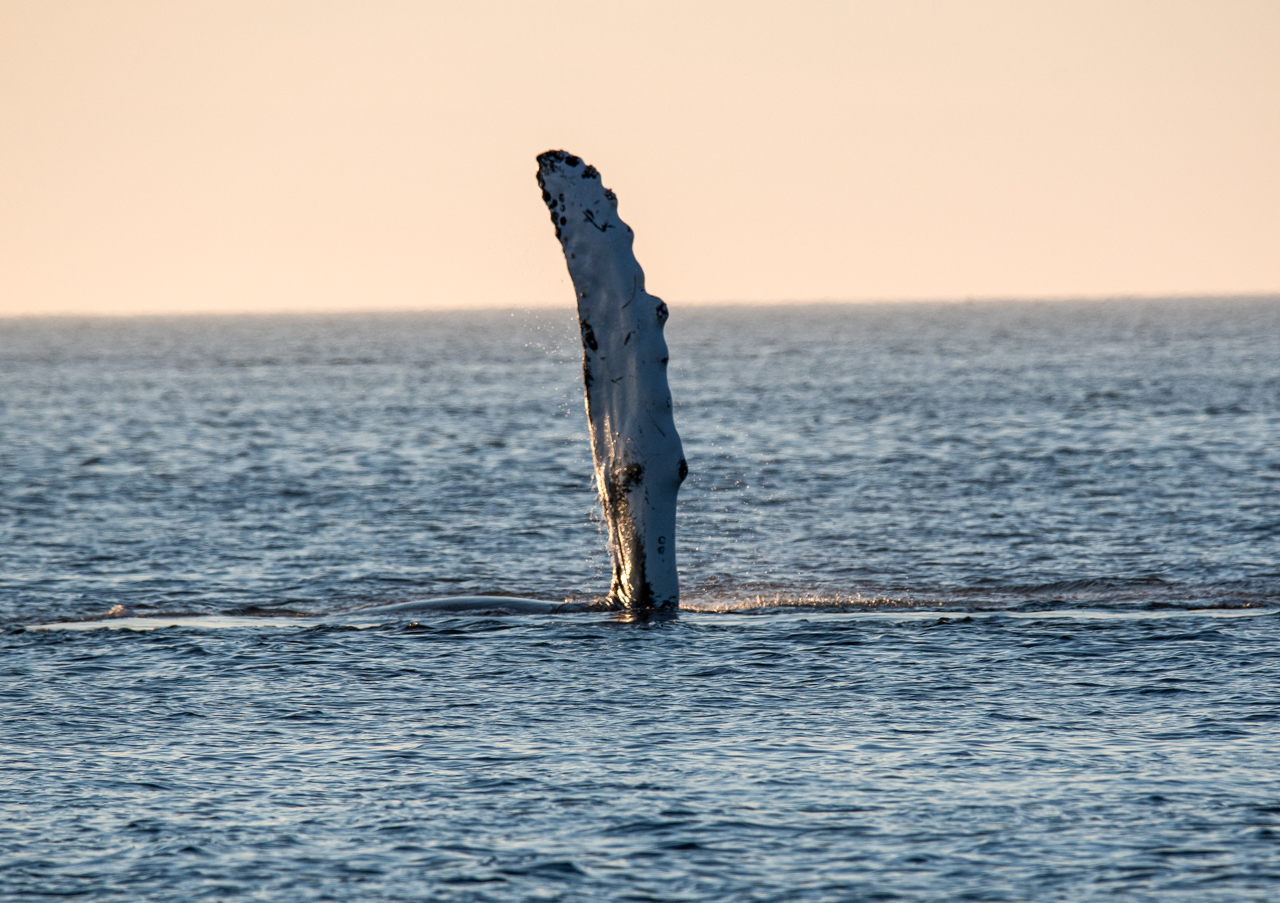
The expedition concluded with a pelagic survey in the Bay of Fundy. The vessel-based observation yielded significant findings, including South Polar Skuas, Wilson’s Storm-Petrels, and large flocks of Atlantic Puffins. The group also observed marine mammals, specifically Humpback Whales, which are often found in these nutrient-rich waters during late summer.
Ecological Significance and Regional Impact
The data collected during this eight-day period reflects broader trends in the Atlantic Flyway. Nova Scotia’s unique position acts as a funnel for birds moving from the Arctic and sub-Arctic breeding grounds to wintering sites in South America. The concentration of shorebirds at the Bay of Fundy is globally significant, as the mudflats provide the necessary energy resources for the birds to complete their trans-oceanic flights.
The inclusion of the Brier Island Bird Banding Station in the itinerary highlights the vital role of citizen science. By participating in the documentation of bird weights, plumage conditions, and arrival times, the expedition contributed to a larger pool of data used by conservationists to track the impact of climate change on migration timing and species distribution.
The presence of vagrant species, such as the American Avocet observed near Lunenburg, serves as an indicator of environmental shifts. While these birds are outside their typical range, their occurrence in Nova Scotia is frequently documented during periods of unusual weather patterns, suggesting that such sightings are increasingly valuable for longitudinal ornithological records.
Participant and Professional Engagement
The expedition fostered a high level of engagement between participants and the natural environment. According to statements from the organizers, the opportunity for participants to assist in the handling and release of banded birds provided a unique educational perspective on the fragility of migratory populations. The "hands-on" approach is designed to cultivate a deeper sense of stewardship for the habitats visited.
Furthermore, the integration of cultural and historical context—such as the visits to the Acadian historical sites at Grand Pré and the maritime heritage of Lunenburg—enriched the survey by placing the avian data within the broader framework of human interaction with the Nova Scotian landscape. The local tourism industry, represented by the various inns, restaurants, and whale-watching operators utilized by the group, benefits significantly from the influx of specialized, low-impact nature tourism.
Analysis of Avian Population Trends
The species lists compiled during this survey reflect the typical diversity of the region, yet the volume of sightings suggests a robust migratory season for 2026. The documented presence of boreal species, such as the Canada Jay and White-winged Crossbill, indicates that the forest health of the province’s interior remains stable enough to support these resident specialties.
However, the team’s report also notes the increasing difficulty in locating certain species, such as the American Oystercatcher. Despite the eventual success of the group in observing these birds at Sandhills Beach, their elusive nature highlights the challenges in managing coastal habitats where human activity and predator pressure often compete with nesting and foraging requirements.
Broader Implications for Conservation
The success of this expedition raises important questions regarding the management of protected areas in Nova Scotia. As the number of birding tourists grows, the balance between access and protection becomes increasingly delicate. The use of established trails and research facilities, such as the banding station on Brier Island, serves as a model for how birding can be conducted sustainably.
The findings from this trip will likely be integrated into broader regional databases, such as eBird and various regional ornithological records. These tools are essential for identifying population declines before they become irreversible. The documentation of rare species, the mapping of stopover concentrations, and the recording of avian health metrics during the banding process collectively contribute to a better understanding of how Nova Scotia’s ecosystems function in a changing global climate.
As the expedition concluded in Halifax, the final analysis from the guides emphasized the necessity of continued monitoring. The collaboration between trained guides and enthusiastic observers allows for a more comprehensive data collection effort than would be possible by professional researchers alone. The 2026 survey, therefore, stands as a testament to the power of citizen-led scientific inquiry in a region where the natural history is as rich and complex as the tides themselves.
The participants expressed high levels of satisfaction with the itinerary, citing the rare opportunity to see species like the South Polar Skua and the American Avocet as highlights. The expedition’s documentation of these species, combined with the detailed notes on habitat usage, provides a snapshot of the late-summer migration that will prove useful for future environmental planning and conservation initiatives across the province.
In summary, the eight-day tour did more than catalog bird species; it provided a multifaceted view of Nova Scotia’s role in the global ecosystem. By focusing on both the common and the rare, and by engaging directly with the scientific process of banding, the expedition served as an effective platform for both education and data collection. The province continues to serve as an essential laboratory for understanding the resilience and complexity of migratory bird populations in the Atlantic region.
