
The British Columbia coastline serves as one of the most vital ecological corridors in North America, functioning as a critical migratory superhighway for millions of birds traversing the Pacific Flyway. In a recent five-day expedition, a dedicated group of ornithologists and wildlife enthusiasts conducted an intensive survey of the region, stretching from the Fraser Delta to the rugged, remote reaches of Clayoquot Canyon. The mission aimed to document seasonal avian distribution, observe rare pelagic species, and assess the health of coastal habitats that support both migratory shorebirds and resident populations.
Expedition Itinerary and Chronological Overview
The survey commenced in Richmond, British Columbia, on the first day, serving as a staging point for the participants. The primary objective was to synchronize field protocols and establish a baseline for the diverse habitats the team would encounter, ranging from urban-adjacent wetlands to open-ocean pelagic zones.
On the second day, the team transitioned to the Fraser Delta, specifically targeting Boundary Bay. This site is designated as an Important Bird Area (IBA) and a Hemispheric Site within the Western Hemisphere Shorebird Reserve Network. Despite challenging tidal conditions, observers documented a robust array of West Coast passerines. Key sightings included the Bewick’s Wren (Thryomanes bewickii), Spotted Towhee (Pipilo maculatus), and the visually striking Western Tanager (Piranga ludoviciana). Following the delta survey, the team utilized the BC Ferries network to transit from Tsawwassen to Nanaimo. The ferry passage provided a unique platform for observing marine birds, including all three primary cormorant species found in the region: the Pelagic, Brandt’s, and Double-crested cormorants, all of which utilize the ferry jetties as critical nesting and staging grounds. The transit across Vancouver Island culminated in Ucluelet, a strategic location for the subsequent deep-sea operations.
The Pelagic Frontier: Clayoquot Canyon Observations
The third day marked the most significant phase of the expedition: a high-seas survey of Clayoquot Canyon. Deep-sea canyons are known to create upwelling zones, where nutrient-rich cold water is forced to the surface, driving primary productivity and attracting a diverse suite of pelagic fauna.
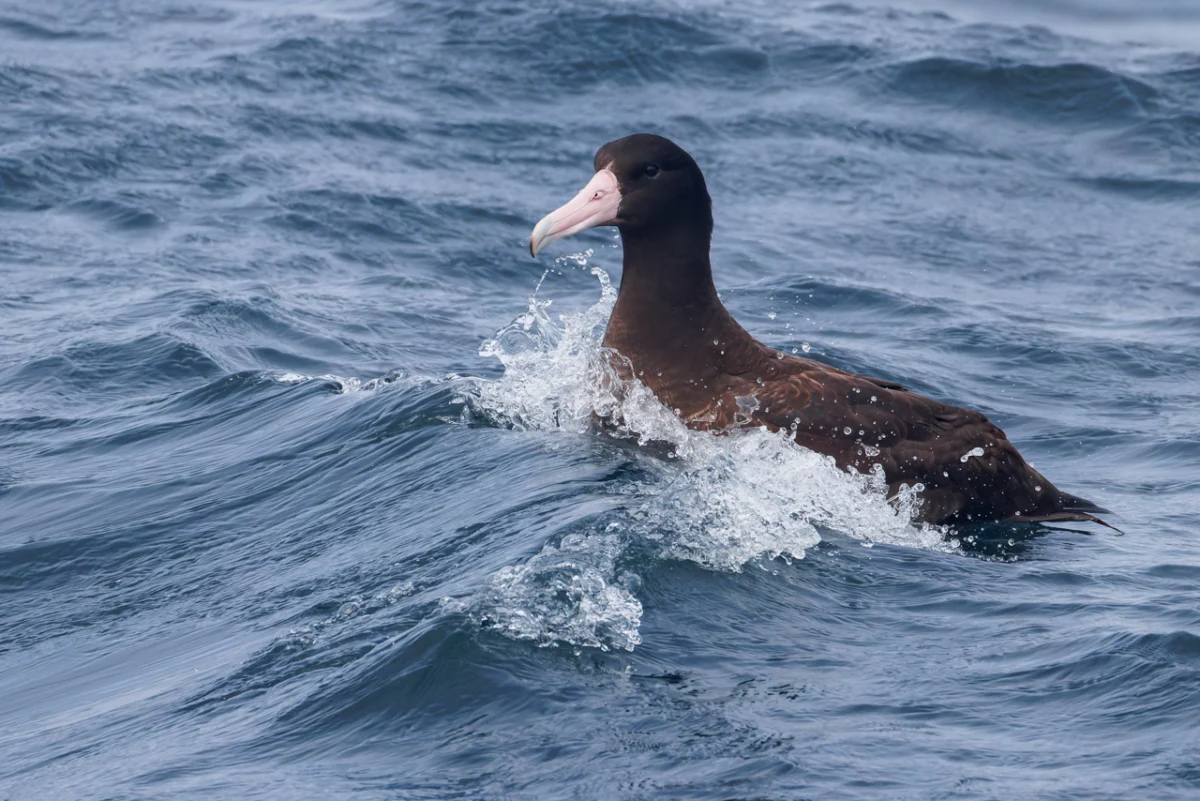
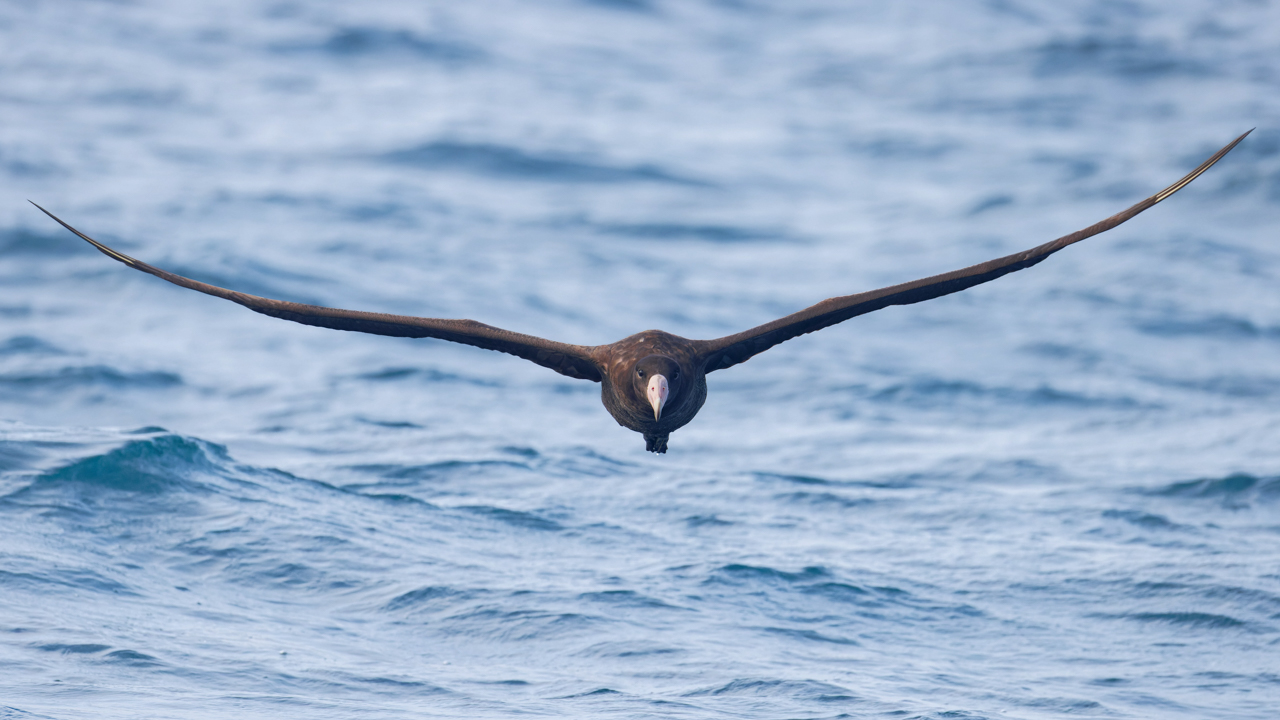
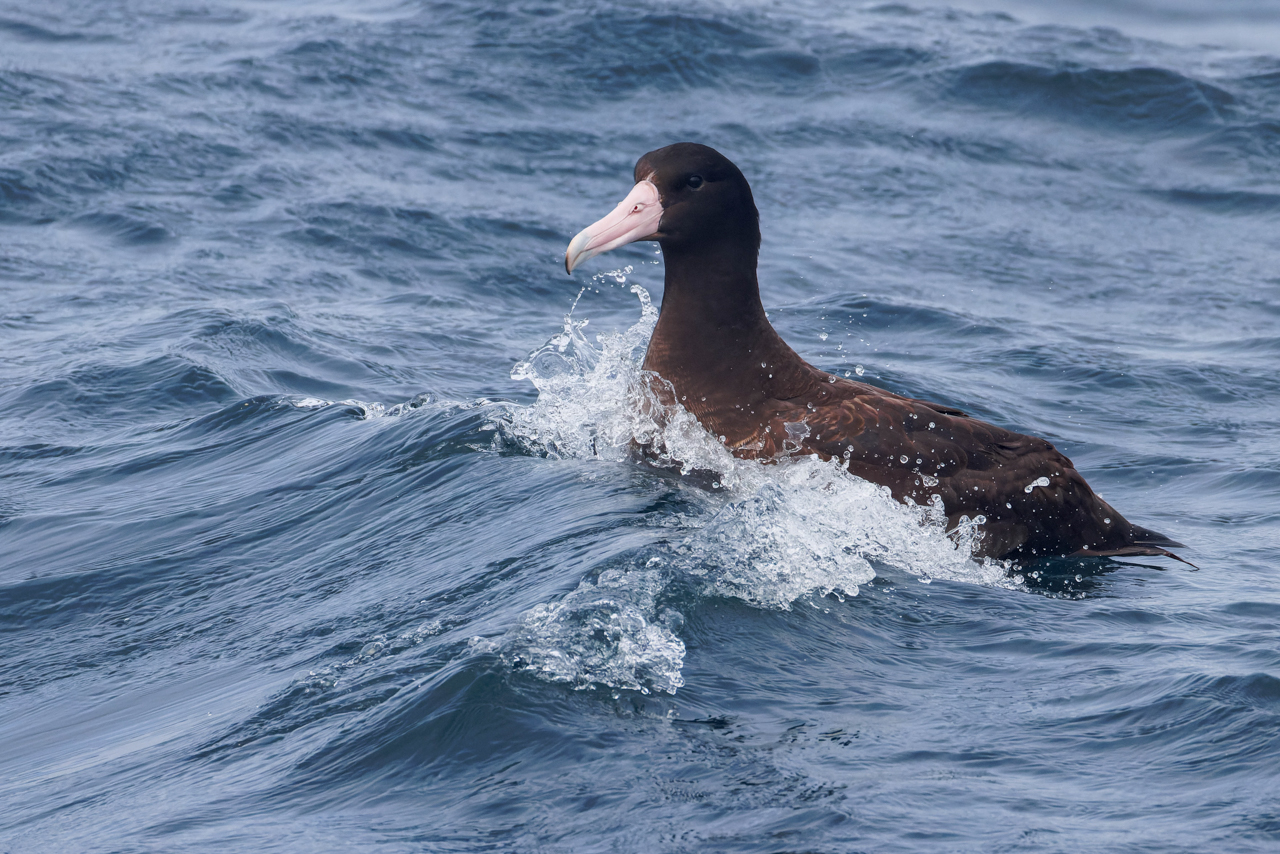
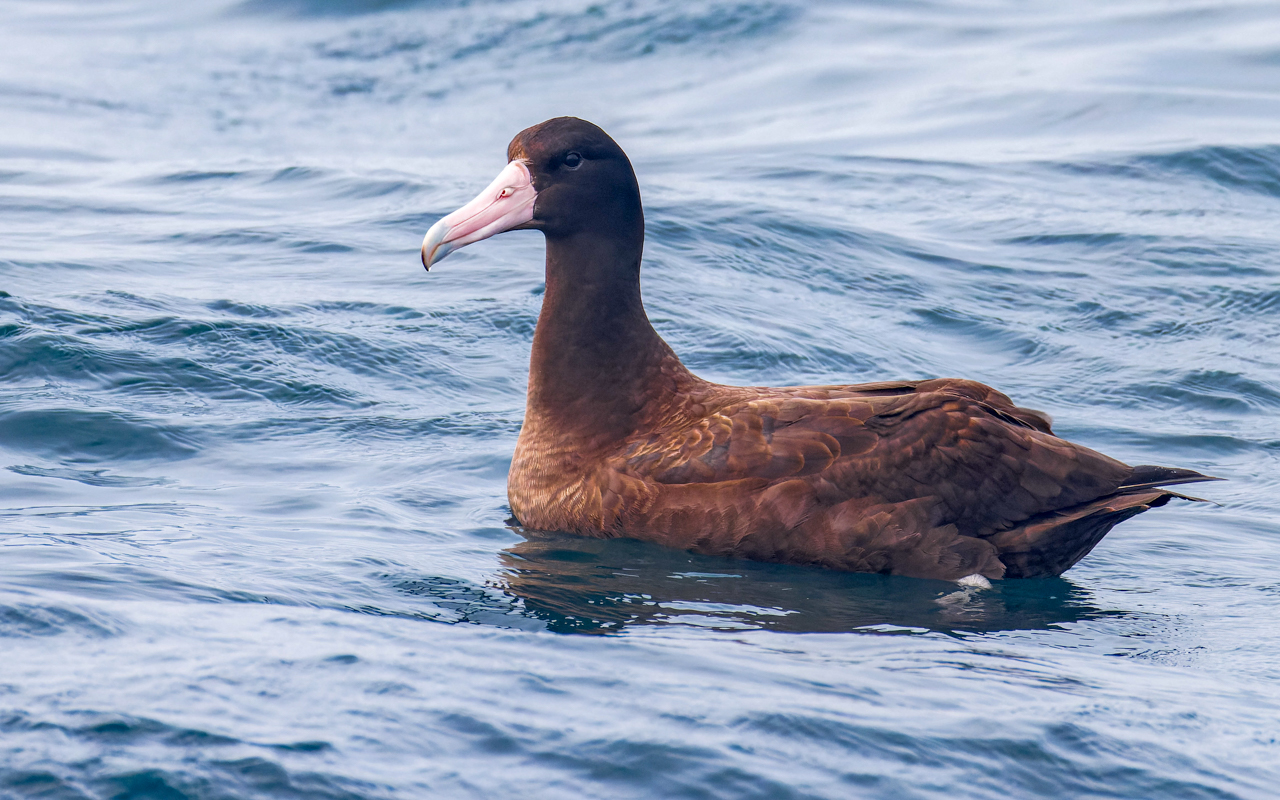
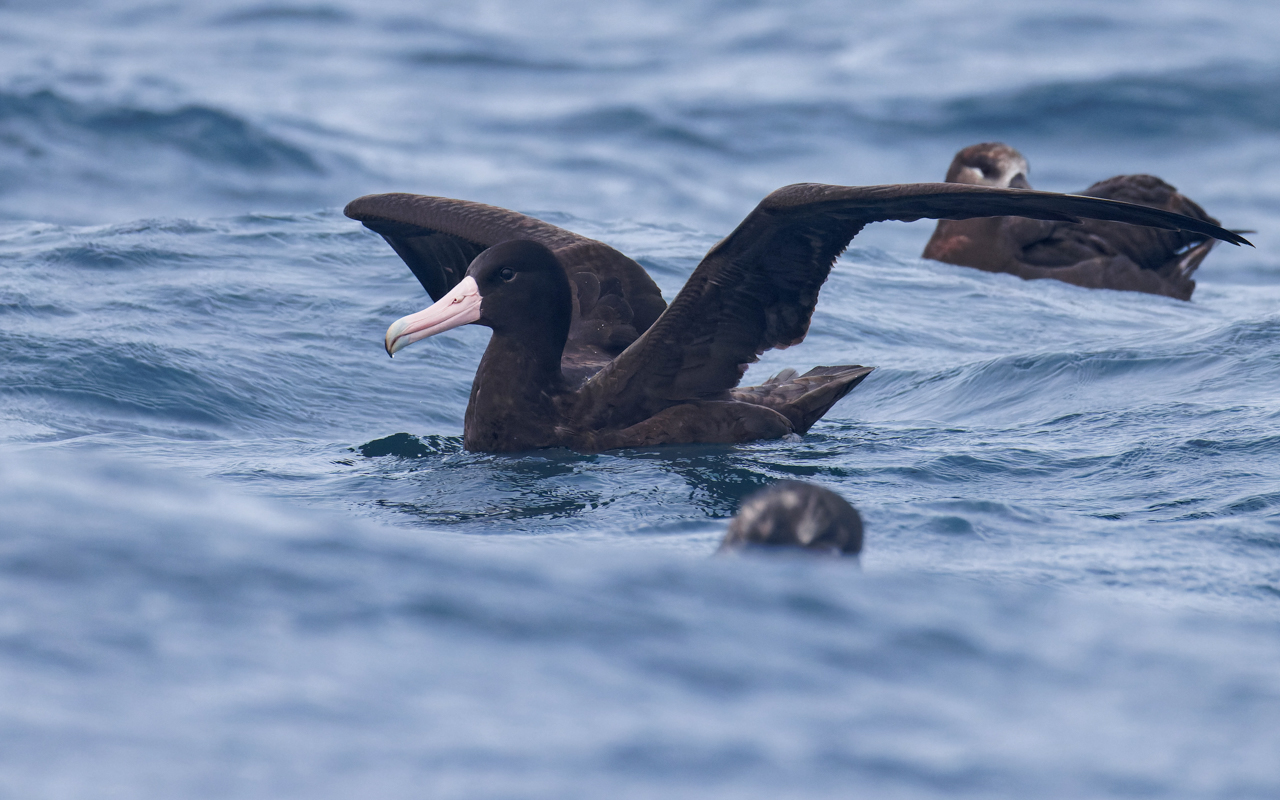
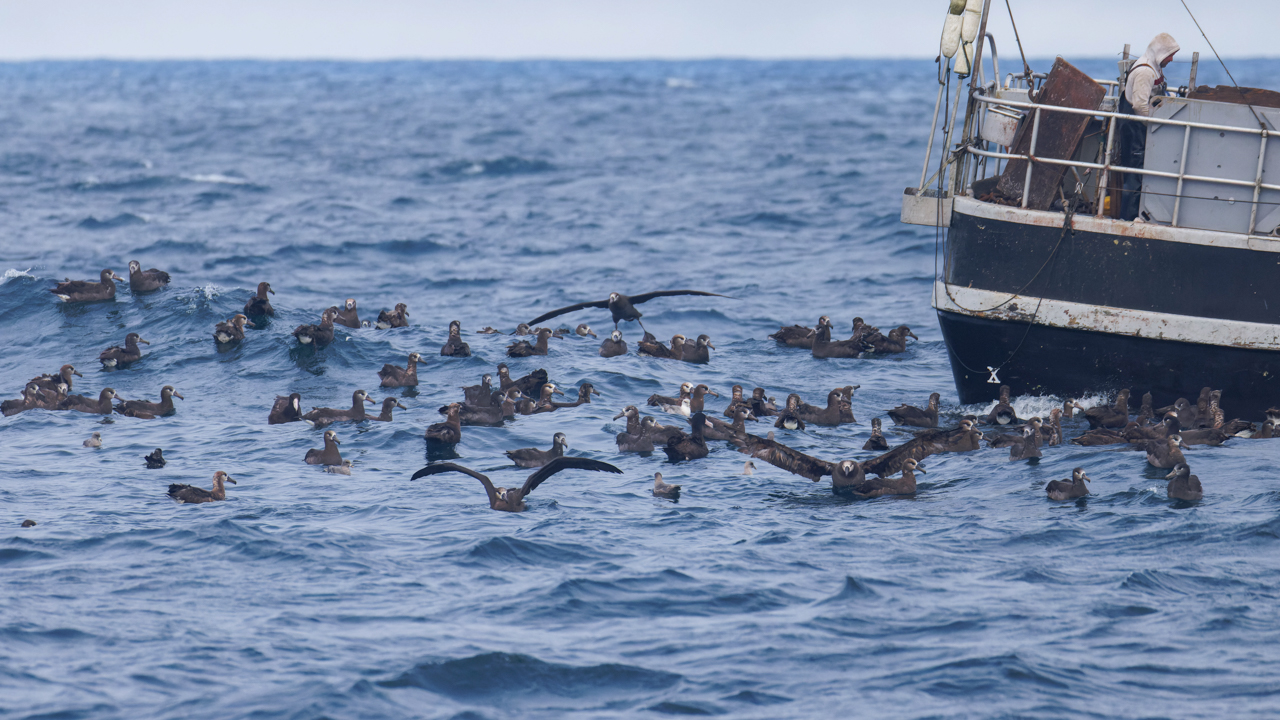
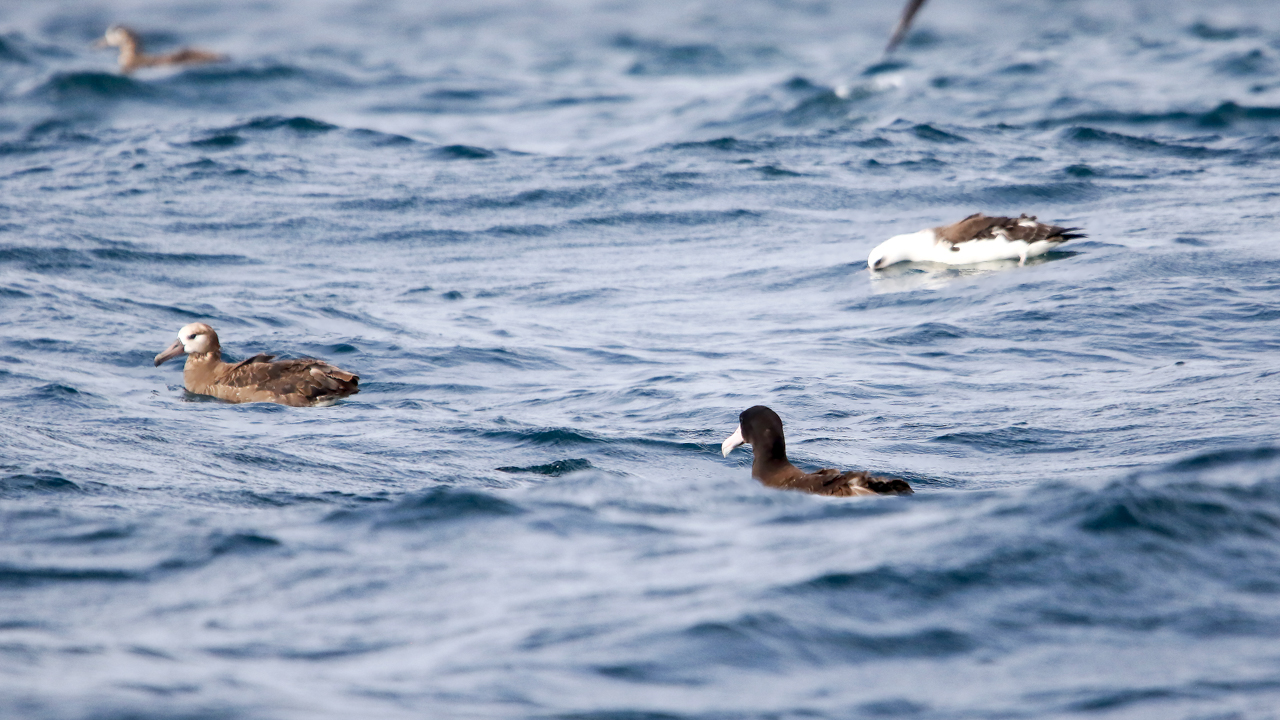
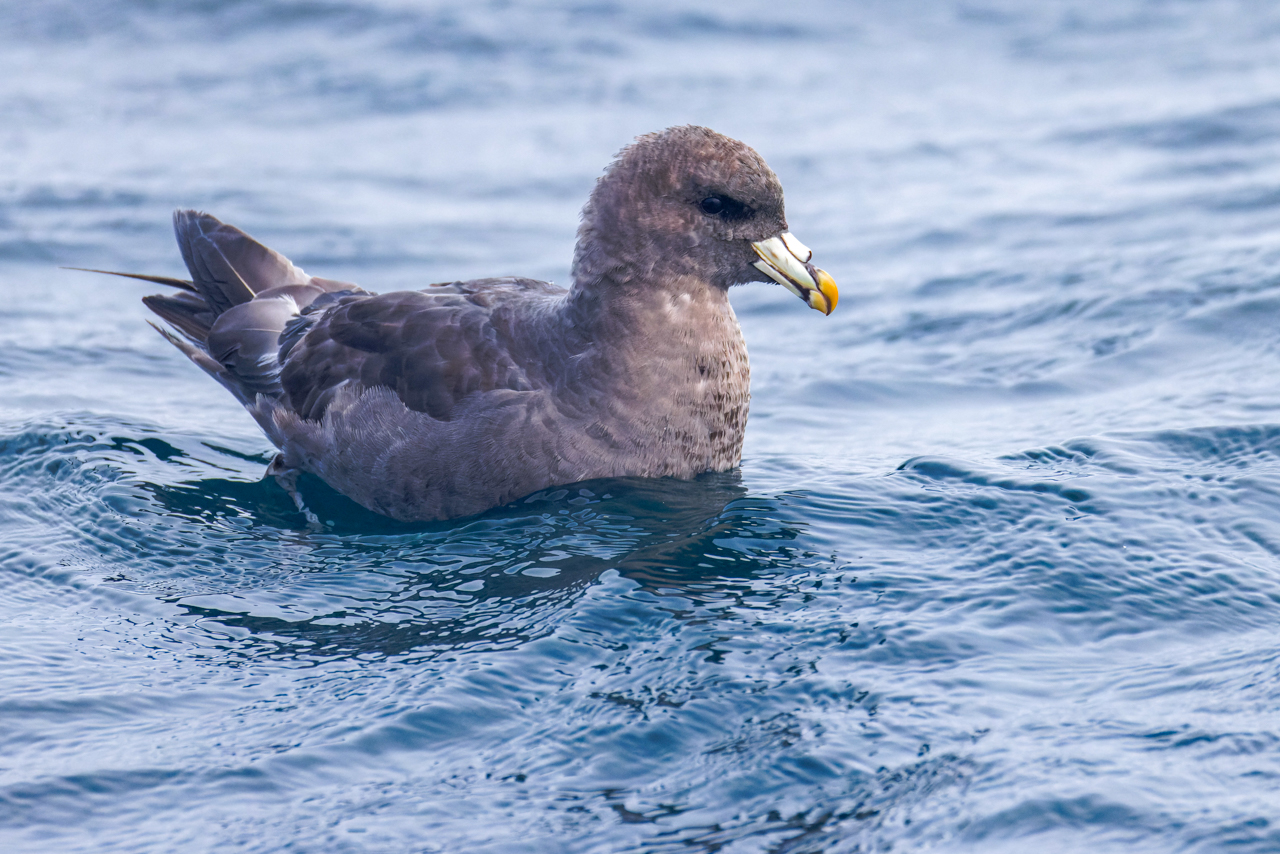
Departing Tofino under pre-dawn conditions, the team navigated toward the continental shelf. Upon reaching the deep waters, the survey yielded high-density sightings of Pink-footed Shearwaters (Ardenna creatopus), Sabine’s Gulls (Xema sabini), and the elusive Fork-tailed Storm-Petrel (Hydrobates furcatus). The most notable discovery, however, involved the rare Short-tailed Albatross (Phoebastria albatrus). Historically decimated by the feather trade in the early 20th century, this species remains critically endangered and is subject to intense international conservation efforts. The encounter with two individuals—observed engaging in complex behavioral displays—provided rare data on the social habits of these birds in their foraging range. The "albatross trifecta" was completed later in the day with the identification of a juvenile Laysan Albatross (Phoebastria immutabilis), confirming the area’s status as a high-value foraging ground for these wide-ranging seabirds.
Pacific Rim Habitat Assessment
Days four and five shifted focus to the intertidal and forest ecosystems of the Pacific Rim National Park Reserve. The survey of the coastal trail and Combers Beach revealed the heavy reliance of shorebirds on these substrates during their southward migration. Large mixed flocks of Western Sandpipers (Calidris mauri) and Least Sandpipers (Calidris minutilla) were recorded in significant numbers.
A noteworthy highlight was the documentation of five Baird’s Sandpipers (Calidris bairdii). These birds, which breed in the high Arctic, were found to be remarkably undisturbed by the presence of human observers, allowing for high-resolution documentation of their plumage and foraging behaviors. The final phase of the expedition included a visit to the ancient old-growth forests of Cathedral Grove. This ecosystem serves as a vital habitat for forest-dwelling species such as the Hammond’s Flycatcher (Empidonax hammondii) and the Chestnut-backed Chickadee (Poecile rufescens), highlighting the interconnectedness of British Columbia’s terrestrial and marine biodiversity.
Ornithological Data and Ecological Significance
The data collected during this five-day window underscores the importance of the British Columbia coastline in the global life cycle of migratory birds. The Pacific Flyway is currently facing unprecedented pressures from habitat fragmentation and climate-driven shifts in prey availability.
According to regional ornithological records, the Fraser Delta alone supports over 1.4 million birds annually. The presence of species such as the Short-tailed Albatross in Clayoquot Canyon serves as an indicator of the efficacy of recent marine conservation initiatives. Experts have long argued that the preservation of these "stopover" sites is not merely a matter of regional conservation but a global necessity. When shorebirds fail to acquire sufficient fat reserves at these sites, their survival rates during the trans-Pacific flight to South America plummet.
Furthermore, the observation of Humpback Whales (Megaptera novaeangliae) during the final ferry transit provided additional context regarding the trophic health of the region. The presence of apex predators and large cetaceans often correlates with high concentrations of forage fish, which in turn support the avian species observed throughout the week.
Perspectives on Wildlife Conservation
While the expedition was primarily observational, the findings reinforce the necessity of ongoing monitoring programs. Wildlife biologists often note that, in the face of warming ocean temperatures, the "classic" migration patterns of many seabirds are becoming increasingly unpredictable.
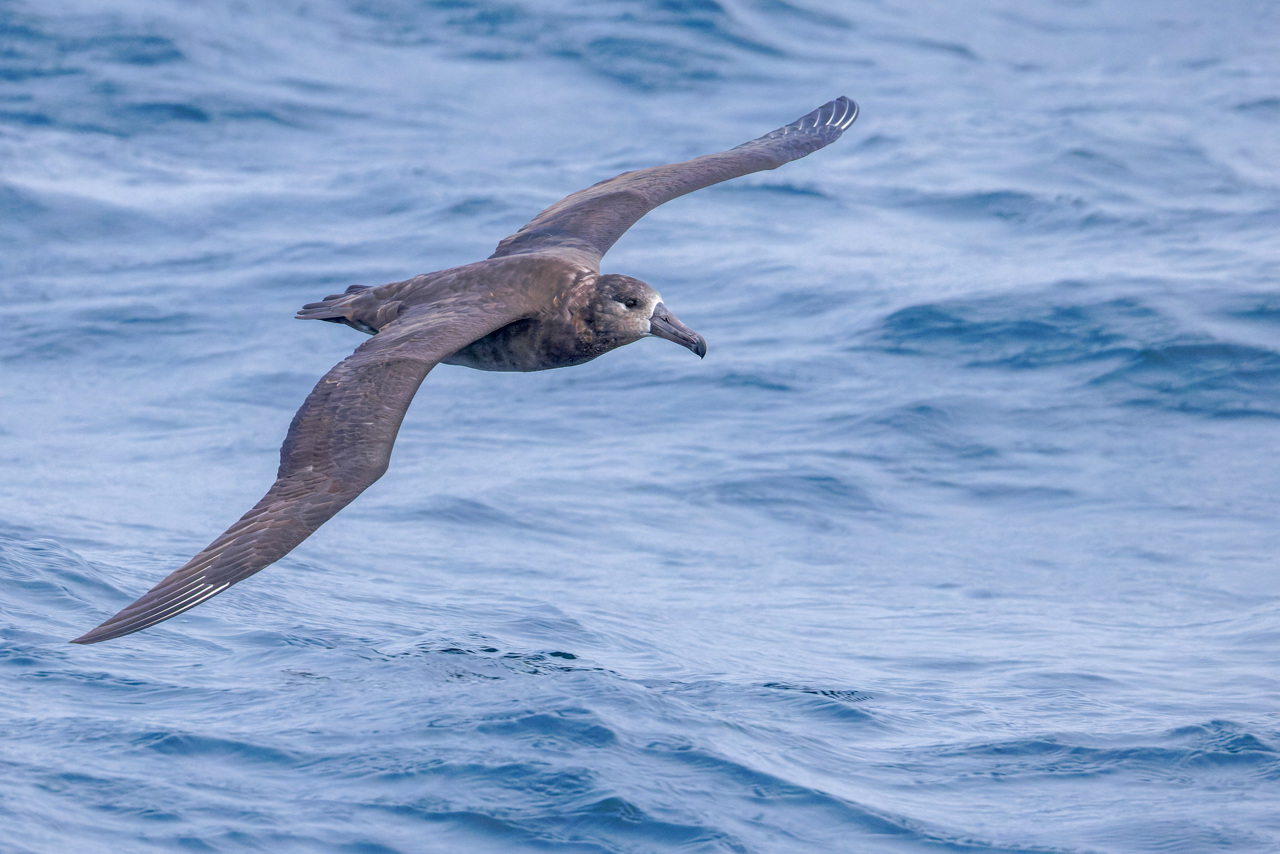
"The ability to observe such a rare convergence of albatross species in a single day is a testament to the productivity of the canyon ecosystems off the coast of Vancouver Island," noted one participant familiar with the survey. "However, these sightings are snapshots in time. To truly understand the status of these populations, we require longitudinal data that spans decades, not just days."
The interaction observed between the two Short-tailed Albatrosses, in particular, has sparked interest among researchers. While behavior like bill-clacking is well-documented in established colonies on islands near Japan, seeing such behavior in a foraging environment is an infrequent occurrence that provides insight into the complex social structures of these birds outside of their breeding grounds.
Broader Implications and Future Research
The conclusion of this survey at Horseshoe Bay marked the end of a highly successful data-gathering effort. The findings have been compiled for integration into local databases, which contribute to the broader North American bird monitoring networks. The implications of this study are twofold: first, it confirms the continued utility of traditional survey methods in identifying biodiversity hotspots; and second, it highlights the vulnerability of these sites to industrial activity and climate-related stressors.
As the region continues to experience increased maritime traffic and environmental change, the data gathered from expeditions like this one will prove essential for policymakers. Protecting the specific estuaries, mudflats, and canyon upwellings identified here is critical for maintaining the ecological integrity of the Pacific Northwest. Future research efforts are expected to focus on the specific impact of changing sea-surface temperatures on the availability of the krill and small forage fish that form the foundation of the diet for the species documented in this report.
In summary, the survey not only achieved its goals of documenting bird diversity but also served as a stark reminder of the fragile balance required to sustain the unique avian life of the British Columbia coast. From the ancient Douglas-firs of the interior to the deep-water canyons of the open Pacific, the region remains a vital theater for avian activity, necessitating continued vigilance, study, and conservation.
