
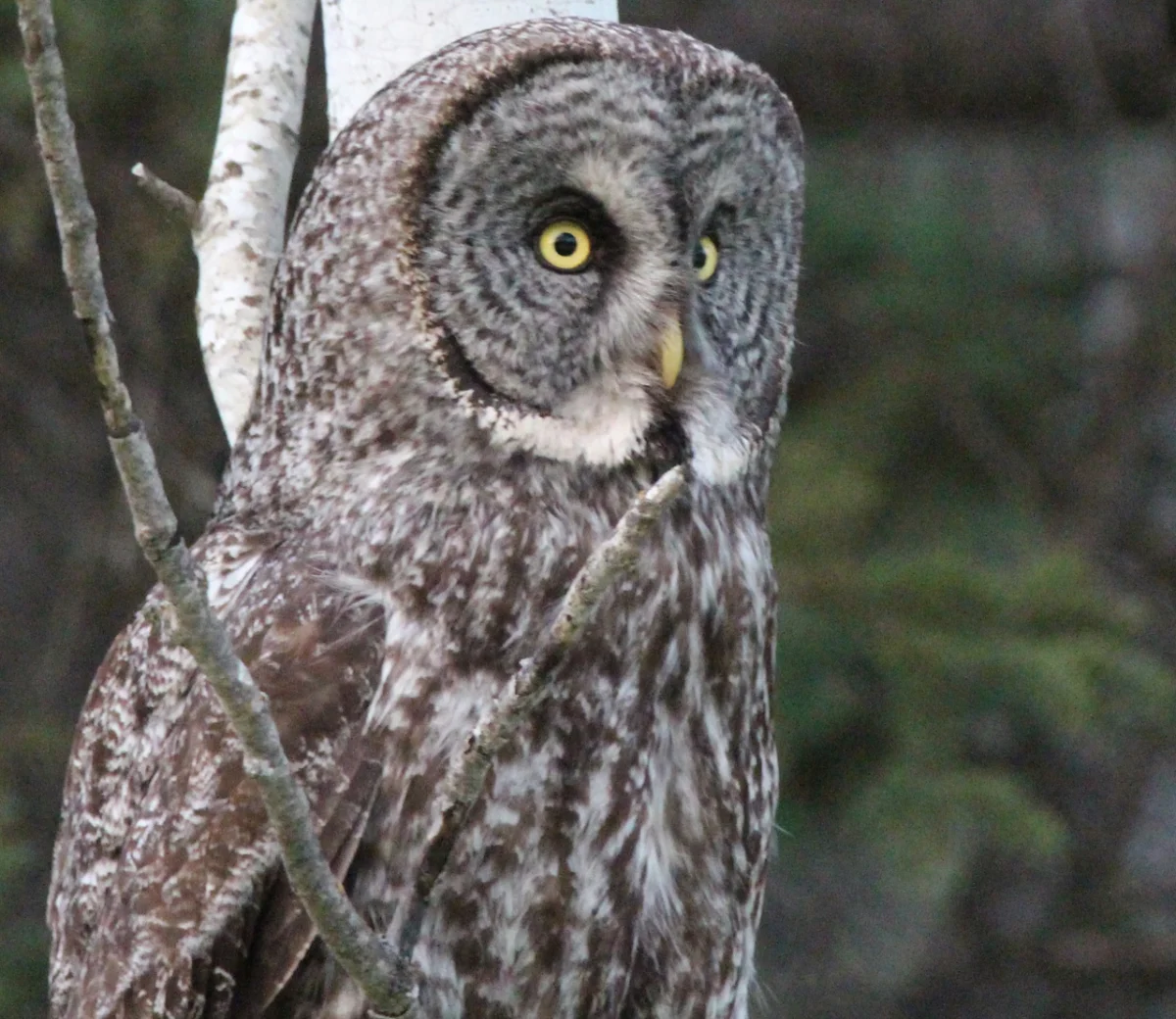
Manitoba’s diverse ecosystems, ranging from the fertile southern prairies to the rugged northern coastline of Hudson Bay, served as the backdrop for an intensive 12-day ecological survey and wildlife expedition conducted in August 2026. The journey, which spanned over 1,000 kilometers, focused on documenting avian migrations, mammalian behavior, and the delicate environmental conditions currently shaping the province’s wildlife corridors. Participants engaged in systematic observations across key regions, including Riding Mountain National Park, the prairie pothole country of the southwest, and the subarctic environment of Churchill.
Southern Manitoba: Prairie Potholes and Forested Transitions
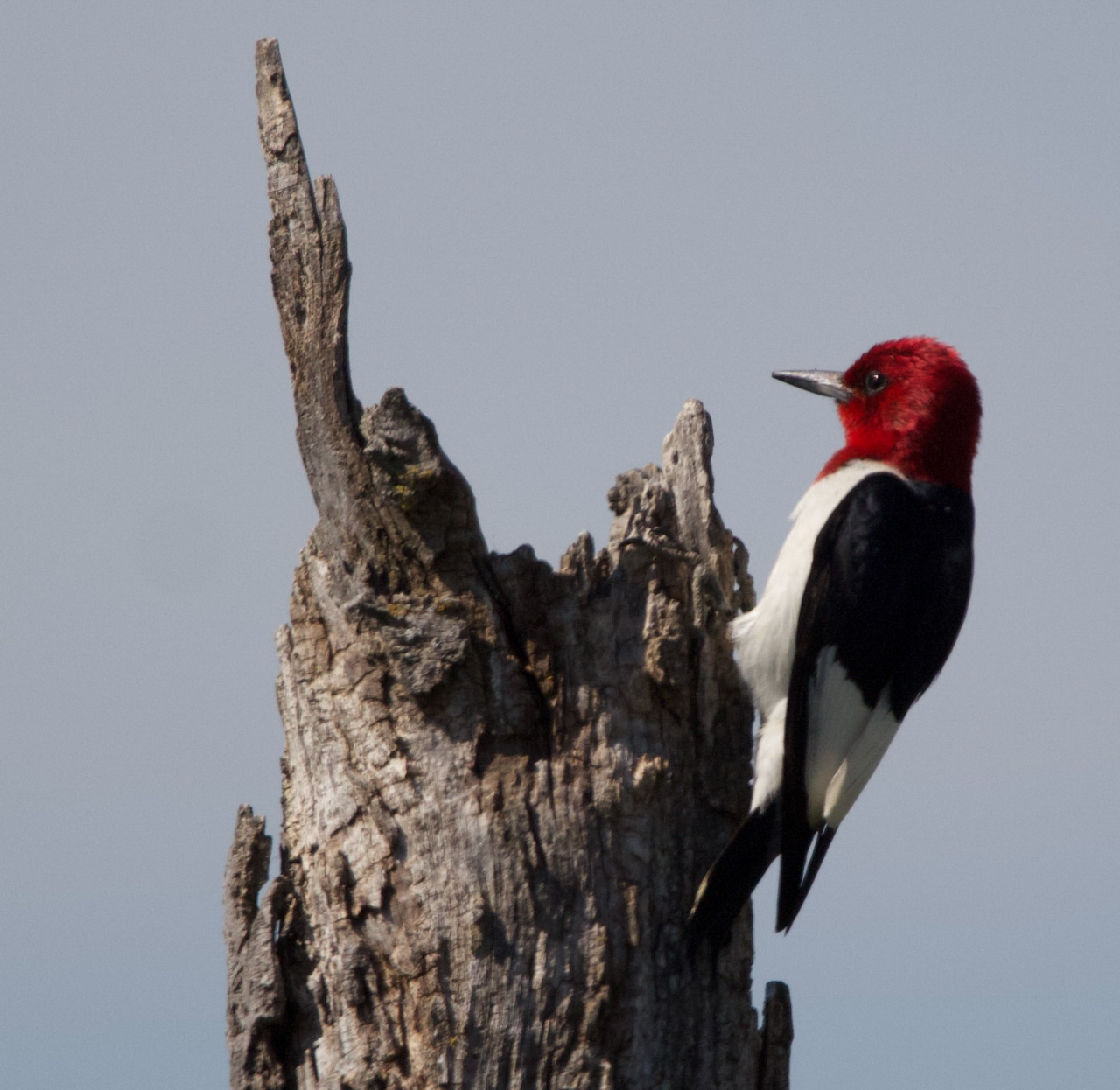
The expedition commenced in southern Manitoba, a region defined by its mosaic of agricultural lands and remnant native prairie. On the second day, the team focused on the Woodlands region, an area characterized by cattle pastures and open-canopy oak trees. This habitat remains critical for the Red-headed Woodpecker, a species currently listed as threatened in Canada due to habitat loss and competition for nesting cavities.
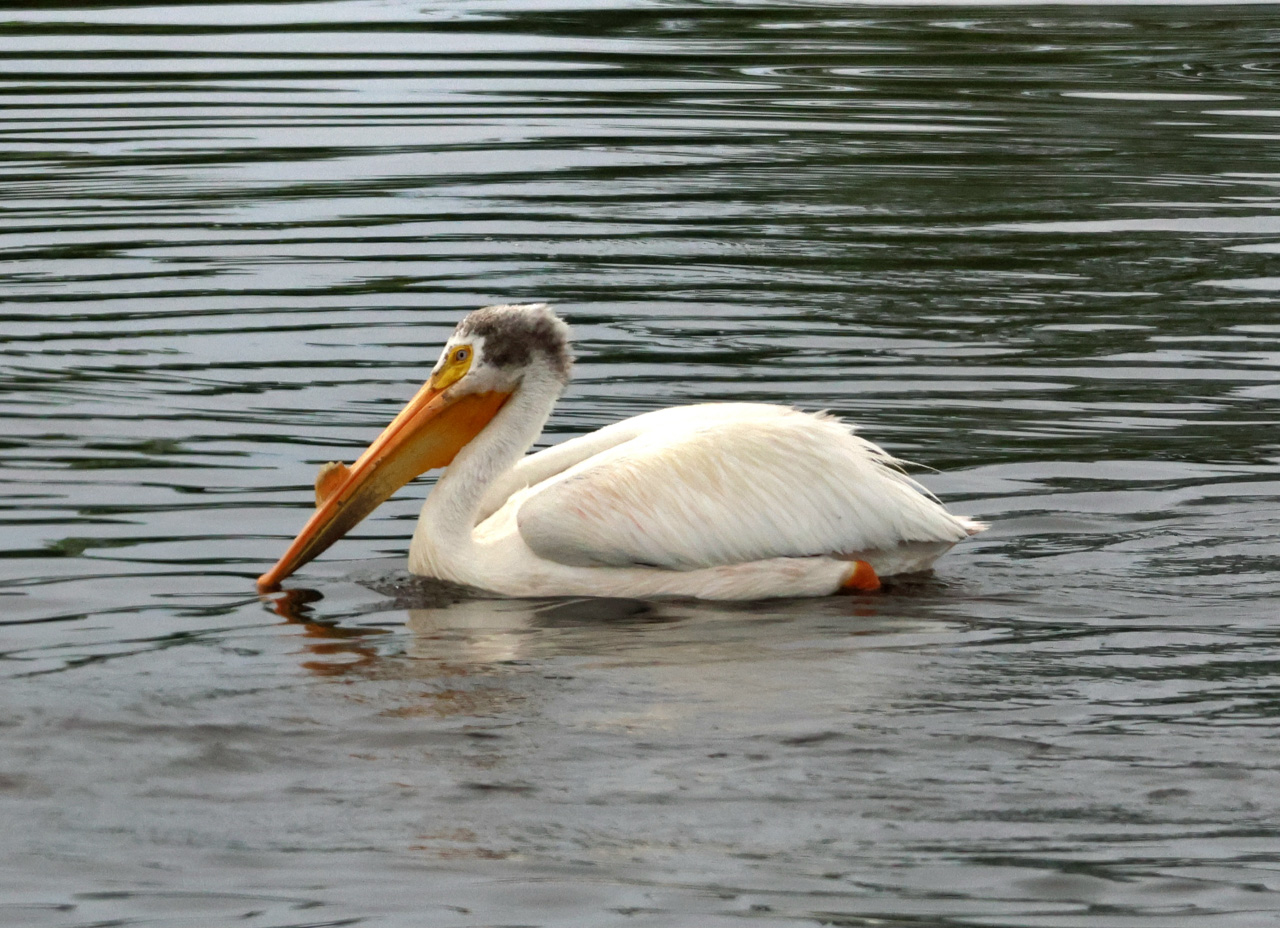
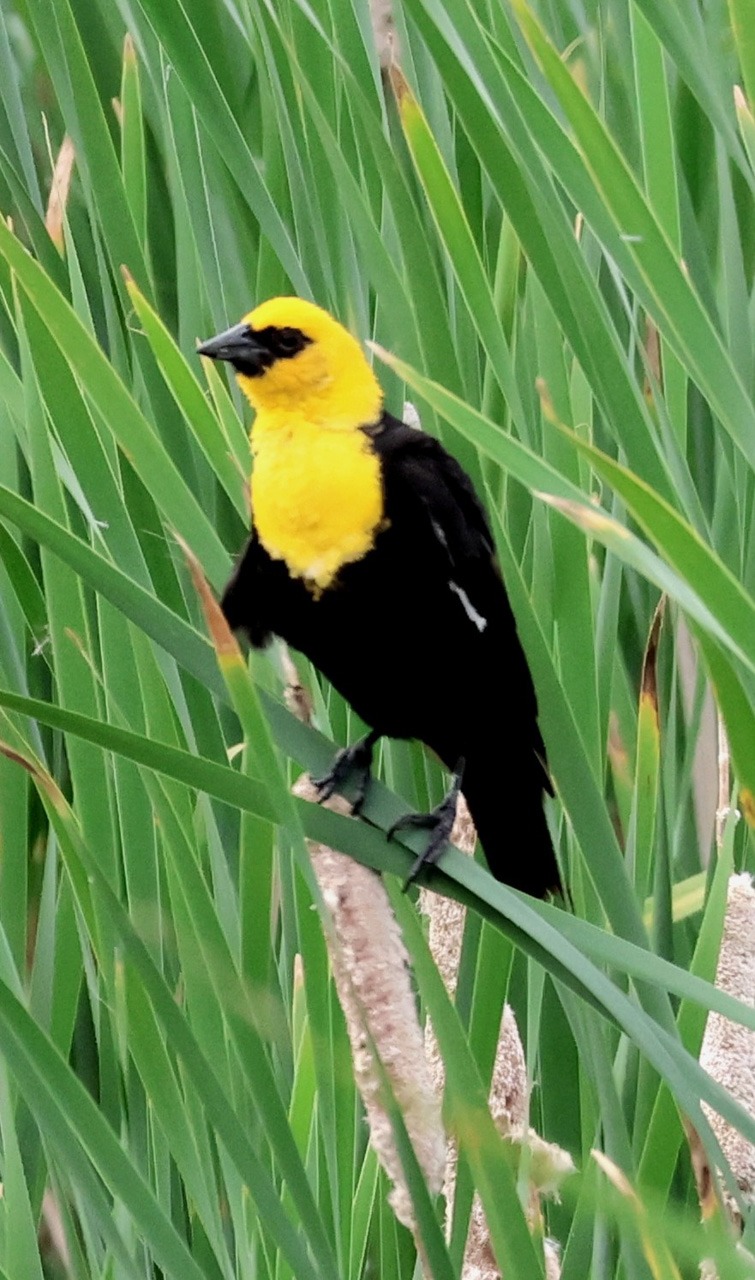
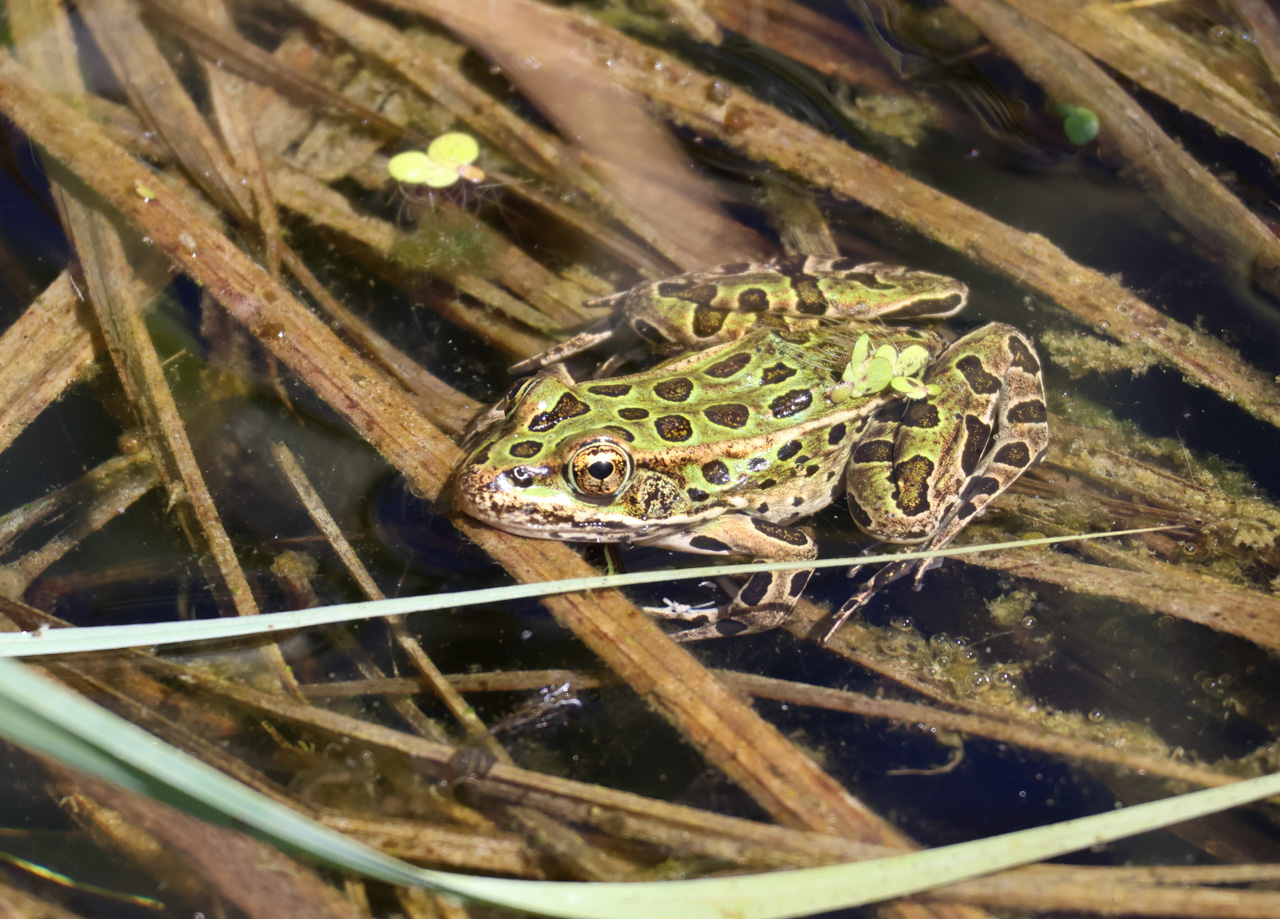
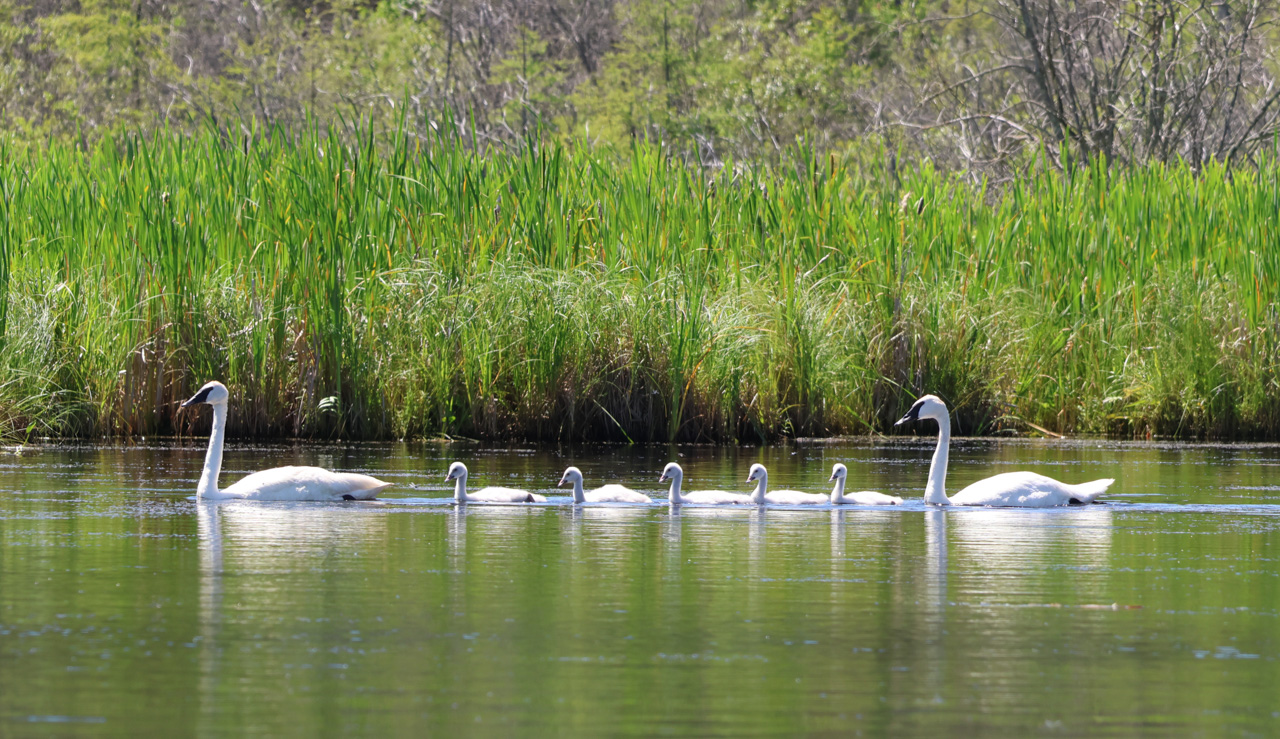
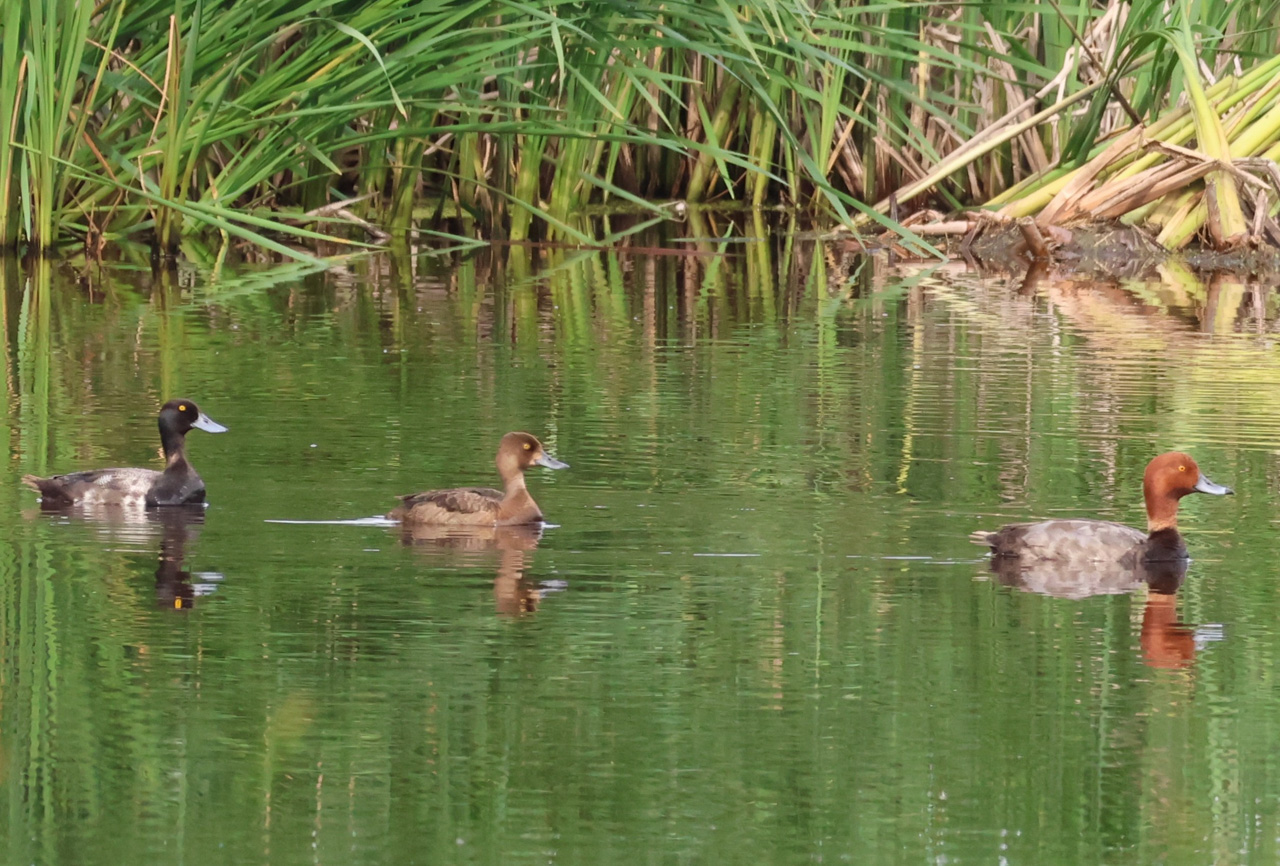
Moving westward toward the Shoal Lakes, observers noted a high concentration of waterfowl, including various grebe species and the American White Pelican. The presence of these birds serves as an indicator of the overall health of the prairie wetland systems. Environmental data collected during this leg of the trip highlighted the abundance of aquatic insects and snails, which sustained a visible influx of terns, specifically Forster’s and Black Terns.
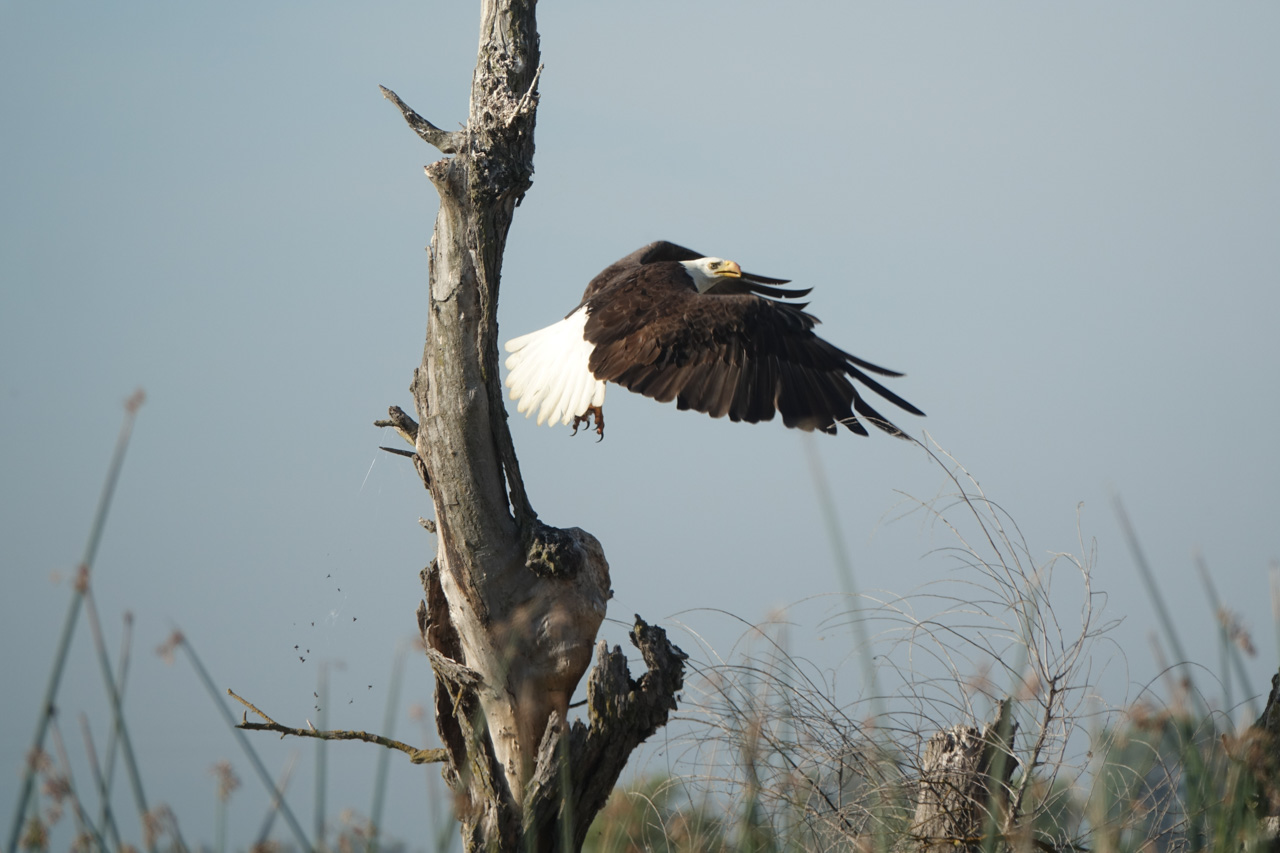
The agricultural landscapes surrounding Portage la Prairie provided further insight into the opportunistic feeding behaviors of gull populations. At the local landfill, researchers identified California Gulls among the more common American Herring and Ring-billed Gulls—a demographic shift often linked to the availability of anthropogenic food sources. The presence of Bald Eagles, which prey on both the gulls and the local fish populations, underscored the complex predator-prey dynamics of the region.
The Boreal Wilderness of Riding Mountain
As the expedition transitioned into Riding Mountain National Park, the landscape shifted to a boreal-mixed forest, offering a significant contrast to the flat, open prairies of the south. The park acts as a crucial "island" of biodiversity within the Manitoba landscape. During the third and fourth days, the team conducted surveys near Swanson Creek and Lake Audy.
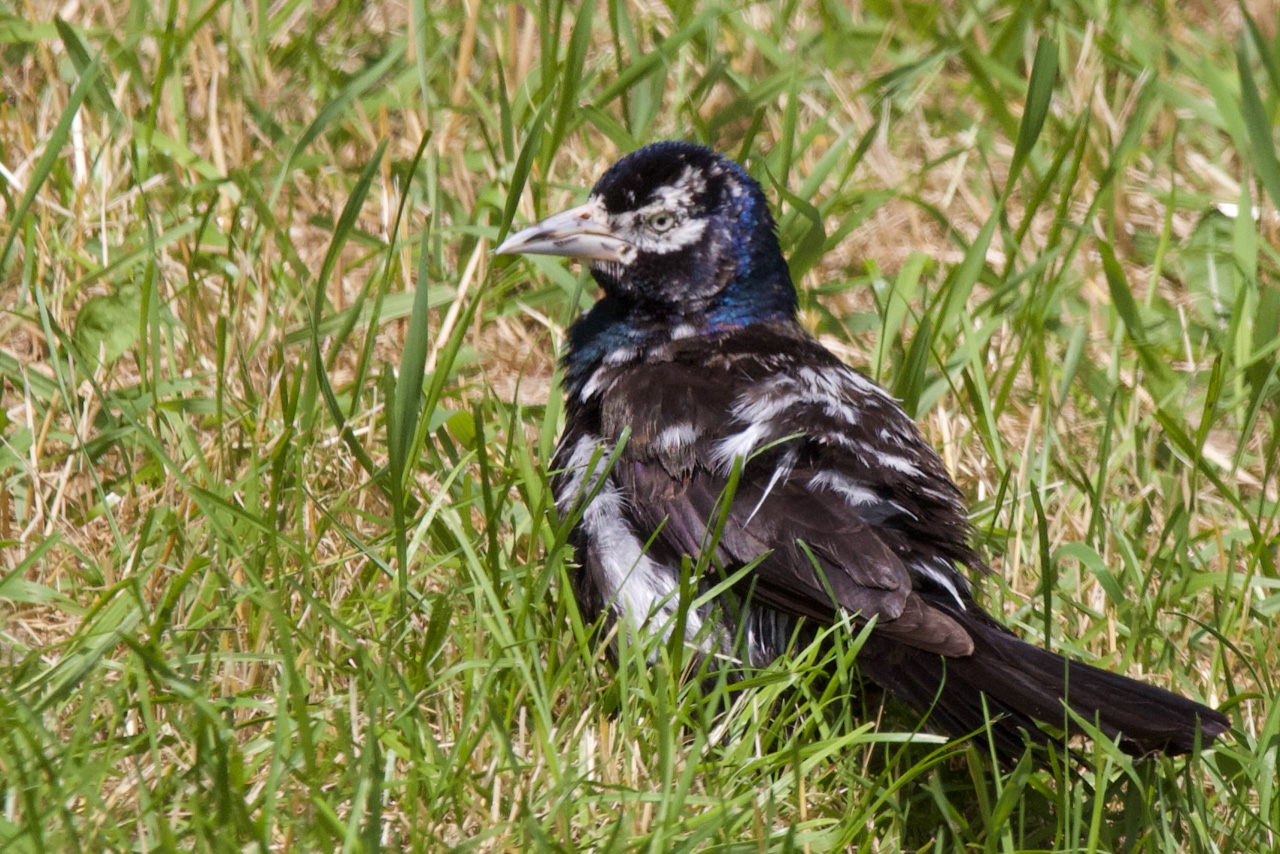
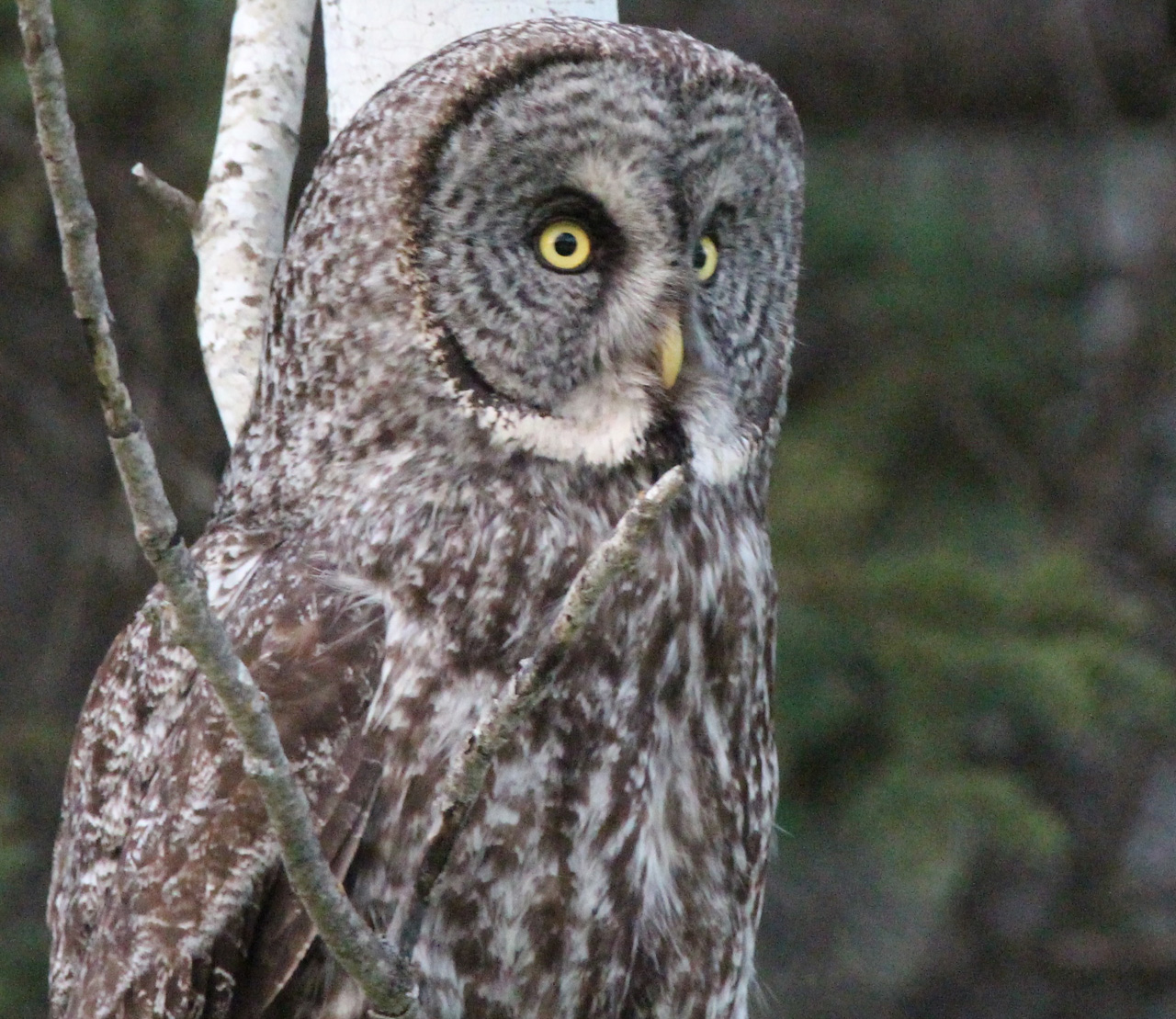
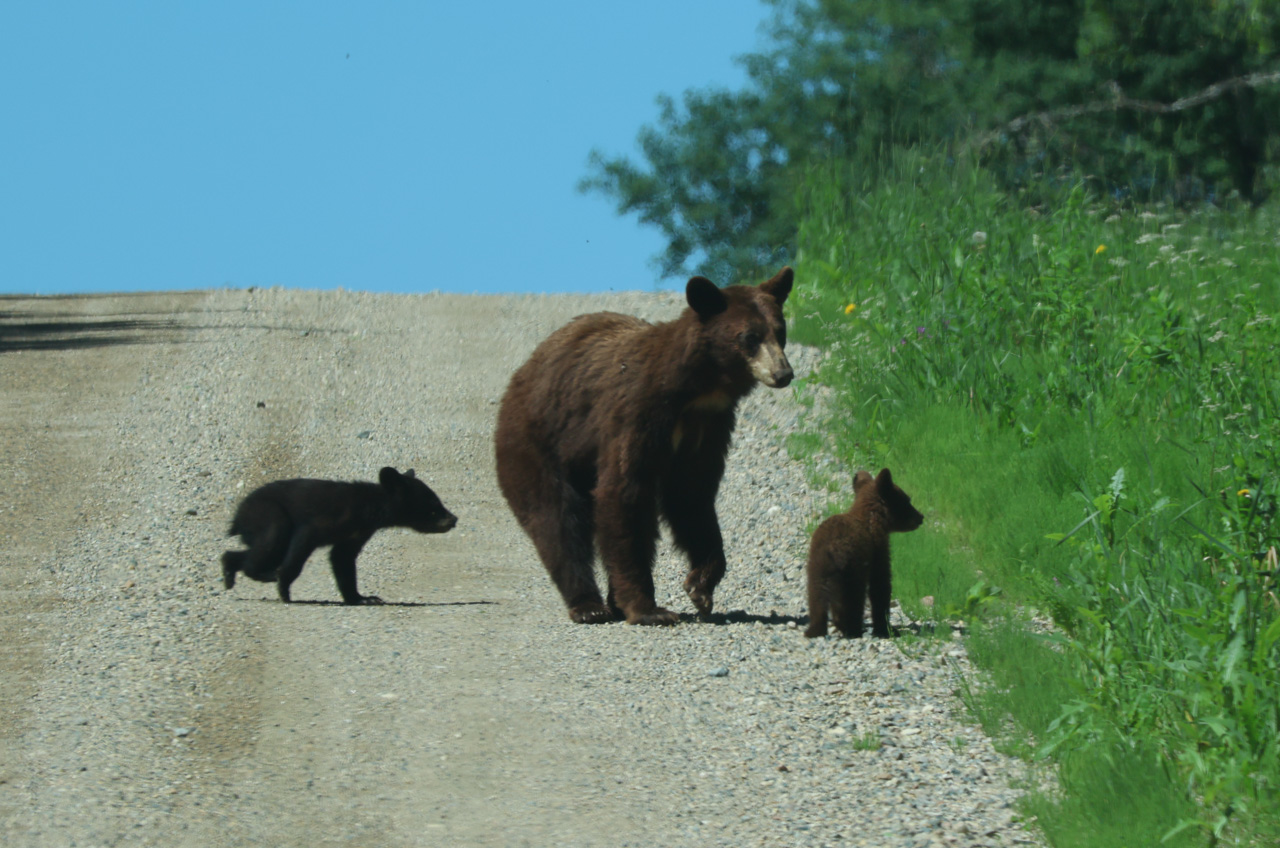
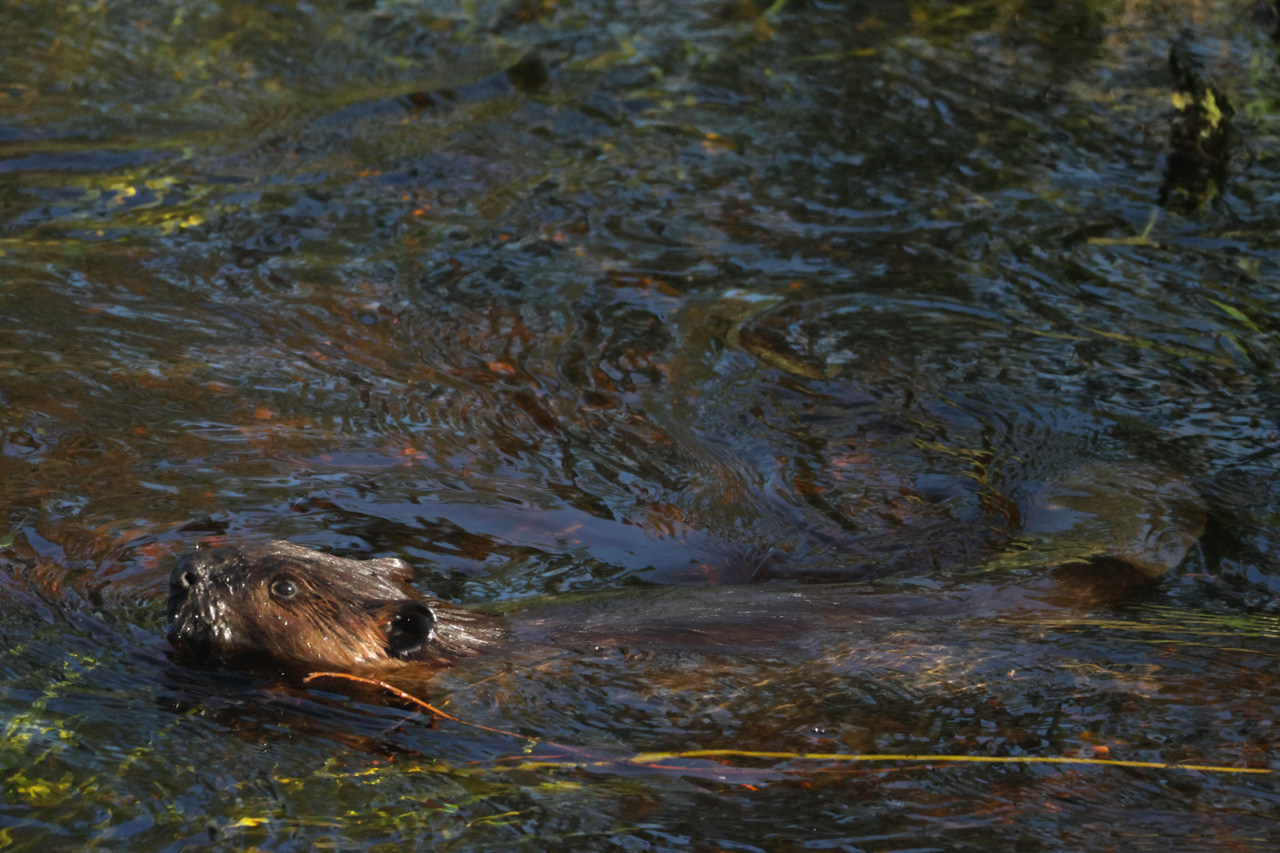
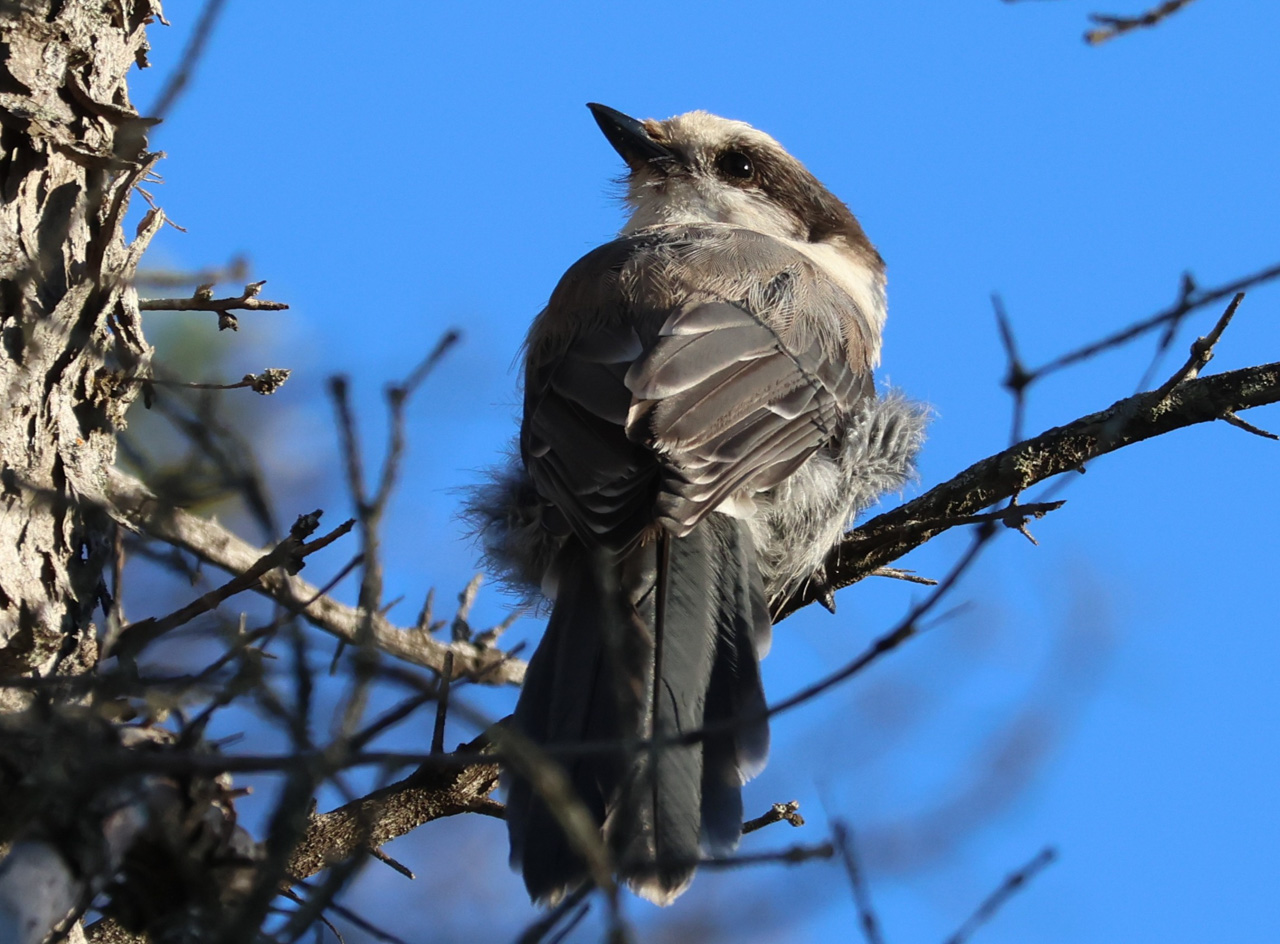
Ecological observations here focused on the interaction between boreal songbirds—such as Evening Grosbeaks and Red-breasted Nuthatches—and the local mammal population. The high frequency of American Black Bear sightings in the vicinity of soy bean fields and along highway corridors suggests an increasing habituation of these animals to roadside food sources.
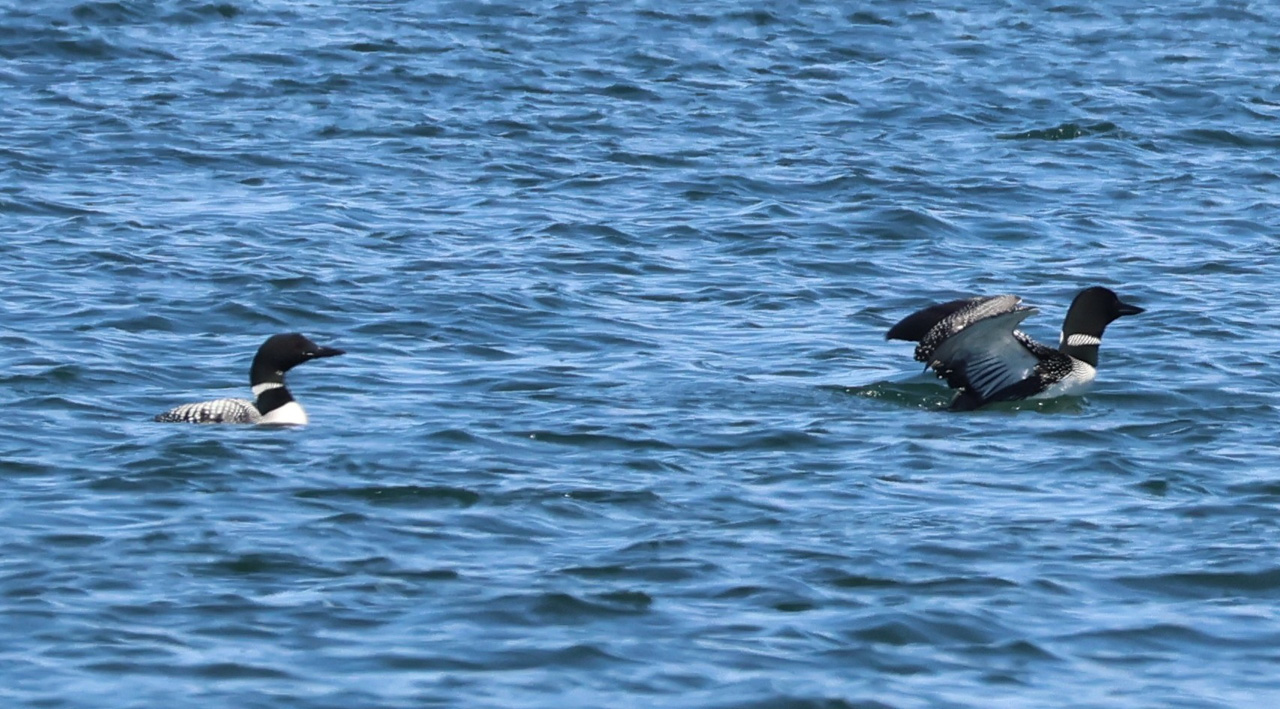
A critical logistical challenge occurred during the trip when heavy flooding rendered the road to the Lake Audy Bison enclosure impassable. This event highlighted the increasing impact of extreme weather patterns on regional infrastructure and wildlife accessibility. In response, the team pivoted to the Wasagaming townsite, where they documented high-value species including Blackburnian and Mourning Warblers. The presence of Northern Pike in Clear Lake and the successful sighting of Common Loons provided data on the health of the park’s primary freshwater systems.
The Southwest: Rare Grassland Avifauna
The expedition’s sixth day shifted to the southwestern corner of the province, specifically near Melita, which is recognized by birders for its unique grassland habitat. This area is essential for several species at risk, including the Chestnut-collared Longspur and the Sprague’s Pipit.
The team successfully documented the behavior of the Burrowing Owl, a species that has seen drastic population declines across North America. The sighting of a confiding Burrowing Owl on a fence post near Melita was noted as a significant event, as these birds are notoriously elusive and their nesting sites are highly sensitive to disturbance. Furthermore, the observation of a male Lazuli Bunting—a rare vagrant in this part of Manitoba—suggests that shifting climate conditions may be influencing the traditional ranges of certain avian species.
The use of Coulter Park as a base for observing species along the Antler River emphasized the importance of coulee habitats in the prairie region. These areas provide the necessary riparian vegetation for species like the Yellow-throated Vireo and the Orchard Oriole, which otherwise struggle to find nesting sites in the surrounding intensive agricultural landscape.
Subarctic Migration and Marine Life in Churchill
On the eighth day, the expedition relocated to Churchill, a town situated at the confluence of the Churchill River and Hudson Bay. This region represents the transition from the boreal forest to the tundra, creating a unique biological "ecotone."
The primary objective in Churchill was to study the beluga whale population and the surrounding shorebird migration. During the zodiac excursion on the Churchill River, participants observed hundreds of belugas, including mothers with greyish calves. Data regarding the timing of the capelin run—the small fish species that attracts both the belugas and the avian predators—is vital for understanding the food security of the Hudson Bay ecosystem.
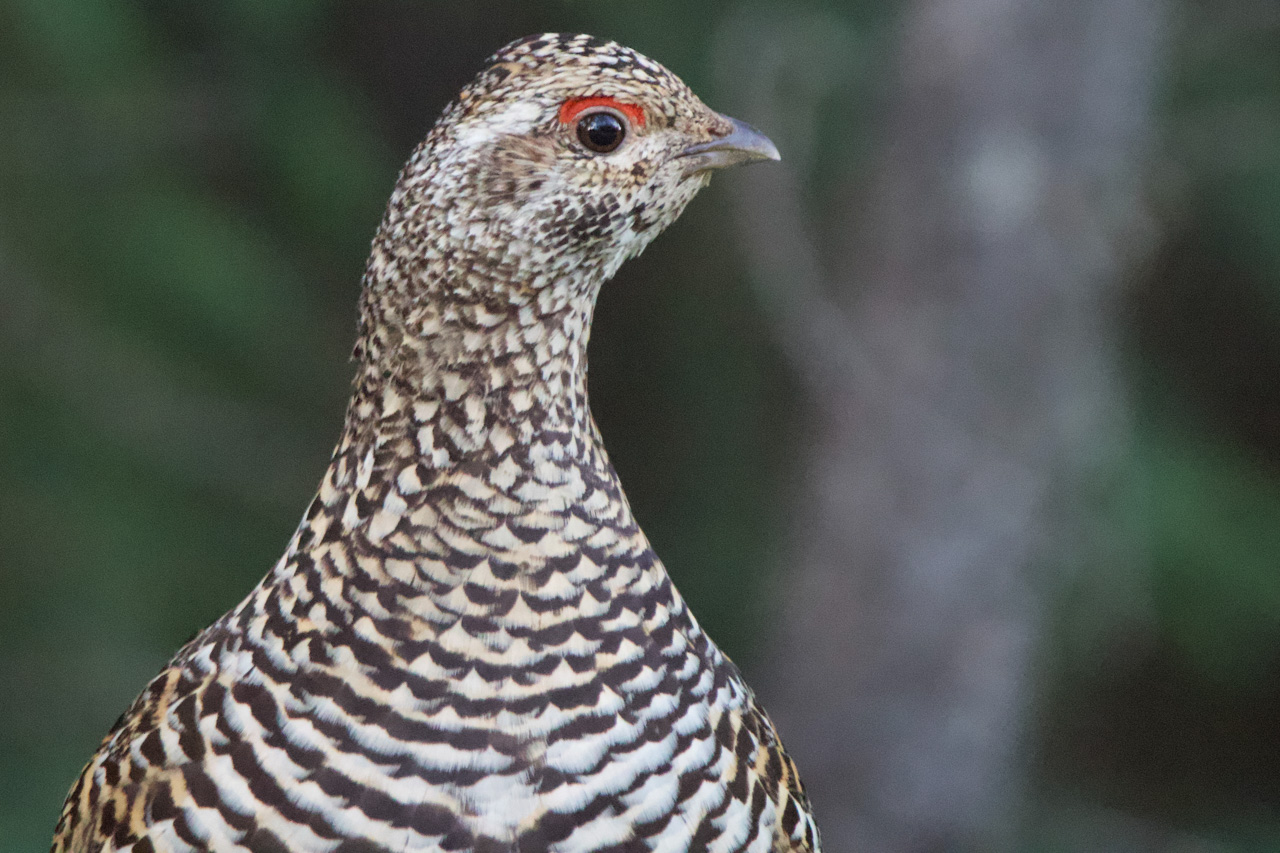
The expedition also documented the presence of the Sabine’s Gull, a rare visitor in the area, which provided further evidence of the region’s importance as a stopover for high-latitude migrants. The encounter with a Willow Ptarmigan, which exhibited a lack of fear toward the human observers, offered a stark contrast to the skittish behavior of wildlife in more heavily trafficked areas of the province.
Environmental Analysis and Implications
Throughout the 12-day journey, the team compiled data on both the biological successes and the environmental vulnerabilities of the regions visited. The observed "Red Fox trifecta"—the sighting of red, black, and cross-fox color phases—was indicative of the local population’s health, yet the frequency of sightings near human infrastructure raises questions about future human-wildlife conflict management.
The encounter with a Polar Bear near the Churchill River, while a major highlight for the participants, also serves as a reminder of the increasing pressure on the local conservation officers to manage bears that wander into populated areas. Climate change, which is causing shorter ice seasons on Hudson Bay, is fundamentally altering the foraging patterns of these apex predators.
From a conservation perspective, the expedition highlighted several key takeaways:
- Infrastructure Resilience: The washout near Lake Audy serves as a case study for how climate-related damage to roads can limit access to protected areas, thereby complicating both tourism and ongoing wildlife research.
- Species Distribution Shifts: The observation of rare species like the Lazuli Bunting and the varying gull demographics near urban centers suggests that Manitoba’s biodiversity is in a state of flux, likely driven by both land-use changes and broader climatic shifts.
- The Importance of Protected Corridors: The success of the survey in areas like Coulter Park and the Churchill Northern Studies Centre underscores the critical necessity of maintaining habitat connectivity for species that rely on specific micro-climates.
Conclusion: A Record of Transition
As the expedition concluded on the 12th day, the final tally of species documented served as a testament to the biological richness of Manitoba. From the bustling shorebird activity of Whitewater Lake to the subarctic tundra of the north, the findings reflect a province that remains a critical node in North American migration routes.
The cooperation between conservation researchers, local guides, and regional tourism entities—exemplified by the tours at the Churchill Northern Studies Centre—remains a cornerstone for both environmental education and the protection of these habitats. As environmental pressures continue to mount, the documentation of these species in 2026 provides a vital baseline for future comparative studies, ensuring that the ecological health of Manitoba’s wilderness is monitored with the precision required for long-term conservation success.
