
The annual spring migration birding expedition across Morocco, which concluded in mid-April 2026, has provided significant observational data regarding the avian populations navigating the North African flyway. Spanning 13 days, the tour traversed a diverse gradient of ecosystems, ranging from the snow-capped peaks of the High Atlas Mountains to the arid expanses of the Sahara Desert and the productive wetlands of the Atlantic coastline. This expedition, characterized by its focus on endemic species and seasonal migrants, serves as a vital indicator of the ecological health of these regions during the critical spring movement period.

The itinerary was meticulously designed to intercept species during their northern migration, a period when Morocco functions as a primary staging ground for birds crossing the Mediterranean. By monitoring habitats ranging from high-altitude plateaus at over 2,600 meters to coastal estuaries, participants documented a robust variety of resident and transient avian life.
Chronology of the Expedition
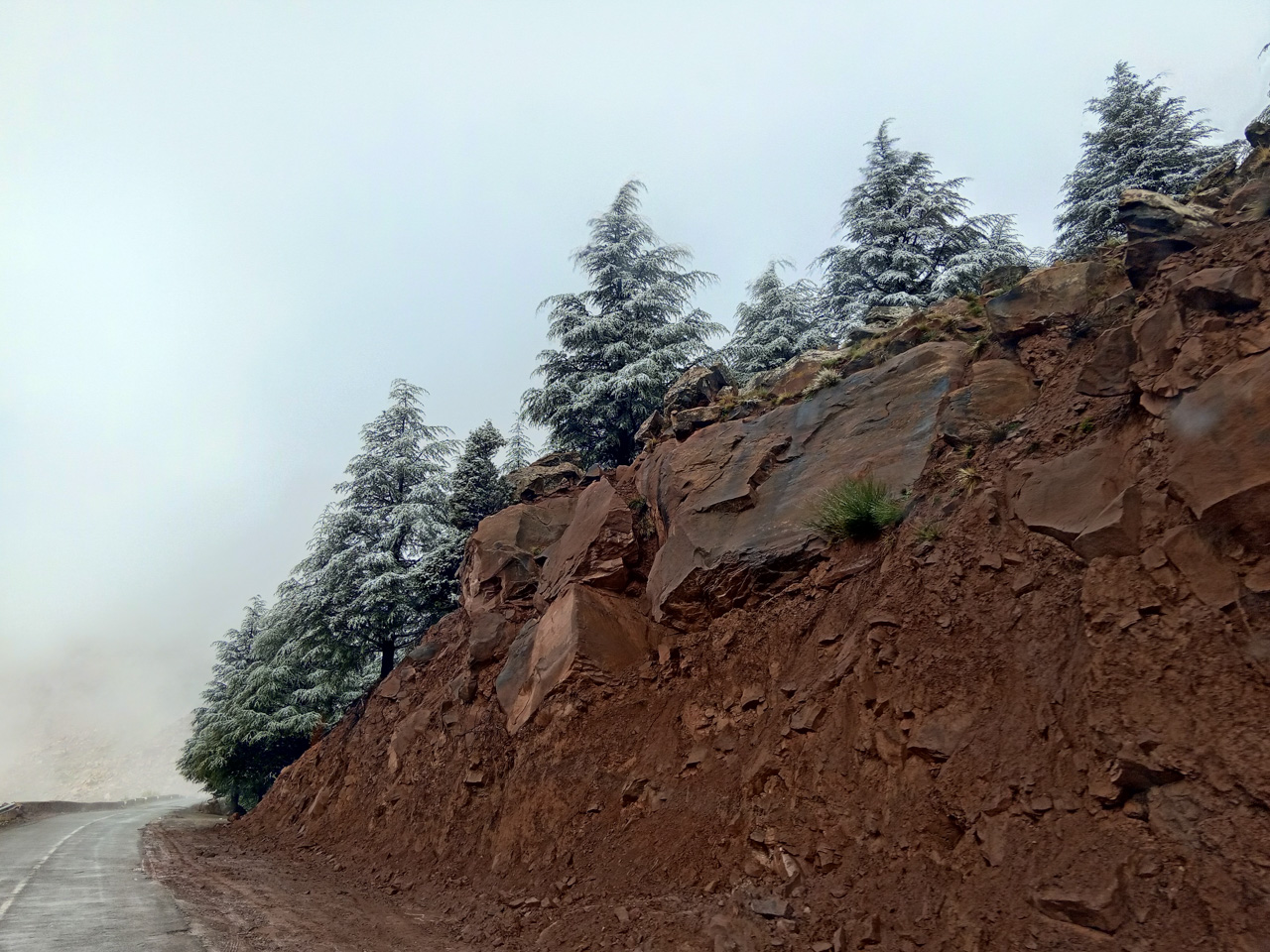
The journey commenced on April 8 in Marrakesh. The initial phase of the trip focused on acclimation and baseline observations within the city’s immediate vicinity. Early sightings included the Common Bulbul (Pycnonotus barbatus), the African Chaffinch (Fringilla coelebs africana), and the House Bunting (Emberiza sahari). These species, well-adapted to the urban-fringe habitats of Morocco, provided a standard reference point before the group moved into more specialized ecological zones.
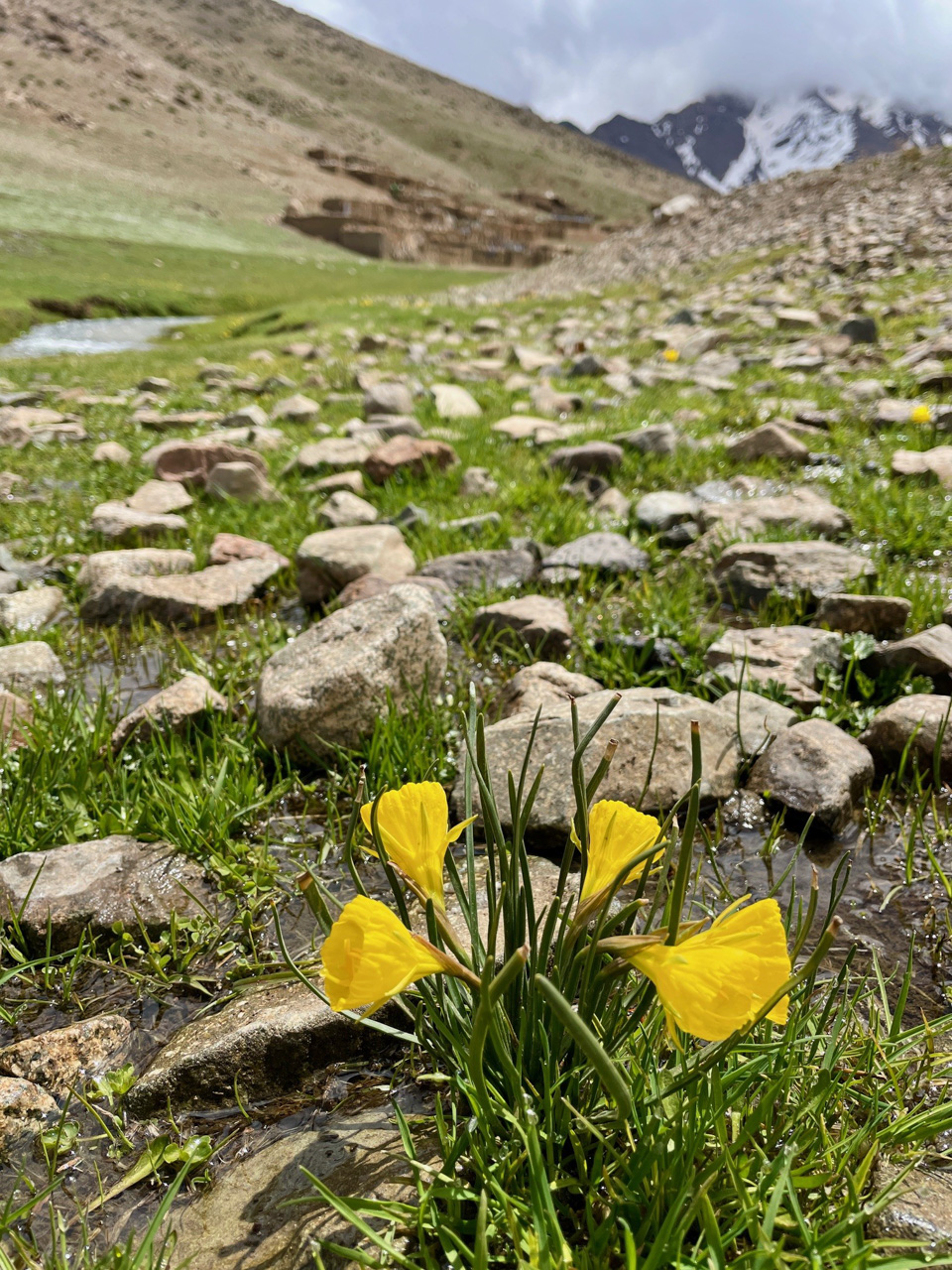
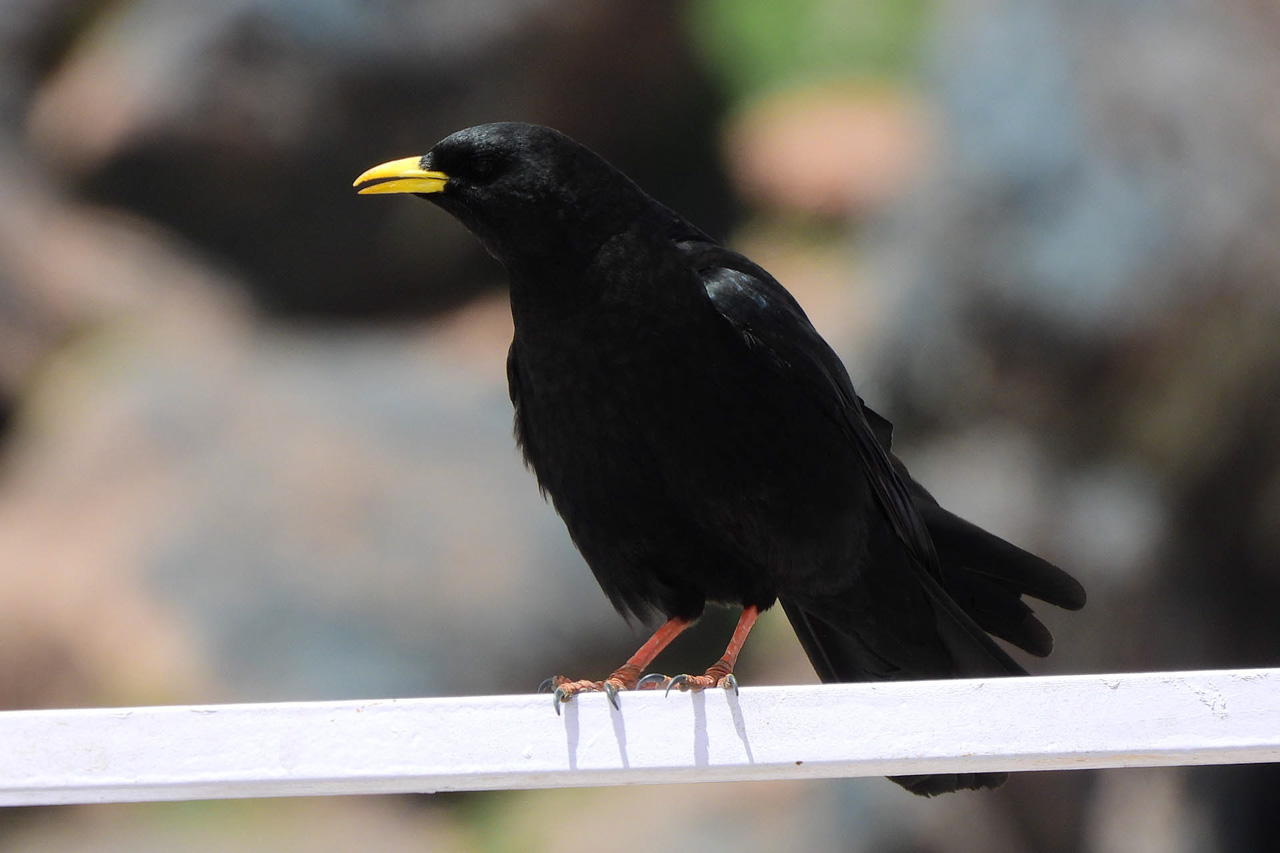
On April 9, the expedition ascended to the Oukaimeden Plateau in the High Atlas. Despite the presence of lingering snow—a testament to the high elevation—the group identified key alpine specialists, including the Red-billed Chough (Pyrrhocorax pyrrhocorax) and the Alpine Chough (Pyrrhocorax graculus). The botanical landscape was equally noteworthy, with Narcissus bulbocodium appearing in abundance across the alpine meadows. The descent through the Ourika Valley allowed for observations of the Barbary Ground Squirrel (Atlantoxerus getulus), an endemic rodent of the region.
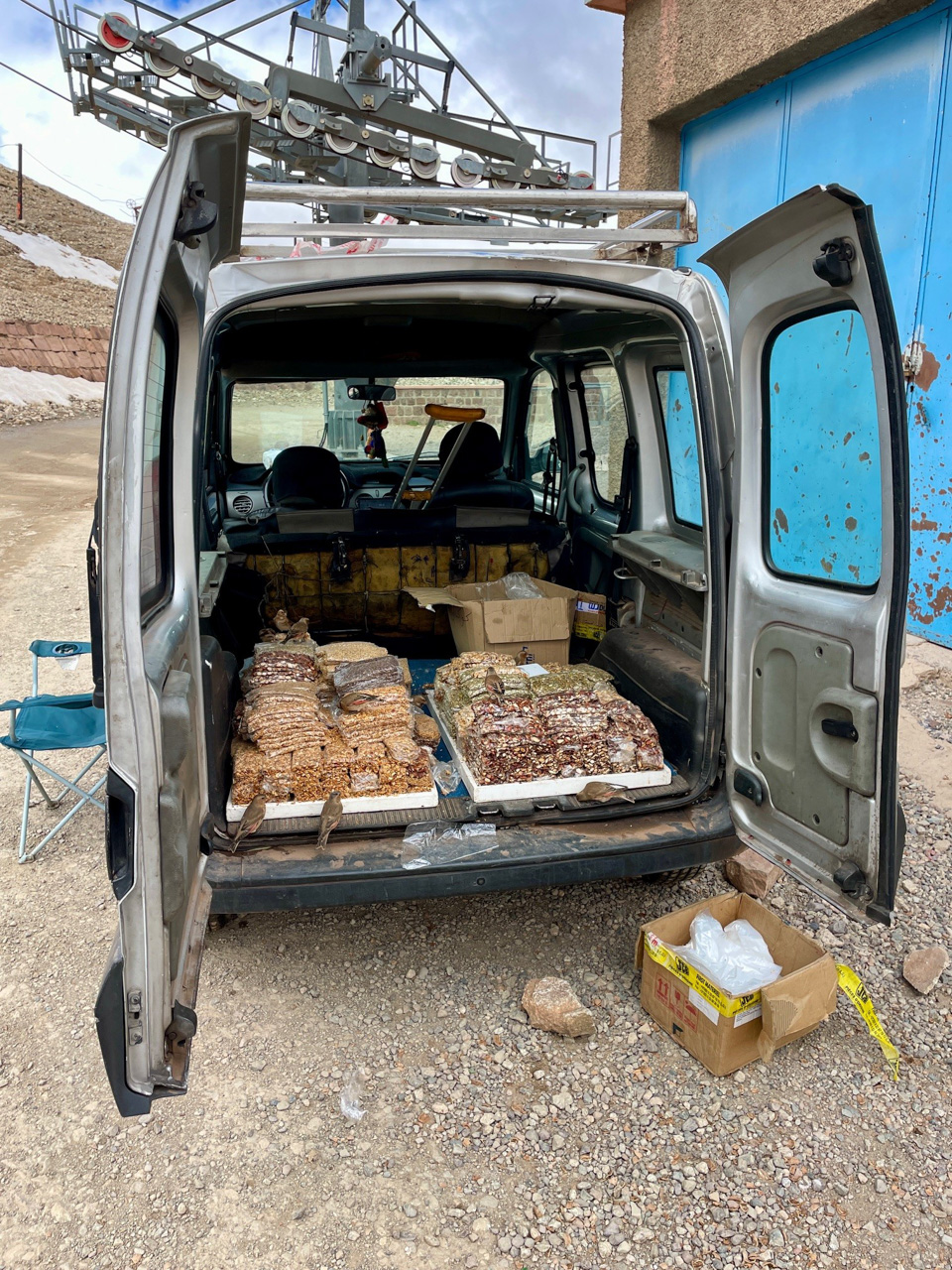
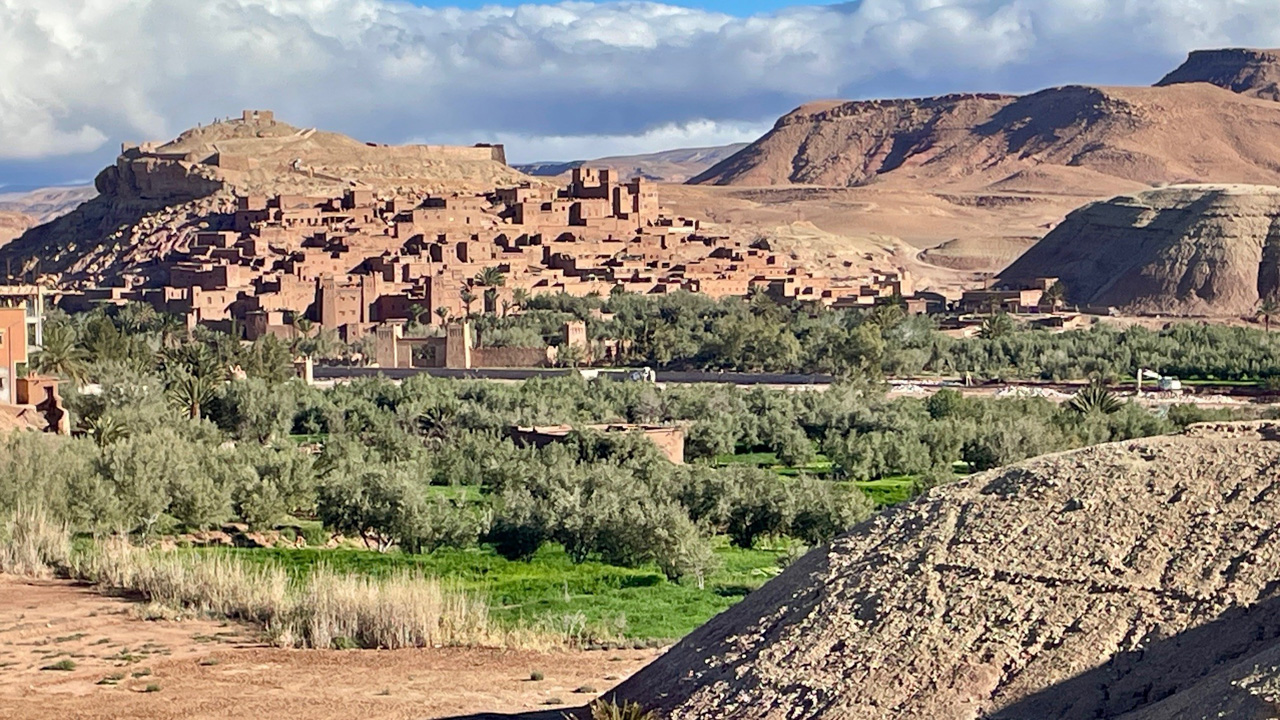
The transit through the Tizi n’Tichka Pass on April 10 provided a dramatic change in habitat, moving toward the arid landscapes near Ait Ben Haddou. The transition zone allowed for the identification of the Booted Eagle (Hieraaetus pennatus) and the Black Wheatear (Oenanthe leucura).
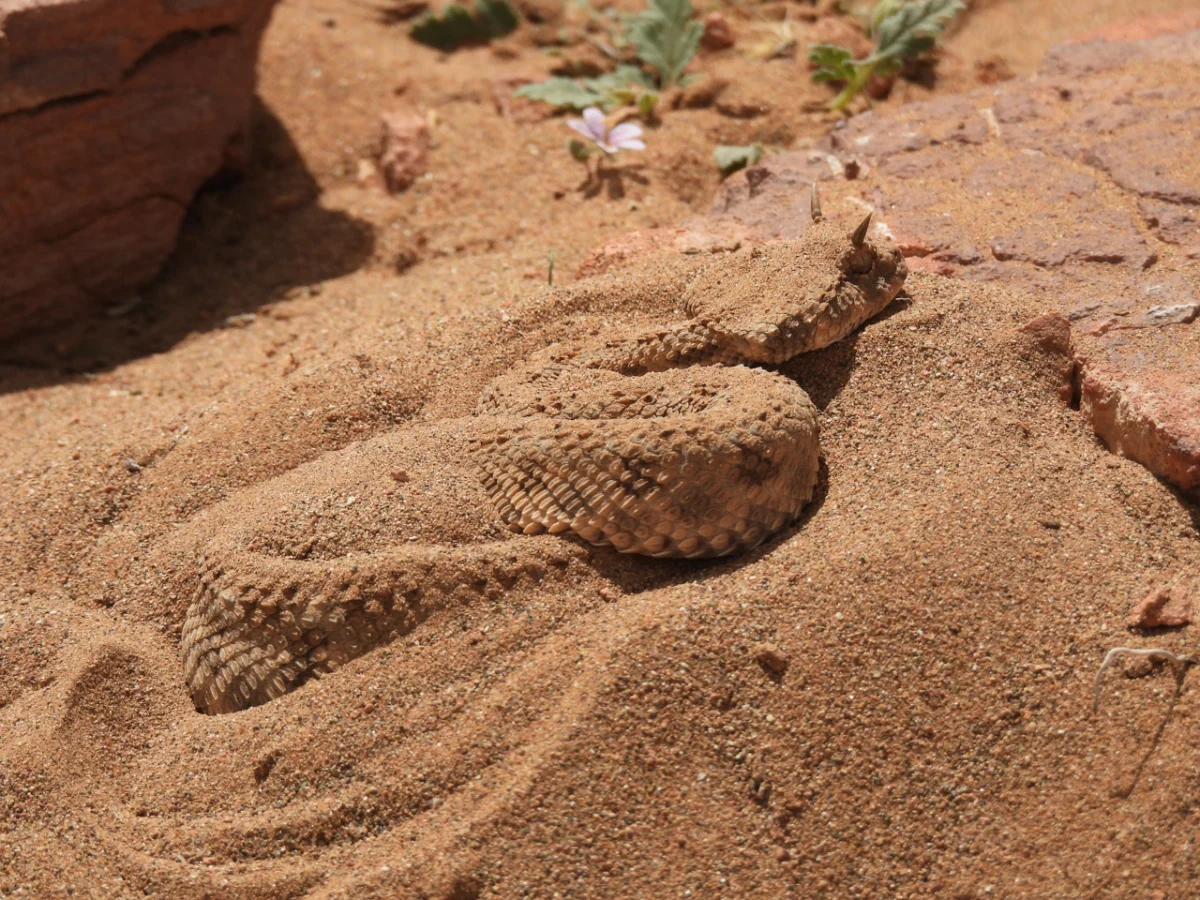
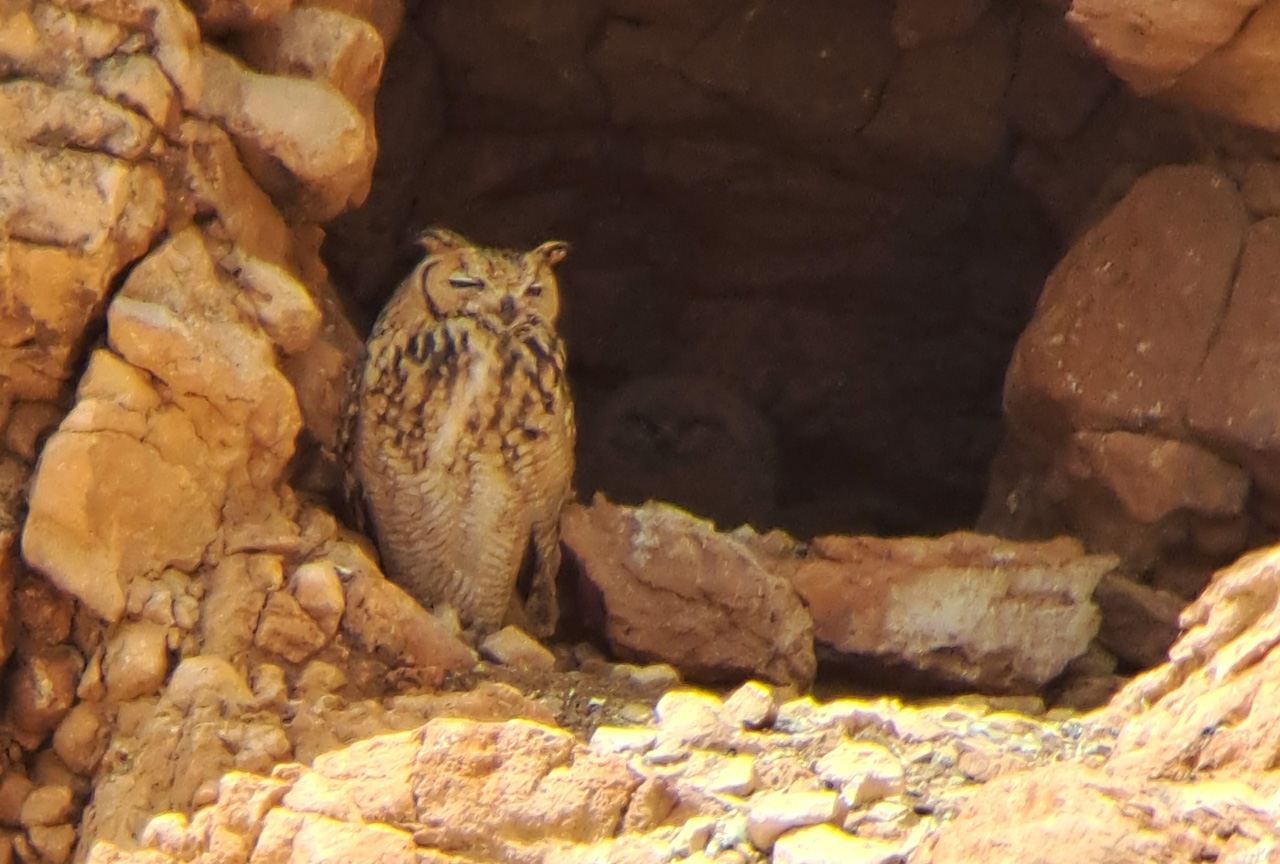
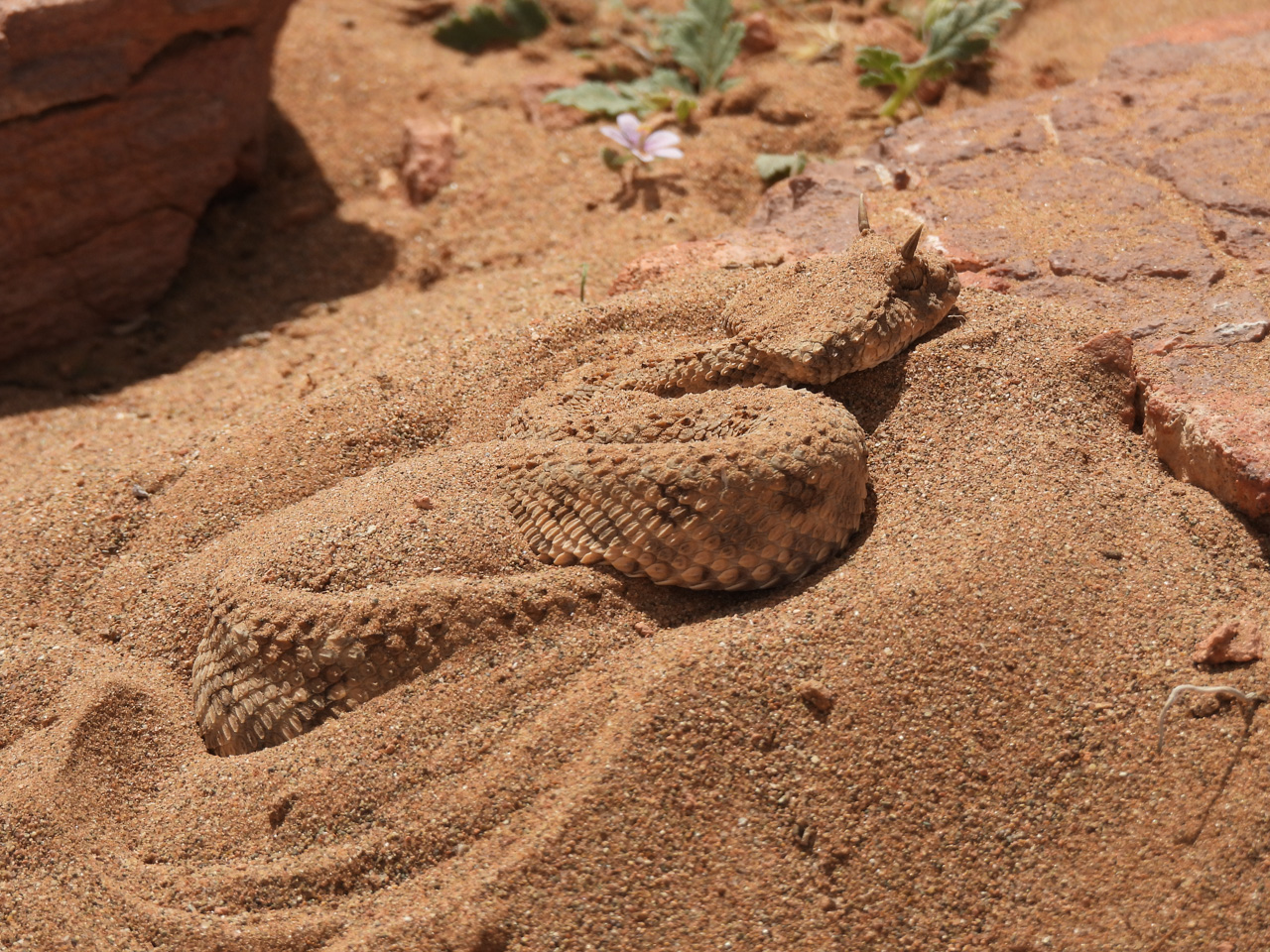
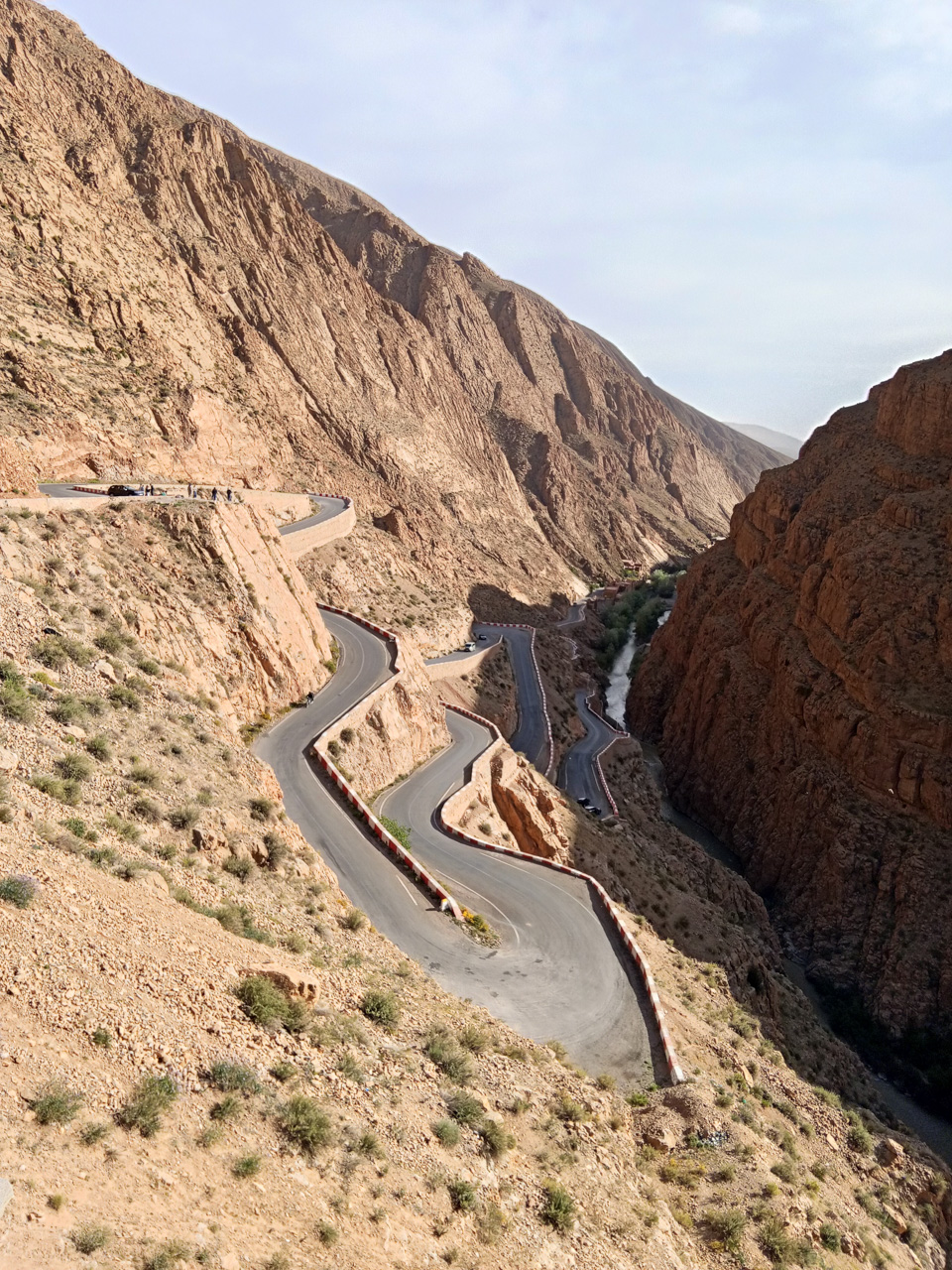
The mid-point of the tour, from April 11 to April 13, was centered on the "Tagdilt Track" and the Dades Gorges. This region is internationally recognized by ornithologists as a primary location for desert-adapted species. Observations included Temminck’s Lark (Eremophila bilopha) and the Pharaoh Eagle-Owl (Bubo ascalaphus). A notable moment for the expedition was the encounter with a Saharan Horned Viper (Cerastes cerastes), highlighting the region’s complex biodiversity beyond avian life.
The final leg of the tour moved into the Sahara, specifically the Erg Chebbi dunes near Merzouga, followed by a return journey toward the Atlantic coast. The coastal phase, concluding on April 18, focused on the Souss Massa National Park, where the critically endangered Northern Bald Ibis (Geronticus eremita) was the primary focus of scientific interest.
Ecological Significance and Avian Data
The expedition’s findings correlate with broader conservation efforts in Morocco, particularly the protection of the Northern Bald Ibis. Once widespread across North Africa and the Middle East, the species now faces a restricted range. The presence of these birds in the Souss Massa region remains a success story for international conservation partnerships, which have worked to stabilize the colony through habitat protection and the management of nesting sites.
The diversity of species observed during the 13-day period reflects the importance of Morocco’s varied landscape. The following table categorizes the key observations by region:
| Region | Primary Species Observed | Habitat Type |
|---|---|---|
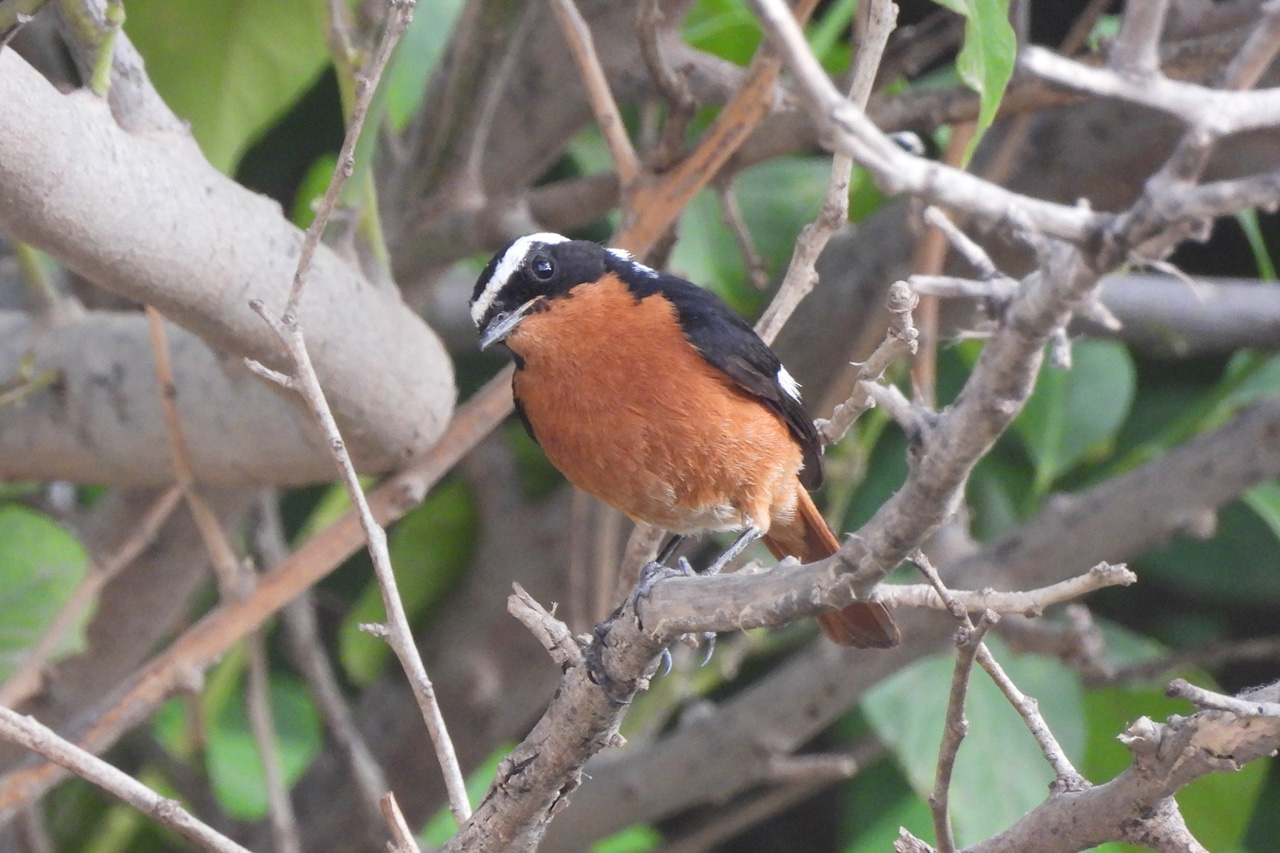
| High Atlas | Crimson-winged Finch, Moussier’s Redstart | Alpine/Montane |
| Tagdilt/Dades | Pharaoh Eagle-Owl, Desert Wheatear | Semi-arid Hamada |
| Merzouga/Erg Chebbi | Egyptian Nightjar, Desert Sparrow | Sand Dunes |
| Souss Massa | Northern Bald Ibis, Marbled Duck | Atlantic Wetlands |
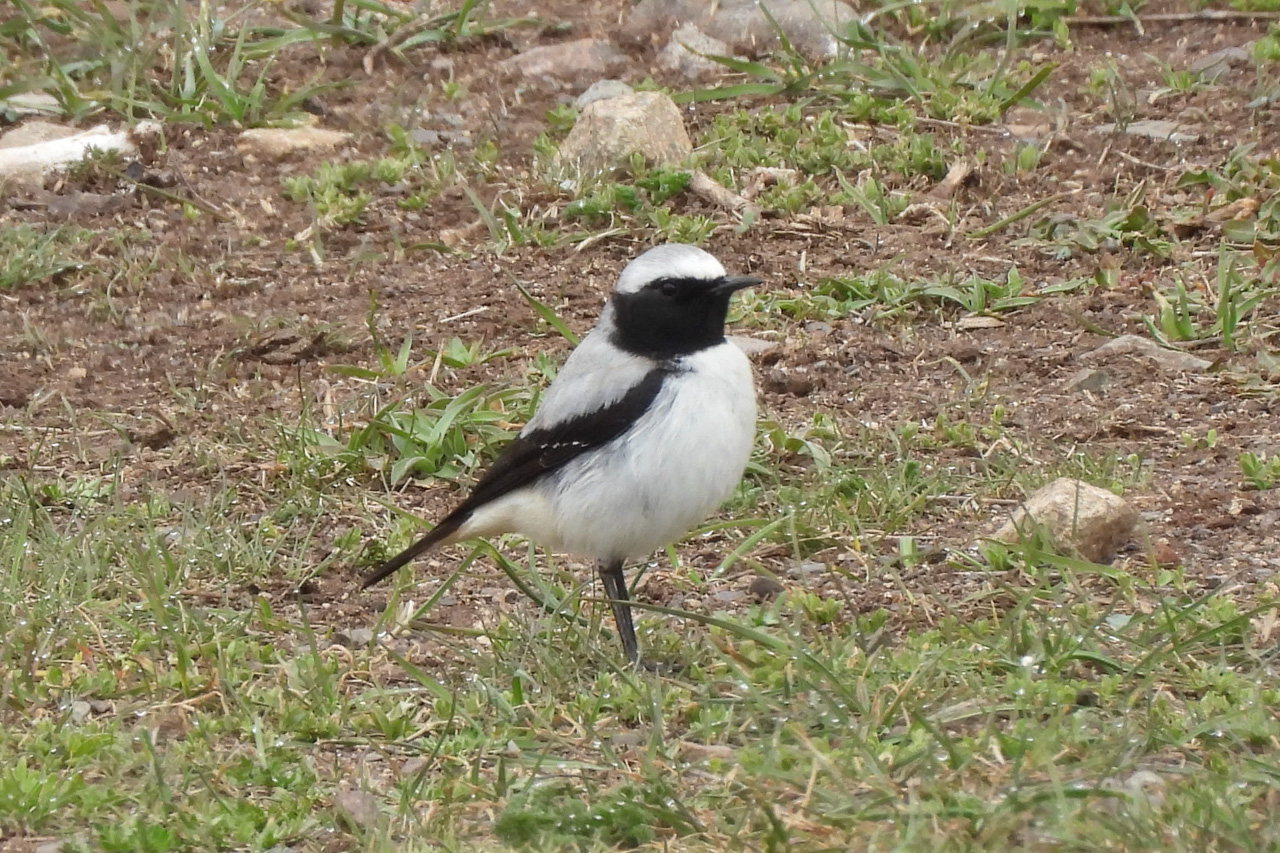
The observation of the Egyptian Nightjar (Caprimulgus aegyptius) in the Saharan dunes was a highlight, as the species is notoriously difficult to locate due to its nocturnal habits and cryptic camouflage. Additionally, the sighting of the Maghreb Wheatear (Oenanthe halophila) underscores the value of local expertise in navigating the complex taxonomic distinctions within the region’s bird populations.
Socio-Economic and Environmental Context
Beyond the birding data, the expedition provided a localized view of the environmental pressures facing Morocco. The usage of "khettaras"—ancient underground irrigation channels—near Erfoud was observed to be a focal point for migrant warblers and other passerines. These historical systems are not only culturally significant but are also crucial for maintaining micro-habitats in otherwise arid zones.
The trip also emphasized the role of community-led conservation. The Argan Biosphere Reserve, where the Northern Bald Ibis thrives, is managed in coordination with local cooperatives. These organizations play a dual role: they promote the sustainable harvesting of Argan oil while simultaneously protecting the land from overgrazing and industrial encroachment. Participants in the tour engaged with these cooperatives, witnessing how sustainable agriculture and wildlife conservation are intrinsically linked in the Moroccan landscape.
Analysis of Regional Climate Impacts
The 2026 spring season presented specific challenges, most notably the elevated temperatures experienced in the latter half of the tour. While high heat is expected in the Sahara, the shifting climate patterns in North Africa continue to affect the timing of the spring migration. For many species, the availability of water at traditional stopover points—such as the waterholes used by the Spotted Sandgrouse (Pterocles senegallus)—is becoming increasingly precarious.
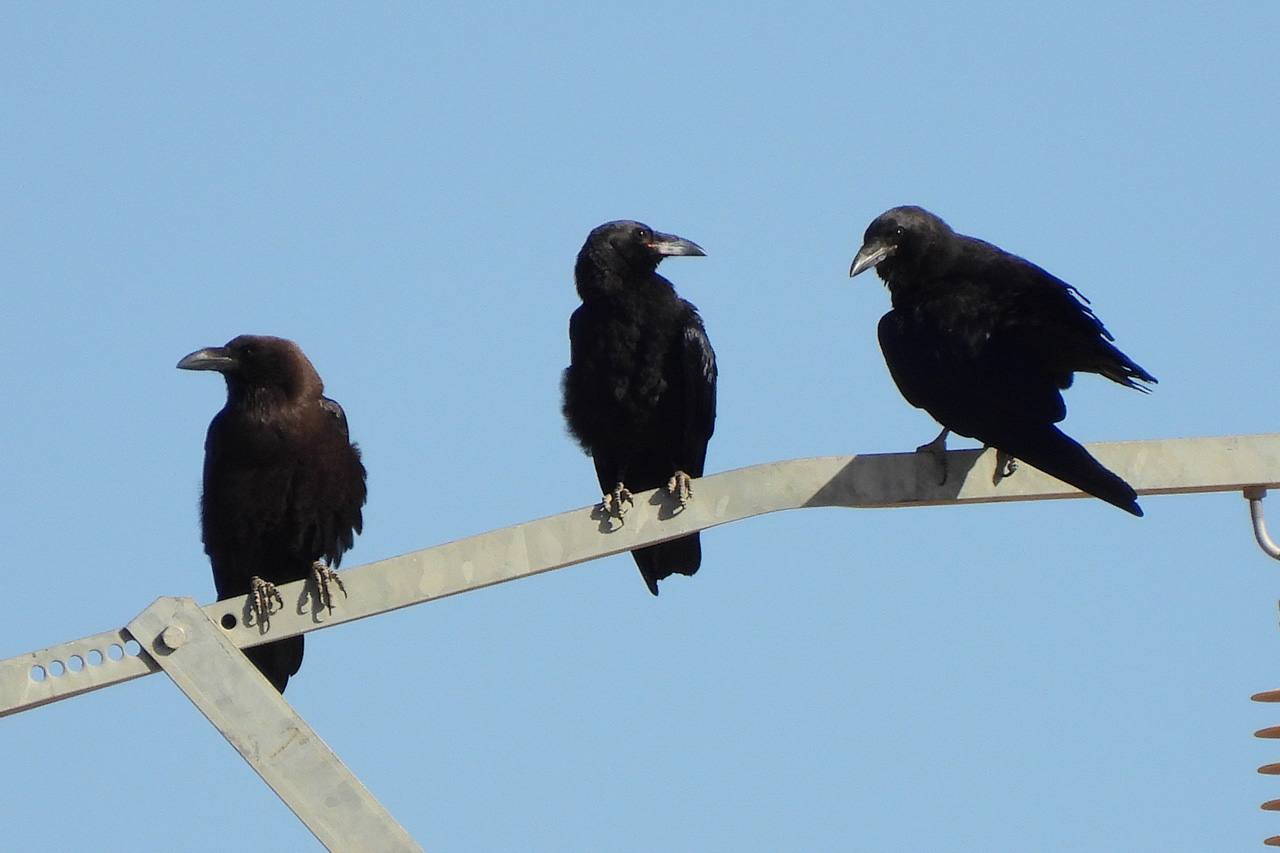
The observed reliance of avian species on specific, isolated water sources highlights the fragility of these desert ecosystems. Any disruption to these water points, whether through climate change or human activity, could have cascading effects on the migratory patterns of birds traveling between sub-Saharan Africa and Europe. The data collected by the expedition team serves as a contribution to the growing body of literature regarding the resilience of these species in the face of warming trends.
Conclusion and Future Implications
The 2026 Morocco spring birding expedition underscores the country’s role as an indispensable node in the Afro-Palearctic migration network. By documenting the presence of rare, range-restricted, and common migrant species, the tour has reinforced the importance of continuous monitoring.
The success of the tour in identifying high-priority species—such as the Northern Bald Ibis and the Pharaoh Eagle-Owl—suggests that current conservation strategies in the region are effective, though they remain sensitive to environmental fluctuations. As international birding tourism continues to grow, the integration of ecological observation with community-based conservation initiatives remains the most viable path for the long-term preservation of Morocco’s unique biological heritage. Future expeditions will continue to serve as a vital mechanism for tracking the shifts in population density and habitat usage in this dynamic corner of the African continent.
