
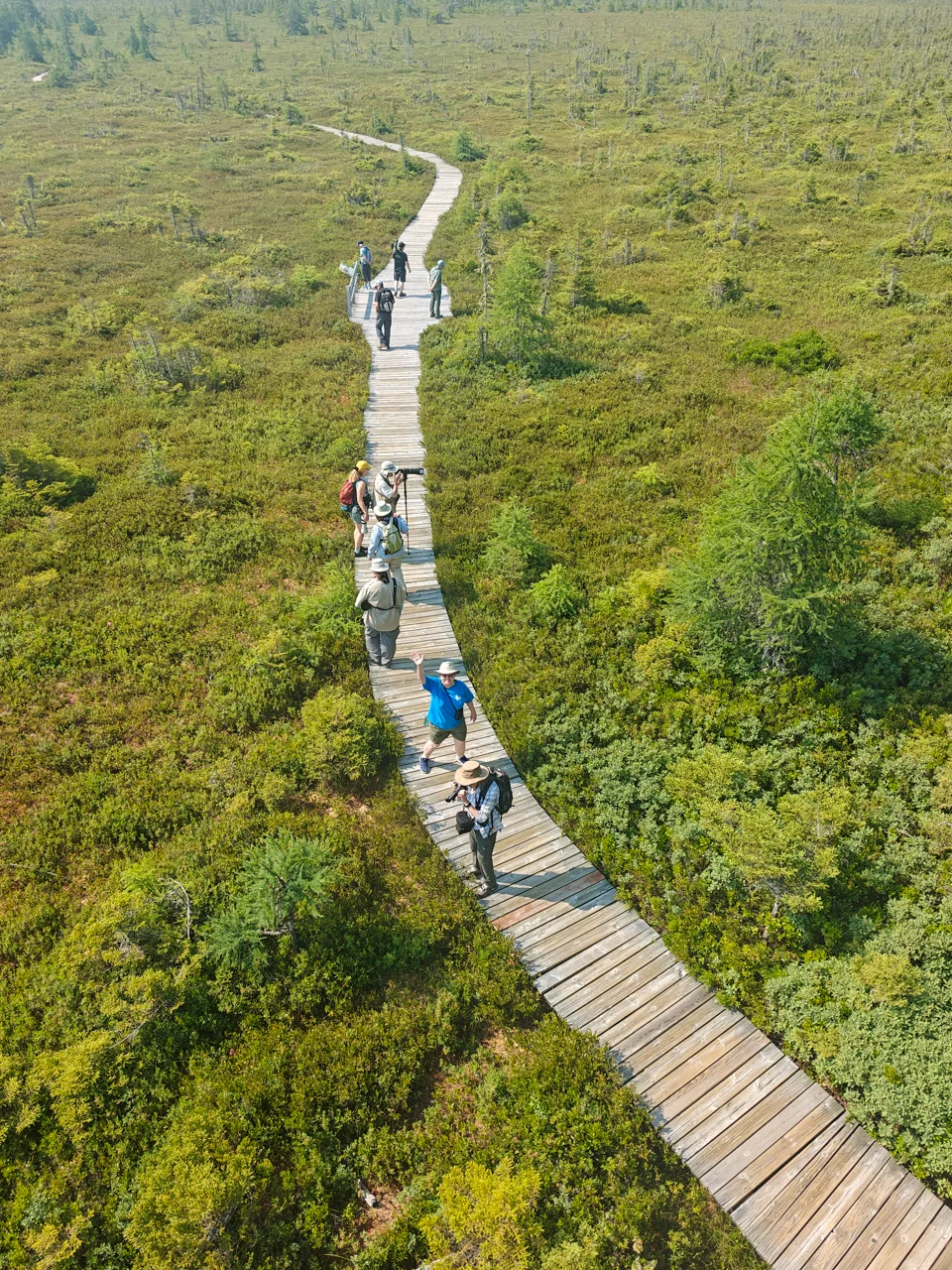
From August 3 to August 12, an expedition of avid birders traversed the diverse ecological corridors of New Brunswick, documenting a critical period in the annual migration of North American shorebirds and seabirds. The tour, which spanned from the Acadian coastal regions to the Bay of Fundy’s renowned tidal ecosystems, provided a comprehensive look at the province’s biodiversity during the transition from late summer to the early autumn movement. By integrating observations from boreal forests, salt marshes, and pelagic waters, the expedition offered significant data on species distribution and the health of key stopover habitats.
The chronological trajectory of the tour began in the Moncton region, a strategic base for accessing the Bay of Fundy’s mudflats and the interior wetlands of the Acadian Peninsula. The early portion of the trip focused on baseline surveys of local hotspots, including the Reid McManus Nature Reserve and the Sackville Waterfowl Park. These areas serve as essential refueling stations for migratory songbirds and waterfowl, reflecting the broader regional importance of the Isthmus of Chignecto.
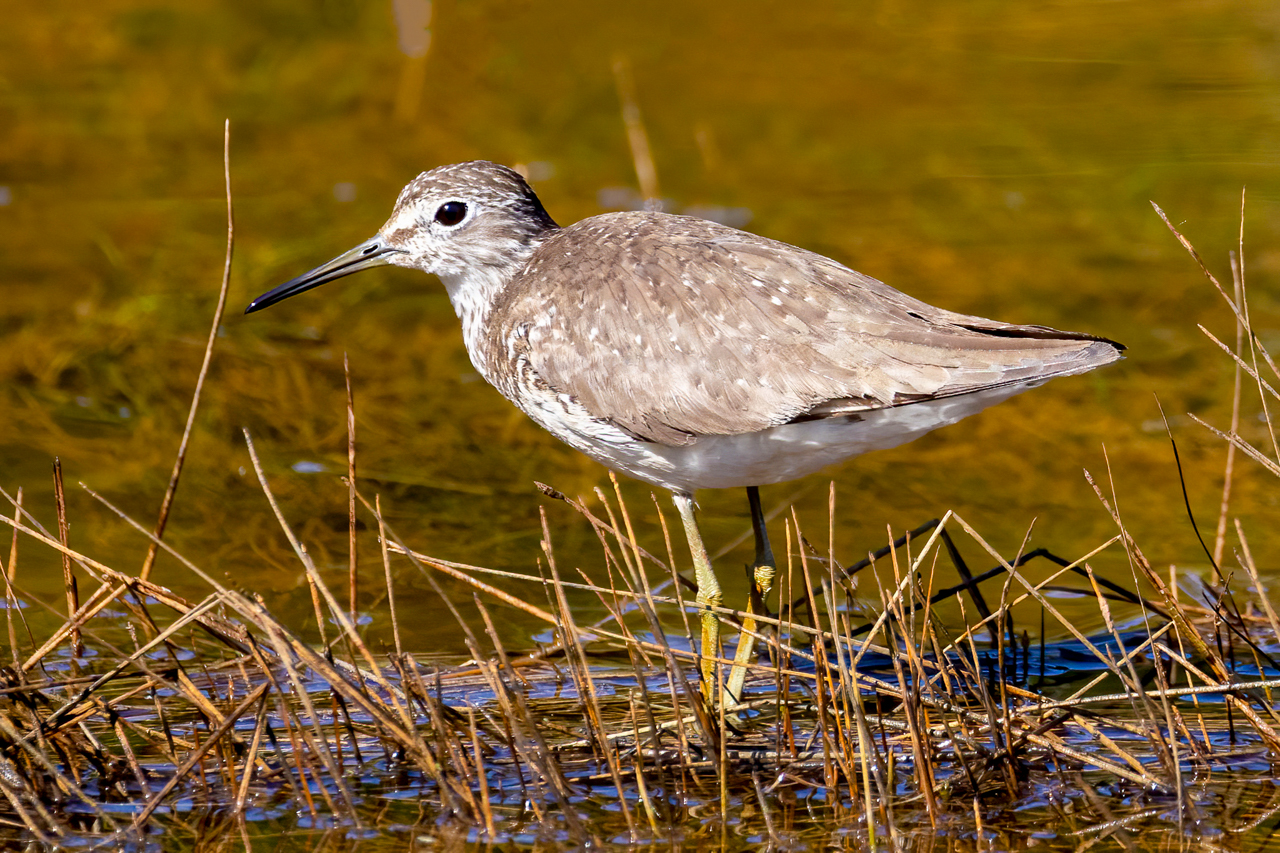
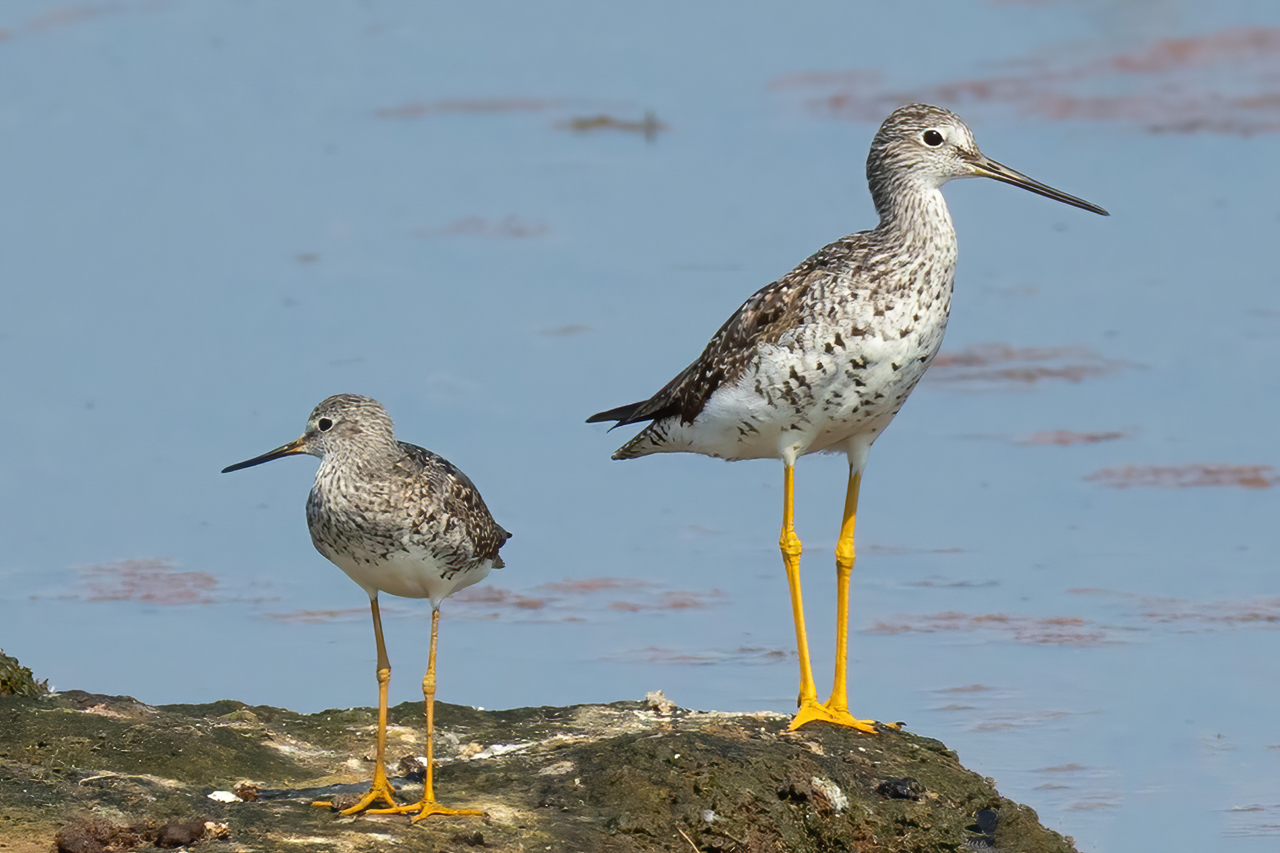
The logistical framework of the expedition relied on the timing of the Bay of Fundy’s extreme tidal cycles. As the world’s highest tides, these waters create expansive mudflats that expose vast quantities of benthic invertebrates—the primary food source for migrating Semipalmated Sandpipers and other shorebirds traveling from the Arctic to South America.
Chronology of Observations and Ecological Findings
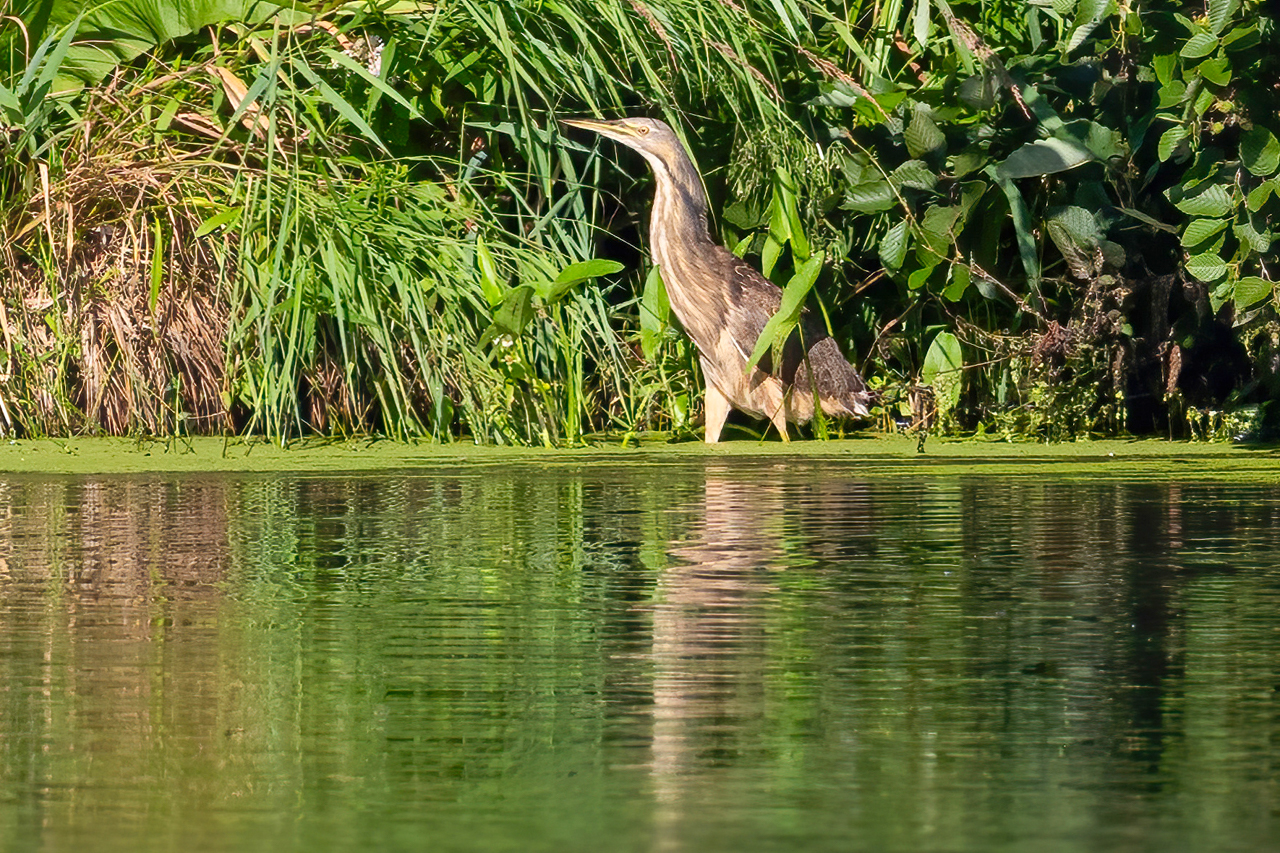
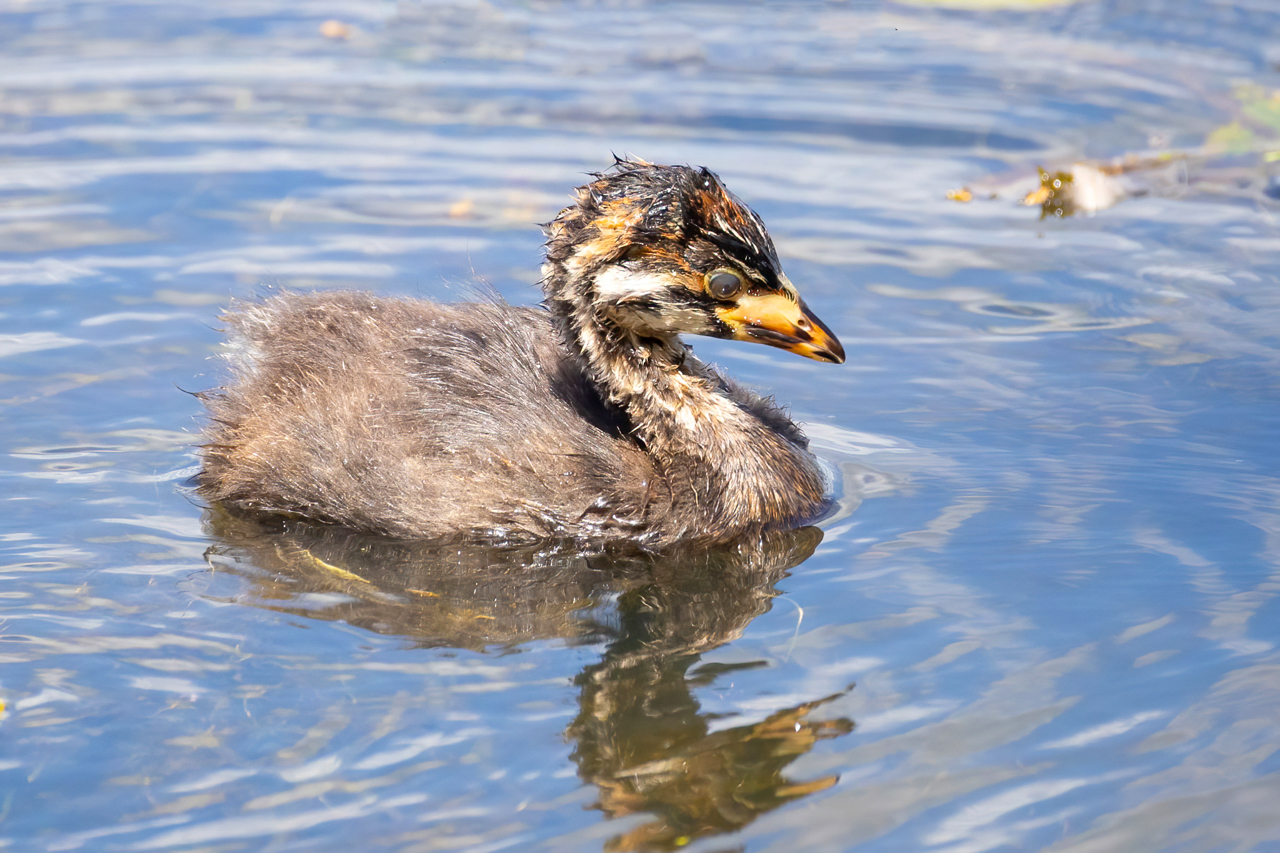
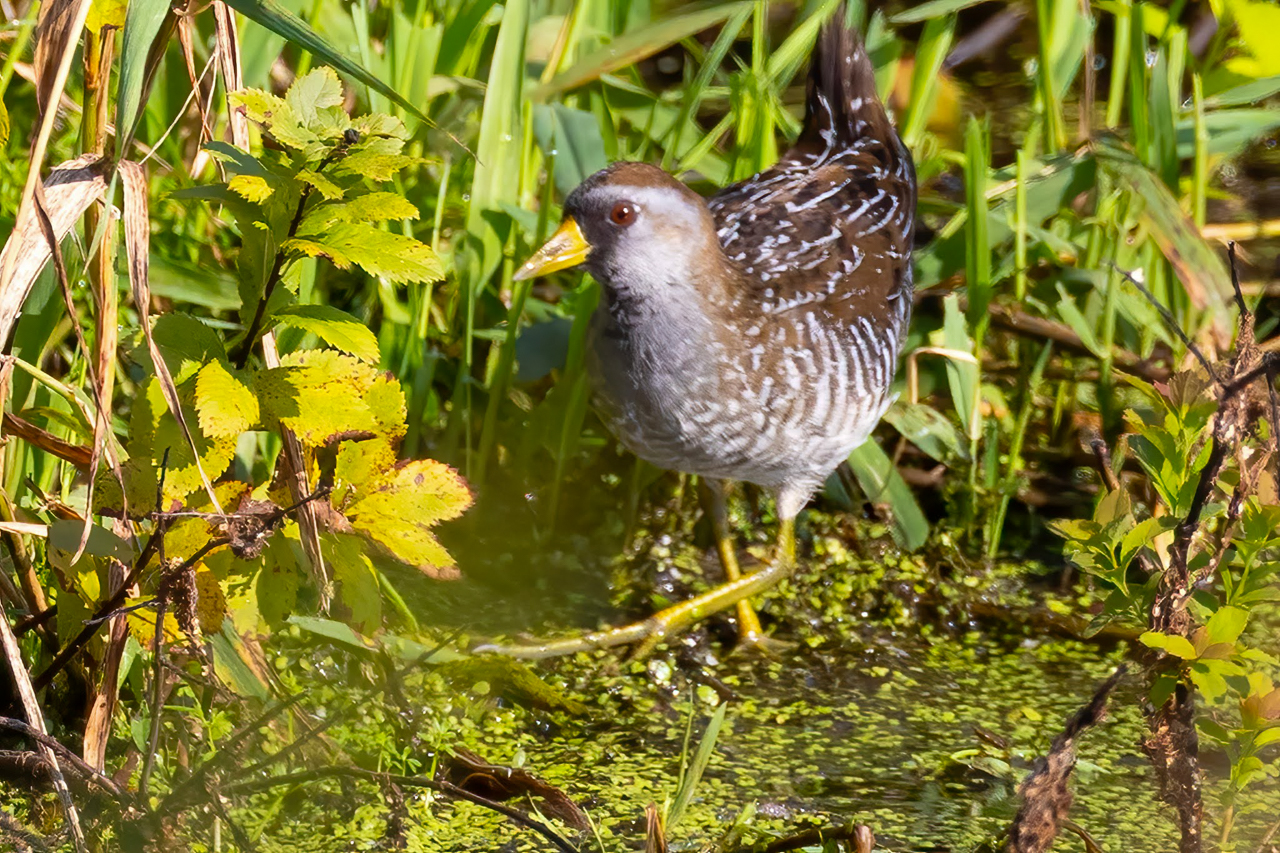
The expedition’s first phase, spanning August 3–4, established a robust inventory of species. Observations at the Reid McManus Nature Reserve identified a diverse assemblage of songbirds, including the American Redstart, Northern Parula, and Blackburnian Warbler. The presence of the American Bittern, a species often associated with undisturbed wetland habitats, highlighted the environmental quality of the Memramcook area. At the Sackville Waterfowl Park, the documentation of Pied-billed Grebe families and various duck species underscored the success of local wetland conservation initiatives.
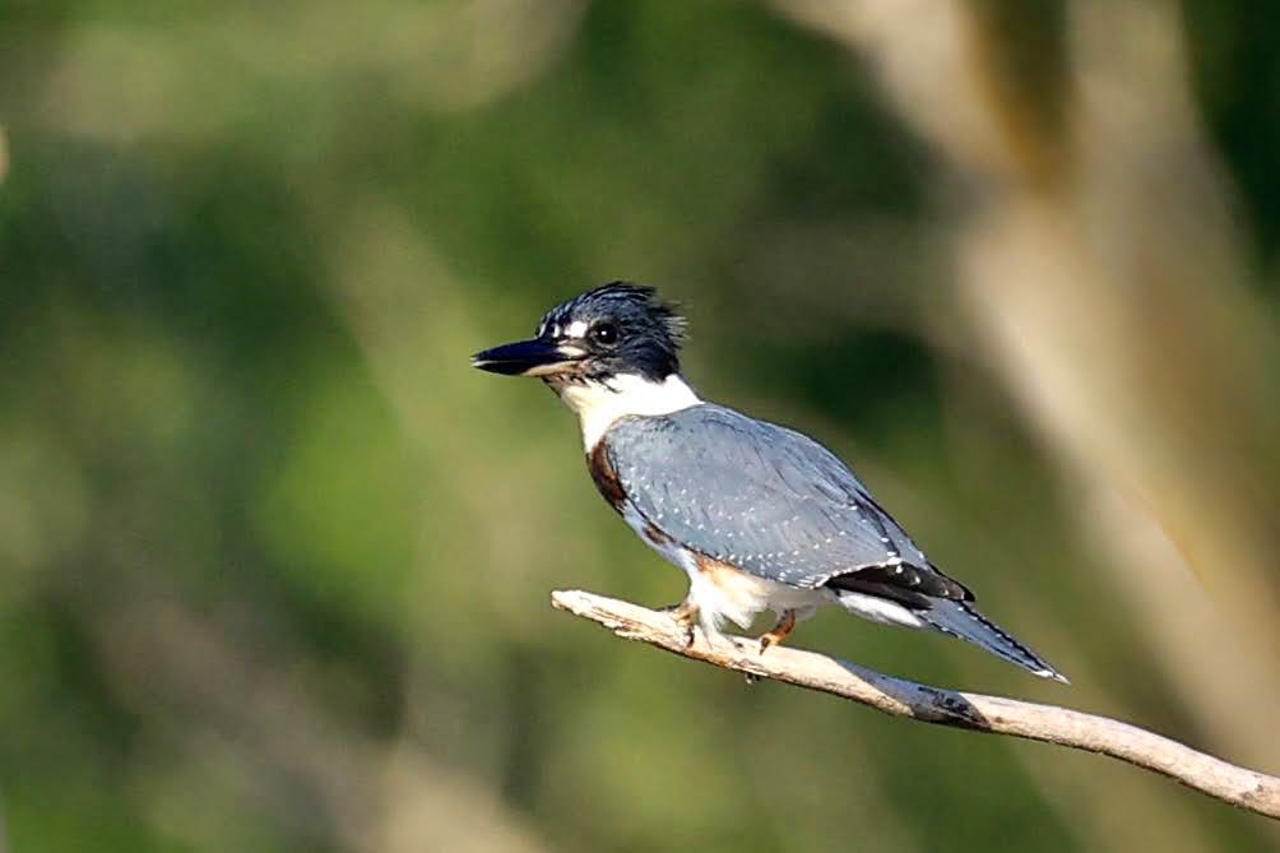
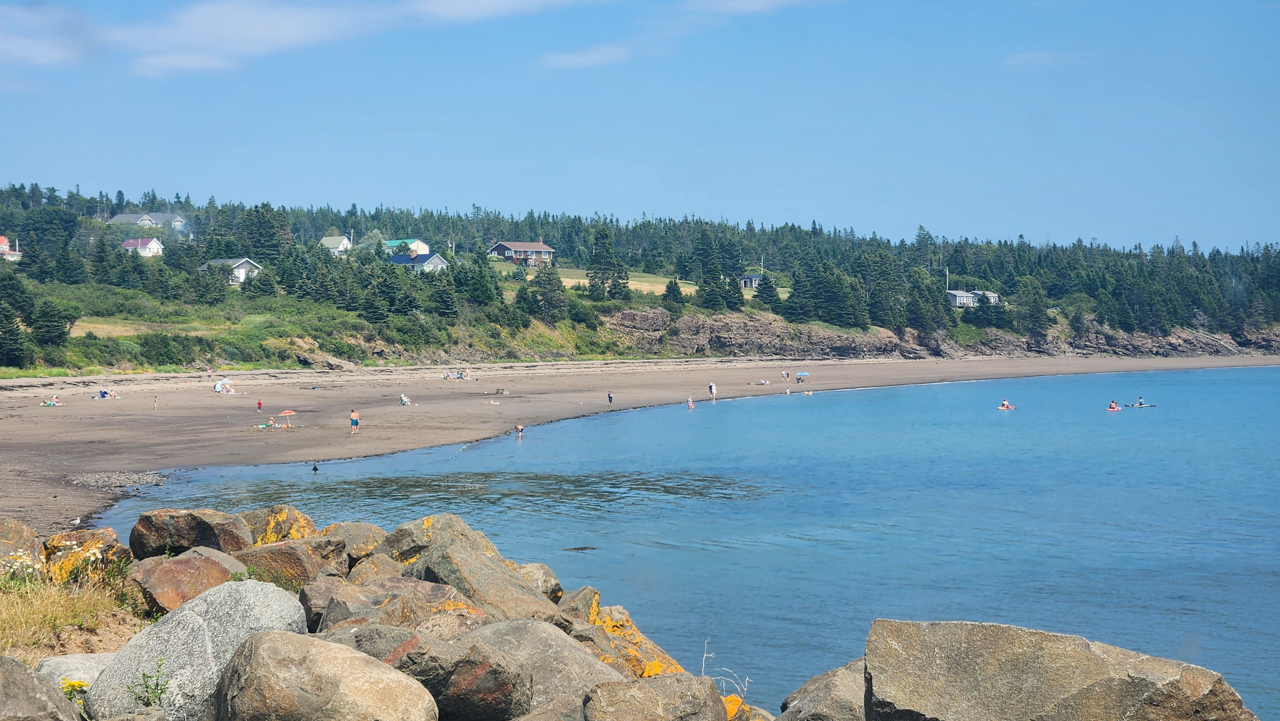
Transitioning to Kouchibouguac National Park on August 5, the team conducted surveys along the Northumberland Strait. This area is characterized by its sand dunes and salt marshes, which provide distinct ecological niches compared to the tidal Bay of Fundy. The recording of eight shorebird species, including the White-rumped Sandpiper, alongside sightings of Grey Seals, illustrated the interconnectedness of marine and terrestrial ecosystems in the Acadian coastal zone.

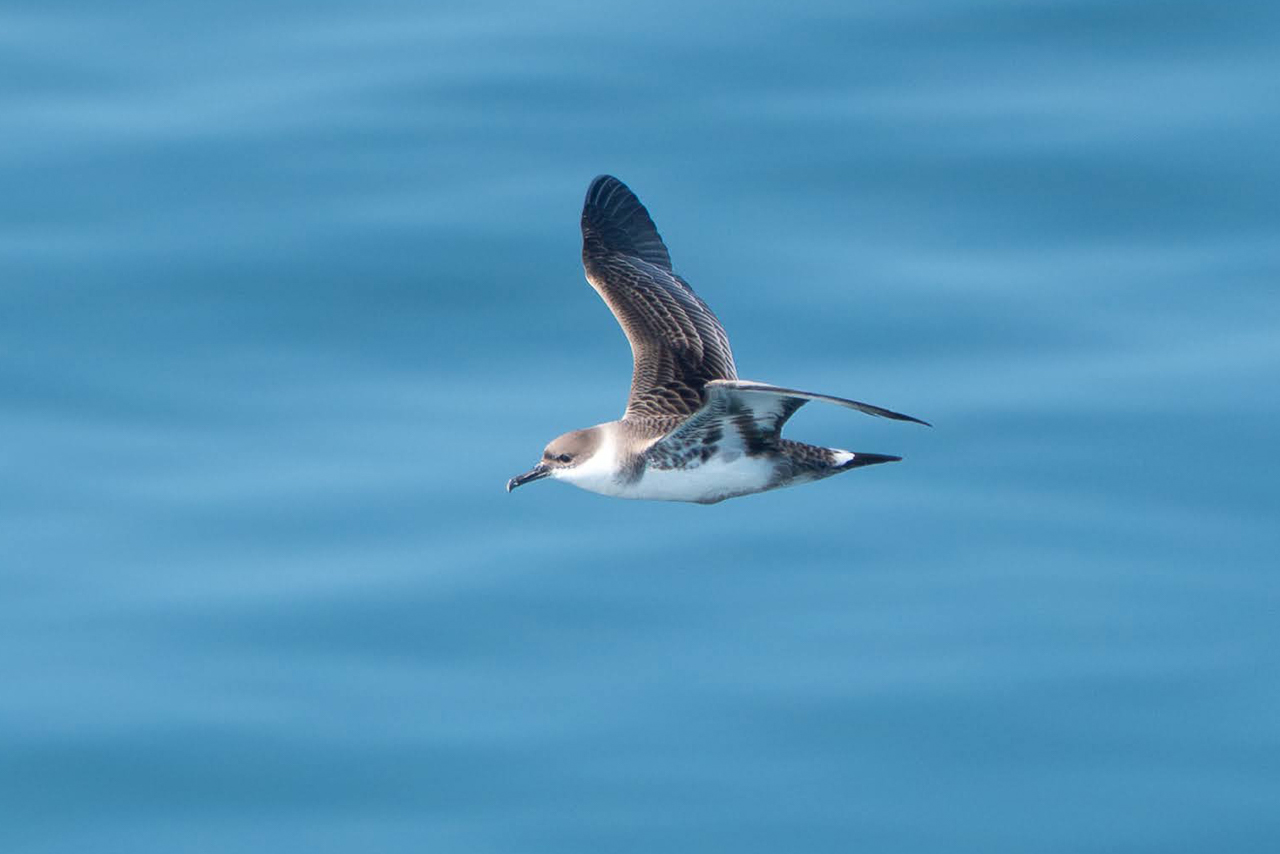
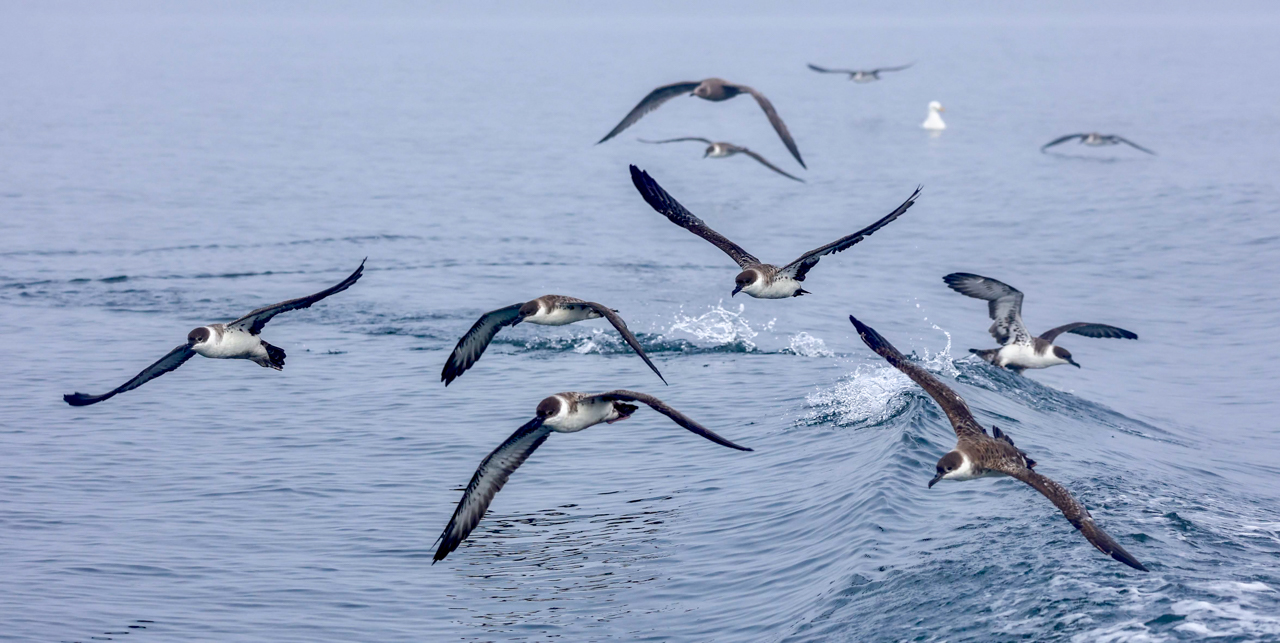
From August 7–10, the expedition moved to Grand Manan Island. The island’s location at the mouth of the Bay of Fundy makes it a focal point for pelagic birding. During the ferry transit and subsequent boat excursions, the group identified key offshore species, including Great Shearwaters, Sooty Shearwaters, and Parasitic Jaegers. The sighting of a South Polar Skua, a rare visitor to these latitudes, provided a highlight for the researchers, who noted the bird’s behavior at close range.
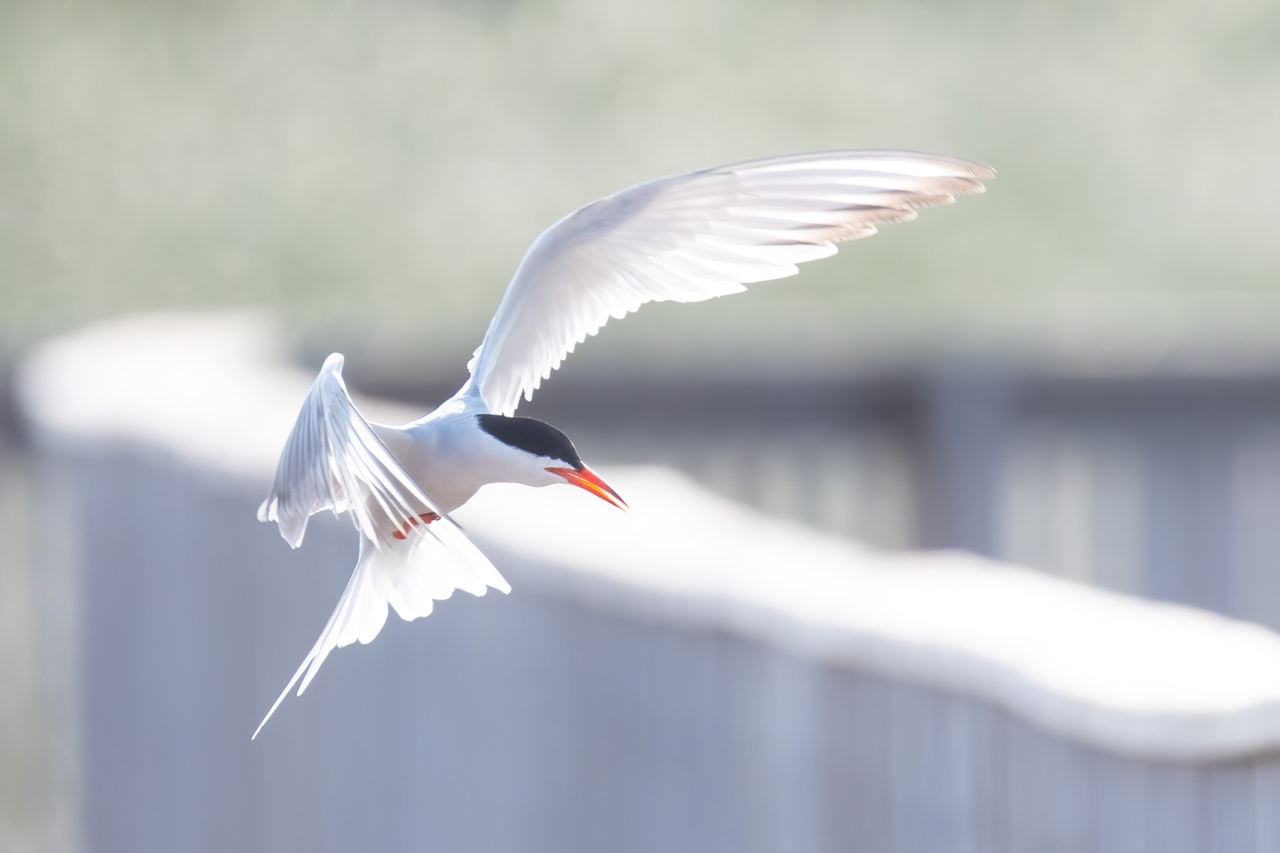
The final phase of the tour, August 11–12, returned to the mainland, with a specific focus on the Mary’s Point Bird Sanctuary and a final, decisive survey of the Johnson Mills Shorebird Reserve.
Data and Environmental Significance
The importance of the Bay of Fundy during the August migration window cannot be overstated. According to regional conservation data, these mudflats facilitate the movement of hundreds of thousands of shorebirds annually. The expedition’s final day at Johnson Mills proved the efficacy of their timing, as they witnessed an estimated 100,000 Semipalmated Sandpipers gathering on the shoreline.
The behavioral patterns observed—specifically the formation of "murmurations"—are a documented response to predation, particularly the presence of Peregrine Falcons. This interaction serves as a critical natural control mechanism, ensuring that only the healthiest birds continue the arduous journey southward. The presence of the Peregrine Falcon in these areas is indicative of a robust prey base, a sign of a healthy ecosystem.
Regional Context and Conservation Implications
The "Fundy fog" and the variability of tidal movements represent constant challenges for avian populations. The expedition’s ability to navigate these environmental variables demonstrates the necessity of flexible, multi-day monitoring periods. The identification of locally rare species, such as the American Oystercatcher on White Head Island, provides evidence of shifting range boundaries and the potential impacts of climate change on coastal breeding grounds.
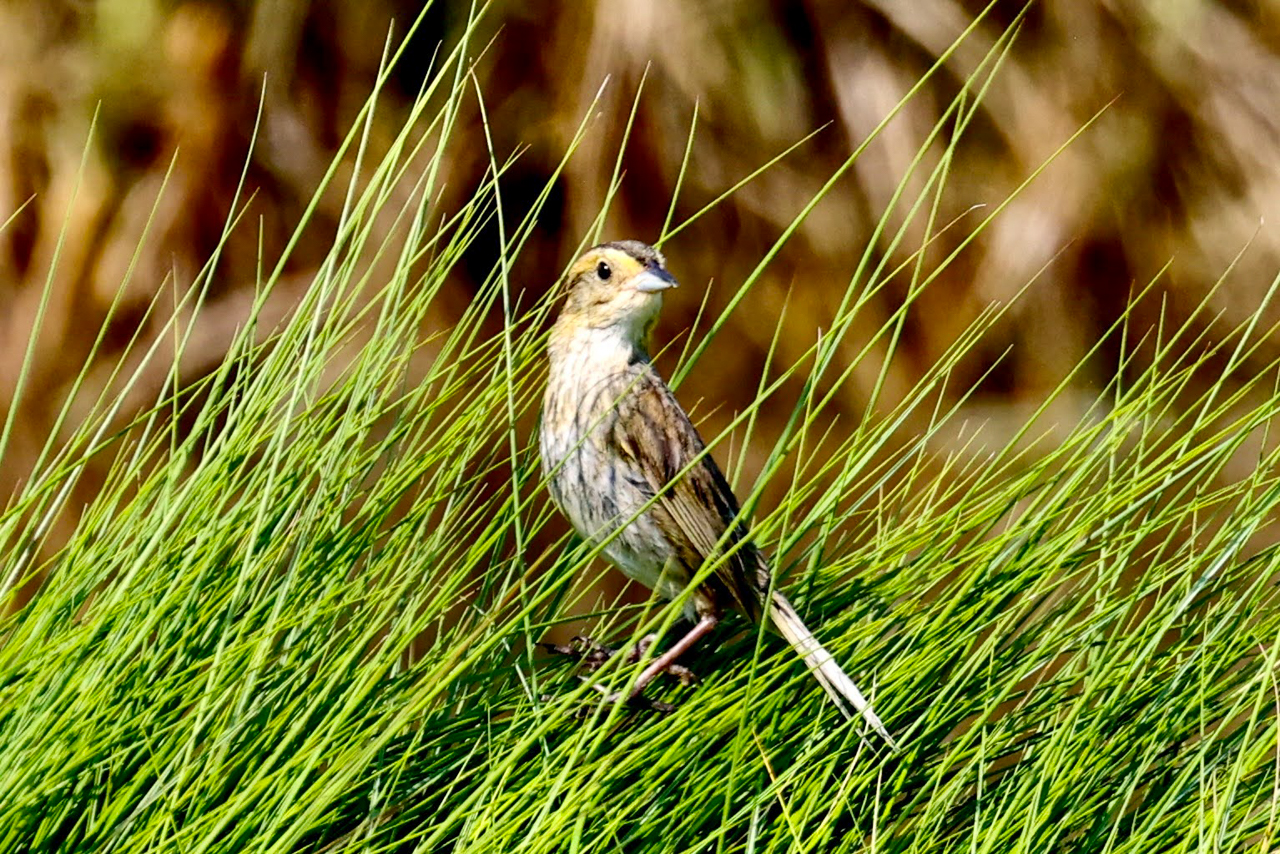
The American Oystercatcher is a species of particular interest in the Atlantic provinces; given that there are only a handful of known breeding pairs in Canada, these sightings represent significant data points for ornithologists tracking population recovery. Furthermore, the presence of various warbler species in Hampton’s Rotary Nature Park during early August signals the beginning of the post-breeding dispersal and the early onset of fall migration for boreal-nesting songbirds.
Economic and Cultural Integration
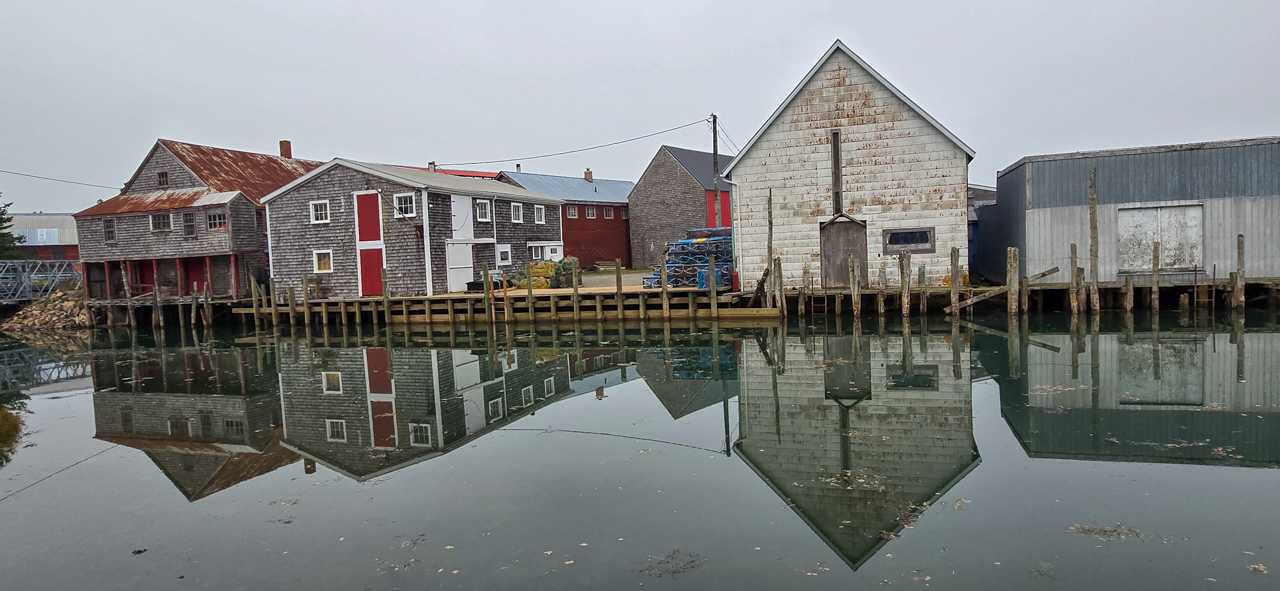
Beyond the scientific data collected, the expedition highlighted the role of eco-tourism in supporting local communities in New Brunswick. By patronizing local establishments in areas such as Alma and Saint John, the tour participants contributed to the regional economy. The integration of "birding culture" with Acadian heritage, observed in the coastal villages of Bouctouche and the fishing communities of Black’s Harbour, creates a unique model for sustainable development.
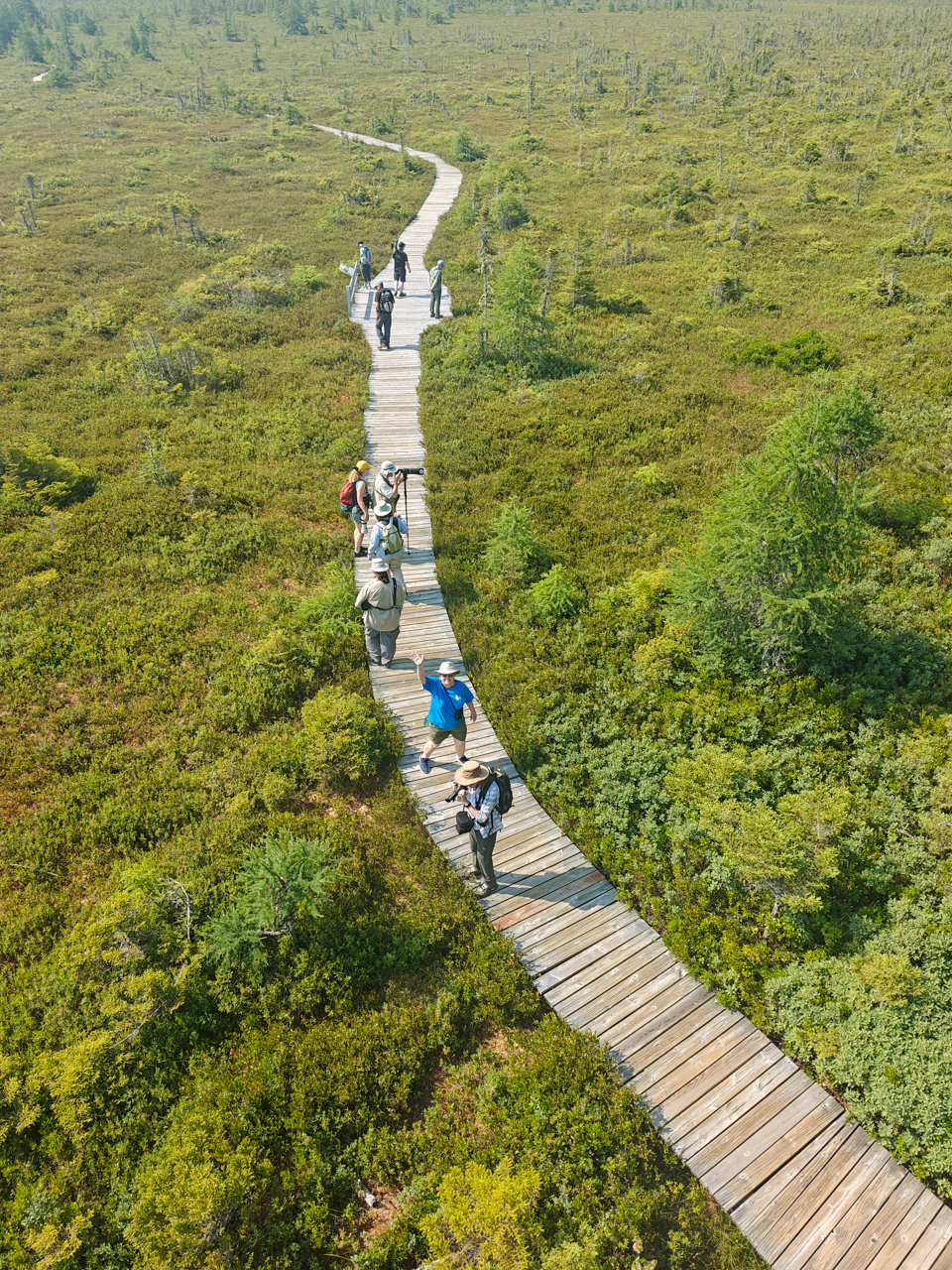
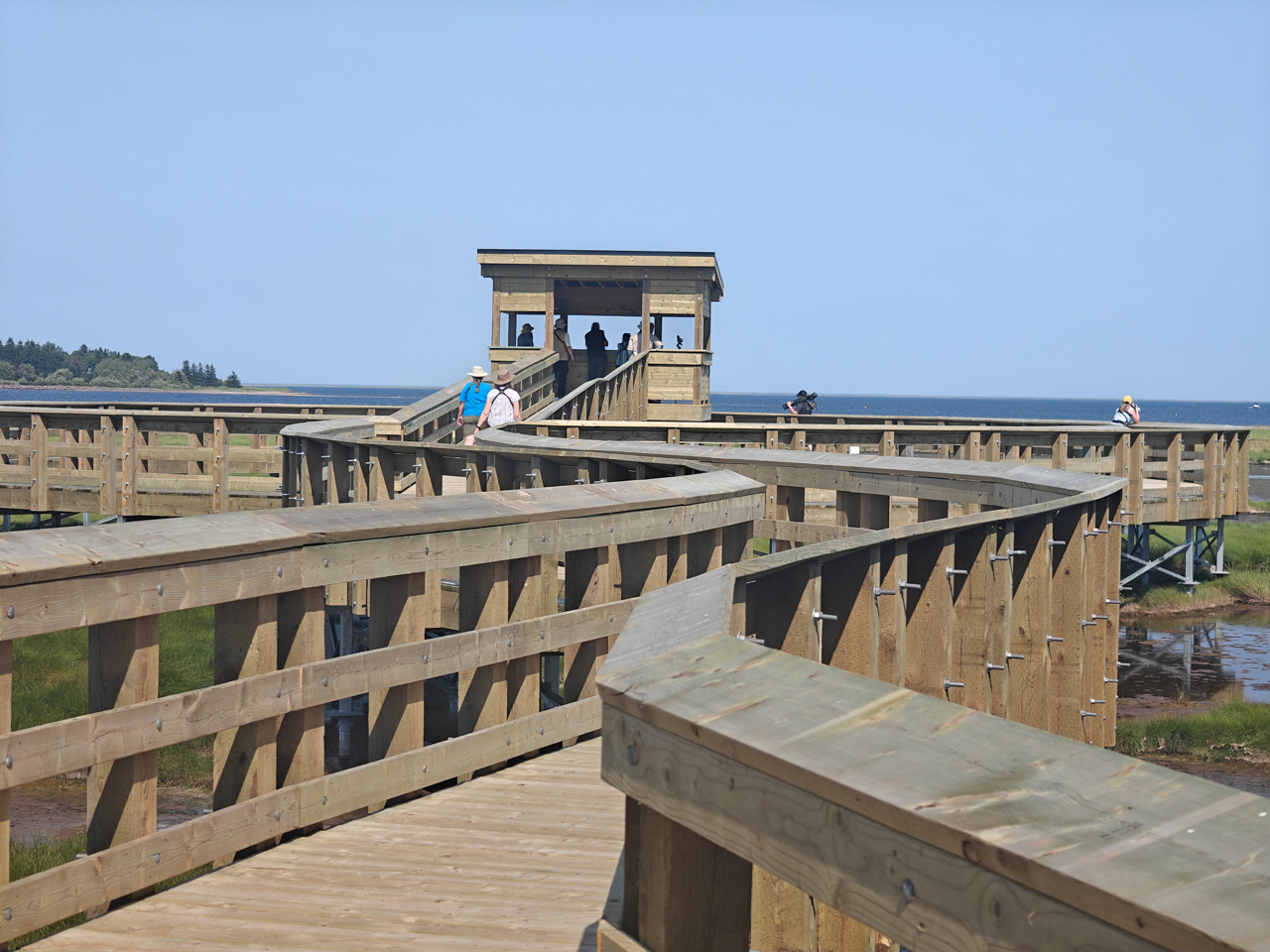
Statements from participants and local guides emphasized that the value of such expeditions lies not only in the tally of species seen but in the broader public awareness generated regarding habitat protection. The maintenance of boardwalks, such as those at the Sackville Waterfowl Park and the Bouctouche Rotary Park, reflects a commitment by municipal and federal authorities to provide accessible, educational environments for both residents and visitors.
Broader Impact and Future Outlook
The findings from this ten-day expedition contribute to the larger body of ornithological research concerning the Atlantic Flyway. As the climate continues to shift, the phenology of migration—the timing of arrival and departure—is becoming increasingly erratic. Consistent monitoring by groups such as this one provides a historical baseline that allows researchers to detect long-term trends in population declines or increases.
The spectacle witnessed at Johnson Mills on August 12—where massive, swirling flocks of shorebirds dominated the horizon—serves as a reminder of the fragility and magnitude of these natural processes. The precision with which these birds navigate thousands of miles, relying on specific stopovers like the Bay of Fundy, necessitates a regional approach to conservation that transcends political and municipal boundaries.
In summary, the expedition successfully documented the peak migration period, contributing valuable observations of both common and rare avian species. By providing a snapshot of New Brunswick’s biodiversity, the tour reinforces the argument for continued stewardship of the province’s mudflats, boreal forests, and coastal islands. As the birds continue their flight to the Southern Hemisphere, the data collected during this trip will serve as a reference point for future studies, ensuring that these vital ecological links remain protected for generations to come. The success of the trip, characterized by both scientific discovery and the appreciation of the province’s natural splendor, underscores New Brunswick’s status as a premier destination for those seeking to understand the complex realities of the North American avian migration.
