
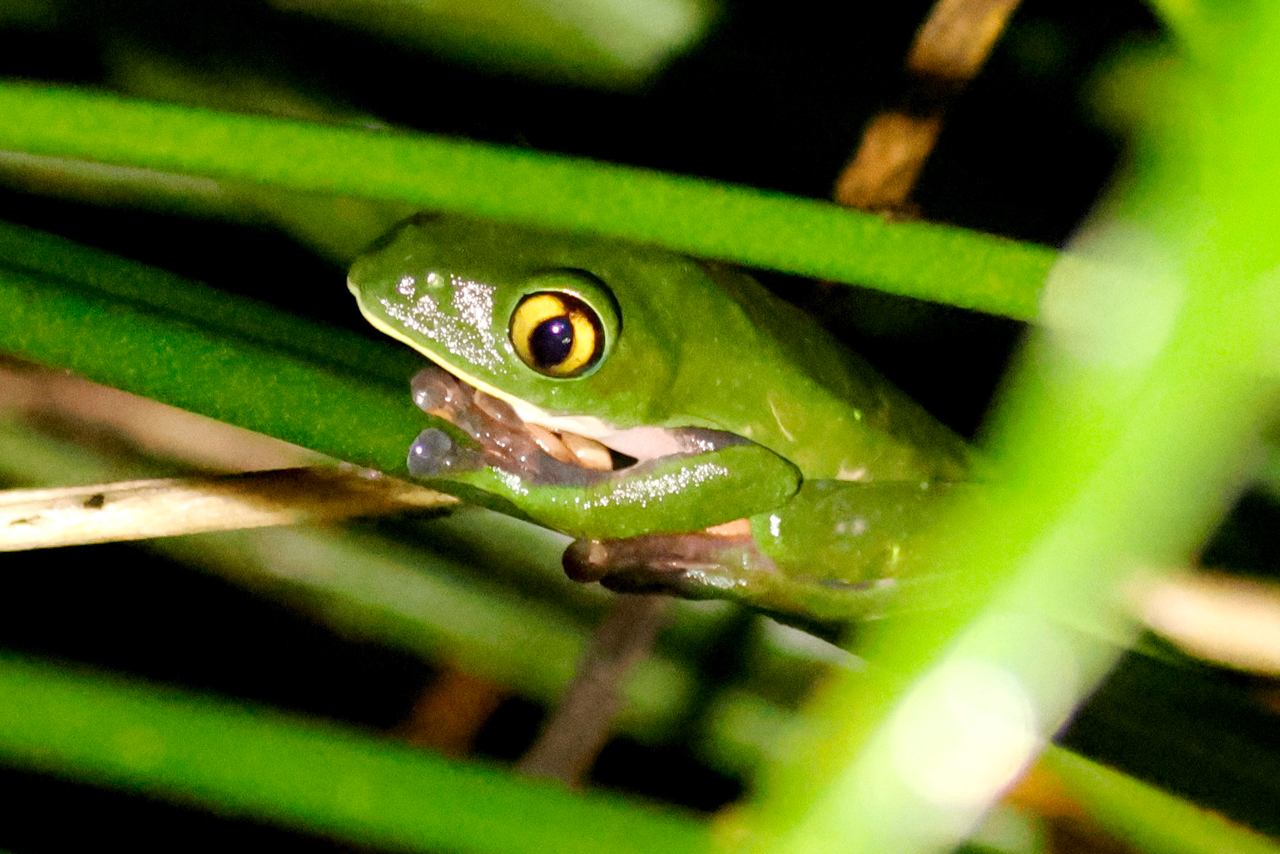
The journey commenced in the verdant landscapes of the western Central Valley, specifically at the Hotel Bougainvillea, where participants were greeted by the characteristic atmospheric conditions of the region. A timely afternoon rainfall provided the optimal environment for locating the elusive and endemic Golden-eyed Leaf-Frog within the property’s expansive botanical gardens. This initial sighting served as a precursor to the intensive biodiversity survey that would define the remainder of the expedition.
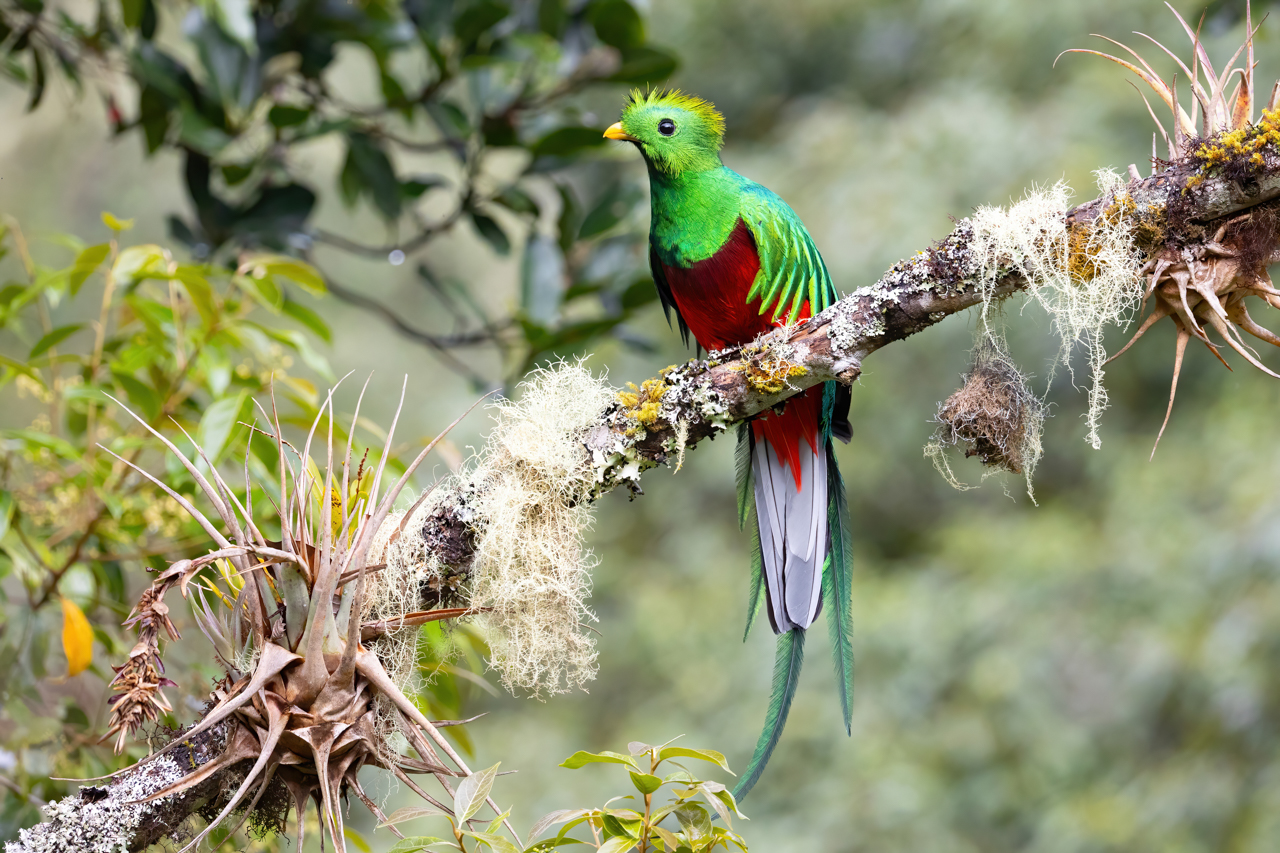
Following the initial acclimatization, the group transitioned early the next morning toward the Talamanca Highlands. This high-altitude region is recognized by ornithologists as a critical biological corridor, harboring a high concentration of endemic species found nowhere else on the planet. The primary objective for this leg of the journey was the observation of the Resplendent Quetzal, a species of profound cultural and ecological significance, often cited as a cornerstone of Central American avian conservation efforts.
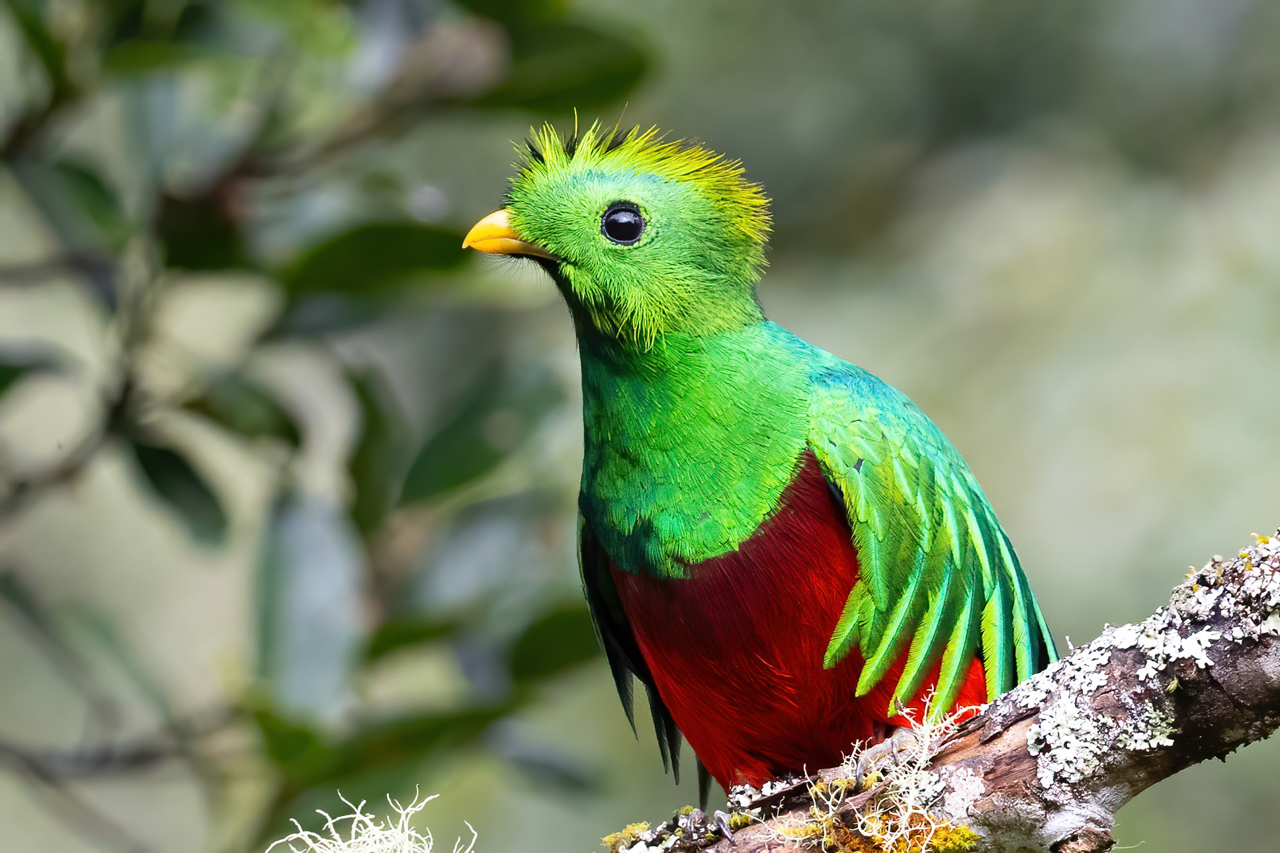
At an elevation of approximately 2,500 meters, the expedition collaborated with Jorge Serrano, a local conservation leader. Serrano and his family spearhead a community-based project that facilitates a network of private landowners dedicated to the preservation of quetzal nesting and foraging habitats. By charging modest entrance fees to birdwatchers and researchers, these landowners are incentivized to maintain forest cover rather than converting land for agricultural use. On the property belonging to William, a local partner in this initiative, the group observed four individual quetzals feeding on a wild avocado tree. This interaction provided significant data on the birds’ feeding behaviors and offered evidence of the effectiveness of private-sector conservation models.
The success of the Talamanca excursion was further bolstered by the observation of a complex mixed-species flock. The assembly included the Sooty-capped Chlorospingus, Collared and Slate-throated Redstarts, Yellowish Flycatcher, Yellow-thighed Brushfinch, Large-footed Finch, Hairy Woodpecker, Ruddy Treerunner, Red-faced Spinetail, Slaty Flowerpiercer, and the Black-and-yellow Silky-Flycatcher. Furthermore, the hummingbird diversity recorded at this altitude included the Purple-throated and White-throated Mountain-Gems, alongside the Talamanca, Scintillant, Volcano, and Blue-vented Hummingbirds.
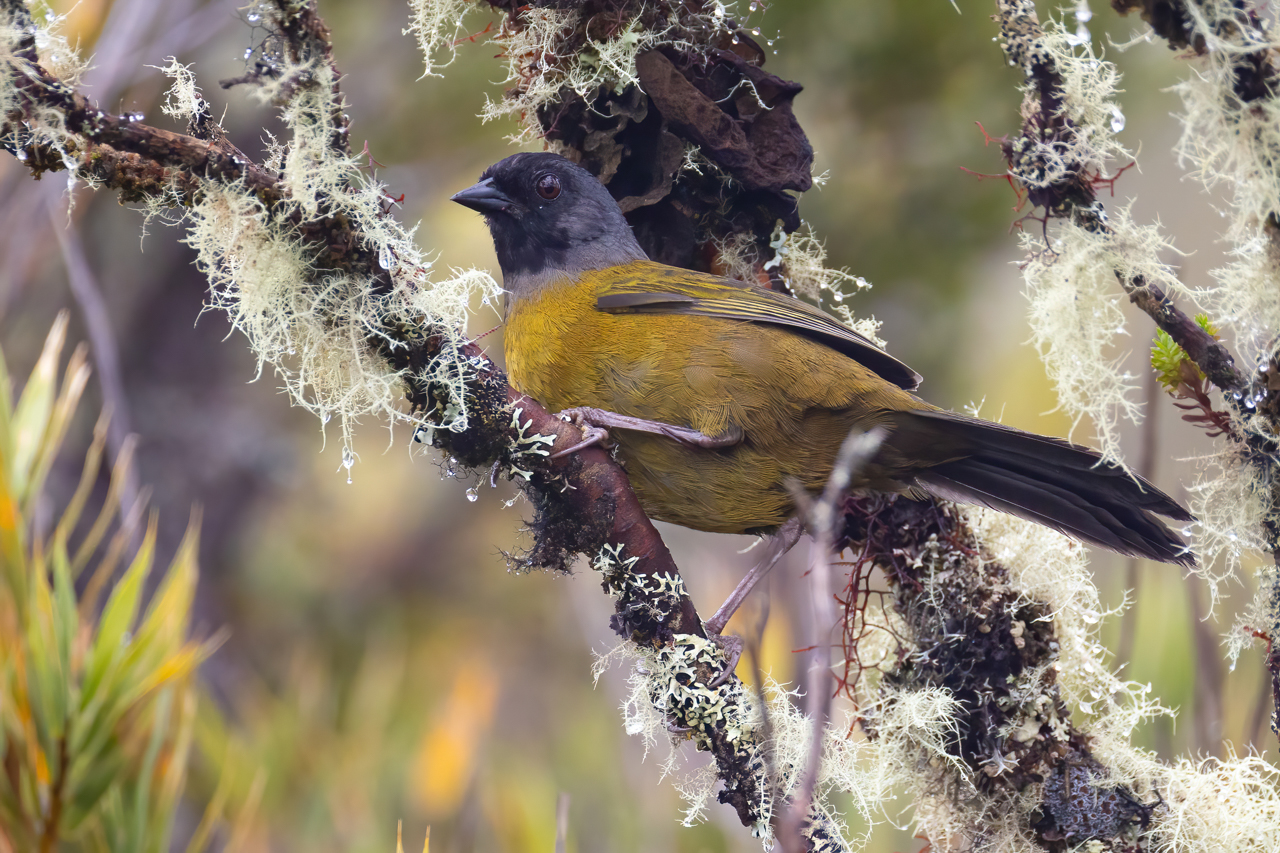
High-Altitude Biodiversity and the Ascent of Cerro de la Muerte
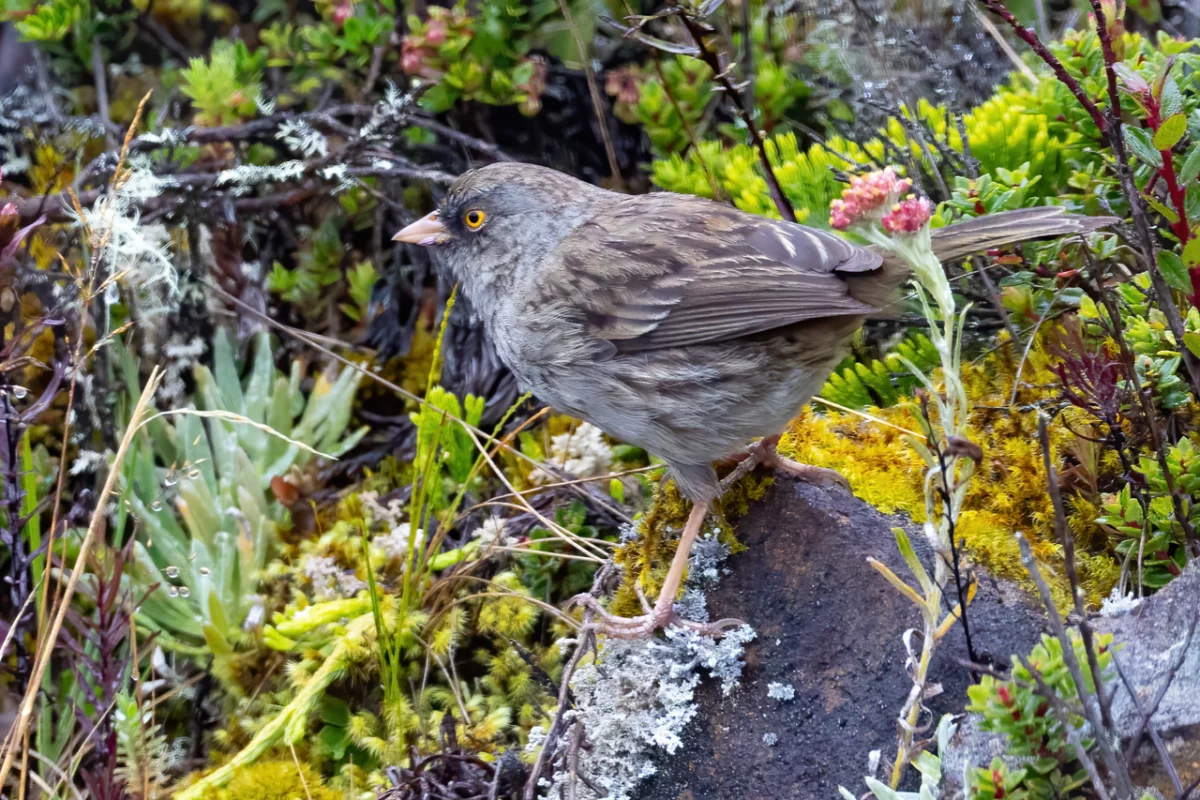
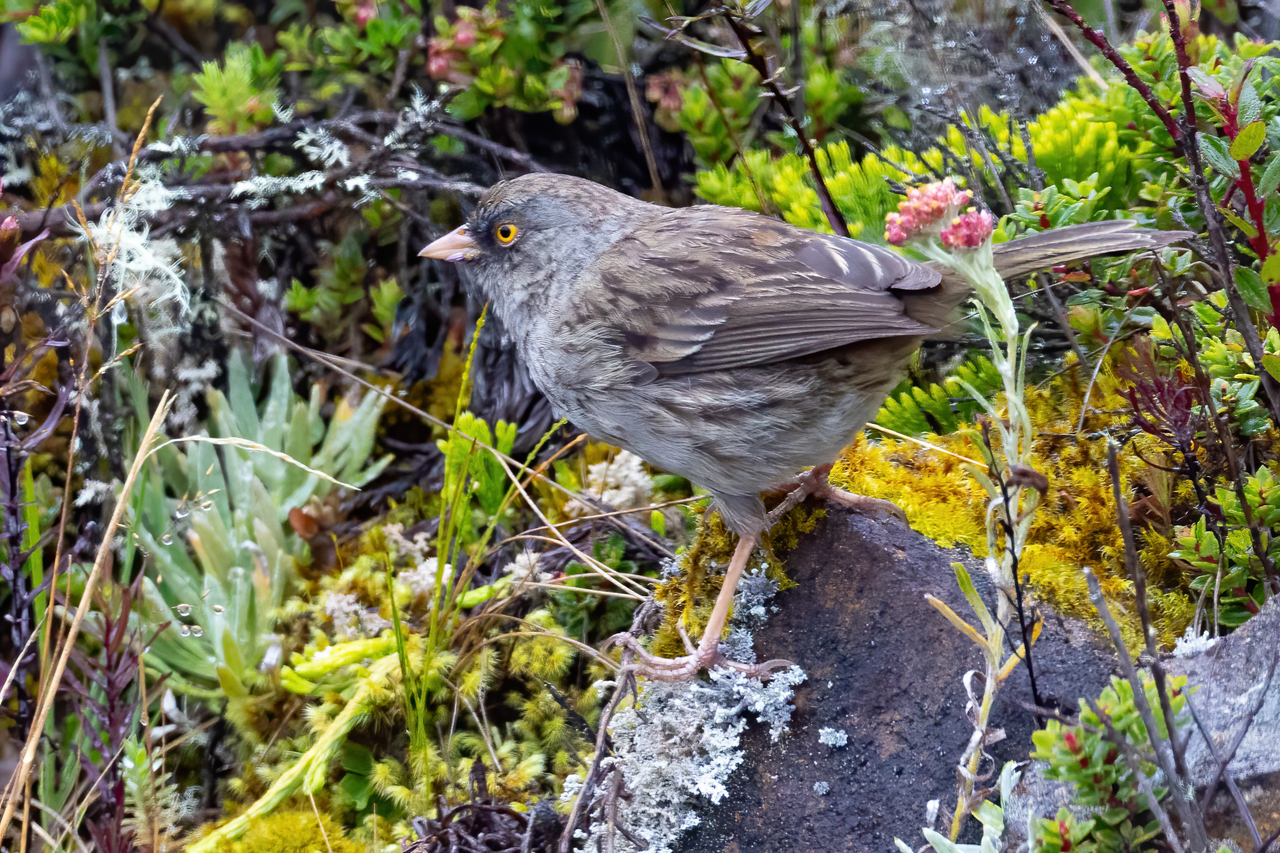
As weather conditions remained favorable, the expedition proceeded to the summit of Cerro de la Muerte, reaching an elevation of 3,400 meters. The objective at this peak was to document the Volcano Junco, a high-altitude specialist. The successful sighting of this species underscored the environmental stability of these high-elevation paramo ecosystems.
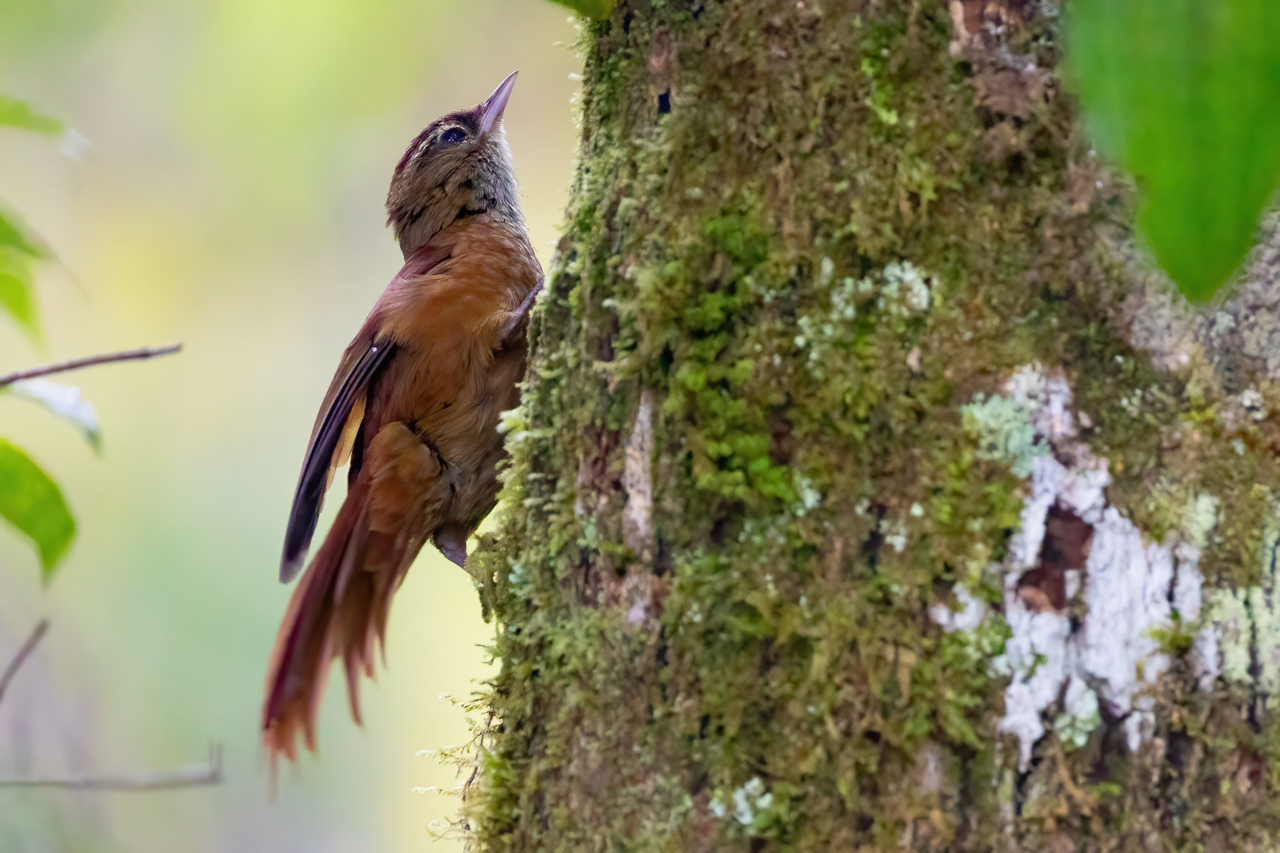
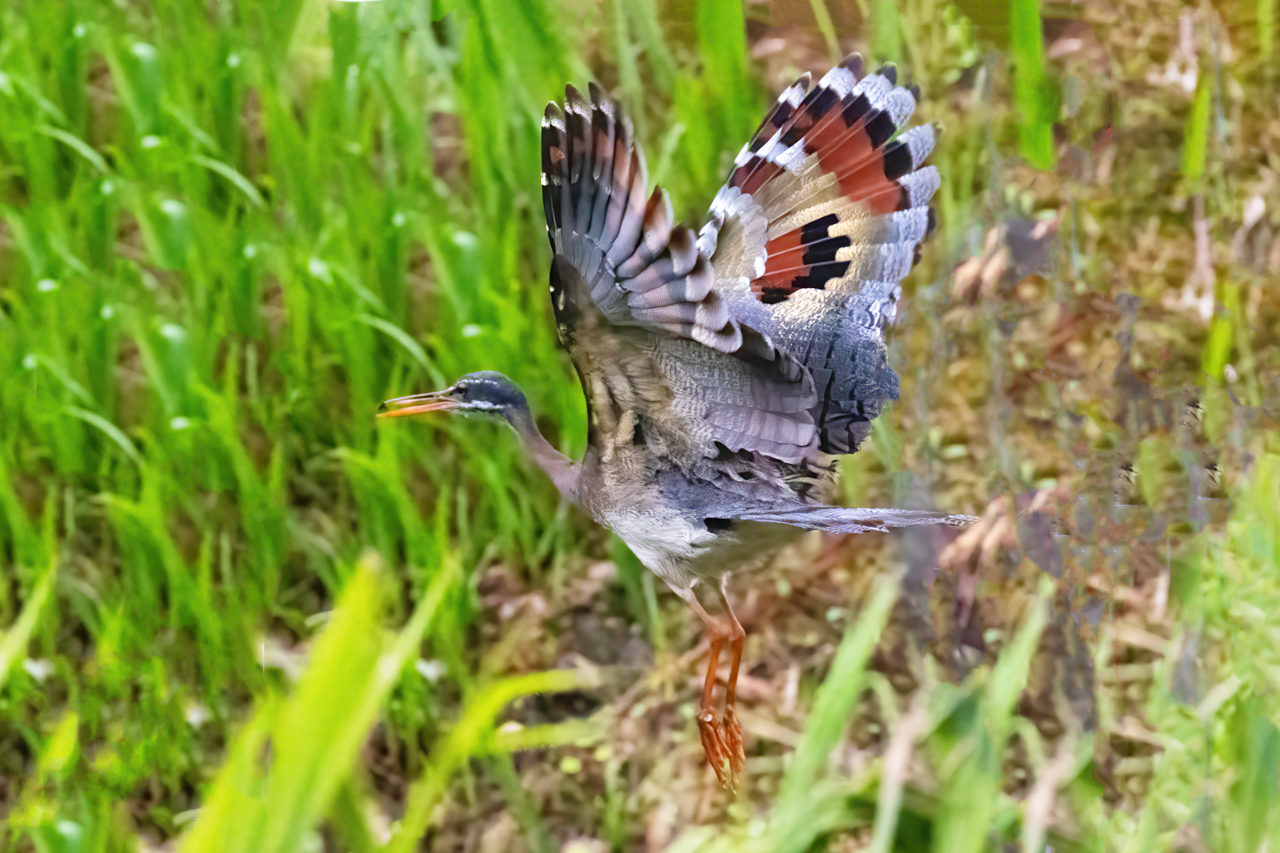
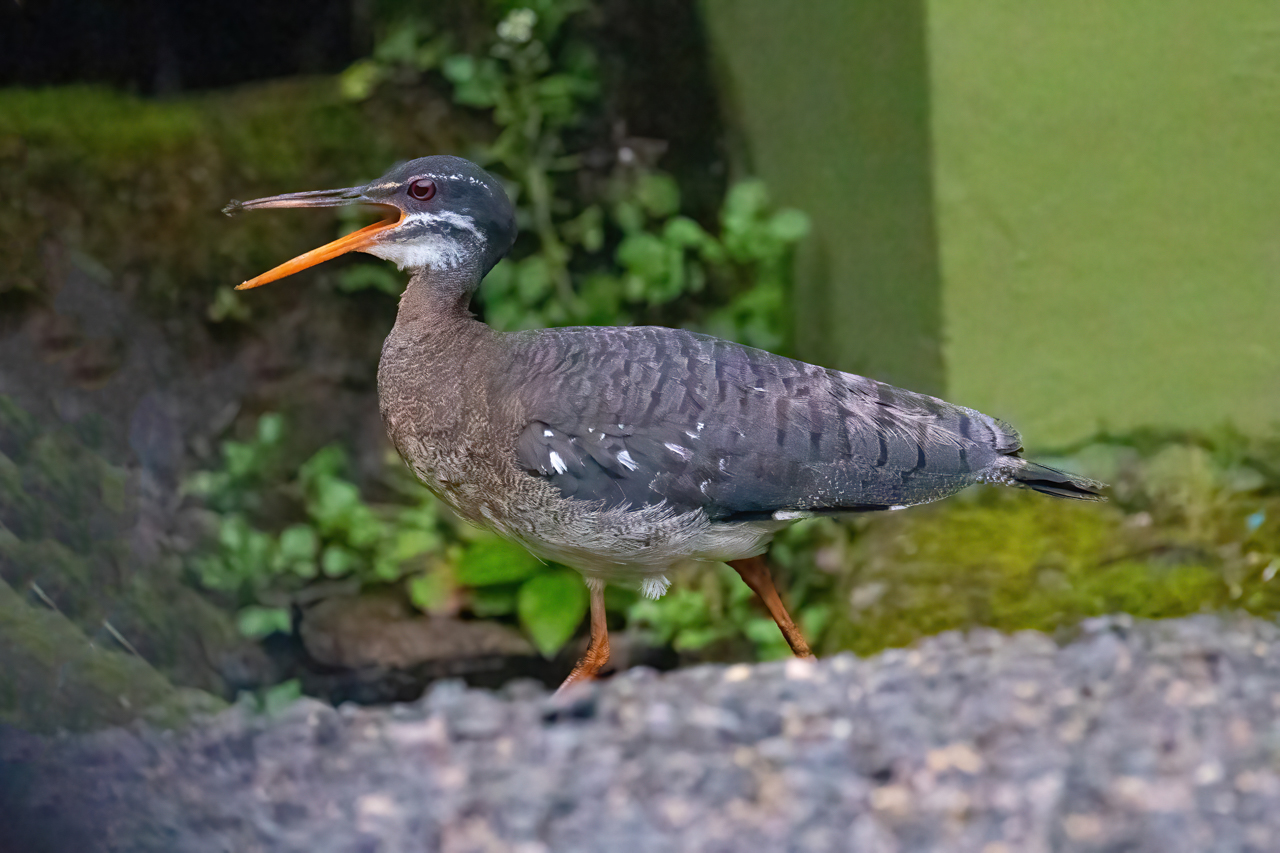
By late afternoon, the team arrived at Hotel Quelitales, where they were met by a resident pair of Sunbitterns. The proximity of these birds to the lodge infrastructure highlights the potential for integrated tourism and wildlife management. Subsequent birding on the hotel grounds yielded additional observations, including the Black-bellied Hummingbird, White-bellied Mountain-Gem, Green Hermit, Violet Sabrewing, Green-crowned Brilliant, and the Green-fronted Lancebill.
El Copal Reserve and the Dynamics of Foothill Ecosystems
On the third day, the expedition shifted its focus to the El Copal Reserve, situated in the Talamanca foothills. This region is noted for its exceptional species richness, serving as a transitional zone between highland and lowland biomes. Upon arrival, the group encountered the Snowcap, a small but highly sought-after hummingbird species.
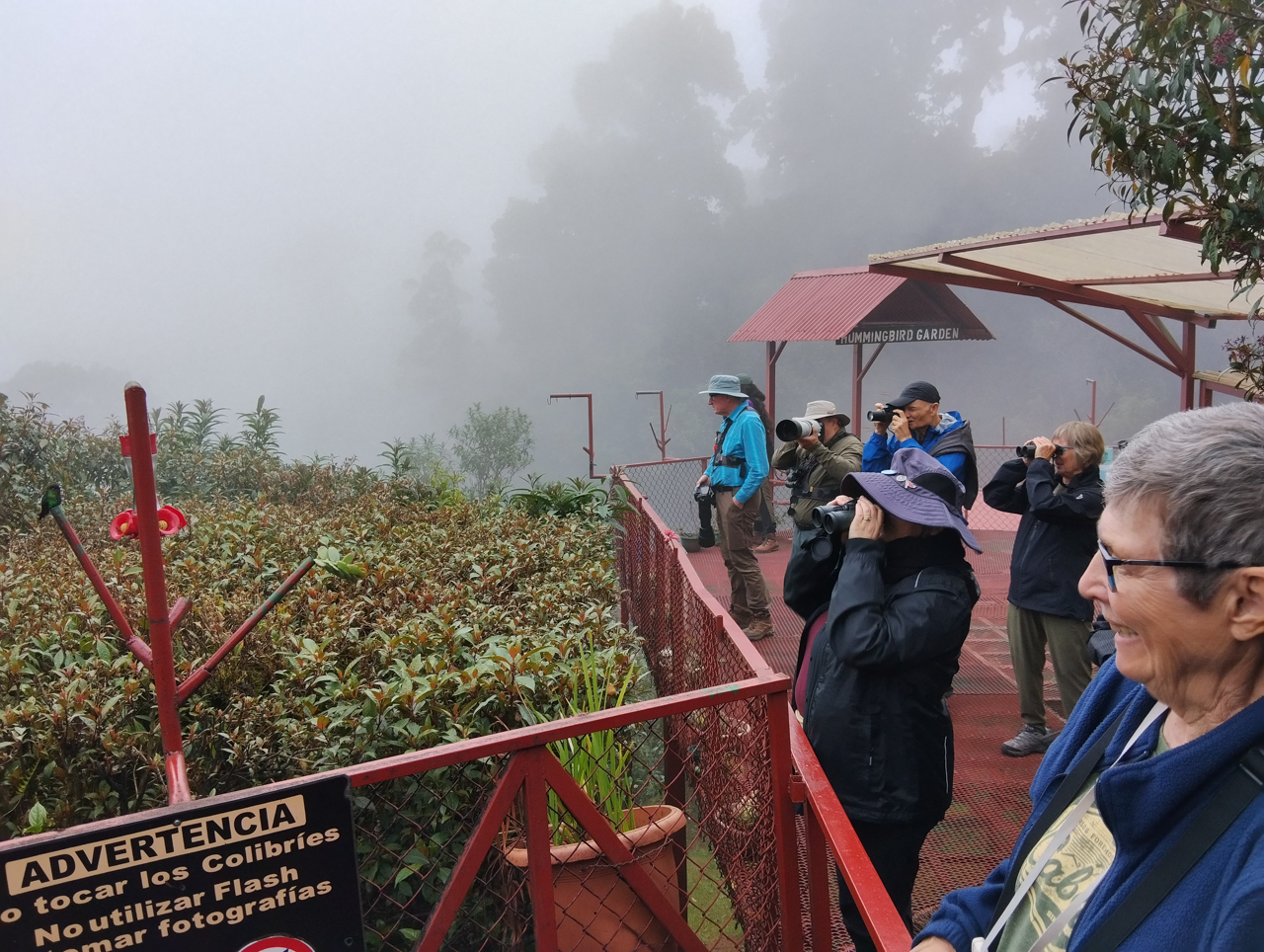
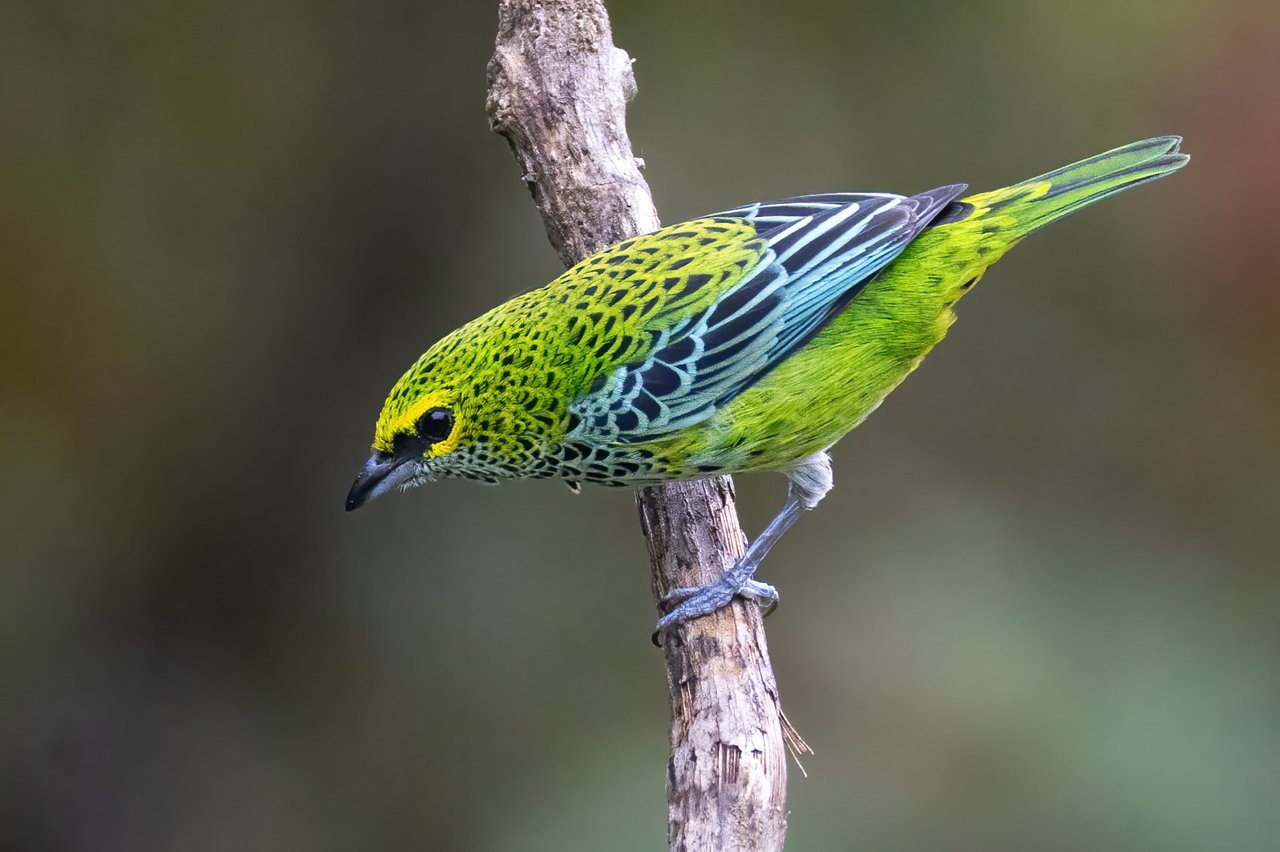
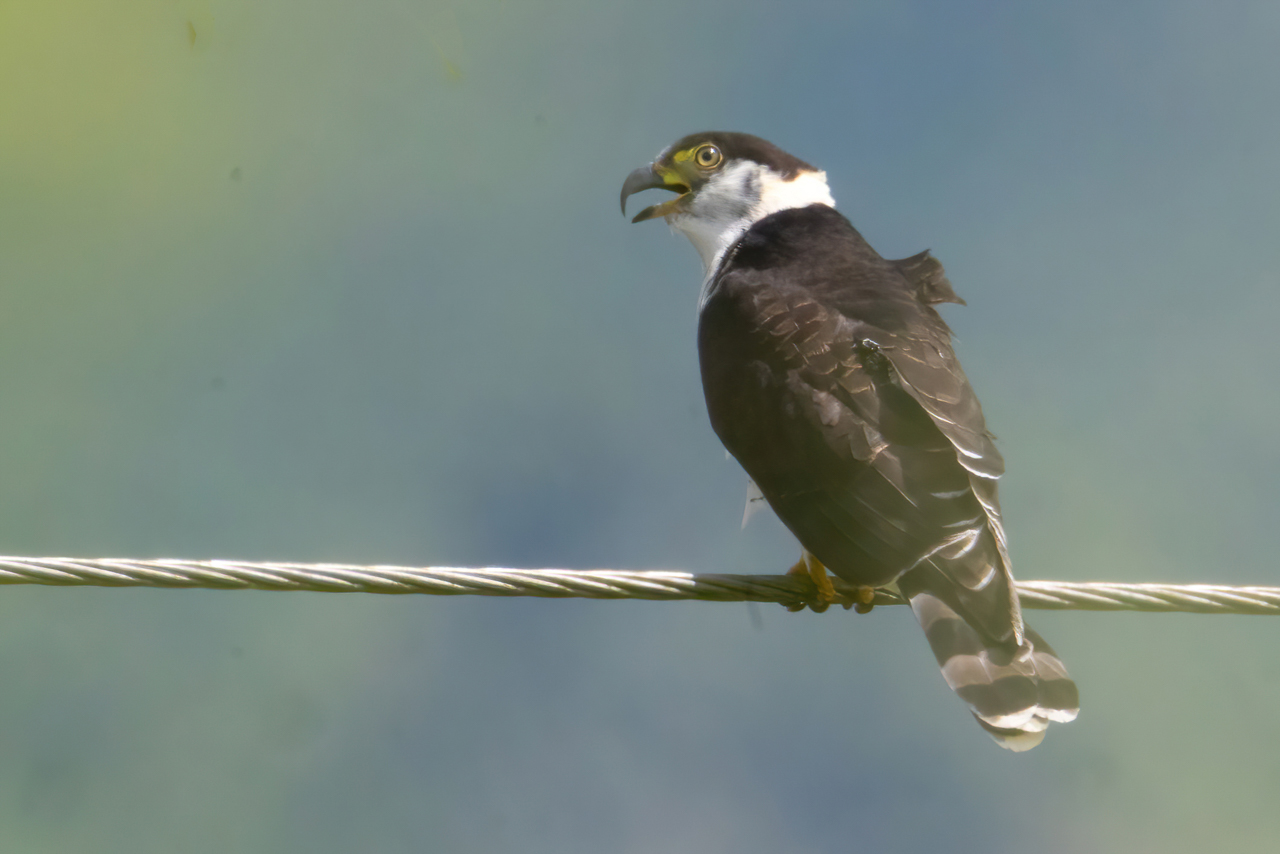
The birding experience at El Copal was facilitated by a forest-facing observation deck, which allowed for the monitoring of consistent avian activity. A significant diversity of tanagers was documented, including the Speckled, Silver-throated, Bay-headed, Golden-hooded, and Emerald Tanagers. Mixed-species flocks passing through the canopy included White-winged, White-shouldered, Tawny-crested, Black-and-yellow, and Carmiol’s Tanagers, as well as the Russet Antshrike, Ashy-throated Chlorospingus, and Olivaceous Woodcreeper. Furthermore, the presence of apex predators such as the Laughing Falcon and the Gray-headed Kite was confirmed, providing valuable data on the trophic structure of the reserve.
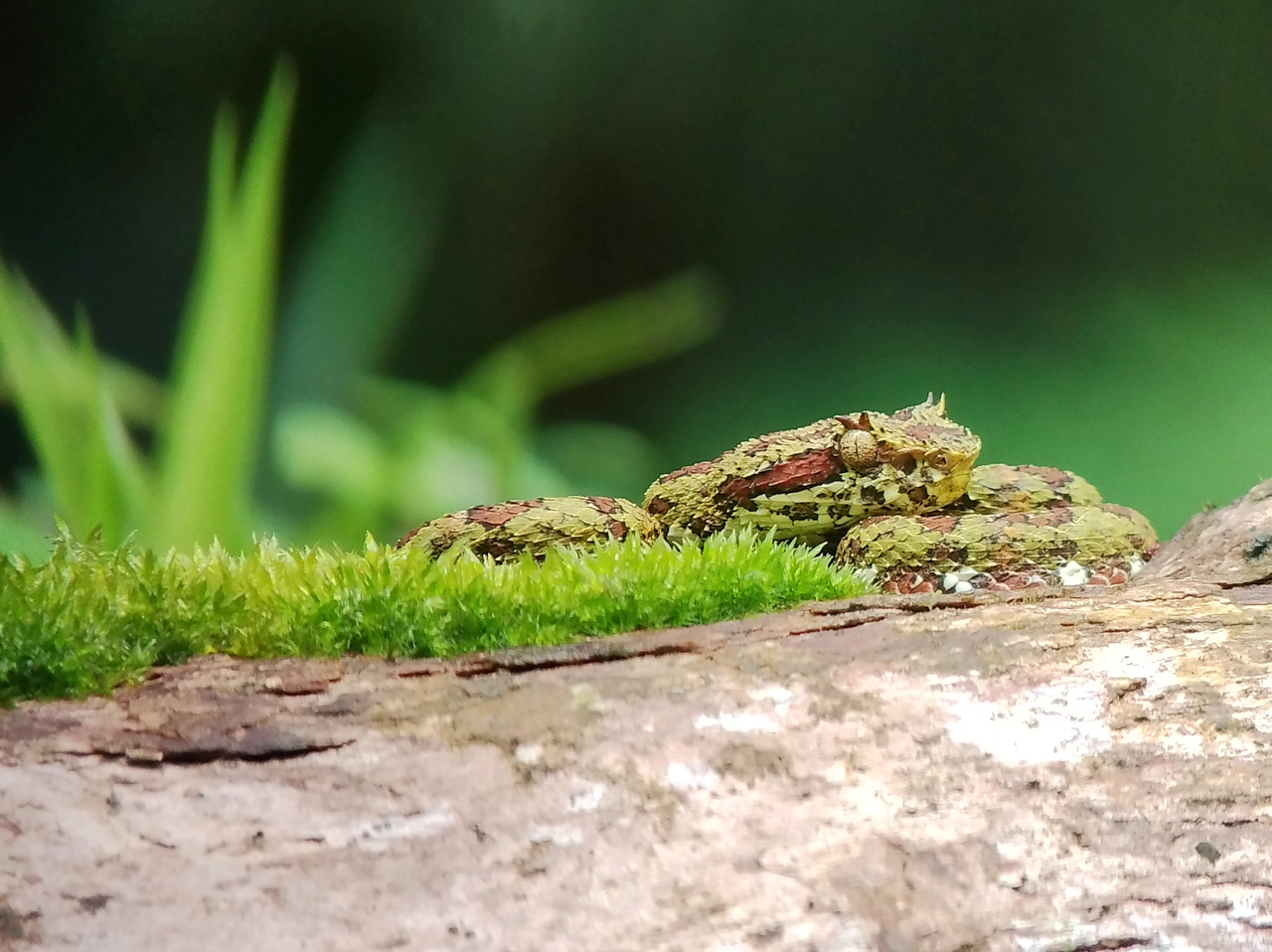
Beyond avian observations, the site yielded significant herpetological and mammalian data. A Central American Eyelash Pitviper was documented, alongside a rare sighting of a Jaguarundi interacting with an Agouti near the feeders, providing a unique glimpse into predator-prey dynamics within the reserve.
Cultural and Agricultural Integration in Ujarrás Valley
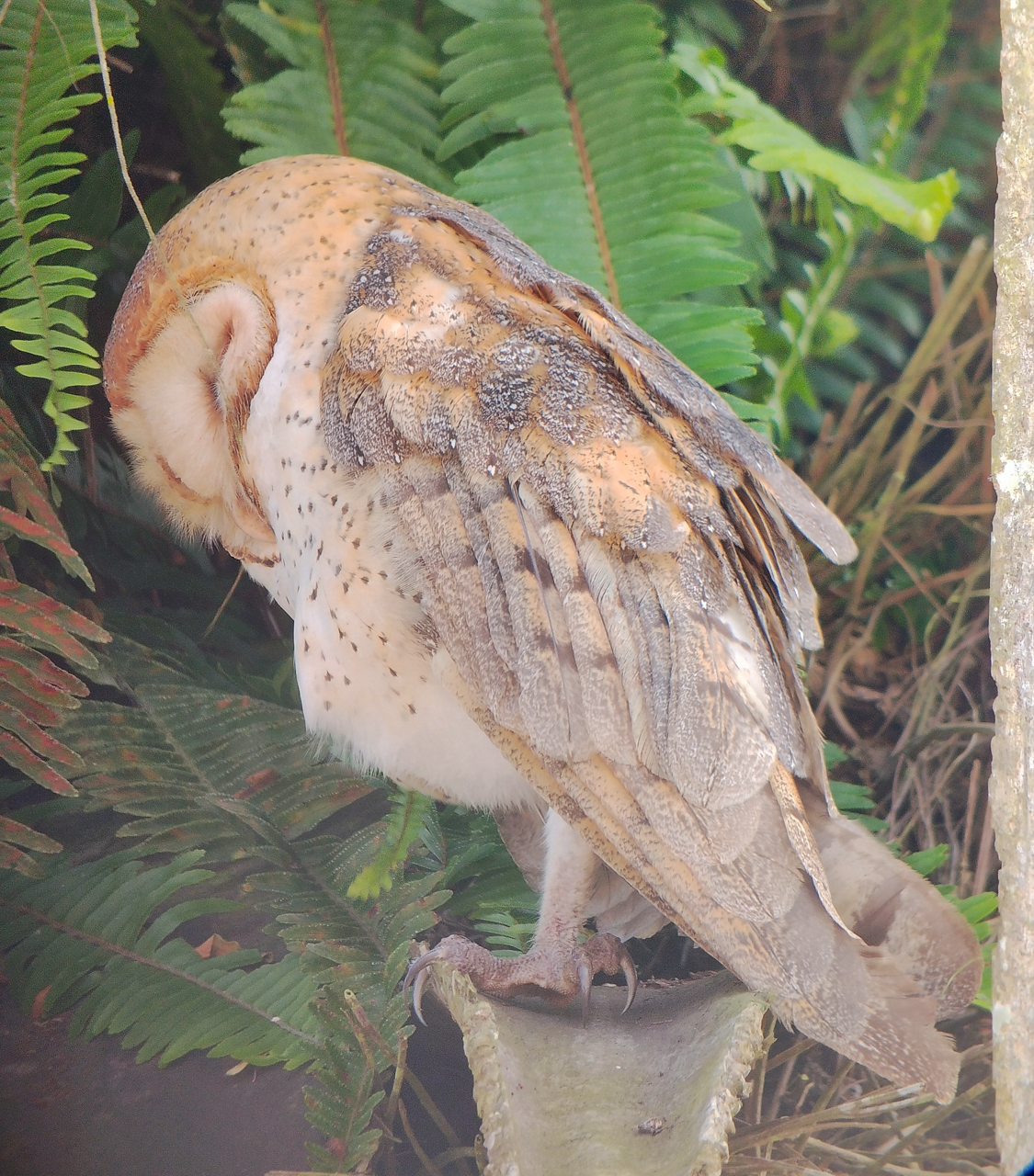
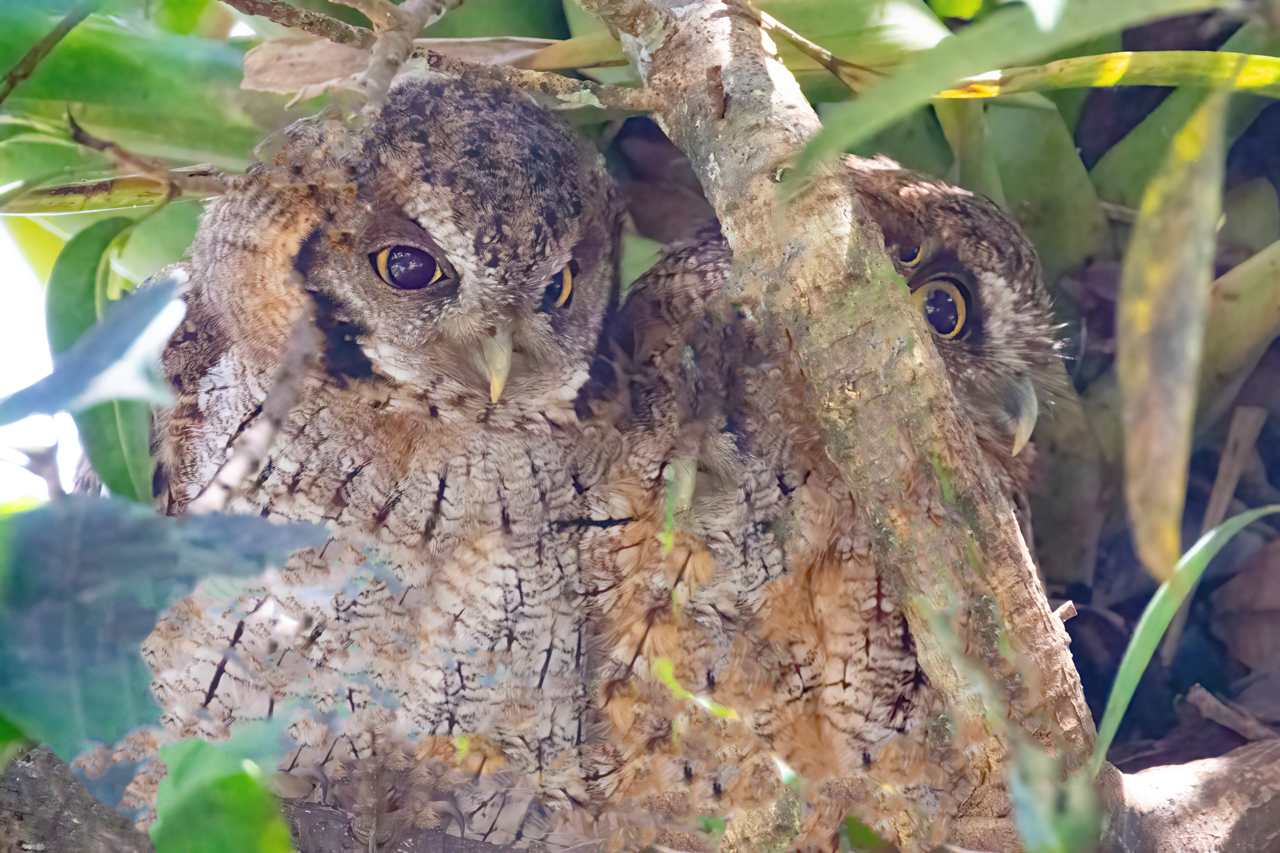
Day four involved a transition through the Ujarrás Valley, where the focus shifted to open-country and agro-ecological landscapes. Observations included the Hook-billed Kite, Southern Lapwing, and the Ruddy Ground-Dove. A visit to the town of Paraíso allowed for the documentation of resident nocturnal raptors, specifically the Barn Owl and the Tropical Screech-Owl, alongside an adult Prothonotary Warbler.
The integration of conservation and agriculture was further explored at Finca Cristina, a shade-grown, organic coffee plantation. This visit offered insights into how traditional farming methods can support biodiversity, with the farm serving as a case study for sustainable land management in Costa Rica.
Raptor Migration and the Caribbean Bottleneck
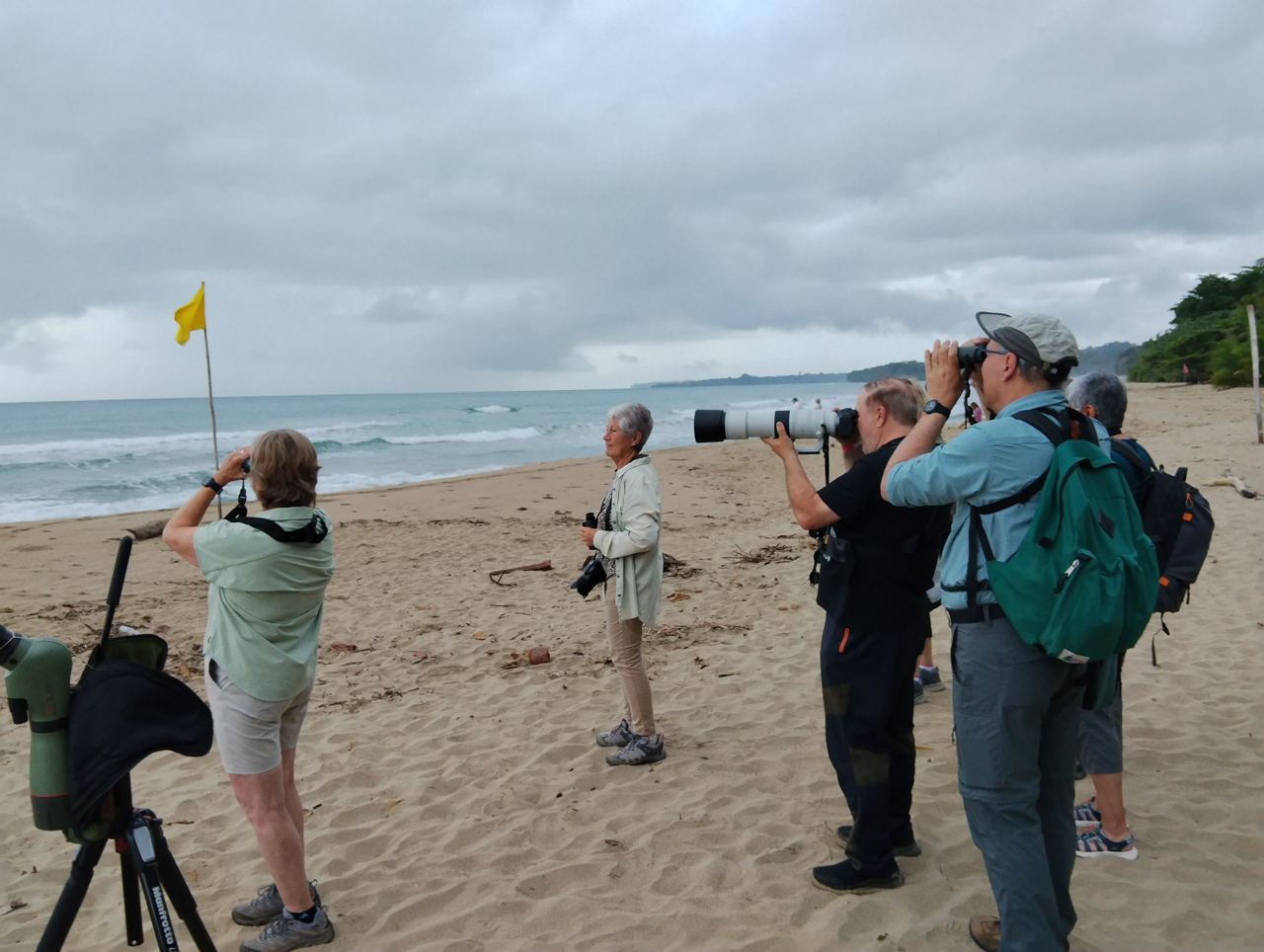
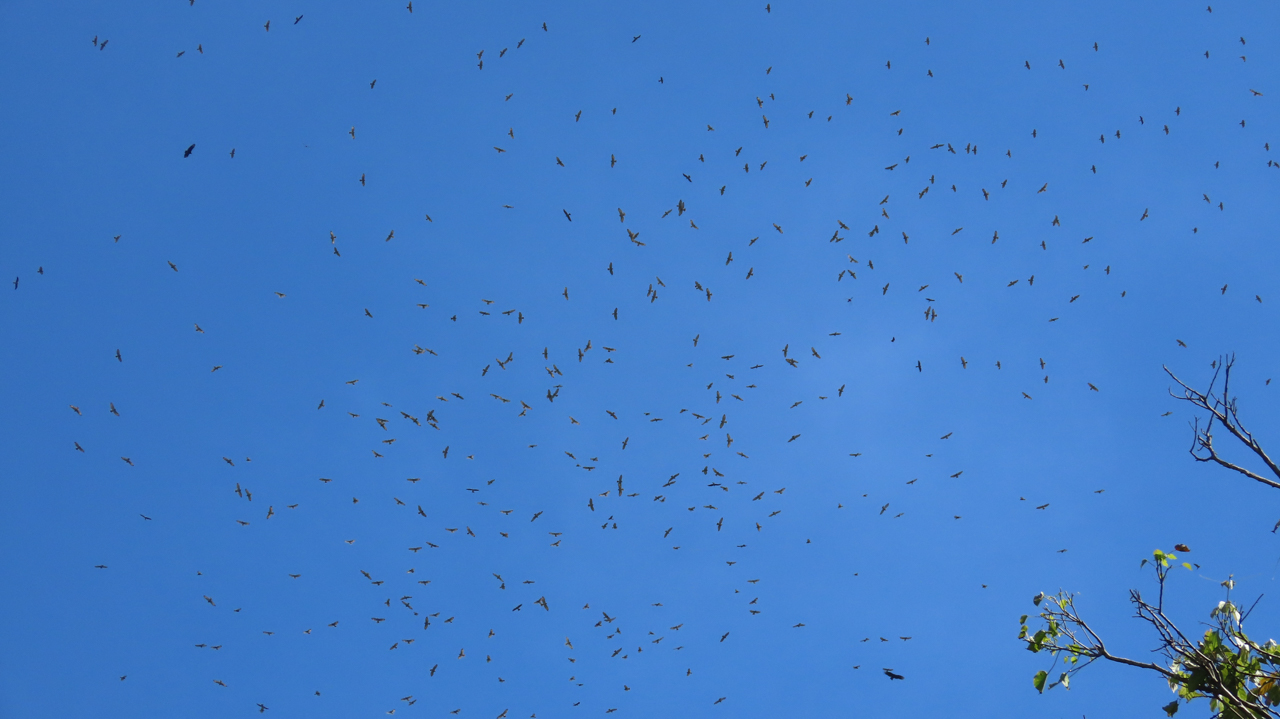
Days five through seven were centered on the south Caribbean region, specifically near Cocles and Cahuita National Park. This geographic area serves as a primary bottleneck for migratory raptors traveling between North and South America. Due to the funneling effect created by the Talamanca mountains and the Caribbean Sea, the region experiences high densities of migratory birds of prey during the autumn season.
Weather conditions, characterized by high temperatures and clear skies, provided ideal visibility for the migration. The expedition observed massive kettles of Broad-winged Hawks, mixed with Mississippi Kites and Turkey Vultures. Conservative estimates suggested that approximately 20,000 raptors passed over the observation site within a one-hour window. This data contributes to ongoing monitoring efforts regarding the health of migratory populations. Additionally, resident raptors, including the King Vulture, Double-toothed Kite, and Short-tailed Hawk, were documented soaring alongside the migrants.
Further biodiversity surveys in Cahuita National Park revealed a variety of species, including the Fasciated and Black-crowned Antshrikes, White-flanked and Dot-winged Antwrens, various woodcreepers, the Chestnut-backed Antbird, Snowy Cotinga, Purple-throated Fruitcrow, and the American Pygmy-Kingfisher. Shoreline surveys identified a variety of waders, including Royal Terns. The recovery of two banded Royal Terns, both tagged as chicks in Virginia in 2023 and 2024, provided critical data on the migratory connectivity between the Atlantic coast of the United States and the Caribbean coast of Costa Rica.
Lowland Rainforests and the Sarapiquí Corridor
During days eight and nine, the team traveled to the Sarapiquí region, a primary center for tropical rainforest research. The area, characterized by old-growth forest, provided a distinct contrast to the highland and coastal sites previously visited. Despite high temperatures, the survey recorded significant avian diversity, including the Great Green Macaw, Brown-hooded Parrot, and various toucan species.
The Snowy Cotinga remained a highlight, alongside the Band-tailed Barbthroat, Spotted Antbird, and the Graceful Black-throated Trogon. Mammalian sightings, such as the Hoffmann’s Two-toed Sloth and the Brown-throated Three-toed Sloth, were also recorded, alongside the Olingo and various poison dart frogs. Observations in human-influenced habitats included the regional endemic Nicaraguan Seed-Finch.
The expedition concluded its northern segment with a visit to the middle elevations of the Poás Volcano, where fruiting Miconia brevitheca trees attracted a wide array of tanagers and the Red-headed Barbet. The survey ended at the Cinchona feeders with observations of the Northern Emerald Toucanet and the Prong-billed Barbet, set against the backdrop of the San Fernando Waterfall.

Arenal Observatory and Final Observations
Days ten and eleven were spent at the Arenal Observatory Lodge. The visibility of the Arenal Volcano provided an unusual opportunity for landscape-level ecological observations. The lodge grounds supported a high density of species, ranging from large game birds like the Great Curassow to elusive understory residents such as the Yellow-eared Toucanet. Nocturnal surveys yielded sightings of the Black-and-white Owl and the Crested Owl. Night walks in the vicinity of the lodge revealed a high diversity of amphibians and reptiles, including the Red-eyed Leaf-Frog and the Halloween Snake.
The final day of the expedition, day twelve, included a visit to the Canopy San Luis and the private property of the Arias brothers, where intensive birding yielded fifty species, including the Long-tailed Manakin and the Coppery-headed Emerald. The expedition concluded near the airport at Hotel Robledal, where the final survey of the trip confirmed the presence of the Ferruginous Pygmy-Owl, rounding out a comprehensive record of the country’s diverse avian and wildlife populations. This expedition serves as a testament to the efficacy of local community-led conservation in maintaining Costa Rica’s status as a global leader in biodiversity protection.
