
The dense, emerald canopies of Costa Rica are world-renowned for their staggering biodiversity, serving as an ecological sanctuary for countless arboreal species. Yet, intersecting this lush wilderness is an increasingly perilous modern infrastructure. Power lines and electrical grids slice through traditional wildlife pathways, transforming a natural habitat into a landscape of unseen hazards. For slow-moving arboreal mammals, particularly sloths, navigating this fragmented environment is a daily gamble with survival. Unlike humans, who possess an innate understanding of electrical currents and insulated wiring, wildlife cannot comprehend the invisible danger humming overhead. When a miscalculated step or a slippery branch leads to a fall or contact with an uninsulated transformer, the consequences are catastrophic.
Recent data underscores a grim reality for Costa Rica’s native fauna. According to official reports from the Ministry of Environment and Energy (MINAE), electricity distribution companies documented a staggering 6,703 cases of wildlife electrocutions along power lines in 2024 alone. This translates to an average of more than 18 animals perishing or suffering severe trauma every single day. While these figures capture the scale of reported incidents, wildlife conservationists emphasize that the true toll is likely much higher, as hundreds of injured animals succumb to their injuries deep within the rainforest, far from human intervention.
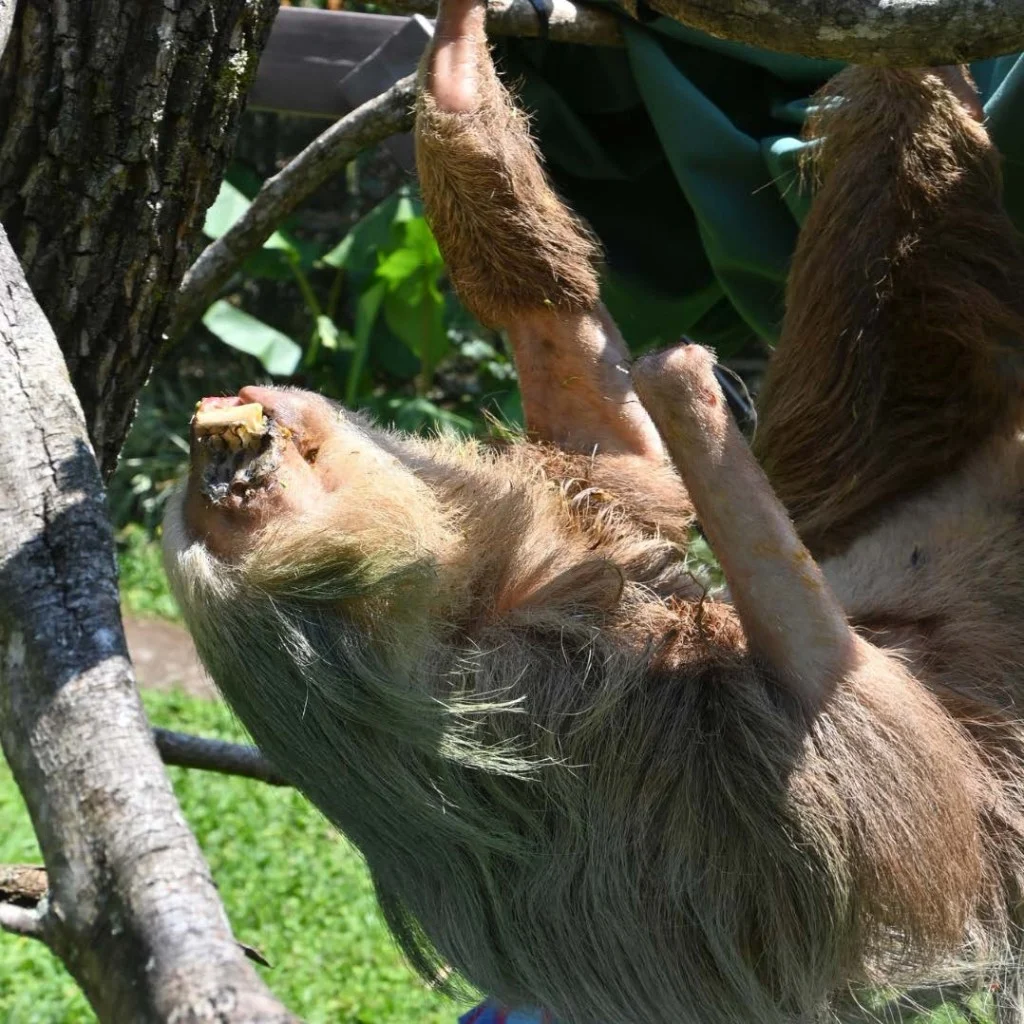
Among the primary victims of this infrastructure conflict are sloths. Data compiled by rescue organizations, including the Toucan Rescue Ranch, reveal that sloths account for an overwhelming majority of electrocution and fall-related admissions. In the past two years, over 80 percent of the specialized trauma cases treated at the ranch’s veterinary facilities involved sloths suffering from severe electrical burns, necrotic tissue damage, fractured limbs, and secondary trauma from falls that often exceed ten meters in height. The physical toll of these incidents is agonizing; survivors frequently endure extensive tissue loss, claw damage, and facial disfigurement that requires complex surgical intervention, including amputations.
A poignant example of this crisis is Champ, a two-fingered sloth rescued in the Limón province by a local police officer. Found after coming into contact with a live wire in Guácimo, Champ sustained severe burns to his face, limbs, and eyes. The electrical shock caused irreversible damage to one of his hands, necessitating a life-saving amputation by veterinary surgeons at the rescue center’s specialized clinic. Through targeted fundraising efforts coordinated by animal welfare advocates, donors contributed $1,380 to cover the intensive medical procedures, rehabilitation, and long-term care required for Champ’s stabilization and eventual transition back to a controlled release site.
The Anatomy of a Crisis: Infrastructure and Isolation
The conflict between Costa Rica’s electrical grid and its native wildlife is not a new phenomenon, but rather a byproduct of rapid rural development and expanding electrification over the late 20th century. As towns expanded and tourism corridors developed, utility poles and overhead lines were rapidly installed to meet growing energy demands, frequently cutting directly through primary and secondary forests. For decades, standard utility infrastructure utilized bare aluminum conductors and transformer setups that lacked basic wildlife guards or insulation.
Arboreal animals, particularly sloths, anteaters, and various species of monkeys, rely on continuous canopy bridges to forage, mate, and travel safely. When natural branches are cleared or trimmed near utility poles, power lines often become the most convenient or only available pathway across clearings, roads, and agricultural fields. A sloth’s slow-moving nature makes it uniquely vulnerable; rather than darting away from a hazard, a sloth moves deliberately, often grasping a live wire as if it were a sturdy vine, completing an electrical circuit that results in immediate, massive trauma.
The socioeconomic and ecological implications of these incidents extend far beyond individual animal suffering. The loss of keystone species like sloths disrupts seed dispersal and forest regeneration processes, subtly altering the ecological balance of the rainforest. Furthermore, wildlife-induced short circuits frequently cause localized power outages, resulting in economic disruption for rural communities and unexpected repair costs for utility providers. Recognizing this intersection of animal welfare and public utility reliability, conservation groups have increasingly pushed for systemic infrastructure overhauls rather than relying solely on reactive veterinary rescue operations.
Chronology of Legislative Action and Mitigation Strategies
The growing public outcry over wildlife mortality prompted a gradual shift in governmental and corporate responsibility. For years, animal rescue centers operated as the primary buffer against the crisis, absorbing the financial and emotional burden of treating severely injured animals while managing public reporting networks. However, the sheer volume of cases necessitated institutional reform.
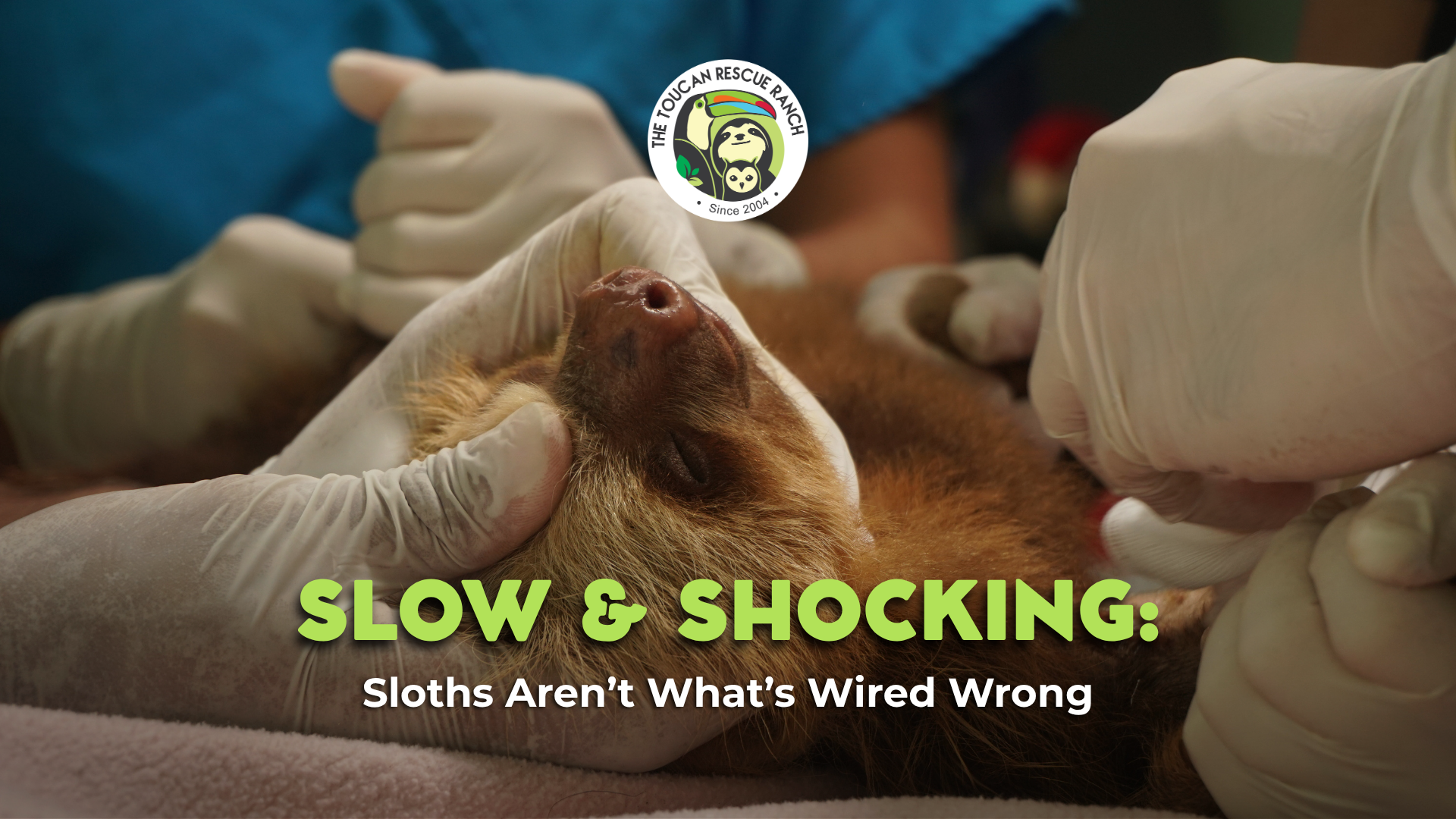
In response to sustained pressure from environmental ministries, NGOs, and civil society, the Costa Rican government began implementing targeted regulatory frameworks. A significant milestone was reached in June 2026, when the nation officially rolled out a comprehensive national strategy designed to systematically prevent wildlife electrocutions. This landmark policy mandates that state and private electricity providers systematically identify high-risk zones, insulate dangerous medium-voltage lines, and install specialized wildlife-deterrent infrastructure, such as anti-climbing guards and insulated bridge connections.
Crucially, the national strategy emphasizes institutional collaboration. Rather than operating in silos, utility companies are now encouraged to partner directly with established wildlife rescue and rehabilitation centers. These partnerships allow rescue facilities—equipped with extensive data on local injury hotspots—to guide utility companies on where infrastructure modifications will yield the most significant reduction in casualties. Additionally, facilities like the Toucan Rescue Ranch have increasingly served as testing grounds for innovative anti-climbing devices and wildlife bridges, creating a symbiotic model where academic insight, corporate responsibility, and conservation biology intersect.
The Role of Public Awareness and Community Action
While structural changes to the electrical grid remain the ultimate solution for preventing electrocutions, public awareness serves as the immediate first line of defense for injured wildlife. Educational campaigns across Costa Rica have increasingly focused on training local communities, agricultural workers, and law enforcement personnel on how to safely identify and report animals in distress.
When a citizen encounters an electrocuted sloth or an animal stranded near a high-voltage line, immediate and correct action is critical. Handling wildlife without proper training or safety equipment poses severe risks of secondary electrocution or animal trauma. Consequently, conservation organizations have amplified outreach efforts to instruct the public on contacting specialized rescue teams rather than attempting makeshift interventions. This community-driven reporting network has directly contributed to higher survival rates, ensuring that more animals reach specialized veterinary care before injuries become fatal or untreatable.
Financial sustainability remains a persistent challenge for the organizations bearing the brunt of the rehabilitation workload. Specialized treatments for electrical burns require advanced wound management, pain mitigation, specialized diets, and prolonged enclosure rehabilitation to prepare surviving sloths for reintroduction into the wild. Because governmental funding for wildlife rescue is limited, grassroots fundraising and international donor support continue to sustain operations for major trauma centers. Campaigns that highlight individual rescue cases, such as the rehabilitation of Champ, play a vital role in connecting global donors with local conservation imperatives.
Looking Ahead: The Path to a Safer Canopy
The implementation of Costa Rica’s national strategy represents a foundational step toward mitigating the wildlife electrocution crisis, yet conservationists emphasize that vigilance and sustained effort remain paramount. The transition from uninsulated to wildlife-safe electrical infrastructure requires significant capital investment, logistical coordination, and continuous monitoring across thousands of kilometers of distribution lines.
As urban expansion and infrastructure demands continue to grow alongside ecotourism initiatives, balancing human technological needs with ecological preservation will define the future of environmental management in Central America. The ultimate goal shared by biologists, utility regulators, and rescue networks is the creation of a modern landscape where power grids and rainforest canopies coexist without fatal friction.
Every successfully rehabilitated sloth that returns to the wild stands as a testament to the impact of coordinated rescue efforts, corporate adaptation, and public engagement. By transforming awareness into institutional policy and community action, conservation advocates continue working toward a future where the silent hazards of the modern grid are systematically dismantled, ensuring that the ancient pathways of Costa Rica’s arboreal species remain safe for generations to come.
