
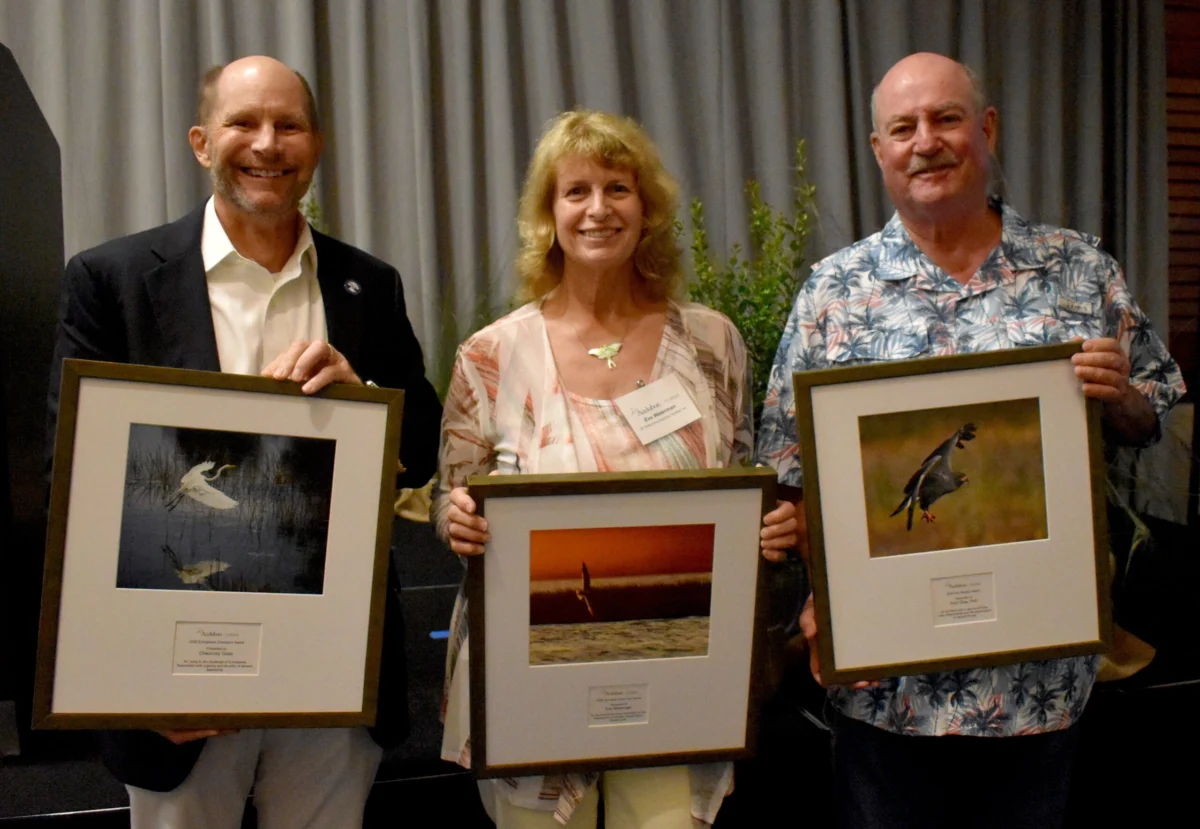
ST. PETE BEACH, FL — The pursuit of environmental stewardship in the Sunshine State reached a milestone this October as Audubon Florida convened its annual Assembly at the TradeWinds Resort in St. Pete Beach. From October 15 to 17, 2026, the three-day gathering served as a nexus for policymakers, scientists, volunteers, and stakeholders dedicated to the theme of "Protecting What Connects Us—Water, Wildlife, and Community." The event, which has evolved over decades into a premier forum for Florida’s conservation movement, focused on bridging the gap between scientific research and actionable public policy to safeguard the state’s rapidly changing ecosystems.
A Legacy of Engagement and Action
The Audubon Assembly functions as more than an annual conference; it is a critical barometer for the health of Florida’s environmental advocacy. This year’s assembly was particularly significant as it followed a period of intense legislative debate and climate-related stressors on Florida’s coastal and wetland habitats. The event provided a platform to review the past year’s accomplishments while charting a course for the next fiscal cycle.
The assembly’s programming included specialized learning sessions on avian migratory patterns, water quality management in the Everglades, and the intersection of urban development and habitat preservation. By bringing together diverse voices—from local volunteers to state-level administrative officials—the organization sought to reinforce the idea that conservation is a non-partisan issue essential to the state’s economic and ecological longevity.
Honoring the Champions of Florida’s Environment
A central pillar of the Assembly is the recognition of individuals and organizations whose contributions have transcended standard expectations. This year, seven distinct honors were bestowed, highlighting a broad spectrum of efforts ranging from grassroots volunteerism to high-level legislative intervention.
Grassroots Dedication: The Volunteer of the Year
The Volunteer of the Year award was presented to Eve Waterman, whose commitment to the Tampa Bay region’s coastal health has become a benchmark for the organization. Waterman’s work involves a rigorous schedule of stewardship, protecting vulnerable species such as the Wilson’s Plover, Least Tern, and American Oystercatcher at Ft. De Soto Park, and Black Skimmers at Redington.
Data provided by the organization indicates that Waterman averages more than 50 shifts annually, representing a donated labor value of approximately $2,500 per year. Her role as Treasurer of the St. Pete Audubon Chapter further underscores the administrative and field-based integration required for effective local conservation.
Legislative Integrity: The Teddy Roosevelt Award
In a move reflecting the current political climate in Florida, the Teddy Roosevelt Award was jointly presented to former State Senator Jeff Brandes and former U.S. Congressman Al Lawson, Jr. The award recognizes their bipartisan effort to challenge the misleading ballot language of Amendment 3 during a 2026 legislative special session.
The legal challenge mounted by Brandes and Lawson served as a pivotal moment for voter transparency. By successfully forcing a rewrite of the amendment, the pair highlighted concerns that the original language would have severely impacted local government budgets, thereby hindering the ability of municipalities to manage sprawl and maintain essential public services like parks and libraries. Their victory in court served as a case study for the importance of impartial, clear communication in the electoral process, demonstrating that environmental policy is inextricably linked to administrative and budgetary transparency.
Philanthropic Leadership and Institutional Support
The Collier Community Foundation was honored with the Distinguished Philanthropist Award for its transformative support of the Corkscrew Swamp Sanctuary. Represented by Eileen Connolly-Keesler, the foundation has been instrumental in funding hydrologic research and land stewardship initiatives.
The highlight of this partnership was a $100,000 capital campaign gift in 2025. This funding has allowed the Sanctuary to upgrade its facilities, effectively modernizing the campus into a regional hub for conservation education and climate-focused research. The foundation’s sustained financial backing serves as a model for how private-sector philanthropy can bolster public-facing environmental research.
Scientific and Policy Milestones
The Assembly also recognized individuals who have shaped the landscape of Florida’s water policy and wildlife science through long-term commitment and professional rigor.
Scientific Stewardship: The Guy Bradley Award
Dr. Paul Gray, recently retired Audubon Everglades Science Coordinator, received the Guy Bradley Award for his 31-year tenure. Dr. Gray’s career is defined by his ability to translate complex ecological data into policy solutions. His work, which often required building consensus among stakeholders with competing interests—including ranchers, developers, and government agencies—demonstrates the "intersectional" approach required for modern conservation. His legacy serves as a blueprint for future scientists who must navigate the complex human-nature interface in the Everglades.
Restoration Leadership: The Everglades Champion Award
Chauncey Goss, Chairman of the South Florida Water Management District (SFWMD) Governing Board, was honored as the Everglades Champion. Since 2019, Goss has overseen a period of unprecedented progress in Everglades restoration. Under his leadership, the district completed the Everglades Restoration Strategies construction phase and the Picayune Strand Restoration Project.
The success of the SFWMD during his tenure has been marked by a significant increase in water-quality monitoring and the acceleration of the EAA Reservoir and Stormwater Treatment Area. These projects are vital to reducing harmful discharges from Lake Okeechobee, which have historically threatened the health of downstream estuaries and the Florida coast.
Ensuring Order and Security: Law Enforcement
Recognizing that conservation requires enforcement as much as it requires science, Audubon Florida awarded the Law Enforcement Officer of the Year honor to Sgt. David Estes, Cpl. Robert Kirkland, and Cpl. Jerrod Carver of the Collier County Sheriff’s Office Agriculture Unit.
The unit’s presence at the Corkscrew Swamp Sanctuary has proven essential in deterring illegal activity, including trespassing and potential poaching. Their collaboration with Audubon staff has created a safer environment for both wildlife and the public, proving that dedicated law enforcement is a primary component of effective land management.
Broader Implications and Future Priorities
The 2026 Audubon Assembly concluded with a clear outlook on the challenges facing Florida’s environment. The event’s focus on "what connects us" highlights the growing recognition that water quality, wildlife preservation, and community stability are not competing interests but are rather parts of a single, interdependent system.
Analysis of Current Trends
The emphasis on legislative engagement and water management reflects a broader trend in environmental advocacy. As Florida’s population continues to grow, the pressure on natural resources increases, necessitating:
- Enhanced Water Security: Addressing the legacy of agricultural and urban runoff into Lake Okeechobee and the Everglades.
- Policy Transparency: Ensuring that ballot initiatives and legislative actions affecting the environment are subject to public scrutiny and impartial analysis.
- Cross-Sector Collaboration: Moving away from siloed conservation efforts toward integrated models involving law enforcement, private philanthropists, and public policy makers.
Sustaining the Mission
The success of the 2026 Assembly was bolstered by significant corporate and foundational sponsorship, including Florida Power & Light Company, the Ferber Company, Live Wildly Foundation, Lykes Brothers, Inc., RiverGlades Family Offices, Kitson & Partners, and Vortex Optics. This financial backing ensures that Audubon Florida can continue to provide educational programming, field trips, and policy research.
As the state moves toward the next year of environmental policy and planning, the lessons from the 2026 Assembly serve as a roadmap. The focus remains on science-based solutions that can withstand the test of political polarization and economic flux. Whether through the meticulous stewardship of a local volunteer or the high-stakes legal challenges of state legislators, the message from the 2026 Audubon Assembly is clear: the defense of Florida’s natural heritage is a collaborative, ongoing, and essential endeavor.
For those interested in the ongoing efforts of the organization, resources and documentation from the assembly remain available at Audubon.org/Florida/Assembly, providing a foundation for continued public engagement in the months to come. As climate change continues to impact the state’s shoreline and interior wetlands, the integration of community awareness and robust policy advocacy will remain the most effective tool in the preservation of Florida’s unique and fragile ecosystems.
