
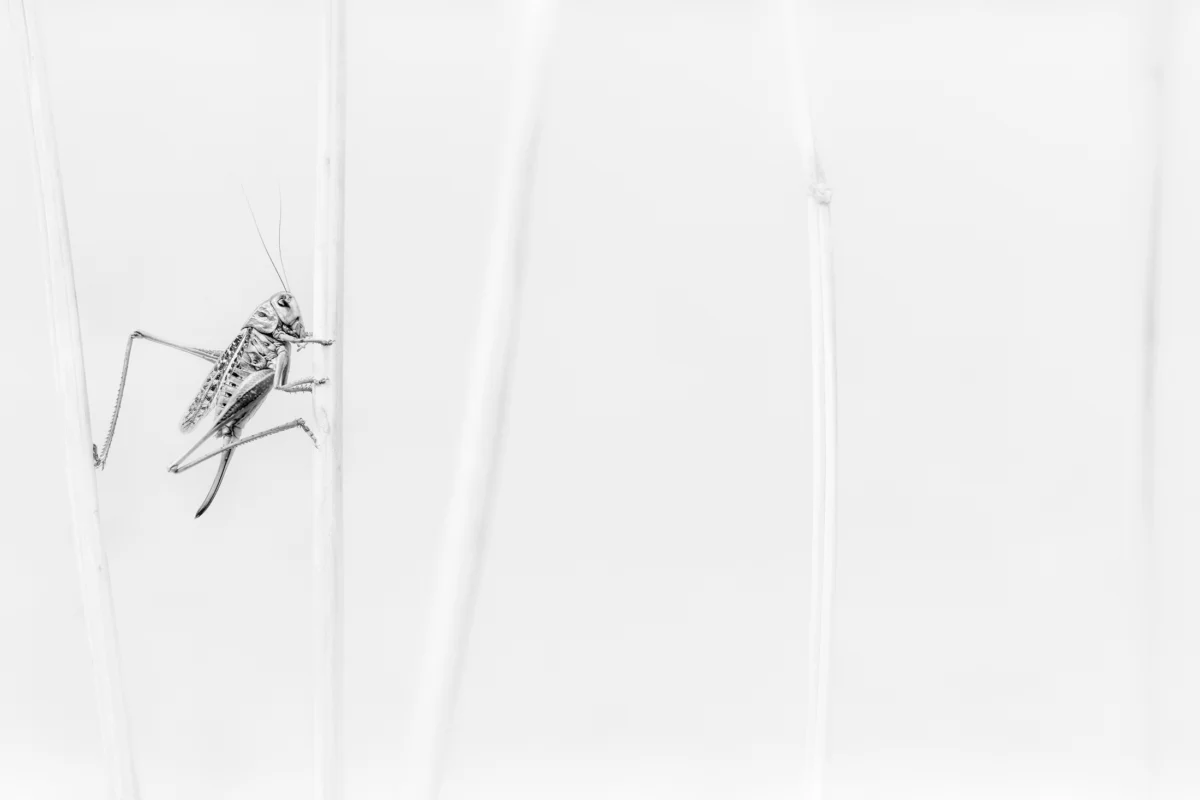
The evolution of nature photography has long been intertwined with the pursuit of vibrant hues, hyper-detailed chromatic accuracy, and technological advancements in digital sensor engineering. Yet, a counter-movement within professional macro photography is challenging this colorful status quo. Photographers specializing in arthropods—insects, arachnids, and crustaceans—are increasingly turning to black-and-white imagery to strip away visual distractions and focus on the fundamental geometry, textures, and behaviors of the natural world. This stylistic shift highlights a growing appreciation for monochrome storytelling, prompting a reevaluation of how microscopic and near-microscopic ecosystems are documented and perceived by the public.

The Foundations of Arthropod Macro Photography
Arthropods represent the most diverse group of organisms on Earth, accounting for over 80 percent of all known animal species. For macro photographers, these subjects offer a unique combination of accessibility and complexity. Unlike large mammals or elusive birds, insects and arachnids can be found in virtually any environment, ranging from remote wilderness areas to suburban backyards and urban gardens.
Long-term observation of these creatures reveals intricate behavioral patterns that routinely escape the casual human observer—from predatory tactics and mating rituals to intricate molting processes. Capturing these moments requires specialized macro lenses, precise lighting setups, and an immense degree of patience. Historically, the medium has relied on vivid color saturation to showcase the brilliant metallic sheens of beetle carapaces, the delicate powder on butterfly wings, and the translucent membranes of dragonfly thoraxes. However, shifting toward monochrome introduces an entirely different philosophy of visual communication, one rooted in classical photography principles established more than a century ago.

The Aesthetic Case for Monochrome
In an era dominated by instantaneous digital color grading and algorithmically enhanced vibrancy, working in black and white represents a deliberate aesthetic choice. Professional photographers employing this medium argue that the absence of color eliminates visual noise, allowing viewers to engage directly with the subject’s physical architecture.
When color is removed, the human eye naturally gravitates toward lines, shapes, gradients, and textures. For instance, the jagged edges of a praying mantis’s raptorial forelegs, the armored segmentation of a stag beetle, or the delicate web structures of harvestmen become the primary focal points. Furthermore, monochrome creates a heightened sense of drama and mystery, utilizing tonal contrasts between harsh light and deep shadow to evoke emotional responses that standard color captures rarely achieve.

Industry data and visual arts analyses suggest that monochrome imagery forces both the creator and the audience to look beyond superficial appearances. By reducing a scene to a continuous scale of grays, photographers can emphasize mood and atmosphere over mere biological documentation. This approach aligns closely with minimalist artistic traditions, where reduction of elements serves to amplify the core message of the work.
Methodologies: In-Camera Capture Versus Post-Processing
The workflow of monochrome macro photography typically follows one of two distinct methodologies. The first involves shooting directly in a monochrome profile, a technique favored by photographers seeking to train their brains to visualize scenes natively in tones and contrasts rather than hues. By setting electronic viewfinders or LCD screens to display a black-and-white feed, practitioners learn to anticipate how green foliage, bright yellow blossoms, and iridescent chitin will translate into shades of gray.

The second and more prevalent methodology involves capturing images in full color (RAW format) and executing the conversion during post-processing. This latter approach grants creators precise control over individual color channels—such as the red, green, and blue luminance sliders—allowing for nuanced manipulation of contrast between a subject and its background. For instance, darkening a green background by adjusting the green luminance channel can make a light-colored insect stand out with striking clarity, a technique impossible to replicate with traditional film without specialized color filters.
Archival reassessment has also become a prominent practice among macro photographers. Re-examining older color portfolios through a monochromatic lens often breathes new life into neglected files, revealing graphic qualities and atmospheric depths that were previously obscured by conflicting color palettes.

Solving Technical and Environmental Challenges
Monochrome serves as more than just an artistic preference; it acts as a functional problem-solving tool in challenging field conditions. Macro photography is frequently constrained by chaotic natural environments, where cluttered foliage and competing light sources can overwhelm a composition. Converting such frames to black and white helps isolate the subject chromatically and structurally.
Additional technical benefits include:

- Harsh Lighting Management: Direct midday sunlight often creates blown-out highlights and impenetrable shadows. Monochrome embraces this high-contrast scenario, utilizing negative space and stark tonal divisions to enhance composition.
- High-ISO Noise Mitigation: Shooting in low-light conditions—such as deep undergrowth or twilight—often requires high ISO settings that introduce chromatic noise. Converting these files to black and white transforms distracting color artifacts into a pleasing, film-like grain that adds atmospheric weight.
- Uncorrectable Color Casts: Difficult ambient lighting, such as the greenish-yellow tint of stagnant pond water, can render color correction arduous. Monochrome bypasses this issue entirely, shifting the focus to form and reflection.
- Intentional Camera Movement (ICM) and Double Exposures: Experimental techniques that blur reality can produce jarring color combinations. Stripping away color unifies these ethereal compositions, lending them a timeless, illustrative quality.
Minimalism, Abstraction, and Emotional Resonance
By embracing minimalism, black-and-white macro photography encourages a departure from literal documentation toward artistic abstraction. Depth of field becomes a critical instrument; by utilizing wide apertures to isolate a single sharp element against an abstract, out-of-focus background, photographers can guide the viewer’s eye through a carefully curated visual narrative.
Industry commentators and visual arts critics note that grain—whether captured natively via high-ISO settings or added digitally during post-production—plays a vital psychological role in monochrome imagery. It evokes a tactile sense of nostalgia and grit, contrasting sharply with the clinical perfection of modern digital sensors.

Ultimately, the choice to pursue monochrome macro photography is a deeply personal creative decision. While color remains an indispensable tool for scientific accuracy and vibrant storytelling, black and white opens a portal to an alternate dimension of the natural world. It reframes familiar creatures as alien sculptures, transforms chaotic undergrowths into studies of light and shadow, and reminds observers that wonder can be found not just in the brilliance of color, but in the elegant interplay of tone and form.
