
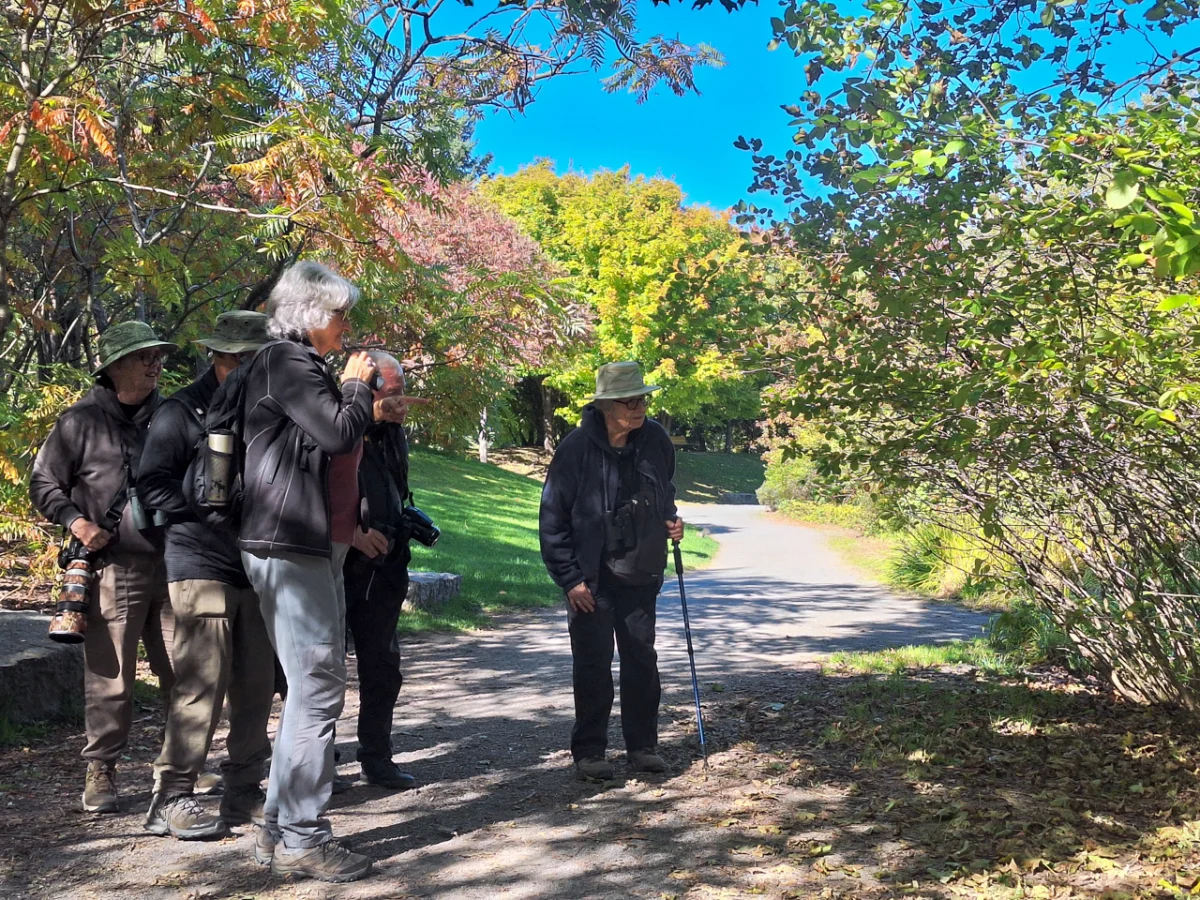
The annual fall migration along the St. Lawrence River in Quebec represents one of North America’s most significant avian corridors, drawing ornithologists and enthusiasts alike to witness the seasonal movement of thousands of species. From September 23rd to September 30th, a specialized expedition traversed this landscape, beginning in Quebec City and extending into the boreal reaches of Tadoussac and the southern shores of the river. This eight-day survey documented shifting populations, behavioral patterns in response to cooling temperatures, and the critical role of Quebec’s wetlands as stopover sites for migratory birds.
The Quebec City Gateway: September 23–24
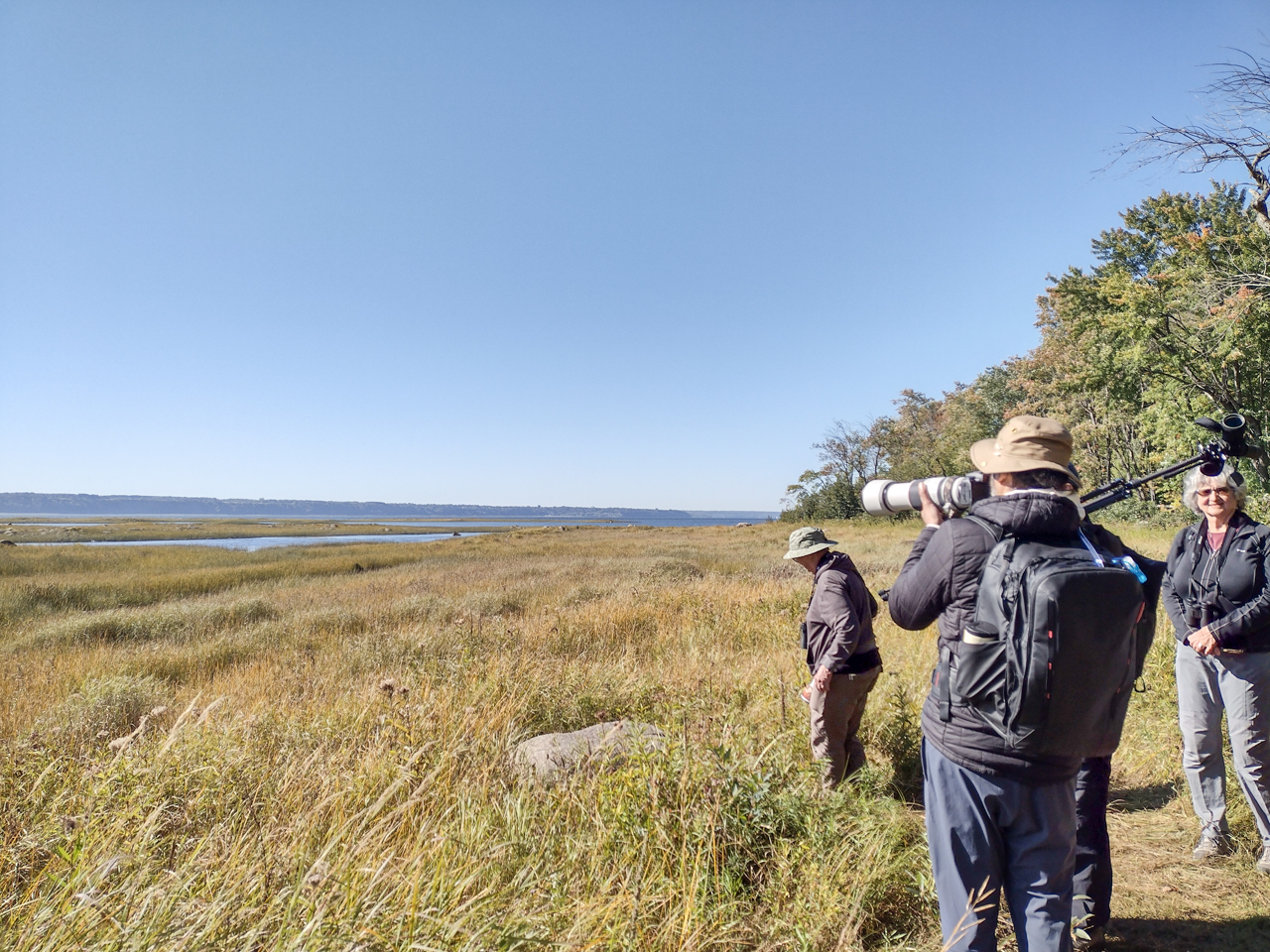
The expedition commenced on September 23rd at the Léon-Provancher Marsh Nature Reserve, a vital estuarine ecosystem west of Quebec City. As the migration season hit its stride, the reserve served as an initial observation point for both raptors and waterfowl. Observers recorded a diverse array of species, including the Pileated Woodpecker, Green Heron, and Cooper’s Hawk. The presence of the latter, actively hunting songbirds, highlighted the high-stakes nature of the migration route for smaller passerines.
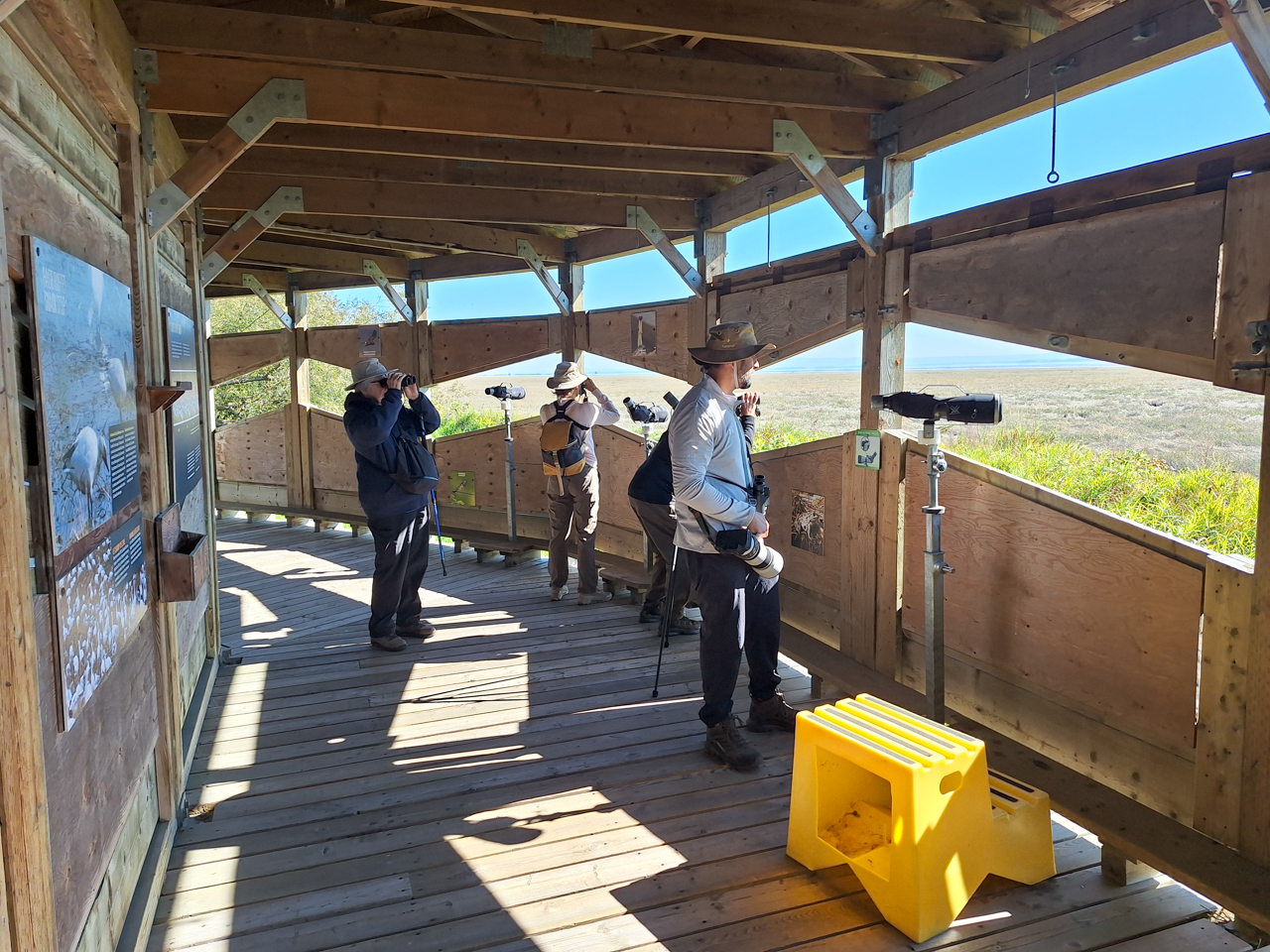
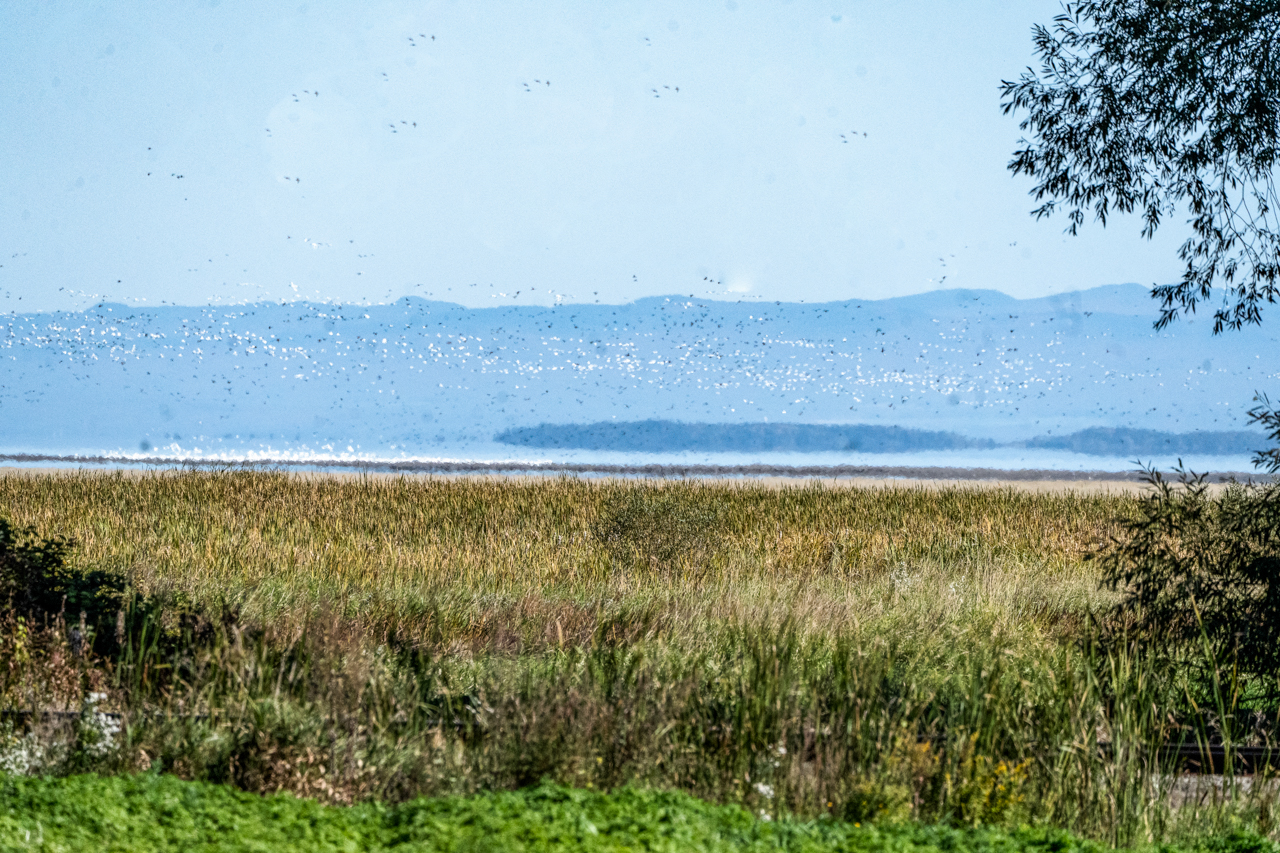
The subsequent move to Pointe de Maizerets and the Domaine de Maizerets underscored the urban-wildlife interface. Despite the afternoon lull—a common phenomenon during mid-migration when birds often seek cover to conserve energy—the survey noted the importance of arboretums and parkland as "refueling stations." On September 24th, the focus shifted to the Cap Tourmente National Wildlife Area, a cornerstone of Canadian conservation. Established to protect the staging grounds of the Greater Snow Goose (Anser caerulescens atlanticus), the site offered a glimpse into large-scale migration dynamics. Approximately 10,000 individuals were estimated to be present, their movements dictated by the presence of predators such as Bald Eagles, which periodically flushed the massive flocks, creating a dynamic visual and auditory spectacle.
The Tadoussac Corridor: September 25–27
As the team moved toward the Saguenay-St. Lawrence Marine Park, the itinerary focused on the confluence of the Saguenay and St. Lawrence rivers. This area is globally recognized for its nutrient-rich waters, which support high concentrations of both marine mammals and pelagic birds.
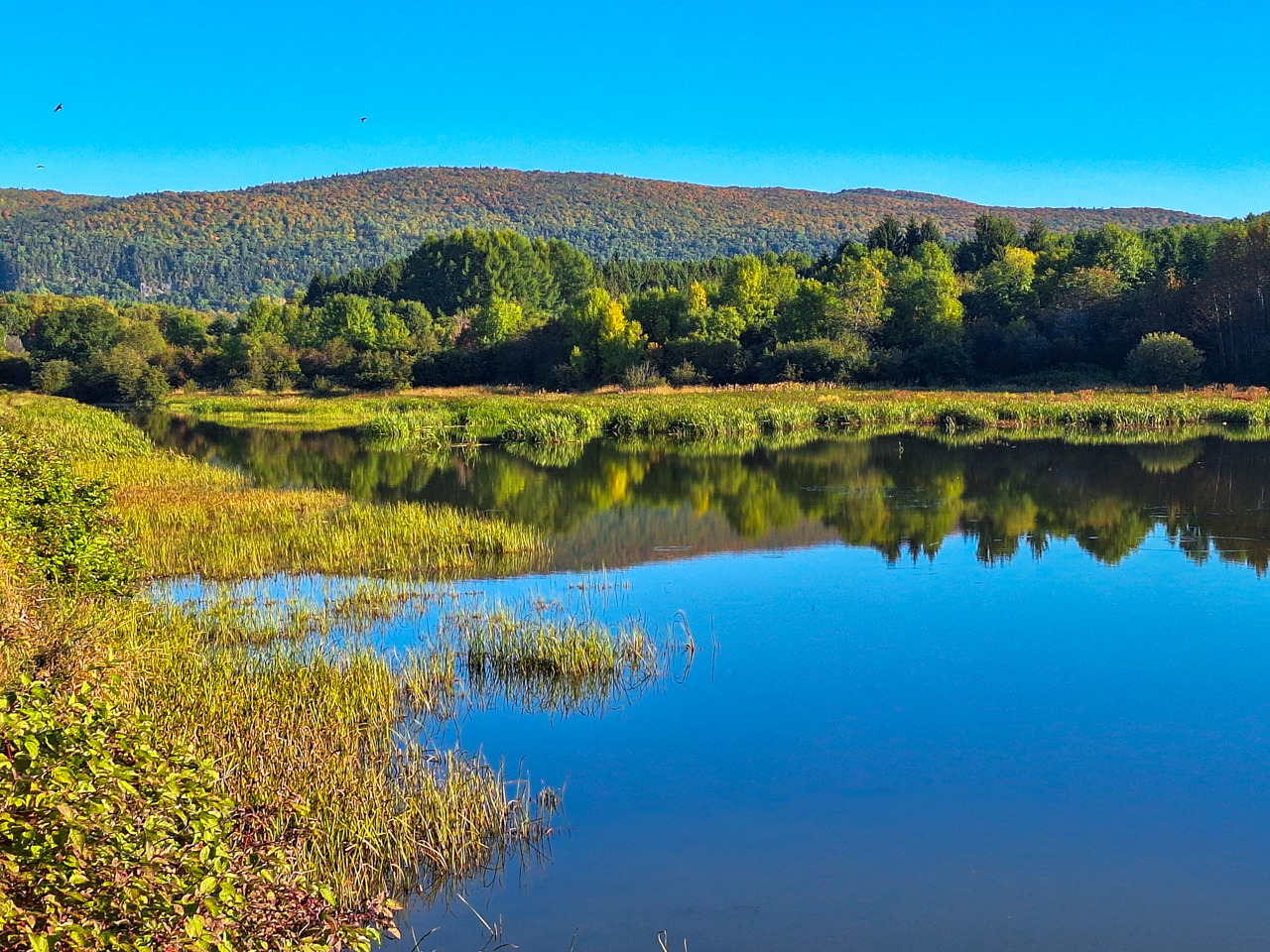
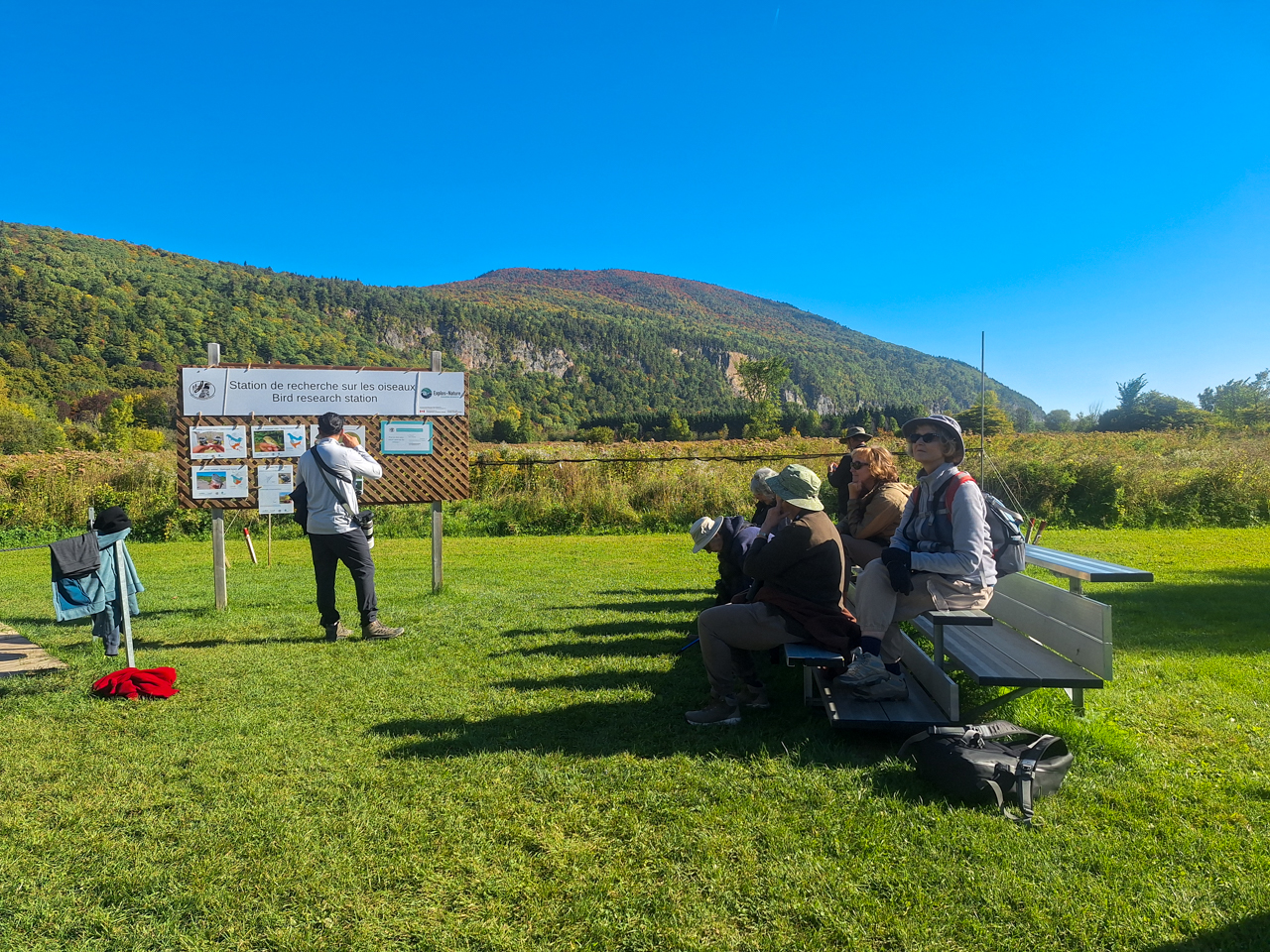
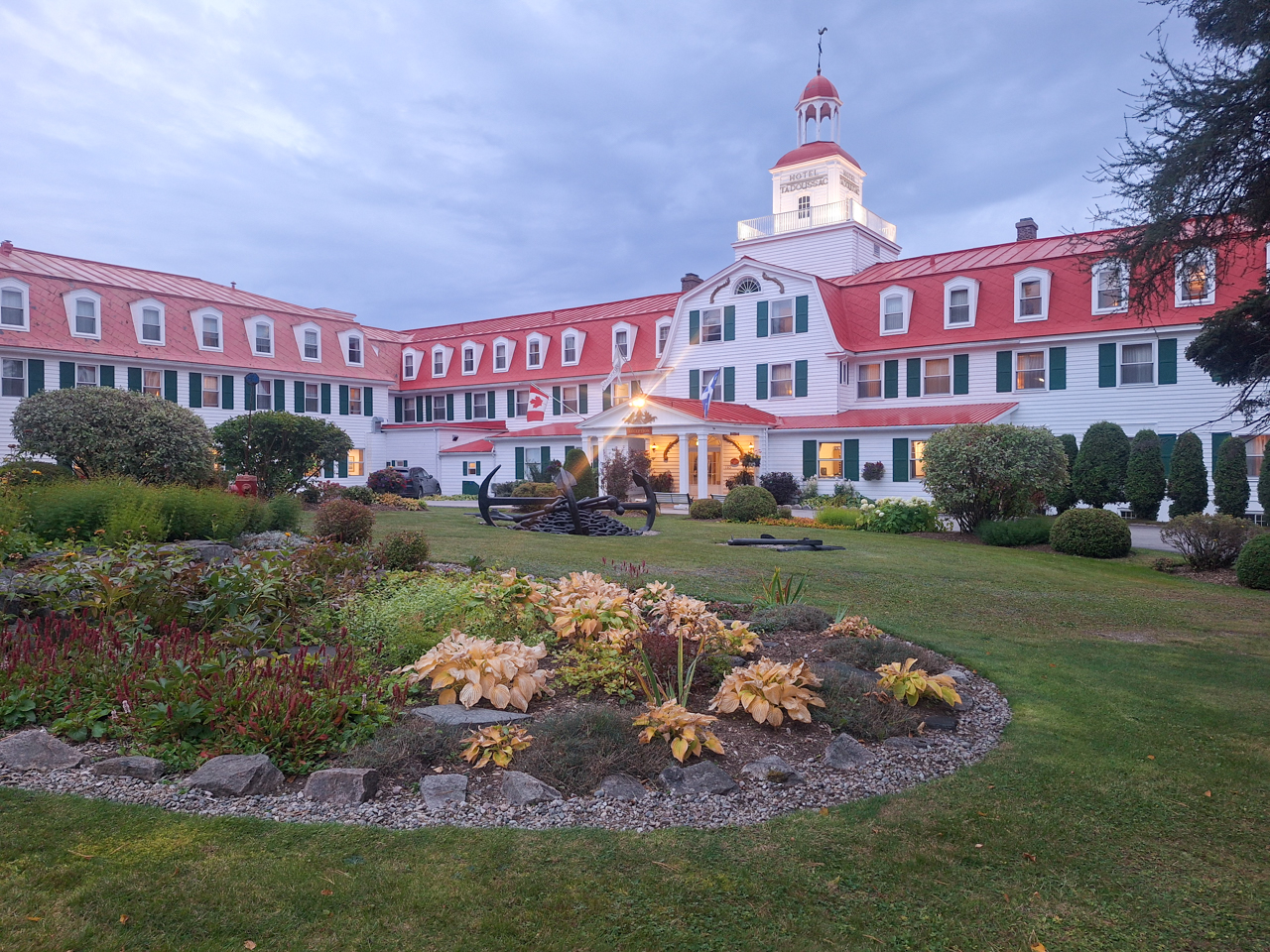
On September 25th, the excursion to Isle-aux-Coudres provided a bridge between the mainland and the island’s unique micro-habitats. The sighting of nomadic Horned Larks and migrating Black-capped Chickadees confirmed the southward push of northern breeders. Upon reaching Tadoussac, the team engaged with the Tadoussac Bird Observatory, a critical node in the Canadian Migration Monitoring Network. Jessé Roy-Drainville, the lead counter at the observatory, provided context on the season’s trends, noting that the fall count is essential for long-term population modeling.
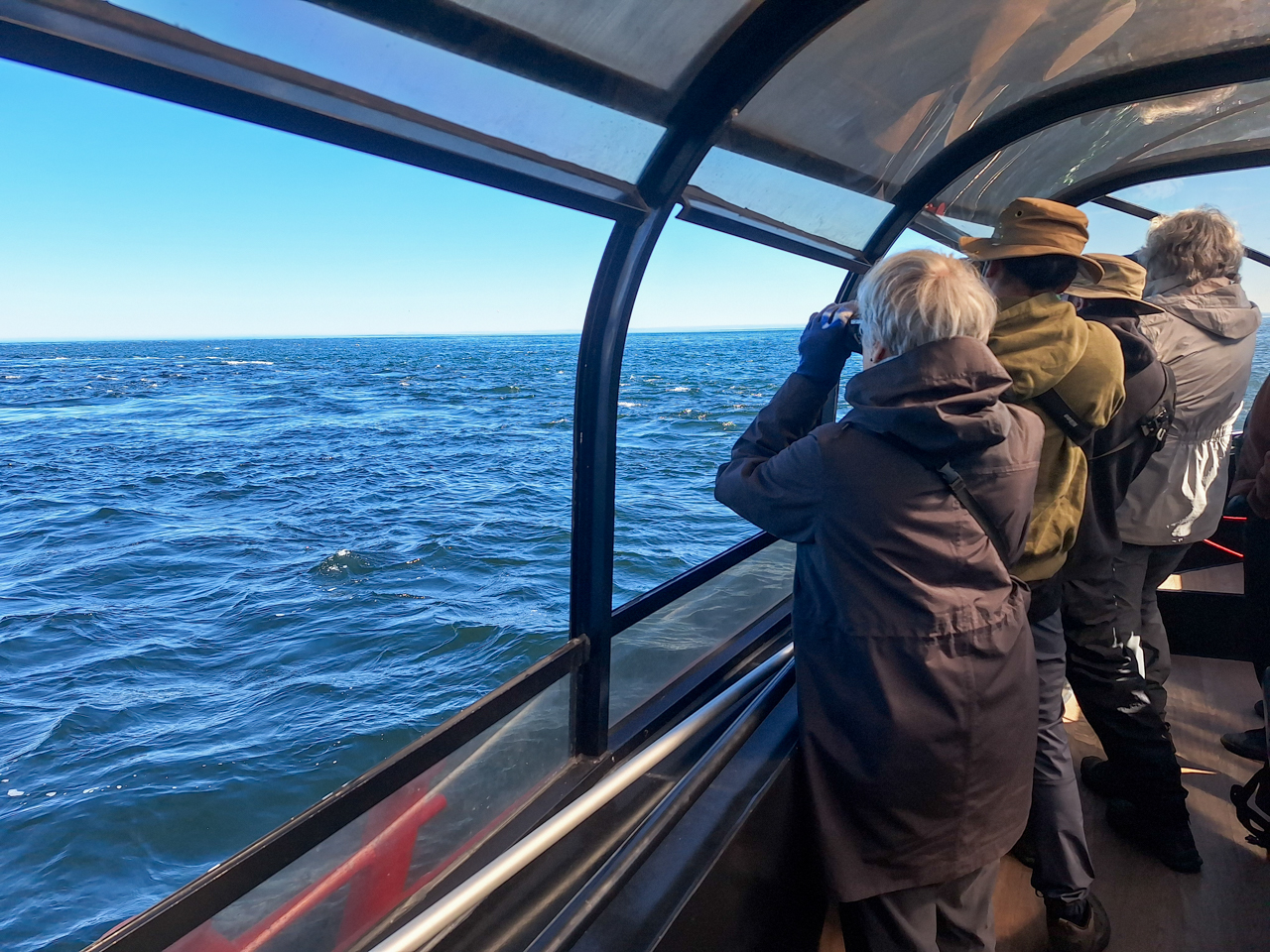
The whale-watching component, conducted on September 26th, provided more than just a tourist experience; it offered a look at the ecological interdependence of the estuary. The lunge-feeding behavior of Minke whales and the presence of Fin whales signaled a healthy forage-fish population, which in turn attracts seabirds like Razorbills, Common Murres, and Parasitic Jaegers. These interactions are central to the marine ecosystem’s stability, as the availability of prey dictates the survival rates of migratory species during their arduous journey.
The September 27th pelagic trip from Les Escoumins yielded the most significant findings regarding oceanic species. The documentation of a Long-tailed Jaeger, a rare visitor, along with Northern Fulmars and Atlantic Puffins, highlighted the diversity of the St. Lawrence pelagic zone. These sightings are consistent with seasonal shifts where species from the high Arctic move into more temperate waters to overwinter.
North Shore Dynamics: September 28–29
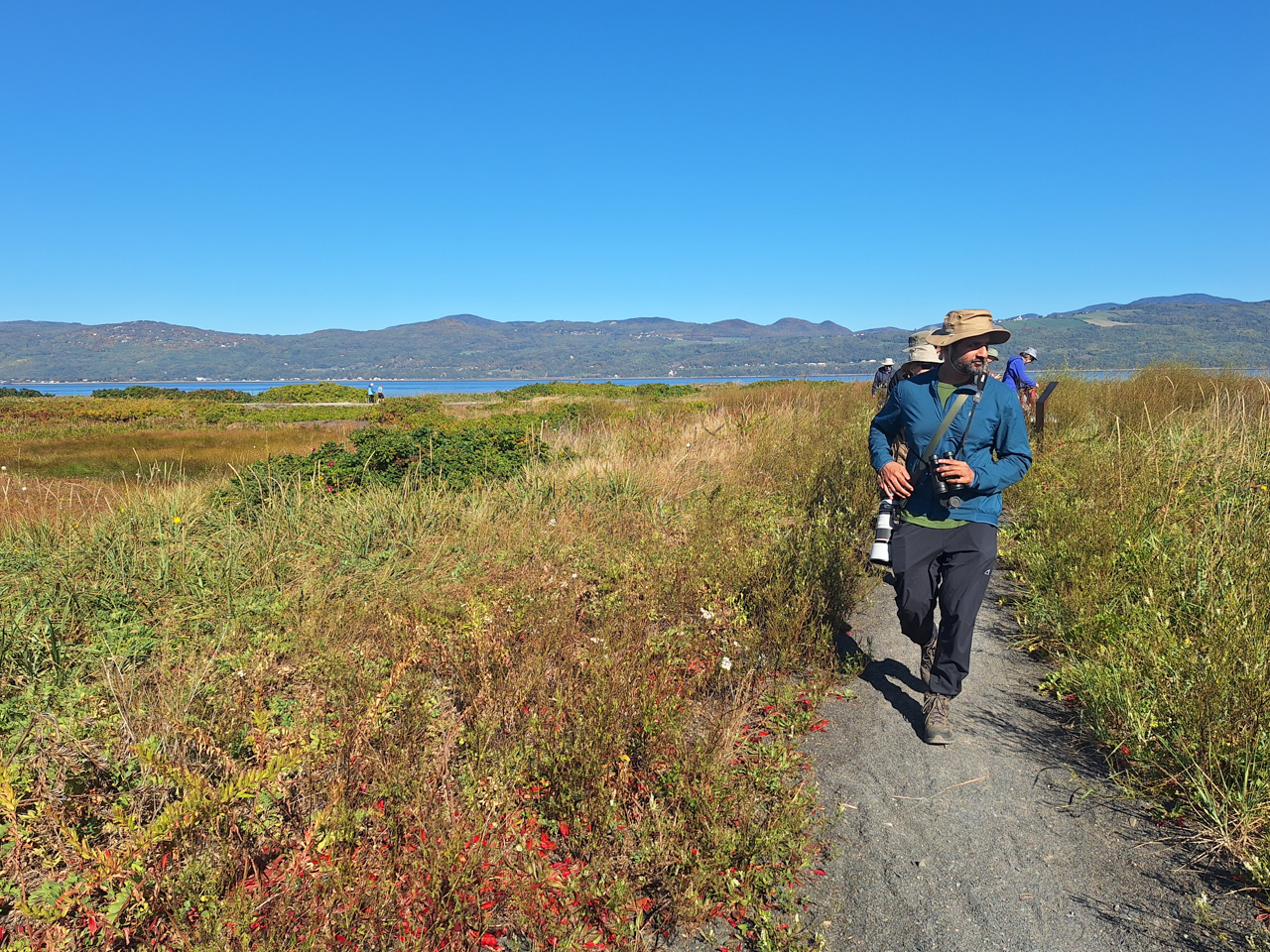
Expanding further northeast toward Forestville, the landscape transitioned into the dense boreal forest. This region serves as the final staging area for many species before they cross the wider sections of the St. Lawrence. The stop at Pointe à Émile on September 28th was a highlight for shorebird enthusiasts. The observation of over 100 Horned Larks mixed with Lapland Longspurs illustrated the communal nature of migration, where different species congregate to exploit food sources in open, coastal environments.
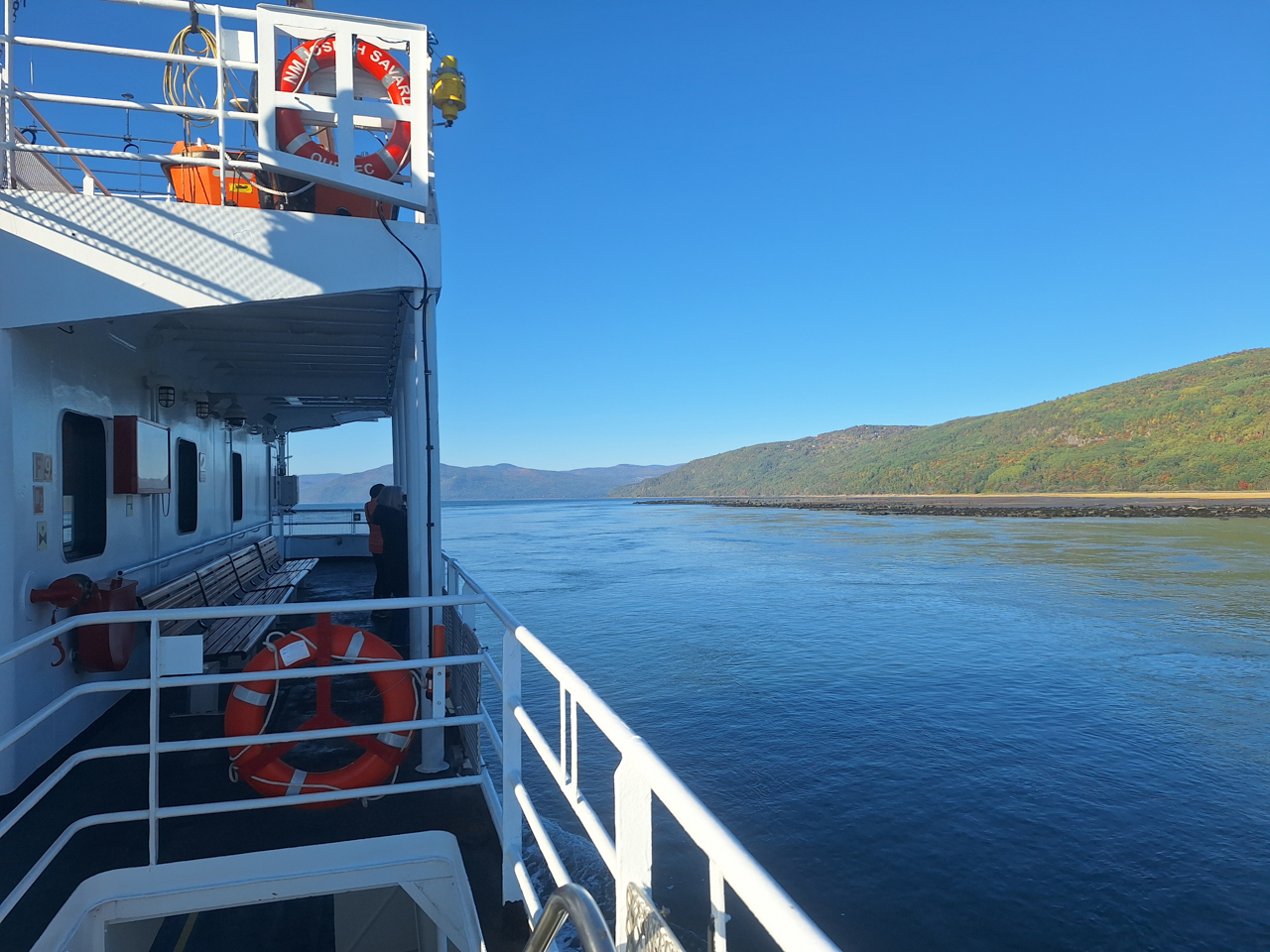
By September 29th, the onset of colder weather—marked by temperatures that prompted a Northern Parula to forage in a parking lot—demonstrated the immediate impact of meteorological changes on avian behavior. Migratory birds are highly sensitive to "cold fronts," which can trigger "fallouts" where birds are forced to land to forage due to the metabolic stress of maintaining body temperature while traveling. The team’s observations at the Tadoussac Dunes and Pointe à John provided a longitudinal look at how weather patterns dictate the pace of migration.
The Return Leg: September 30th
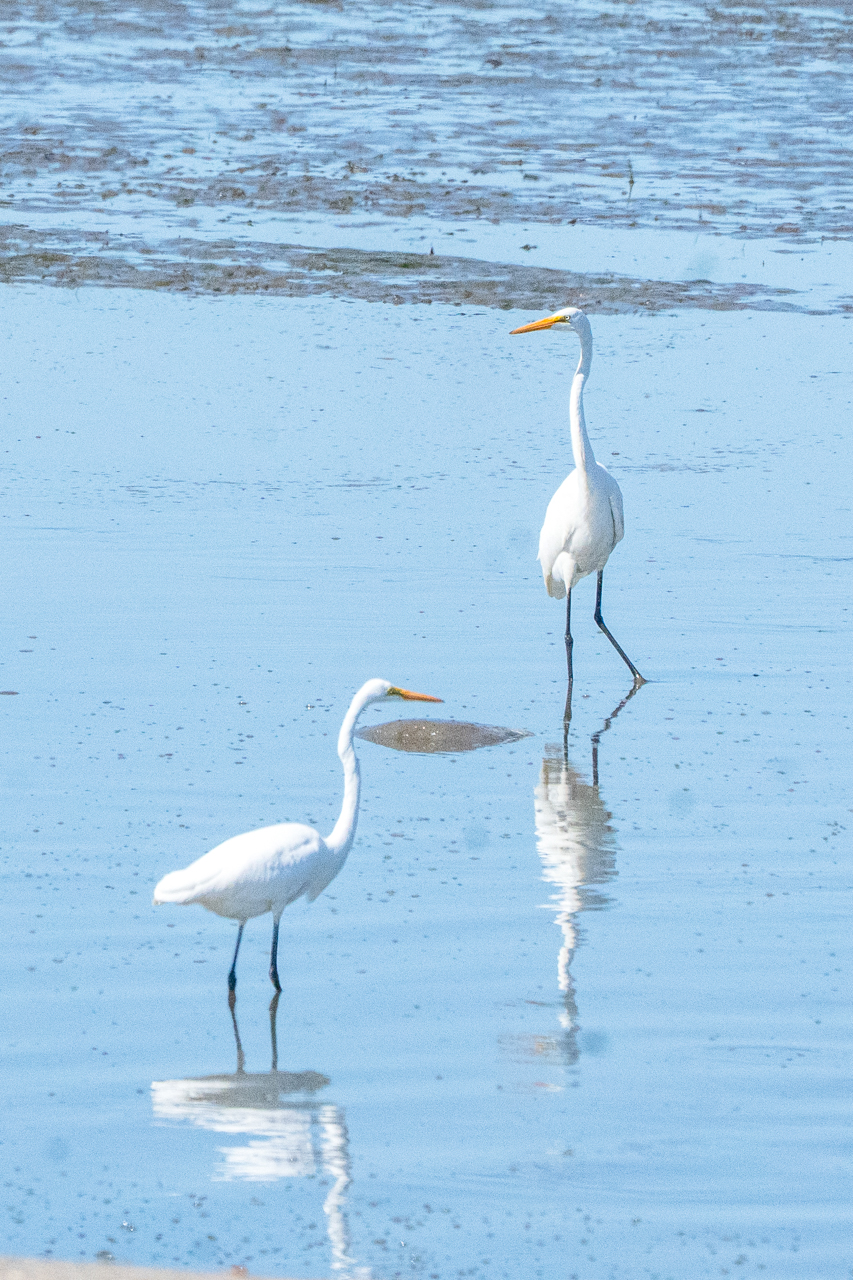
The final phase of the expedition took the team to the south shore at Gros-Cacouna. The marshes here represent a significant wetland complex that acts as a bottleneck for migrating waterfowl. Data collected on the final day, including counts of Greater and Lesser Scaup, American Wigeon, and Northern Pintail, underscore the necessity of protecting these specific habitats. The presence of a Ruddy Duck was an indicator of the broad geographic range of species passing through the region.
Scientific Implications and Ecological Context
The data gathered throughout this ten-day window offers a snapshot of the broader "Atlantic Flyway" migration. Several key factors influence these results:
- Habitat Connectivity: The reliance of species on both the marshes of Quebec City and the bogs of the North Shore highlights that conservation efforts must be holistic. Protecting a single site is insufficient; the entire chain of stopover habitats is required to sustain population levels.
- Climate Sensitivity: As Quebec experiences fluctuating autumn temperatures, the timing of migration may shift. If food sources (such as insects or aquatic invertebrates) peak earlier or later than usual, the synchronization between arrival and resource availability can break down, potentially leading to higher mortality rates.
- The Role of Observatories: The work performed at the Tadoussac Bird Observatory serves as an early-warning system. By tracking population declines or shifts in timing, researchers can advocate for policy changes regarding land use and environmental protection.
Conclusion of the Survey
The expedition concluded in Quebec City, having successfully documented a wide spectrum of avian life across varying ecosystems. The trip functioned as both an educational survey and a reminder of the fragility of the migratory cycle. As global environmental conditions continue to evolve, the documentation of these birds remains an essential task for scientists and conservationists. The success of the trip, characterized by both high species diversity and rare sightings, reinforces the status of the St. Lawrence River as a premier site for ornithological study in North America.
The findings from this period are being compiled by regional ornithological groups to contribute to the wider understanding of the 2026 fall migration. As the group dispersed, the shared sentiment among participants was one of appreciation for the sheer scale of the migration, which remains one of the most complex and awe-inspiring natural phenomena on the planet.
