
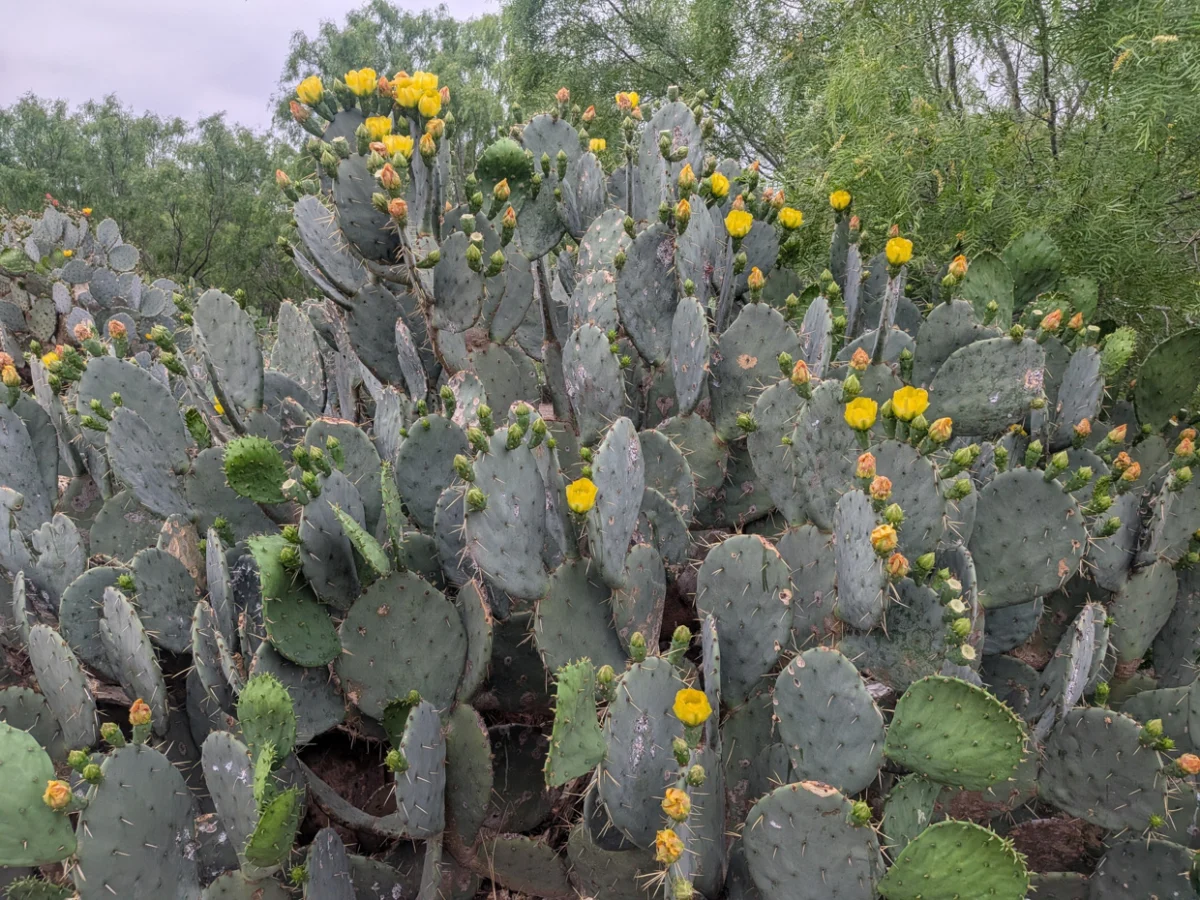
The 2026 spring migration season in Texas has once again proven why the Lone Star State remains the premier destination for North American ornithological study and ecotourism. A recent seven-day intensive survey, spanning from the arid Edwards Plateau to the humid Upper Texas Coast, documented a staggering 229 bird species, alongside a diverse array of reptilian, amphibian, and mammalian life. This expedition, conducted during the peak of the Neotropical migration window, highlighted the critical importance of Texas as a biological crossroads where eastern and western avian ranges overlap, and where endangered species find their sole remaining breeding grounds.
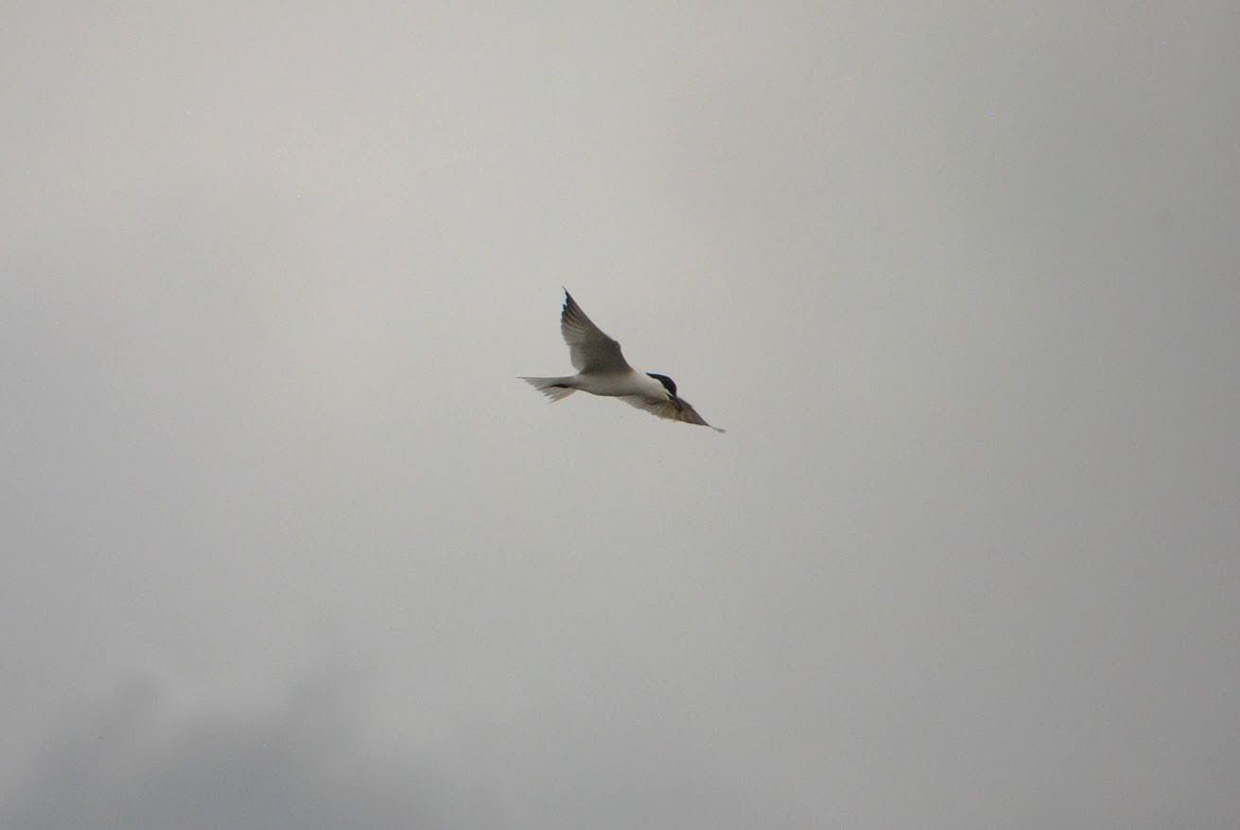
The survey categorized the 229 species into several taxonomically significant groups, noting particularly high diversity among warblers (27 species), shorebirds (25 species), and raptors (16 species). Other notable tallies included 15 waders, 13 flycatchers, 15 sparrows, 8 vireos, 8 terns, 8 cardinalids, and 7 wrens. Beyond the avian records, the team observed nine reptile species, five amphibians, and nine mammals, providing a holistic snapshot of the region’s biodiversity during the vernal transition.
The Edwards Plateau: A Sanctuary for Endemic and Endangered Songbirds
The expedition commenced in San Antonio before moving west toward Concan, situated in the heart of the Texas Hill Country. This region, characterized by its oak-juniper forests and rugged limestone bluffs, serves as a vital nesting ground for some of North America’s most range-restricted songbirds. The Edwards Plateau represents an ecological tension zone where the moist forests of the east meet the arid scrublands of the west, resulting in a unique sympatry of species.
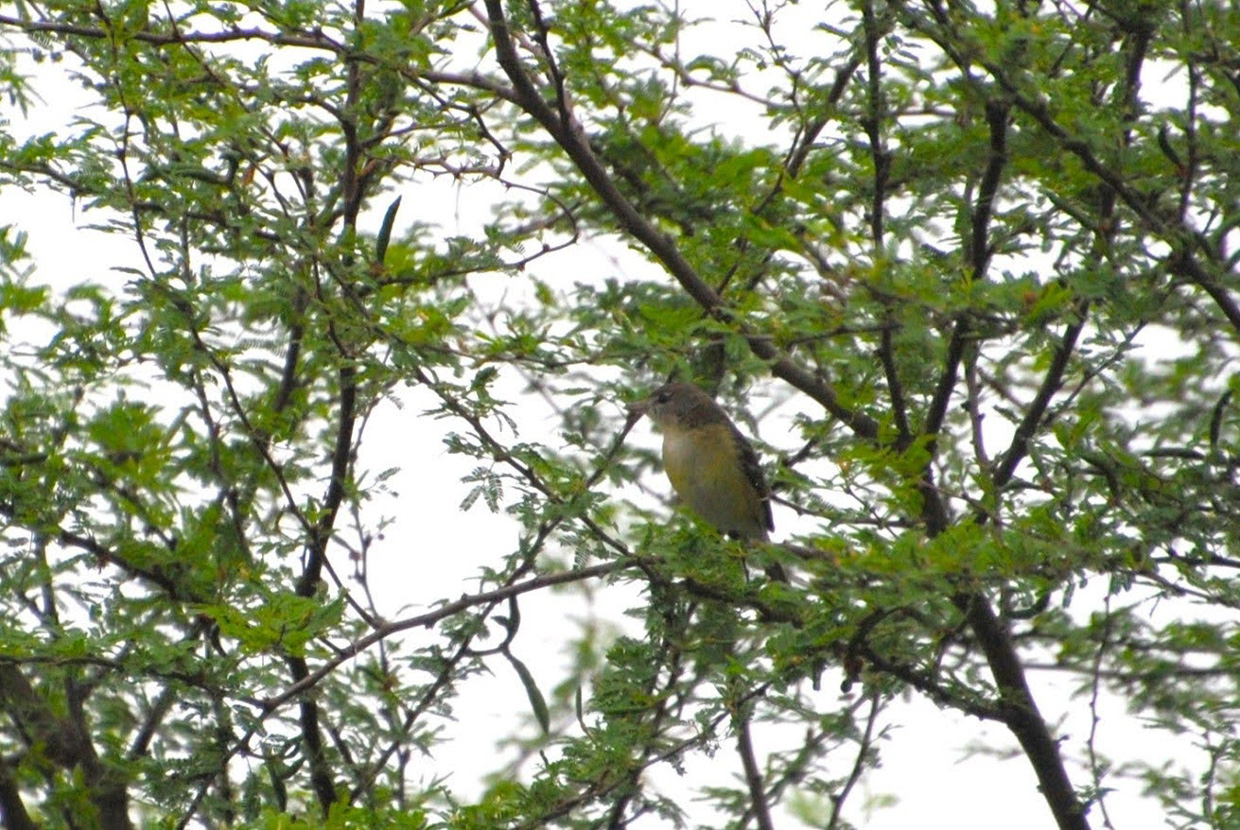
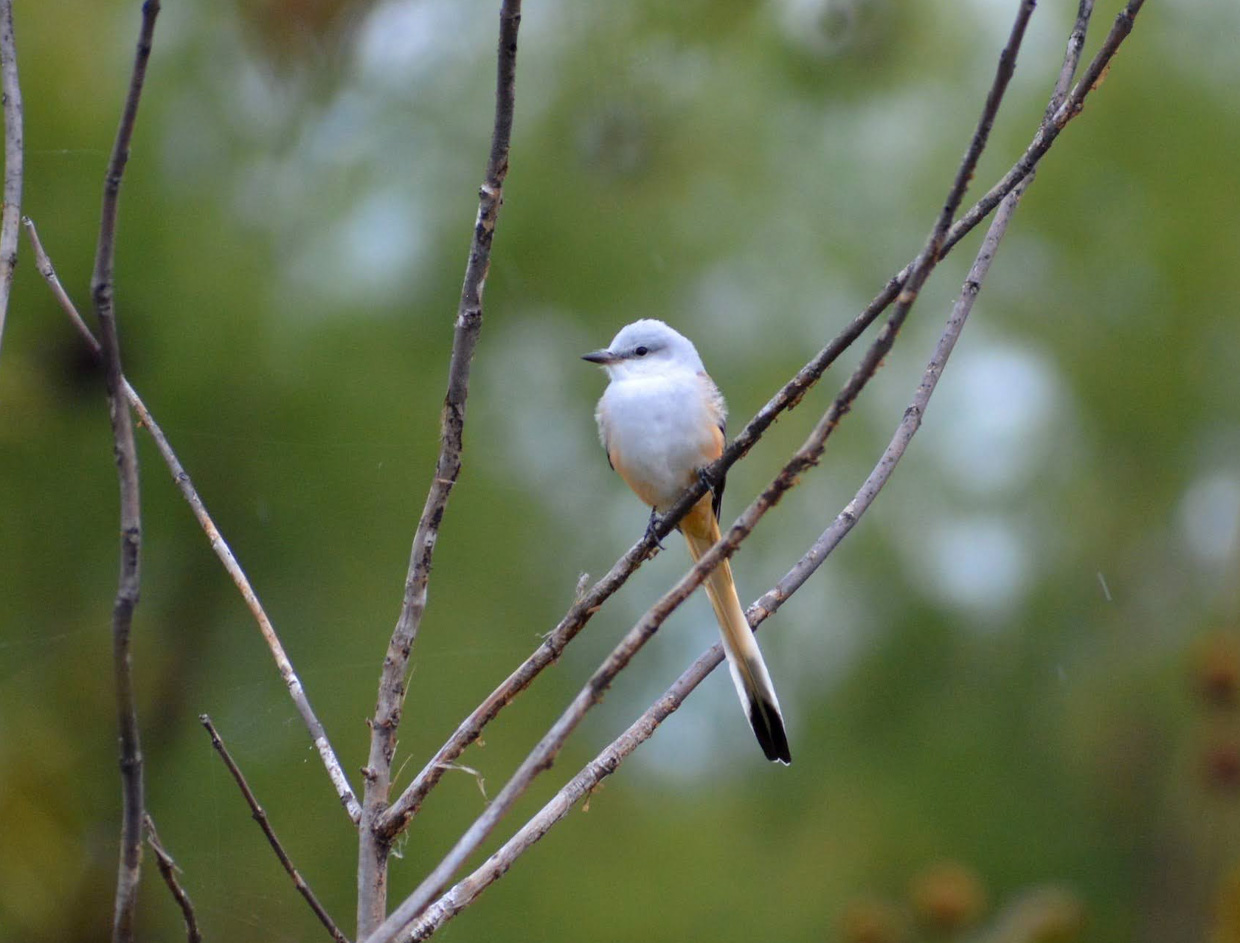
Early observations at Cook’s Slough Sanctuary near Uvalde revealed a robust songbird chorus. Key sightings included the Bell’s Vireo, a species often noted for its secretive nature but observed here in bold displays. The site also provided a laboratory for identifying "yellow flycatchers," with the Great Kiskadee, Couch’s Kingbird, and Western Kingbird all present, allowing for comparative analysis of beak morphology and facial markings.
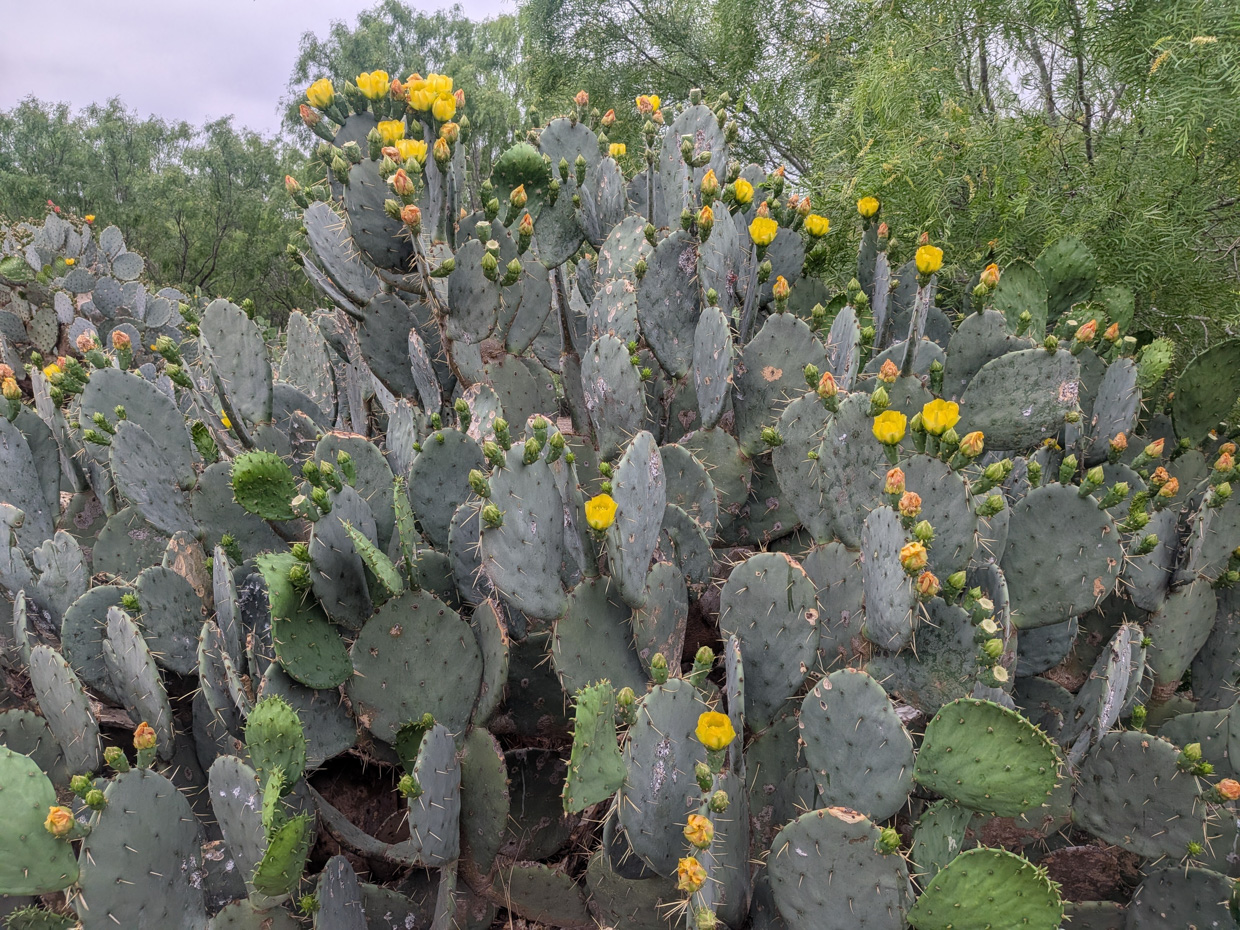
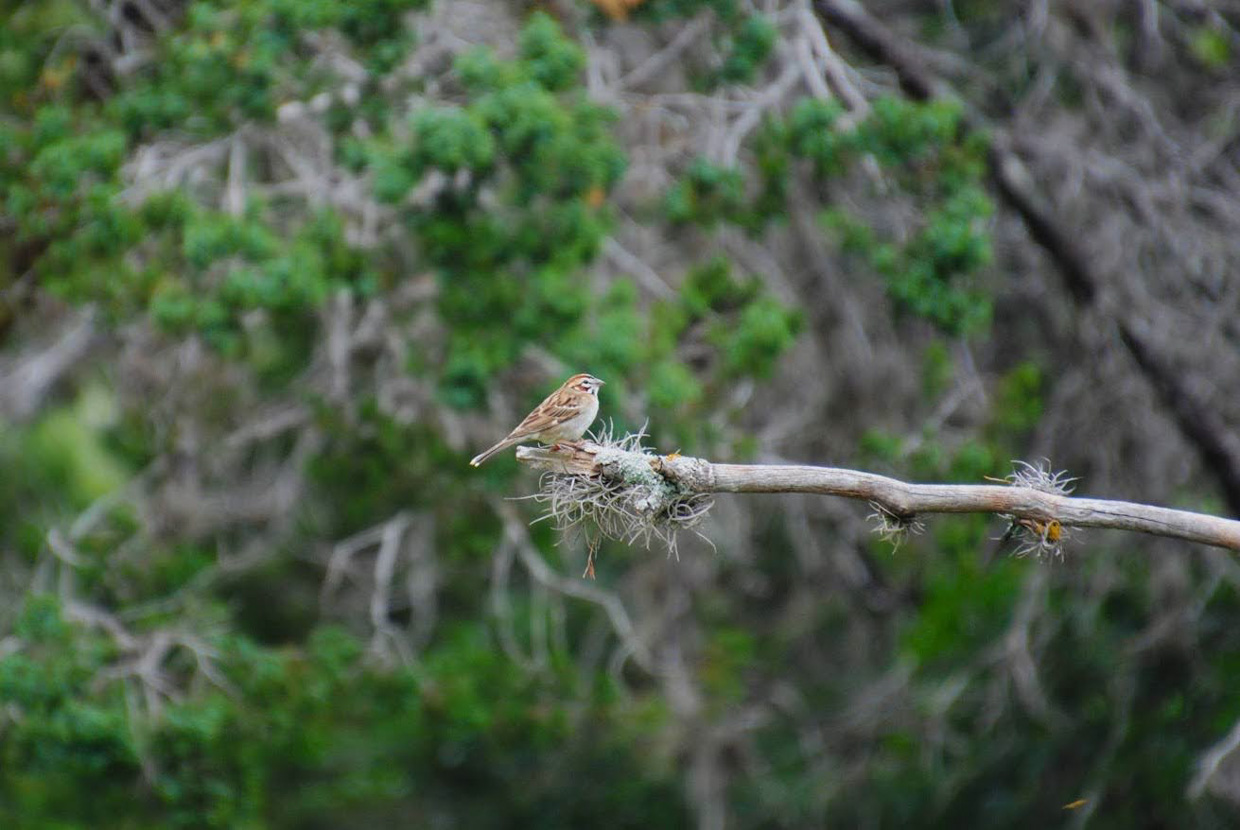
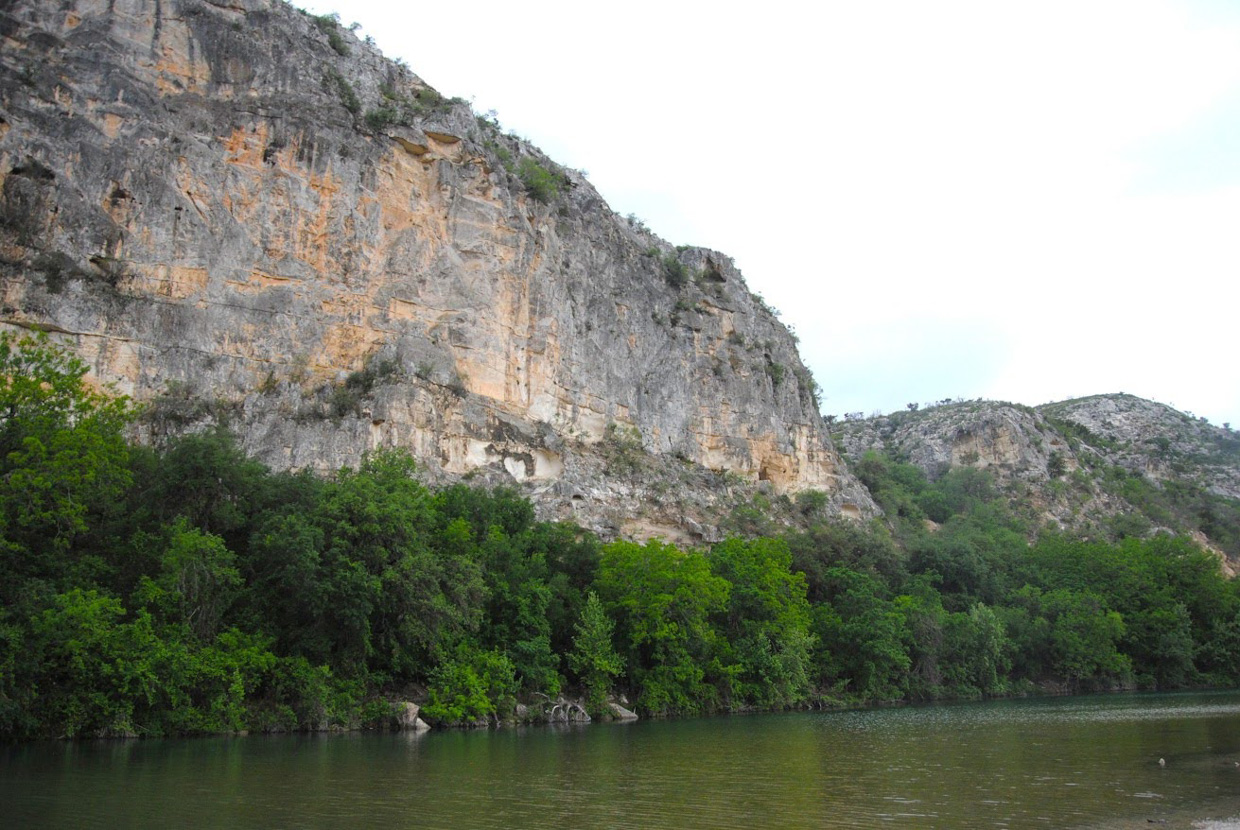
The survey then moved to Chalk Bluff River Park, where the Nueces River provides a riparian corridor through the arid landscape. Here, the team documented both Belted and Green Kingfishers, while the vertical limestone faces hosted Canyon Wrens and nesting Common Ravens. The park’s grassland fringes supported a variety of sparrows, including Lark, Chipping, and Clay-colored species. Of particular note was the presence of a Tropical Parula; this species reaches the northernmost limit of its breeding range in southern Texas, making it a high-priority target for conservation monitoring.
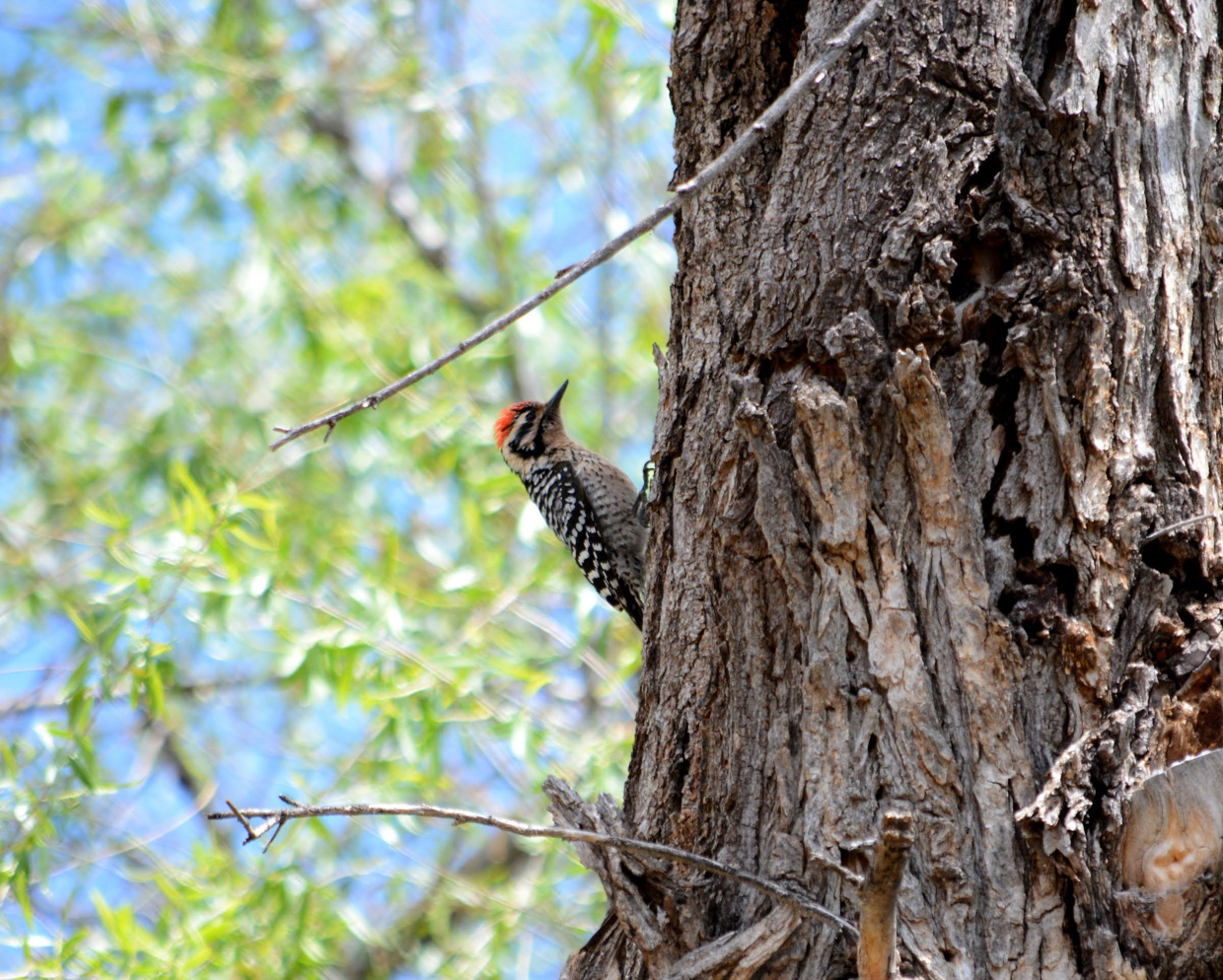
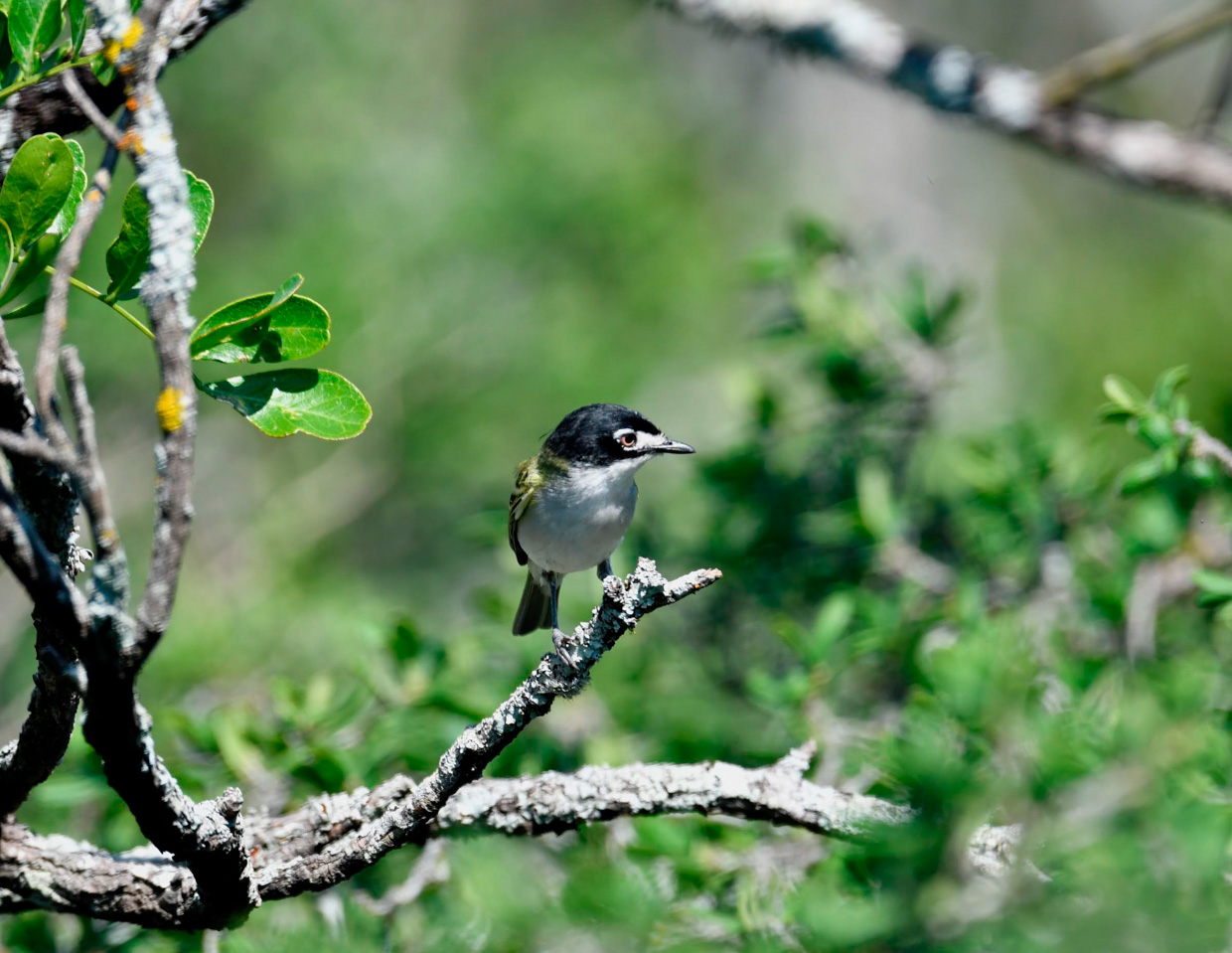
The biological highlight of the Hill Country segment occurred at Lost Maples State Natural Area and the Frio Bat Cave. Lost Maples is globally recognized for supporting the breeding populations of the Black-capped Vireo and the Golden-cheeked Warbler. Both species are listed as endangered or recently recovered and have highly specific habitat requirements—namely, the mature Ashe juniper and oak woodlands found in this specific corridor of Texas. The team confirmed the presence of multiple singing Golden-cheeked Warblers and a nest-building pair of Black-capped Vireos, indicating a successful start to the 2026 breeding cycle.
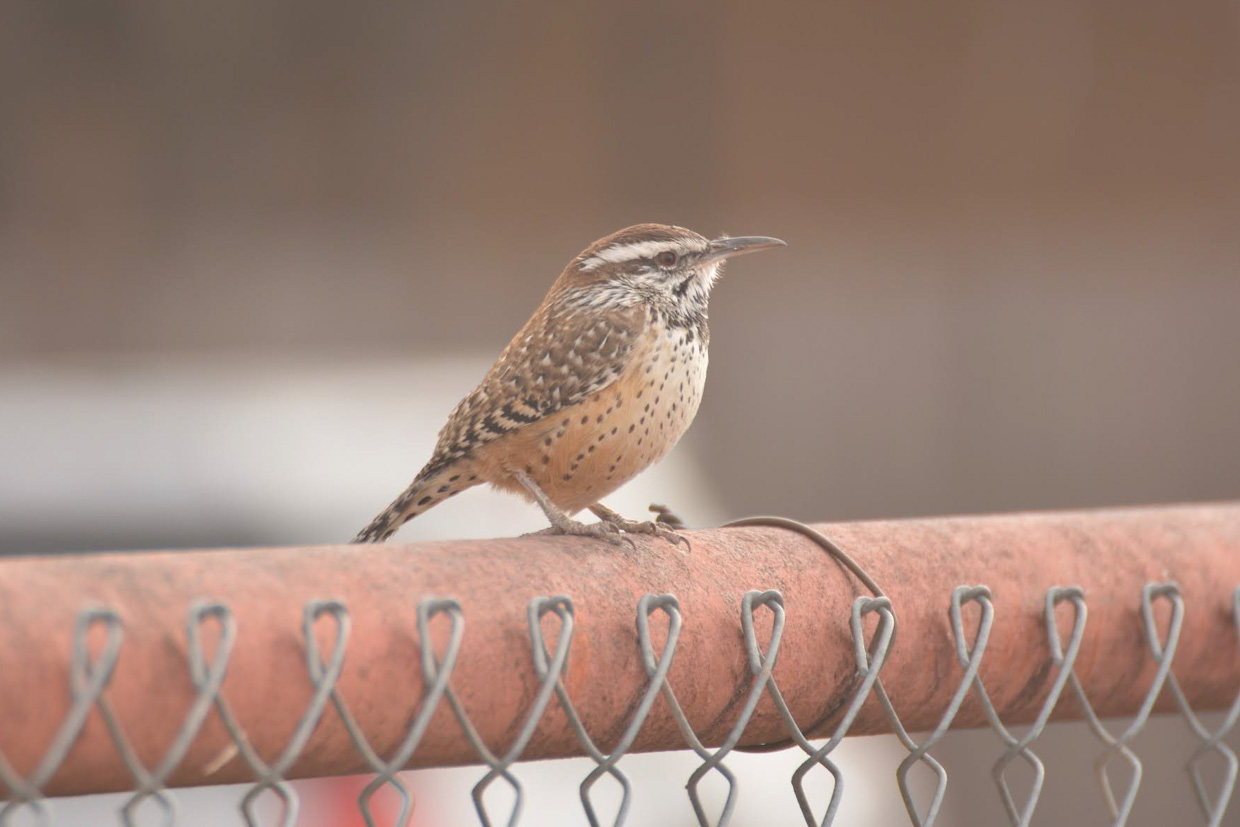
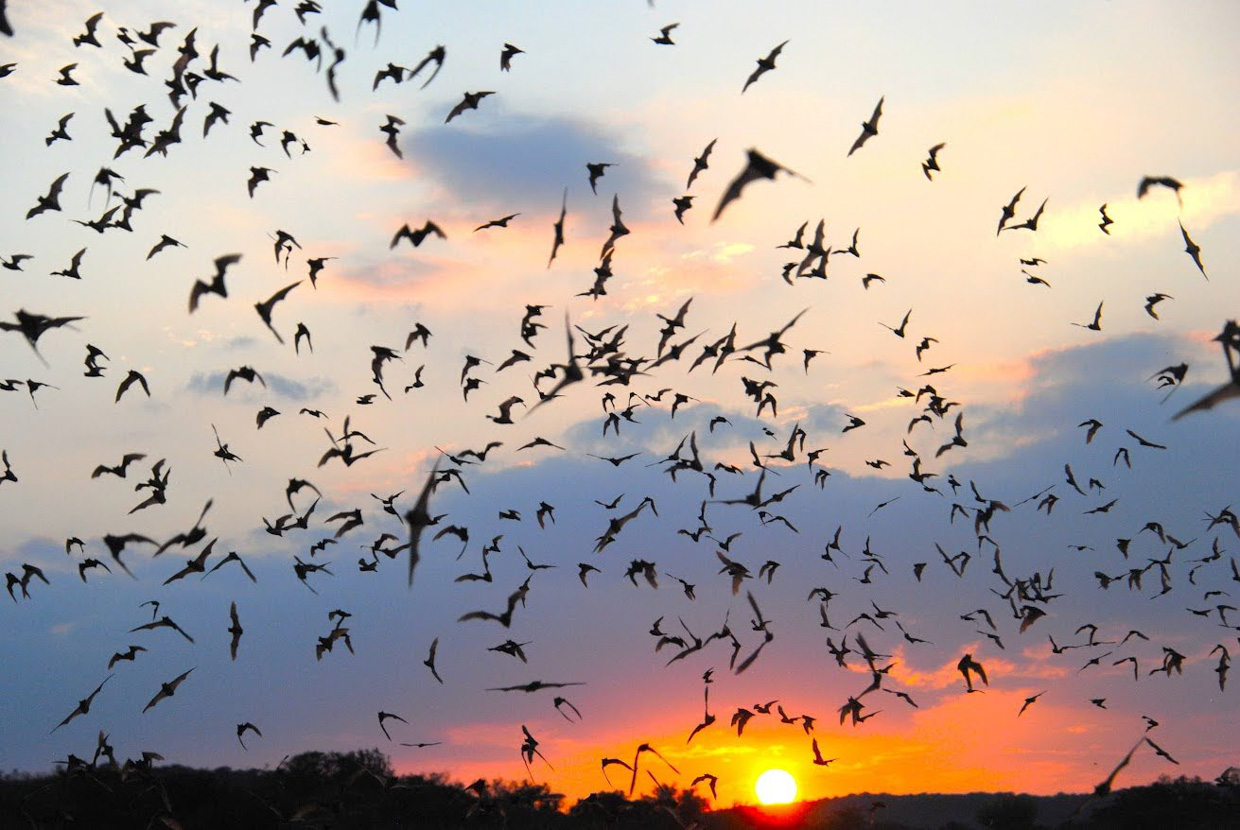
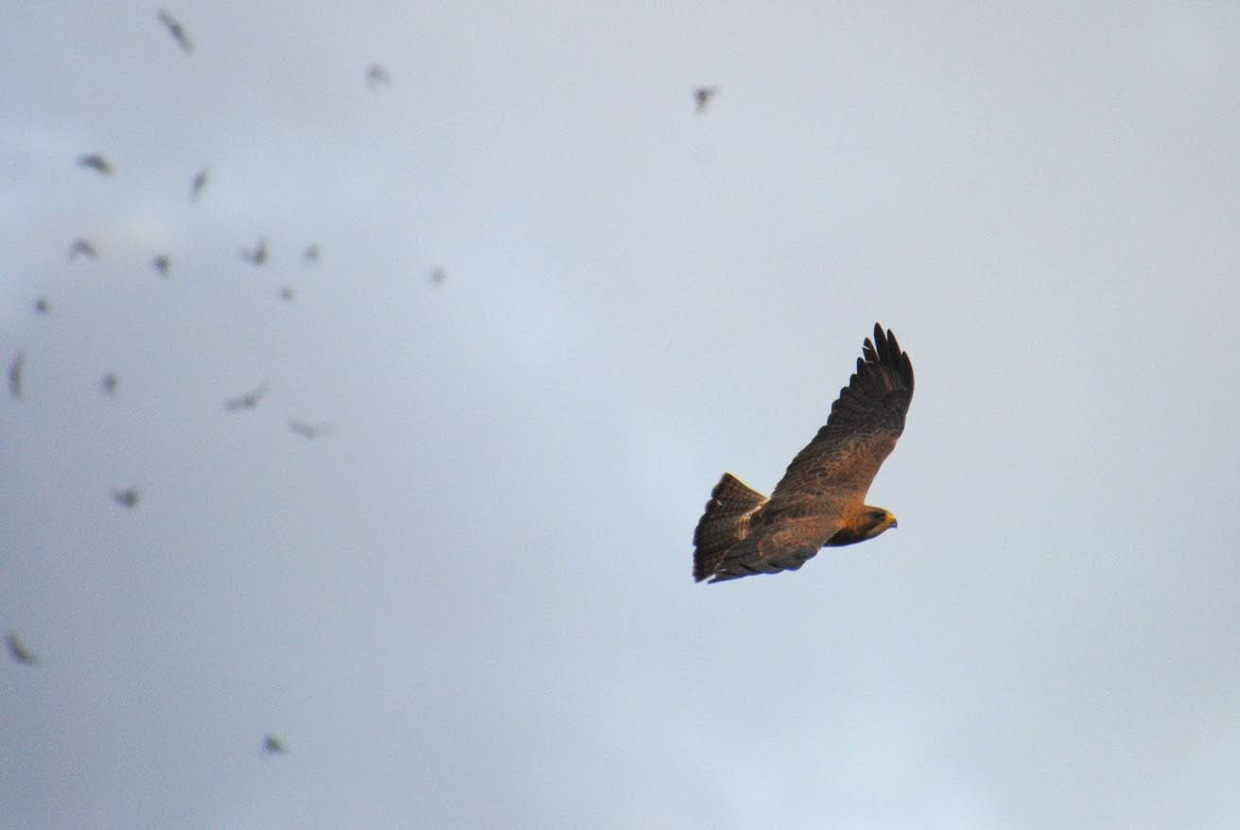
As evening fell, the survey transitioned to the Frio Bat Cave to witness the exodus of millions of Mexican Free-tailed Bats (Tadarida brasiliensis). This colony represents one of the largest concentrations of mammals on Earth. The biological significance of this event extends to the avian world, as the expedition recorded Harris’s, Red-tailed, and Swainson’s Hawks congregating to hunt the bats. This inter-species interaction underscores the complex food webs that define the Texas Hill Country.
Trans-Texas Transition: From Arid Uplands to Coastal Wetlands
The third day of the expedition involved a significant geographical shift, moving from the Edwards Plateau through the Interstate 10 corridor toward the Upper Texas Coast. This transit is more than just a drive; it represents a descent from the balcony of the Hill Country into the alluvial plains and rice fields that border the Gulf of Mexico.
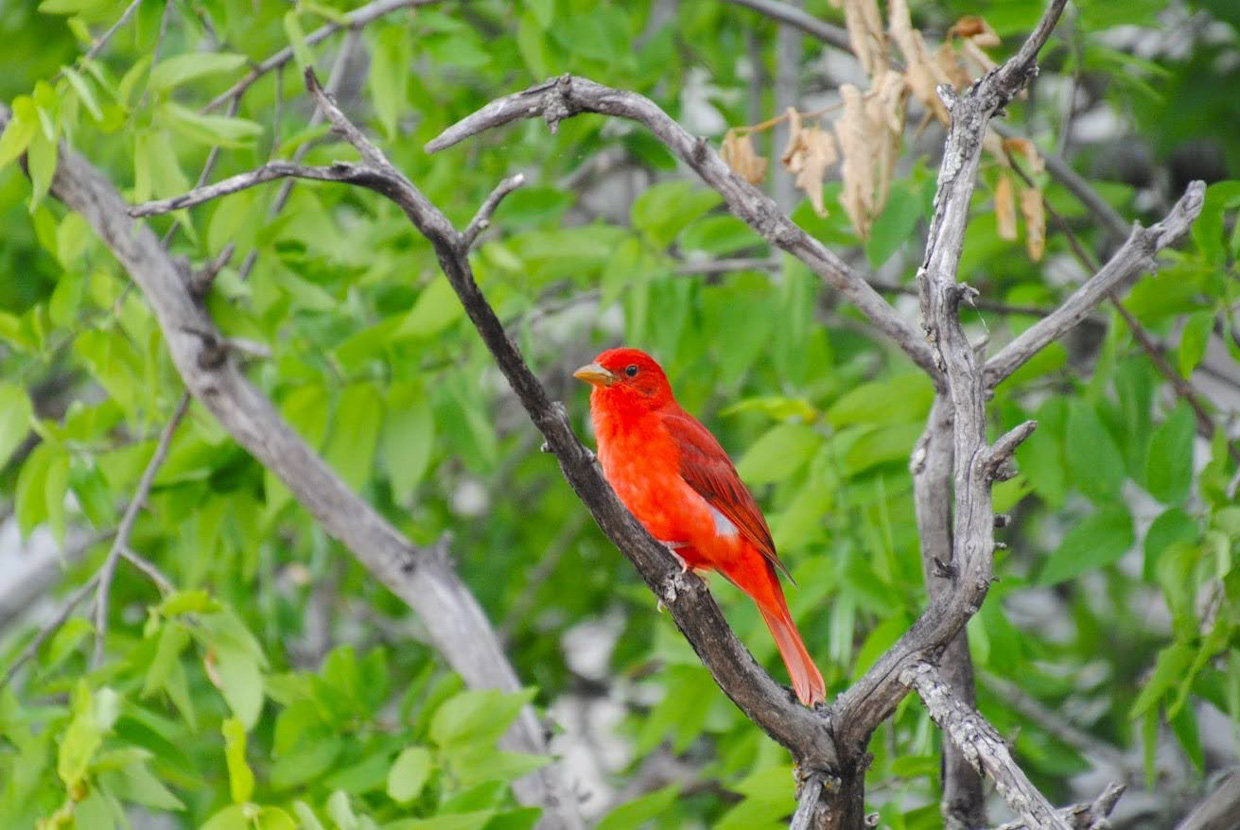
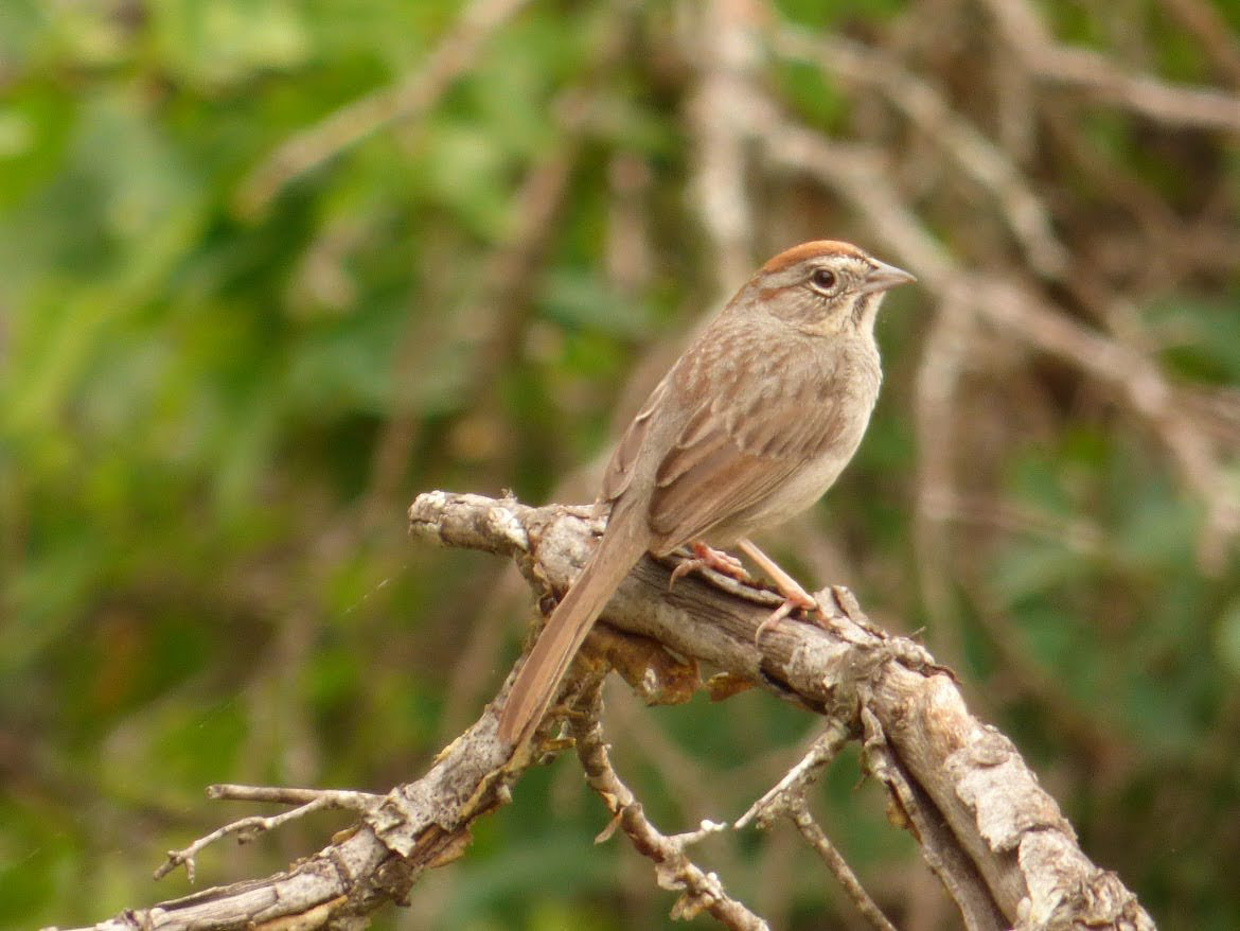
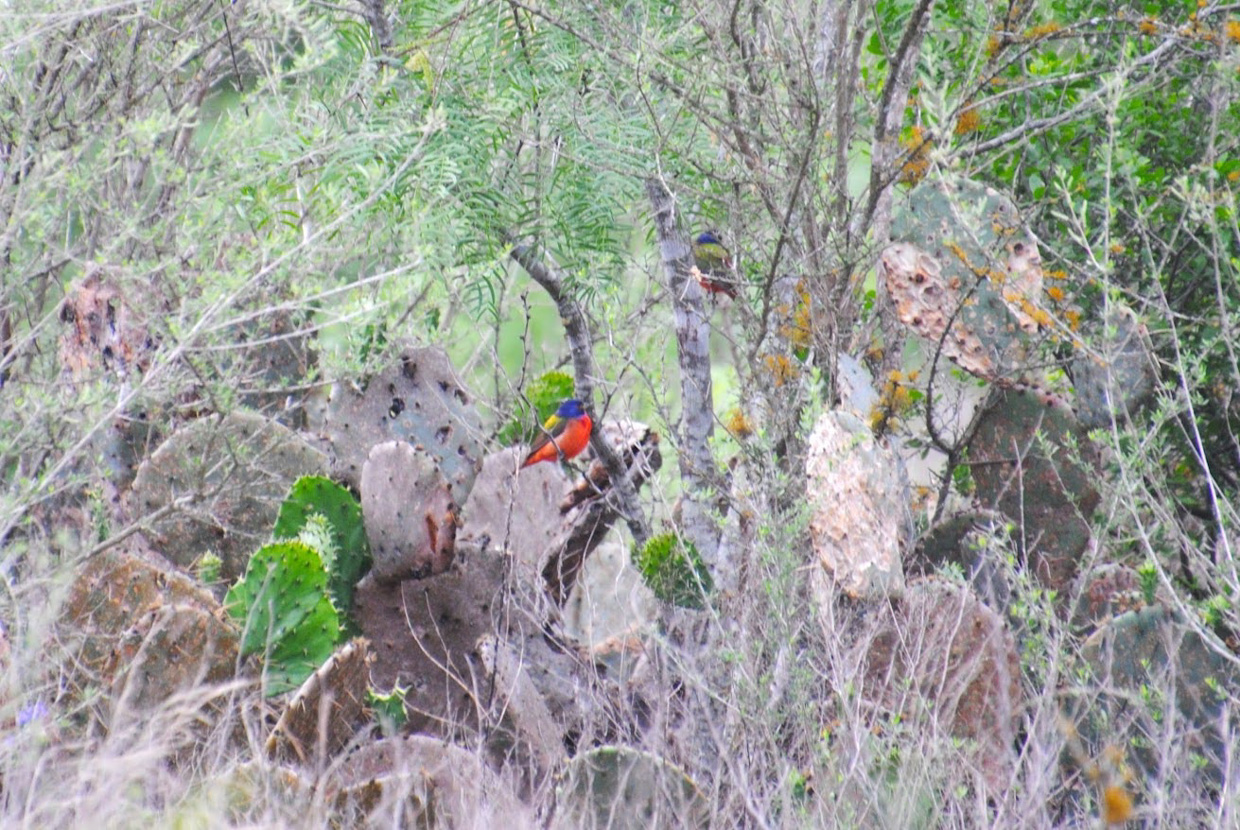
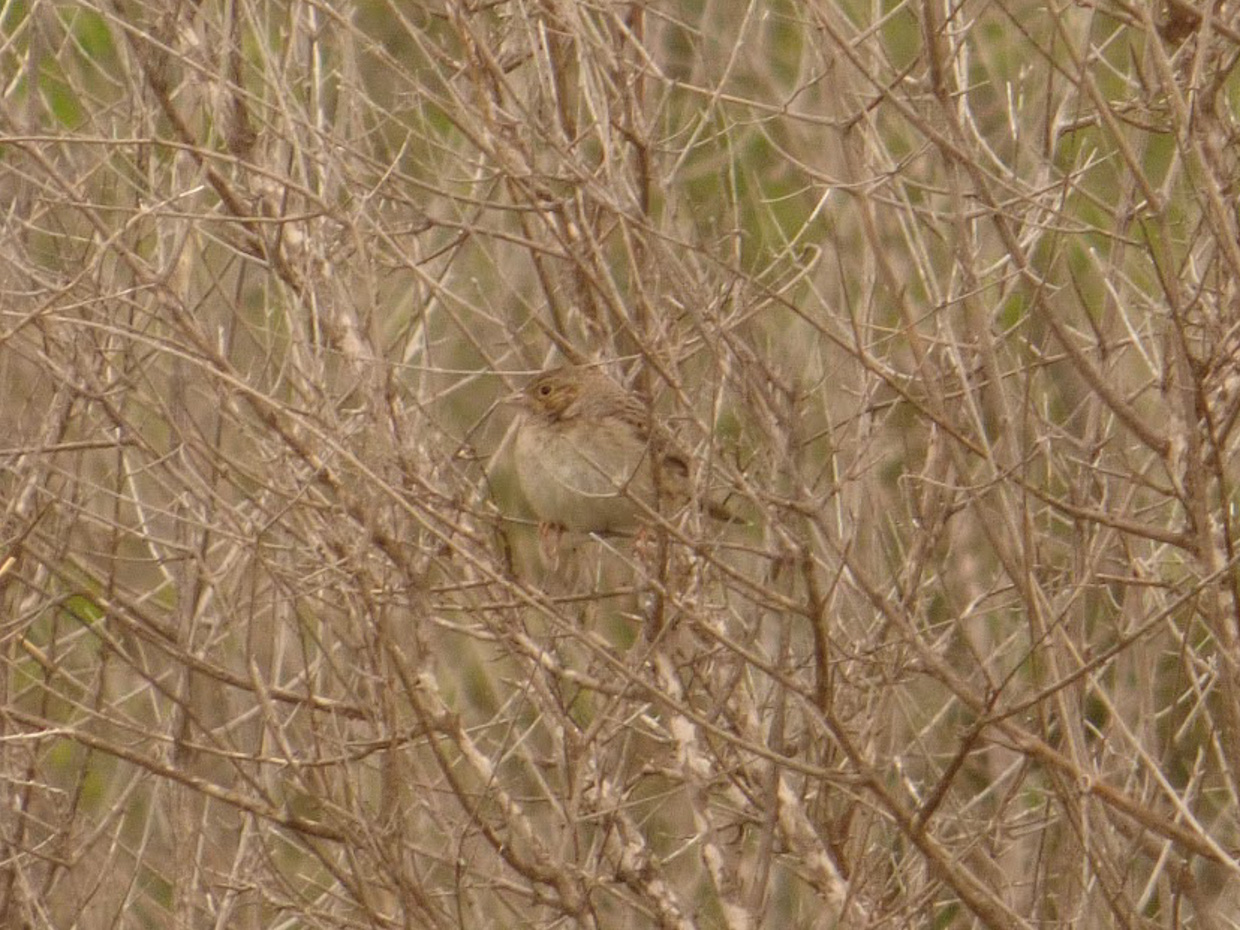
Before departing the west, the team surveyed the "Pecan Grove" near Neal’s Lodges, documenting the vibrant Painted Bunting and Blue Grosbeak. A critical find along Farm to Market Road 2690 was the Cassin’s Sparrow. This species is a specialist of the shrubby grasslands and possesses a global range largely confined to the Southwestern United States and Northern Mexico. Its presence in the 2026 survey provides valuable data on the health of Texas’s remaining native grasslands.
As the group approached Winnie, Texas, the transition to a coastal environment was signaled by the appearance of Laughing Gulls. The shift in geography brought a corresponding shift in avian density, moving from the territorial songbirds of the Hill Country to the massive aggregations of waterbirds and trans-Gulf migrants that characterize the Houston-Galveston region.
The Upper Texas Coast: A Global Epicenter for Migration
The fourth and fifth days focused on the legendary birding hotspots of High Island and the Sabine Woods. These locations are "cheniers"—ancient beach ridges covered in oak mottes—that provide the first available landing sites for birds crossing the Gulf of Mexico from the Yucatán Peninsula.
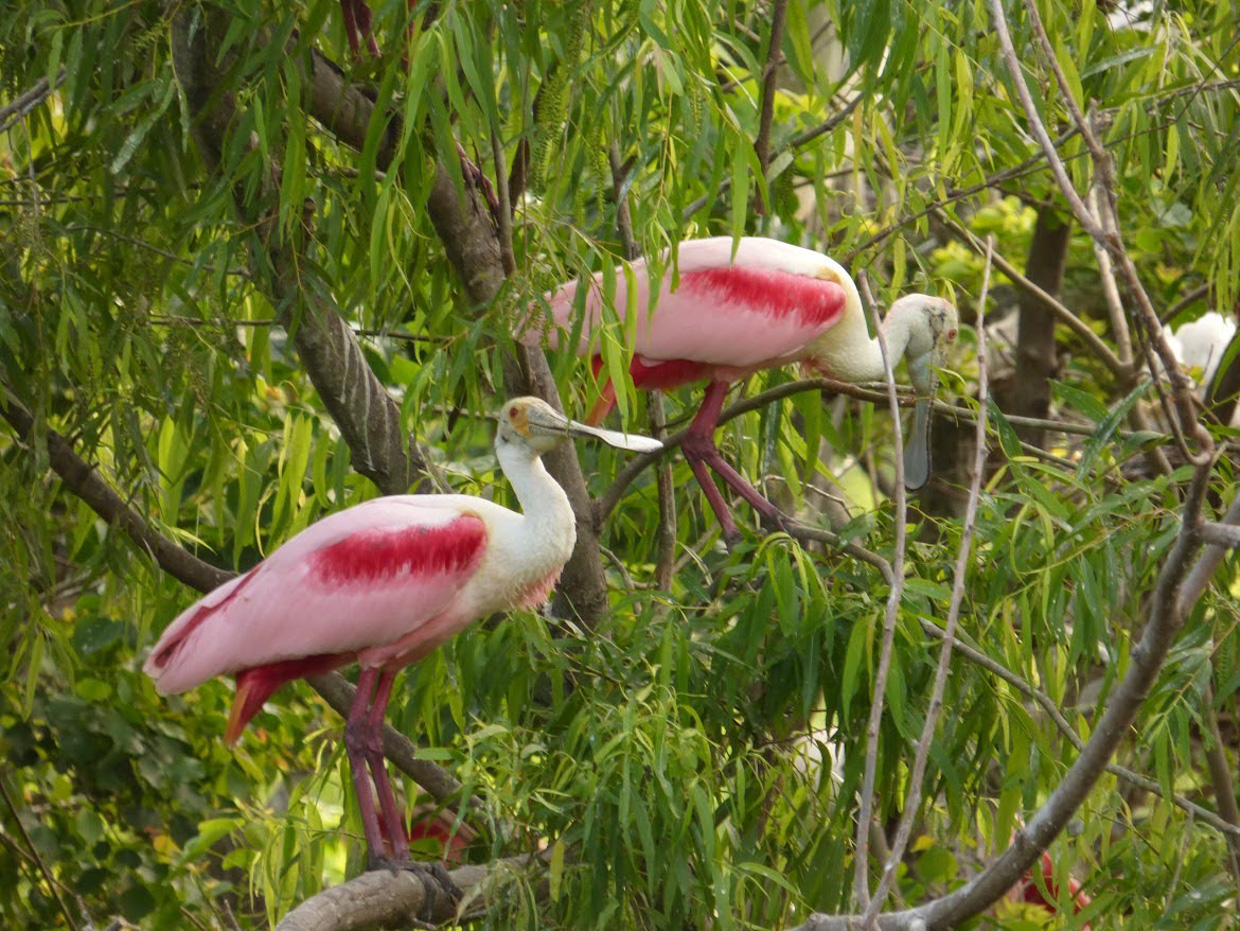
At Smith Oaks Sanctuary on High Island, the team observed a raucous waterbird rookery. The site was teeming with Roseate Spoonbills, Tricolored Herons, and Neotropic Cormorants in full breeding plumage. Data collected at the rookery showed active nesting, with Roseate Spoonbill eggs visible and Great Egret chicks already hatched. This colony serves as a primary indicator of the health of the coastal marsh ecosystem.
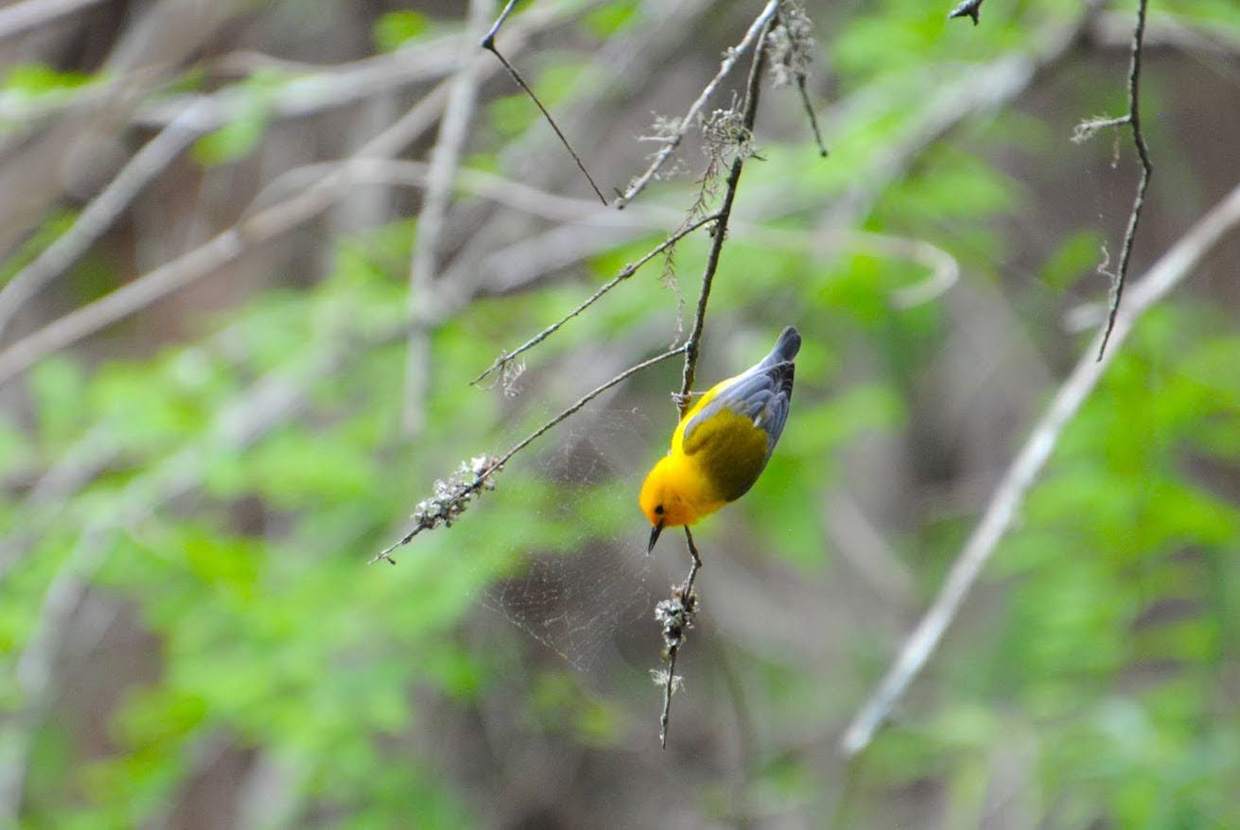
Migration conditions on the fourth day were described as "quiet," which in the context of the Upper Texas Coast still allowed for the study of Hooded, Northern Parula, and Prothonotary Warblers. However, the fifth day saw a significant increase in migratory volume at Sabine Woods Sanctuary. The team identified 14 warbler species in a single afternoon, including the Cerulean Warbler and the Worm-eating Warbler.
The Cerulean Warbler is of particular concern to conservationists; according to the North American Breeding Bird Survey, the species has declined by approximately 68% since the 1960s due to habitat loss in both its breeding grounds in the Eastern U.S. and its wintering grounds in the Andes. Observing this species at eye level in the coastal mottes is a rare event that highlights the importance of these stopover habitats.
Shorebird Dynamics and Wetland Management
The latter half of the expedition turned toward the coastal flats and flooded rice fields, which are essential for the 25 species of shorebirds recorded. At Bolivar Flats Shorebird Sanctuary, a site of international importance under the Western Hemisphere Shorebird Reserve Network (WHSRN), the team documented Piping Plovers and Snowy Plovers. Both species are subject to intensive management due to their vulnerability to coastal development and climate change.
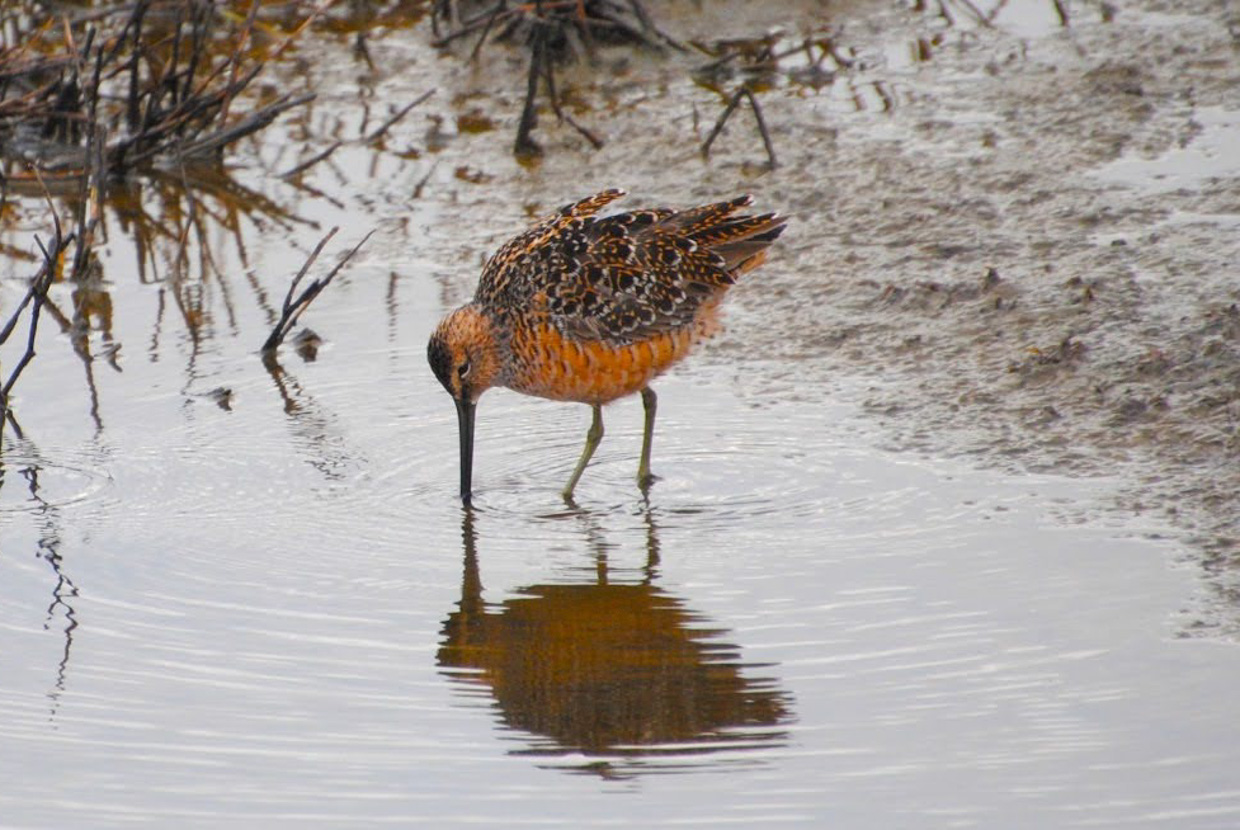
The survey also highlighted the role of agricultural lands in bird conservation. In the rice fields near Winnie and along Fairview Road, the group tallied over 800 Long-billed Dowitchers. These fields, when managed with bird-friendly flooding cycles, provide surrogate wetlands that support thousands of American Avocets, Hudsonian Godwits, and Wilson’s Phalaropes.
A notable sighting at Rollover Pass included the American Oystercatcher and the Black Skimmer, while the nearby marshes of Tuna Road produced the Nelson’s Sparrow and the Seaside Sparrow. These "saltmarsh specialists" are highly sensitive to sea-level rise, and their continued presence is a key metric for monitoring the resilience of the Texas coastline.
Final Observations: The King Rail and the Piney Woods
The expedition concluded with a survey of the freshwater marshes at Shoveler Pond within the Jocelyn Nungaray National Wildlife Refuge (formerly Anahuac NWR). Despite damp conditions, the team achieved unobstructed views of the King Rail, an elusive and increasingly rare inhabitant of southern freshwater marshes. The King Rail’s presence, along with the Least Bittern and Fulvous Whistling-Duck, confirmed the high productivity of the refuge’s managed impoundments.
The final leg of the tour took the group north of Houston to the W.G. Jones State Forest. This site offers a stark contrast to the coastal marshes, consisting of towering pines that host the Brown-headed Nuthatch and the Eastern Bluebird. The transition from the coast to the Piney Woods completed the survey’s transect of the major ecological regions of East and Central Texas.
Implications and Broader Impact
The 2026 Texas Spring Migration survey serves as a vital data point in the ongoing effort to understand avian population trends in the face of shifting climate patterns. The documentation of 229 species in a single week underscores the disproportionate role that Texas plays in the lifecycle of North American birds.
From an economic perspective, the high biodiversity recorded during this window continues to drive significant revenue for local communities. Birding in the Rio Grande Valley and the Upper Texas Coast generates hundreds of millions of dollars annually, providing a powerful incentive for the preservation of native habitats.
The successful sightings of endangered species like the Golden-cheeked Warbler and the Black-capped Vireo suggest that current land management practices in the Edwards Plateau are yielding positive results. However, the continued decline of Neotropical migrants like the Cerulean Warbler and shorebirds like the Piping Plover indicates that international cooperation and expanded habitat protection remain necessary. As the 2026 season concludes, the data gathered reinforces the status of the Texas coast and Hill Country as indispensable corridors for the survival of the Western Hemisphere’s avian populations.
