
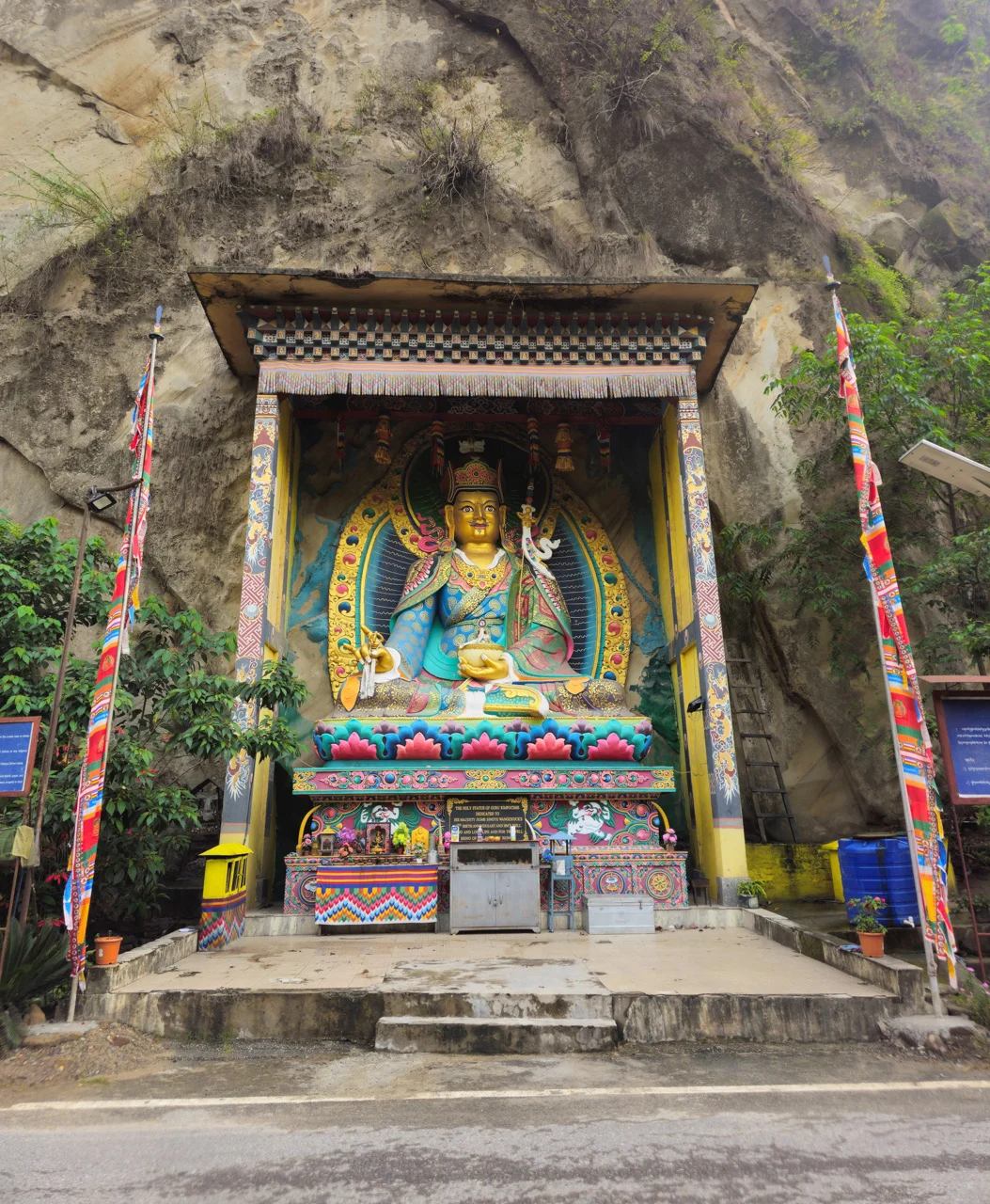
The Kingdom of Bhutan, known natively as Druk Yul or the "Land of the Thunder Dragon," remains one of the world’s most significant biodiversity hotspots, a fact reinforced by a comprehensive 18-day biological survey and ornithological expedition that concluded in Paro this spring. Traveling from the Assamese plains of northeastern India to the high-altitude passes of the western Himalayas, an international team of observers documented 351 species of birds and 19 species of mammals. This total represents a remarkable concentration of wildlife for a nation roughly the size of Belgium, underscoring the success of Bhutan’s stringent environmental policies which mandate that at least 60 percent of the country remains under forest cover for all time.
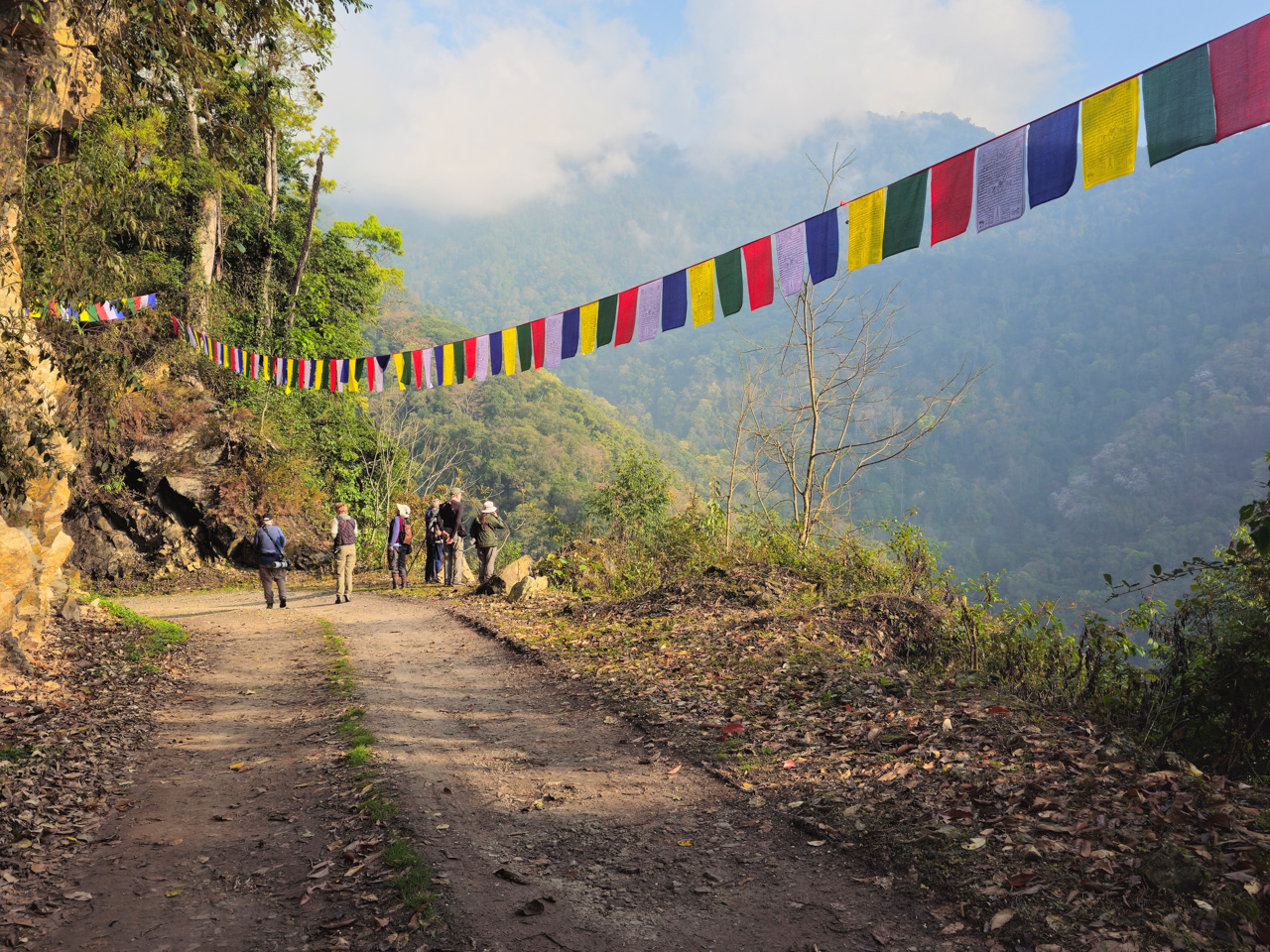
The expedition provided a critical look at the health of the Eastern Himalayan ecosystem, where approximately two-thirds of the natural habitat remains pristine and intact. By entering the country through the southeastern border at Samdrup Jongkhar and traversing the lateral road to the west, the group was able to observe wildlife across a full spectrum of altitudinal zones—ranging from subtropical lowland forests at 150 meters to alpine meadows exceeding 4,000 meters above sea level.
The Indian Corridor: A Prelude in the Assamese Plains
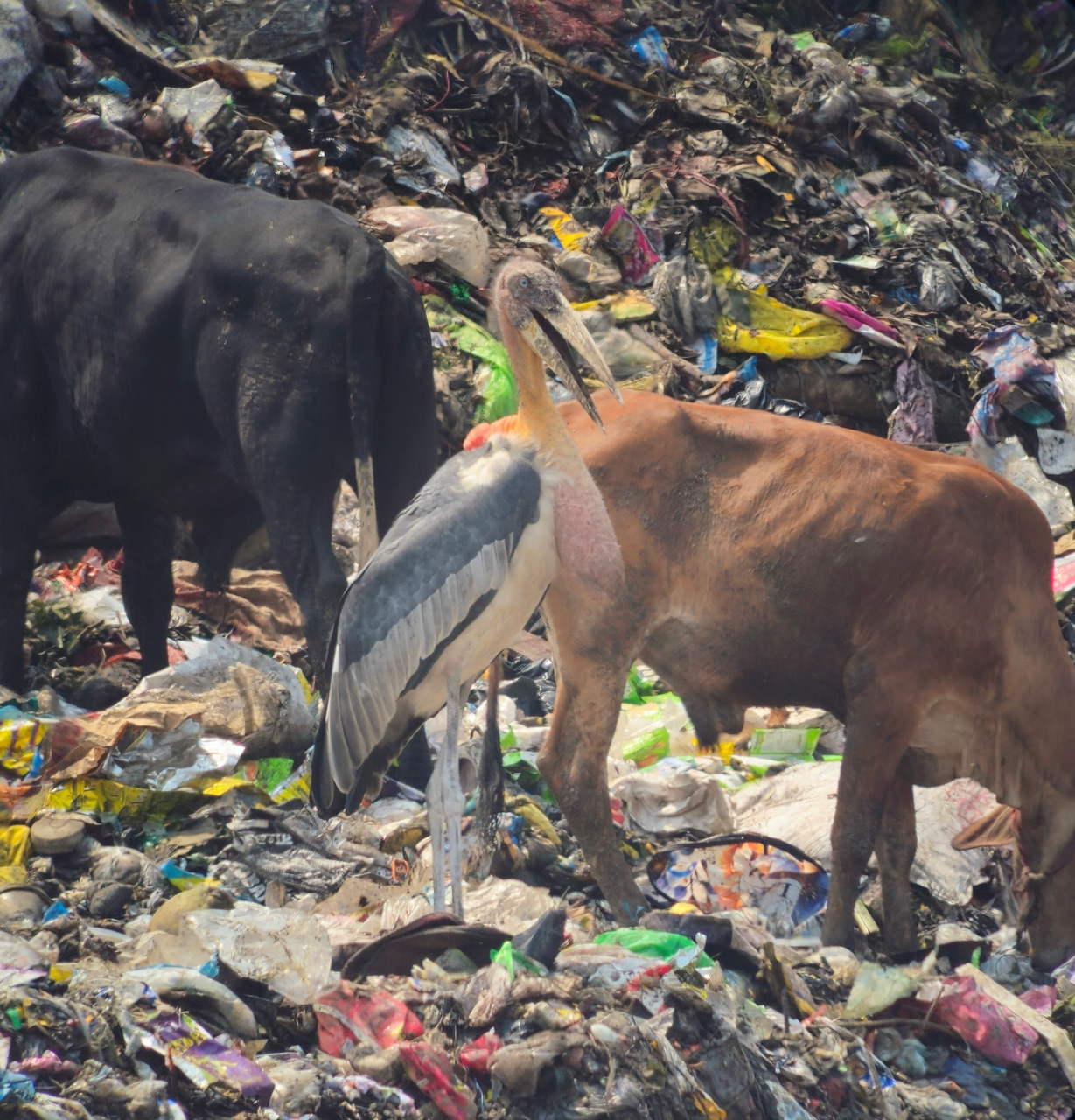
The journey began in the National Capital Territory of Delhi before shifting to the Brahmaputra Valley in Assam. This initial leg served as a vital ecological contrast to the Himalayan highlands. In Guwahati, the expedition visited local waste management sites to observe the Greater Adjutant (Leptoptilos dubius). Once common across South and Southeast Asia, this scavenger is now classified as Critically Endangered by the IUCN. The presence of significant numbers in Assam highlights the region’s role as a final stronghold for the species.
As the team transitioned toward the Bhutanese border, they documented several subcontinent endemics, including the Yellow-footed Green-pigeon and the Jungle Babbler. These observations provided a baseline for the lowland biodiversity that filters into Bhutan’s southern foothills, a region where the tropical plains meet the rising tectonic wall of the Himalayas.
Southeastern Bhutan and the Ascent to Morong
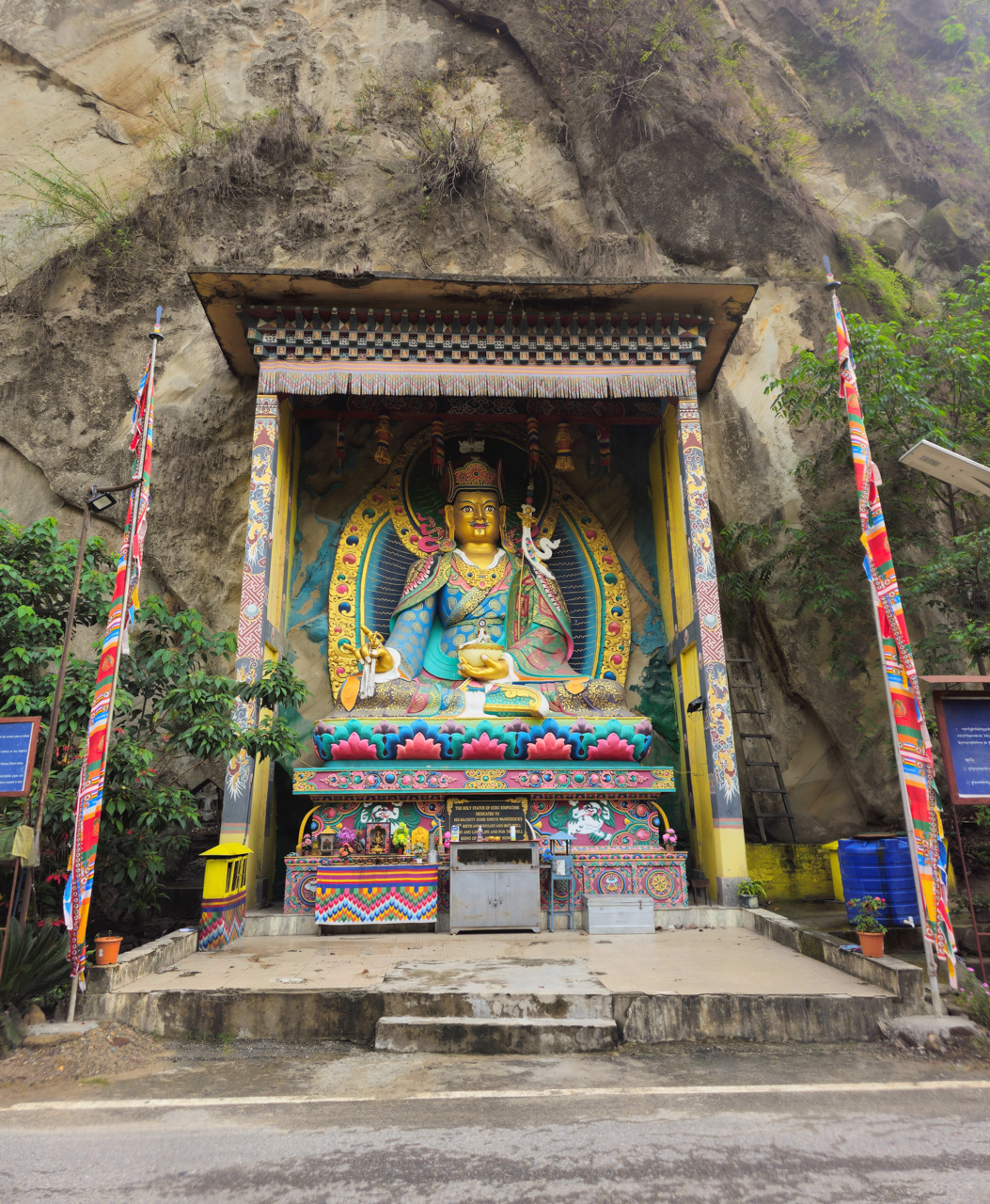
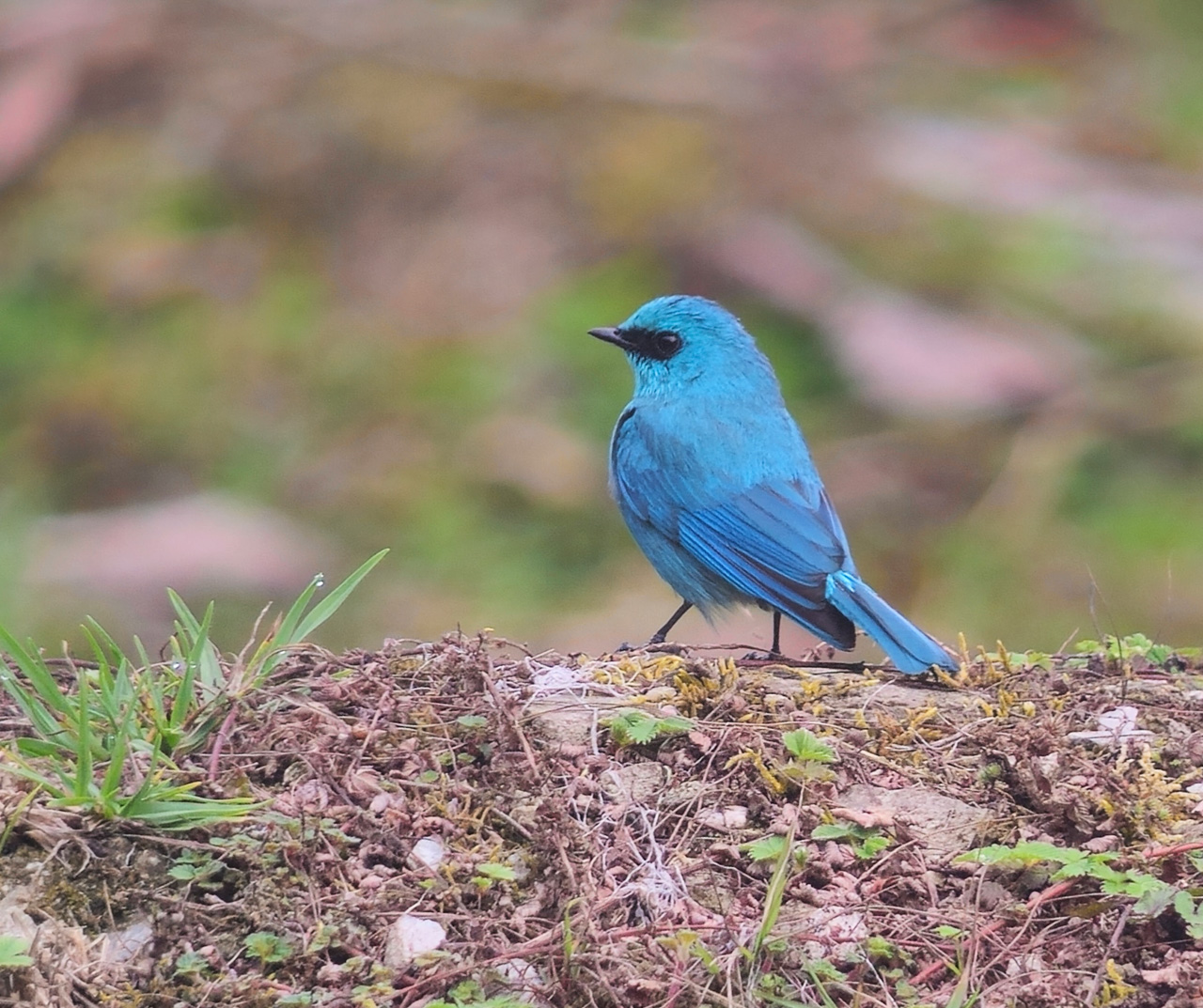
Upon crossing the border into Samdrup Jongkhar, the shift in conservation landscape became immediately apparent. The expedition quickly identified species that are rare elsewhere in Asia but find sanctuary in Bhutan’s protected forests. Notable sightings included the Blyth’s Kingfisher and the Dark-rumped Swift, both highly sought-after by ornithologists due to their restricted ranges and specific habitat requirements.
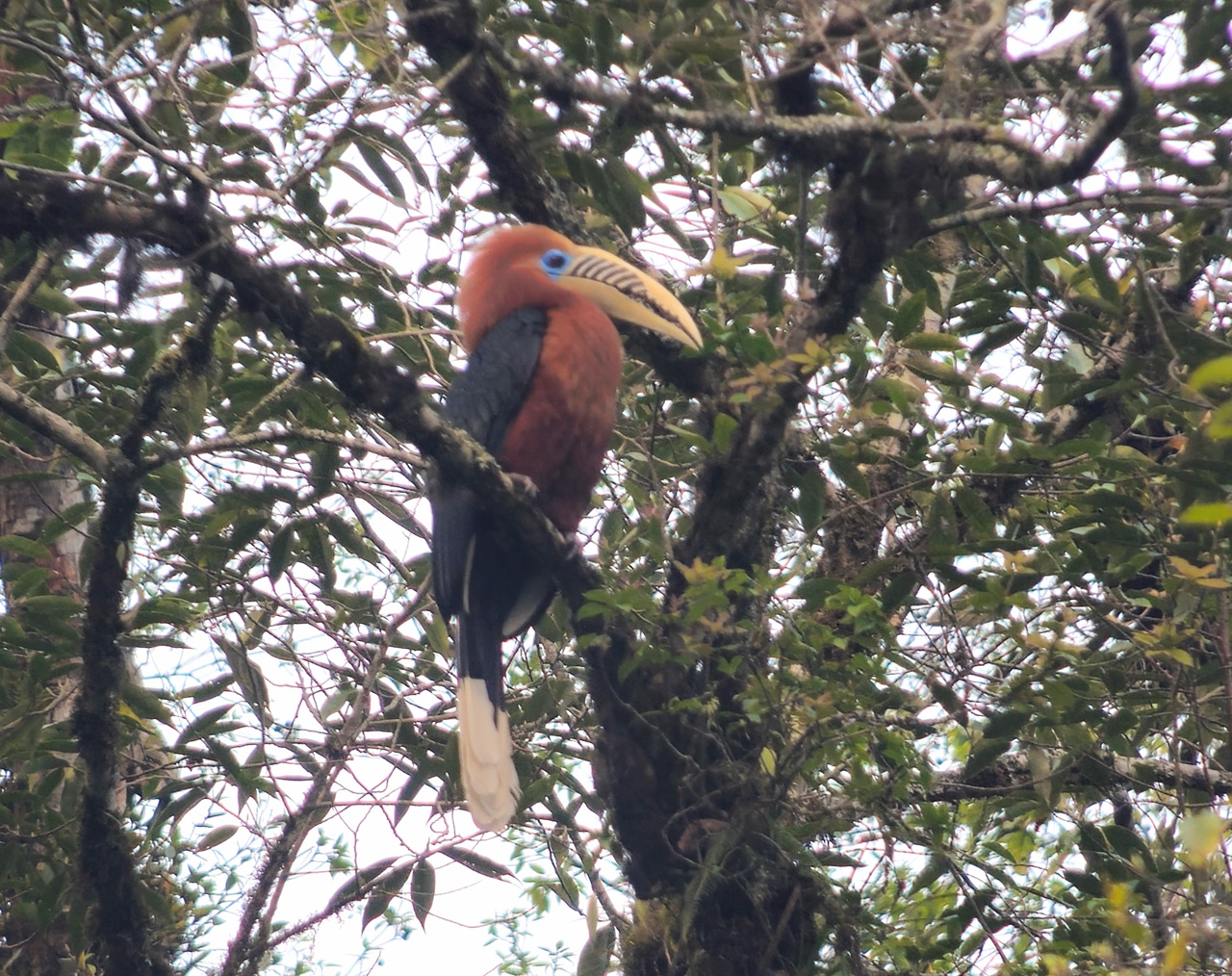
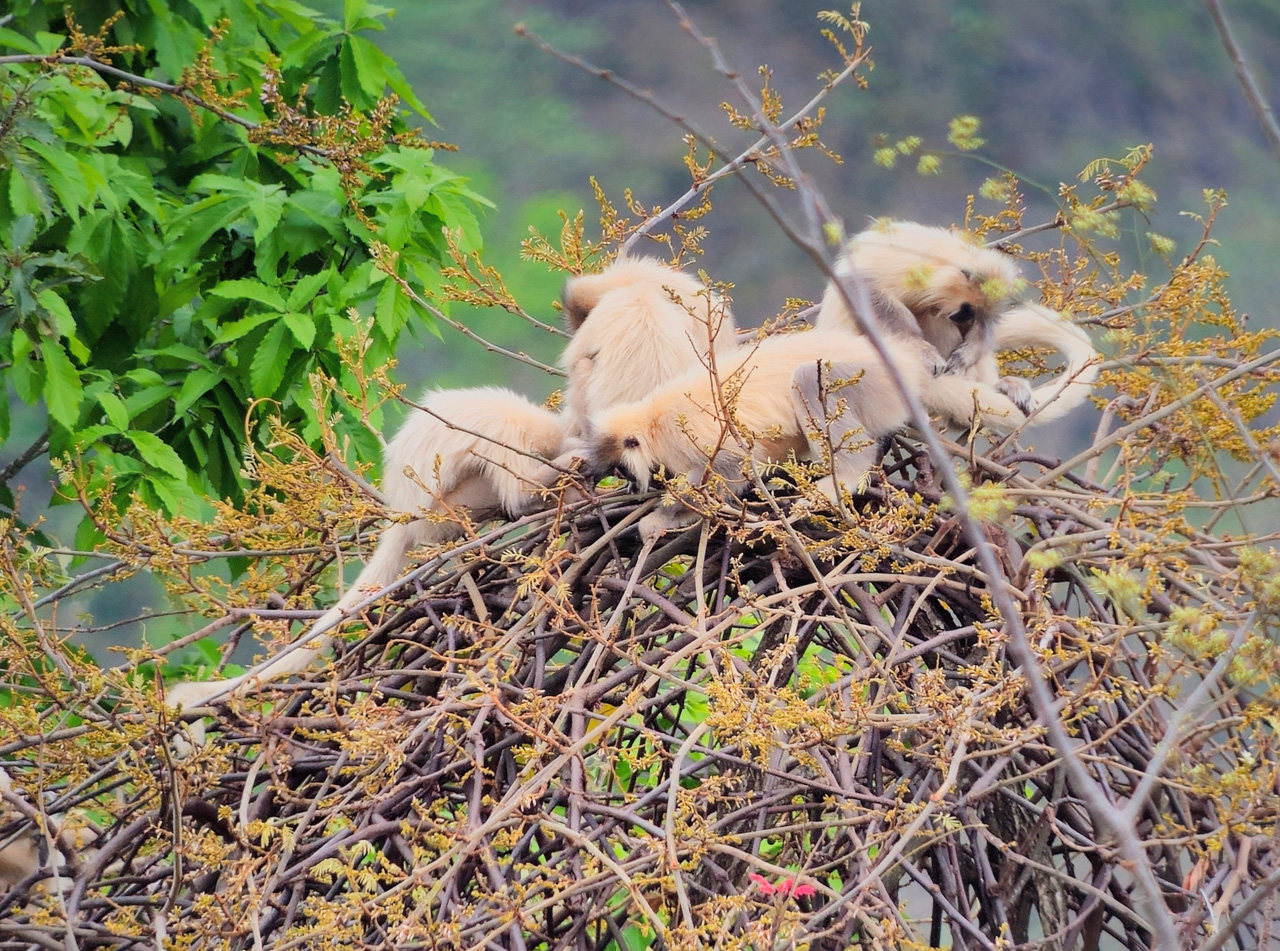
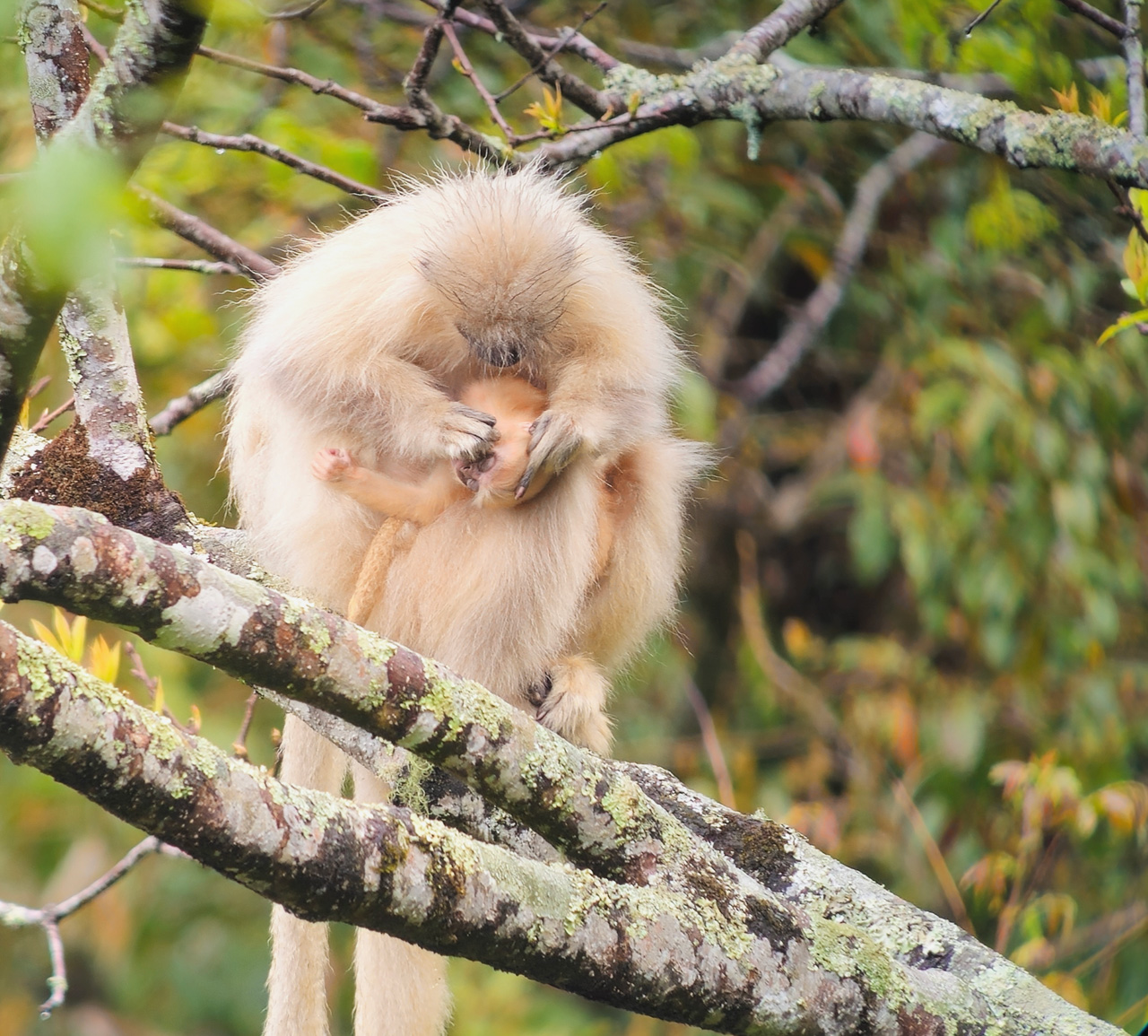
The ascent into the mid-elevation forests of Morong, situated at 1,700 meters, introduced the team to the "classic" Himalayan avian suites. Here, the Rufous-necked Hornbill (Aceros nundulatus) was a primary focus. Listed as Vulnerable, this hornbill serves as an indicator species for the health of old-growth broadleaved forests. Its presence, along with the Capped Langur and the Black Giant Squirrel, confirms the high degree of forest connectivity in the Morong corridor.
The Lingmethang Road: An Altitudinal Cross-Section of Biodiversity
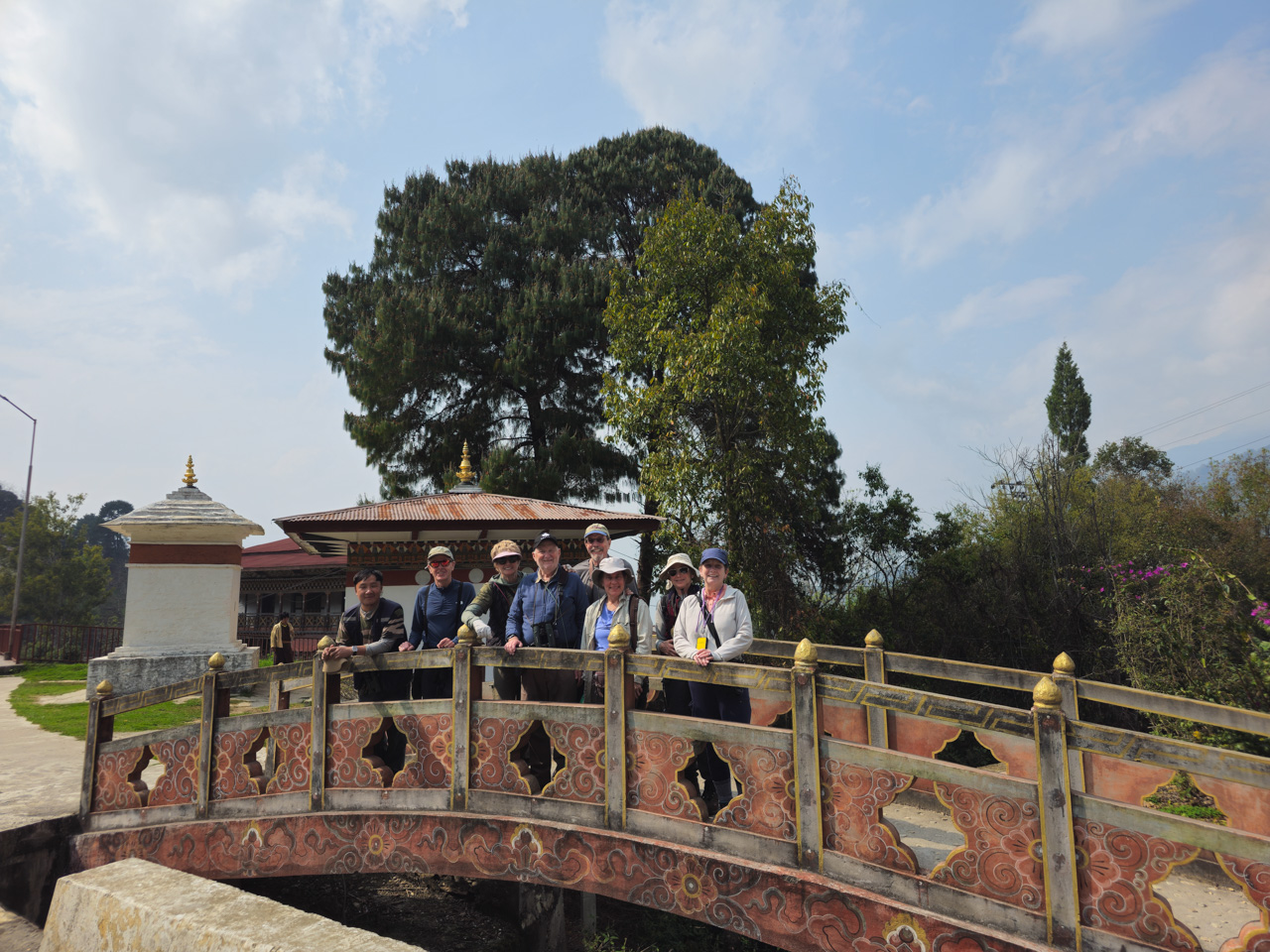
The central portion of the expedition focused on the Lingmethang Road, a 55-kilometer stretch of highway that is widely considered one of the premier birding locations in Asia. This road traverses the Phrumsengla National Park, cutting through unbroken forests that span elevations from 600 to over 3,000 meters.
Despite unseasonably cold weather and late-season snow, the team recorded a high density of specialized species. The "Beautiful Nuthatch" (Sitta formosa), an elusive and strikingly patterned bird of the mossy oak and rhododendron forests, was observed in multiple locations. The survey also confirmed the presence of the Ward’s Trogon, a species whose pinkish-red plumage and unique vocalizations make it a flagship for Eastern Himalayan conservation.
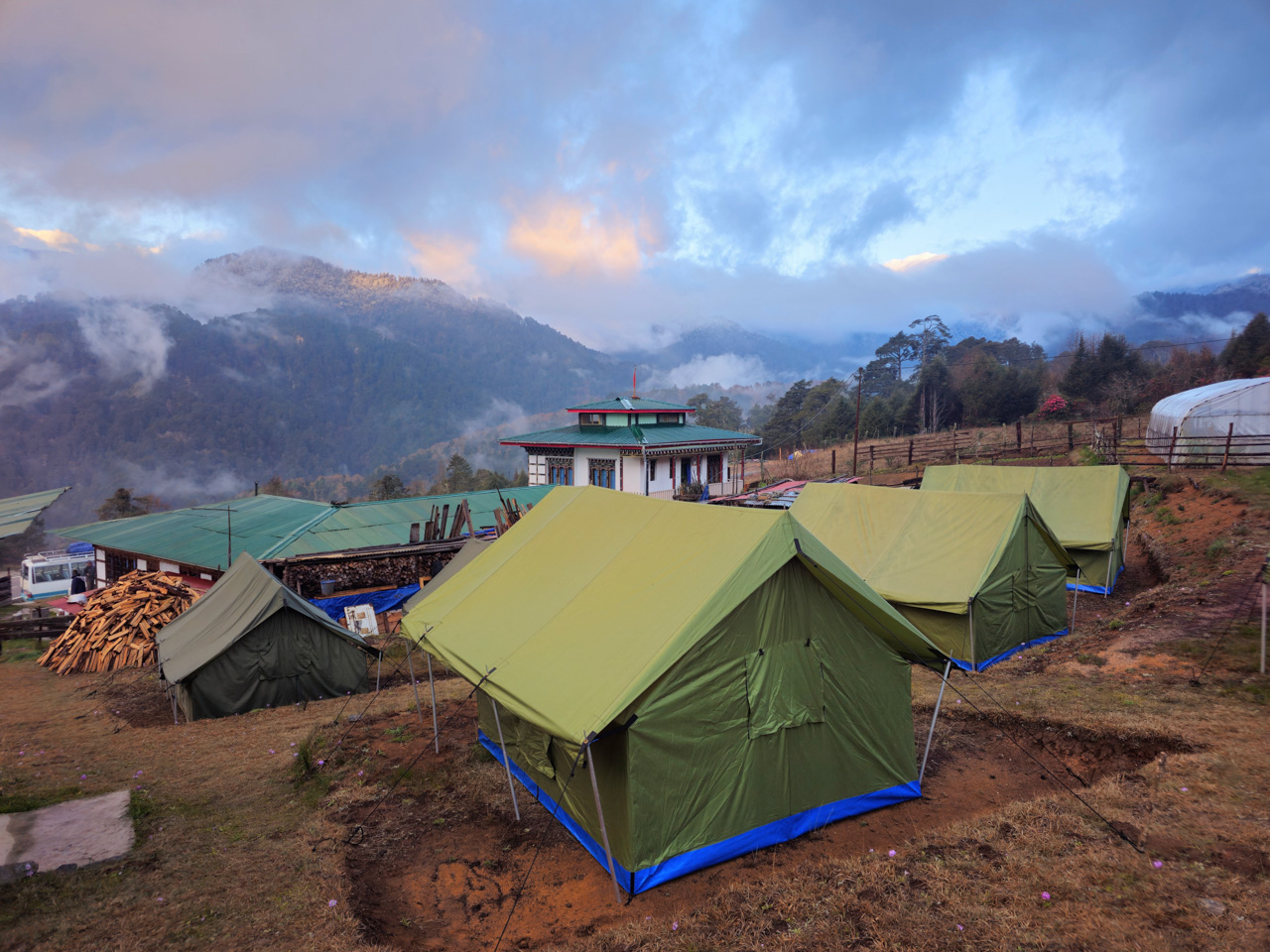
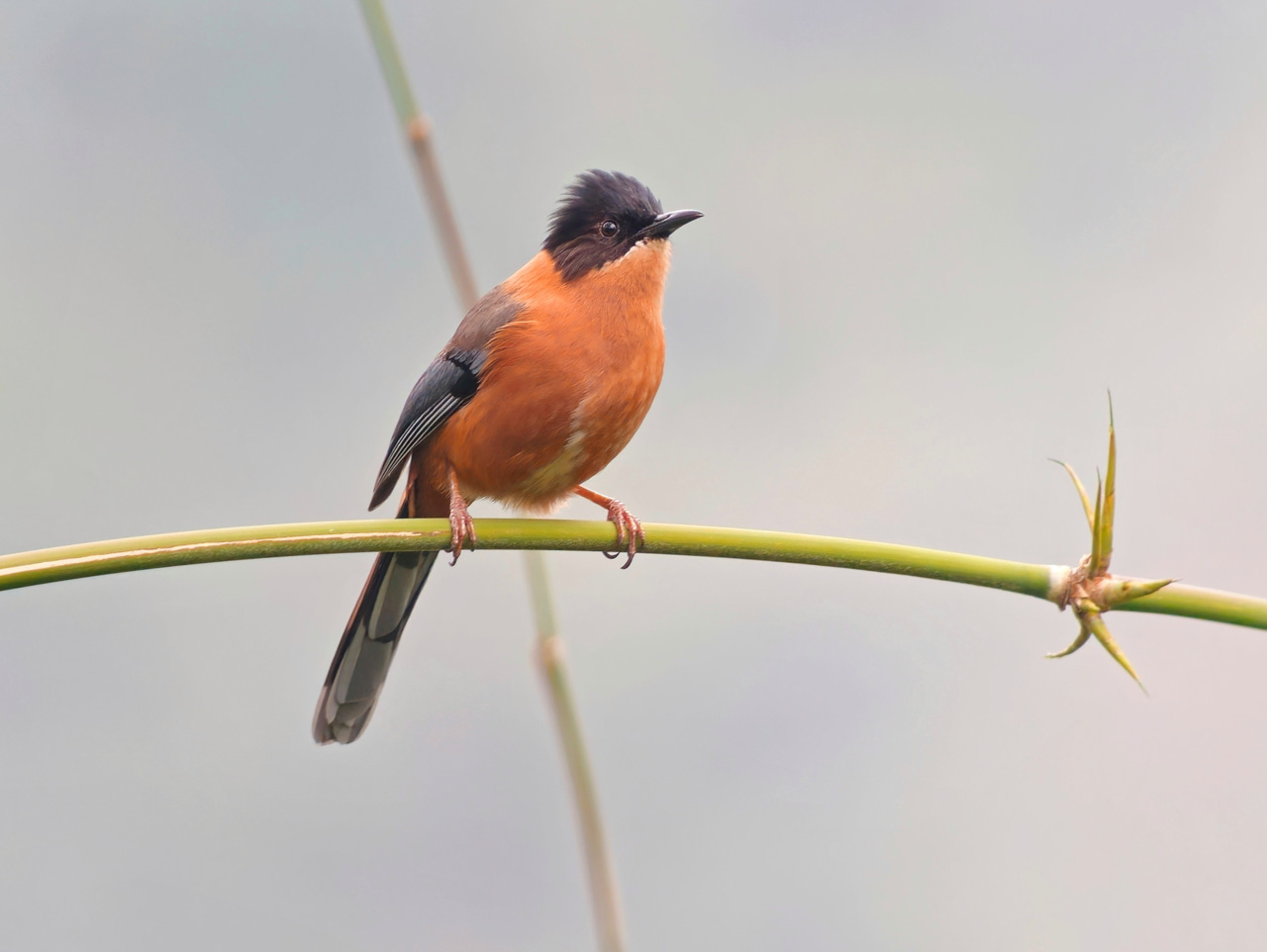
In the dense bamboo understory of the park, the team documented several "skulker" species, including the Black-crowned Scimitar-babbler and the Scaly Laughingthrush. These findings are significant for citizen science databases, as they provide updated locality data for species that are difficult to monitor due to their shy nature and the rugged terrain they inhabit.
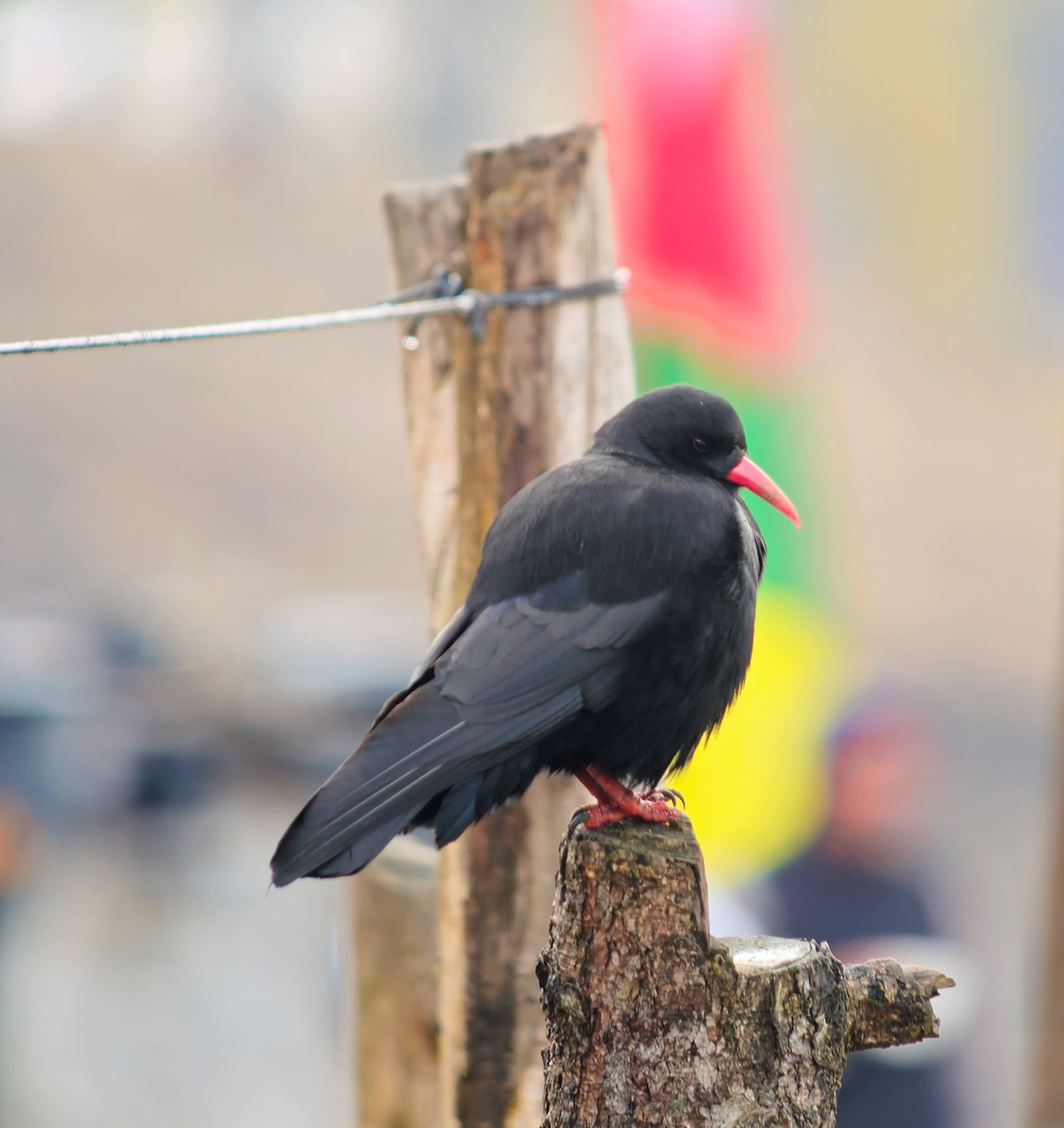
High-Altitude Challenges and the Thrumshing La Pass
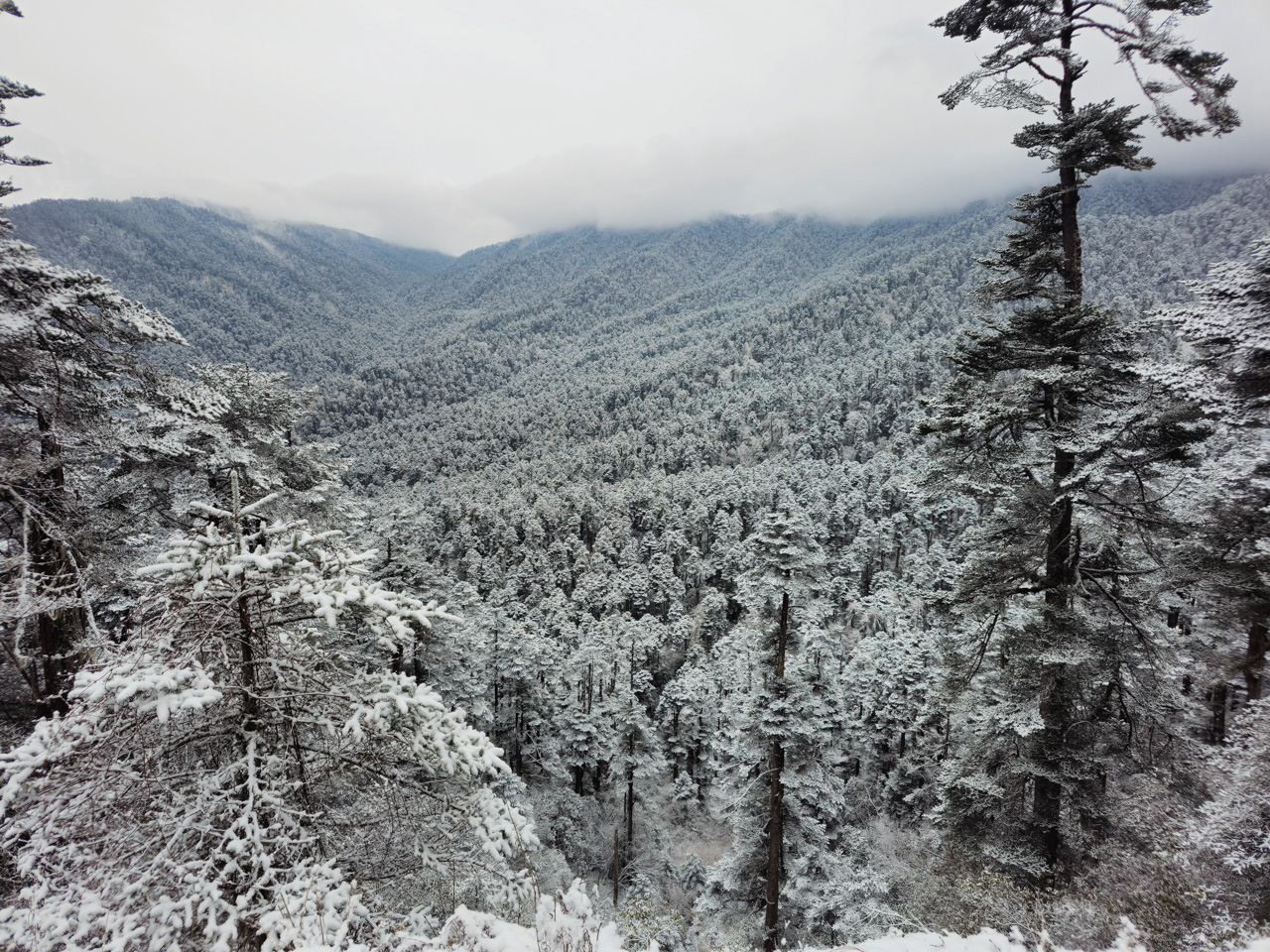
The crossing of the Thrumshing La pass (3,780 meters) presented the most significant logistical challenges of the journey. A late-season blizzard dusted the hemlock and fir forests with snow, forcing the team to navigate treacherous road conditions. However, the weather event also pushed high-altitude species down to the roadside, allowing for rare observations of Blood Pheasants against a stark white backdrop.
While the search for the elusive Red Panda resulted only in the discovery of fresh tracks, the avian sightings remained prolific. The Satyr Tragopan, a large and brilliantly colored pheasant, was recorded near the Ura Valley. The presence of these birds, which are sensitive to human disturbance, suggests that Bhutan’s central highlands continue to offer a secure refuge from the pressures of poaching and habitat fragmentation seen in other parts of the Himalayas.
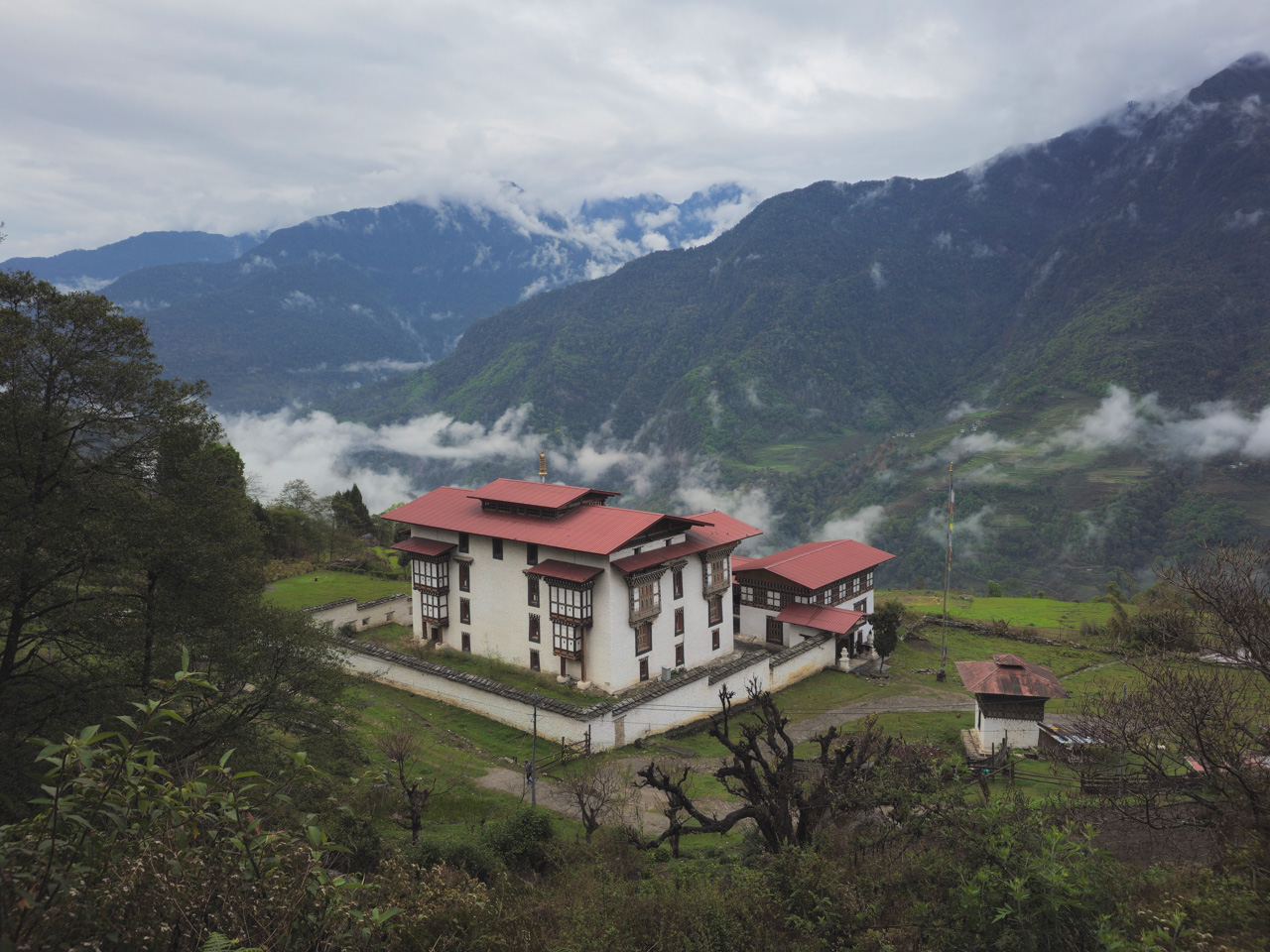
The Mangde Chhu and the Critically Endangered White-bellied Heron
One of the most scientifically significant moments of the expedition occurred in the Tingtibi region within Royal Manas National Park. Along the Mangde Chhu river, the team successfully located a White-bellied Heron (Ardea insignis). With a global population estimated at fewer than 60 individuals, the White-bellied Heron is one of the rarest birds on Earth.
Bhutan is the only country with a dedicated conservation program for this species, and the sighting in a pristine river valley reinforces the importance of maintaining undammed, free-flowing rivers. The heron’s survival is intricately linked to the availability of undisturbed nesting sites and clean water for foraging, making it a "sentinel species" for the health of the entire Himalayan watershed.
Central Bhutan: Migration Flyways and the Black-necked Crane
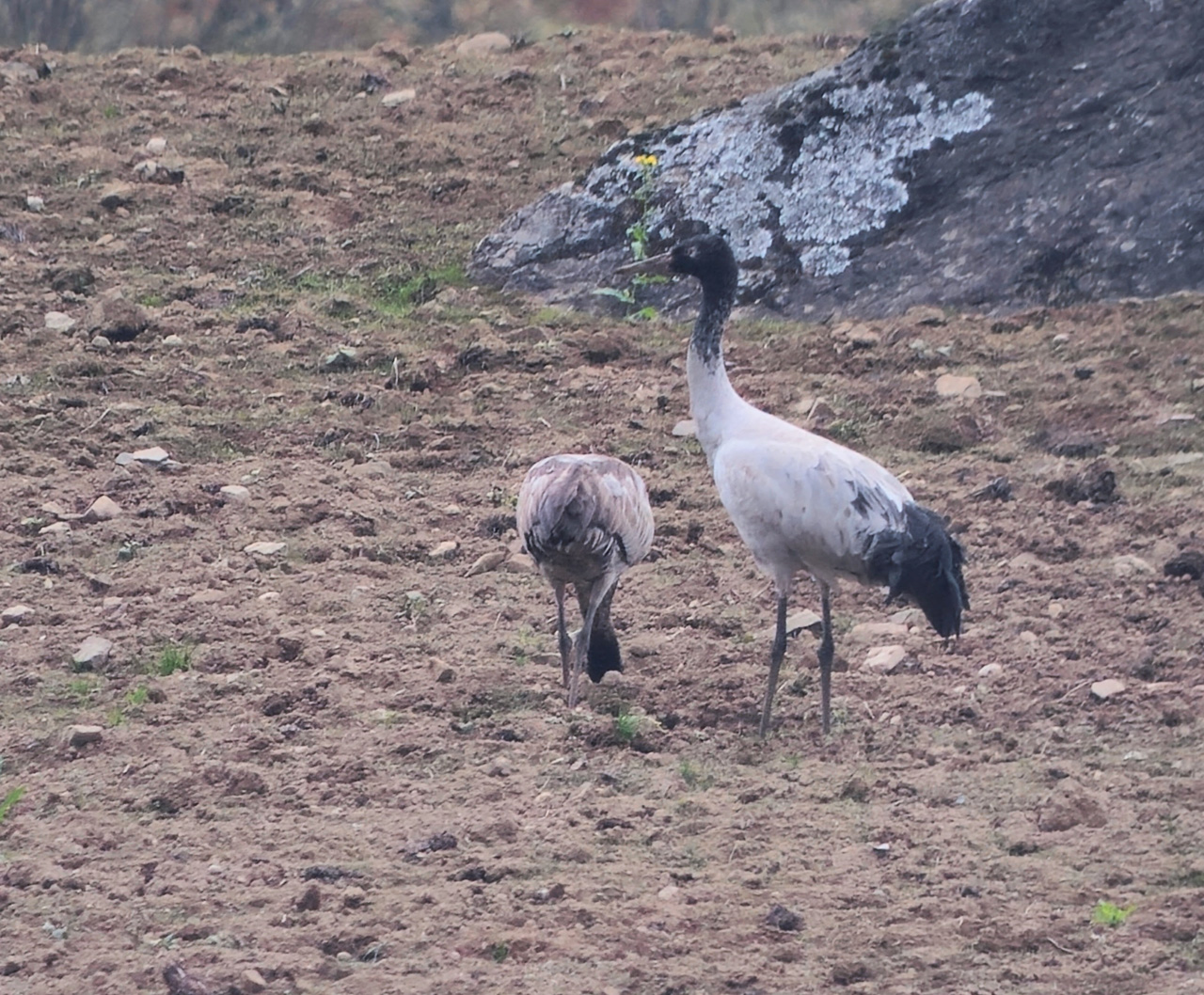
As the expedition moved toward the Phobjikha Valley, the focus shifted to the wetlands and agricultural mosaics of central Bhutan. The Phobjikha Valley is famous as the wintering ground for the Black-necked Crane (Grus nigricollis), a bird revered in local culture and protected by law. Although most cranes had already departed for their breeding grounds on the Tibetan Plateau, the team observed a lingering adult and a juvenile, a rare late-season record that may be linked to the recent cold front.
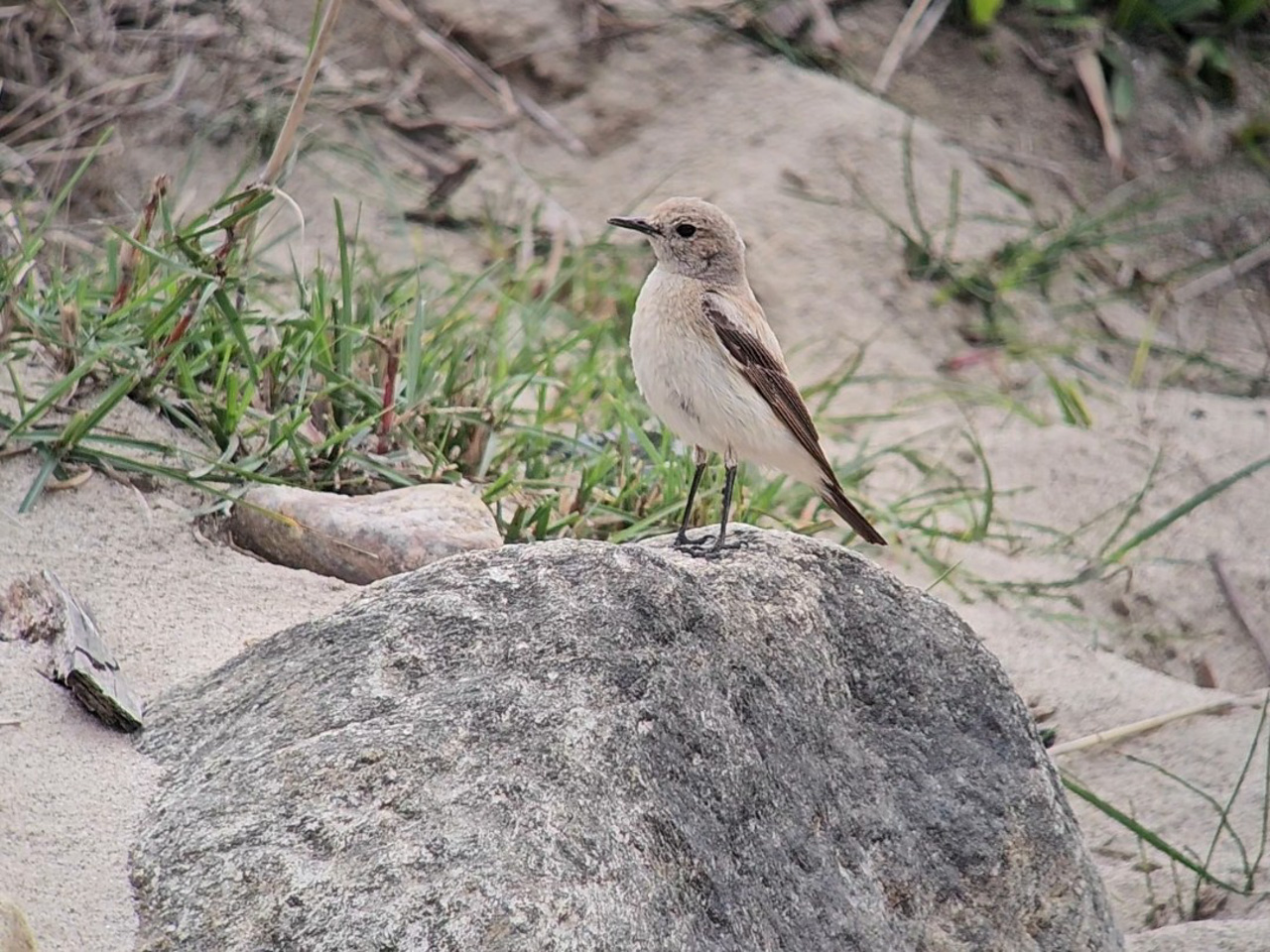
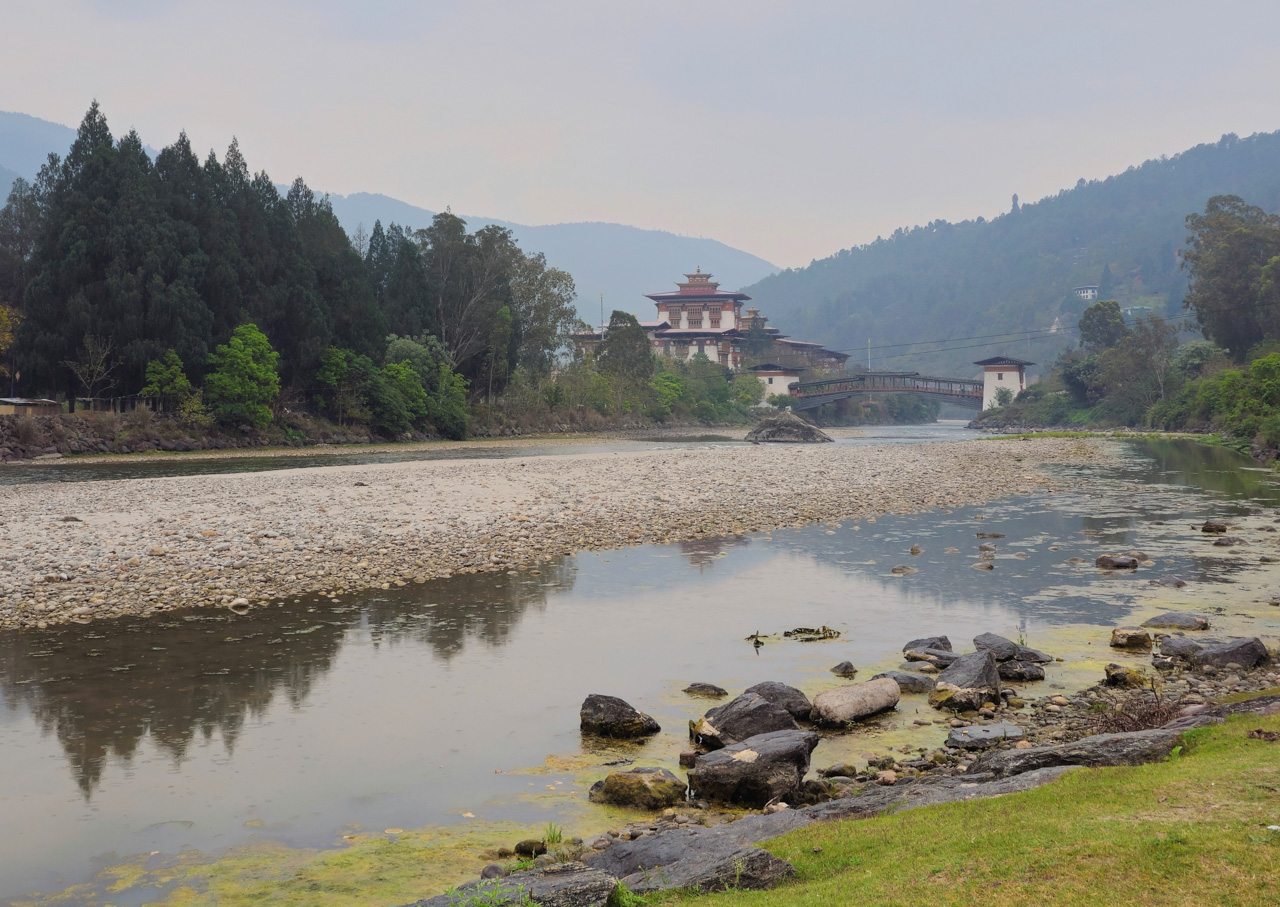
In the Punakha region, the Puna Tsang Chhu river served as a backdrop for observing passage migrants. The team recorded a Desert Wheatear, which represents only the fourth confirmed record for Bhutan. Other rare sightings included the Pallas’s Gull and the Falcated Duck, suggesting that the river valleys of Bhutan serve as vital rest stops for birds migrating between the Indian subcontinent and Central Asia.
Western Bhutan: The High Passes of Chele La and the Tiger’s Nest
The final leg of the journey took place in the Paro and Thimphu valleys. At Chele La, the highest motorable pass in Bhutan at nearly 4,000 meters, the team documented a remarkable four species of pheasants in a single morning: the Himalayan Monal, Satyr Tragopan, Blood Pheasant, and Kalij Pheasant. The Himalayan Monal, with its iridescent plumage, is often cited as one of the most beautiful birds in the world and serves as a major draw for ecotourism in the region.

The expedition concluded with a cultural and biological survey of the Paro Taktsang (Tiger’s Nest) Monastery. Built into a sheer cliff face at 3,120 meters, the site is surrounded by well-preserved forest that supports species like the Mrs. Gould’s Sunbird and the Yellow-billed Blue Magpie. On the cliffs themselves, the team observed nesting Blyth’s Swifts and Peregrine Falcons, demonstrating that even Bhutan’s most visited cultural landmarks continue to function as viable wildlife habitats.
Conclusion: Implications for Conservation and Ecotourism
The documentation of 351 bird species and 19 mammal species over 18 days serves as a powerful testament to Bhutan’s "High Value, Low Volume" tourism model. By restricting mass tourism and emphasizing environmental stewardship, Bhutan has managed to preserve a level of biodiversity that has been lost in much of the surrounding region.
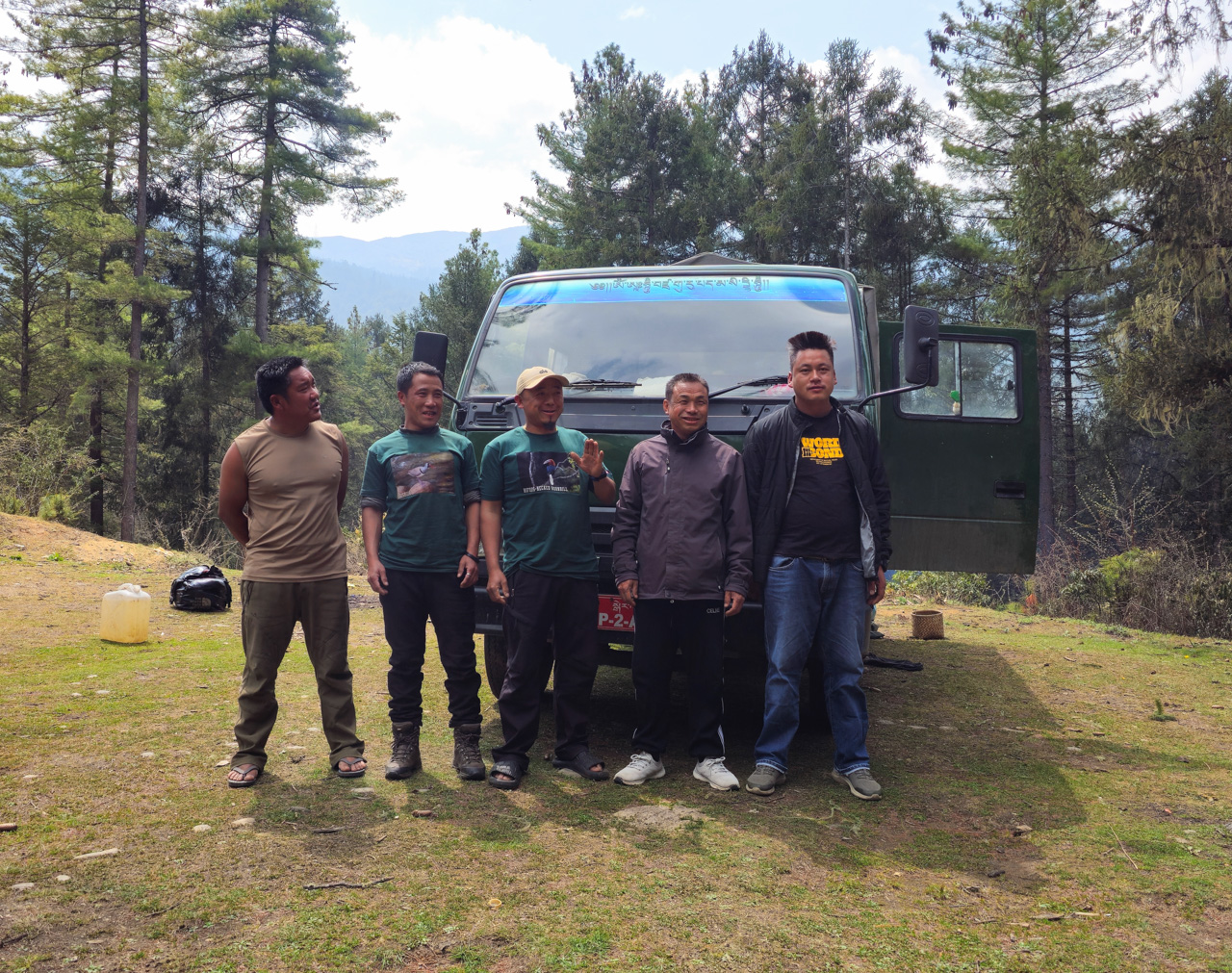
The data gathered during this expedition contributes to a broader understanding of species distribution in the Eastern Himalayas, particularly regarding the impacts of climate change on altitudinal migration. The success of the journey was also attributed to the expertise of local guides like Tshering and the logistical support of specialized camp crews, whose knowledge of the terrain is essential for both research and sustainable tourism.
As the global community faces an accelerating biodiversity crisis, Bhutan’s example offers a blueprint for how a nation can balance economic development with the preservation of its natural heritage. The continued presence of "specialists" like the Beautiful Nuthatch and "generalists" like the Black Eagle suggests that as long as the forests of the Thunder Dragon remain standing, the Himalayas will continue to host one of the most spectacular displays of life on the planet.
